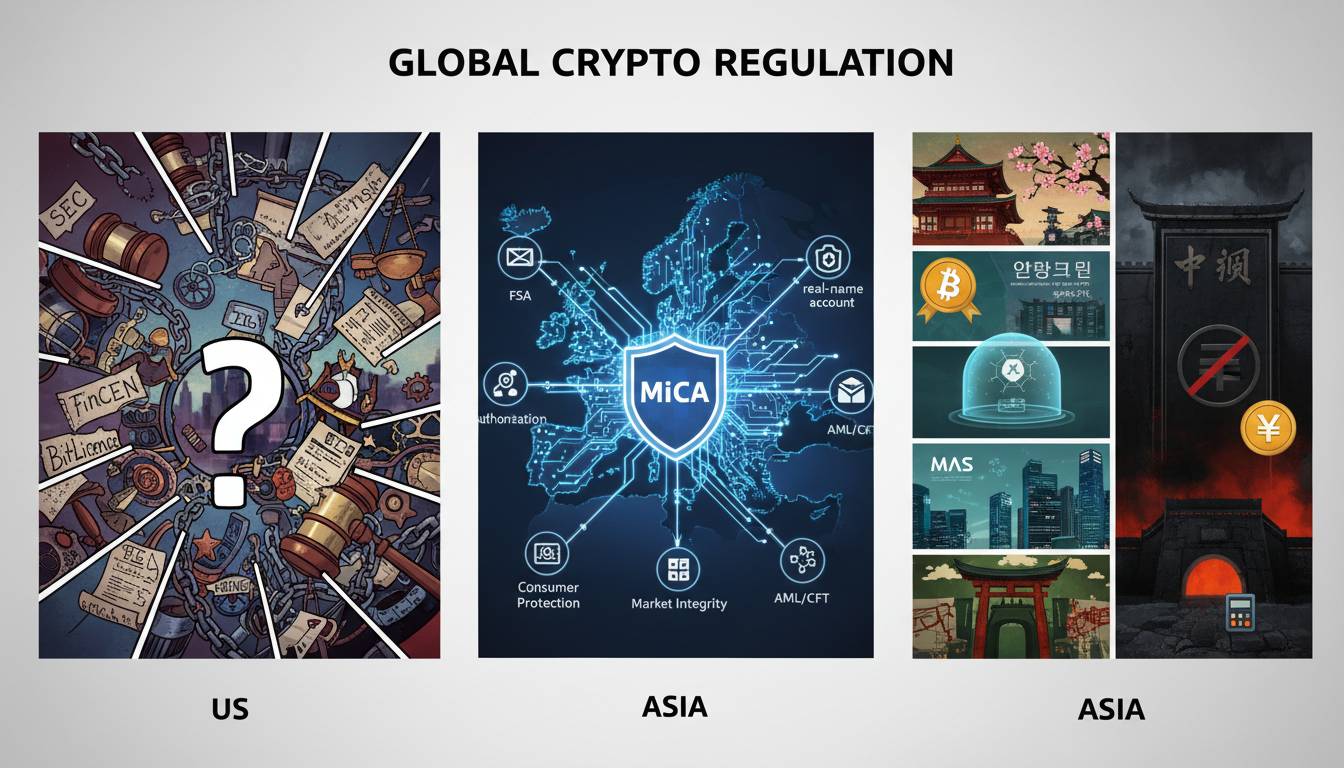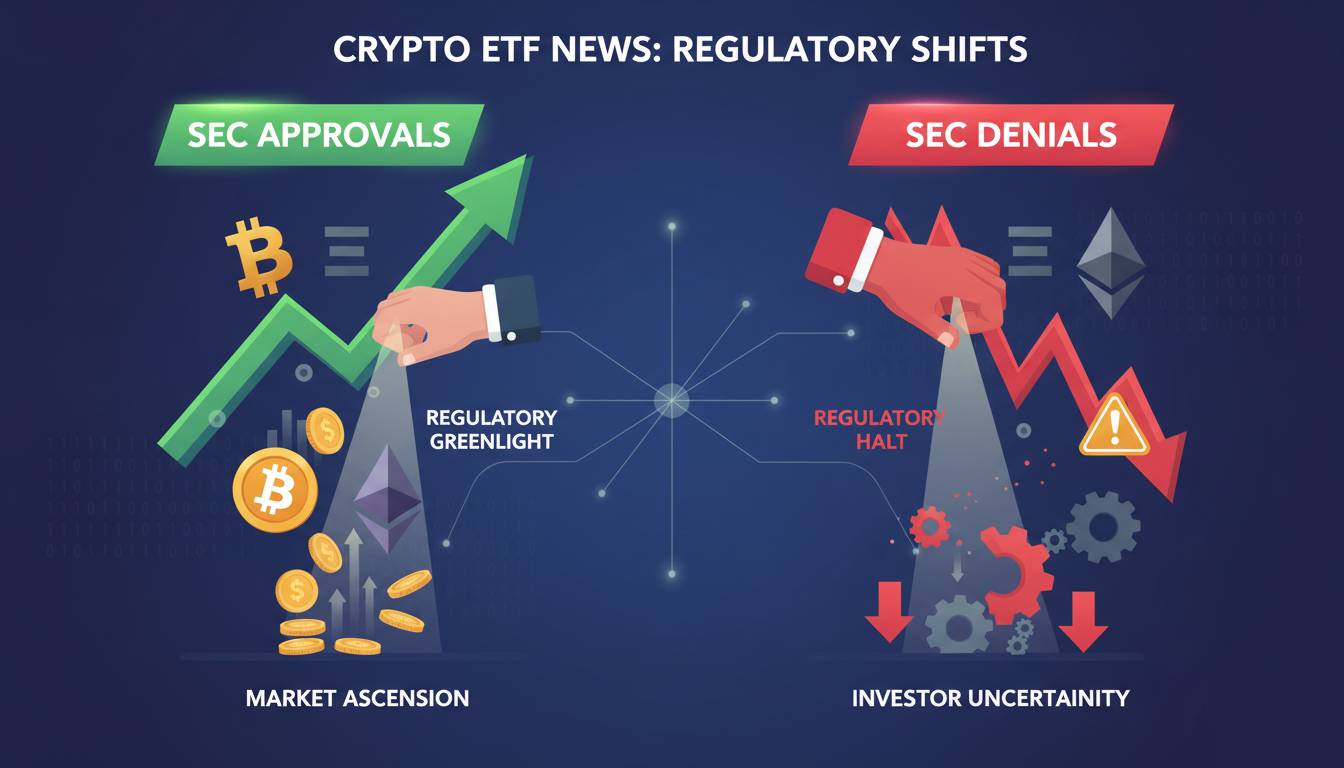

The EU’s Markets in Crypto‑Assets Regulation (MiCA) has swiftly transformed its digital asset space by requiring all crypto‑asset service providers (CASPs) to be authorized and compliant by July 1, 2026. This enforcement wave has triggered major market shifts—from mass delistings and compliance costs to institutional adoption and stablecoin innovation.
Full Enforcement of MiCA & Market Fallout
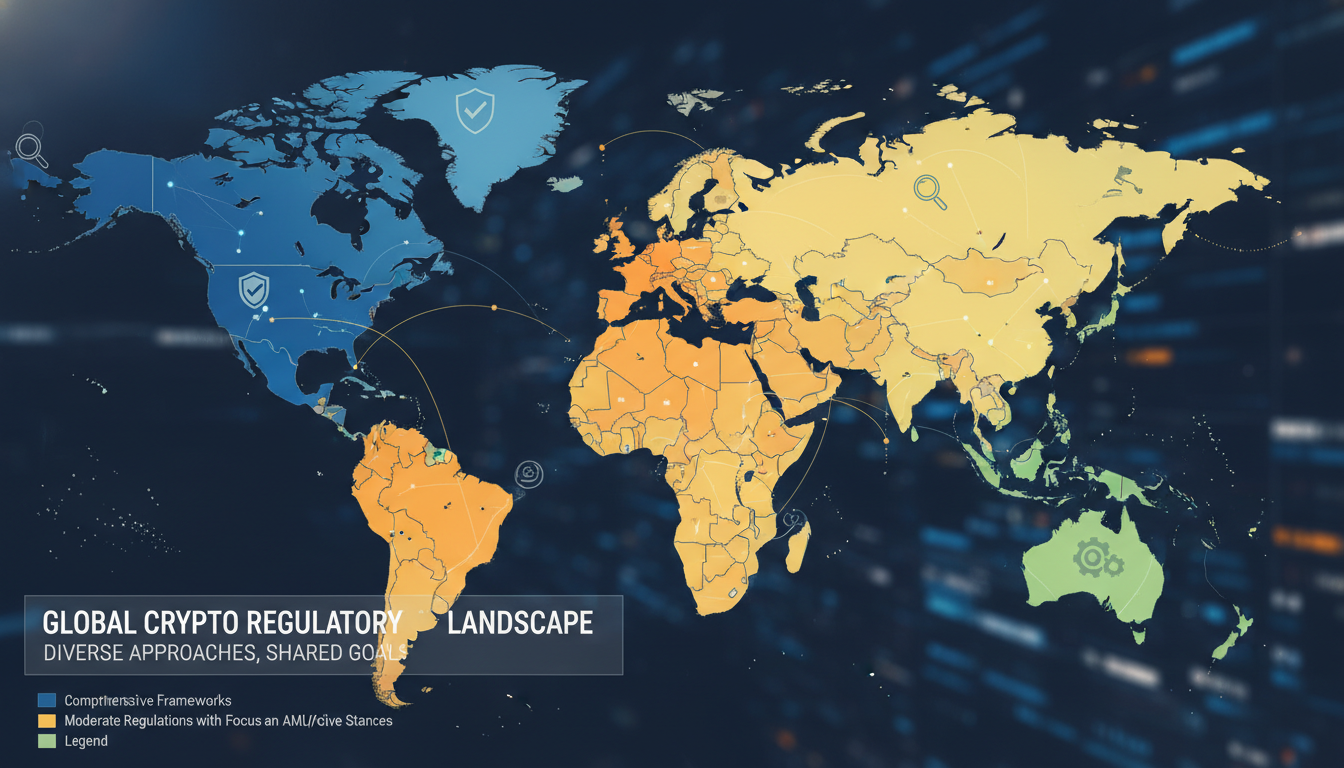
MiCA, fully applicable since late 2024, requires CASPs across all 27 EU member states to obtain authorization—or halt operations by mid‑2026. As of early 2026, 102 providers are authorized; others face exit or shutdown.
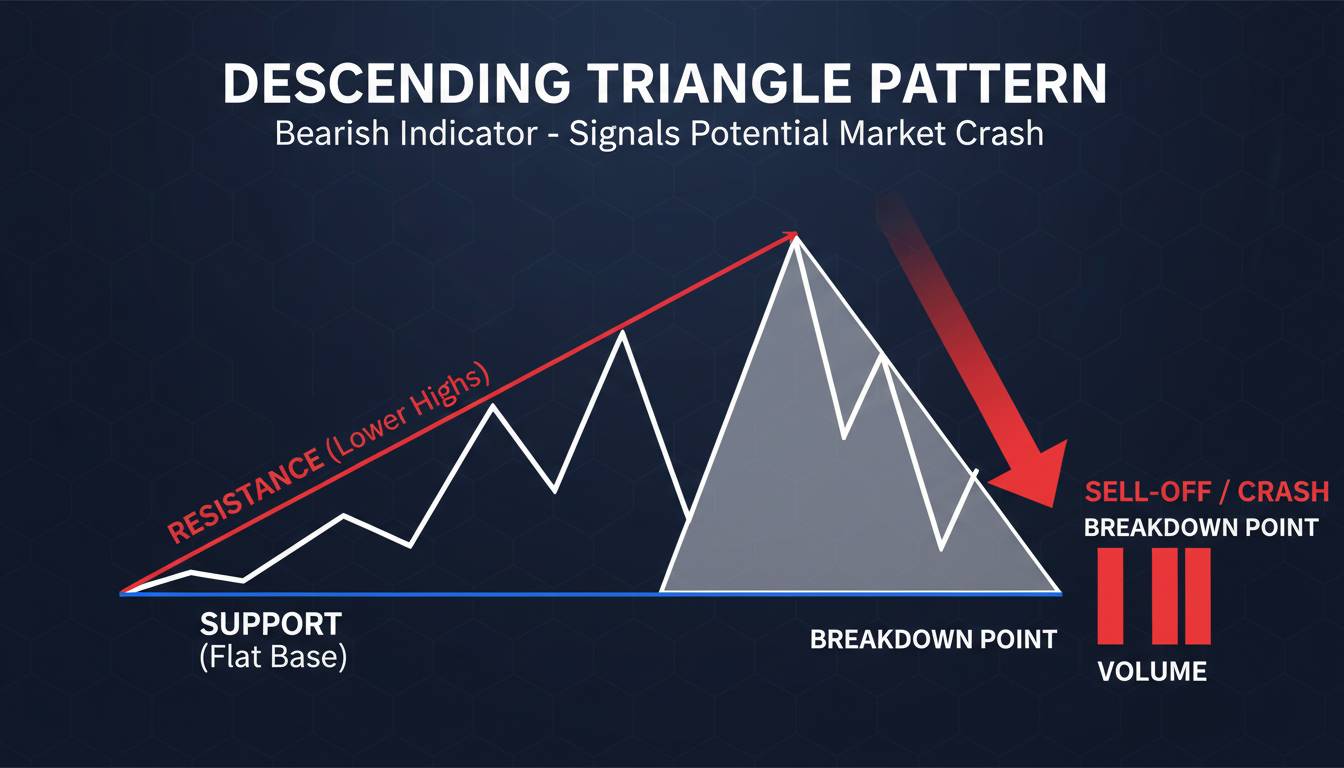
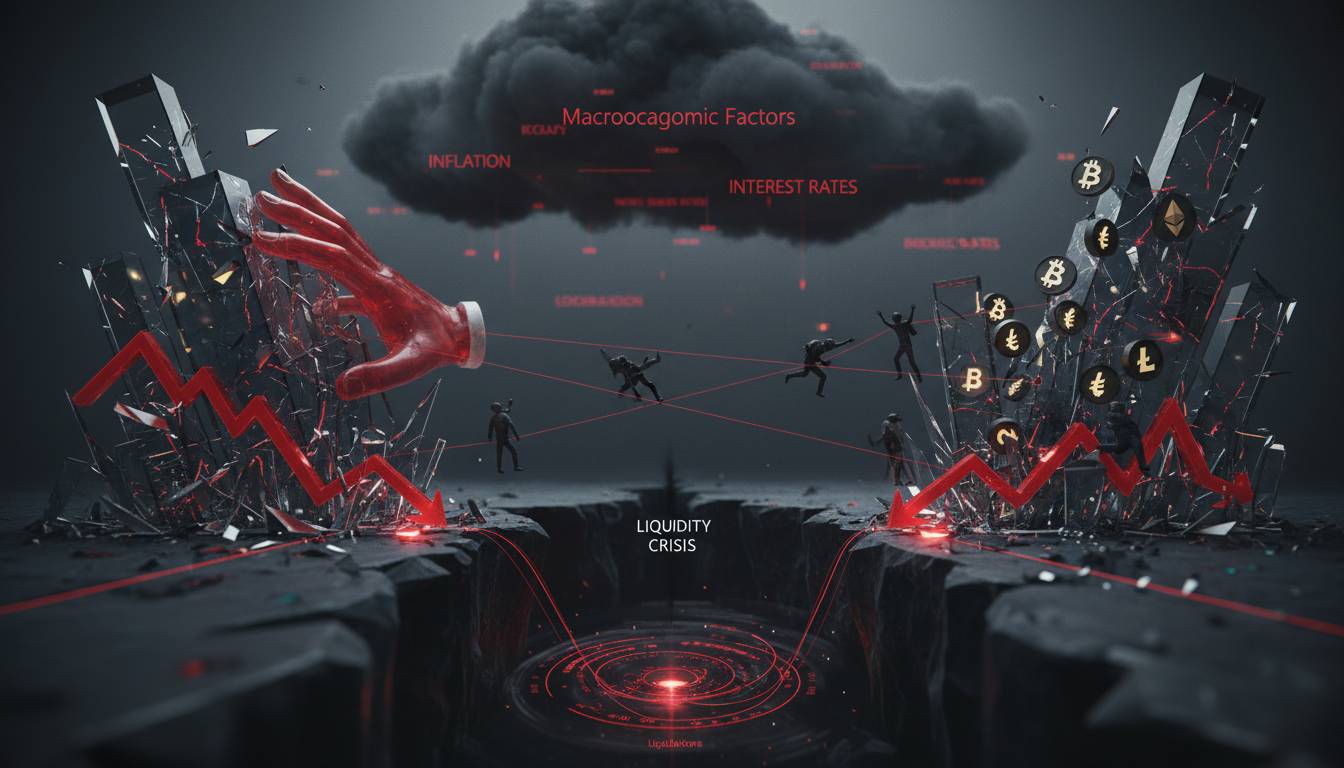
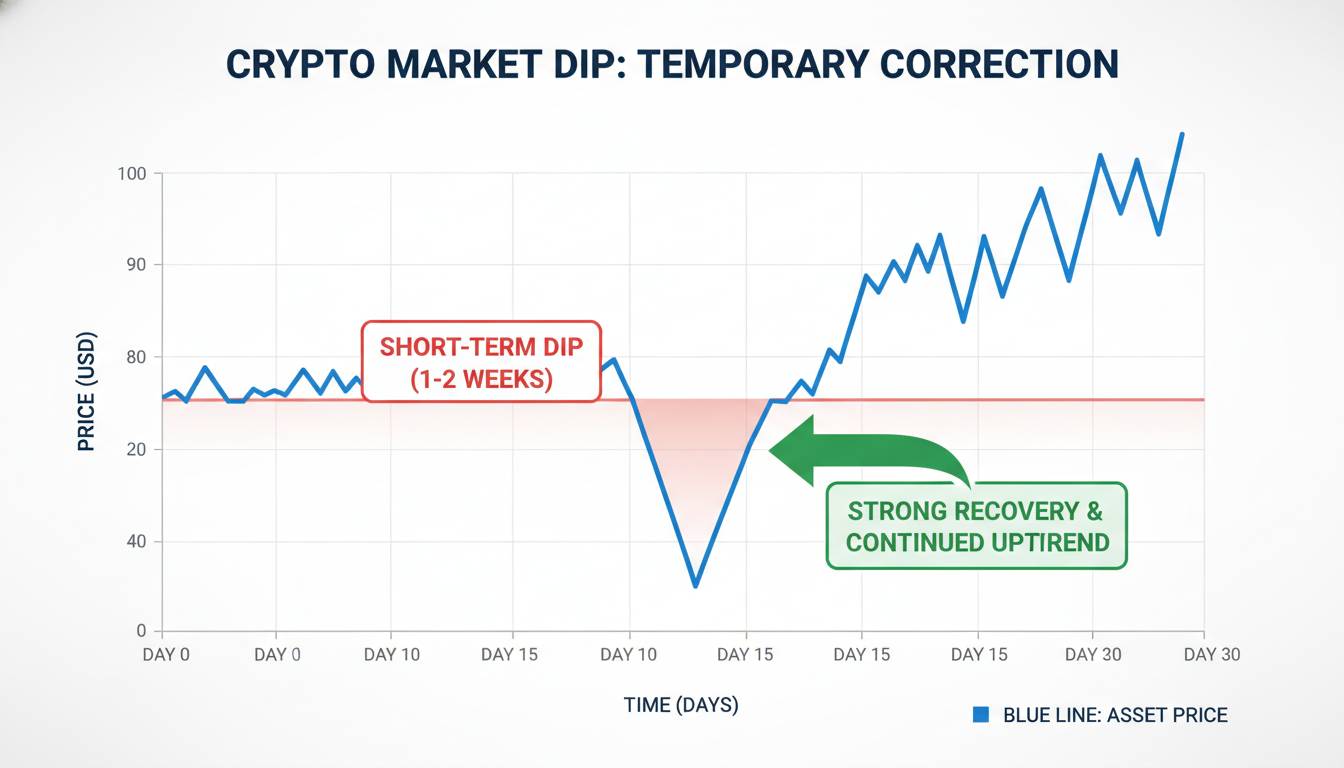
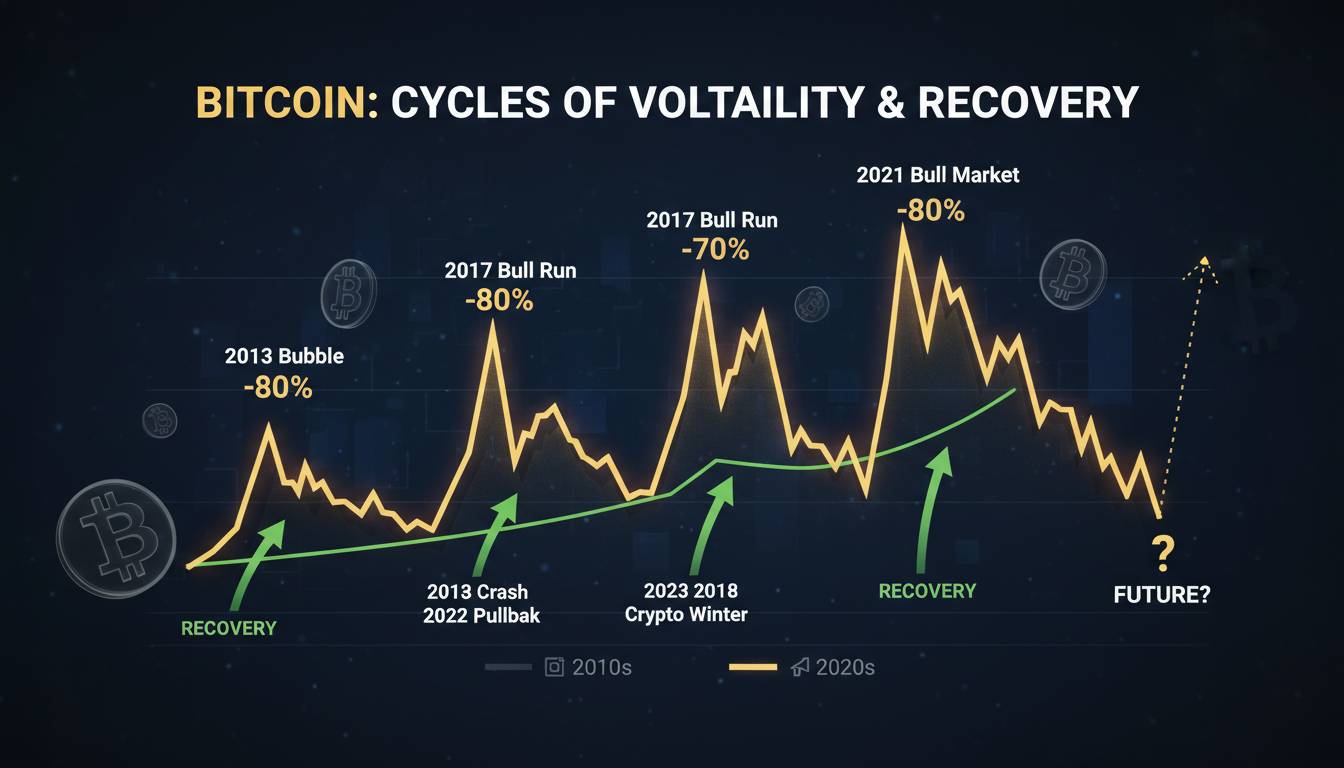
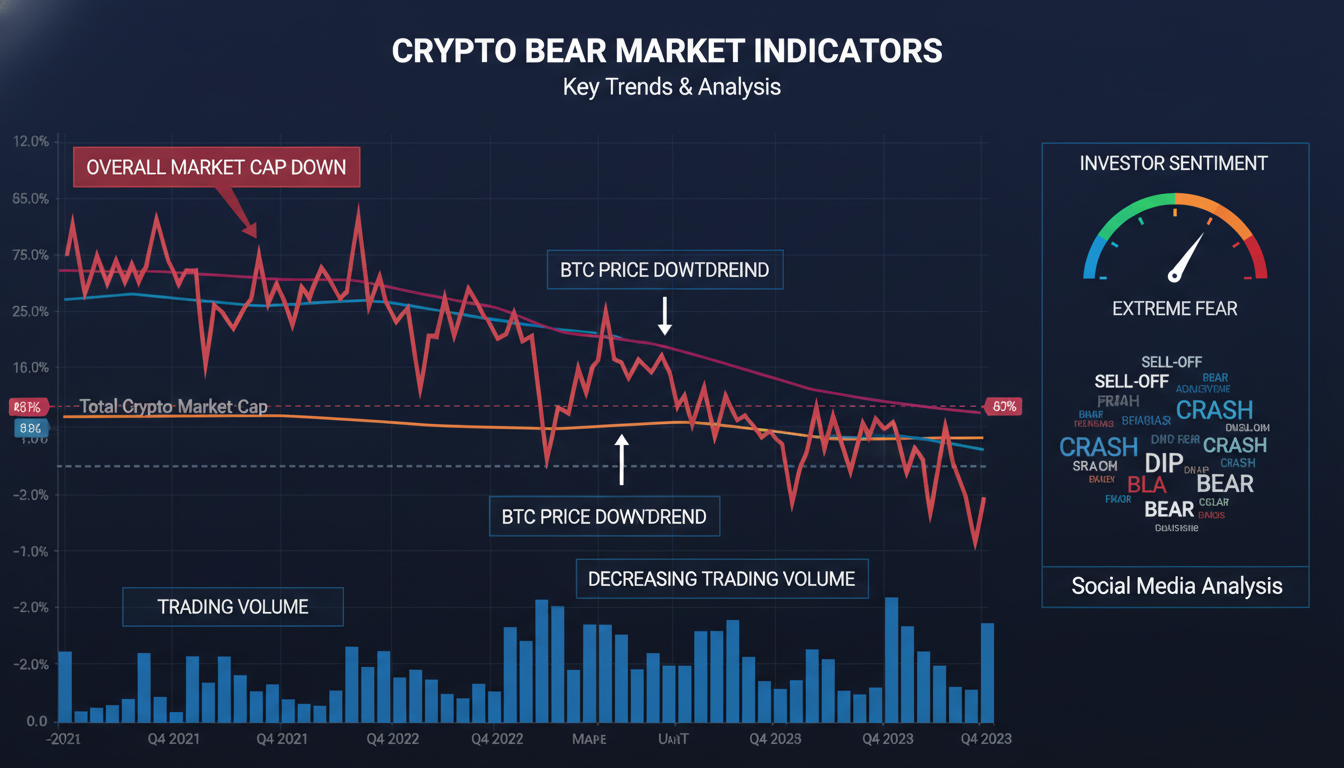
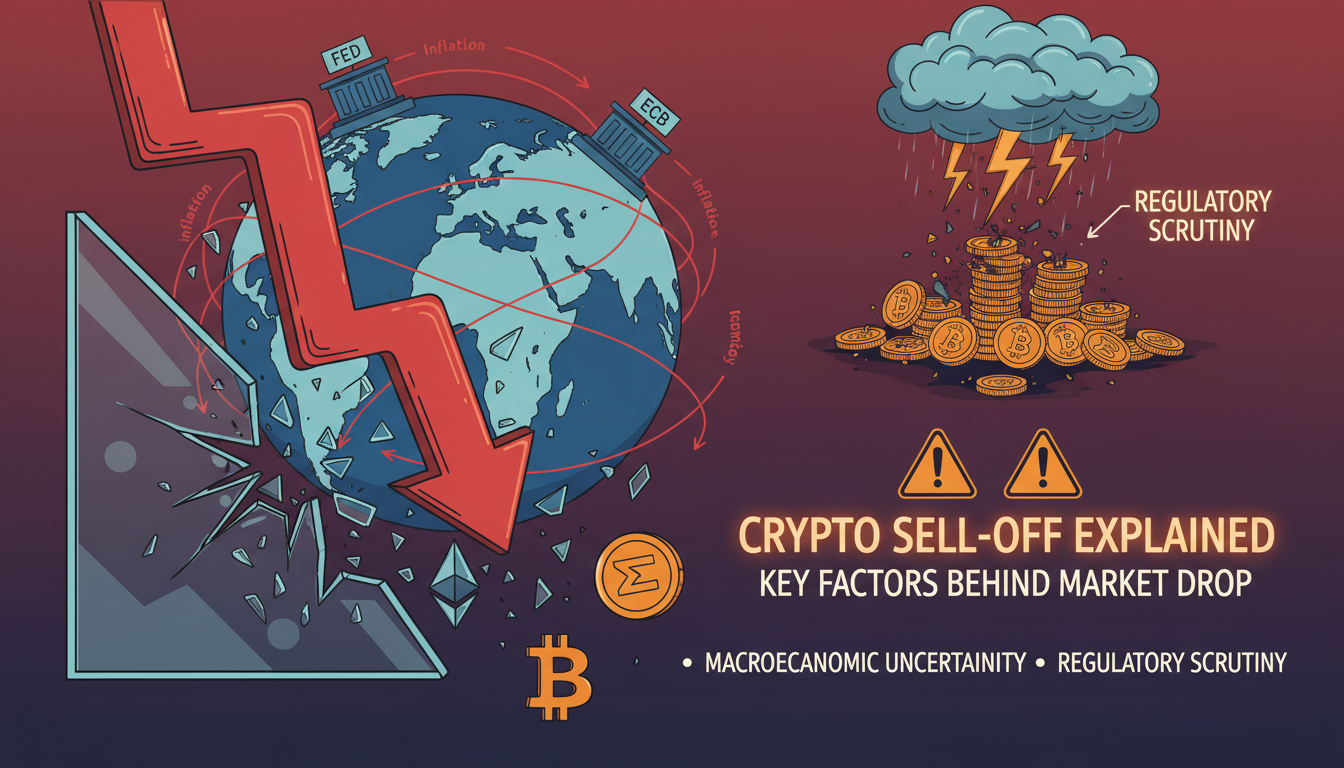
This regulatory cliff precipitated a sharp sell‑off in altcoins. Within the first two weeks of January 2026, the altcoin market lost roughly $50 billion in value, as forced deleveraging and liquidity evaporation hit non‑compliant assets hard. Non‑compliant stablecoins such as USDT and EURT were delisted across major EU platforms, compounding liquidity stress.
In practice, this upheaval has reshaped the market: liquidity is concentrated in compliant, regulated silos, and anonymity for EU users has drastically declined due to DAC8 tax reporting and travel‑rule enforcement.
Institutional Shift and Confidence Gains
The flip side: MiCA has bolstered trust. According to CoinLaw.io, 58% of exchanges reported improved sector confidence, while 80% of institutional investors view regulation positively. Firms like Bitpanda and Boerse Stuttgart, with MiCA licenses, are drawing institutional flows.
This confidence is helping justify compliance costs—even though many smaller startups find the burden steep. About 35% of firms expect annual compliance costs above $500,000, and 25% of non‑EU firms are considering leaving the market.
Growth of MiCA‑Compliant Stablecoins
MiCA also reshaped stablecoin dynamics. Compliant euro‑denominated stablecoins like EURC and EURS surged—investor preferences shifted decisively after non‑compliant tokens were delisted. One analysis shows EURC captured 41% market share of euro stablecoins by late 2025.
Traditional financial players responded too: nine major banks—including ING and UniCredit—teamed up for a euro‑stablecoin project, slated to launch in late 2026 under MiCA compliance.
Regulatory Evolution and Broader Risks
EU regulators are widening focus. The ECB’s 2025 supervisory review flagged stablecoins and AI-powered tech as emerging risks. Though stablecoin volumes are still small, the ECB sees them as potentially systemic if left unchecked.
Meanwhile, Eiopa proposed imposing a 100% capital buffer on cryptocurrency assets held by insurers—another sign of regulators taking a conservative stance toward crypto exposure.
Why It Matters: A Dual‑Edged Outcome
MiCA is a double‑edged sword.
On one hand, it establishes regulatory clarity and stability. Investors—especially institutional—gain comfort. The market is consolidating around compliant players, with transparent frameworks and standardized operations.
On the other hand, innovation and smaller players face pressure. High entry costs and capital requirements strain emerging DeFi and tokenization projects.
Example: Qivalis, a consortium of European banks, is launching a MiCA‑compliant euro stablecoin managed under the Dutch central bank’s supervision, aimed at enabling 24/7 cross‑border payments. It underscores how traditional finance is pouncing on regulated digital innovation, while solo crypto-native startups struggle to keep up.
What’s Ahead
- July 1, 2026, marks the hard MiCA deadline. Non‑compliant CASPs will be forced out.
- Expect ongoing enforcement and audits—not just authorization. Supervisors are transitioning from guidance to active oversight.
- Stablecoin innovation will center around regulated euro alternatives. Bank‑backed projects gather steam.
- Regulatory scrutiny will extend to insurers, banks, and emerging tech that leverages crypto.
“The EU’s MiCA framework has set global benchmarks for compliance and operational transparency.”
— Markets in Crypto‑Assets serve as a standard of institutional credibility.
Conclusion
The EU’s crypto regulation—with MiCA at its core—is rewriting the playbook. It is tightening market discipline, reducing non‑compliant tokens, and elevating regulatory standards. Yet this comes at the cost of sidelining smaller, agile players and creating compliance barriers. The era of unchecked DeFi in Europe is closing. What’s emerging is a heavily regulated, institutionally dominated crypto landscape. The winners? Those who adapt and scale under MiCA’s watchful gaze.
FAQs
Q: What is MiCA and when does it fully apply?
MiCA (Markets in Crypto‑Assets Regulation) is the EU’s comprehensive crypto framework. It has been applicable since December 2024, but full authorization enforcement starts on July 1, 2026, after which non‑compliant CASPs must exit the market.
Q: Why did the altcoin market crash at the start of 2026?
A “regulatory cliff” hit as MiCA enforcement and DAC8 tax rules kicked in. Leveraged positions and illiquid non‑compliant assets led to abrupt sell‑offs, wiping out around $50 billion in altcoin market cap.
Q: Who benefits from EU crypto regulation?
Institutional players and compliant firms gain credibility and access. Regulatory certainty attracts institutional investors and banks. Exchanges with MiCA licenses, like Bitpanda, are expanding services confidently.
Q: Are small firms and startups disadvantaged?
Yes. Many face high compliance costs—over one‑third expect to pay more than $500,000 annually. Some non‑EU companies plan to exit because the regulatory burden is too heavy.
Q: What’s driving euro stablecoin growth in the EU?
Regulation has weeded out non‑compliant stablecoins, boosting EURC and EURS. Additionally, bank-backed projects like the upcoming Qivalis stablecoin are gaining support, aligning digital payments with regulatory oversight.