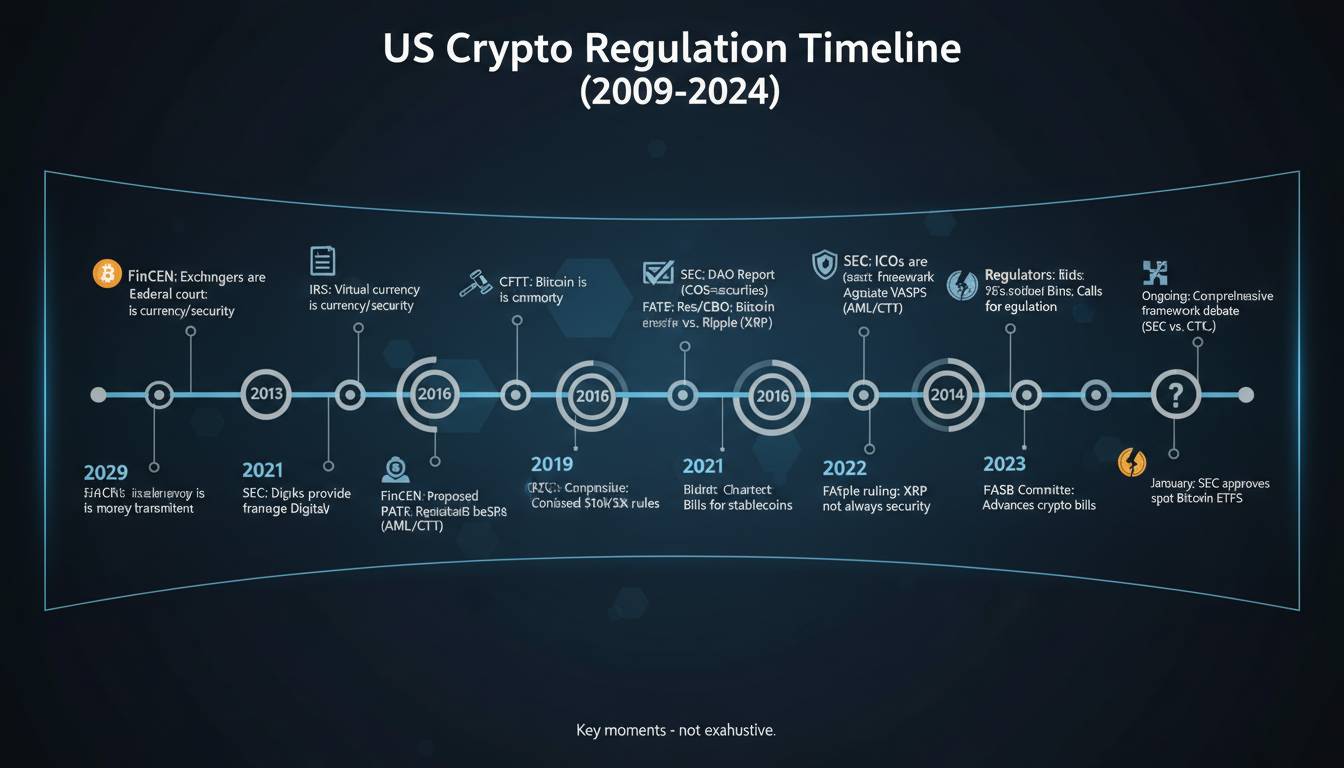

Crypto regulation has evolved significantly as of early 2026. In the United States, the GENIUS Act now governs stablecoins with strict reserve and transparency rules. The Federal Reserve has rolled back its anti-crypto stance, and the SEC is moving toward innovation-friendly rulemaking. Meanwhile, Congress debates broader legislation like the Clarity Act and PARITY Act, and international policies—from Nigeria to the UAE—are tightening crypto oversight. Investors must stay sharp and informed.
U.S. Regulatory Landscape – What’s New for Investors
GENIUS Act: A Stablecoin Game Changer
The GENIUS Act—signed into law on July 18, 2025—establishes federal and state pathways for regulated stablecoin issuance. Issuers must maintain one-to-one backing with U.S. dollars or high-quality assets, undergo monthly reserve audits, and meet anti-money laundering (AML) standards. This clear regulatory structure aims to boost consumer confidence and market stability.
As of early 2026, agencies like the FDIC are developing guidelines for bank-issued stablecoins, signaling that institutional adoption may be on the rise.
Federal Reserve Reverses Anti-Crypto Policy
The Fed has rescinded its previous 2023 guidance that discouraged banks from engaging with digital assets. The abolishment of “Operation ChokePoint 2.0” opens pathways for financial institutions to integrate crypto services more freely.
Concurrently, SEC enforcement actions in crypto plunged by 60% in 2025. This signals a shift from punitive measures to regulatory guidance—a trend likely to benefit compliant innovators.
SEC Launches “Crypto Innovation Exemption”
In January 2026, the SEC inaugurated its “Crypto Innovation Exemption” program. This safe-harbor measure allows crypto firms to test new products without fear of immediate enforcement. It’s viewed as a major milestone in regulatory clarity.
Incoming Legislative Developments: Clarity and PARITY Acts
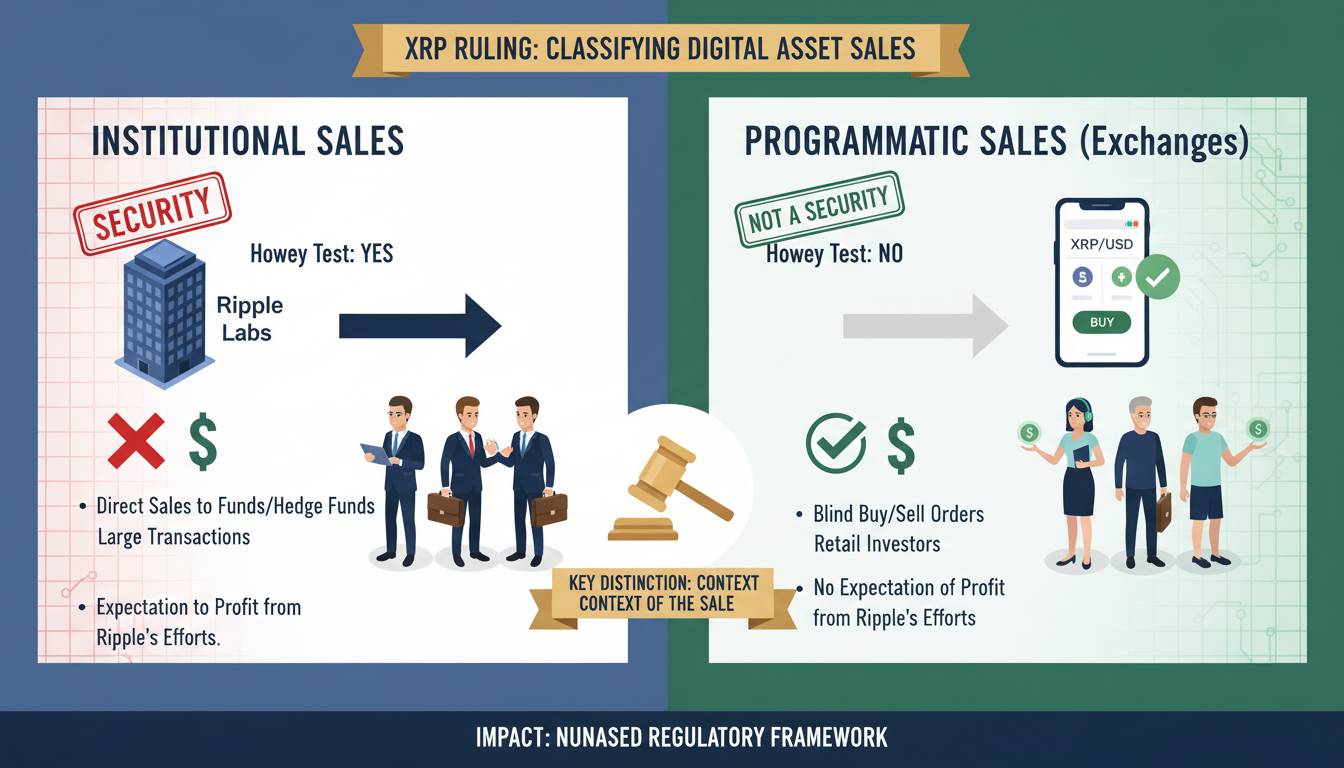
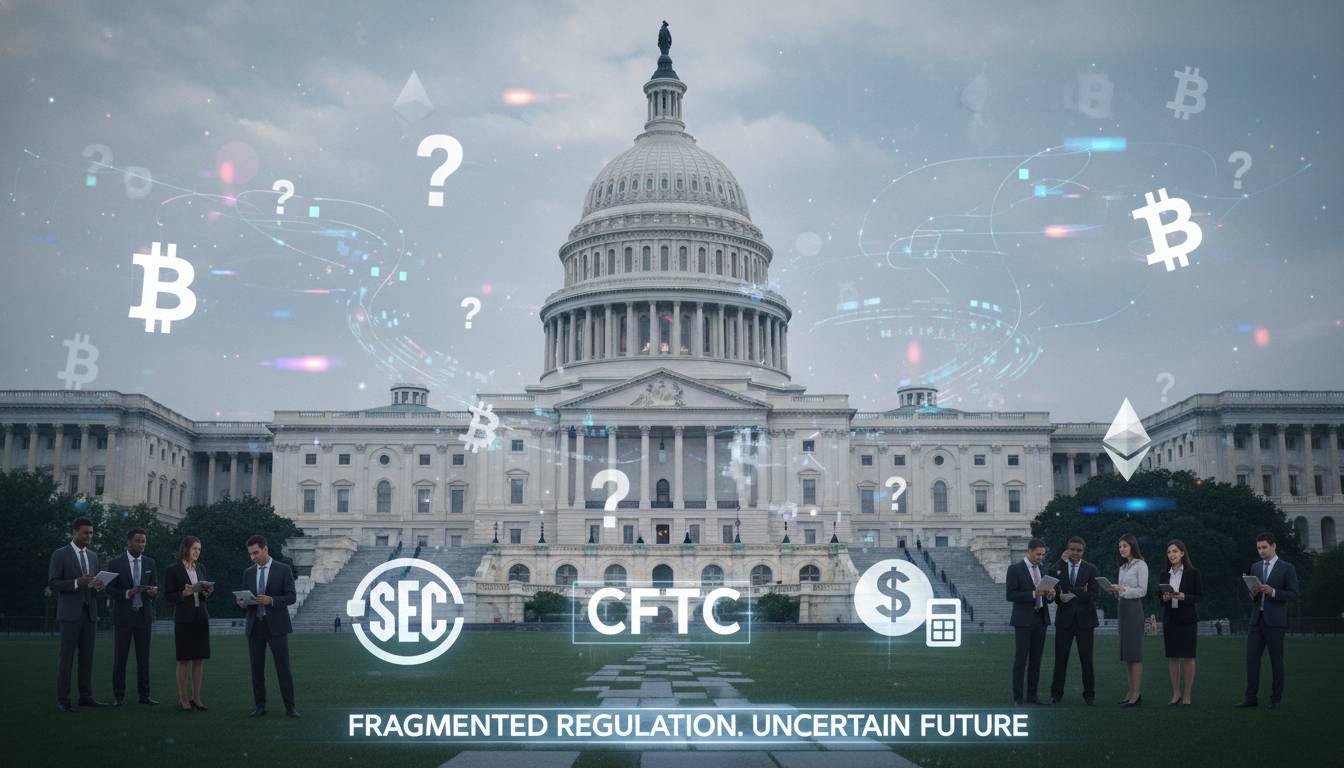
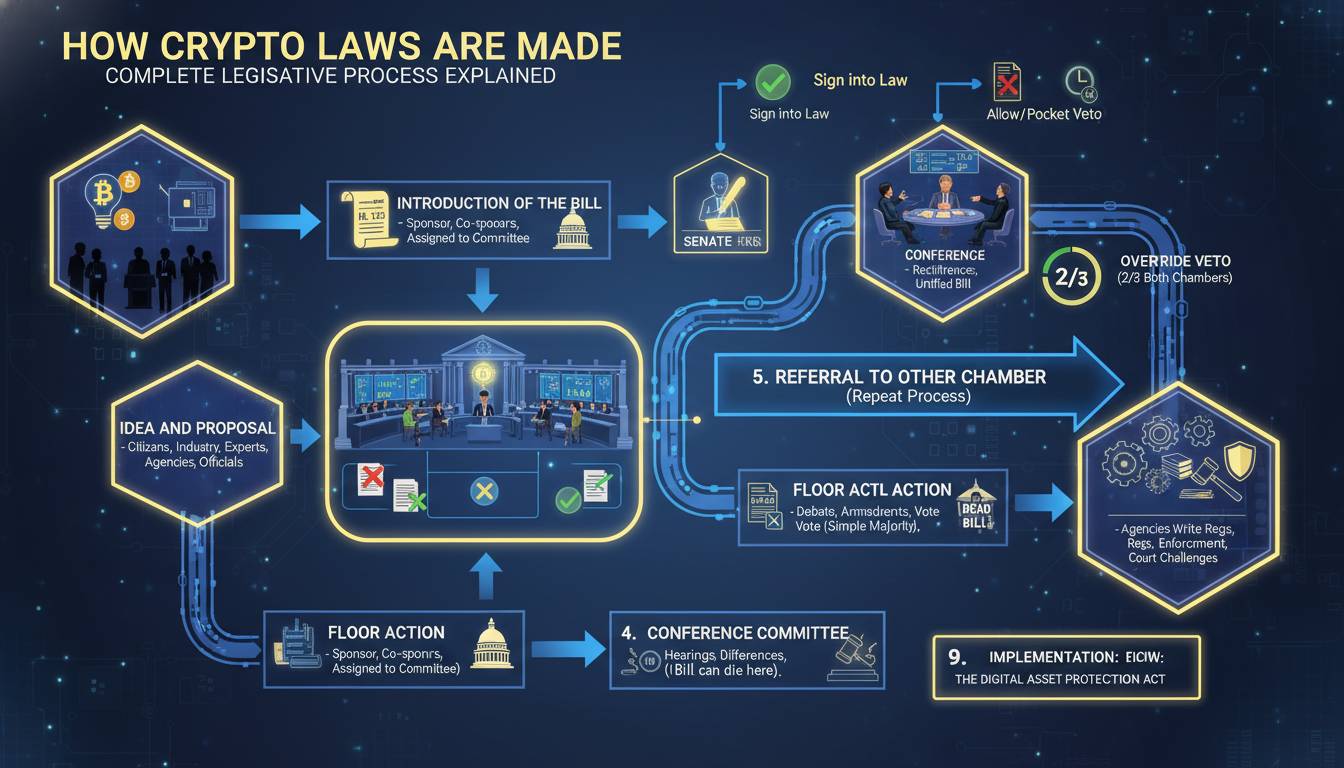
- Clarity Act: Expected to pass in 2026, this legislation would define regulatory jurisdiction—separating SEC oversight for tokens with ownership claims from CFTC oversight of digital commodities. It aims to protect innovation while ensuring oversight.
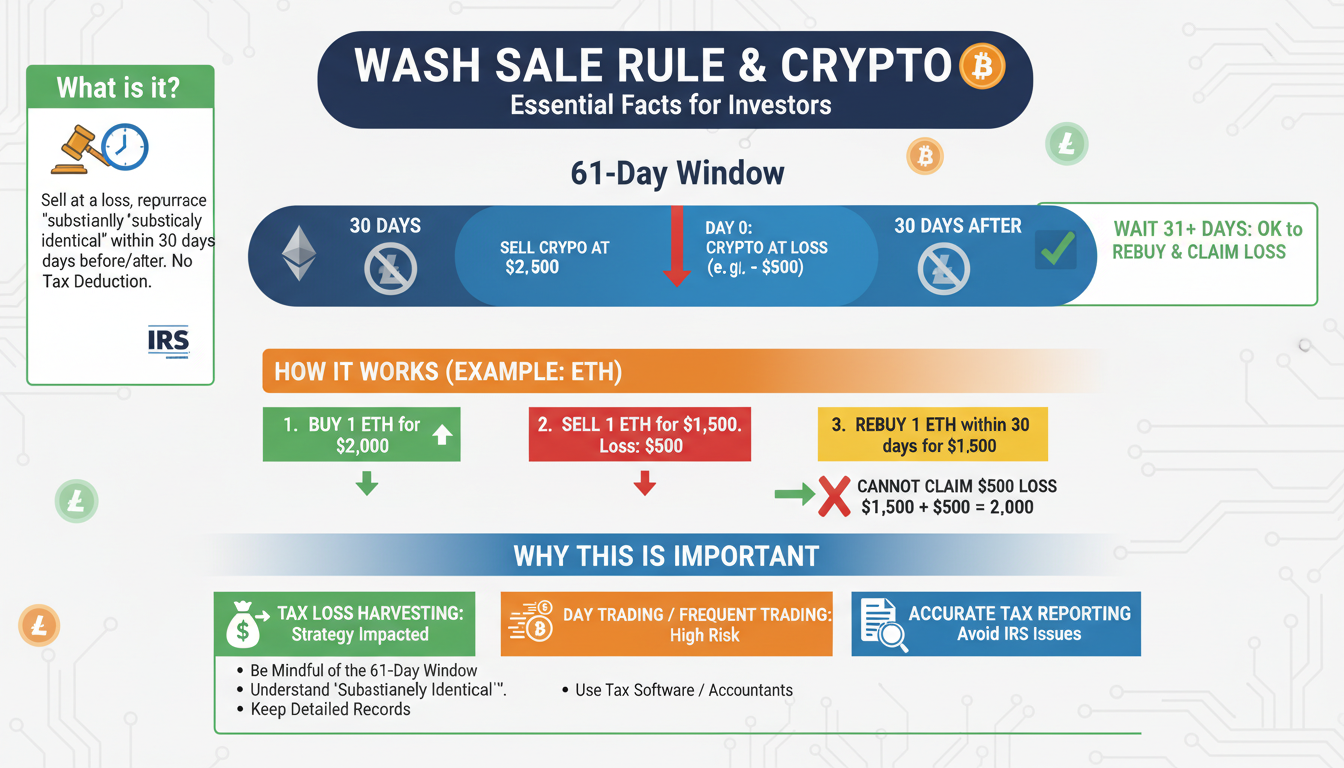
- PARITY Act: Proposes tax relief for retail-level crypto transactions. It would exempt transactions under $200 from capital gains tax, and offer deferred income recognition for staking rewards, simplifying DeFi participation.
International Regulatory Trends – A Global Snapshot
UAE: From Licensing to Supervision
By the start of 2026, the UAE has moved from licensing-based crypto regulation to a supervision-first regime, especially among stablecoin providers. The VARA and other bodies now oversee internal controls, compliance, and transparency—not just issuing licenses.
Nigeria: Identity-Linked Crypto Oversight
Nigeria’s Tax Administration Act (2025) now regulates virtual asset service providers (VASPs) with stringent identity verification, record-keeping, and reporting obligations. Operating without a license can result in hefty fines or license suspension.
UK: Regulatory Clarity in the Making
In December 2025, the UK proposed new crypto legislation under its Financial Services and Markets Act (2023), aiming to treat crypto products like traditional financial instruments. The FCA’s public consultation runs through February 2026, with adoption slated for mid‑2026 and full roll-out expected by late 2027.
What This Means for Investors
A Landscape of Certainty, With Caution
The U.S. is moving toward clarity with frameworks like GENIUS and the Innovation Exemption—but uncertainty remains as some bills are still in flux.
Globally, rules are tightening. Investors and firms must stay adaptive as jurisdictions evolve—particularly around AML, tax rules, and licensing.
Strategies to Navigate the Shifts
- Focus on compliant stablecoin issuers—they’re gaining legitimacy fast.
- Track Clarity and PARITY Act progress—these will define taxation and oversight.
- Use SEC’s innovation sandbox to pilot ideas safely.
- For cross-border investment, ensure full compliance with local laws, especially around identity and AML.
“Clear regulation doesn’t just protect investors—it enables innovation. The shift from enforcement to guidance signals a pivotal opportunity.”
— Regulatory expert, Make Crypto Make Sense newsletter
Conclusion
The regulatory environment for crypto in 2026 blends structure with innovation. In the U.S., the GENIUS Act, federal reopening to crypto banking, and the Innovation Exemption form a promising foundation. Additional legislative efforts like the Clarity and PARITY Acts could usher in even more clarity. Meanwhile, global shifts—from UAE’s upgraded supervision to Nigeria’s ID-linked oversight and the UK’s draft law—highlight a world growing more serious about digital assets. For investors, the moment calls for vigilance, strategic adaptation, and embracing transparency as both a safeguard and a growth lever.
FAQs
Q: What is the GENIUS Act and why does it matter?
It’s a U.S. law passed in July 2025 that regulates stablecoins—requiring full reserve backing, licensing, AML compliance, and transparent reporting. It’s the first major federal crypto framework.
Q: How has the Fed’s change in policy affected crypto firms?
The Federal Reserve removed restrictions on banks dealing with crypto, opening doors for institutional integration and smoother banking access.
Q: What is the SEC Innovation Exemption program?
Launched in January 2026, it provides a safe space for crypto firms to experiment with new products under regulatory oversight without immediate enforcement.
Q: What’s in the Clarity Act?
It aims to clearly assign crypto regulation: SEC for tokenized securities, and CFTC for commodity‑style digital assets, boosting legal certainty for issuers and exchanges.
Q: How will the PARITY Act affect crypto users?
It proposes tax relief for small crypto transactions and staking rewards, potentially removing hurdles for everyday investors and easing DeFi participation.
Q: Why do international regulations matter to U.S. investors?
Global crypto rules affect liquidity, jurisdiction risk, and compliance costs. Understanding frameworks—from UAE’s supervision regime to Nigeria’s identity rules—can help manage exposures wisely.