
Quick Answer
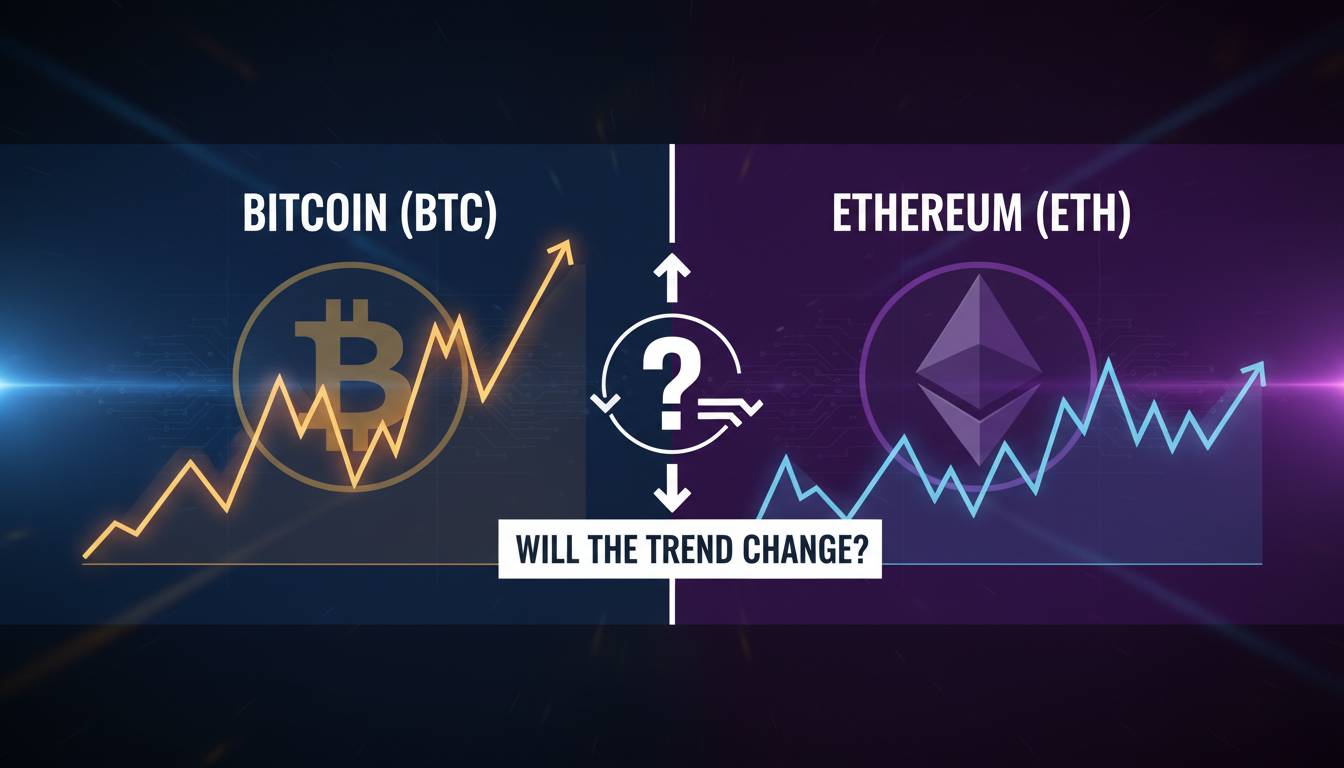
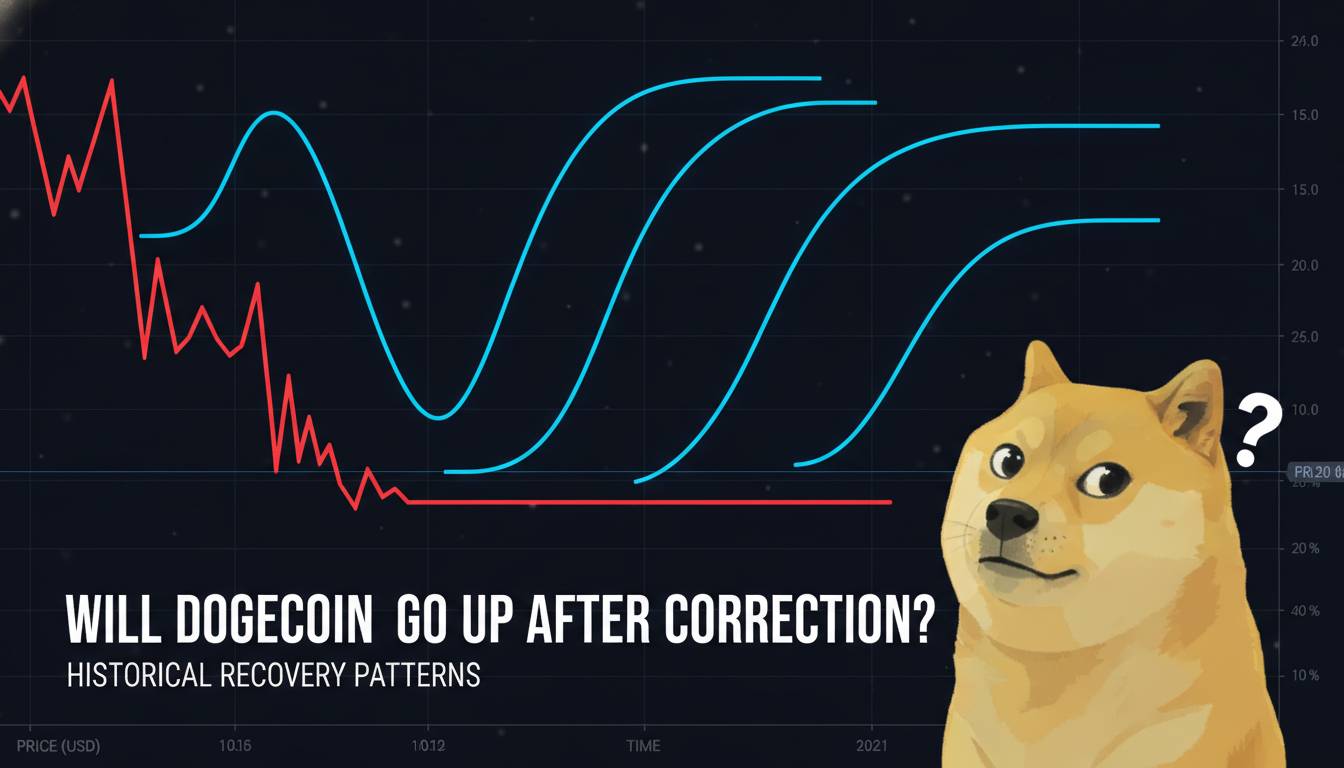
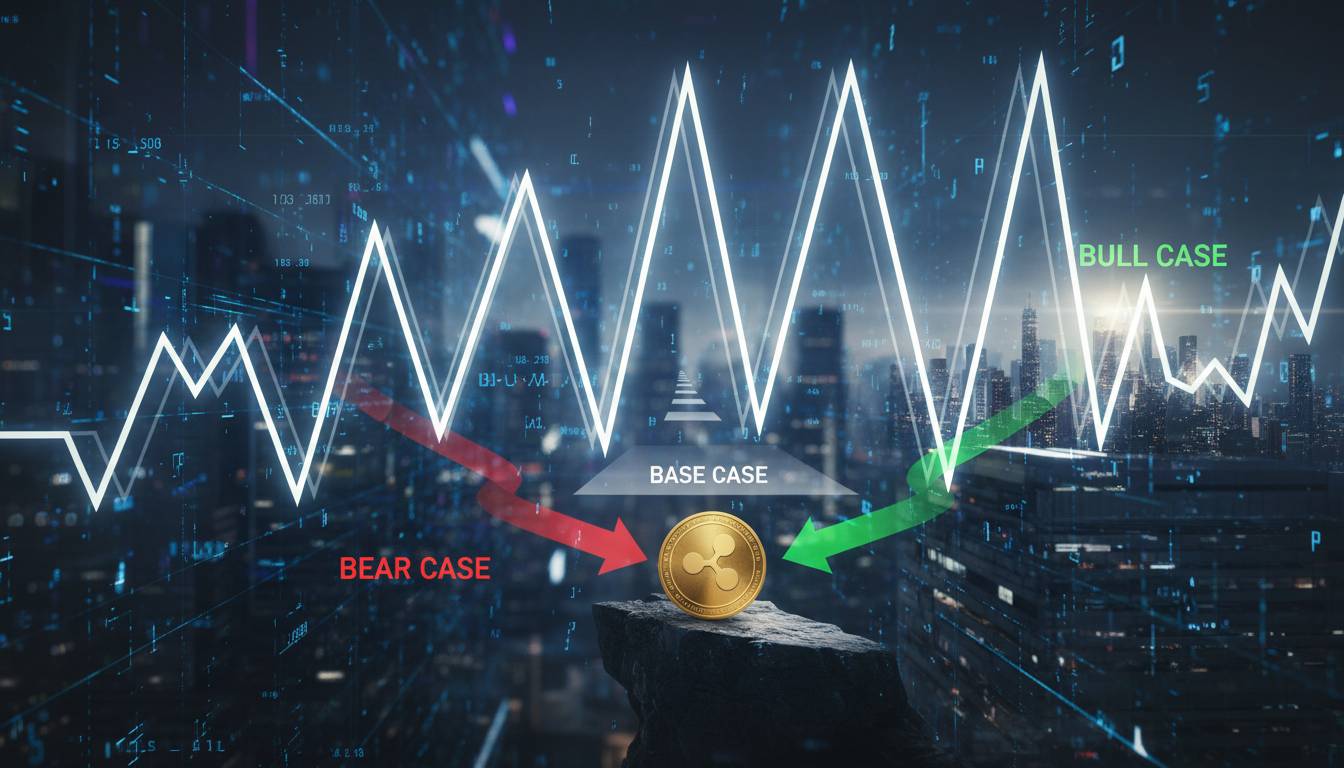
Yes, crypto often finds its way back after steep drops—but it depends heavily on broader macro trends, investor sentiment, and smart policy moves. Let’s break down what actually matters now and what might steer a rebound in the months ahead.
Why Price Drops Happen—and When They Turn Around
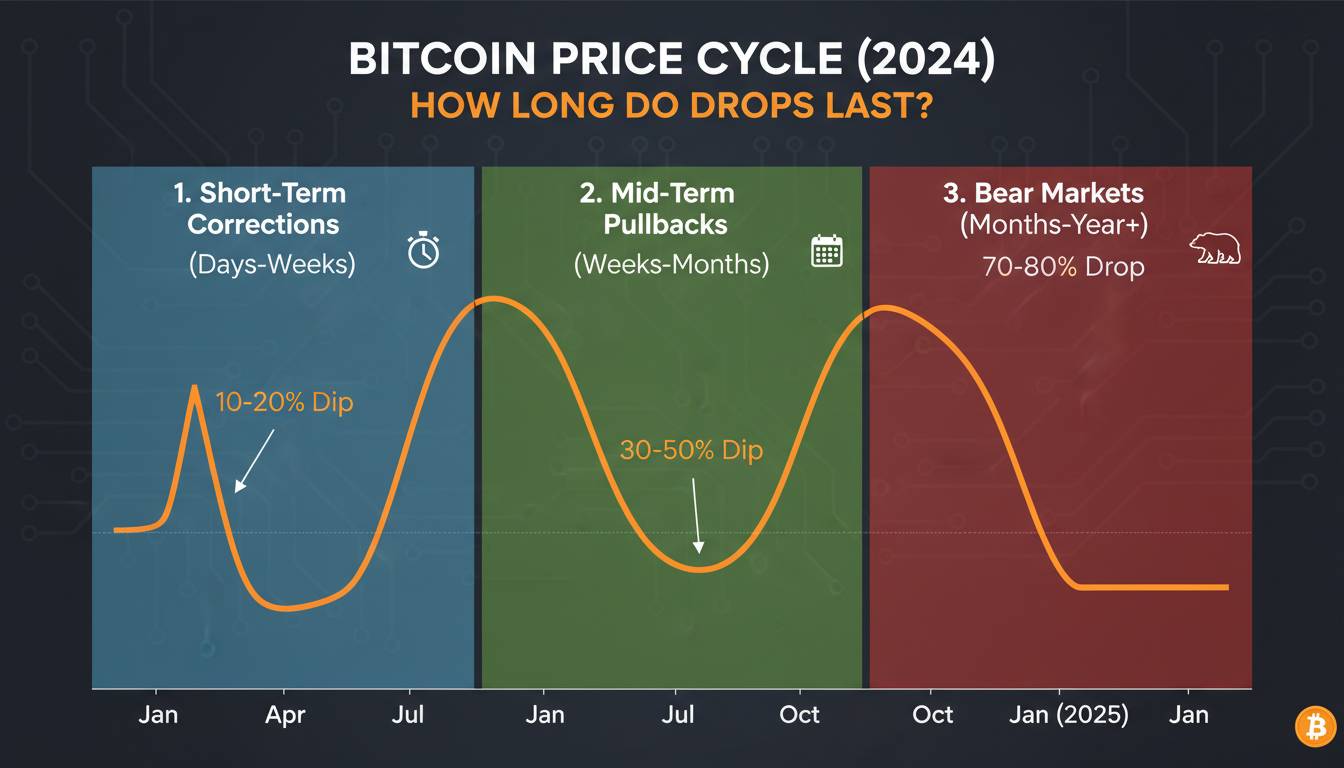
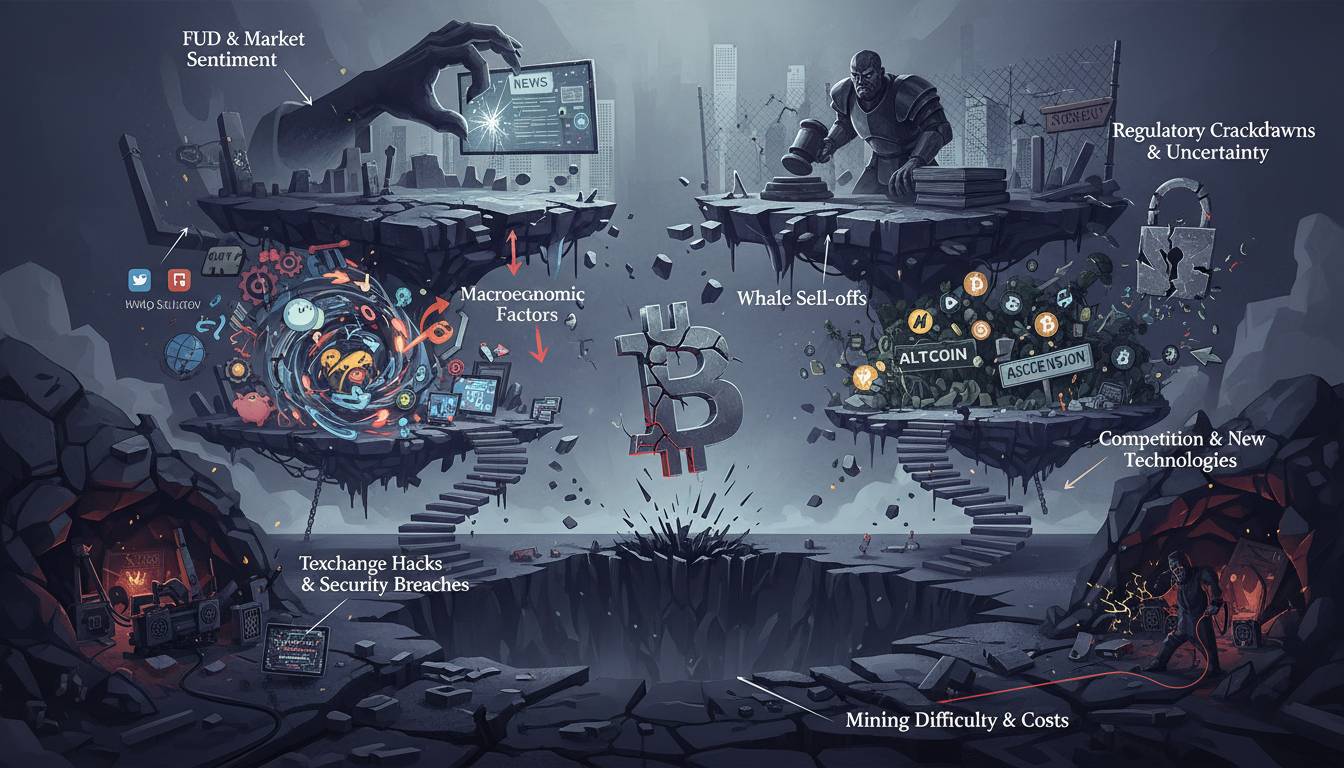
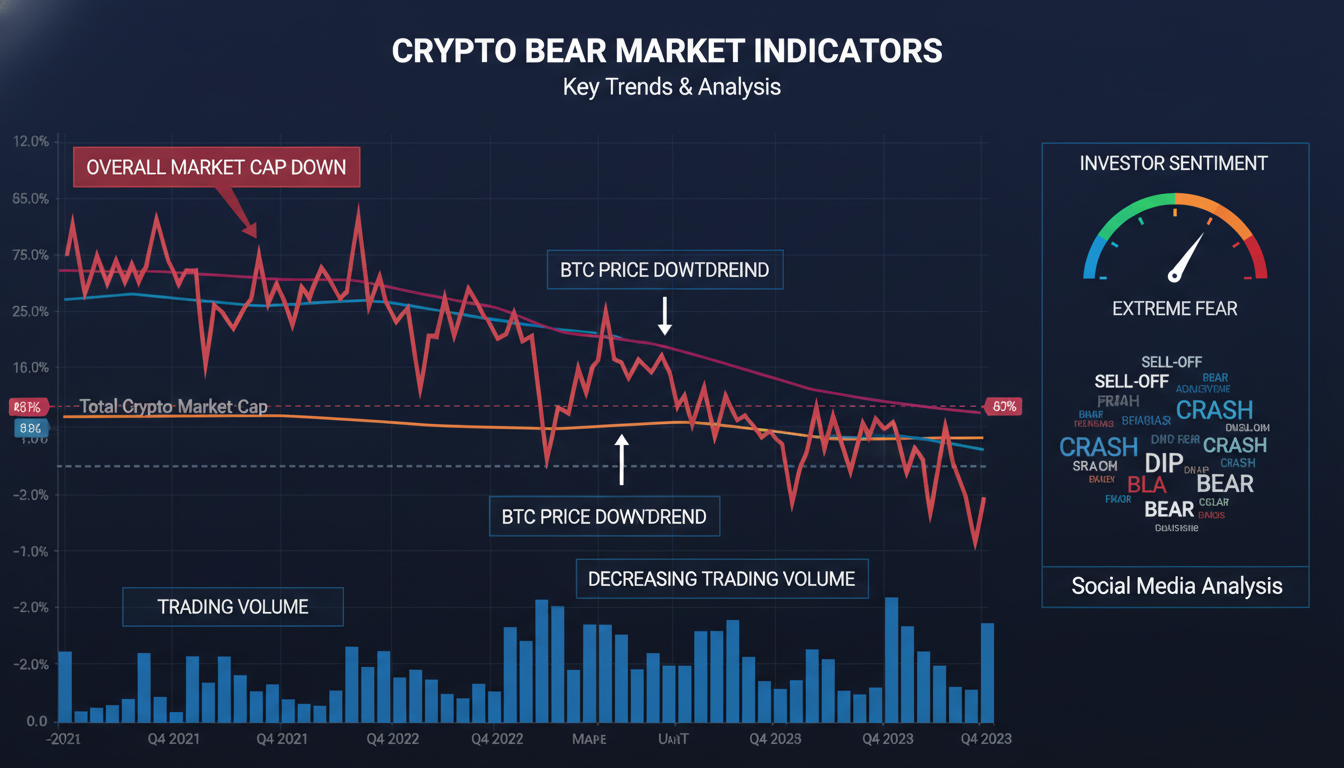
A sudden crypto drop usually stems from three big factors.
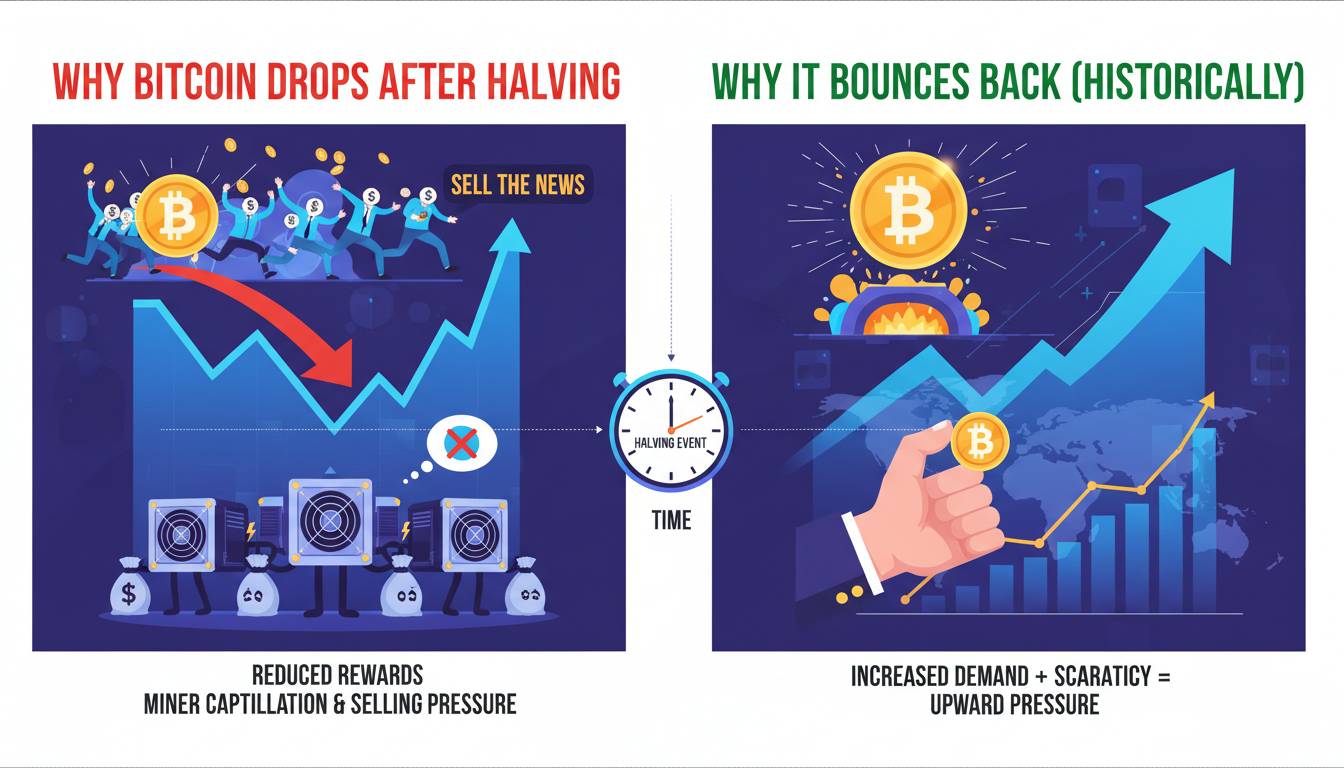
First, macroeconomic shifts—like rising interest rates or sudden bond yields—can spook markets. When safer assets get more appealing, money flows out of speculative spaces.
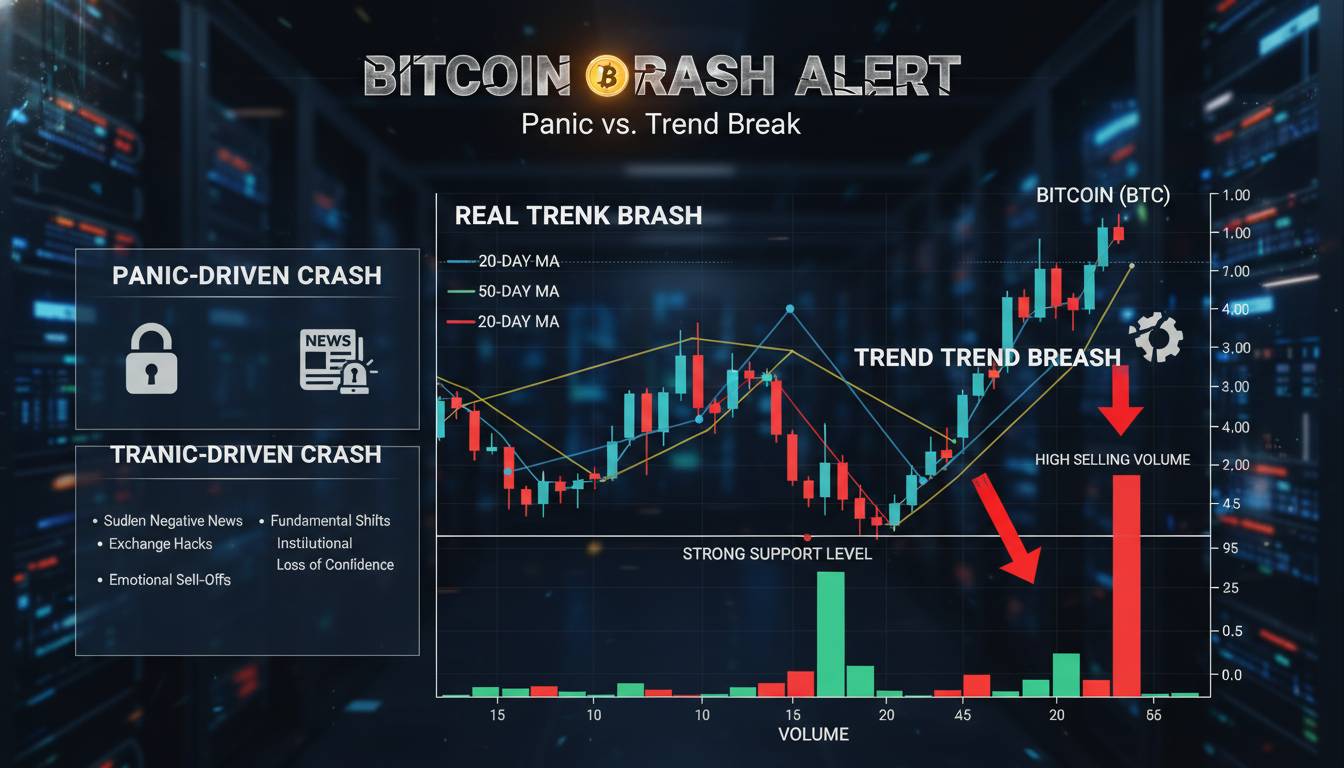
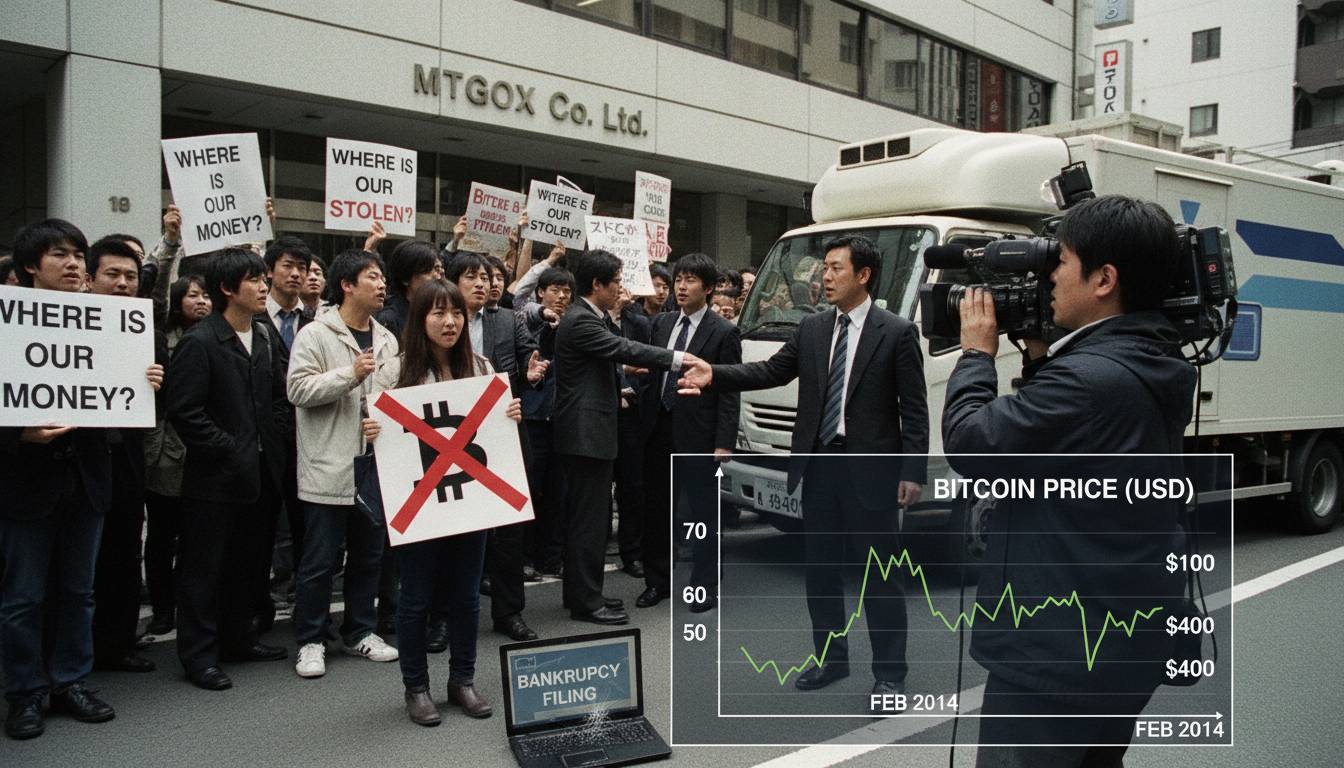
Second, sentiment swings matter—a scary headline, a big hack, or regulatory uncertainty can fuel a swift sell-off. Investors react emotionally.
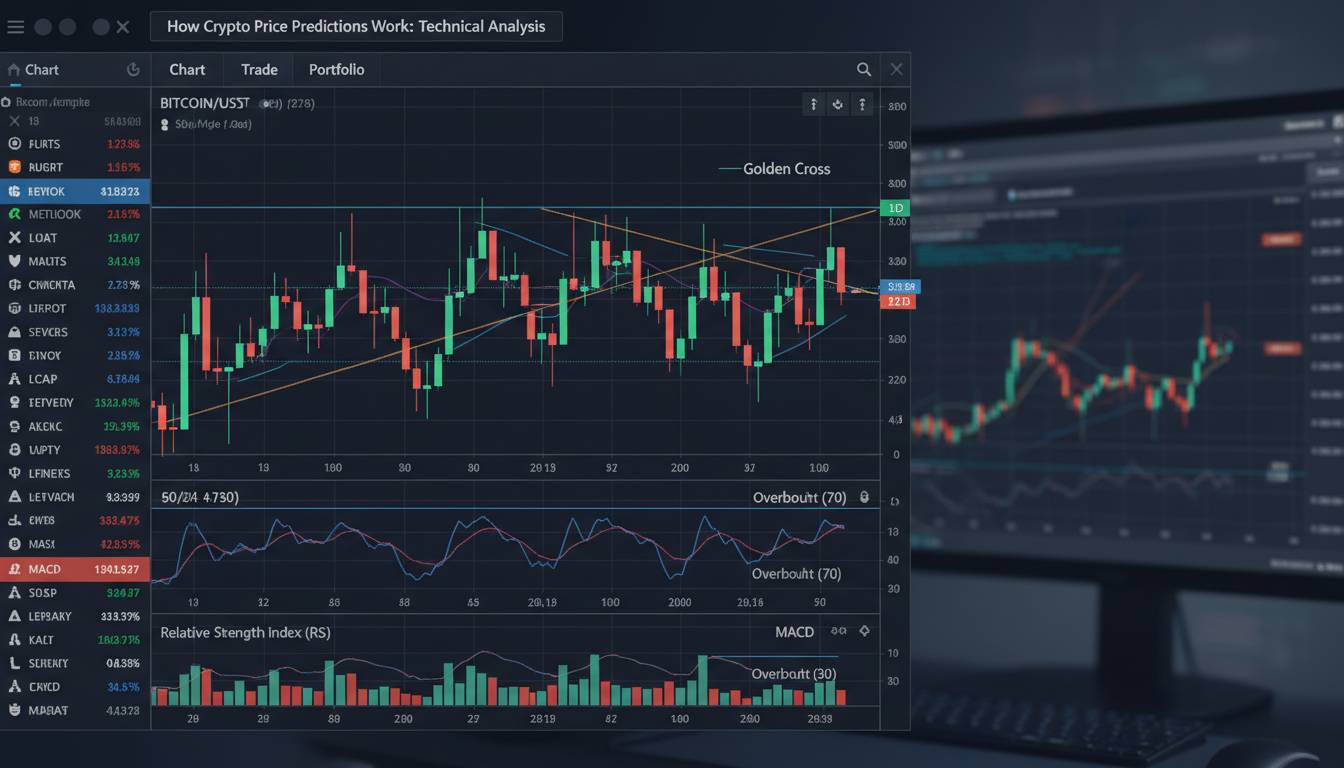
Third, technical factors like liquidations or margin calls can accelerate downturns. Once these calm, price floors often form.
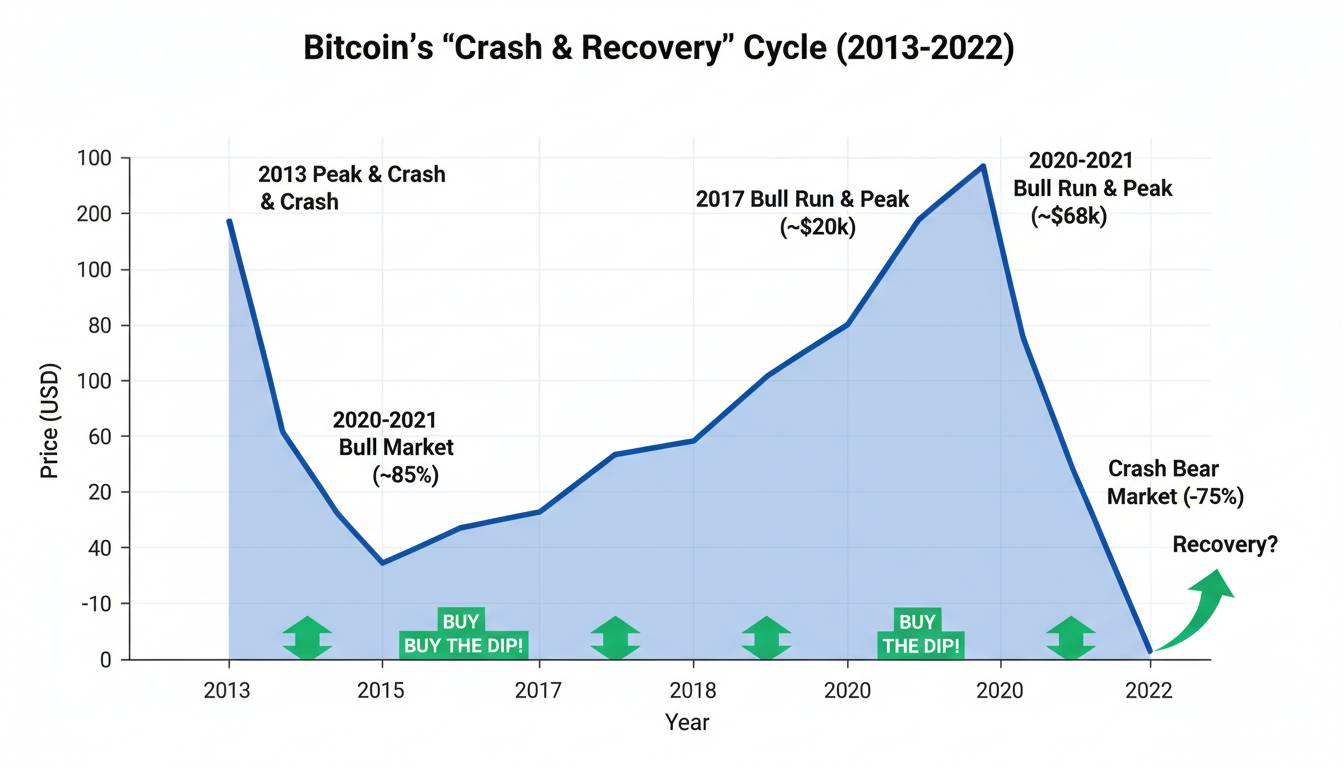
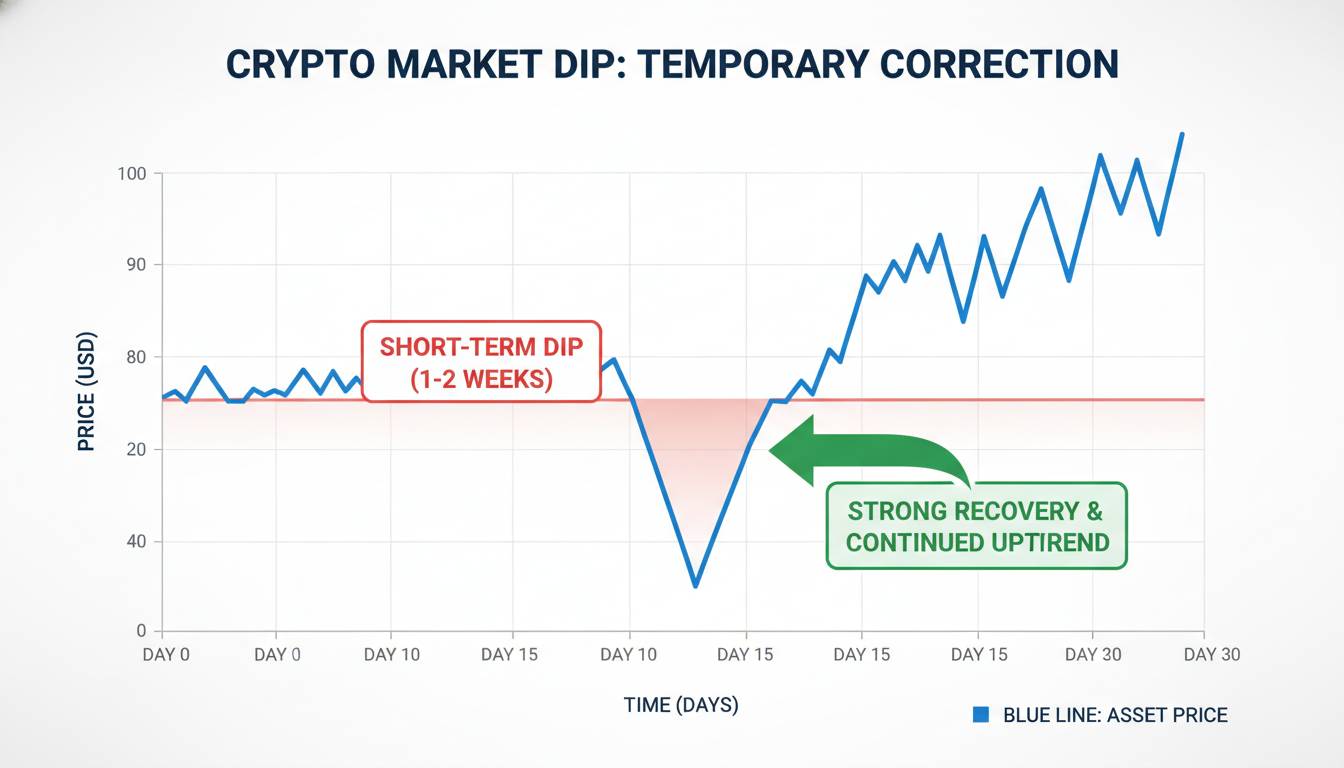
In practice, recovery can start when headlines re-stabilize or when a positive catalyst emerges. That might be institutional adoption news. Or fresh inflows from retail renewed by easier money conditions. Historically, crypto tends to rebound sooner than many expect if narratives shift—and fundamentals hold.
Key Factor 1: Investor Sentiment and Narrative Shifts
Sentiment is fragile, but it drives the short-term tone. A single regulatory announcement can flip the mood—from fear and selling to guarded optimism.
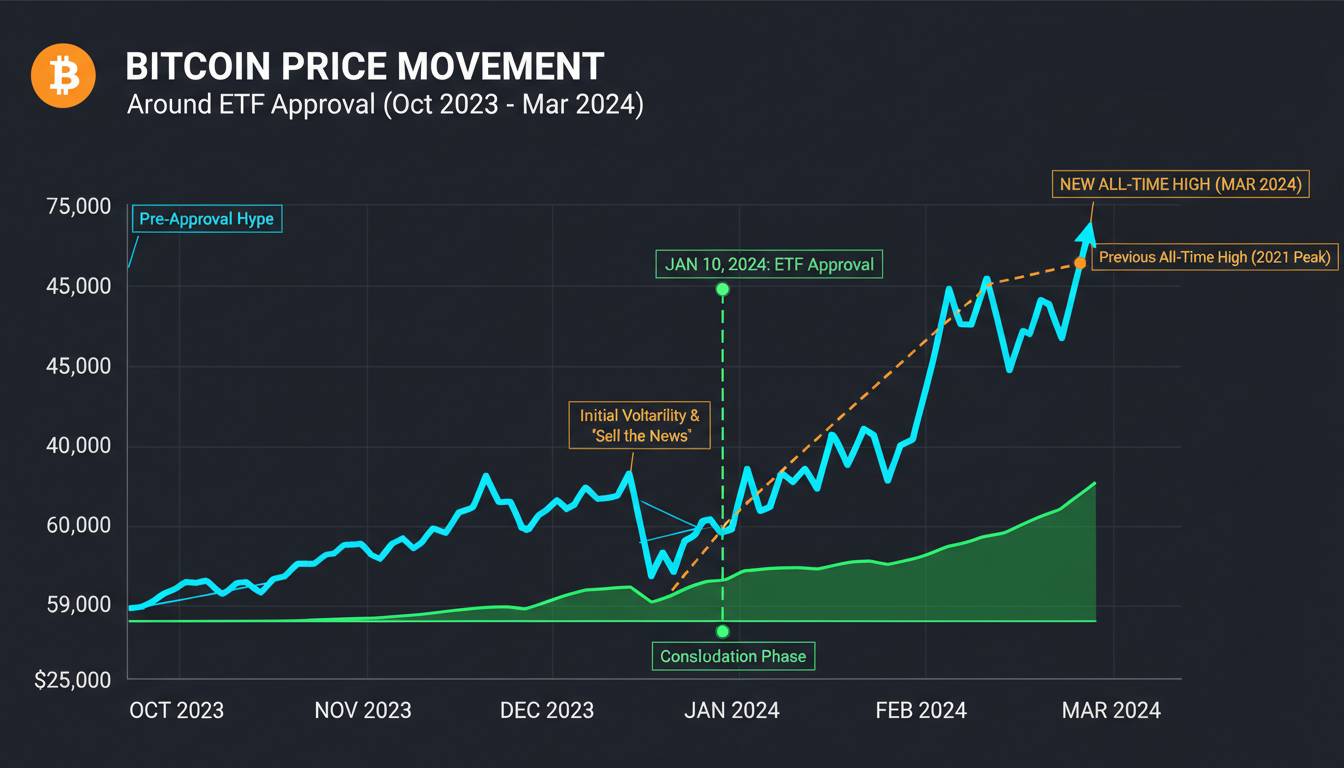
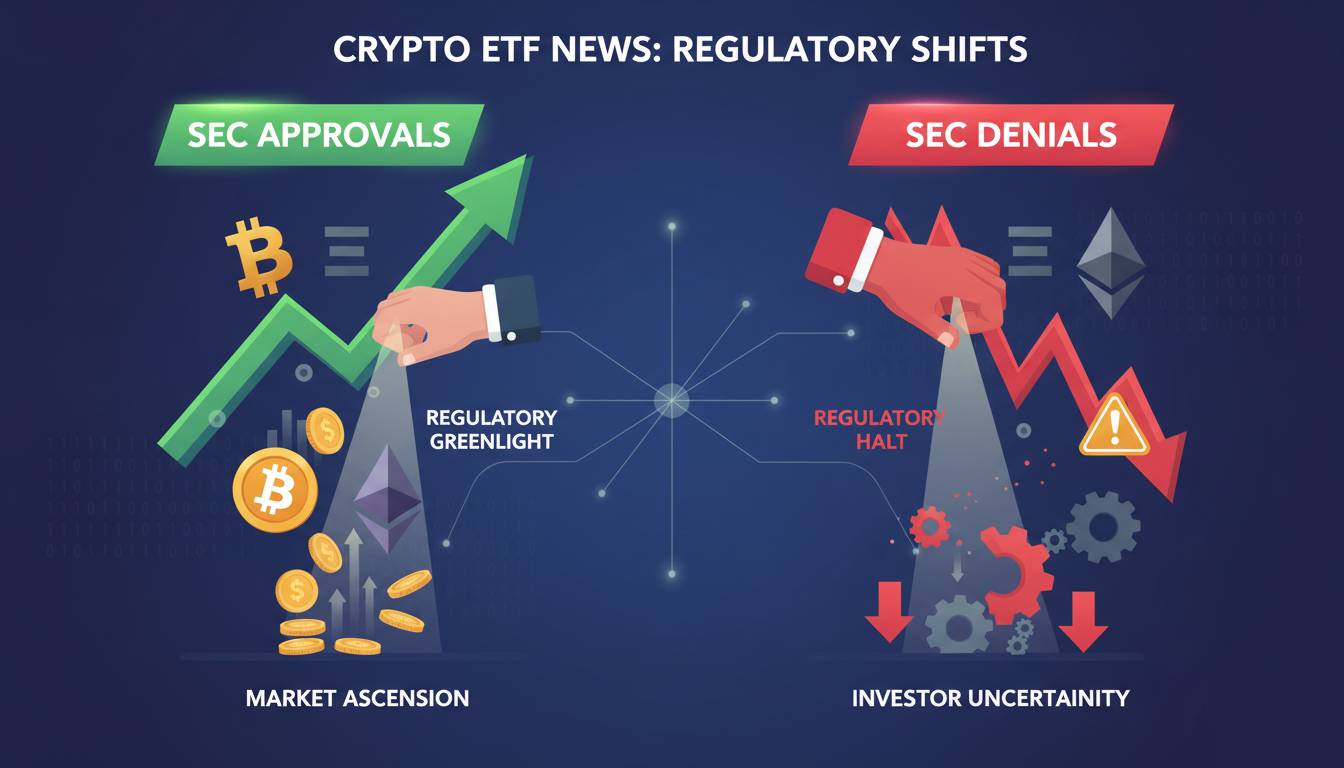
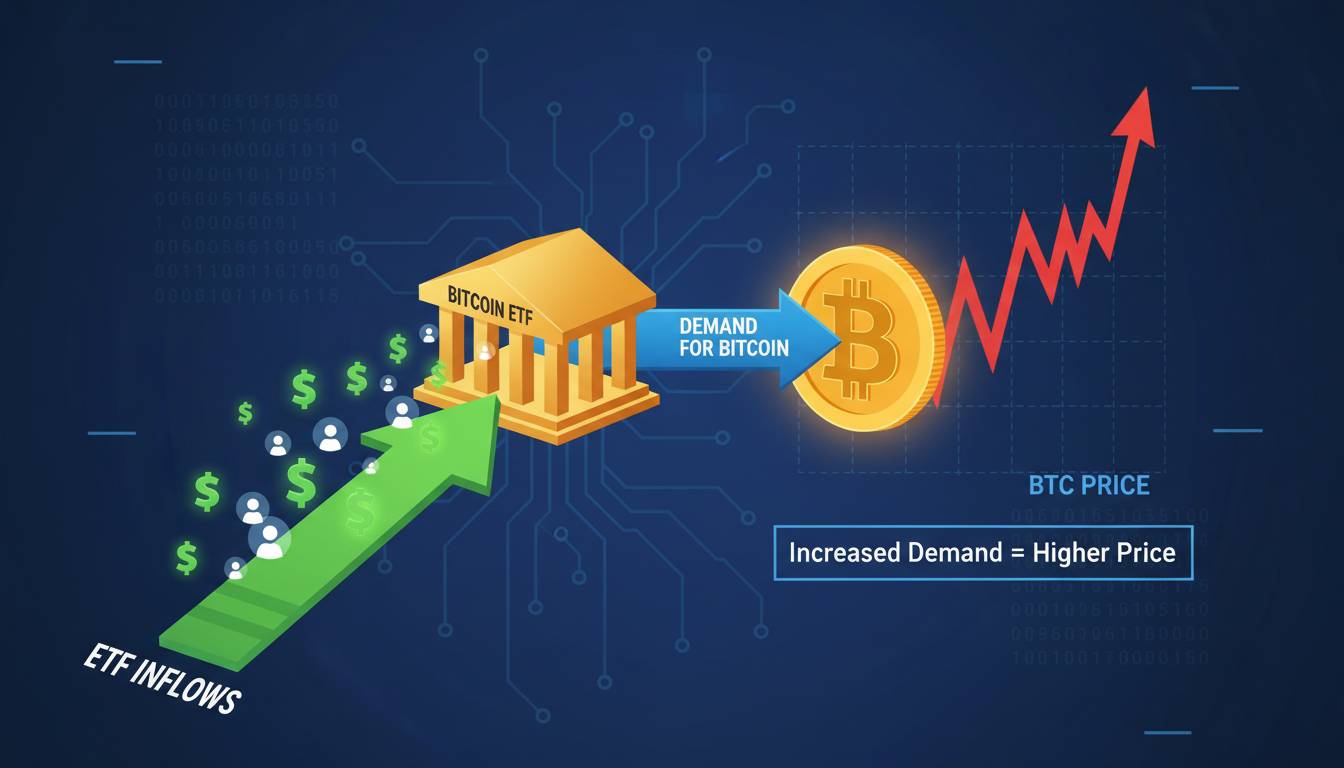
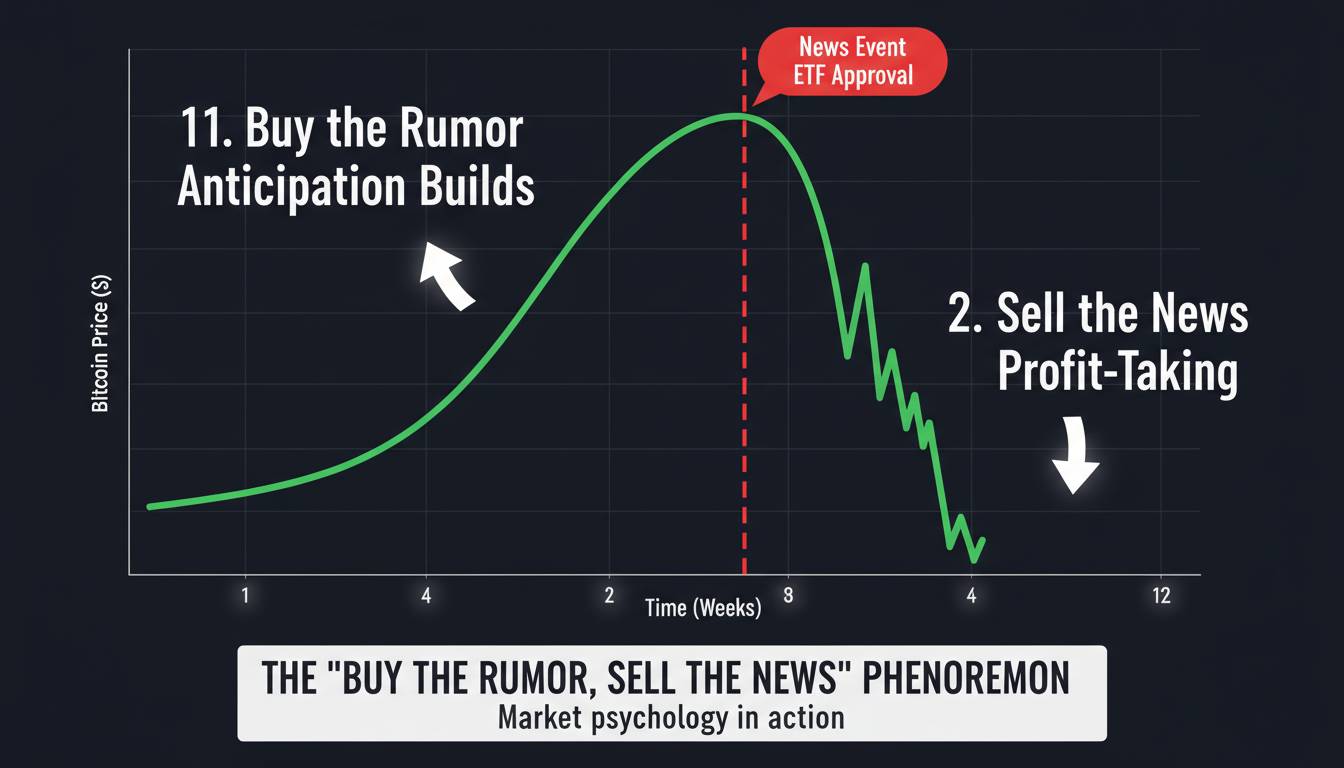
For instance, when a large firm like BlackRock explored Bitcoin ETFs, prices climbed on expectations alone. Market participants start buying, hoping to get in early that next wave.
Beyond this, narrative frames matter. From “store of value” to “digital gold,” or the broader Web3 vision—if these stories regain credibility, crypto may bounce fast.
Key Factor 2: Institutional and Retail Flows
The dance between big players and retail hearts the market rhythm.
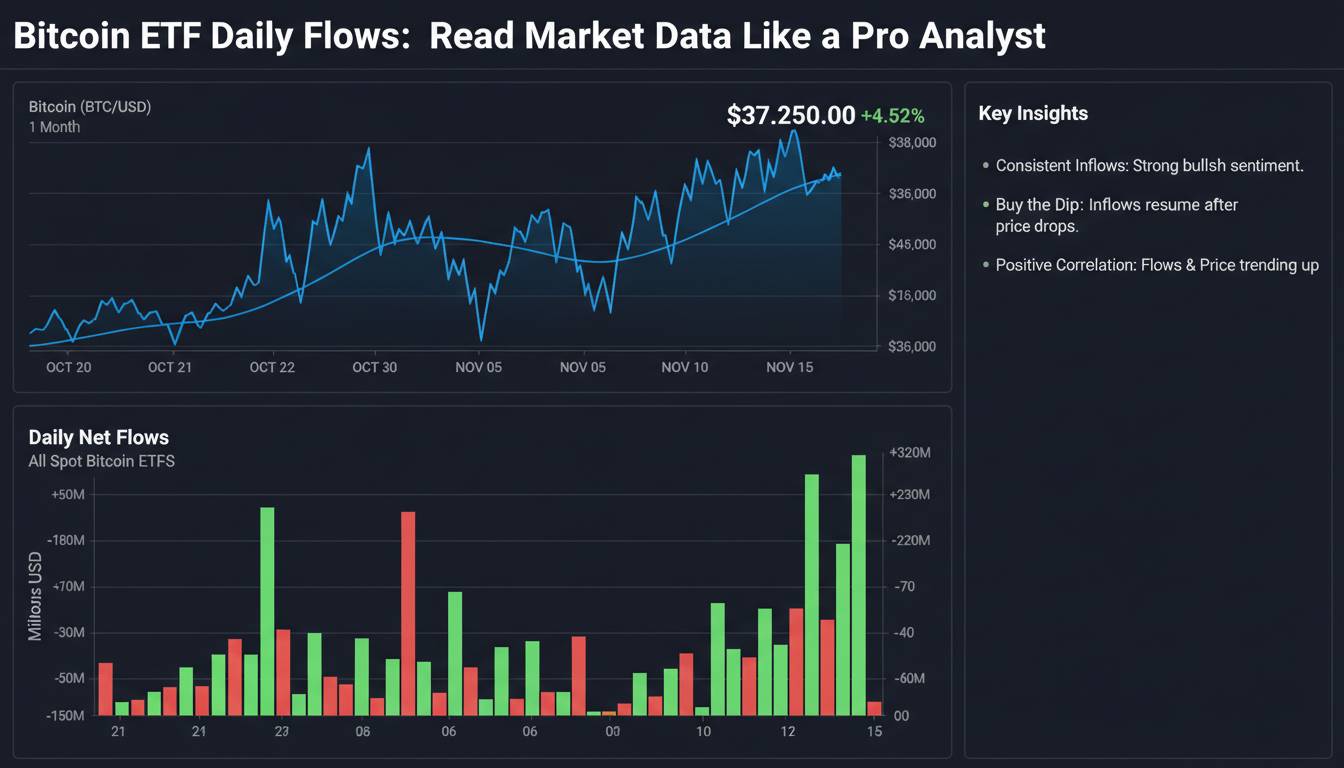
Institutions often move in and out based on macro triggers. Their flows are big, and they signal confidence.
Retail investors, on the other hand, react to media cycles. When stories look good, they pile in—and that amplifies upwards moves.
A period of sustained inflows, even moderate ones, can reverse downward pressure, especially when stacked on improved sentiment.
Key Factor 3: Regulation and Government Policy
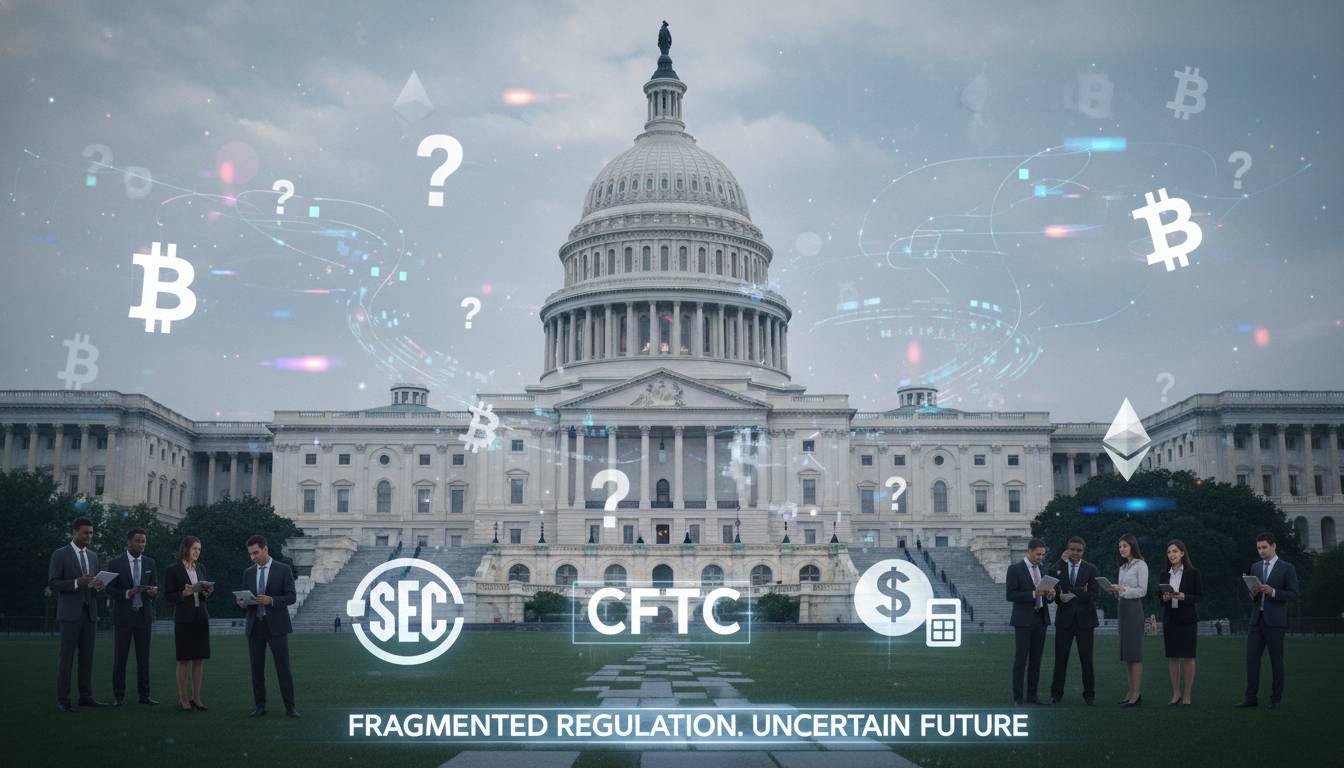
Regulation shapes stability. Clear rules tame fear. And rules that favor innovation spark investment.
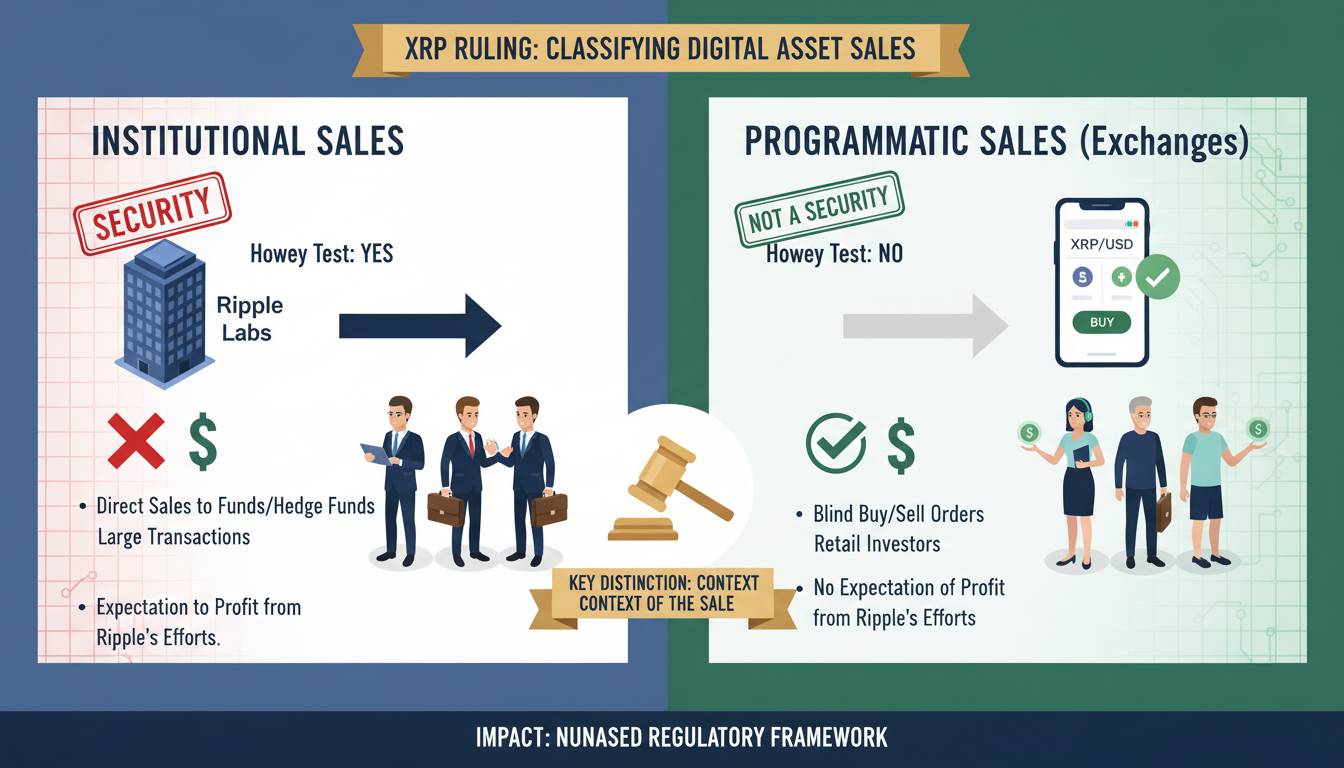
For example, jurisdictions with well-defined crypto frameworks often attract new projects and markets. That can help underpin crypto rebounds.
On the flip side, crackdowns or bans can stall recoveries. In many past declines, better policy clarity has marked recovery points.
Key Factor 4: Tech Developments and Real-World Use Cases
Technology keeps crypto tethered to utility—beyond just speculation.
Successful upgrades (like Ethereum’s upgrades or Bitcoin’s layer-two scaling) renew investor faith.
Use cases—NFTs gaining traction, DeFi lending becoming mainstream, or institutional custody solutions improving—lend real-world appeal. As these strengthen, recovery gains a foundation beyond charts.
How These Forces Interact
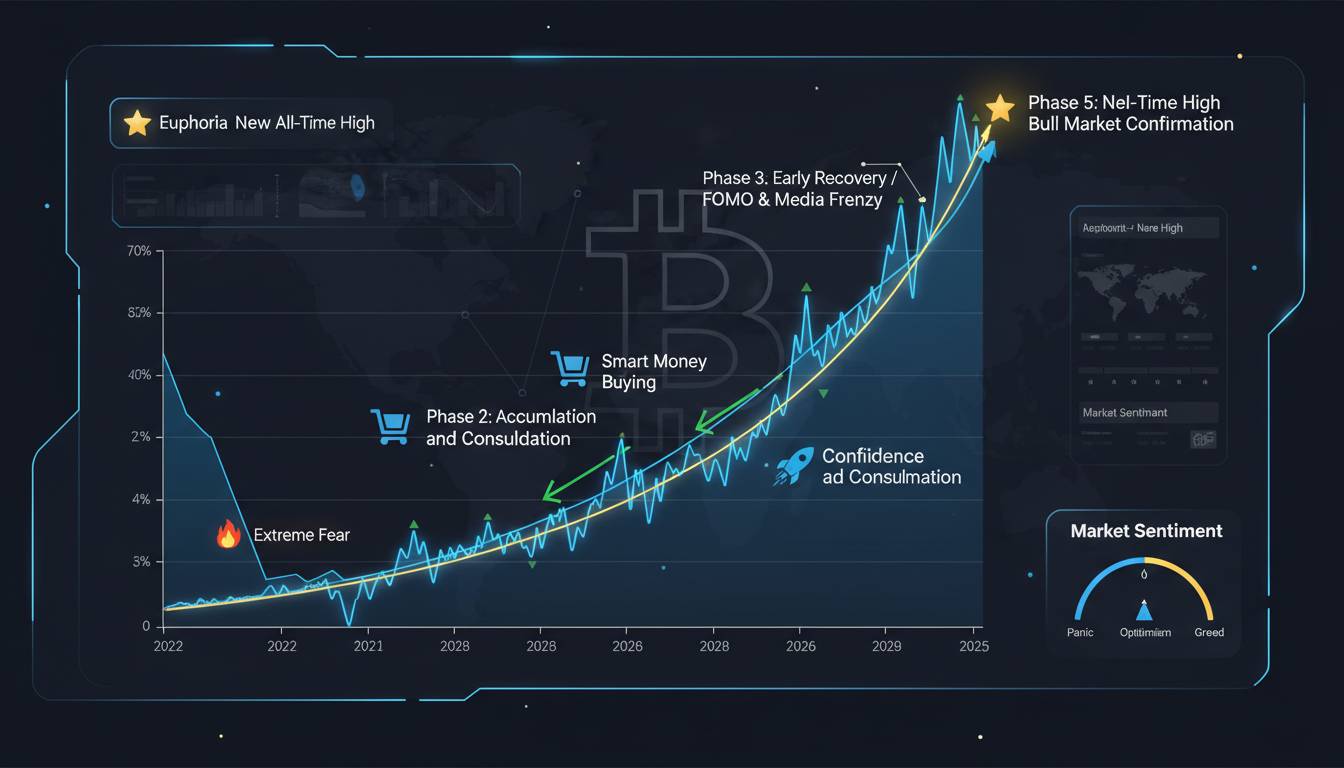
- Sentiment and narrative often lead the initial bounce. People feel that markets might turn—so they test it.
- That opens the door for institutional flows, which boost volume and confidence.
- Regulatory clarity, when it arrives, reinforces both sentiment and institutional backing.
- And behind it all, technical and use-case progress adds staying power.
Thinking of it like a relay: sentiment kicks it off, institutional and policy support pass the baton, and tech holds the pace as momentum builds.
Case in Point: Crypto After Major Drops
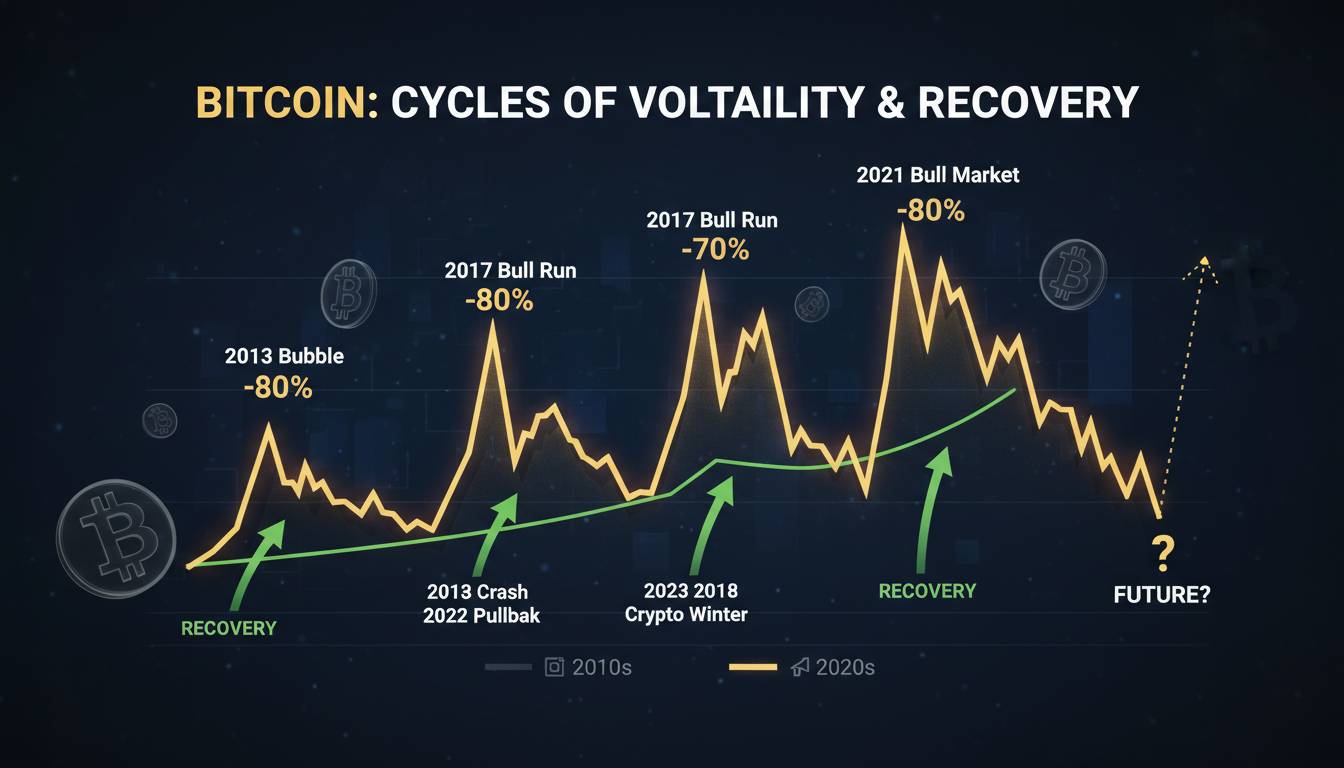
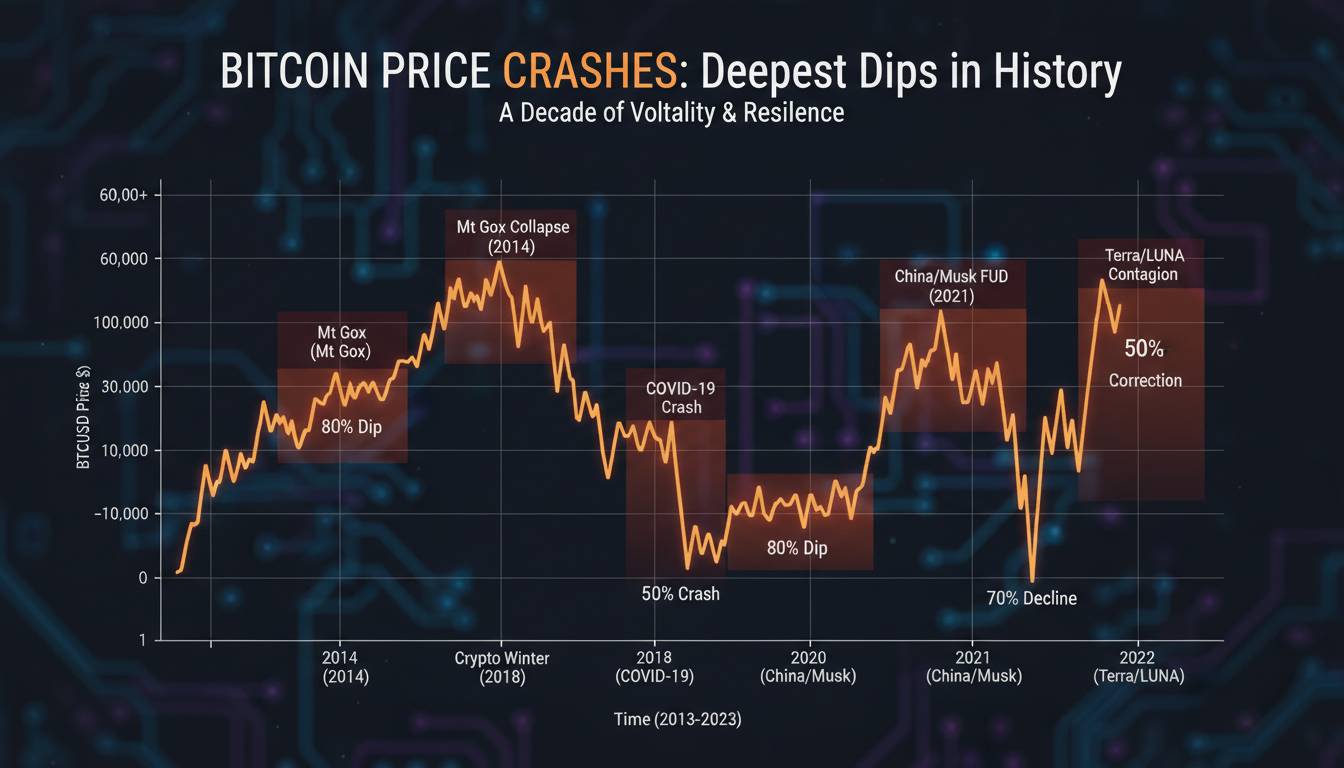
Take the 2022 crypto collapse. It was driven by macro tightening, institutional distress, and regulatory fear. But then:
– A Fed pivot (easing rates) shifted sentiment
– ETF applications and clearer crypto rulings sparked institutional tentativeness turning into flows
– Ethereum upgrades and DeFi resurgence reinforced use-case credibility
That combo helped crypto transition from panic to cautiously optimistic—and then to full rebound. Real life confirming what theory suggests.
Expert Insight
“Financial markets often overreact in both directions. When fundamentals aren’t broken, rational actors eventually restore balance. Crypto is no different—so long as faith in it persists, rebounds are practically baked in.”
This kind of balance-seeking view fits crypto’s history: bumpy ride, but a high level of resilience when catalysts align.
Summary
Crypto rebounds aren’t guaranteed—but they’ve happened before under the right conditions. Watch:
– investor sentiment and compelling narratives,
– inflows from both retail and institutions,
– improving regulatory clarity,
– and meaningful tech progress or real-world adoption.
When those line up, a bounce-back isn’t just possible—it’s probable.
FAQs
Will crypto bounce back after a sharp drop?
Often, yes. Recoveries typically follow when sentiment rebounds, backed by new inflows, clear regulation, or tech developments.
How long might a recovery take?
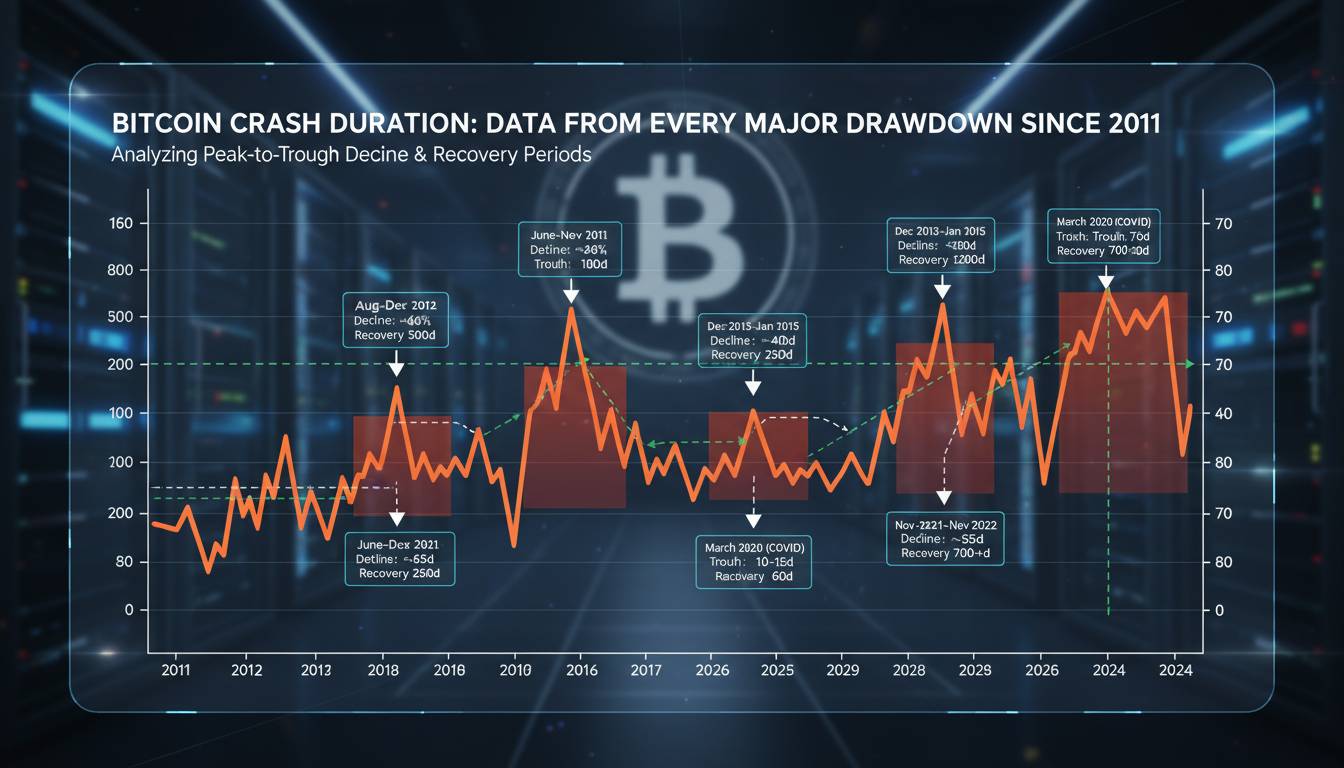
That varies. Sometimes a few weeks if market sentiment shifts fast. Other times, it might stretch over months if structural clarity or tech upgrades are still pending.
What’s the earliest sign of a rebound?
Watch for improved media tone and news of institutional interest. Positive policy headlines or ETF filings often spring the first bounce.
Is tech progress really a factor in price recovery?
Absolutely. Upgrades or growing real-world usage lend credibility. They show crypto isn’t just hype, and that invites renewed capital.
Should I expect recovery after every decline?
Not always. It depends on whether fundamentals—policy clarity, adoption, narrative strength—remain intact. Some drops signal deeper issues, not just corrections.
Let me know if you’d like deeper analysis on any specific crypto or scenario.