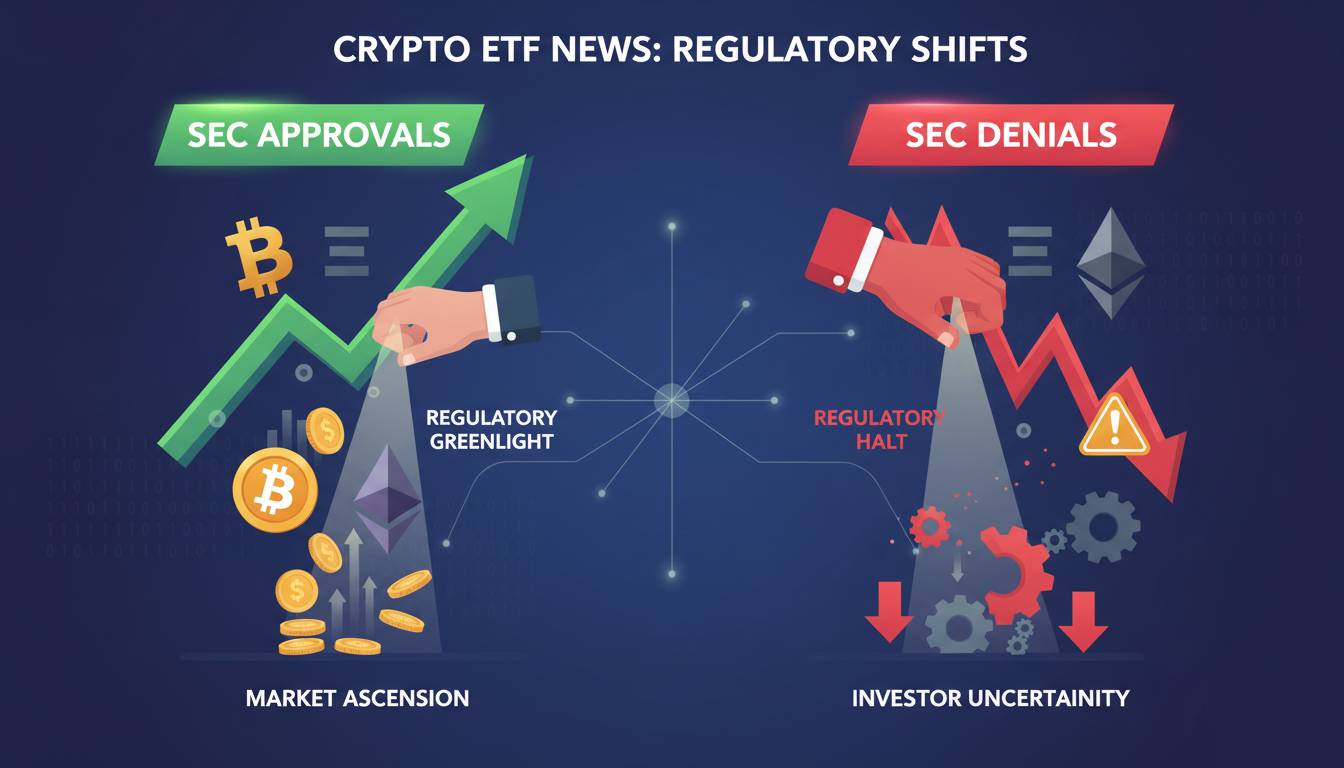

If you’re wondering what’s happening with crypto ETF fund flows and how they’re impacting the market—here’s the short answer: Fund flows into Bitcoin and crypto ETFs remain highly volatile, with occasional surges quickly reversing into steep outflows. These swings are directly affecting prices, investor sentiment, and broader market dynamics.
1. Fund Flow Trends: Inflows, Outflows, and Surprises
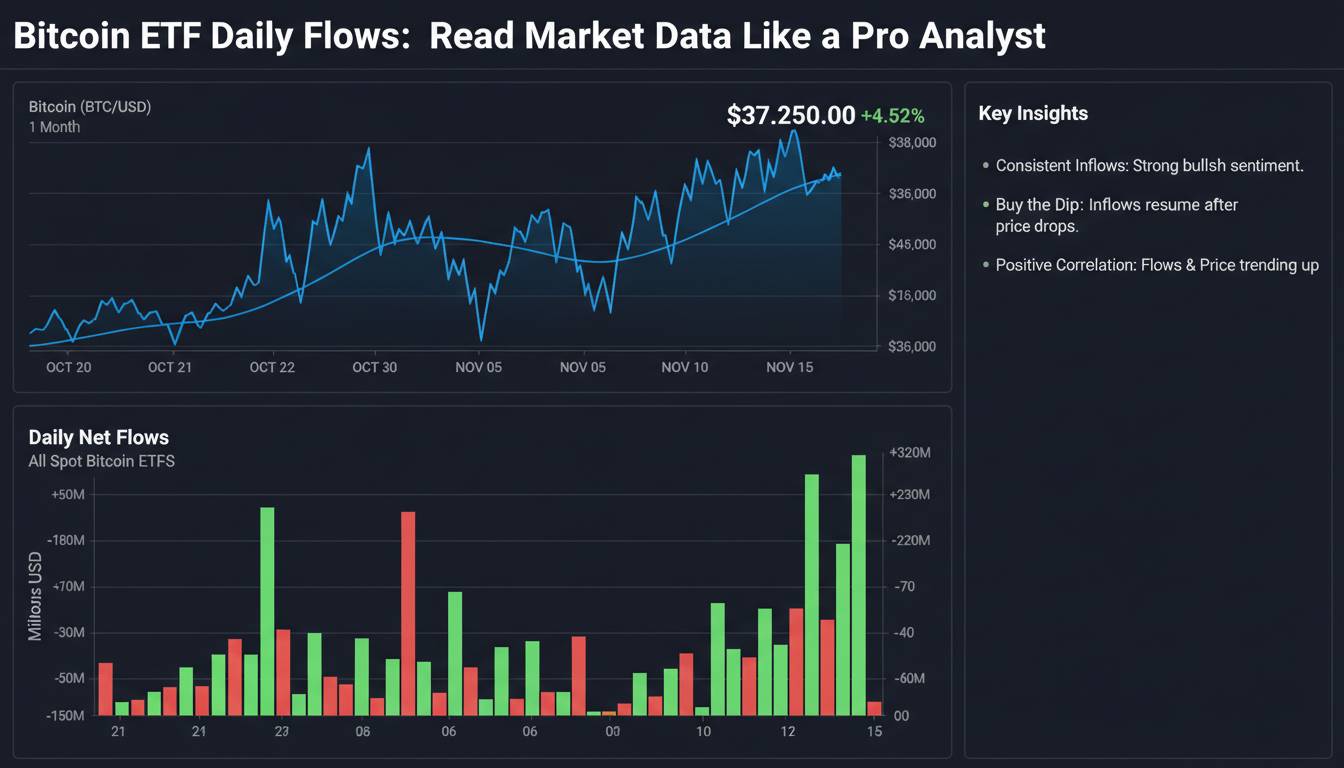
Short-term inflows can shift rapidly to outflows. For instance, on February 2, 2026, U.S. spot Bitcoin ETFs recorded about $562 million in inflows, with Fidelity and BlackRock leading with $153M and $142M respectively. Yet just a few days later, massive redemptions hit: IBIT saw a staggering $528 million outflow in a single day, and year-to-date outflows reached $34 million for the fund. This shows how sentiment—and positioning—can flip almost overnight.
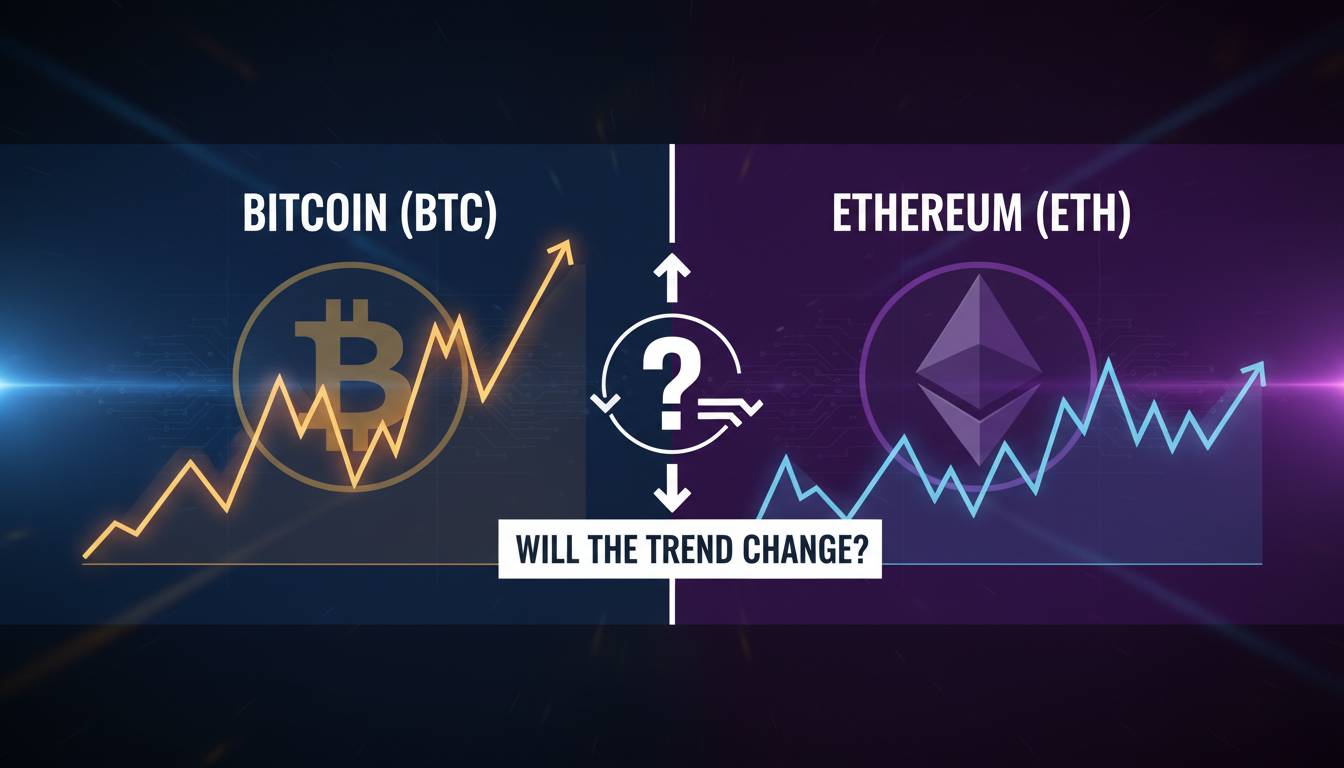
Year-over-year context matters too. In 2025, global crypto ETPs attracted around $47 billion in inflows, just slightly shy of the previous year’s record. Surprisingly though, Bitcoin-focused inflows dipped by about 35%, while altcoins like Ether, Solana, and XRP gained traction with double- and even triple-digit gains in ETP interest.
2. Performance: ETF Moves Reflect Broader Market Weakness
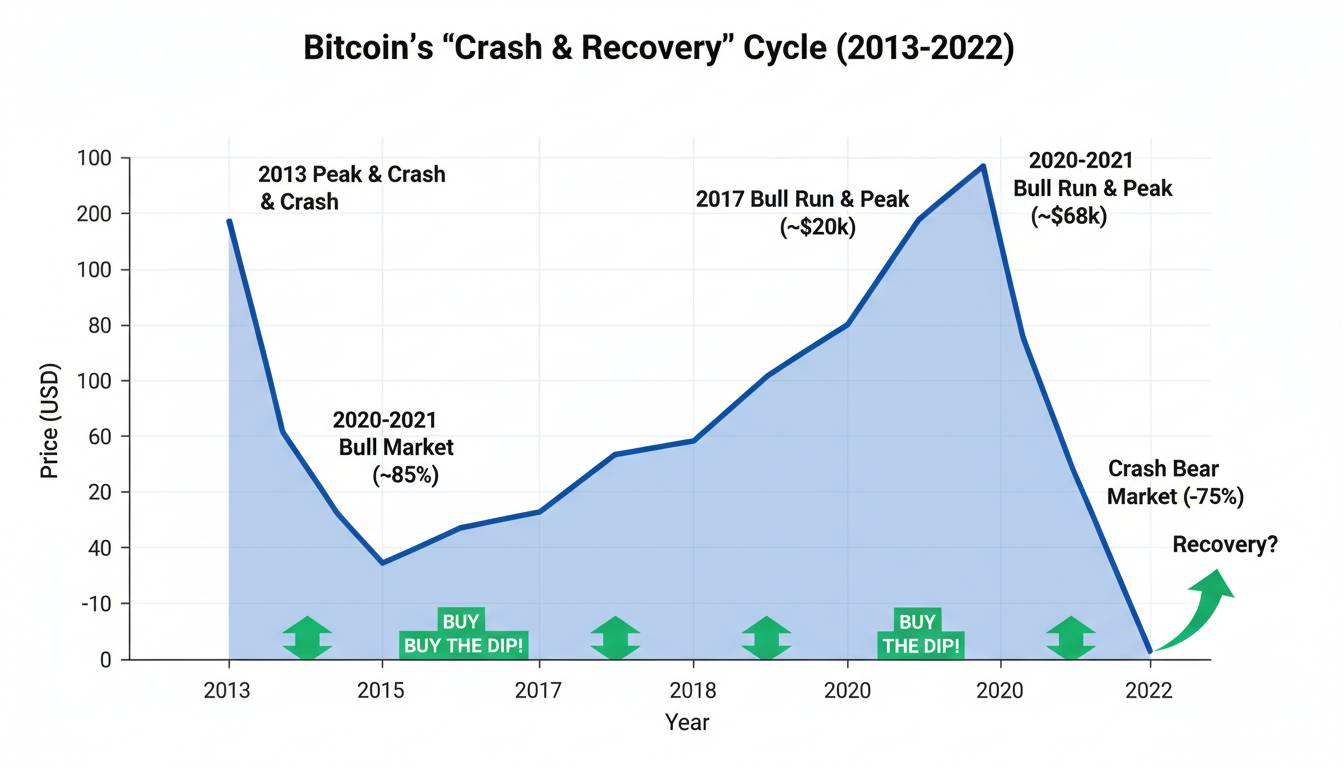
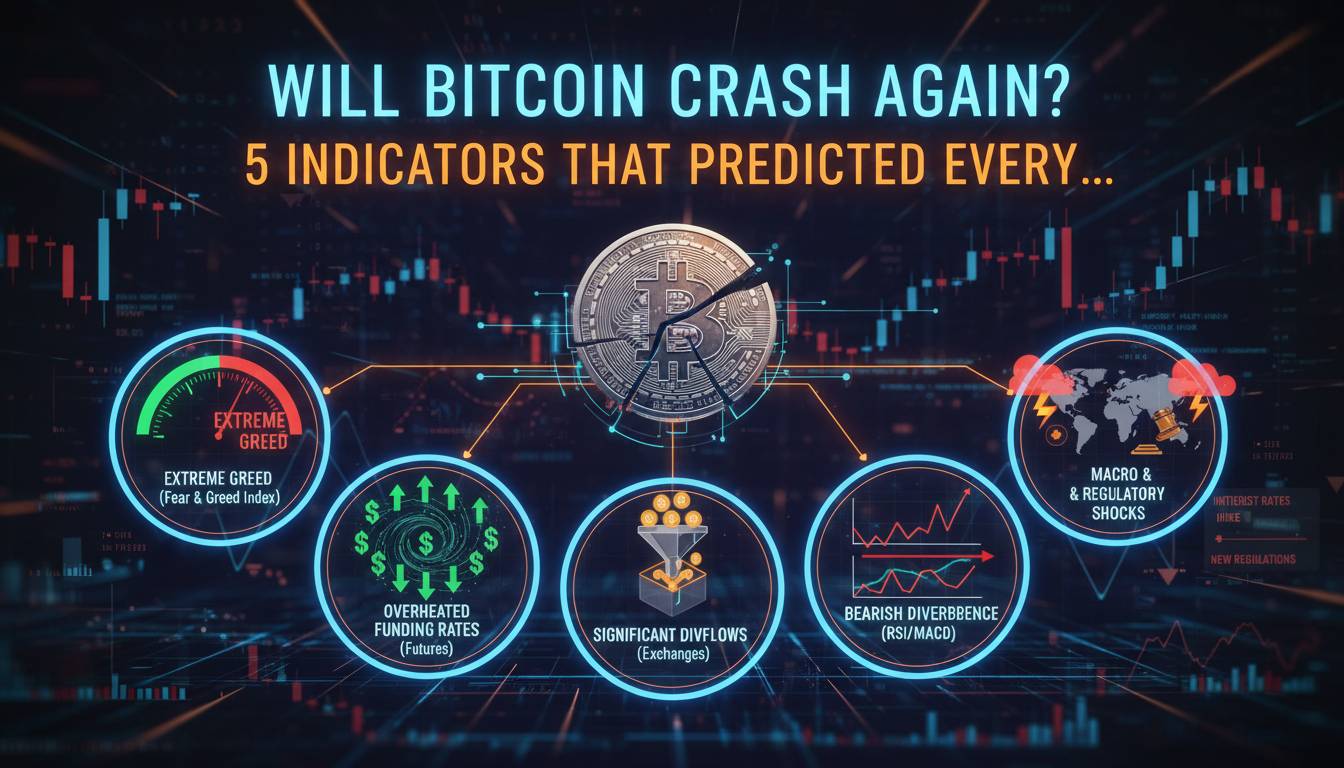
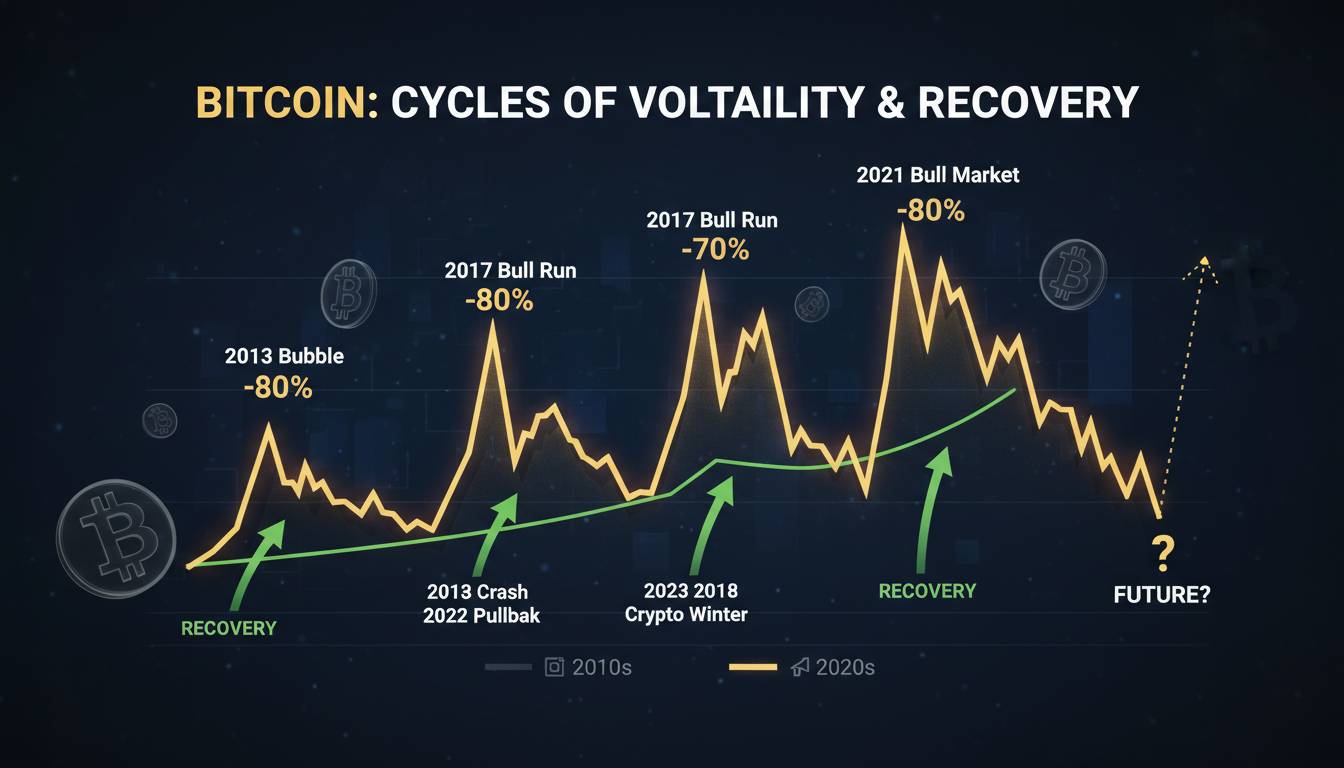
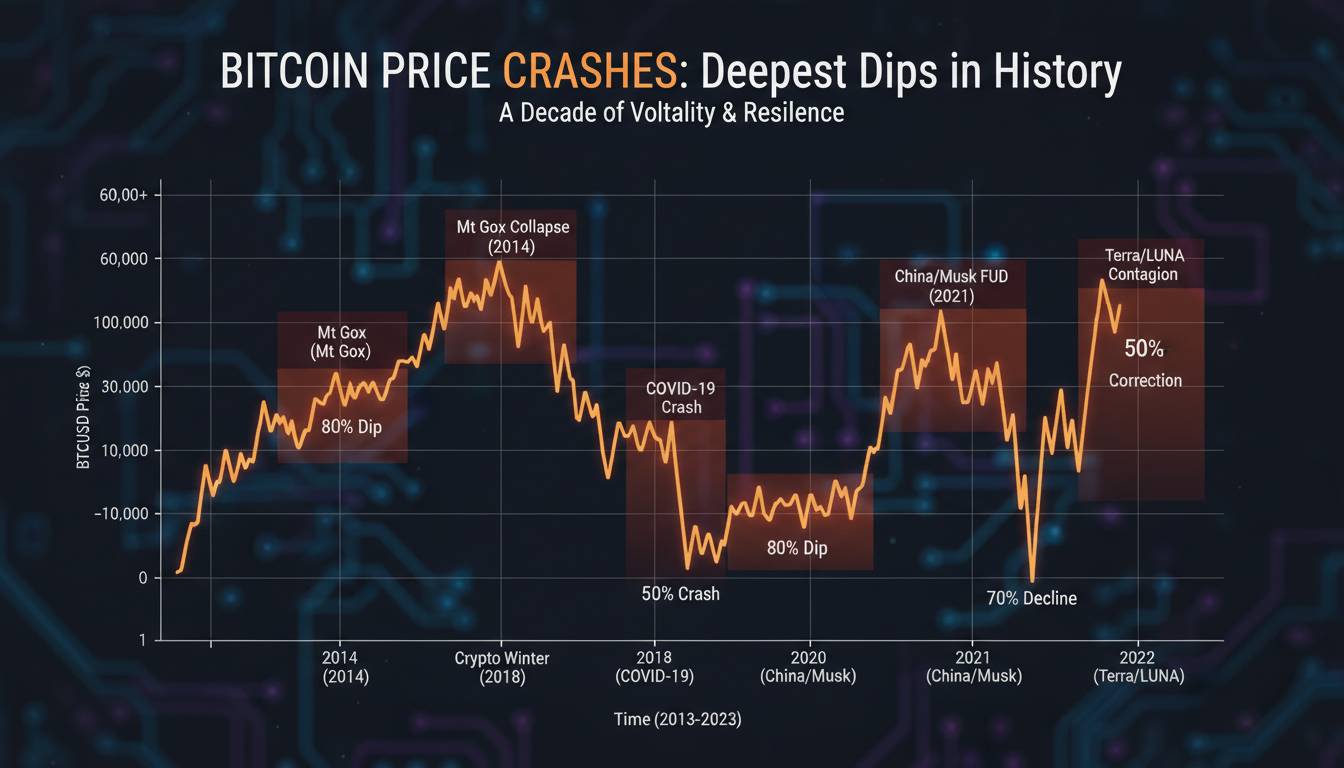
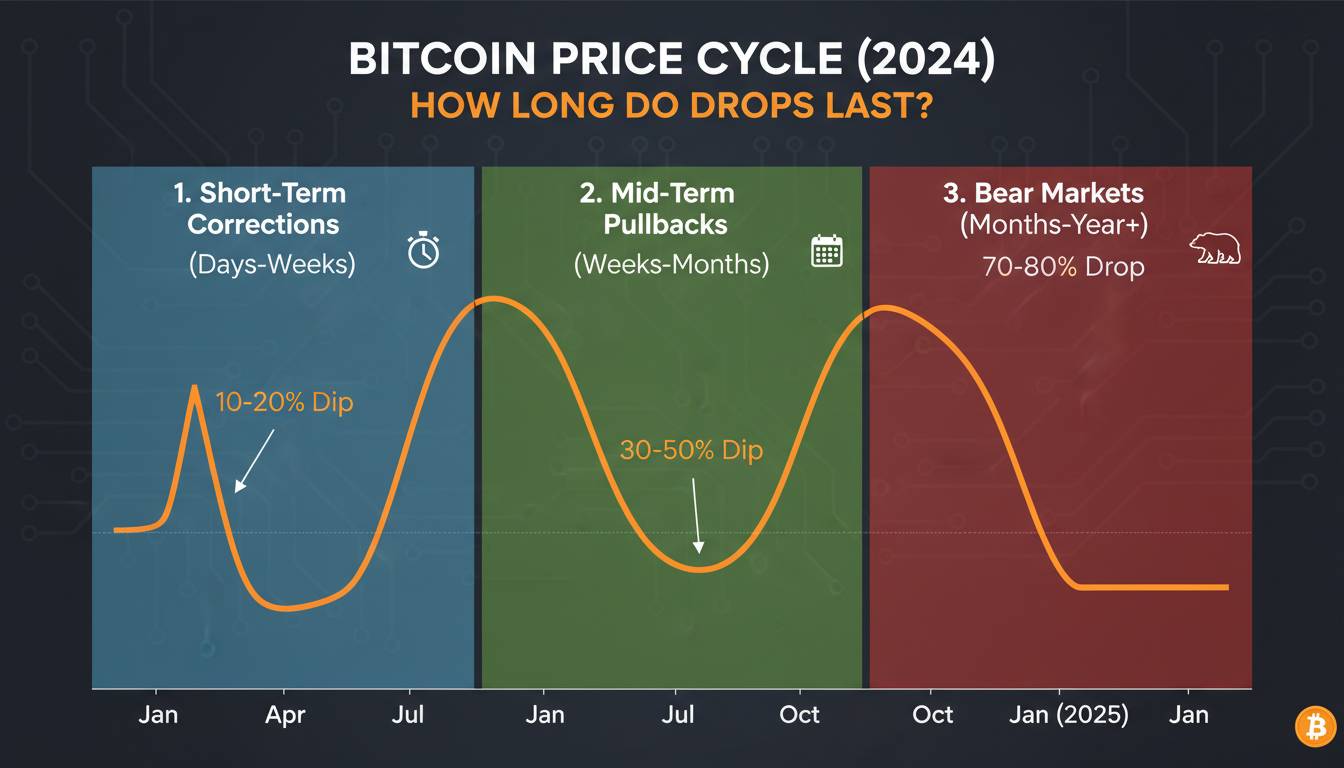
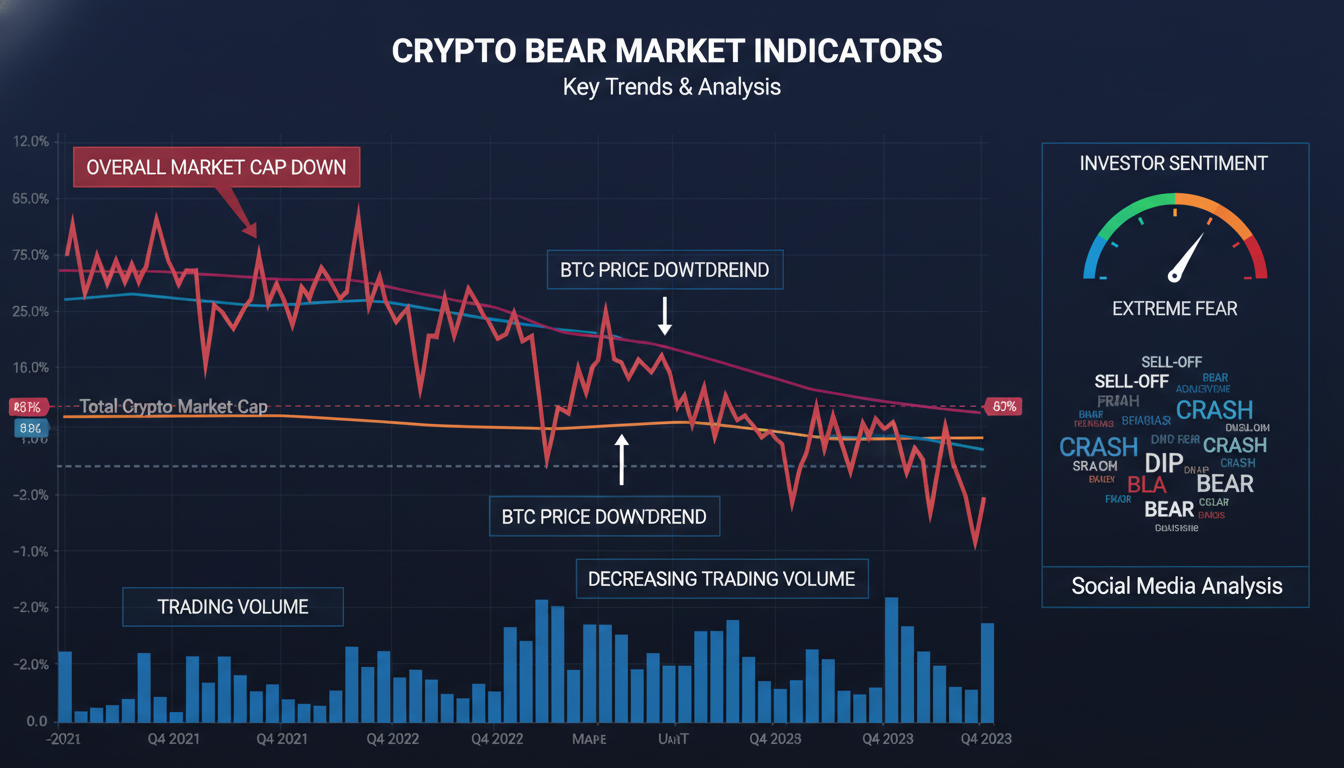
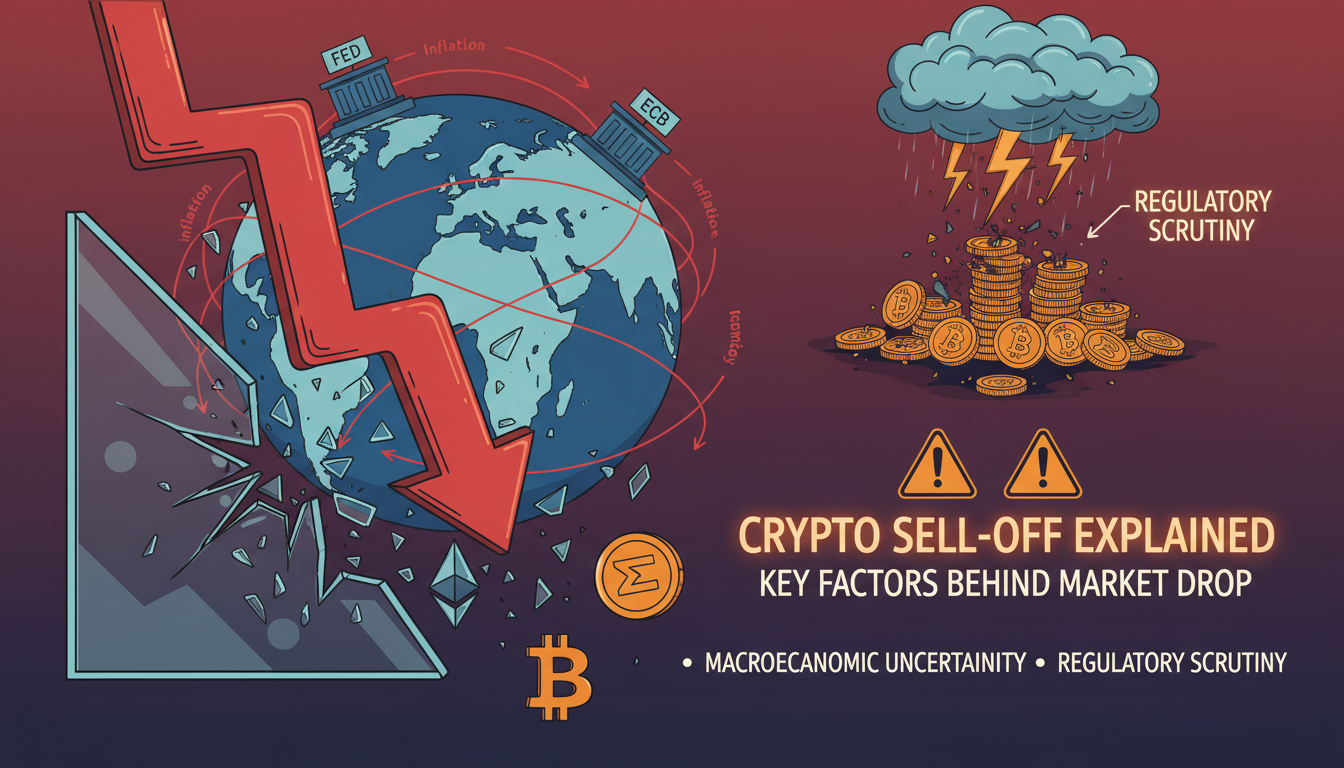
Crypto ETF performance mirrors the overall market mood. Bitcoin dropped under $64,000 in early February—the sharpest correction from its $126K peak in fall 2025, erasing over $500 billion in crypto market value. ETF performance echoed the decline: iShares IBIT plunged by more than 13%, its worst single-day slide since August 2024, adding even more pressure.
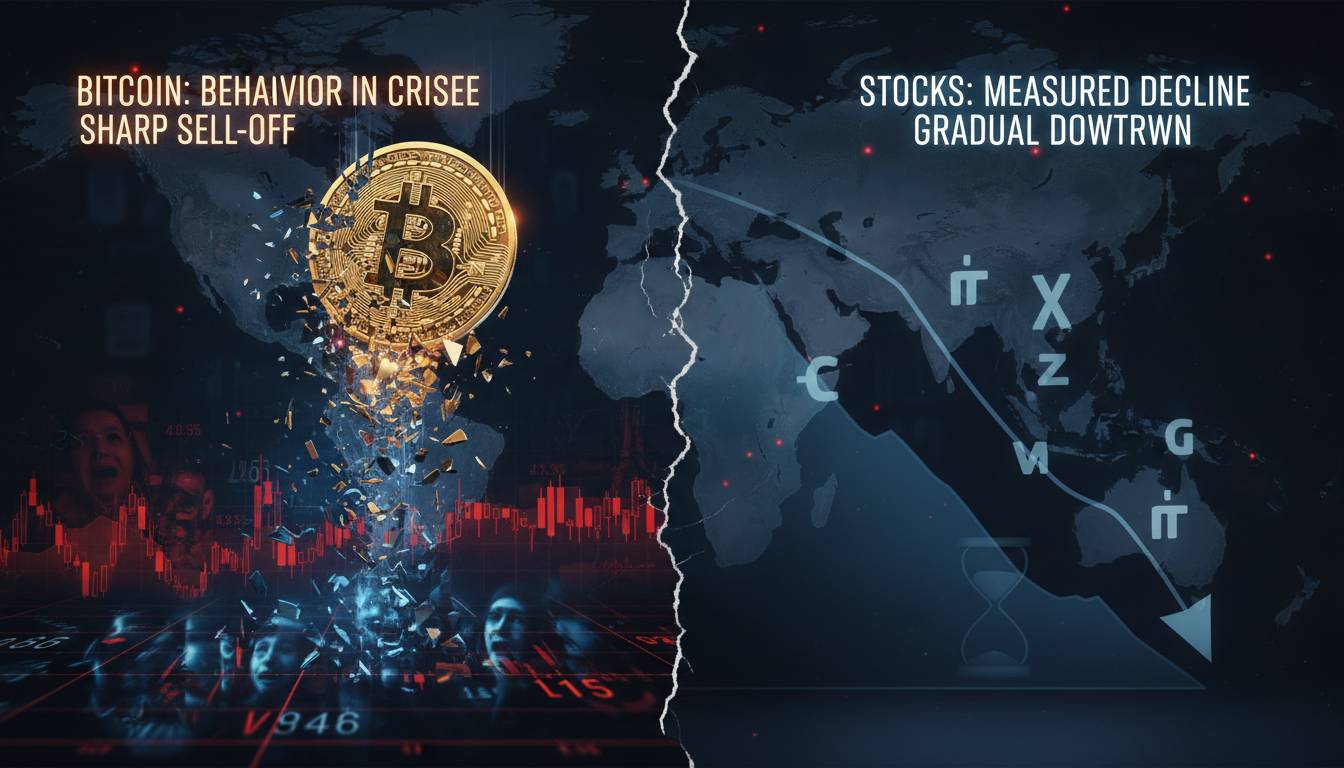
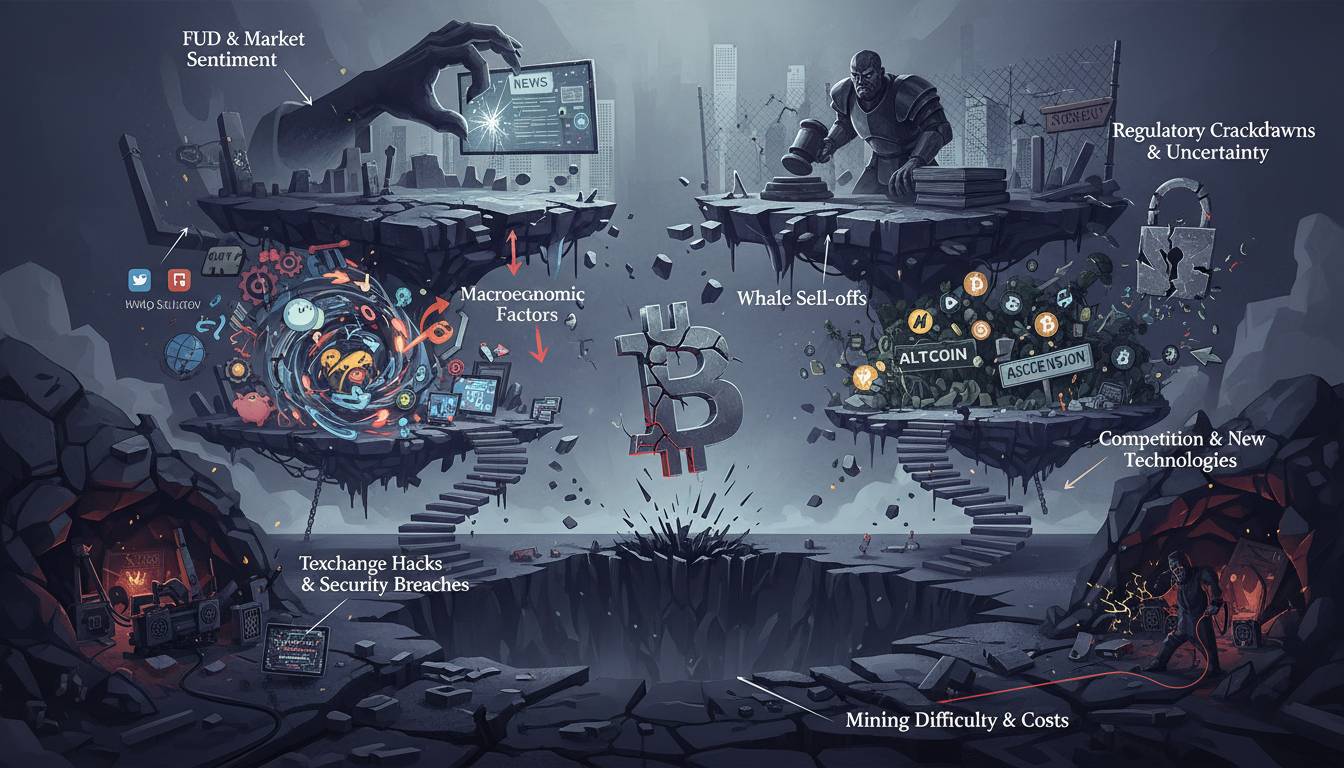
What led to the volatility? A mix of investor profit-taking, dampened institutional appetite, and correlation to declines in tech and AI stocks—dragging ETFs and crypto markets downward together.
3. Altcoins Rising: A Shifting ETF Landscape
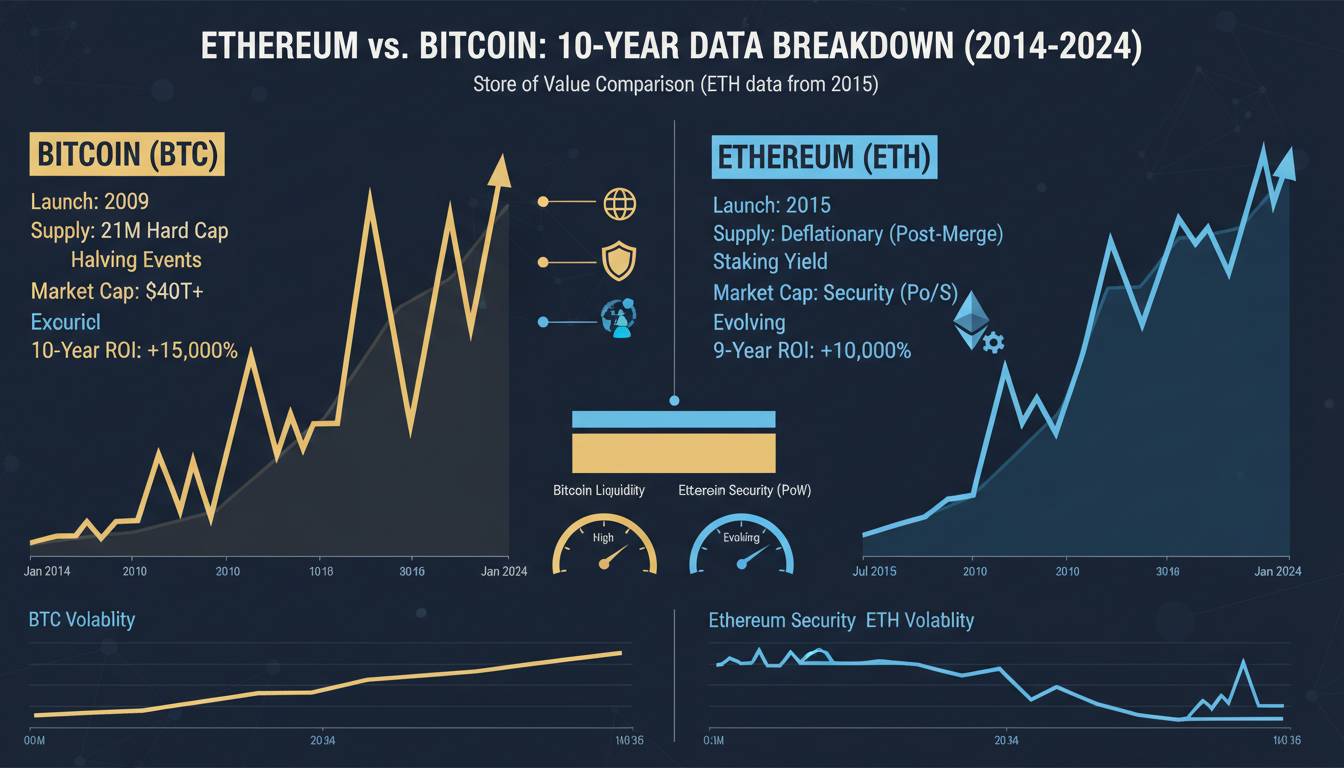
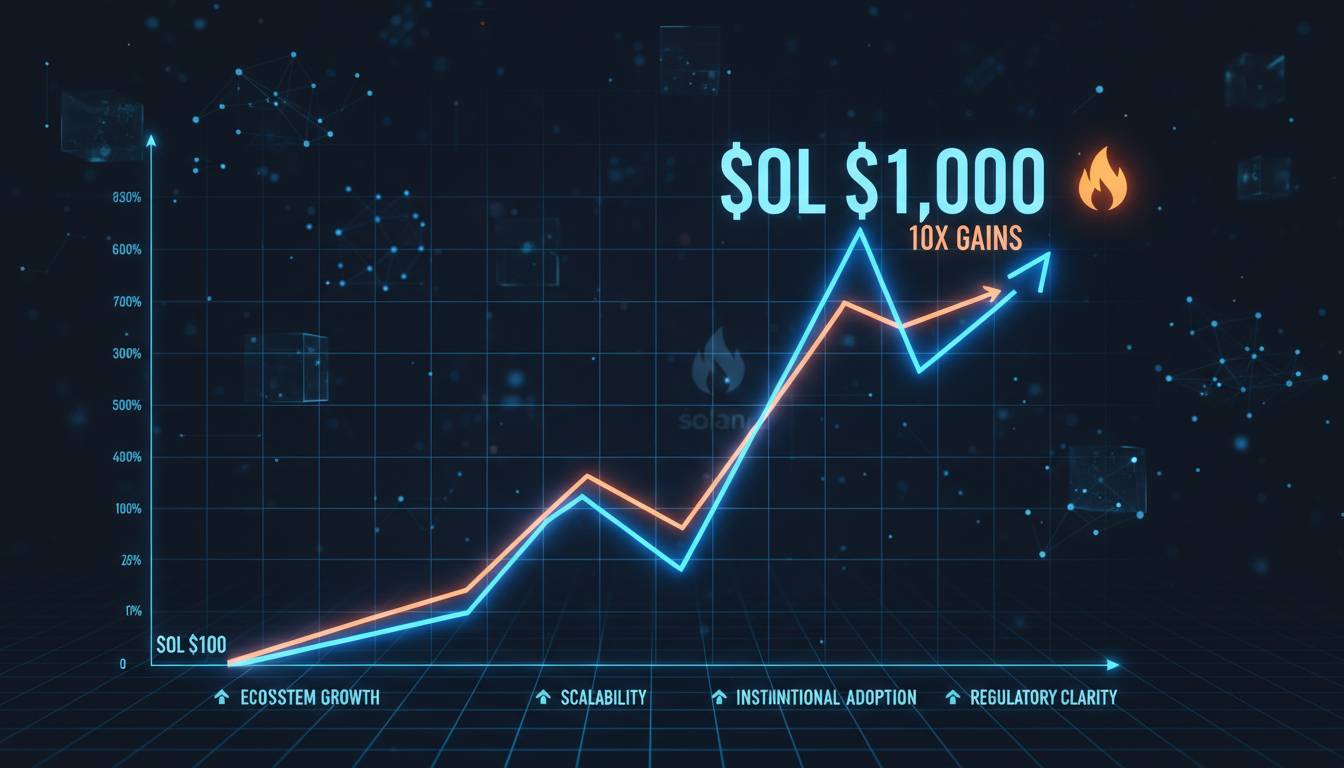
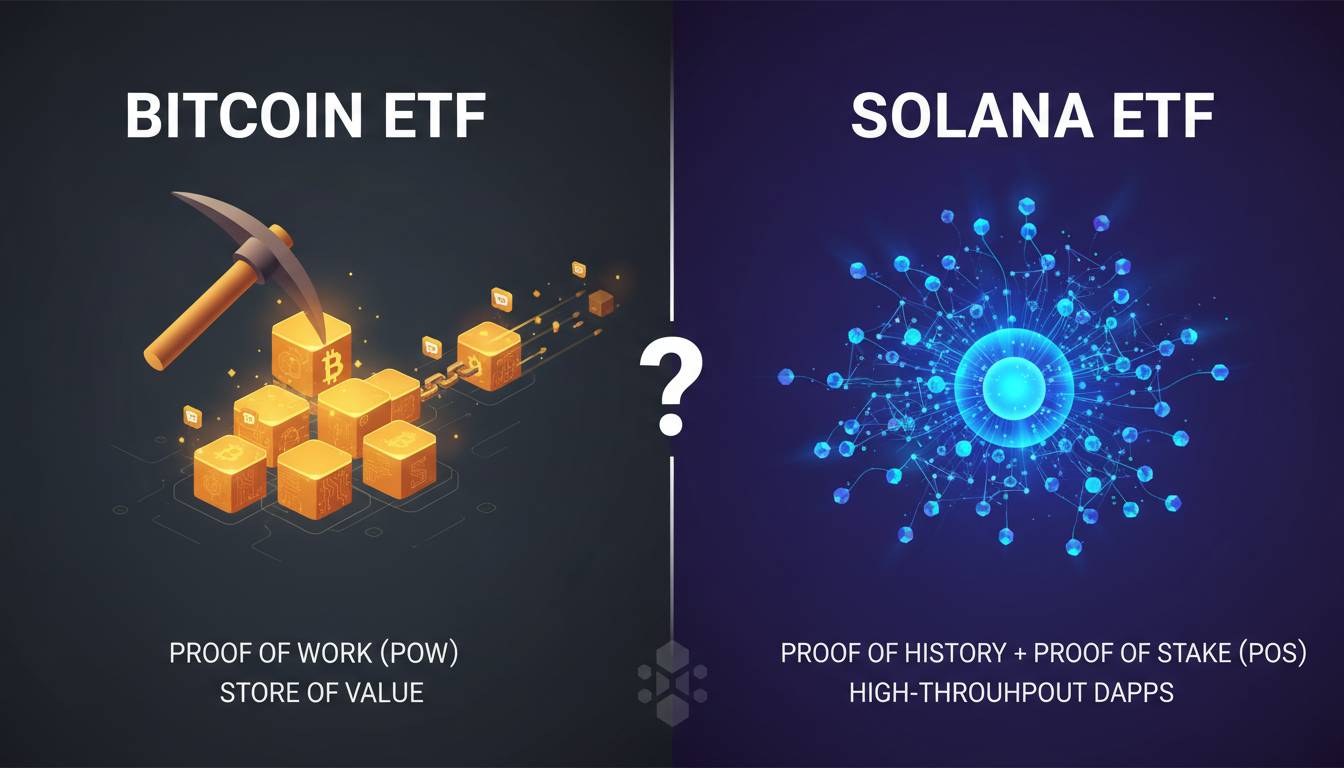
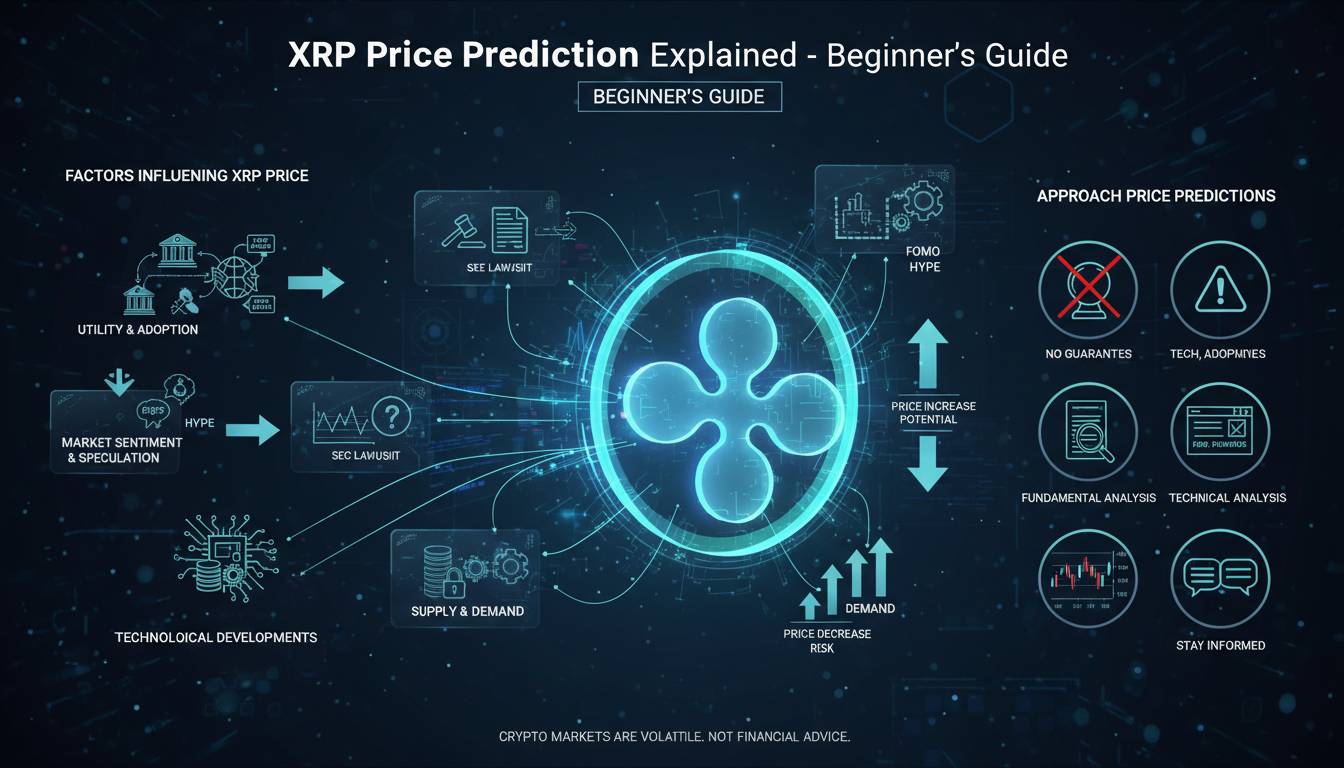
Bitcoin isn’t the only game in town. Ethereum and other altcoins are increasingly drawing capital. Ether ETPs surged about 138% year-over-year to roughly $12.7 billion in 2025. Solana posted a staggering 1,000% increase (from ~$310M to $3.6B), and XRP was up about 500%. This shift toward altcoin products suggests growing investor interest in varied exposure rather than Bitcoin-only dependence.
4. Institutional Signals Versus Retail Momentum
ETF moves may come from institutional rebalancing more than from inflow-driven conviction. February’s early inflows in ETFs appear tactical rather than trend-confirming, dominated by large issuers. Bloomberg’s Eric Balchunas noted Bitcoin ETFs were “coming into 2026 like a lion,” with over $1.2B flowing in the first two trading days—implying potential for $150B annual inflows if momentum persisted. Still, some of that demand may be driven by liquidity needs rather than long-term conviction.
5. Market Impact: Price, Sentiment, and the Broader Crypto Cycle
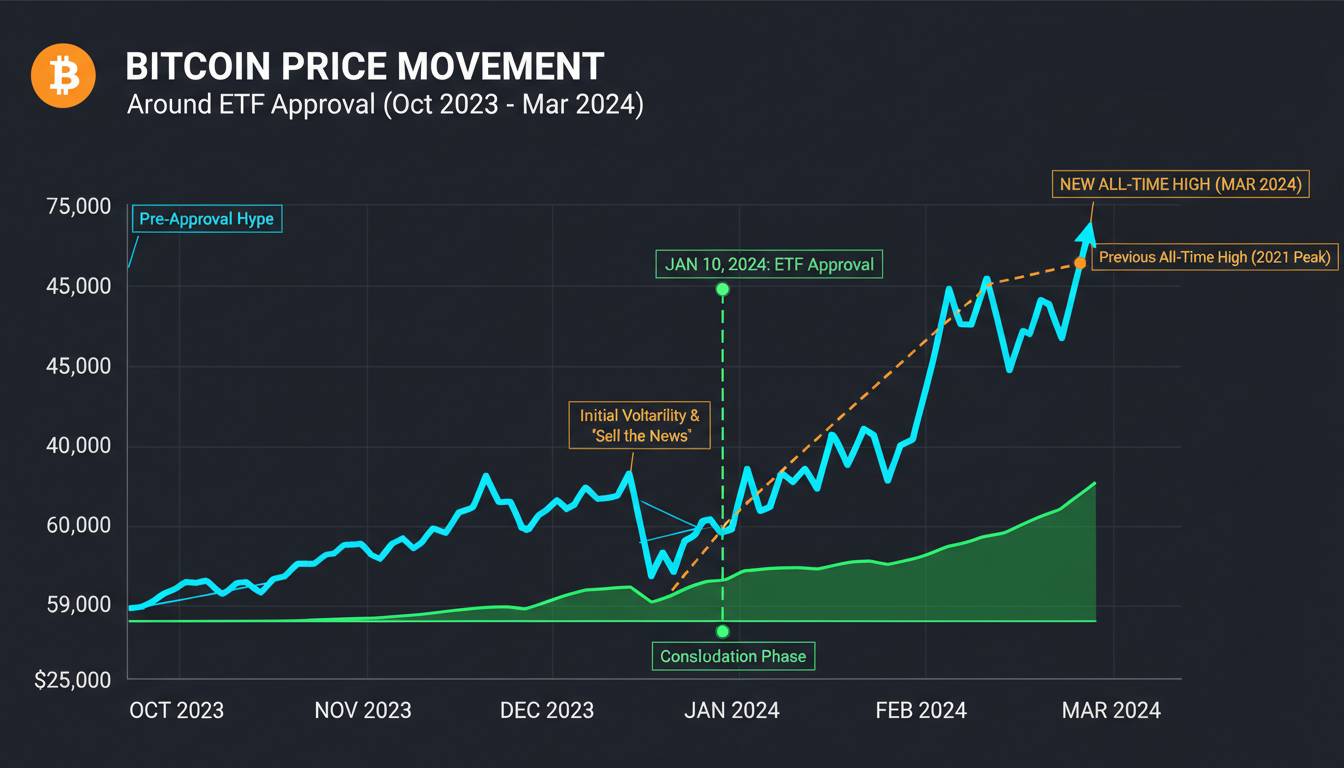
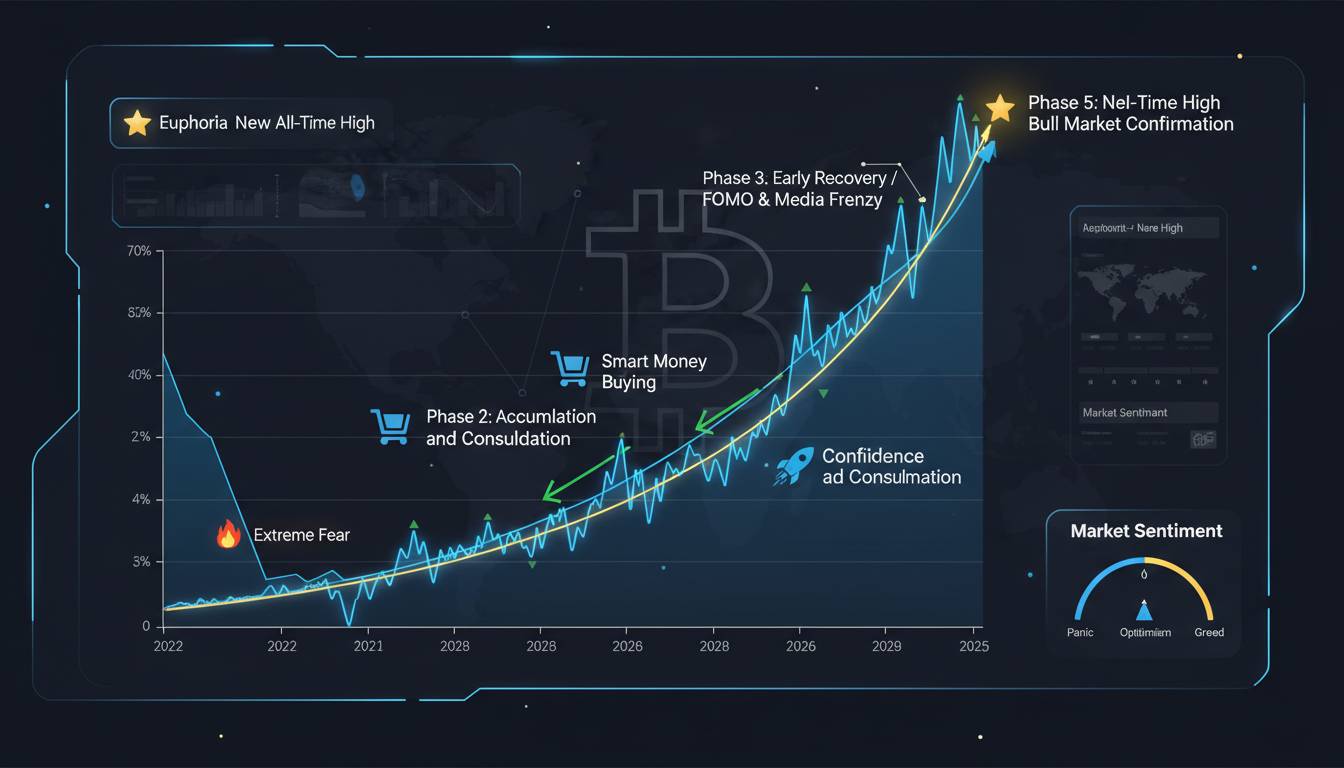
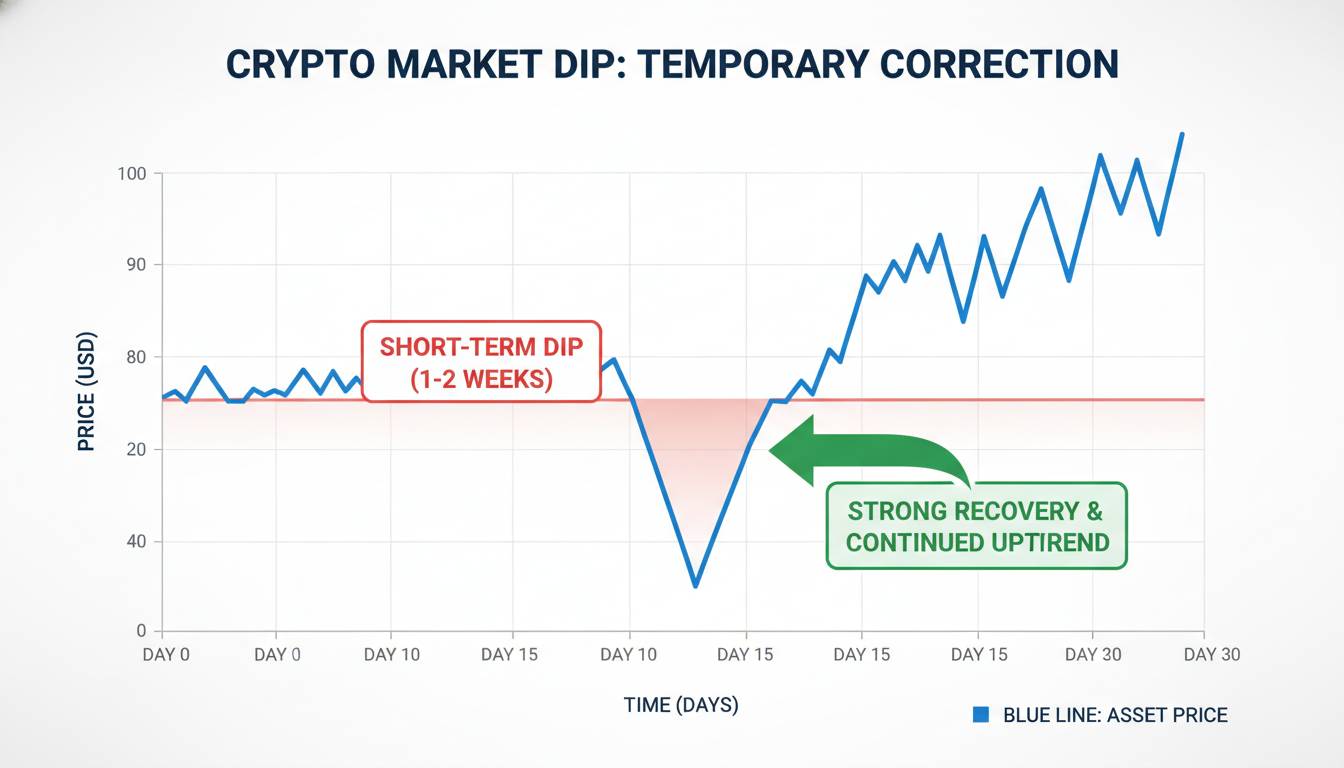
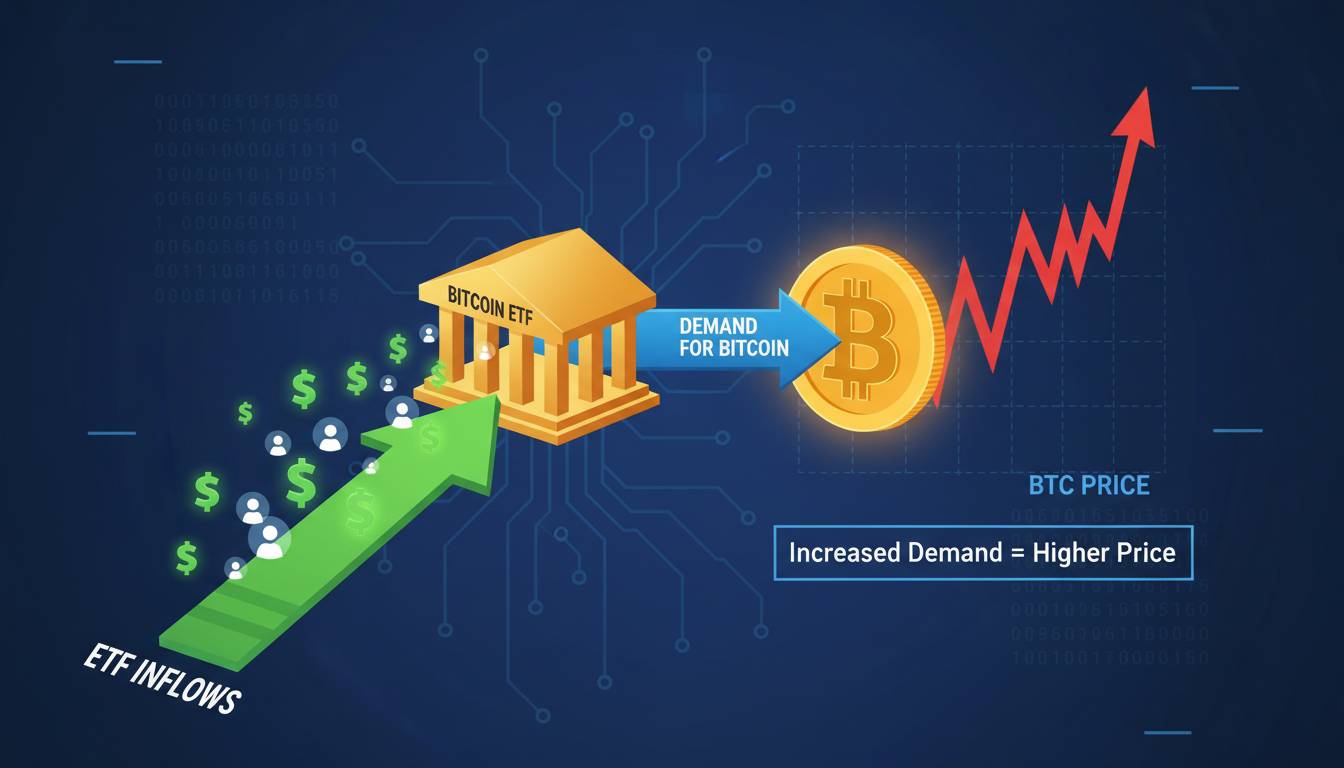
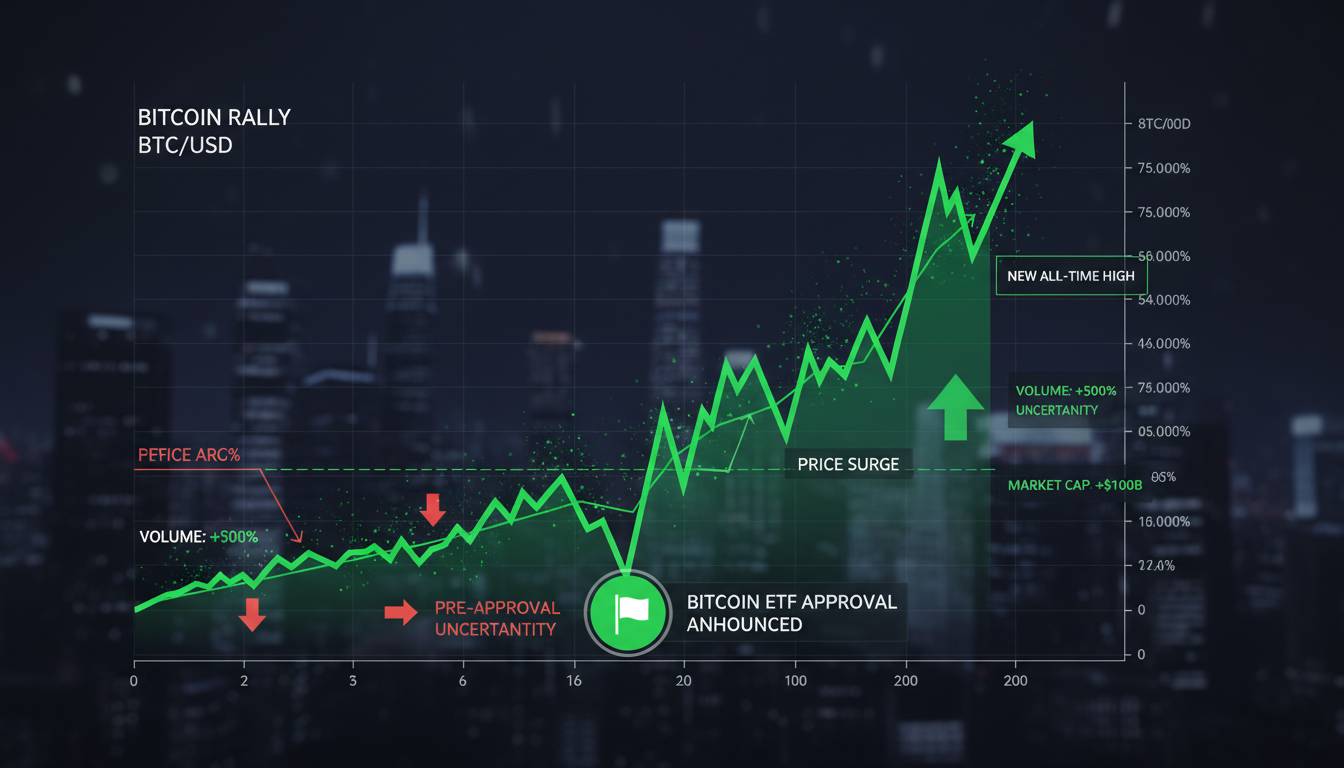
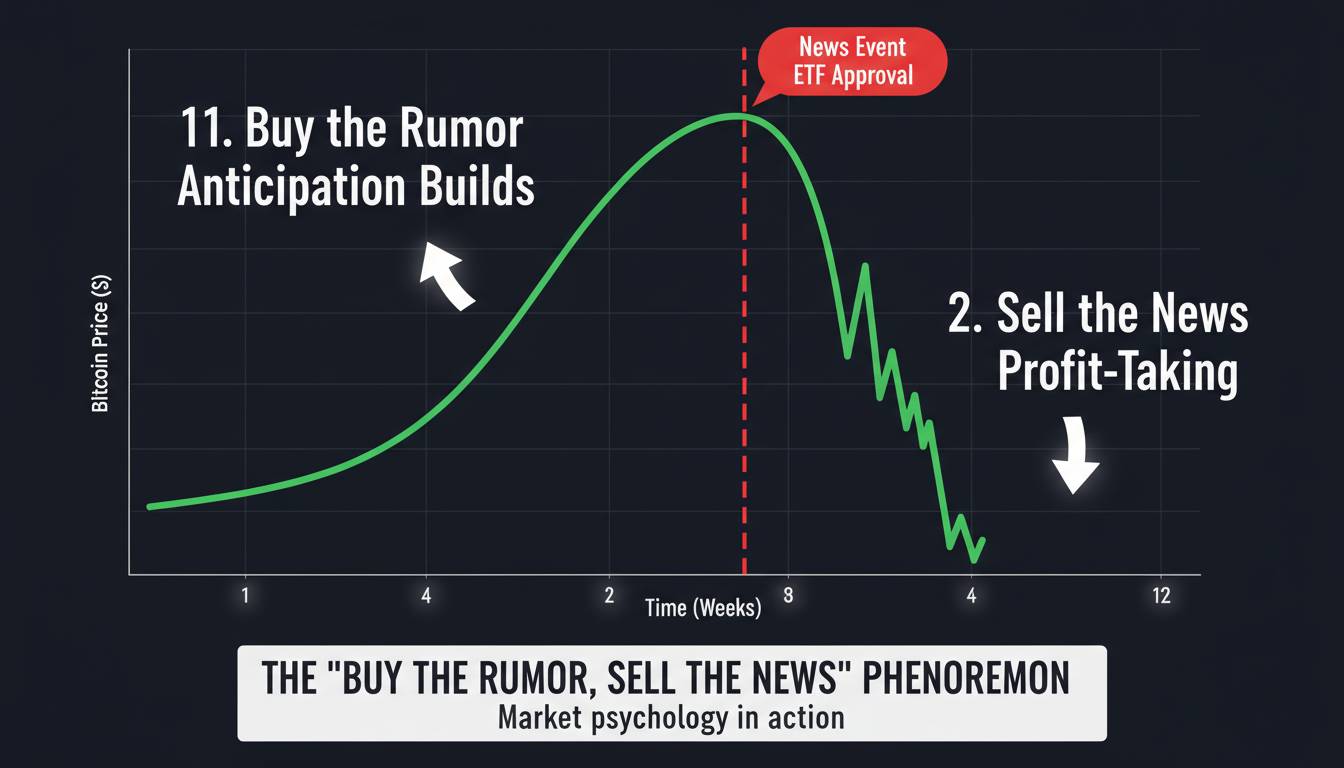
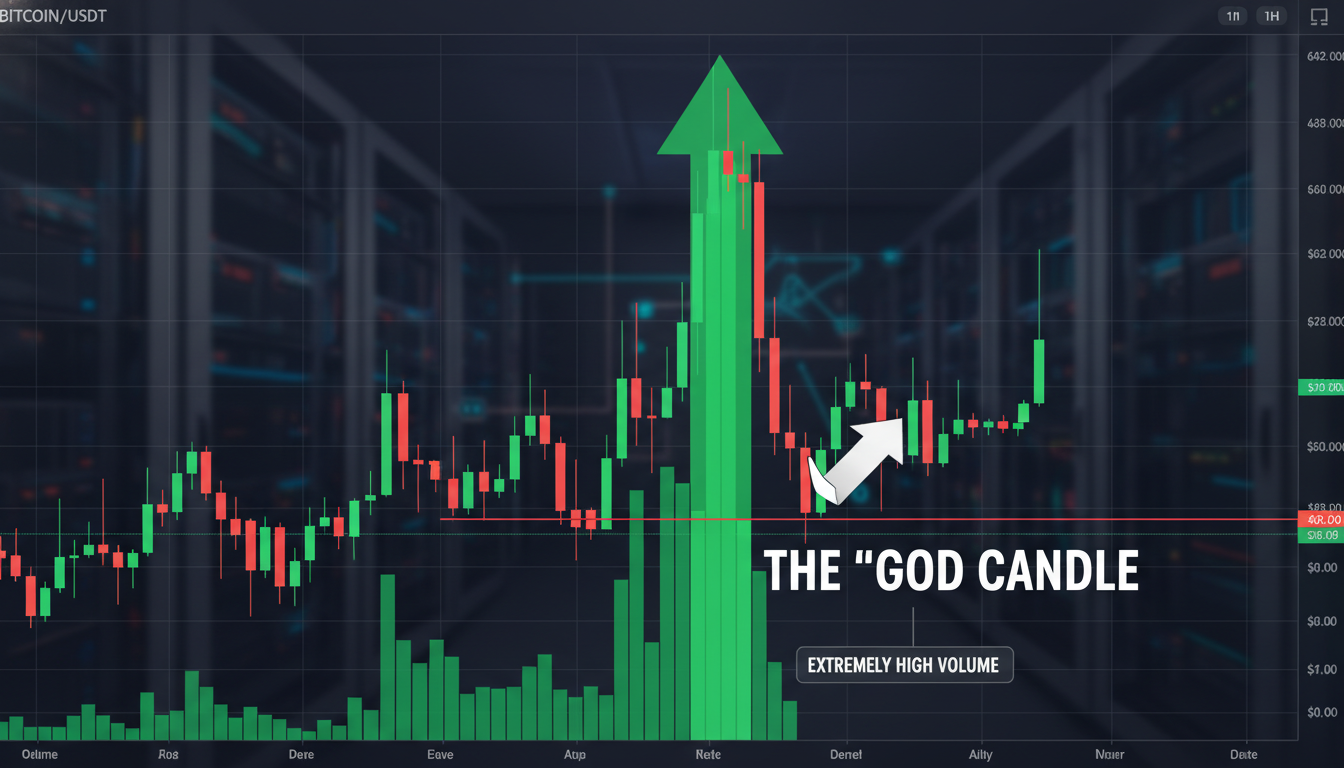
ETF flows are more than just numbers—they shape markets. Heavy inflows lift prices; outflows fuel corrections. Early-week inflows pushed Bitcoin to rally back above $90,000 in late 2025. But sharp outflows and tech-stock correlation flipped sentiment, pushing BTC down toward $63,000 and deepening losses in ETF-linked products.
What’s more, ETF dynamics now feed into macro risk sentiment. With market volatility mounting, ETFs are both a barometer and amplifier of sentiment. Without fresh catalysts—like institutional adoption or policy clarity—the cycle could deepen, especially as price declines trigger redemption spirals in funds.
Expert Insight
“The spot Bitcoin ETFs are coming into 2026 like a lion,” said Bloomberg’s Eric Balchunas. If inflows keep pace, annual totals could hit $150 billion—about 600% more than 2025.
Conclusion
Fund flows into crypto ETFs are wildly volatile and sharply pulse with broader market sentiment. After strong inflows in early February, the market swiftly reversed into heavy outflows—reflecting shifting investor positioning and risk appetite. Meanwhile, altcoins like Ether, Solana, and XRP are gaining ground in ETF interest. ETF-led demand continues to influence prices and sentiment, but it’s still unclear whether these inflows reflect long-term conviction or cautious repositioning. Watching ETF flows closely remains critical for understanding where crypto markets may head next.
FAQs
Q: Are crypto ETFs still gaining investor interest in 2026?
Yes. Despite recent volatility, ETFs attracted significant capital in early 2026—like $562M inflows on February 2—but flows remain highly reactive to market moves.
Q: Which assets attracted more inflows: Bitcoin or altcoins?
Altcoins gained traction in 2025. Ethereum, Solana, and XRP all saw strong ETF inflows. Bitcoin’s inflow pace slowed by roughly 35% year-over-year.
Q: Do ETF flows drive crypto prices?
They certainly influence them. Large inflows can boost prices; heavy outflows pressure them. The ETF structure can amplify liquidity shifts and investor sentiment.
Q: Are ETF gains backed by long-term conviction?
Not always. Some ETF inflows appear tactical—driven by liquidity rebalancing or macro rotation. Sustained inflows across multiple sessions would signal deeper conviction.
Q: Can ETF structures spark selloffs?
Yes. ETFs can act like stop-loss accelerators—when prices drop, redemptions can trigger further selling, creating a feedback loop that pressures both prices and sentiment.