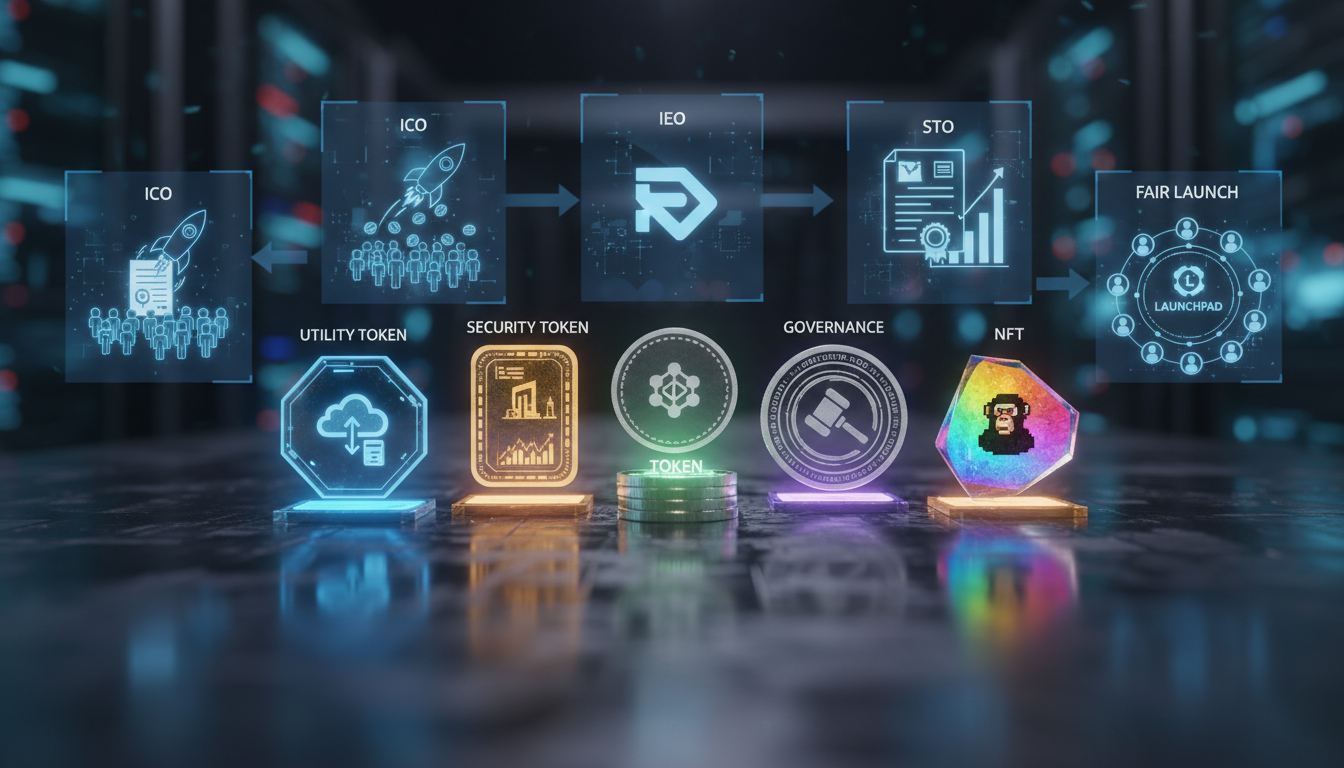
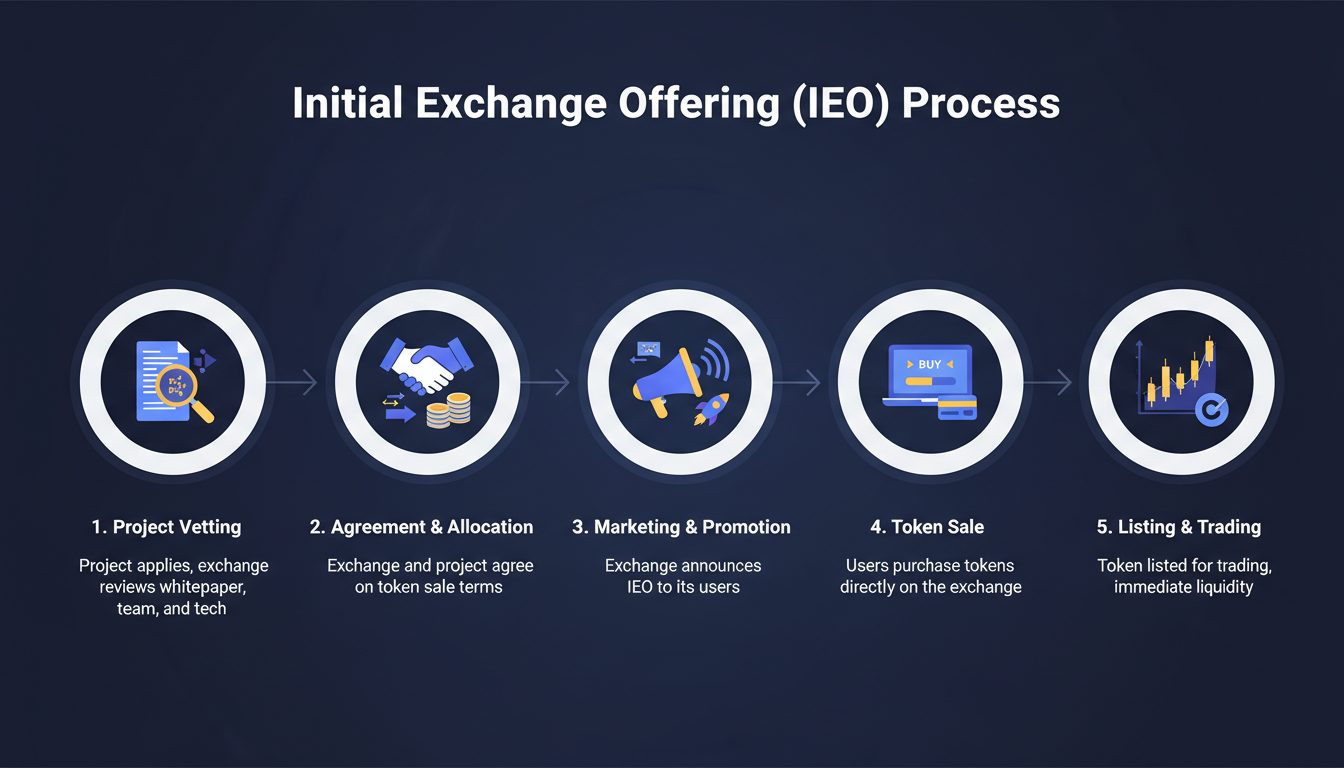
An Initial Exchange Offering (IEO) is a method for crypto projects to raise funds by partnering with a cryptocurrency exchange that handles the token sale. Exchanges conduct vetting, manage compliance, and provide immediate listing and liquidity—offering both credibility and convenience compared to other token sale models.
What Is an IEO and How It Works
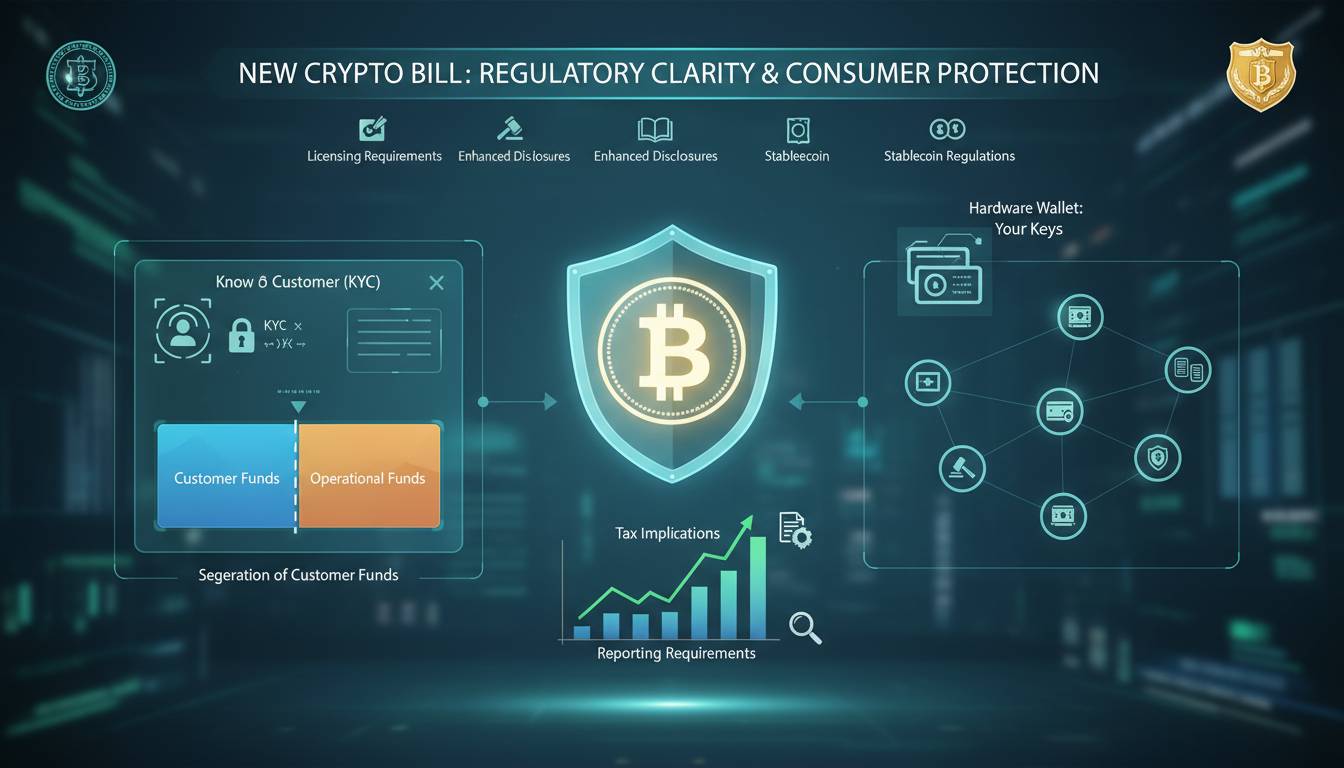
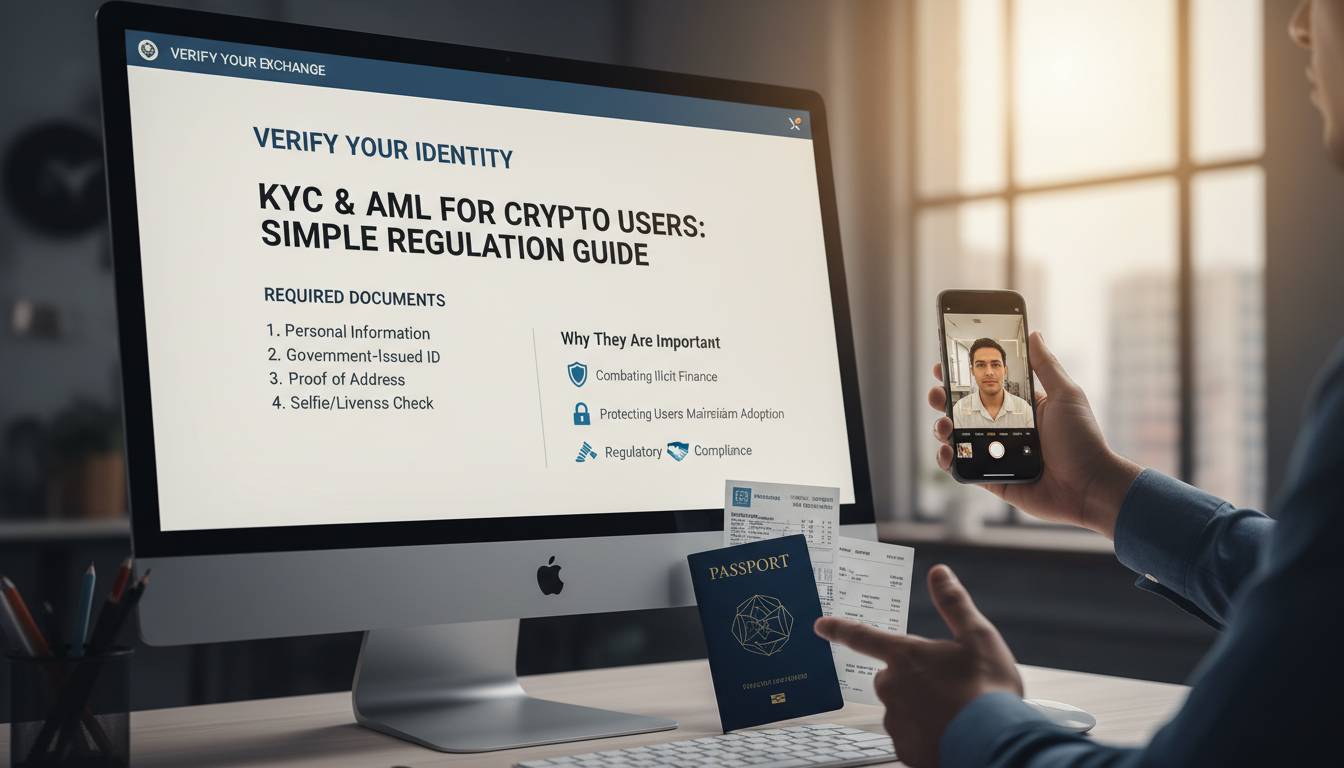
IEOs basically mean that a crypto project sells its tokens directly through a reputable exchange, not on its own site. The exchange serves as the middleman—vetting the team, doing due diligence, and handling Know Your Customer (KYC) and Anti-Money Laundering (AML) checks for the sale .
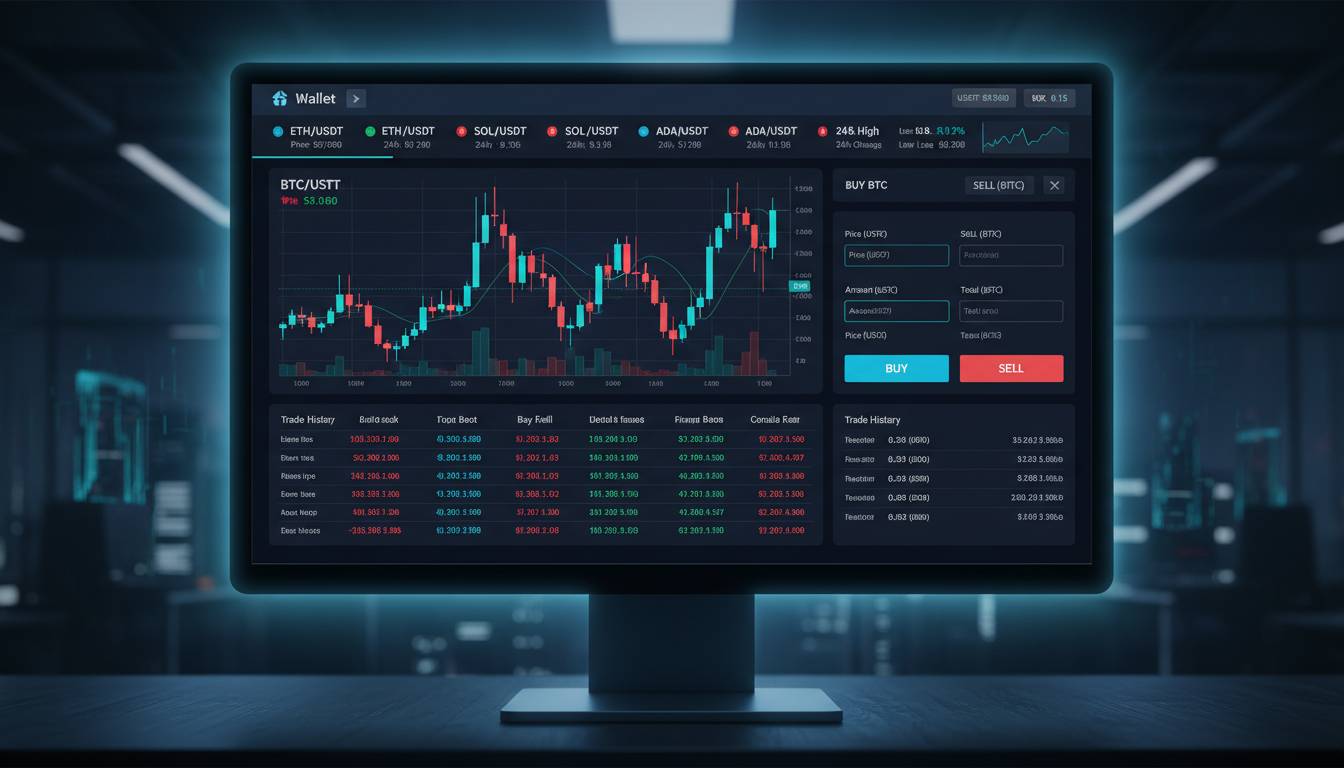
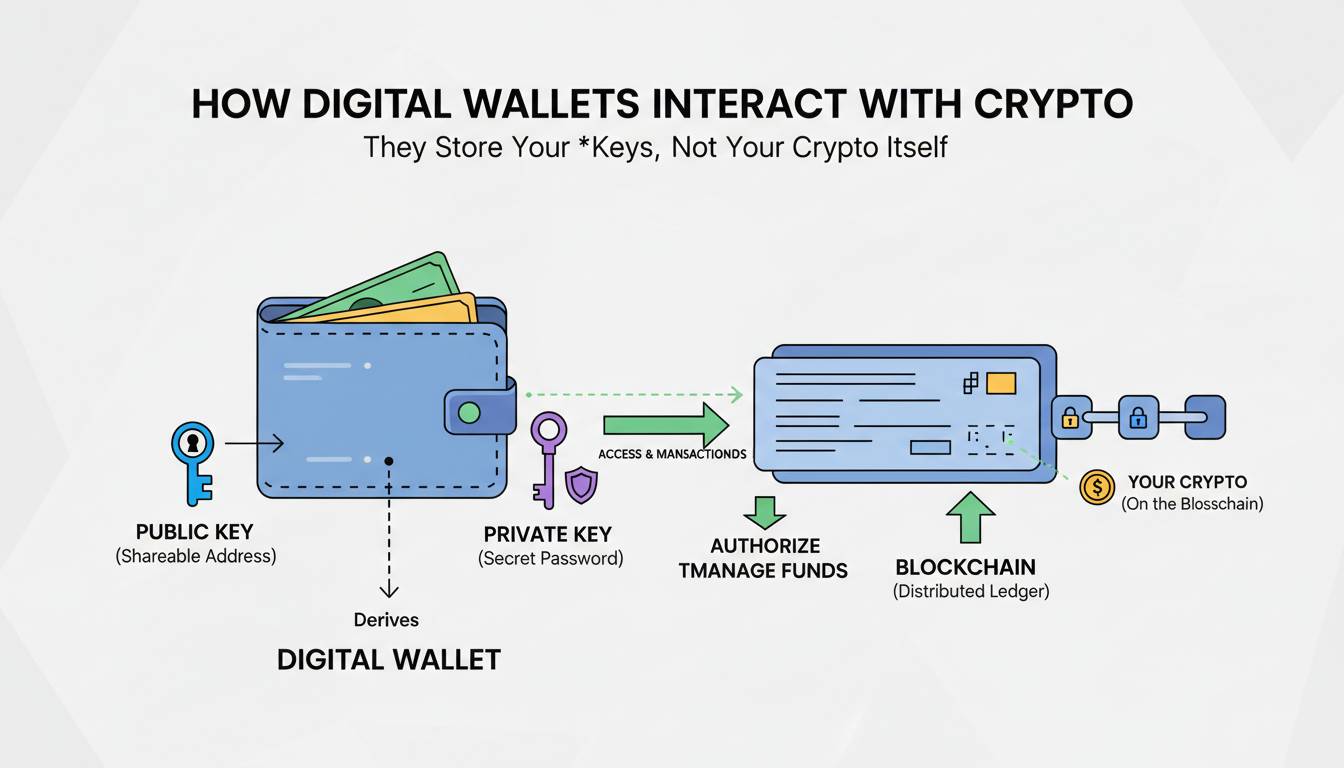
Investors simply use the exchange’s account to buy tokens during the event. Once the sale ends, tokens appear immediately in their exchange wallet and become tradable—no waiting around like with ICOs .
Why It Offers Real Benefits Over ICOs
Exchange Credibility Lifts Trust
With IEOs, exchanges act like quality filters. They check the team’s credentials, examine the whitepaper, and sometimes test the tech—raising investor confidence significantly compared to ICOs .
Instant Liquidity & Guaranteed Listing
Tokens from IEOs are typically listed on the host exchange shortly after the sale, giving investors immediate access to the market. ICO tokens often needed separate listing agreements and could be illiquid for weeks or months .
Compliance Without the Heavy Lifting
The exchange usually handles KYC/AML checks. That’s one less thing for the project team to worry about—and one less red flag for regulators .
Drawbacks and Risk Factors of IEOs
High Costs and Less Control
To run an IEO, a project can expect to spend big. Listing fees, revenue shares, or even exclusive token allocations can cut into the fundraising proceeds. Plus, the exchange often sets the sale terms, limiting project flexibility .
Regulation Still a Concern
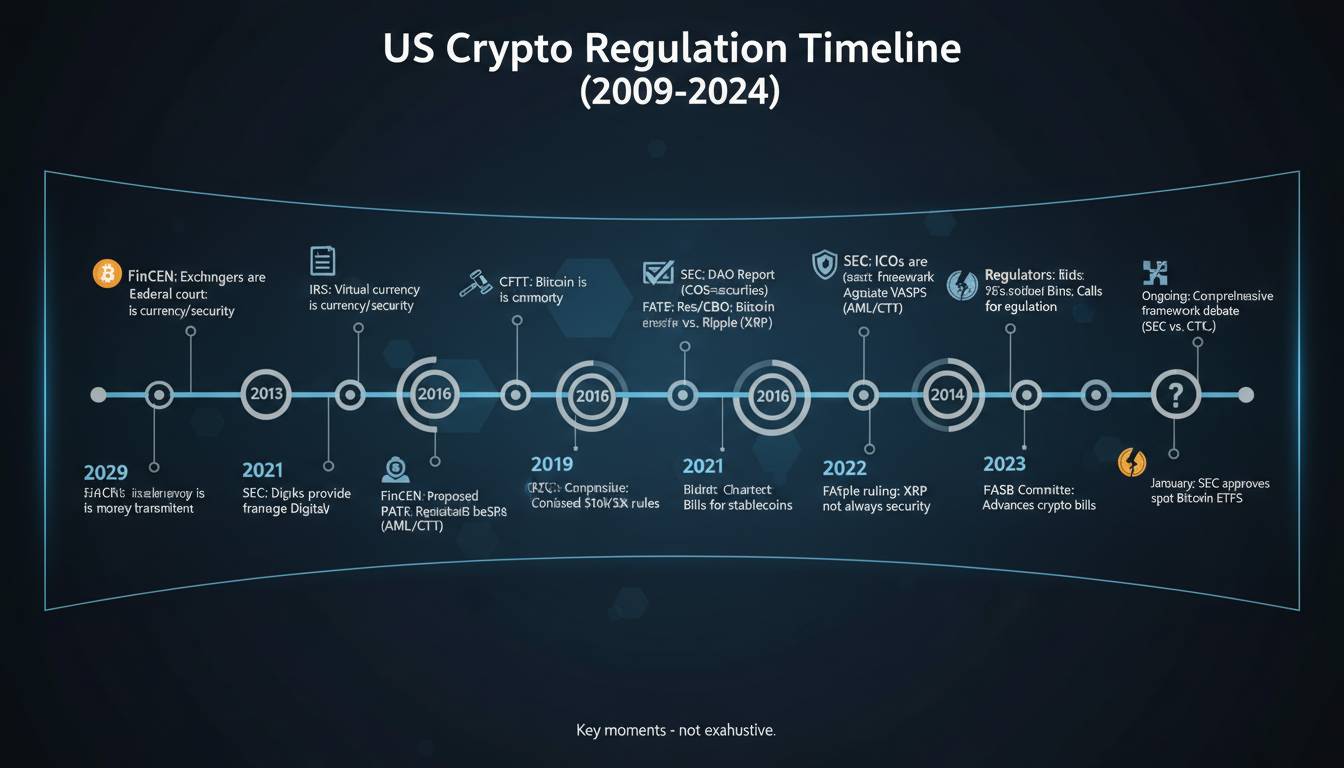
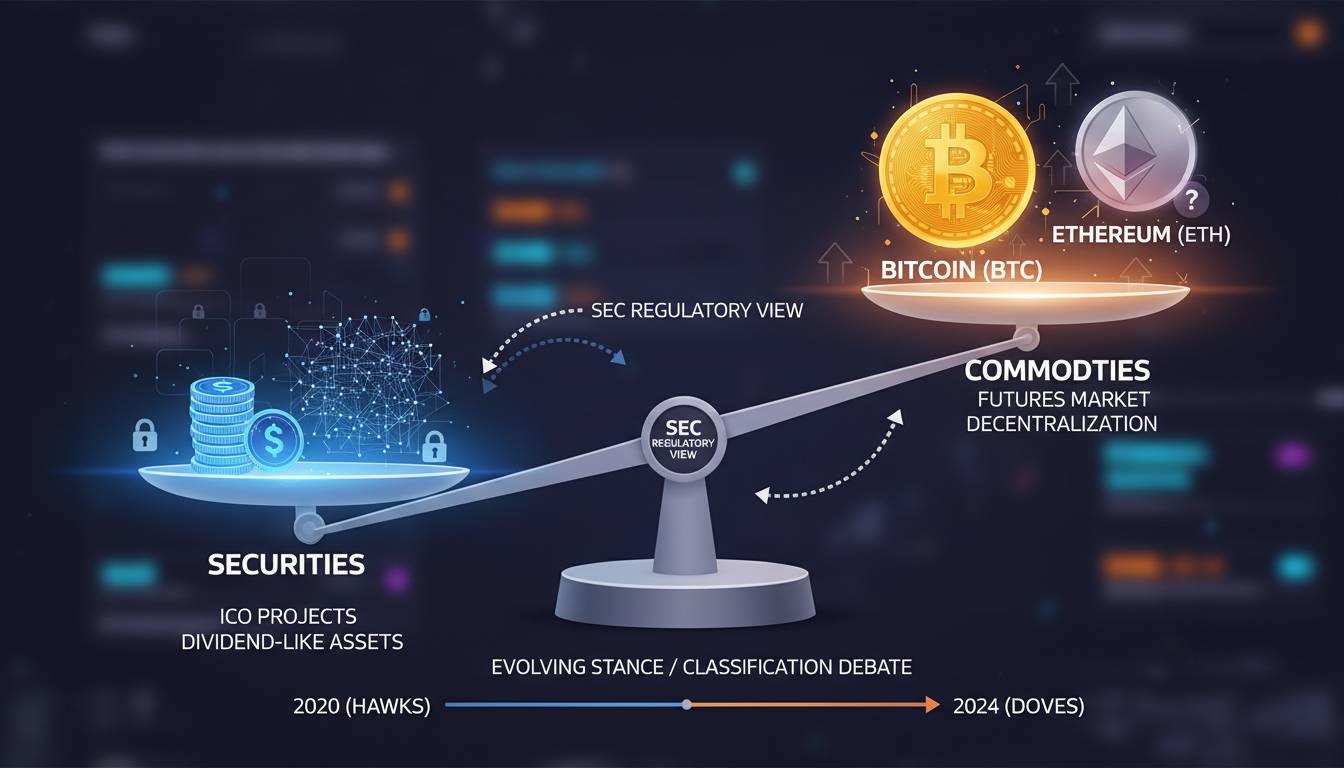
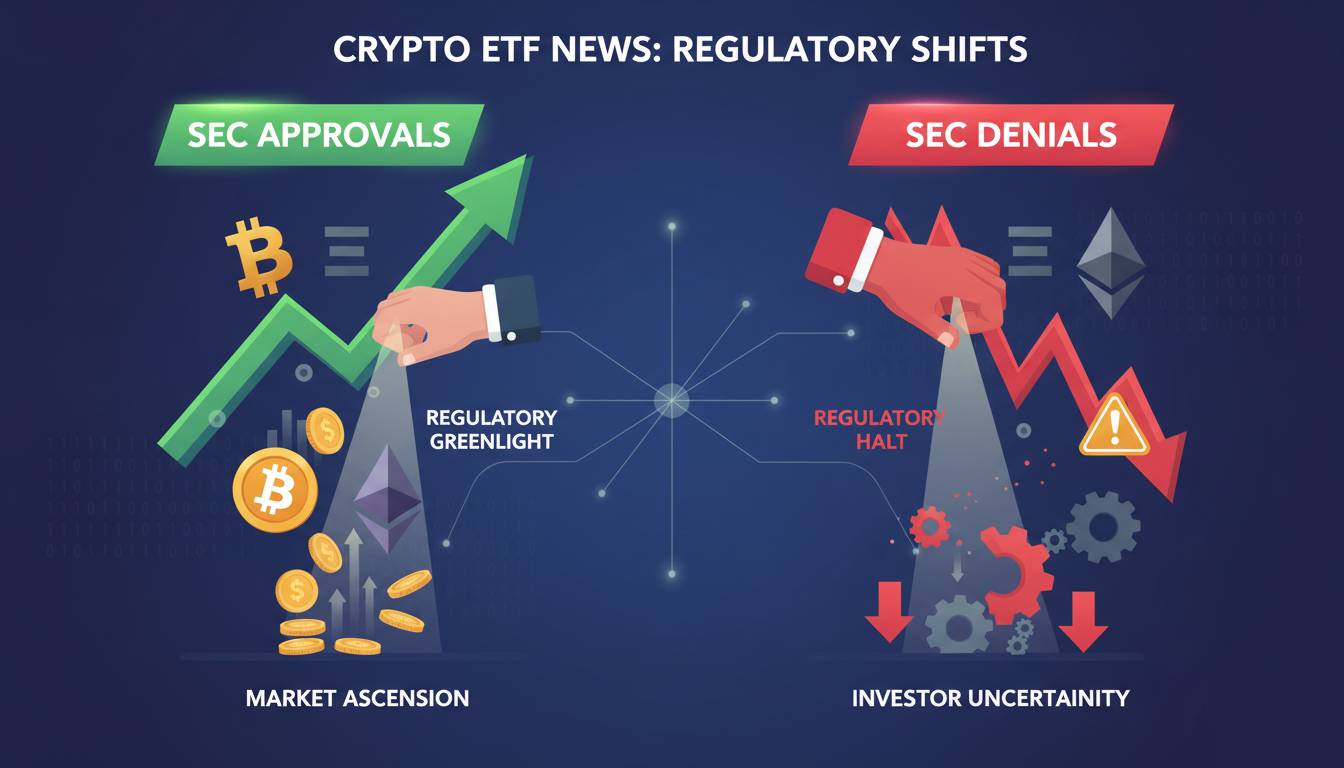
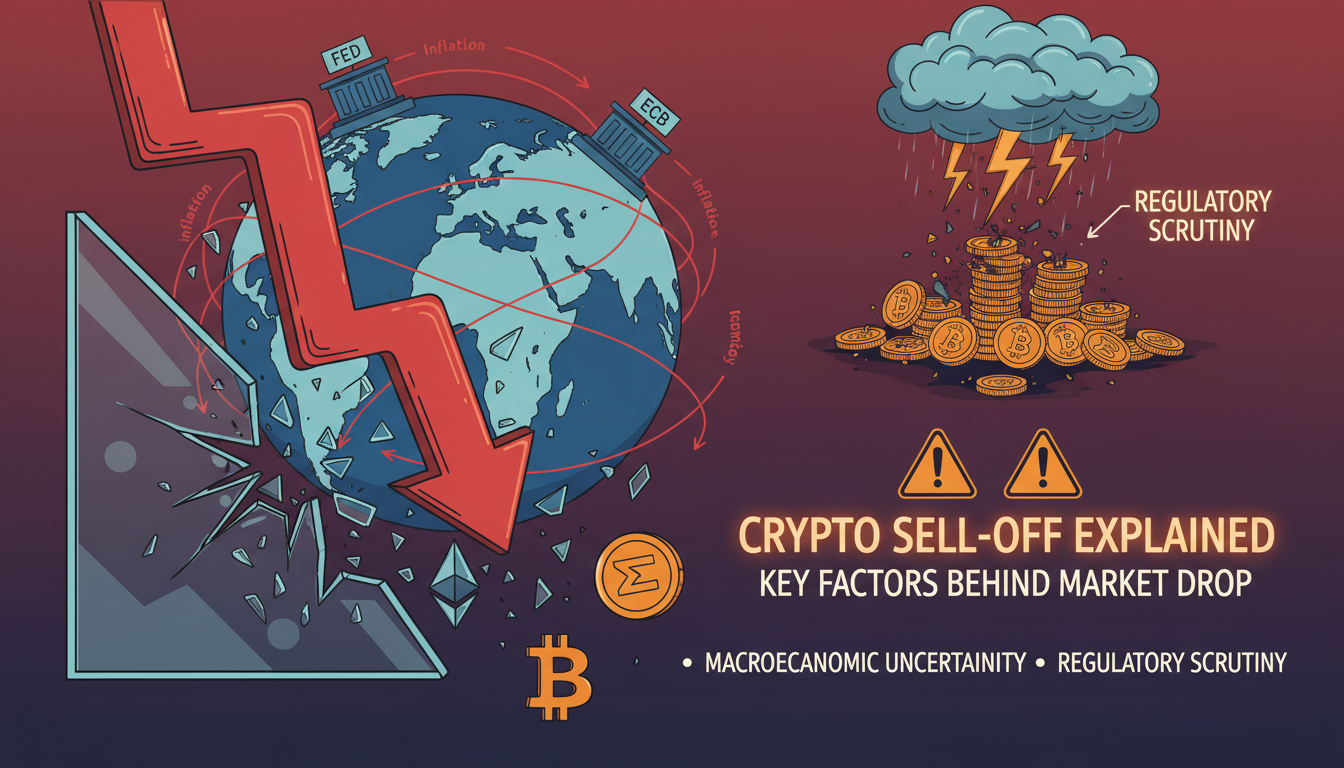
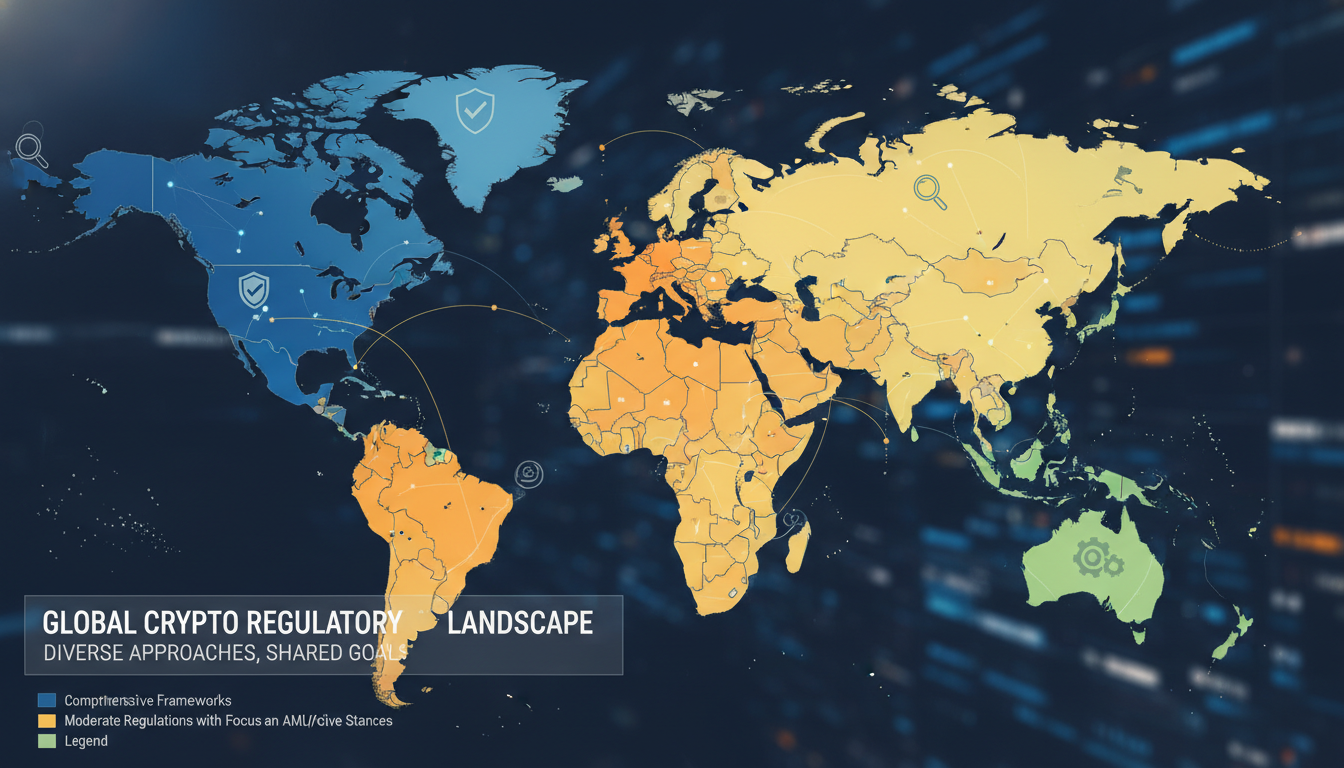
IEOs are often touted as ‘safe’ because exchanges vet the offering. But the U.S. SEC warns there’s no such thing as an “SEC-approved IEO.” Exchanges might misrepresent their status or inadvertently violate securities laws .
Not Immune to Project Failures
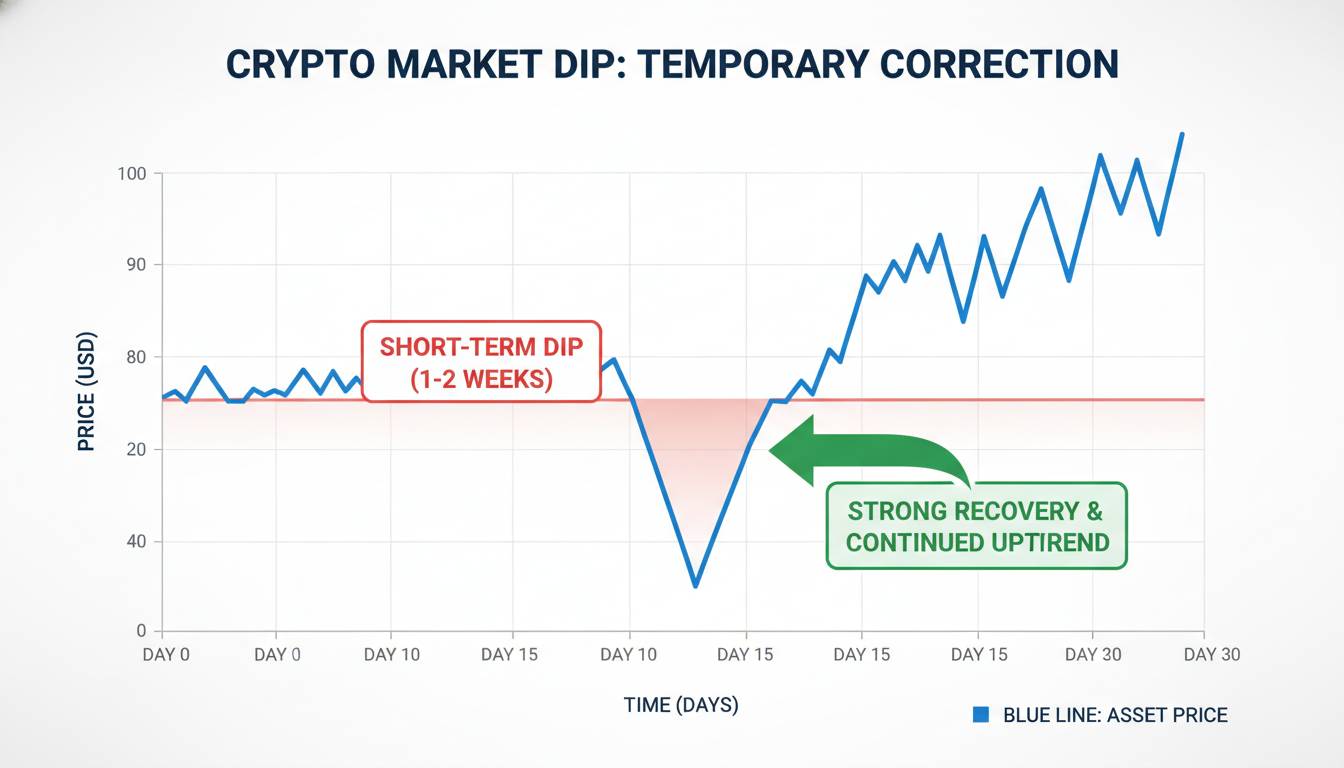
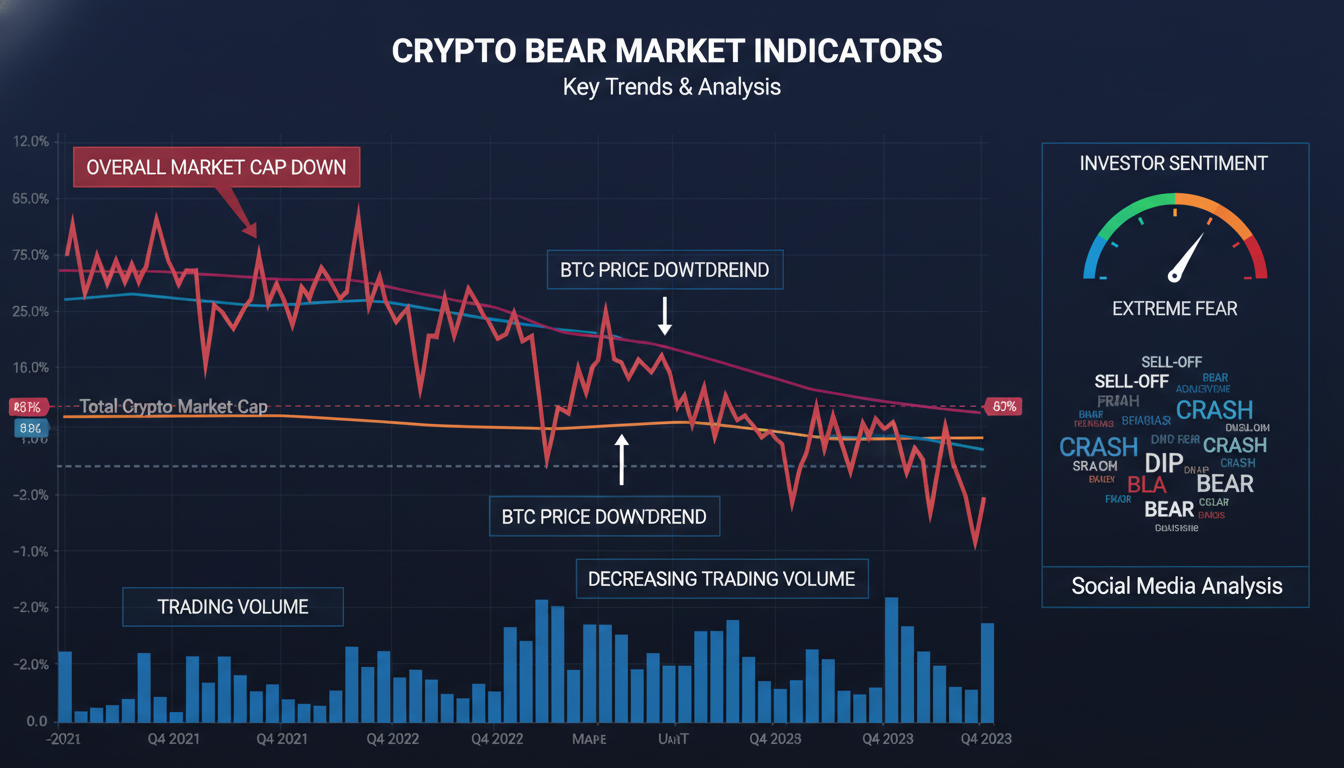
Even with exchange backing, tokens can tank soon after launch. Some IEOs raised money fast but lost almost all their value shortly after listing .
Real-World Examples and Trends
Early Successes
- BitTorrent (BTT) sold on Binance Launchpad in 2019—raised ~$7.2 million in under 15 minutes .
- Polygon (MATIC) raised around $5 million in its IEO, later becoming a multi-billion dollar platform .
Stats Speak Volumes
During the ICO boom, many projects failed outright; over 80% of ICOs in 2017–18 turned out to be fraudulent or did not deliver . In contrast, IEOs showed far better ROI—Binance Launchpad IEOs reportedly had returns in the hundreds to thousands of percent in the 2019–2021 period; even in 2024–25 they still showed strong performance, though more modest .
Shift Toward Launchpool Models
Starting around 2023, formats like Launchpool emerged, which let users stake tokens rather than buy them directly. It’s more about participation odds than outright investment, often seen as more transparent and compliant with evolving regulation .
Summary
IEOs offer a more structured, exchange-mediated approach to token launches. You get more trust, faster liquidity, and smoother compliance—but it comes with higher cost, less control, and ongoing risk. Sure, it’s matured from the chaotic ICO days, but it’s not foolproof.
“An Initial Exchange Offering provides credibility by putting the token sale on a vetted exchange, but that doesn’t guarantee the project’s success.”
— Industry analyst quote summarizing core risk-vs-benefit balance.
FAQs
Q: How is an IEO different from an ICO?
An IEO is run on an exchange that vets the project, handles compliance, and lists tokens immediately. An ICO is self-managed by the project with no guaranteed listing or vetting process.
Q: Why would projects choose to pay for an IEO?
Because an exchange brings credibility, a built-in user base, and ensures token liquidity right away—reducing marketing and regulatory hassle.
Q: Are IEOs regulated?
Not necessarily. Exchanges may claim vetting but can still fall outside regulated frameworks. There’s no official SEC approval for IEOs.
Q: Do IEOs ensure token price success?
No. While some IEOs have seen explosive growth, others have collapsed post-launch. Performance varies widely.
Q: Is holding exchange tokens required for IEOs?
Often, yes. Some platforms require participants to hold or stake their native tokens to qualify for allocations.
Q: What’s the latest trend replacing classic IEOs?
Launchpool-style models are gaining attention—staking-based participation that offers fairer access and stricter compliance alignment.
IEOs changed token fundraising for the better, but they’re still tricky. Stay informed, dig deeper, and invest carefully.