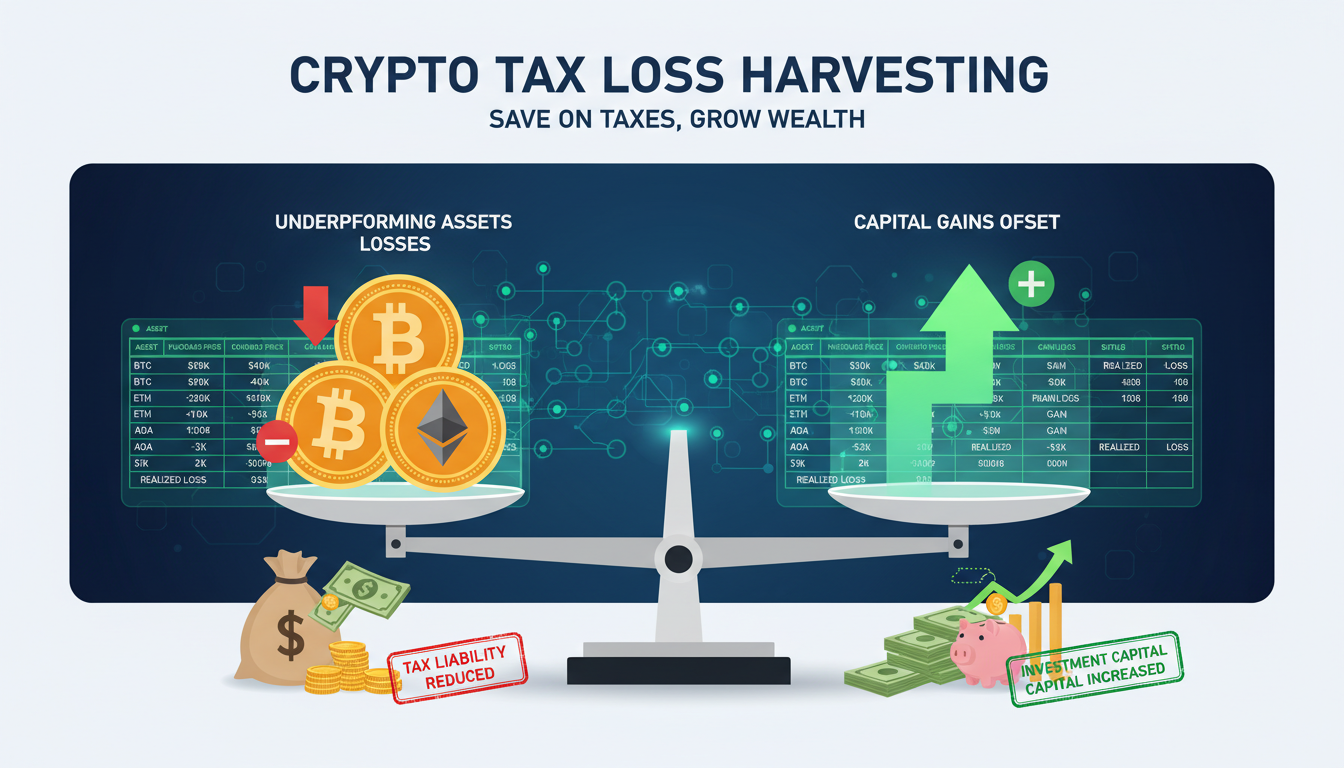
Crypto tax‑loss harvesting lets investors sell underperforming crypto assets at a loss to offset gains, lowering taxable income. It’s a straightforward way to reduce your tax bill while staying aligned with long‑term goals—even though it may feel a bit awkward to sell losses intentionally, many savvy investors find the payoff well worth it.
Why Crypto Tax‑Loss Harvesting Matters
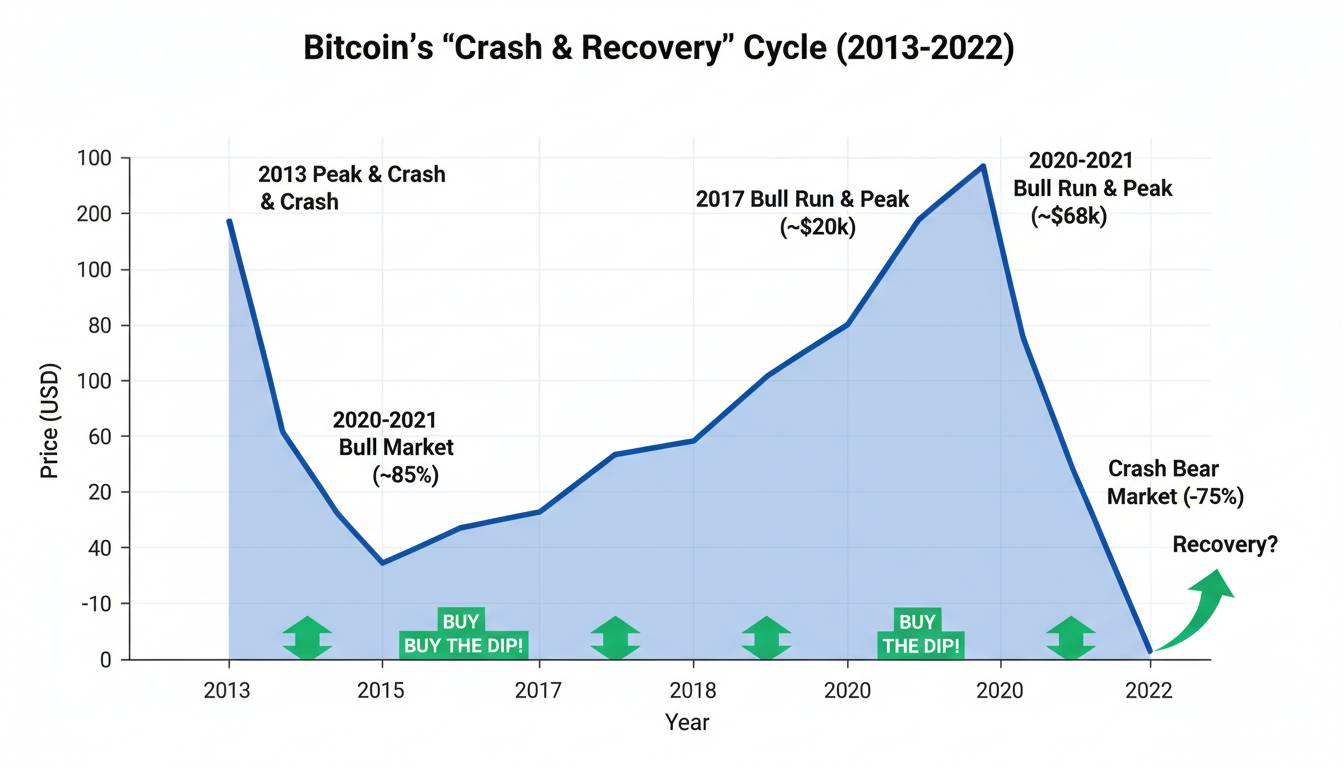
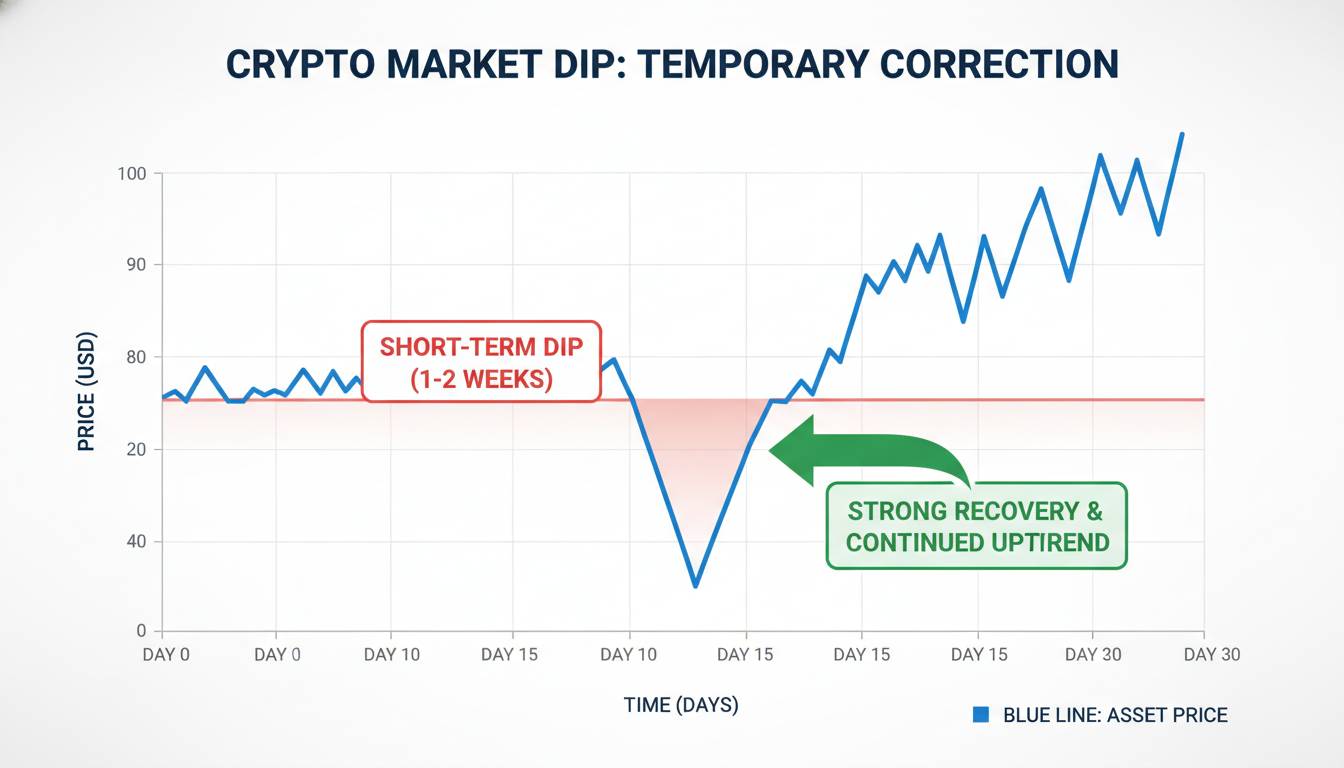
Crypto markets are super volatile. That means gains one day, losses the next. That swinginess actually opens the door to meaningful tax savings. When you sell a digital asset for less than you paid, that “paper loss” becomes a real tax deduction. You can offset capital gains tax or even reduce ordinary income (within limits). What’s neat is that all this happens while you can still hope crypto rebounds—low now, but bounce‑back later.
How It Works, Step by Step
Here’s a simple breakdown:
- Identify assets that dropped below cost basis.
- Sell them to “realize” the loss.
- Report that loss on your tax return.
- Offset it against gains or up to $3,000 of ordinary income.
- Optionally, buy back similar assets after a waiting period to stay invested.
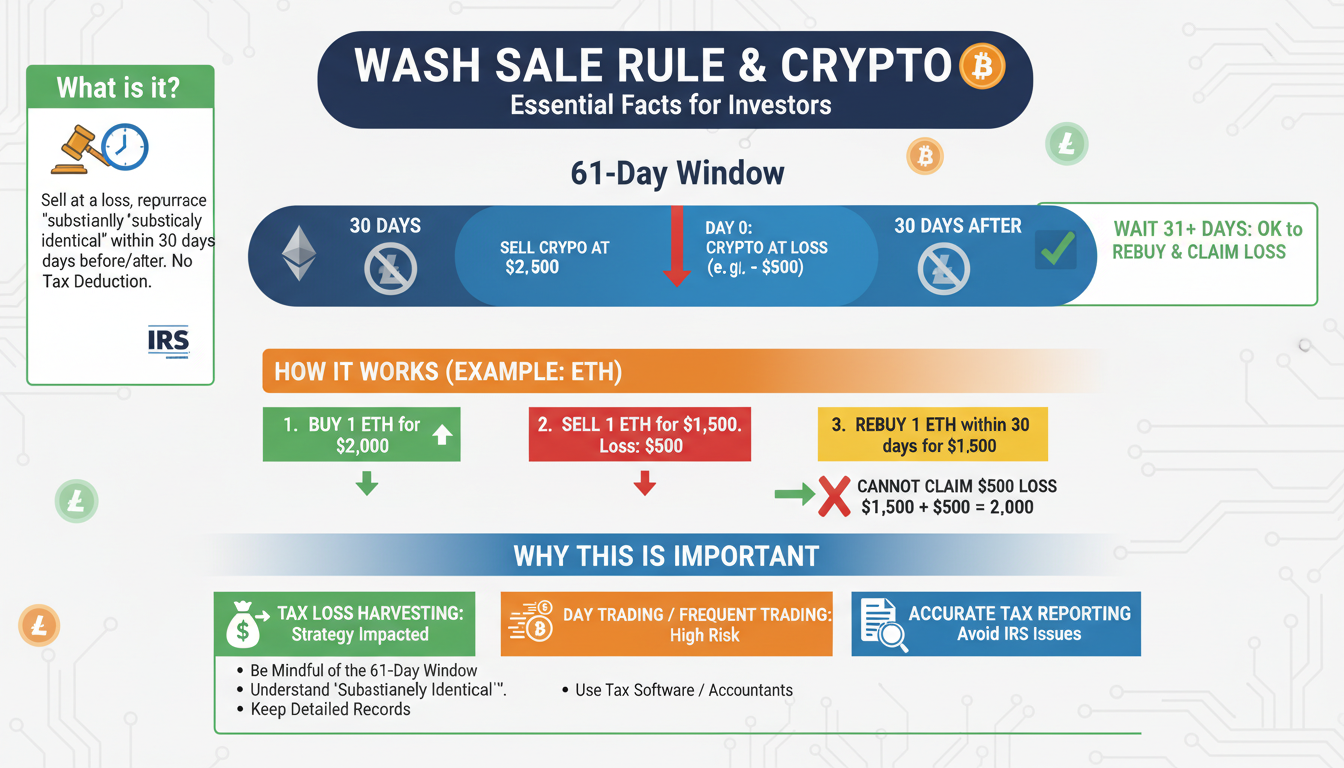
You do need to watch the rules on wash sales. They stop you from buying the same asset right away and claiming the loss. In the U.S., crypto isn’t officially under wash sale rules yet—but there’s chatter about changes. So a common rule of thumb is to wait 30 days before rebuying—or at least swap into something similar, not identical.
When It Makes Sense
Harvesting makes the most sense when:
- You’ve realized sizeable crypto gains.
- You hold losers that aren’t central to your long-term plan.
- You want to lower your tax due this year.
- You expect future gains or higher income later.
In practice, it’s less useful if your dips are tiny or you expect income in a lower tax bracket next year. And don’t misuse it—purely chasing losses to dodge taxes can backfire.
Real‑World Example
Let’s say Anna bought $10,000 of Crypto‑X. It drops to $6,000. She sells, locking in a $4,000 loss. She also sold Crypto‑Y earlier for a $4,000 gain. Her net gain is zero—no tax owed. If she didn’t have a gain, she could still offset up to $3,000 of other income and carry leftover losses forward. Later, Anna might buy back Crypto‑X after 30 days or choose a similar asset to stay exposed.
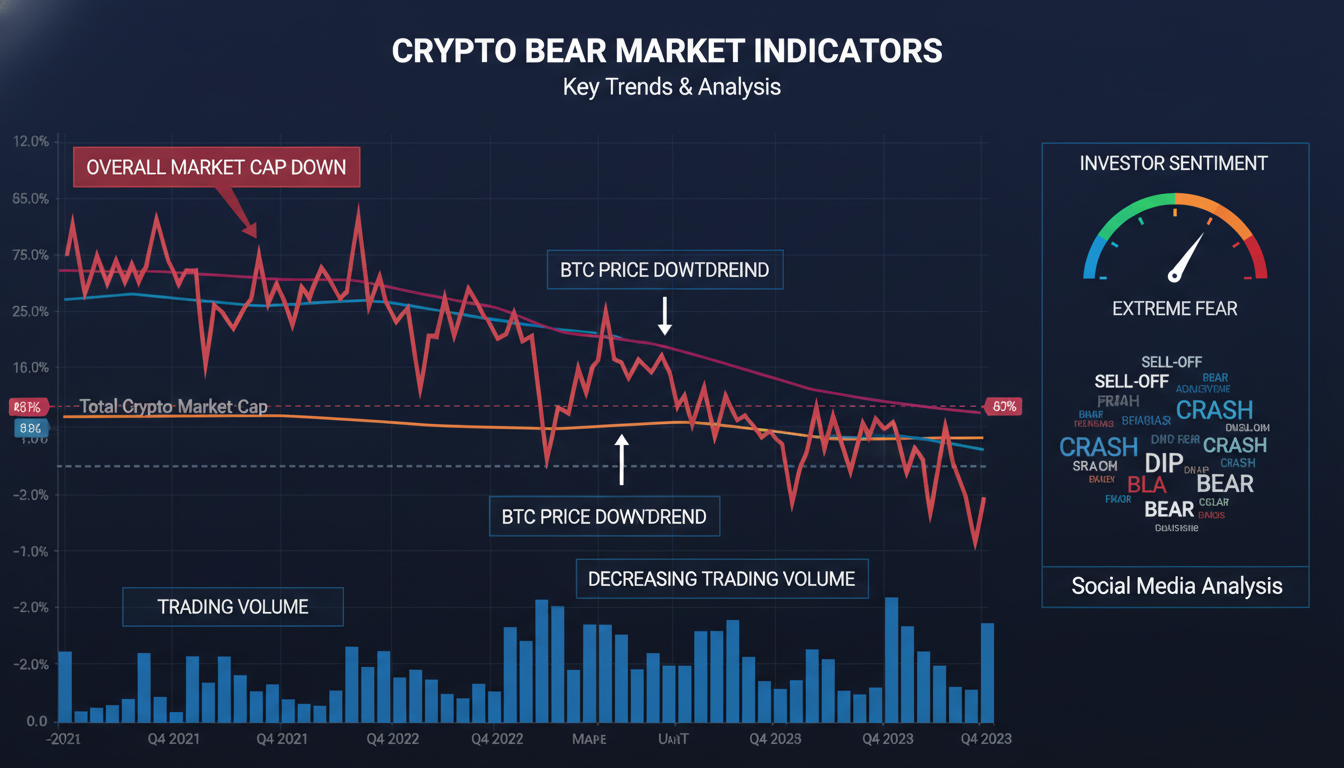
This isn’t just theory—real investors, especially ones active during 2021–2023’s boom and bust cycles, used this to soften the blow of downturns. It’s practical strategy in volatile markets.
Benefits and Limitations
Benefits
– Cuts current‑year tax bill.
– Improves tax efficiency.
– Maintains exposure to crypto volatility, if timed smartly.
Downsides
– Timing matters—buying back too fast risks IRS scrutiny, although crypto-specific rules aren’t clear yet.
– Transaction fees and bid‑ask spreads eat into benefits.
– Some people may find realizing losses demoralizing.
Expert Insight
“Tax‑loss harvesting has become a go‑to move for active crypto investors. It’s not just saving money—it’s planning ahead while markets move fast.”
That captures the vibe. It’s tactical, not emotional, and rooted in long‑term thinking.
Strategic Tips
- Keep good records: cost basis, dates, amounts. You’ll need them for accurate reporting.
- Don’t go overboard: only harvest losses that align with your broader goals.
- Track IRS rules: if wash sale frameworks expand to crypto, strategies will shift.
- Use tools: many wallets or tax platforms already highlight opportunities.
Conclusion
Crypto tax‑loss harvesting is a legit, smart way to reduce your tax bill by realizing paper losses. It works because crypto is volatile—and losses today can shield gains or income now. But don’t treat it like gambling. It’s most effective when tied to clear strategy, good record‑keeping, and awareness of evolving tax rules. Wait wisely, rebuy intentionally, and keep your eyes on long‑run goals.
FAQs
What is crypto tax‑loss harvesting?
It’s selling crypto at a loss to offset taxable gains or income, lowering your annual tax liability.
Can you offset unlimited income with crypto losses?
No. You can offset gains fully, but only up to $3,000 of ordinary income per year in the U.S., with the rest carried forward.
Are wash‑sale rules applied to crypto?
As of now, crypto isn’t officially subject to wash‑sale rules—but that could change, so it’s safest to wait around 30 days before repurchasing the same asset.
Do transaction fees reduce the benefits?
Yes—they can chip away at your net tax savings. Always factor in trading fees and spreads before harvesting.
Should everyone do it?
Not necessarily. It’s most useful if you’ve realized gains and hold losers you’re willing to part with, strategically. It’s not ideal for tiny dips or non-essential assets.