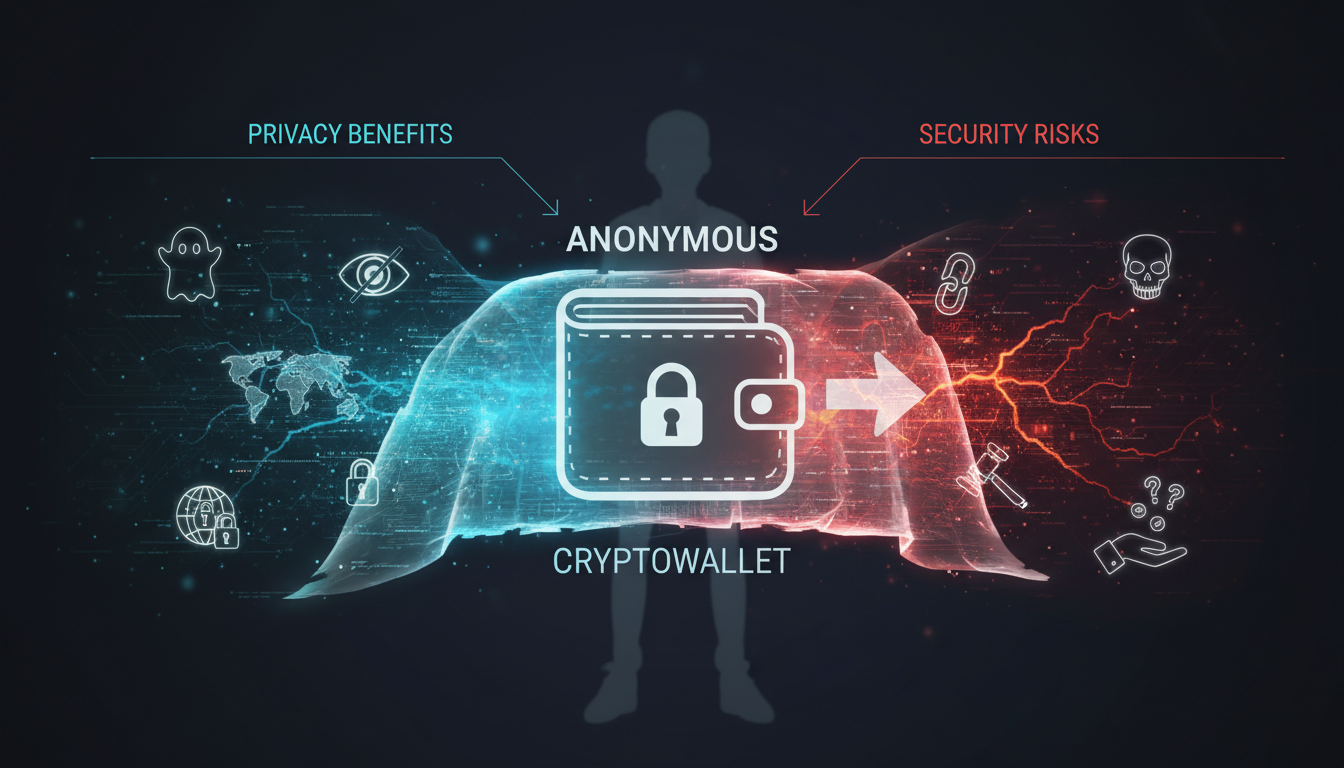
Anonymous crypto wallets offer privacy by hiding your identity while letting you transact with digital currencies. At the same time, they bring security risks like scams, hacks, and regulatory scrutiny. Let’s break that down—straight up.
What Makes a Crypto Wallet “Anonymous”?
Under the Hood of Pseudonymity
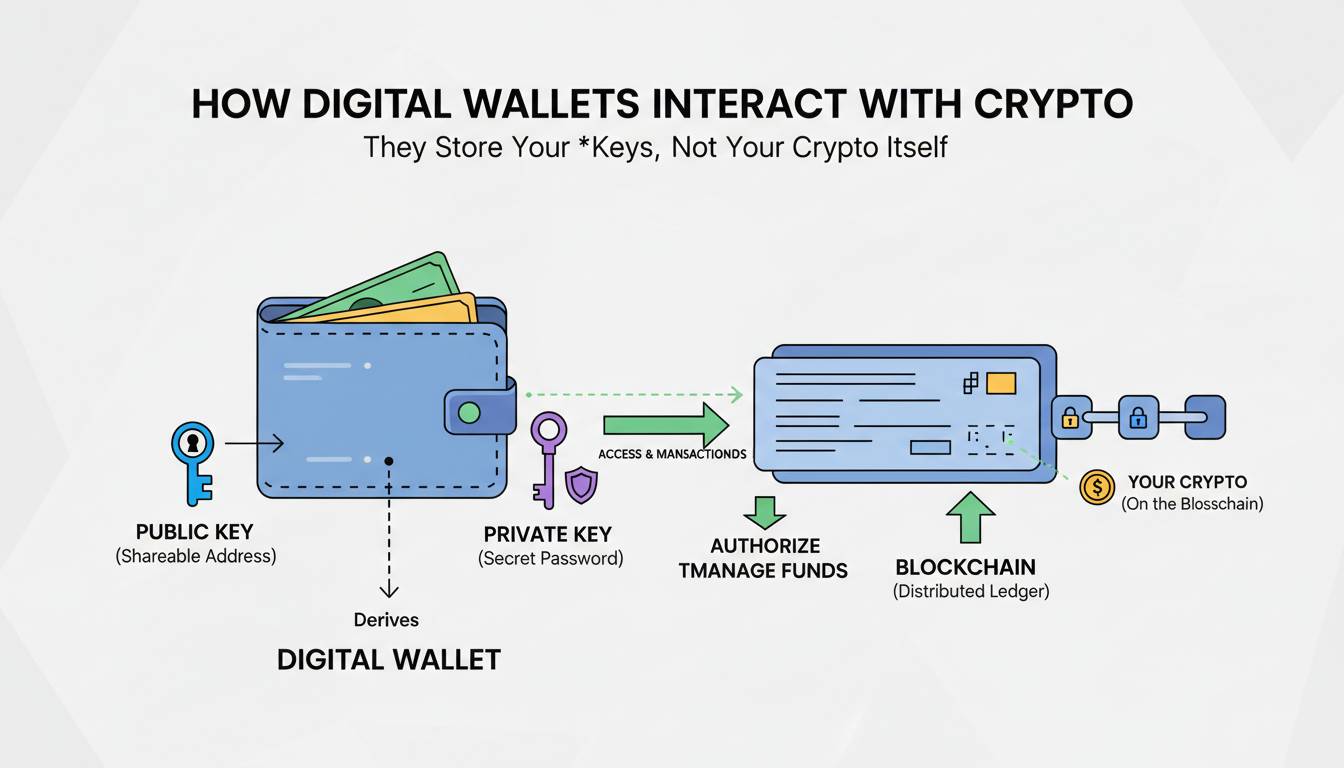
Crypto wallets don’t tie your real name to your address. They create an address—basically a string of characters—unlinked to your actual identity. But it’s not magic: that address is still visible on the blockchain.
How People Mask Ownership
Some folks use mixers, coinjoin tools, or privacy chains to muddy the trail. Others generate new addresses for each transaction. These steps make tracing harder, but not impossible.
Privacy Benefits of Anonymous Crypto Wallets
1. Shielded Transactions
Anonymous wallets can obscure your spending habits and total holdings. That’s a big deal if you’re a public figure, activist, or just privacy-conscious. It helps separate who you are from what you do.
2. Protection from Targeted Attacks
When your crypto address is known, you can be targeted with phishing, identity theft, or social engineering. Anonymous wallets lower that risk, making it more difficult for attackers to link funds back to you.
3. Financial Autonomy
Privacy isn’t just for criminals; it’s a foundational right. Controlling your financial footprint—without prying eyes—is increasingly valuable in a world where data is currency.
“Finance without boundaries doesn’t mean safety without caution.”
Privacy amplifies autonomy—but better be sure you grasp the trade-offs.
The Security Risks You Shouldn’t Ignore
1. Scam Prone Environments
Many anonymous crypto tools lurk where regulation is weak. That means double-check every tool or service you use. Some mixers have been exit-scammed. Others might just be identity traps.
2. Increased Hack Surface
Privacy tools like decentralized exchanges or mixing services can be hacked. If your funds are tied to one of these tools, and something goes sideways, you might lose access with little recourse.
3. Illicit Association Risk
Even if you’re clean, privacy tools are often flagged by regulators or on-chain investigators. If your wallet gets linked to bad actors—even loosely—it could trigger account freezes or investigation, especially if you bridge assets in or out of regulated systems.
How People Actually Use Anonymous Wallets
Everyday Use Case: Privacy-Conscious User
Imagine someone living under a surveillance-heavy regime. They might receive crypto donations via an anonymous wallet to fund a small, legal journalism project. The privacy shields them from retaliation.
A Word from the Tech Community
Crypto devs often say privacy tools are essential—but they stress user responsibility. Most echo that wallets are only as safe as your setup. One core tenant: know the tool and control the private keys.
The DIY Privacy Approach
Some users build their own privacy routine:
– Generate new addresses per transaction.
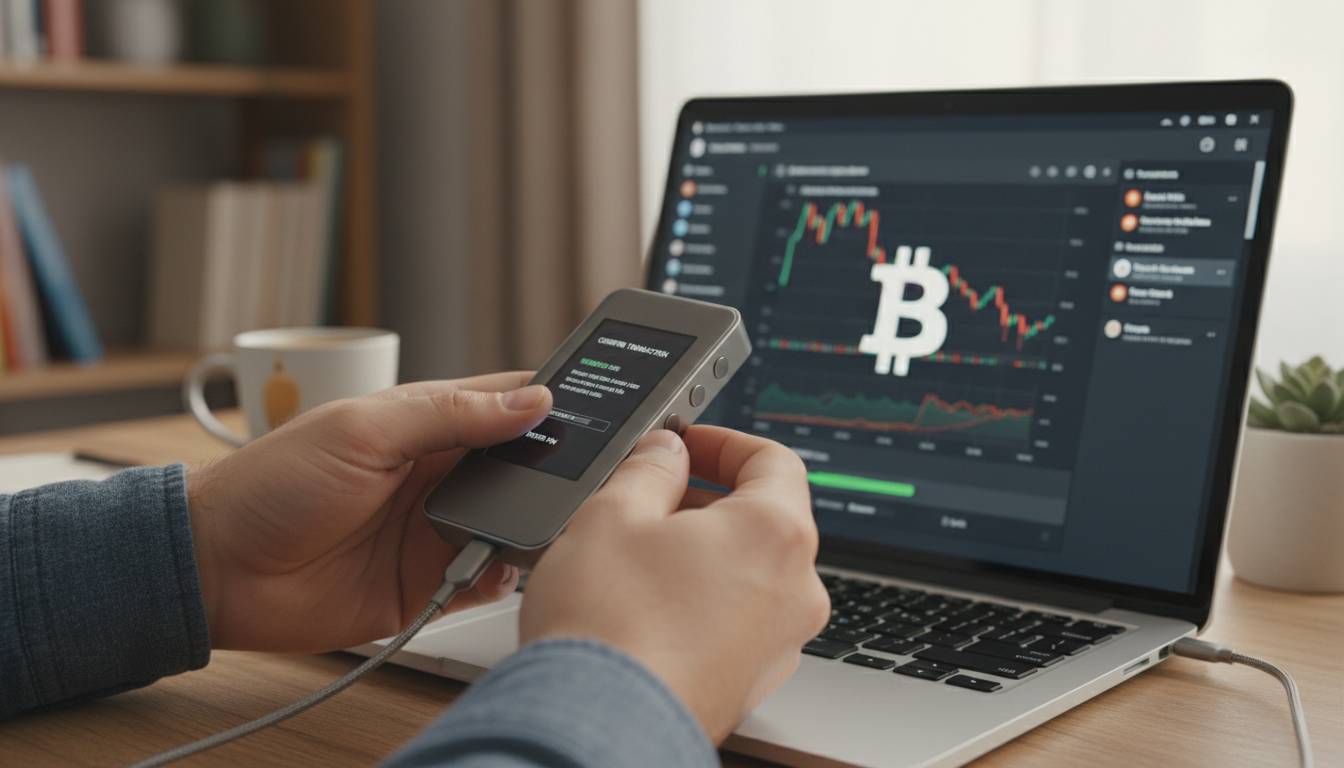
– Use hardware wallets in tandem with mixers.
– Withdraw to clean, regulated exchanges to cash out in fiat, then shift to private storage.
This approach reduces single-point failures and blends user habits with protocols.
Practical Strategies for Safer Privacy
Choose Reputable Tools
Pick mixers or privacy wallets with track record. Look for systems audited by credible firms and communities. A little due diligence goes a long way.
Keep Control of Your Keys
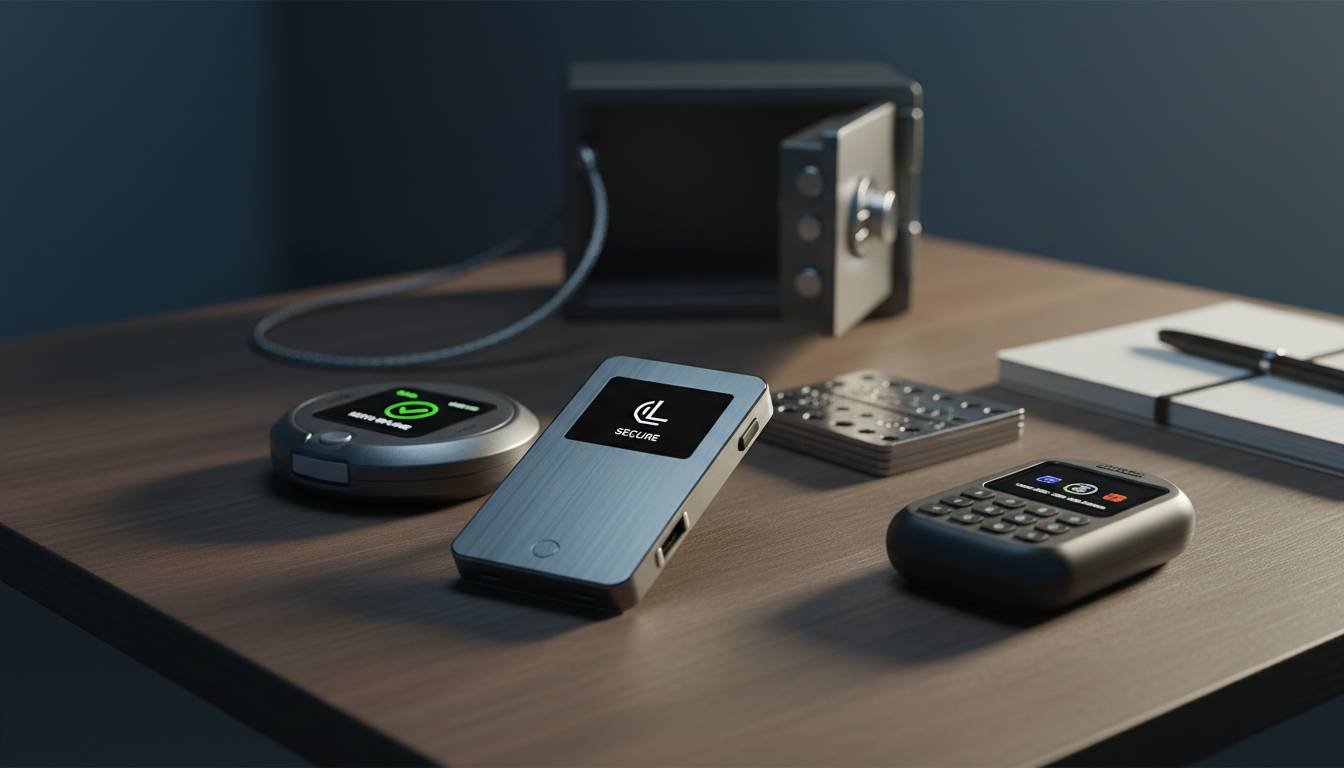
Use hardware or non-custodial wallets. If you don’t hold the keys, someone else can lose or misuse them.
Layered Privacy
Privacy works best when layered. Use VPNs, Tor, or other network-level tools to mask your IP. On-chain obfuscation is only half the story.
Clean Exits
When exiting anonymity—say, to cash in for rent—use regulated and reputable exchanges. Clean the path between anonymous holdings and fiat to avoid suspicion or delays.
Weighing the Balance: Privacy vs. Exposure
Pros at a Glance
- Hides transaction history and balance.
- Reduces personal targeting.
- Upholds financial control and autonomy.
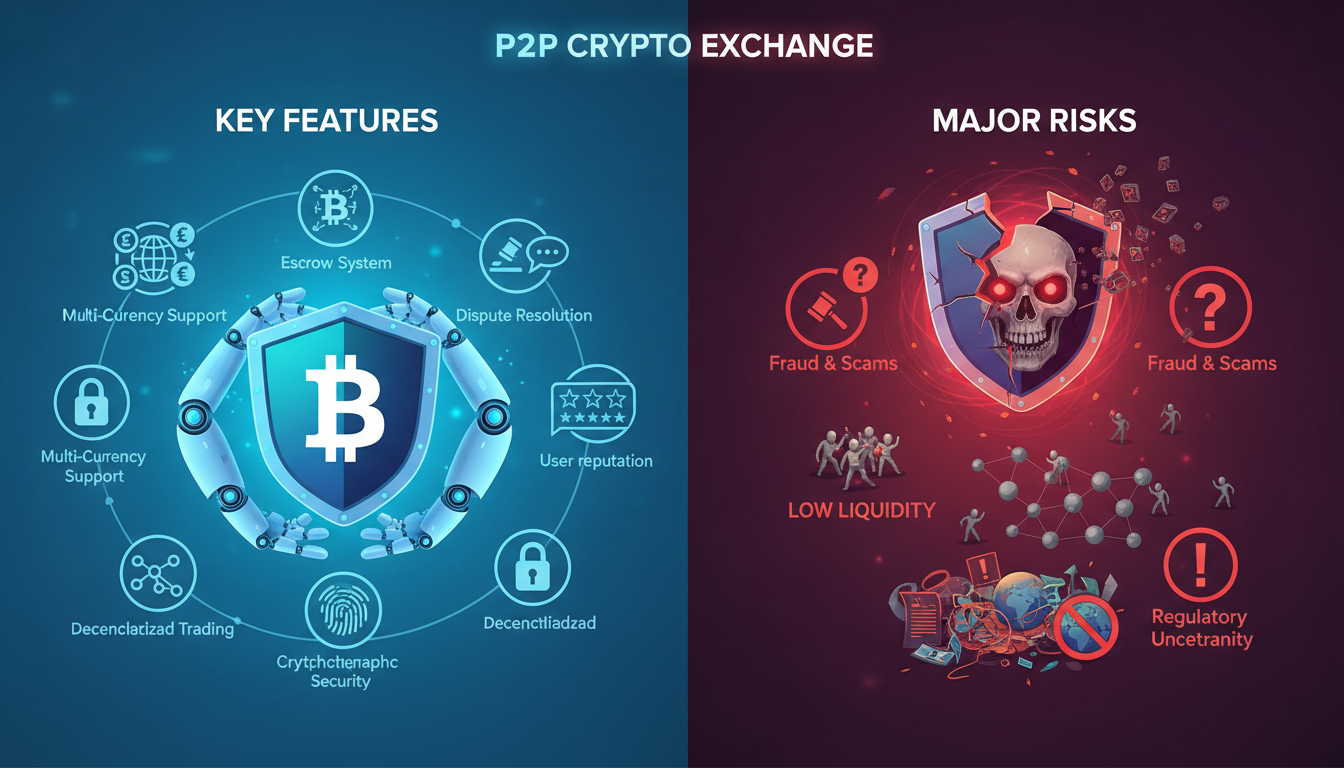
Cons in a Quick View
- Tools may be scam-prone or compromised.
- Regulatory flags and freeze risks.
- You’re on your own if something breaks.
Smart Usage Framework
- Audit your privacy tool stack carefully.
- Keep keys offline or in secure devices.
- Cross-check tools with developer reviews and audits.
- When transacting with regulated systems, add clean breaks (e.g., new wallet, verified exchange).
Real-World Examples: Successes and Alarms
Privacy Done Right
Consider a freelance journalist using an anonymous wallet to receive donations. They keep new, clean addresses for each donor. For donations, they pass funds through a mixer, then later transfer to a hardware wallet. When withdrawing, they use reputable regulated exchanges to convert only what they need, keeping most in private cold storage.
A Cautionary Tale
Another case: a privacy tool saw an unexpected hack, and users lost access to funds. Without on-chain recourse, recoveries were near impossible. Some users also found themselves under legal scrutiny when investigators’ heuristics tracked mixed funds back to sanctioned entities, causing frozen assets and long legal fights.
Expert Insight
“Properly used, privacy tools empower you—but used wrongly, they expose you in new ways. It’s not just about hiding identity. It’s about managing risk.”
– Crypto privacy researcher
The key point: wallets aren’t magic shields. Smart practice, tool choice, network hygiene—those matter as much as the privacy features themselves.
Quick Recap
Anonymous wallets give privacy and autonomy. That’s the good part. But they’re not foolproof. You could be vulnerable to fraud, hacks, or legal snares if you don’t use them thoughtfully. Make sure to:
– Prioritize reputable tools.
– Keep full control of private keys.
– Use layered defenses (network and on-chain).
– Add clean exit strategies when moving to fiat.
FAQs
Q: Are anonymous crypto wallets truly untraceable?
No. They may hide your identity locally, but activity can still be linked on public blockchains. Obfuscation tools help, but perfect anonymity is tough.
Q: How can I safely mix my assets?
Use well-reviewed mixers with audit history. Do small test runs first, and never rush into one big transfer. Always keep keys in your control.
Q: What happens if a mixer gets hacked?
You could lose funds, and tracing recovery is hard. That’s why it pays to spread risk across multiple tools and use hardware custody.
Q: Could using anonymous wallets get me in trouble with law enforcement?
Maybe. If your funds intersect with sanctioned or illicit entities, authorities might scrutinize or freeze assets. A clean path into regulated systems helps reduce the risk.
Q: Should I ever link my anonymous wallet to an exchange?
Yes, but carefully. Use fresh addresses and reputable exchanges. Keep amounts limited and avoid repetitive patterns that might draw flags.
Q: Does privacy cost more in crypto?
Sometimes, yes. Privacy tools can have fees and add transaction layers. But for many users, the benefits in safety and autonomy are worth it.
Conclusion
Anonymous crypto wallets deliver privacy and autonomy—but they carry risks. Smart users balance those by picking trusted tools, layering protections, keeping full key control, and exiting to fiat cleanly. It’s a careful dance between hiding and being responsible. When done right, you enjoy privacy with purpose.