How Many Crypto Wallets Should You Have for Security and Convenience?
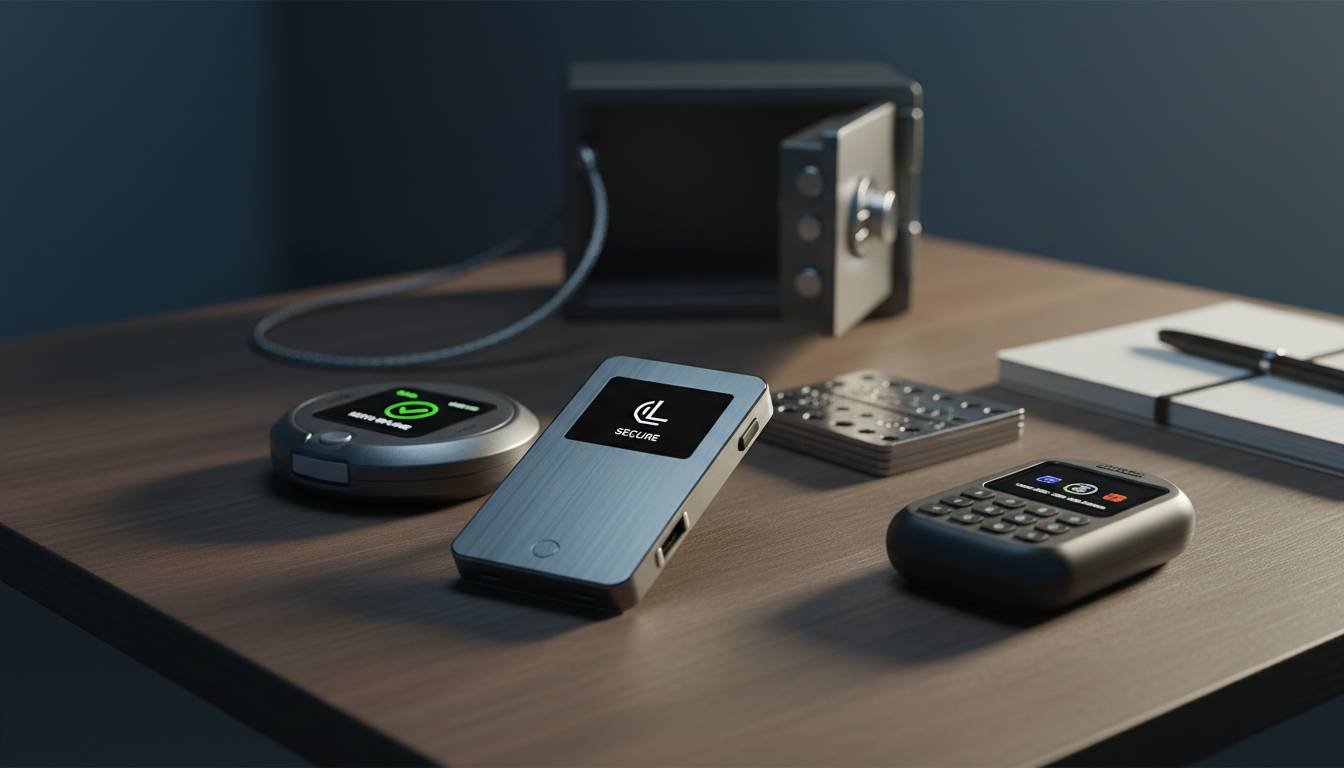
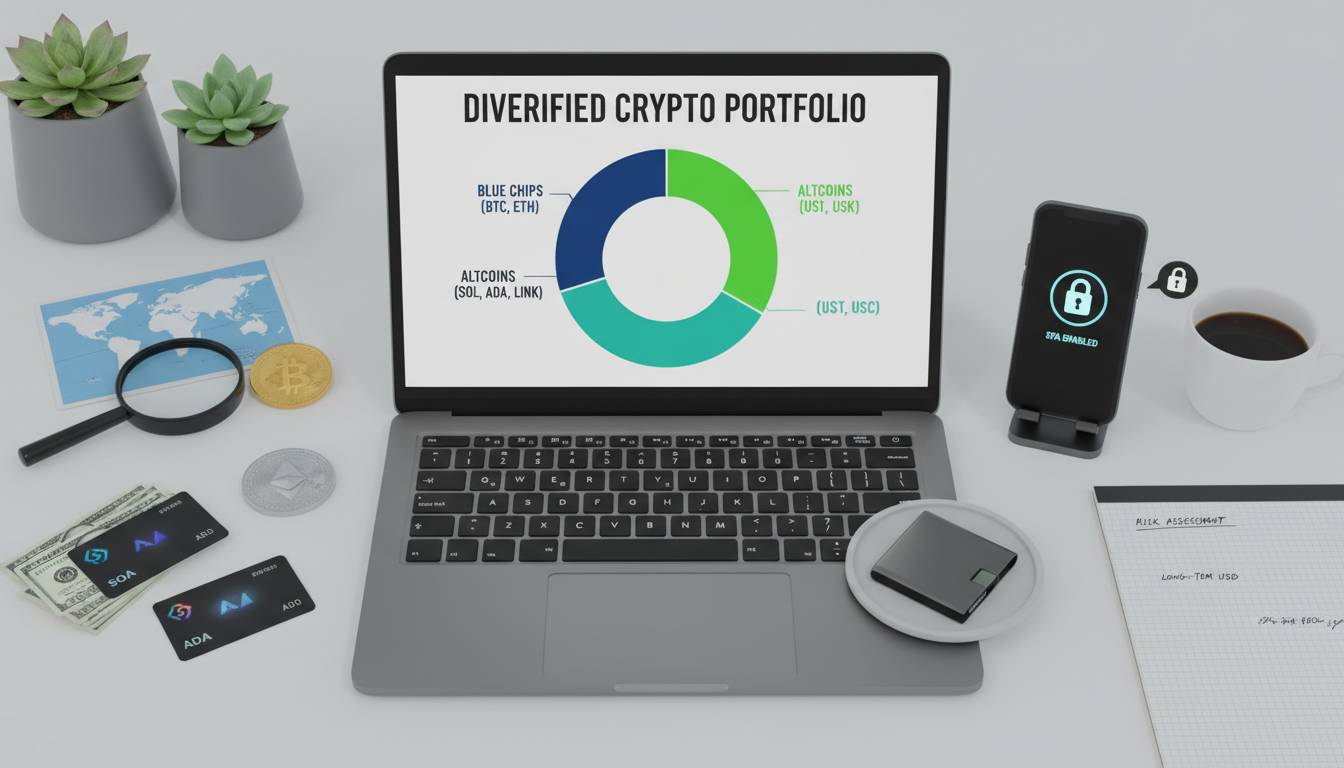
You don’t need dozens. A practical balance is two to four wallets—enough to separate purposes without overcomplicating your management. That split gives you flexibility, protects against single points of failure, and keeps your crypto life manageable.
Why Choosing the Right Number Matters
Having too few wallets can be risky. It means if one gets compromised, your funds might be all gone. Too many wallets, though, clutter things—harder to track, prone to mistakes. Getting the right count helps streamline your experience while keeping things safe.
Typical Roles for Crypto Wallets
Most folks find these categories useful:
1. Everyday Spending Wallet
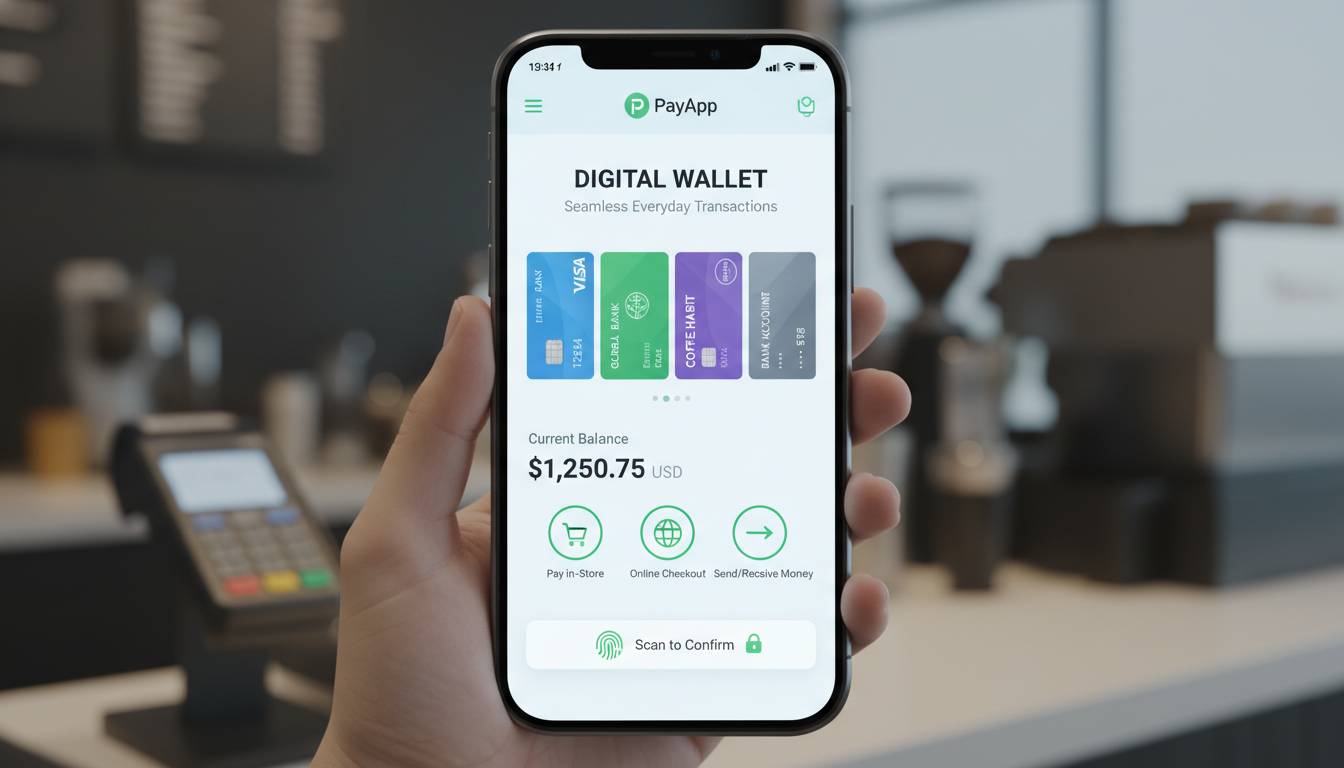
A wallet you use daily for small buys, maybe a handful of coins or tokens. Even with modest risk, losing it isn’t catastrophic. Quick access is key here.
2. Long-Term Storage
Think of this as your vault. It stores more value. It’s often colder (hardware or paper). It gets checked maybe once a month. That ensures security for what you’re holding long-term.
3. Trading or DeFi Interaction Wallet
Used for swapping tokens or bridging chains. Needs enough flexibility to connect to different platforms. You might burn gas or risk smart contract risk from various protocols.
4. Backup or Emergency Wallet
Maybe a hardware or paper wallet you keep safe. You only tap into it if something goes wrong with the other ones. Could be backup of everyday or long-term storage.
Depending on what you’re doing, two to four covers these bases well. Of course, you might merge the emergency and long-term into one. Or skip the wallet for daily spending if you’re cautious. There’s flexibility.
Benefits of Splitting Wallets This Way
-
Isolation of Risk
Problems in one wallet—say, phishing or a buggy platform—don’t drain your whole stash. -
Better Organization
You know where your coins are. No hunting through weird addresses or mixers. -
Optimized Functionality
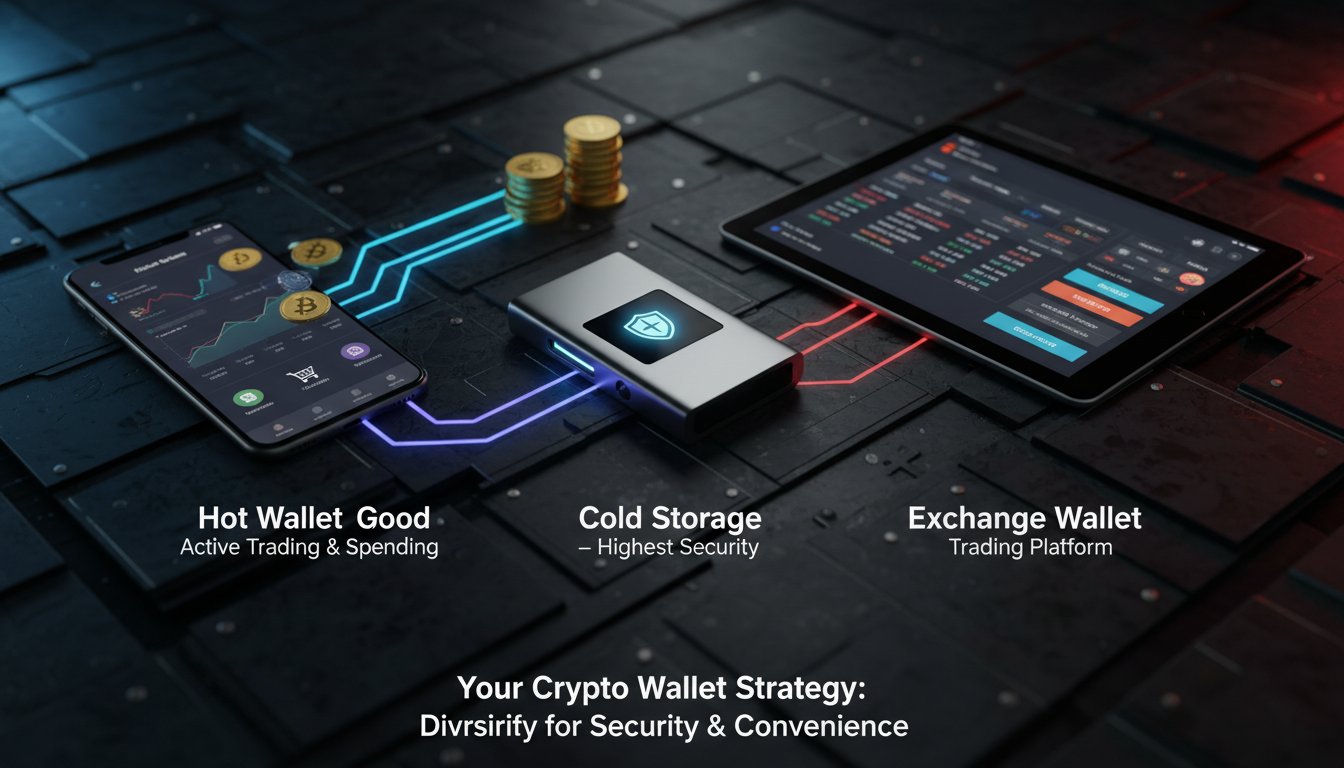
Hardware wallets hold big amounts cold. Hot wallets stay nimble. You get both.
That balance matters—especially as you get into more complex DeFi or cross-chain use.
Common Misunderstandings
Some folks go all in on one ultra-secure wallet. That can be limiting. Others scatter across a dozen wallets—way overkill. Each extreme has flaws. One misses flexibility, the other invites oversight mistakes.
Also, tech fatigue kicks in. Managing many wallets increases the chance you’ll lose keys or mix up addresses. Two to four wallets hit the sweet spot between safety, control, and sanity.
Real-World Scenarios
Take a user who trades occasionally, holds medium-term stakes, and keeps a backup. They could use:
- One hot mobile wallet for quick trades and spending.
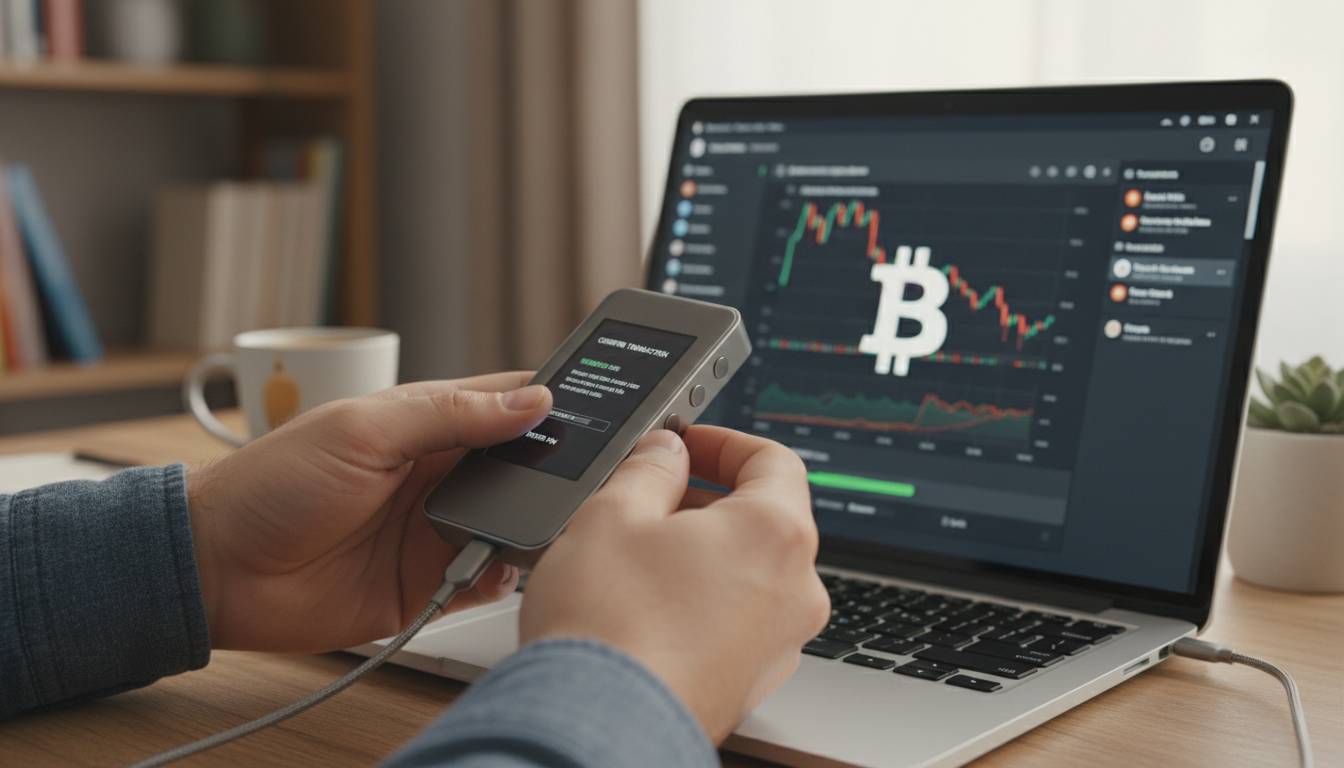
- One hardware wallet for holding bigger stash.
- One software wallet that’s a clean backup, kept offline or in print.
That’s three. Easy to track, each serves a clear job. If they dabble in DeFi, they may add a fourth solely for protocol interactions to minimize contract risk.
Another case: A new user sticks to one or two—maybe a mobile wallet and occasional hardware. That’s fine while volume is low. As complexity grows, they might adopt extra separation.
Expert Insight
“Crypto security is about layers, not fortresses,” says a seasoned blockchain analyst. “Splitting responsibilities across a few wallets gives you both nimbleness and resilience.”
This captures the essence—modular defense instead of monolithic locks.
Implementation Tips
- Label clearly. Phones, laptop apps, hardware—name them “Daily,” “Save,” “DeFi,” etc.
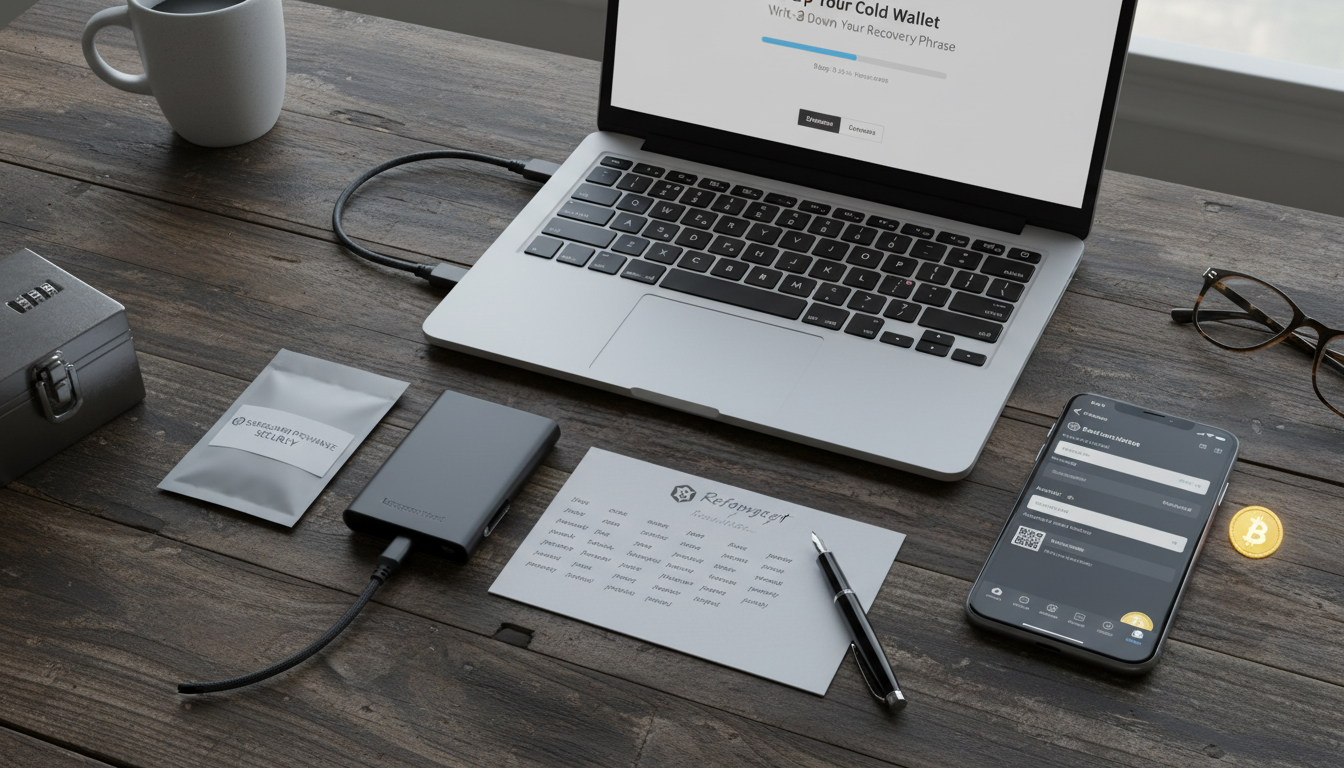
- Record backups securely. Write down recovery phrases and store them in safe places. Never online.
- Use different wallet software or hardware. That avoids systemic bugs affecting all holdings.
- Check balances regularly. A glance every week or two keeps you alert to any anomalies.
These steps keep your setup tight without feeling tangled.
Avoiding Pitfalls
- Don’t ignore recovery planning. Your backup wallet needs instructions on how to restore if you’re unavailable.
- Don’t let wallets gather dust. Check wallet activity so nothing odd slips by.
- Don’t plaster your funds across too many. Too many is no wallet.
Summary: What Works Best
Two to four wallets offer the right mix of safety and convenience. Set them up by purpose—daily use, long-term holding, trading/DeFi, and backup. That gives you separation of risk, clear structure, and functional clarity.
Watch for human error, use labeling, store your backups well, and review regularly.
FAQs
Why not just use one wallet for everything?
One wallet puts all your funds at risk. If it’s hacked or you lose access, you lose it all. Having multiple divides the risk and keeps you flexible.
Can I merge long-term and backup wallets?
Yes. If you’re careful, a single secure wallet can serve both functions. Just make sure backups are safely stored and well documented.
Is having four wallets too confusing?
It depends on your activity. Four gives you clear separation—daily use, long storage, DeFi, and backup. If that feels overwhelming, start with two and add as needed.
How should I store recovery phrases?
Go offline. Write them on paper or metal, store in secure spots like safes. Avoid digital files, cloud drives, or screenshots.
Do different wallet types matter?
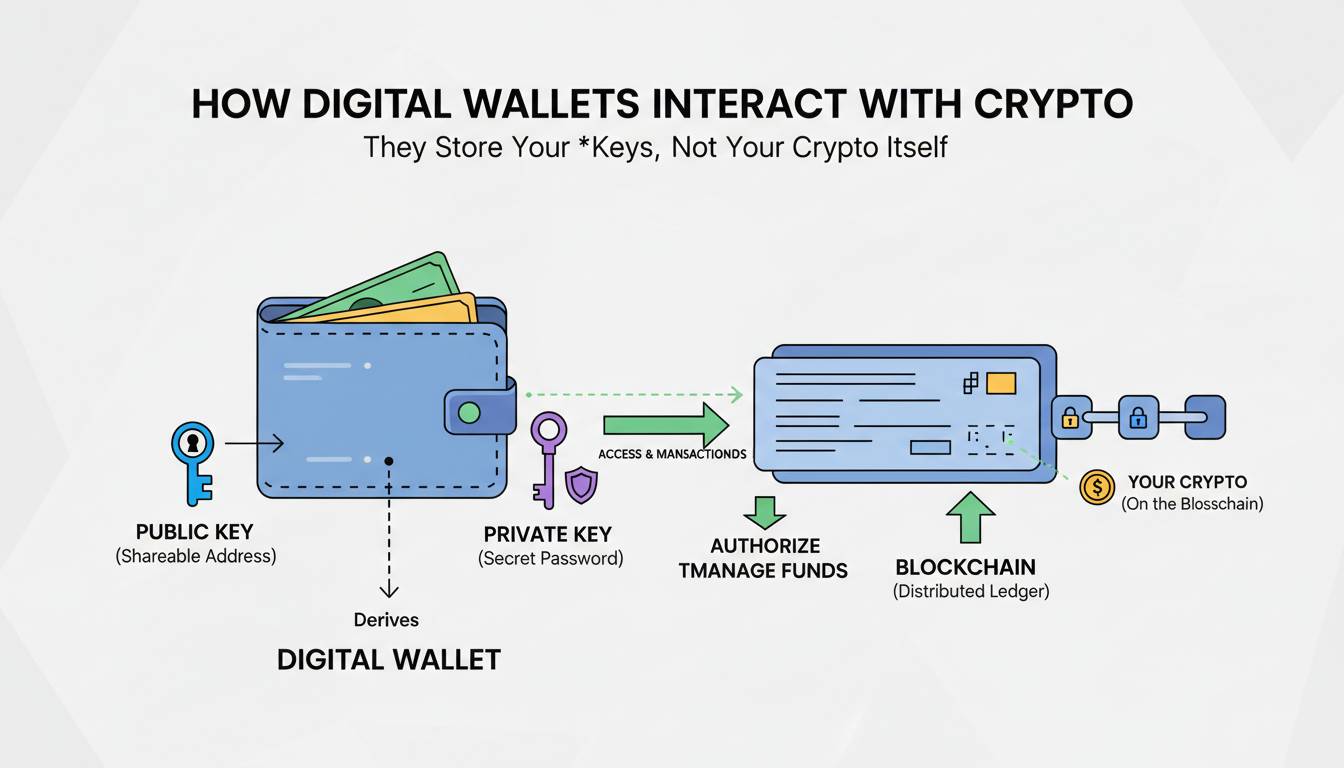
Absolutely. Hardware wallets keep large funds cold. Mobile or desktop wallets make quick use smoother. A mix balances security and convenience.
That’s the sweet spot laid out—all the essentials, simplified and organized so you can set up your crypto life with confidence and clarity.