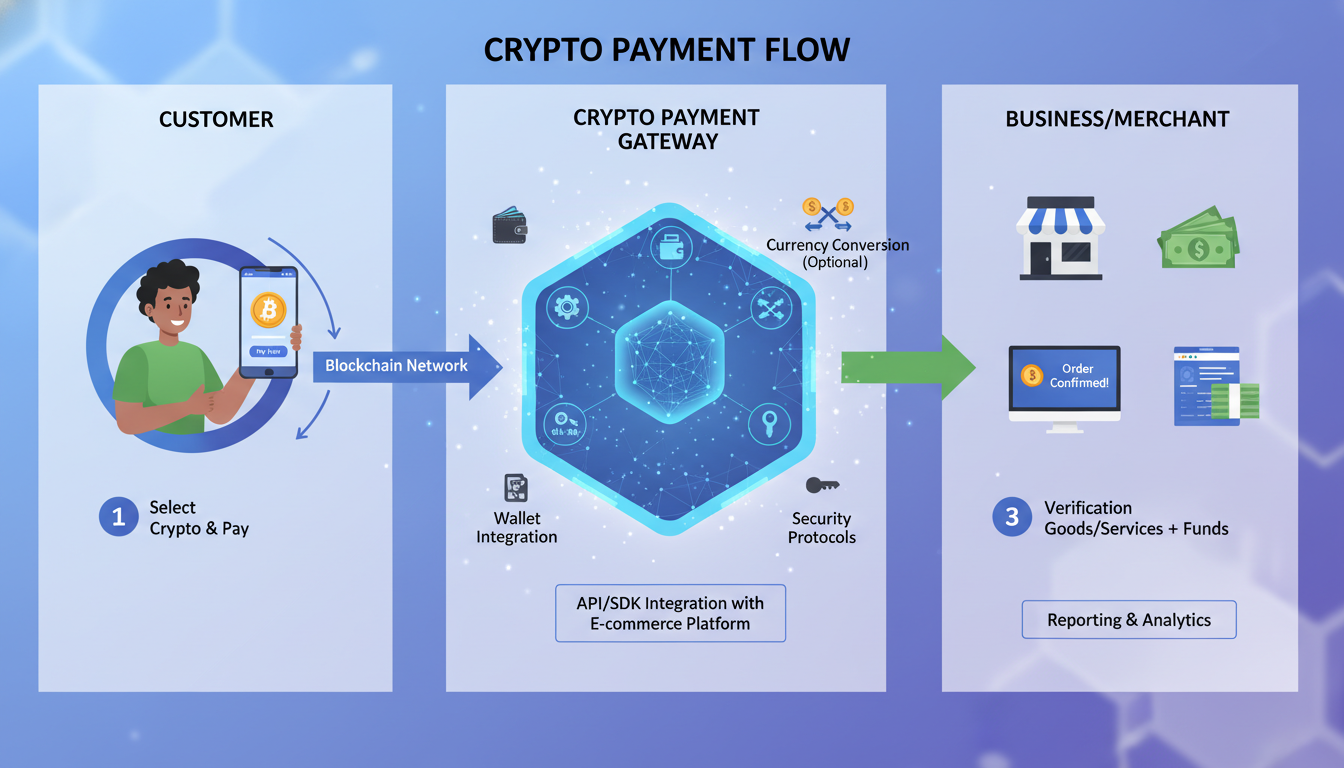
Businesses aiming to accept crypto payments need a gateway that integrates smoothly, ensures regulatory compliance, and supports the right tokens—all while being secure and user friendly. Here’s what to focus on when developing or choosing a crypto payment gateway.
Why a Dedicated Crypto Gateway Matters
A tailored crypto payment gateway lets businesses accept digital currencies seamlessly. It handles the complex parts like conversions, wallet management, and addressing volatility. With demand growing across industries—tech, e‑commerce, hospitality—a robust gateway is a key differentiator.
Core Components of a Crypto Payment Gateway
1. Multi-Currency Support
Businesses don’t want to limit themselves to Bitcoin. A gateway should:
– Accept major cryptocurrencies (e.g., BTC, ETH).
– Extend to stablecoins (e.g., USDC, USDT) and growing altcoins.
– Allow dynamic updates to accepted tokens without major overhauls.
2. Real-Time Conversion and Pricing
Pricing crypto in fiat terms must be live:
– Use low-latency APIs linked to liquidity providers or exchanges.
– Offer instant quotes in USD, EUR, GBP or local currency.
– Optionally allow merchants to settle in crypto or fiat.
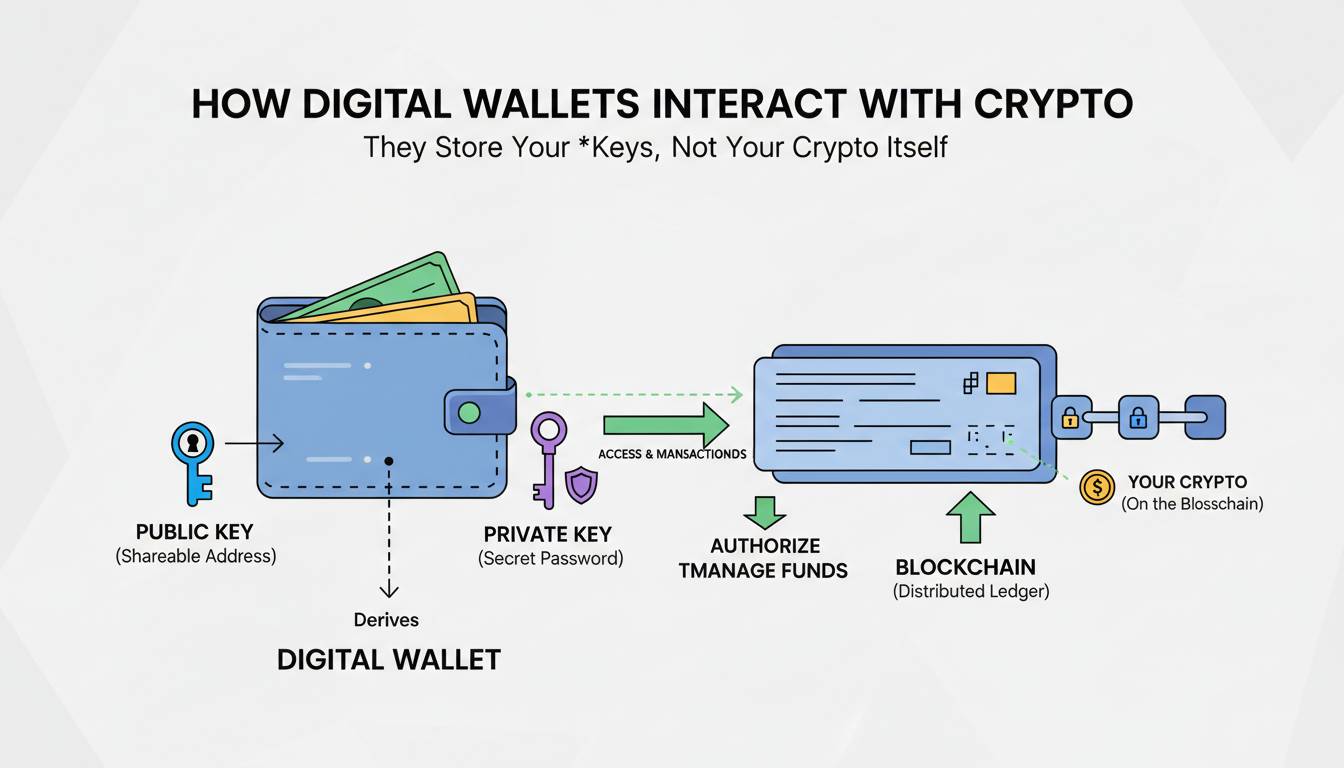
3. Secure Wallet Infrastructure
You need both hot and cold wallets:
– Hot wallets for daily transactions—fast but riskier.
– Cold wallets for storage—offline and secure.
– Ensure encrypted key storage and safe recovery protocols.
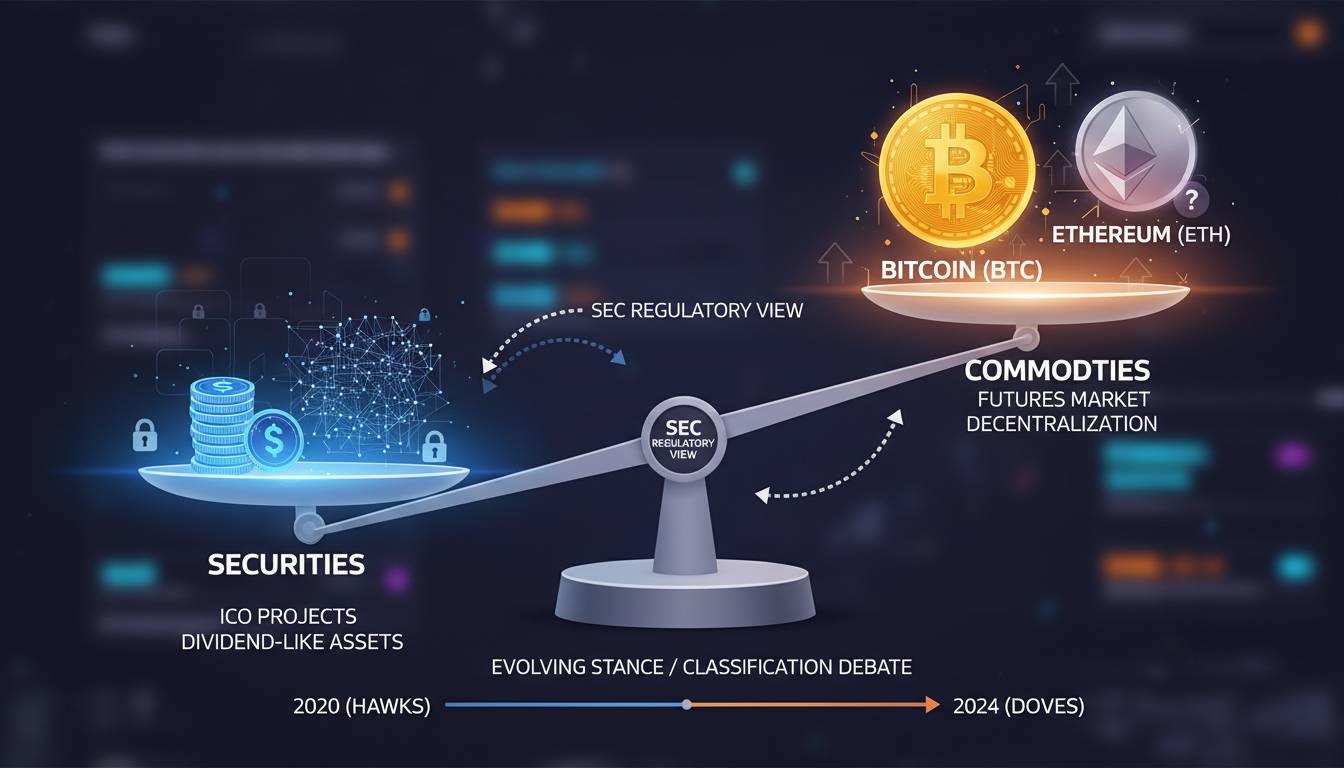
4. Regulatory and Compliance Layer
Crypto’s regulation landscape shifts fast:
– Build in KYC/AML flows for onboarding or high-volume users.
– Flag suspicious activity and freeze accounts if needed.
– Stay updated on regional rules like U.S. FinCEN or EU’s MiCA.
5. User Experience (UX) and Integration
No one wants confusing payments:
– Provide easy-to-use API plugins for platforms like WooCommerce or Shopify.
– Offer clean web interfaces or SDKs for custom builds.
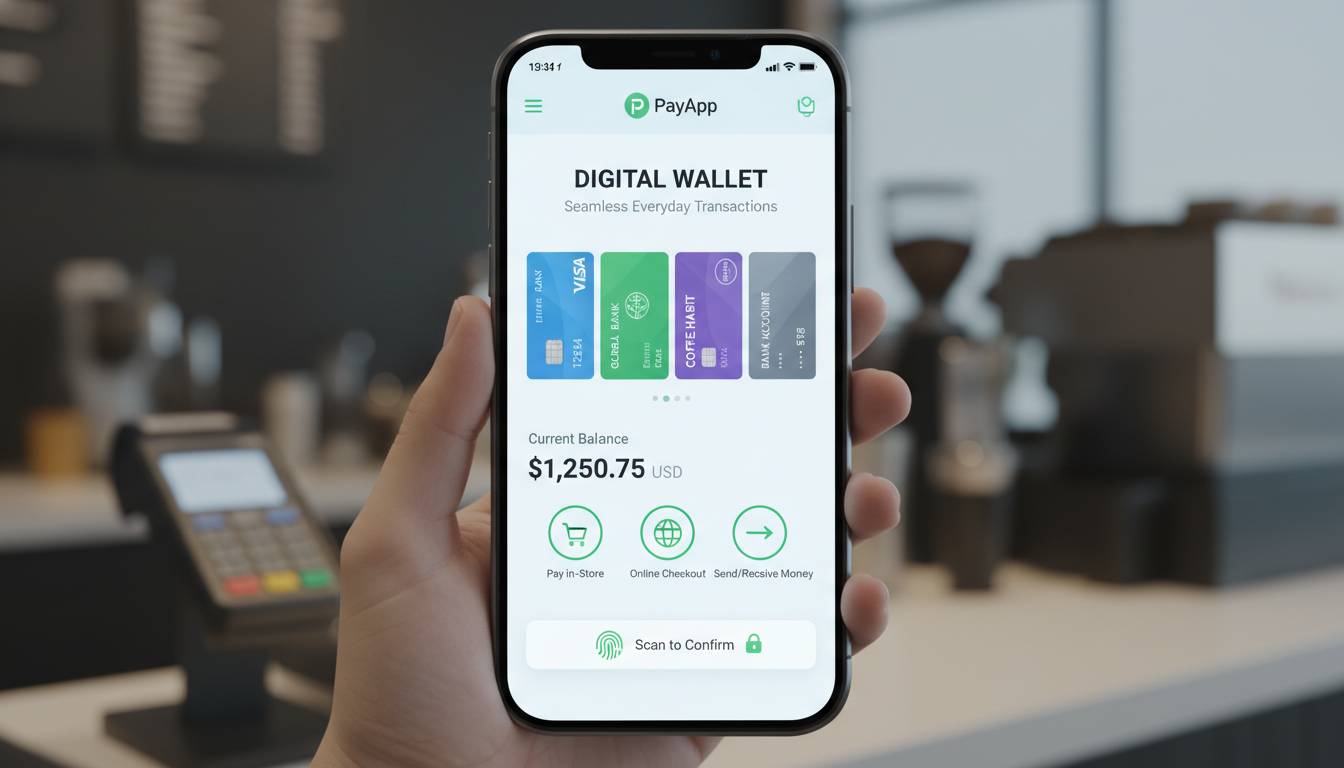
– Let customers pay by scanning QR codes or clicking deep links.
6. Risk and Fraud Prevention
Crypto isn’t immune to fraud:
– Monitor wallet activity for abnormal patterns.
– Flag high-volume or suspicious transactions.
– Integrate heuristics or behavioral analytics.
7. Reporting and Accounting Tools
Back-office clarity matters:
– Offer dashboards for monitoring volume, tokens, settlements.
– Export data for taxes or accounting software.
– Reconcile crypto to fiat seamlessly on reports.
Practical Steps for Businesses to Get Started
A. Define Business Needs First
Think through:
– Which cryptos do you want to accept? (e.g., Bitcoin, stablecoins)
– Who are your customers?
– Do you want to settle in fiat or hold crypto?
These decisions shape the architecture and compliance needs.
B. Choose Between Build vs. Buy
Options:
– Build in-house if you have blockchain expertise and need customization.
– Use third-party solutions like BitPay, Coinbase Commerce, or Fireblocks to streamline the process.
Each path has pros and cons:
– Build = full control but needs security know-how.
– Buy = quick setup, less customization, possible vendor lock‑in.
C. Prioritize Security and Audits
If building:
– Use open-source modules only with good reputations.
– Regularly audit and run penetration tests.
– Keep private keys offline when possible.
Even third-party providers offer audit transparency, and prefer those with SOC 2 or ISO 27001 compliance.
D. Test Thoroughly Before Launch
To avoid embarrassing or costly mistakes:
– Run testnet simulations and real-world pilot runs.
– Check payment flows, error handling, settlement times.
– Plan for fallback paths (e.g., expired quotations, offline nodes).
Mini Case Study: E‑Commerce Store Launching Crypto Payments
Imagine a mid‑size e‑commerce brand, “ModernGears,” wants to accept crypto to appeal to tech‑savvy customers.
- Needs Identified: They want BTC, ETH, and USDC. Settlement should be in USD.
- Decision: They choose a third‑party gateway with Shopify app and transparent fees.
- Integration: Easy setup via plugin; customers check out with crypto QR or button.
- Launch: A spike of small orders from crypto fans initially. Volatility managed by auto‑converting to USD.
- Learning: The team tracks 10% of revenue via crypto and adjusts for international customers next.
Quote from an Industry Expert
“Crypto payment gateways bridge user demand with business practicality. They simplify acceptance, mitigate risk, and open doors to new markets.”
— Payment Systems Analyst, Crypto Tech Insights
Summary of Best Practices
- Support a flexible range of tokens (including stablecoins).
- Offer real-time fiat pricing and easy settlement options.
- Build secure wallet infrastructure with clear hot/cold separation.
- Embed compliance and fraud controls into workflows.
- Optimize user experience with simple integration and UX patterns.
- Provide accounting tools and data exports.
- Choose between building custom or relying on trusted providers based on resources and flexibility needs.
- Test everything, audit regularly, and monitor live.
FAQs
How long does it take to integrate crypto payments?
Integration varies—third‑party plugins often take days. Building your own might take weeks or longer, depending on complexity and compliance needs.
Is it risky to accept crypto due to volatility?
Volatility risk can be managed by auto‑converting to fiat instantly or using stablecoins. Clear policies help mitigate exposure.
Do I need to know blockchain development to set up a gateway?
Not necessarily. Using third‑party services lets you avoid deep blockchain engineering. But building in-house requires expertise in wallet management and security.
How do I handle refunds in crypto?
Refunds can be issued in the original crypto or fiat, depending on policy. Just account for price changes between payment and refund times.
Are crypto payment gateways legally compliant?
Compliance depends on jurisdiction. Many reputable providers include KYC/AML tools, but businesses should review regional regulations, from FinCEN in the U.S. to MiCA in the EU.
Adopting a crypto payment gateway isn’t just about tech—it’s about strategy, risk, and user trust. With the right setup, businesses can tap into a growing market and stand out in today’s digital economy.