
Crypto gifts work by transferring digital assets—like Bitcoin or Ethereum—to someone via crypto wallet addresses or digital gift cards. You choose the amount, send it using a wallet or a gifting platform, and the recipient claims it through their own wallet, often with a secret code or link. This method is gaining popularity thanks to easy transfer, growing crypto adoption, and the novelty factor that appeals to both tech-savvy and casual users.
Why Crypto Gifts Are Gaining Popularity
It’s not just gimmicky. More people see crypto as a modern extension of traditional gift-giving. Mobile wallets, user-friendly platforms, and growing adoption make sending crypto nearly as simple as sending an e‑card.
A trend shaped by convenience and novelty
Gift cards have been around forever. Crypto just gives it a digital spin that feels futuristic—without overcomplicating things. Popular platforms now crop up everywhere offering “send crypto as a gift” options. That novelty factor? Big draw, even for people who haven’t deeply invested in crypto.
Growing crypto adoption in mainstream culture
Mainstream brands are partnering with wallets, exchanges, even Netflix-like platforms to offer crypto gift deals. When big retailers accept or promote crypto gifts, it sends a signal: this is becoming normal, not fringe tech for techies only.
Mechanics of Crypto Gift Transfer
Breaking it down: there are a few common routes to making a crypto gift happen. I’ll walk you through them.
H2: Wallet-to-Wallet Transfers — Simple and Direct
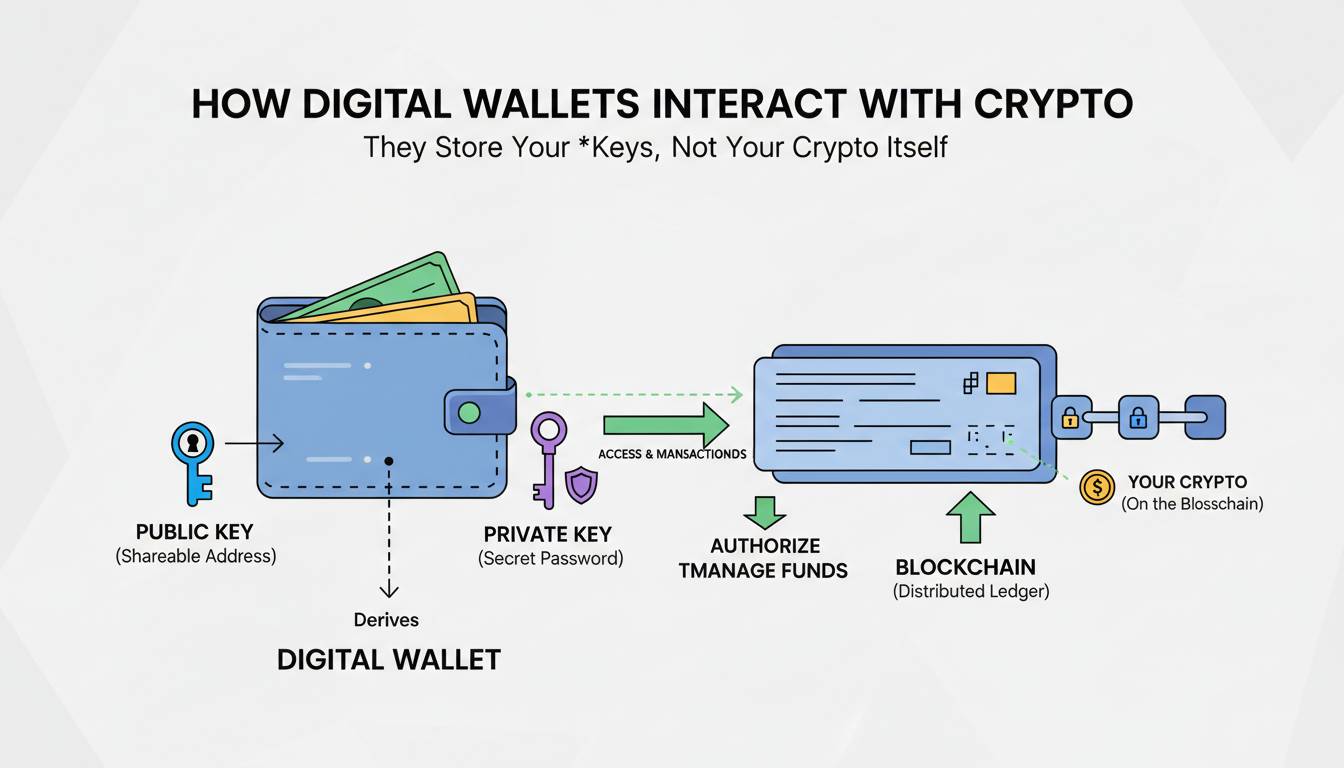
This is the most straightforward: you use your own crypto wallet, send coins to the receiver’s wallet address. They get it instantly (or nearly—block times apply), and it shows up in their balance. Easy, secure, with minimal fuss.
- You both need wallets that support the same crypto.
- You need correct wallet address (one small typo and funds could vanish).
- Relies on you trusting yourself to be accurate.
H2: Gift Cards and Vouchers — Crypto as a Present
These come as physical cards or digital codes. You buy one for, say, $50 worth of Bitcoin. The recipient redeems it using a one-time code or scan. It’s familiar—just digital dollars instead of stored-value cards.
- Great for non-tech-savvy users.
- Feels more like traditional gift-giving.
- Often sold through convenience stores or online checkout pages.
H2: Third‑Party Platforms & Exchanges — Streamlined Experience
Some platforms handle it all: you pick the recipient, the amount, and pay with credit card or crypto. They email a link or code. Recipient redeems it, and the platform deals with wallet creation if needed.
- Very user-friendly.
- Platforms may take fees or add identity checks.
- Helpful when recipient lacks a wallet or you both want simplicity.
Why This Matters — Perspective on Motivation
Cultural shifts toward digital gifts
Ceremonial giving evolves—first cash in envelopes, then gift cards, now crypto. Digital gifts feel more thoughtful in a world where face-to-face giving isn’t always possible, especially across borders or age groups.
Financial inclusion and global reach
Crypto crosses borders effortlessly. You send directly to someone internationally. No currency conversion fuss, no bank needed. It’s borderless giving at click speed.
Educational entry point for crypto newbies
If Grandma gets $20 in Bitcoin for her birthday, she might open a wallet and see what happens. It’s hands-on learning—often less intimidating than diving right into investing.
Risks & Considerations to Keep in Mind
Sure, it’s fun and novel—but there are bumps in the road.
Volatility can surprise
Crypto price swings are real. What $50 buys today might be $40 next week. So the gift’s value can shift dramatically before redemption.
Security and fraud risks
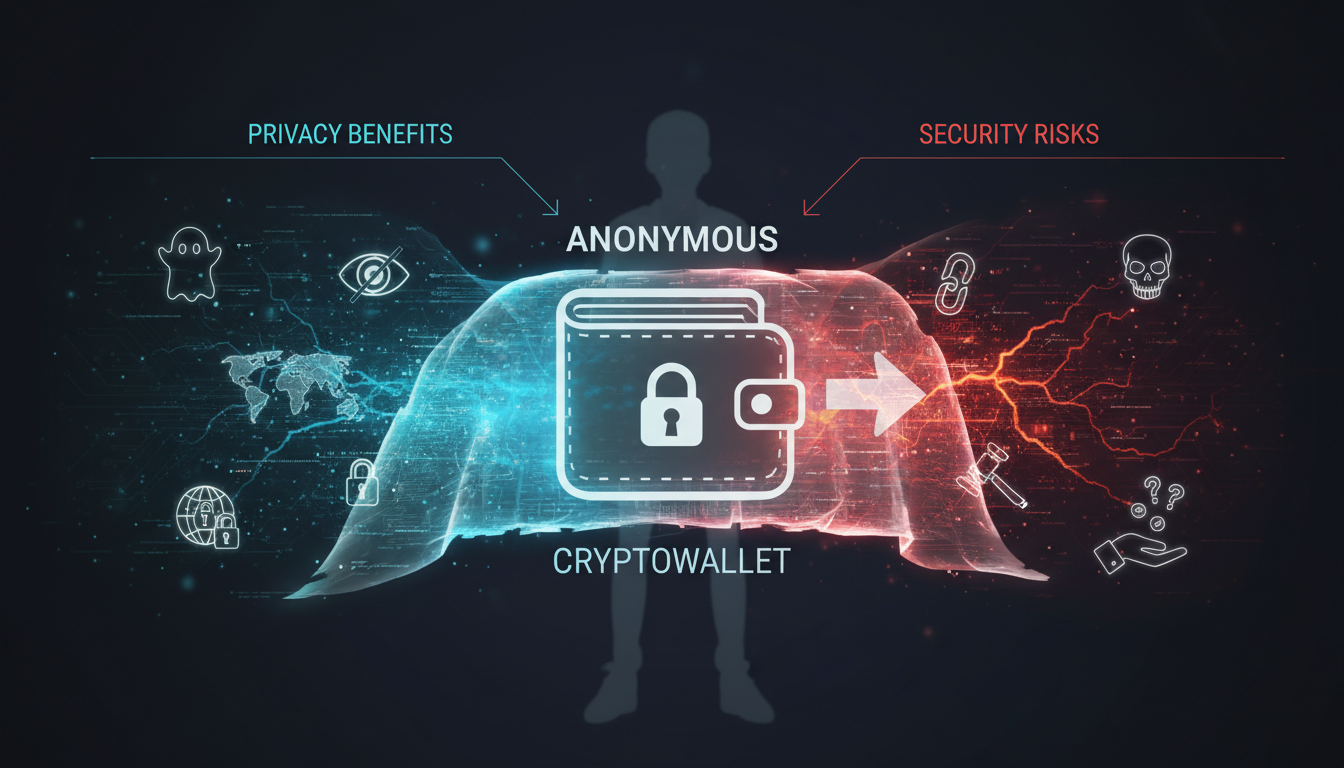
Fake gift card sites, phishing links, or compromised wallets can make things go sideways fast. If link gets stolen, someone else could claim the funds. Gifting platform security matters—big time.
Regulatory and tax implications
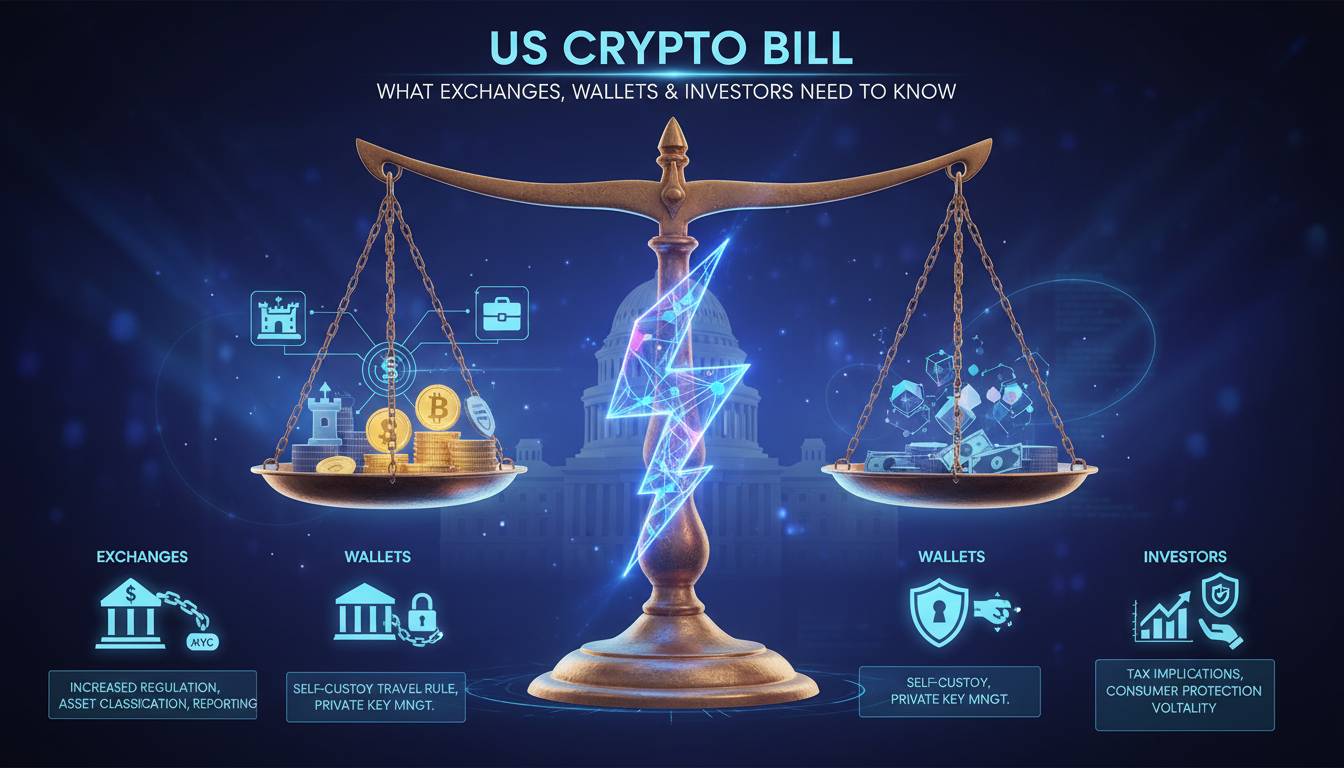
Depending on the amount and jurisdiction, crypto gifts might trigger gift tax rules. And if someone cashes them in, they may owe income tax on gains. Best to check local rules.
Real‑World Examples & Trends
Retailers offering crypto gift cards
Major convenience chains now sell gift cards that can be redeemed in Bitcoin or Ethereum. It’s popping up in checkout aisles—yes, alongside chocolate bars and soda.
Influencer and peer-to-peer gifting
On social media, you’ll notice Crypto Twitter and TikTok showing people cheering when they open a crypto gift live. It’s a public good vibe—people sharing screenshots, talking about “my first sats!” (that’s Bitcoin satoshis).
Corporate and rewards programs
Some companies now reward employees or customers with crypto. Referral bonuses, holiday gifts, loyalty program payouts—paid in small crypto amounts. It gives programs a modern edge and shows forward-thinking.
Navigating the Gift Process — Practical Checklist
Before sending
- Confirm recipient can receive (has wallet or can redeem).
- Choose method: wallet transfer, gift card, or platform.
- Be aware of fees, limits, and processing times.
After sending
- Confirm redemption or transaction status.
- Educate recipient briefly—how to access, what to expect.
- Remind them to secure their wallet and safeguard redemption details.
“Crypto gifts can be a fun, modern way to introduce someone to digital assets—just make sure it’s secure, legal, and easy to use,” an industry practitioner notes.
Conclusion
Crypto gifting cuts across novelty, convenience, and financial empowerment. It offers fast, global, and sometimes playful ways to give value. Yet it carries volatility, scam, and tax risks. Done right—with clear communication and safe practices—it can be a thoughtful, forward-looking gift that both teaches and delights.
FAQs
How do crypto gifts work?
They work by transferring digital currency—a few coins or tokens—to someone’s wallet or via a redeemable code. The recipient uses their own wallet or signs up on a platform to claim it.
Is sending crypto as a gift safe?
Mostly, yes—if you use a reputable platform or ensure the recipient’s address is correct. Always avoid suspicious sites and share gift codes securely.
Can the value of a crypto gift change?
Absolutely. Crypto prices fluctuate constantly. A gift’s value can go up or down significantly between sending and redemption.
Do crypto gifts have tax implications?
They can. Depending on your country, gifts over a certain value may require reporting. Once redeemed, recipients may owe taxes on any gains when they sell.
Which method is best for non‑techy recipients?
Gift cards or platforms with easy-to-redeem codes are usually best for those unfamiliar with wallets. They minimize wallet setup challenges and feel familiar.
What if the recipient isn’t familiar with crypto?
Pair the gift with a quick walkthrough—explain how to redeem, where to store it securely, and remind them to choose a simple wallet. That helps smooth the experience.
(Approximate word count: ~900 words)