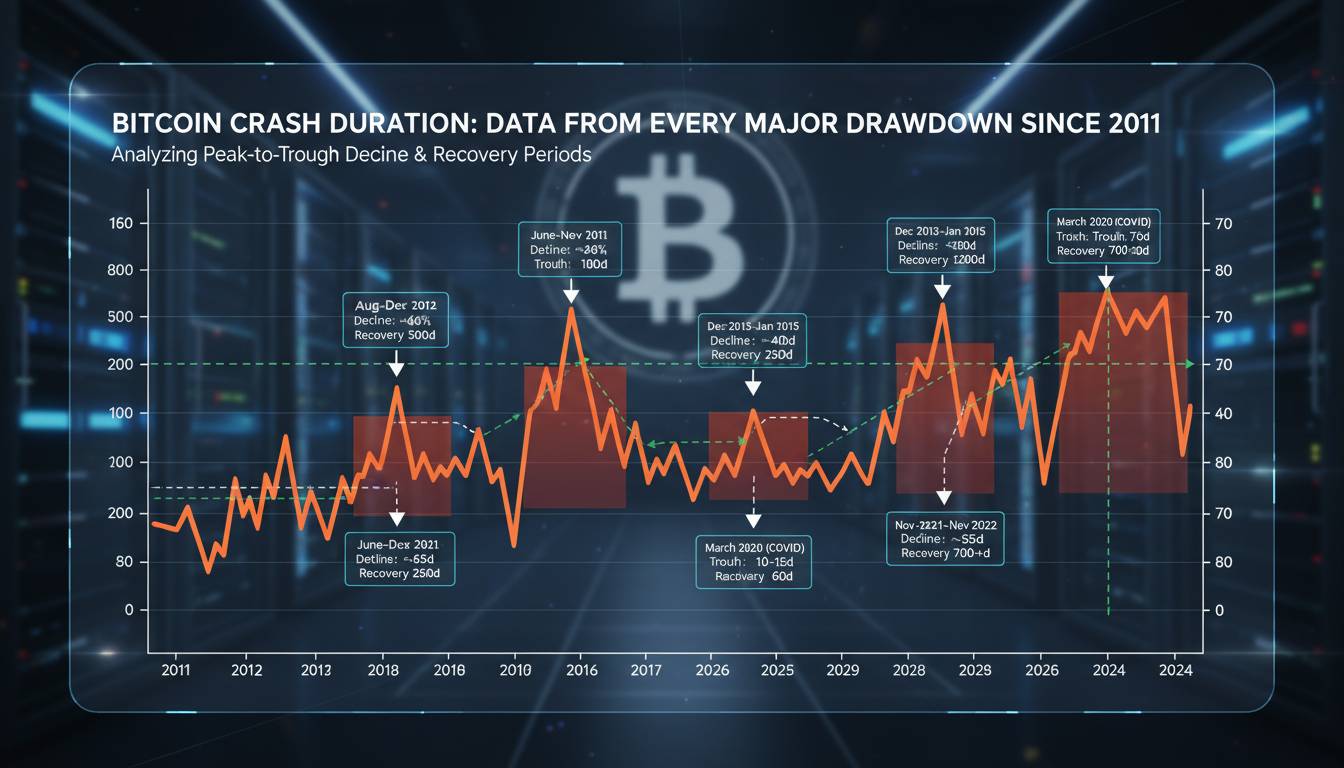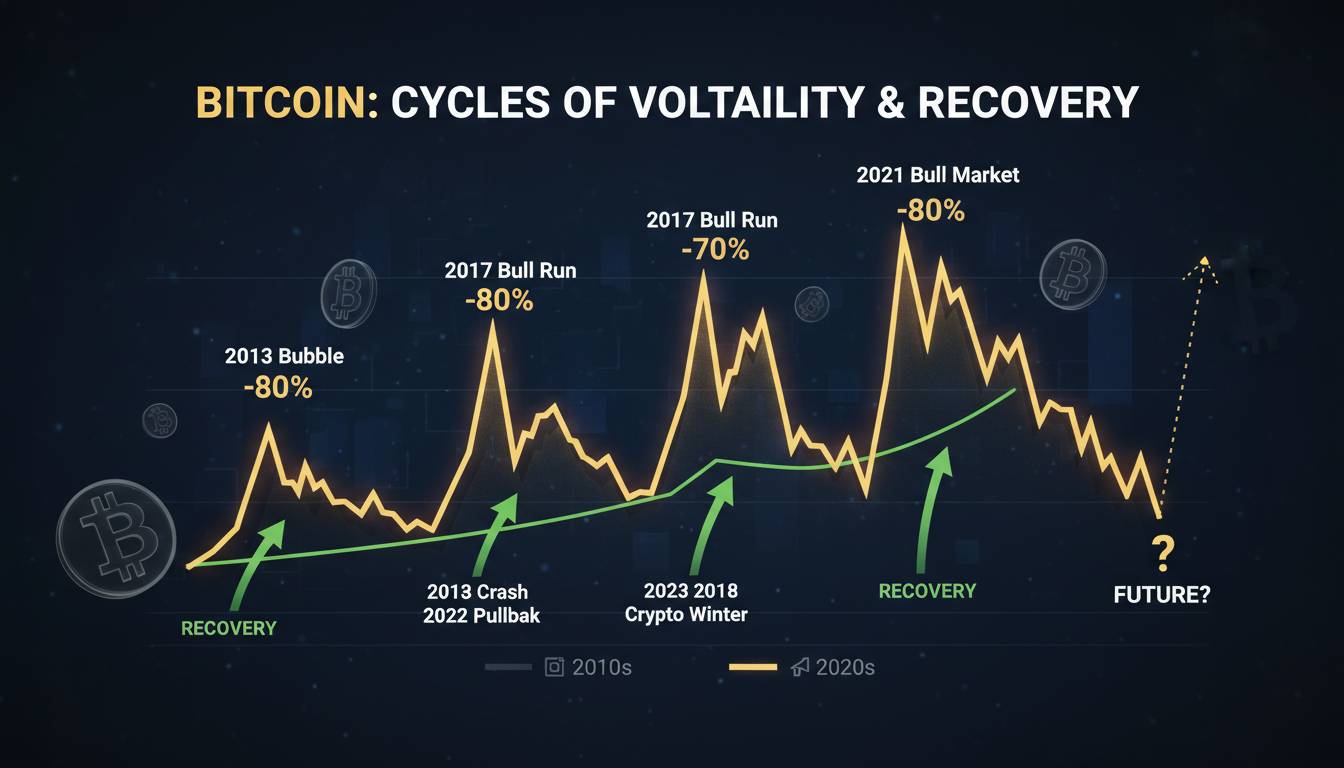
Bitcoin’s price drops don’t follow a calendar, but they do follow recognizable patterns. Based on historical data from the cryptocurrency’s existence since 2009, most significant Bitcoin drawdowns last between 12 and 18 months from peak to trough, with full recovery to previous highs typically taking another 12 to 24 months. The 2022 crash extended the cycle longer than many expected, though historical precedent still offers a useful guide—just not a guarantee.
Historical Bitcoin Crashes: 2014 to 2024
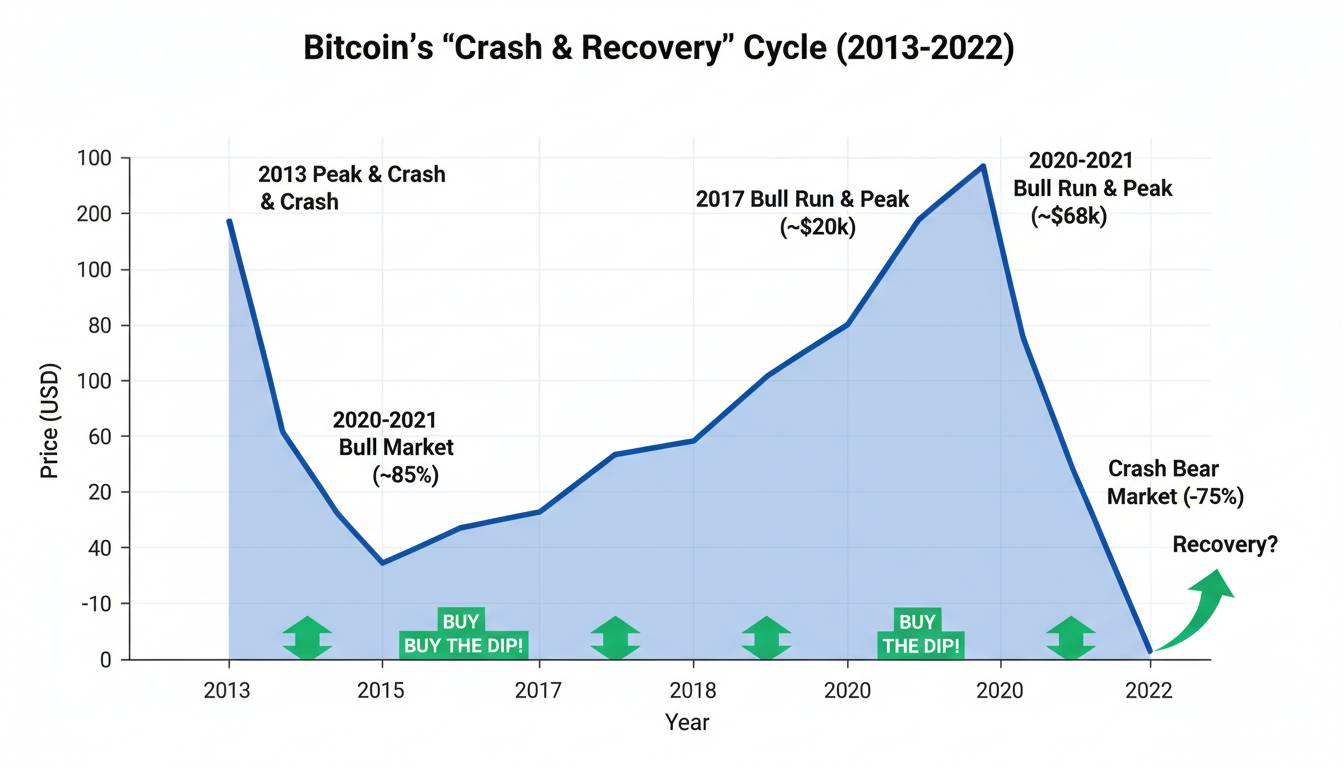
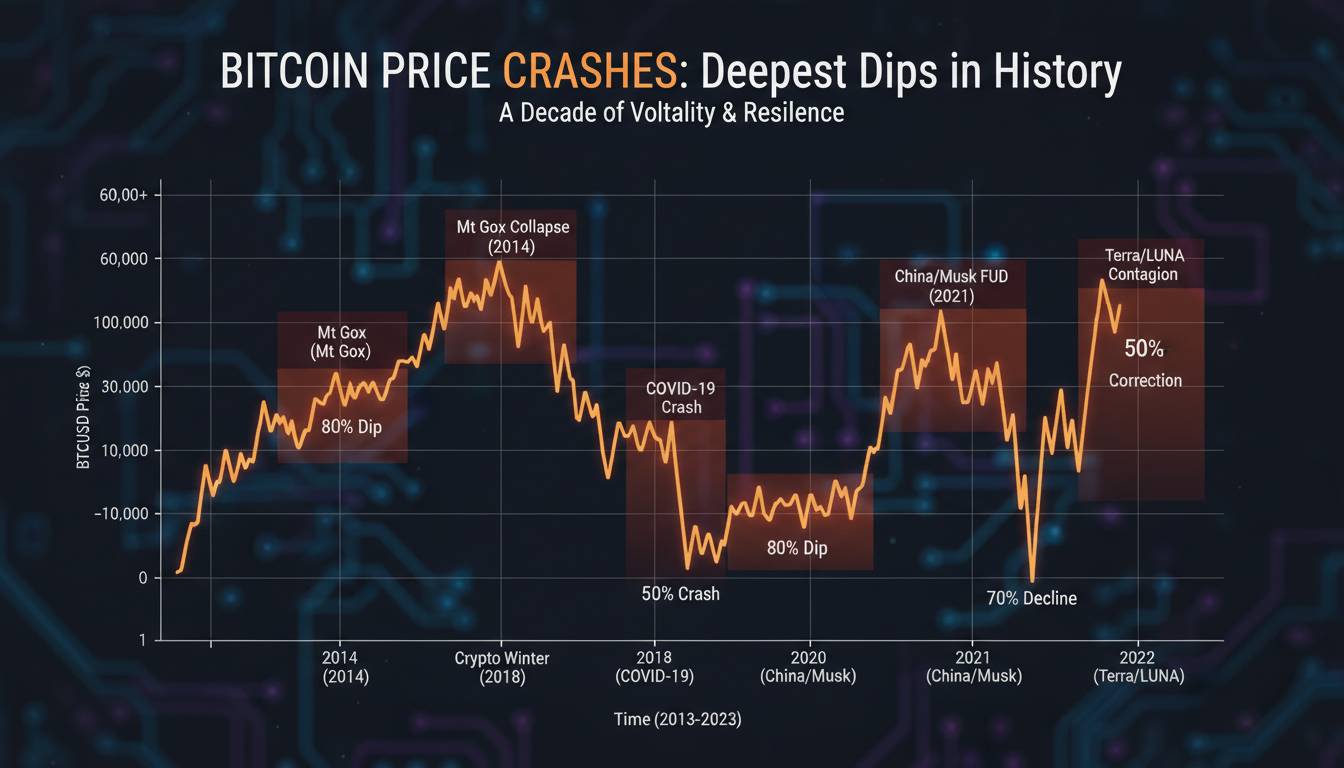
Here’s a breakdown of the four most significant drawdowns in Bitcoin’s history:
| Year | Peak Price | Trough Price | Drop % | Time to Trough | Recovery to Prior High |
|---|---|---|---|---|---|
| 2014 | $1,165 | $197 | 83% | ~13 months | ~35 months |
| 2017 | $19,783 | $3,128 | 84% | ~12 months | ~36 months |
| 2021 | $64,863 | $15,460 | 76% | ~6 months | ~24 months (still unfolding) |
| 2022 | $69,044 | $15,480 | 78% | ~12 months | In progress |
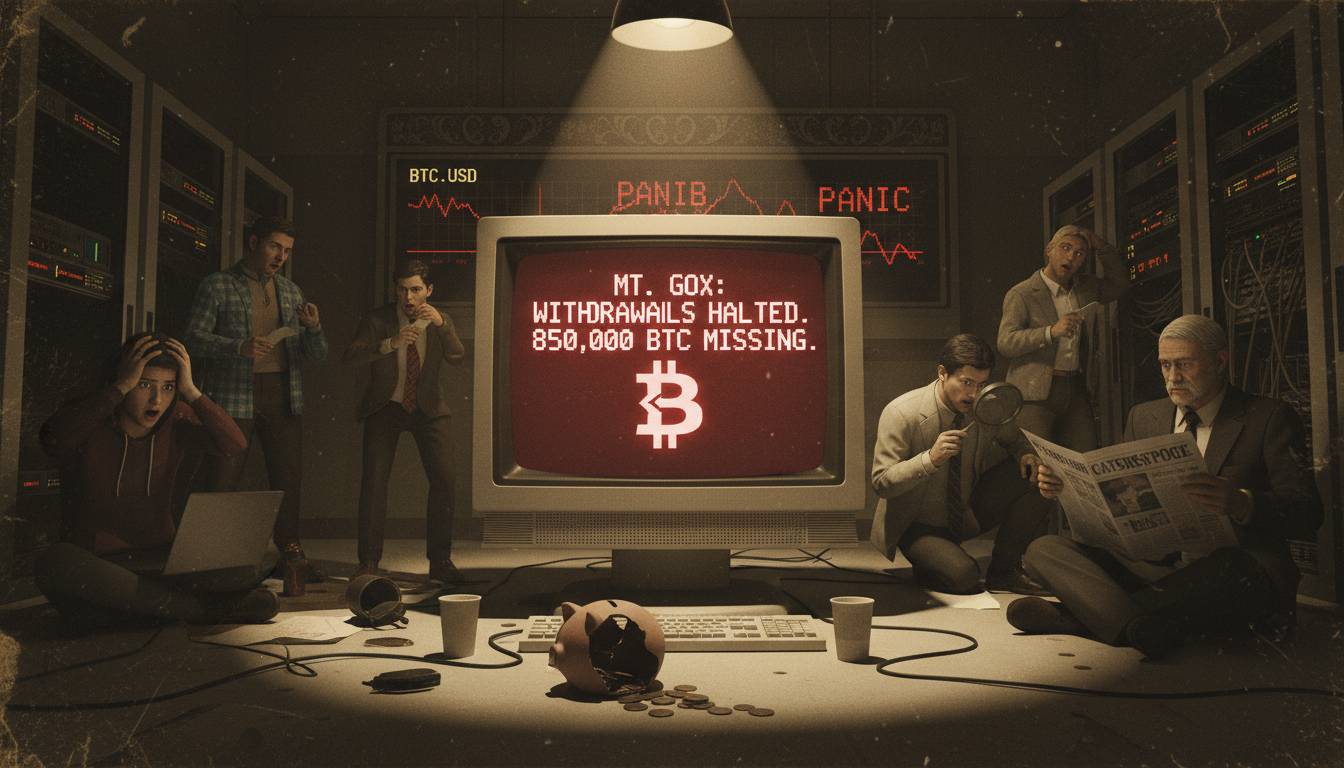
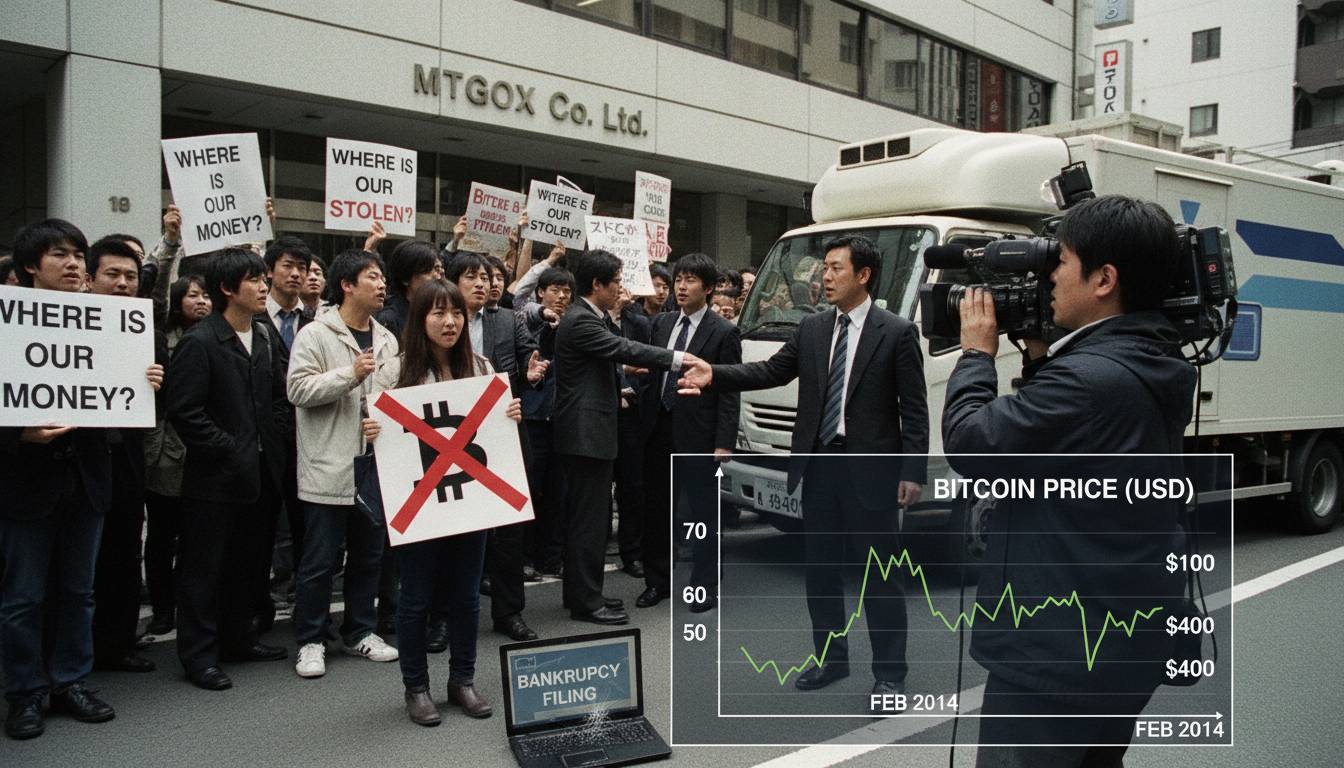
The 2014 crash stemmed from the Mt. Gox exchange collapse, which dominated headlines and shattered confidence in Bitcoin’s infrastructure. The price fell from over $1,100 in late 2013 to under $200 by early 2015—a decline that lasted roughly 13 months. Recovery to those previous highs didn’t happen until 2017, when the next major bull run began.
The 2017-2018 cycle remains the most dramatic example of Bitcoin’s volatility. After reaching nearly $20,000 in December 2017, Bitcoin lost 84% of its value over approximately 12 months, bottoming around $3,200 in December 2018. The subsequent recovery took nearly three years, with Bitcoin not reclaiming its previous all-time high until late 2020.
The 2021-2022 cycle presented a different pattern. Bitcoin reached its previous all-time high of $64,000 in November 2021, then experienced a sharper but shorter initial decline—dropping to roughly $30,000 within two months. However, the bottom wasn’t reached until November 2022, when Bitcoin fell to approximately $15,500, marking a 77% drawdown from the peak. This cycle is still in its recovery phase as of early 2025.
Average Duration of Bitcoin Bear Markets
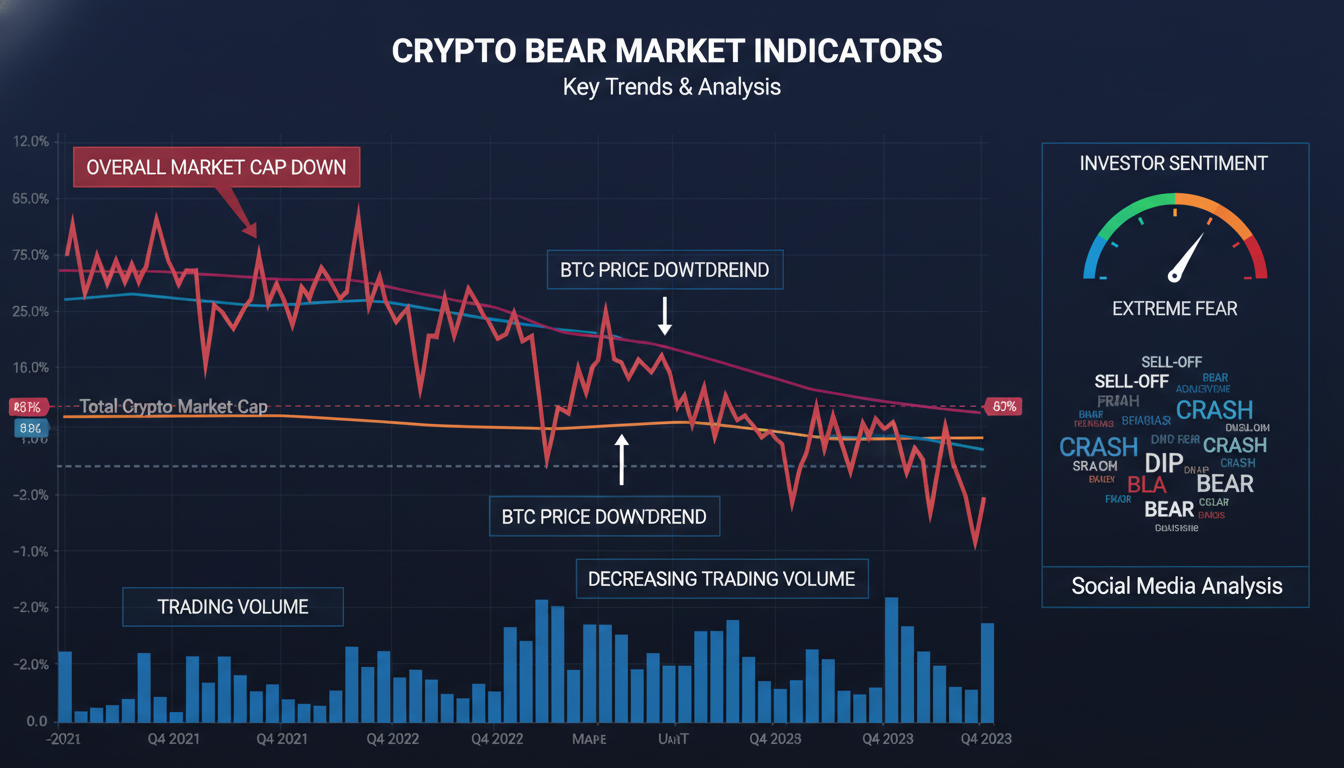
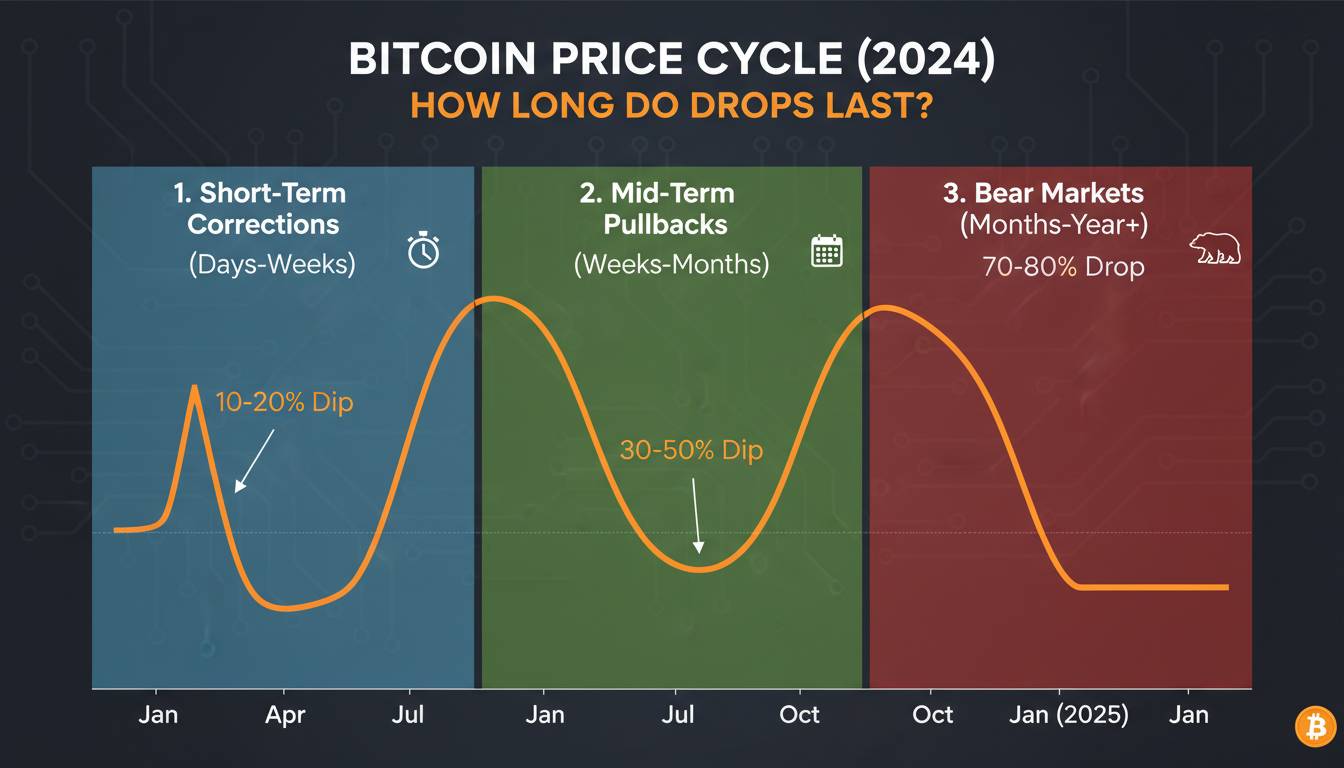
Looking across these cycles, a pattern emerges: the average Bitcoin bear market from peak to bottom lasts approximately 10 to 13 months. This figure has remained fairly consistent across the 2014, 2018, and 2022 cycles, despite vastly different market conditions and catalysts.
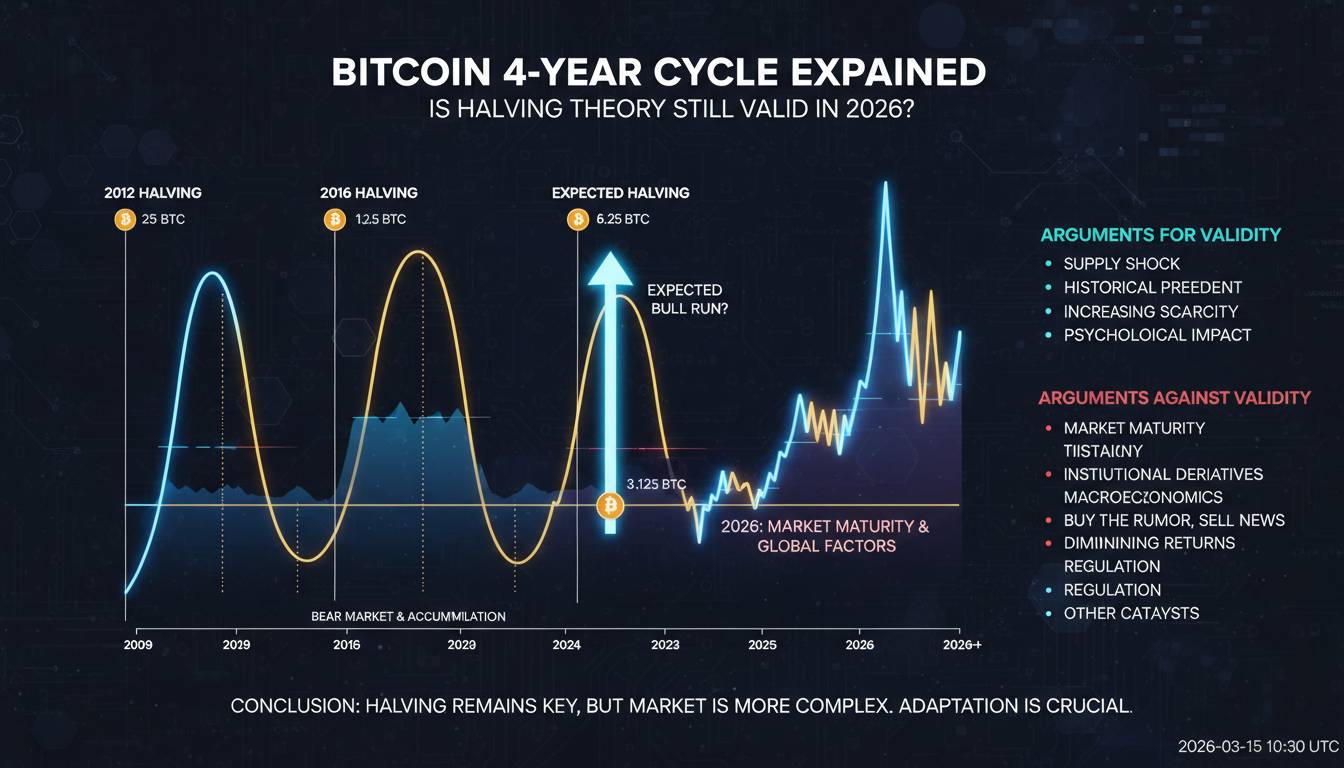
Full recovery—the time required for Bitcoin to reach a new all-time high—averages between 24 and 36 months from the original peak. This means the complete cycle from peak to recovery typically spans three to four years, which aligns closely with Bitcoin’s documented four-year halving cycle.
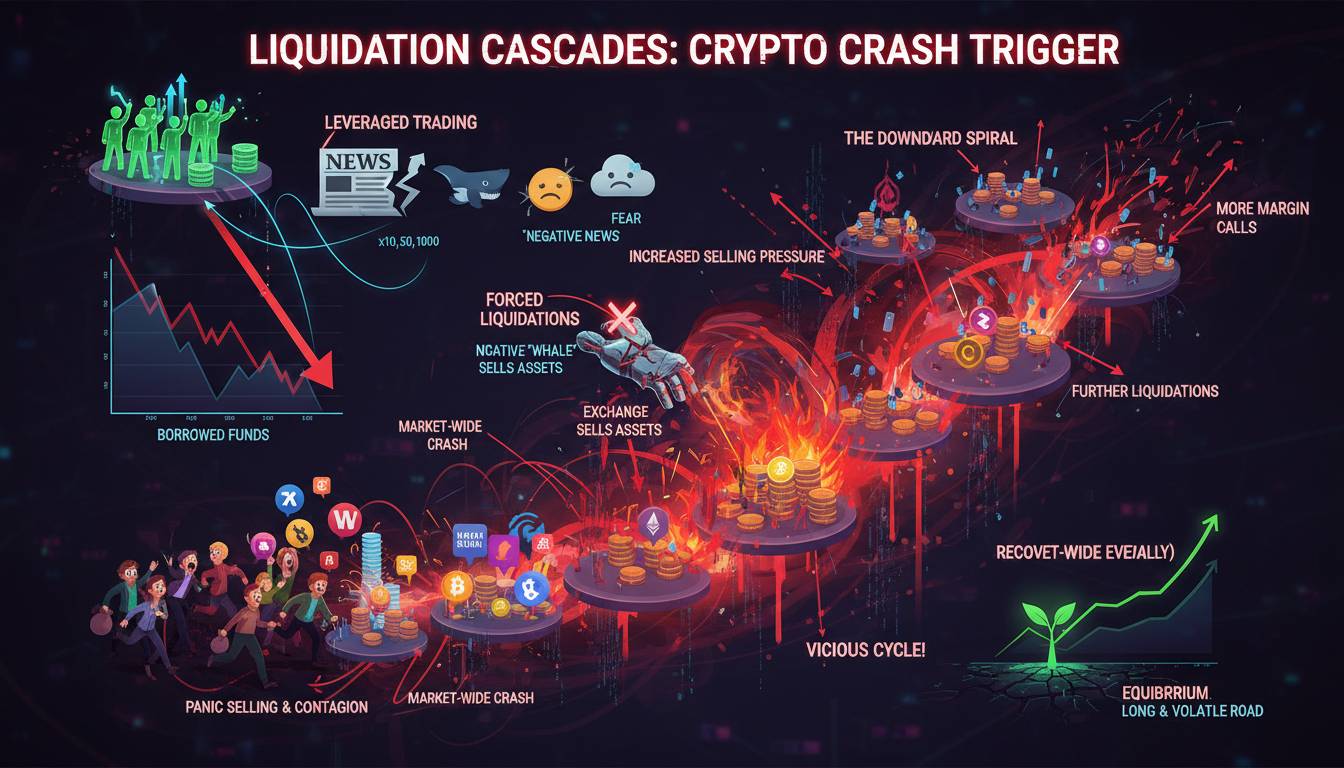
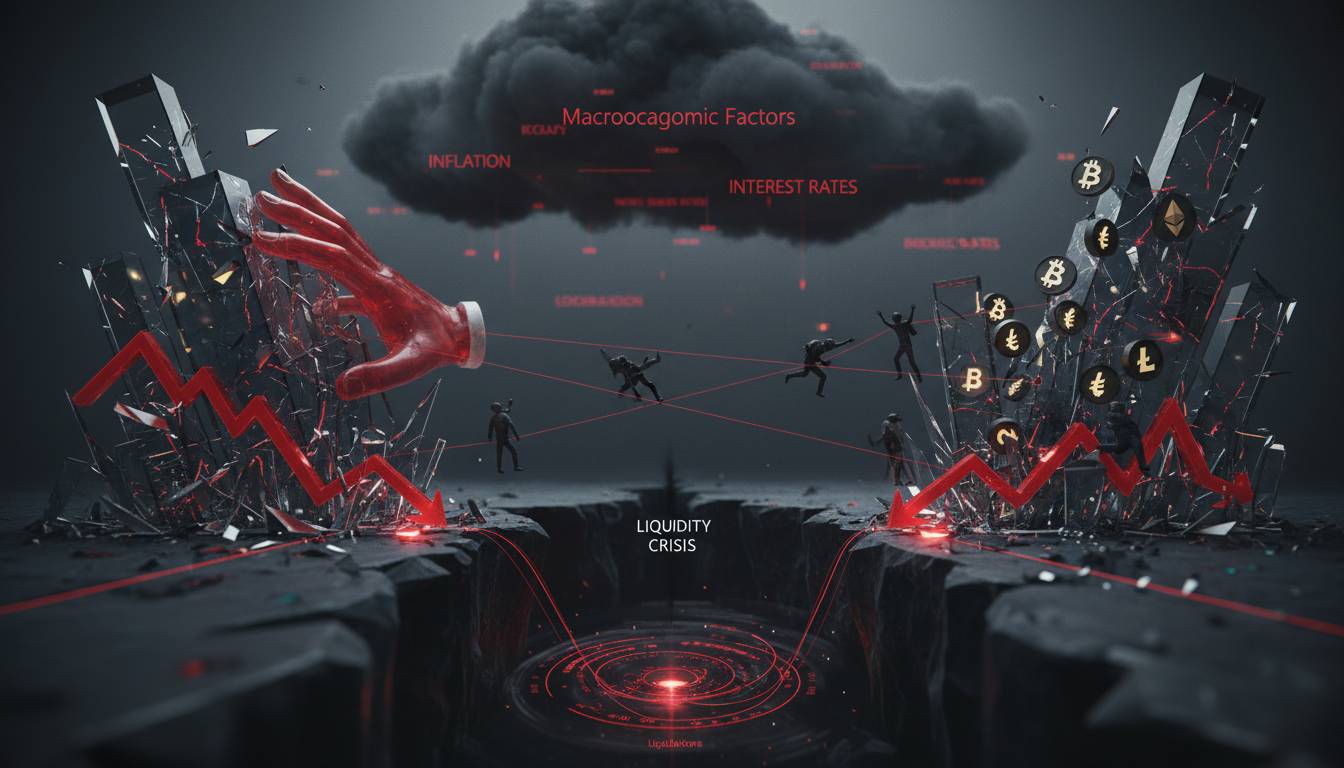
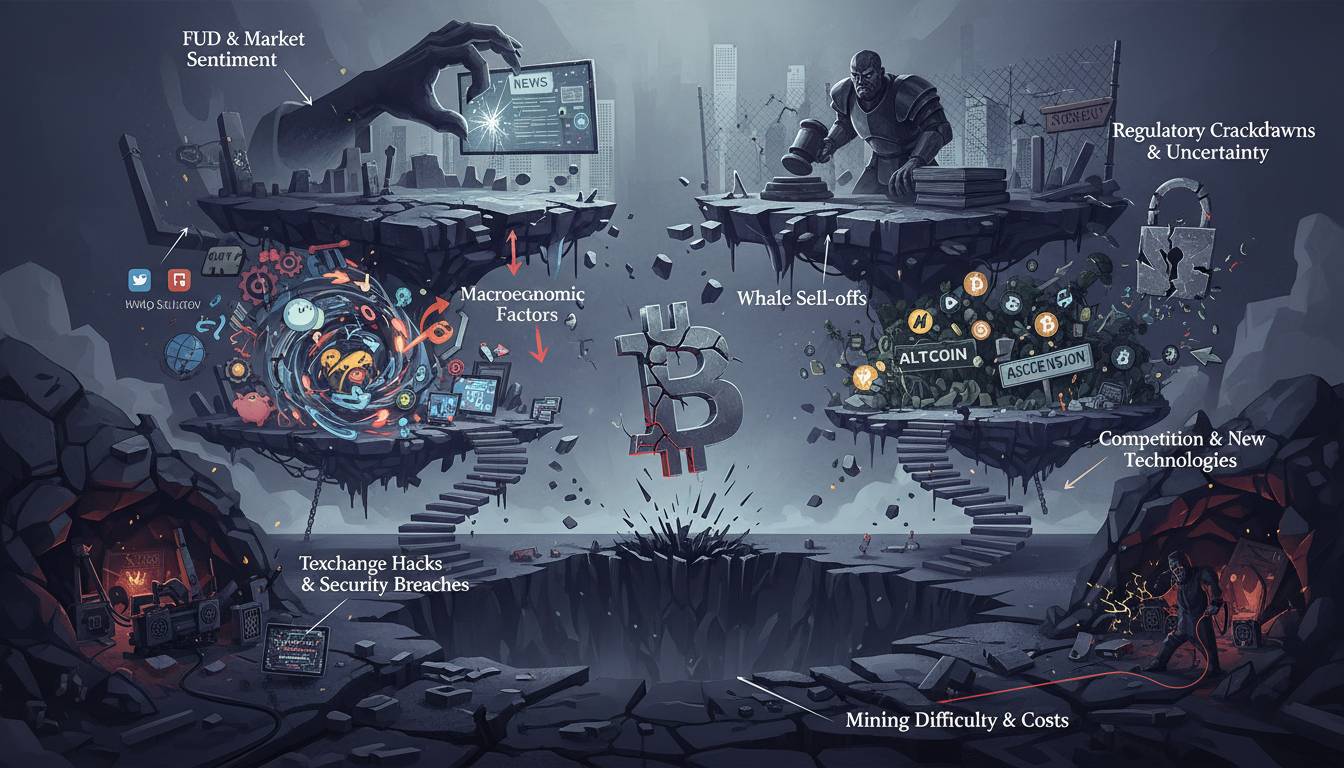
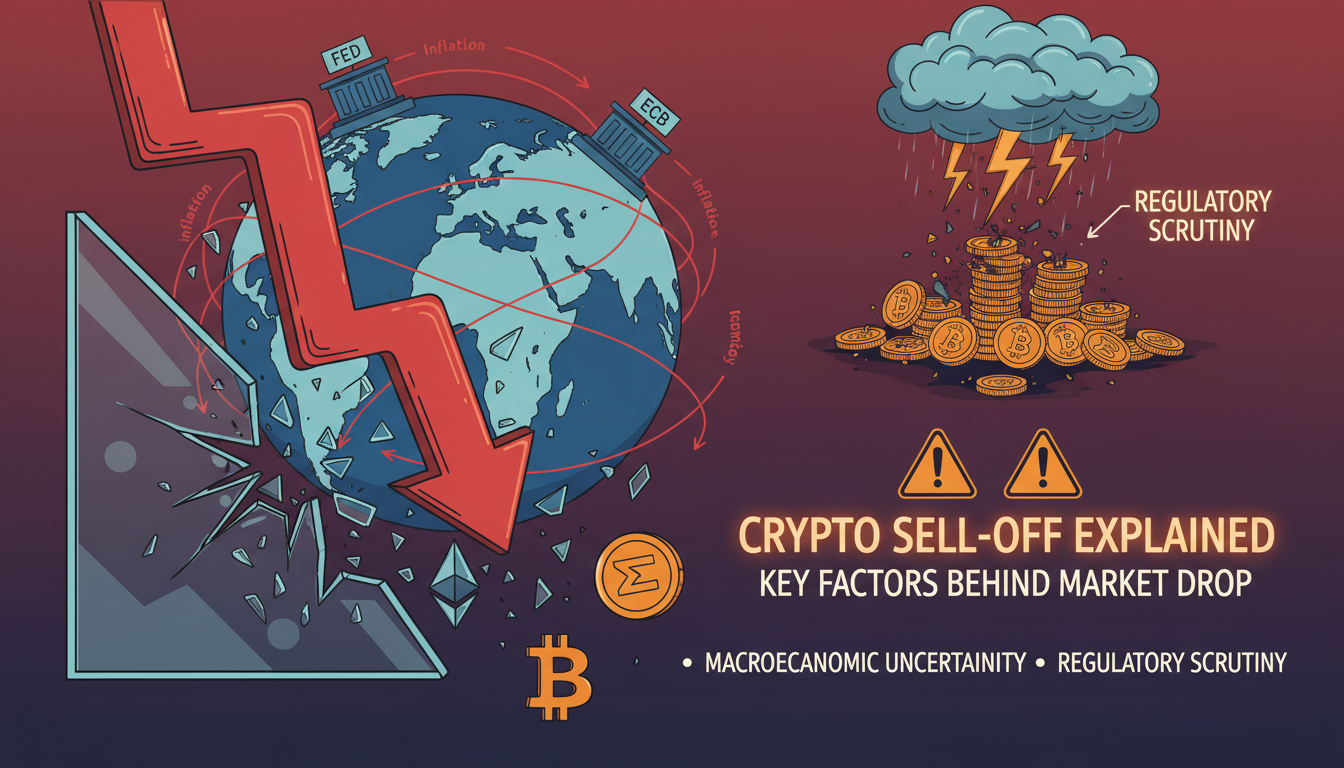
One caveat: the 2021-2022 cycle introduced structural changes in the market. Institutional adoption, the rise of leverage in the cryptocurrency ecosystem, and macroeconomic factors like Federal Reserve policy created dynamics that extended the bottoming process beyond historical norms. Some analysts argue future cycles may follow this longer pattern. Others maintain that Bitcoin’s fundamental supply mechanics will eventually reassert the shorter timeline.
Here’s an uncomfortable truth: Bitcoin hasn’t experienced a true generational depression—a multi-year period where prices fail to make new highs for a decade or more. Every asset class eventually has that moment. Bitcoin is only 15 years old and has never faced a sustained macroeconomic environment where capital formation collapses completely. The next major global recession will test whether Bitcoin truly is “digital gold” or just another risk asset that gets crushed when liquidity dries up.
What Drives Bitcoin Recovery
Several factors determine how quickly Bitcoin recovers from any given crash.
Liquidity conditions play an enormous role. The 2018 bear market bottom coincided with a shift in Federal Reserve policy toward monetary tightening, which constrained the capital available for speculative assets. Conversely, the 2020 recovery was driven by the Fed’s massive stimulus programs. When central banks inject liquidity into the financial system, Bitcoin tends to benefit.
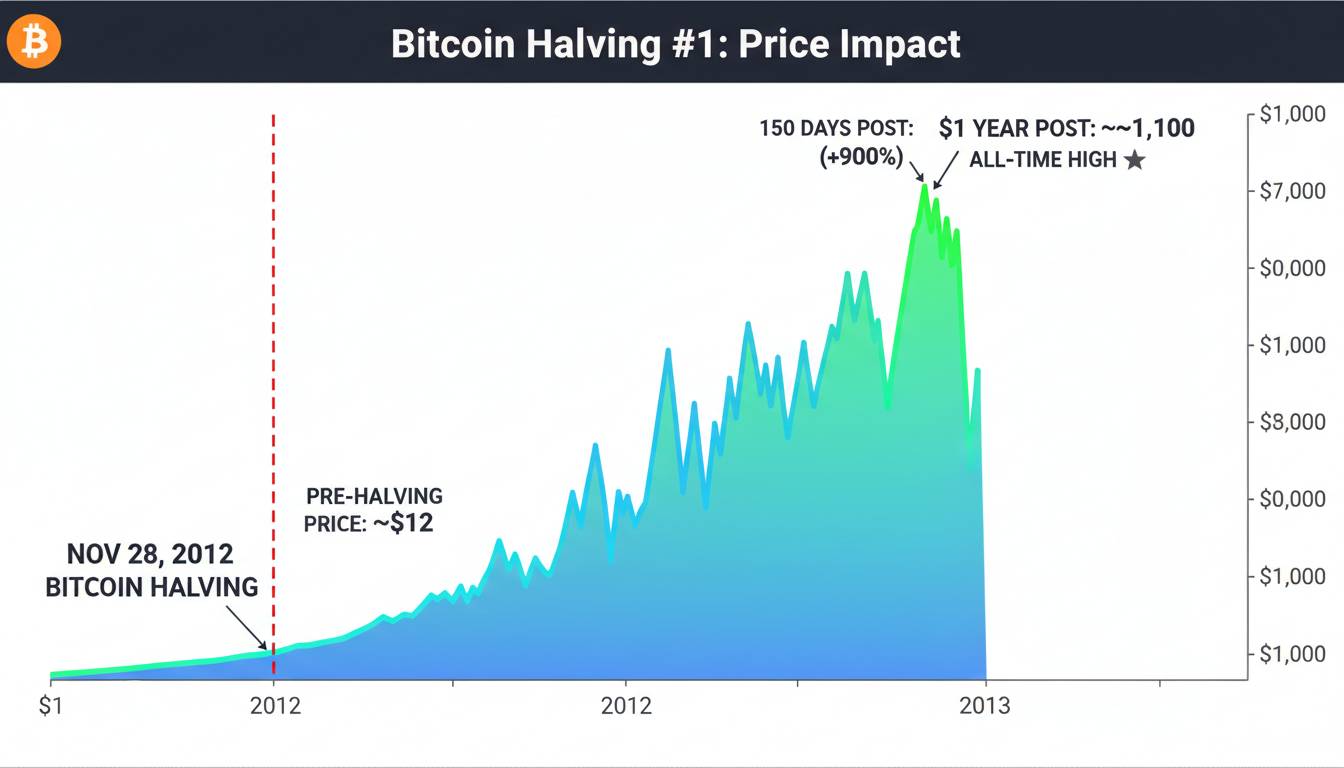
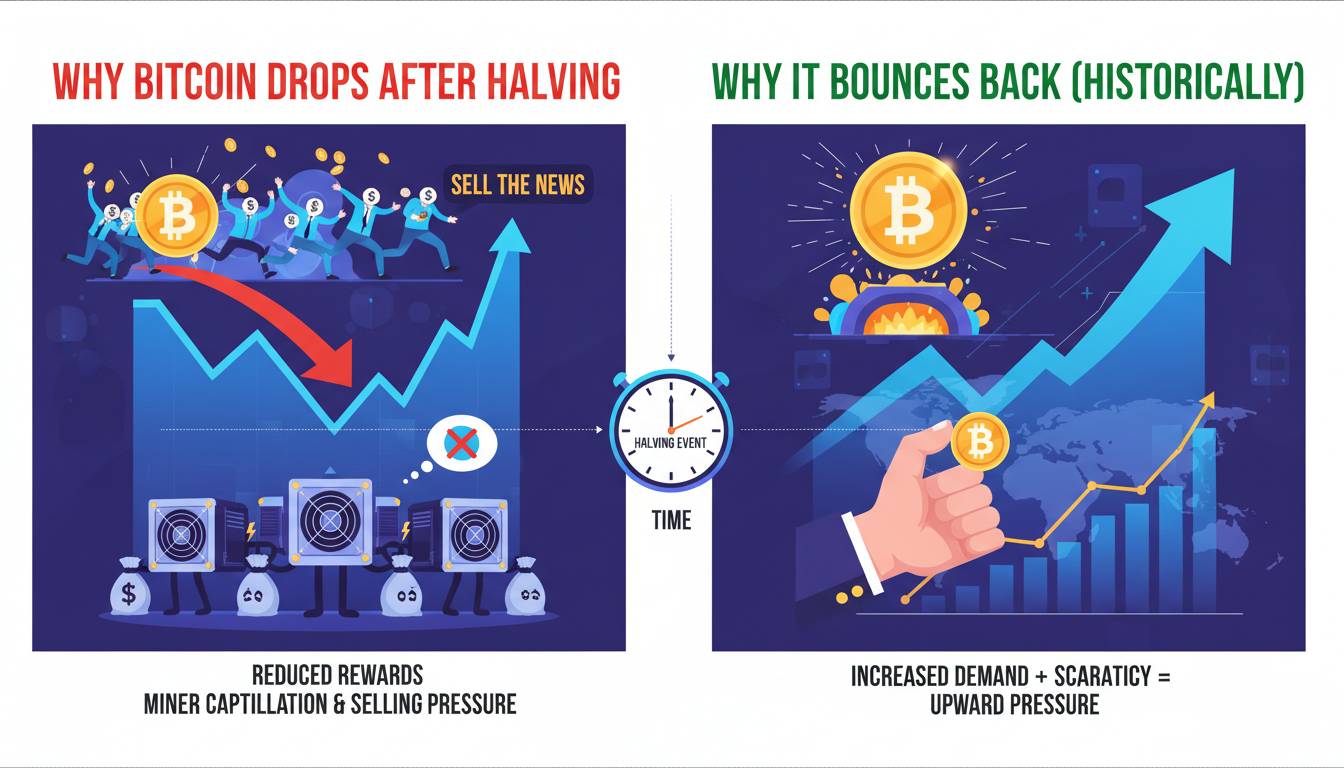
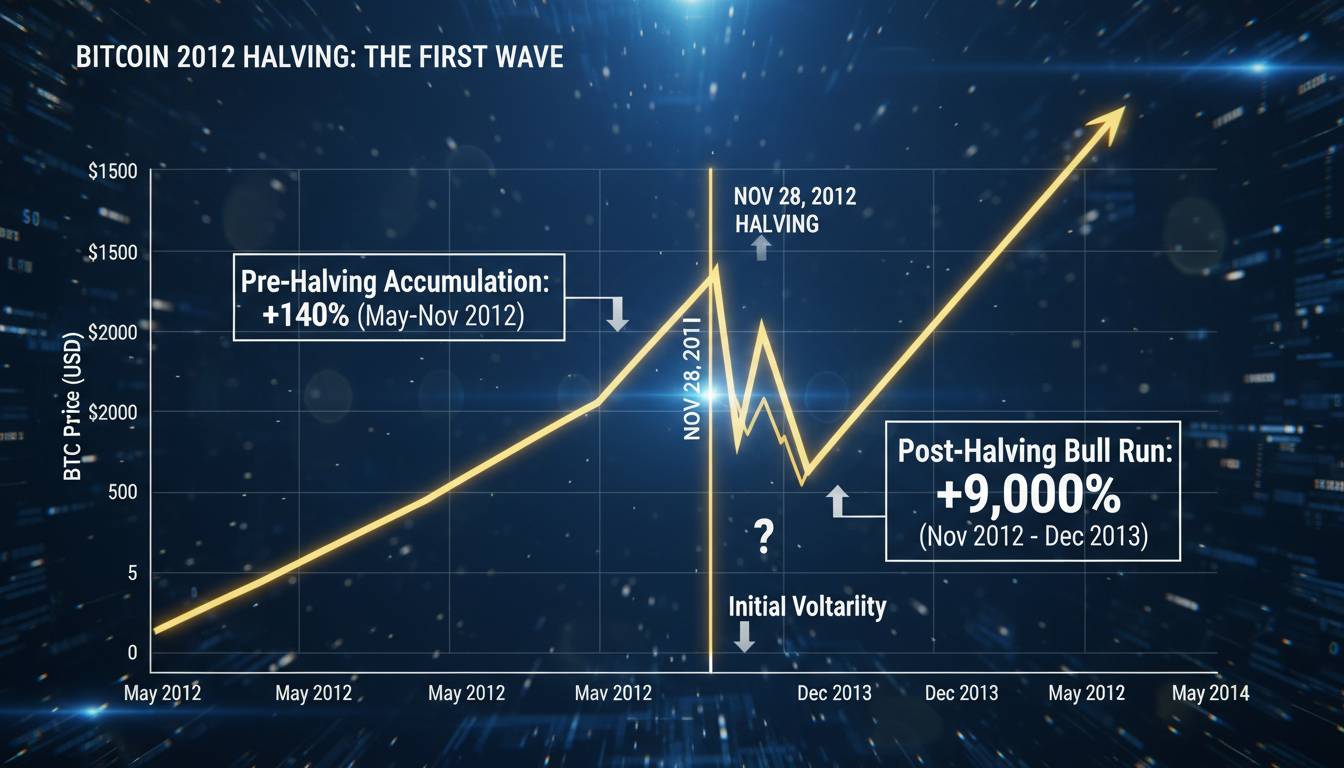
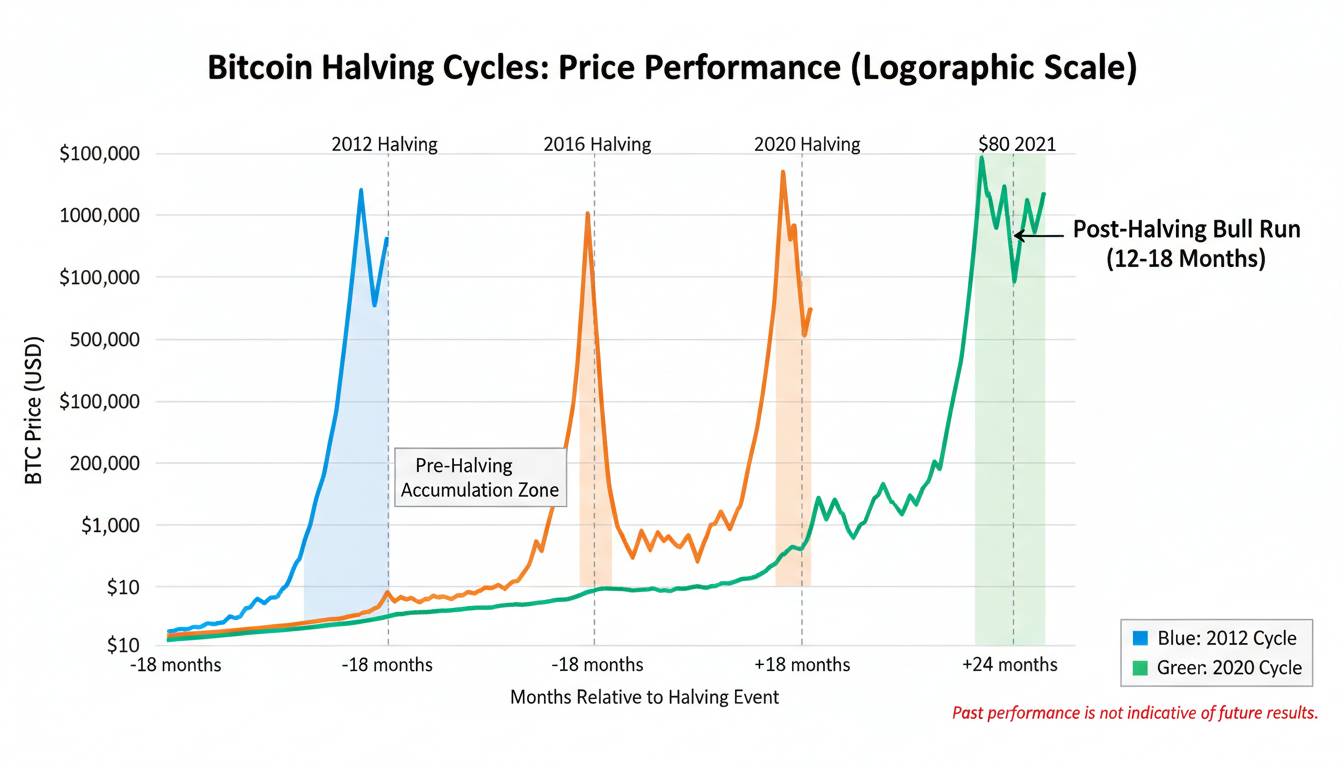
Halving cycles matter, though their impact is less immediate than many retail traders believe. Bitcoin’s block reward halving occurs approximately every four years, reducing new supply issuance by 50%. Historically, bull markets have begun 12 to 18 months following each halving—the 2012 halving preceded the 2013 rally, the 2016 halving preceded 2017, and the 2020 halving preceded the 2021 cycle. The next halving occurred in April 2024, and its effects on price remain in progress as of early 2025.
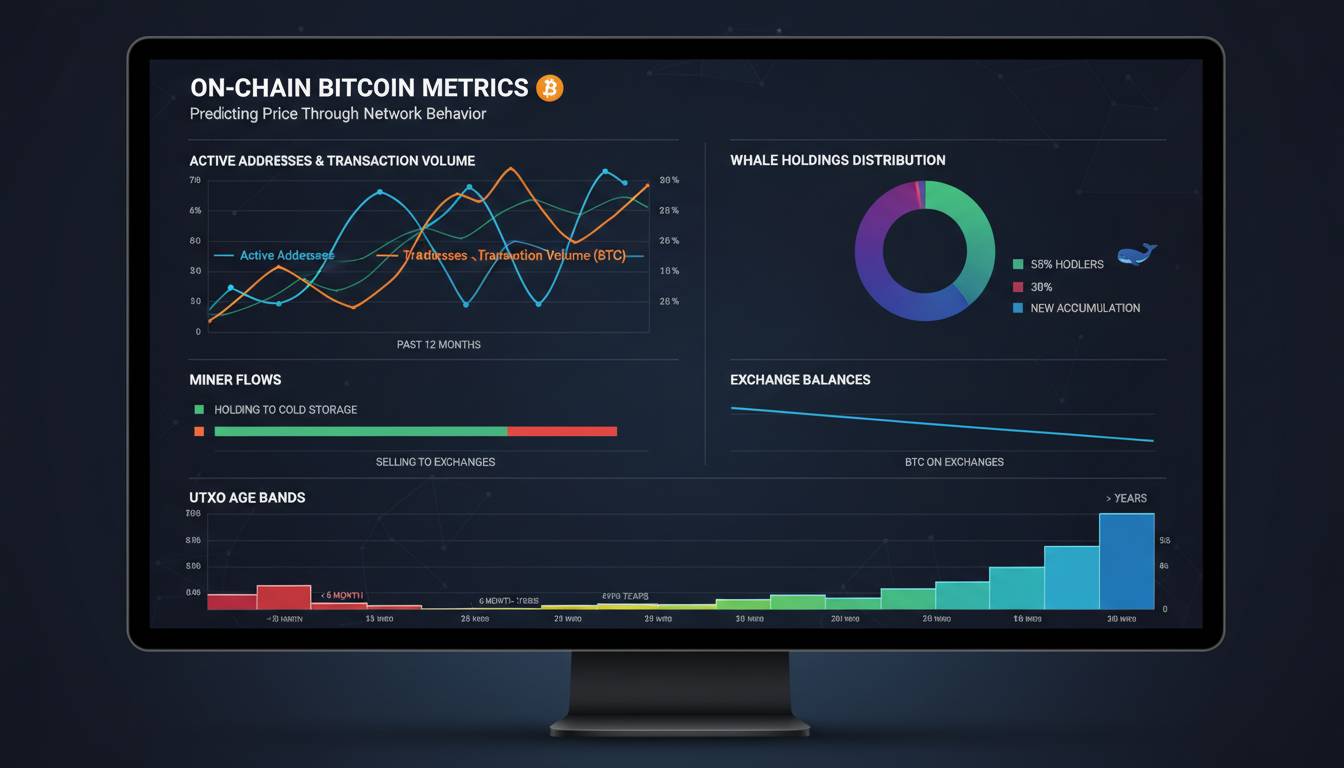
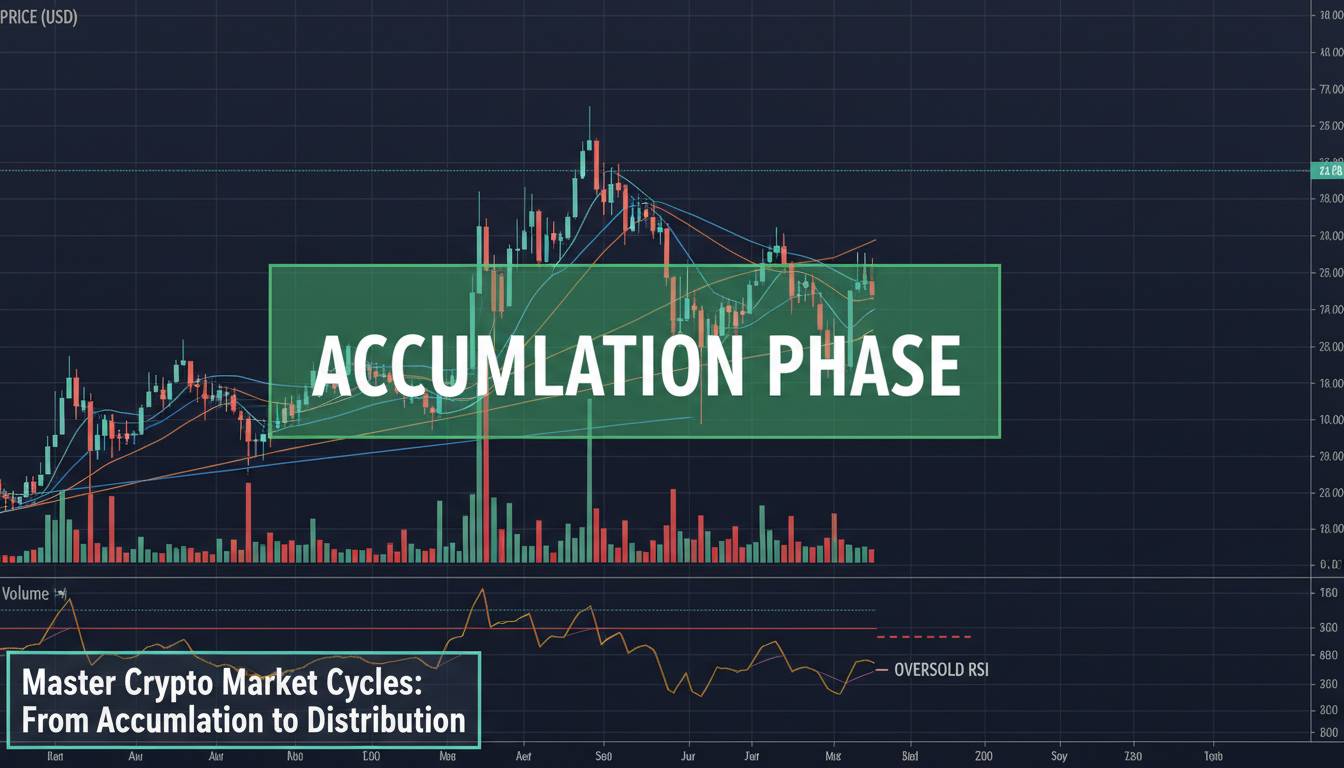
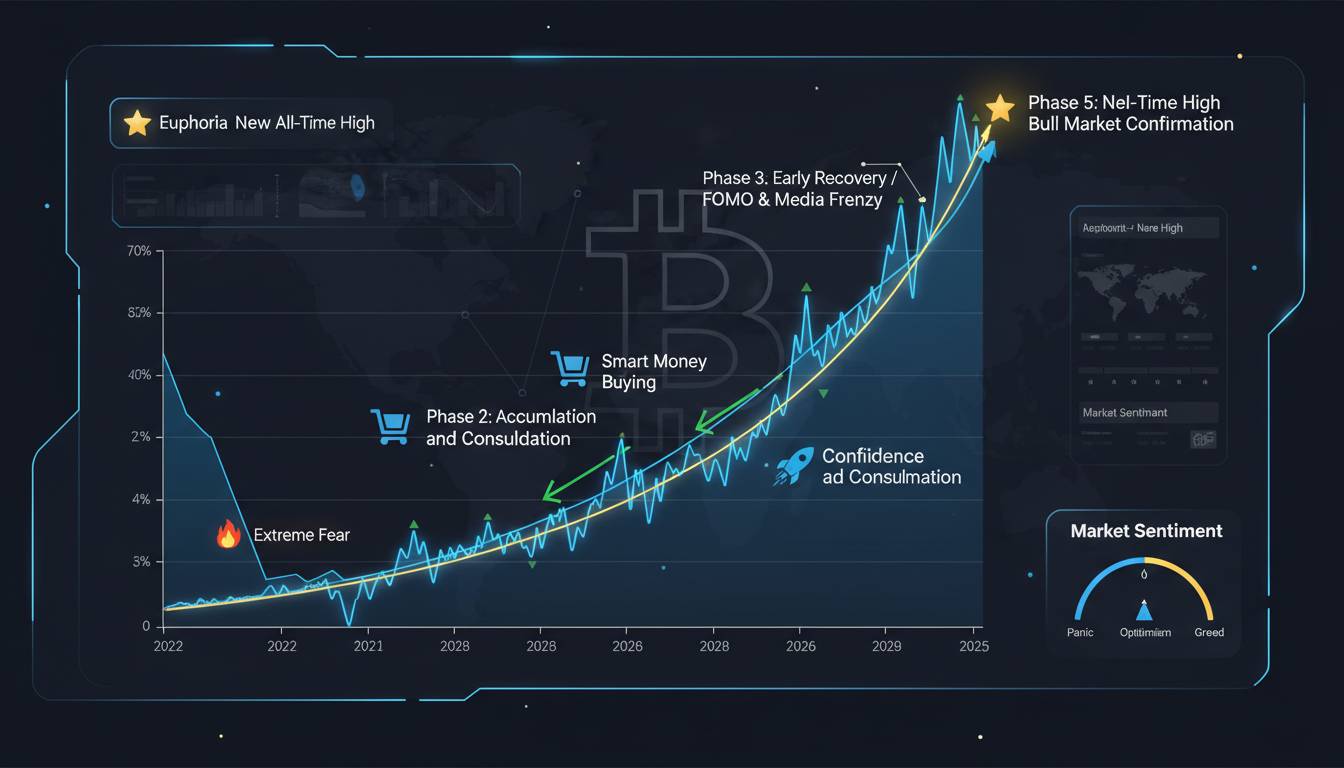
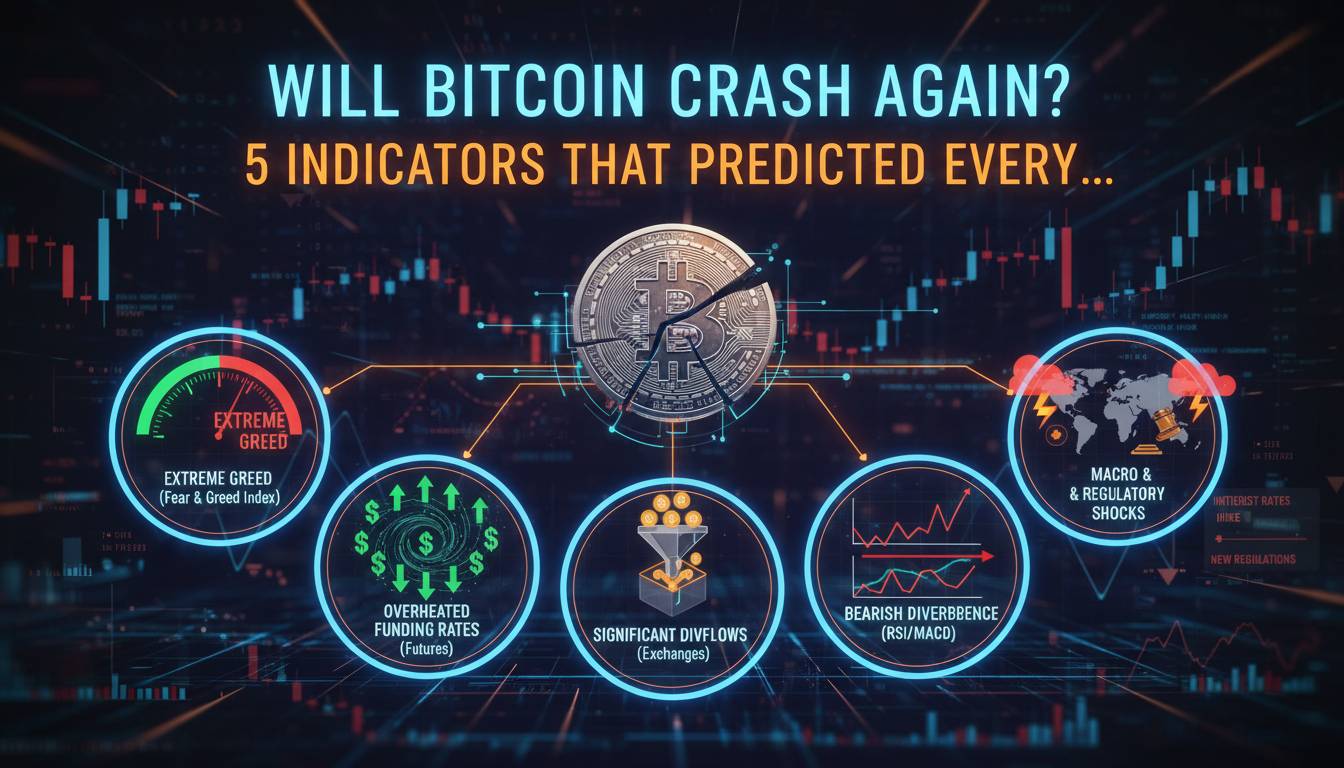
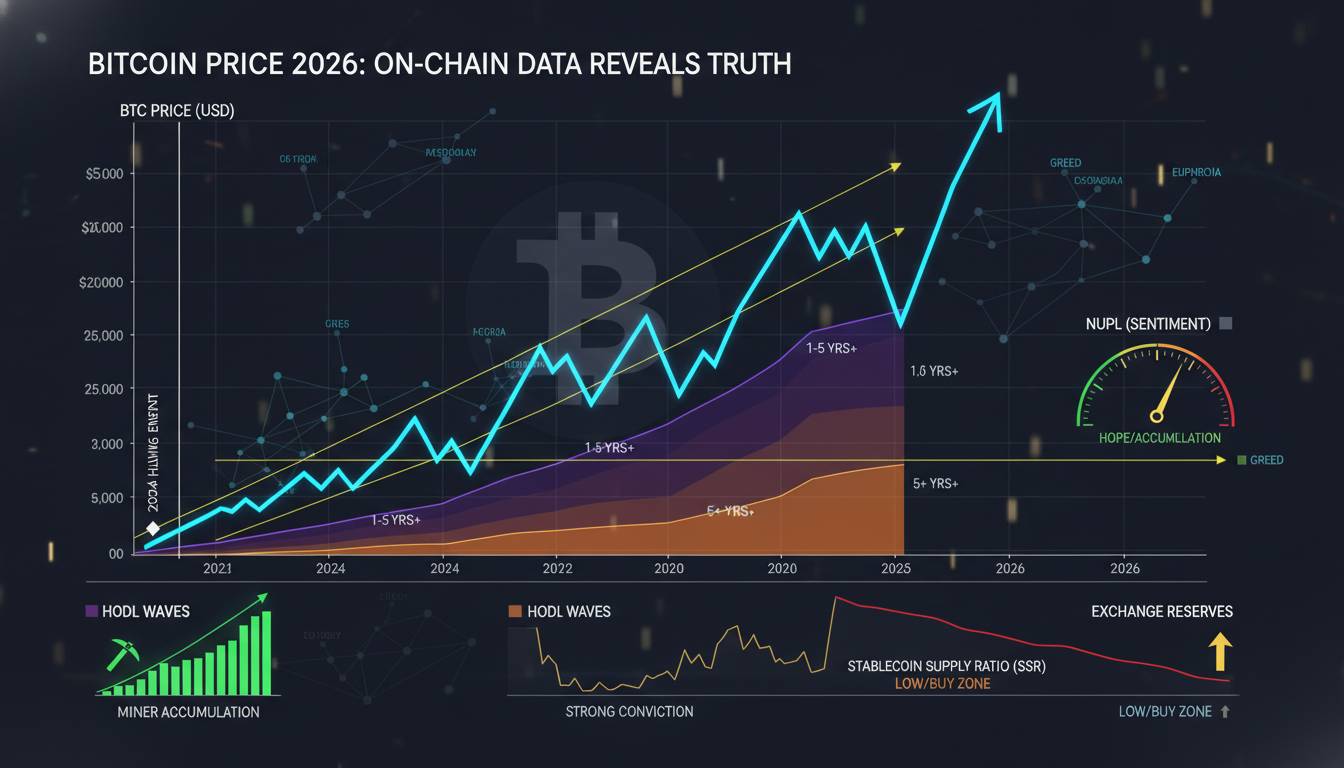
On-chain metrics have become increasingly important for predicting recovery. Wallet activity, exchange reserves, and hash rate stability all signal market health. When long-term holders begin accumulating after a bottom—a pattern clearly visible in 2018-2019 and 2022-2023—it often precedes recovery.
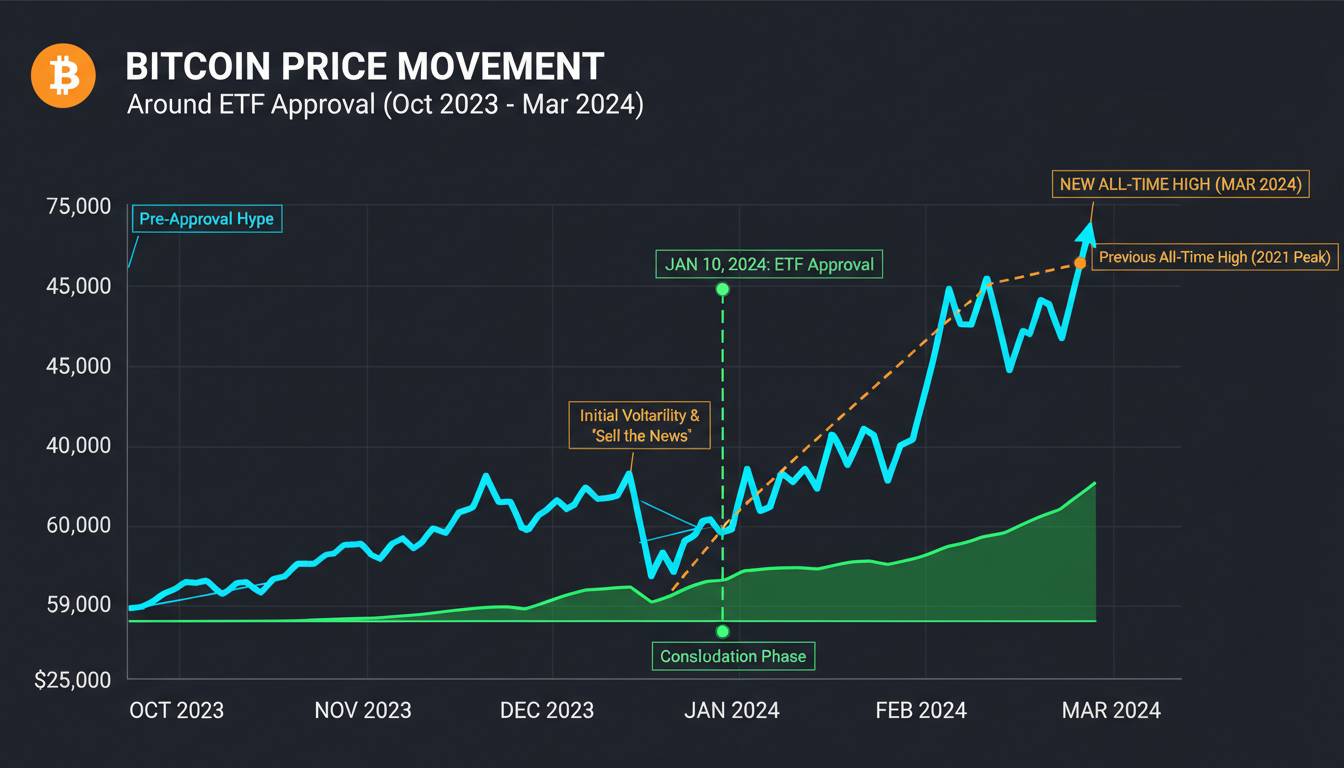
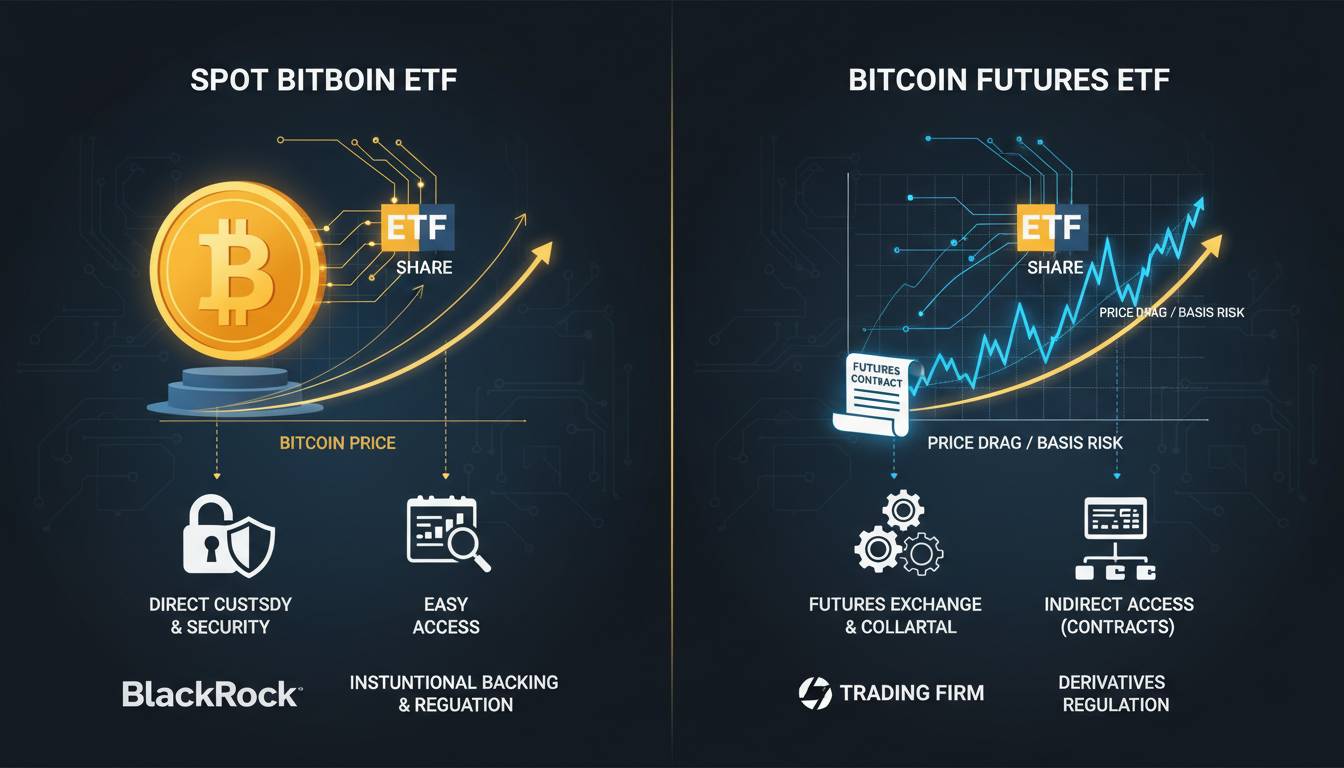
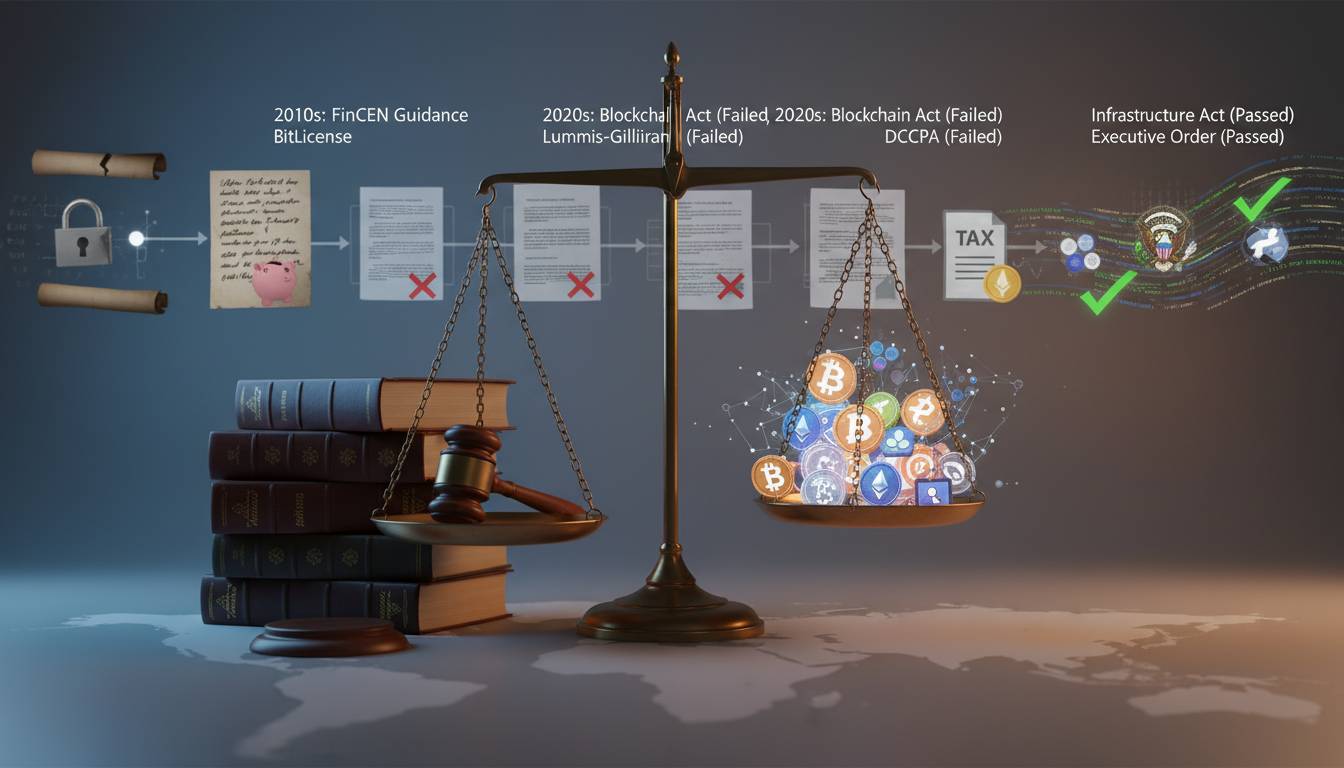
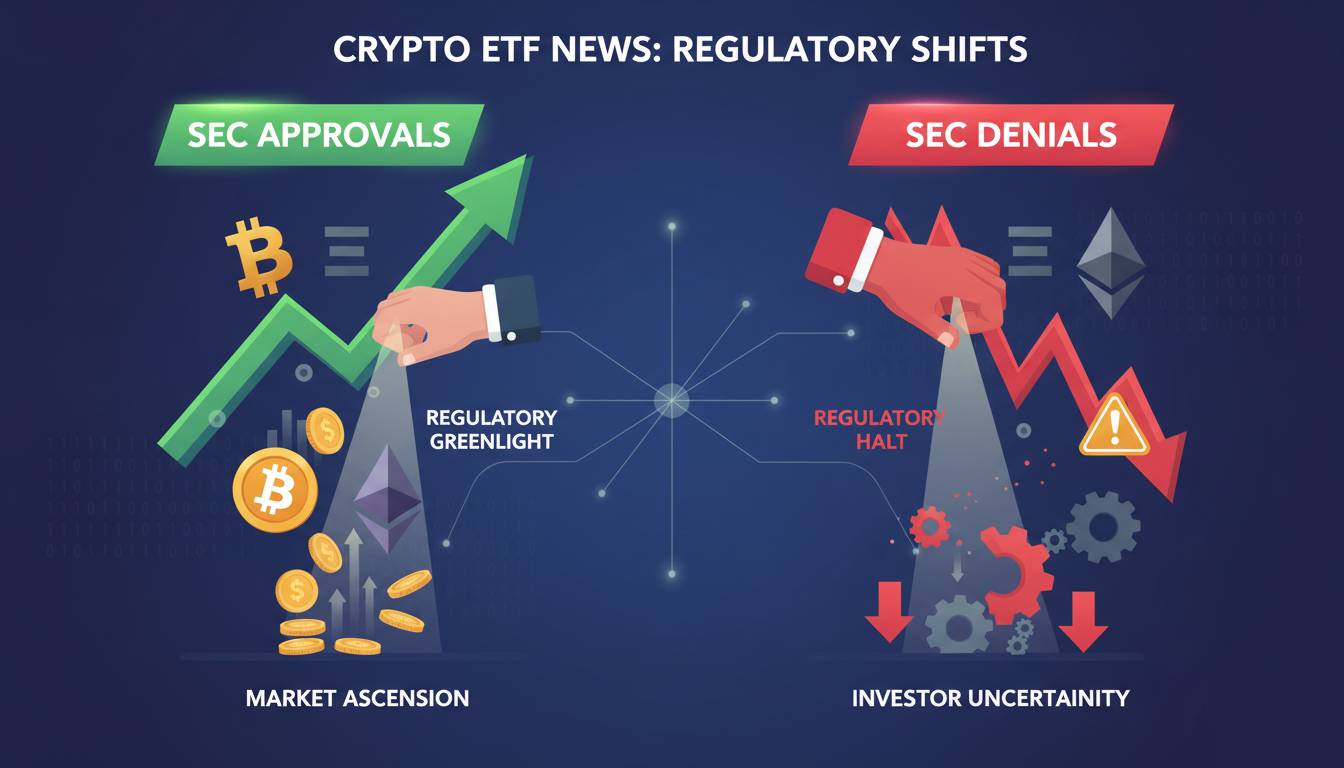
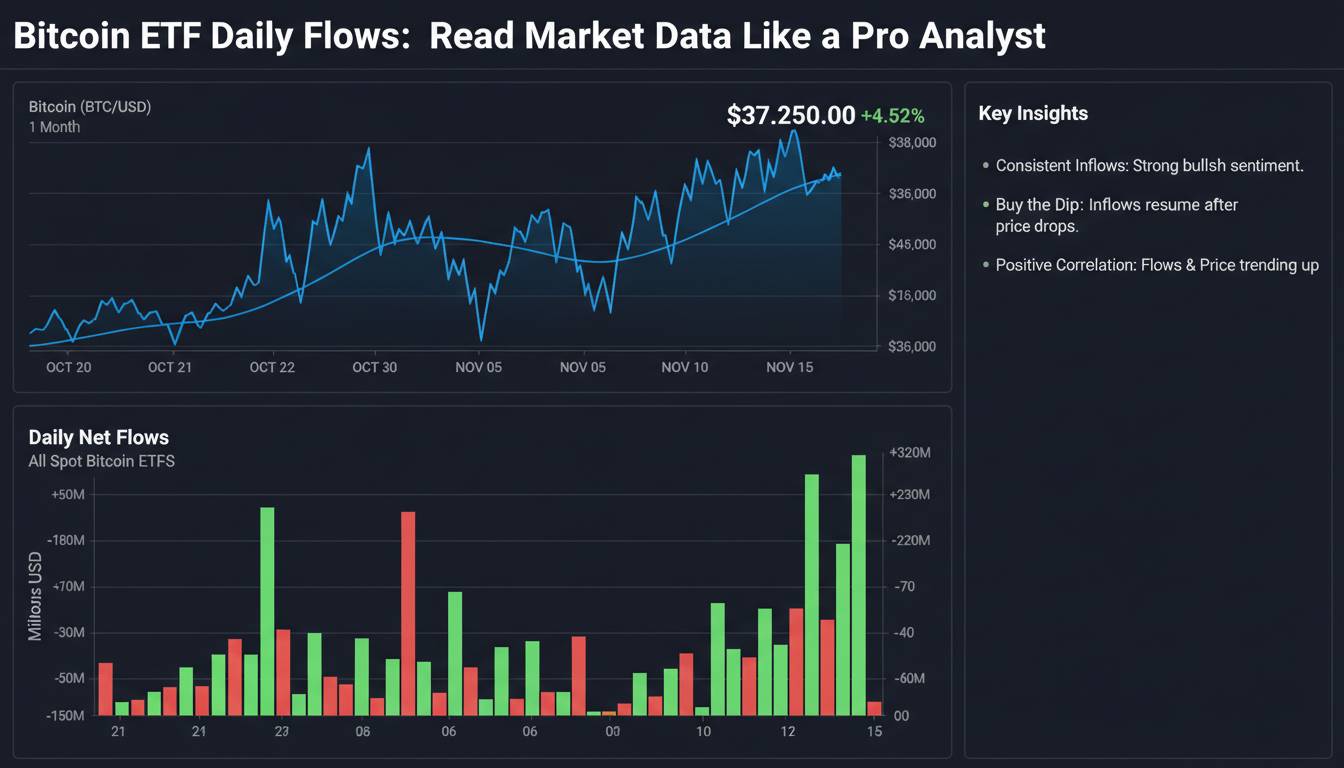
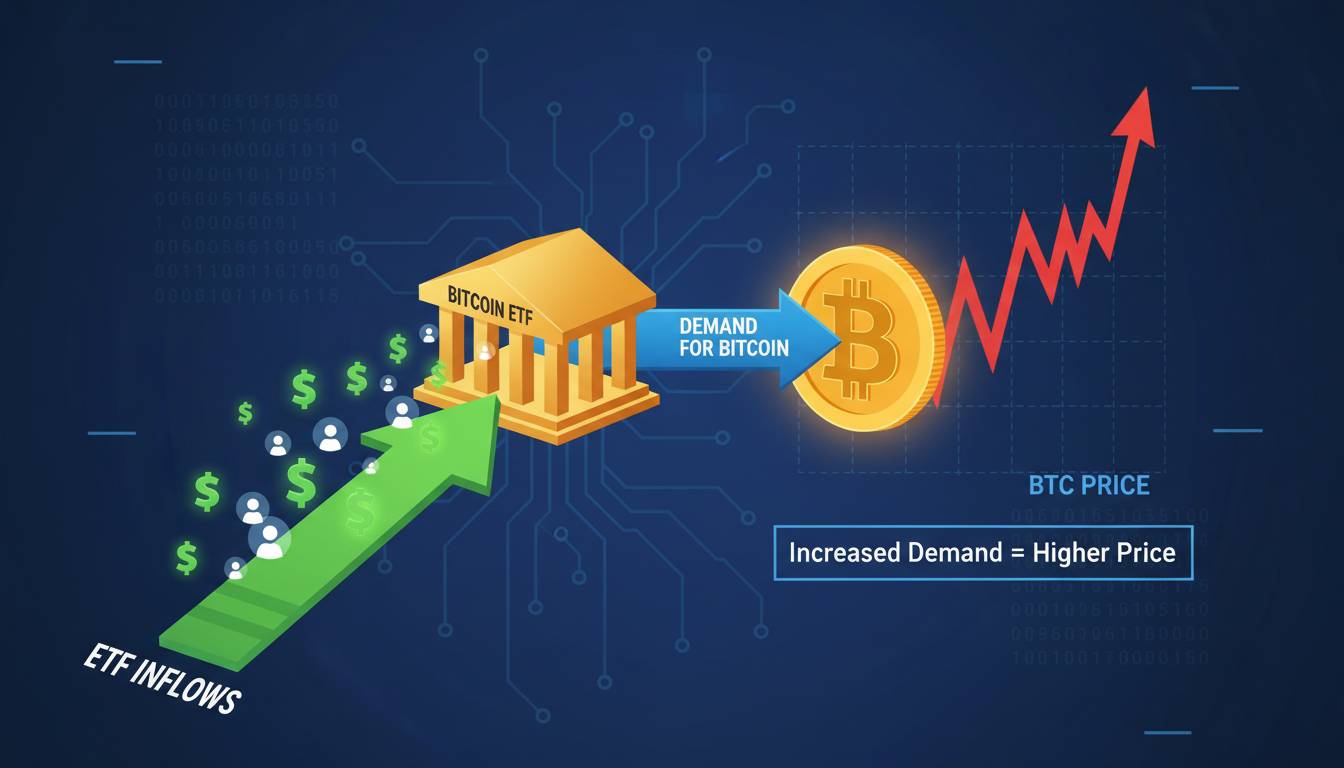
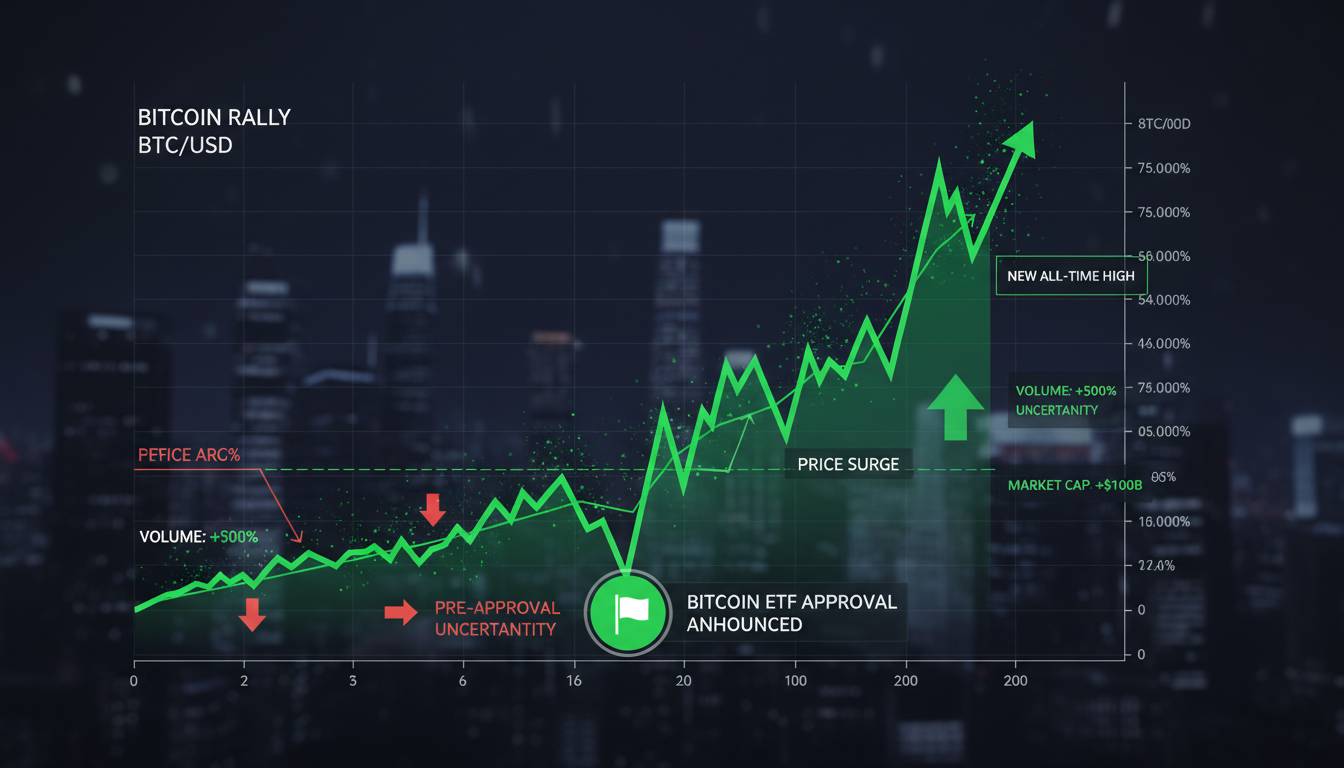
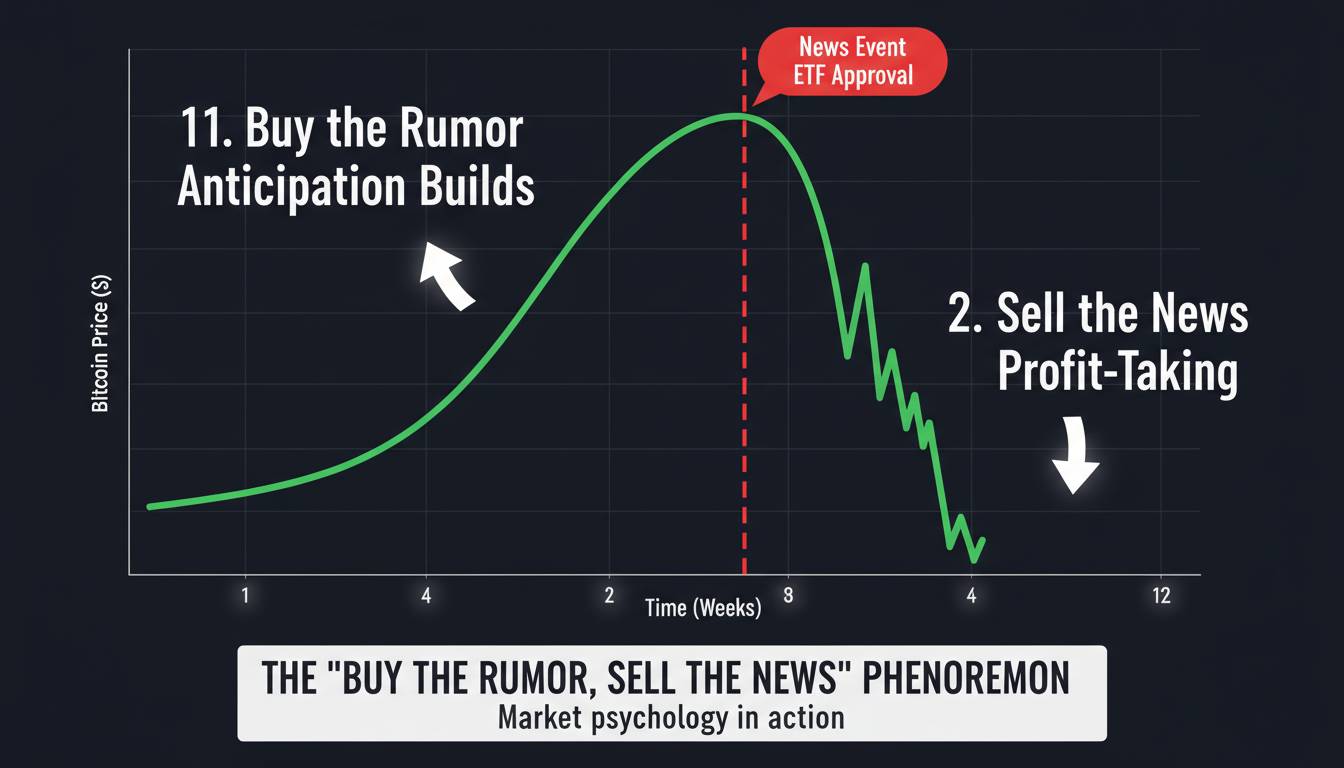
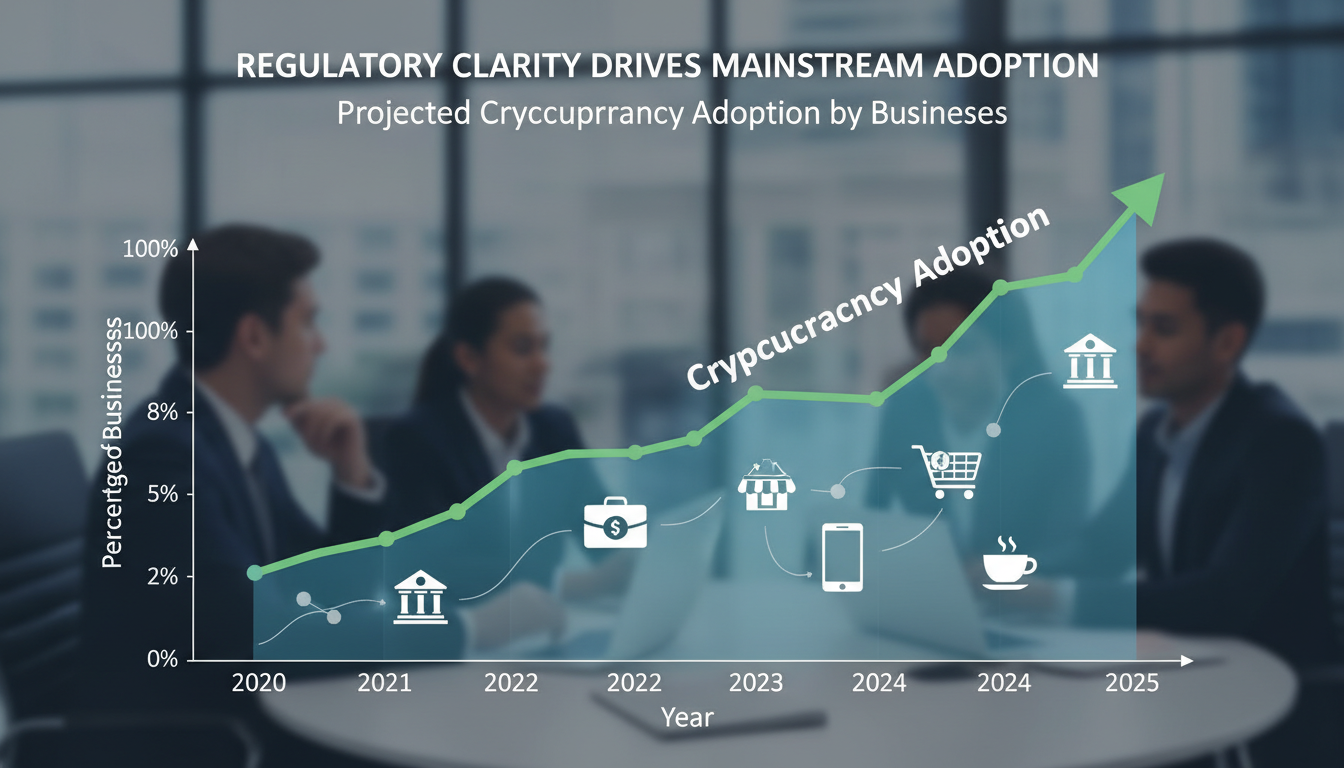
Regulatory clarity in key markets can accelerate or delay recovery. The 2022 crash was exacerbated by regulatory actions against major exchanges and lending platforms. The 2024 approval of Bitcoin spot ETFs in the United States created a new demand source that helped drive prices to new highs.
How to Prepare for Bitcoin Volatility
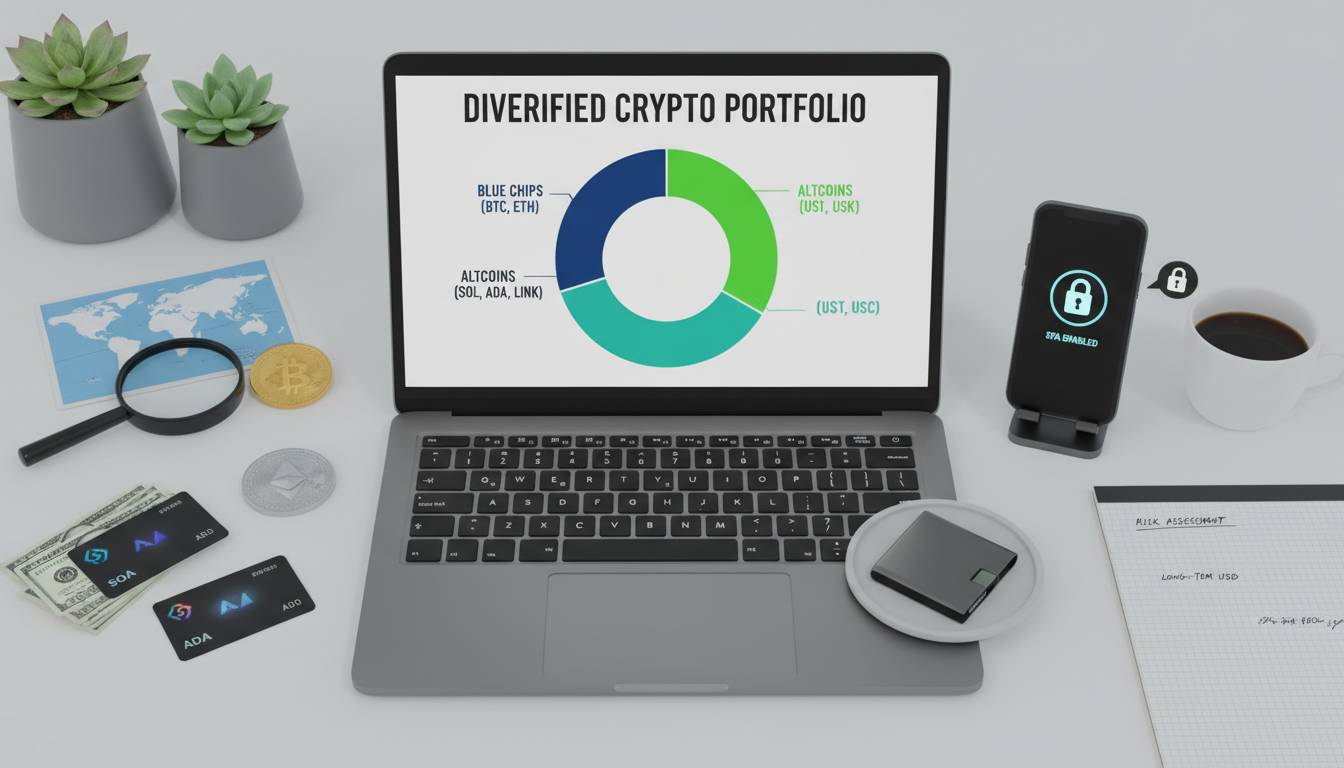
If you’ve decided Bitcoin belongs in your portfolio despite its volatility, several strategies can help you survive—and potentially benefit from—the inevitable drawdowns.
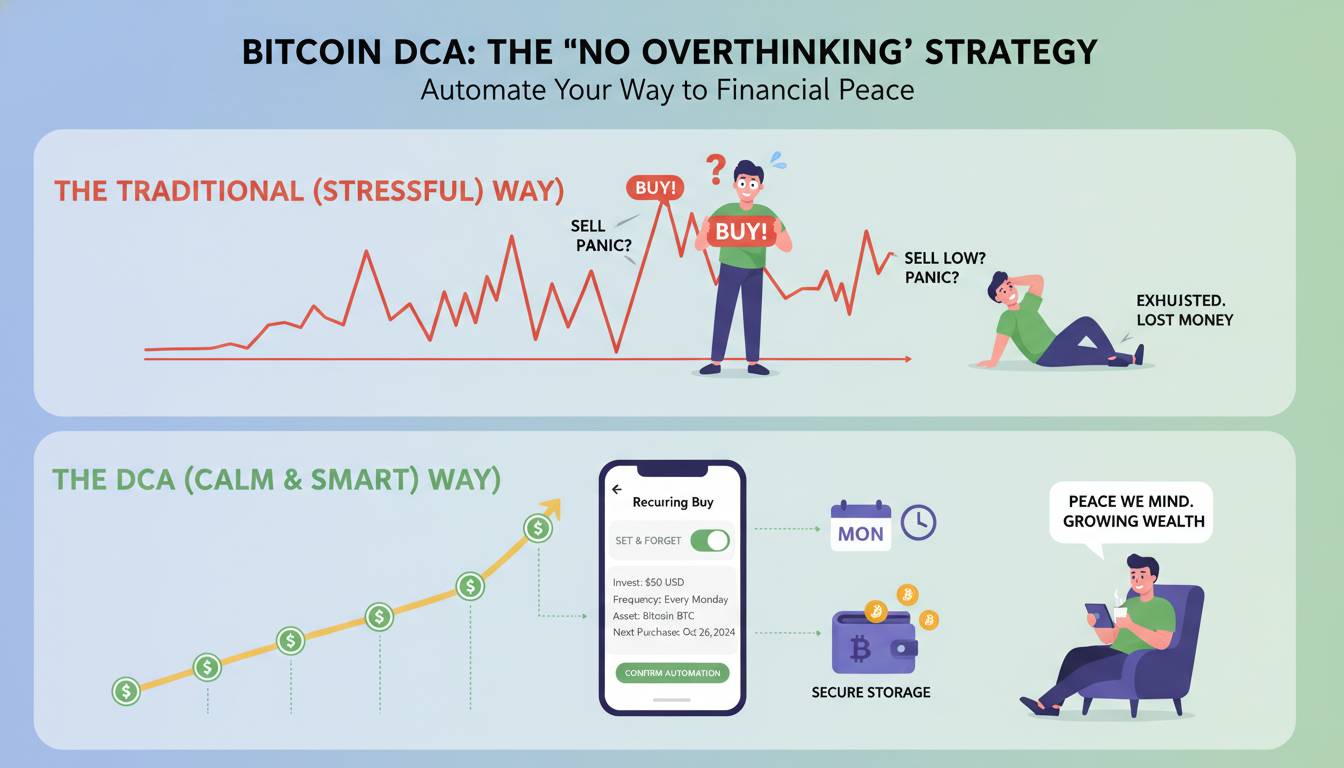
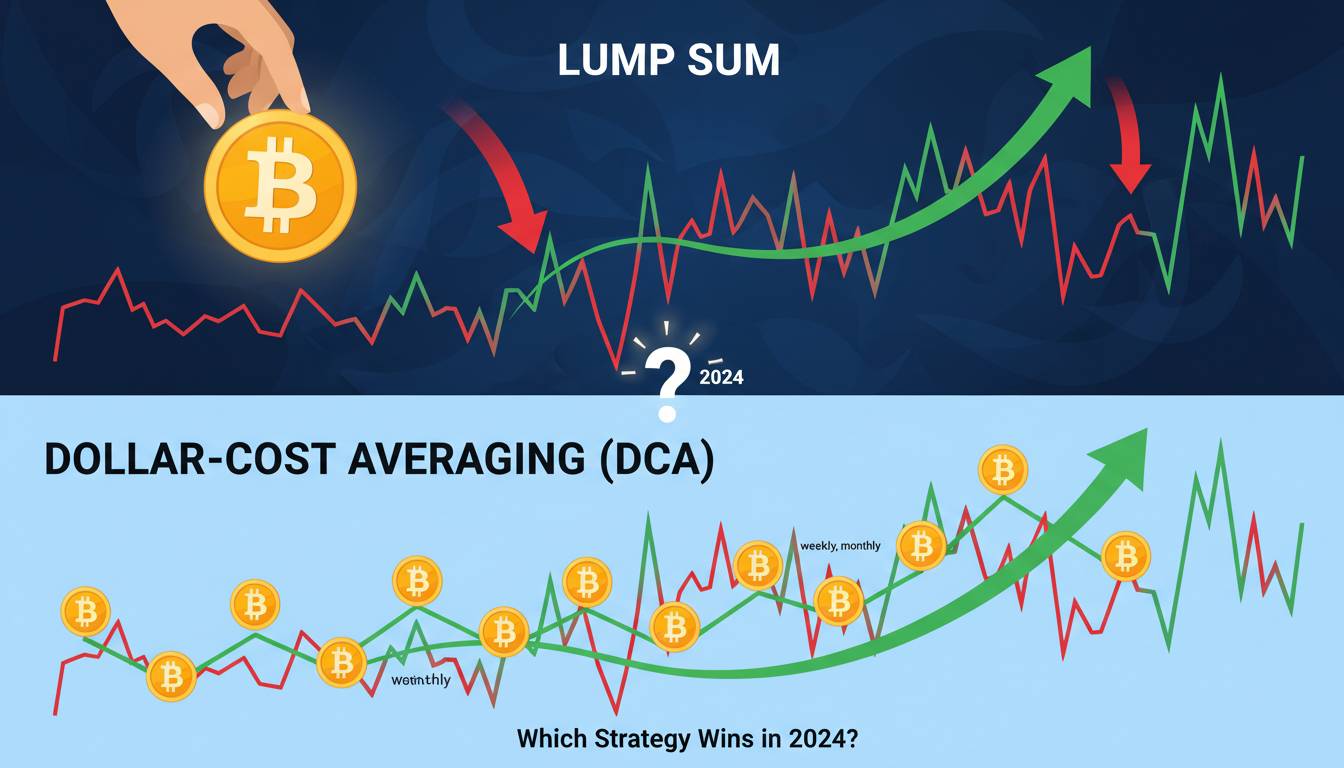
Dollar-cost averaging remains the most psychologically sustainable approach. Rather than timing the market, which even professional investors struggle with, consistent purchases at regular intervals smooth out entry points. Someone who bought $500 of Bitcoin every month since 2017 would have an average cost basis far lower than someone who bought during the euphoria peaks of 2017 or 2021.
Position sizing is where most retail investors go wrong. No one should allocate money to Bitcoin that they’ll need within three to five years. The historical pattern suggests that waiting three years from a crash typically produces positive returns, but that timeline isn’t guaranteed. Treat any Bitcoin allocation as money you can afford to lose entirely—or at least lock away for half a decade.
Understanding your own time horizon changes everything. The investor who panics and sells at a 50% loss is typically someone who needed that money sooner than they admitted. Be honest with yourself about when you’ll actually need the capital. If it’s money for a house down payment in two years, Bitcoin isn’t the right vehicle regardless of what the charts might suggest.
Frequently Asked Questions
How long do Bitcoin bear markets last?
Based on historical data, Bitcoin bear markets from peak to bottom typically last 10 to 13 months. Full recovery to new all-time highs has historically taken 24 to 36 months from the original peak.
What happens when Bitcoin drops 50% or more?
A 50% drop typically signals the beginning or middle of a bear market cycle. Historical patterns show that crashes of this magnitude are followed by continued decline that often reaches 70-85% from the peak before finding a bottom.
Has Bitcoin ever recovered from a crash?
Every single major crash in Bitcoin’s history has been followed by a recovery to new all-time highs. However, recovery times have varied from 12 months to nearly three years, and past performance does not guarantee future results.
How long did the 2022 Bitcoin crash last?
The 2022 crash lasted approximately 12 months from the November 2021 peak of $69,000 to the November 2022 bottom of around $15,500. Recovery to new all-time highs began in 2023 and accelerated through 2024, largely driven by institutional adoption and the approval of spot ETFs.
Looking Ahead: What the Data Tells Us
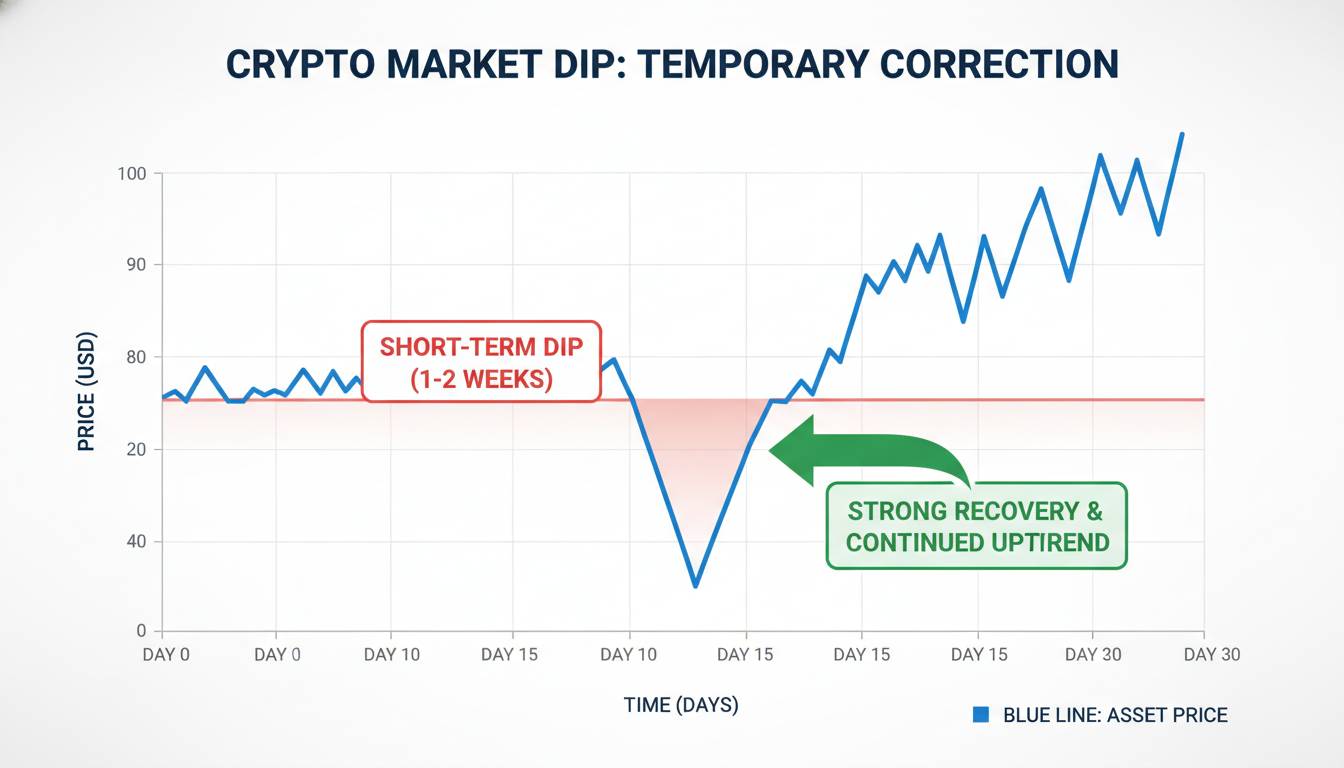
The historical record suggests that Bitcoin price drops, while violent, have consistently proven temporary. The average bear market lasts under a year to reach its bottom, with recovery following within two to three years. This pattern has held through four major cycles despite dramatically different macroeconomic environments.
The honest truth is that we don’t know whether this pattern holds forever. Bitcoin has never been stress-tested by a prolonged global depression or a fundamental loss of trust in its core utility proposition. The 2022 cycle introduced longer, more complex dynamics that may represent a structural shift in how the market operates.
What remains clear is that volatility is the price of admission for Bitcoin’s potential returns. Anyone unable to stomach a 50% or greater drawdown shouldn’t own it. But for those with the time horizon and risk tolerance, the historical data suggests that waiting out drops has been rewarded—just not on any predictable schedule that helps with short-term trading decisions.