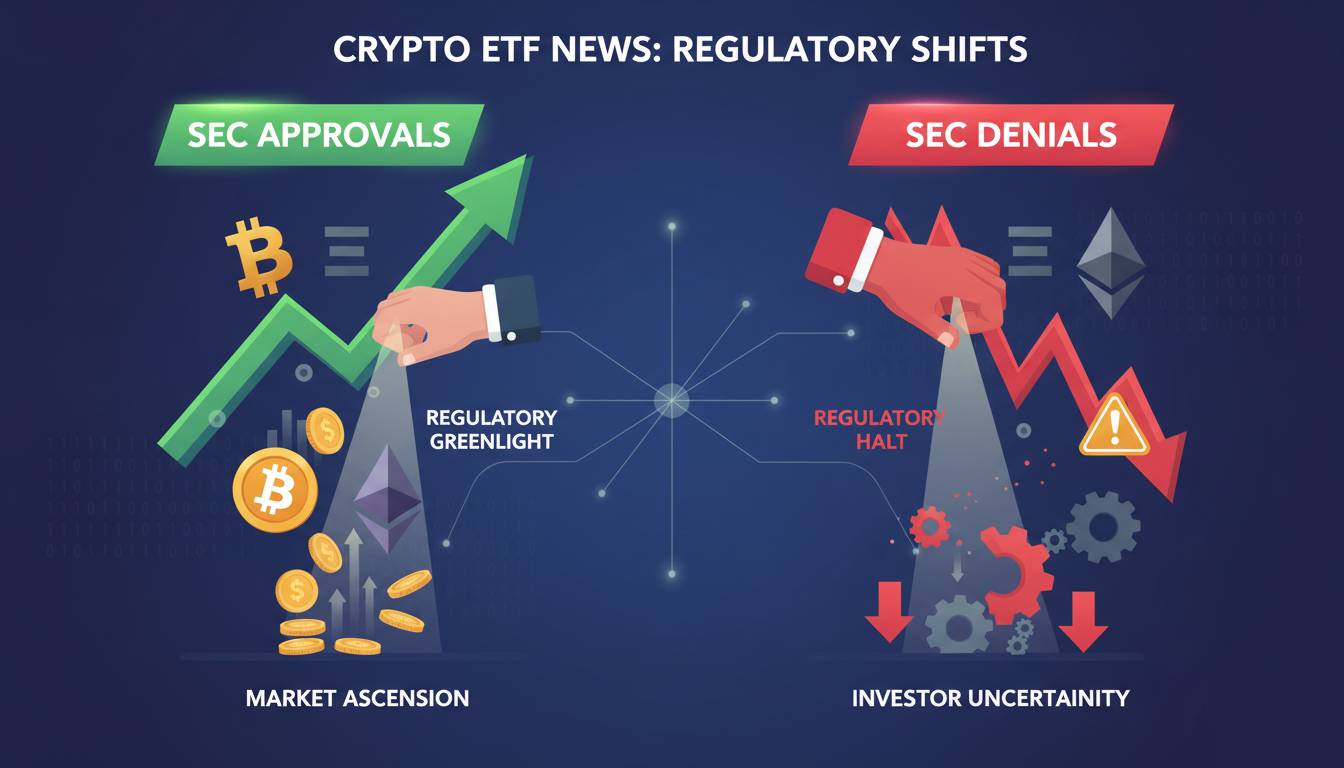
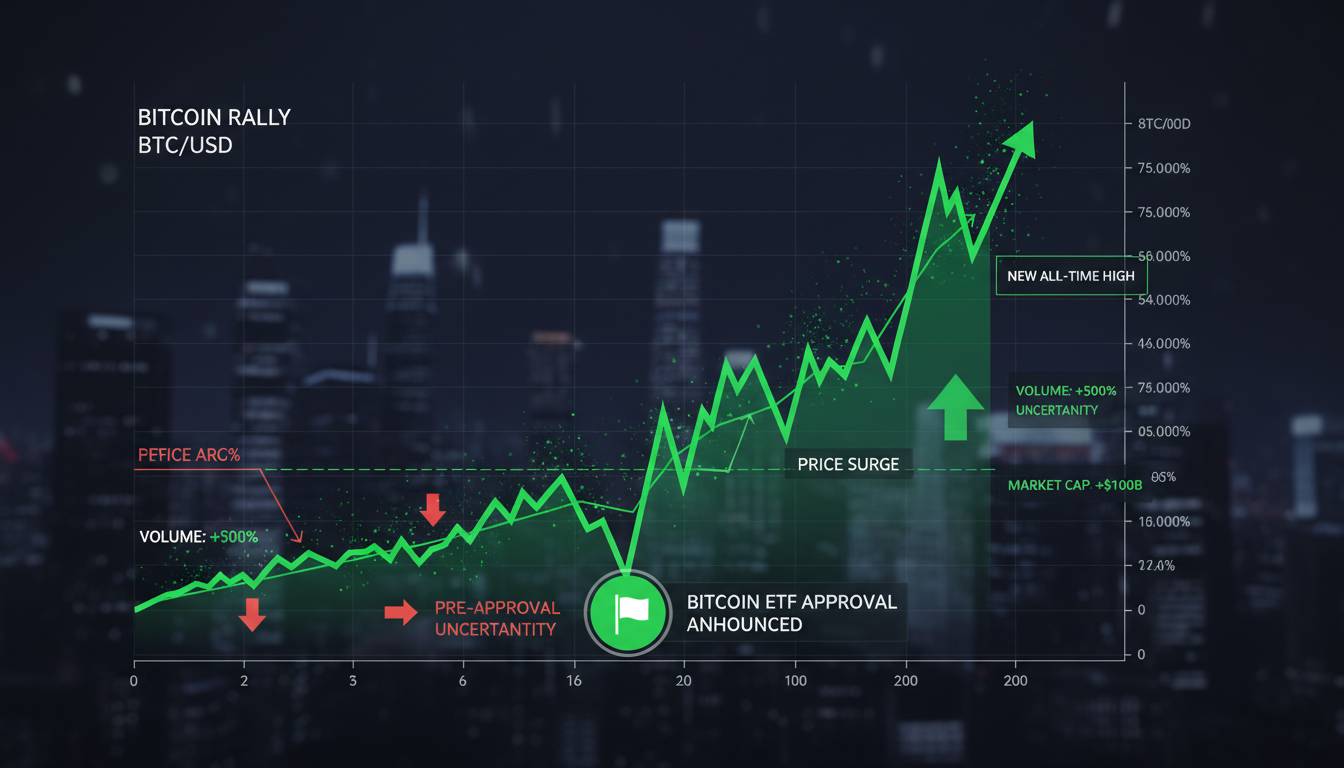
When the Securities and Exchange Commission finally approved the first spot Bitcoin ETFs on January 10, 2024, Bitcoin jumped from roughly $46,000 to over $48,000 within hours—a 4.5% move that captured headlines worldwide. But the relationship between ETF decisions and Bitcoin’s price is far more nuanced than a simple green light means gains, red light means losses. Understanding these dynamics requires examining specific historical events, the market’s expectations going into each decision, and the broader institutional signaling that makes these approvals matter beyond just the immediate price reaction. This breakdown covers everything that actually drives Bitcoin’s price when an ETF decision drops.
The January 2024 Approval: Institutional Validation Priced In
The SEC’s approval of 11 spot Bitcoin ETFs on January 10, 2024 was the culmination of a decade-long battle between the crypto industry and regulators. But the price action surrounding this event tells a more complicated story than simple celebration.
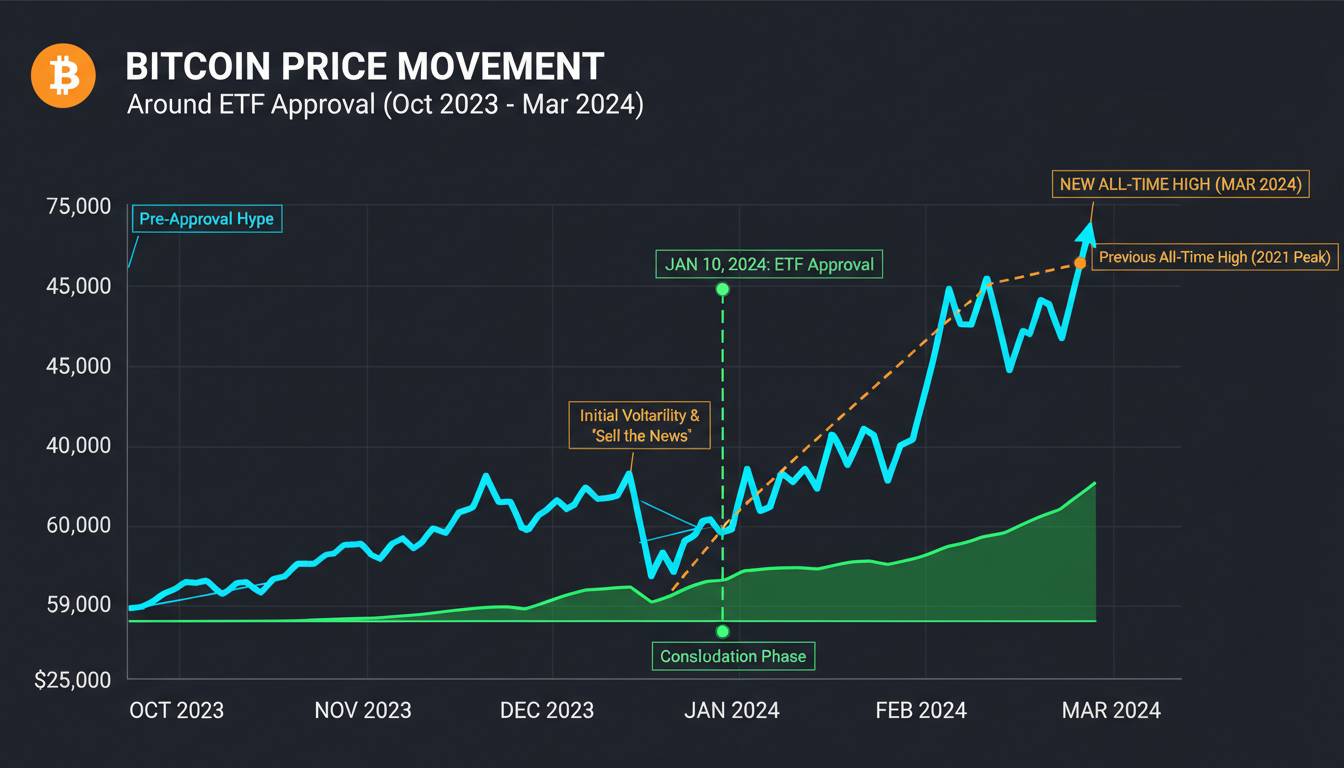
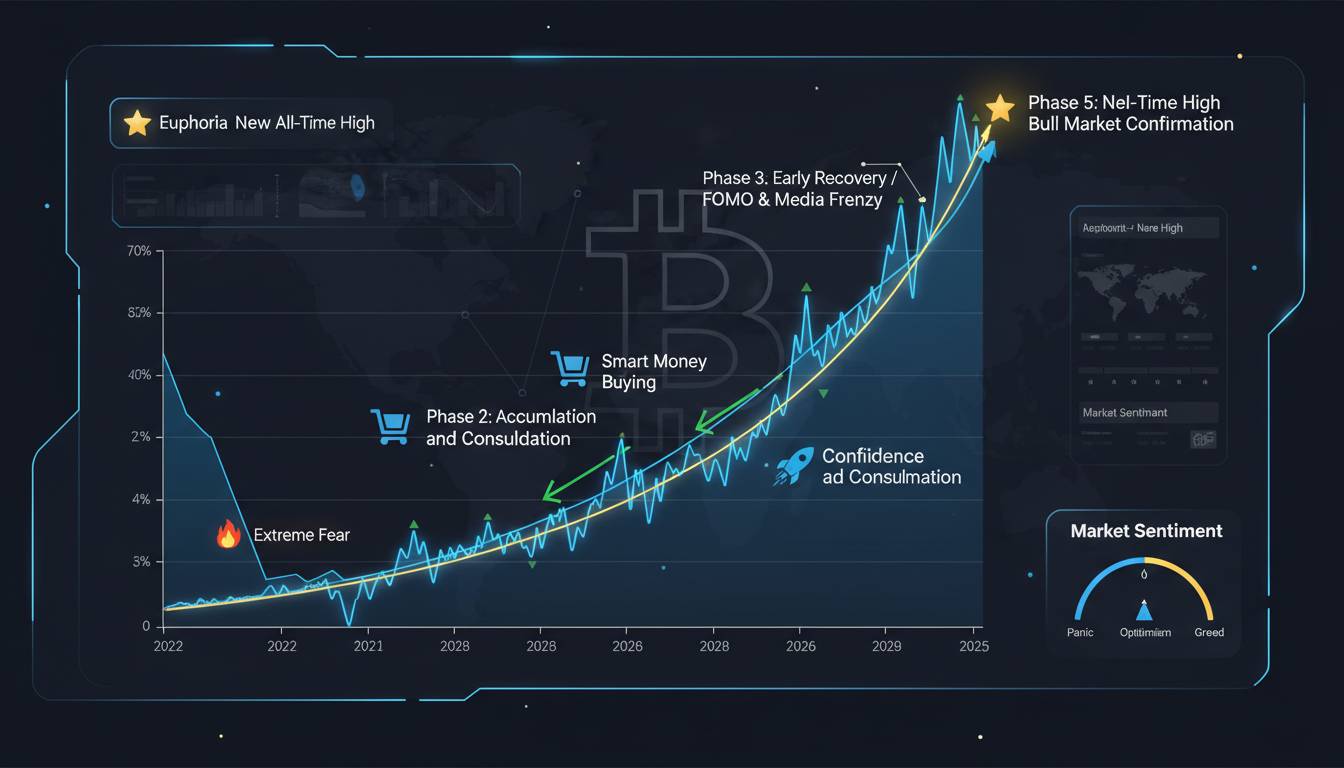
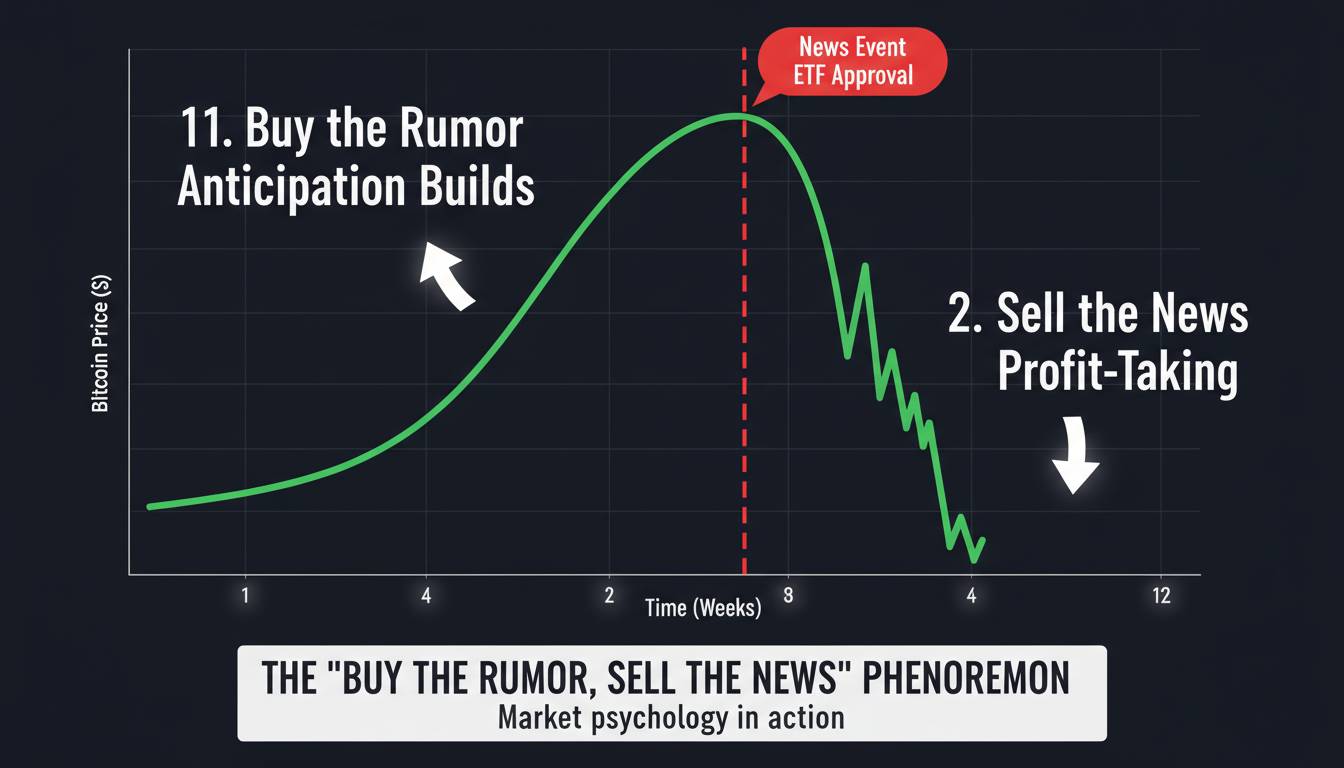
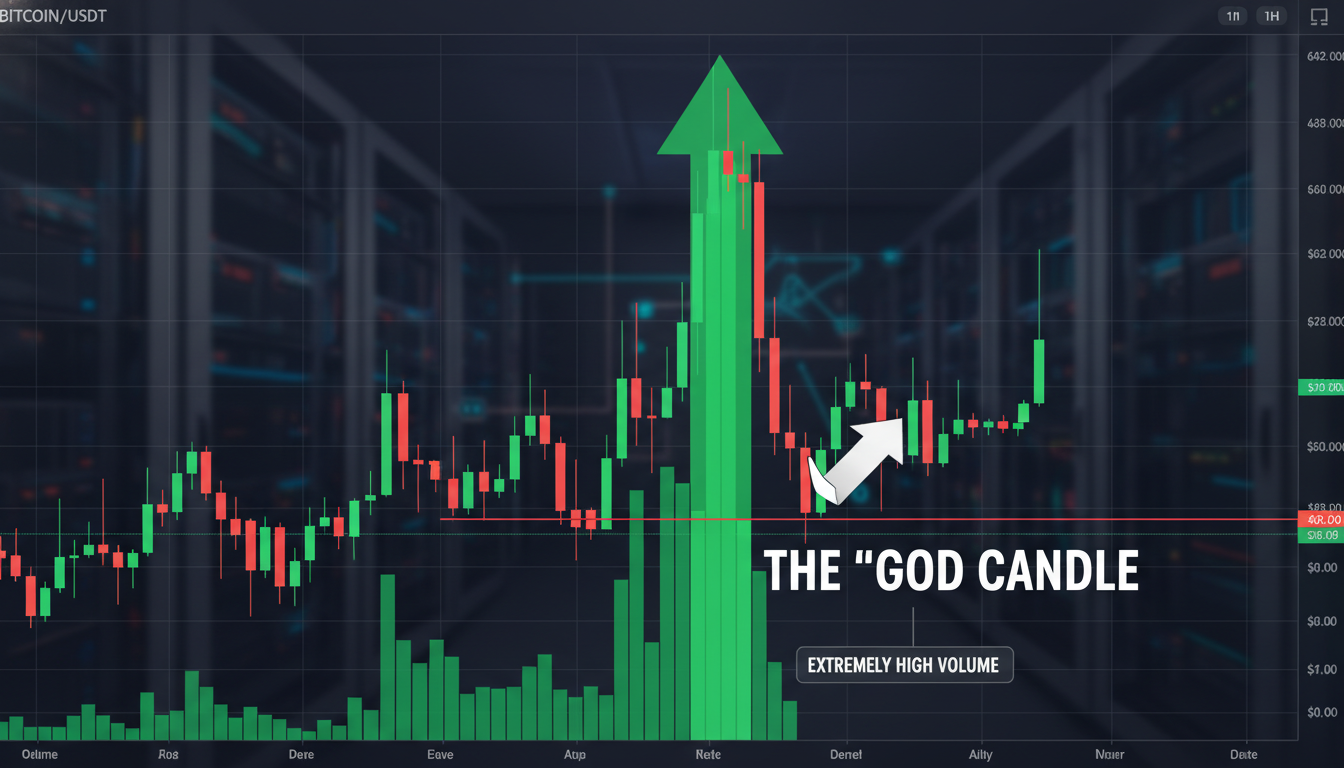
Bitcoin had already rallied significantly in the months leading up to the approval, climbing from approximately $35,000 in October 2023 to over $45,000 by early January. This pre-approval rally reflected growing certainty that approval was coming—the market had effectively priced in the outcome before the SEC made its decision. When the actual approval arrived, the immediate response was relatively muted: a 4-5% spike that quickly stabilized, followed by weeks of consolidation around the $42,000-$48,000 range.
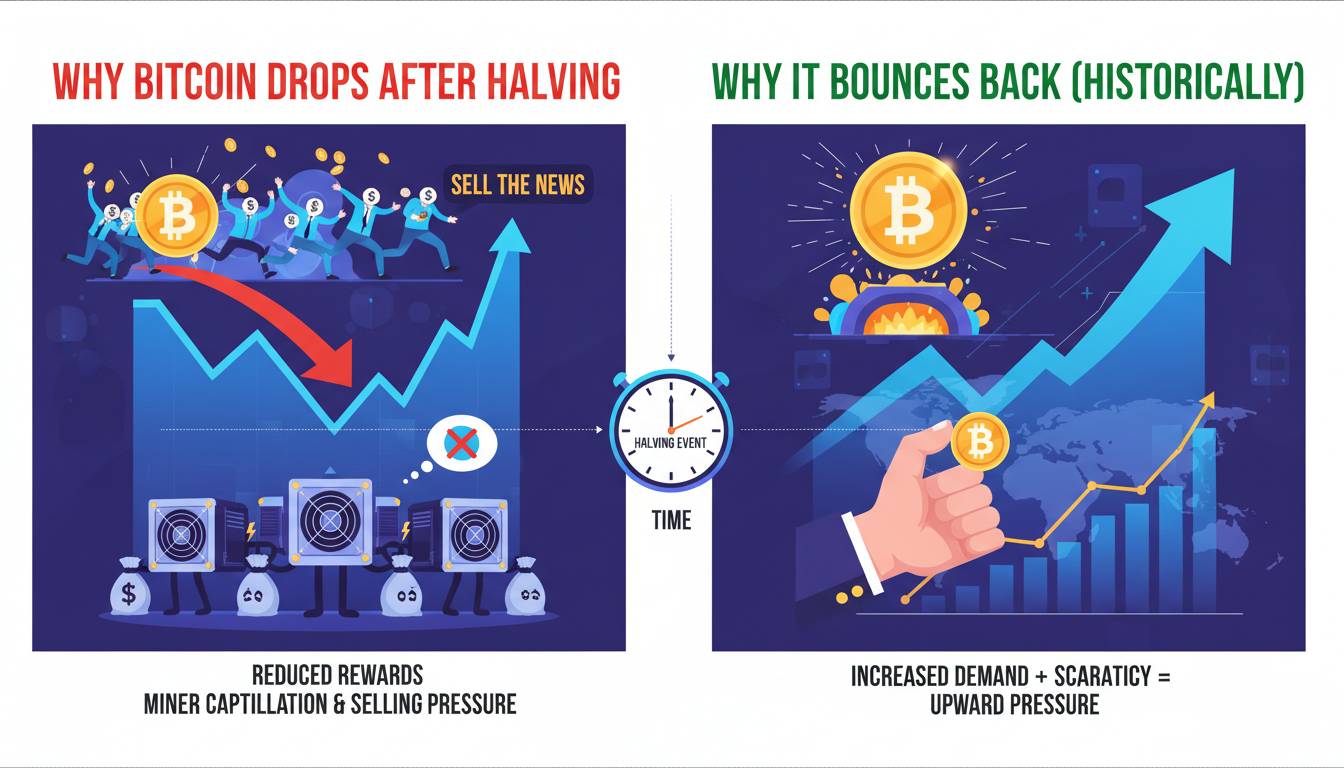
This pattern reveals something crucial about ETF price impacts: the most significant price movements often occur in the anticipation period, not after the decision itself. Traders who bought Bitcoin solely because of ETF approval expectations found themselves exiting positions shortly after the news broke, creating the “sell the news” phenomenon that has characterized several major crypto events.
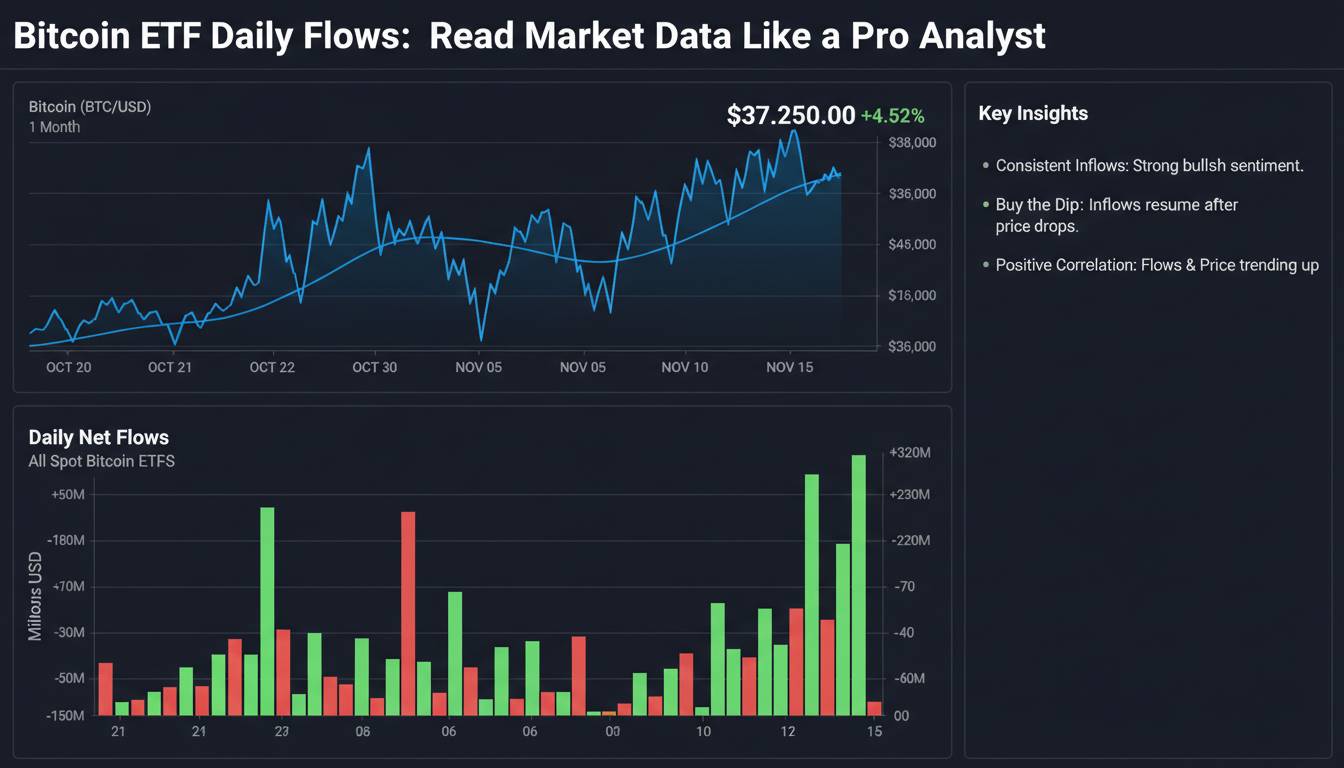
The longer-term impact proved more meaningful. By March 2024, Bitcoin had reached new cycle highs above $73,000, driven substantially by the billions of dollars flowing into the newly approved ETFs. BlackRock’s IBIT alone accumulated over $17 billion in assets within its first three months. This sustained capital inflow represents the real price driver—approval opened doors to institutional capital that had previously been blocked by regulatory uncertainty.
Previous Approval Events: October 2021 and the Futures ETF Debut
Before the spot ETF approval, the October 2021 launch of the first Bitcoin futures ETF (ProShares Bitcoin Strategy ETF, ticker BITO) provided an earlier test case for how ETF approvals affect Bitcoin’s price.
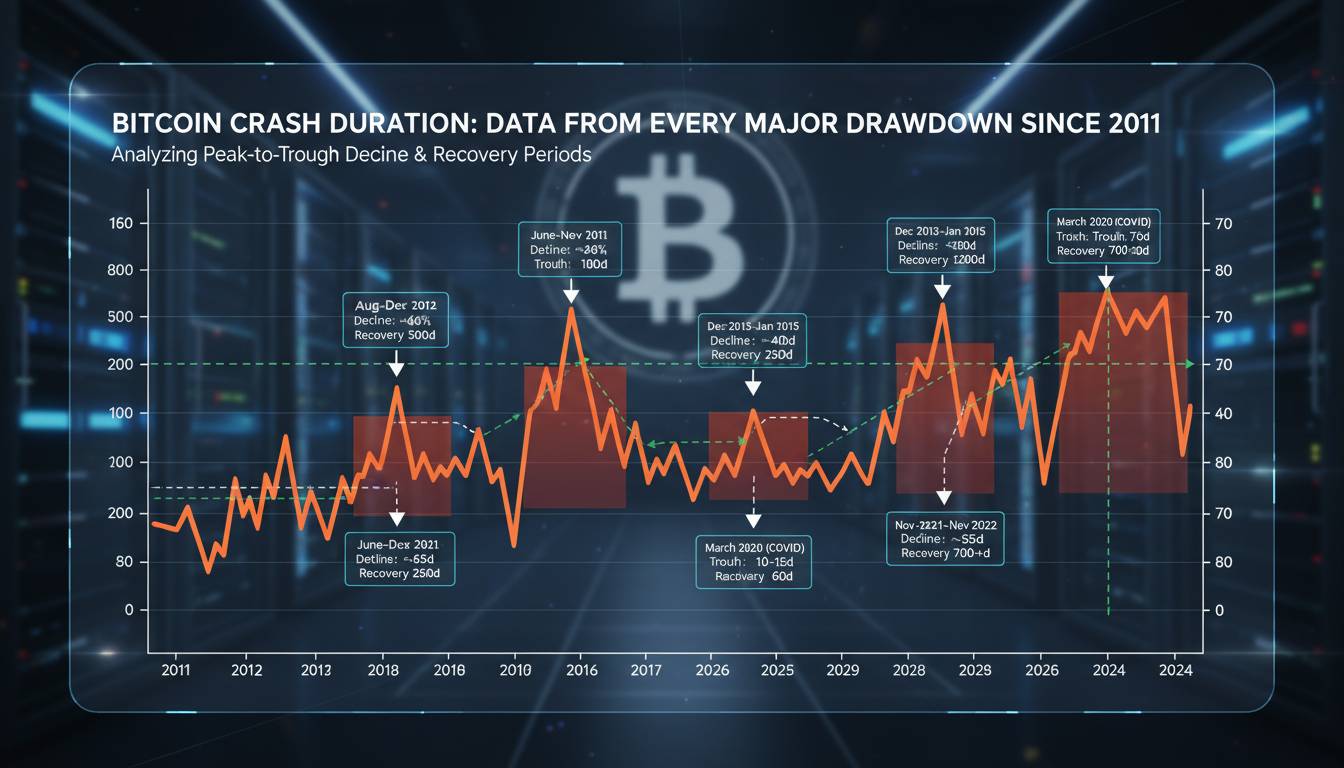
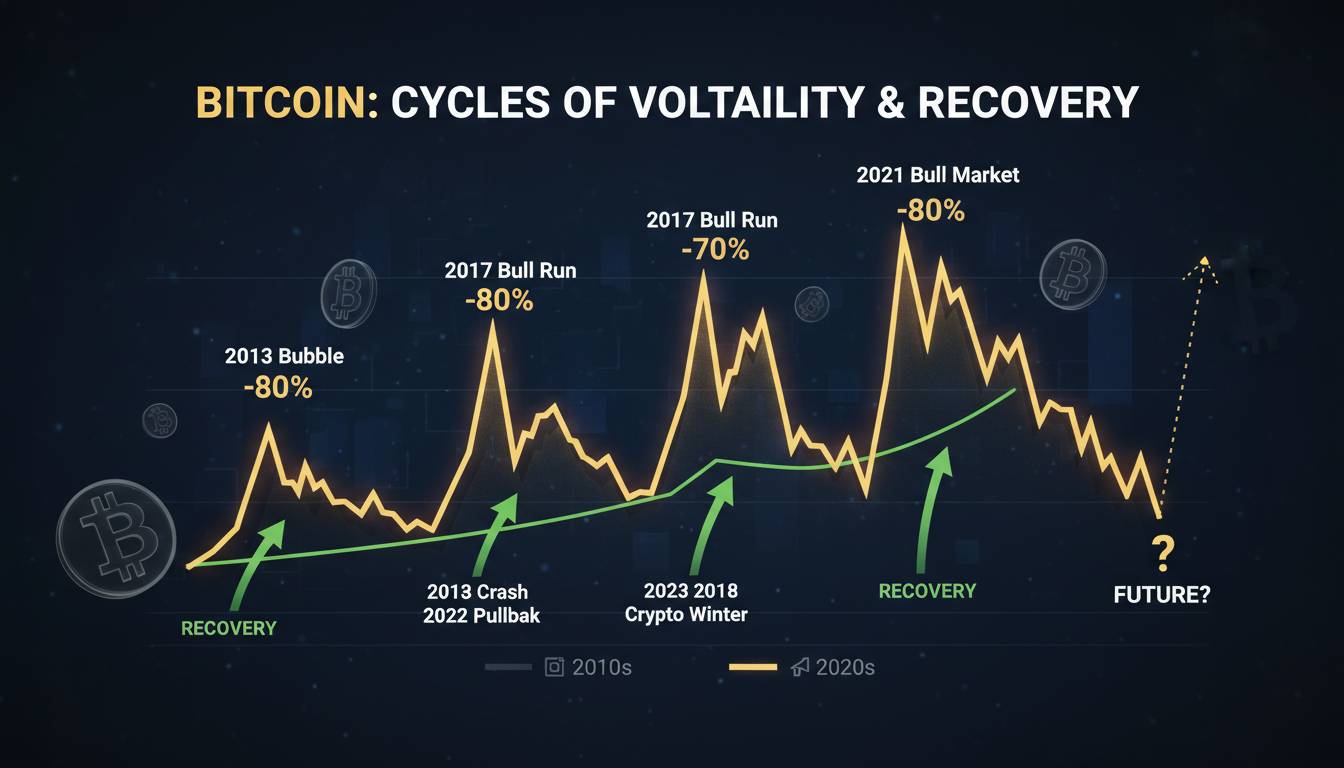
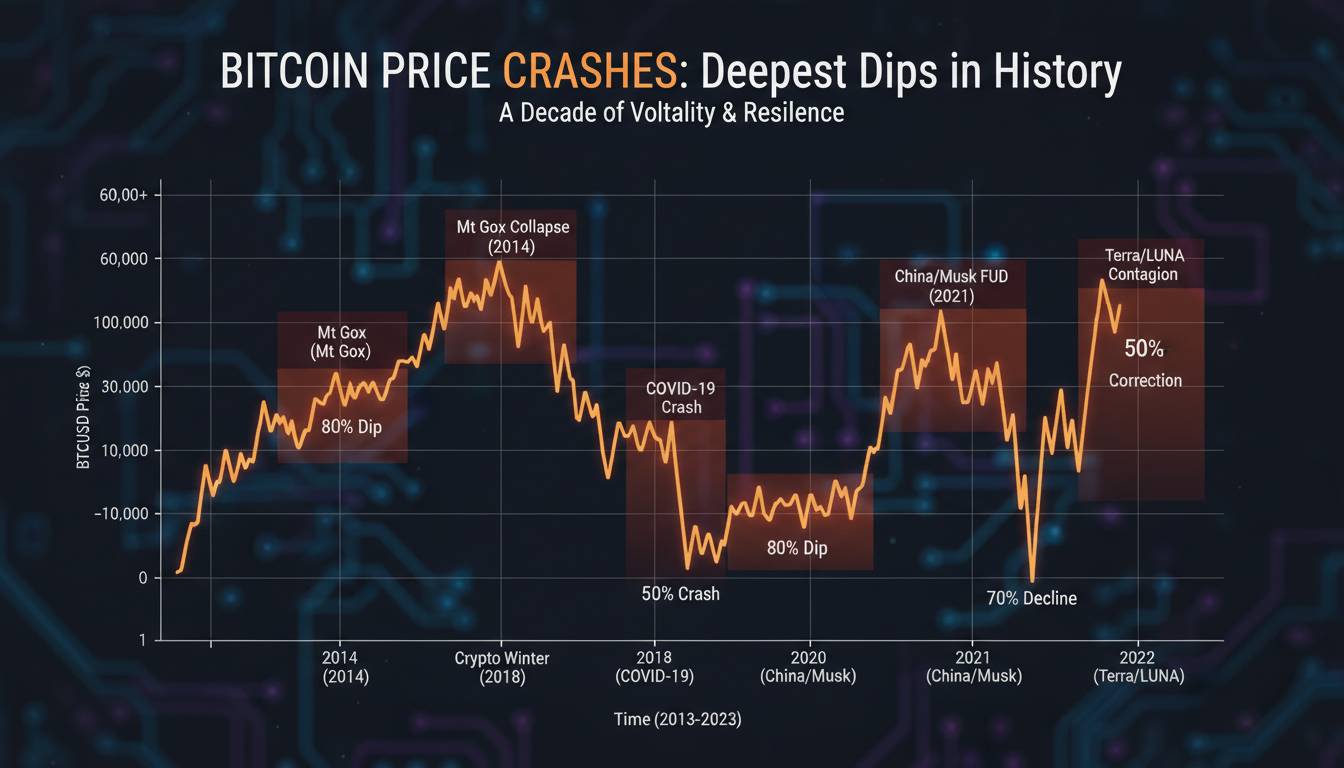
The SEC approved BITO on October 15, 2021, and the fund began trading the following day. Bitcoin’s response was immediate but short-lived—a rally from approximately $60,000 to near $65,000 in the days surrounding the launch. However, this approval came at a precarious moment for the market. Bitcoin had already begun its descent from its then-all-time high of $69,000 set earlier that month, and the futures ETF approval failed to reverse the broader downtrend that would see Bitcoin lose more than 50% of its value over the following months.
This event exposed a critical limitation in the “ETF approval equals higher prices” narrative: the overall market environment matters enormously. An approval can provide a short-term boost, but if bearish momentum is already established, the relief rally often becomes nothing more than a selling opportunity for longer-term participants.
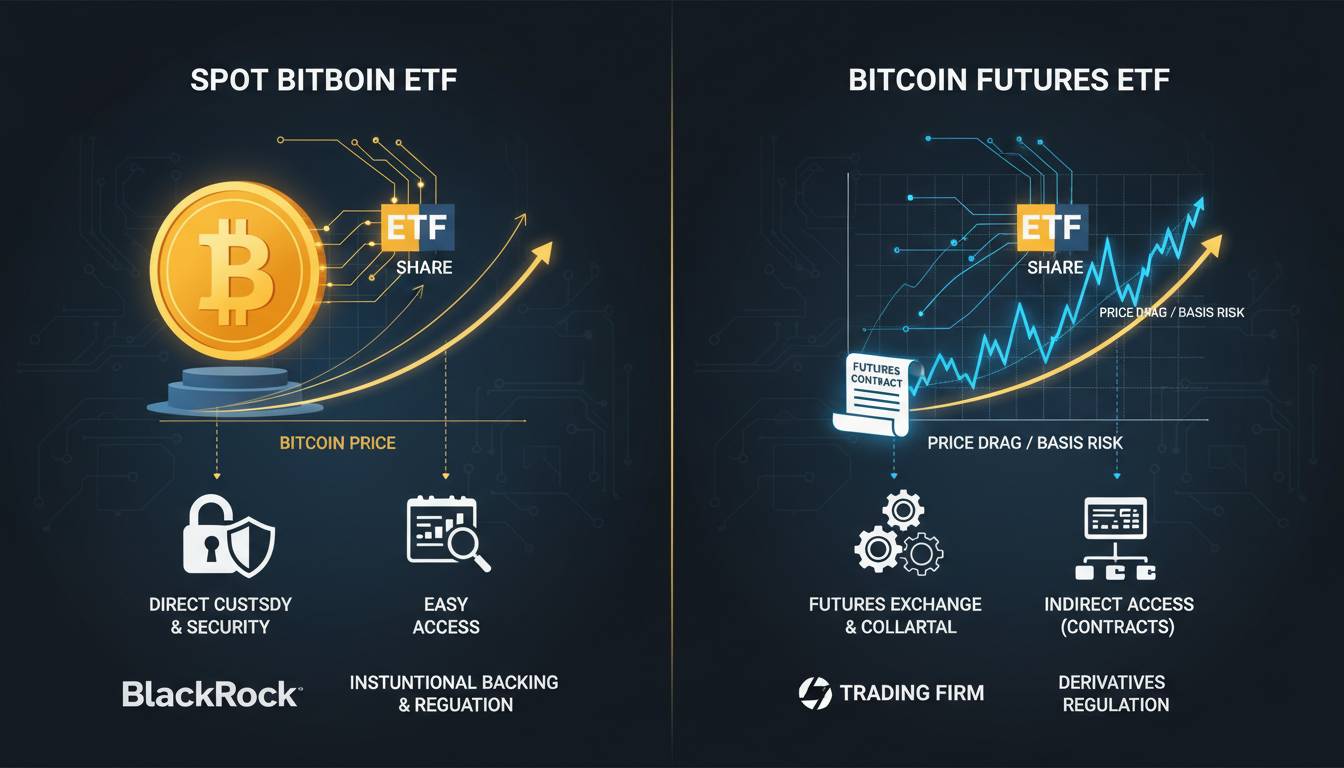
The 2021 futures ETF approval also demonstrated that the type of ETF matters significantly. A futures-based product, which requires the manager to continuously roll over contracts, carries inherent costs and complexities that differ substantially from a spot ETF holding actual Bitcoin. This distinction became a central point of debate in the years-long fight for spot ETF approval, with proponents arguing that only a spot product could truly unlock institutional adoption.
Why Rejections Cause Sharp But Short-Lived Declines
ETF rejections have historically produced dramatic but typically short-lived price declines. Understanding why requires examining the psychological and structural factors at play.
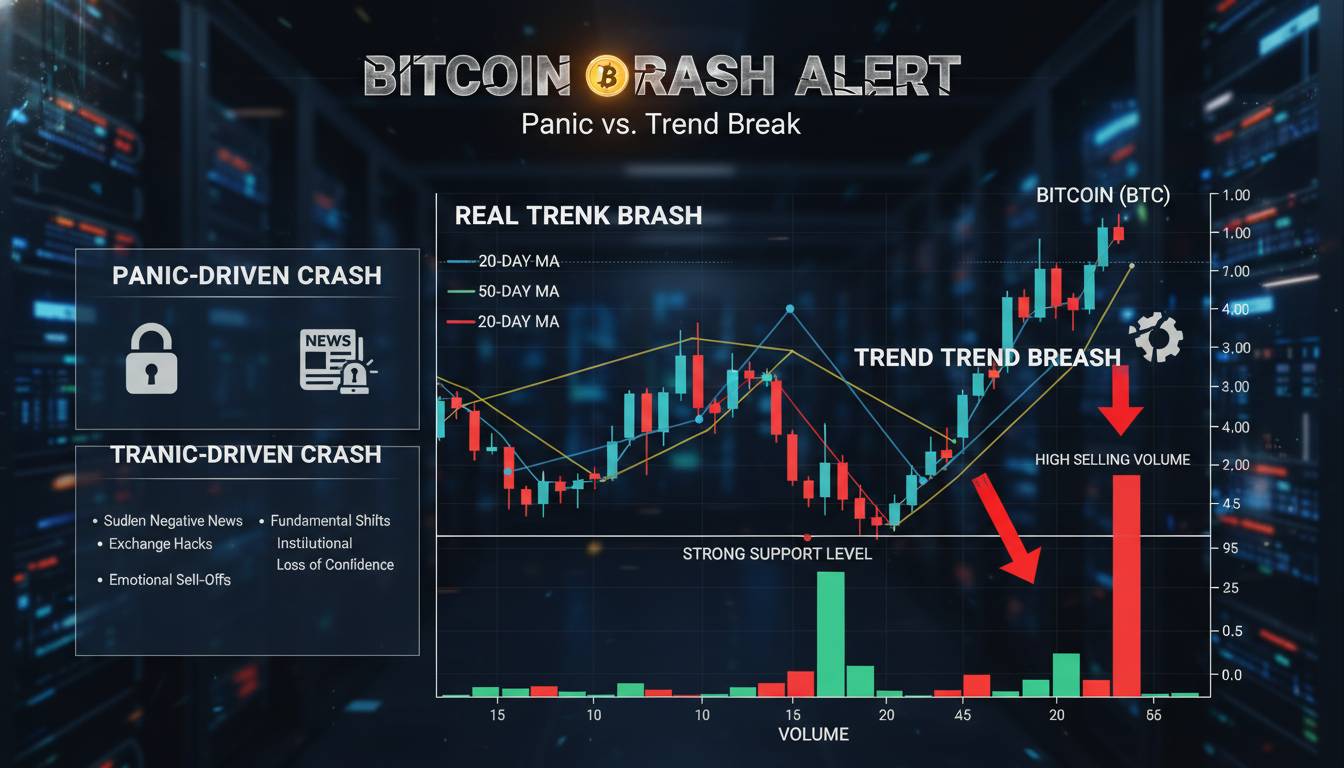
When the SEC rejected numerous spot Bitcoin ETF applications throughout 2022 and early 2023, Bitcoin typically dropped 5-10% within hours of the decisions. These rejections triggered stop-loss cascades as leveraged positions were liquidated, amplifying the downward move beyond what fundamental disappointment alone would suggest. Market makers and algorithmic traders automatically adjust positions based on news events, creating mechanical selling pressure that compounds the initial reaction.
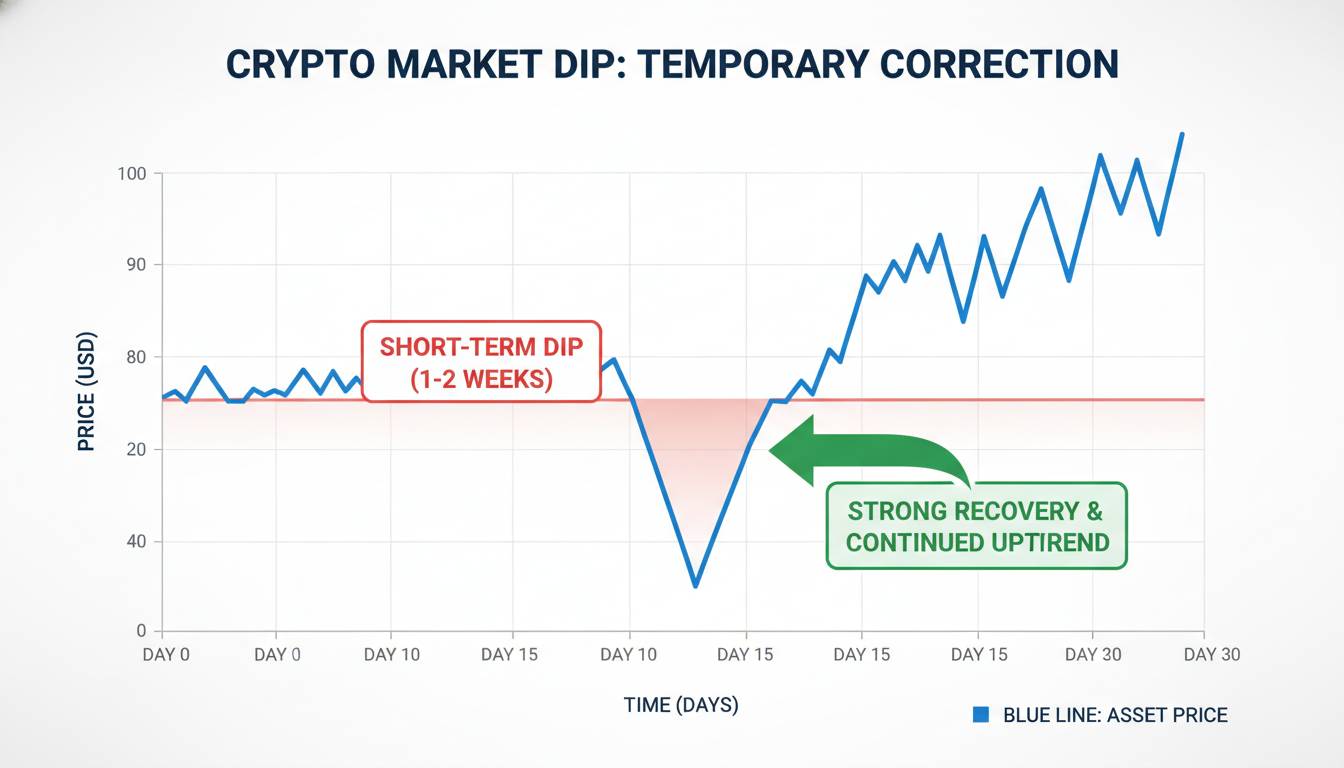
The key characteristic of rejection-driven declines is their brevity. Unlike approvals, which can spark sustained rallies as new capital enters the market, rejections tend to produce sharp V-shaped recoveries. By early 2023, the market had developed a relatively predictable pattern: rejection news would tank the price by 5-8%, but Bitcoin would typically recover those losses within 24-48 hours as buyers stepped in at lower prices.
This recovery pattern reflects several factors. First, rejection decisions are generally viewed as temporary roadblocks rather than final verdicts—the SEC consistently left the door open for future applications, and applicants like BlackRock and Fidelity signaled they would continue refining their proposals. Second, the crypto market’s long-term participants have historically treated regulatory setbacks as buying opportunities, understanding that eventual approval remains the most likely outcome given market demand.
The rejection on March 10, 2023, of several high-profile spot ETF applications—including those from Ark Invest, Invesco, and Fidelity—provides a perfect case study. Bitcoin dropped approximately 6% in the hours following the decision but had fully recovered within three days. Traders had learned to expect these rejections and had already positioned accordingly, treating them as expected volatility events rather than fundamental changes in the investment thesis.
The Anticipation Premium: Where Real Money Moves
Perhaps the most important insight for understanding ETF price impacts is recognizing that the biggest price movements occur before any decision is announced.
Consider the period from August 2023 through January 2024. During these five months, Bitcoin rose from approximately $29,000 to over $45,000—a gain of more than 50%—driven substantially by expectations that spot ETF approval was imminent. Every favorable court ruling, every SEC comment suggesting openness to approval, and every major asset manager filing or updating an application contributed to this rally.
This anticipation premium creates both opportunity and risk for traders. Buying Bitcoin solely based on expected approval carries the danger of “buy the rumor, sell the news” dynamics—purchasing before the decision and exiting before or immediately after confirmation. Many traders learned this lesson the hard way in January 2024, when the anticipated approval rally had largely already occurred by the time the SEC actually gave its green light.
The implication is clear: attempting to profit from ETF decisions by buying immediately before announcements is generally a losing strategy. The market has become highly efficient at pricing in expected outcomes, and the actual decision often produces less dramatic price action than the preceding weeks of speculation.
Institutional Flow: The Real Price Driver Beyond Headlines
While immediate price reactions to ETF decisions capture media attention, the sustained impact on Bitcoin’s price comes from actual capital flows into approved products.
Following January 2024 approval, the spot Bitcoin ETF market saw remarkable accumulation. BlackRock’s IBIT became the fastest-growing ETF in history by certain metrics, reaching $10 billion in assets within the first month and $20 billion by summer 2024. Fidelity’s FBTC accumulated similar levels. These flows represent real demand that must be satisfied through Bitcoin purchases, creating persistent upward pressure on prices that extends far beyond the initial approval moment.
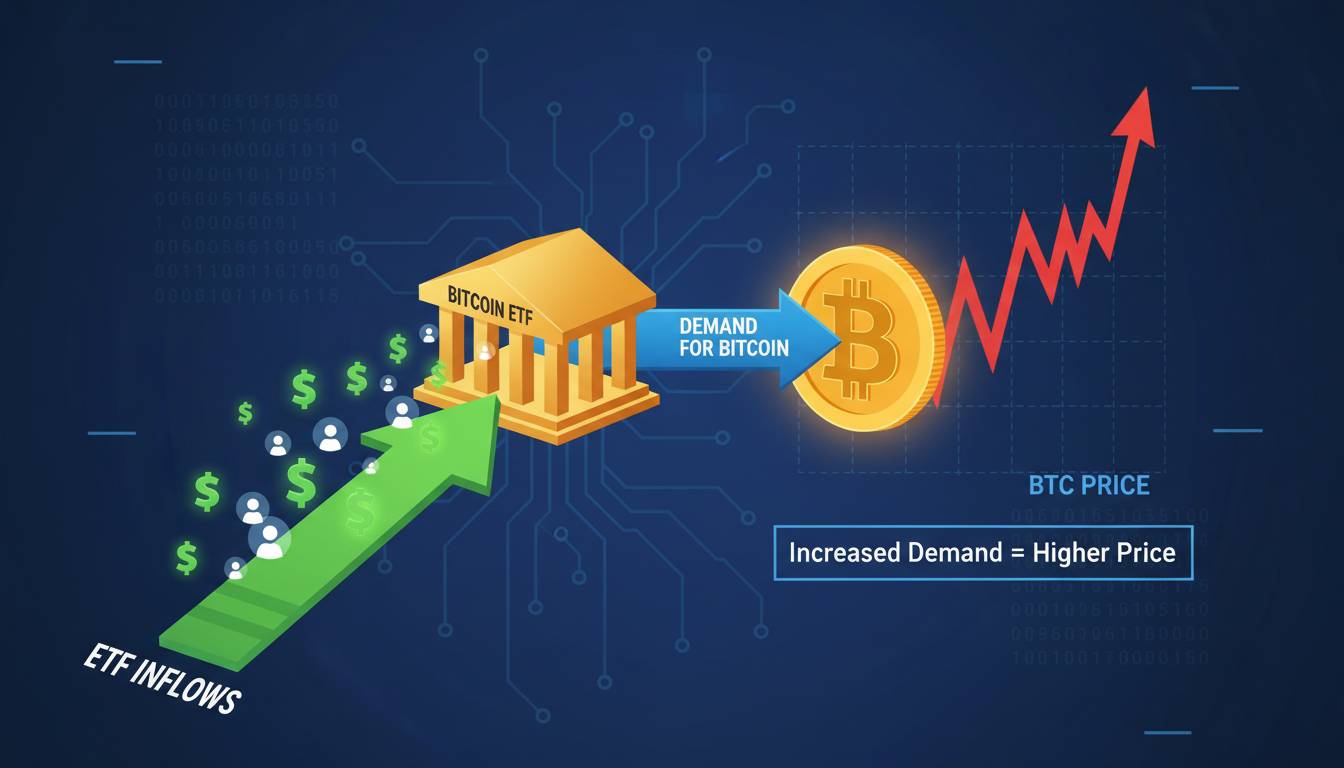
The mechanics work as follows: when investors buy shares in a spot Bitcoin ETF, the fund manager must acquire actual Bitcoin to back those shares. This creates direct buying pressure in the spot market. With billions of dollars flowing into these products weekly, this represents a structural demand source that simply did not exist before spot ETF approval.
This institutional demand has also shifted Bitcoin’s correlation dynamics. Previously, Bitcoin often moved in tandem with technology stocks and other risk assets. Post-ETF approval, Bitcoin has shown increased correlation with traditional store-of-value assets like gold, reflecting its growing use as an institutional allocation rather than purely speculative investment. This shift has implications for portfolio construction and risk management that extend beyond simple price prediction.
Market Conditions: The Context That Determines Reaction Magnitude
The same ETF decision can produce dramatically different price outcomes depending on the broader market environment. Understanding this context is essential for interpreting news events correctly.
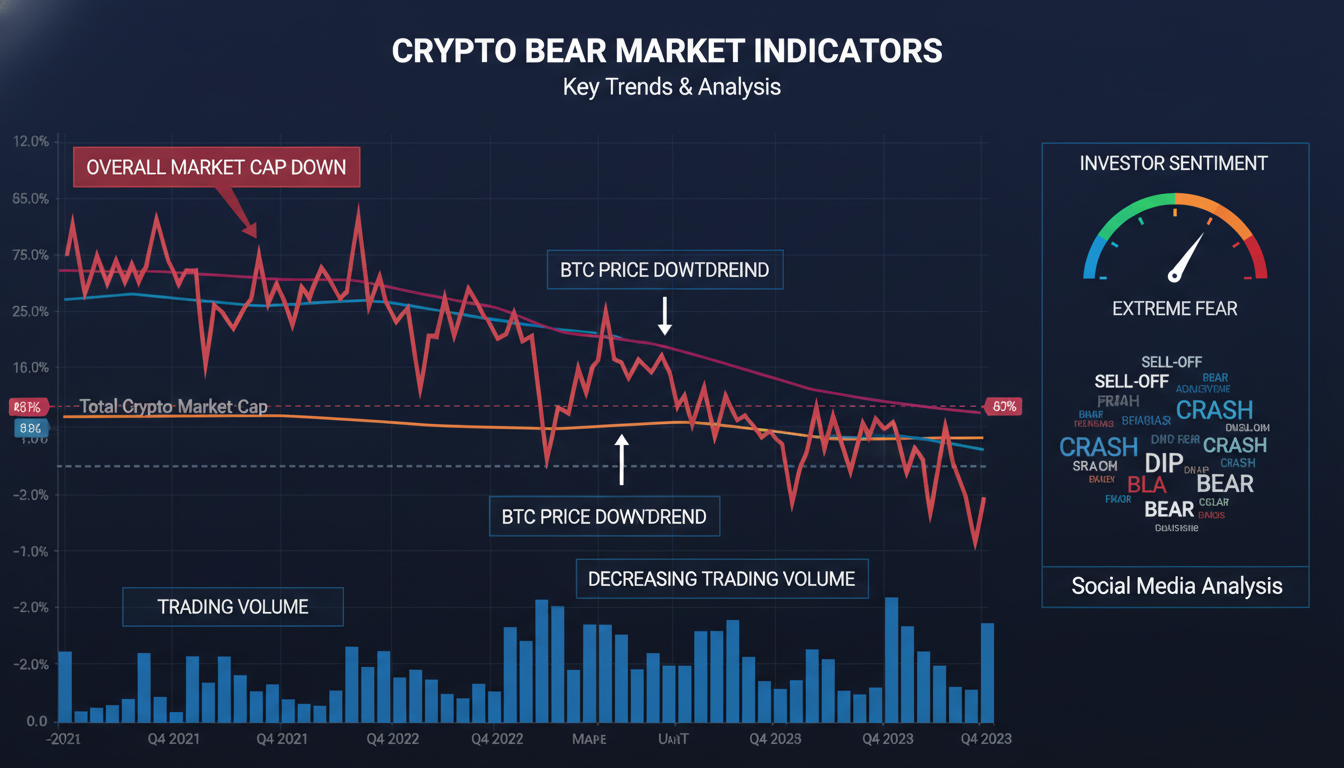
During bull markets, ETF approvals tend to produce explosive upside reactions. The market interprets approval as validation and institutional adoption as confirmation of the bullish thesis. In bear markets or periods of risk aversion, even positive ETF news can be met with selling as participants use rallies as opportunities to exit positions.
The contrast between October 2021 and January 2024 illustrates this perfectly. Both events involved Bitcoin ETF approvals, but the market conditions differed substantially. In 2021, Bitcoin was already in a correction from all-time highs, and the approval could not reverse the bearish momentum. In 2024, the approval arrived after months of sideways consolidation, providing the catalyst for a new leg higher.
Similarly, rejections hit harder when the market is already fragile. The May 2022 rejection that led to Bitcoin dropping below $30,000 came during a broader market collapse following the Terra/Luna ecosystem failure. The rejection added additional downward pressure but was not the primary driver of the decline—it amplified an existing trend rather than initiating a new one.
What Drives Immediate vs. Sustained Price Movements
Distinguishing between immediate news-driven reactions and sustained trend changes helps explain why ETF decisions produce such varied outcomes.
Immediate price movements—those occurring within minutes to hours of a decision—are primarily driven by sentiment, positioning, and algorithmic trading. These reactions often overshoot in both directions as participants with different time horizons react differently to the same information. Short-term traders may sell into strength, while long-term holders may buy weakness, creating the push-pull dynamics that characterize post-decision price action.
Sustained price movements, which play out over weeks and months, depend on fundamental factors like capital flows, regulatory clarity, and broader adoption trends. The January 2024 approval’s success in driving prices higher reflected not the decision itself but the subsequent capital inflows that the decision enabled. Without that flow mechanism, approval alone would likely have produced only a temporary bump.
This distinction has practical implications for how to approach ETF-related trading. For immediate reactions, technical factors like order book depth, existing positioning, and liquidity conditions often matter more than the fundamental implications of the decision. For longer-term positioning, understanding what the decision enables—institutional access, regulatory clarity, operational infrastructure—matters far more than the headline outcome.
Looking Forward: ETF Dynamics and Future Price Implications
The spot Bitcoin ETF approval in January 2024 fundamentally changed Bitcoin’s market structure, and future ETF-related developments will continue influencing prices in predictable ways.
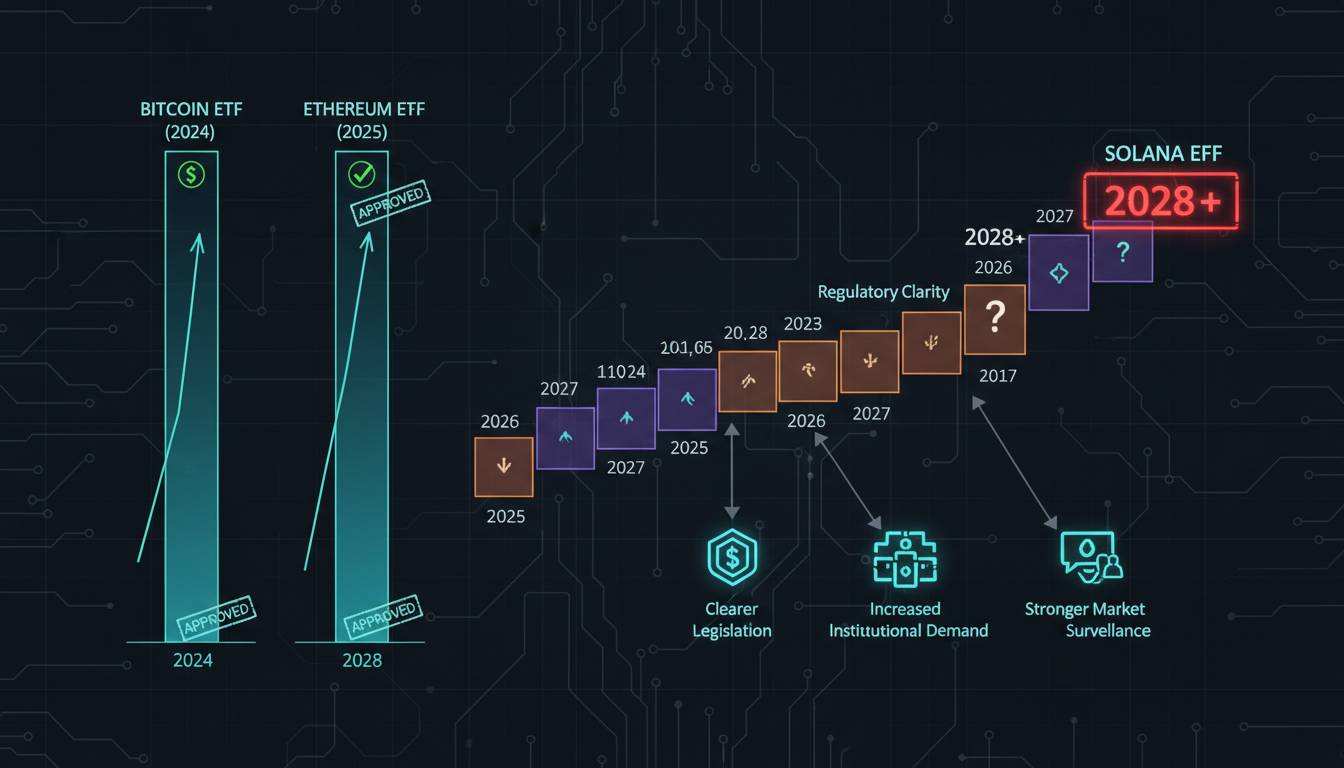
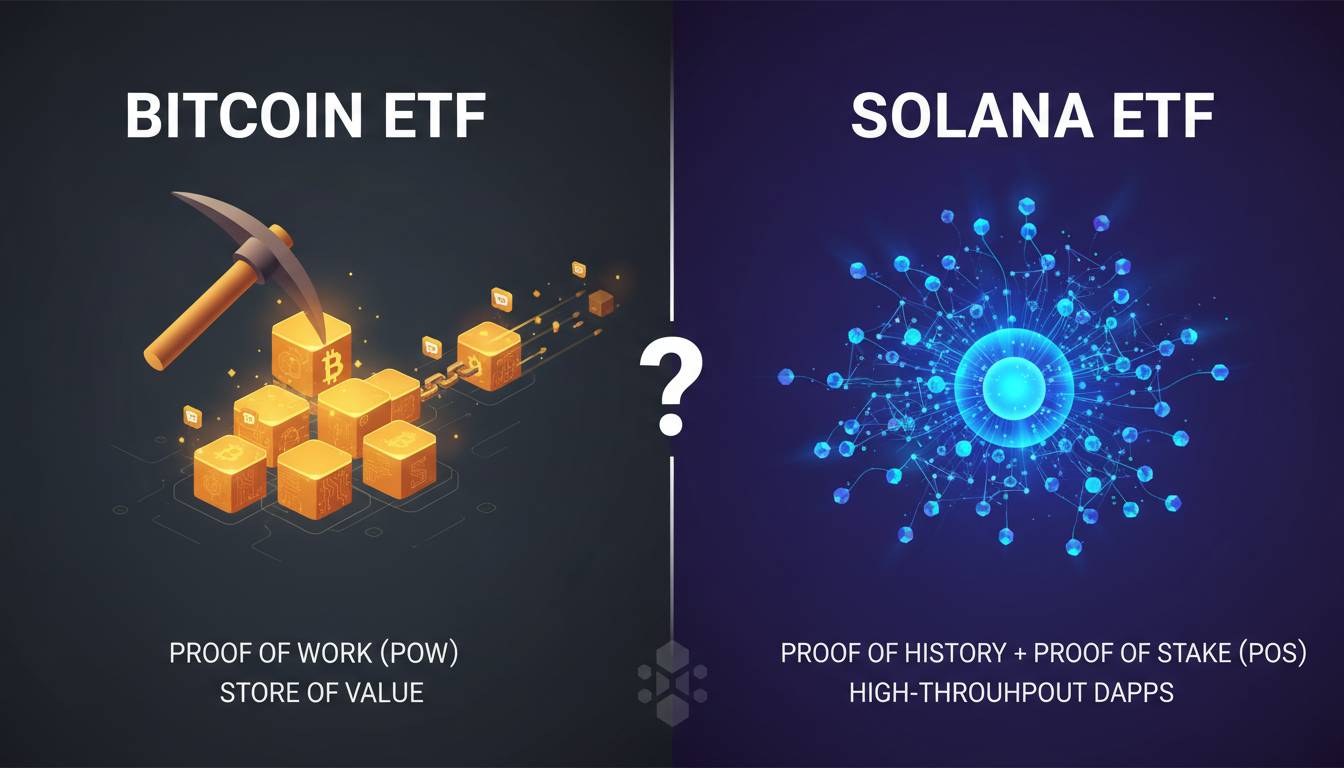
Multiple ETF expansion opportunities exist on the horizon. Ethereum spot ETFs received approval in May 2024, and similar products for other cryptocurrencies like Solana could follow. Each approval opens new capital channels and creates additional demand sources. The SEC’s approach to these future applications—approvals, rejections, or continued delays—will shape price trajectories for years to come.
The lesson from a decade of ETF decisions is clear: focus on sustained capital flows rather than immediate headline reactions. The billions flowing into Bitcoin ETFs monthly represent a structural demand shift that no single decision can undo. Rejections create buying opportunities; approvals create entry points that often prove more expensive in hindsight. The market has learned this pattern, which is why both outcomes tend to produce less dramatic immediate reactions than they did years ago.
What remains uncertain is how Bitcoin will perform during the next major market correction with ETFs now in place. Previous crypto downturns occurred without the institutional on-ramp that spot ETFs now provide. That structural change may moderate future drawdowns—or it may not. The market will reveal the answer, as it always does.