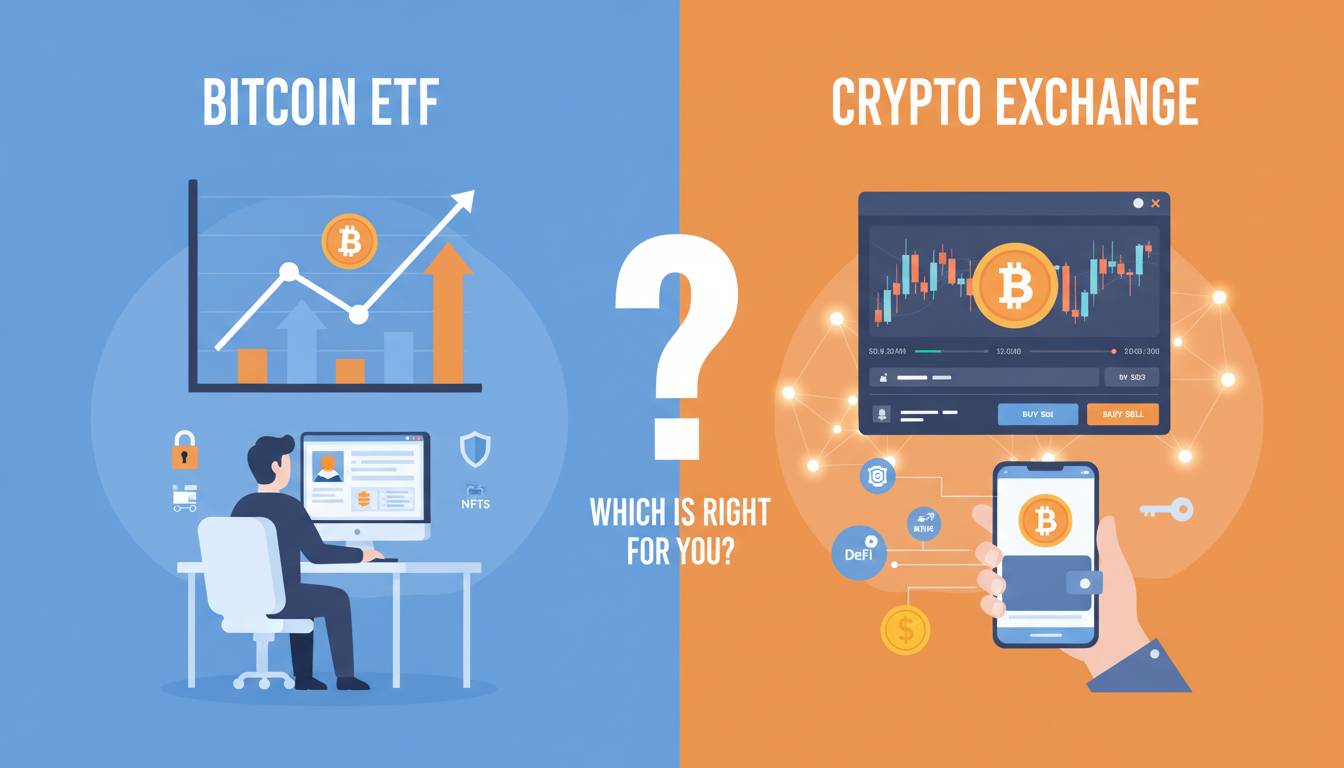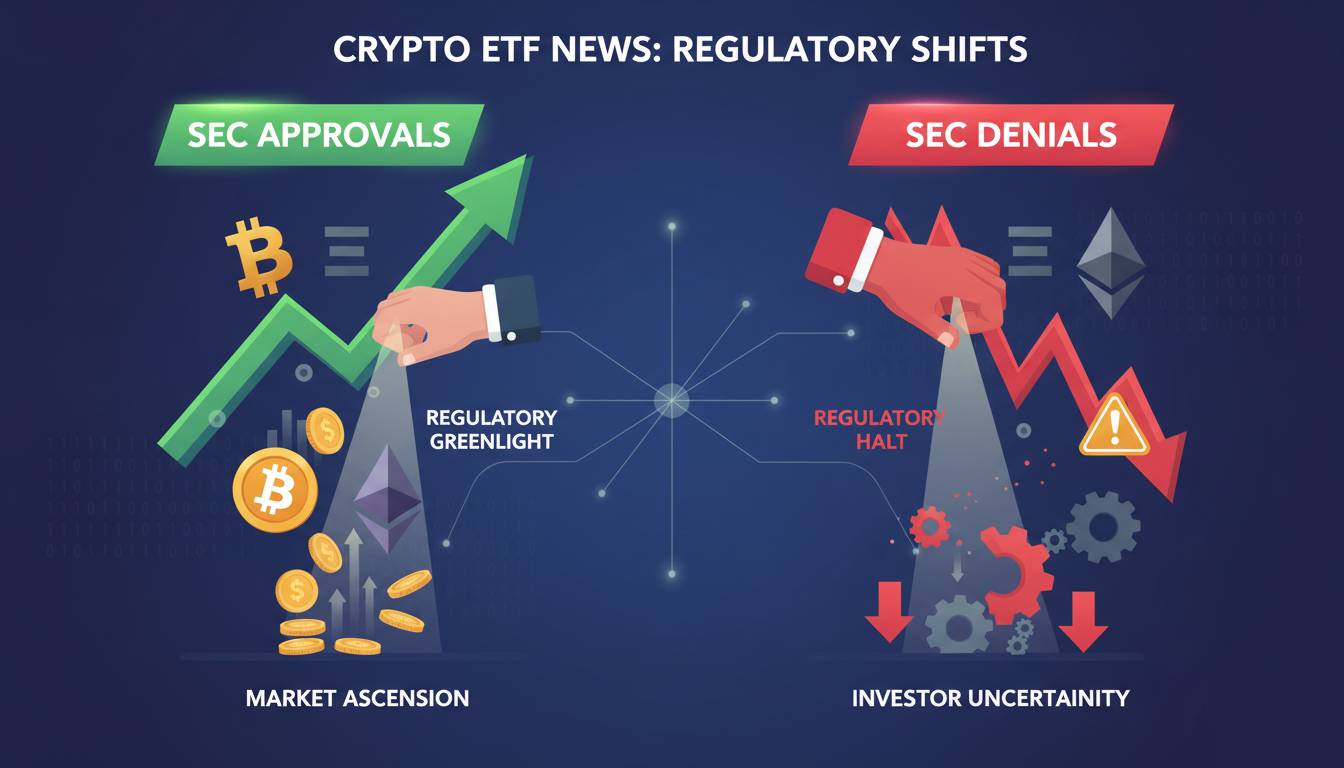
The Bitcoin ETF conversation has shifted dramatically since the SEC approved spot Bitcoin ETFs in January 2024. What was once a theoretical debate about investment vehicles has become a practical decision that millions of investors face: should I buy Bitcoin through an ETF, or should I own it directly? The answer isn’t simple, and anyone telling you otherwise is overselling something. The real difference comes down to what you actually own — and that distinction matters more than most financial commentators acknowledge.
What You Actually Own: The Fundamental Difference
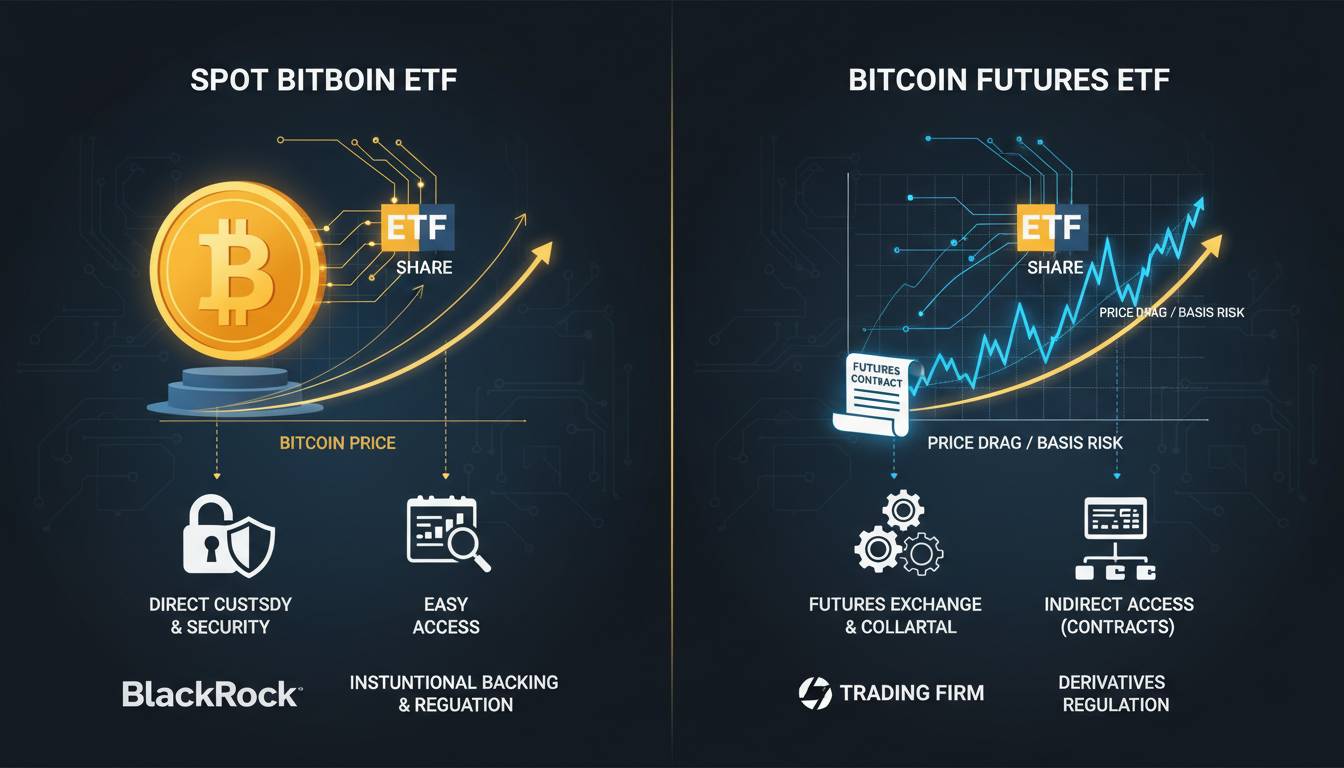
When you buy a spot Bitcoin ETF like the iShares Bitcoin Trust (IBIT) or the Fidelity Wise Origin Bitcoin Fund (FBTC), you own shares in a trust that holds Bitcoin. You do not own Bitcoin. This isn’t semantics — it’s the entire foundation of the decision you’re making.
The ETF holds the actual Bitcoin in cold storage, typically with a custodian like Coinbase Custody or BNY Mellon. Your ownership is recorded on the ETF’s books as shares, not on the blockchain as UTXOs. You have a claim against the trust’s assets, not direct control over the Bitcoin itself. This distinction sounds minor until you try to withdraw your holdings or face a custody crisis.
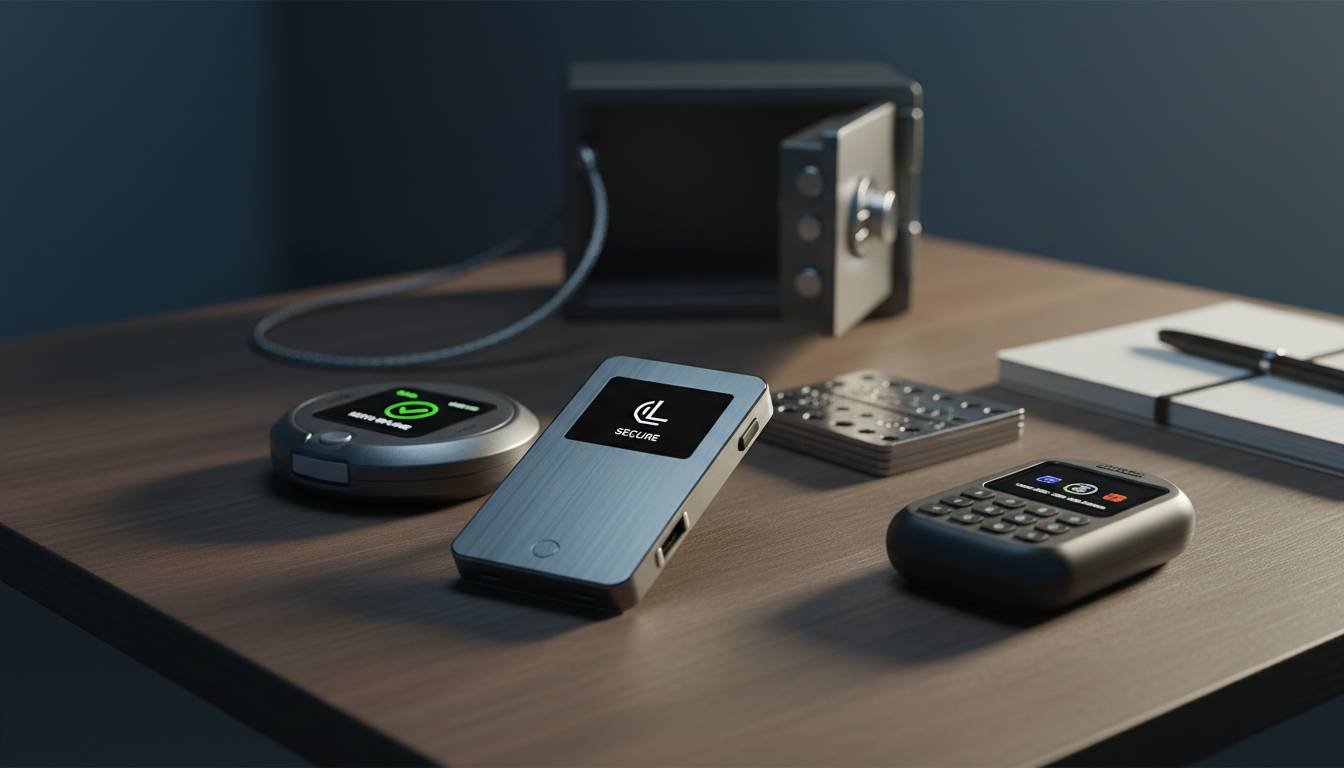
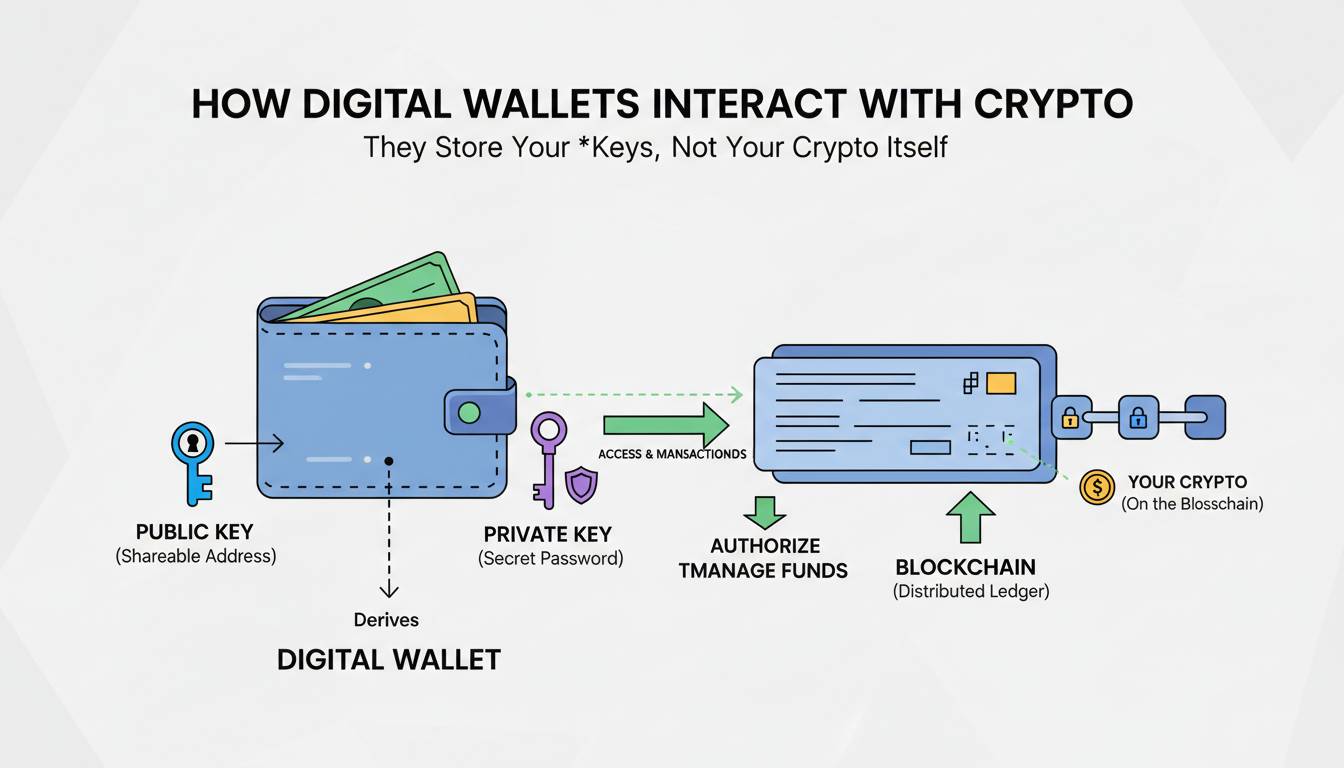
When you buy Bitcoin directly through an exchange like Coinbase, Kraken, or through a self-hosted wallet, you own the private keys. The Bitcoin is yours in the most literal sense possible — it’s transferred to an address only you control. There’s no intermediary between you and the asset. No trust agreement. No counterparty risk beyond the software and hardware you use to store your keys.
This ownership structure has practical consequences that most articles gloss over. If the ETF issuer experiences regulatory trouble, your position in the ETF could be frozen or complicated by bankruptcy proceedings. If you hold your own Bitcoin and lose your keys, the Bitcoin sits dormant forever — but no external entity can seize it, freeze it, or lose it through their own mismanagement.
Direct Comparison: Ownership, Custody, and Control
| Factor | Bitcoin ETF | Direct Bitcoin Ownership |
|---|---|---|
| What you own | Shares in a trust | Private keys to Bitcoin |
| Custodian | Licensed third-party (e.g., Coinbase Custody) | You (or your chosen exchange/wallet) |
| Withdrawal capability | Sell shares, receive fiat | Send Bitcoin to any address you choose |
| Counterparty risk | ETF issuer, trust, custodian | Hardware/software failure, user error |
| Regulatory exposure | SEC-regulated securities | Less clear regulatory status |
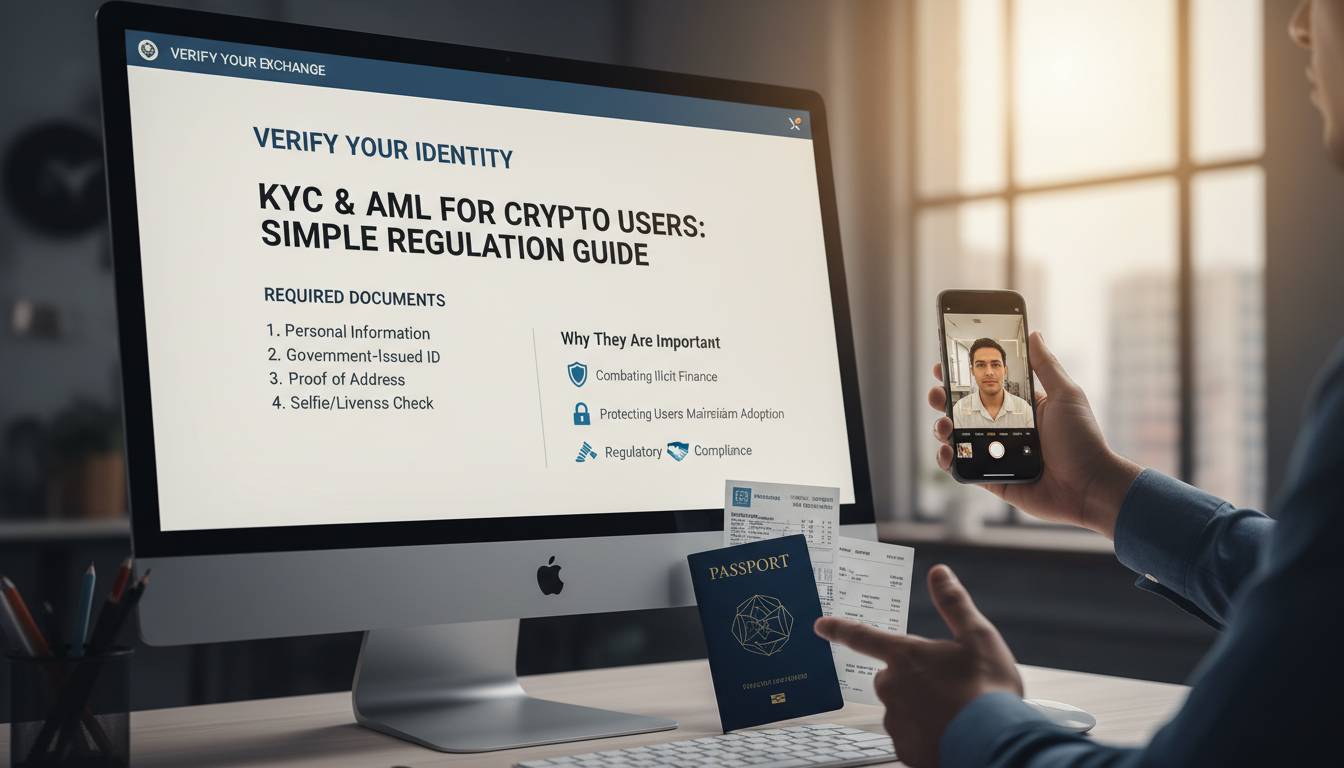
| Tax reporting | Standard 1099 (for ETFs) | Requires manual calculation (in many cases) |
The custody question deserves more attention than it typically receives. When you hold Bitcoin through an ETF, you’re trusting that the custodian maintains proper cold storage, that the auditor verifies the Bitcoin holdings, and that the ETF sponsor acts in shareholders’ best interest. In January 2024, the SEC specifically highlighted custody risk as a primary concern in approving these products — concerns that don’t disappear simply because approval was granted.
The Tax Implications Nobody Explains Clearly
Here’s where things get interesting, and where conventional wisdom often leads people astray. Most articles state that ETFs receive “more favorable” tax treatment, but the reality is more nuanced and depends heavily on your specific situation.
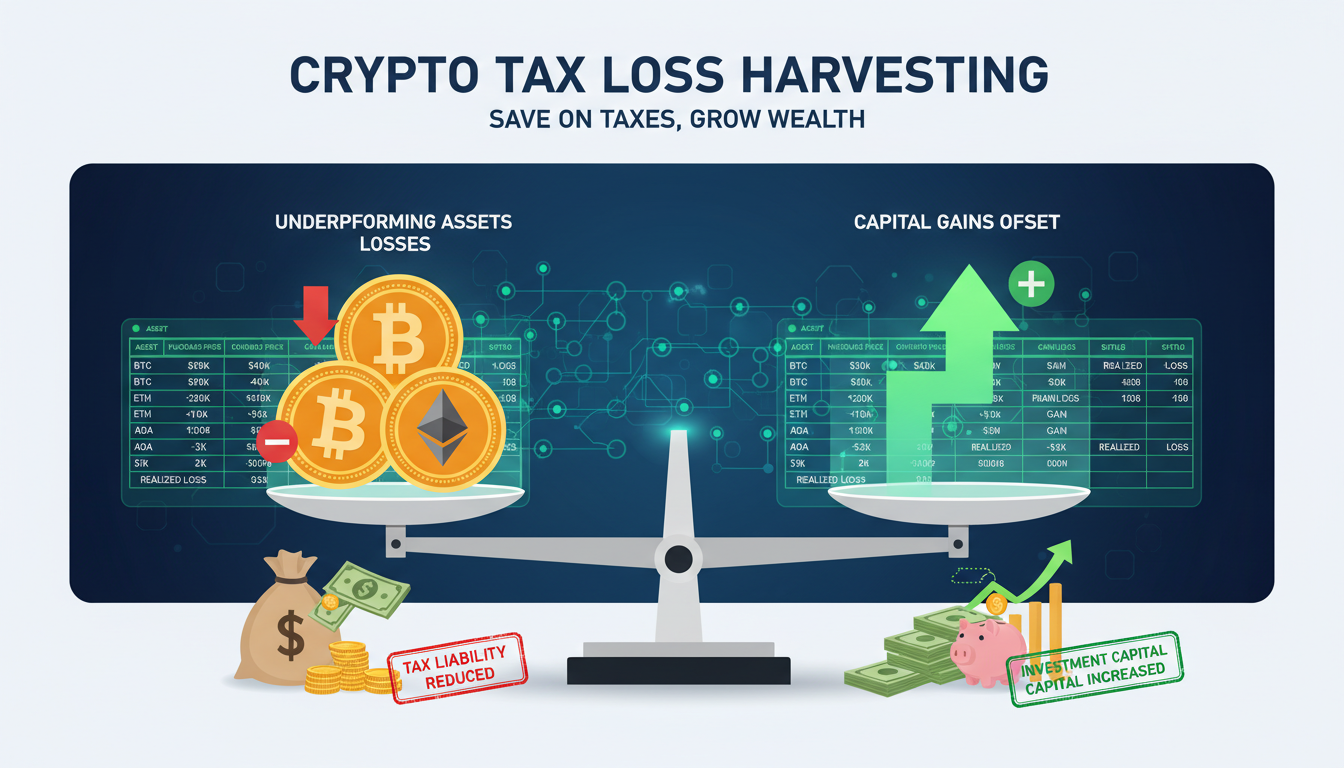
When you sell a Bitcoin ETF, the transaction triggers capital gains taxed as long-term or short-term gains on securities — the same treatment you’d receive selling Apple shares. This is straightforward and integrates with standard brokerage tax reporting.
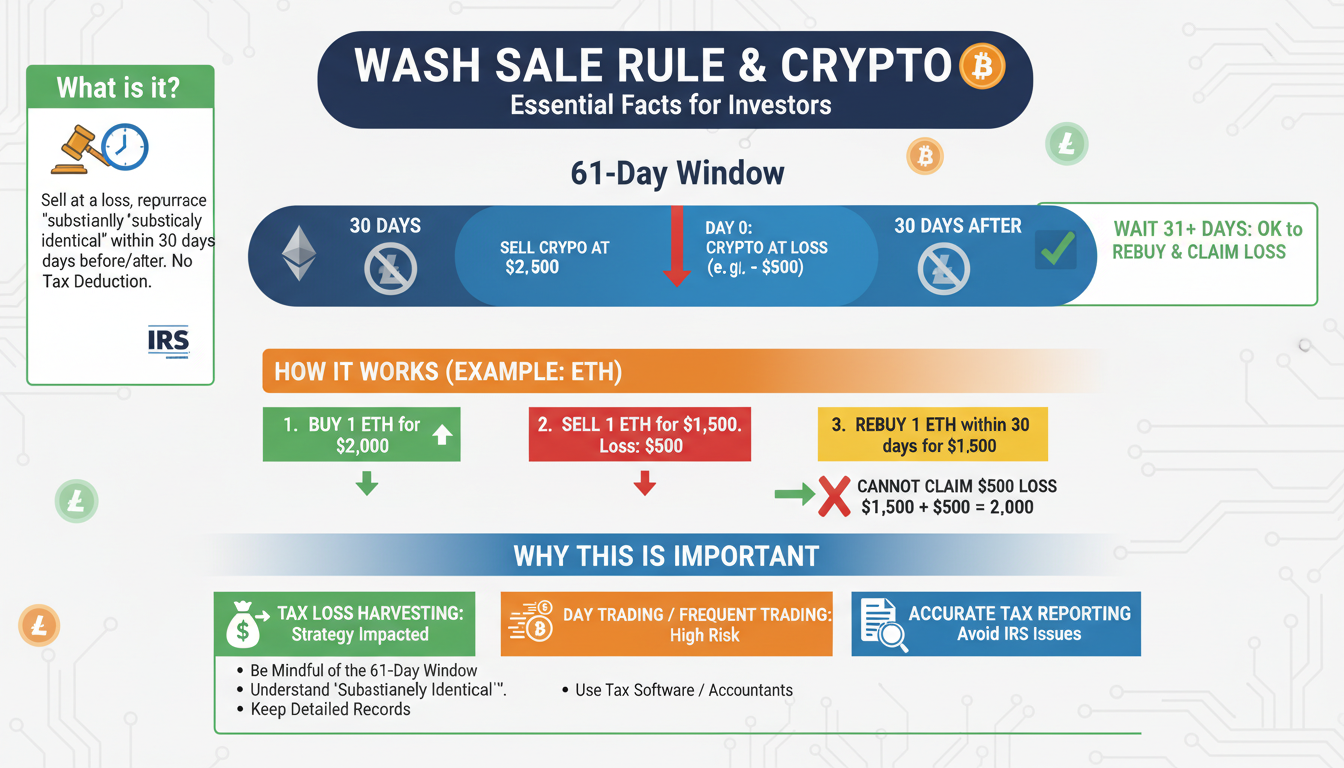
Direct Bitcoin ownership subjects you to capital gains rules that work differently. Your cost basis tracking must be precise, and the distinction between long-term and short-term holdings applies, but so does Section 1256 treatment for certain Bitcoin derivatives if you ever trade futures. More practically, every transaction — even swapping Bitcoin for goods or services — is a taxable event. The IRS has made clear in Notice 2014-21 that Bitcoin is property, not currency, for tax purposes.
What matters more than the headline “tax treatment” is whether you have the infrastructure to handle crypto-specific tax reporting. If you’re a passive investor who wants a 1099 at year-end, the ETF wins. If you’re comfortable with crypto tax software and want to minimize the tax drag that ETF expense ratios create over time, direct ownership can be more efficient — particularly if you hold for multiple years and can time your exits strategically.
One nuance most coverage misses: Bitcoin held directly can qualify for like-kind exchange treatment under Section 1031 if you exchange it for other cryptocurrency property. This gray area remains contested but hasn’t been definitively ruled out by courts or the IRS for cryptocurrency-to-cryptocurrency trades. ETFs don’t offer any equivalent flexibility.
Withdrawal Capability: The Hidden Constraint
This is where direct ownership delivers a knockout punch that ETF advocates rarely address. Can you withdraw Bitcoin from an ETF? No. Not in any meaningful sense. You can sell your ETF shares and receive dollars. You cannot receive actual Bitcoin and send it to a wallet you control.
This matters for several reasons that go beyond ideology. If Bitcoin appreciates significantly and you want to move a portion to cold storage, take a loan against it, or use it for a large purchase, the ETF requires a multi-step conversion process. Sell ETF → receive fiat → buy Bitcoin on exchange → transfer to wallet. Each step incurs costs, potential slippage, and execution risk.
More critically, this matters for estate planning and asset protection. Bitcoin in your own wallet can be included in a trust with specific instructions for distribution. Bitcoin in an ETF sits in a brokerage account governed by different rules, different protections, and different potential limitations during probate.
If you believe Bitcoin will eventually function as a significant payment mechanism or reserve asset, direct ownership provides optionality that ETF shares simply cannot replicate. The question isn’t whether Bitcoin will succeed as money — it’s whether you want optionality or simplicity.
Bankruptcy Protection: What Happens If Things Go Wrong
The bankruptcy scenario is perhaps the most misunderstood aspect of ETF ownership. When you hear that your Bitcoin is “protected” in an ETF, understand what that actually means.
In the case of the Grayscale Bitcoin Trust (GBTC), which operated as a closed-end fund before converting to an ETF, investors learned a harsh lesson: trust assets are not segregated from the issuer’s bankruptcy estate in the same way individual brokerage accounts are protected by SIPC insurance. Grayscale’s legal structure required court approval to prevent trust assets from being liquidated in a bankruptcy scenario — a real risk that materialized when DCG faced solvency questions in 2022-2023.
Spot Bitcoin ETFs approved in 2024 use a different structure — the securities law framework rather than the trust law framework — which provides clearer bankruptcy-remote protections. The trust’s Bitcoin is supposed to be held in a segregated account that would not be available to creditors if the sponsor or custodian failed.
However, I’d rather be direct with you than offer false reassurance: the legal framework remains relatively untested in practice. We’ve never seen a major ETF sponsor go bankrupt with billions in customer Bitcoin at stake. The protections exist on paper, but litigation takes years and outcomes are uncertain.
When you hold Bitcoin directly, no entity can claim your Bitcoin in bankruptcy. The Bitcoin exists on the blockchain, controlled by your keys. The risk shifts to your own operational security — losing your keys, having them stolen, or dying without passing on access. These are fundamentally different risks, not better or worse ones.
Regulatory Risk: Two Different Exposure Profiles
Regulatory risk affects both ETF and direct ownership, but through completely different mechanisms.
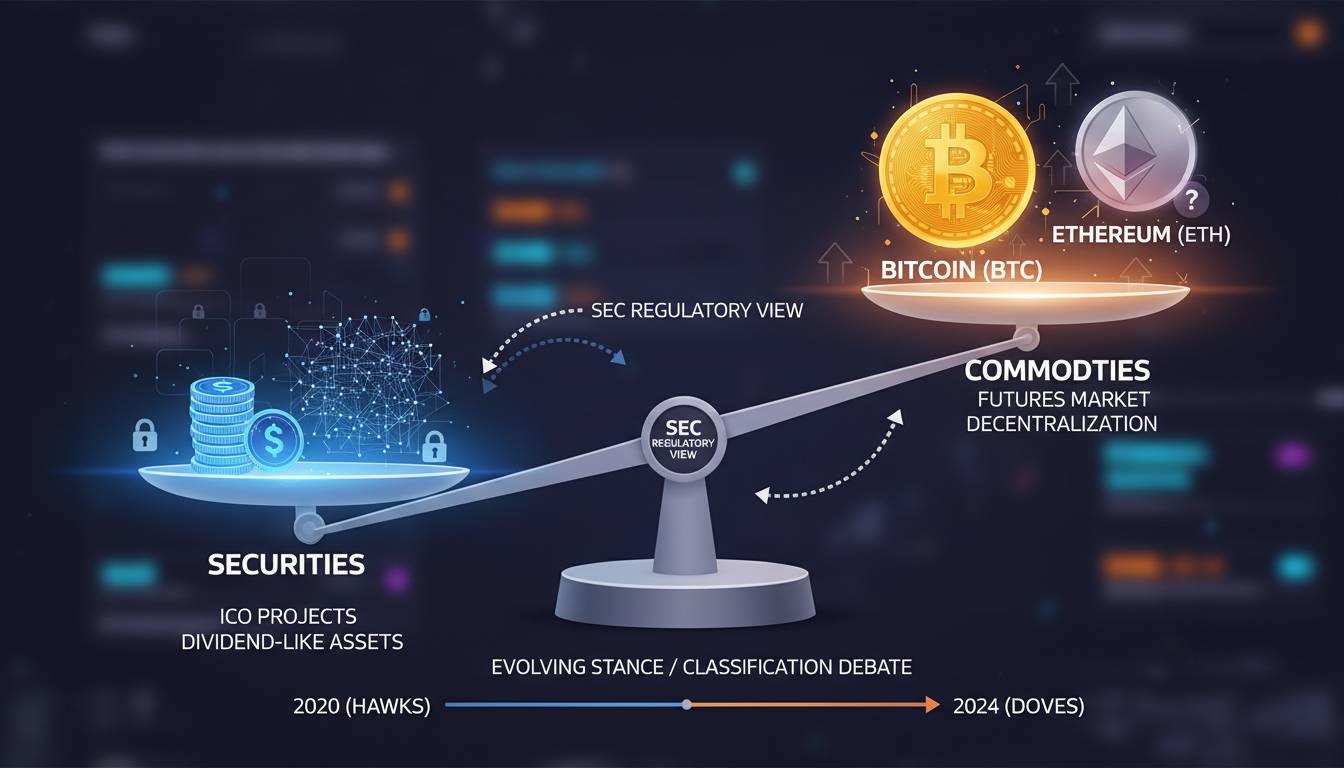
Bitcoin ETFs are securities registered with the SEC. They face ongoing compliance requirements, potential regulatory changes affecting ETF structures, and the ever-present risk of new rules that could restrict who can buy them or how they’re offered. If the SEC or a future administration decided to impose additional restrictions on spot Bitcoin ETFs, your shares could be affected.
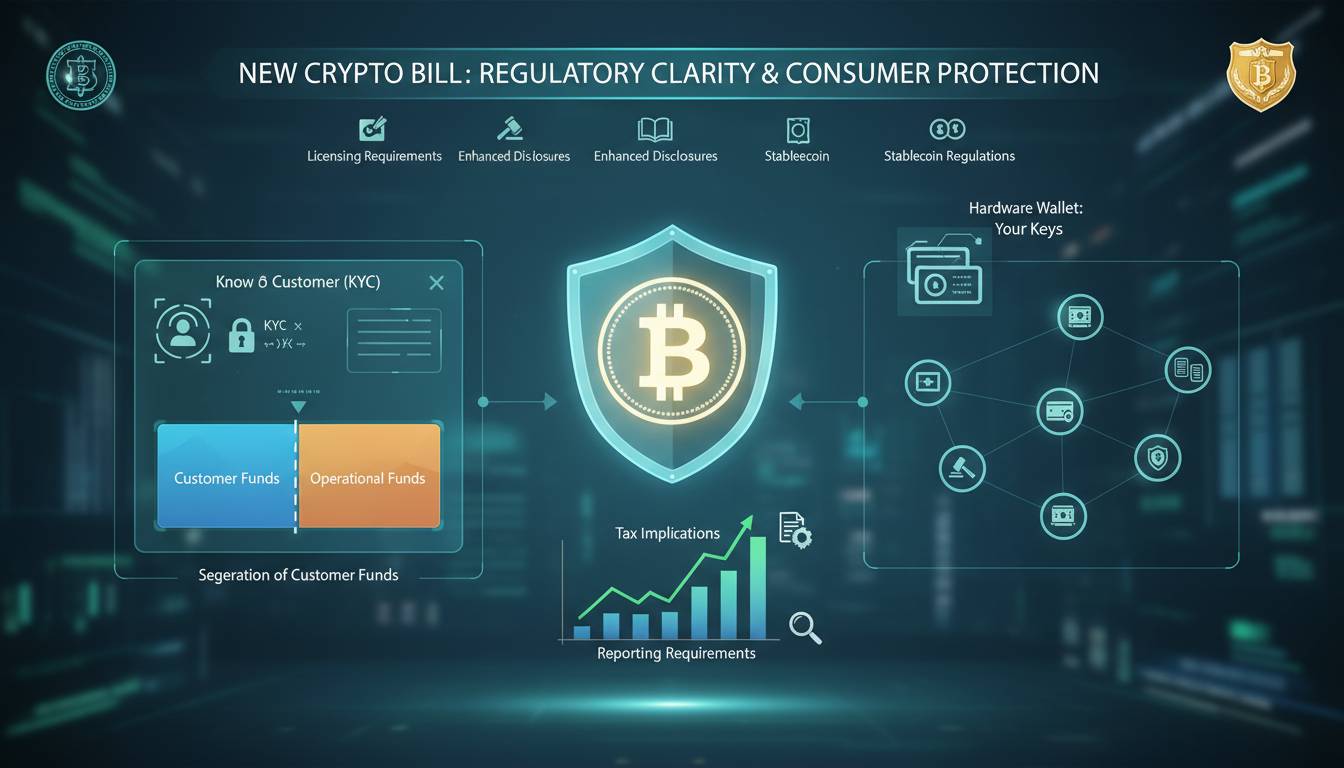
Direct Bitcoin ownership faces a different regulatory landscape. Bitcoin itself is a commodity, not a security, which provides some structural protection. However, the platforms you use to acquire and store Bitcoin — exchanges, wallet providers, custodians — face significant regulatory oversight and periodic enforcement actions. The banning of specific platforms (as happened with certain offshore exchanges) can make it difficult to access your Bitcoin even if the underlying asset remains legal.
The regulatory picture is genuinely uncertain. I’m not comfortable predicting whether tighter restrictions on self-hosted wallets will emerge, as some policymakers have proposed, or whether ETF structures will face new compliance burdens. What I can tell you is that the regulatory risk manifests differently depending on which ownership model you choose.
Expense Ratios and the Real Cost of “Free” Trading
ETF expense ratios for spot Bitcoin products range from 0.25% to 1.50% annually. The iShares Bitcoin Trust (IBIT) launched with a 0.25% expense ratio, while some competing products sit at 0.80% or higher. This might seem negligible, but compounding works against you over time.
On a $50,000 investment held for ten years, a 0.80% expense ratio costs approximately $4,800 in accumulated fees at a 10% annual return. That’s nearly 10% of your principal lost to fees over a decade — money that goes to the ETF sponsor rather than growing alongside your investment.
Direct Bitcoin ownership has its own costs: exchange fees for purchases (typically 0.5% to 1.5% per transaction), withdrawal fees (vary by network conditions), and potential custody costs if you use a hosted wallet service. For long-term holders who minimize trading activity, these costs can be significantly lower than ETF expense ratios.
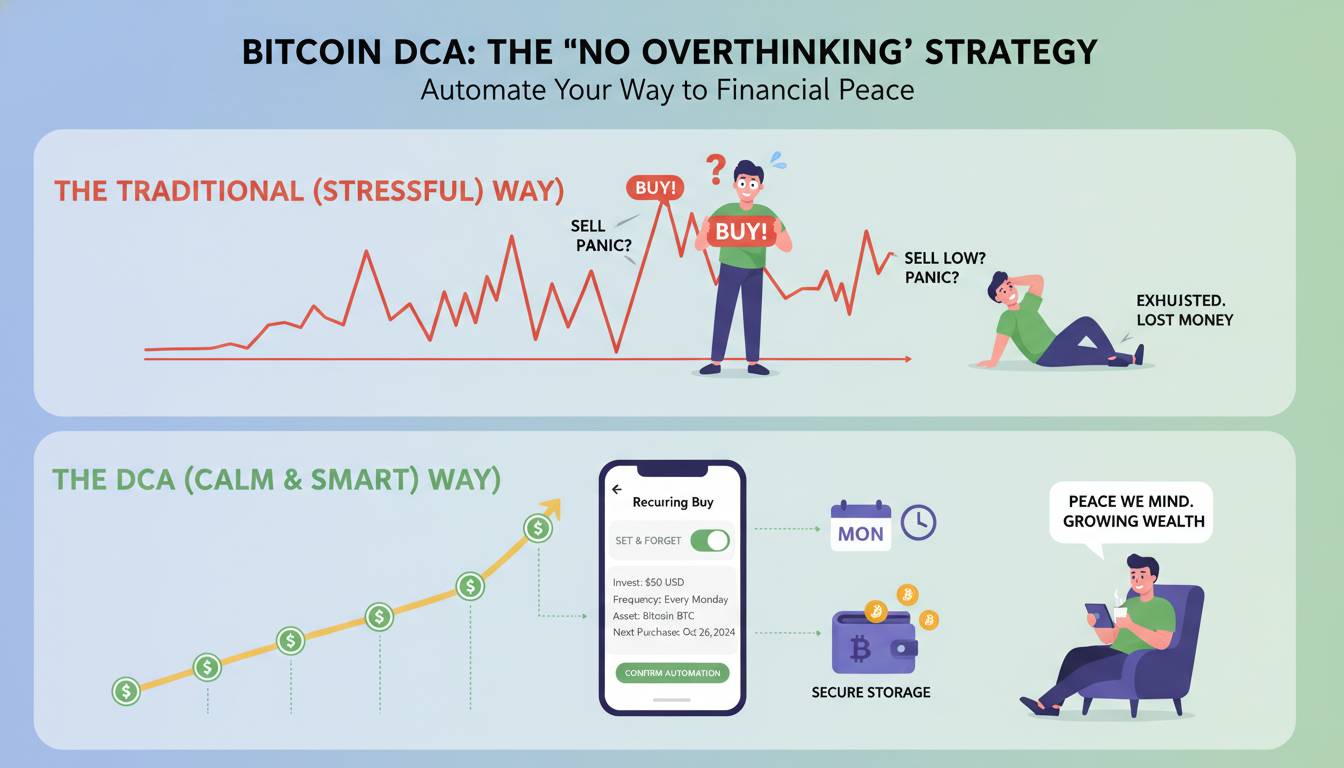
The comparison isn’t straightforward because the fee structures are fundamentally different. ETFs charge a continuous percentage for convenience; direct ownership charges per transaction for control. If you’re buying and holding for years without trading, direct ownership usually wins on fees. If you’re making regular contributions and want automated purchases, ETF convenience may justify the expense ratio.
Counterintuitive Takeaways That Challenge Conventional Advice
Here’s where I’m going to push back on what you’ve likely read elsewhere.
Most financial media presents Bitcoin ETFs as the “safe” option and direct ownership as the “risky” one. This framing is incomplete. The risk has shifted, not eliminated. With an ETF, you’ve exchanged custody risk and self-control risk for counterparty risk and regulatory complexity. Neither is inherently safer — they involve different risk profiles that suit different investors differently.
The second counterintuitive point: the most sophisticated Bitcoin investors I know continue to hold directly, not because they’re ideologically opposed to ETFs, but because they understand that the optionality of direct ownership has real value that the market hasn’t priced in. When Bitcoin needs to move, when regulatory arbitrage becomes necessary, when personal circumstances change, the ability to access your Bitcoin without going through a brokerage is worth more than the convenience premium the ETF structure charges.
I’m not suggesting direct ownership is universally better. For institutions, for those subject to compliance requirements, for investors who genuinely want to set and forget — the ETF makes sense. But the blanket recommendation that ETFs are “better” for most people ignores the substantial hidden costs and trade-offs involved.
Making Your Decision: A Framework
The choice between ETF and direct ownership ultimately depends on what you value most:
Choose the ETF if you want simplicity, standard tax reporting, brokerage integration, and no technical knowledge required. You’re accepting higher ongoing costs, no direct withdrawal capability, and counterparty risk in exchange for convenience.
Choose direct ownership if you want lower long-term costs, full control, withdrawal optionality, and are willing to learn basic key management or use a reputable custodian. You’re accepting operational complexity and personal responsibility in exchange for control and flexibility.
Most investors would benefit from holding some of each — using the ETF for core holdings they intend to hold passively for years, while maintaining a smaller direct holding for the optionality and experience it provides.
The question isn’t really “which is better” but “which trade-offs fit your situation.” That answer requires honestly assessing your technical comfort, time horizon, and what happens when you need your Bitcoin to move in ways the ETF structure doesn’t easily support.