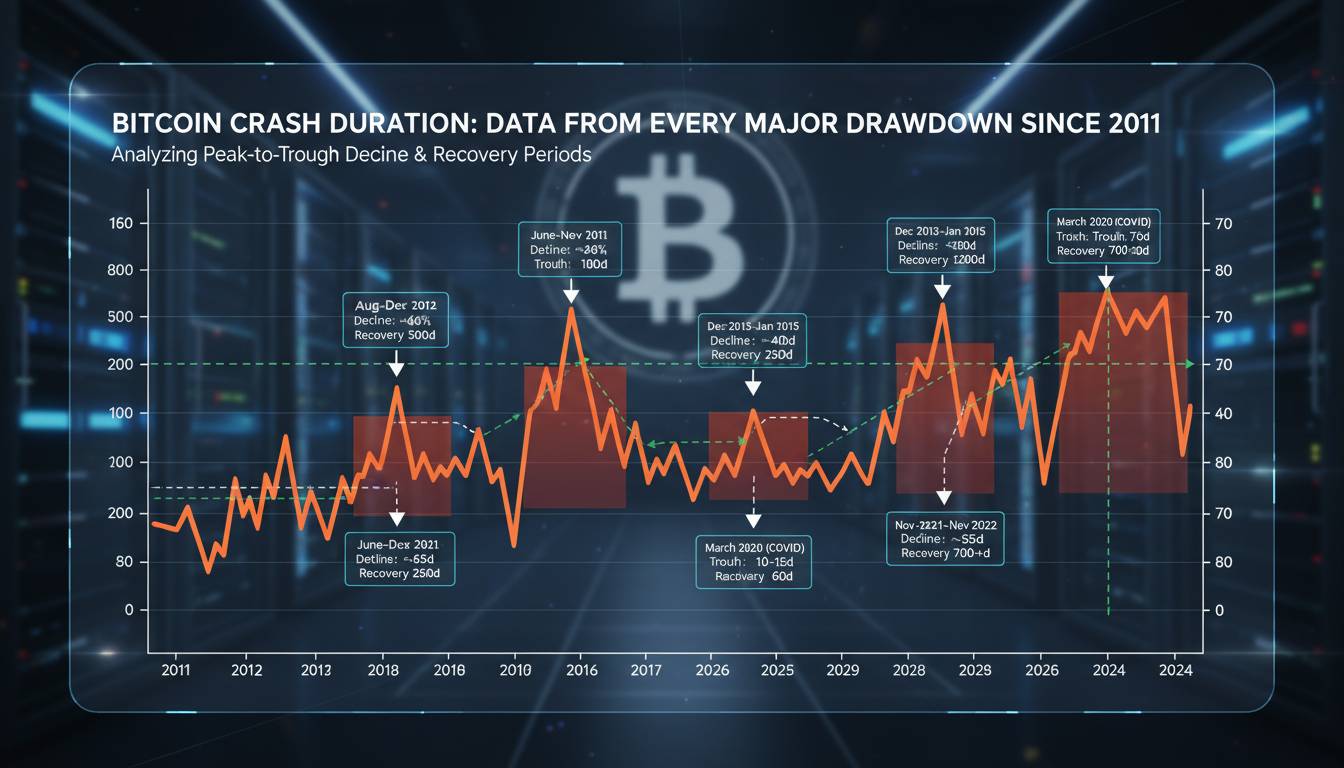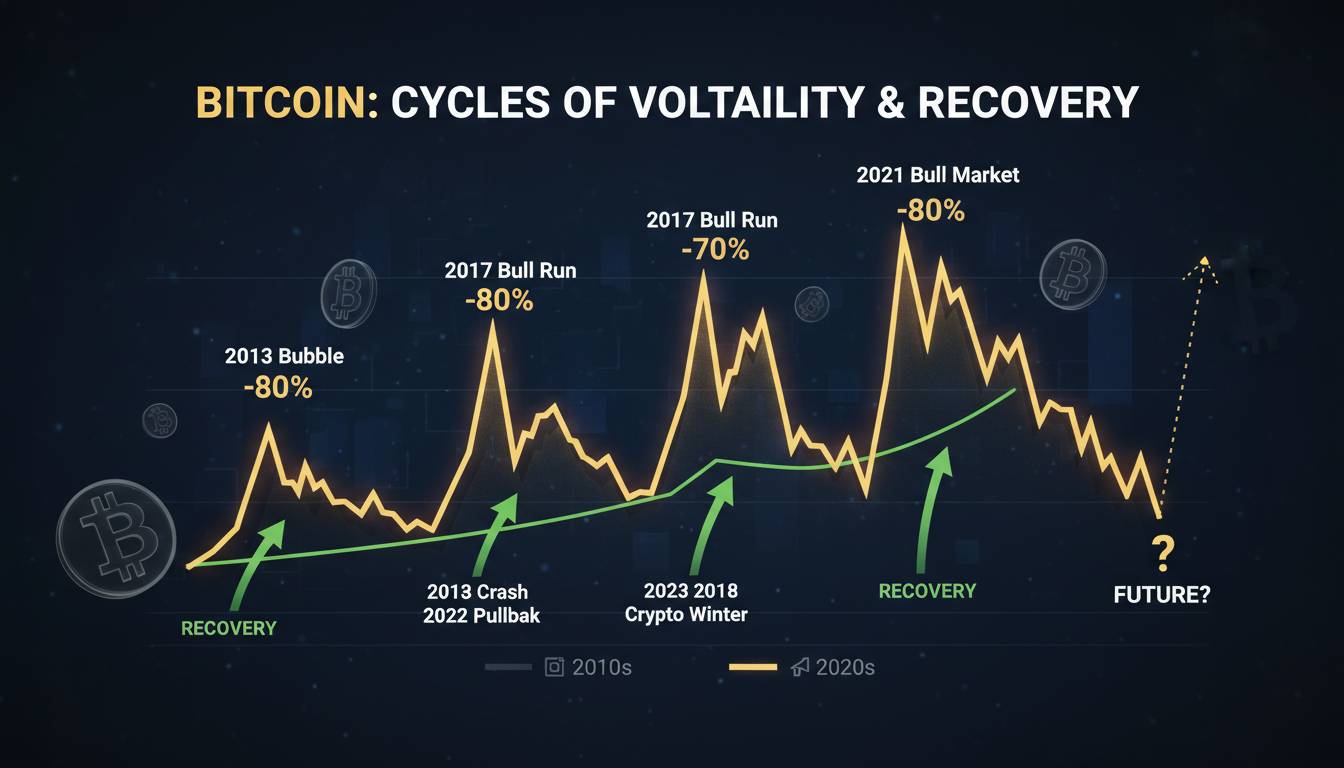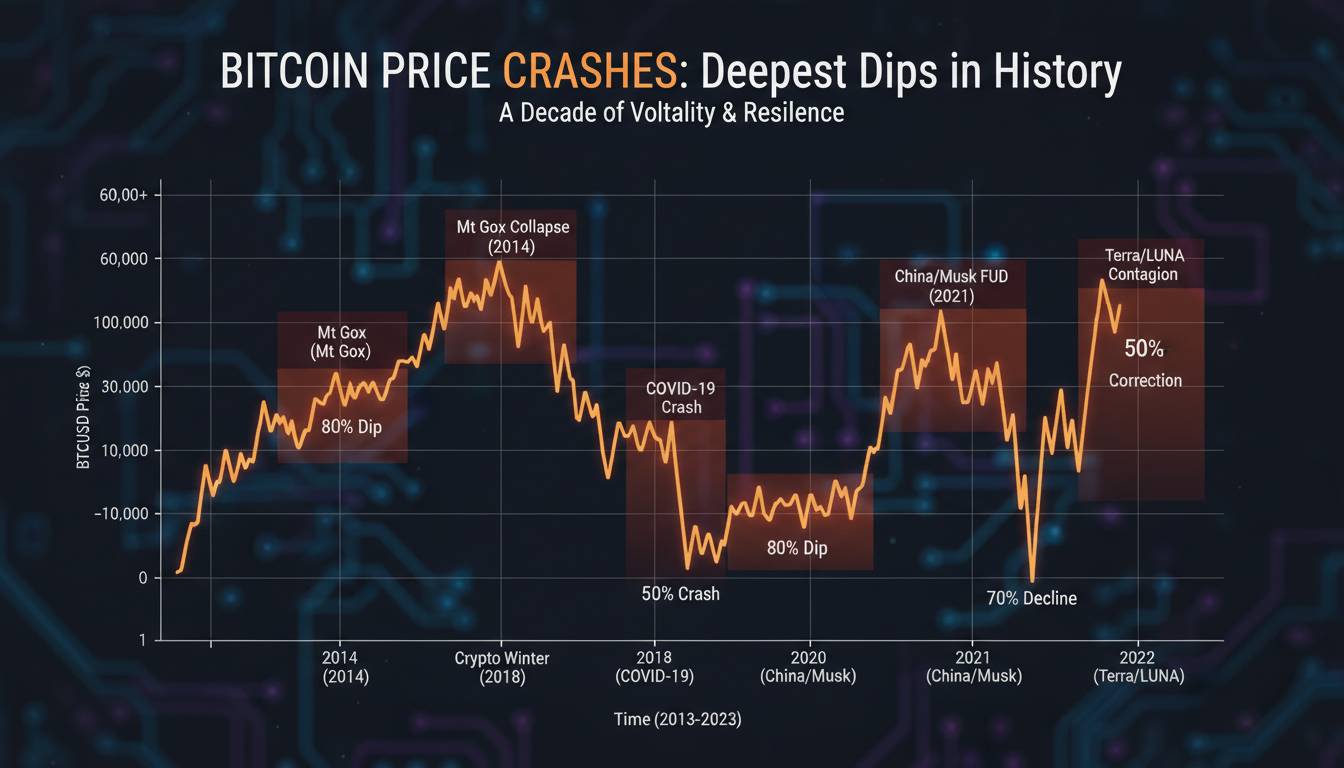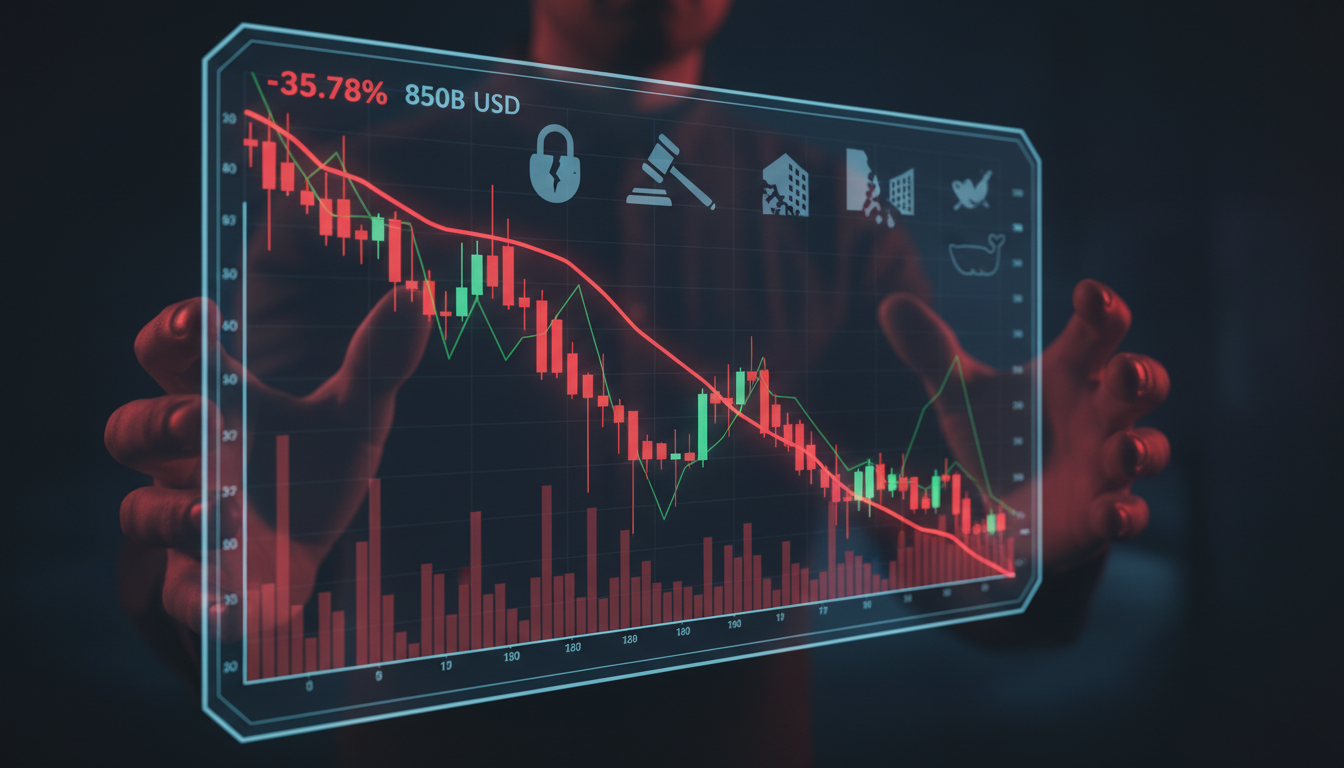

The cryptocurrency market doesn’t crash often—but when it does, the damage is real. Between 2017 and 2024, Bitcoin has experienced seven drawdowns exceeding 50%, with three of those surpassing 75%. If you’ve been in this space long enough, you’ve either lived through one of these bloodbaths or you’re about to. The difference between those who survive and those who get wiped out isn’t luck—it’s preparation and mindset.
This guide isn’t about predicting the next crash. It’s about what you do when it’s happening, when your portfolio is bleeding, and when every headline screams doom. I’ve watched investors panic-sell at the bottom in 2018, margin-call their way to zero in 2021, and make the same mistakes again in 2022. The patterns are predictable because human psychology doesn’t change. What follows is what actually works when the market tanks.
1. Stop Looking at Your Portfolio
Close the app. I’m serious. During the COVID crash of March 2020, Bitcoin dropped 37% in 24 hours. The next several weeks saw volatility that made most traditional investors physically ill. The people who made it through intact weren’t the ones watching the price every hour—they were the ones who had already decided, before the crash, that they wouldn’t look.
Losses hurt roughly twice as much as equivalent gains feel good. When you’re staring at a portfolio down 60%, your brain fights against rational decision-making. Every cell in your body screams “sell before it gets worse.” That’s the wrong move, most of the time.
Set a calendar reminder to check your portfolio once a month during a crash. Better yet, have someone else hold your keys if you can’t trust yourself. The crash will end eventually, and you’ll want to have survived it with your position intact.
2. Distinguish Between a Correction and a Crash
Not every dip is worth surviving. Some are warnings. The distinction matters.
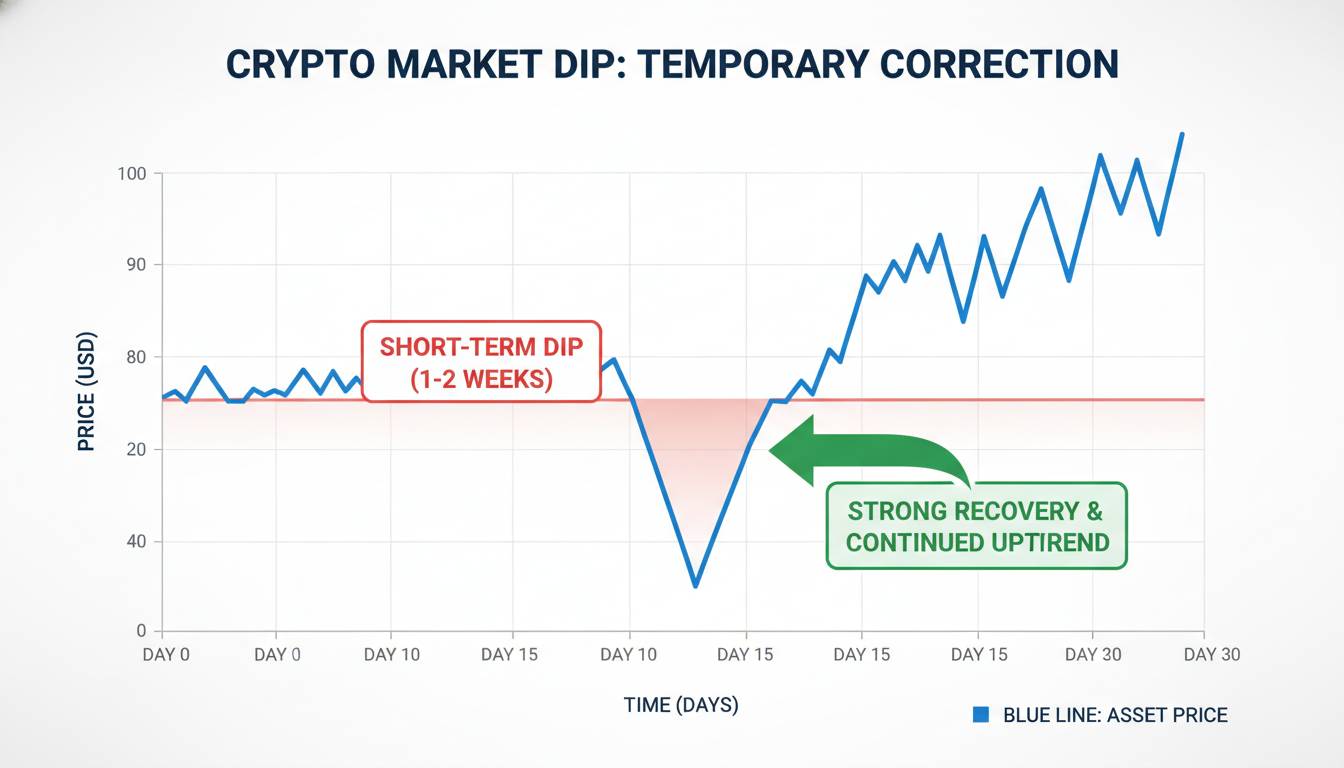
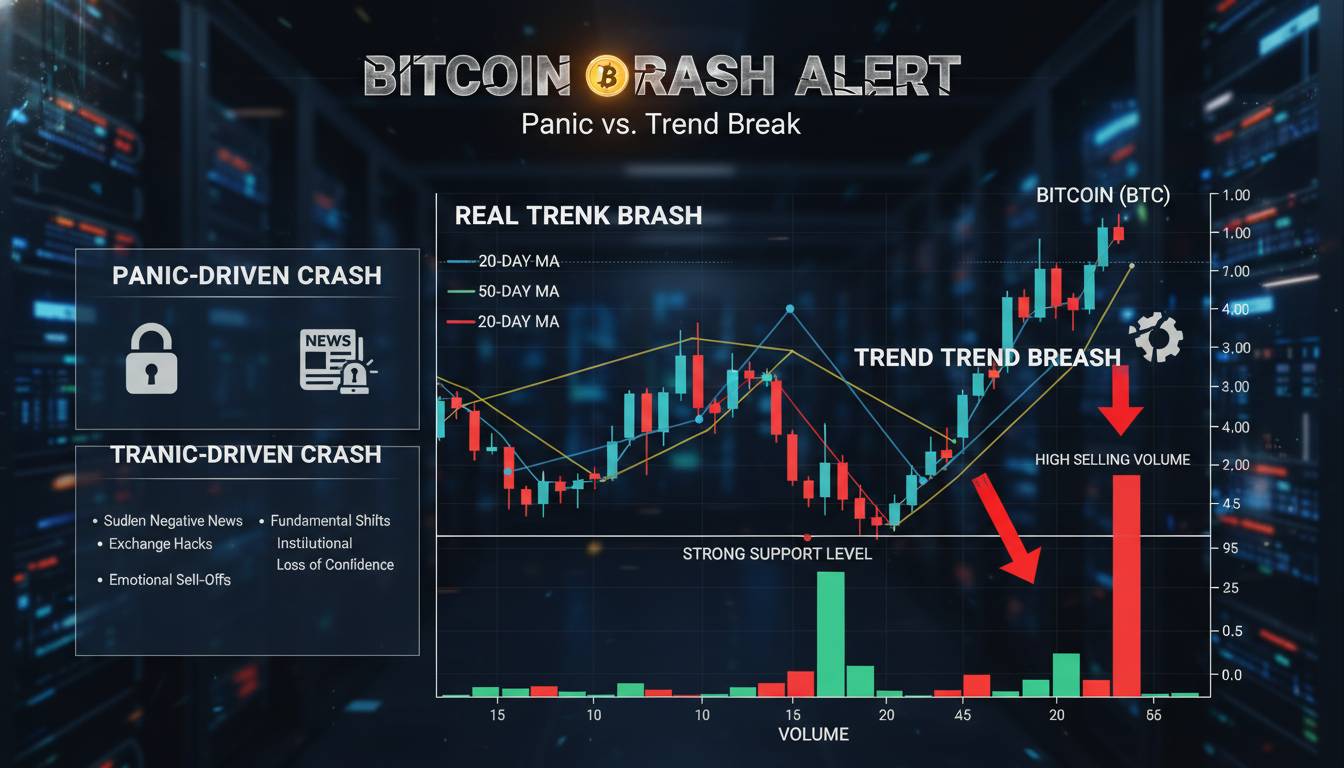
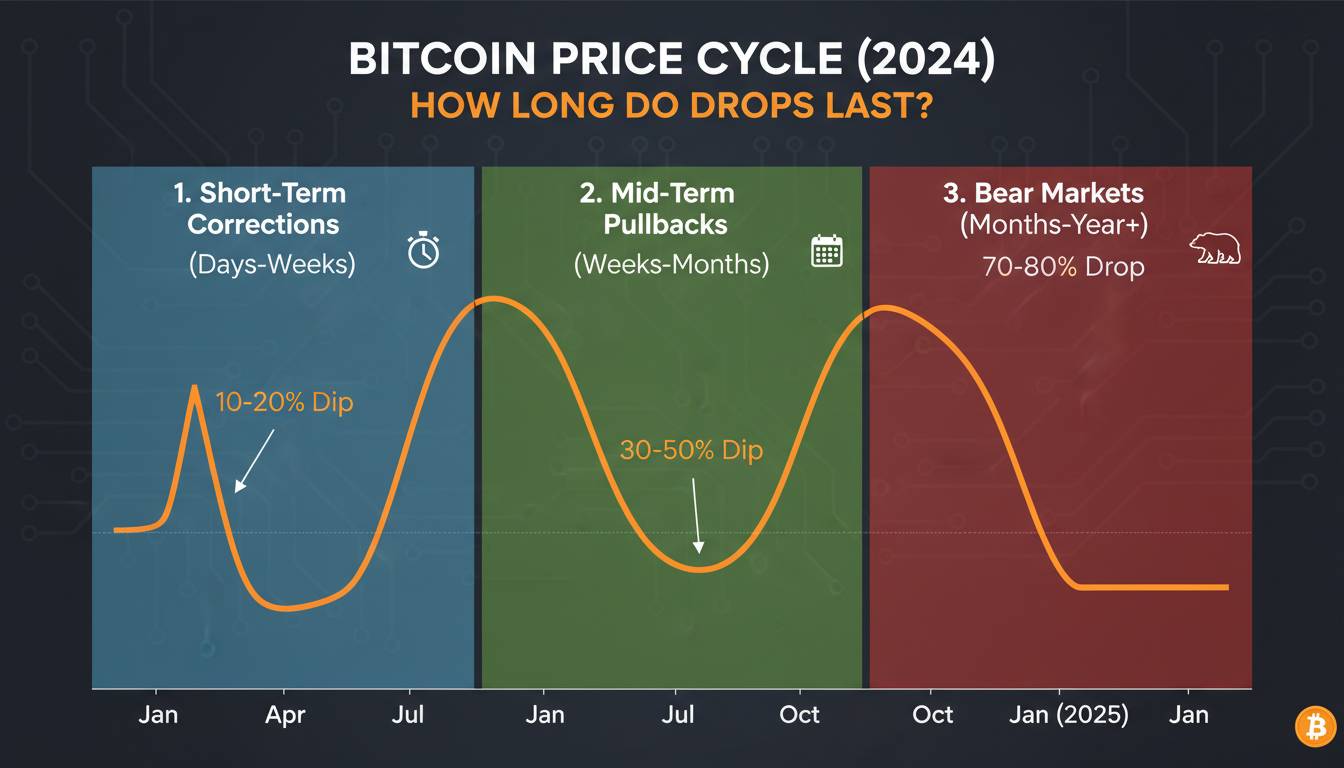
A correction is a healthy pullback in an overall uptrend—typically 10-30%—that clears out overleveraged positions and weak hands. Corrections are normal. They happen multiple times per cycle. If you sell every time Bitcoin drops 15%, you’ll never hold through a full cycle.
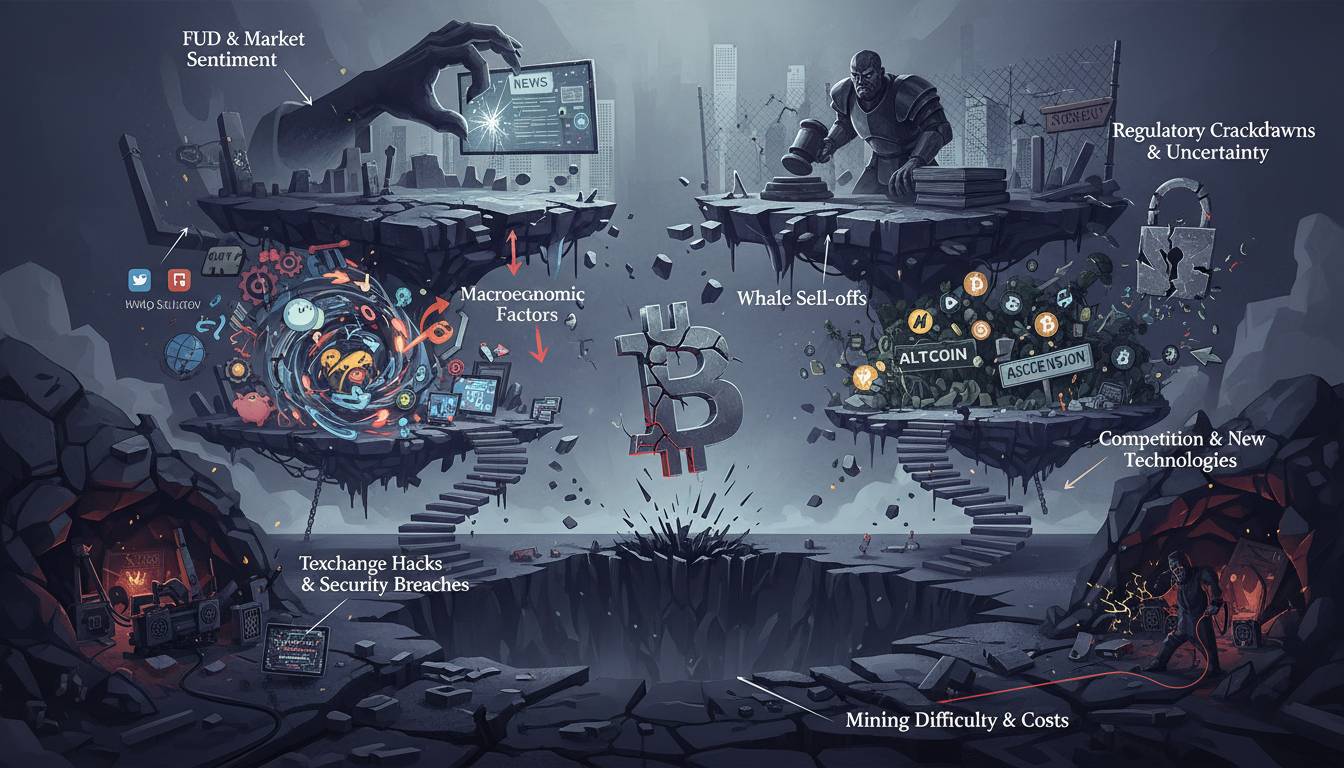
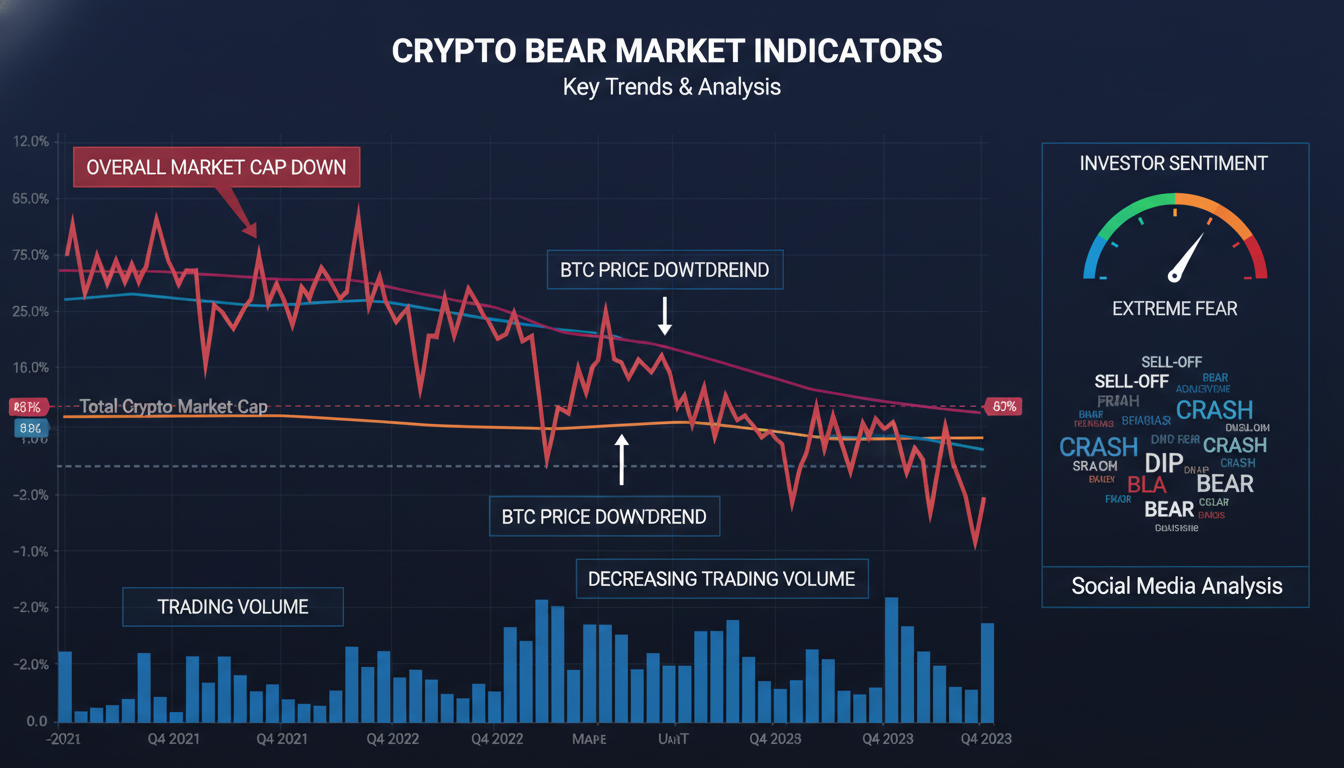
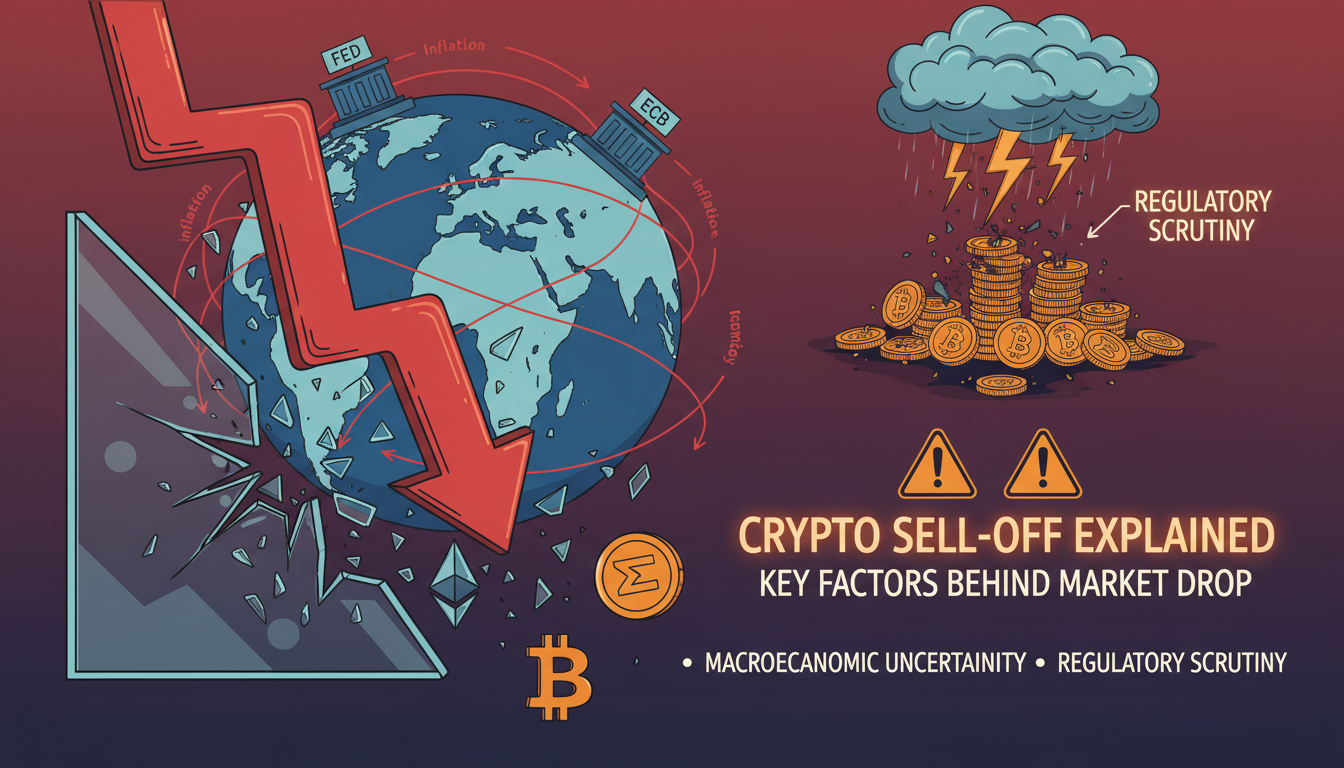
A crash is different. It’s a systemic failure—often triggered by a specific event—where markets collapse 50% or more in weeks or months. The 2022 crash wasn’t just about price; it was about the collapse of major ecosystems (Terra/Luna), Three Arrows Capital, FTX, and dozens of other leveraged players. That wasn’t a correction. That was an extinction-level event for overleveraged participants.
Ask yourself: Is this a healthy pullback, or is the fundamental structure of the market breaking down? If major institutions are failing and the infrastructure itself is in question, that’s different from “Bitcoin is down and Twitter is scared.”
3. Never Invest More Than You Can Afford to Lose
I’m putting this here because it needs to be said, and I know most people will ignore it until it’s too late. In 2021, during the meme coin craze, I watched people mortgage houses, take out personal loans, and borrow from retirement accounts to buy cryptocurrency. They weren’t dumb—they were greedy, and greed makes everyone dumb.
Only invest money you can afford to lose entirely. Not “lose most of.” Lose entirely. If you can’t stomach your entire crypto portfolio going to zero, you have too much in it. When your rent money is on the line, you cannot make rational decisions during a crash. You’ll sell at the exact wrong moment because you have no choice.
If you’re reading this and your stomach just clenched, that’s your answer. Reduce your position until you can watch a 90% drawdown without panic.
4. Hold Cash Reserves Separately
Maintain a separate cash position outside of crypto. During a crash, you want liquidity—not more exposure. If you have $10,000 in crypto and $3,000 in a savings account, you’re actually more vulnerable than someone with $5,000 in crypto and $5,000 in cash.
Why? Because during crashes, opportunities emerge. The 2020 COVID crash bottomed on March 12, and the subsequent recovery was violent. Anyone who had dry powder to buy at those prices made serious returns. But you can only deploy that cash if you have it separate from your trading account.
Having six months of expenses in stable assets outside crypto isn’t being too conservative—it’s being intelligent. A crash is not the time to be forced to sell assets to cover living expenses.
5. Understand Your Tax Situation Before You Act
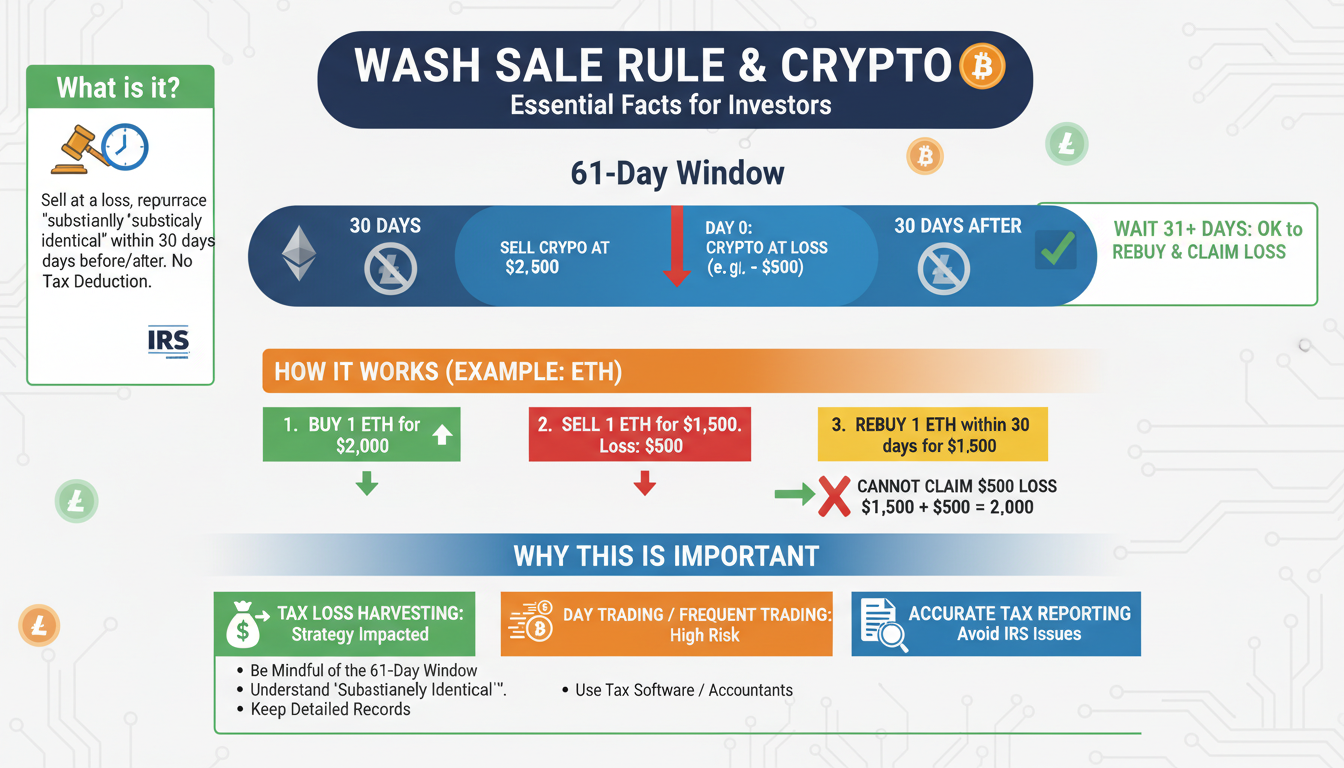
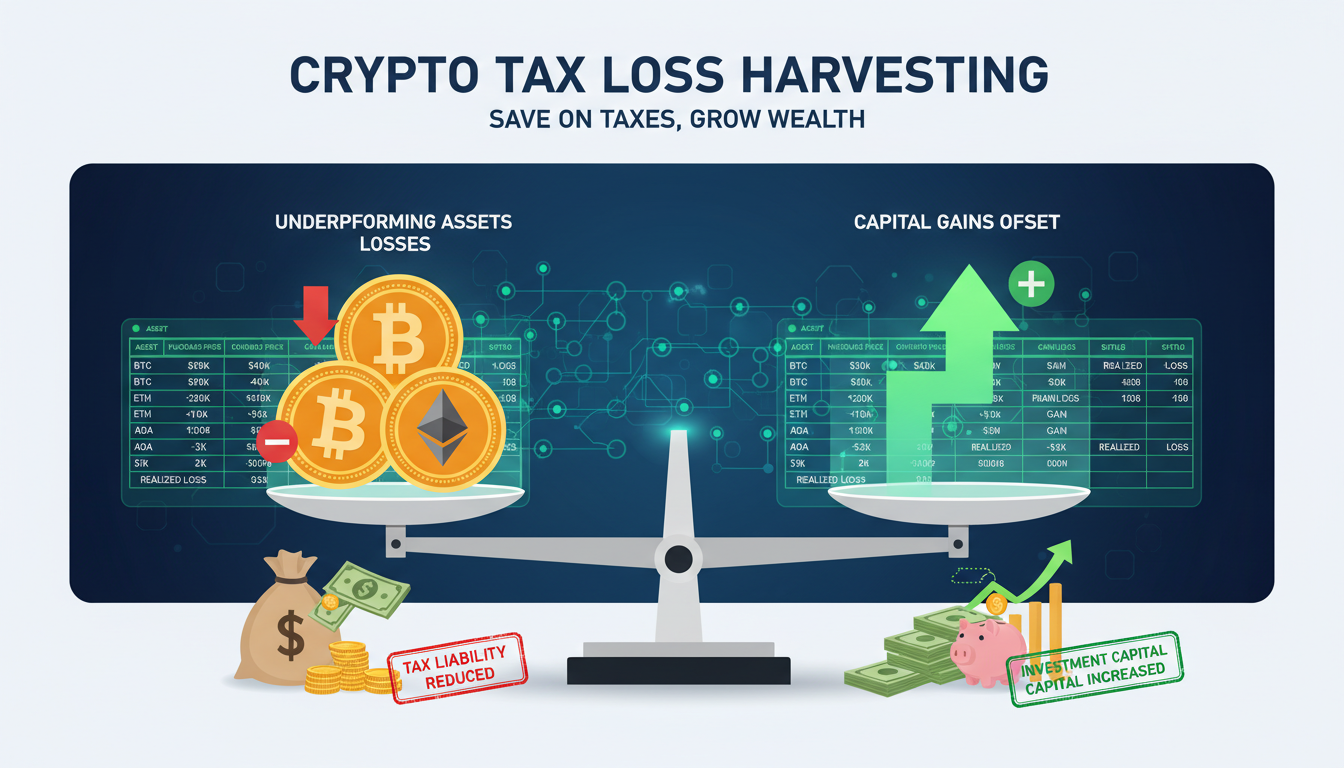
This is the one most people don’t think about until they get a nasty surprise come tax season. In the United States, every sale of cryptocurrency triggers a taxable event. If you sell at a loss, you can deduct up to $3,000 against ordinary income and carry over the rest. This is tax loss harvesting, and it’s one of the few legitimate advantages to a crash.
Here’s where it gets tricky: if you sell a position at a loss and then buy back the same or “substantially identical” asset within 30 days, the IRS disallows the loss deduction. This is the wash sale rule, and it applies to crypto. Many investors have inadvertently triggered wash sales by panic-selling and then buying back in too quickly, losing both their position and their tax benefit.
Before you do anything, understand what your tax basis is. Know whether you’re sitting on unrealized gains or losses. If you’re down significantly, selling might provide a tax benefit you didn’t expect. If you’re up, selling might trigger capital gains taxes you’d rather avoid. The decision shouldn’t be driven by taxes alone, but ignoring them entirely is a mistake.
6. Don’t Try to Catch a Falling Knife
Every crash has a bottom. The problem is that nobody knows where it is until it’s already passed. “Catching the bottom” is one of the most destructive fantasies in investing, and it’s destroyed more portfolios than any crash itself.
Timing the bottom requires being right twice: you have to sell at the top and buy back at the bottom. The people who try to catch falling knives end up buying too early, watching the price drop further, panic-selling at an even lower point, and then watching the recovery from the sidelines.
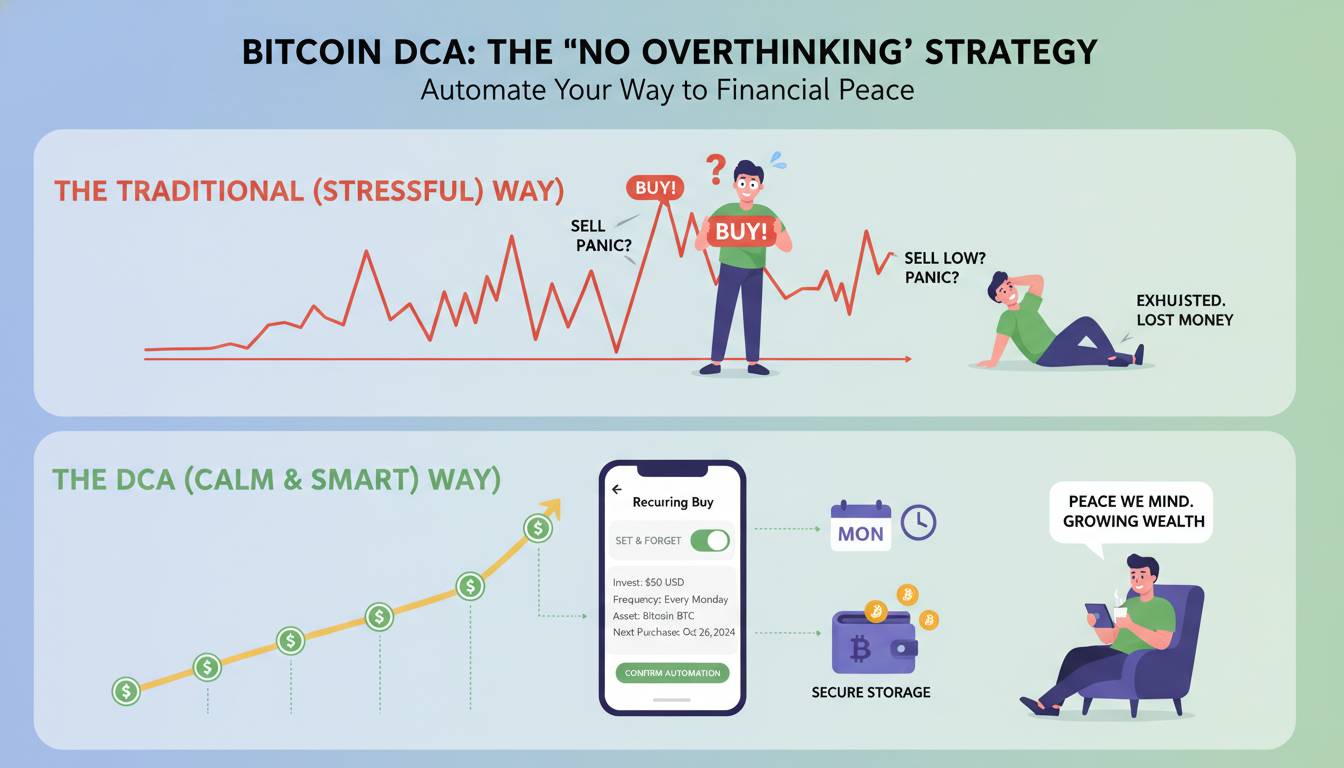
Dollar-cost averaging works in both directions. During a crash, continue buying on a fixed schedule if you’re adding to positions. You don’t need to time anything. If Bitcoin drops 20% this week and you were planning to buy anyway, buying at these levels is better than waiting for a lower price that may never come.
7. Leverage Is the Killer
If you’re using margin, futures, or any form of leverage in crypto, you will get wiped out during a crash. It’s not a matter of if—it’s a matter of when.
In 2021, during the May crash, Bitcoin dropped about 50% in weeks. Leveraged positions were liquidated en masse. In November 2022, as Bitcoin fell from its all-time high, cascading liquidations made the drop steeper than it would have been otherwise. The leverage in the system amplifies both gains and losses, but crashes always win because there’s no upper limit on how much you can lose.
If you’re serious about surviving crypto crashes, zero-leverage is the only sustainable approach. I don’t care how confident you are. I don’t care what the yield farming protocol promises. The math is unforgiving: a 50% drop with 3x leverage is a 100% loss. A 70% drop with 2x leverage is also a total loss. The crash will always eventually arrive, and leverage doesn’t care about your cost basis.
8. Know Your Exit Strategy Before You Need It
Plan your exit now, while the market is calm. This is the most practical advice in this entire guide.
Ask yourself: at what price point, or what percentage drawdown, would you actually sell? What circumstances would need to change for you to abandon your position entirely? Write these down. Not to follow them rigidly, but to have a framework so that when panic sets in, you’re not making decisions in the heat of the moment.
Many successful investors use trailing stop-losses, though these come with their own risks in volatile markets. Others set mental thresholds: “If Bitcoin drops below $X, I’m taking 10% off the table.” Having this predetermined removes the emotional burden of making decisions while terrified.
Make these decisions when your rational mind is in control, not when cortisol is flooding your bloodstream.
9. Ignore the Noise—Especially on Social Media
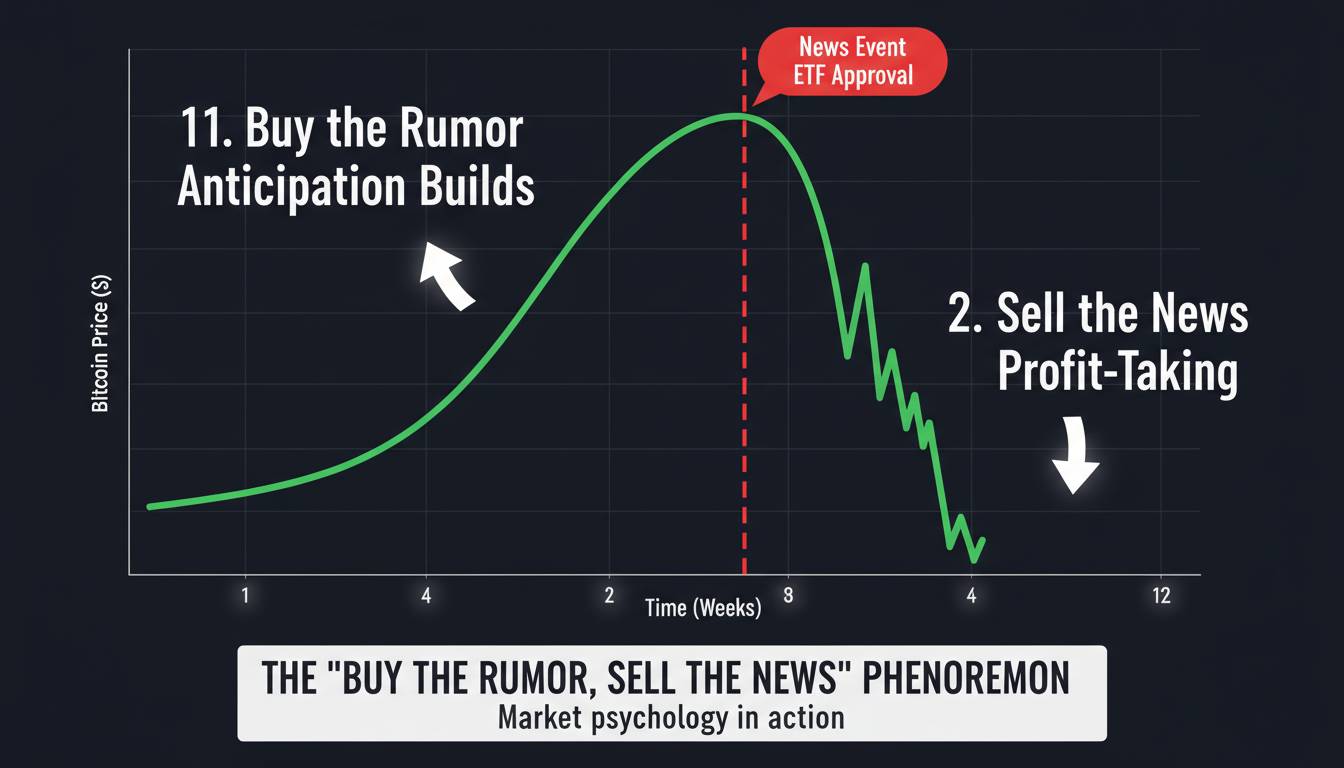
Twitter/X during a crypto crash is a masterclass in collective delusion. You’ll see people claiming the end of crypto is near, that Bitcoin will go to zero, that regulations will destroy everything. You’ll also see people claiming this is the greatest buying opportunity of the century, that the crash is over, that you’re a coward for not buying more. Both sides are loud. Both sides are usually wrong.
The truth is that nobody knows what’s going to happen in the short term. The people screaming the loudest have the same information you do—they’re just more confident about it. Social media amplifies extreme views because extreme views get engagement. Nuanced analysis doesn’t go viral. Panic does.
If you must check social media during a crash, follow people who were right in previous crashes—not people who are currently screaming the loudest. Look for measured analysis from people who have actually been through multiple cycles. Everyone is an expert in a bull market.
10. Use Hardware Wallets When You’re Not Trading
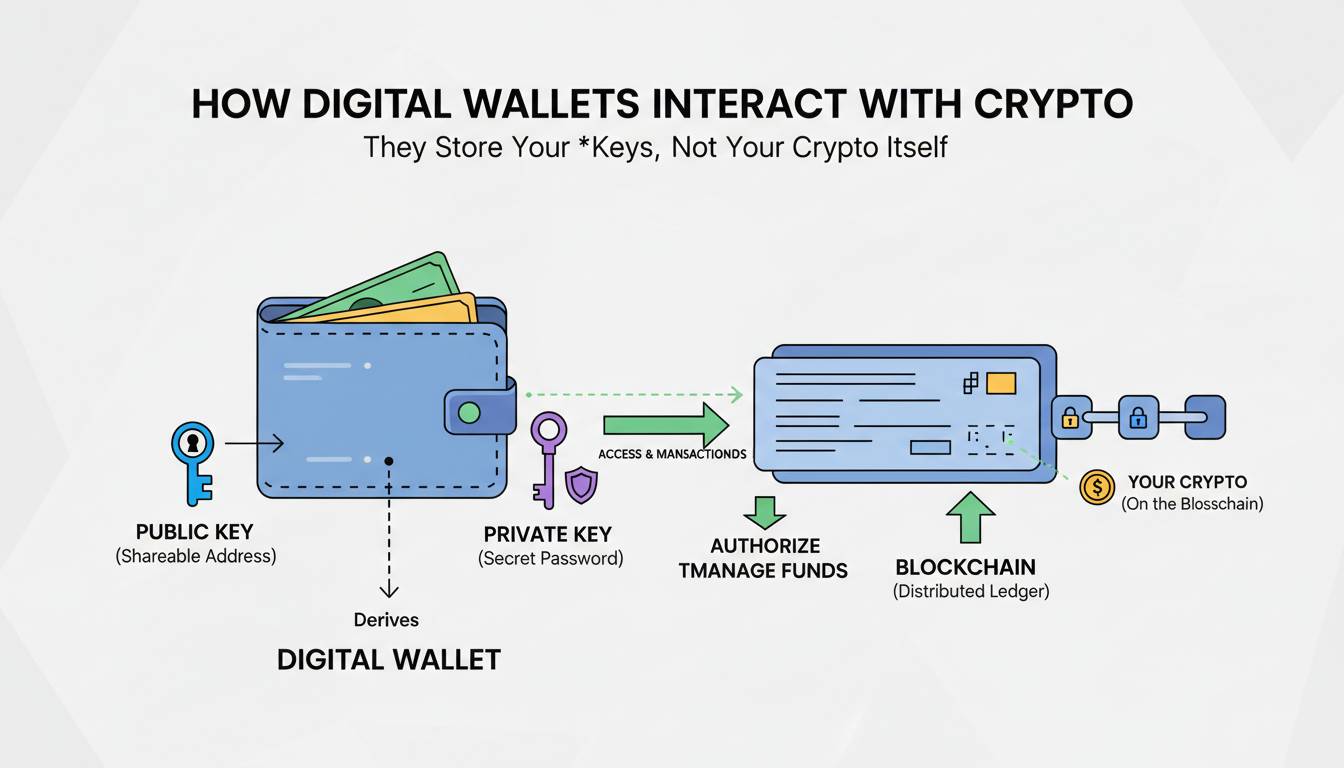
This might seem like basic advice, but it matters more during a crash than at any other time. When your assets are on an exchange during a crash, you’re exposed to counterparty risk—the possibility that the exchange itself fails.
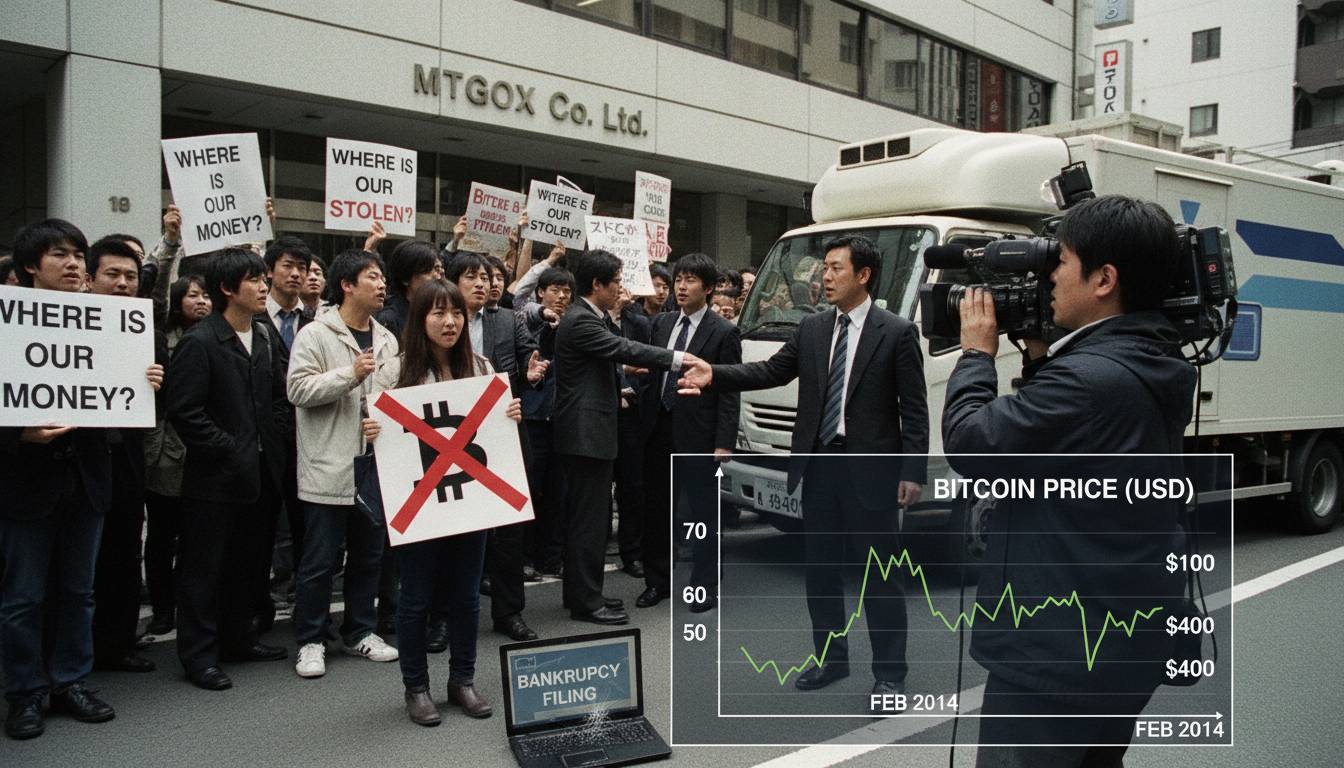
This isn’t theoretical. In 2022, FTX collapsed, and billions in customer funds disappeared. Celsius, Three Arrows Capital, and Voyager all filed for bankruptcy. Customers are still fighting through legal proceedings to recover fractions of their assets. Being your own bank means accepting the responsibility of securing your keys, but it also means you’re not dependent on a third party surviving a liquidity crisis.
Hardware wallets cost $100-200 and represent the single most important security investment you can make. During a crash, when exchanges might be experiencing withdrawal delays or facing solvency questions, the peace of mind of knowing your keys are in your possession is worth far more than the cost.
11. Document Everything for Future Reference
After every crash, successful investors do something most people don’t: they write down what happened. Not just the price action, but their own behavior. What did you feel? When did you want to sell? What mistakes did you make? What would you do differently?
This serves two purposes. First, it creates a record you can reference during the next crash when your memory of current emotions has faded. “In 2022, I felt like selling at $20,000, and I’m glad I didn’t” is powerful context to have when you’re terrified in the moment.
Second, it builds self-awareness. Most people drastically overestimate their risk tolerance. They think they’ll hold through a crash until they’re actually in one. Documenting your actual behavior—not your intended behavior—gives you a realistic view of yourself. If you sold in a panic this time, the answer isn’t to promise you’ll do better next time. The answer is to adjust your position size so you don’t face that same pressure.
Conclusion
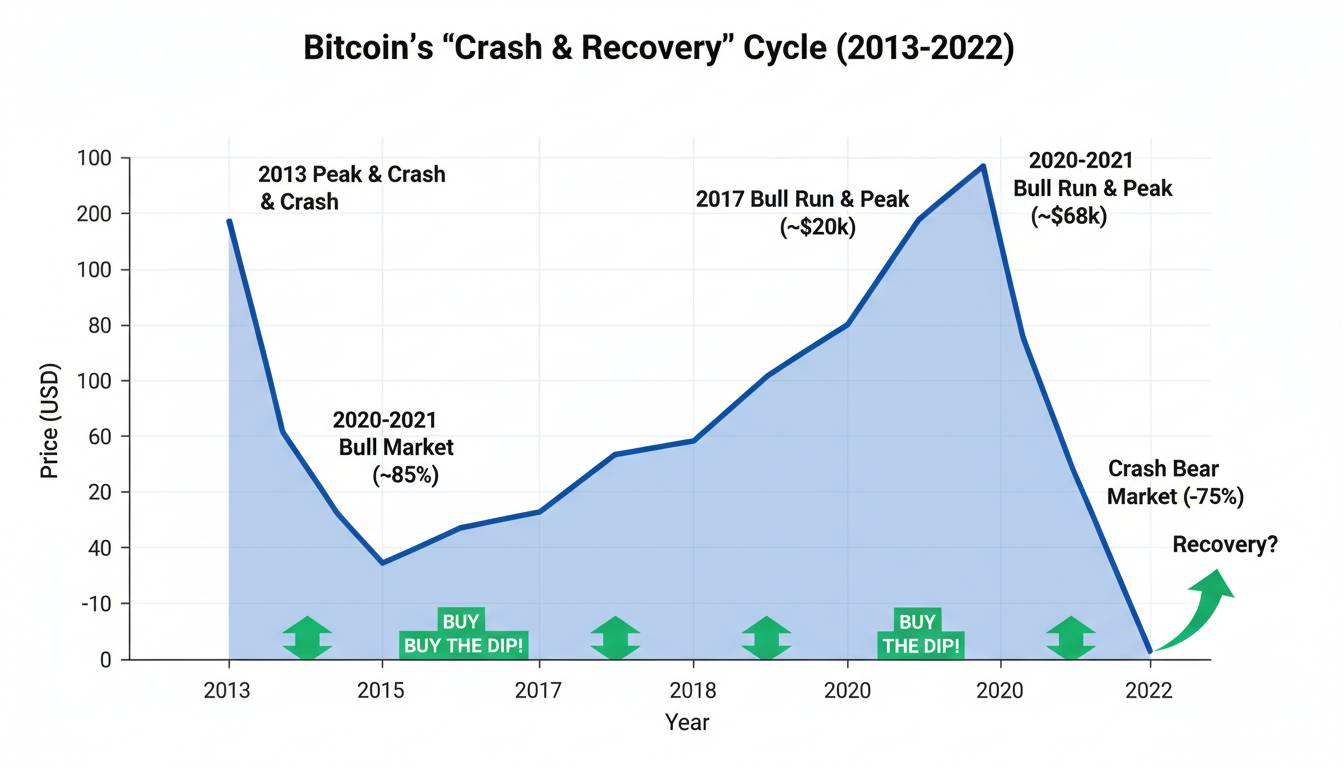
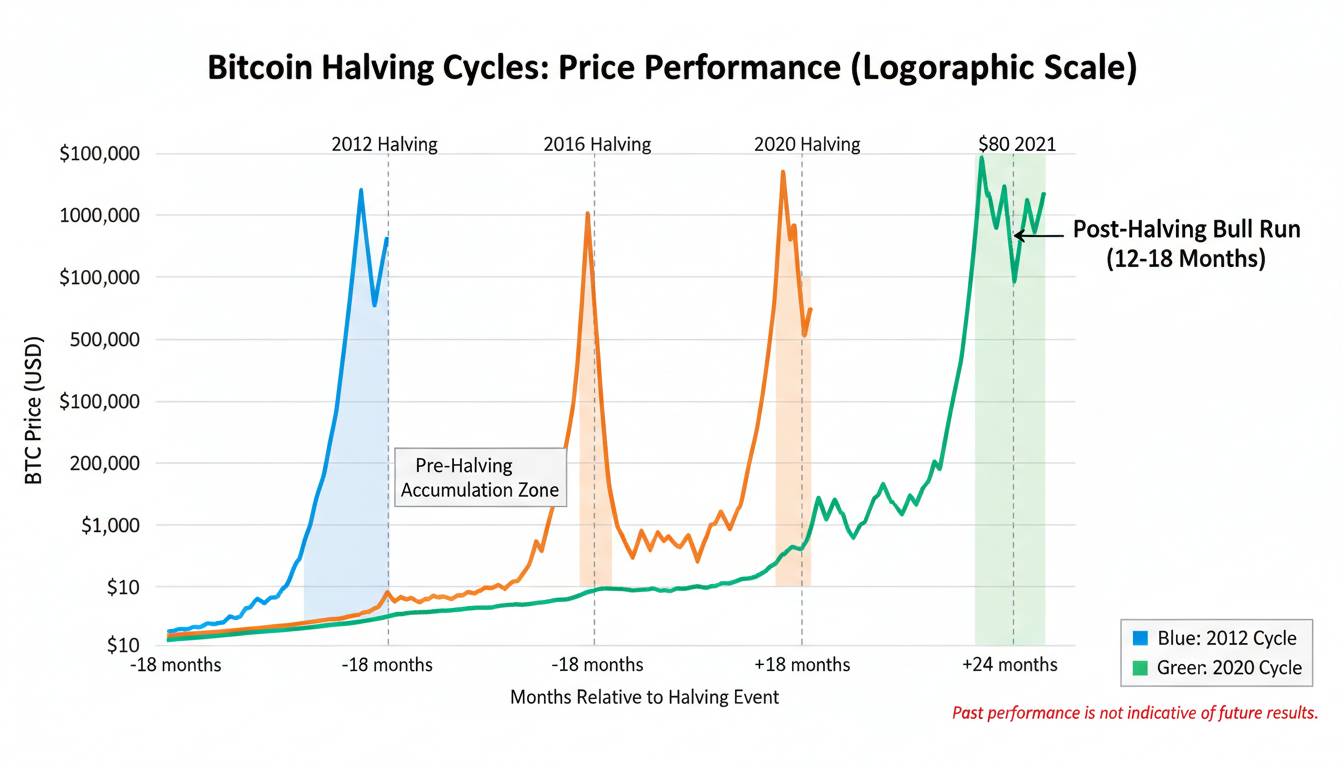
Crypto crashes are violent, terrifying, and eventually temporary. Bitcoin has survived every crash in its fifteen-year history, and it will survive the next one. The investors who make it through aren’t the ones who predict the future—they’re the ones who prepare for volatility as an inevitable feature of the asset class.
The real question isn’t whether you can survive the next crash. It’s whether you’ve built a financial and psychological foundation that makes survival the default outcome, not a heroic effort. Position size, leverage, cash reserves, exit plans, and emotional discipline—these aren’t secrets. They’re just uncomfortable truths that most people prefer to ignore until the crash is already underway.
The best time to prepare was before the crash. The second-best time is right now.