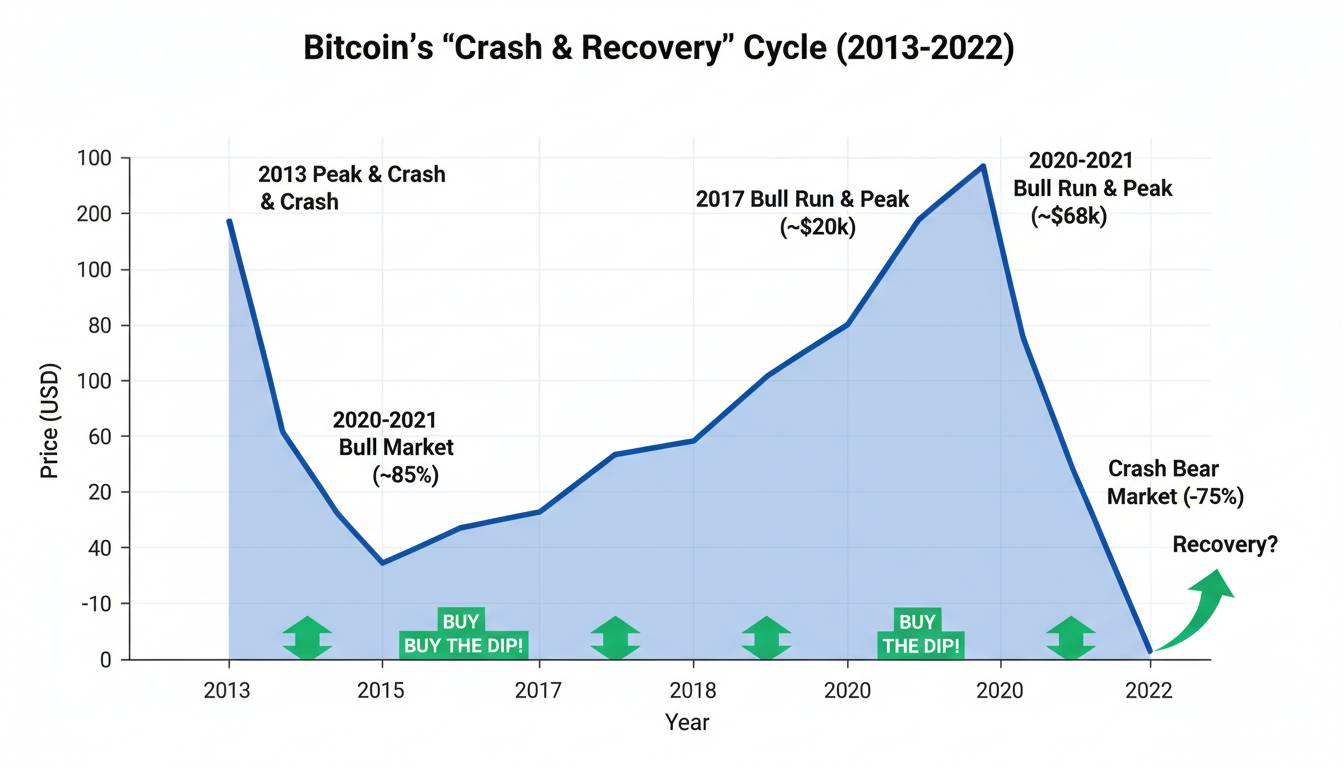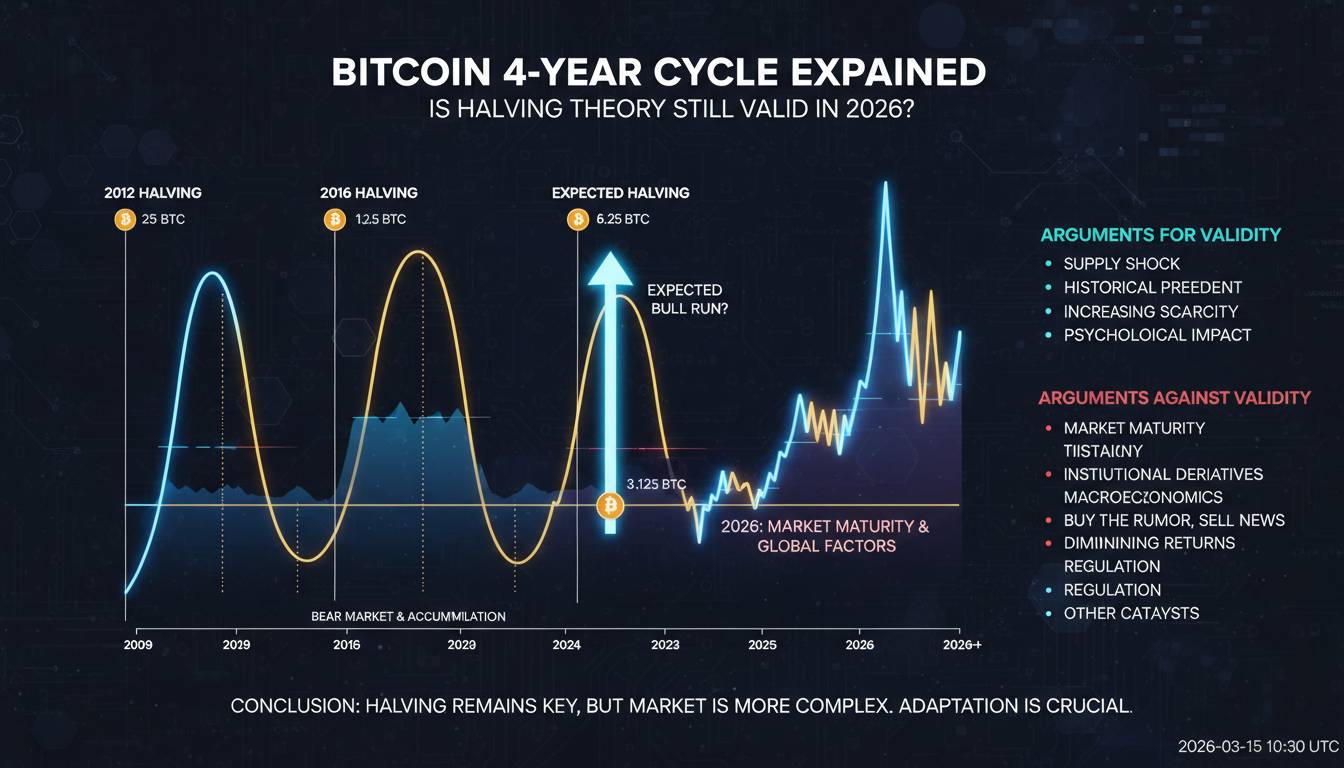

If you’re holding Bitcoin right now, you’ve already survived three major bull cycles and two devastating drawdowns. You know the market rewards conviction and punishes hesitation. But 2026 sits at an inflection point—unlike any cycle I’ve witnessed in my twelve years tracking this asset. The dynamics that drove previous rallies (limited supply narrative, retail FOMO, halving events) are now colliding with unprecedented variables: sovereign wealth fund allocations, corporate treasury adoption, and a regulatory landscape that could flip overnight depending on which way policy winds blow in Washington, Brussels, and Beijing.
What happens next isn’t a single prediction. It’s a probability distribution. Understanding the range—not just the outcome you hope for—is what separates sophisticated holders from those who get rekt by their own confirmation bias.
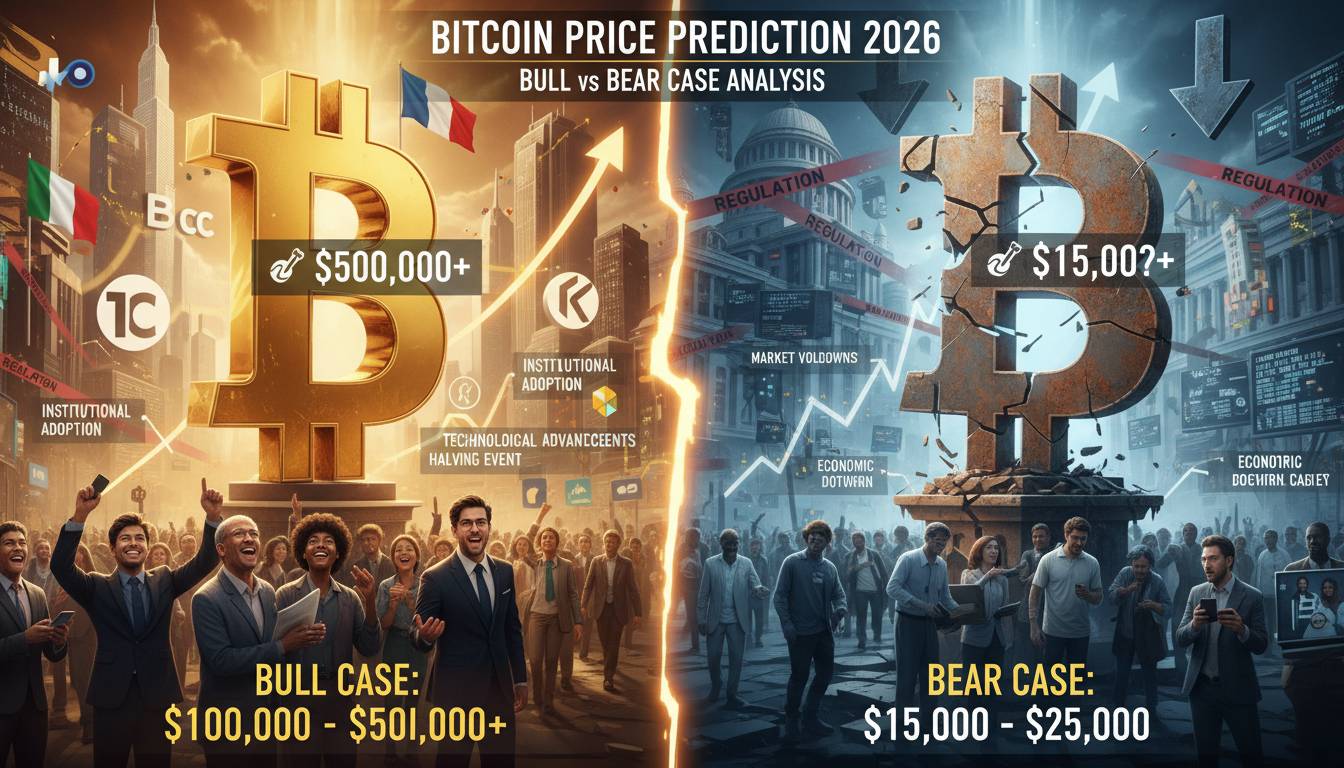
Here are five scenarios for Bitcoin by the end of 2026, each grounded in current trajectories but honest about where the assumptions could break.
Scenario 1: The Institutional Maturation Play ($150,000–$200,000)
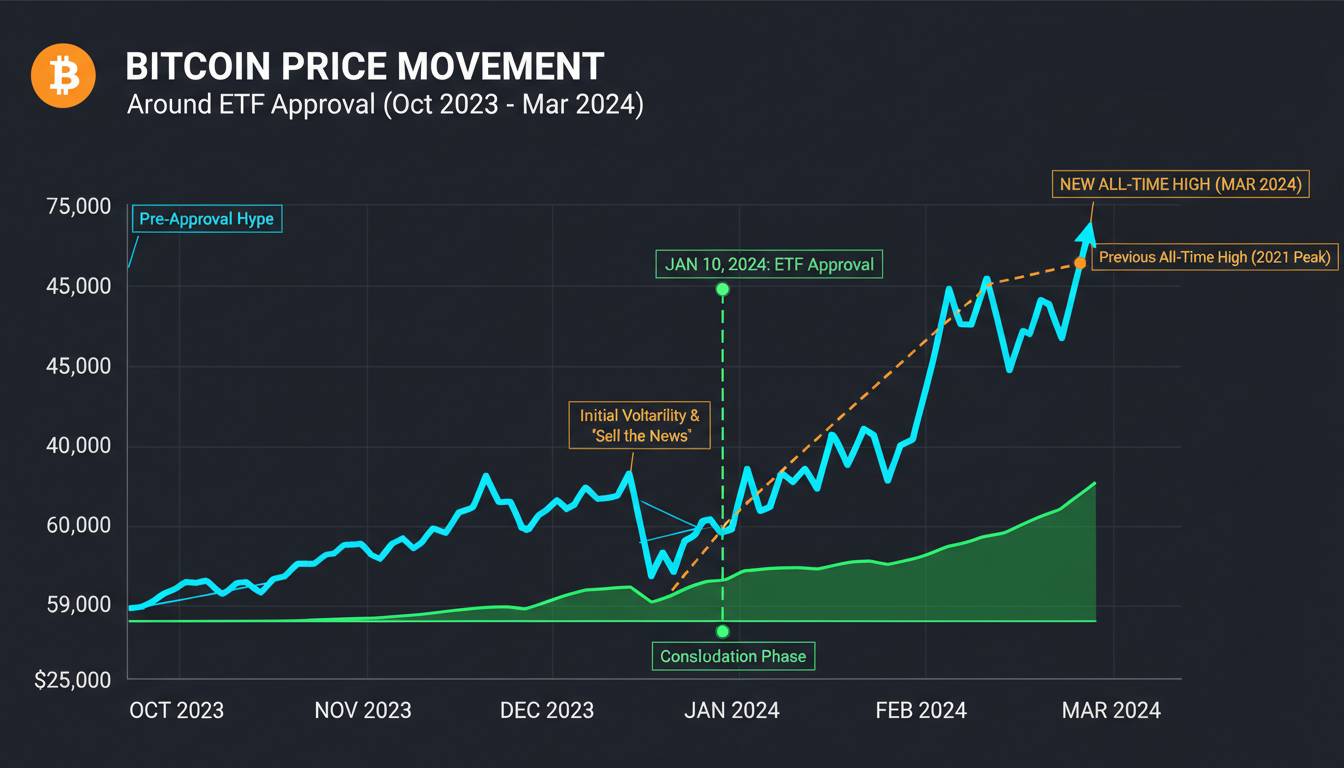
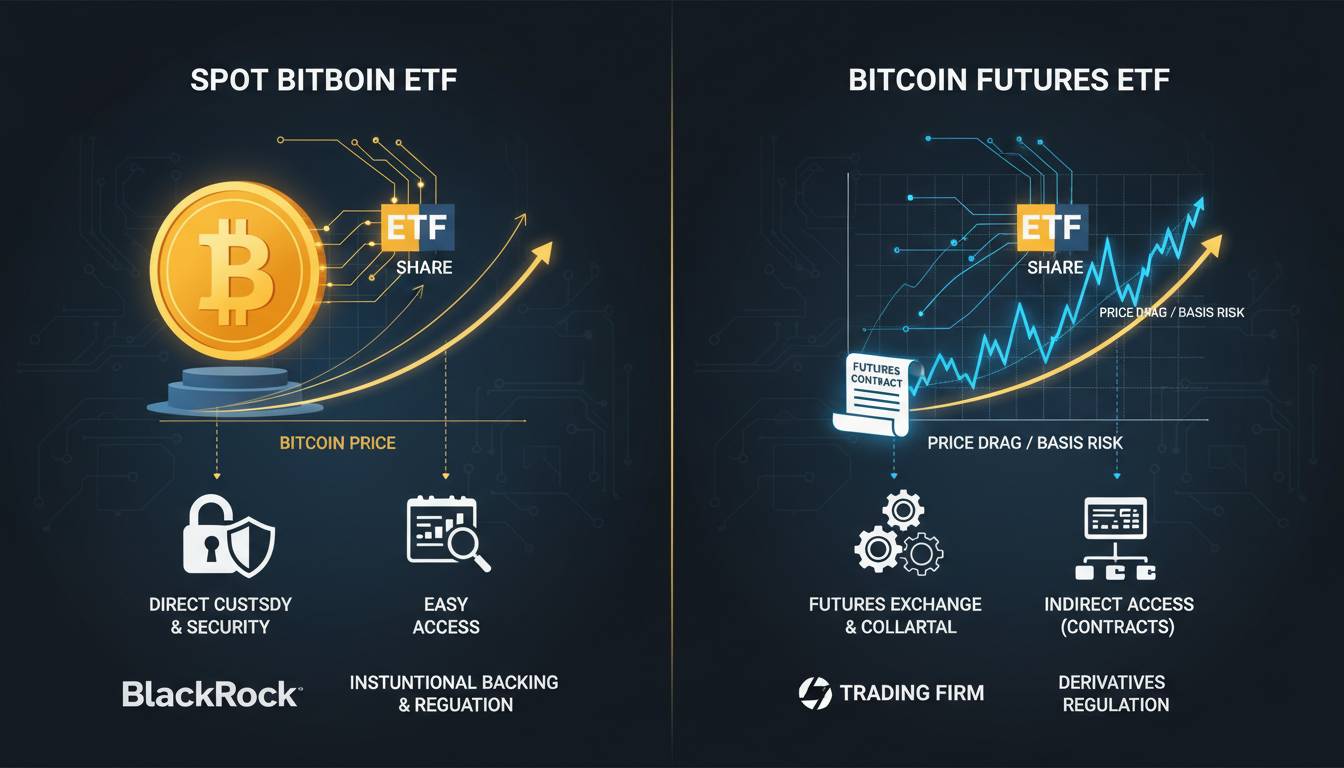
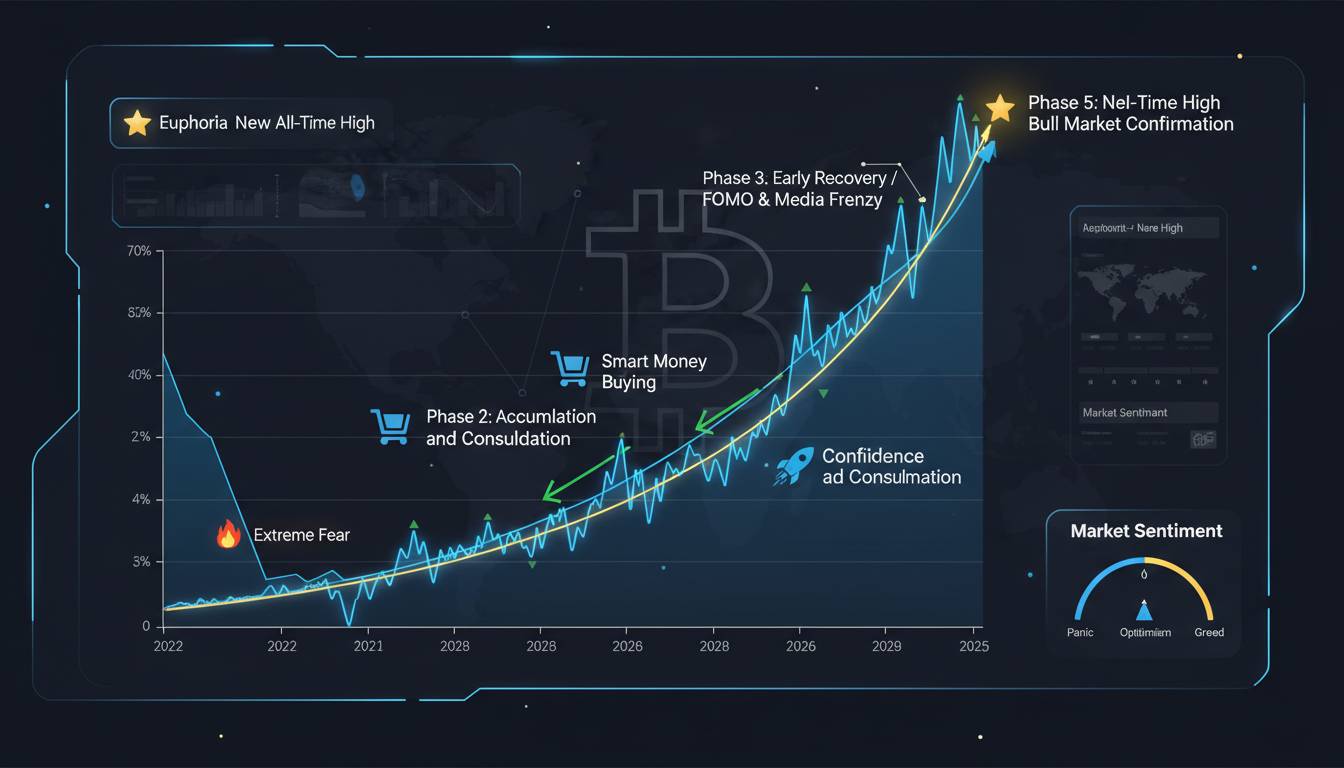
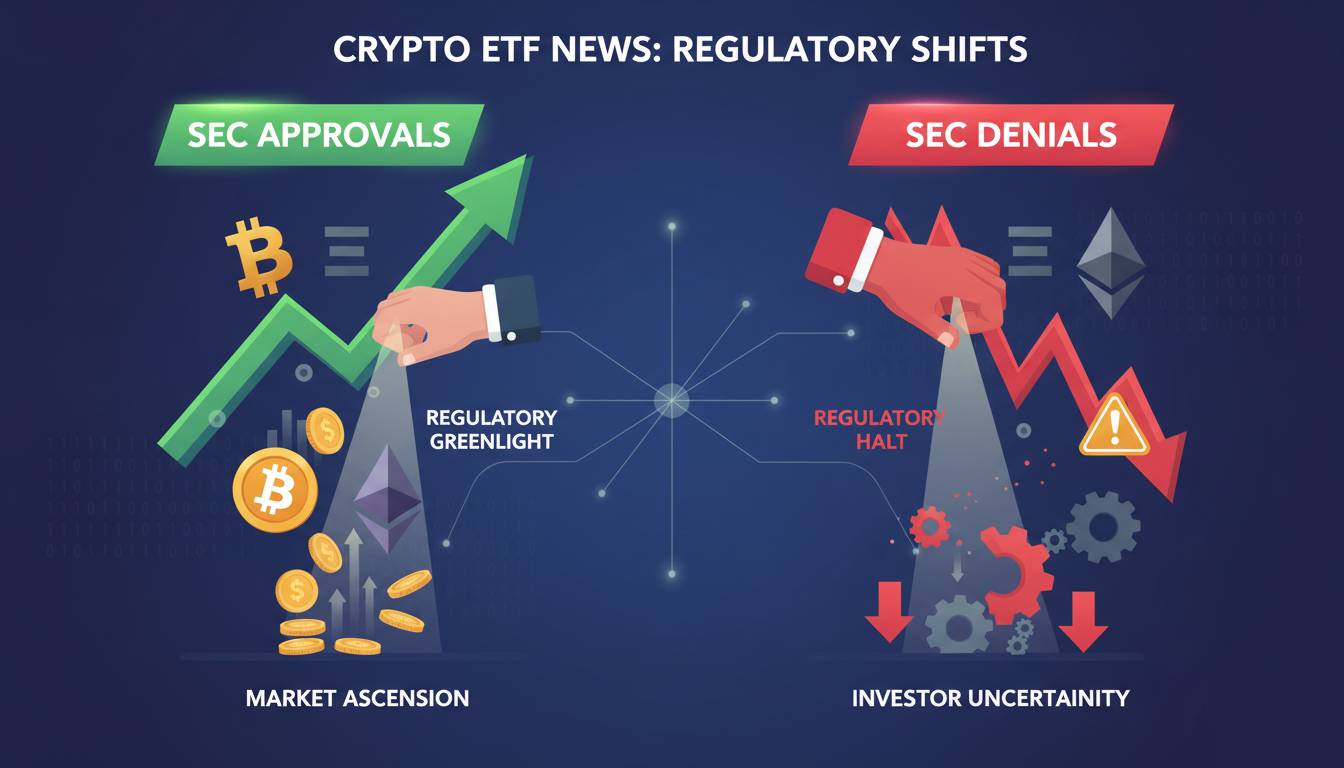
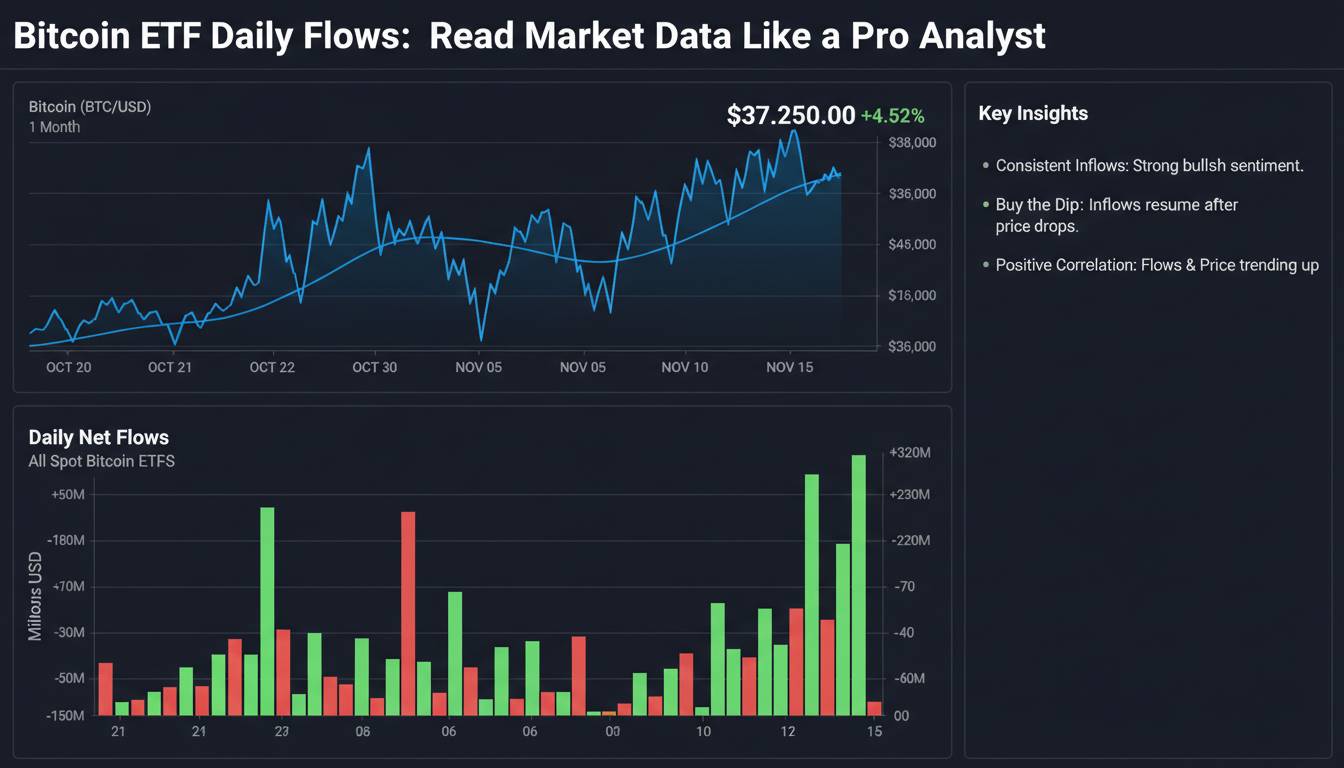
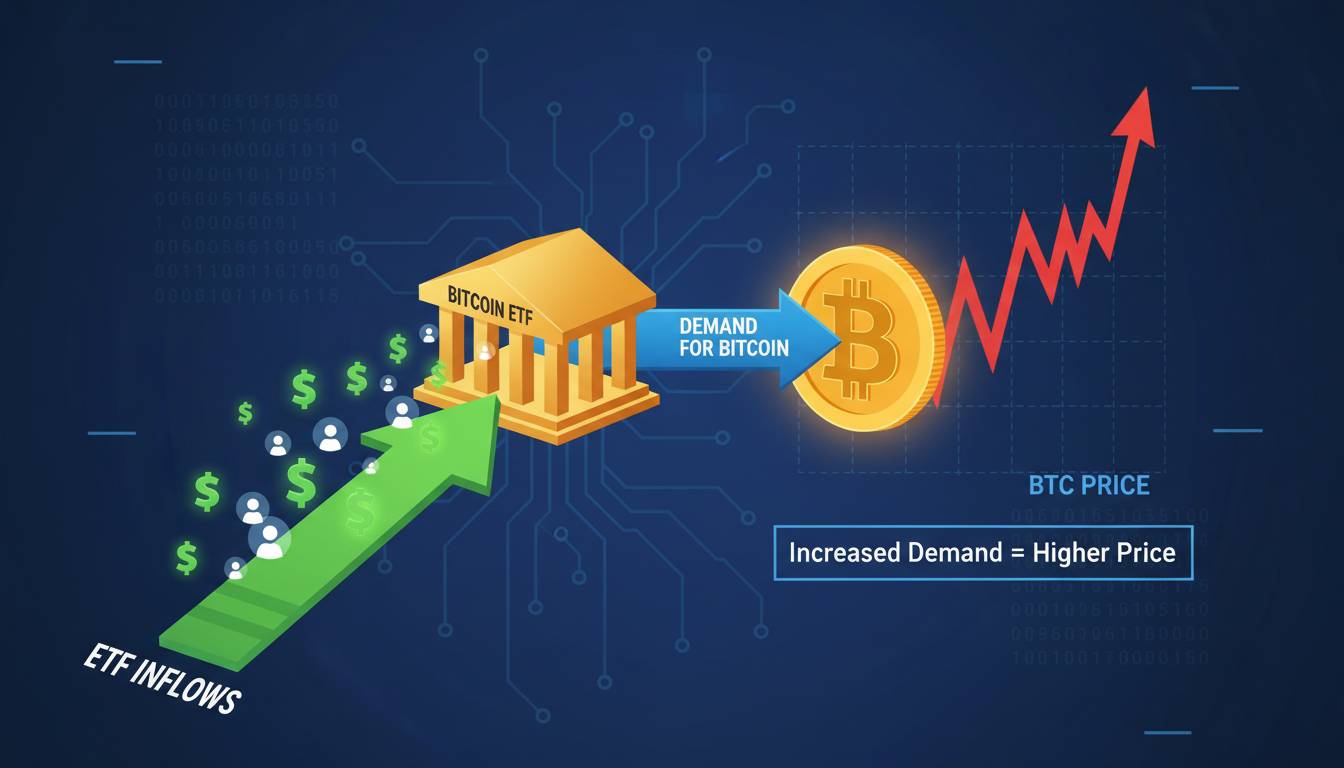
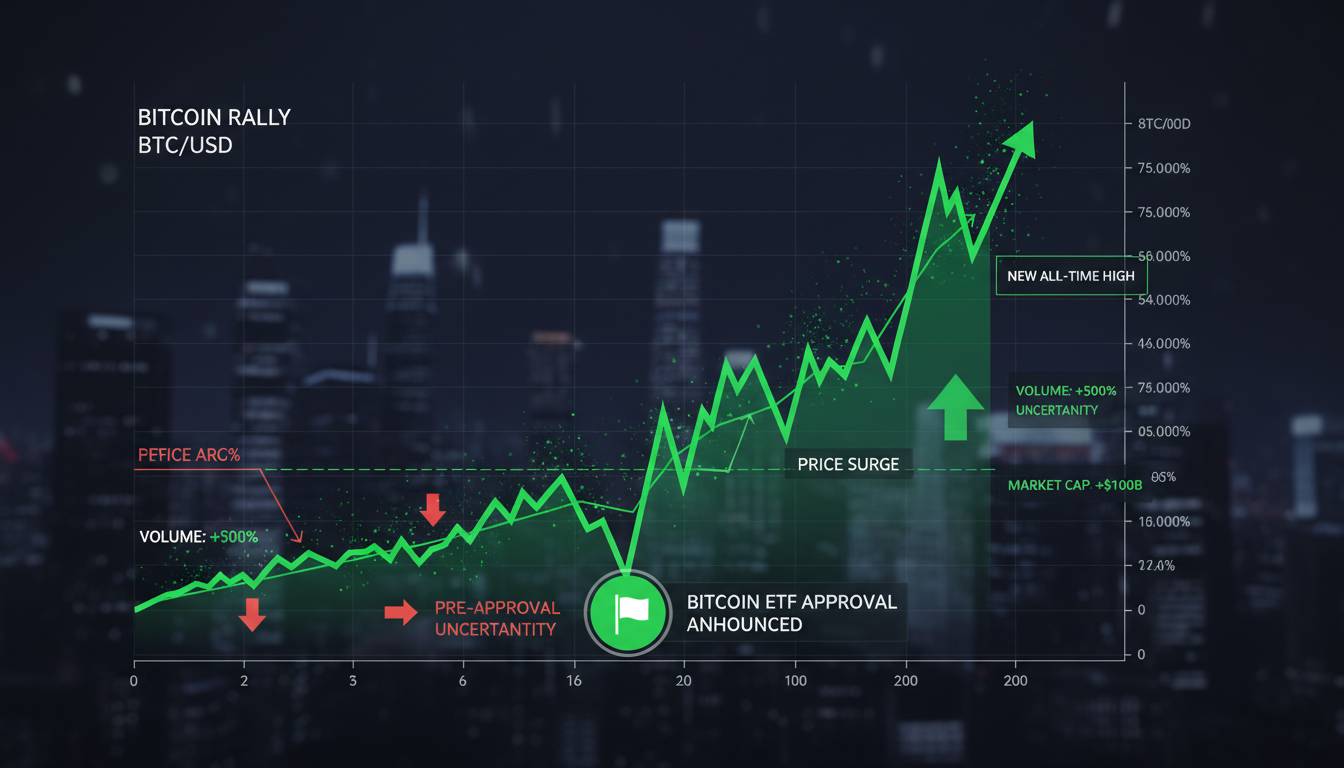
This is the consensus view among Wall Street analysts covering crypto, and it’s the easiest scenario to envision because it’s already happening. BlackRock’s IBIT and Fidelity’s FBTC have collectively pulled in over $40 billion in net inflows since their January 2024 launches. Sovereign wealth funds in Norway, Abu Dhabi, and Singapore have begun modest allocations. Corporate treasuries—though still a small cohort—are treating Bitcoin as a reserve asset with increasing seriousness.
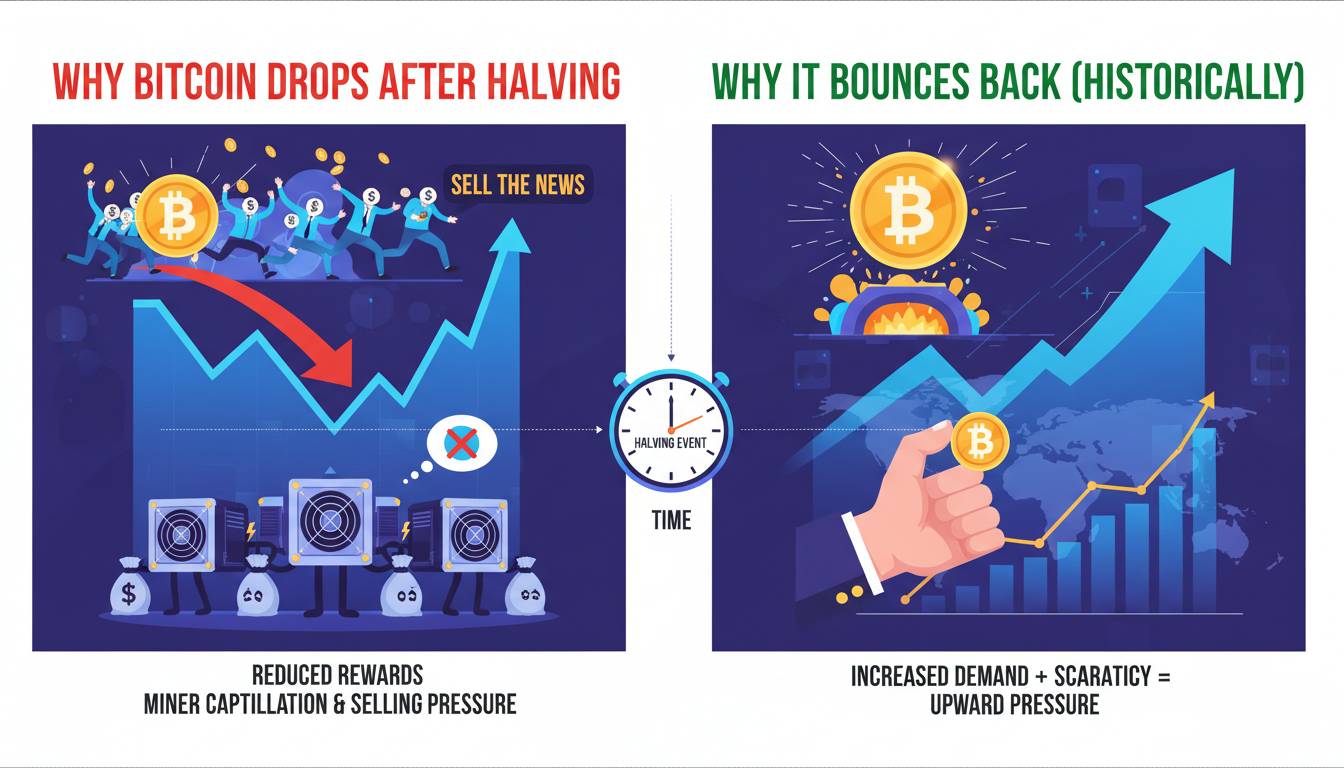
By 2026, if current trends hold, we could see Bitcoin trade in the $150,000–$200,000 range. This isn’t a moon-shot prediction. It’s arithmetic: steady ETF inflows plus constrained supply (post-2024 halving, miner revenue pressures reducing selling) equals upward price pressure.
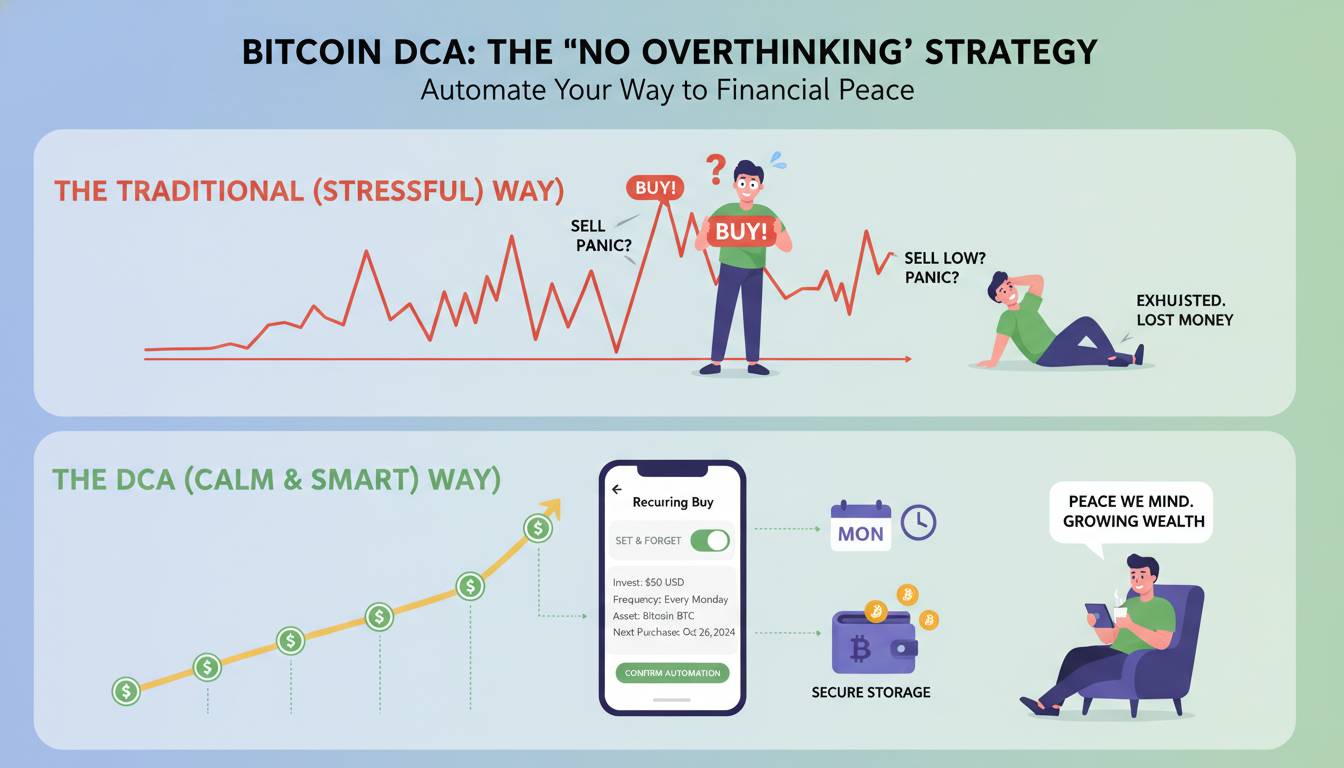
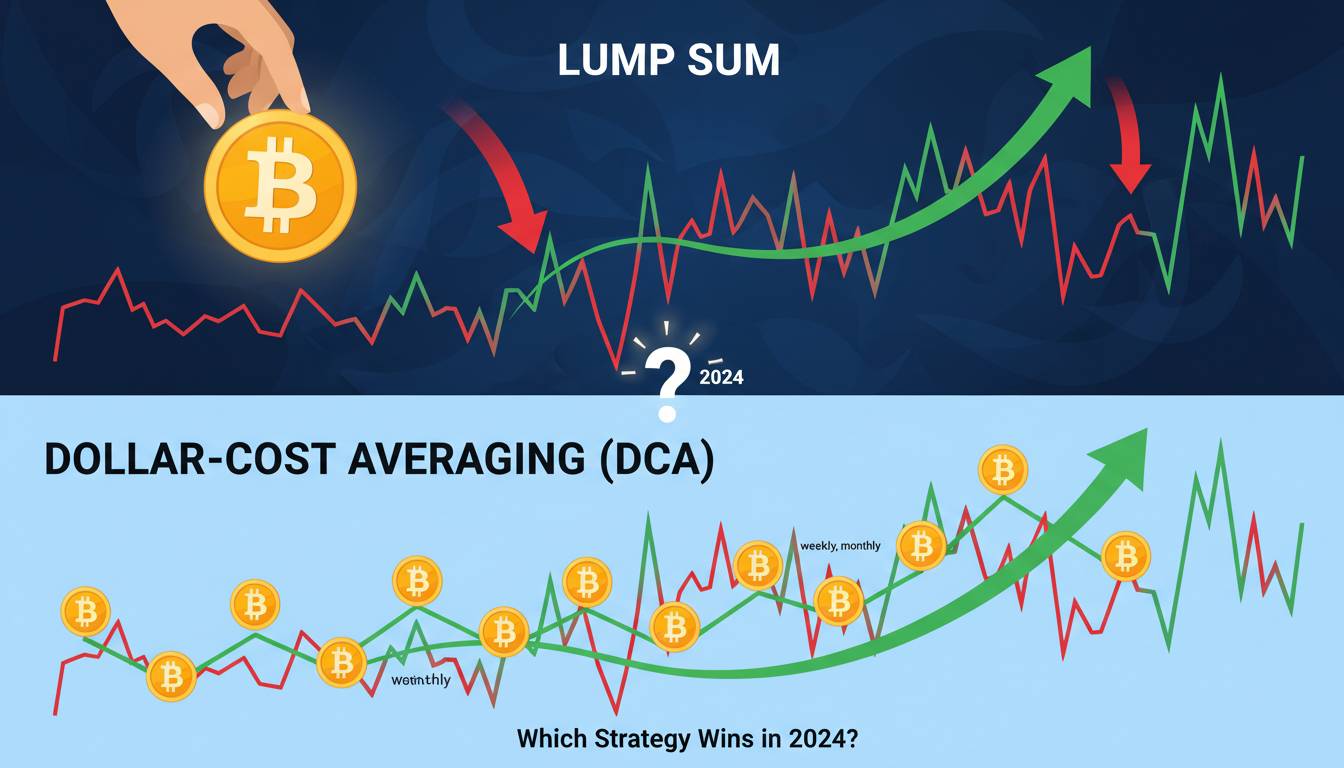
The practical implication? If you’re holding for retirement or long-term wealth, this scenario is the baseline you should plan around. Not hope for—plan around. That means resisting the urge to trade volatility for yield. It means understanding that dollar-cost averaging into a spot ETF might be less stressful than managing private keys, and that’s worth paying a small premium for.
But here’s where conventional wisdom gets it wrong: most analysts assume institutional adoption is unambiguously bullish. It’s not. Institutional players don’t hold through cycles—they rotate. When Bitcoin reaches certain price levels, quant funds and macro traders will deploy systematic rebalancing strategies that actually increase volatility during peak periods. The “institutional maturation” narrative sounds stable; in practice, it introduces new forms of turbulence.
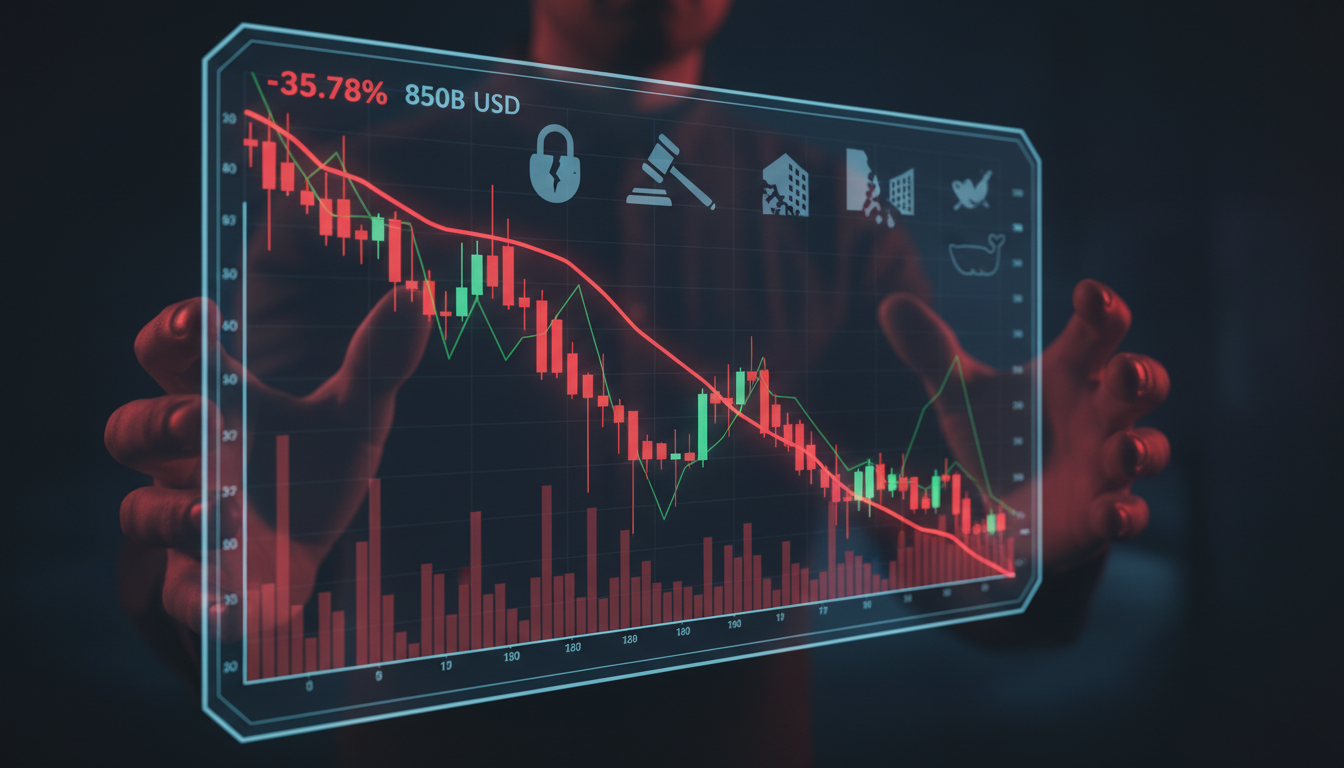
Scenario 2: The Regulatory Crackdown ($30,000–$50,000)
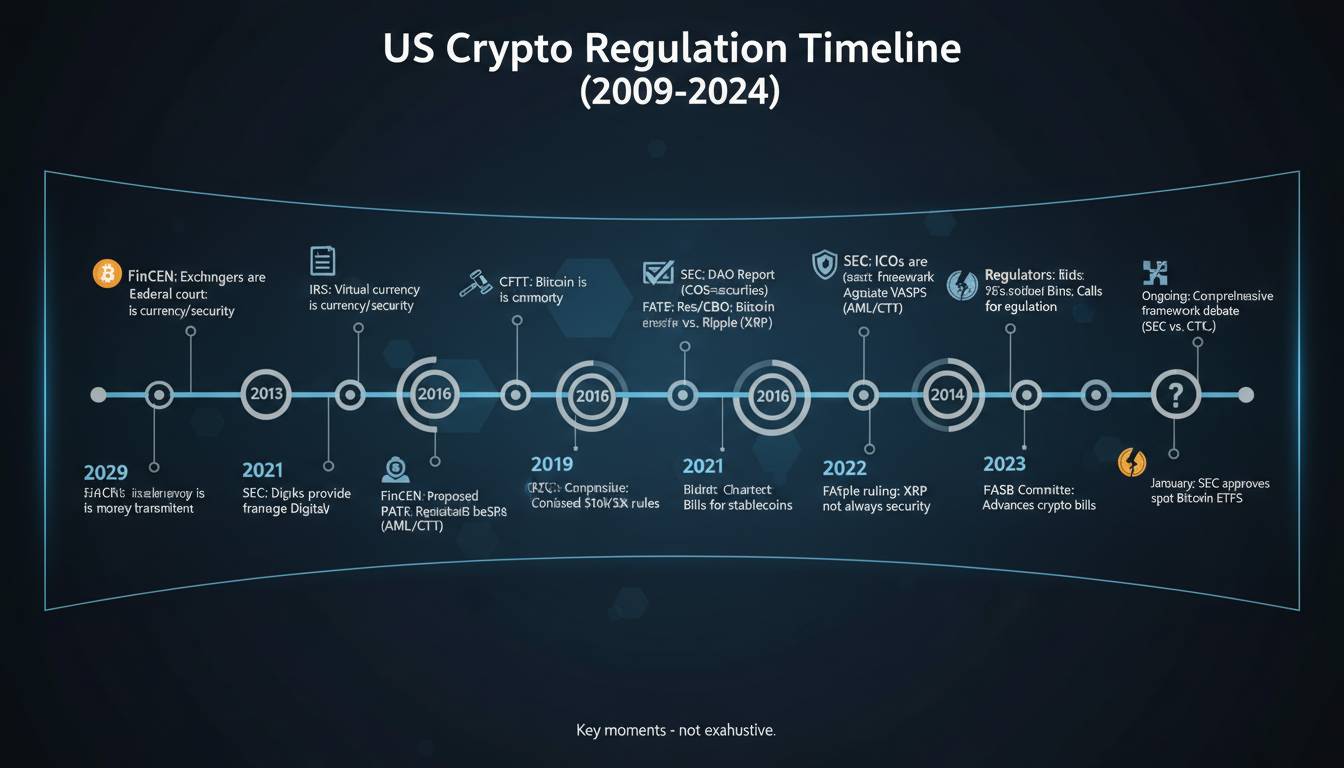
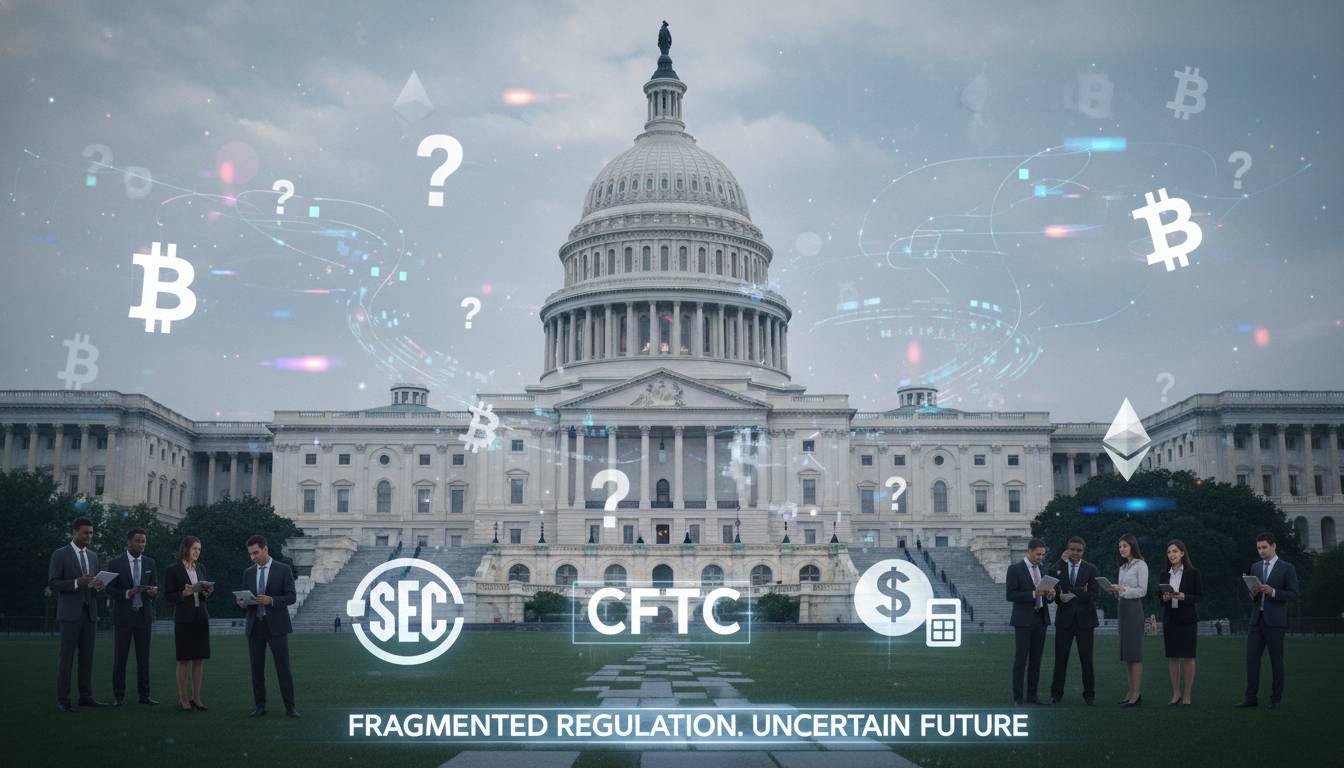
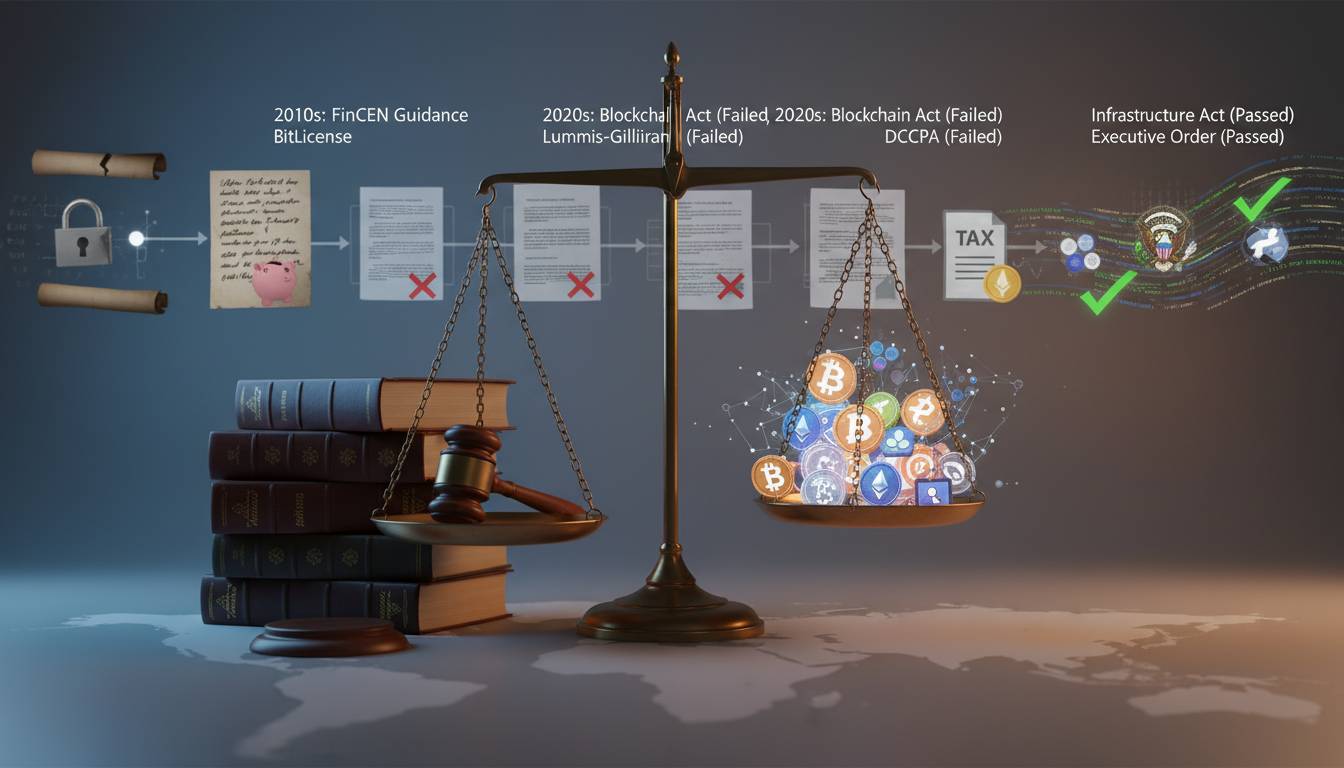
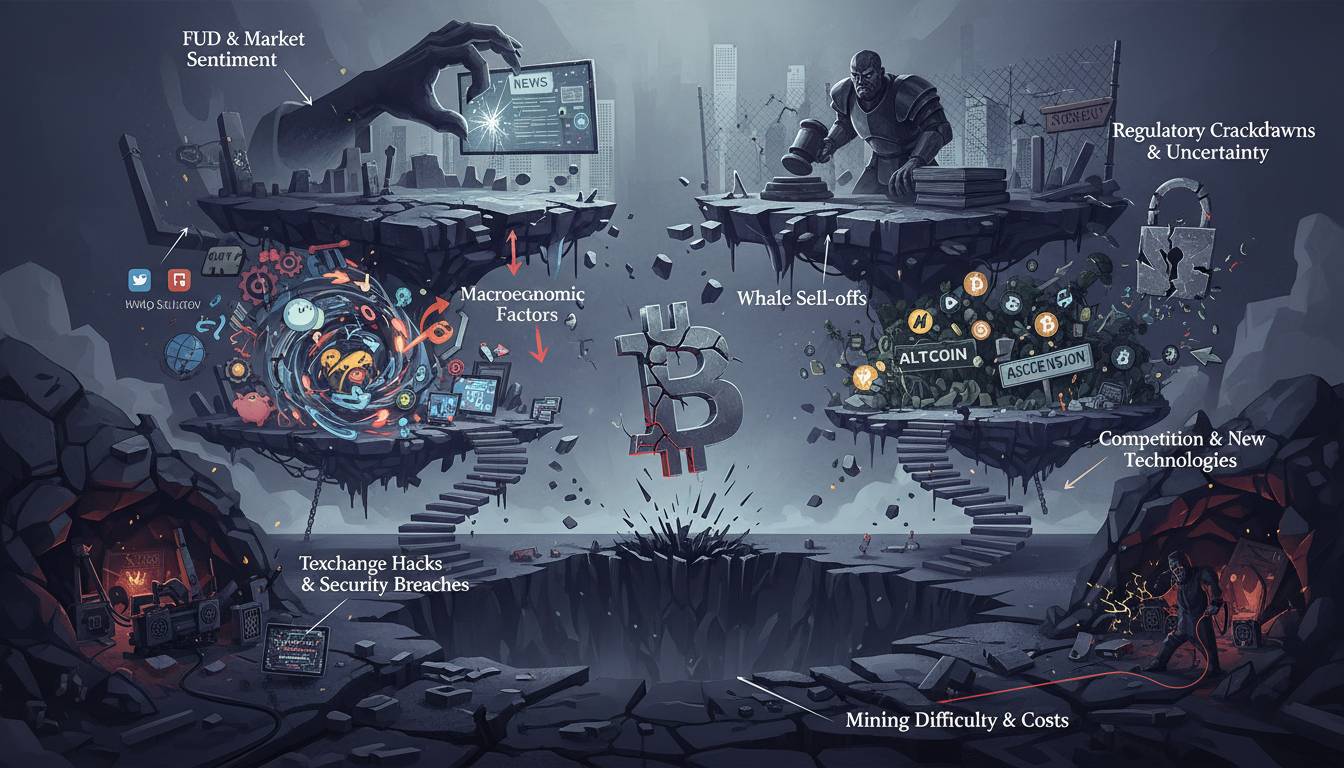
This scenario keeps me up at night, not because I think it’s likely, but because it’s dismissed far too casually by people who haven’t studied how regulatory risk actually materializes. The SEC’s enforcement actions in 2023 and 2024 didn’t destroy crypto—they just redirected capital flows and delayed adoption timelines. But a coordinated global crackdown is a different animal.
Imagine this: the EU’s MiCA framework, currently phased in through 2025, gets tightened significantly after reports of terrorism financing link back to unhosted wallets. Simultaneously, a Republican-controlled Congress—assuming the 2024 elections go that direction—passes aggressive banking restrictions that make it functionally difficult for exchanges to operate. China escalates its mining ban. India’s crypto taxes drive activity underground.
In this scenario, Bitcoin doesn’t go to zero. It never does. But it could easily trade between $30,000 and $50,000 by late 2026, trapped in a regulatory vice.
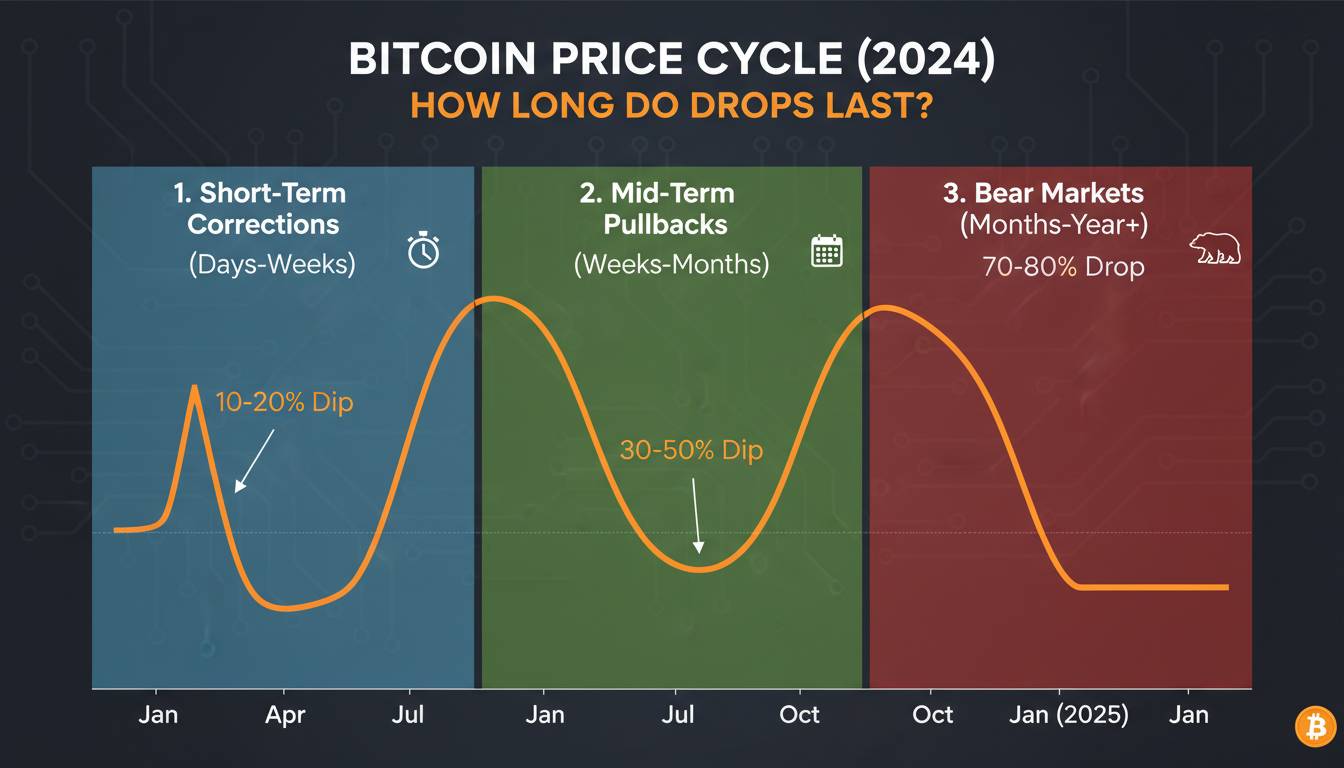
The counterintuitive truth most crypto optimists refuse to acknowledge: Bitcoin has never faced a truly hostile global regulatory environment. Every major economy has been either cautiously open or privately ambivalent. That insulation is expiring. If you’re building a portfolio that can’t survive a 70% drawdown from today’s prices, you have no business holding crypto assets. Period.
Scenario 3: The Competition Scenario—Digital Gold Gets Crowded ($80,000–$120,000)
Here’s the scenario that makes the most sense structurally but gets the least attention in crypto Twitter: Bitcoin doesn’t crash, but it gets displaced as the dominant narrative by something else.
Central bank digital currencies (CBDCs) are advancing faster than most people realize. The People’s Digital Currency (e-CNY) has processed over $14 billion in transactions as of early 2024. The ECB is running wholesale CBDC experiments. Even the Federal Reserve has restarted digital dollar discussions after years of dormancy.
By 2026, a credible argument could emerge that sovereign digital currencies offer “digital gold” properties without the energy consumption, volatility, or regulatory ambiguity. It’s not a compelling argument to me, but I can see it gaining traction with pension fund allocators who need to explain their decisions to boards.
In this scenario, Bitcoin still appreciates—maybe to $80,000–$120,000—but underperforms expectations relative to where it could have gone. The narrative shifts from “Bitcoin vs. fiat” to “Bitcoin vs. CBDC ecosystem.” This is the scenario that feels most like 2017 all over again: Bitcoin still wins, but not the way early adopters expected.
If you’re a holder, the takeaway is uncomfortable: don’t confuse Bitcoin’s current dominance with permanence. The asset that wins in 2030 might not be the asset that won in 2024.
Scenario 4: The Black Swan Event ($500,000+ or Sub-$20,000)
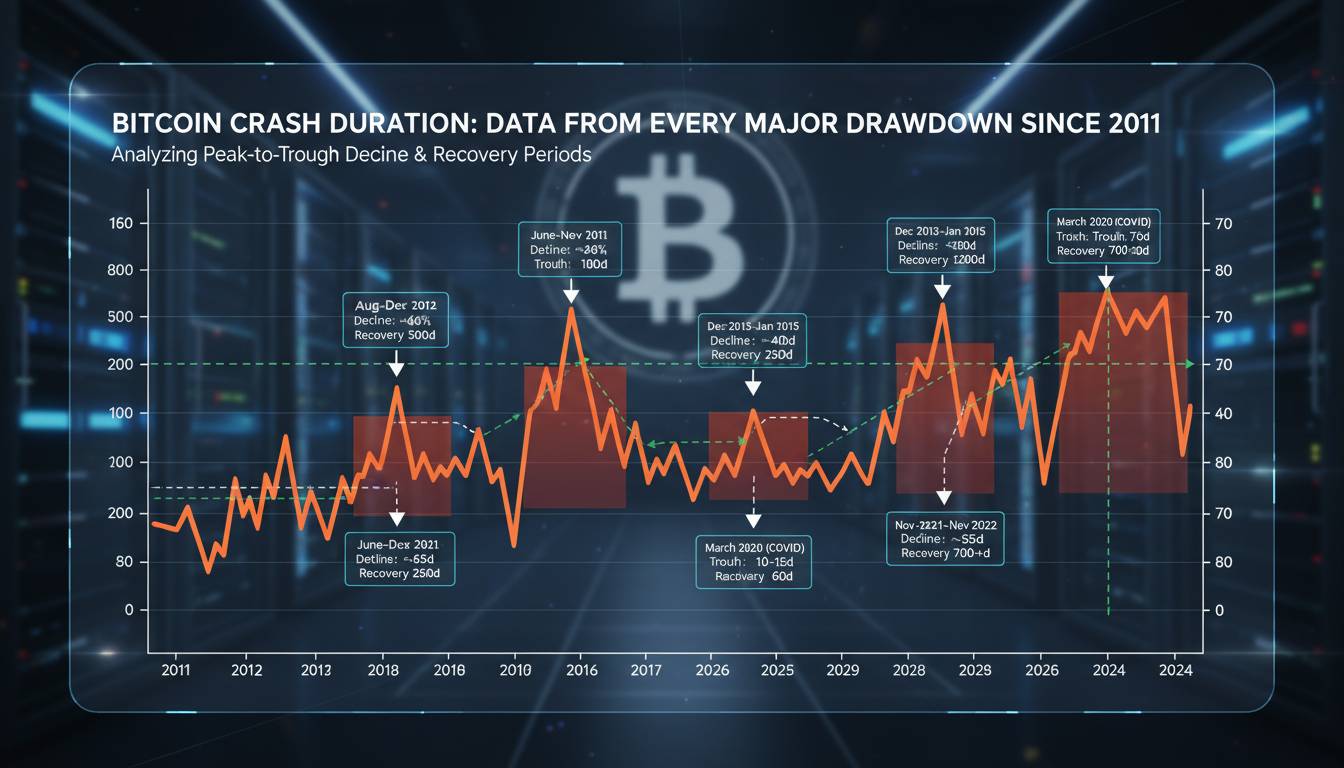
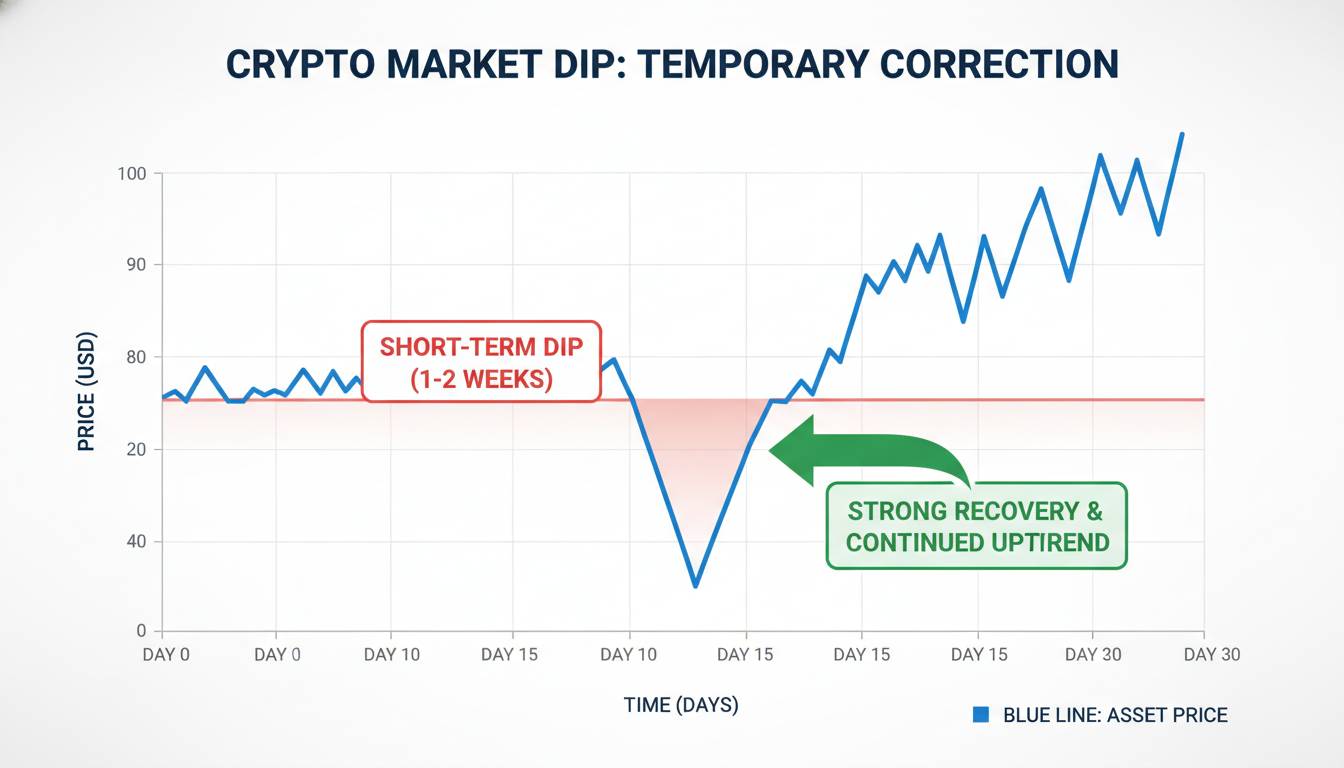
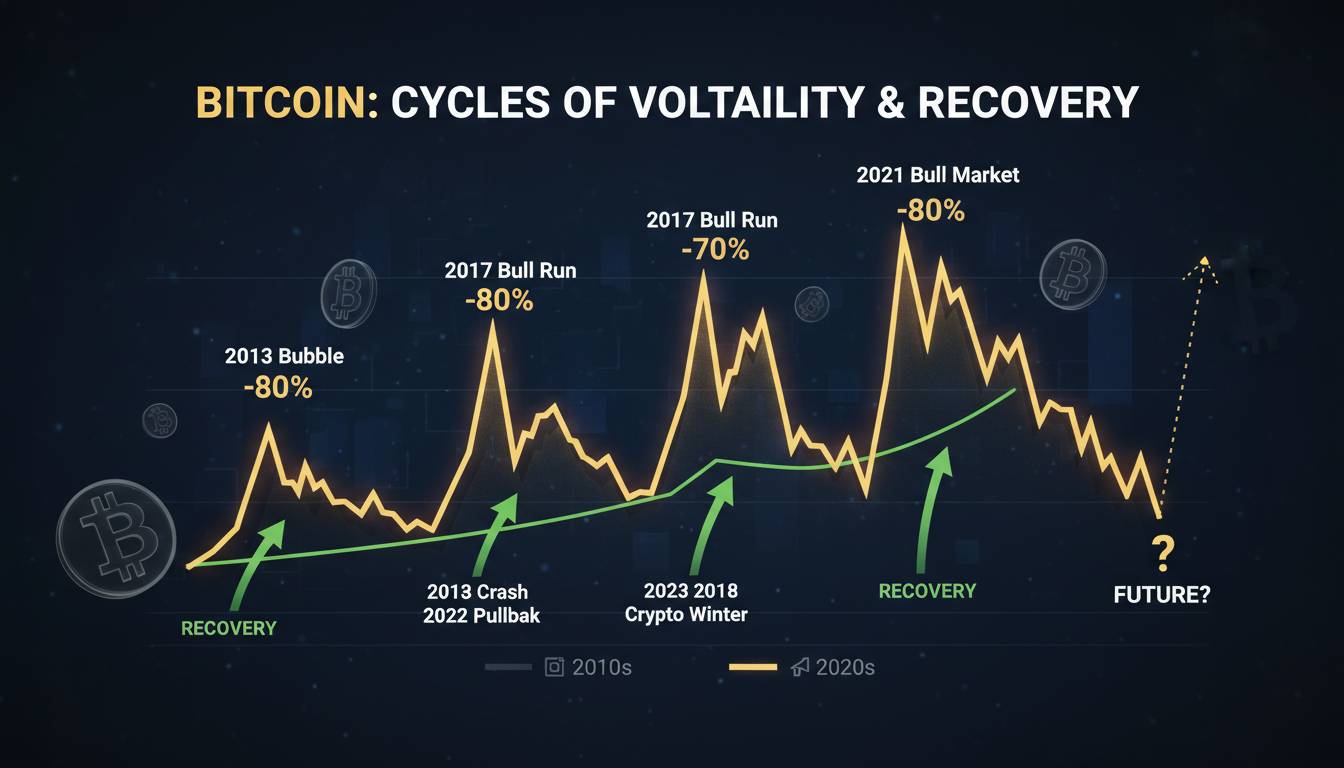
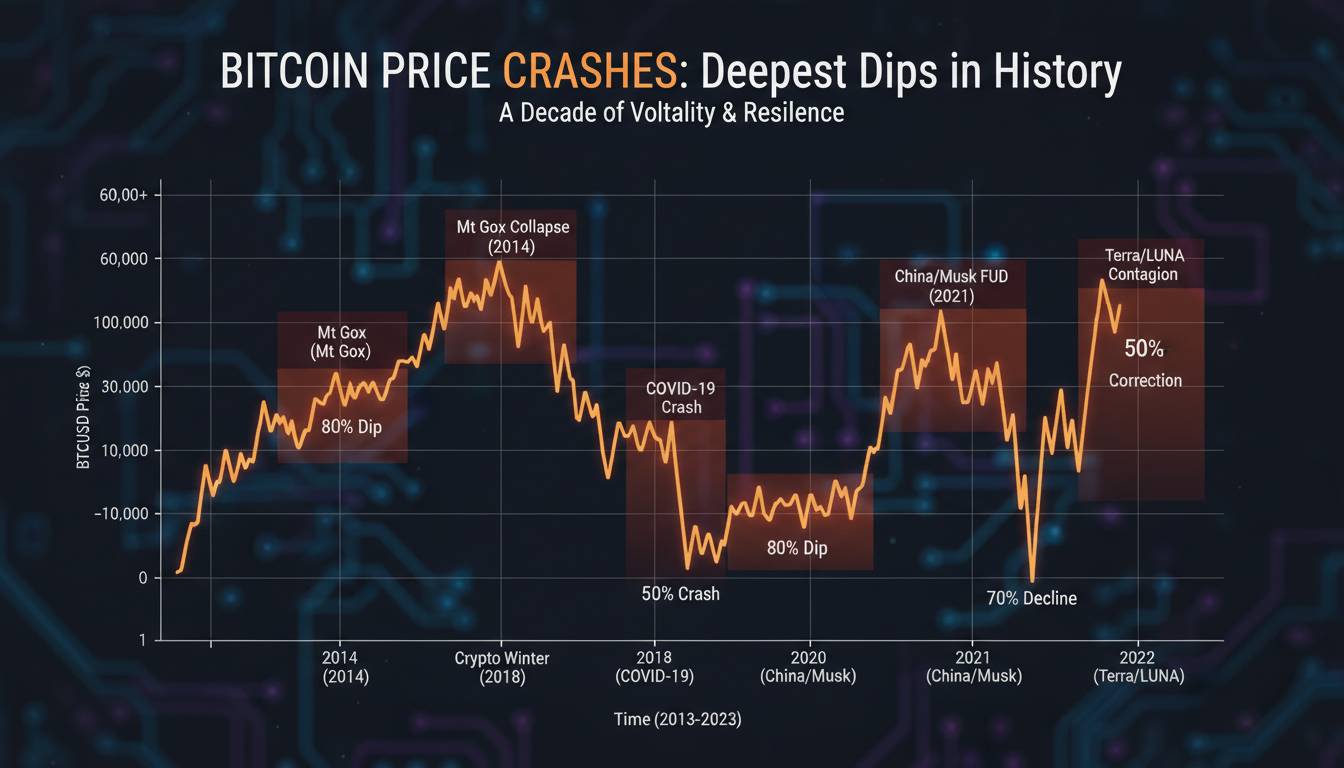
This isn’t a prediction—it’s a recognition that tail risks are underpriced in crypto markets. Always have been. The 2020 COVID crash wiped out 50% in days before the greatest bull run in Bitcoin’s history. The 2022 collapse of FTX deleted $60 billion in market cap and Bitcoin still recovered.
Scenario four splits two ways:
The upside black swan: A major geopolitical crisis triggers global currency flight. Think “Russia invades NATO territory” or “Taiwan Strait conflict” levels of disruption. In that environment, Bitcoin—which has historically uncorrelated returns during military conflicts—becomes a safety asset alongside gold and US Treasuries. Price discovery goes haywire, and $500,000 becomes a number people argue about rather than a number that seems impossible.
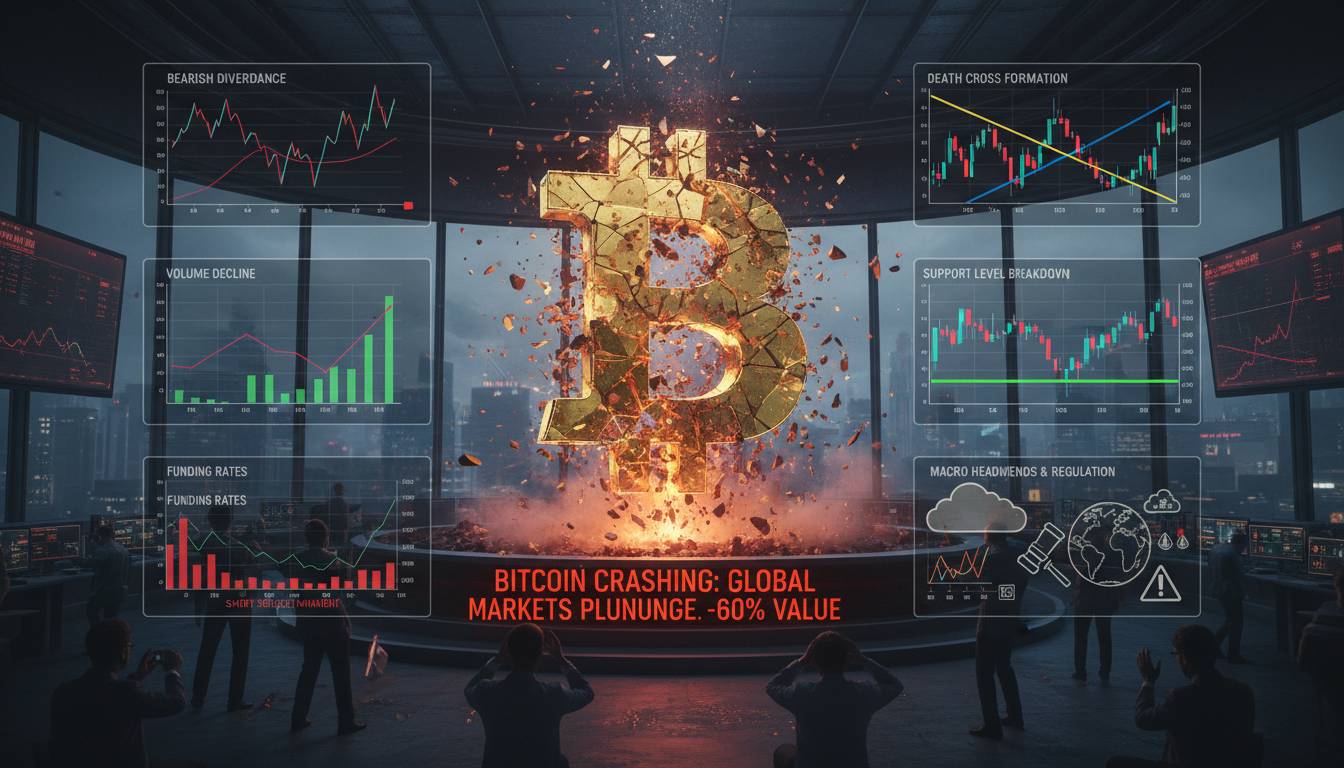
The downside black swan: A catastrophic technical failure. Not a hack—Bitcoin’s consensus has proven remarkably resilient. I’m talking about a breakthrough in quantum computing that threatens elliptic curve cryptography, or a fundamental discovery about Bitcoin’s energy footprint that triggers ESG-driven selling pressure from index funds. Neither seems imminent, but “not imminent” and “not possible” are different categories.
The honest admission here: I have no idea which black swan materializes, if any. What I know is that holders who ignore tail risk typically end up selling at the worst moment. If your portfolio can’t handle a 90% drawdown—and most can’t—you’re not investing in Bitcoin. You’re gambling.
Scenario 5: The Steady State ($100,000–$140,000)
This is my base case, and it’s the least exciting scenario to write about, which is precisely why it deserves the most honest treatment.
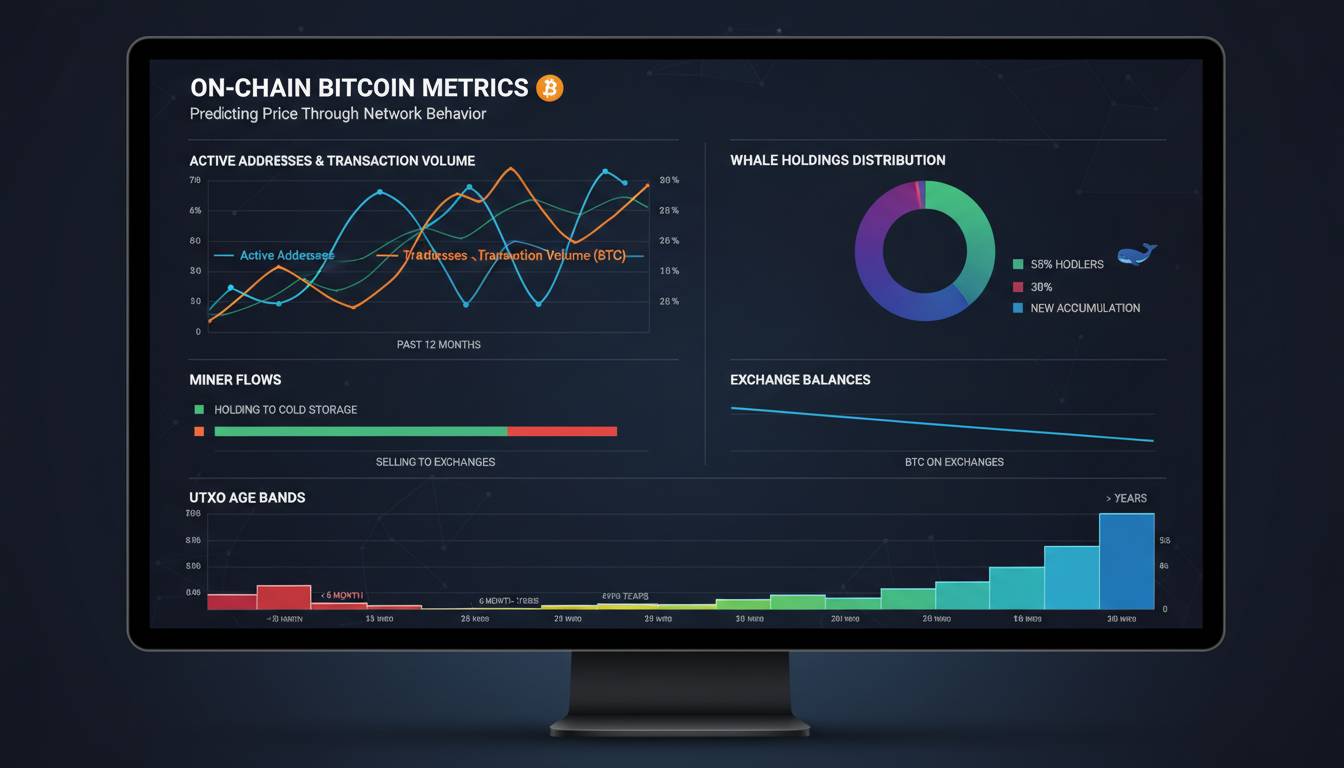
Bitcoin ends 2026 somewhere between $100,000 and $140,000. Not because of a revolution. Not because of a crash. Because the market has found an equilibrium between demand (ETF flows, corporate adoption, sovereign accumulation) and supply (miner selling, long-term holder distribution, new entrants). Volatility compresses. The 80% annual volatility of previous cycles drops to something more like 30–40%.
In this scenario, Bitcoin becomes a boring, respectable asset class. Institutional investors stop talking about it as a revolution and start treating it as a diversifier. This is, frankly, the mature outcome every sophisticated holder should want—not because it’s the most profitable, but because it’s sustainable.
The problem? “Boring” is hard to hold. Psychologically, Bitcoin holders have been conditioned to expect parabolic moves. When the asset appreciates 20% in a year while volatility compresses, they’ll panic-sell because “it’s not doing anything.” This is the scenario where behavioral discipline matters more than conviction.
What Actually Matters: Not the Price
Here’s what twelve years in this space has taught me: the price scenarios above matter less than the behavior they reveal. Every cycle, I watch intelligent people sell at the bottom because they believed the crash would never end, and I watch others buy at the top because they believed the rally would never stop.
By the end of 2026, the exact number will be less important than whether you still hold. The scenarios I’ve outlined aren’t mutually exclusive—elements of each will likely combine in ways no one predicts. The regulatory crackdown might coincide with institutional maturation. The black swan might validate the steady state by forcing central bank accommodation.
What I can tell you with confidence: if you’re treating this as a gamble, you will lose. If you’re treating it as an asymmetric bet with money you can afford to lose, you might be surprised. And if you’re treating it as a portfolio hedge against monetary instability—with a five-year horizon and a rebalancing plan—you’ll sleep better regardless of which scenario plays out.
The market doesn’t reward people who predict correctly. It rewards people who stay in the game. Make sure you’re planning for more than one outcome, because the future has never done what anyone expected. That’s not a bug in the system—it’s the feature that’s made Bitcoin the most interesting asset of the last fifteen years.