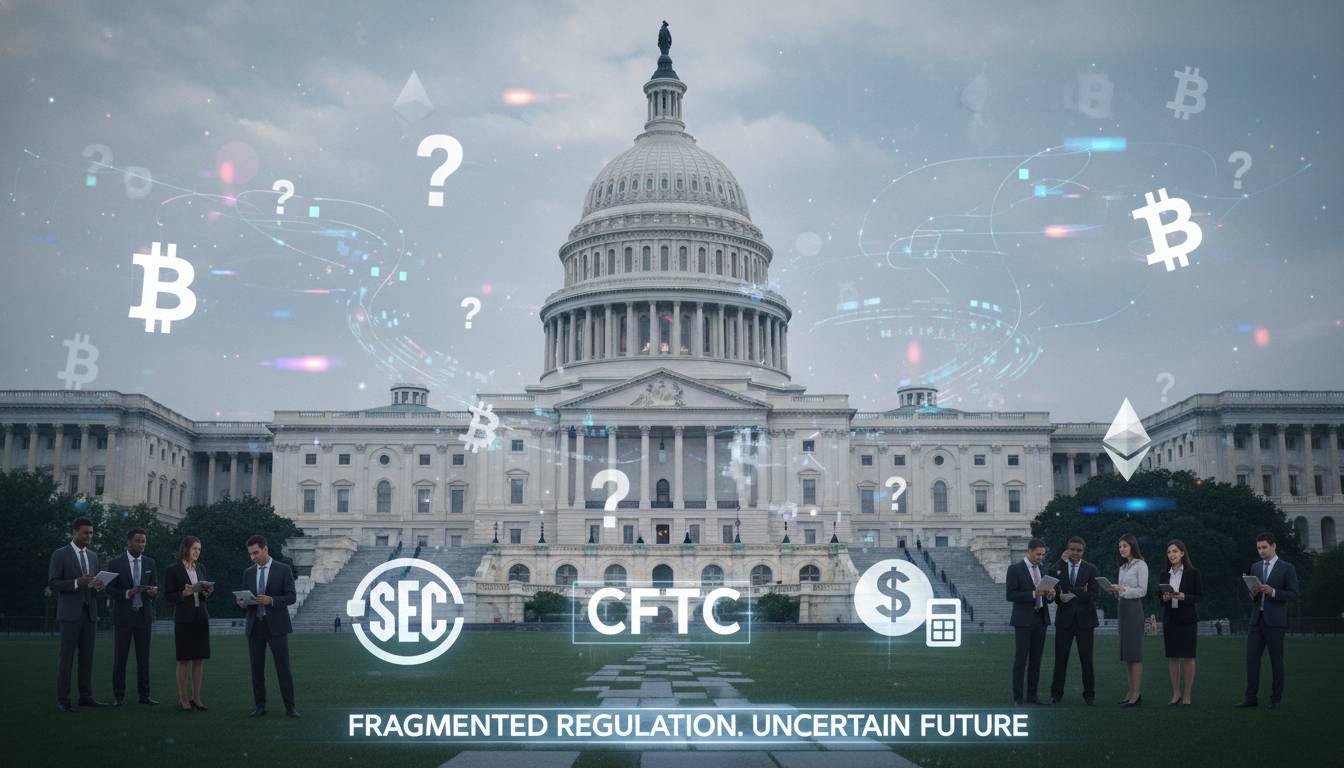

The crypto regulatory landscape shifts fast enough to make your head spin. One day you’re reading about the SEC’s latest enforcement action against an exchange, the next there’s news of a new stablecoin bill circulating in Congress, and by Friday there’s a court ruling that seems to contradict everything you thought you understood about how digital assets are classified. If you’ve tried to stay current on all of it, you already know the feeling: the overwhelm is real, and it’s not getting better.
This isn’t a problem of information scarcity. The opposite, actually — there’s too much noise, too many sources, too much breaking news that turns out to be nothingburger, and too few tools to filter the signal from the static. Most articles on this topic just give you another list of websites to bookmark. That’s not helpful. What you actually need is a system — a way to consume what matters without burning out.
I’m going to give you both the sources that actually matter and the mental framework to process them without losing your mind. Some of this will challenge what you’ve probably heard from other crypto “experts” who treat every regulatory tweet as an existential crisis. Let’s get into it.
Why Crypto Regulation News Deserves Your Attention
Here’s the uncomfortable truth most crypto content avoids: regulatory decisions can wipe out significant portions of your portfolio overnight. Not because the underlying assets are worthless, but because the legal framework supporting their use fundamentally changes.
Consider what happened in 2022 when the SEC began its systematic enforcement campaign against crypto staking programs. Several major exchanges suspended their staking products entirely, and companies with significant staked assets saw their valuations crater. Investors who were paying attention to the regulatory winds had already reduced exposure. Everyone else got caught holding during a 40% drawdown.
The point isn’t to become a legal scholar. It’s to understand that crypto regulation isn’t some abstract policy conversation happening in Washington — it directly impacts your ability to trade, hold, and use digital assets. Missing a key regulatory development can mean the difference between exiting a position at a reasonable price and watching it become illiquid or inaccessible.
The challenge, of course, is that staying informed feels like a full-time job. It shouldn’t be. That’s what we’re solving next.
The Sources That Actually Move Markets
Not all crypto news sources are created equal, and I need to be direct about this: most crypto “news” sites are glorified content farms that rewrite press releases and call it journalism. If you want to stay informed without wasting hours each day, you need to be ruthless about your sources.
Tier 1: The Reporting Outlets
These are the publications that break original stories and have the institutional relationships to verify regulatory developments before anyone else:
- CoinDesk remains the gold standard for crypto-native reporting. Their policy team, particularly the coverage led by authors like Eli Tan and Tris Argyle, consistently gets ahead of regulatory stories. The key is reading their policy-specific newsletter, not just their general news feed.
- Cointelegraph offers broader coverage with a slightly more aggressive editorial voice. Their regulatory section is solid, though their breaking news sometimes prioritizes speed over nuance. Use them for awareness, verify elsewhere before acting.
- The Block — particularly under its current editorial leadership — provides strong analytical coverage of policy developments. Their premium research is worth it if you’re making significant investment decisions based on regulatory trends.
Tier 2: Mainstream Finance With Crypto Coverage
These outlets treat crypto regulation with the same seriousness as securities law coverage, which means more rigor and less hype:
- Bloomberg Crypto (the dedicated crypto section within Bloomberg Terminal and bloomberg.com) provides institutional-grade analysis. Their reporters like Emily Nicolle and other Bloomberg crypto staff connect regulatory developments to market movements in ways that pure crypto outlets often miss.
- Wall Street Journal’s crypto coverage has improved dramatically. Their regulatory reporters bring a legal compliance perspective that most crypto-native outlets lack.
- Financial Times’ Lex column occasionally nails crypto regulatory analysis with the dry precision that only comes from decades of covering financial policy.
Tier 3: Primary Sources (Read These Directly)
No amount of journalism replaces reading the actual regulatory documents. This is where most people fail:
- SEC.gov — specifically the Enforcement Division’s filings and the Commission’s own statements. The SEC’s website is poorly designed, but the information is authoritative. Set up keyword alerts for “crypto,” “digital asset,” and “blockchain” through the site’s notification system.
- FinCEN (Financial Crimes Enforcement Network) — crucial for understanding anti-money laundering requirements and the regulatory framework for crypto exchanges and custodians.
- CFTC (Commodity Futures Trading Commission) — particularly relevant for derivatives and commodities classification. Their public comments and enforcement actions are essential reading.
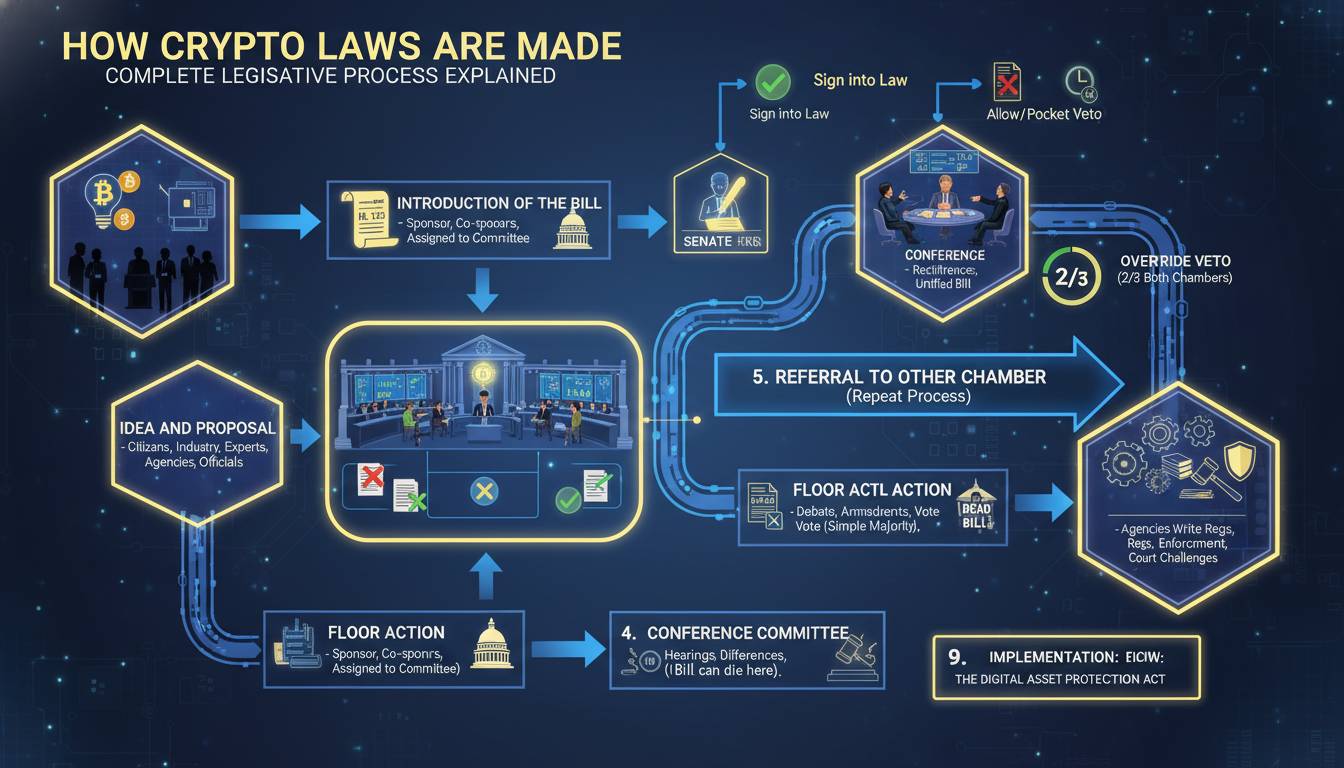
- Congressional records — specifically the Senate Banking Committee and House Financial Services Committee hearings on digital assets. These are publicly available and often preview coming regulatory priorities.
The biggest mistake most crypto investors make is relying exclusively on Tier 1 sources. Those outlets filter and interpret primary sources for you — which is useful, but means you’re one step removed from the actual regulatory text. When a story matters, go to the source.
Building Your Personal News Filter
Knowing where to look is worthless if you don’t have a system for consuming information without drowning in it. Here’s the framework I use and recommend to clients who need to stay current on crypto policy without making it a full-time job.
Choose Your Primary Sources Strategically
Pick no more than three daily reads. For most people, that means one from Tier 1 (CoinDesk or Cointelegraph’s policy section), one from Tier 2 (Bloomberg Crypto), and one periodic check of primary sources. That’s it. Anything more and you’re just signal hunting in noise.
The goal isn’t to read everything. It’s to have reliable touchpoints that filter the noise for you.
Set Up Alerts, Not Feed Scrolling
Stop doom-scrolling crypto Twitter. It is a productivity black hole and the worst possible way to stay informed about regulation. Instead, set up specific alerts:
- Google Alerts for “SEC crypto enforcement,” “stablecoin legislation,” “crypto regulation bill,” and similar specific phrases
- Exchange-specific notifications from official regulatory bodies (SEC, FinCEN, your national equivalent)
- Newsletter alerts from your chosen Tier 1 source — CoinDesk’s “Most Read” or Cointelegraph’s morning briefing arrive at consistent times and are curated by editors
The key principle: information should come to you, not the other way around. Scrolling through feeds creates a false sense of productivity while actually reducing your signal-to-noise ratio.
Use Newsletters as Curators
If there’s one hack that will transform your regulatory reading habit, it’s this: let someone else do the first-pass filtering. Good newsletters don’t just aggregate — they editorialize, which means you’re getting a human’s judgment about what’s important.
- The Block’s “The Ledger” provides solid weekly crypto policy roundups
- CoinDesk’s daily newsletter includes a policy section that flags regulatory stories
- Protos offers a more analytical take on regulatory developments, though they’re more focused on the business implications
Subscribe to two maximum. Read them during a set time — I recommend Monday morning and Friday afternoon — and that’s your regulatory update for the week.
5 Strategies to Avoid Information Overwhelm
This is where most articles on this topic fall apart. They give you another list of websites and call it a day. That’s not addressing the problem. Here’s how to actually manage the volume.
Follow the Enforcement Actions, Not the Speeches
Regulatory speeches are noise. SEC commissioners give dozens of speeches per year, and almost none of them constitute actual policy. Enforcement actions, on the other hand, are the real signal. When the SEC files a civil complaint against Coinbase or Binance, that’s the policy. Everything else is kabuki theater.
The practical implication: bookmark the SEC’s enforcement results page and check it weekly. When there’s a new enforcement action, read the complaint. That’s your priority. Everything else — speeches, testimony, “we are considering” statements — can wait until you have bandwidth.
This single strategy alone will reduce your regulatory reading load by 80% while actually improving your understanding of how the regulatory framework is evolving.
Focus on Your Jurisdiction
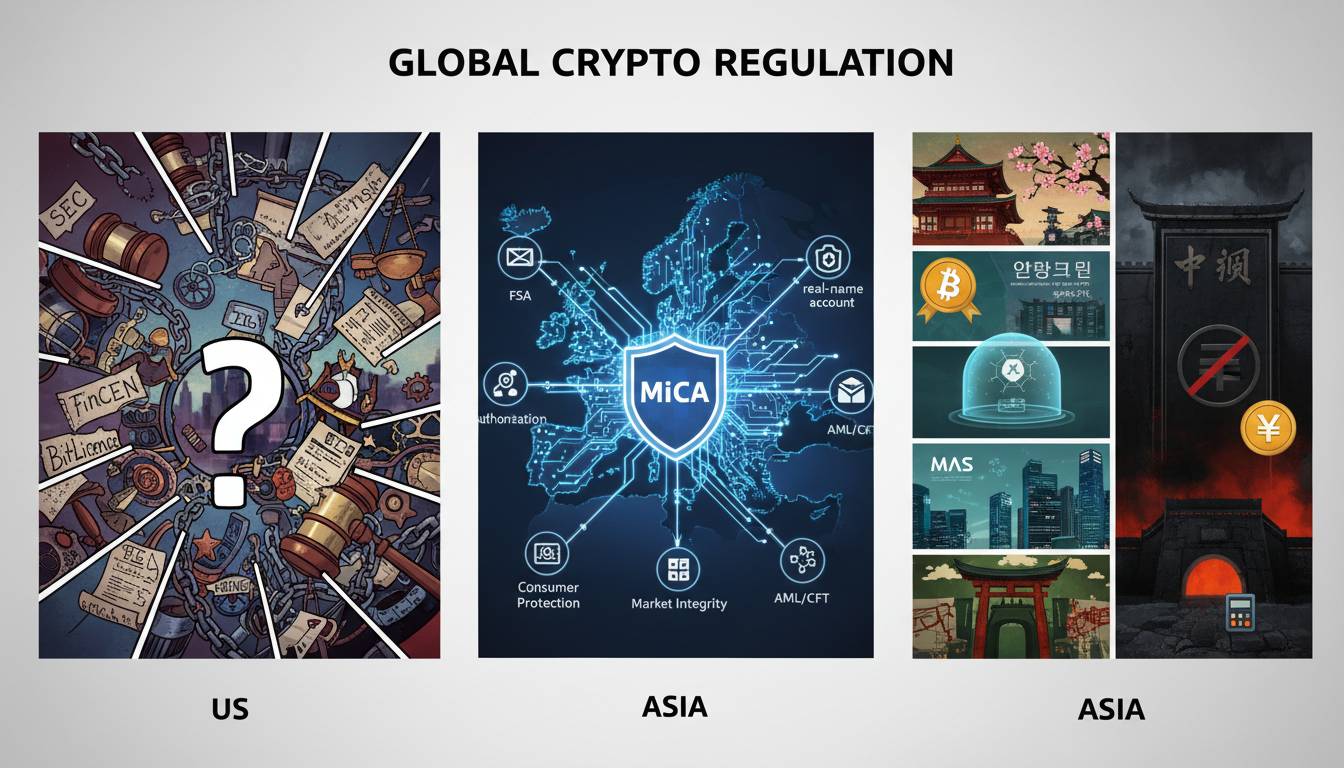
Crypto regulation is fundamentally local. The EU’s MiCA framework matters enormously if you’re European, but it’s mostly noise for a US-based investor. Conversely, US regulatory developments may not affect your ability to use a UK-regulated exchange.
Determine where your primary crypto activities occur — where you pay taxes, where your exchange is regulated, where you physically reside — and prioritize that jurisdiction’s regulatory news. Everything else is background context at best.
Use the Three-Click Rule
This is counterintuitive but critical: when you see a regulatory story that matters, go only three clicks deep. Read the initial news article, click once to the primary source or official statement, and click once more to a reputable analysis of that source. Beyond three clicks, you’re usually reading opinion layered on speculation layered on incomplete information.
Most people go too deep — they read five different articles about the same SEC enforcement action, each adding minimal new information while increasing confusion. Stop after three clicks. If you need more clarity, wait for follow-up reporting.
Build a Network, Not a Feed
This is the hardest strategy to implement but the most valuable long-term. Find three to five people who are genuinely knowledgeable about crypto regulation and follow their work consistently. Not influencers — actual practitioners, lawyers, compliance officers, or serious policy analysts.
When you trust someone’s judgment, their take becomes your filter. Instead of reading ten articles about a regulatory development, you read their analysis and make a decision. This is how professional investors handle regulatory information, and it works.
Look for compliance professionals on LinkedIn, crypto-native lawyers who publish analysis, or policy analysts at think tanks. Follow their work. Engage thoughtfully. Build the relationship over time.
Accept That You’ll Miss Things
Here’s the honest admission that most articles won’t give you: you cannot stay perfectly informed about crypto regulation. It’s impossible. The volume is too high, the sources are too fragmented, and the pace is too fast.
The goal isn’t comprehensiveness. The goal is awareness of the big picture plus the ability to dive deep when something directly affects your positions. That means you will miss some stories. That’s fine. The market doesn’t punish you for missing a story — it punishes you for being unaware of trends that are already widely discussed.
Accept the limitation and build your system accordingly. A good system that you actually follow is better than a perfect system you abandon after a week.
What Regulatory Changes Actually Matter
Not all regulatory news is created equal. Here’s how to prioritize: some developments are noise that will have zero impact on your holdings, while others can fundamentally alter the operating environment for crypto assets.
Classification and Definition Changes
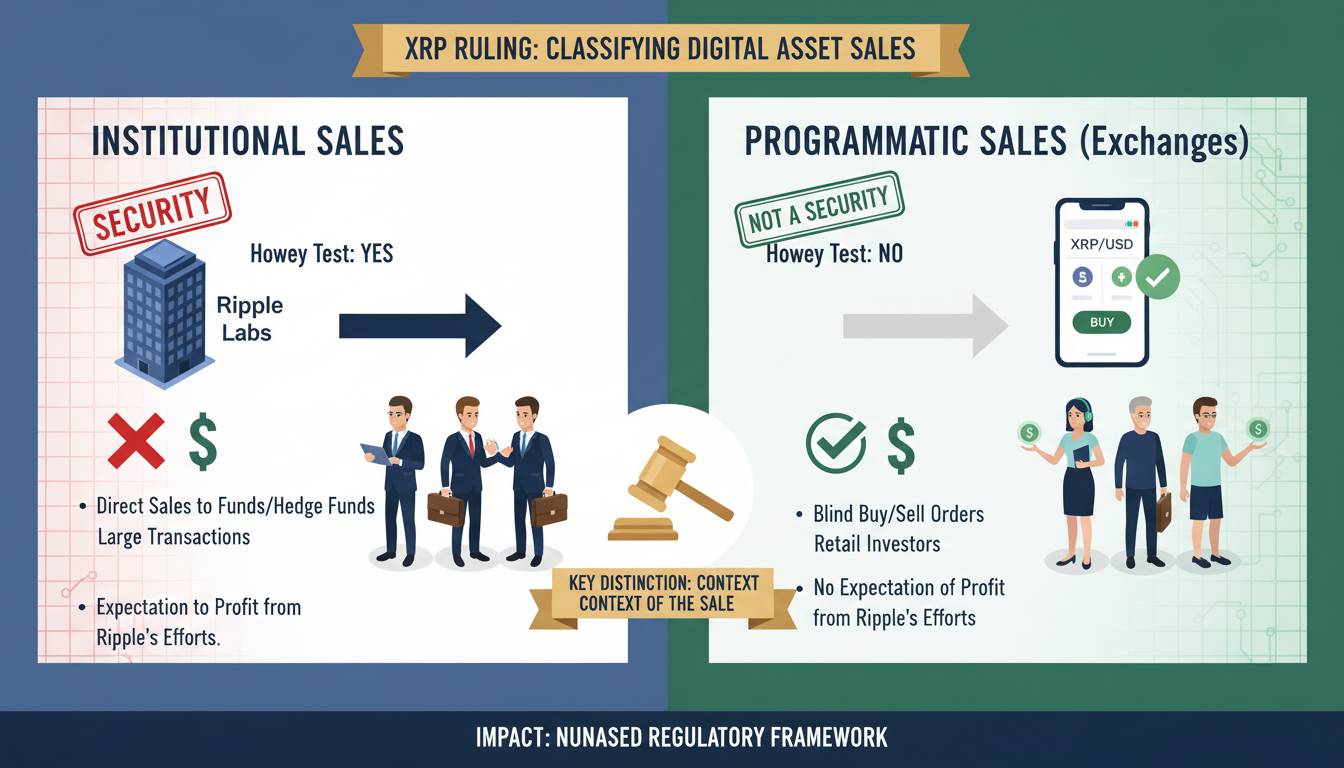
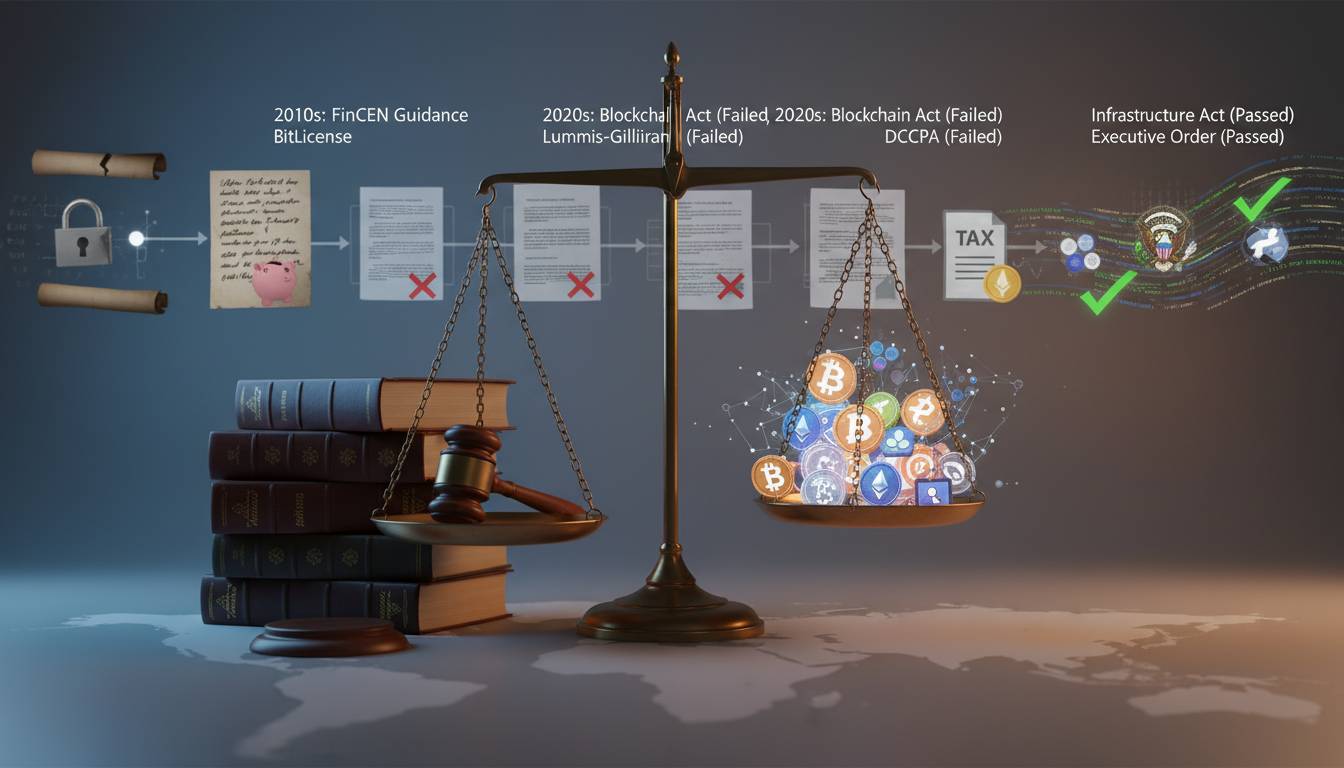
When regulators clarify whether a particular token is a security or a commodity, that’s high-priority information. The SEC’s Howey test analysis for digital assets, the CFTC’s position on cryptocurrency classification — these define the legal framework for everything else. Pay attention when there’s a new classification, either through enforcement action or formal guidance.
Exchange and Custody Regulation
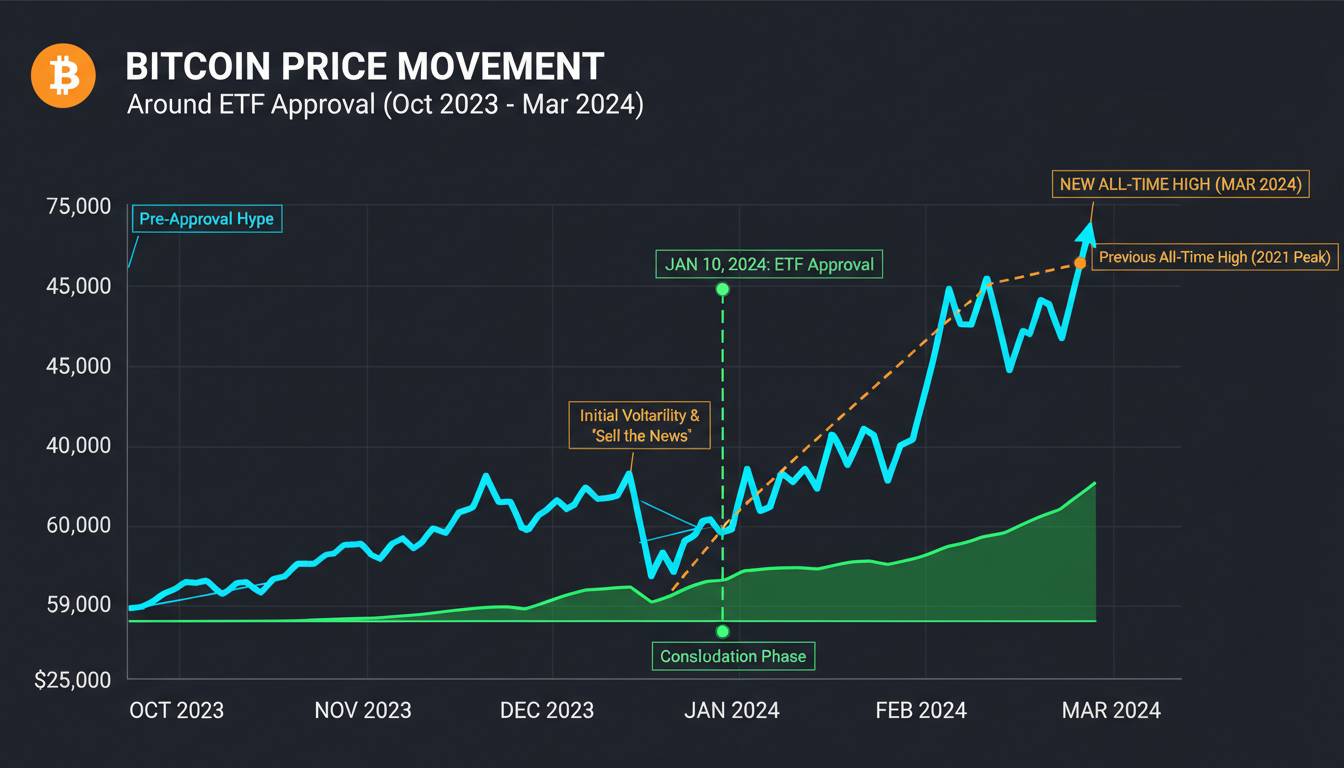
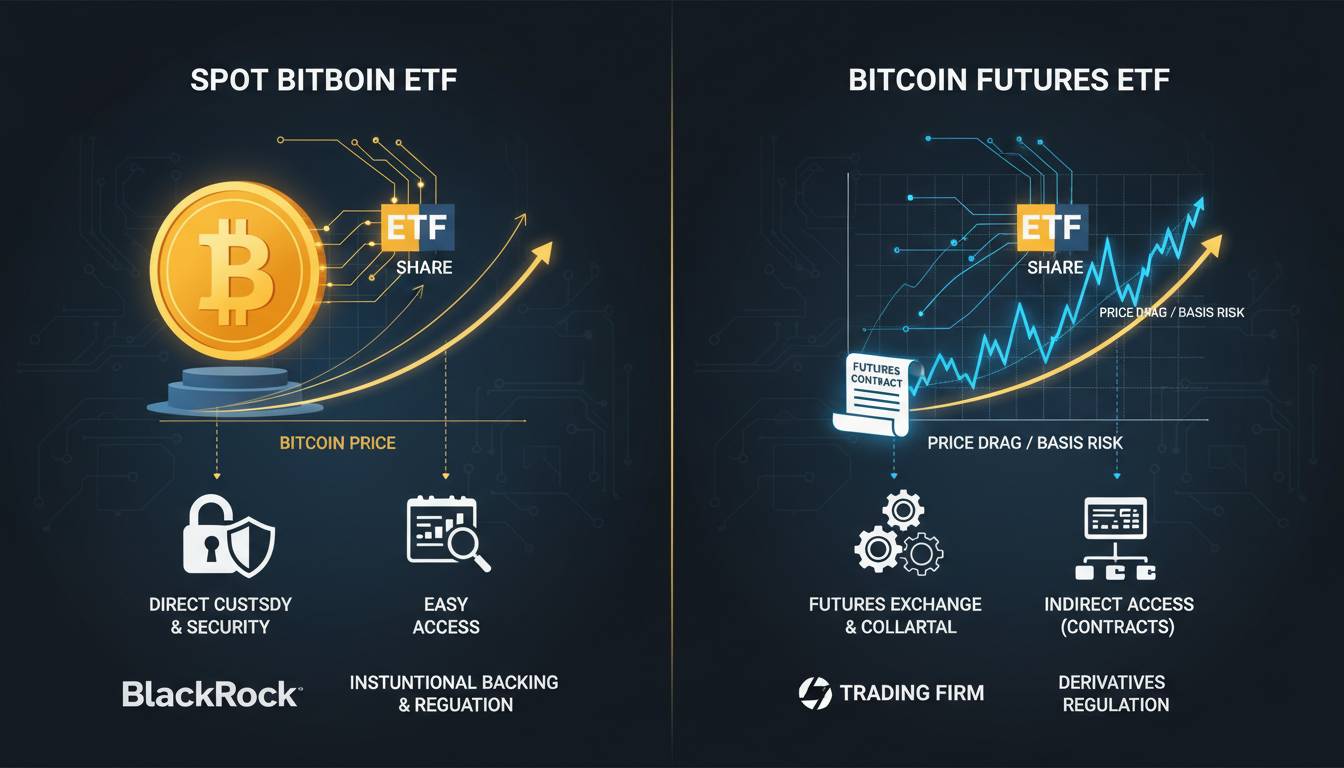
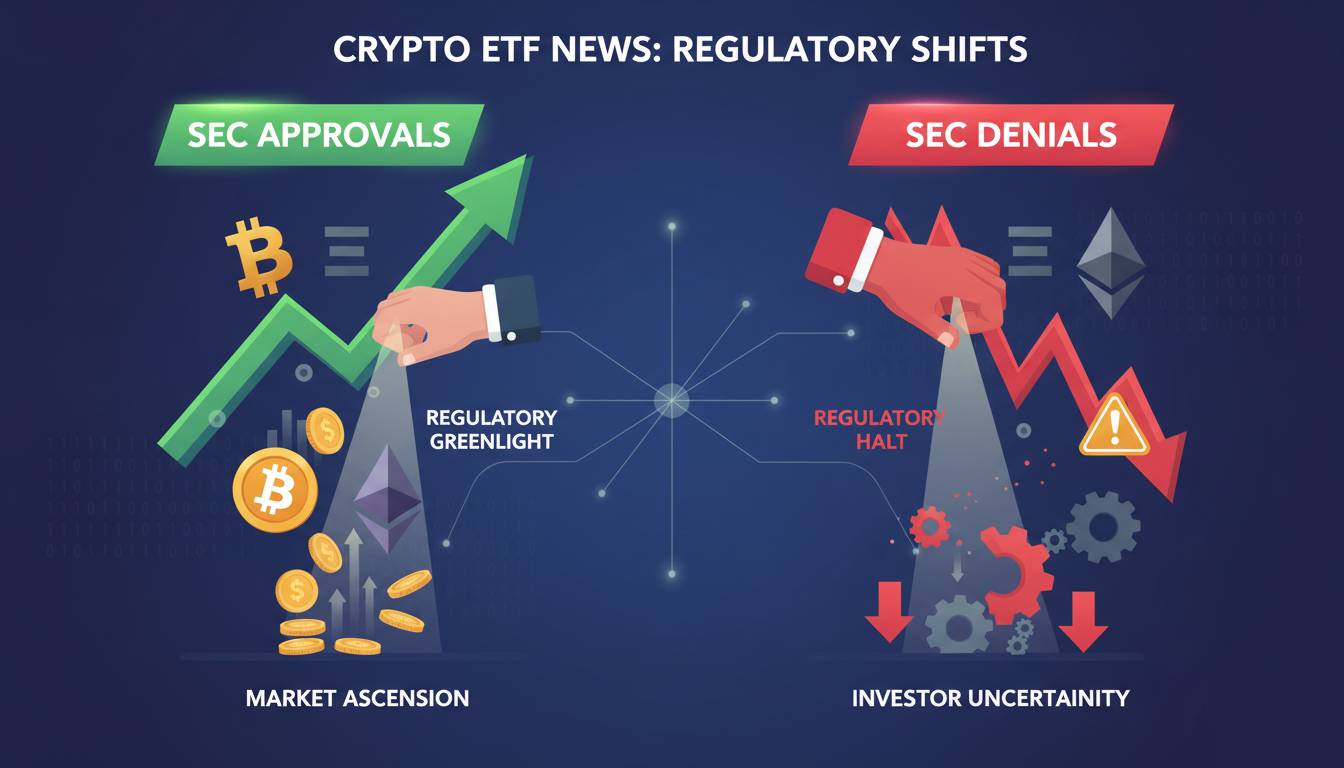
Rules governing how you can buy, sell, and hold crypto are directly relevant to your access and security. When the SEC approves a spot Bitcoin ETF, that’s a massive development. When regulators crack down on offshore exchanges serving US customers without registration, that affects your withdrawal options and legal protections. This category is where most individual investors feel immediate impact.
Tax and Reporting Requirements
If you live in a jurisdiction with crypto tax obligations — and that’s most developed countries now — changes to reporting requirements directly affect your bottom line. The US IRS’s guidance on digital asset reporting, for instance, has expanded significantly, and failure to comply carries real penalties. This is the least exciting category of regulation but often the most consequential for individual holders.
Stablecoin and DeFi Regulation
The stablecoin debate is ongoing in multiple jurisdictions, and the outcomes will significantly impact how you can move in and out of crypto positions. Similarly, decentralized finance protocols face uncertain regulatory futures, particularly around whether providing liquidity or staking constitutes securities offering. These are longer-term structural concerns that deserve monitoring but rarely require immediate action.
Frequently Asked Questions
How often do crypto regulations actually change?
Major regulatory developments happen monthly, but the pace varies significantly by jurisdiction. The US tends to see periodic enforcement actions with longer gaps between legislative proposals, while the EU has had a more compressed timeline with MiCA implementation. Smaller jurisdictions like Singapore or the UK may see several meaningful developments in a quarter. The key is that “change” happens constantly through enforcement actions even when there’s no new legislation.
Is crypto regulated in all countries?
No, and this creates significant complexity. Some countries like China have banned crypto outright. Others like the US have a patchwork of regulatory agencies with overlapping jurisdiction but no comprehensive framework. The EU has the most comprehensive regime with MiCA. Many countries are in between — they haven’t explicitly regulated crypto but also haven’t prohibited it, creating legal gray zones. If you’re transacting across borders, you need to understand the regulatory status in both your home jurisdiction and the jurisdiction of any exchange or service you use.
Where can I find official SEC statements on crypto?
The SEC maintains an Enforcement Division page that lists all current actions, including those involving digital assets. Their investor alerts page occasionally publishes crypto-specific warnings. The most reliable approach is using the SEC’s EDGAR database to search for specific crypto companies, which will surface all regulatory filings. For general policy direction, the SEC’s public statements page and the commissioners’ social media accounts are worth following, though as noted earlier, speeches rarely constitute binding policy.
Where to Go From Here
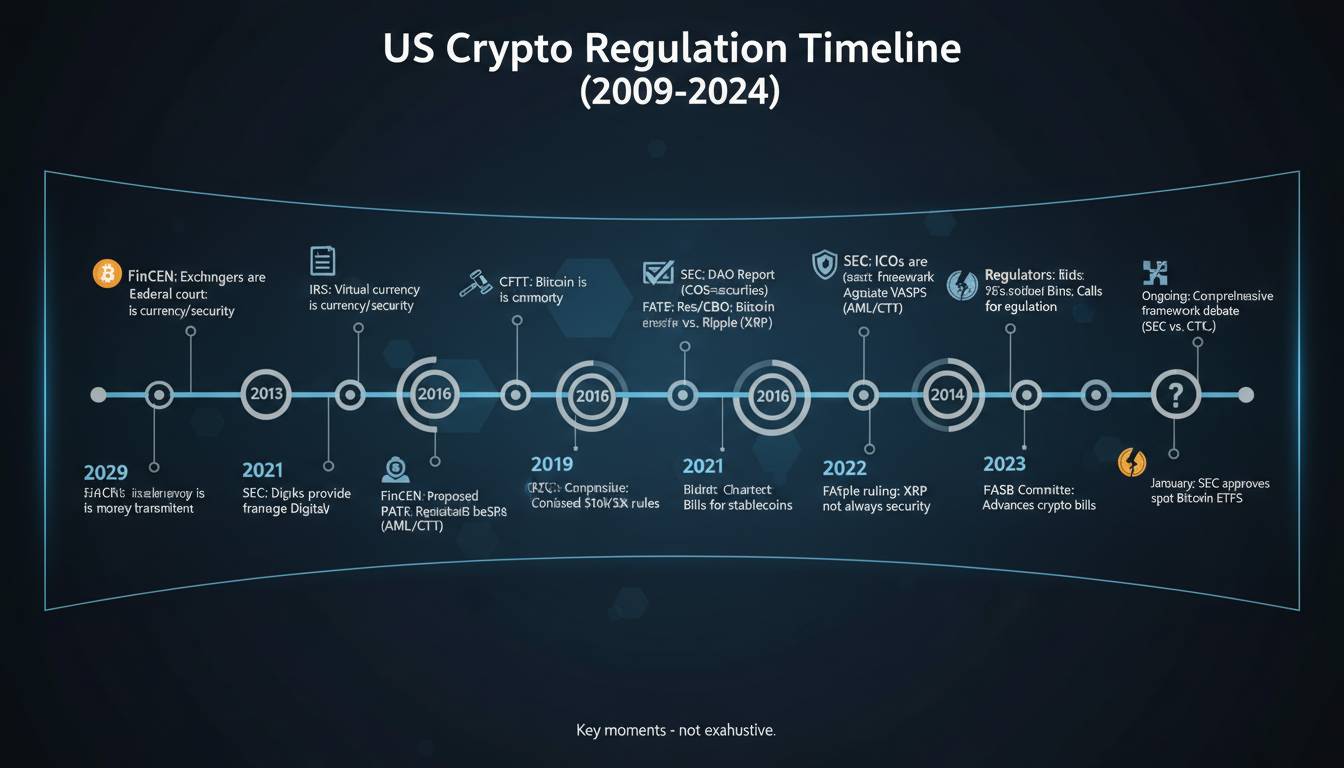
The crypto regulatory environment isn’t calming down. If anything, the pace of enforcement, legislation, and legal challenges is accelerating as digital assets become too large and politically significant to ignore. The institutions that were on the sidelines are now actively lobbying for frameworks, which means the next two to three years will see more regulatory activity than the previous five.
But here’s the thing: none of this requires you to become a regulatory expert or spend hours each day monitoring every development. It requires a system — a small number of trusted sources, a set of alerts that work for you, and the discipline to focus on what actually matters rather than getting distracted by noise.
Start with one source. Just one. Subscribe to CoinDesk’s daily newsletter, read it consistently for two weeks, and see how much you understand about the regulatory landscape after that. From there, add one more source when you feel ready. Build the habit before you build the toolkit.
The goal isn’t to know everything. It’s to know enough to make informed decisions about your positions without the constant anxiety that you’re missing something critical. That’s achievable, and you don’t need to sacrifice your sanity to do it.
The regulatory landscape will keep shifting. Your job isn’t to predict every move — it’s to stay oriented enough to respond when it matters.