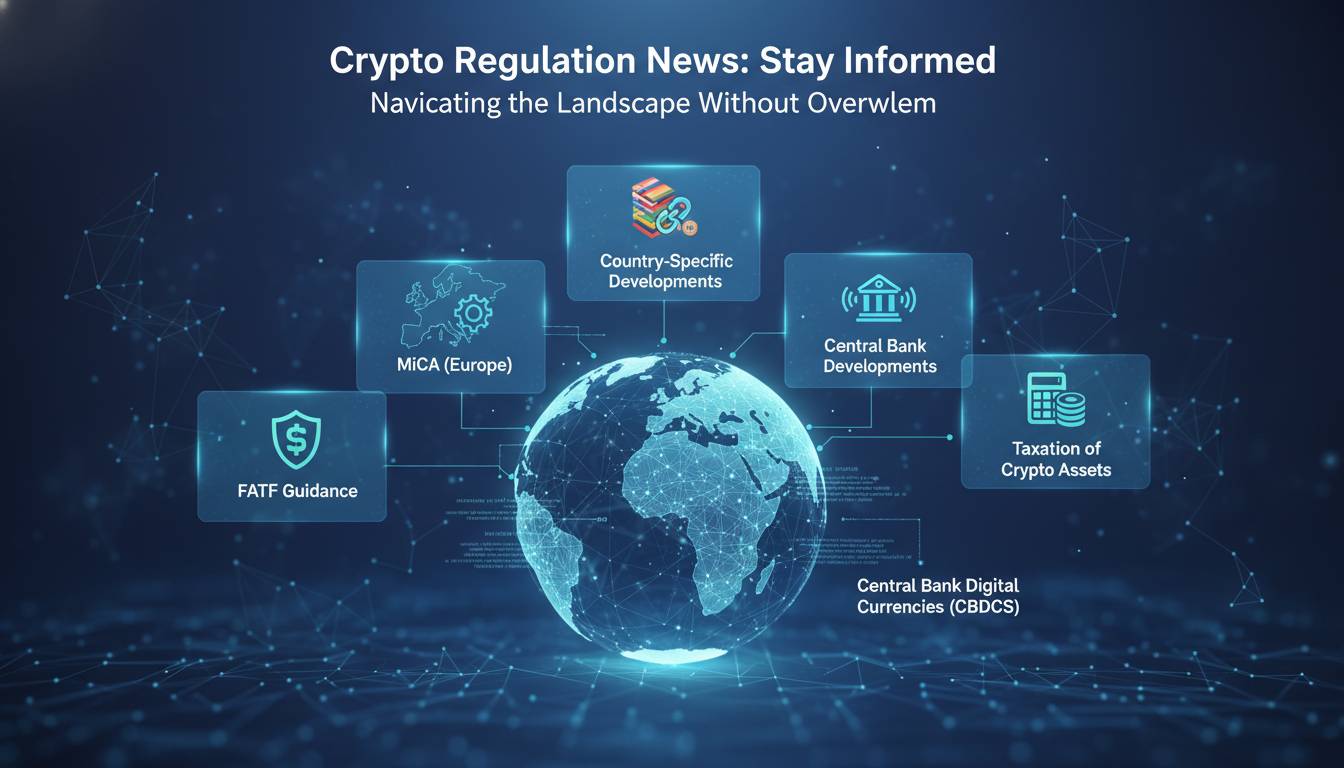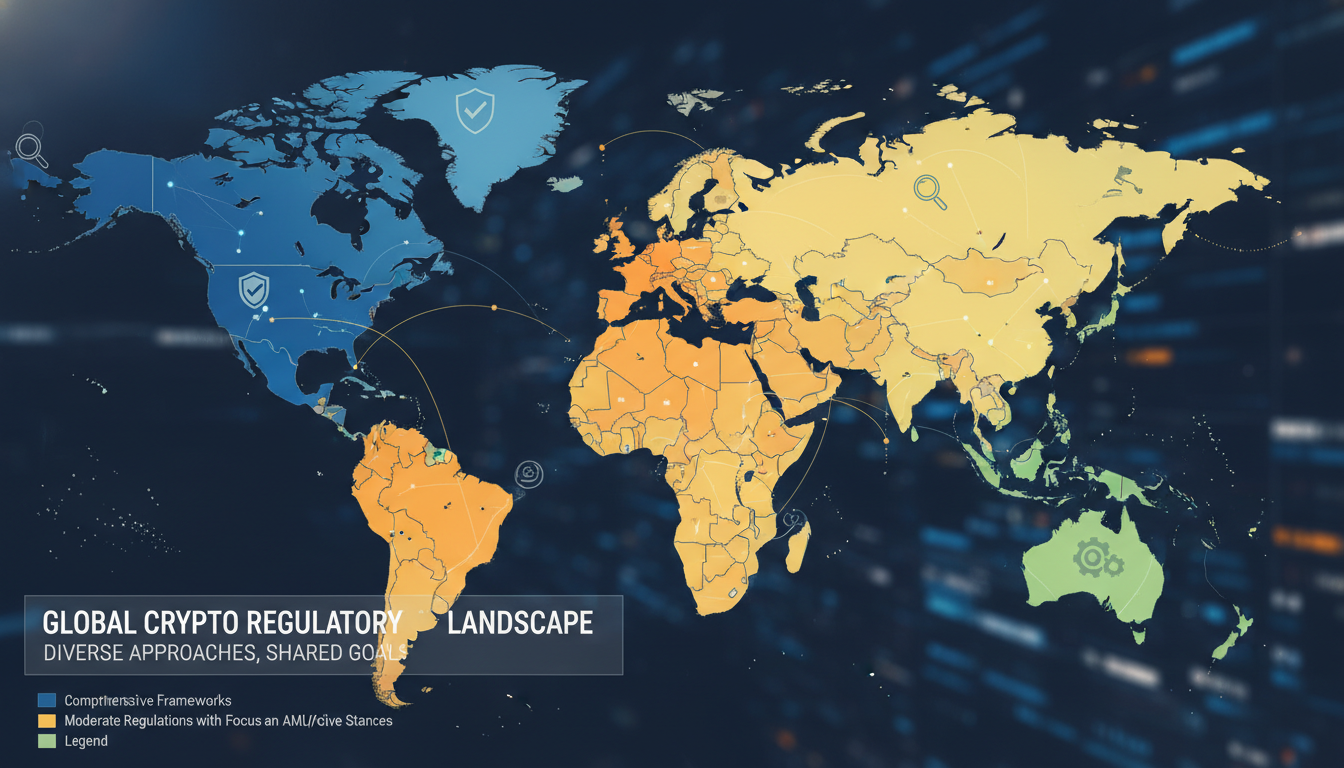
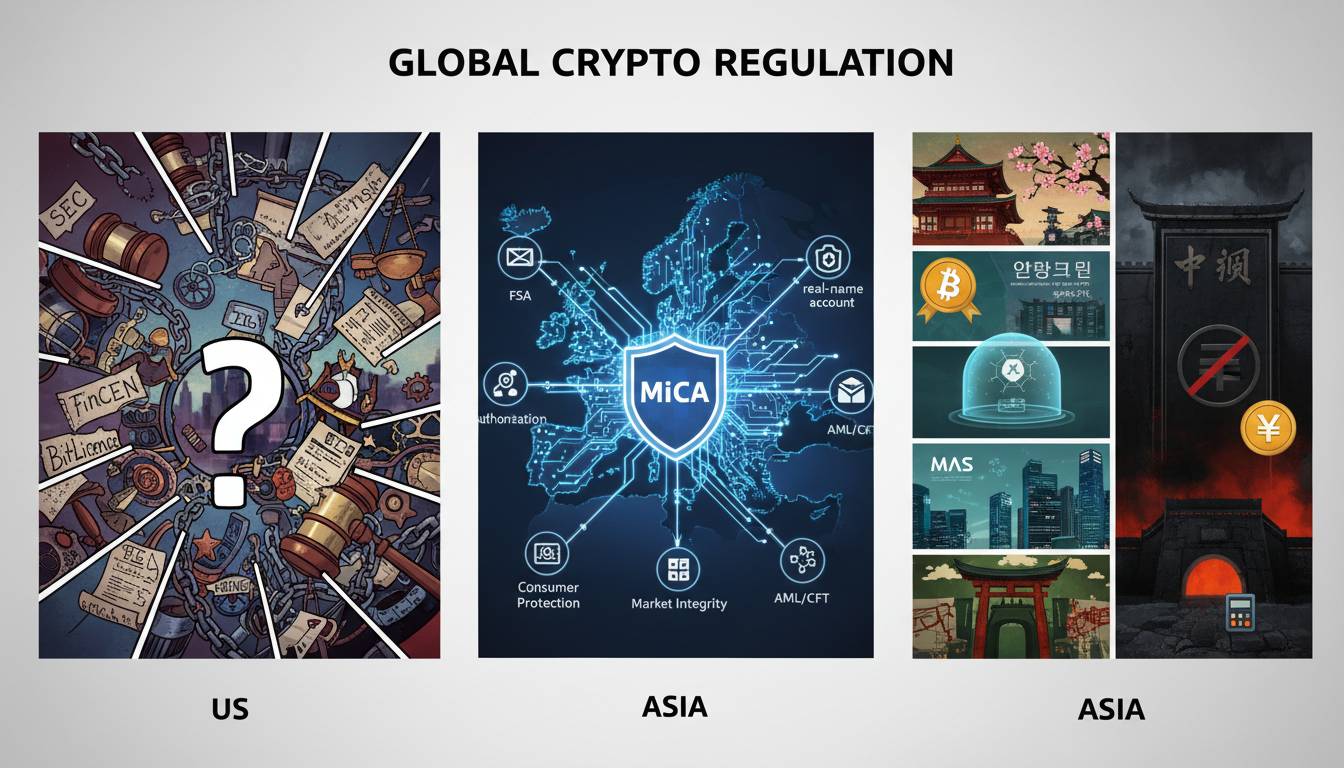
The global cryptocurrency regulatory environment remains fragmented, with jurisdictions taking fundamentally different approaches to managing digital assets. For businesses and investors operating across borders, understanding these differences is critical for survival. The United States treats crypto primarily through existing securities and commodities frameworks, often enforcement-first. The European Union has opted for comprehensive, prescriptive legislation through MiCA. Asian markets present a spectrum from Japan’s cautiously permissive framework to China’s outright bans. This divergence creates compliance challenges and strategic opportunities for those who understand how these frameworks interact.
The US Fragmentation Problem: Enforcement-Driven and Agency-Specific
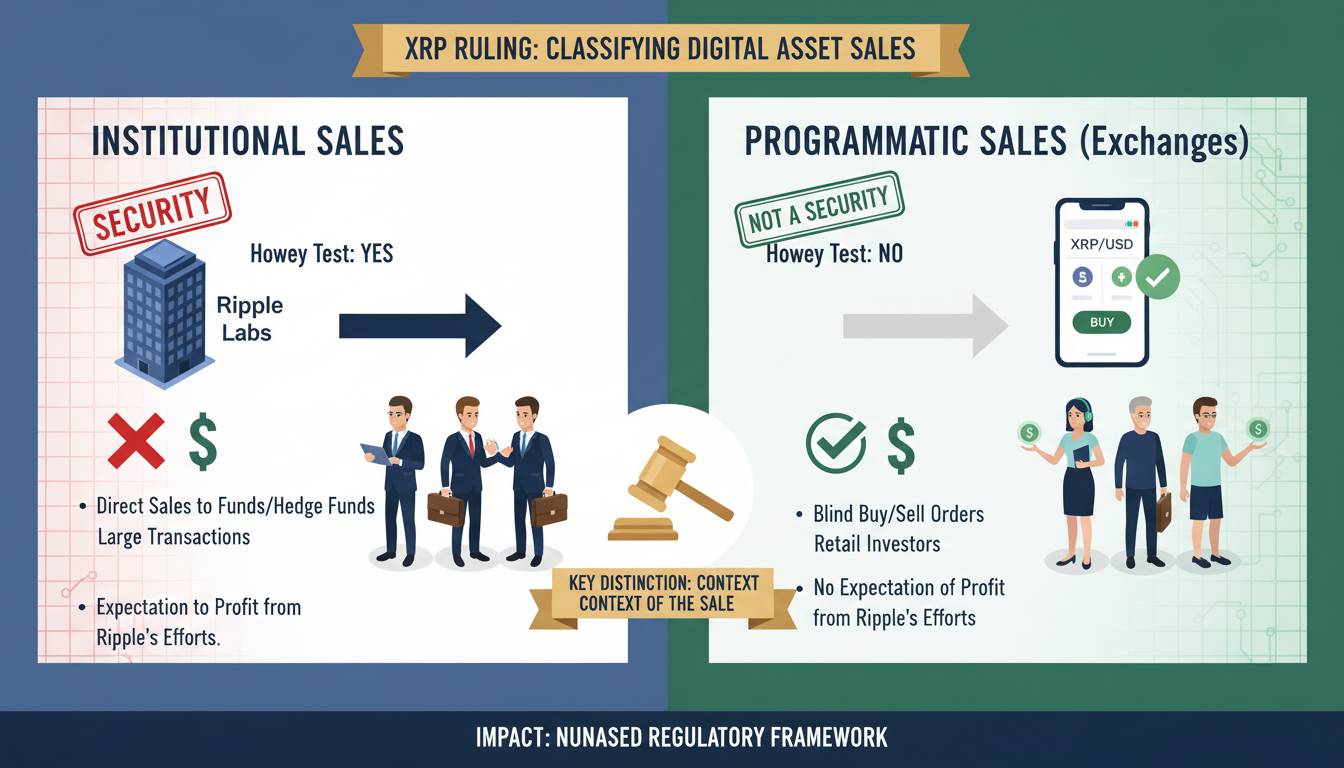
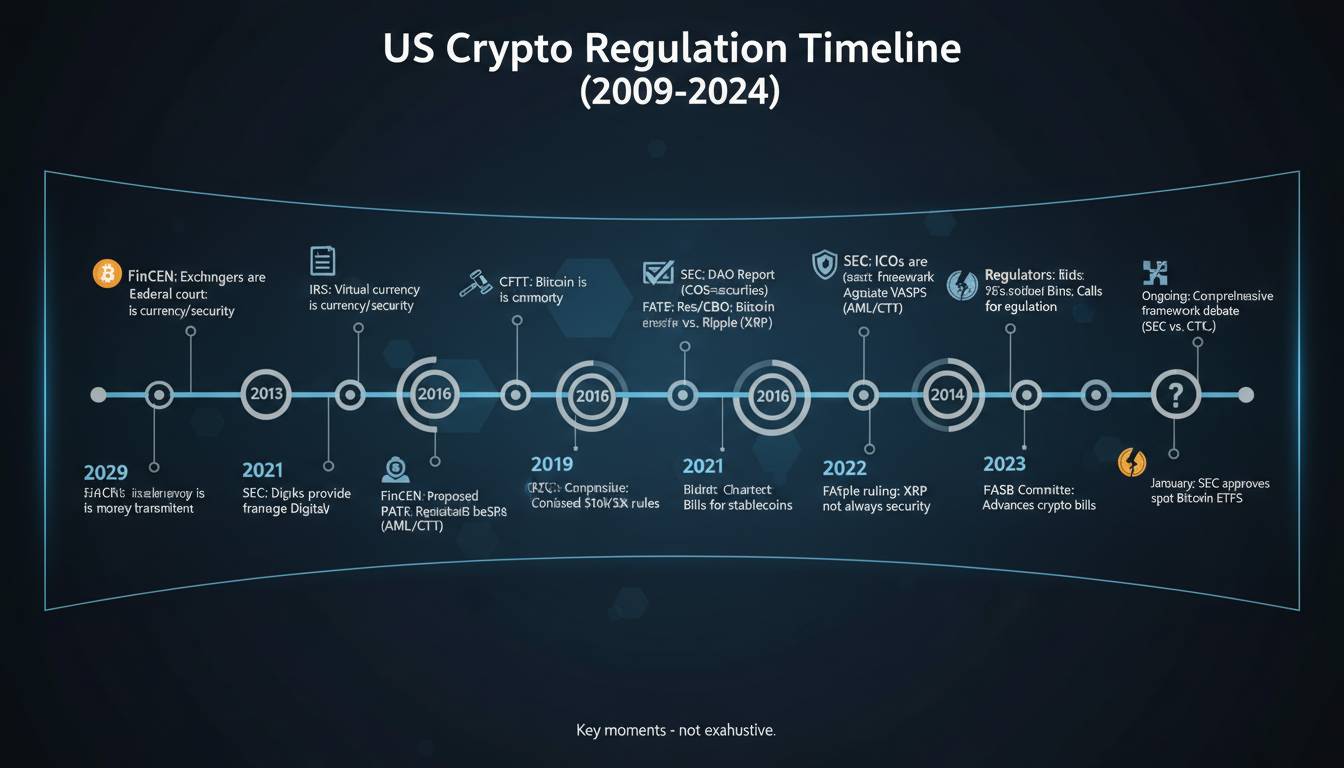
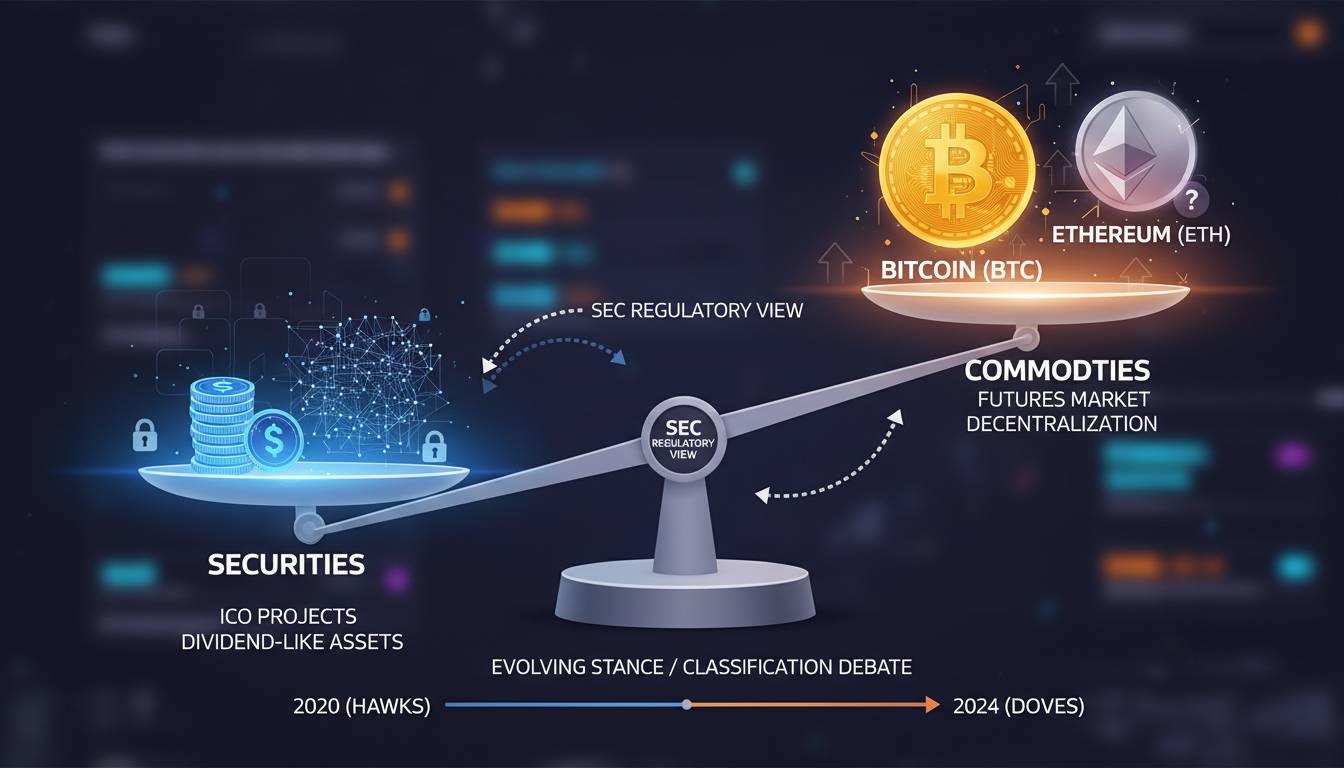
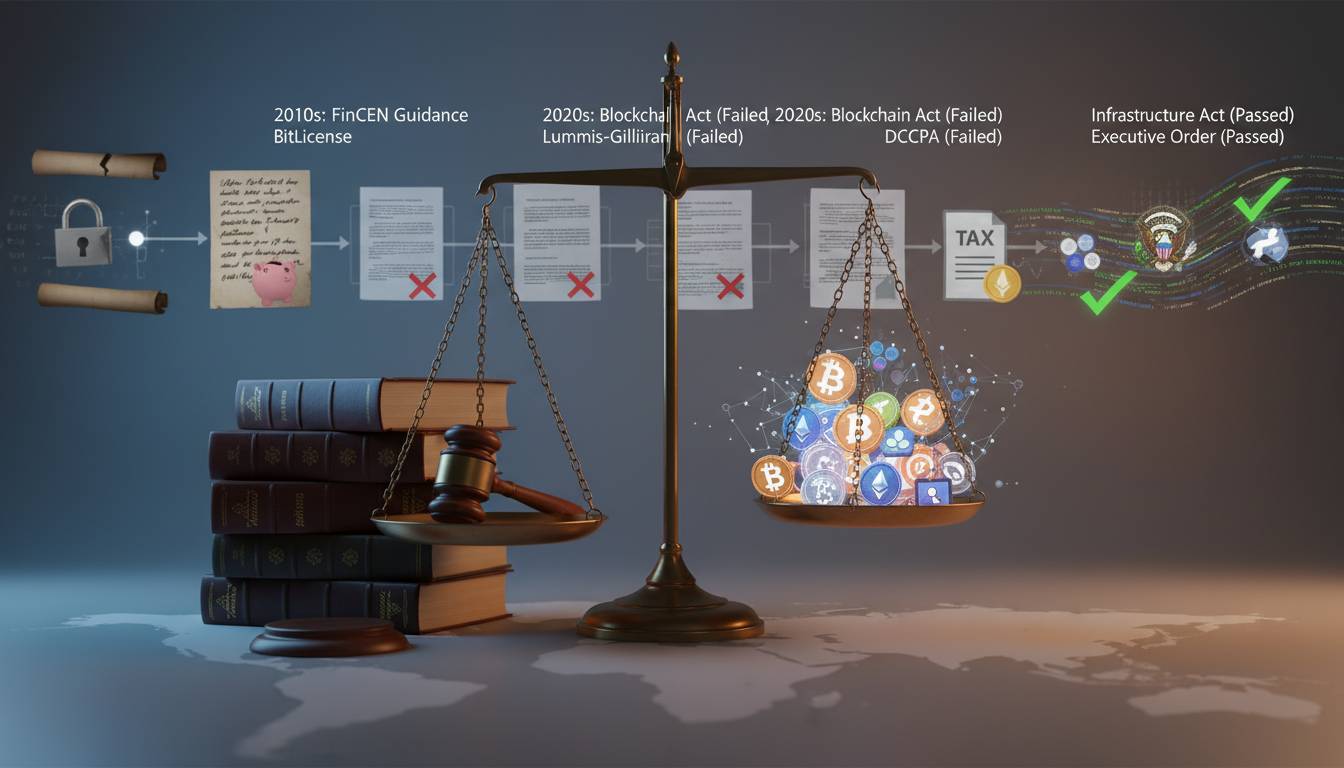
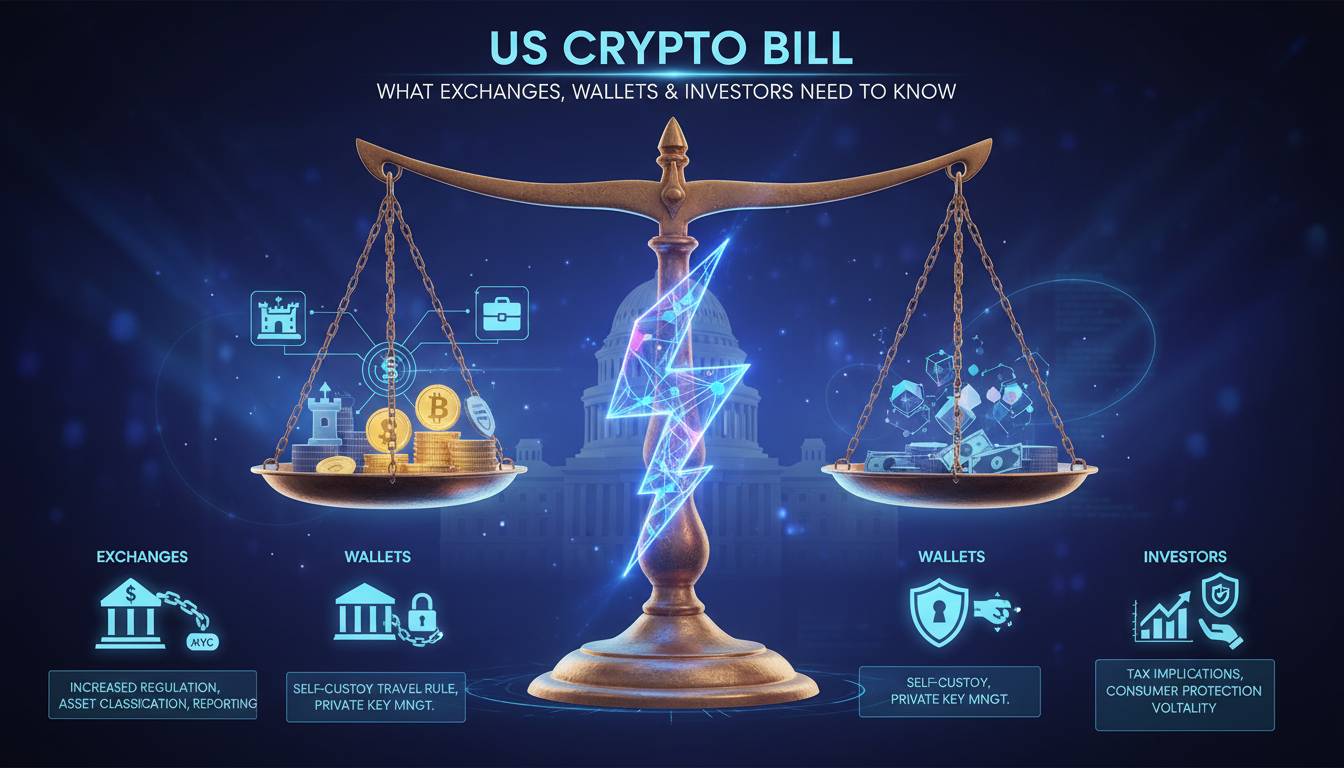
The United States does not have a comprehensive federal crypto law. Instead, regulatory authority is distributed across multiple agencies, each interpreting existing statutes through a crypto-specific lens. The Securities and Exchange Commission (SEC) asserts that most tokens qualify as securities under the Howey test, requiring registration or exemption. The Commodity Futures Trading Commission (CFTC) claims jurisdiction over crypto derivatives and, in recent years, has argued that Bitcoin and Ethereum are commodities. The Financial Crimes Enforcement Network (FinCEN) applies anti-money laundering rules to exchanges, while the Office of the Comptroller of the Currency (OCC) has cleared banks to provide crypto custody services.
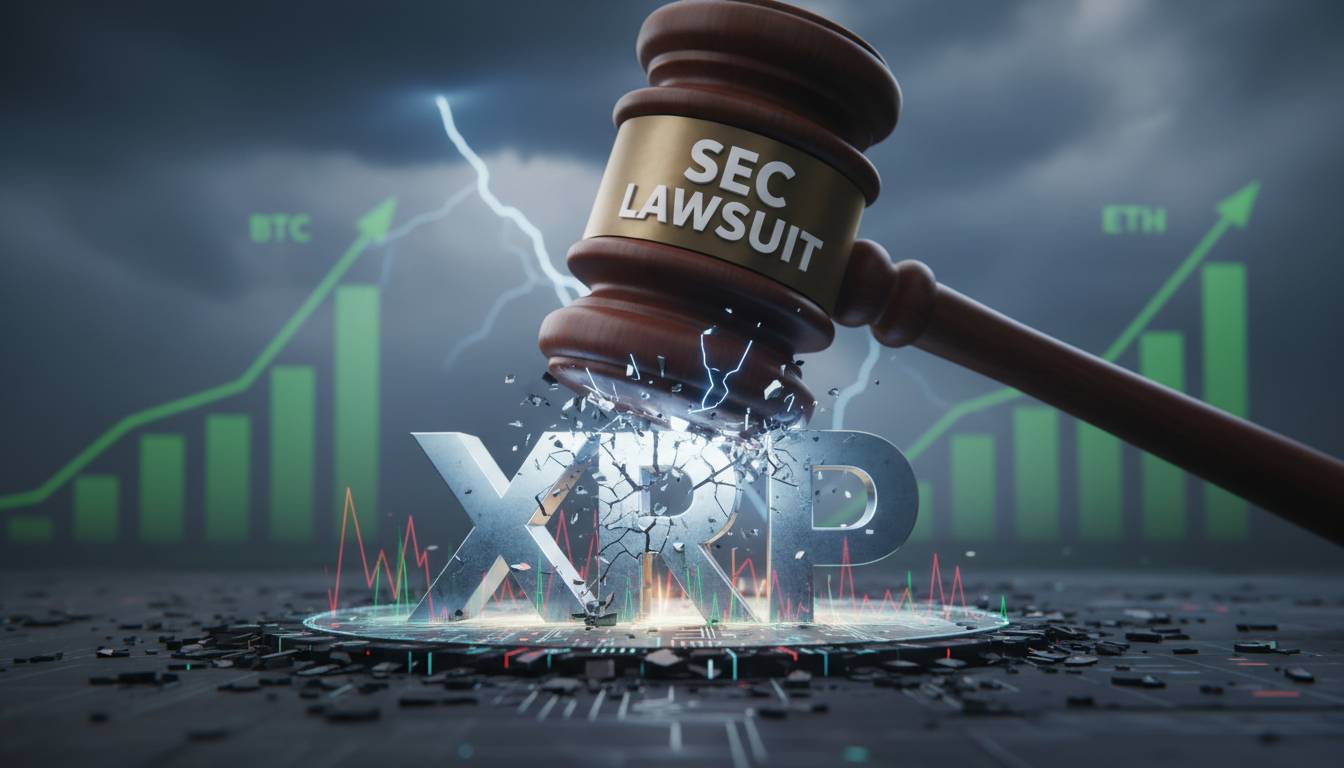
This structure creates what industry lawyers call “regulatory whack-a-mole.” A token that qualifies as a security in one context may be treated as a commodity in another. The SEC’s aggressive enforcement posture under Chair Gary Gensler (2021-2024) brought over 100 crypto-related enforcement actions, targeting exchanges, token issuers, and DeFi protocols. The 2023 cases against Binance and Coinbase, two of the world’s largest exchanges, illustrated the tensions between US regulators and the industry. The SEC’s lawsuit against Coinbase alleged that 13 tokens on its platform were unregistered securities, including well-known names like Solana, Cardano, and Polygon.
The practical result for US-based businesses is extraordinary legal uncertainty. Companies must simultaneously satisfy SEC disclosure requirements, CFTC trading platform rules, state money transmitter licenses (a patchwork of over 49 regimes), and federal AML/BSA obligations. The lack of clear statutory authority means that new rules can emerge suddenly through enforcement actions rather than legislative debate. This enforcement-first approach has driven many projects outside US borders—a brain drain that Congress has begun to acknowledge.
The EU’s MiCA: Comprehensive Rules and Passporting Rights
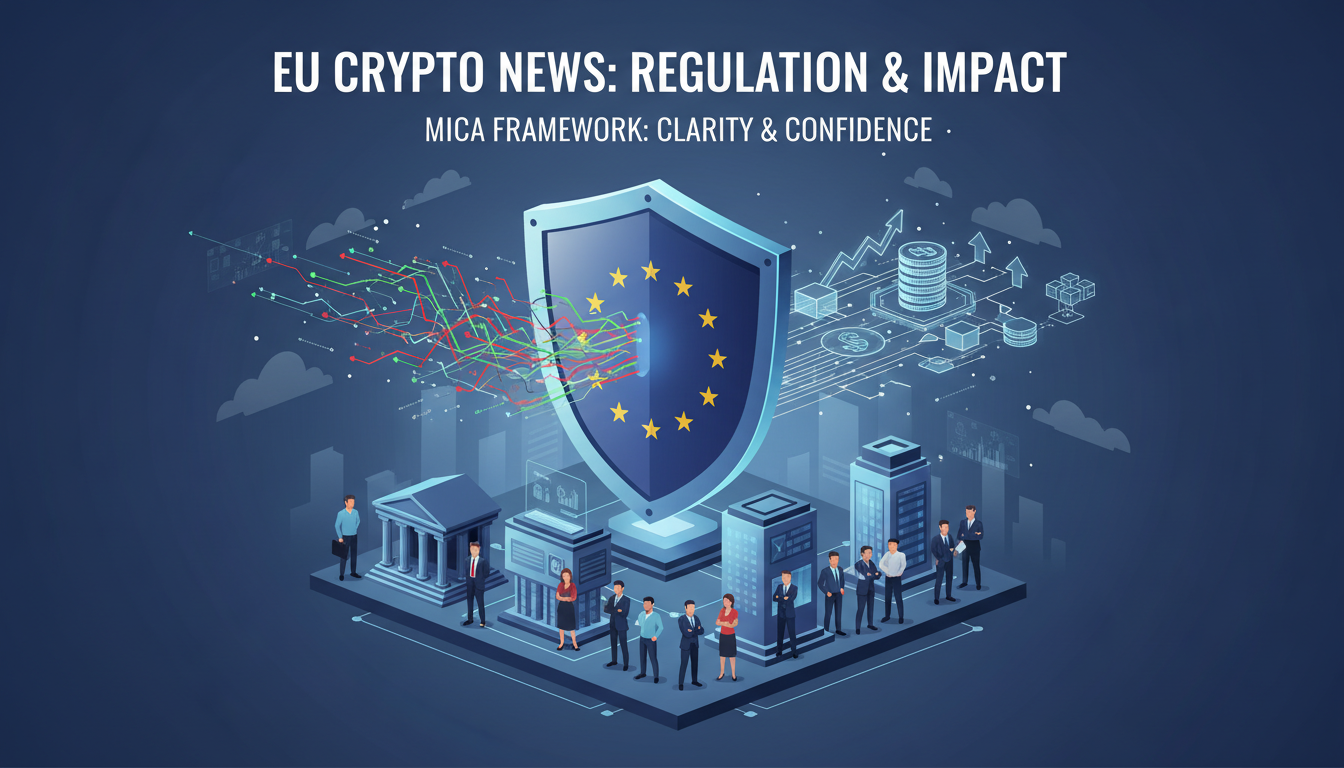
The European Union took the opposite approach: comprehensive, forward-looking legislation designed to create a single market for crypto assets. The Markets in Crypto-Assets Regulation (MiCA), which entered into force in June 2023 with full application from December 2024, establishes a unified framework across all 27 EU member states. MiCA categorizes crypto assets into three tiers: asset-referenced tokens (ARTs), e-money tokens (EMTs), and other crypto assets, each with distinct capital requirements, disclosure obligations, and governance standards.
For stablecoins, MiCA imposed reserve asset requirements that proved immediately disruptive. Tether’s EURT and other stablecoins had to restructure to comply, and several exited the EU market entirely. The regulation also requires white papers for new token issuances, mandatory reporting of crypto asset transfers for AML purposes, and strict rules on market abuse. MiCA creates a concept of “crypto asset service providers” (CASPs) that can obtain licenses valid across the entire EU—a “passporting” right that eliminates the need for separate national approvals.
The European Securities and Markets Authority (ESMA) has been issuing technical standards throughout 2024 to fill in MiCA’s implementation details. This has been a slow, technical process, and the industry has expressed concerns about compliance costs for smaller players. However, for multinational crypto businesses, the EU’s clarity represents a significant advantage over US fragmentation. Companies like Binance and Kraken have invested heavily in EU licensing, viewing it as an anchor for global compliance infrastructure.
Japan: Conservative Licensing and Regulatory Clarity
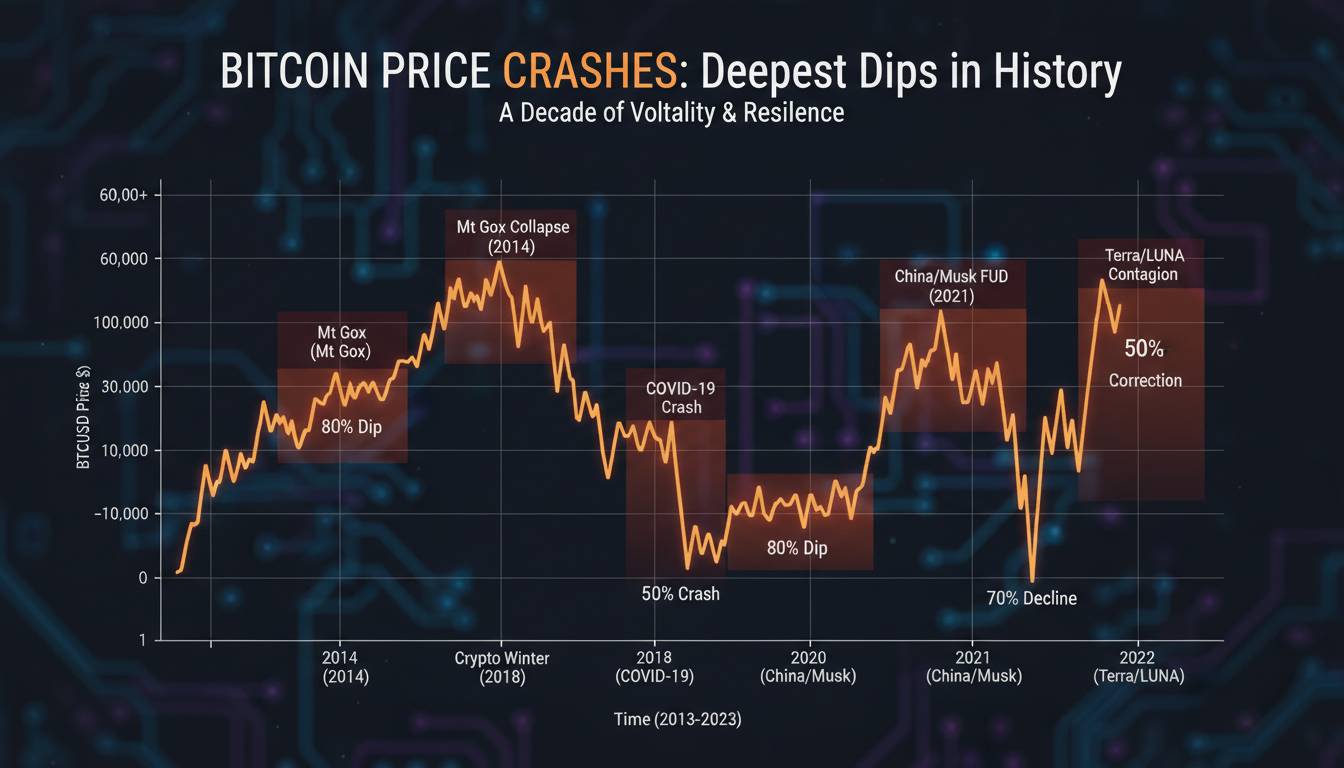
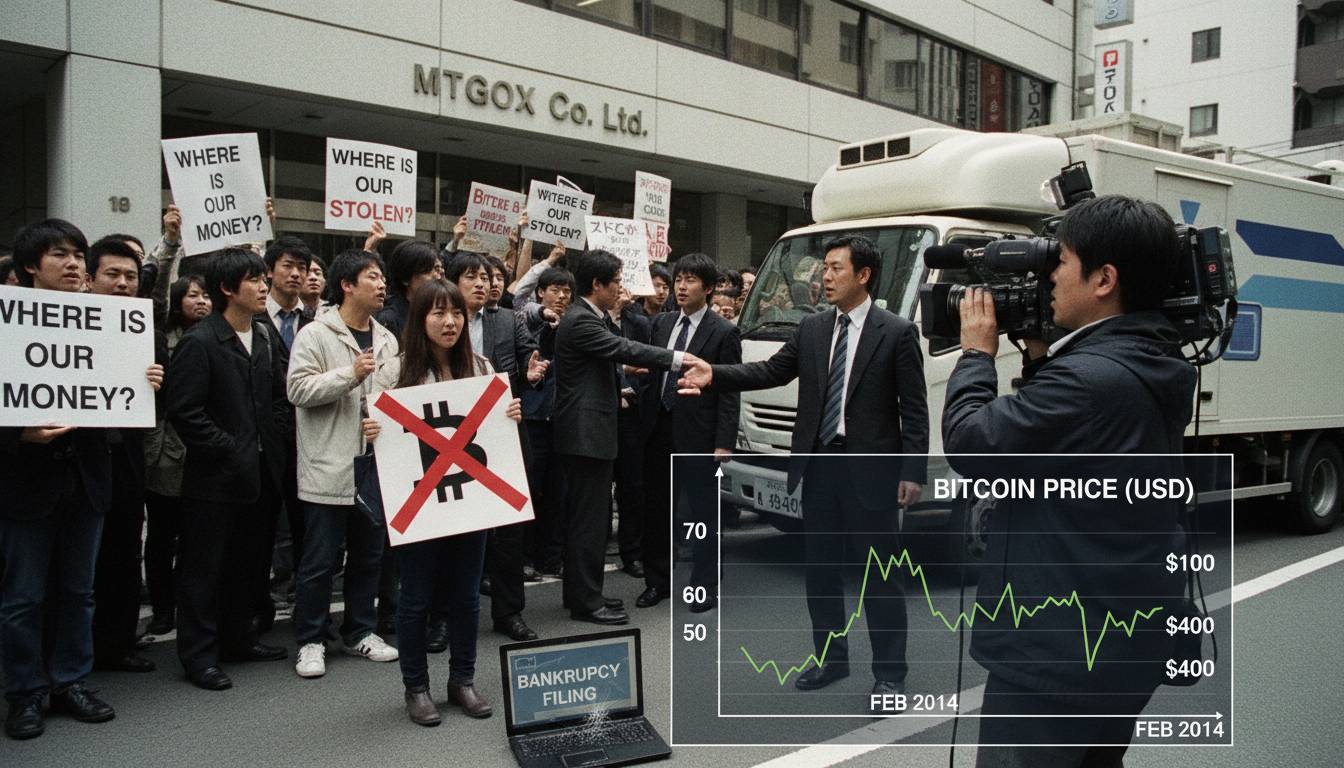
Japan represents the Asian extreme of cautious, license-driven crypto regulation. Following the 2014 Mt. Gox collapse—one of the earliest major crypto exchange failures—Japan implemented a mandatory licensing system for crypto exchange service providers (CEGSPs). The Financial Services Agency (FSA) requires exchanges to meet strict capital requirements, implement robust internal controls, segregate customer assets, and submit to regular audits. As of early 2025, only approximately 50 exchanges held active licenses, a fraction of the global market.
Japan’s approach prioritizes consumer protection above all else. The country has consistently refused to permit crypto derivatives trading for retail investors, citing concerns about speculation and market manipulation. This stands in stark contrast to jurisdictions where crypto CFDs and futures trade freely. Japan’s stablecoin framework, implemented in 2023, allows only licensed banks, trust companies, and registered exchange operators to issue stablecoins—a narrow channel that has kept the stablecoin market in Japan underdeveloped compared to the US or EU.
The results are mixed. On one hand, Japanese crypto exchanges have suffered fewer major hacks than their global counterparts. On the other hand, Japanese investors face limited access to global crypto products, and the domestic industry has struggled to compete with international platforms. The FSA has begun modestly liberalizing its stance, particularly regarding token listings and DeFi, but the fundamental orientation remains protective rather than promotional.
Singapore: Open-Door Policy with Targeted Regulation
Singapore has positioned itself as the Asia-Pacific hub for crypto business, offering a deliberate alternative to both Japan’s caution and China’s prohibition. The Monetary Authority of Singapore (MAS) regulates crypto payment services under the Payment Services Act, requiring licensees to demonstrate robust AML/CFT controls, technology risk management frameworks, and customer protection measures. The licensing process is rigorous—only a handful of major licenses have been granted—but the regulatory pathway is transparent and predictable.
The city-state’s strategy has been explicitly competitive. MAS Chair Tharman Shanmugaratnam has articulated a vision of “balanced” regulation that fosters innovation while containing systemic and consumer risks. This has attracted major crypto firms to establish regional headquarters in Singapore, including Binance (which acquired a Payments Services license in 2022), Ripple, and numerous venture capital funds focused on blockchain. The MAS has also launched Project Guardian, a collaborative initiative with industry players to explore tokenized assets and DeFi in a regulated sandbox environment.
However, Singapore has tightened restrictions progressively. In 2022, the MAS barred advertising of crypto services to the public and prohibited the use of credit cards for crypto purchases. Recent 2024 amendments to the Payment Services Act expanded the regulatory perimeter and imposed additional customer protection obligations. The message from the regulator is clear: Singapore welcomes crypto business, but on the regulator’s terms, not the industry’s.
China: From Mining Bans to Total Restriction
China’s stance on cryptocurrency represents the most restrictive major economy globally. In September 2021, the People’s Bank of China (PBOC) declared all cryptocurrency transactions illegal, effectively criminalizing crypto trading, mining operations, and related financial services. This followed earlier crackdowns on mining in 2021 that forced major operations to relocate abroad—primarily to Kazakhstan, the United States, and Russia. The ban encompasses not only Bitcoin but all decentralized cryptocurrencies, including stablecoins and NFTs when interpreted broadly.
The rationale provided by Chinese authorities centers on financial stability, energy consumption, and capital flight control. The PBOC has promoted its own central bank digital currency, the digital yuan (e-CNY), as the only legal digital payment alternative. Private cryptocurrencies are framed as speculative tools that threaten the sovereignty of the yuan and enable illicit cross-border flows.
The enforcement has been comprehensive. Chinese courts have ruled that crypto contracts are unenforceable. Banks and payment processors are prohibited from serving crypto businesses. Online platforms have removed crypto-related content and trading interfaces. The impact on global hash rate distribution has been significant—China’s share of Bitcoin mining dropped from over 65% in 2019 to near zero by 2022, reshaping the geographic concentration of proof-of-work networks.
Hong Kong: The Regulatory Reset
Hong Kong has emerged as a surprising counterpoint to mainland China’s restrictions. Following China’s 2021 crackdown, Hong Kong positioned itself as a compliant gateway for crypto businesses seeking Asian access. The Securities and Futures Commission (SFC) implemented a new licensing regime for virtual asset trading platforms (VATPs) in June 2023, allowing licensed exchanges to serve retail investors for the first time. This was a significant liberalization from the previous regime, which limited crypto trading to professional investors.
The SFC’s framework imposes requirements similar to those for traditional securities exchanges: capital adequacy, insurance coverage, segregation of client assets, and mandatory listing standards for traded tokens. The regulator has been deliberate in its approach, approving only a handful of licenses in the first year. Platforms like OSL and HashKey have obtained full licenses, while major global exchanges including Binance and OKX have established local entities to pursue licensing.
Hong Kong’s advantage lies in its legal system, financial infrastructure, and proximity to mainland China without direct applicability of the PBOC ban. The city has also explored tokenized securities and is developing a stablecoin regulatory framework. However, questions remain about whether Hong Kong’s regulatory clarity will translate into market activity, given that many Chinese retail investors remain excluded from the system.
The UK and Australia: Emerging Frameworks
While not as large as the US, EU, or Asian giants, the United Kingdom and Australia represent significant markets with evolving regulatory approaches. The UK, post-Brexit, has sought to position itself as a “crypto hub,” but its regulatory framework remains incomplete. The Financial Conduct Authority (FCA) requires crypto asset businesses to register for AML purposes but has not implemented a comprehensive licensing regime. The UK Treasury has proposed a broader regulatory framework for crypto assets, including market abuse rules and stablecoin regulation, but legislation has progressed slowly.
Australia has taken a more defined approach. The Australian Securities and Investments Commission (ASIC) has applied existing corporations and financial services laws to crypto assets, with the Treasury developing a more tailored regulatory framework. Australia requires crypto exchange registration and has implemented GST treatment for digital currency, a relatively unique approach among major economies.
Divergent Philosophies and Strategic Implications
These regulatory differences reflect deeper philosophical divides. The US treats crypto as an existing category to be enforced—securities law applied to tokens, commodities law applied to Bitcoin. The EU treats crypto as a new category requiring bespoke legislation. Japan treats it as a financial service requiring strict licensing. China treats it as a threat to monetary sovereignty. Singapore treats it as an industry to be cultivated carefully. Hong Kong treats it as a potential competitive advantage.
For businesses, this fragmentation means that compliance cannot be an afterthought. A token that is legal in Singapore may be illegal in China and uncertain in the US. A stablecoin compliant with MiCA may fail US reserve requirements. The strategic implication is that legal domicile matters enormously. Many crypto companies now structure operations across multiple jurisdictions, maintaining separate entities for different markets. This multi-jurisdictional approach increases costs but reduces regulatory risk.
The question that remains unresolved is whether convergence will emerge. International bodies like the Financial Stability Board (FSB) and the Basel Committee on Banking Supervision have issued frameworks for crypto regulation, particularly around financial stability risks. However, national approaches continue to diverge based on local priorities—consumer protection, innovation promotion, monetary sovereignty, or financial center competition. Until a major market experiences a crypto-triggered financial crisis that forces coordinated response, regulatory fragmentation will persist, creating both friction and opportunity for those positioned to navigate it.