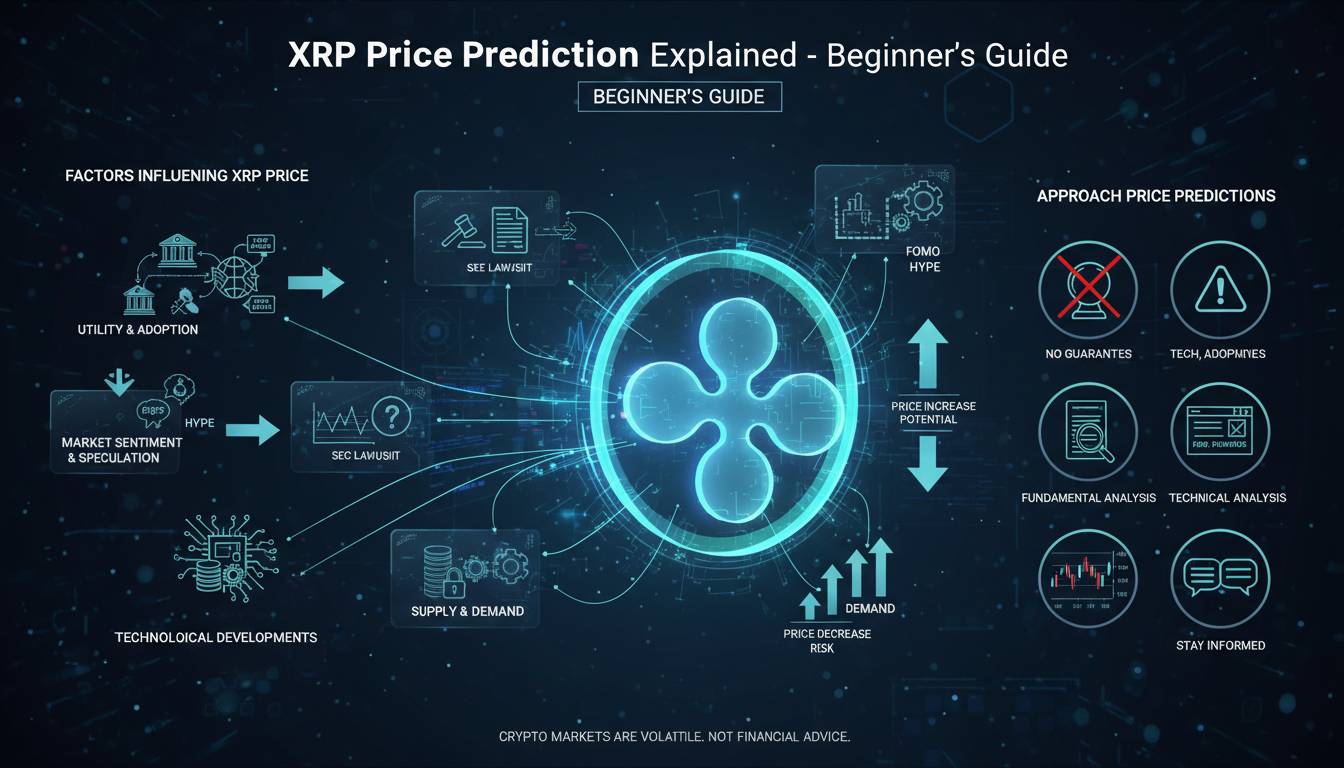
The cryptocurrency market has spent years waiting for regulatory clarity on XRP, and that wait continues into 2025 with several pivotal decisions on the horizon. Ripple’s native token remains one of the most discussed digital assets in the space—not because of its technology alone, but because its price trajectory depends almost entirely on how courts and regulators ultimately rule on its classification. Understanding where XRP could trade by the end of 2026 requires examining three distinct regulatory paths, each with dramatically different implications for price discovery.
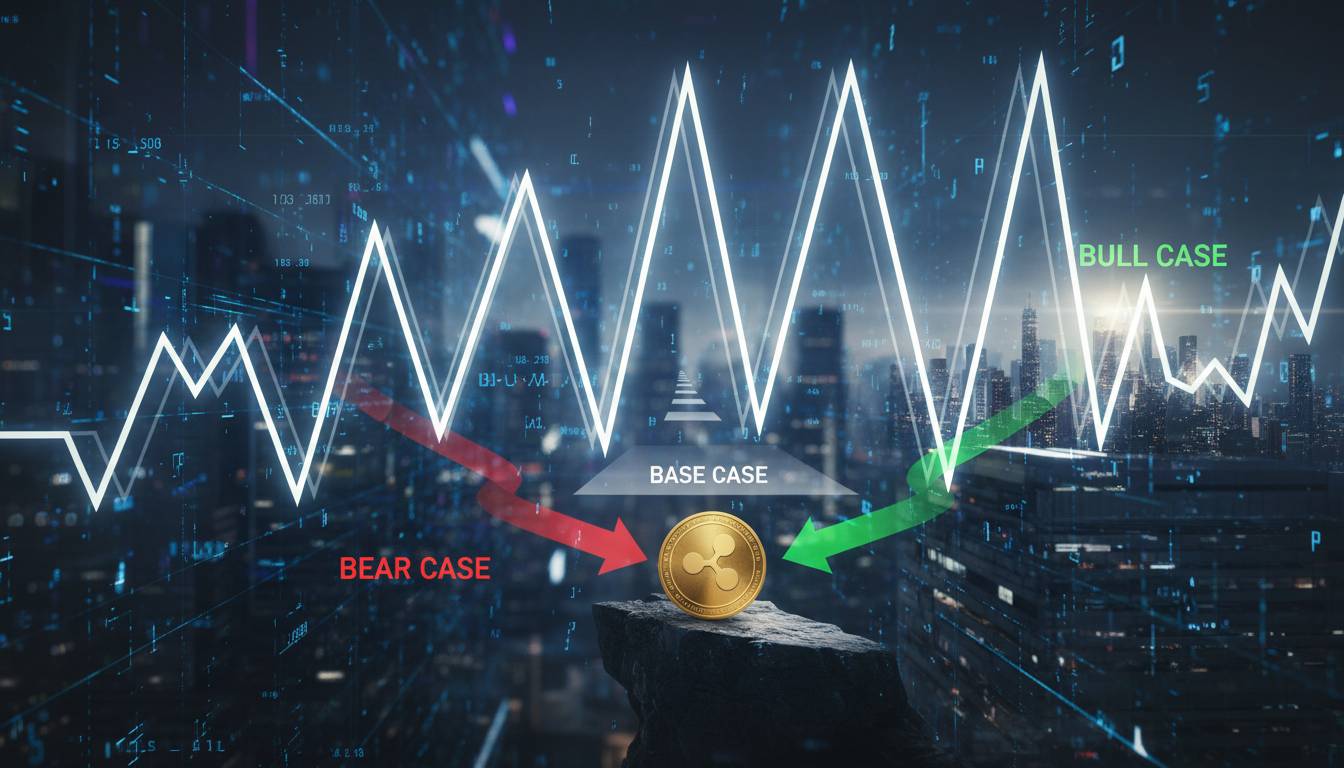
This analysis breaks down the bull, base, and bear cases for XRP through 2026, grounded in the regulatory catalysts actually moving the market. I won’t pretend I can predict where Bitcoin will be or what ETF approvals might cascade into the broader crypto market—those are separate variables. What I can do is map XRP’s price potential specifically to its regulatory outcomes, because that’s the lever that actually matters for this asset.
Understanding the Regulatory Stakes
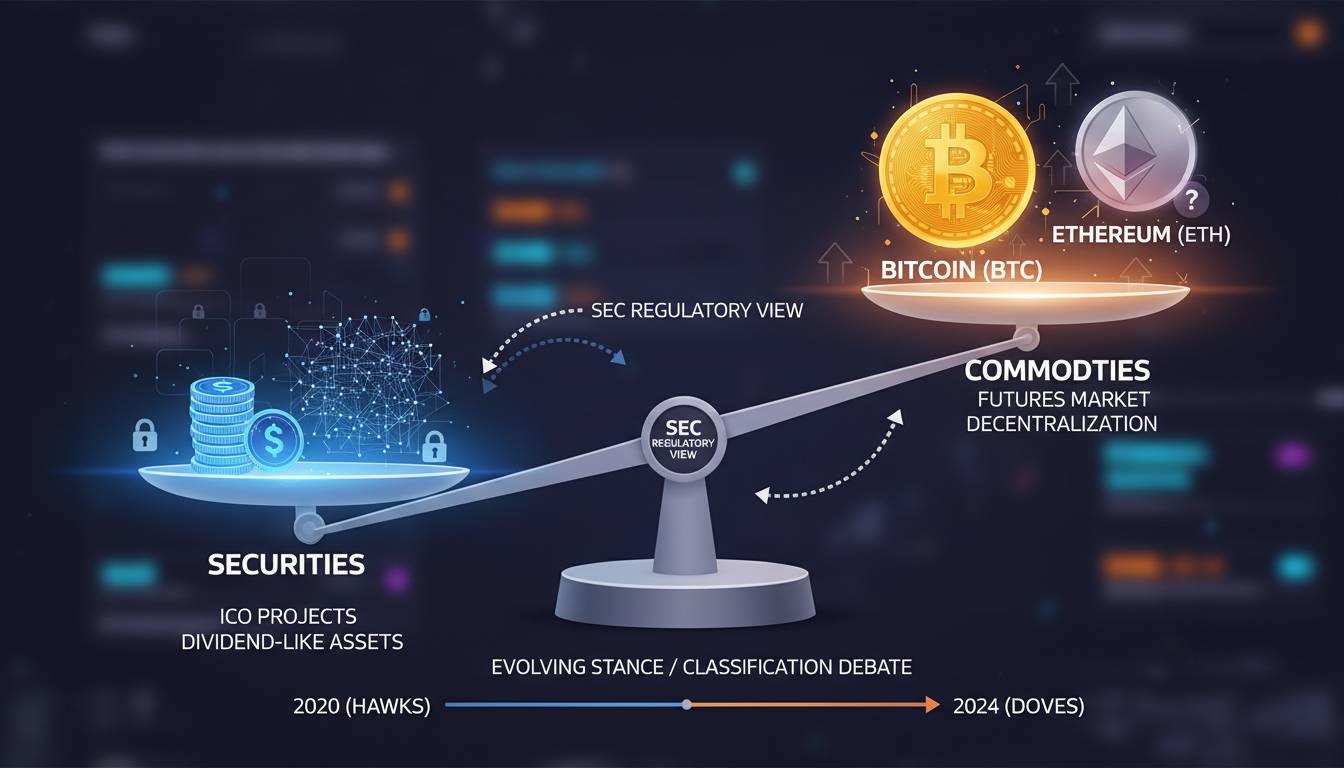
To understand why XRP’s regulatory status creates such extreme price ranges, you need to grasp the core issue: whether XRP functions as a security or a currency.
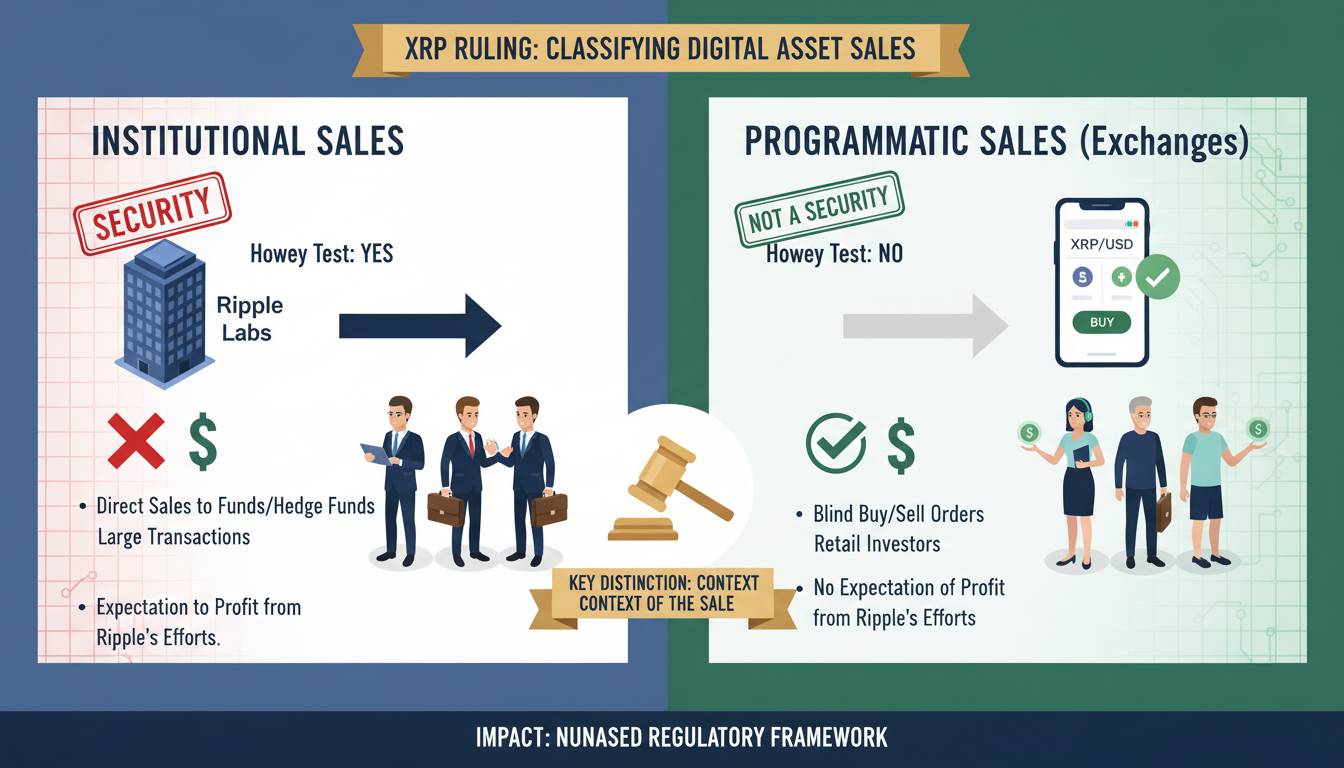
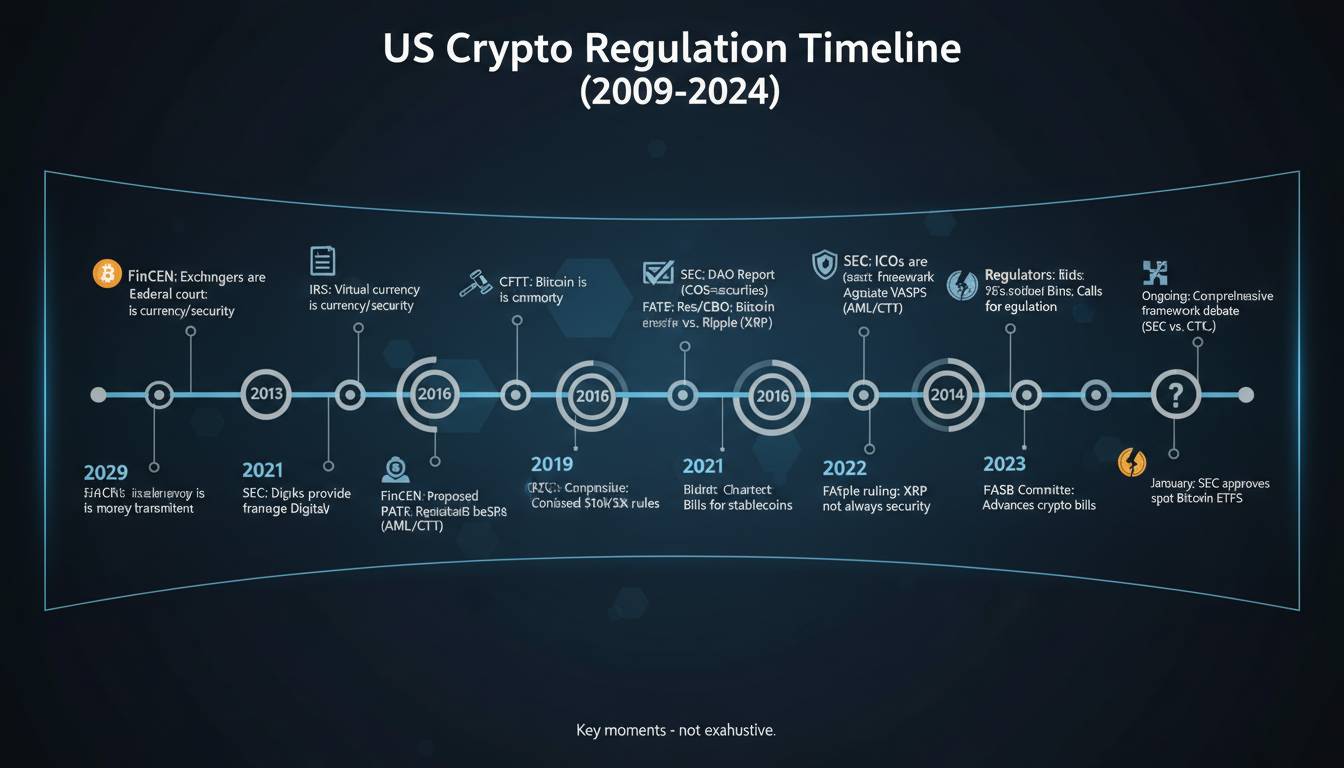
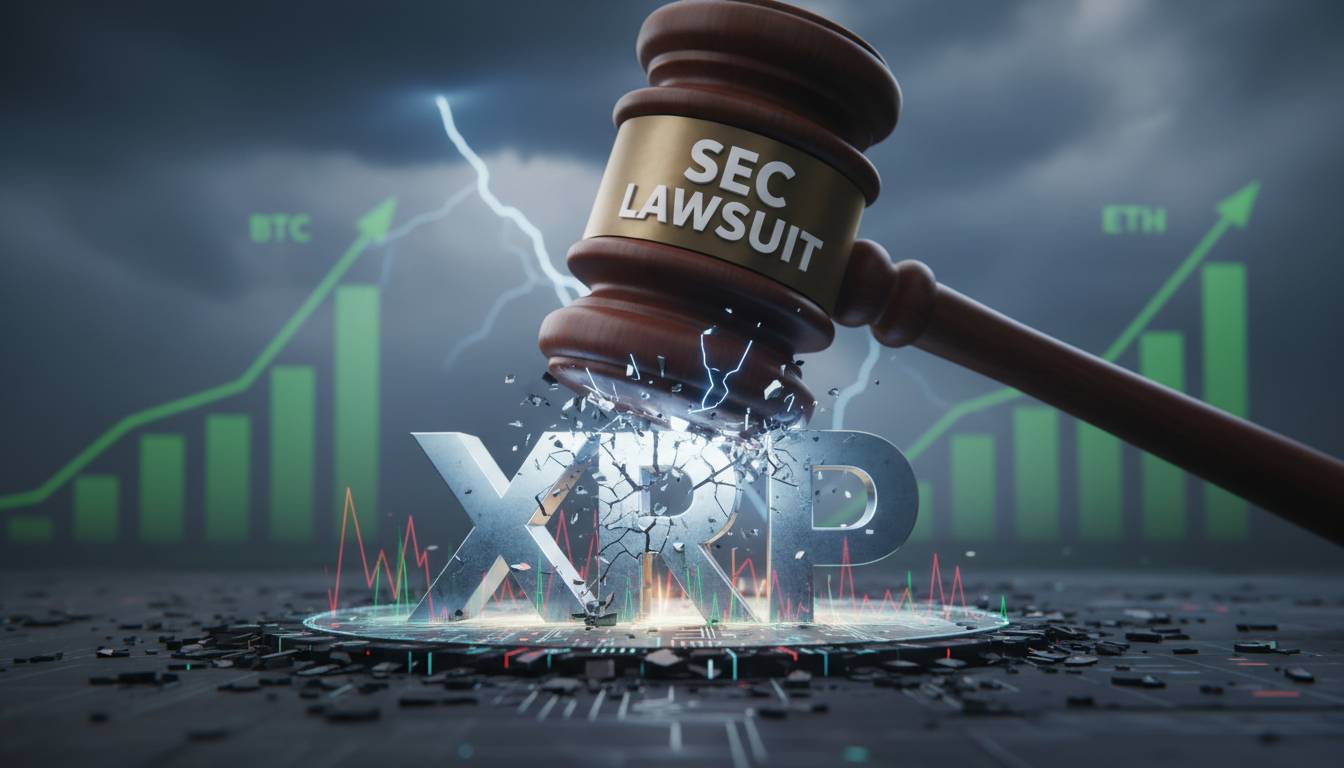
When the U.S. Securities and Exchange Commission filed its lawsuit against Ripple Labs in December 2020, the case immediately became the most significant regulatory confrontation in cryptocurrency history. The SEC alleged that Ripple conducted an unregistered securities offering by selling XRP to institutional investors. Ripple has consistently argued that XRP functions as a virtual currency, not a security, and that its sales to the public did not constitute investment contracts.
The case has produced mixed outcomes. In 2023, Ripple secured a partial victory when Judge Analisa Torres ruled that programmatic sales of XRP to retail investors did not constitute securities transactions. However, the SEC’s case regarding institutional sales continues, and the agency has appealed aspects of the ruling. This ongoing legal uncertainty creates the bifurcation in price predictions you’re about to see.
What happens in the next twelve to eighteen months—whether the SEC settles, loses on appeal, or pursues further litigation—will fundamentally determine whether XRP trades at $0.50 or $10 by late 2026.
Bull Case: Regulatory Clarity Unlocks Institutional Adoption
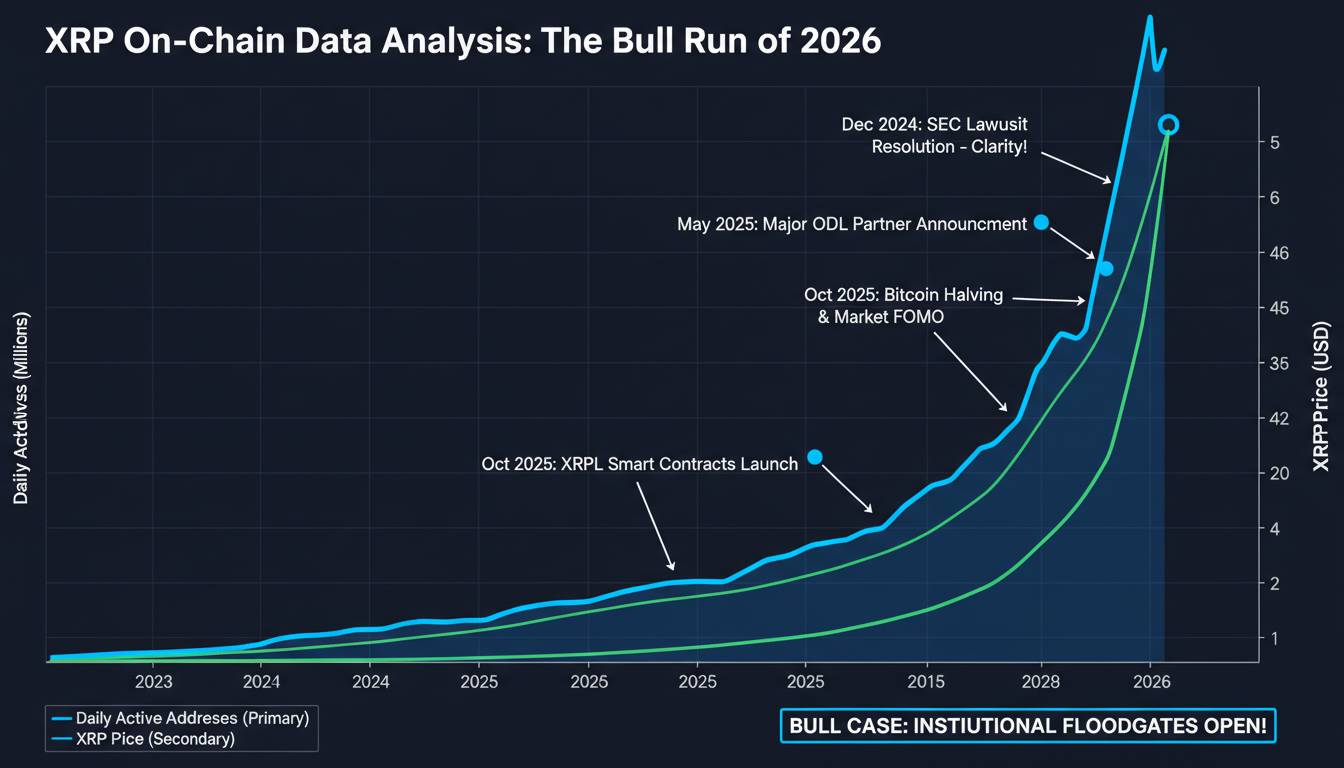
The bull case for XRP in 2026 assumes a favorable resolution to the remaining SEC litigation, combined with approval for XRP-based exchange-traded products and meaningful institutional integration.
What Triggers This Scenario
This scenario becomes reality if the SEC drops its remaining claims against Ripple regarding institutional sales, or loses decisively on appeal. The agency has shown willingness to settle cases under Chair Gary Gensler (though his tenure faces uncertainty) and potentially under new leadership. A settlement that includes no admission of wrongdoing but provides clear guidance that XRP is not a security would remove the primary overhang on the asset.
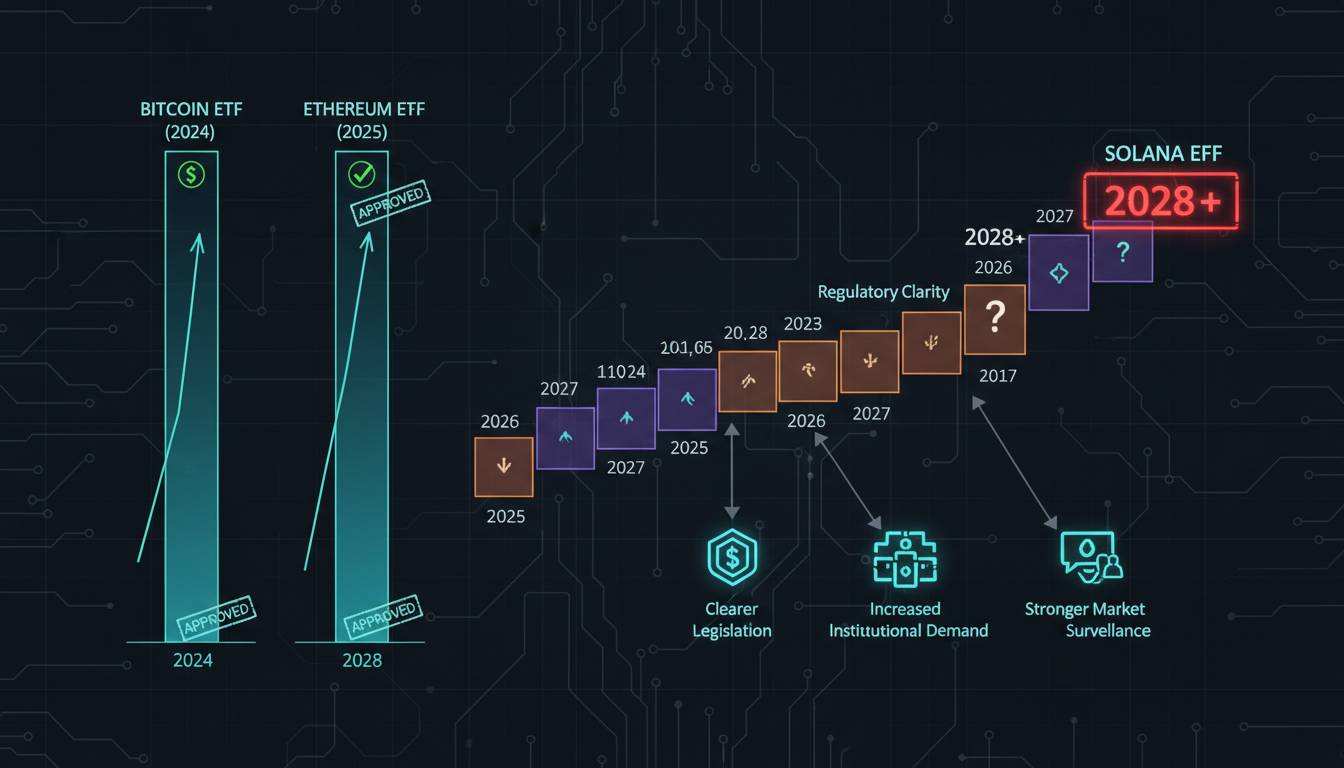
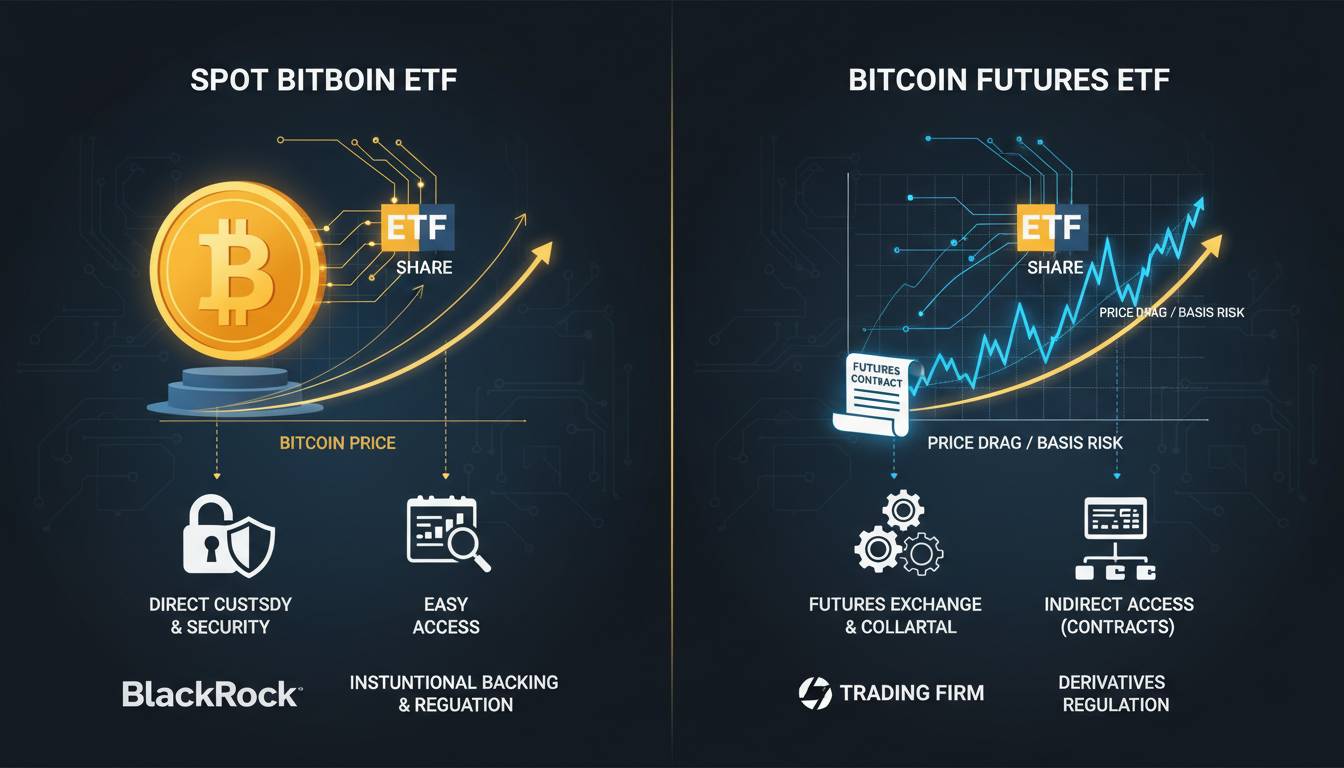
Equally important is the ETF approval pipeline. BlackRock and other major asset managers have explored spot crypto ETFs, and while Bitcoin and Ethereum have led the charge, an XRP ETF would signal institutional legitimacy. If the SEC approves even one XRP futures ETF in 2025, it creates a pathway for spot ETFs subsequently.
Price Target and Supporting Factors
Under this scenario, XRP could reach $8–$12 by late 2026. This range assumes that removing regulatory uncertainty unlocks the institutional capital that has remained on the sidelines.
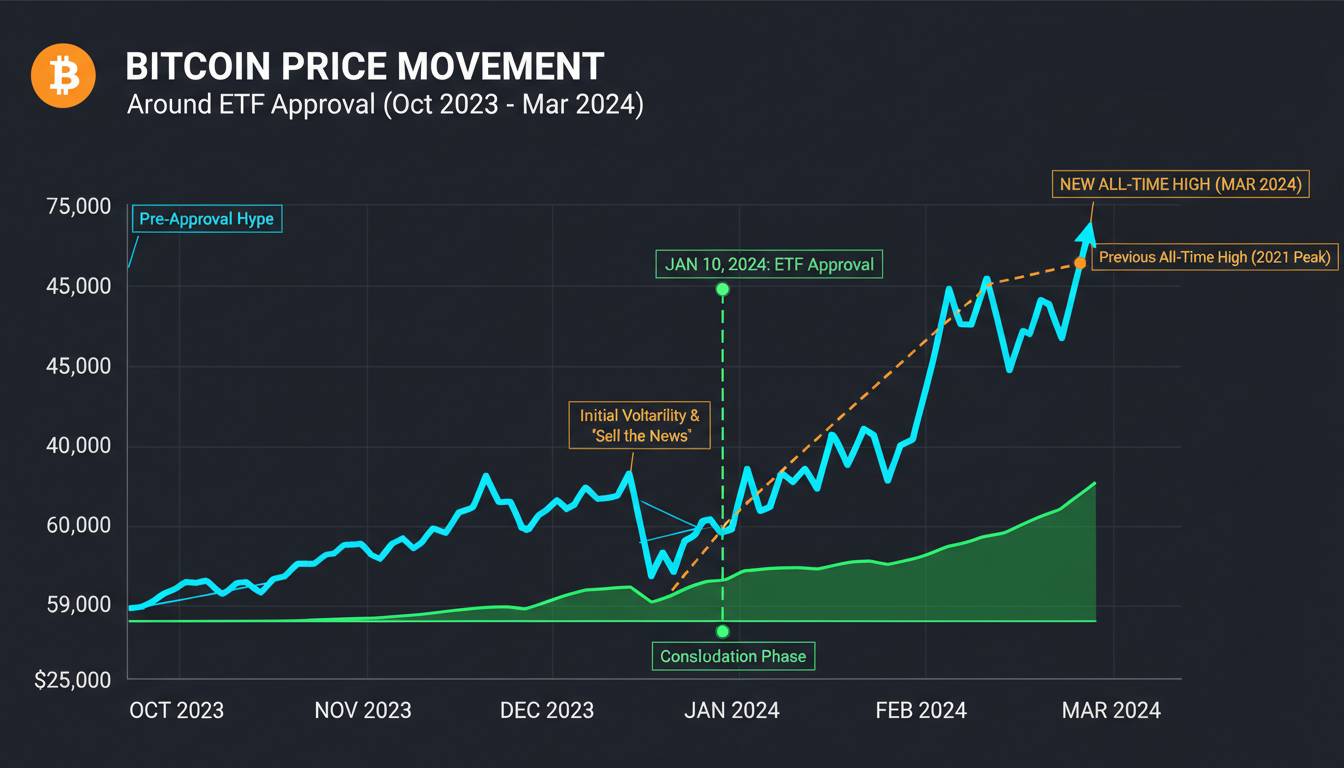
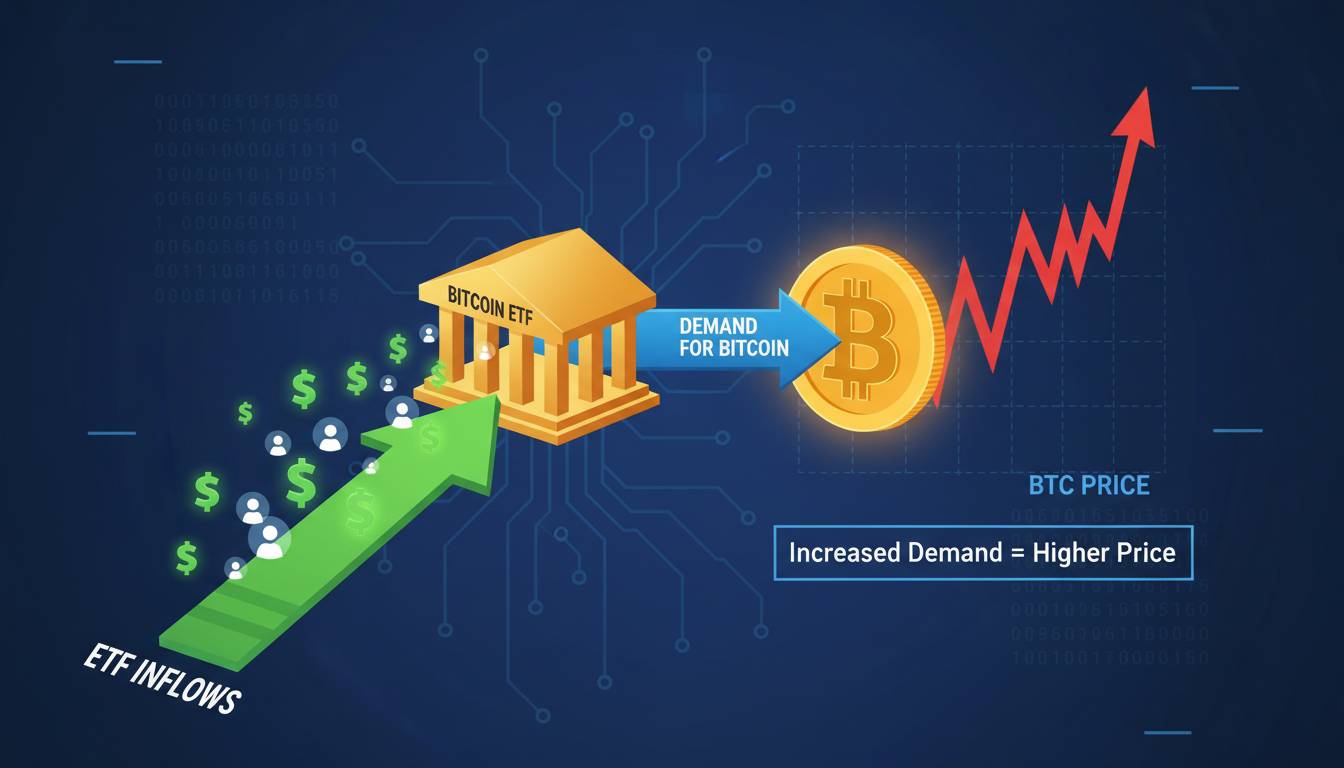
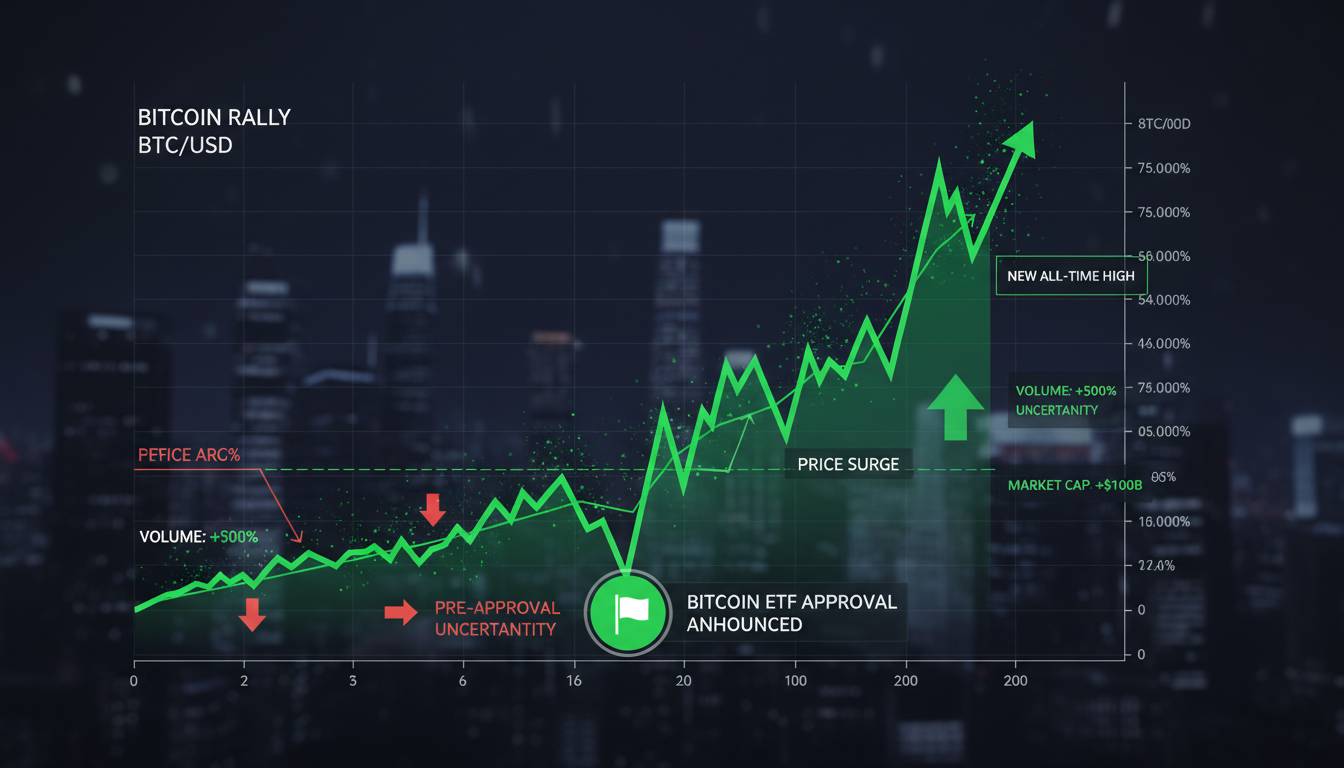
Here’s why that math works: XRP currently ranks among the top five cryptocurrencies by market cap, yet it trades at a significant discount to where it would if institutional investors could allocate through regulated vehicles. During the 2017 bull run, XRP reached nearly $3.50 without meaningful institutional access. Today’s market is vastly larger, and ETFs have demonstrated their ability to drive inflows—Bitcoin ETFs attracted over $10 billion in their first months of trading.
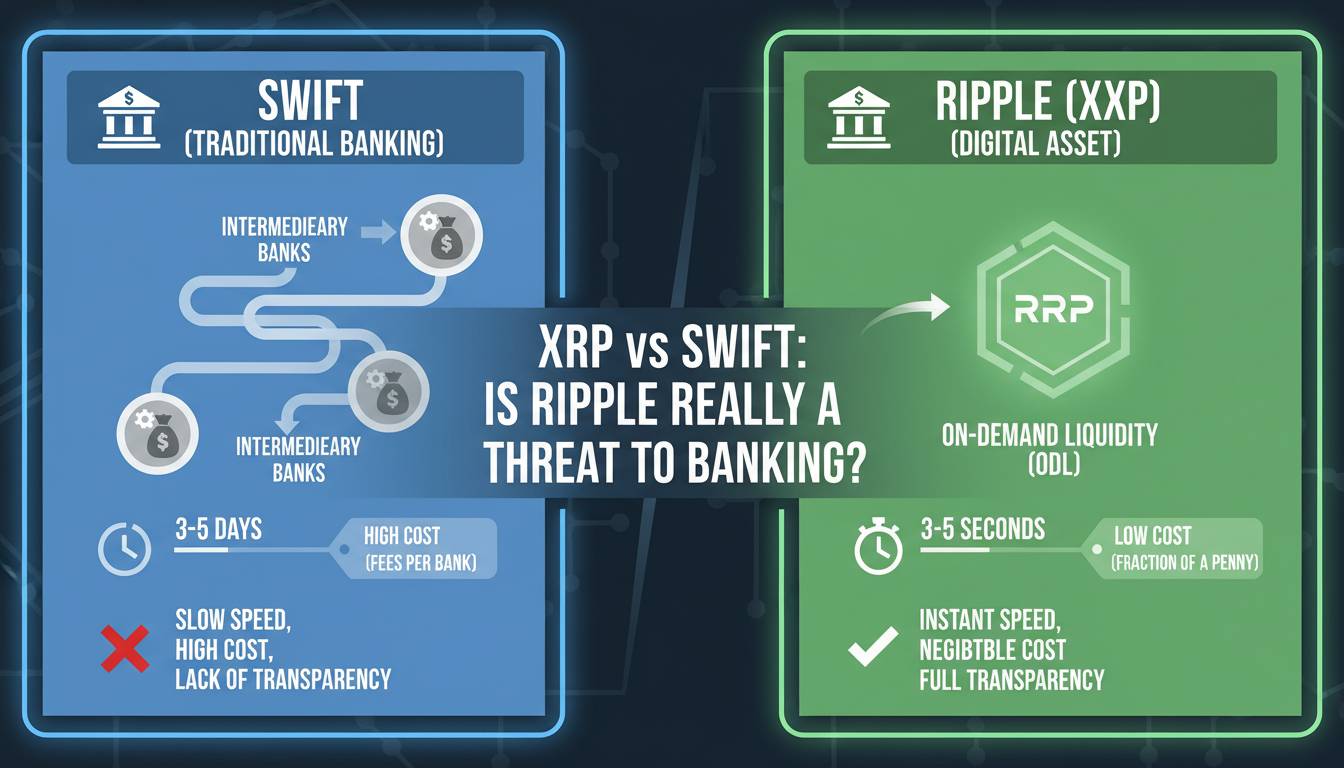
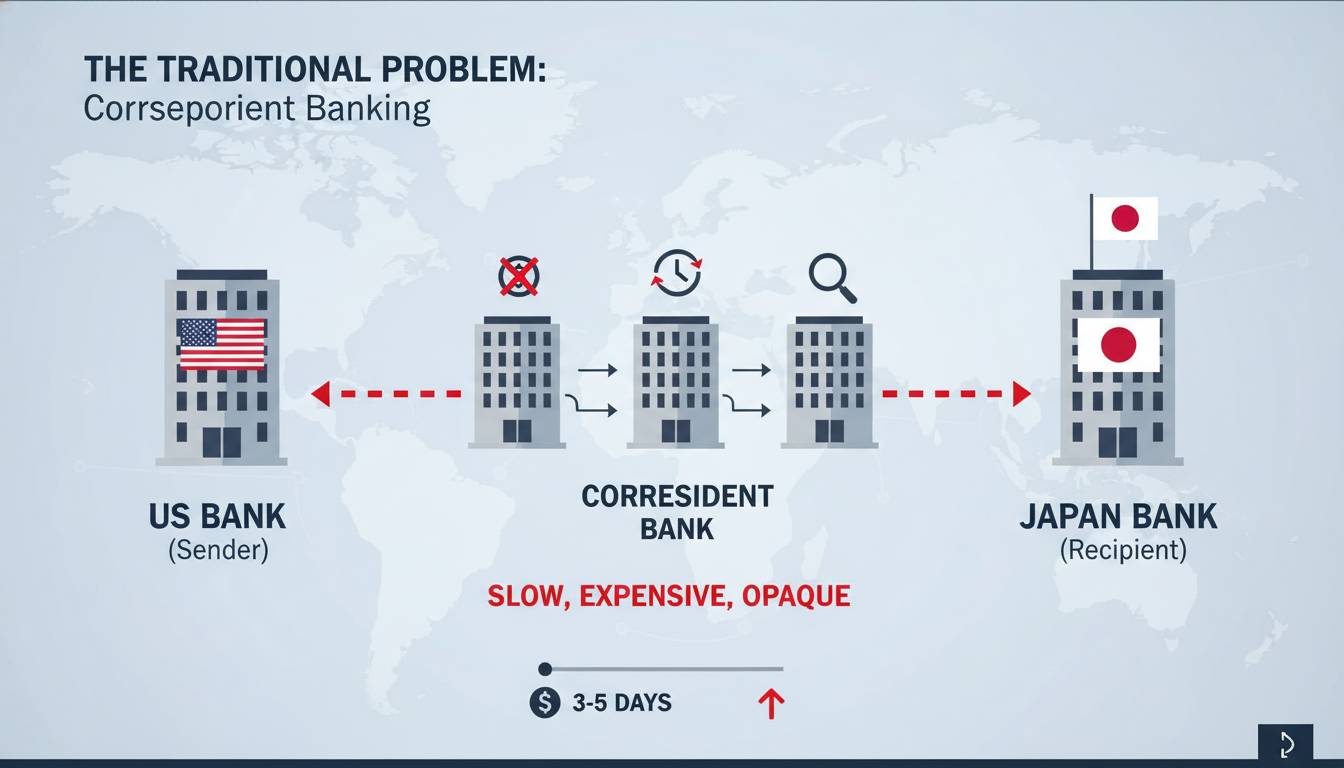
Ripple’s on-demand liquidity (ODL) product, which facilitates cross-border payments using XRP, would also benefit from regulatory clarity. Banks and payment providers have largely avoided XRP because of the SEC’s stance. A favorable resolution removes that barrier, potentially increasing actual utility demand for the token.
The timeline would likely see price appreciation begin in mid-2025 if settlement talks progress, with the bulk of gains occurring in 2026 once the market prices in sustained regulatory clarity.
Base Case: Moderate Growth with Ongoing Uncertainty
The base case represents what I consider the most probable outcome—a middle path where XRP avoids the worst regulatory outcomes but doesn’t receive complete clarity either.
What Triggers This Scenario
This scenario assumes the SEC continues its appeal or reaches a settlement that leaves some ambiguity about XRP’s classification. The agency might accept a fine and declare the matter resolved without providing the comprehensive “not a security” ruling that bulls want. Alternatively, the appeal could drag into 2026 with no final resolution.
In this environment, XRP continues trading as it has—with periodic rallies driven by broader crypto market momentum, partnership announcements, or specific ODL adoption wins, but without the breakout catalyst that triggers exponential gains.
Price Target and Supporting Factors
Under the base case, XRP could reach $2.50–$4.50 by late 2026. This reflects continued relevance and modest adoption without the full institutional floodgates opening.
The reasoning here is straightforward: XRP has survived the worst regulatory environment it likely faces. Even if the SEC pursues its case indefinitely, the market has already priced in significant uncertainty. Ripple continues operating, processing transactions, and expanding its partner network. Some institutions will cautiously enter regardless of regulatory clarity, particularly for utility use cases rather than speculative holding.
XRP’s utility as a bridge currency for cross-border payments provides fundamental demand that doesn’t depend on regulatory outcomes. Markets in Asia, Latin America, and the Middle East have shown willingness to adopt ODL regardless of U.S. regulatory status. This creates a baseline demand floor.
Under this scenario, expect volatility to remain high—XRP has historically traded with wider swings than Bitcoin or Ethereum—but with an upward bias driven by incremental adoption and periodic ETF speculation.
Bear Case: Prolonged Litigation or Unfavorable Ruling
The bear case represents what happens if regulatory clarity turns negative—the outcome that XRP holders fear but that cannot be ruled out given the SEC’s aggressive enforcement posture.
What Triggers This Scenario
Several outcomes could trigger the bear case. The SEC could win its appeal regarding institutional sales, potentially requiring Ripple to register XRP as a security or face penalties. The agency could also pursue enforcement actions against crypto exchanges that list XRP, restricting U.S. investor access. Alternatively, extended litigation without resolution could drain market patience, causing capital to flow to competing assets.
The SEC’s broader approach matters here. If the agency continues treating most cryptocurrencies as securities—regardless of individual case outcomes—XRP faces an uphill environment even with partial victories.
Price Target and Supporting Factors
Under the bear case, XRP could drop to $0.30–$0.60 by late 2026. This would represent a return to levels not seen since the depths of the 2022 crypto winter.
The decline would stem from two reinforcing factors. First, a negative ruling or sustained uncertainty would block institutional adoption, leaving XRP as a retail-only asset in a market increasingly dominated by institutional flows. Second, the uncertainty premium that currently exists would compress, but in the wrong direction—rather than dissipating as clarity emerges, it would expand as investors price in ongoing risk.
XRP has survived previous regulatory threats, and it would likely survive these outcomes too. But survival doesn’t equal price appreciation. Under this scenario, competing assets with clearer regulatory status—Bitcoin, Ethereum, potentially Solana—would absorb the capital that might otherwise flow into XRP.
Key Regulatory Catalysts to Watch
Regardless of which scenario materializes, certain events will provide signals about XRP’s regulatory trajectory throughout 2025 and into 2026.
SEC Appeal Decision
The Second Circuit Court of Appeals will eventually rule on the SEC’s appeal of Judge Torres’s 2023 decision. This ruling, expected sometime in 2025, will provide the first major signal about whether the regulatory environment is improving or worsening for XRP. A ruling in Ripple’s favor would strengthen the bull case; a ruling favoring the SEC would bolster the bear case.
ETF Application Decisions
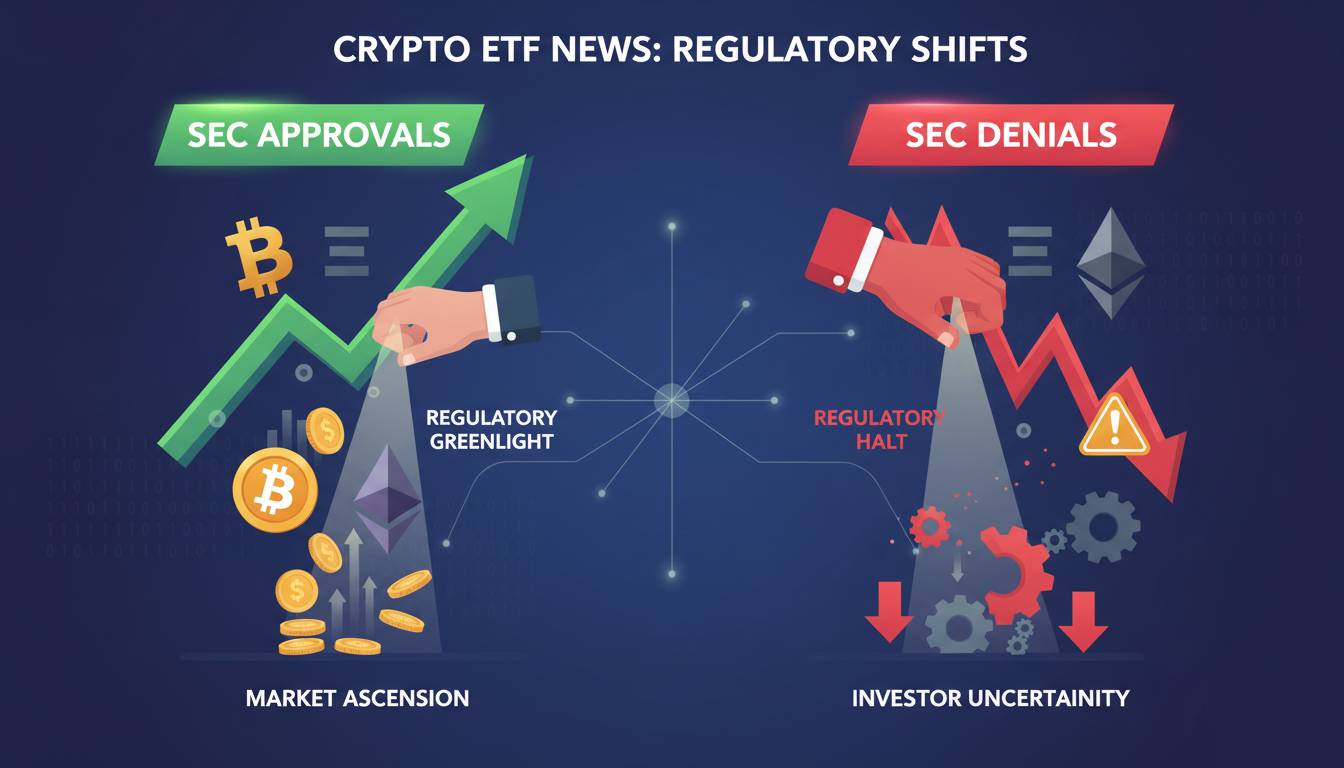
Multiple asset managers have filed for XRP-related ETFs, and the SEC’s willingness to approve these products serves as a proxy for regulatory comfort with XRP. Approval of an XRP futures ETF would represent incremental progress toward institutional legitimacy. Rejection without clear reasoning would signal continued regulatory hostility.
Ripple’s Business Developments
While regulatory outcomes dominate XRP price discussion, the underlying business matters. Continued ODL adoption by major financial institutions, new banking partnerships, and expansion into new markets would provide fundamental support regardless of regulatory status. Conversely, significant business setbacks could compound regulatory challenges.
SEC Leadership Changes
Chair Gary Gensler’s term expires in 2026, and changes in SEC leadership could shift the agency’s approach to cryptocurrency enforcement. A new chair with a more favorable stance toward digital assets would improve odds of settlement and ETF approval. This factor adds significant uncertainty to all three scenarios.
FAQ: Common XRP Price Questions
Will XRP reach $10 by 2026?
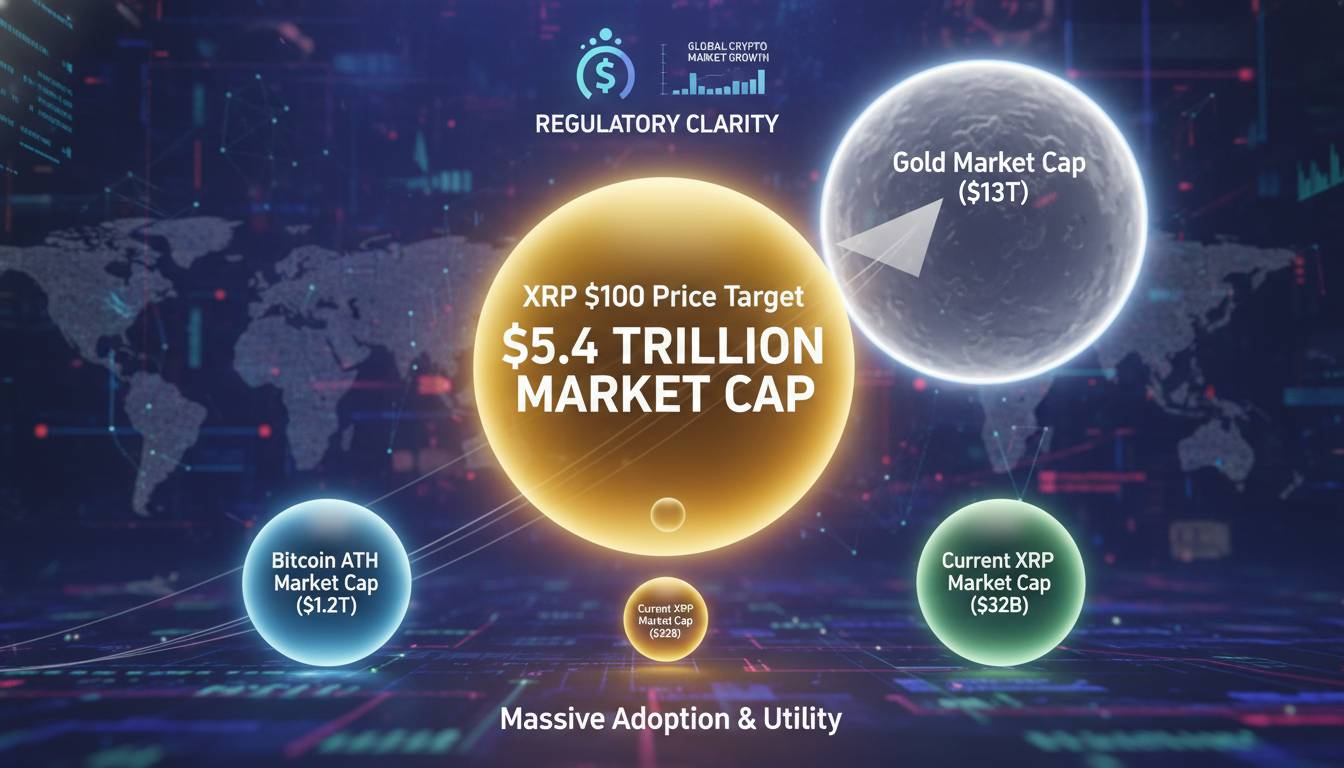
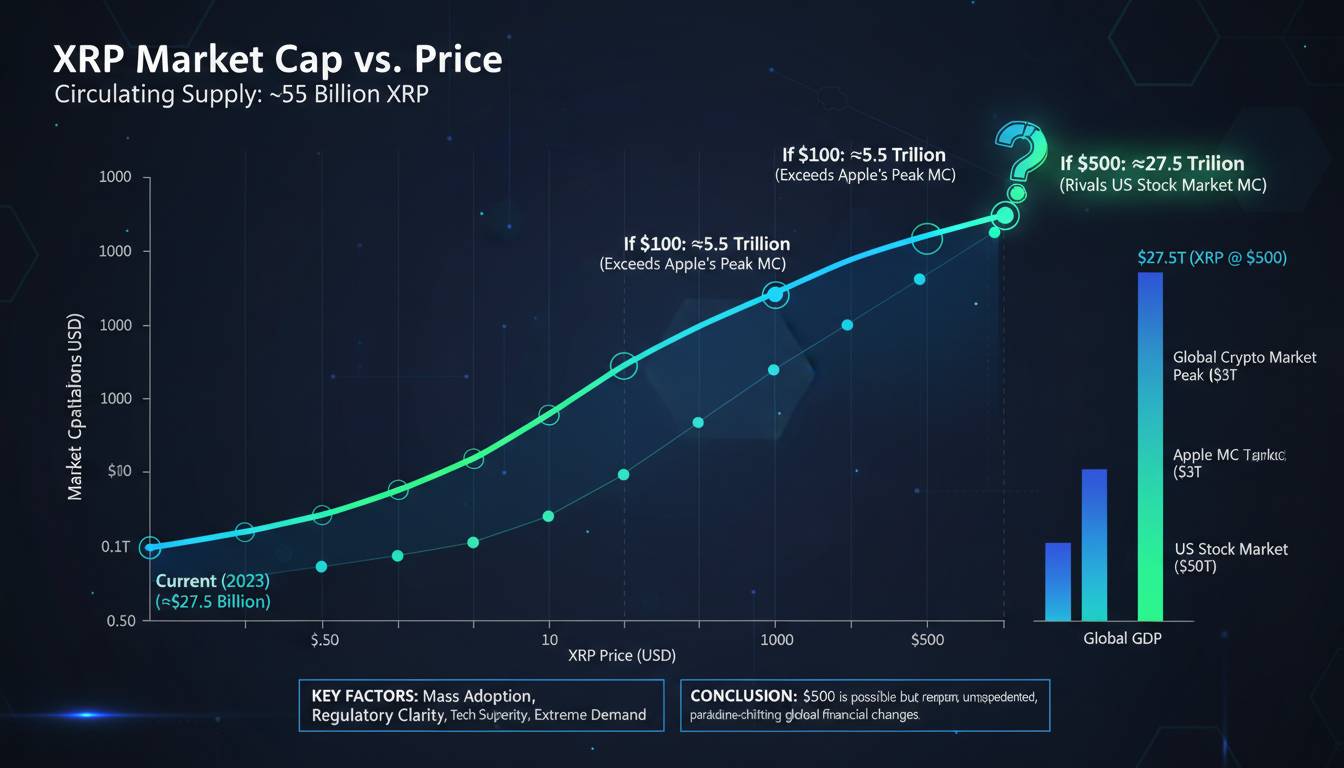
Reaching $10 by late 2026 would require the bull case to materialize—specifically, a favorable resolution to SEC litigation combined with ETF approval. At current supply levels, $10 would imply a market cap exceeding $500 billion, making XRP one of the most valuable assets in the world. This is possible only under the most optimistic regulatory scenario and would likely require sustained bullish momentum across the broader crypto market.
What is the XRP ETF outlook?
The outlook remains uncertain but cautiously optimistic. The SEC has shown willingness to approve crypto-related products when it cannot clearly argue they violate securities laws. An XRP futures ETF faces better odds than a spot ETF in the near term, but the trajectory points toward increased acceptance. Multiple applications are pending, and market participants expect at least one approval in 2025 or early 2026 under favorable conditions.
How does the SEC case affect XRP price?
The ongoing litigation creates a persistent uncertainty premium on XRP. When news breaks suggesting a favorable resolution, XRP rallies significantly. When the SEC pursues aggressive enforcement, XRP underperforms. This pattern has held since 2020 and will continue until the matter resolves definitively. The case creates volatility that deters some institutional investors while creating opportunities for traders willing to speculate on regulatory developments.
Is XRP a good investment for 2026?
Whether XRP constitutes a good investment depends entirely on your risk tolerance and conviction regarding the regulatory outcome. The asymmetric nature of XRP’s situation—potentially rising significantly if bull case materializes, but falling substantially if bear case materializes—makes it a high-conviction bet rather than a passive holding. Investors should size positions accordingly and recognize that regulatory outcomes are inherently difficult to predict.
Conclusion: Positioning for Multiple Outcomes
XRP represents one of the most analytically interesting assets in cryptocurrency precisely because its price depends so heavily on a binary outcome—regulatory clarity or its absence. Unlike Bitcoin, which has established itself as a macro asset regardless of regulatory treatment, or many altcoins that succeed or fail based on technology adoption, XRP’s fate ties directly to how courts and regulators define its classification.
The range of outcomes—$0.30 to $12 by late 2026—reflects this binary. Investors approaching XRP must recognize that they’re making a regulatory bet, not merely a technology or adoption bet. The asset offers compelling risk-reward if you believe regulatory clarity will emerge favorably. It offers substantial downside if you believe the SEC will continue its aggressive enforcement posture.
What’s clear is that 2025 will provide substantial information about which scenario is materializing. The SEC appeal decision, ETF application outcomes, and Ripple’s business development will collectively signal XRP’s trajectory. For now, the prudent approach is to recognize that all three scenarios remain live possibilities, with the base case representing the most probable path—but with the bull and bear cases offering meaningful probability weights.
The market will eventually resolve this uncertainty. Until then, XRP will continue trading on regulatory news, creating both risks and opportunities for informed participants.
Disclaimer: This article contains speculative analysis regarding cryptocurrency price predictions and regulatory outcomes. Cryptocurrency investments carry significant risk, including potential total loss of capital. The regulatory landscape for digital assets remains uncertain, and predictions herein should not be construed as financial advice. Conduct independent research and consult qualified financial professionals before making investment decisions.