XRP has always been one of the most controversial cryptocurrencies. Love it or hate it, the conversation around its price potential refuses to die—and lately, the bullish projections have gotten audacious. I’ve been tracking XRP’s price action and fundamentals for years, and what I find fascinating isn’t whether $500 is likely (it’s not—more on that shortly), but the mathematical exercise itself. Understanding the numbers behind bullish price predictions reveals something important about how crypto markets actually work and where realistic expectations should end.
This isn’t an article telling you what to buy. It’s a forensic examination of the math behind the most aggressive XRP price predictions—what would actually need to happen for that number to materialize, which scenarios are mathematically coherent, and where the analysis falls apart into wishful thinking.
Current Market Position: Where XRP Stands Today
As of early 2025, XRP trades in a range that has frustrated both bulls and bears. The cryptocurrency typically cycles between third and fourth place among digital assets by market cap, depending on broader market conditions.
The key figures matter here, so let’s get specific. XRP has a circulating supply of approximately 56 billion tokens out of a maximum supply of 100 billion. This supply structure differs dramatically from Bitcoin’s capped 21 million—and that distinction affects every price projection calculation.
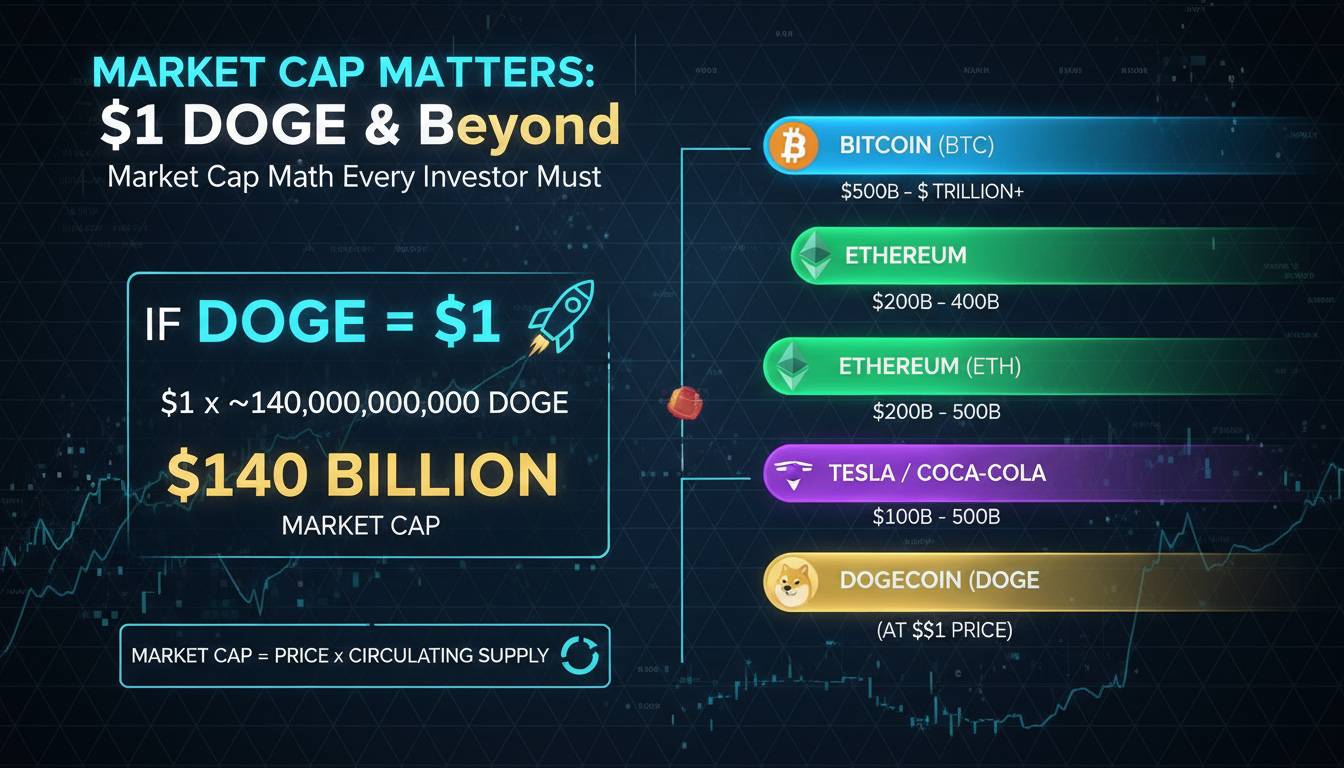
At a price point of roughly $2.50 (a reasonable mid-range estimate as of early 2025), XRP carries a market capitalization of about $140 billion. This figure represents the total value investors have placed on the network—not revenue, not utility, just the aggregate market price multiplied by tokens in circulation.
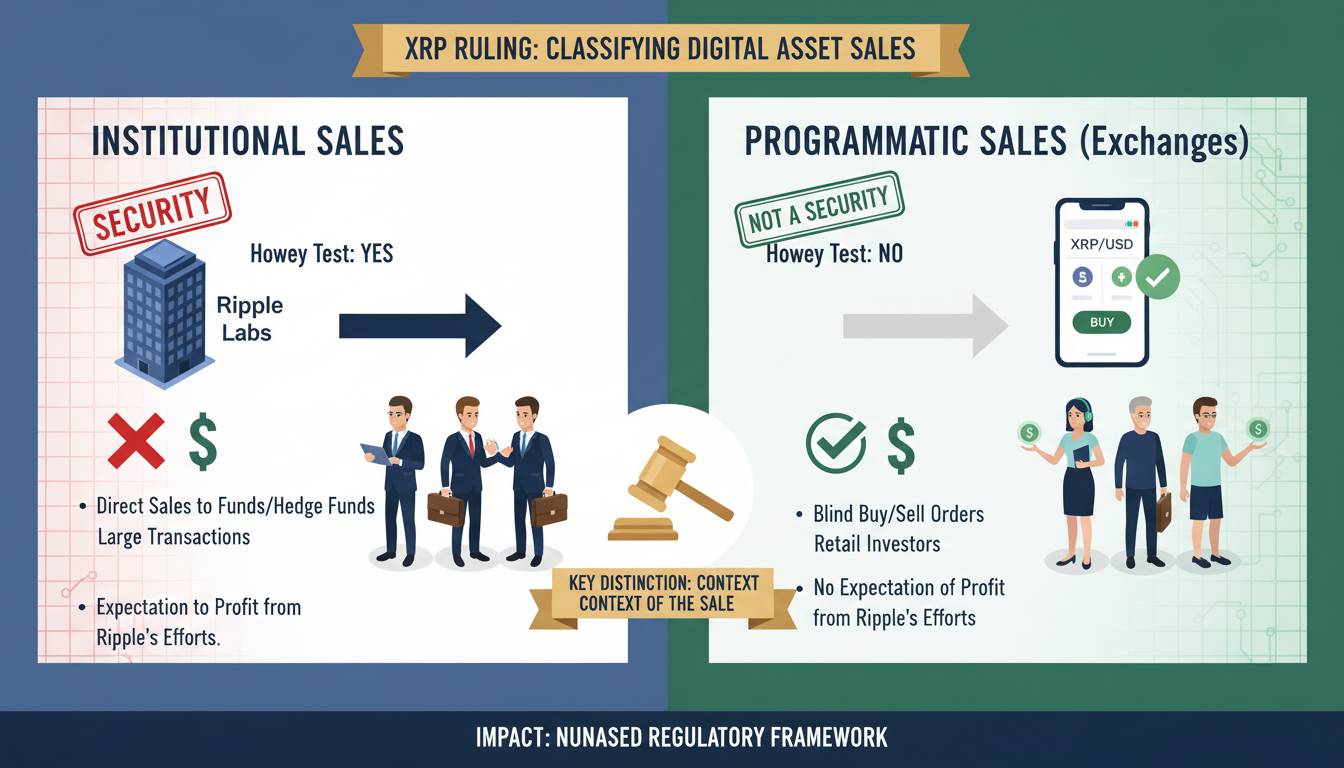
What makes XRP unusual in the crypto hierarchy is its relationship to Ripple, the company that created it. Unlike Bitcoin or Ethereum, which emerged from decentralized communities, XRP’s origins are corporate. Ripple holds a significant portion of XRP tokens, and the company’s strategic decisions—which include legal battles with the SEC, partnerships with financial institutions, and periodic escrow releases—influence price action in ways that pure cryptocurrencies don’t experience to the same degree.
This corporate connection cuts both ways. It provides legitimate use case development and institutional-grade partnerships, but it also creates centralized risk that the crypto community has historically penalized.
The Mathematics of a $500 Price Tag
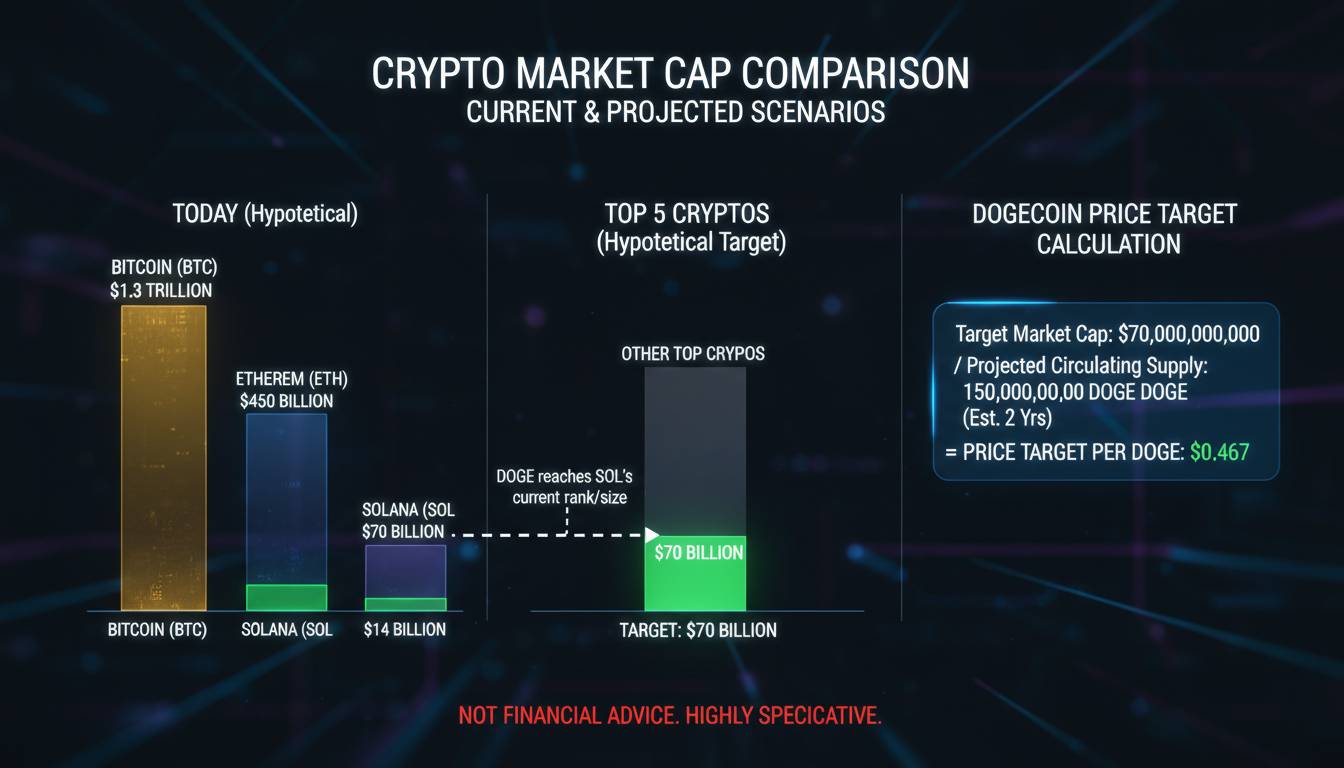
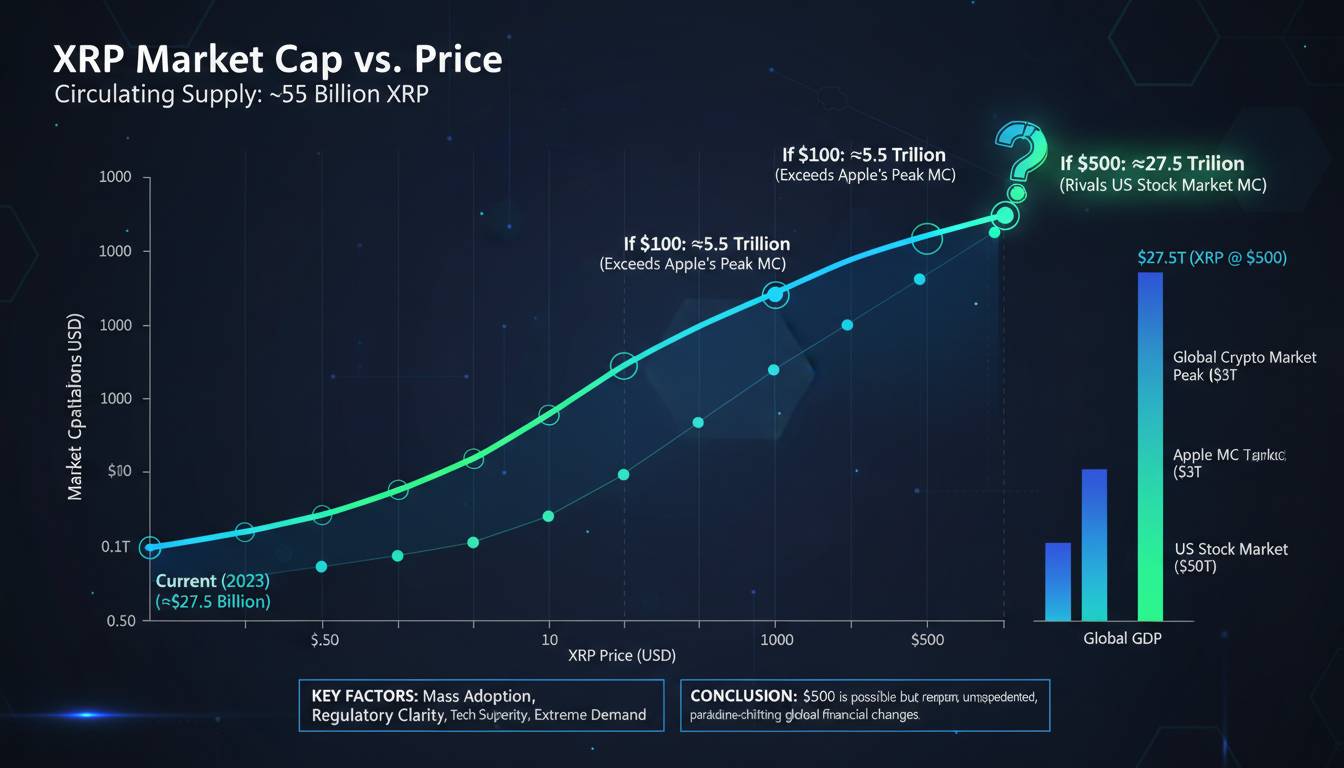
Let’s do the math. For XRP to reach $500, we need to multiply that price by the total supply in circulation.
Here’s the calculation: $500 × 56 billion circulating tokens = $28 trillion.
Twenty-eight trillion dollars.
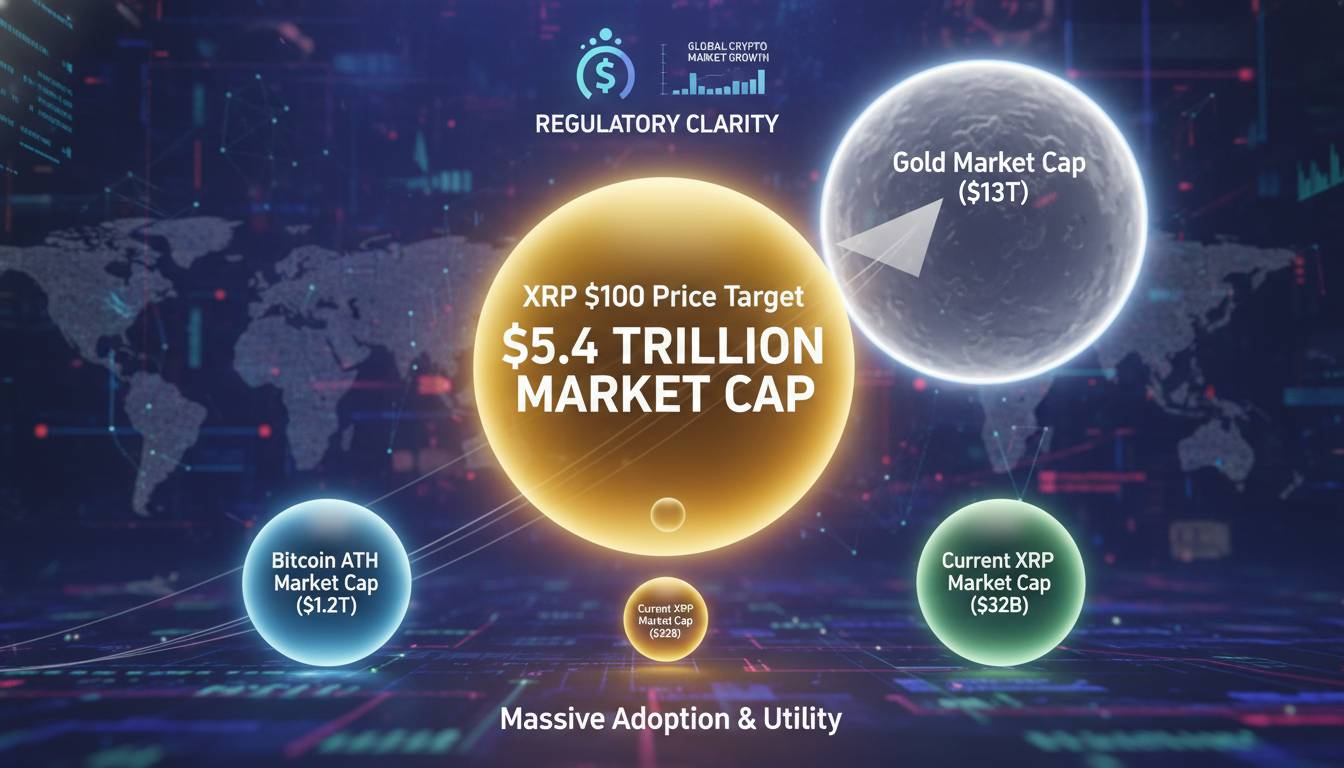
Let me put that number in context. Apple’s market cap—the most valuable company on Earth as of 2025—hovers around $3 trillion. The entire U.S. cryptocurrency market, combining every Bitcoin, Ethereum, Dogecoin, and altcoin, rarely exceeds $3 trillion in total value.
To reach $500, XRP would need to be worth nearly ten times the entire cryptocurrency market at its peak. The mathematics alone reveals the first problem with $500 predictions: we’re not comparing XRP to other cryptocurrencies. We’re comparing XRP to the entire global crypto ecosystem multiplied by a significant factor.
Now, proponents will argue that market caps can grow exponentially in bull markets. Bitcoin’s market cap has increased 100x from its early days. But here’s what the bullish projections consistently gloss over: Bitcoin’s journey from $1,000 to $1 million (itself a controversial target) involves multiplying a $20 billion market cap. XRP going from $2.50 to $500 would require multiplying a $140 billion market cap by a factor of 200.
The scale difference is staggering. It’s the difference between a startup going from $1 million to $100 million valuation versus a Fortune 500 company going from $100 billion to $20 trillion. These aren’t analogous growth stories.
This is where I want to push back on the conventional bullish analysis. Most price prediction articles treat percentage gains as fungible—a 100x return looks the same whether you’re multiplying $100 million or $100 billion. That’s not how market mechanics work. The law of large numbers applies ruthlessly to asset prices. As market caps grow larger, the percentage moves required for “parabolic” returns become exponentially harder to achieve.
Historical Market Cap Comparisons: What the Data Actually Shows
Looking at cryptocurrency history provides crucial perspective. The largest market cap Bitcoin has ever achieved was approximately $1.3 trillion during its 2021 bull market peak. Ethereum’s all-time high market cap reached roughly $550 billion. No cryptocurrency has ever sustained a market cap above $1.5 trillion.
XRP reaching $500 would require a market cap nearly 20 times larger than any cryptocurrency has ever achieved.
Let me be specific about what I’m claiming here. I’m not saying it’s impossible. I’m saying the prediction requires assumptions so aggressive that they transform the analysis from mathematical projection into science fiction. You can construct a theoretical universe where XRP reaches $500—but you can construct that same universe for virtually any cryptocurrency, which means the exercise loses predictive value.
The honest analysis acknowledges that cryptocurrency markets have demonstrated explosive growth, but that growth has never produced a 20x multiplier on the largest crypto asset’s peak market cap. The closest comparison might be the entire crypto market cap expansion from 2017 to 2021—roughly 10x—but that expansion included the addition of thousands of new assets, institutional money flows, and unprecedented monetary stimulus.
If XRP were to reach $500, it wouldn’t just require a crypto bull market. It would require a complete restructuring of global financial asset allocation that places cryptocurrency at the center of the monetary system rather than the periphery.
Bullish Catalysts That Could Drive Significant Growth
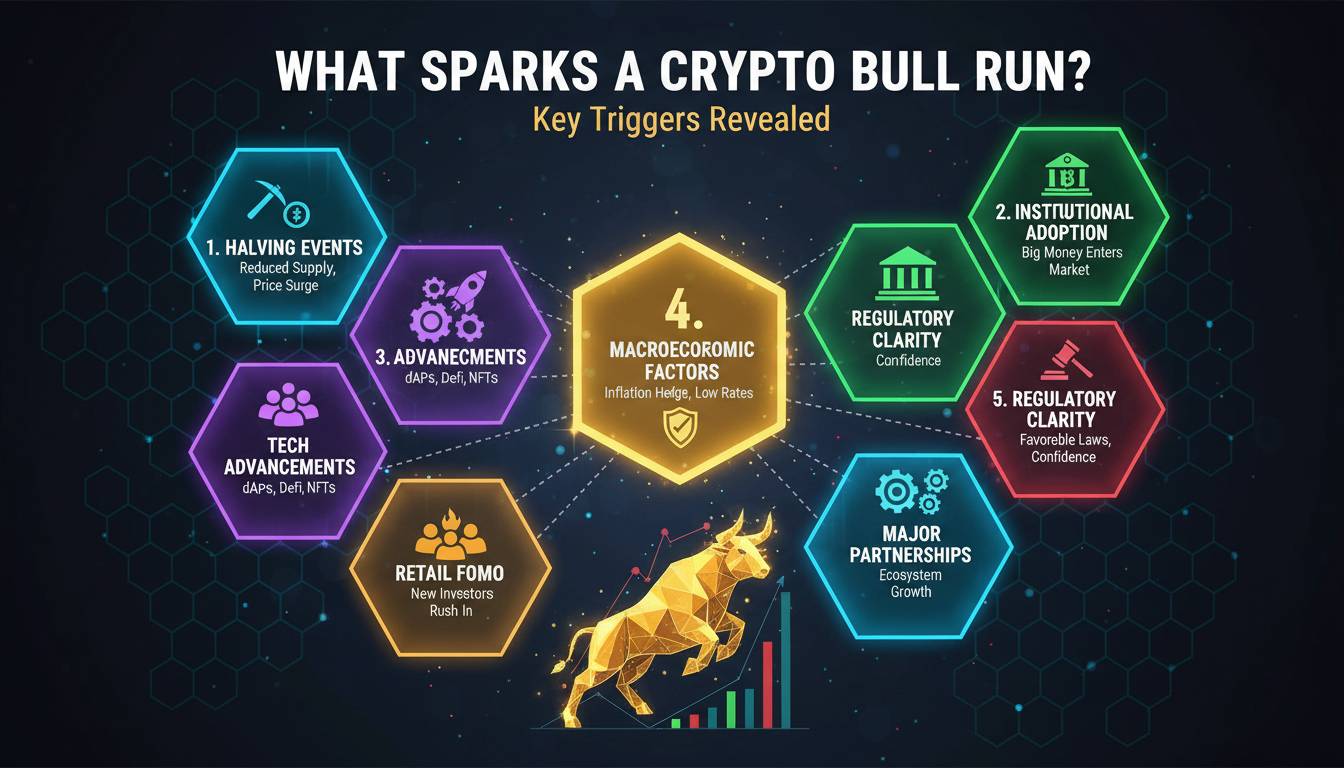
I’ve been deliberately bearish so far, but let me give the bulls their due. There are legitimate catalysts that could drive substantial XRP appreciation—not to $500, but to meaningful multiples of current prices.
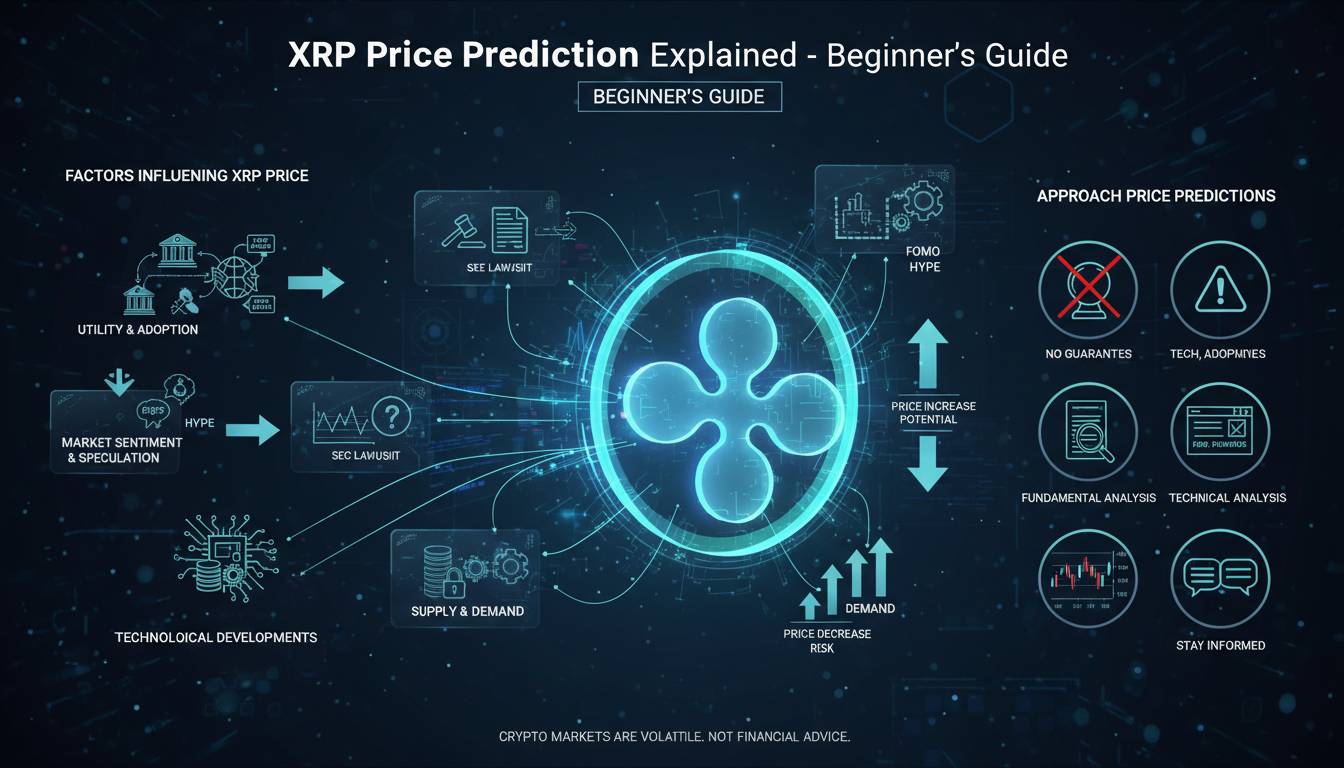
Ripple’s institutional partnerships represent perhaps the strongest fundamental case. Ripple has spent years building relationships with banks and financial institutions for cross-border payments. If these partnerships translate into meaningful XRP adoption for settlement purposes, demand could increase substantially. The key word is “if”—adoption has been slower than many predicted, but 2024 saw meaningful momentum with new banking partnerships announced regularly.
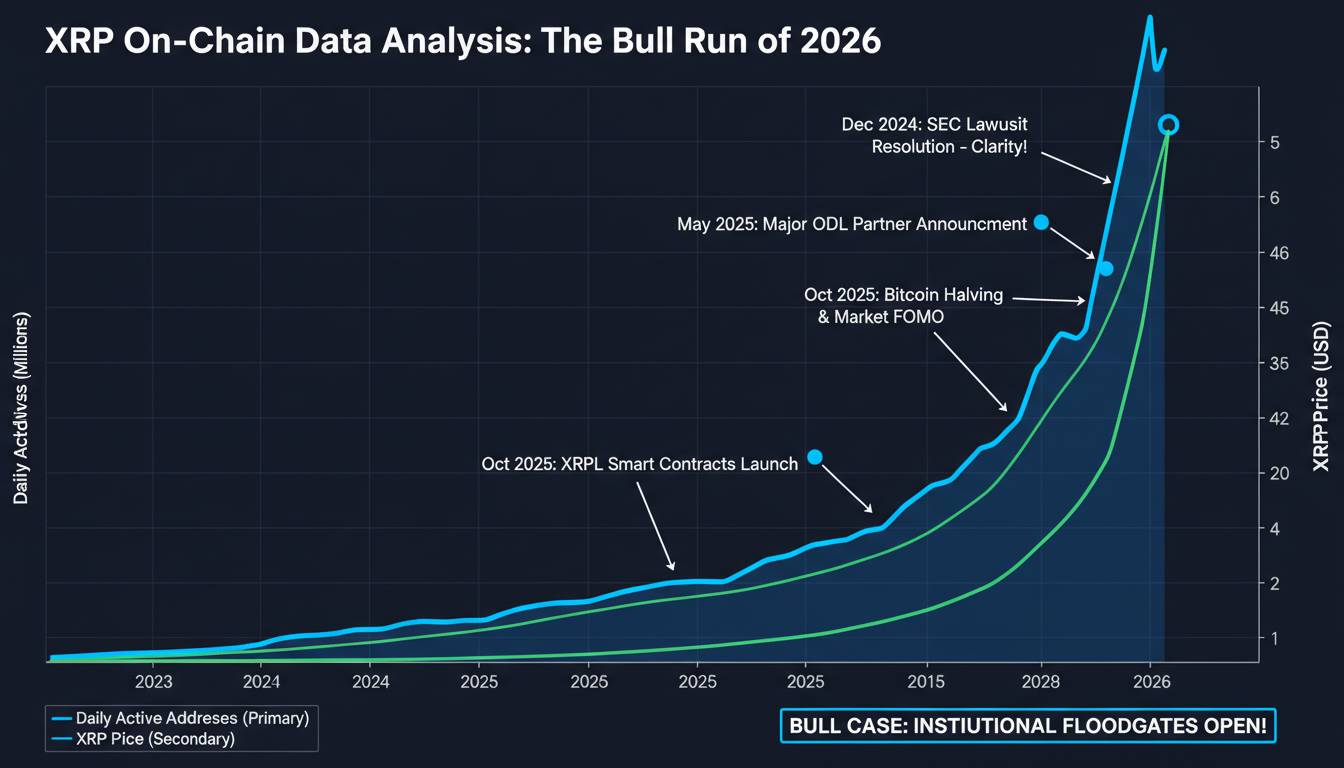
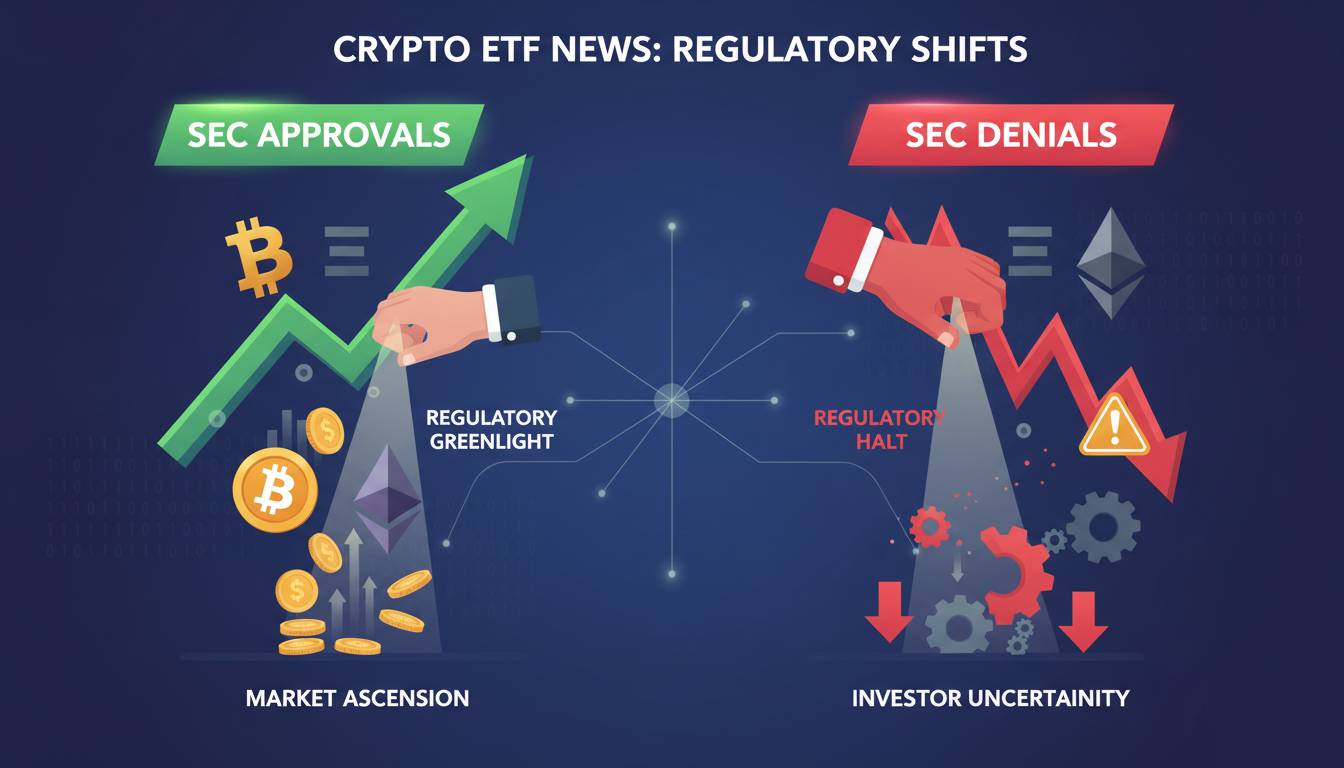
The resolution of the SEC lawsuit (assuming it concludes favorably) would remove one of the largest overhangs on XRP’s price. The uncertainty created by the regulatory battle has suppressed institutional investment. A clear resolution could unlock capital that has been sitting on the sidelines.
A general cryptocurrency bull market would lift XRP alongside other assets. During the 2021 bull run, XRP reached nearly $2—a 5x gain from its 2020 prices. During the 2017 cycle, it reached nearly $4. Major market expansions benefit all participants.
CBDC and institutional settlement use cases represent a longer-term opportunity. If central banks or major financial institutions adopt blockchain for settlement layers, XRP’s design for fast, cheap transactions could become an advantage.
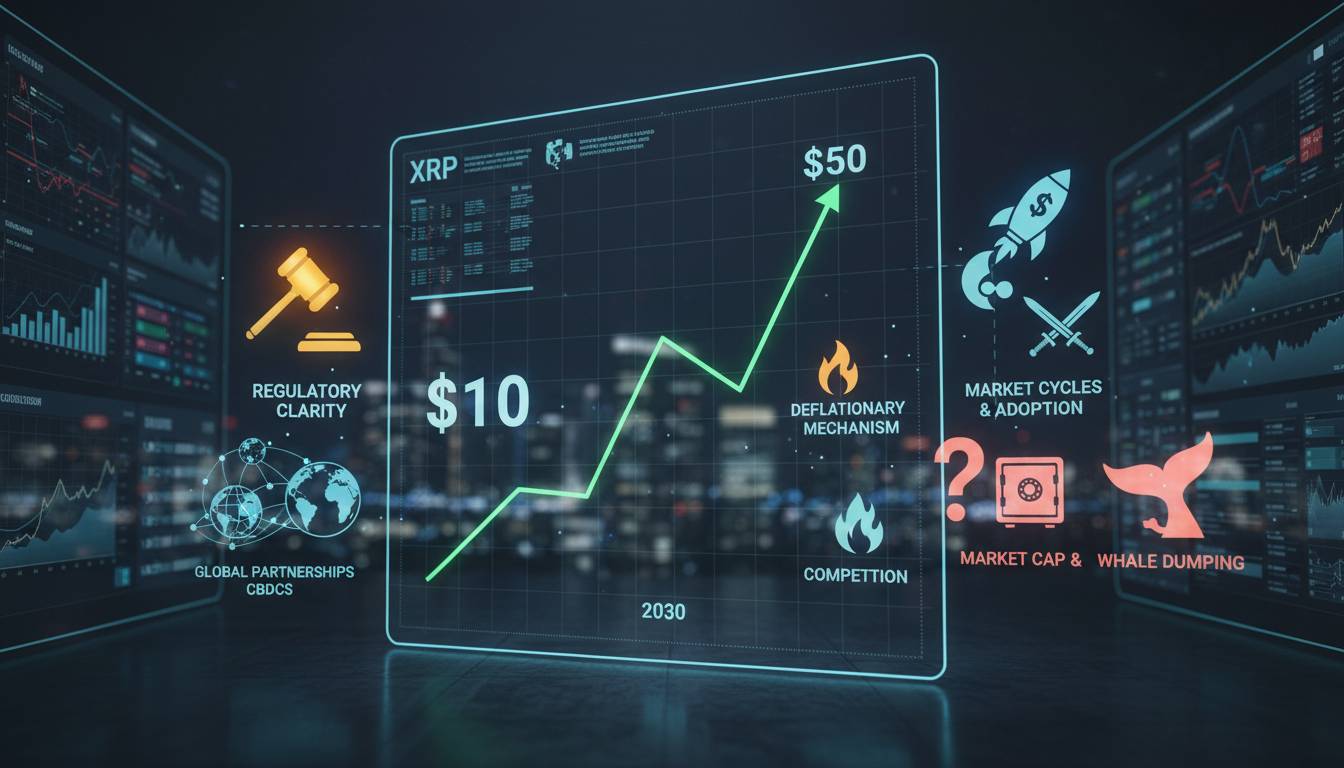
Here’s my honest assessment: any of these catalysts could realistically drive XRP to $10, $20, or even $50 under the right market conditions. I’ve seen the crypto markets produce 10x returns on narratives that materialized. But each additional zero beyond that requires exponentially more favorable conditions, and the historical data simply doesn’t support projections beyond that range.
Bear Case and Realistic Constraints
The bearish analysis deserves equal time because this is where most price prediction articles fail. They’re designed to generate clicks, not provide balanced analysis.
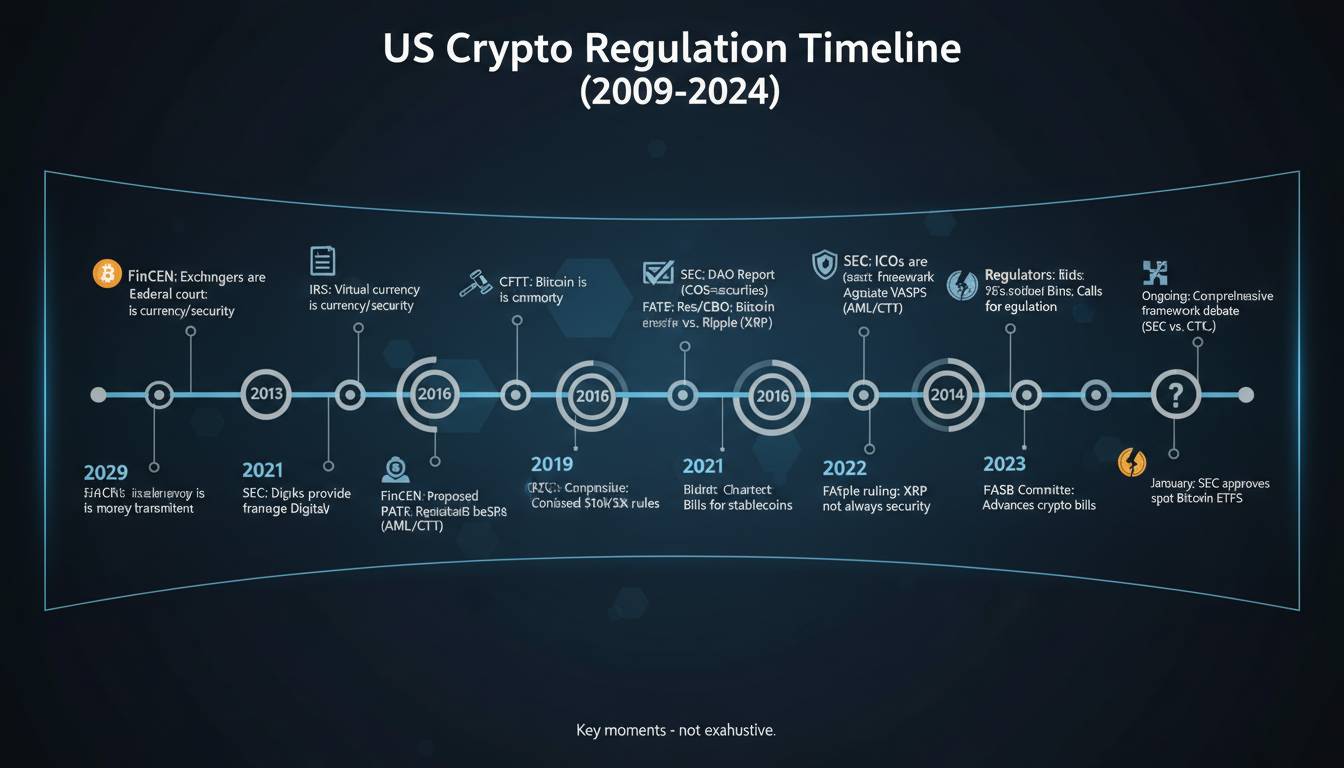
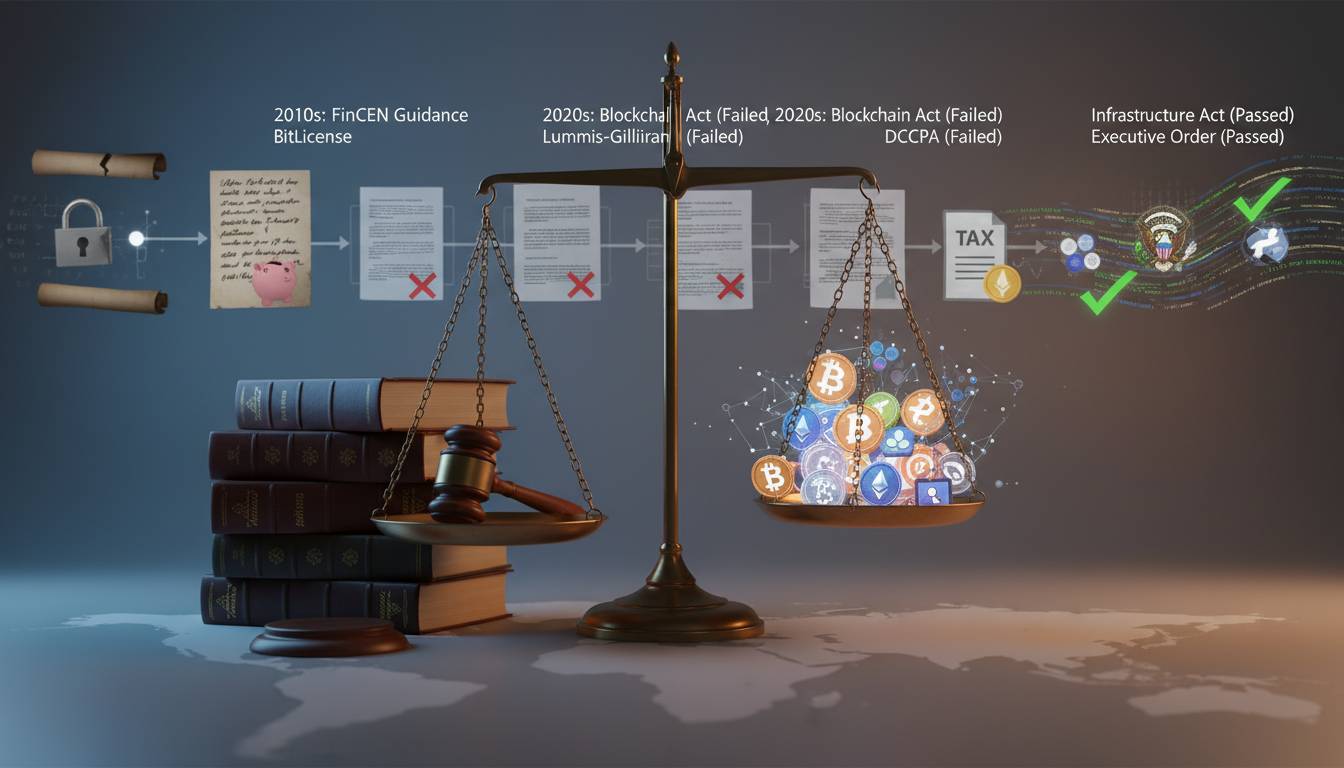
Regulatory risk remains significant. While the SEC case may resolve, XRP faces regulatory uncertainty globally. Several jurisdictions have taken hard-line positions on cryptocurrency, and the regulatory landscape could tighten rather than clarify. This uncertainty affects institutional adoption and limits upside scenarios.
Ripple’s token distribution creates sell pressure. The company holds billions of XRP and has historically sold tokens into the market. This supply overhang acts as a ceiling on price appreciation, particularly during periods of accumulation. No matter how bullish the narrative, consistent selling from corporate holdings dampens price action.
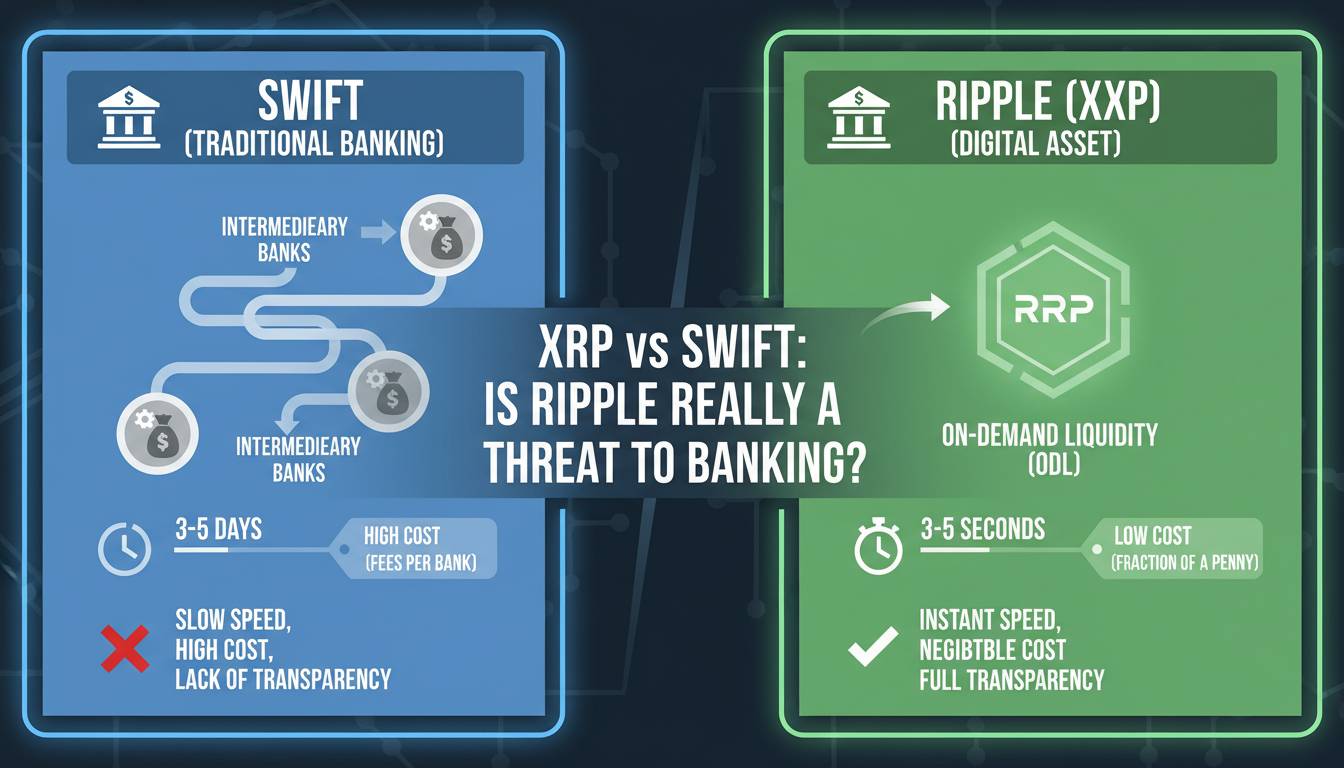
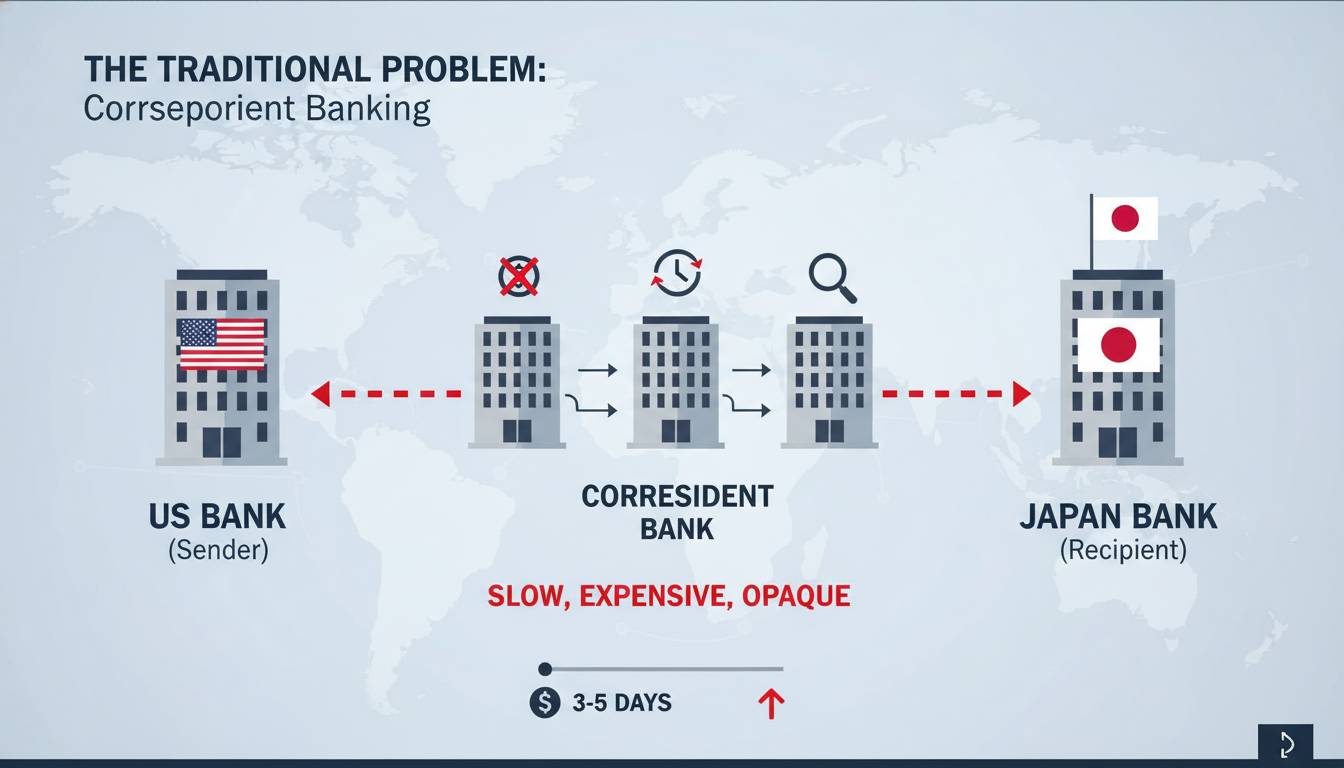
Competition is intensifying. The cross-border payments blockchain space has grown crowded. SWIFT’s own blockchain initiatives, JPMorgan’s Onyx, and competing cryptocurrencies all target the same use cases. XRP’s first-mover advantage hasn’t translated into the dominant market position that bulls predicted.
The “utility token” problem persists. XRP exists to facilitate transactions on the Ripple network—but the network can function without XRP being the primary settlement asset. Ripple has increasingly focused on products that don’t require XRP, which raises questions about the token’s fundamental demand drivers.
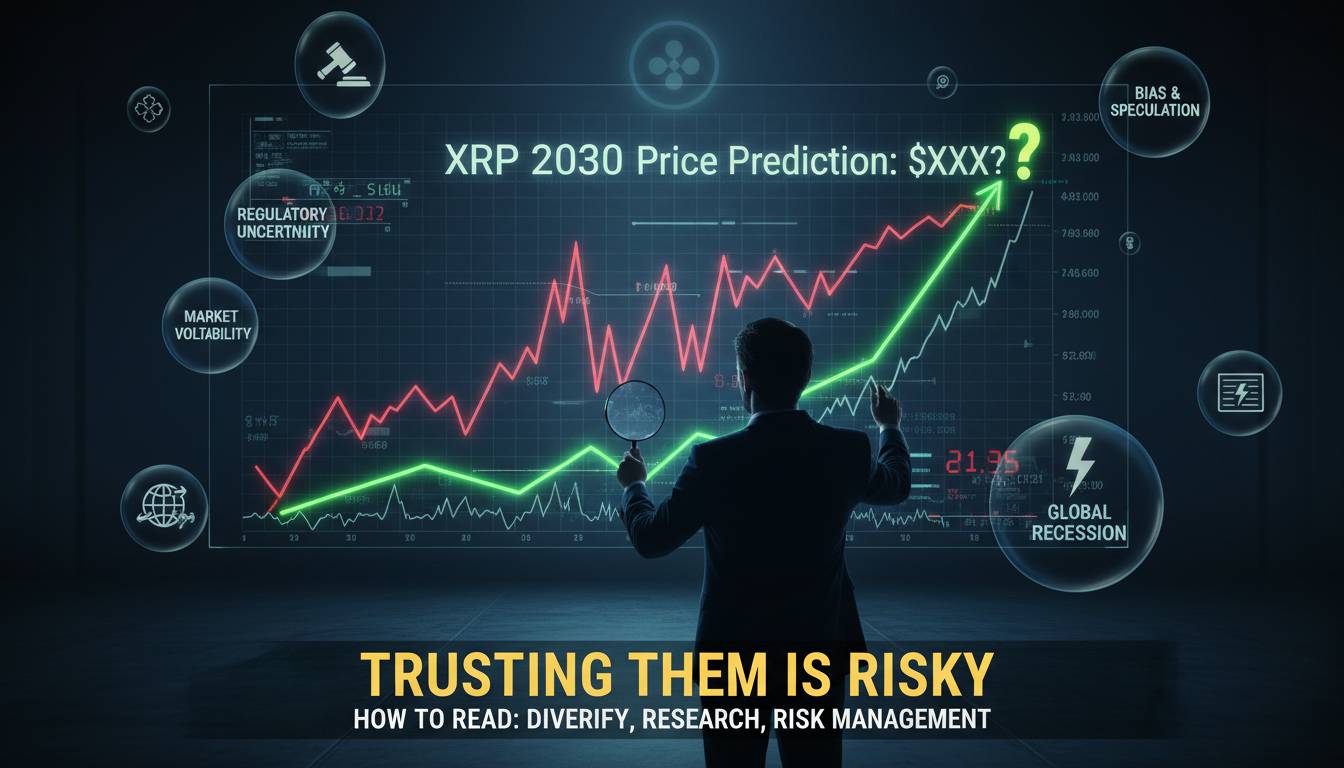
I’ll make a confession that most crypto analysis avoids: I don’t know how to model the probability of any individual bullish catalyst. The crypto market has a pattern of rewarding projects that seem fundamentally weak and ignoring projects that seem solid. The speculative nature of the market means that price predictions based on fundamentals often prove spectacularly wrong in both directions.
What I can say with confidence is that the mathematical floor for $500 requires assumptions that have never been validated in cryptocurrency markets. The bear case doesn’t require proving $500 is impossible—it just requires showing that the baseline probability is so low that aggressive positioning makes sense only for those with very high risk tolerance and very long time horizons.
What Historical Crypto Cycles Tell Us
Looking at cryptocurrency history reveals patterns worth considering.
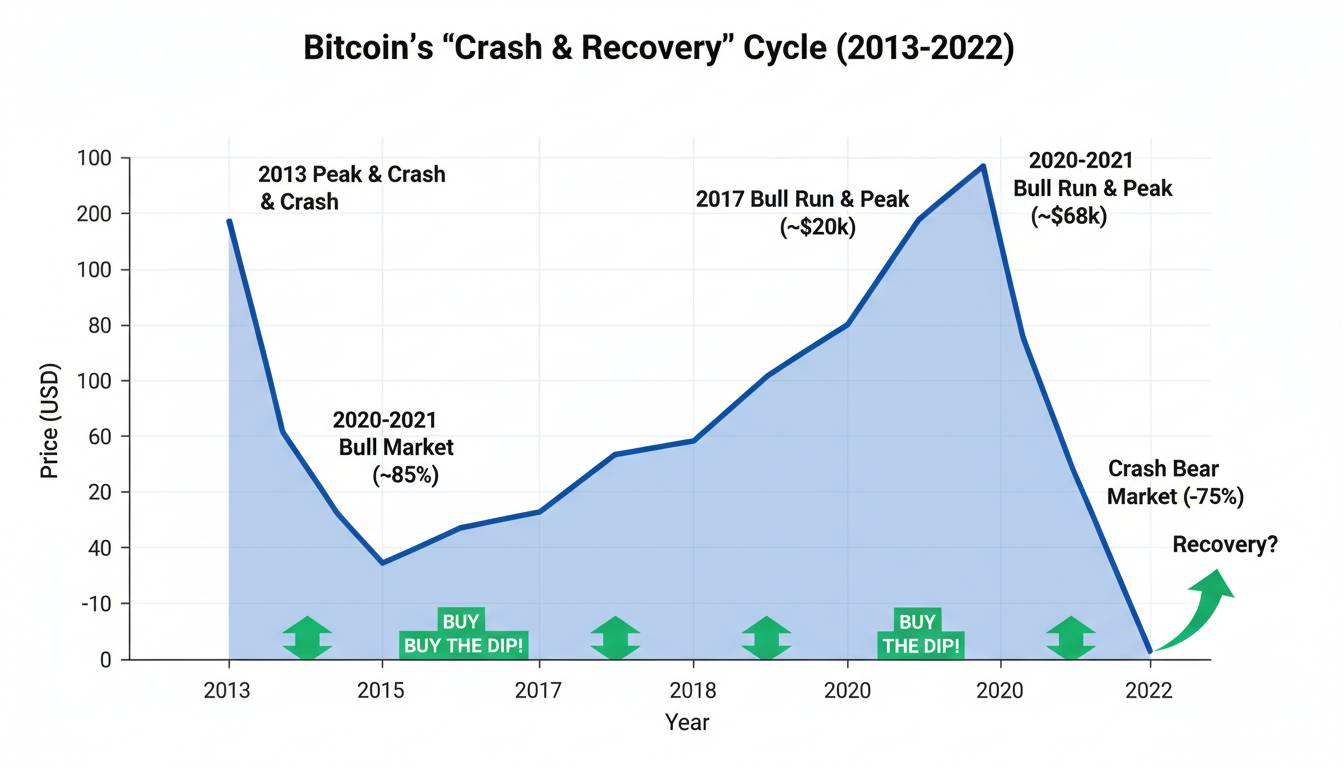
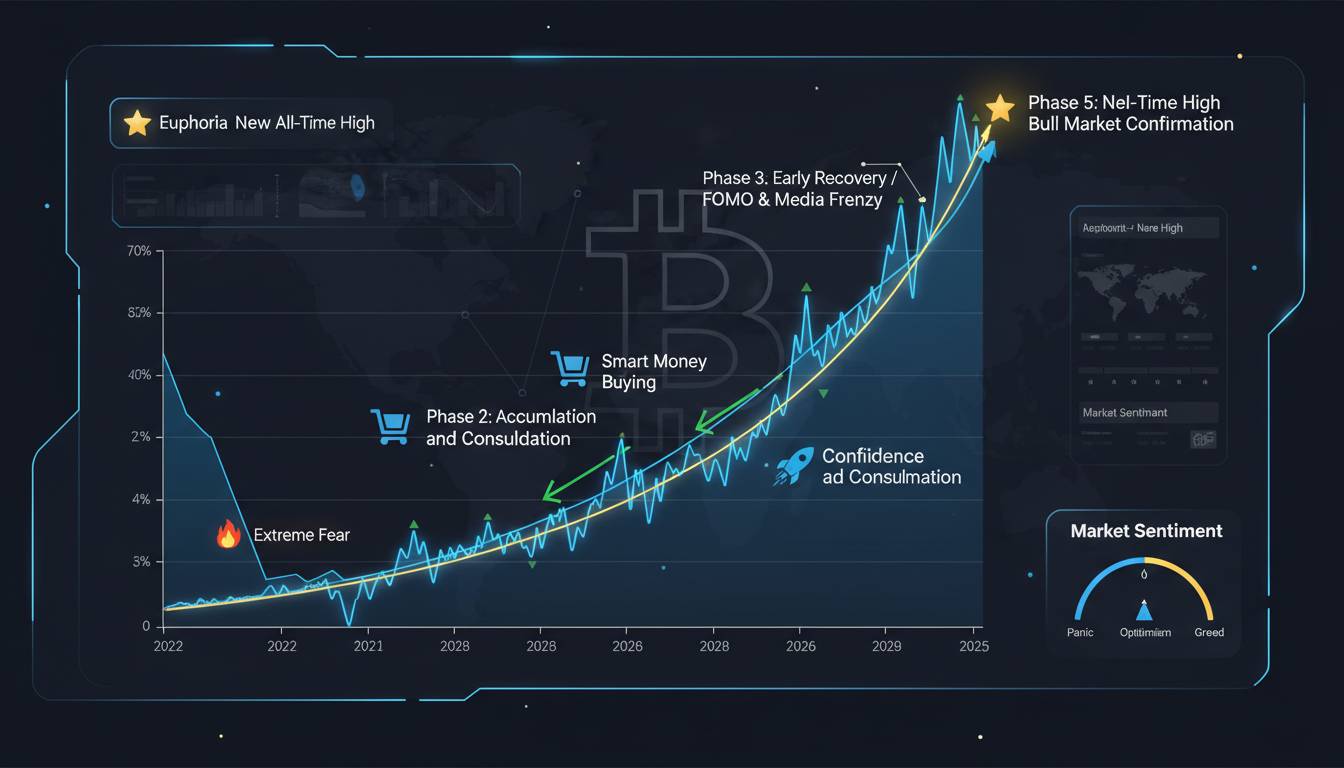
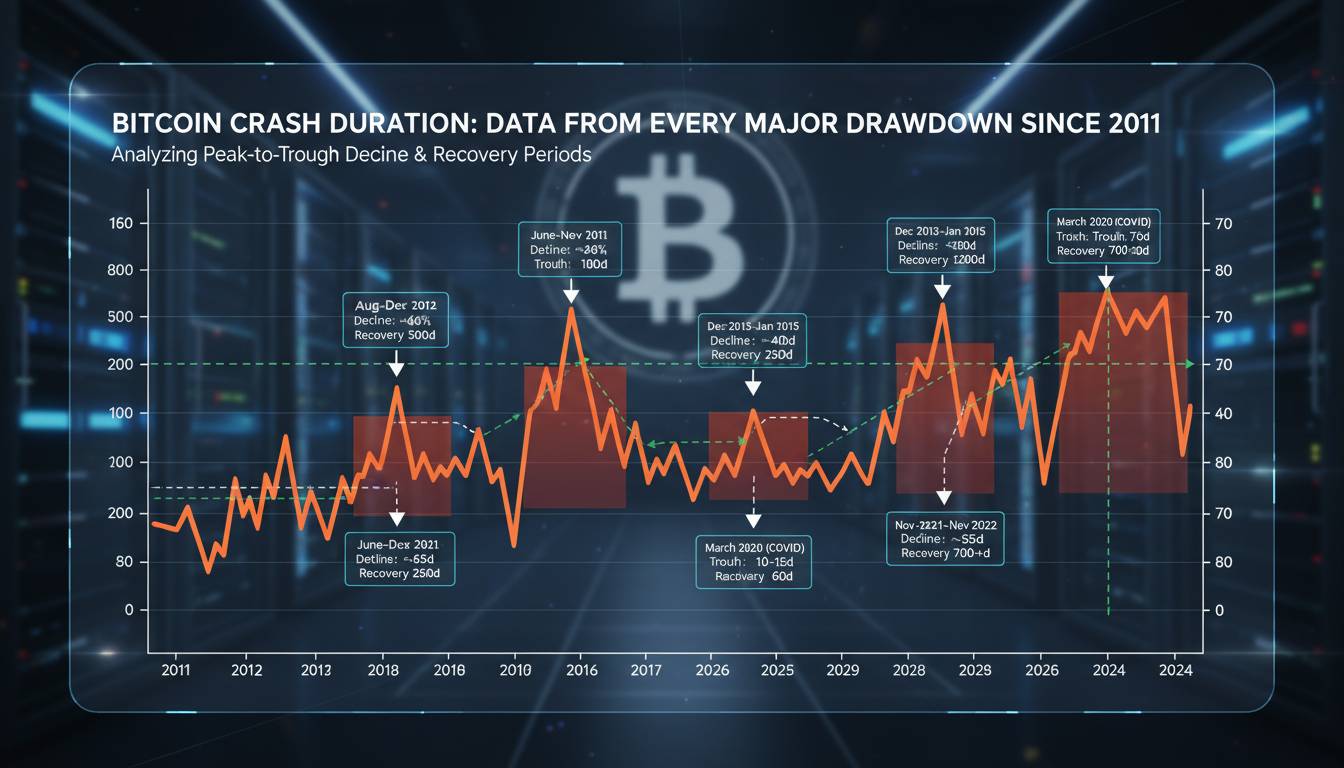
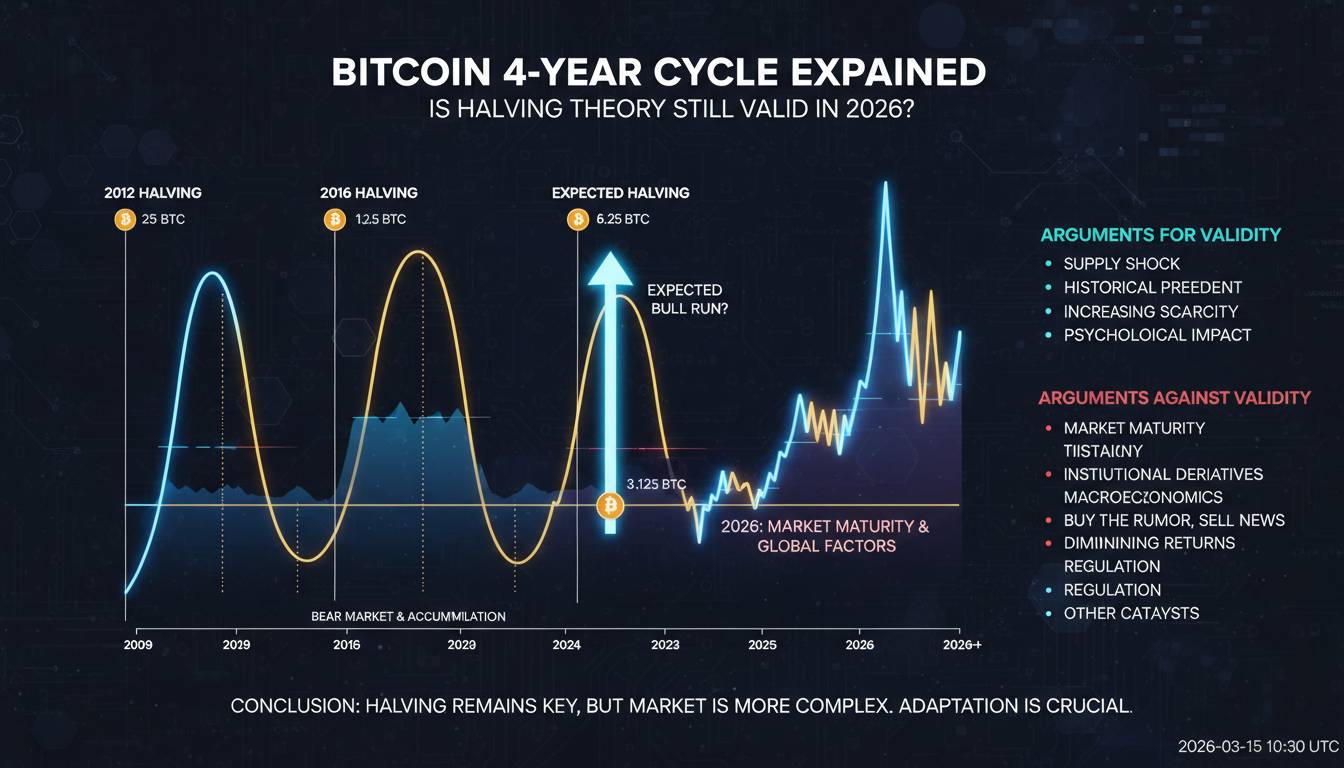
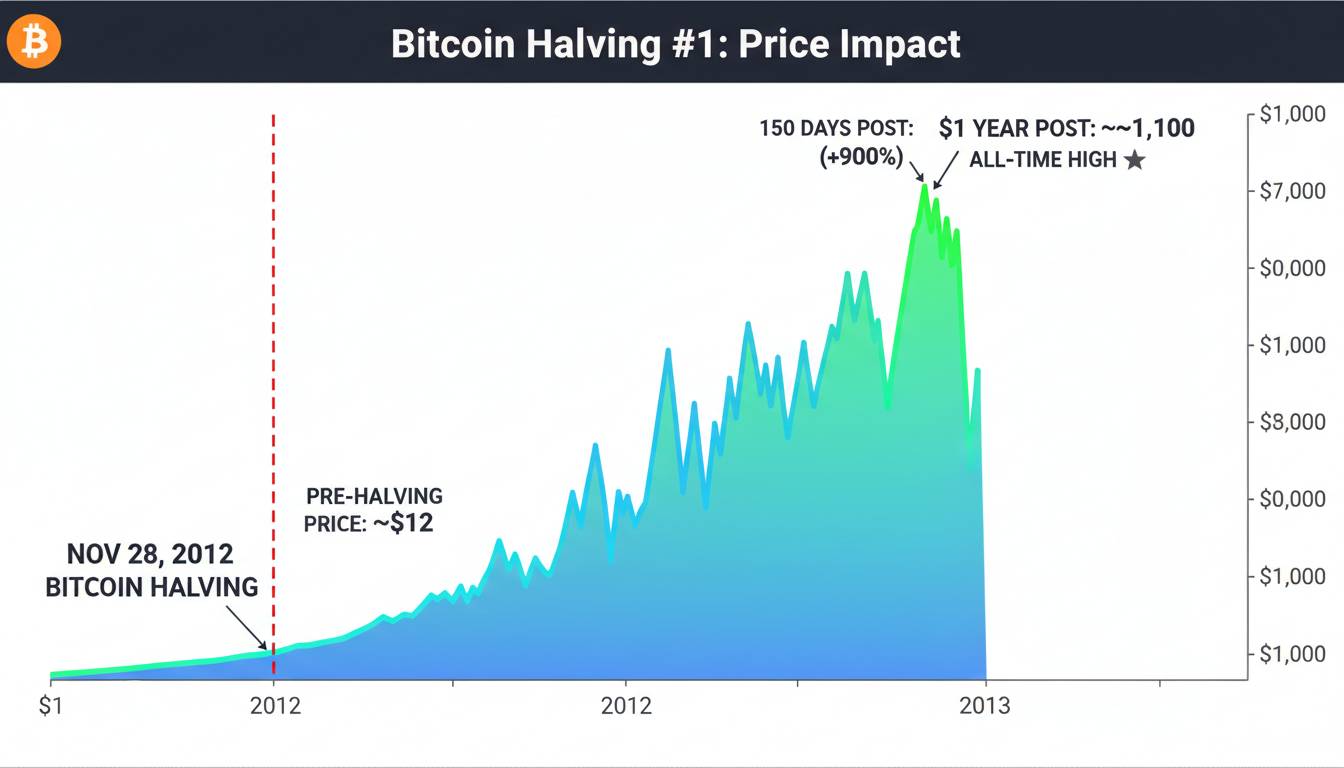
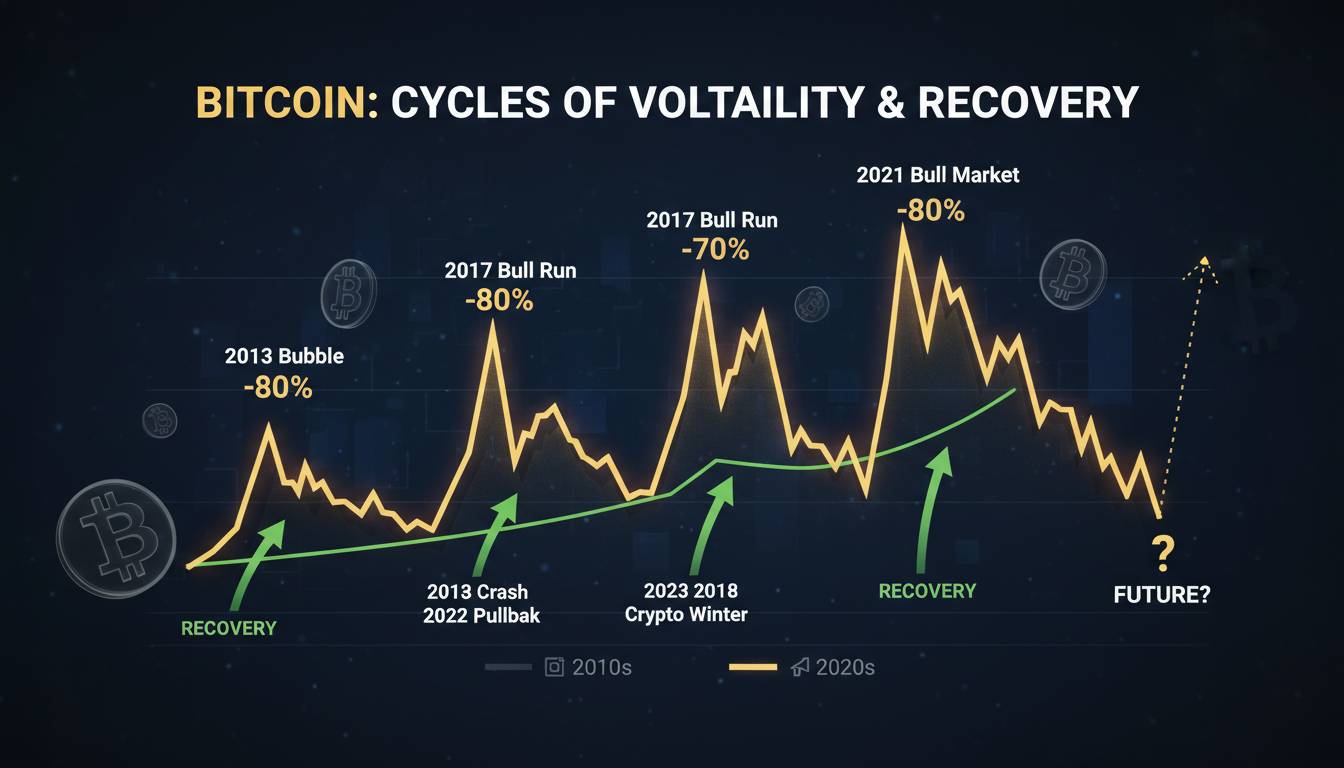
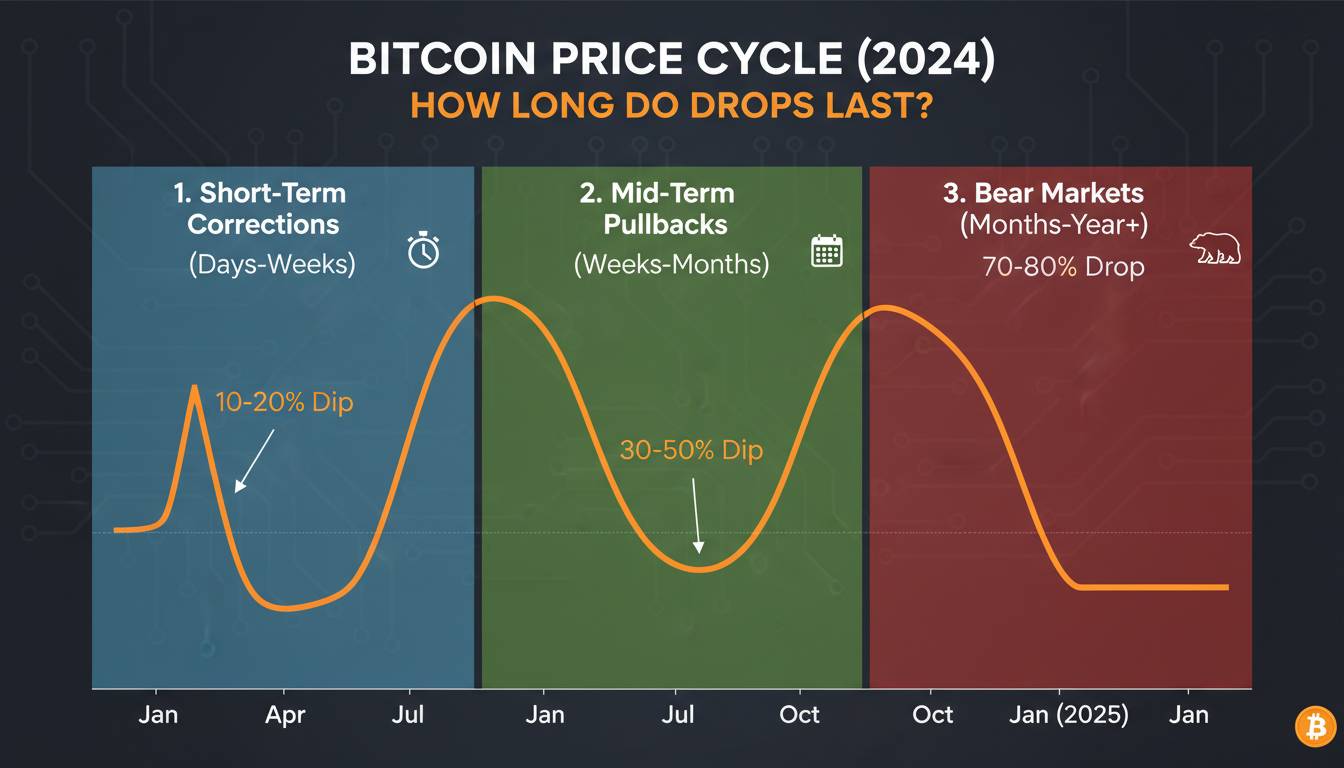
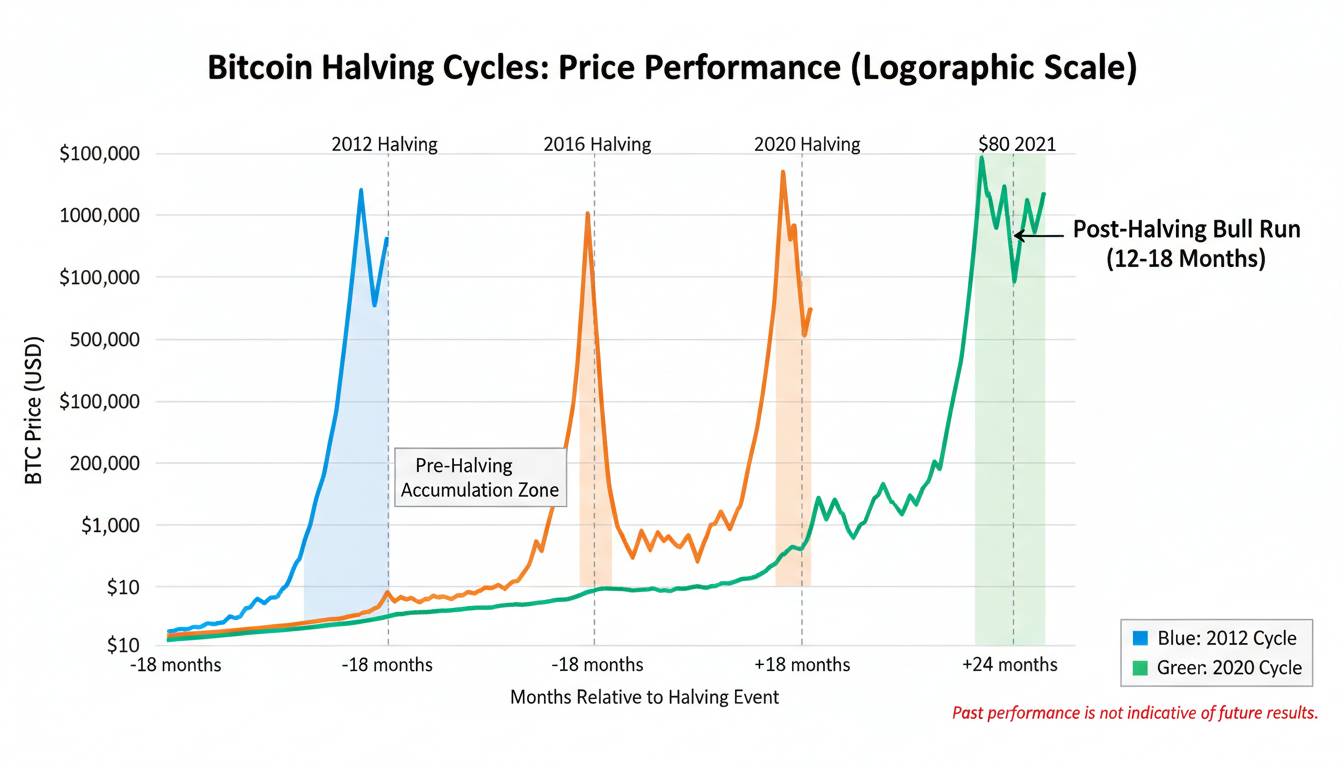
The 2013-2017 cycle saw Bitcoin go from $1,000 to nearly $20,000—a 20x return that seemed impossible at the time. The 2017-2021 cycle took Bitcoin from $3,000 to $69,000—a 23x return despite already being a much larger asset. Each cycle has produced extraordinary returns, but each cycle’s percentage gains have compressed slightly as the market grows.
XRP’s own history mirrors this pattern. From 2017 to 2021, XRP went from roughly $0.25 to $1.90—a 7.5x return. From 2020 to 2021, it went from $0.50 to $1.90—a 3.8x return. Even during the most explosive periods, the multiplier effect has decreased.
The lesson isn’t that cryptocurrency can’t produce extraordinary returns. It’s that “extraordinary” has an upper bound that expands slower than most participants expect. A 10x return from current prices would place XRP at approximately $25. A 20x return would reach $50. Both represent extraordinary outcomes that would make early investors wealthy.
The projection to $500 requires a 200x return from current levels—200 times your money. That return profile has historically been achievable only in the earliest stages of cryptocurrency markets when total market caps were measured in billions rather than trillions.
Conclusion: The Honest Assessment
Here’s where I land after running through the mathematics, the history, and the catalysts: XRP reaching $500 would require conditions so favorable that treating it as a serious prediction rather than a thought experiment doesn’t serve anyone’s interests.
Could XRP appreciate significantly from current levels? Yes. Could it reach $10, $20, or even $50 during a favorable market cycle? The math supports those scenarios. But $500 exists in a mathematical universe that has no connection to how cryptocurrency markets have actually performed across multiple cycles and decades of data.
The more useful question isn’t “can XRP reach $500?” but rather “what would actually need to happen for XRP to appreciate 10x or 20x from here?” That question leads to trackable catalysts—adoption metrics, regulatory clarity, competitive positioning—that form the basis for rational investment decisions.
The cryptocurrency market will probably produce at least one more major bull cycle. When it does, XRP will likely participate. But participating in a 5x or 10x market move is a fundamentally different investment thesis than positioning for a 200x return, and conflating those two scenarios is where most retail investors get into trouble.
Approach price predictions with skepticism, demand the mathematics behind the projections, and never invest more than you can afford to lose. The numbers behind $500 might look compelling in a headline, but the math doesn’t lie—it just requires you to actually do it.
Disclaimer: This article is for informational purposes only and does not constitute financial advice. Cryptocurrency investments carry significant risk, including the potential for total loss of capital. Always conduct your own research and consult with qualified financial professionals before making investment decisions. The price predictions and market analysis presented here are speculative and should not be interpreted as guaranteed outcomes.