
The possibility of a Solana exchange-traded fund has moved from speculative chatter to concrete regulatory action. In early 2025, several asset managers filed Solana ETF applications with the Securities and Exchange Commission, signaling that the market believes the path forward for crypto ETFs extends beyond Bitcoin and Ethereum. Understanding what an approval would mean requires looking at the mechanics of how these products function, the current regulatory landscape, and the lessons from previous crypto ETF launches.
This analysis breaks down the realistic implications of Solana ETF approval—not the hype-driven price targets that populate crypto Twitter, but the structural changes that would actually move markets.
What a Solana ETF Actually Is
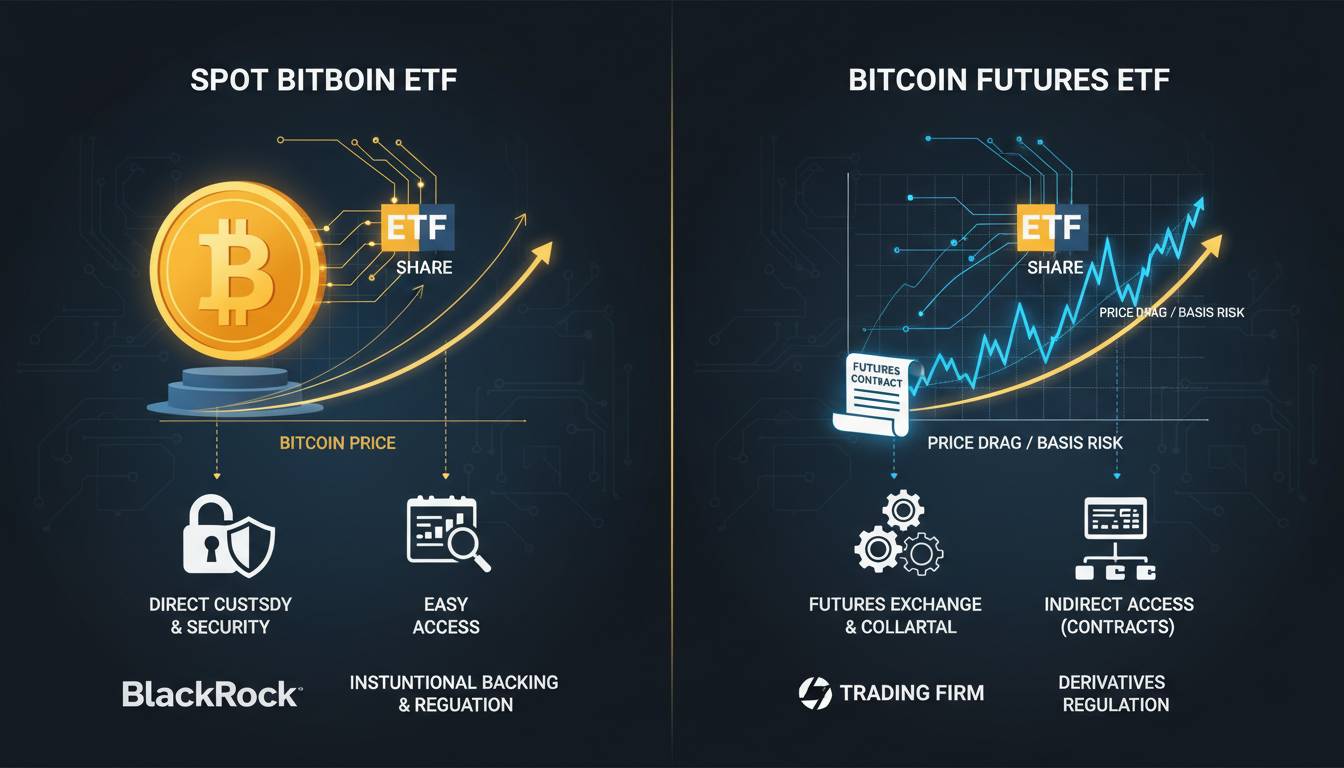
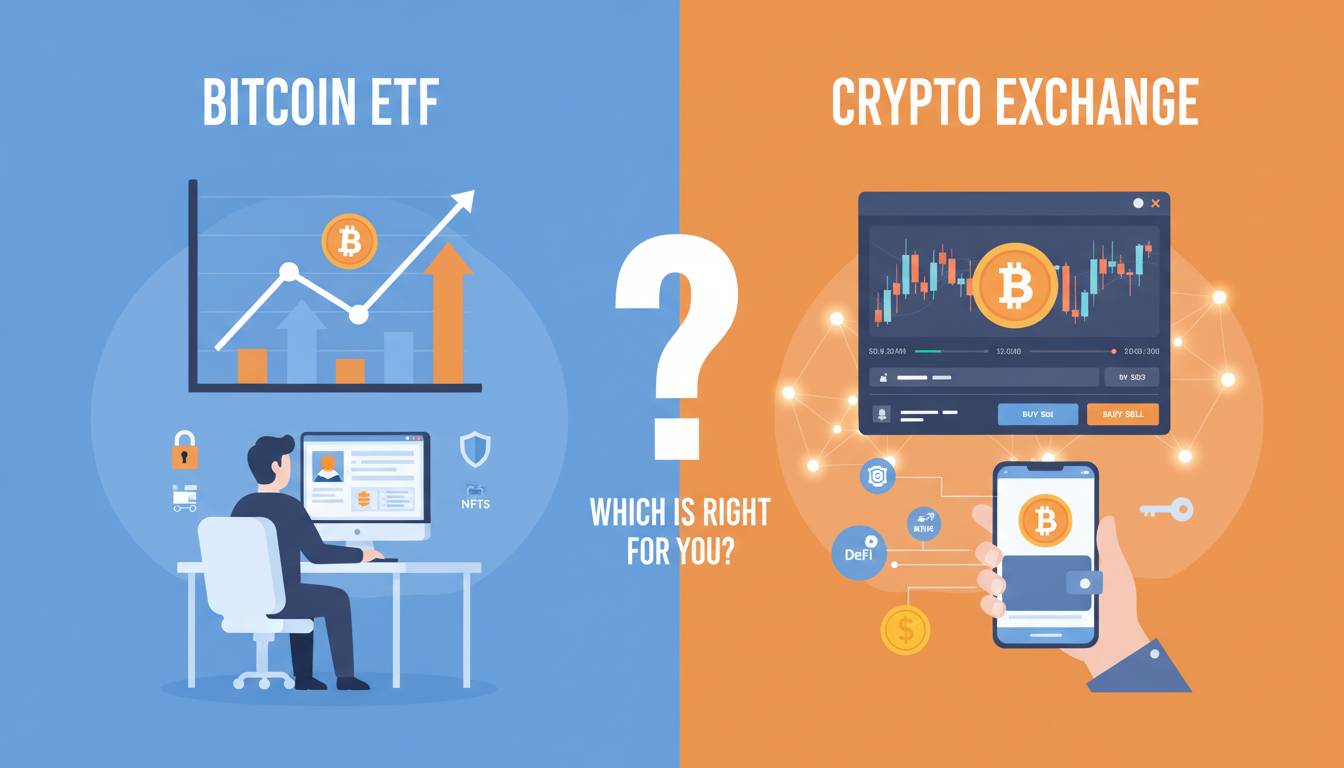
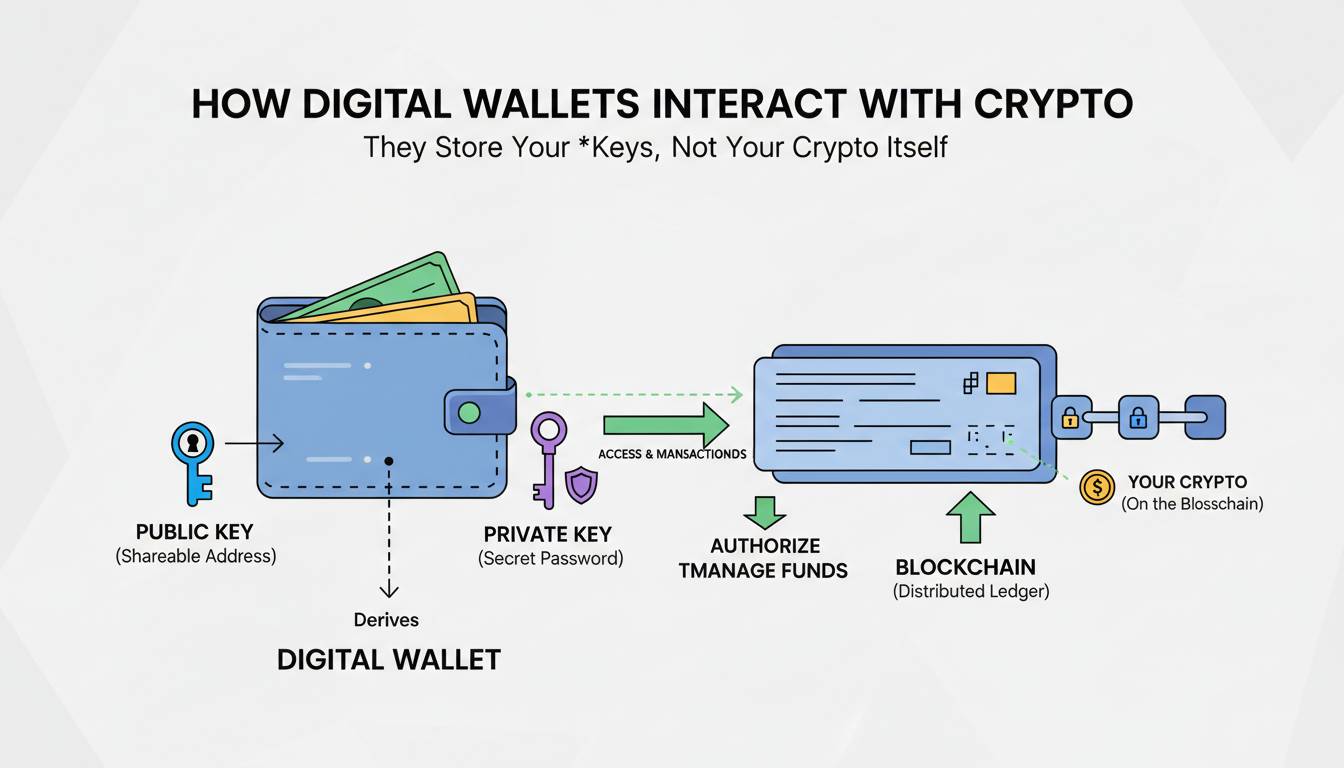
A Solana ETF would function identically to the Bitcoin and Ethereum ETFs already trading. Investors would buy shares on traditional exchanges like the NYSE or Nasdaq, with the fund holding actual SOL tokens as the underlying asset. The ETF structure eliminates the need to manage crypto wallets, deal with custody solutions, or navigate the tax complications of direct crypto ownership.
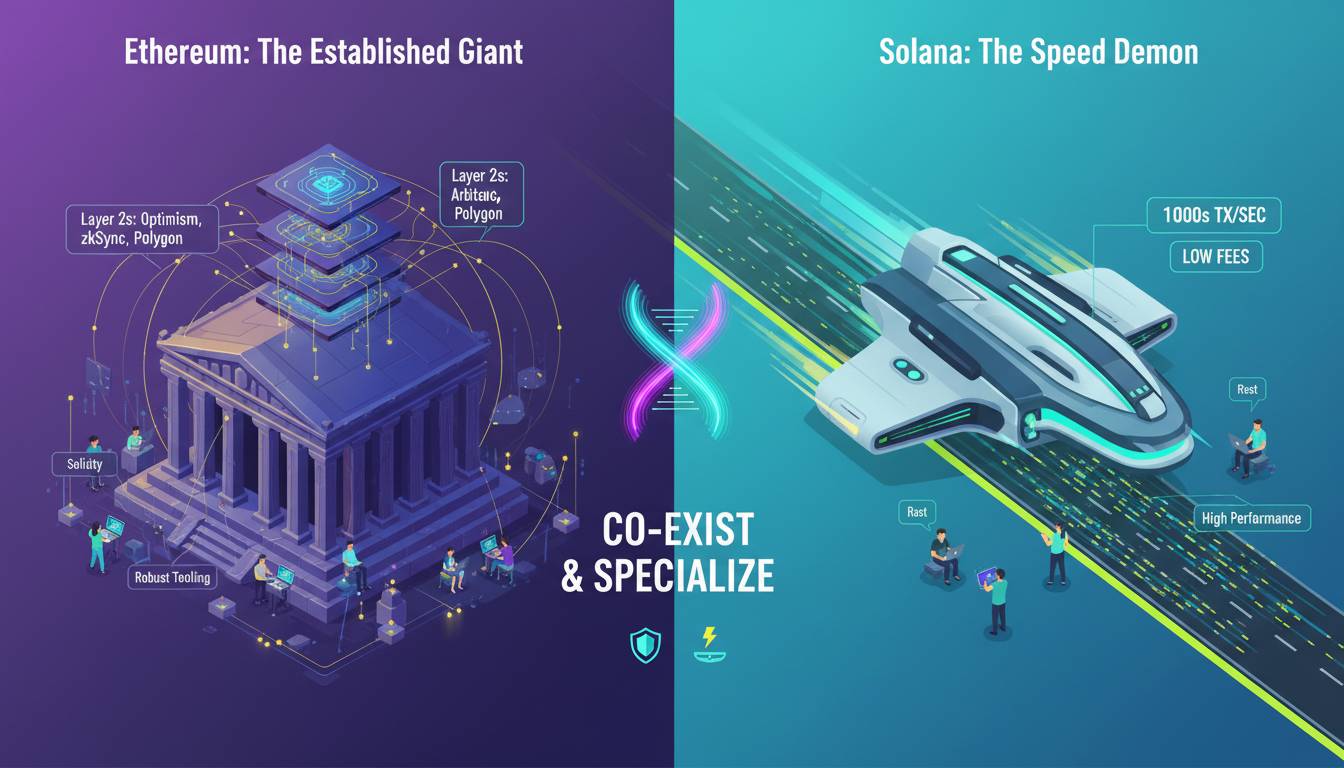
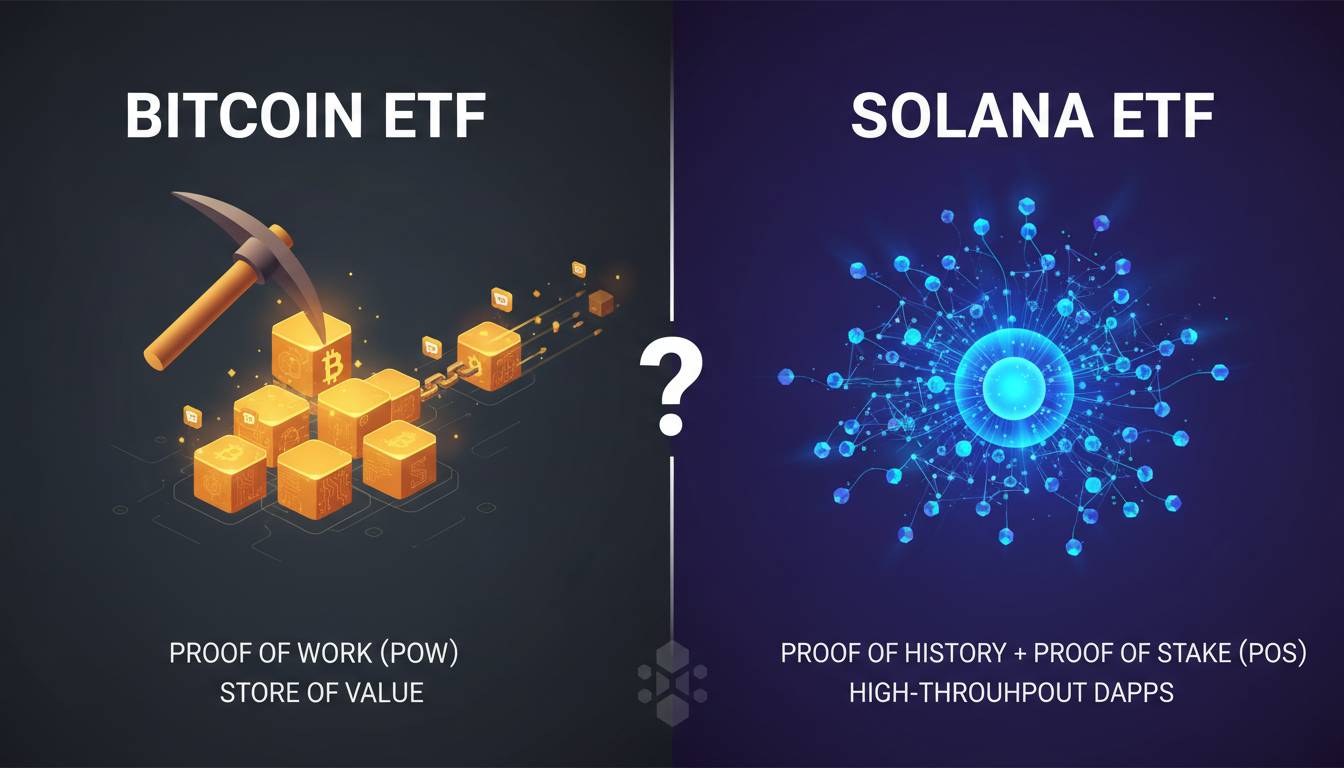
The key difference is what Solana offers as an asset. Unlike Bitcoin’s store-of-value narrative or Ethereum’s smart contract platform, Solana has marketed itself as the high-performance blockchain. Its ability to process thousands of transactions per second at relatively low cost has made it the preferred network for decentralized applications focused on trading, gaming, and consumer crypto products. This gives investors a different thesis: exposure to a blockchain optimized for mainstream adoption rather than one serving as digital gold or a development platform.
Several issuers have filed applications, with VanEck and 21Shares leading the pack in early 2025. BlackRock’s involvement, even indirectly through market structure considerations, adds credibility that traditional finance firms are watching this space closely. The filing activity itself represents a bet that the SEC’s approach to crypto ETFs has shifted permanently.
The Regulatory Landscape and Timeline
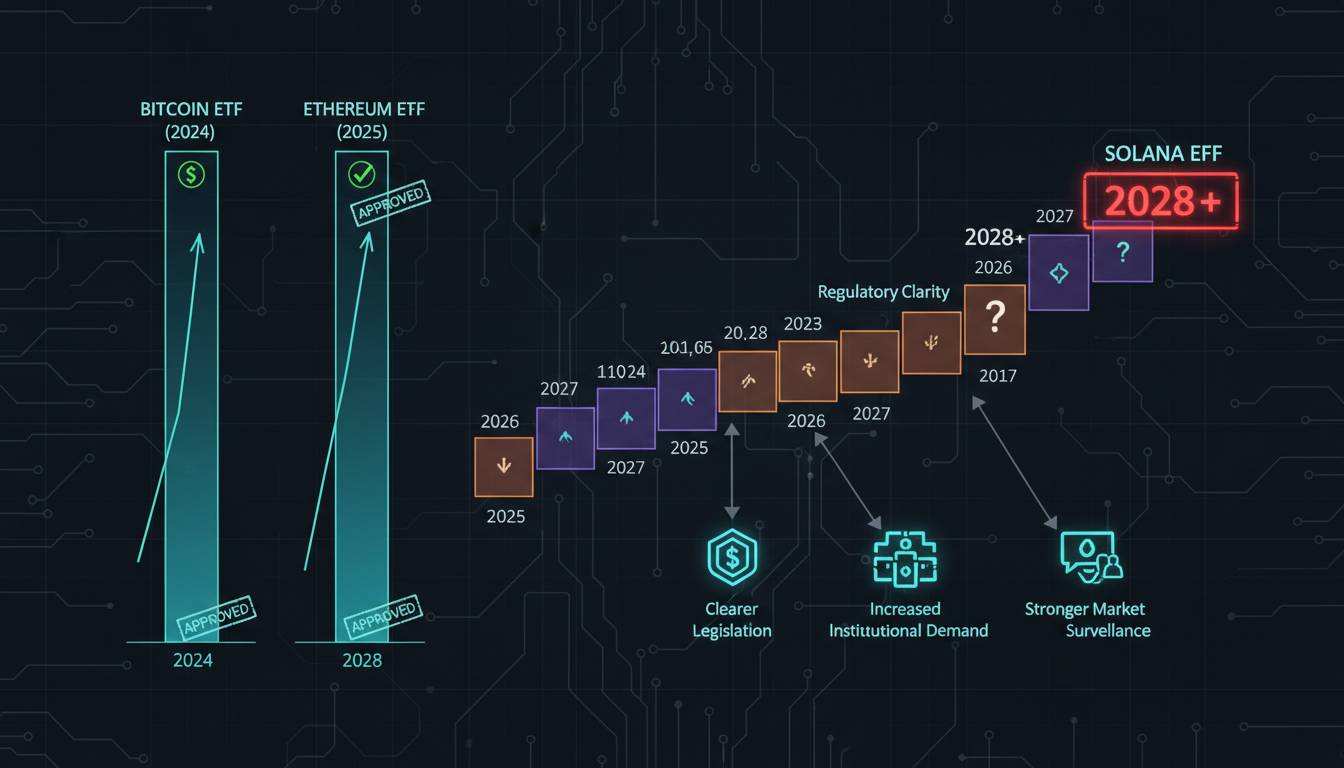
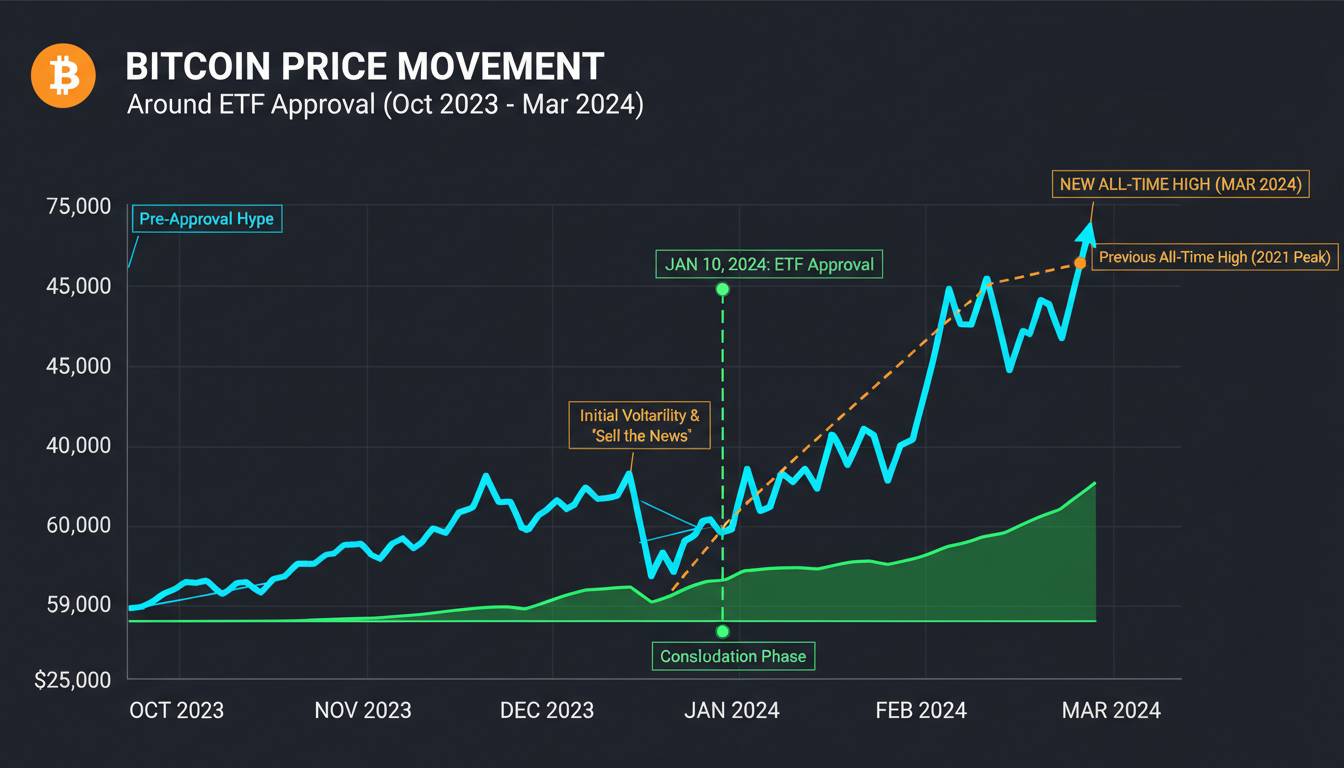
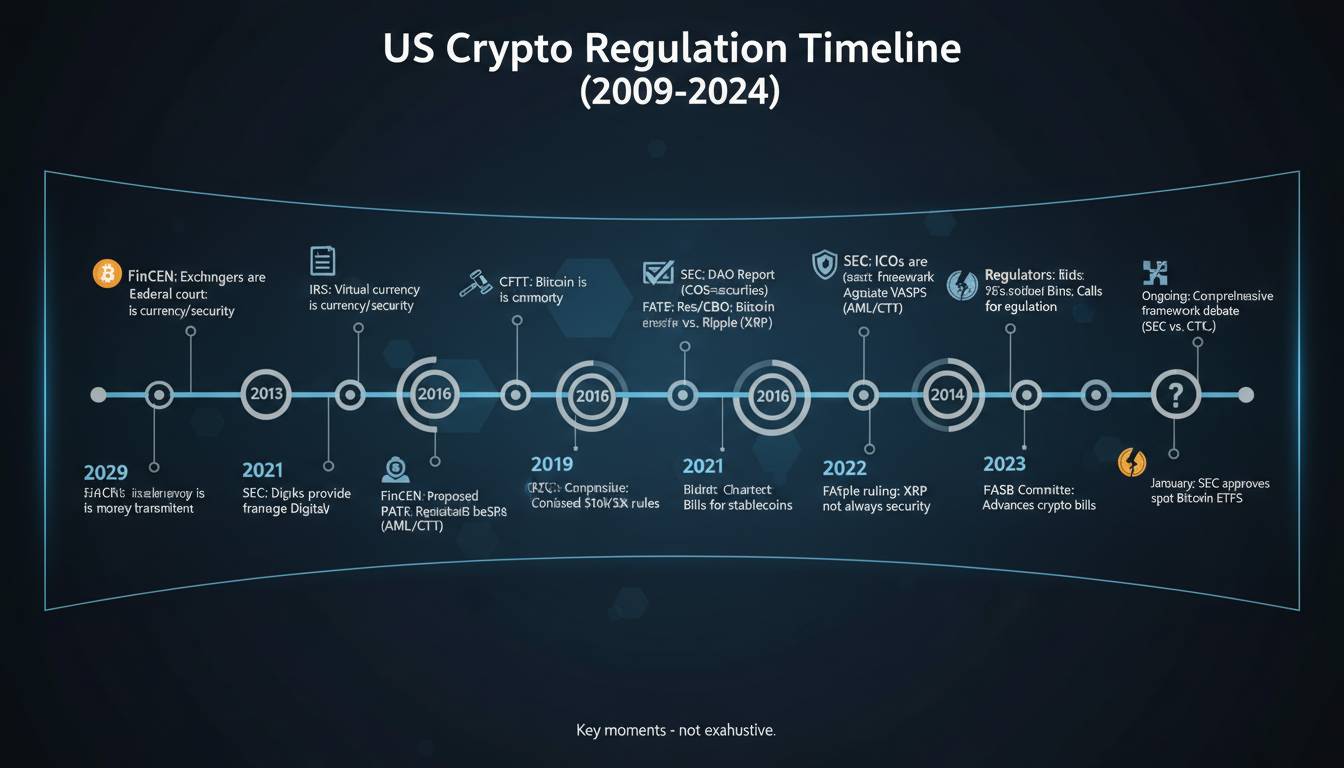
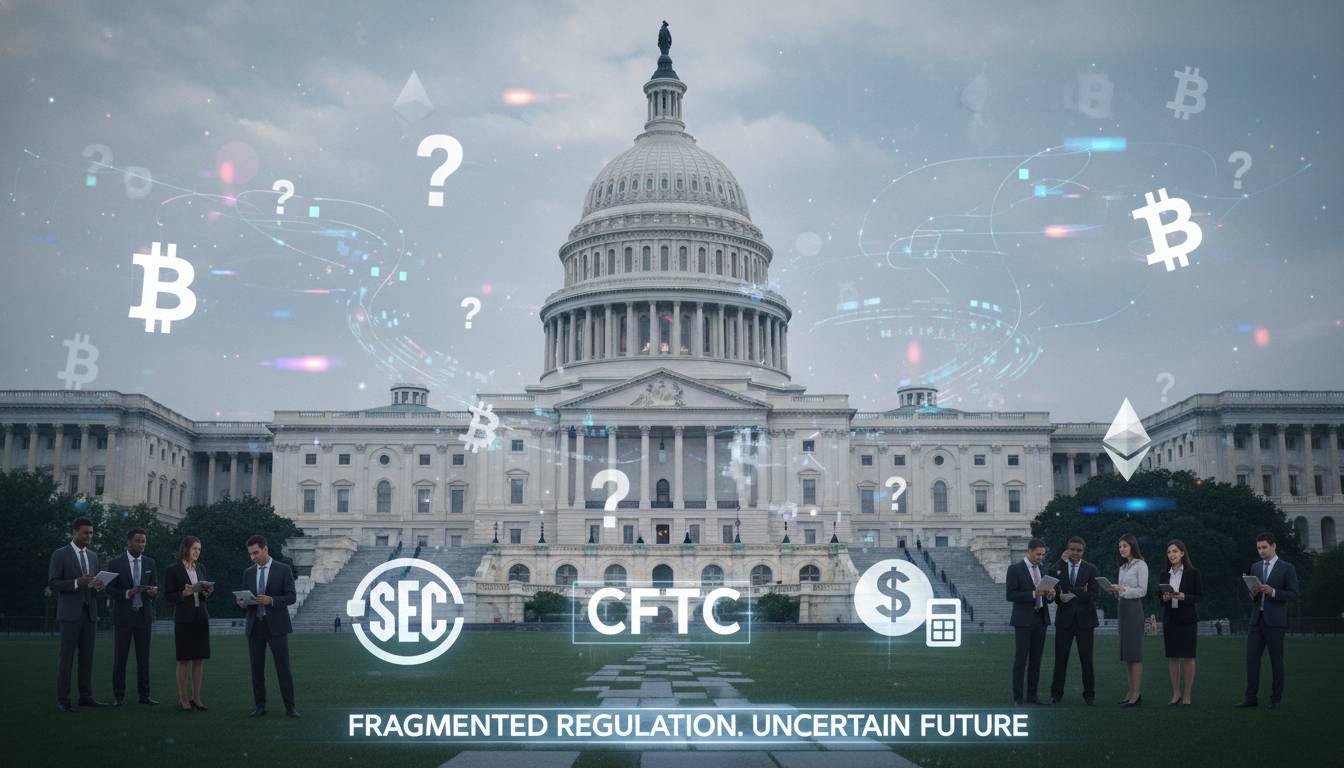
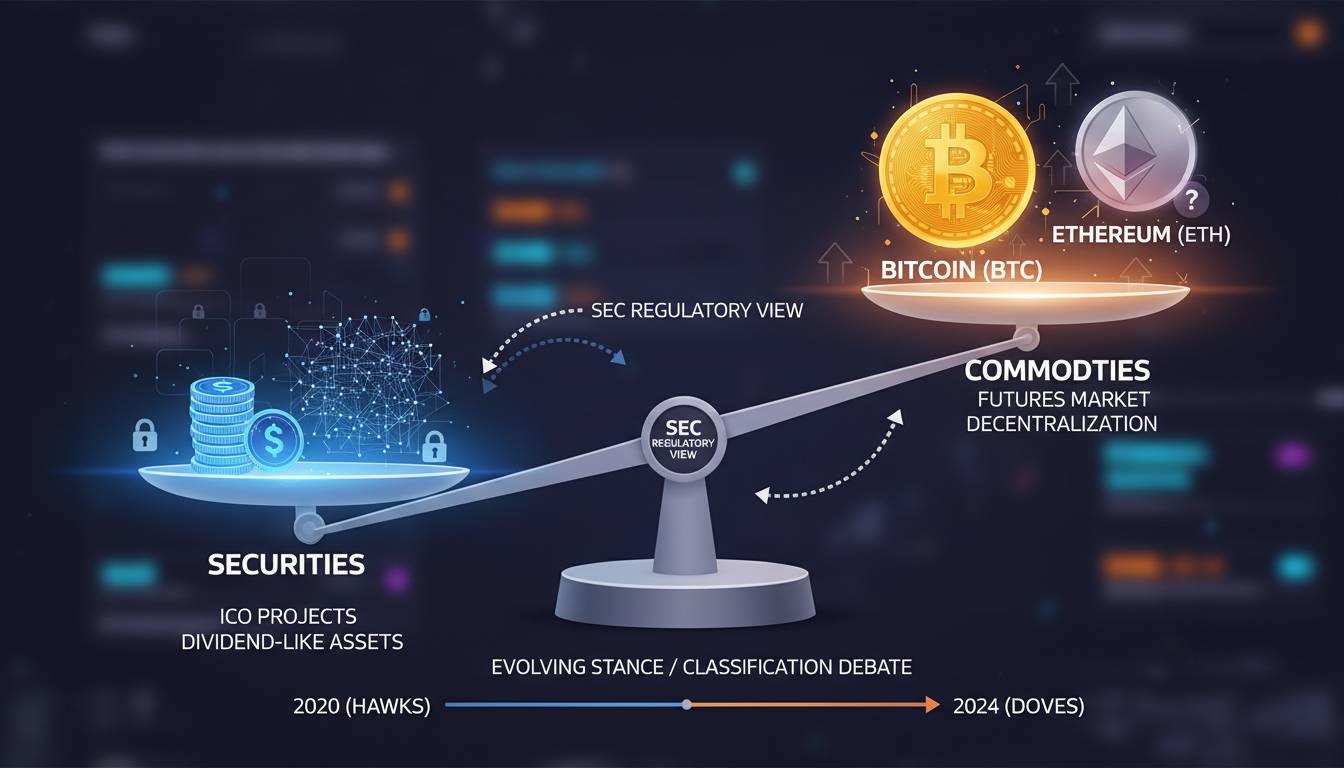
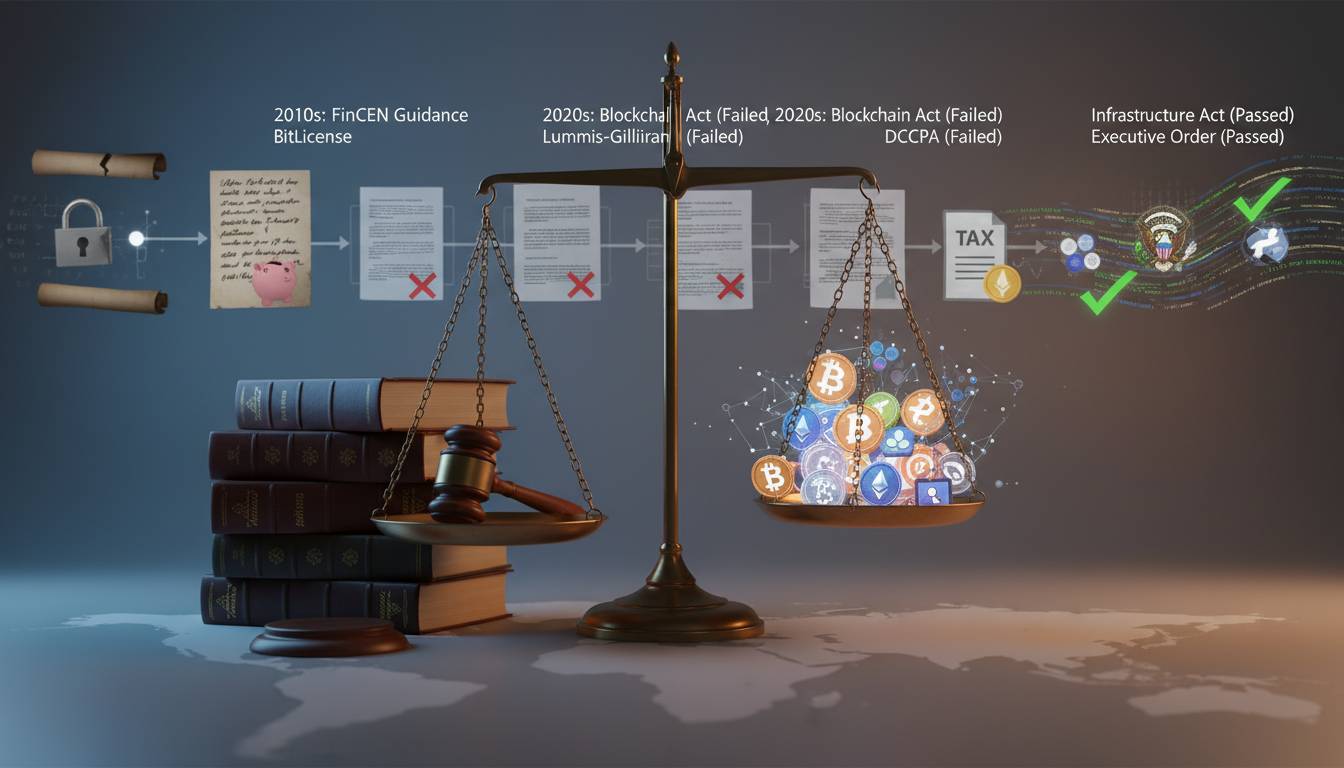
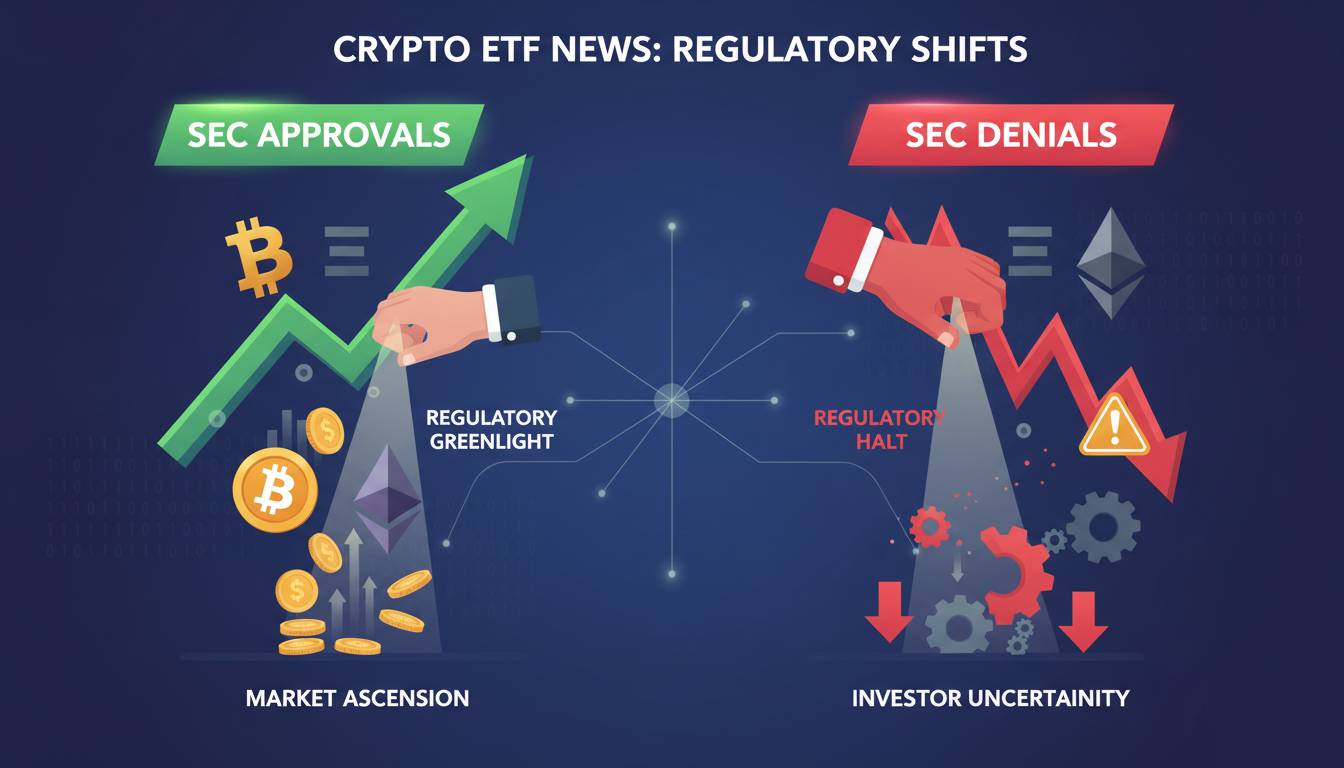
The SEC’s stance on crypto ETFs has changed fundamentally since January 2024, when Bitcoin ETFs finally received approval after over a decade of rejection. Ethereum followed in May 2024. This isn’t accidental—Chairman Gary Gensler’s departure and changing commission composition created an environment where crypto products face a more favorable regulatory outlook.
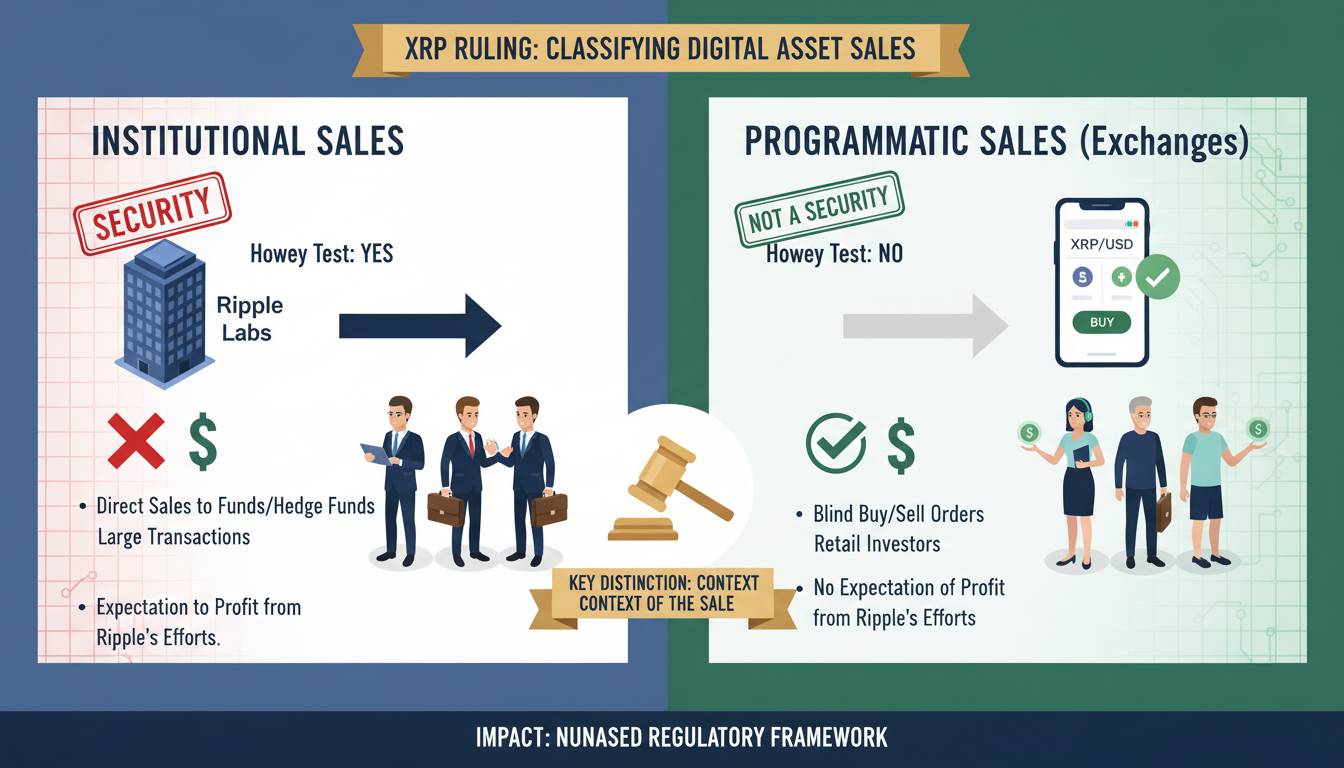
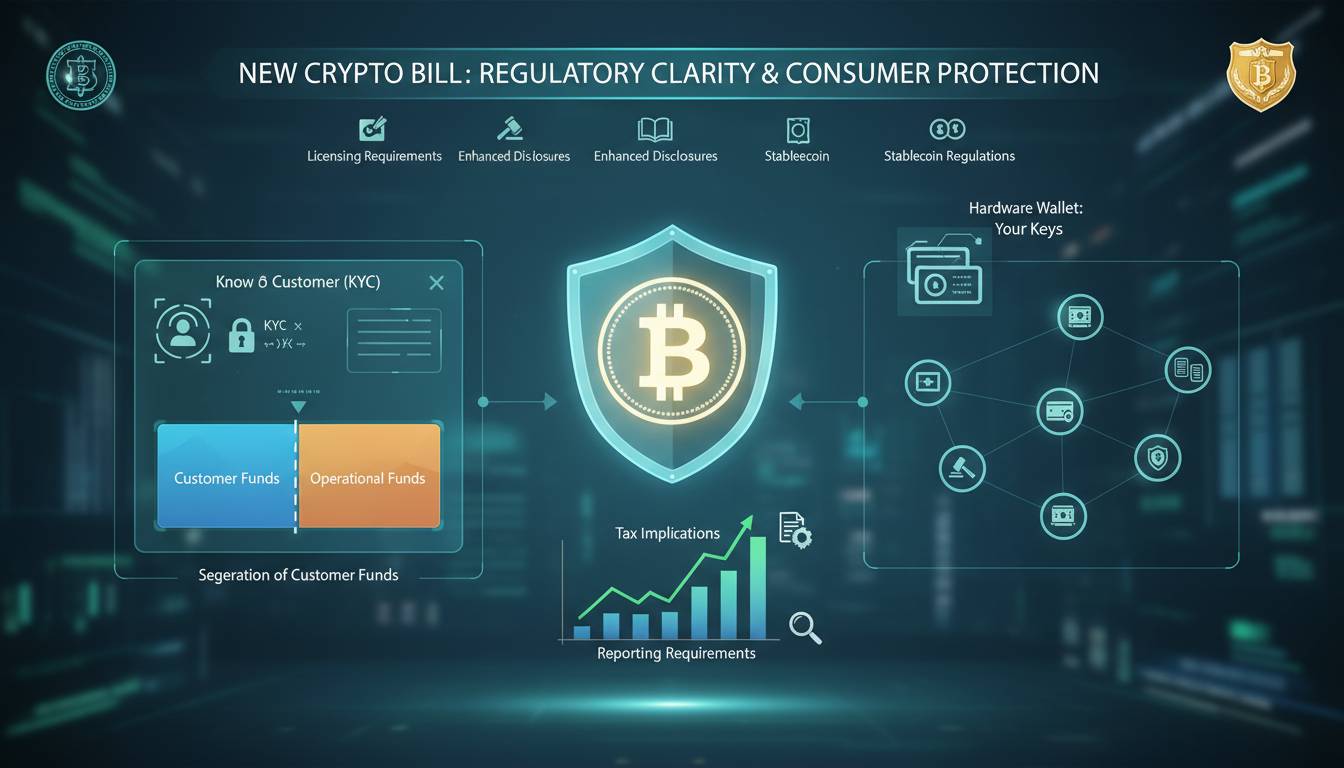
For Solana specifically, the timeline remains uncertain. The SEC has not approved a Solana ETF as of early 2025, and the agency has historically been reluctant to approve ETFs for assets it considers securities. Solana’s status as a blockchain token—rather than a pure cryptocurrency like Bitcoin—complicates the classification question. The Howey test, which determines whether an asset is a security, hasn’t been definitively applied to SOL in the same manner as the SEC’s ongoing cases against other tokens.
However, the pattern established by Bitcoin and Ethereum ETFs suggests a pathway exists. If the SEC approves these products, it implicitly determines that Solana is not a security in the same manner the agency has argued about other tokens. This makes the approval decision not just a market event but a regulatory statement with implications far beyond the ETF itself.
The most realistic timeline places potential approval somewhere between mid-2025 and early 2026, assuming no significant regulatory reversals. The SEC will probably wait to see how Ethereum ETFs perform before opening another front in the crypto ETF wars.
Price Impact: What Historical Launches Tell Us
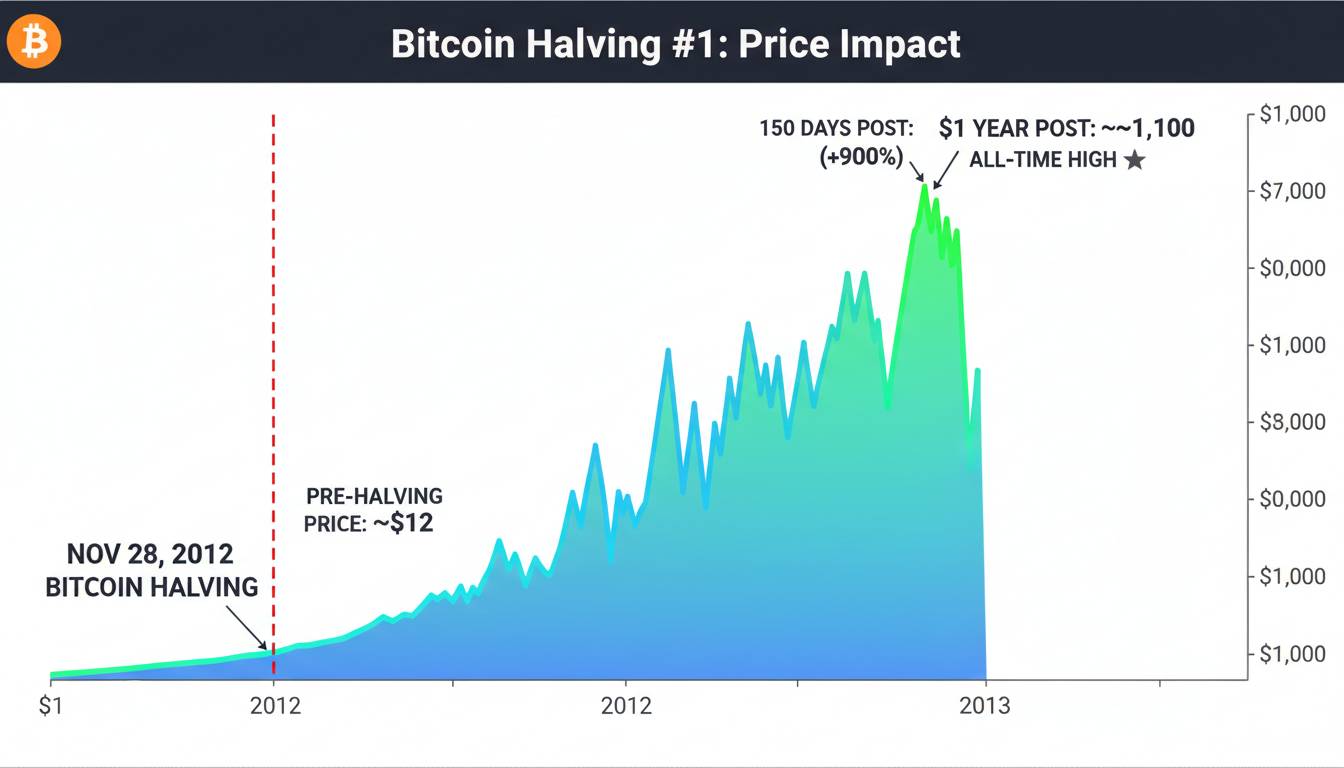
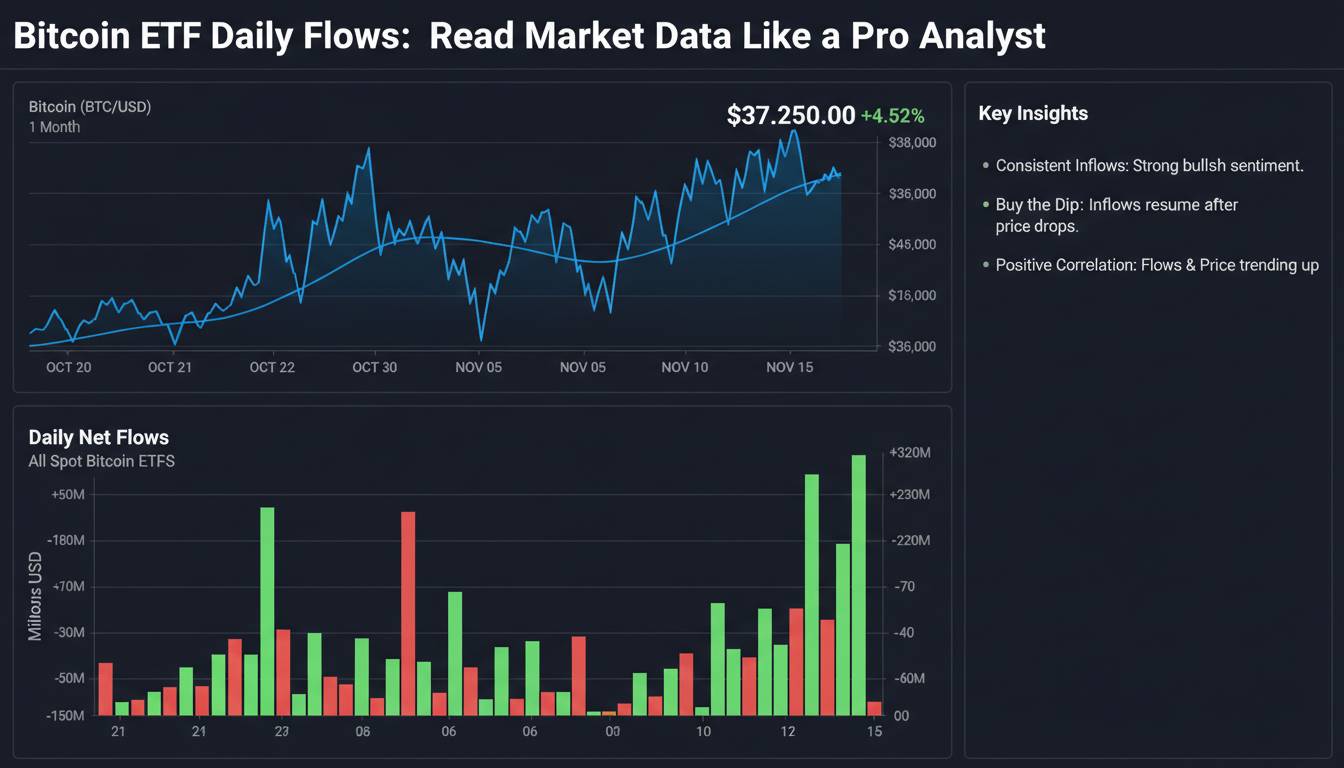
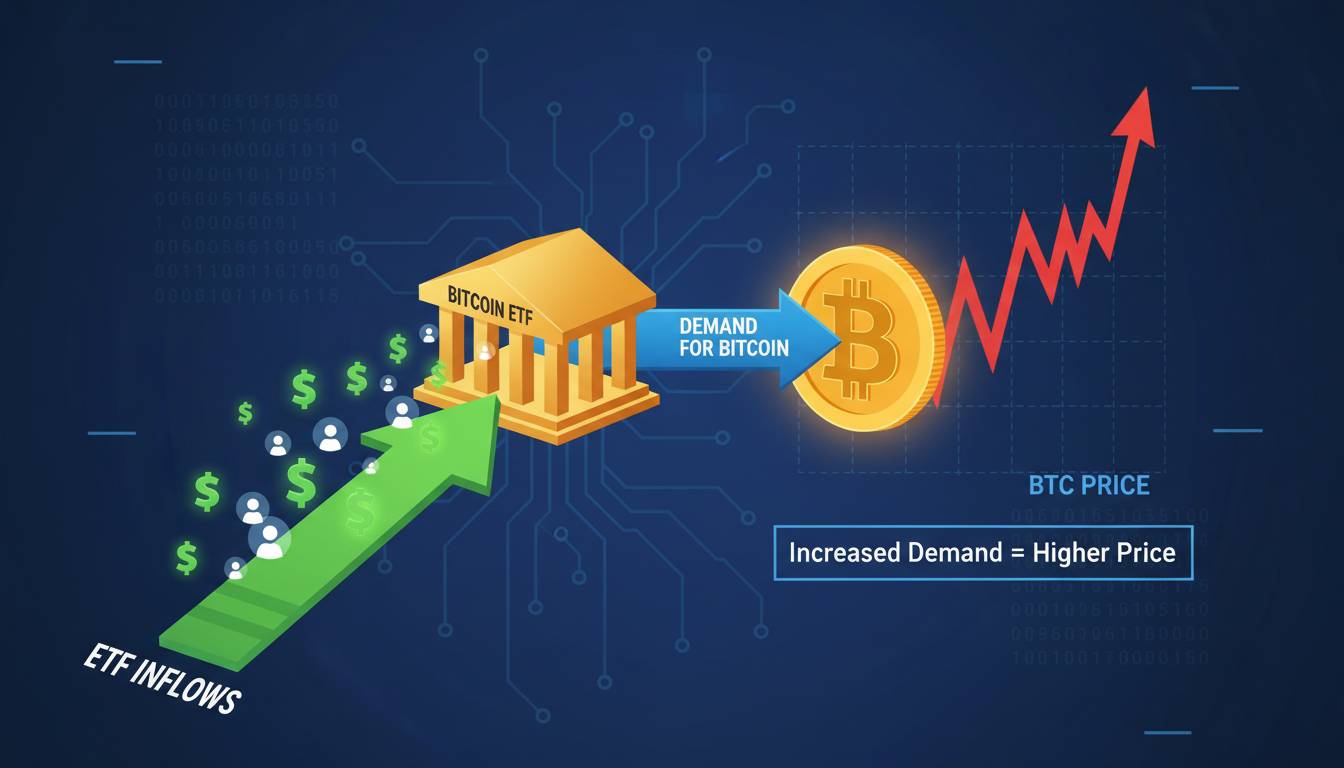
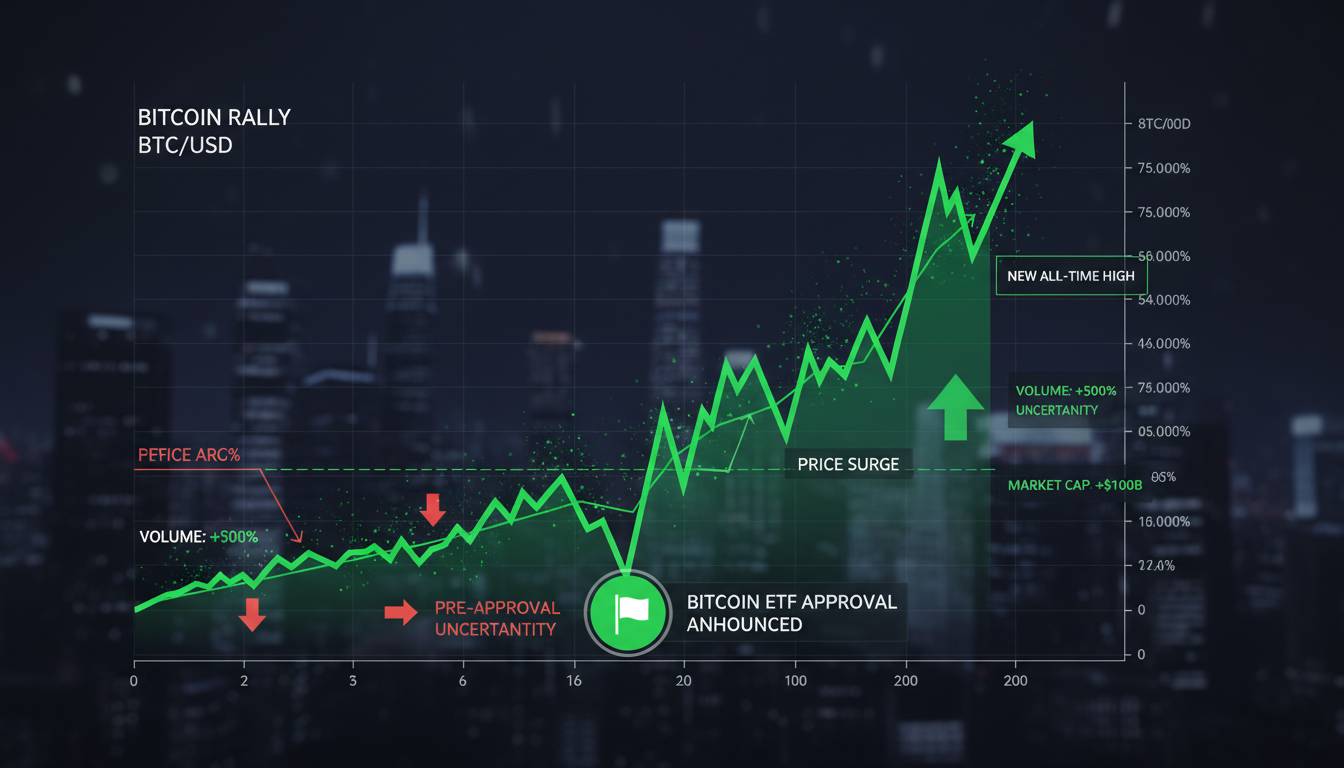
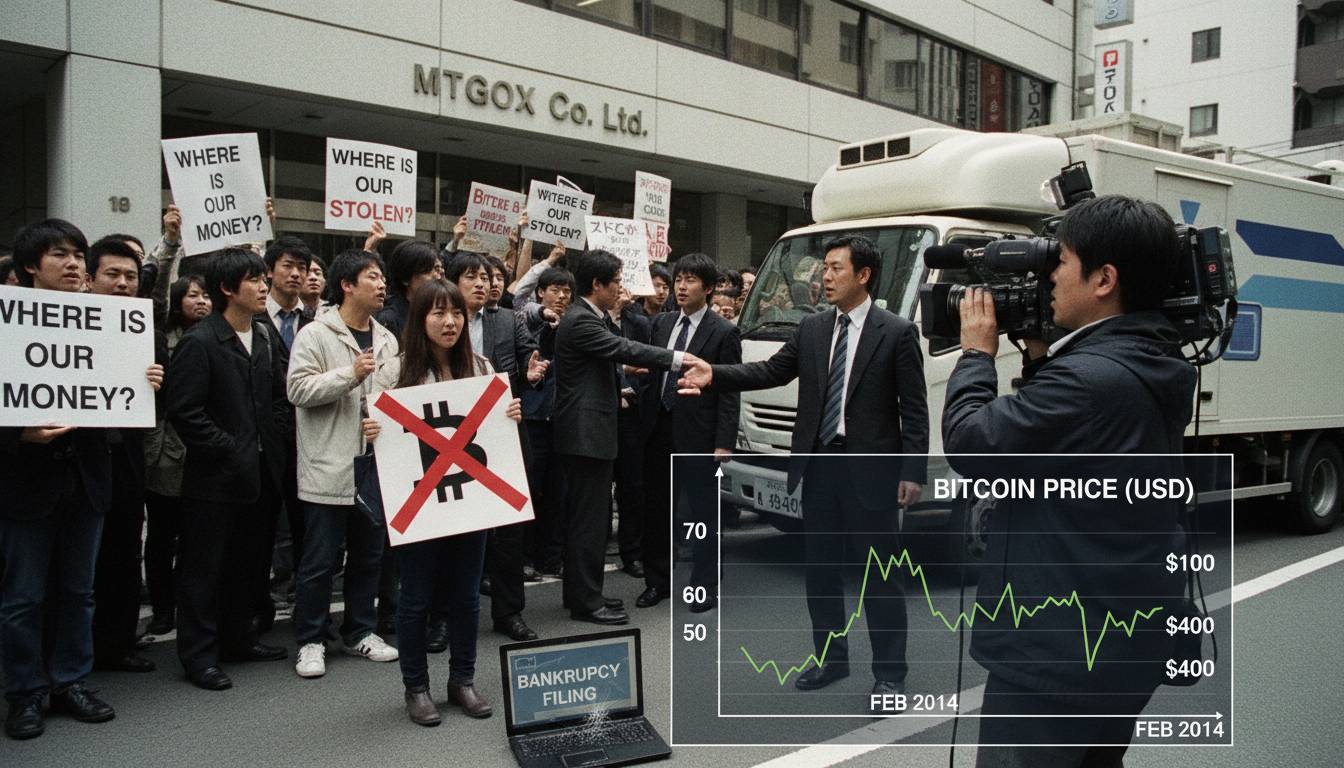
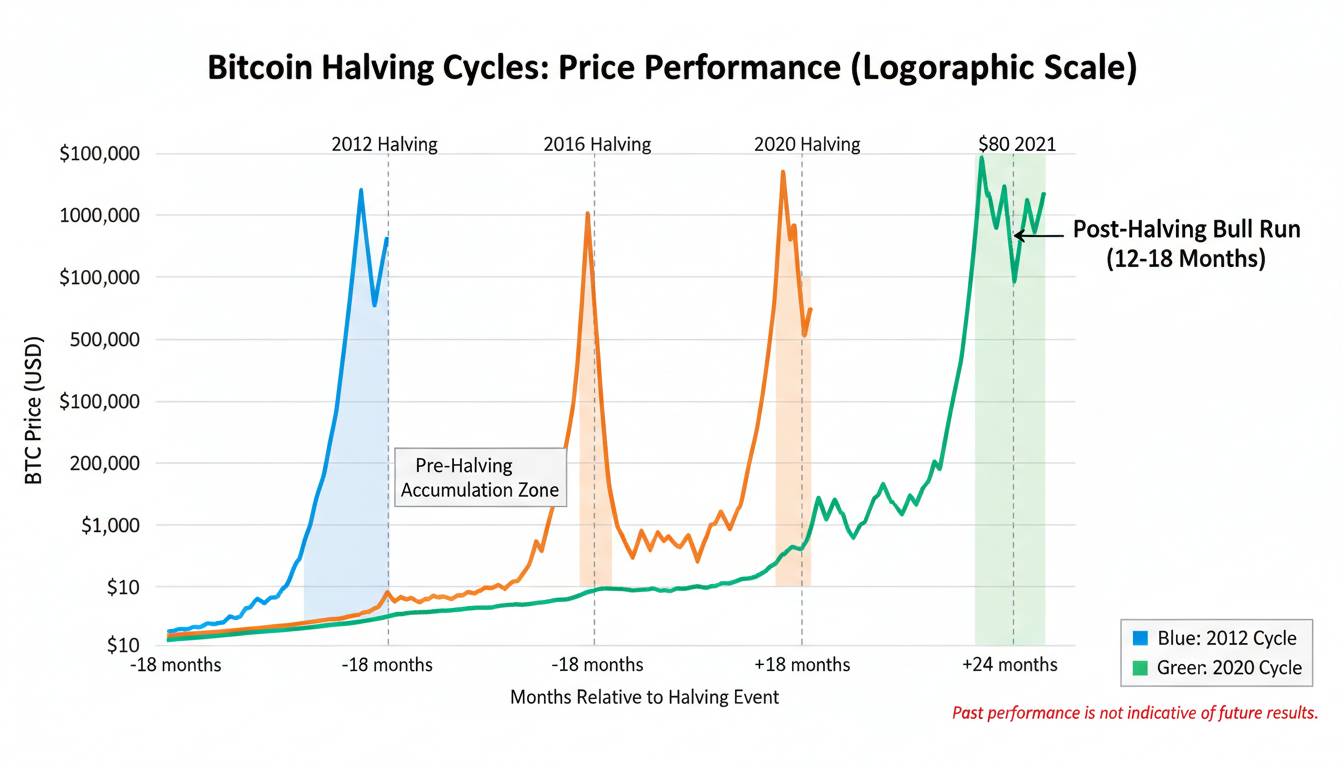
Bitcoin ETFs launched in January 2024, and the price impact was immediate and significant. Bitcoin rose from around $42,000 at the start of the year to nearly $50,000 by the end of January—a gain that came despite substantial selling pressure from the Mt. Gox creditor repayments and German government sales. The inflow numbers told the real story: billions of dollars flowed into these products weekly, creating sustained demand that overwhelmed bearish catalysts.
Ethereum ETFs told a more complicated story. The products launched in May 2024, and while ETH experienced a modest rally in anticipation, the actual trading volume and inflows disappointed many analysts. Ethereum’s price struggled relative to Bitcoin in the months following approval, leading some to question whether the ETF premium that Bitcoin enjoyed would translate to other assets.
A Solana ETF would likely split the difference. Solana has a passionate retail following that would provide demand, but the institutional base that drove Bitcoin ETF inflows remains smaller. Conservative estimates suggest Solana ETFs could see $500 million to $1 billion in inflows within the first month, while optimistic scenarios project $2 billion or more. The actual number will depend on broader market conditions and how aggressively issuers market these products.
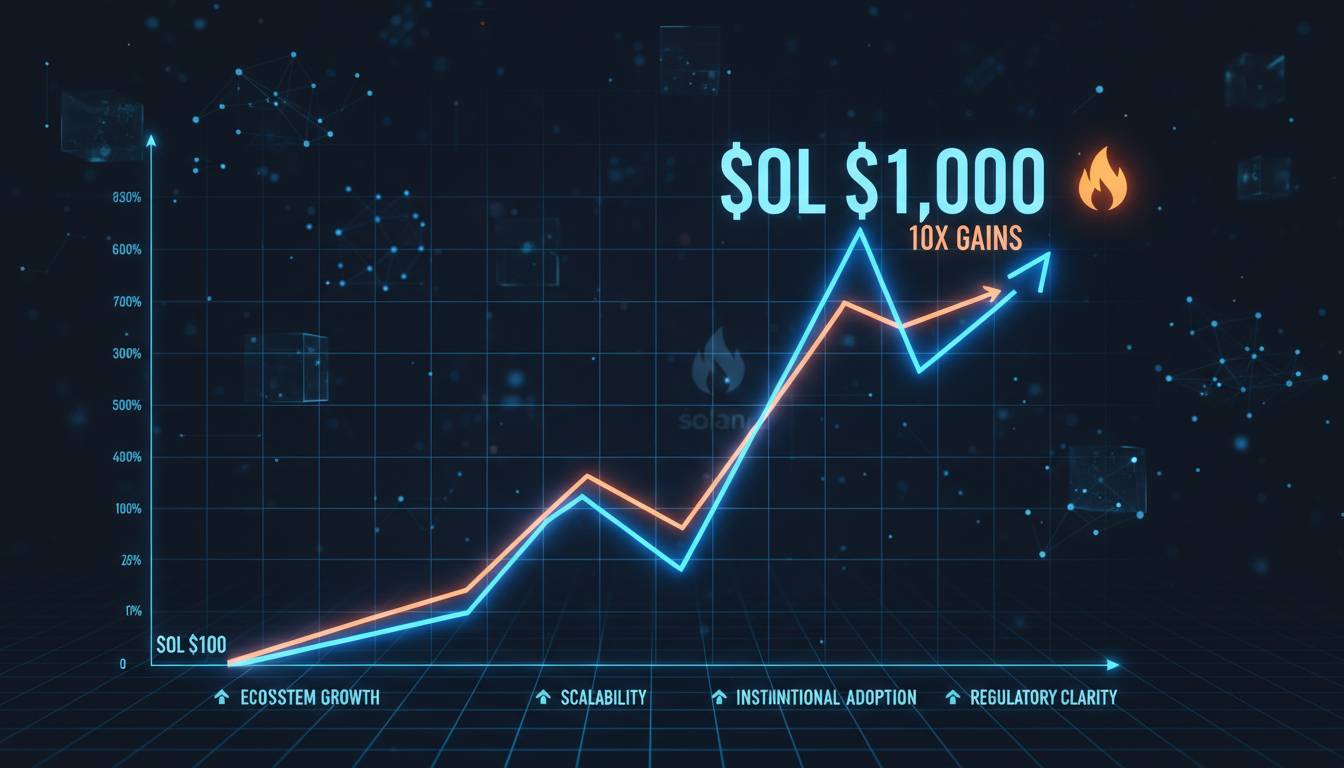
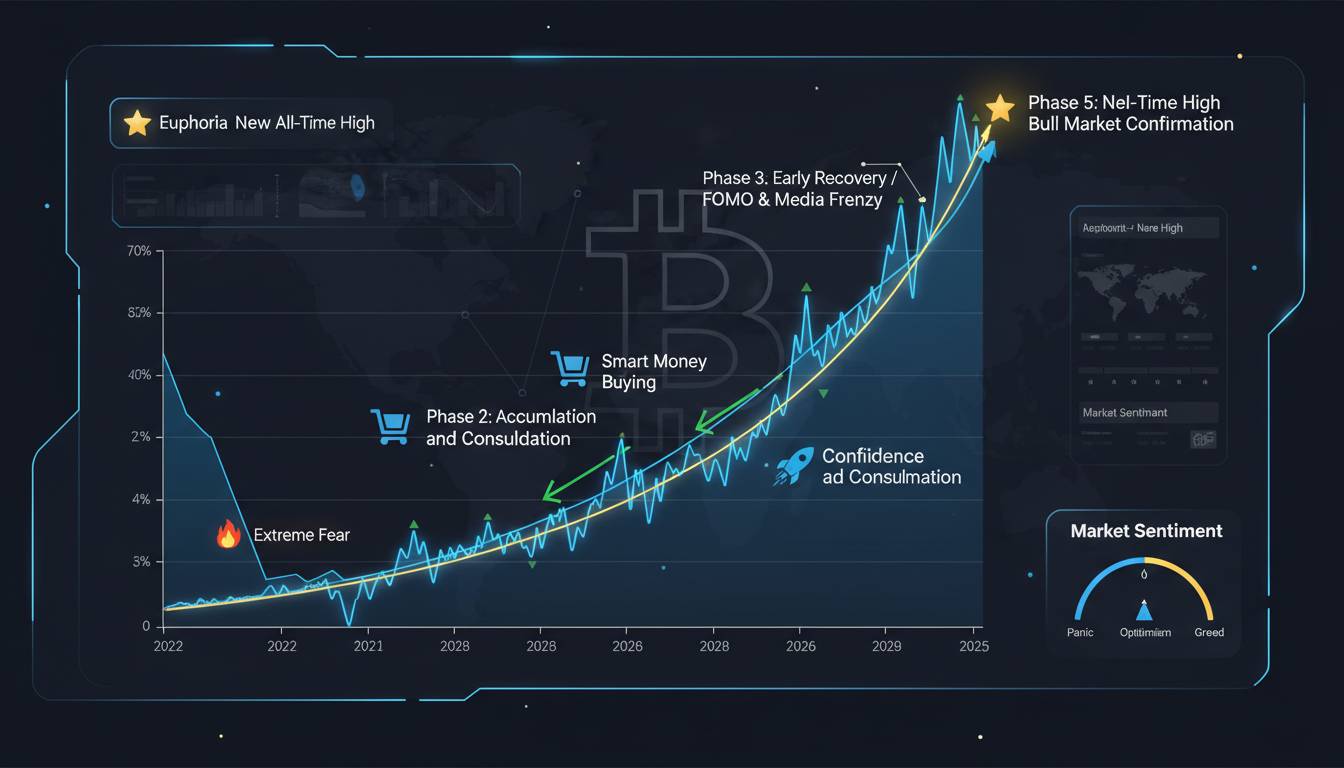
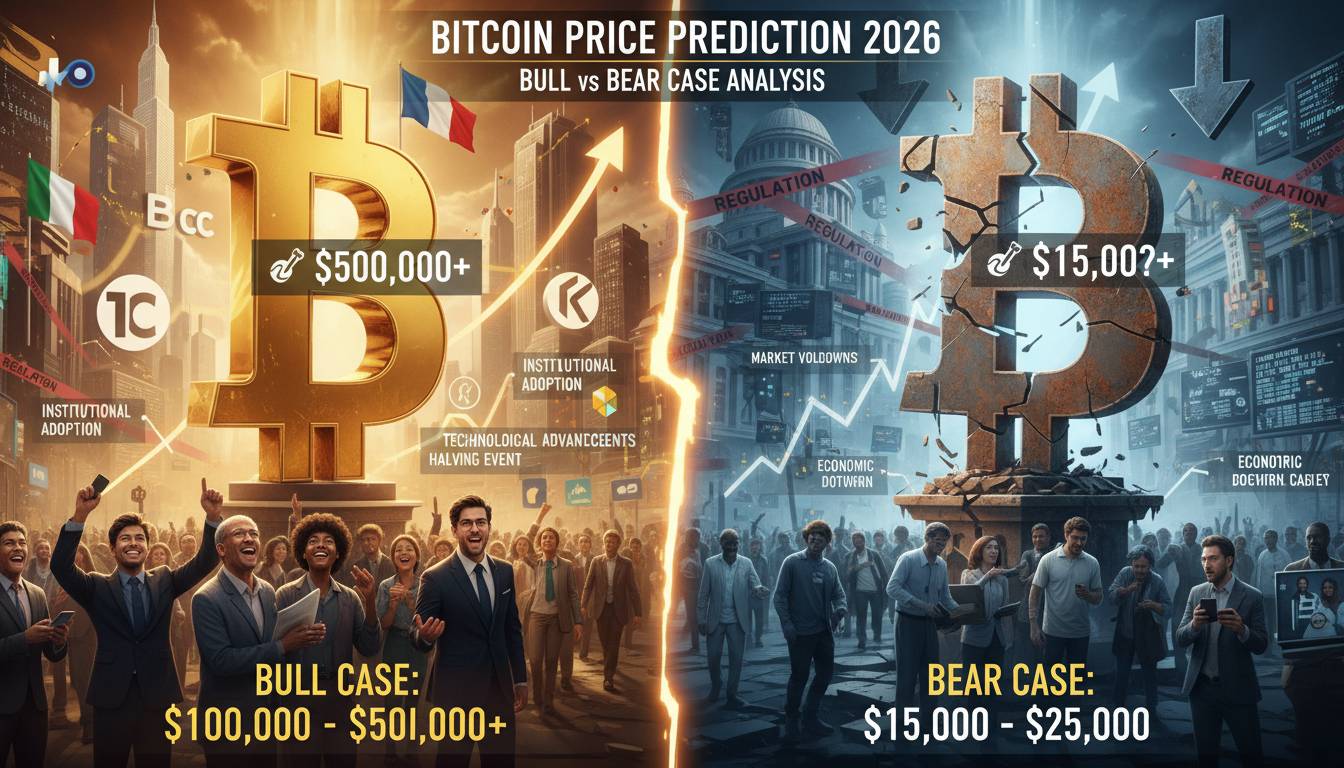
The price projections floating around—some analysts suggesting 500% gains or more—are marketing material, not analysis. A reasonable expectation is 30% to 100% appreciation in the months surrounding approval, with significant volatility as traders position around the event. The more important question isn’t the short-term price pop but whether sustained demand materializes.
Broader Market Implications for the Solana Ecosystem
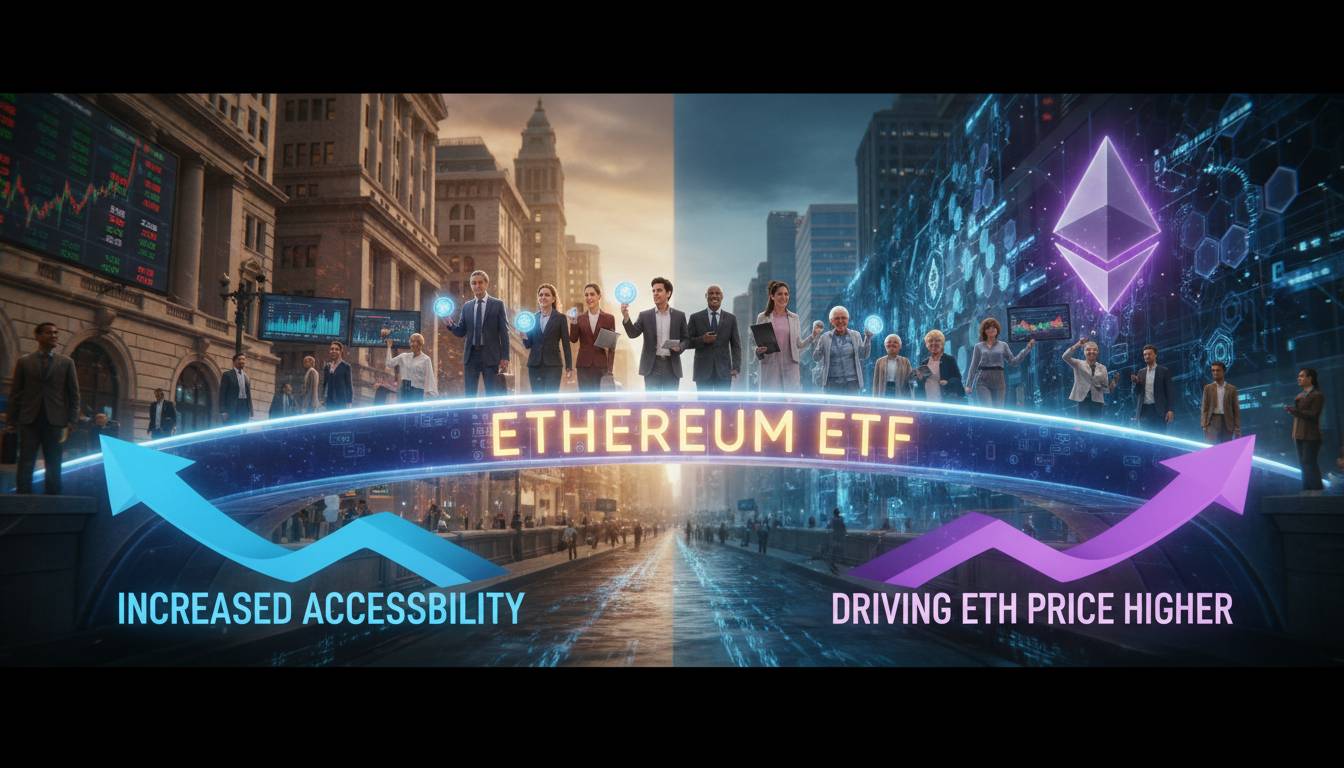
ETF approval would fundamentally change how Solana interacts with traditional finance. The primary benefit isn’t price appreciation—it’s liquidity and accessibility. Institutions that cannot hold crypto directly due to compliance restrictions could allocate to Solana through an ETF. Retirement accounts, endowments, and mutual funds would gain a regulated pathway to SOL exposure.
This accessibility would also reduce the premium that retail investors currently pay. Crypto-native investors often trade at prices slightly above where institutions would value the asset. ETFs create a pricing mechanism that brings Solana closer to traditional market valuations, potentially reducing volatility over time.
The ecosystem effects matter as much as the price effects. Solana’s DeFi protocols, NFT marketplaces, and consumer applications would benefit from increased visibility and easier capital access. Developers building on Solana could see their projects gain legitimacy in the eyes of traditional investors who only engage with crypto through regulated products.
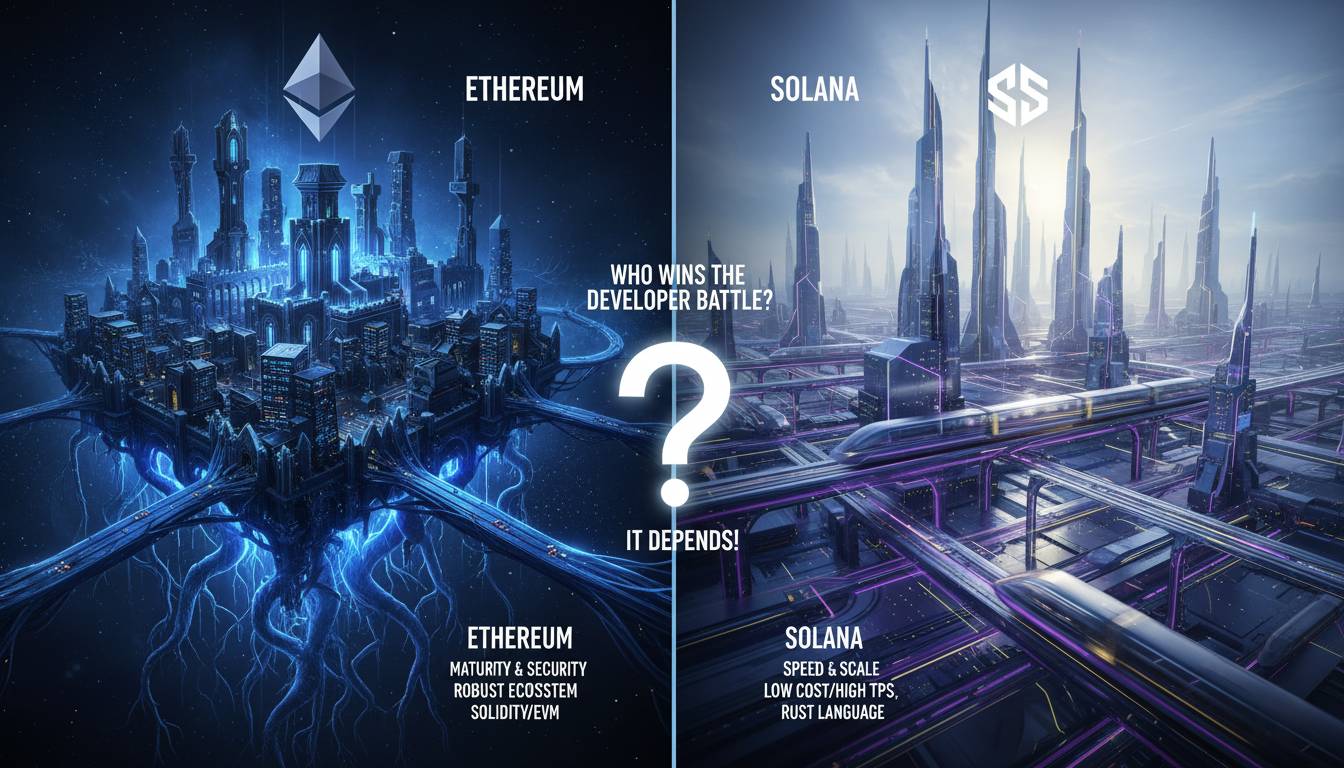
The competitive dynamics with Ethereum become more interesting in an ETF world. Solana has positioned itself as the faster, cheaper alternative to Ethereum for everyday transactions. If both assets have ETFs, the investment thesis becomes more direct: are you betting on Ethereum’s development ecosystem or Solana’s consumer application focus? This competition could drive innovation as each chain works to differentiate its value proposition.
Where Conventional Wisdom Breaks Down
Most analysis assumes ETF approval is unambiguously positive for the underlying asset. For Solana, that’s not entirely true.
First, the ETF approval could actually increase selling pressure from early investors. Many SOL holders have been waiting for a regulated exit opportunity. The ability to sell through a traditional brokerage account—without the friction of moving to crypto exchanges—might trigger substantial unlocks and distributions. Early investors who have held through multiple cycles would have an easy path to take profits, and they hold significant quantities.
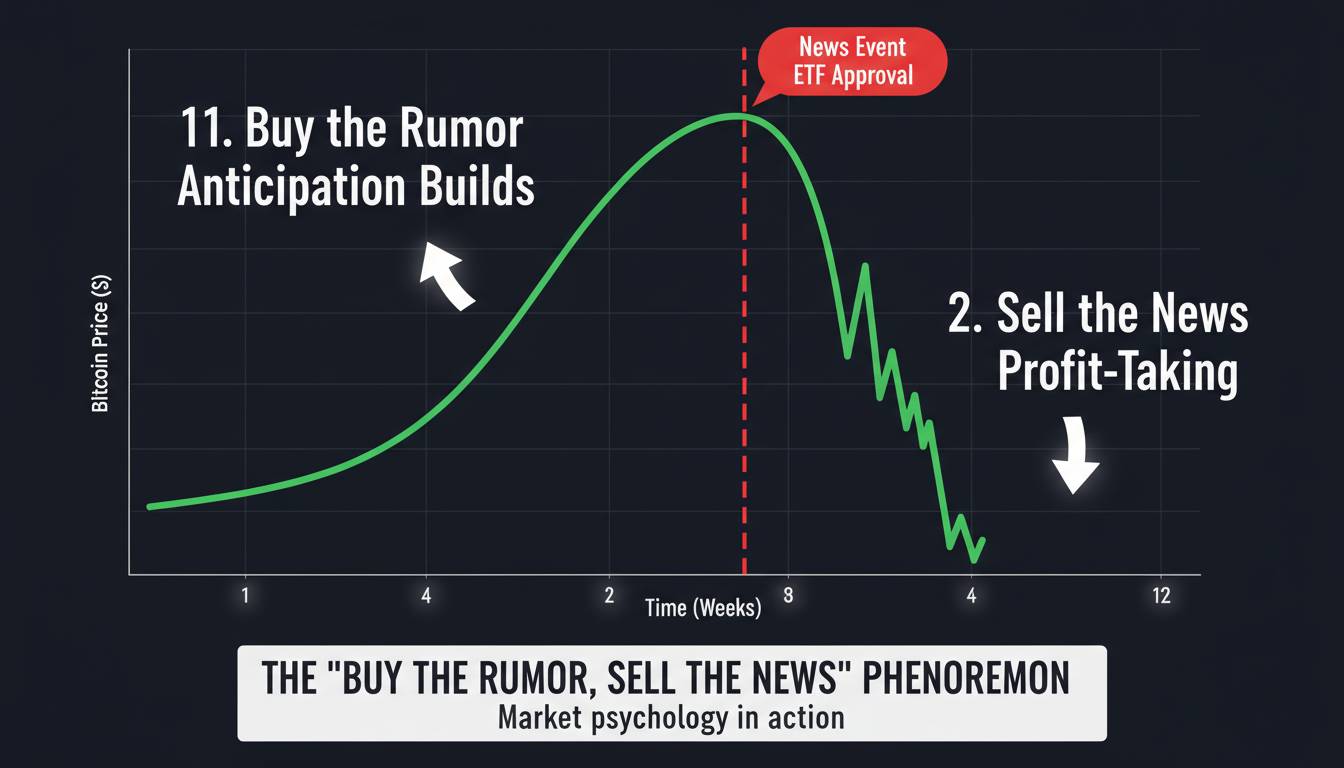
Second, the price appreciation from ETF approval might be front-runned to a degree that makes the event less profitable than expected. Crypto markets are highly efficient at pricing known events. By the time an approval actually happens, much of the expected gain may already be priced in. Traders who buy in anticipation and sell on approval could leave little room for post-approval gains.
Third, Solana’s technical story doesn’t automatically translate to investment returns. The network’s performance advantages are real, but the token’s value depends on adoption metrics that have been inconsistent. High transaction volumes don’t necessarily translate to sustainable token demand. The ETF provides exposure to Solana’s network effect, but that network effect remains unproven at the scale its supporters claim.
What Analysts Are Actually Saying
The analyst community has grown more bullish on Solana ETFs as regulatory sentiment has shifted. Bloomberg ETF analyst James Seyffart has consistently flagged Solana ETF approval as a “when, not if” proposition, though he emphasizes the timeline remains uncertain. His analysis points to the structural similarities between Solana and Ethereum as grounds for treating SOL ETF applications similarly to those already approved.
Matrixport’s research division published a note in late 2024 suggesting Solana could see $5 billion in ETF inflows within the first year if approved—a figure that would make it the second-largest crypto ETF behind Bitcoin. This projection assumes significant institutional adoption, which remains an open question.
Independent analysts have been more cautious. The cryptocurrency market’s overall structure means that Solana competes for capital with Bitcoin, Ethereum, and dozens of other assets. ETF approval provides accessibility, but it doesn’t guarantee that capital will flow to SOL specifically. Many institutional allocators maintain hard caps on crypto exposure, meaning new ETFs might steal flows from existing products rather than expanding the overall market.
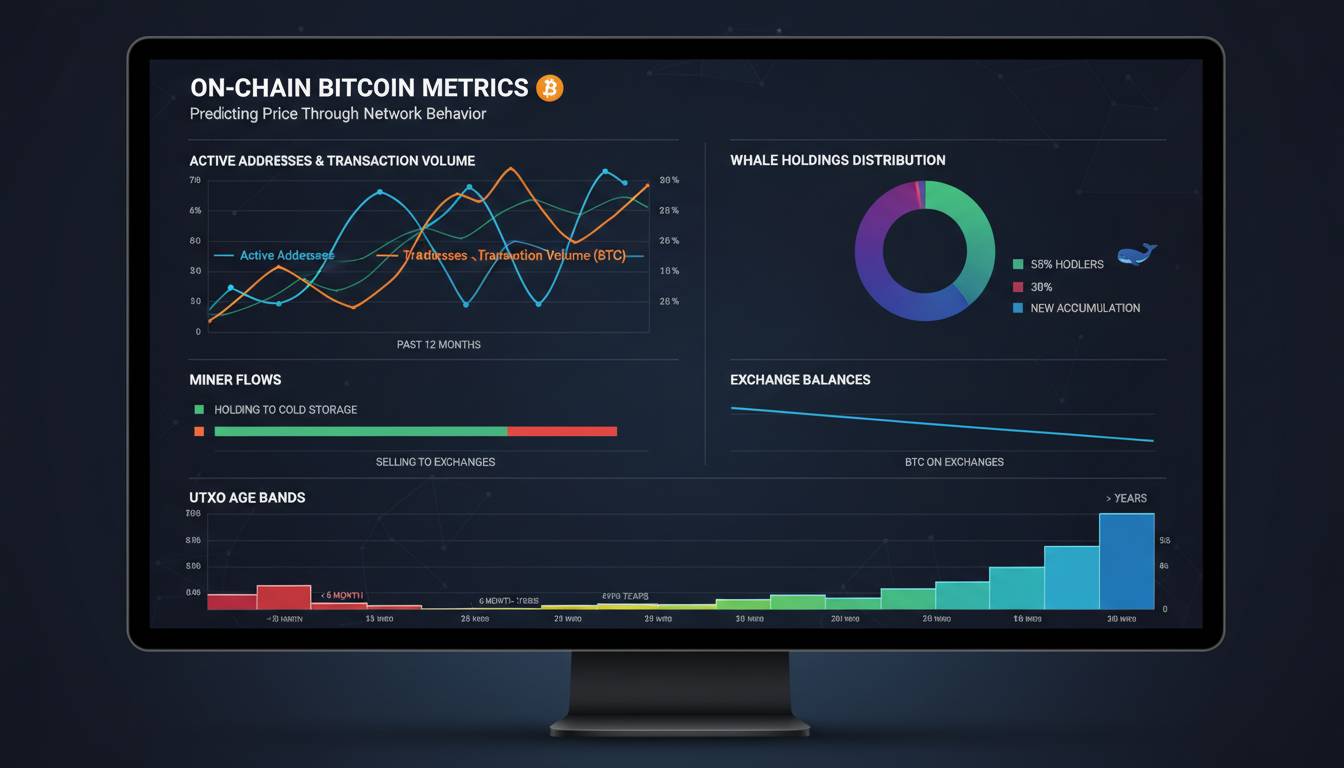
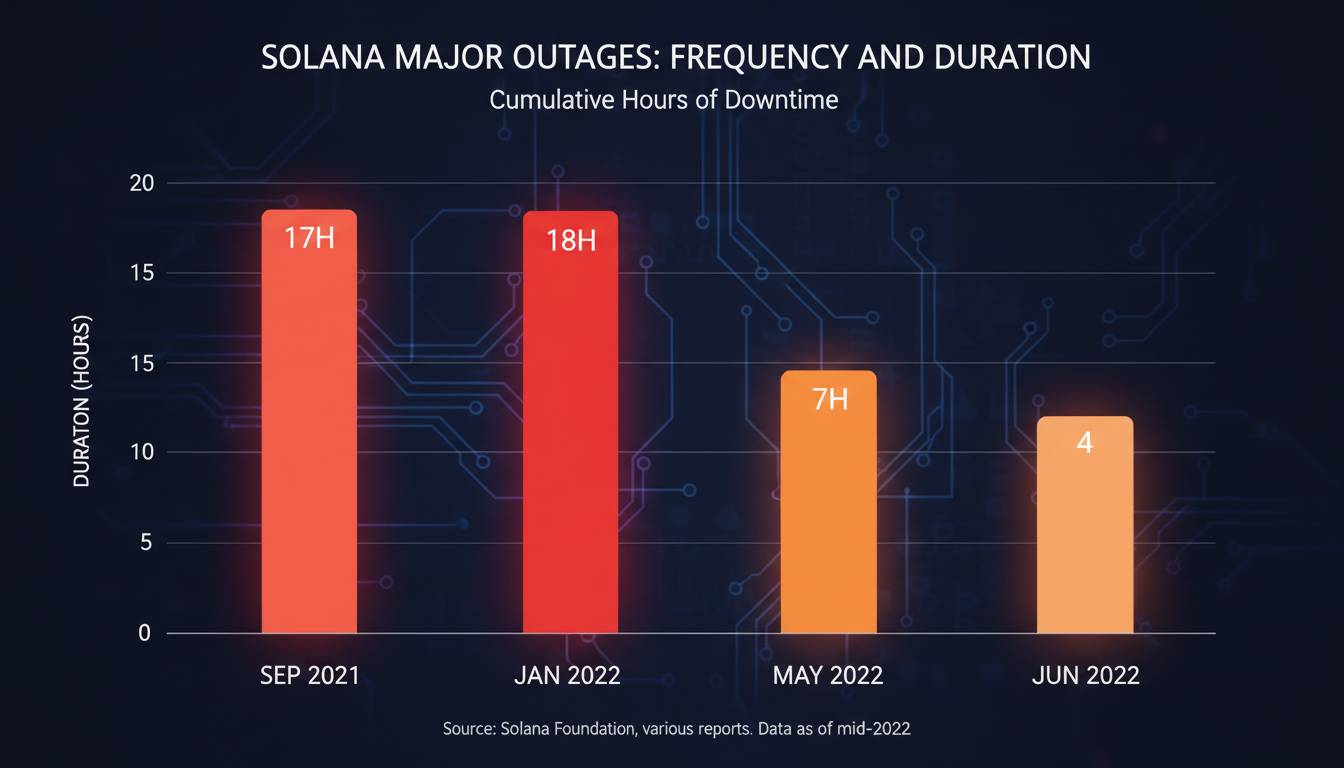
On the bearish side, analysts at on-chain analytics firm Artemis noted in a December 2024 report that Solana’s network has experienced multiple outages—most notably in early 2024 when the network went down for several hours. This technical instability could give institutional investors pause, as they require infrastructure reliability that the blockchain hasn’t consistently demonstrated.
What Could Go Wrong
No analysis of Solana ETF approval is complete without acknowledging the risks. The SEC could reject these applications, citing concerns about token classification, market manipulation, or custody arrangements. While the regulatory environment has improved, nothing is guaranteed.
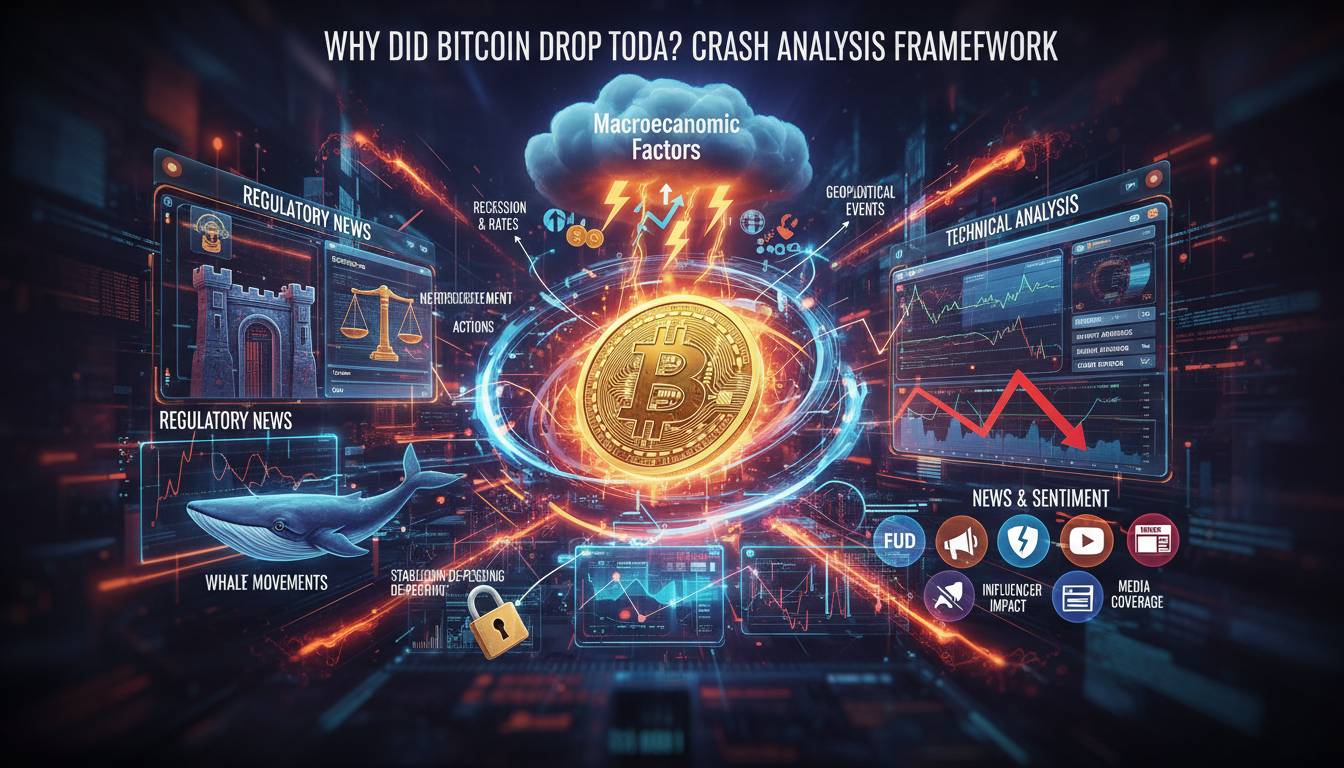
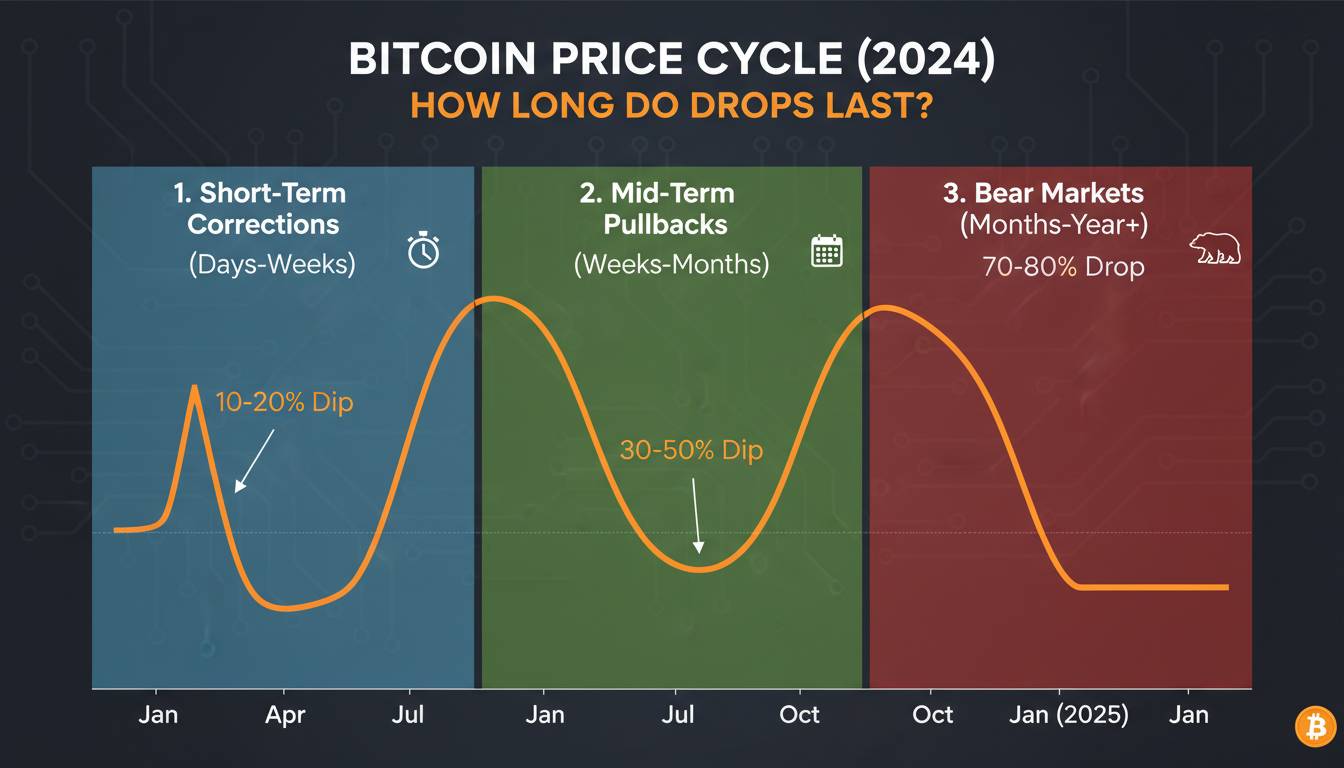
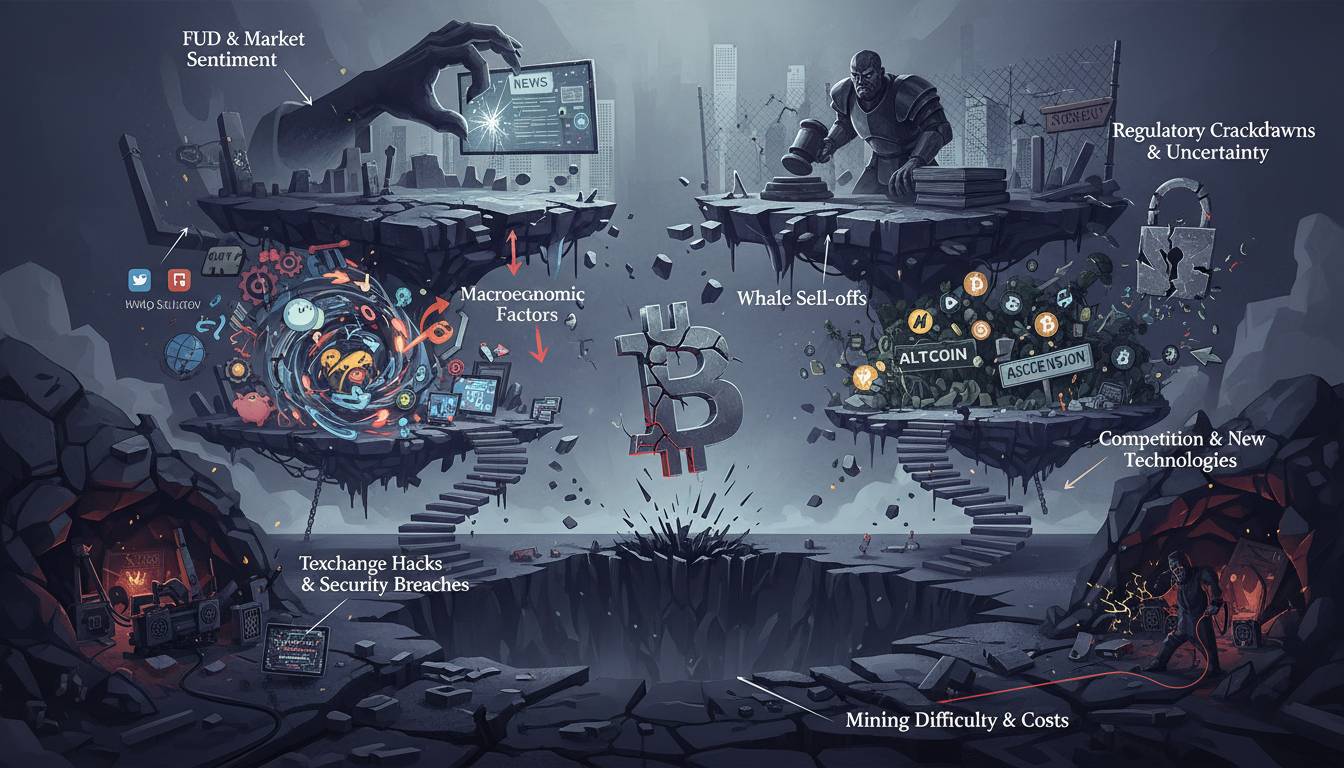
The broader crypto market faces ongoing headwinds. Regulatory uncertainty in other jurisdictions, potential changes to U.S. policy, and macroeconomic factors could suppress crypto asset prices regardless of ETF developments. A market downturn would limit inflows to any new product.
Solana-specific risks also merit attention. The network’s relationship with FTX—the exchange that was a major Solana ecosystem supporter before its collapse—remains a background concern for some investors. While Solana has diversified its validator set and reduced dependencies, the legacy of that relationship occasionally surfaces in bearish analysis.
The competitive landscape could shift. Ethereum’s ongoing development, Bitcoin’s institutional dominance, and emerging Layer 1 blockchains all represent competitive threats. ETF approval is a one-time catalyst, but sustained price appreciation requires ongoing network growth and adoption.
Looking Forward
The Solana ETF conversation ultimately asks whether crypto will continue expanding into traditional finance or whether the ETF approvals of 2024 represent a peak rather than a beginning. If Solana gets its ETF, the logical follow-up question becomes: what other tokens might follow? The answer to that question tells us whether crypto is becoming mainstream or whether the ETF approvals were a product of specific circumstances that won’t repeat.
For investors considering Solana exposure, the ETF offers a regulated, accessible vehicle—but it doesn’t change the fundamental investment thesis. Solana’s success depends on whether developers continue building, whether users continue transacting, and whether the network can maintain its performance advantages as competitors catch up. The ETF is infrastructure; the asset still needs a story.
What’s certain is that the filing activity itself has moved the conversation forward. Asset managers wouldn’t be filing these applications if they didn’t believe the regulatory path had opened. The only real question is how long the path takes and how much value accrues to early investors versus those who wait for confirmation.