
Solana has become one of the most discussed cryptocurrencies in the current market cycle. Understanding where analysts see the token heading in 2025 means cutting through the noise to find what the data actually suggests. With institutional interest growing and network adoption accelerating, the question isn’t whether Solana matters — it’s what the numbers tell us about its price trajectory in the year ahead.
This analysis pulls together analyst projections for Solana, looks at the technical and on-chain data behind those forecasts, and outlines the scenarios that could push SOL higher or pull it back. Nothing here is financial advice. Cryptocurrencies are highly volatile, and any prediction carries substantial uncertainty. What follows is a synthesis of current analyst sentiment and market data as of early 2025.
Current Solana Market Overview
Solana traded in a notable range through late 2024 and into early 2025, moving with broader crypto market dynamics while also responding to network-specific developments. The token experienced significant volatility in late 2024, reaching local highs above $260 before retreating and then reclaiming key psychological levels.
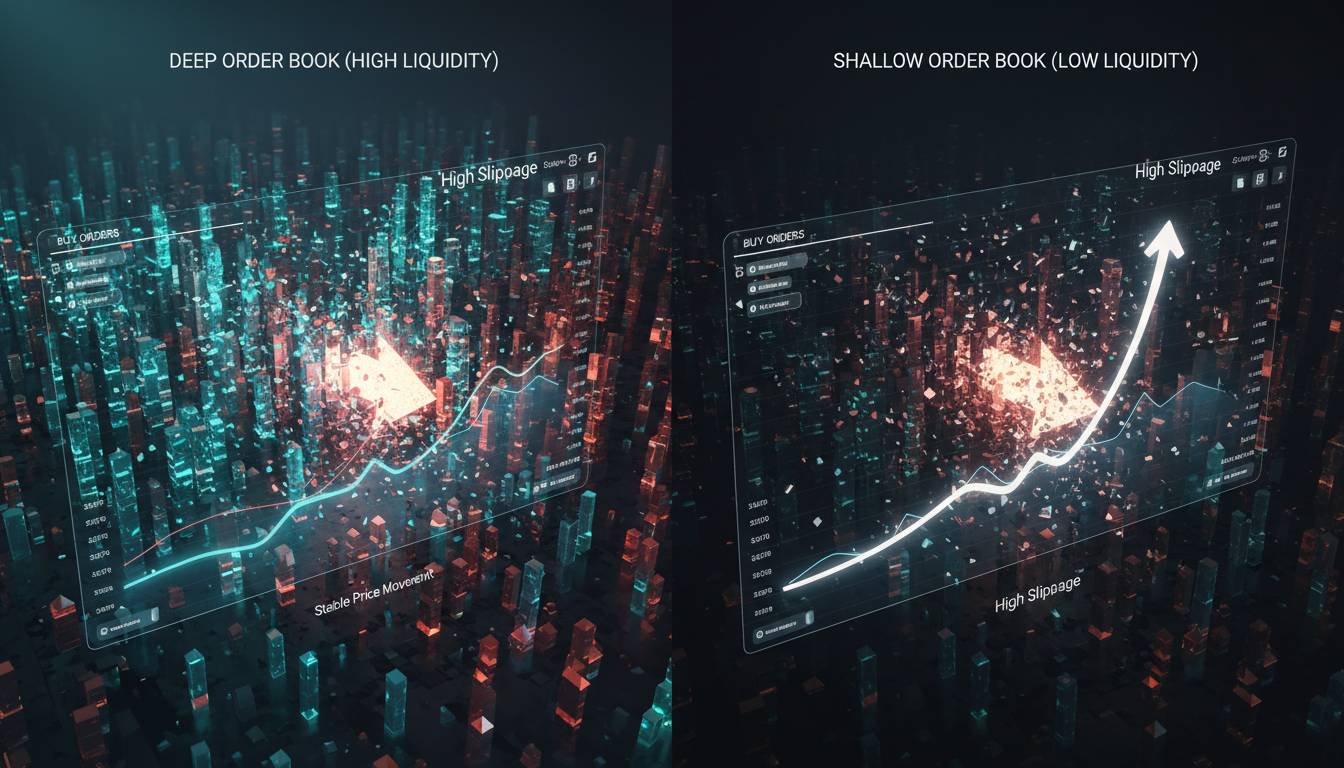
Market capitalization kept Solana consistently among the top five cryptocurrencies by market cap, though the ranking shifted frequently as altcoin sentiment waxed and waned. Trading volume remained strong, with SOL maintaining deep liquidity across major exchanges including Coinbase, Binance, and Kraken.
What sets Solana’s recent market behavior apart from previous cycles is the degree to which price movements have correlated with measurable network growth. Unlike 2021’s parabolic run, which was largely sentiment-driven, 2024-2025 price action has shown tighter relationships to metrics like validator participation, fee revenue, and developer activity. This suggests a more fundamentals-informed market than in prior cycles.
The broader crypto market in early 2025 was characterized by anticipation around potential institutional product approvals and ongoing monetary policy discussions. Bitcoin’s performance continued to set the tone for altcoin markets, but Solana demonstrated periods of relative strength or weakness independent of Bitcoin’s movement, indicating growing asset-specific narratives.
Analyst Price Predictions for 2025
Analyst projections for Solana span a wide range, reflecting fundamental disagreements about adoption trajectory, competitive positioning, and market conditions. Below is a synthesis of publicly available forecasts from major analytical sources.
Bullish Projections
Several analysts have outlined targets assuming accelerated institutional adoption and successful execution of Solana’s ecosystem expansion. These forecasts generally fall in the $300-$500 range for 2025, with more optimistic projections reaching $600-$800 under bull case scenarios.
VanEck has projected Solana could reach $300+ in a favorable market environment, citing growing DeFi activity and institutional interest in high-performance Layer 1 chains. Bitwise similarly referenced SOL among altcoins with substantial upside potential in analyst reports covering 2025 allocations. The logic behind these projections centers on the expectation that Solana’s faster transaction times and lower costs compared to Ethereum will continue capturing market share in decentralized finance and NFT applications.
Matrixport published analysis in late 2024 suggesting SOL could test $400 if current network growth metrics sustained their trajectory, though the firm emphasized the speculative nature of such projections. Robinhood’s analyst team has included Solana among altcoins warranting exposure in diversified crypto portfolios, though they have avoided specific price targets.
Bearish and Cautious Perspectives
More conservative projections place Solana’s 2025 range between $120-$200, reflecting concerns about competitive pressures from other Layer 1 blockchains and potential regulatory headwinds.
Galaxy Digital has published analysis emphasizing downside risks for SOL, particularly if broader crypto market conditions deteriorate or if regulatory actions target algorithmic stablecoins and DeFi protocols. The firm has noted that Solana’s association with certain problematic stablecoin protocols during the 2022 collapse continues to create regulatory overhang.
Bloomberg Intelligence analysts have suggested Solana could face continued pressure from competing chains like Avalanche and Polygon, each carving out specific use cases that could limit SOL’s addressable market. These projections typically assume relatively flat network growth and no major catalyst events.
Realistic Assessment of Prediction Accuracy
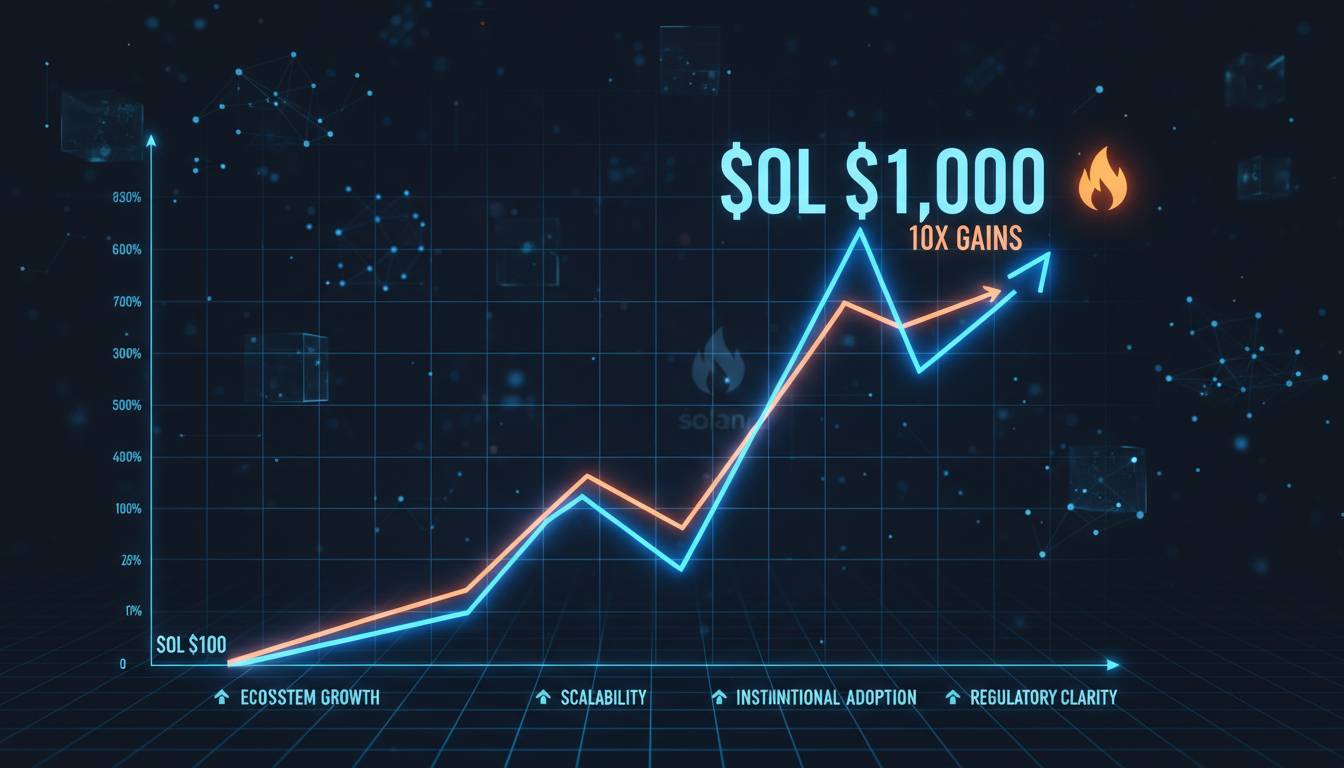
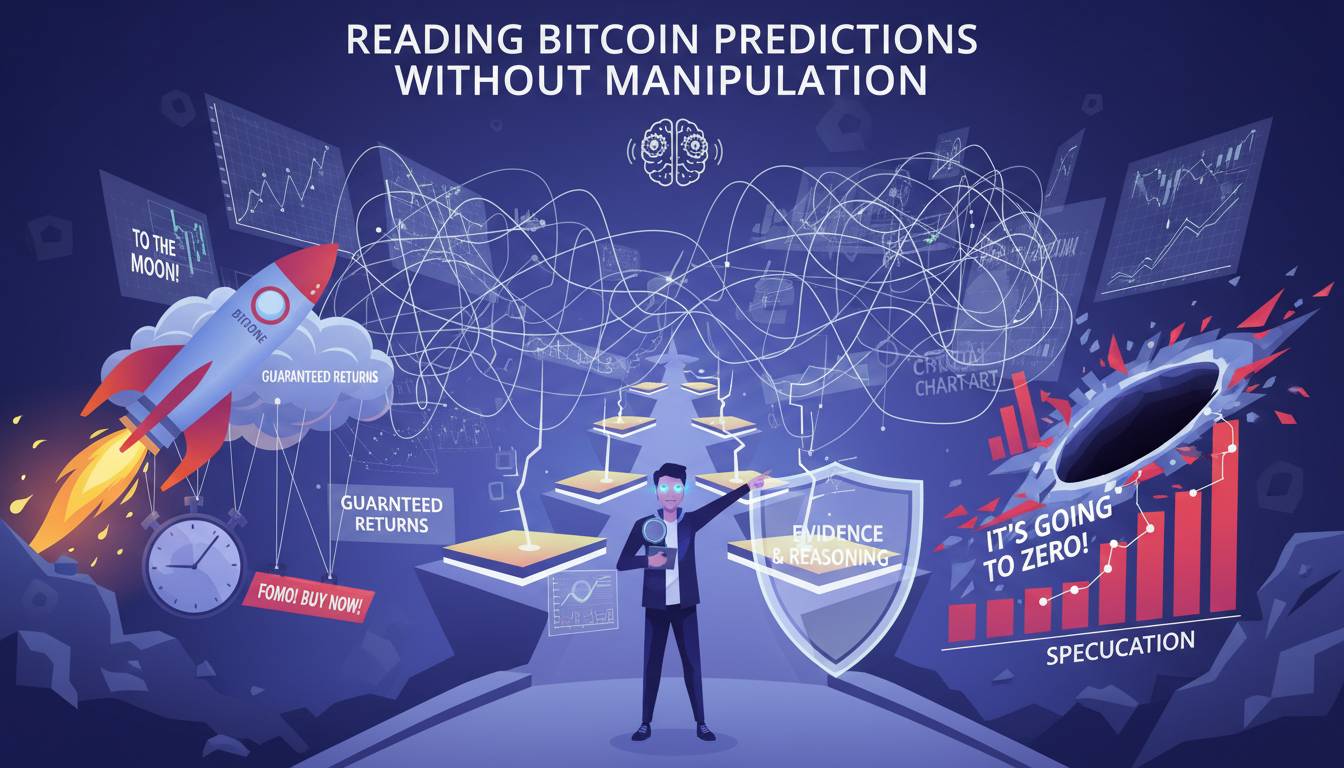
Cryptocurrency price predictions have historically proven unreliable. Analysts who projected Solana would reach $1,000 or more in 2024-2025 cycles have seen those targets remain distant as of early 2025. The wide variance in current projections — from $120 to $800 — reflects fundamental uncertainty rather than precise forecasting.
The most useful framing is not a specific price target but rather an understanding of the conditions that would need to materialize for different scenarios to play out. That is where data-driven analysis provides more value than point predictions.
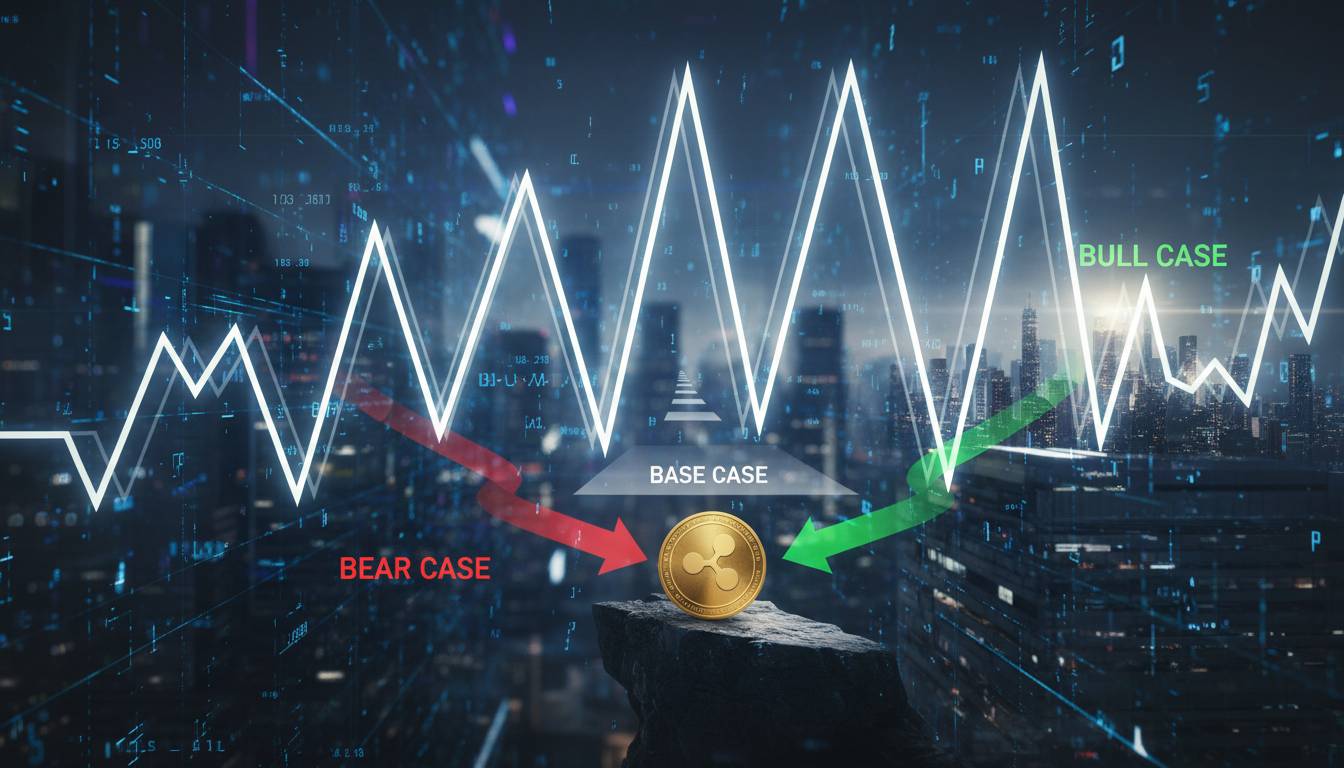
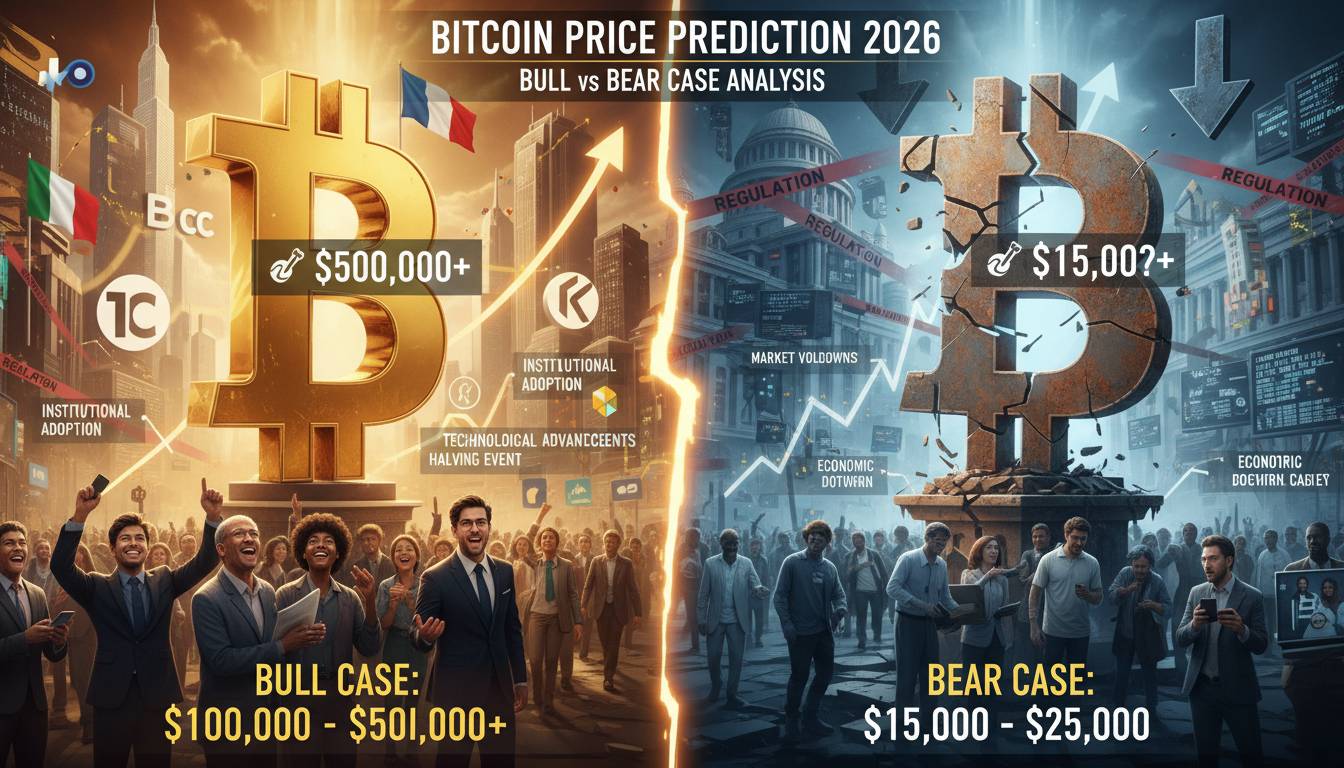
Bull Case vs Bear Case Scenarios
Understanding what drives different price scenarios requires examining the specific catalysts and risks underlying each case.
Bull Case Conditions
A bull case for Solana reaching $400-$600 in 2025 would likely require some combination of the following conditions:
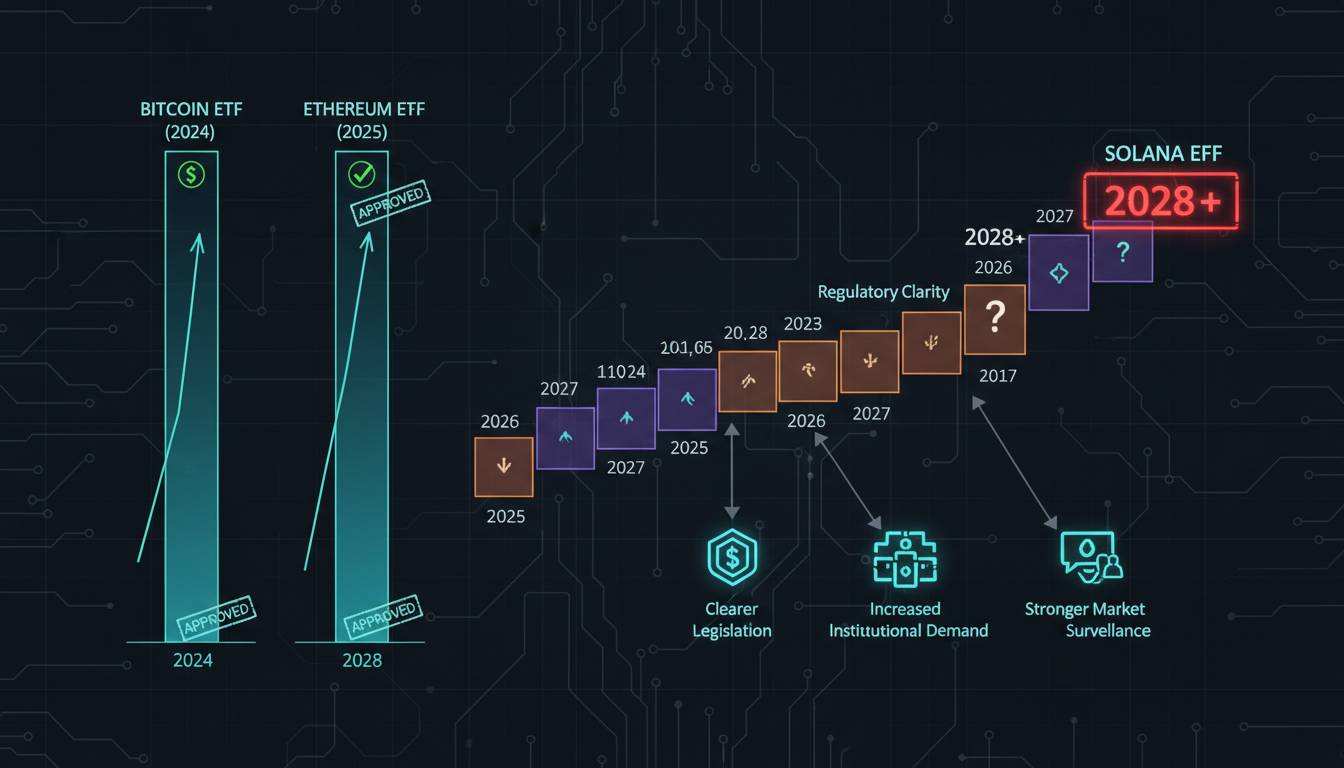
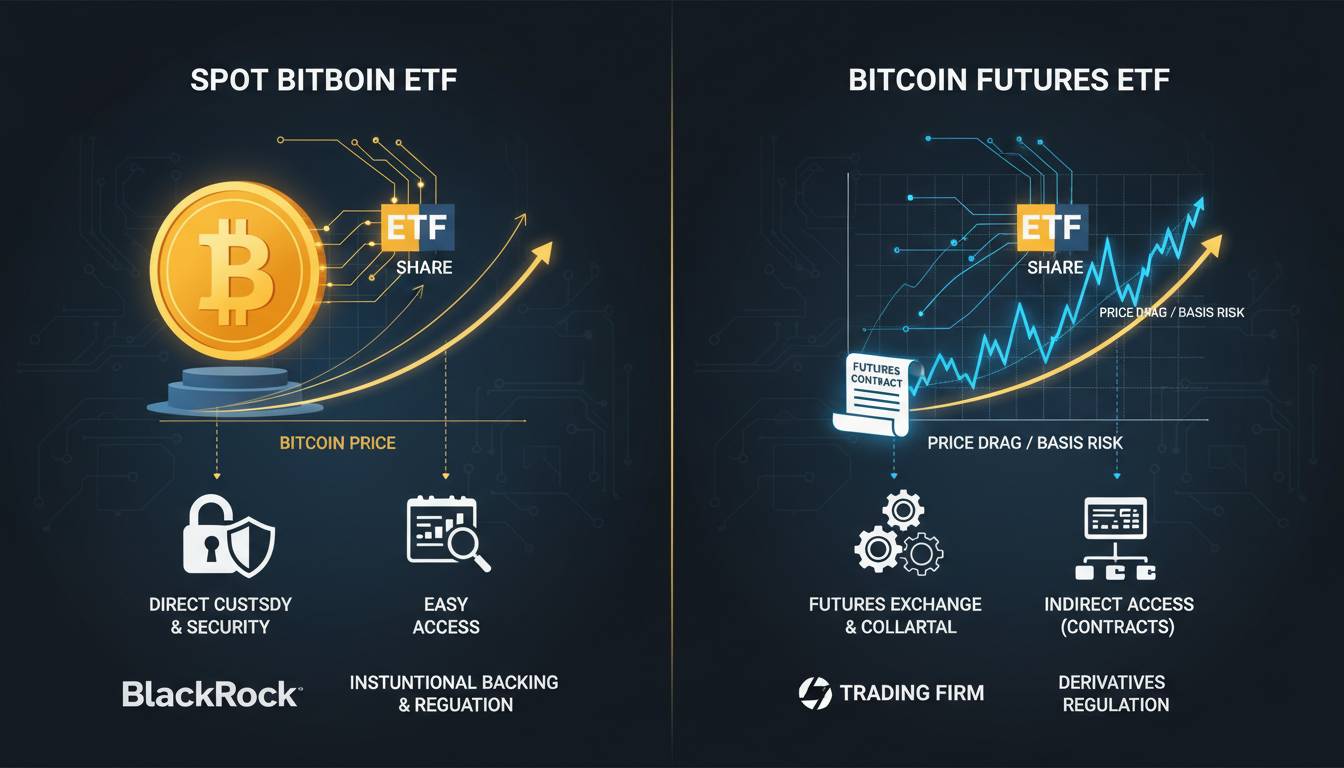
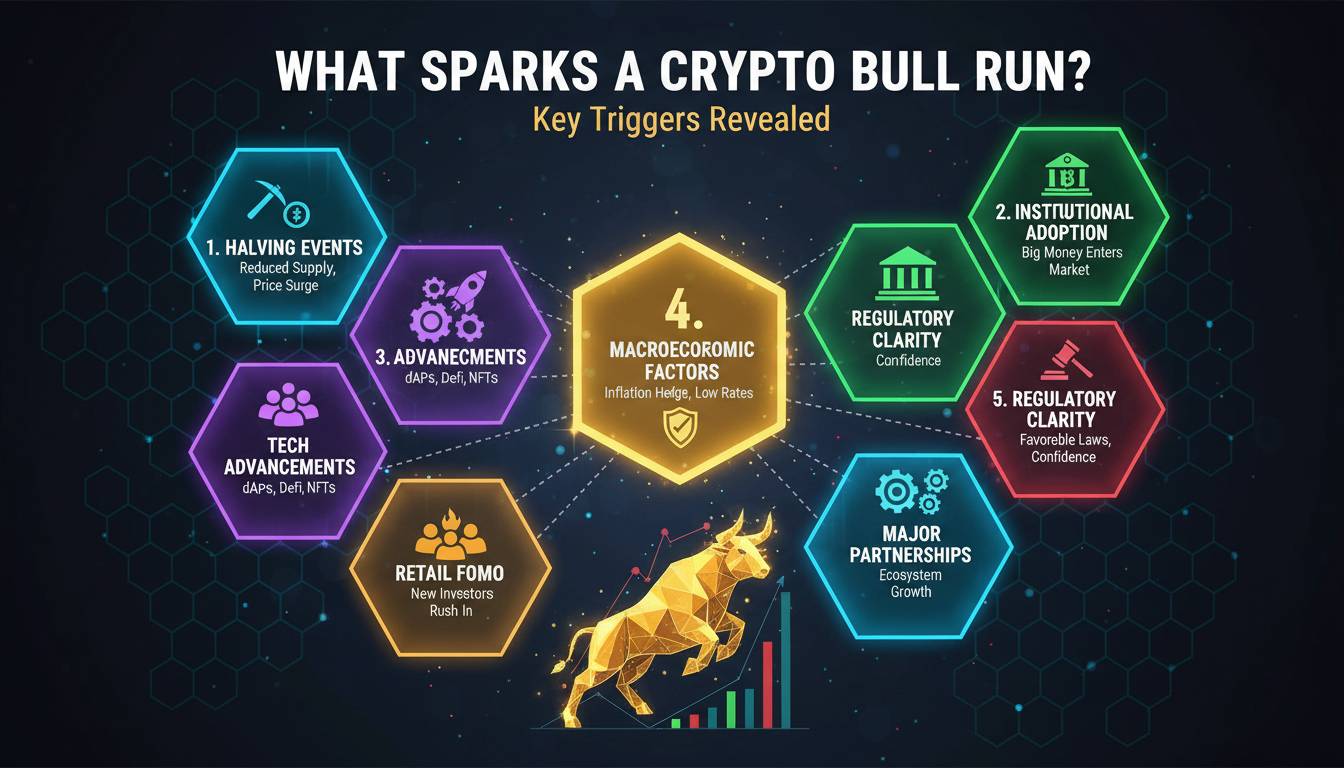
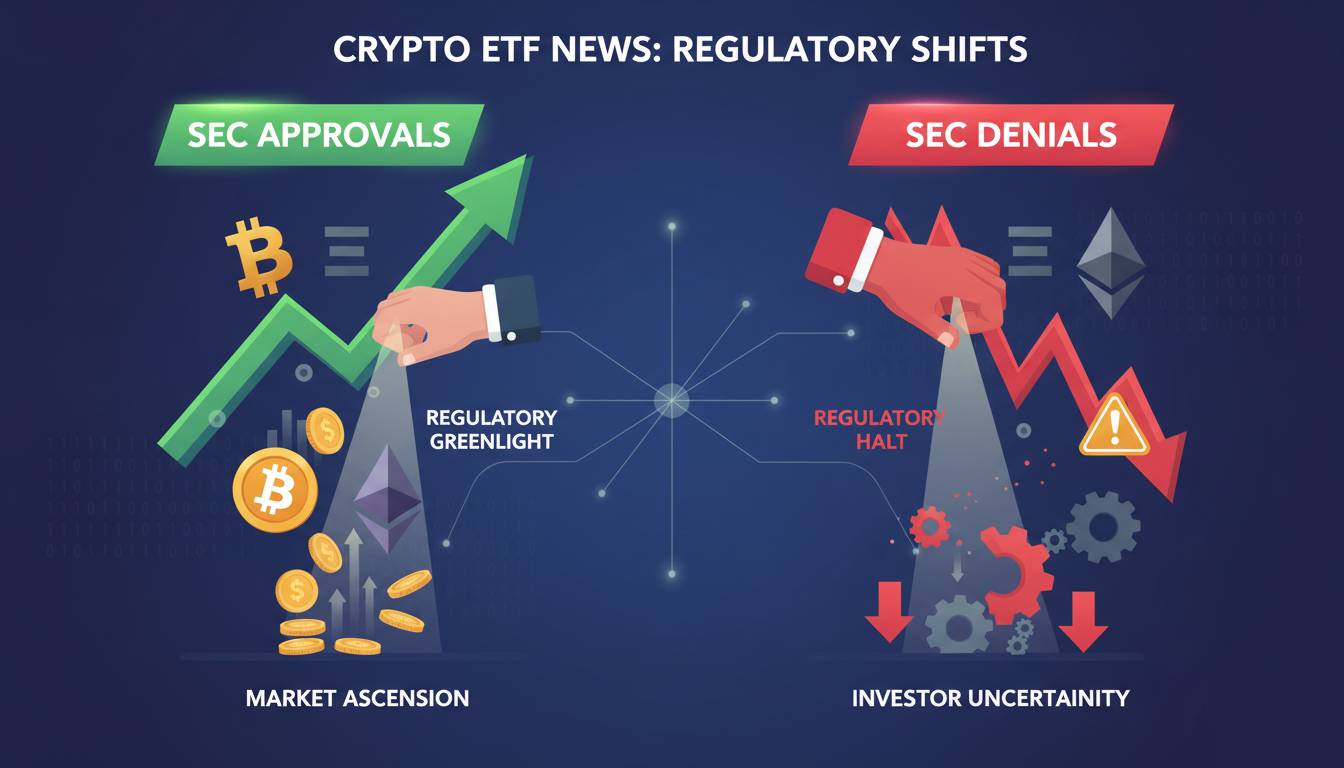
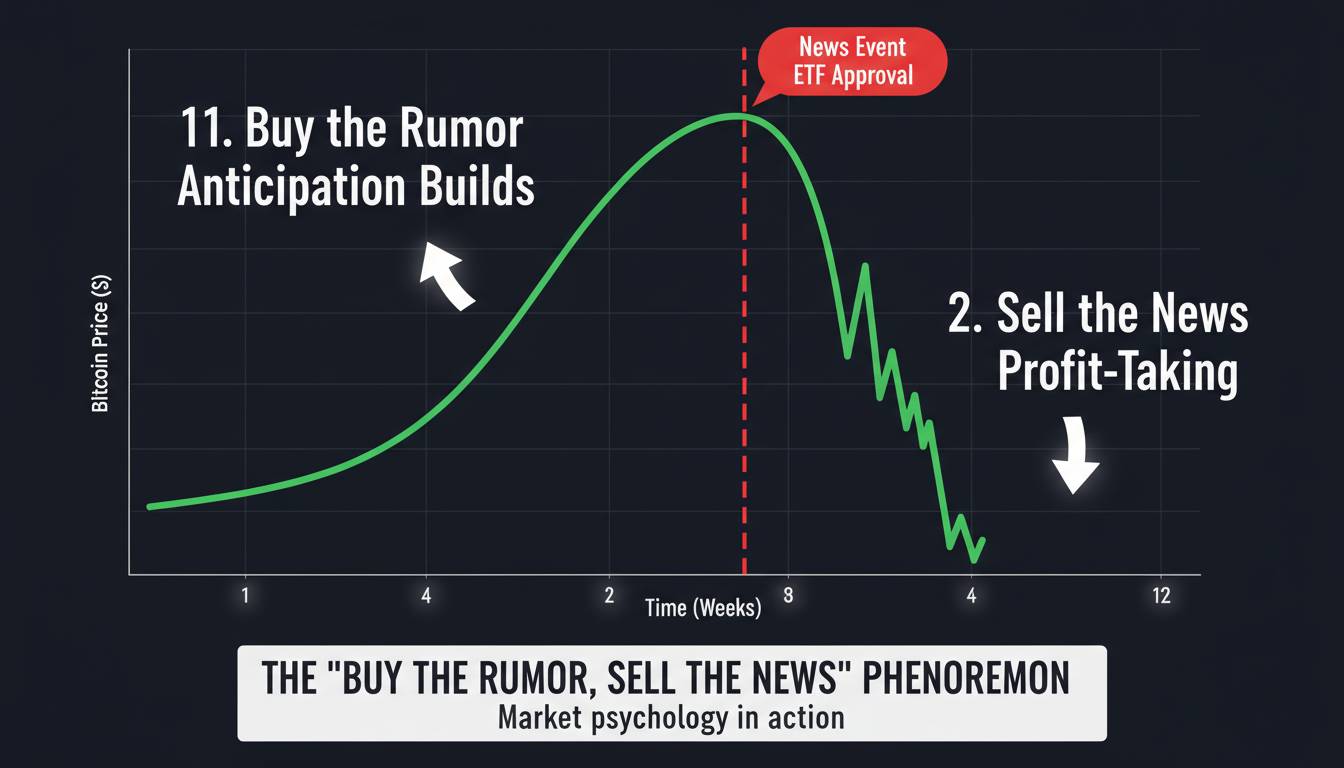
Institutional product launches: Approval of a Solana-based ETF or institutional custody solutions would represent a significant catalyst. BlackRock’s expressed interest in digital asset infrastructure extends to multiple chains, and Solana’s technical advantages make it a candidate for institutional-grade products. If major financial institutions begin offering Solana exposure to retail and institutional clients, demand dynamics could shift substantially.
DeFi ecosystem expansion: Solana’s DeFi Total Value Locked has shown growth but remains far below Ethereum’s. A meaningful shift of liquidity from Ethereum to Solana — perhaps driven by continued high gas costs on Ethereum or a major protocol launch on Solana — could accelerate TVL growth and token demand. Jupiter, Raydium, and other Solana-native protocols continue developing features that could attract additional liquidity.
Network milestone achievements: Major technical upgrades, such as significant improvements in throughput or further reductions in transaction costs, could strengthen Solana’s value proposition relative to competitors. The Firedancer validator client, developed by Jump Crypto, represents one such milestone that has generated significant community interest.
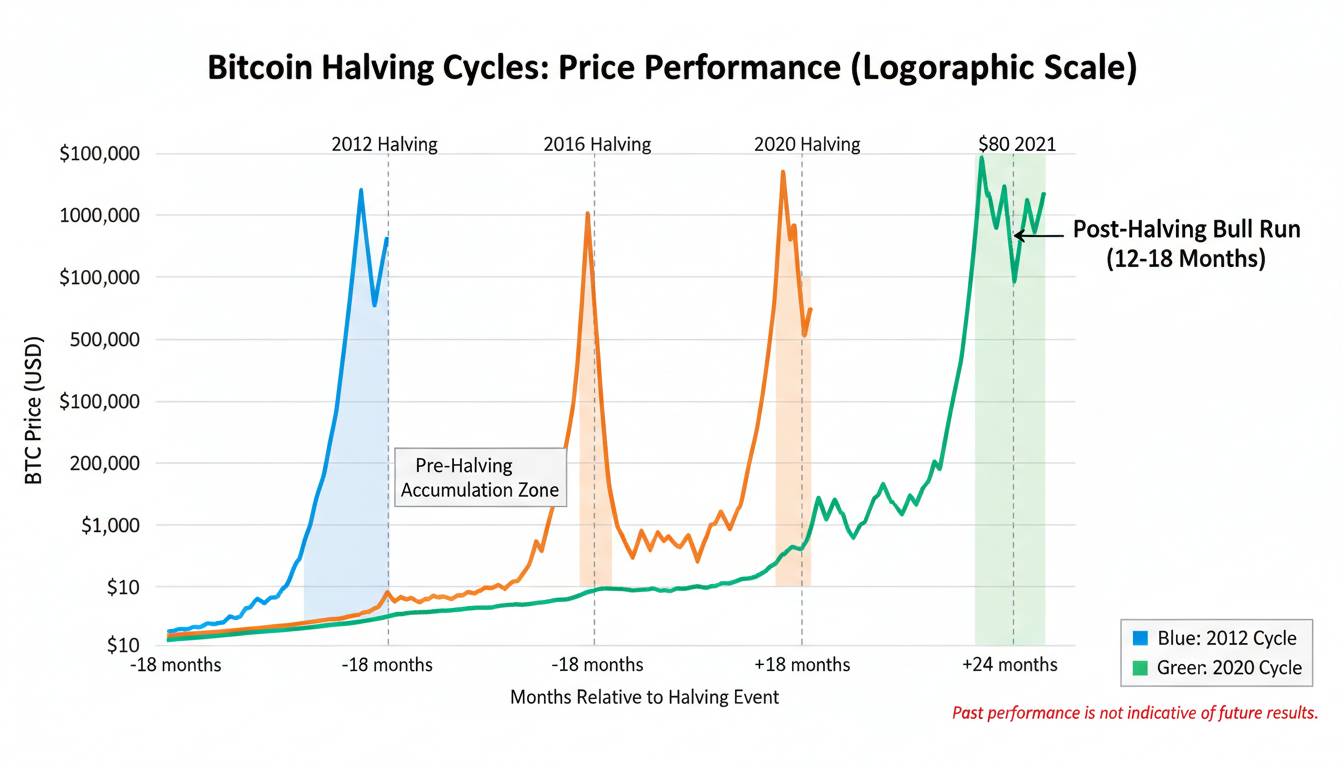
Broader crypto market conditions: Bitcoin breaking to new all-time highs typically drags altcoins along, albeit with varying magnitude. If the current cycle follows patterns from previous cycles, Bitcoin establishing clear new highs above $150,000 could create tailwinds for SOL.
Bear Case Conditions
Conversely, a bear case in the $80-$150 range would be supported by:
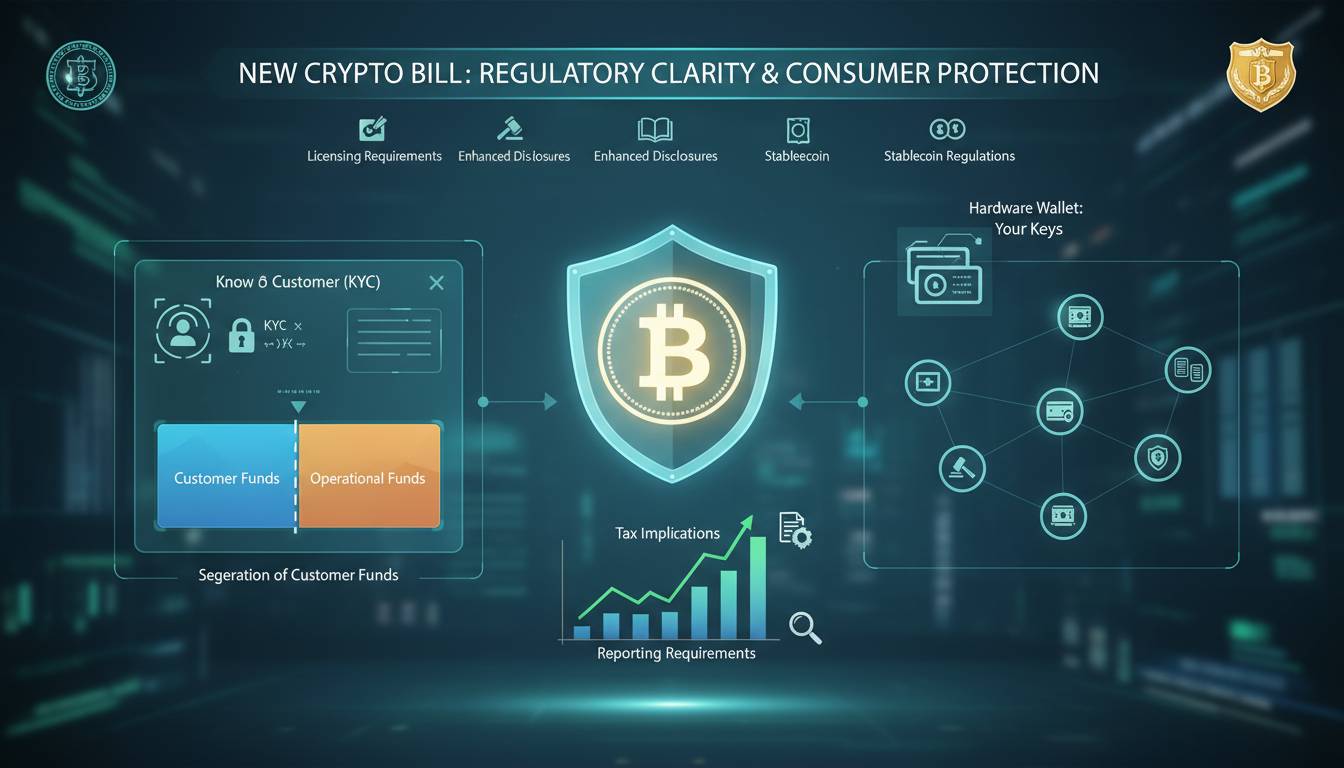
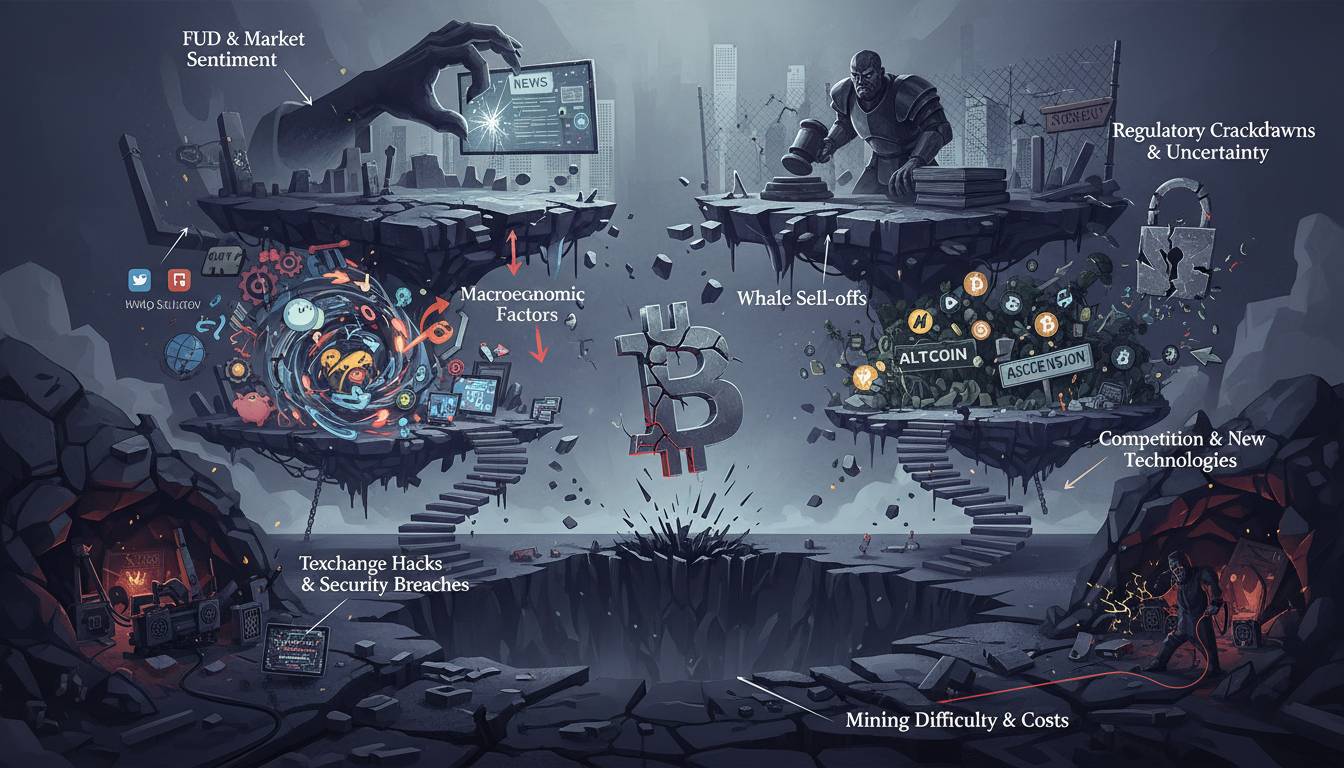
Regulatory enforcement: The SEC and other regulators have increasingly targeted cryptocurrency projects, and Solana has faced scrutiny related to token classifications and protocol-level functionality. A sustained enforcement action or explicit regulatory barriers to Solana’s DeFi ecosystem would represent significant downside risk.
Competitive displacement: While Solana currently holds a technical advantage in transaction speed and cost, other chains continue improving. Ethereum’s Layer 2 ecosystem has made substantial progress in reducing costs, and chains like Sui and Aptos are explicitly designed to challenge Solana’s performance characteristics. If competitors capture meaningful market share, Solana’s growth narrative weakens.
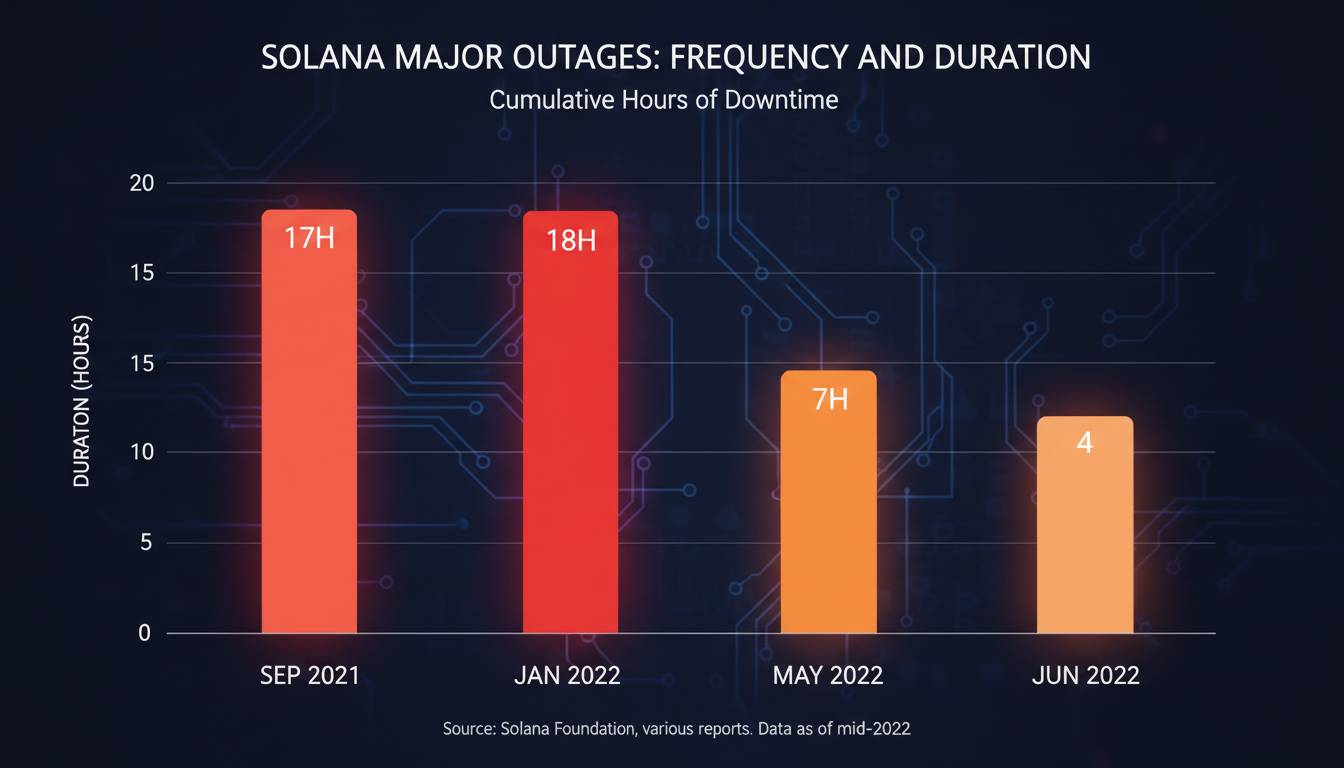
Network stability concerns: Solana has experienced multiple network outages in previous years. While the network has improved stability, another significant outage during a period of high activity could damage confidence and trigger selling pressure.
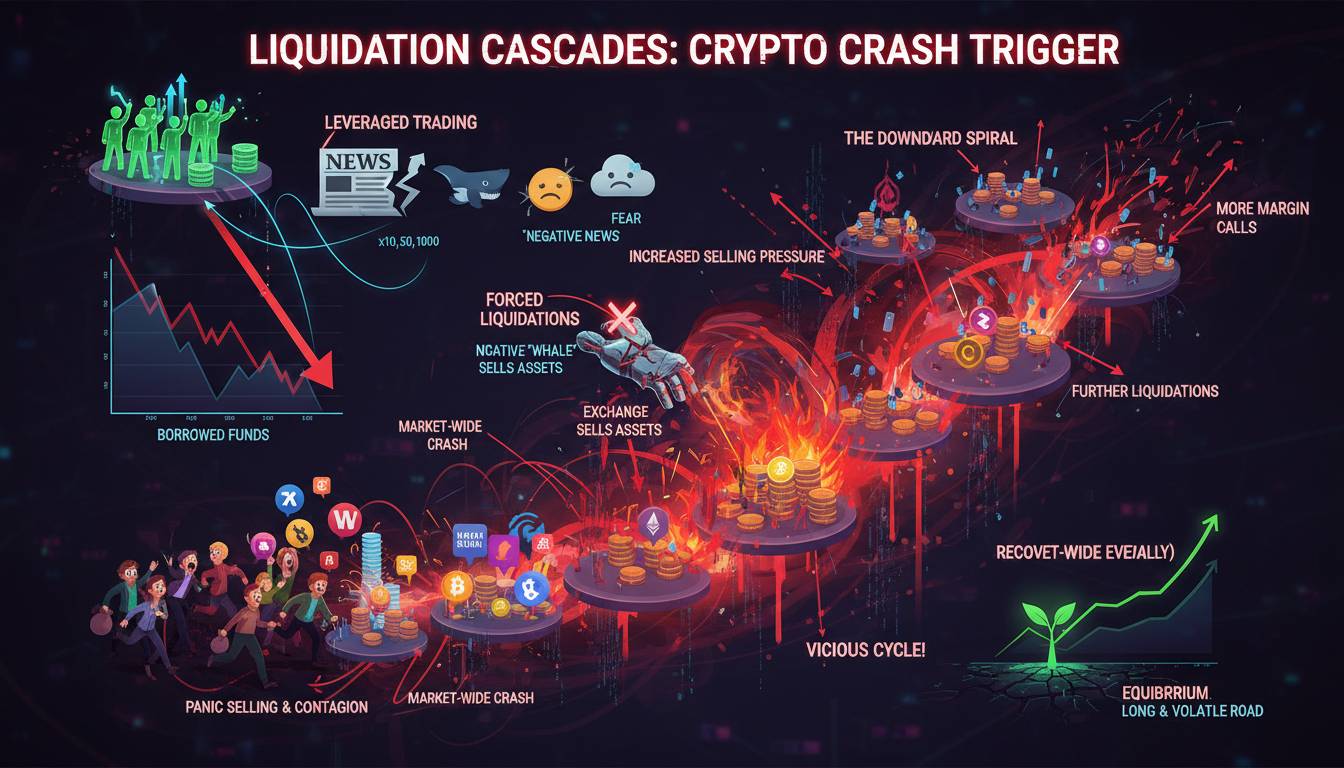
Macroeconomic deterioration: Cryptocurrency markets remain correlated with broader risk asset performance. A recession, sustained inflation, or geopolitical crisis could reduce risk appetite and compress cryptocurrency valuations broadly.
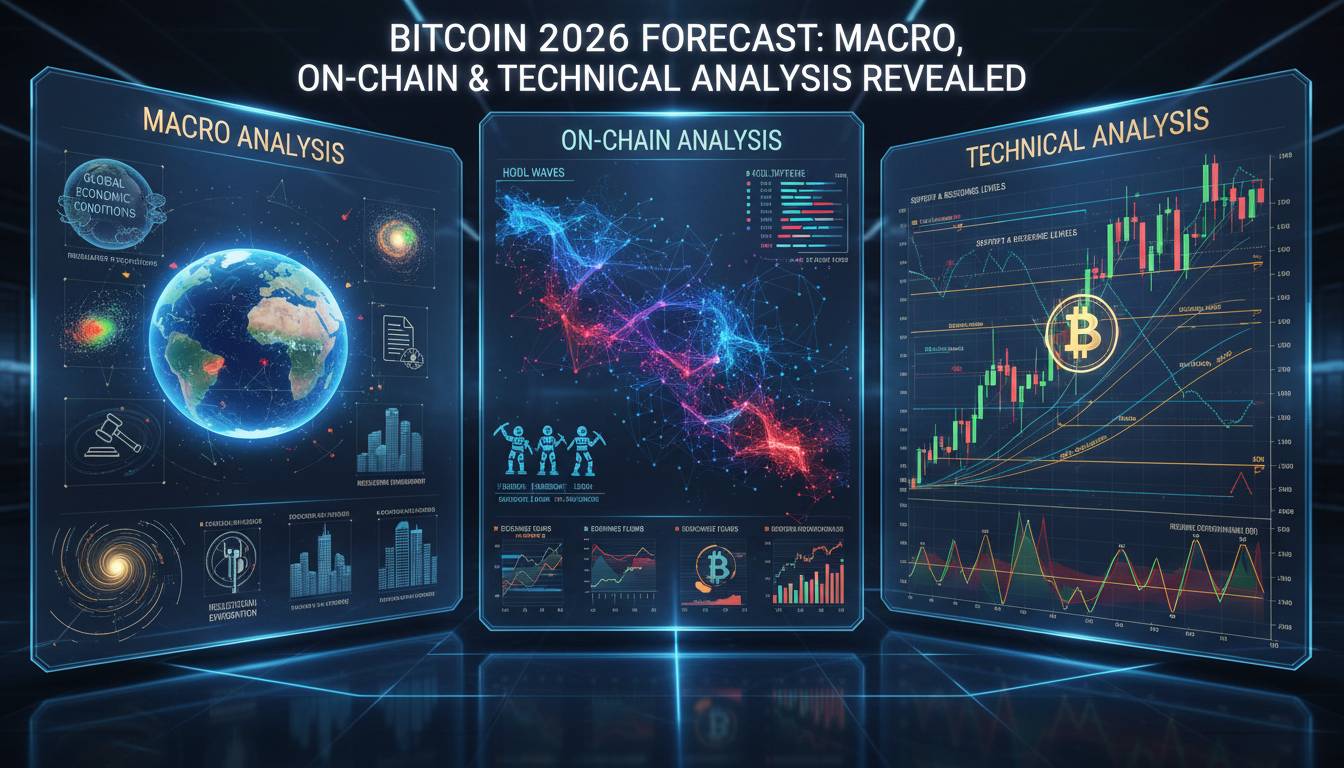
Technical Analysis Insights
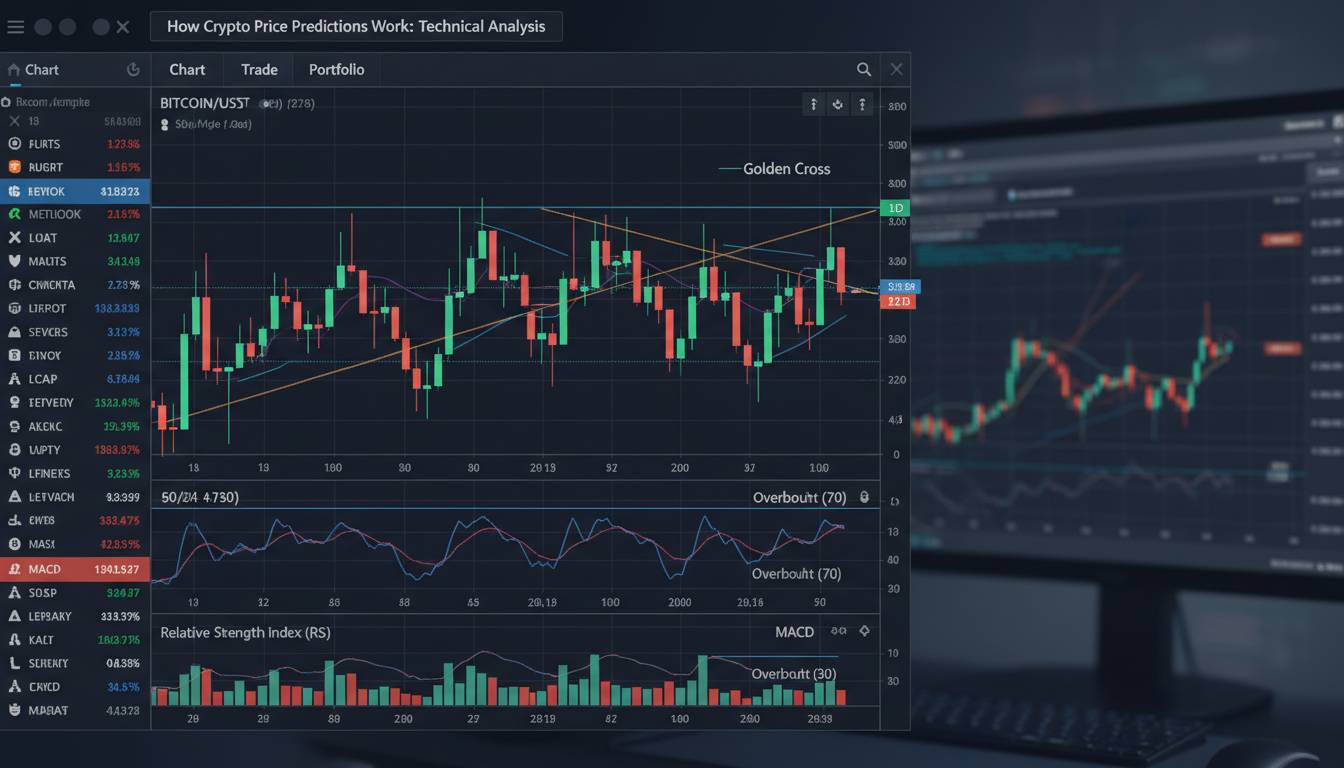
Technical analysis of SOL reveals several key levels that traders and analysts are watching as of early 2025.
Support and Resistance Zones
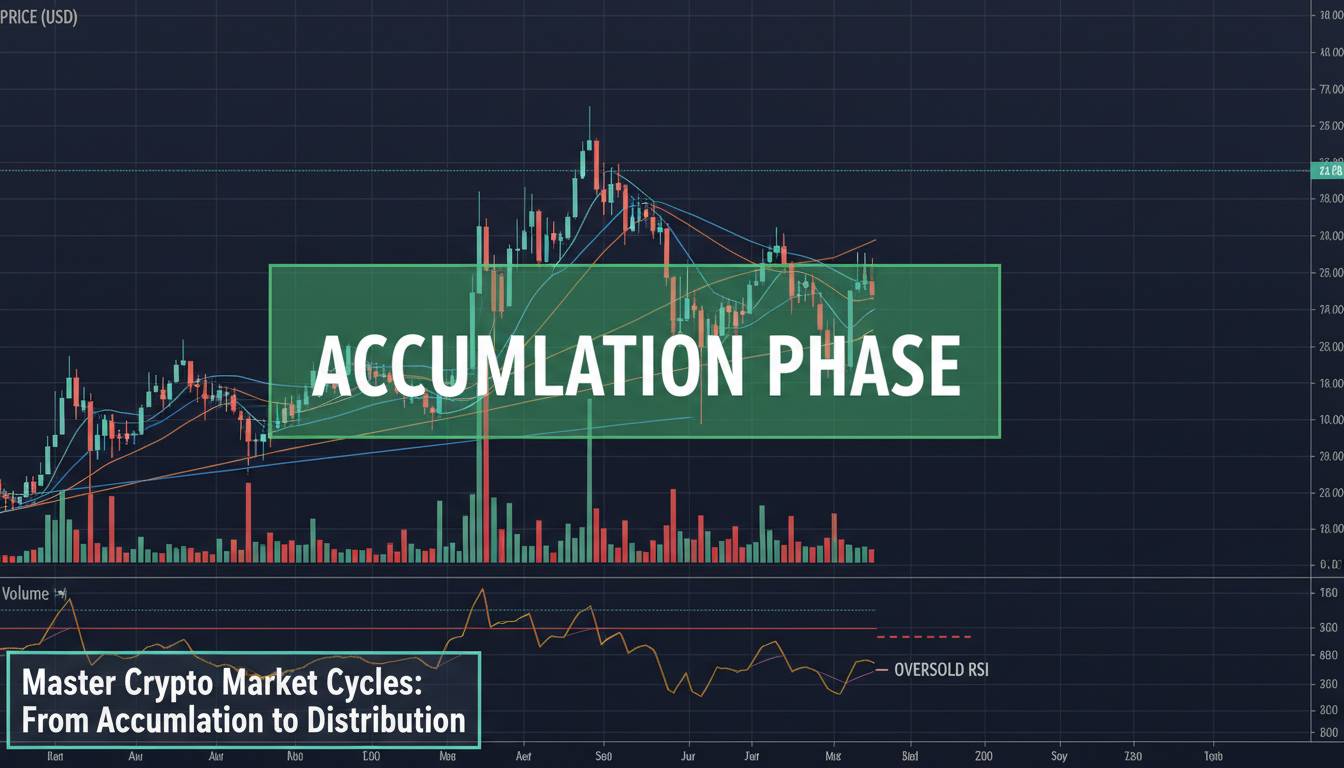
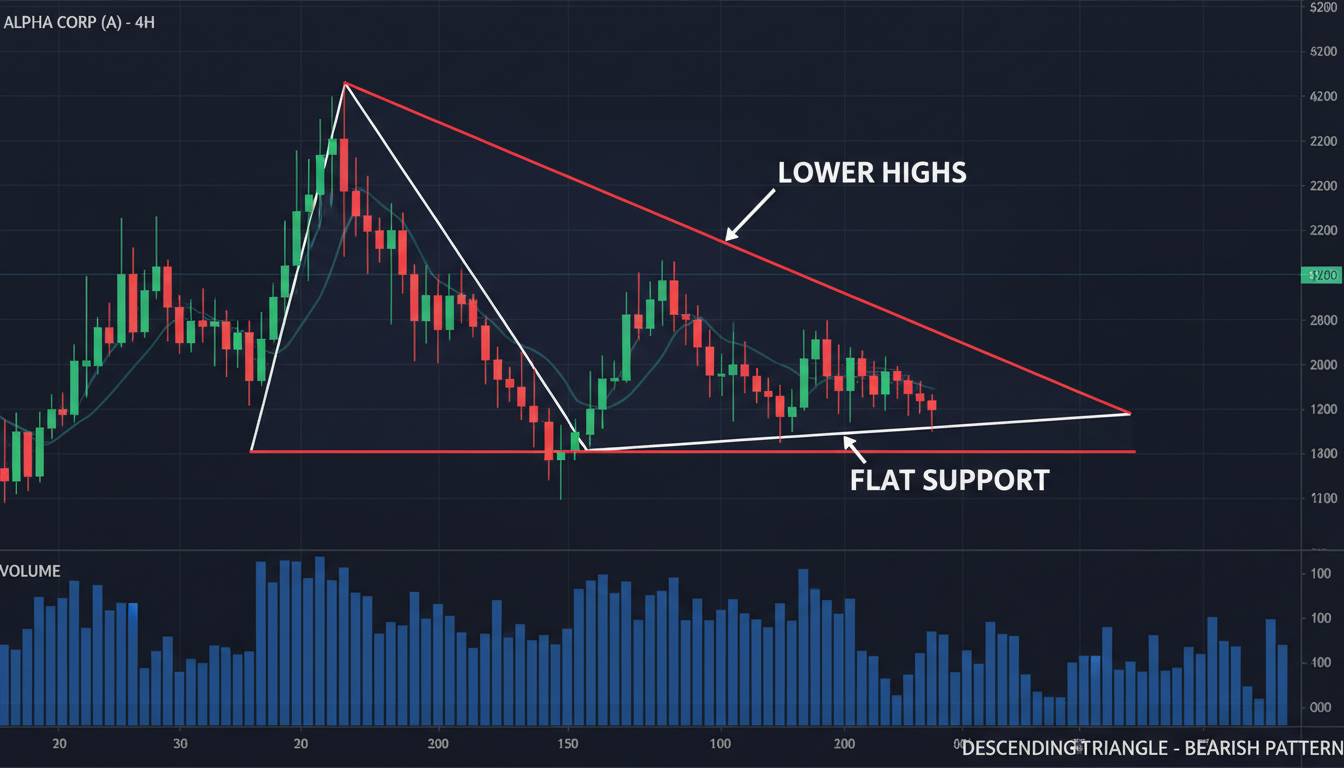
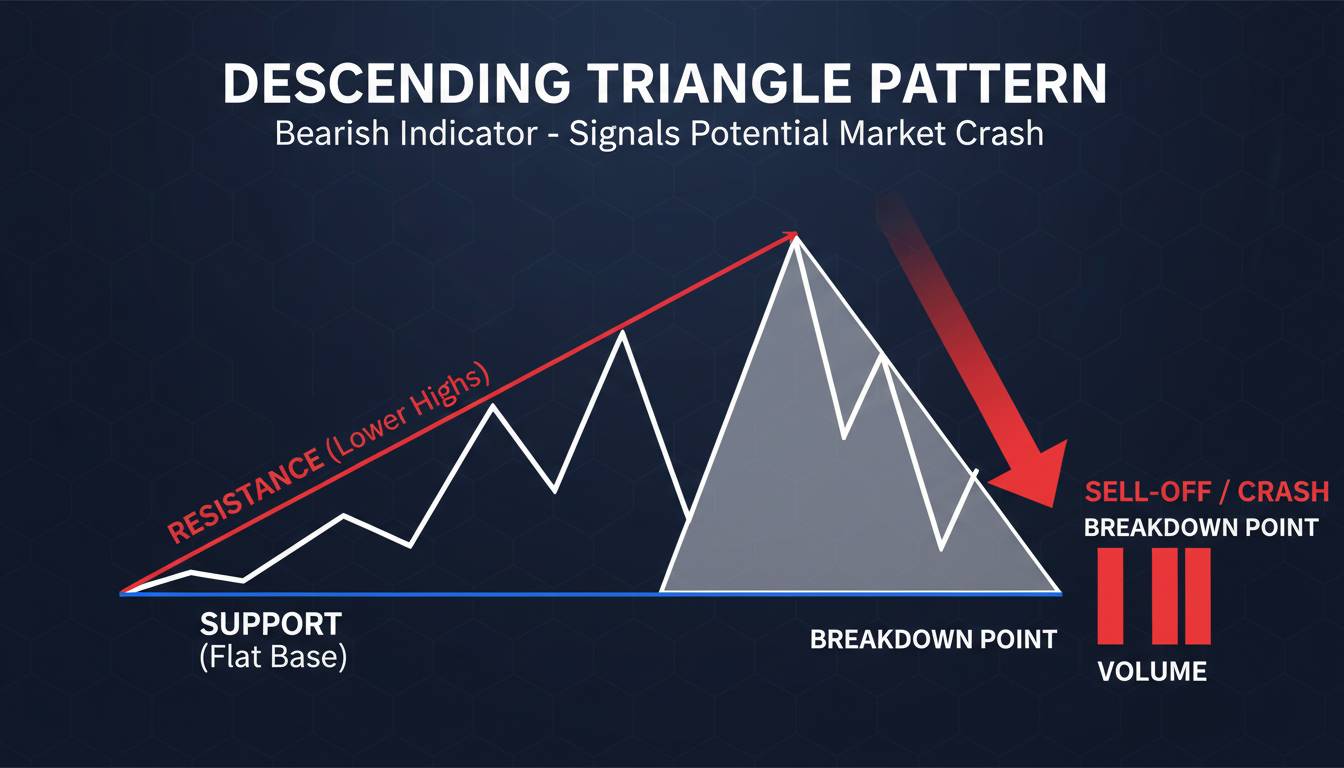
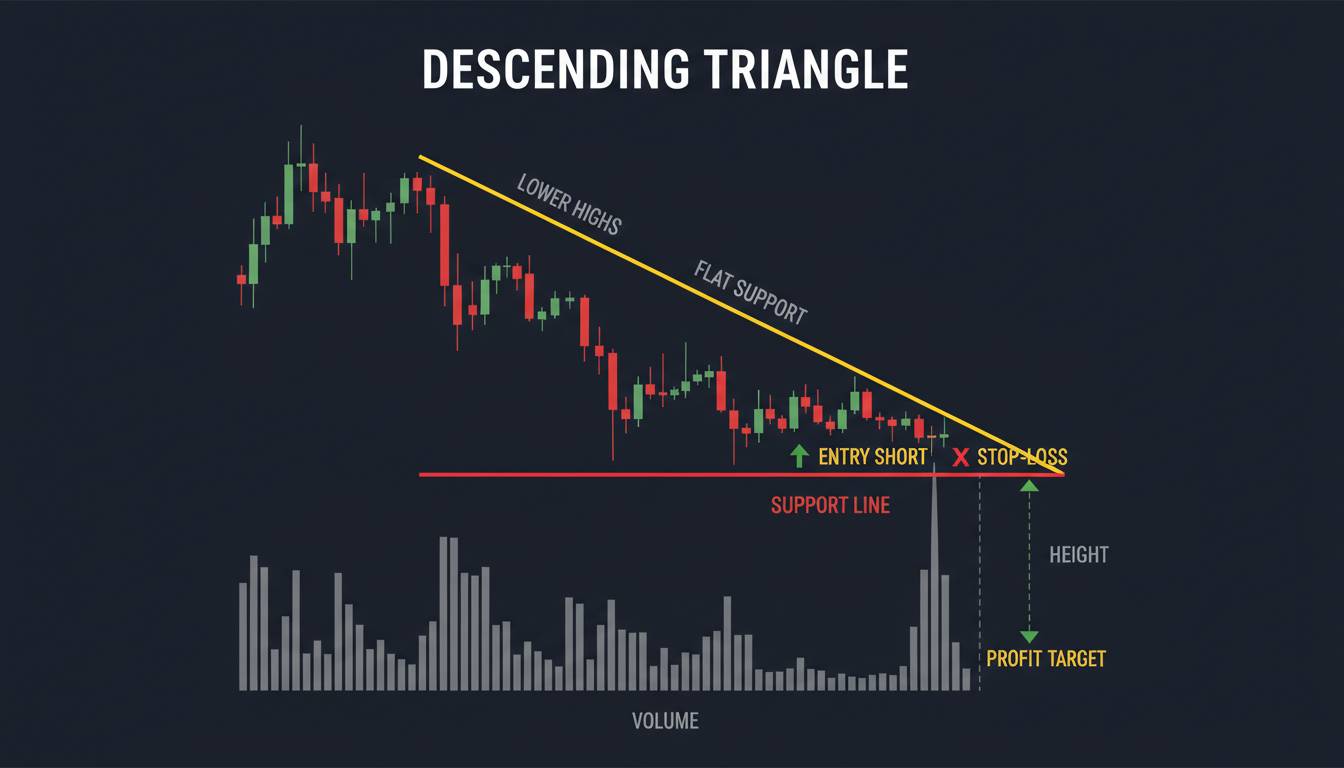
On the daily timeframe, Solana has established clear support zones around the $180-$200 range, representing a level that has held multiple times during pullbacks in 2024. A break below this zone would open downside toward the $120-$140 area, which represents the next significant support level.
Resistance initially appears around $260-$280, a range that represented previous resistance-turned-support during the late 2024 rally. A sustained break above $300 would represent a technical milestone that could attract momentum traders and trigger short-covering.
Trend Analysis
Solana’s longer-term trend remains technically bullish on weekly and monthly timeframes, with higher lows established throughout 2024. However, momentum indicators have shown divergence during recent price action, with price making new highs while momentum indicators fail to confirm — a pattern that often precedes consolidation or correction.
The 50-day moving average has remained above the 200-day moving average in 2024-2025, maintaining a golden cross structure that suggests structural bullishness. However, the distance between these averages has compressed, indicating potential for a directional breakout.
Fibonacci Retracement Analysis
From the 2023 lows around $90 to the 2024 highs near $260, the 0.618 retracement level sits around $155, while the 0.382 level appears near $195. These levels frequently act as support during pullbacks in bullish trends, and traders are watching these zones for potential long entry opportunities.
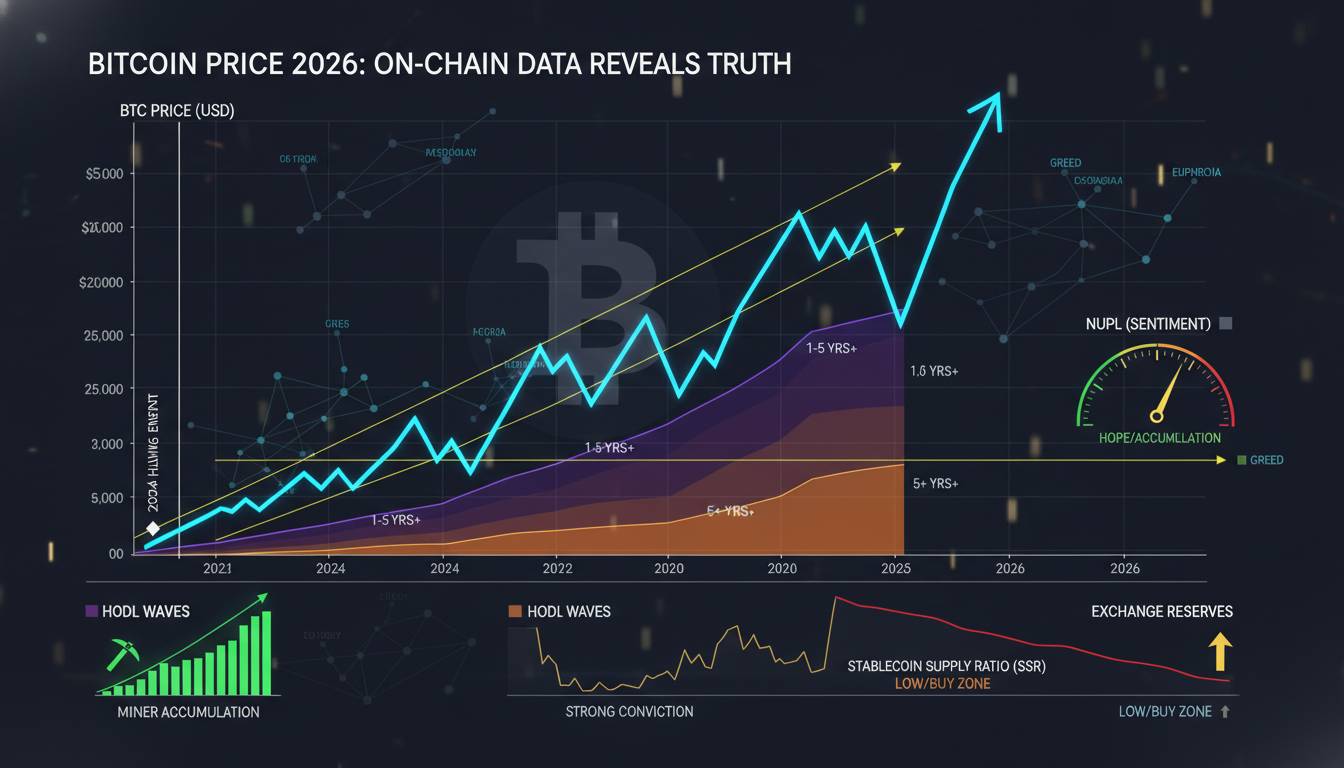
On-Chain Data Trends
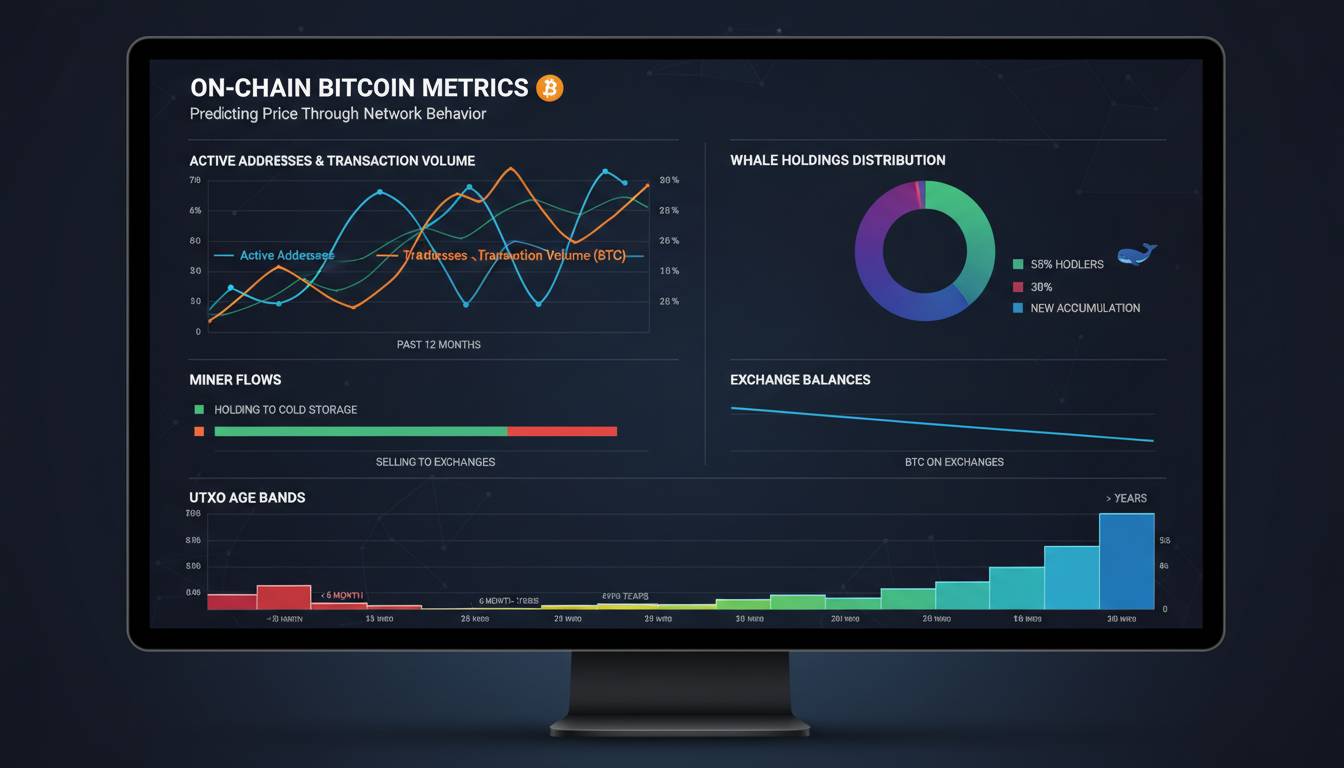
On-chain metrics provide insight into actual network usage and can inform views on fundamental value.
Network Activity
Solana processed hundreds of millions of transactions monthly in 2024, with activity spiking during periods of elevated speculative trading in specific tokens or NFT mints. The network’s theoretical capacity of 65,000 transactions per second has rarely been tested at maximum, but sustained high-volume periods have generally been handled without the congestion issues that plagued Ethereum during peak activity.
Daily Active Addresses have fluctuated significantly, reflecting the speculative nature of much Solana activity. Sustained DAA growth above 50 million addresses would represent a meaningful milestone that could support bullish fundamental cases.
Validator and Staking Metrics
Solana’s validator network has grown more decentralized over time, with over 2,000 validators participating in consensus as of early 2025. Staking participation remains high, with over 70% of SOL tokens staked — indicating strong holder conviction but also reducing circulating supply.
The staking yield has varied with network activity and token inflation rates, generally ranging between 5-8% annually. This yield provides a floor return for holders that can support price during speculative drawdowns.
Holder Distribution
Concentration of SOL holdings remains a concern for some analysts. While exact distribution data varies, wallet analysis suggests a meaningful percentage of SOL tokens remain held by early investors and ecosystem participants who may eventually sell. As these tokens unlock or are sold, they can create supply pressure.
Conversely, growing retail and institutional holder bases have diversified ownership compared to previous cycles, when concentration was significantly higher.
Risk Factors to Consider
Investors considering Solana should weigh several specific risks beyond general cryptocurrency volatility:
Regulatory uncertainty remains the most difficult risk to quantify. The SEC has signaled aggressive enforcement priorities across the crypto industry, and while Solana has not been explicitly targeted, the broader regulatory environment creates material uncertainty. Projects built on Solana, particularly DeFi protocols, could face operational restrictions in key markets.
Competitive pressure continues intensifying. Ethereum’s Layer 2 solutions have materially improved user experience, and alternative Layer 1 chains are actively courting developers and users. Solana’s technical edge is not permanent and could erode as competitors optimize their architectures.
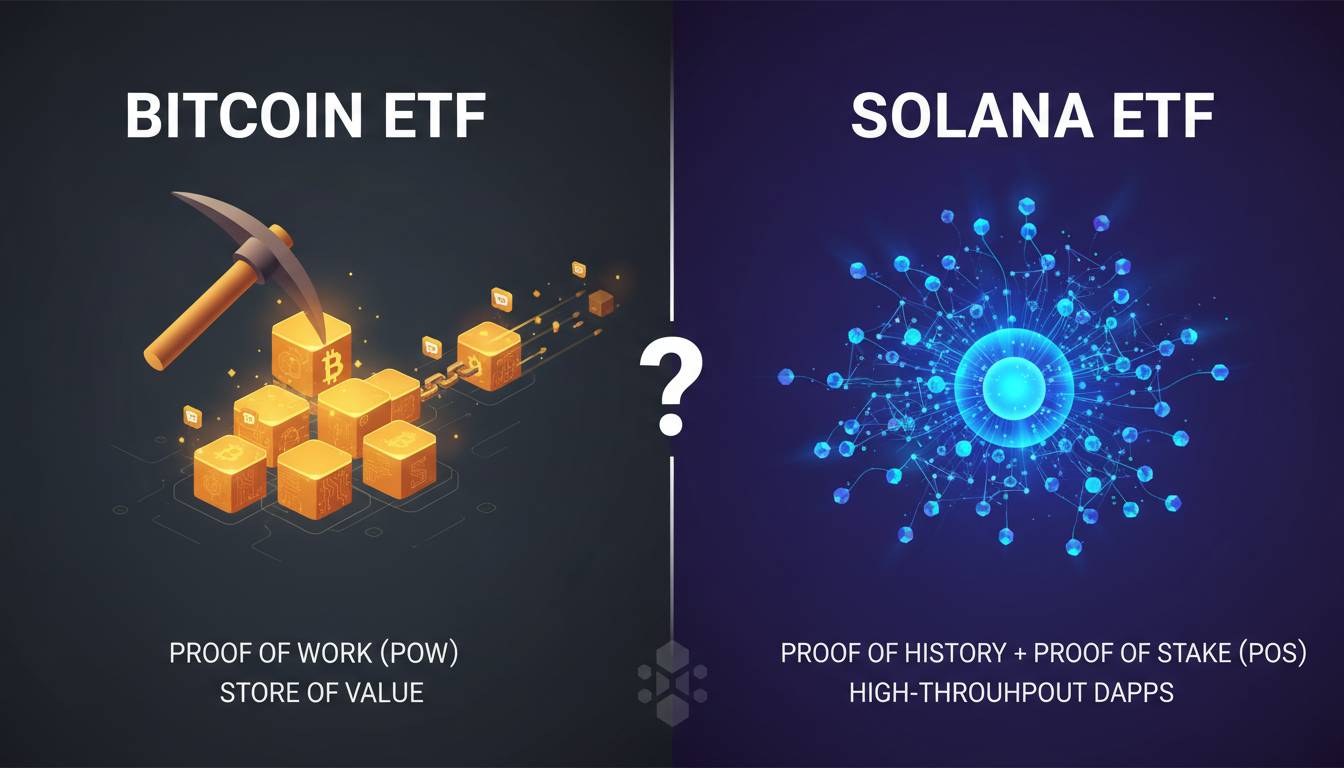
Technology risks persist. While Solana’s network has shown improved stability, the technical complexity of the proof-of-history consensus mechanism means potential vulnerabilities remain. Any significant security incident could damage confidence disproportionately.
Market structure risks include the potential for Solana to be displaced by newer blockchain architectures or for emerging use cases to favor different technical approaches. The blockchain industry remains rapidly evolving, and today’s advantages can become tomorrow’s limitations.
Frequently Asked Questions
Will Solana reach $1,000 in 2025?
Reaching $1,000 would require Solana’s market capitalization to exceed $400 billion, making it one of the most valuable assets in the world. While mathematically possible, this scenario would require extraordinary conditions including major institutional adoption, massive DeFi growth, and favorable broader market conditions. Most analysts consider $1,000 for 2025 an extremely optimistic case, not a base expectation.
Is Solana a good investment for 2025?
Whether Solana is a good investment depends entirely on individual financial circumstances, risk tolerance, and investment timeline. Solana offers meaningful technical advantages and ecosystem growth potential, but faces substantial risks including competition, regulation, and volatility. Prospective investors should conduct independent research and consider consulting financial advisors.
What drives Solana’s price?
Solana’s price is driven by supply and demand dynamics in spot and derivatives markets. Fundamental factors include network adoption, transaction volume, developer activity, and competitive positioning. Sentiment factors, broader crypto market conditions, and macroeconomic forces also significantly influence price. No single factor determines SOL’s valuation.
How does Solana compare to Ethereum?
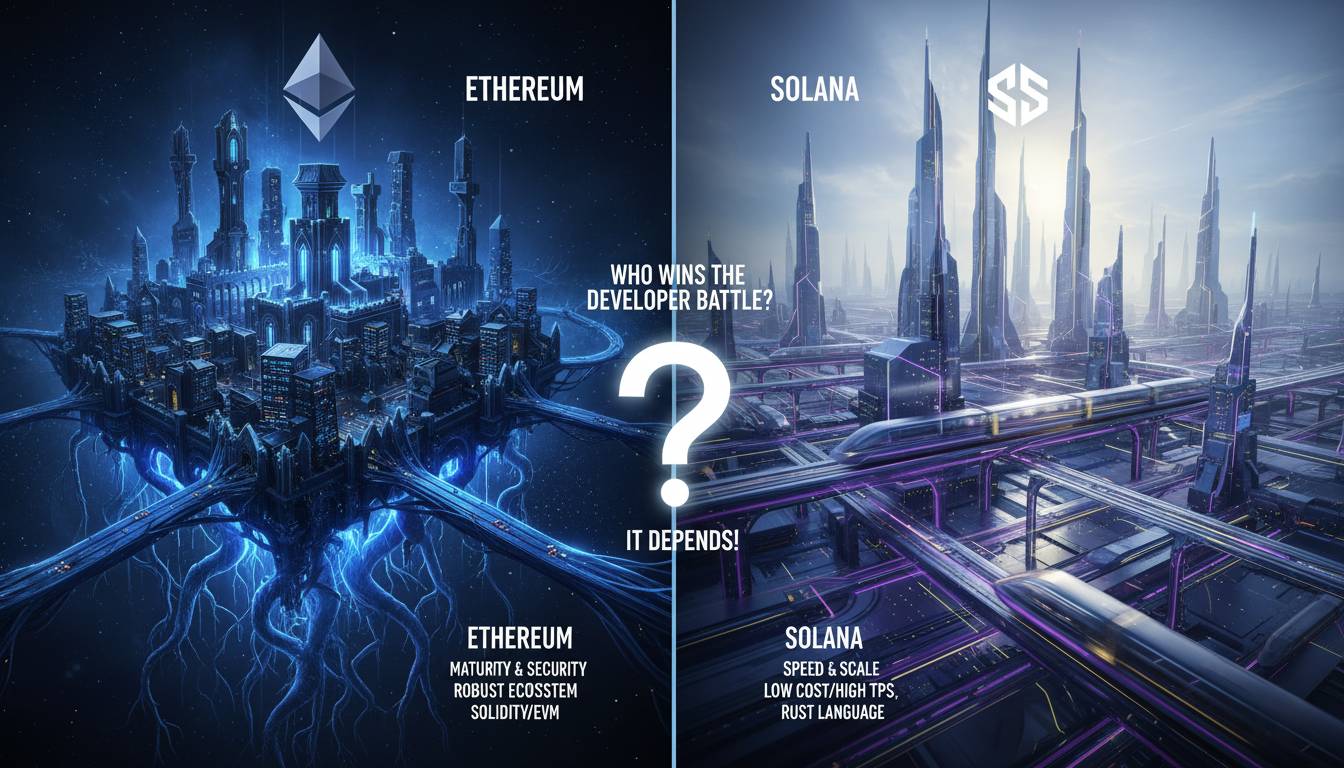
Solana and Ethereum serve similar use cases but employ different technical approaches. Solana offers faster transactions and lower fees, while Ethereum provides greater decentralization and a more established ecosystem. The “winner” depends on use case — Ethereum dominates in security and ecosystem depth, while Solana excels in user experience for high-frequency applications.
What happens to SOL if Bitcoin crashes?
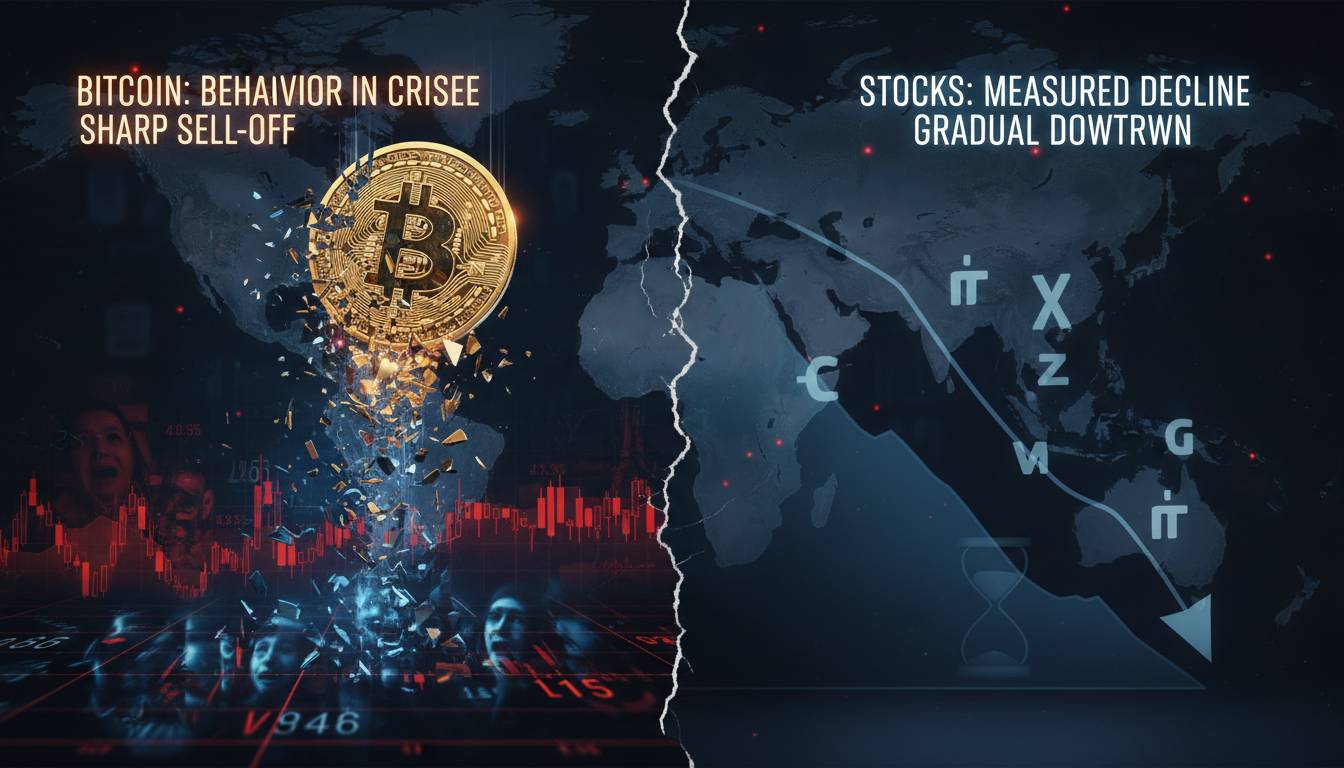
Historically, Solana and other altcoins have correlated positively with Bitcoin, meaning they tend to decline when Bitcoin declines. However, Solana has shown periods of relative outperformance during Bitcoin drawdowns in certain market conditions. Correlation is not permanent, and asset-specific narratives can drive divergence.
Conclusion
Solana enters 2025 with meaningful fundamental developments supporting its value proposition: growing adoption, improving network stability, and an active development ecosystem. Analyst projections span a wide range, with bullish cases centering on institutional adoption and ecosystem expansion while bearish concerns focus on competition and regulation.
The data suggests Solana could reasonably trade between $150 and $500 in 2025 depending on how key variables unfold. The conditions that would push SOL toward the upper end — institutional product launches, significant DeFi growth, and favorable market conditions — remain possible but by no means guaranteed. Conditions that would support the lower end — regulatory action, competitive displacement, or market-wide correction — represent material risks that cannot be dismissed.
Solana remains one of the most technically capable blockchains in production, and its market performance will likely reflect the broader crypto market’s trajectory while also responding to chain-specific developments. Investors should approach price predictions with appropriate skepticism, recognizing that cryptocurrency markets have consistently defied analyst forecasts in both directions.
The most prudent approach involves understanding the scenarios that could drive different outcomes rather than fixating on specific price targets. Solana’s 2025 performance will ultimately be determined by factors that remain inherently uncertain — regulatory developments, competitive dynamics, and broader market conditions. Whether SOL ultimately trades at $200 or $500 by year-end may matter less than whether the investment thesis remains intact based on one’s own research and risk assessment.