
Dogecoin has experienced more dramatic price movements than nearly any other cryptocurrency in existence. What started as a joke in 2013—featuring the Shiba Inu meme as its mascot—has transformed into a market force capable of moving billions of dollars in a single day. Understanding why Dogecoin goes up requires examining a unique combination of social dynamics, market sentiment, and specific catalytic events that have repeatedly fueled its rallies.
The data behind Dogecoin’s price movements reveals a pattern distinctly different from traditional financial assets. While stocks respond to earnings reports and economic data, DOGE rallies around community momentum, celebrity endorsements, and viral social media moments. This analysis examines every major Dogecoin rally, the specific drivers behind each surge, and what the historical patterns suggest about future price action.
Current Price Action and Market Context
As of early 2025, Dogecoin continues to demonstrate the volatility that has defined its existence since creation. The cryptocurrency trades with daily price swings that would be extraordinary for any other asset class—moves of 10% to 30% in either direction occur regularly during active market periods.
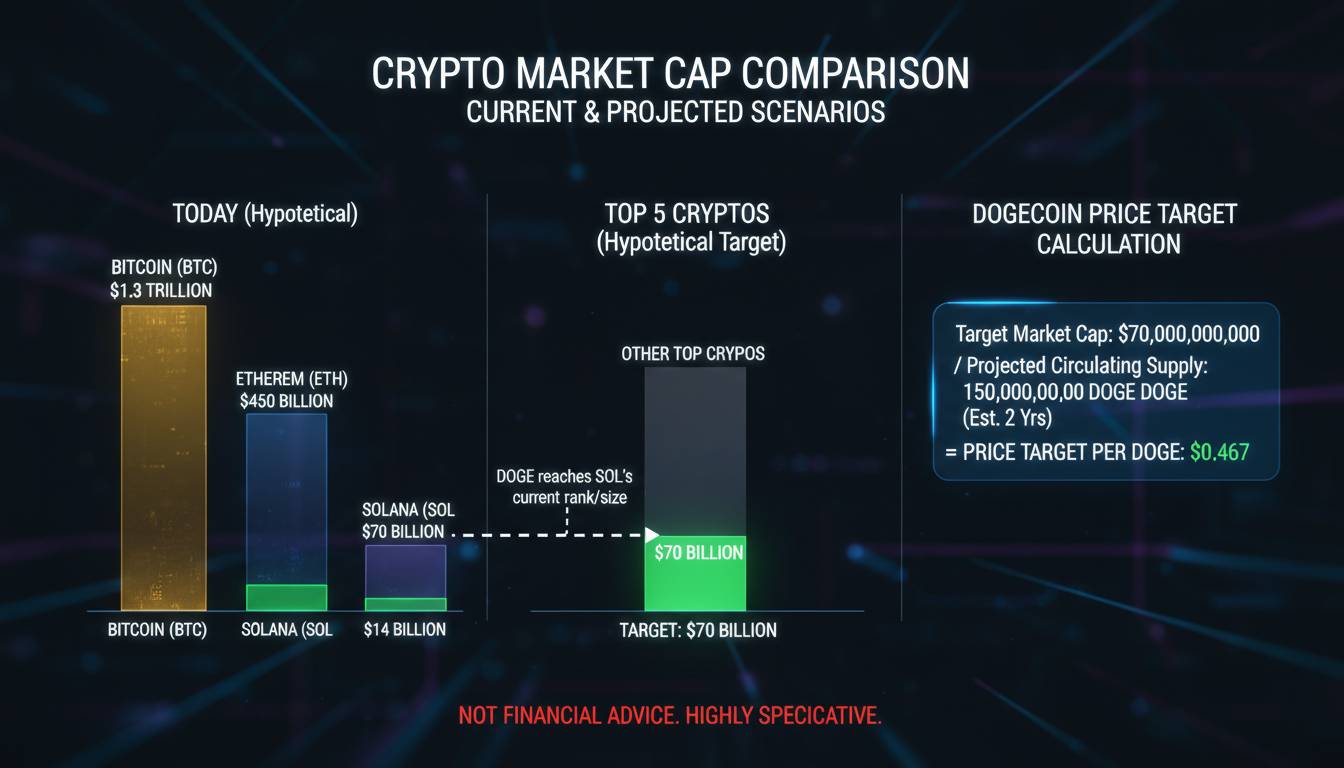
The current market capitalization places DOGE among the top cryptocurrencies by total value, yet its valuation remains remarkably sensitive to social media activity and broader crypto market sentiment. Trading volume serves as a critical indicator of genuine interest versus speculative gambling; when Dogecoin’s 24-hour trading volume spikes above its market cap, it signals heightened retail participation that often precedes or accompanies rallies.
Recent price action has shown correlation with several recurring factors: broader cryptocurrency market momentum, specific social media mentions from high-profile accounts, and developments in the Dogecoin ecosystem itself. The key distinction between sustainable rallies and brief spikes lies in whether multiple factors align simultaneously or whether a single event attempts to carry the price higher alone.
The 2021 Dogecoin Rallies: The Template for All Future Moves
The year 2021 transformed Dogecoin from a niche internet curiosity into a household name, establishing the template that would define subsequent rallies. Understanding these moves requires examining the specific catalysts that drove each phase of price appreciation.
The January-February 2021 Initial Surge
The first major rally of 2021 began in late January, coinciding with the Reddit-driven GameStop short squeeze that captured mainstream financial attention. Dogecoin benefited from the same retail trading phenomenon that powered GameStop’s astronomical rise—individual investors organizing on social media platforms to target heavily-shorted assets.
During this period, Dogecoin’s price increased from approximately $0.007 to $0.08 within weeks, representing gains that would be impossible for traditional assets but became normalized in the crypto markets of that era. The trading volume during January 2021 exceeded anything previously seen for DOGE, with daily volumes regularly surpassing $10 billion at peak moments. This volume spike served as the first major signal that Dogecoin had captured the attention of a new generation of traders.
The subreddit r/dogecoin played a crucial organizing role, with users coordinating purchases and sharing analysis that ranged from sophisticated to completely absurd—the same mixture that defined the broader meme stock movement. Notably, this rally established a pattern that would repeat: Dogecoin gains momentum when retail traders collectively focus attention on it, regardless of traditional fundamental metrics.
The April-May 2021 Peak: Elon Musk Takes Center Stage
The most dramatic Dogecoin rally in history occurred between April 1 and May 8, 2021, when the price increased from approximately $0.06 to an all-time high above $0.73. This represents a gain of over 1,100% in just over one month—a move that captured global media attention and cemented Dogecoin’s position as a serious market force.
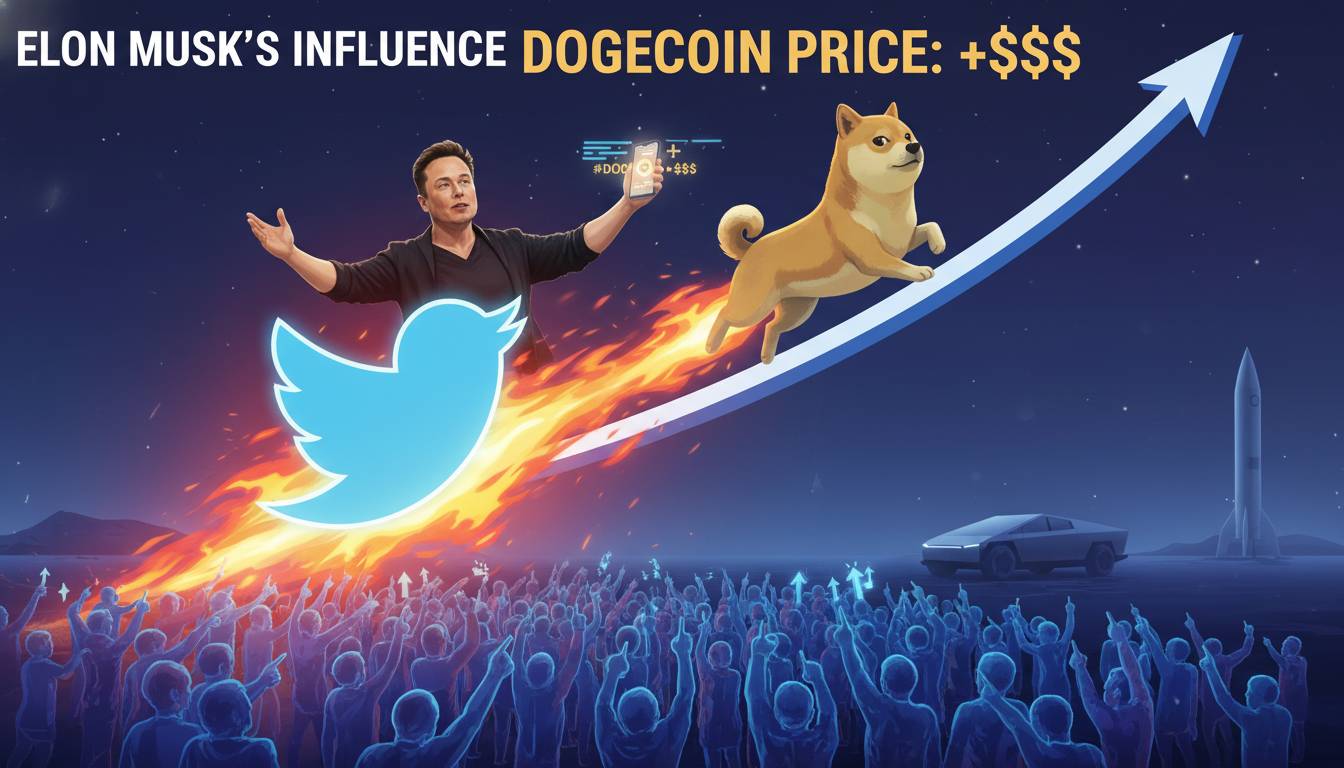
Elon Musk’s involvement proved to be the primary catalyst. His Twitter account, @elonmusk, had accumulated over 50 million followers by this point, giving him unprecedented ability to move markets with single tweets. Between April and May 2021, Musk posted multiple Dogecoin-related tweets, each appearing to trigger immediate price increases. His appearance on Saturday Night Live on May 8, 2021, where he called Dogecoin a “hustle,” actually triggered a significant price decline—demonstrating that even Musk’s involvement cuts both ways.
The data reveals a clear correlation between Musk’s social media activity and Dogecoin price movements during this period. When he called himself the “Dogefather” in an April 2021 tweet, the price responded with immediate double-digit percentage gains. The May 8 SNL appearance, where his joke about Dogecoin being a “hustle” was interpreted as bearish, saw the price drop approximately 30% within hours of broadcast.
Beyond Musk, the April-May 2021 rally benefited from media coverage that introduced Dogecoin to entirely new audiences, growing acceptance of cryptocurrency as an asset class among retail investors, the broader crypto market boom of early 2021 with Bitcoin reaching new all-time highs, and coordinated social media campaigns that amplified buying pressure.
Trading volume during this period reached extraordinary levels. On May 5, 2021, Dogecoin’s 24-hour trading volume exceeded $92 billion—an amount that exceeded the trading volume of most traditional stock markets for individual securities. This volume spike indicated that massive speculative capital was flowing in, much of it from new retail investors who had never traded cryptocurrency before.
The November 2021 Attempted Recovery
After the May 2021 crash, Dogecoin experienced multiple smaller rallies attempting to reclaim its all-time highs. The November 2021 rally brought the price back above $0.30, approximately 40% of its previous peak, driven by the broader crypto market recovery that saw Bitcoin approach its own all-time highs.
This rally demonstrated both the endurance of Dogecoin’s community and the challenges of sustaining momentum without new catalytic events. The price increase from approximately $0.25 to $0.34 in early November 2021 coincided with Bitcoin’s own recovery, suggesting that Dogecoin remained somewhat dependent on overall crypto market conditions even during its most community-driven rallies.
The 2024-2025 Rallies: Institutional Interest and Political Factors
The Dogecoin rallies of 2024 and 2025 introduced new catalysts that had been absent during the purely retail-driven 2021 movements—institutional acceptance and political developments that affected the broader cryptocurrency market.
ETF Speculation and Institutional Acceptance
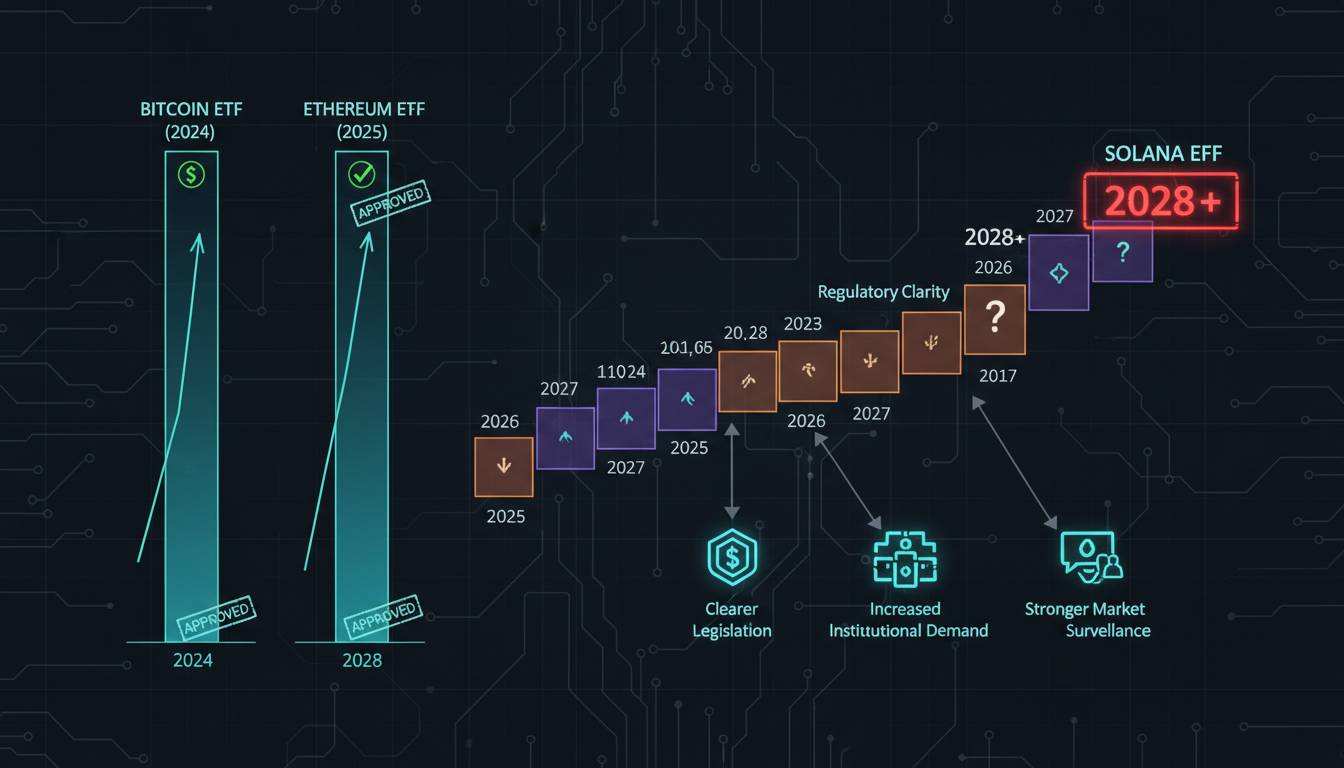
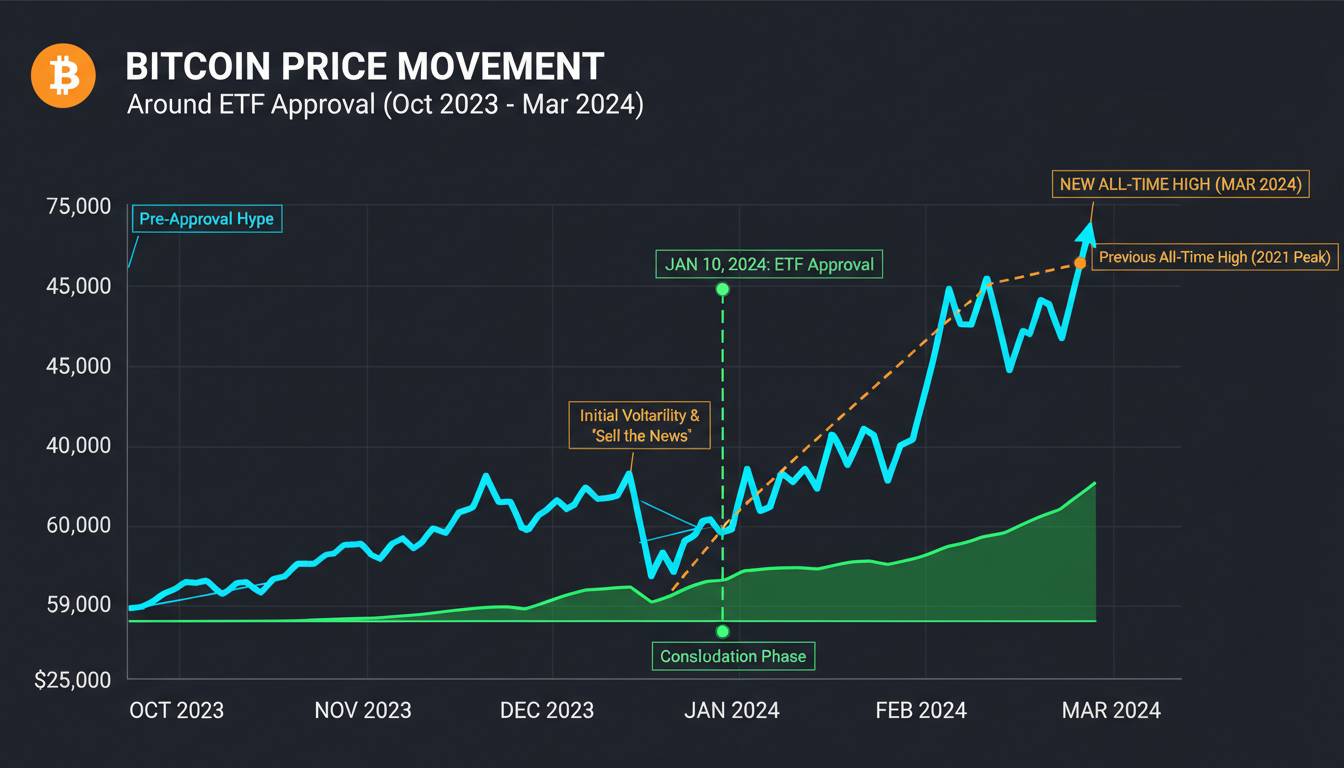
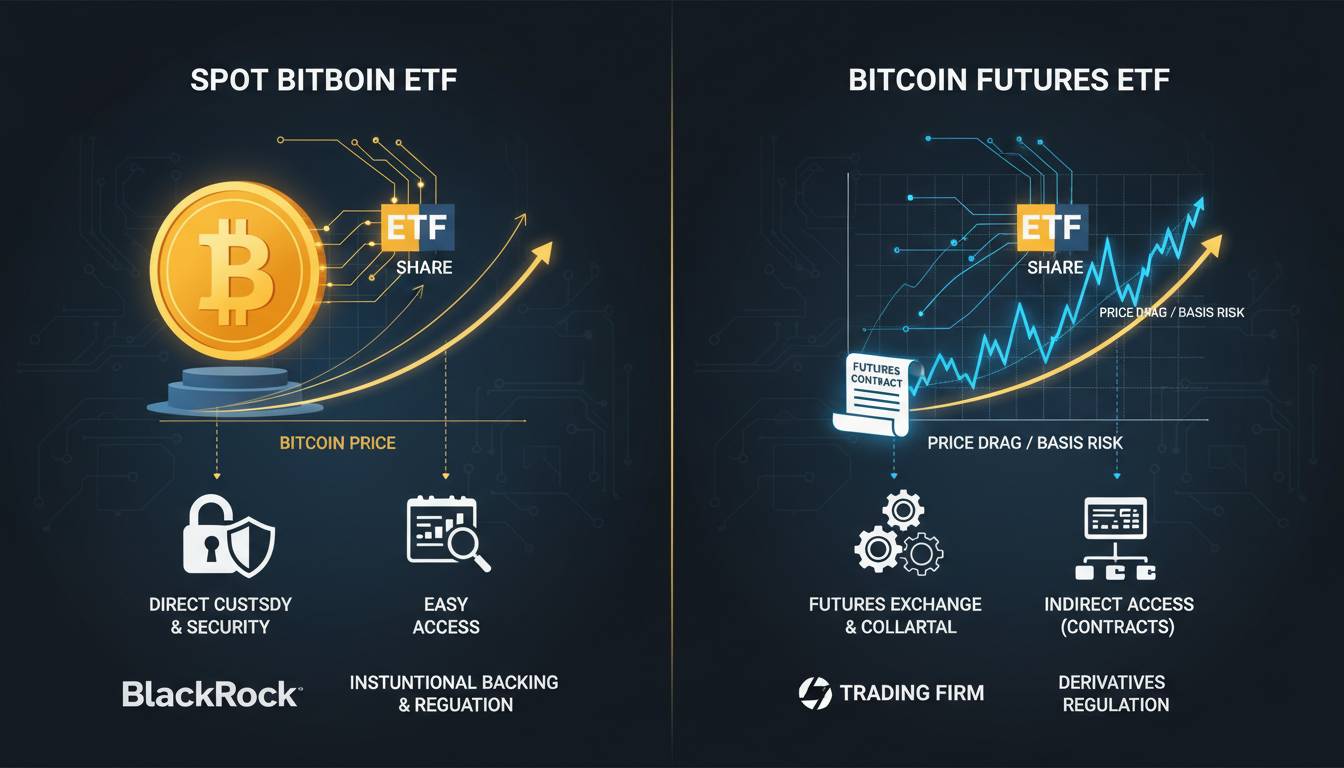
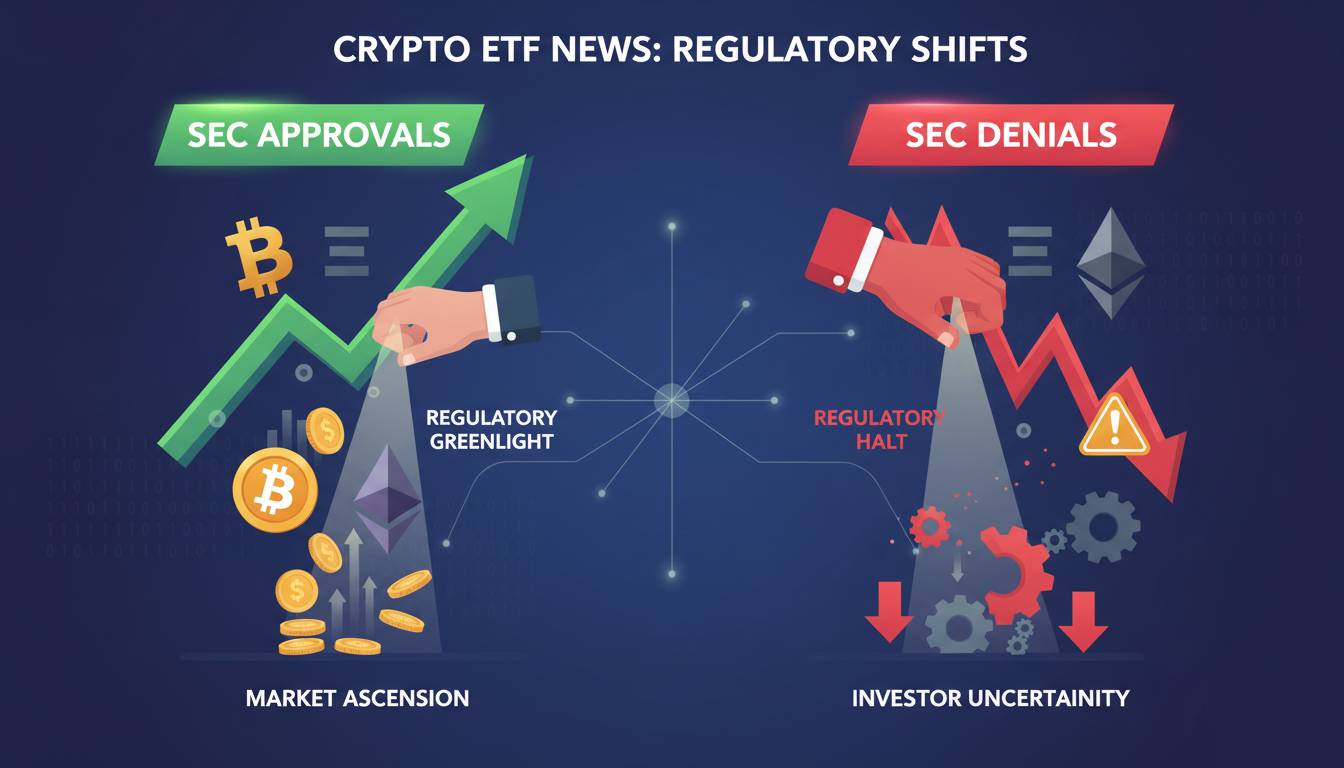
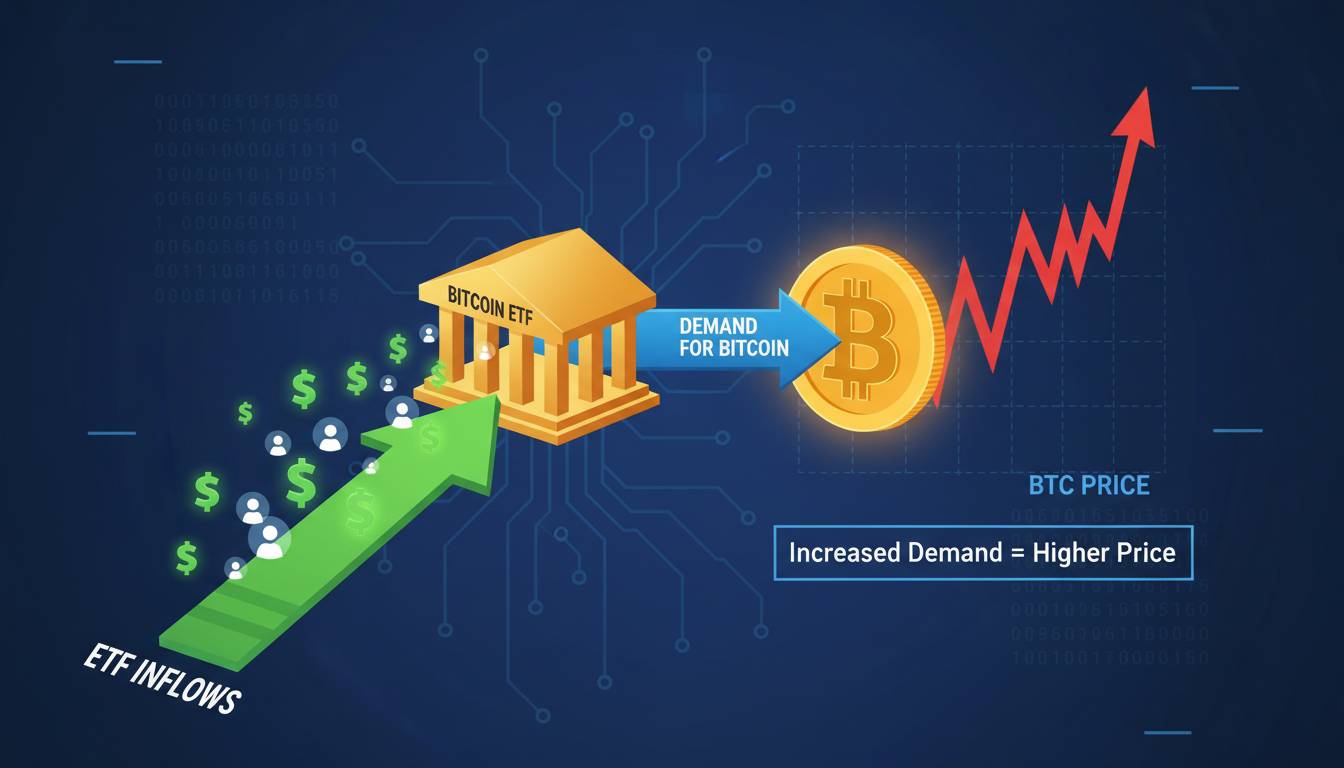
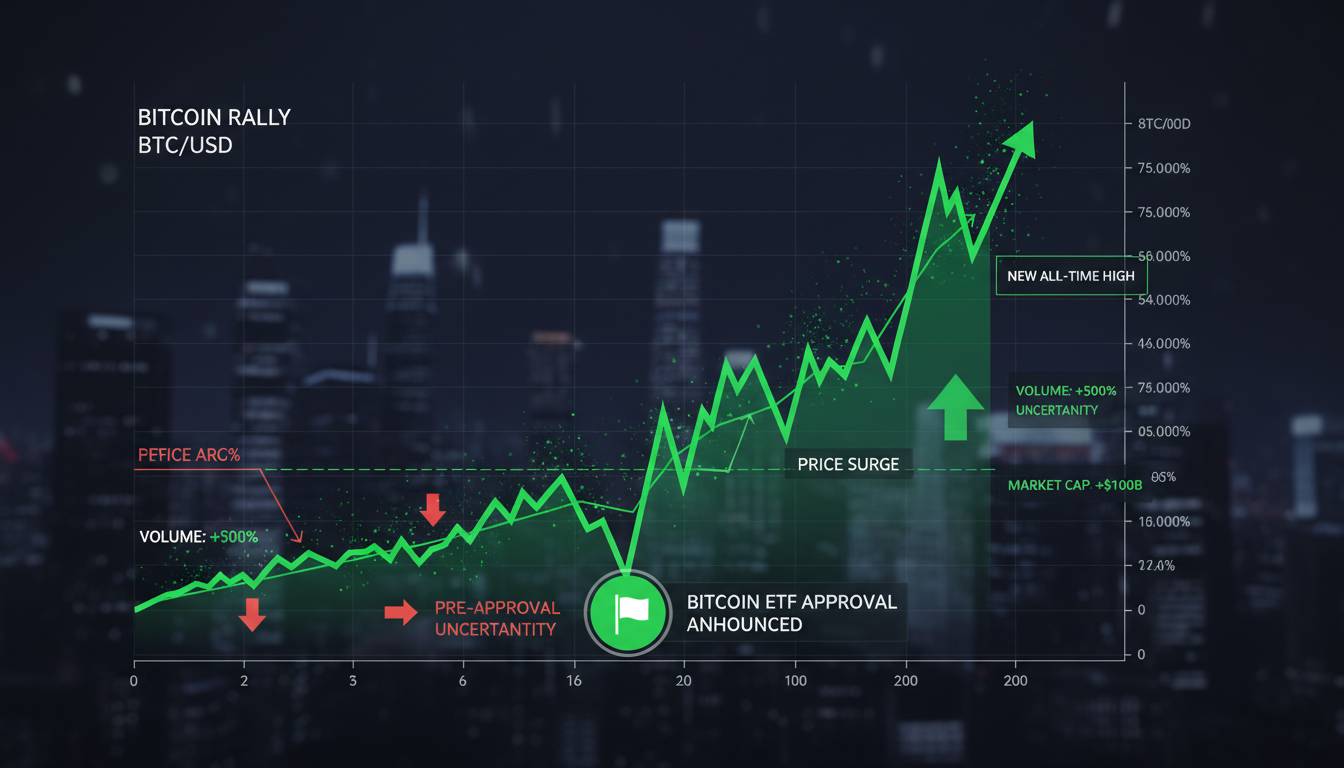
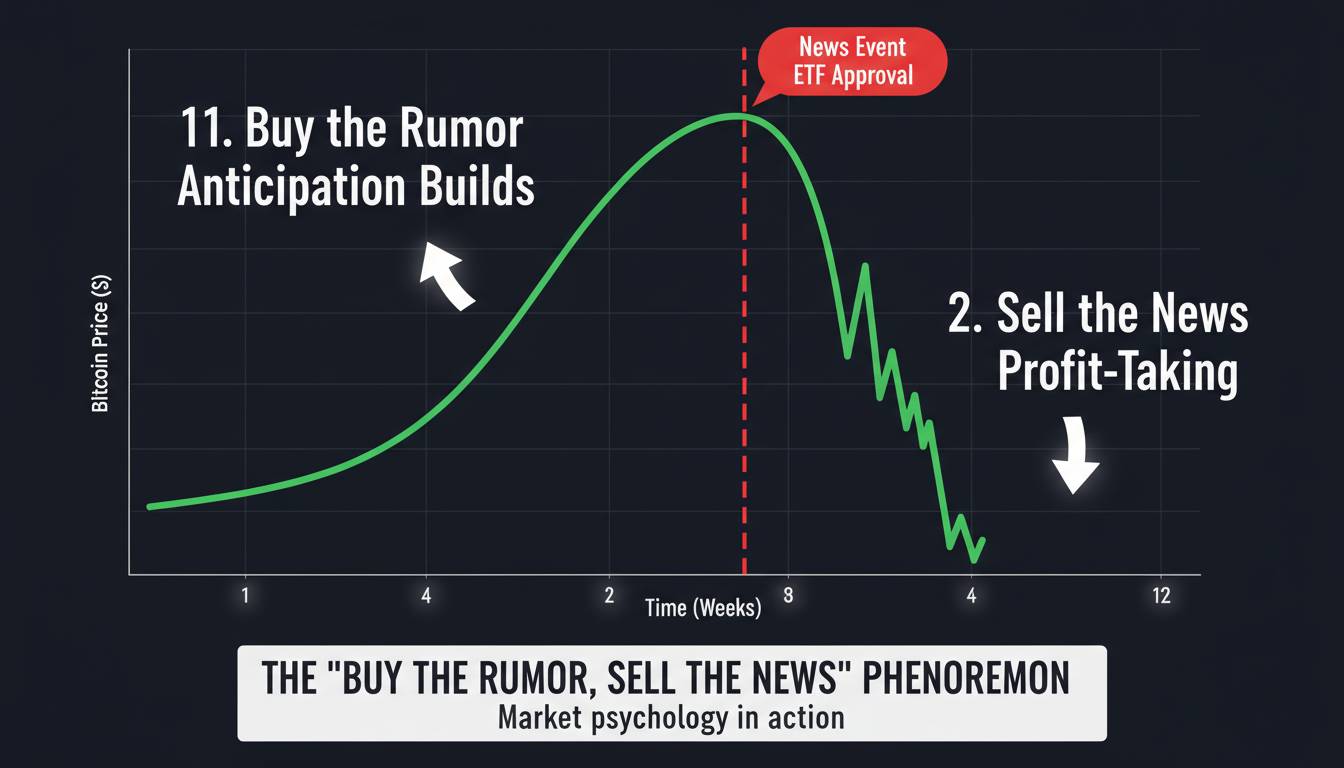
The approval of Bitcoin spot ETFs in January 2024 marked a watershed moment for cryptocurrency as an asset class. While Dogecoin itself did not receive ETF approval, the broader acceptance of cryptocurrency by mainstream financial institutions created a rising tide that lifted most boats in the crypto market.
Dogecoin’s price during 2024 showed increased correlation with traditional market movements compared to its 2021 behavior. When major financial institutions announced cryptocurrency initiatives, Dogecoin often benefited from the resulting positive sentiment. Several payment processors and financial technology companies announced Dogecoin integration during this period, though the specific terms and timelines of these integrations varied significantly.
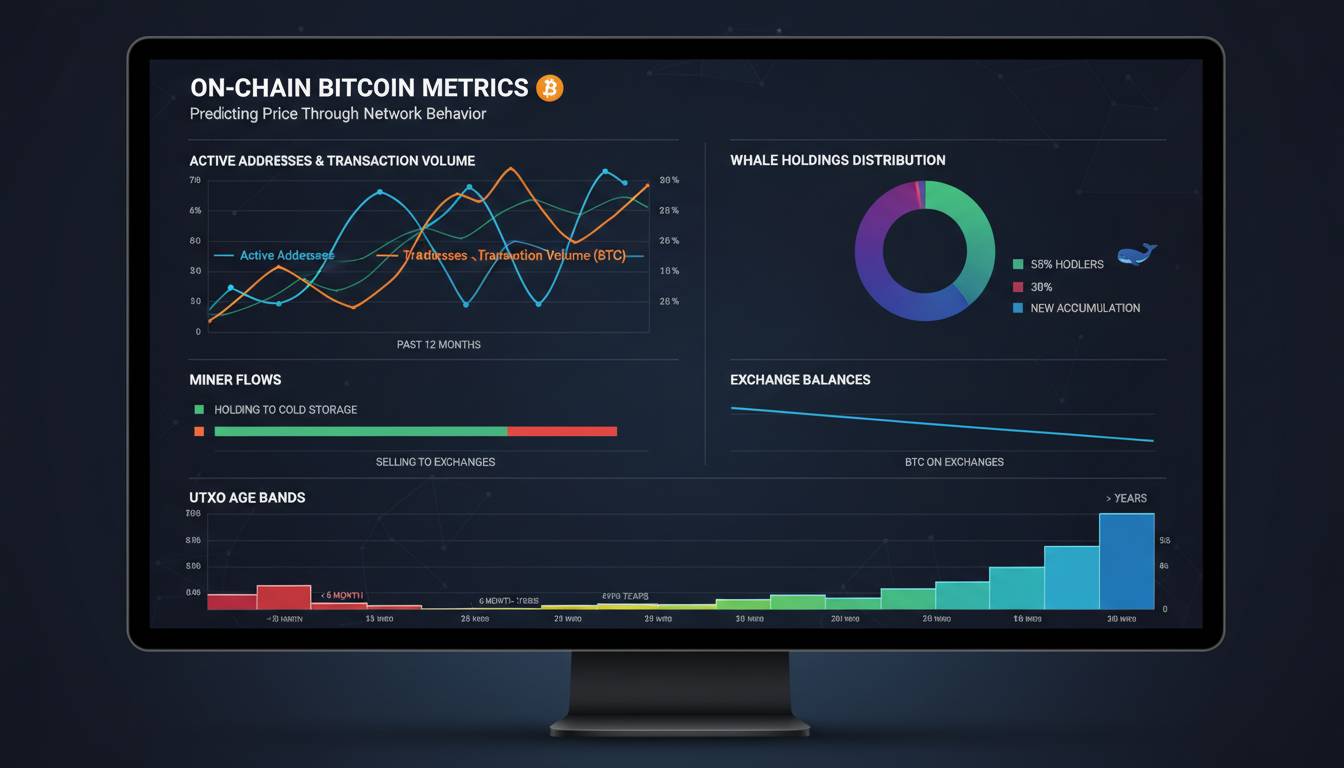
The trading patterns during 2024 also showed increased sophistication compared to 2021. On-chain analysis revealed that whale wallets—addresses holding significant Dogecoin balances—became more active, suggesting that larger players were participating in what had previously been a predominantly retail-driven market.
The 2025 Political Factor
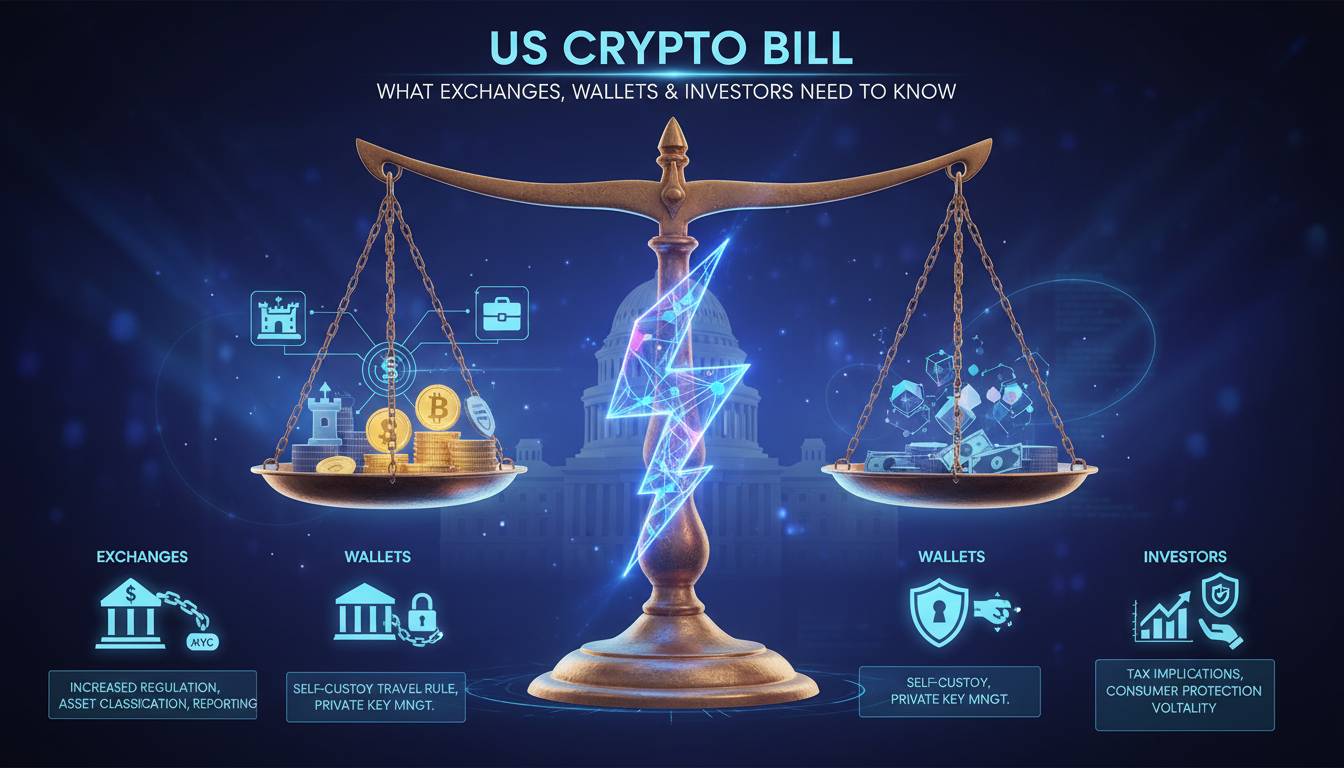
The 2024-2025 period introduced a new variable to cryptocurrency markets: explicit political support. The Trump administration’s expressed friendliness toward cryptocurrency created a bullish environment for digital assets broadly, with Dogecoin benefiting from the positive sentiment.
Multiple administration officials made favorable comments about cryptocurrency during this period, creating what market participants described as a “risk-on” environment favorable to speculative assets. Dogecoin’s price showed notable correlation with these political developments, gaining over 150% during certain periods of positive political news.
This political dimension represented a significant shift from Dogecoin’s origins as purely a community-driven phenomenon. The intersection of retail sentiment, social media influence, and political factors created a more complex market environment than Dogecoin had previously experienced.
Key Drivers Behind Dogecoin Rallies: A Data-Driven Analysis
Examining every major Dogecoin rally reveals consistent patterns in what triggers price appreciation. While each rally has unique characteristics, several factors appear repeatedly.
Social Media Sentiment and Viral Moments
The correlation between Dogecoin price movements and social media activity is remarkably strong. Data from multiple social analytics platforms shows that spikes in Dogecoin-related discussion on Twitter (now X), Reddit, and TikTok consistently precede or accompany price increases.
The mechanism appears to be bidirectional: price increases generate social media discussion, which generates additional buying, creating a feedback loop. This differs from traditional financial markets where social sentiment might correlate with price movements but rarely serves as a primary driver.
Elon Musk’s Twitter activity remains the single most impactful social media factor for Dogecoin. His posts about DOGE have historically generated average price movements of 10-15% within hours of posting, though this effect has diminished somewhat as the cryptocurrency has matured and broader market factors have gained importance.
Market Momentum and Correlation with Bitcoin
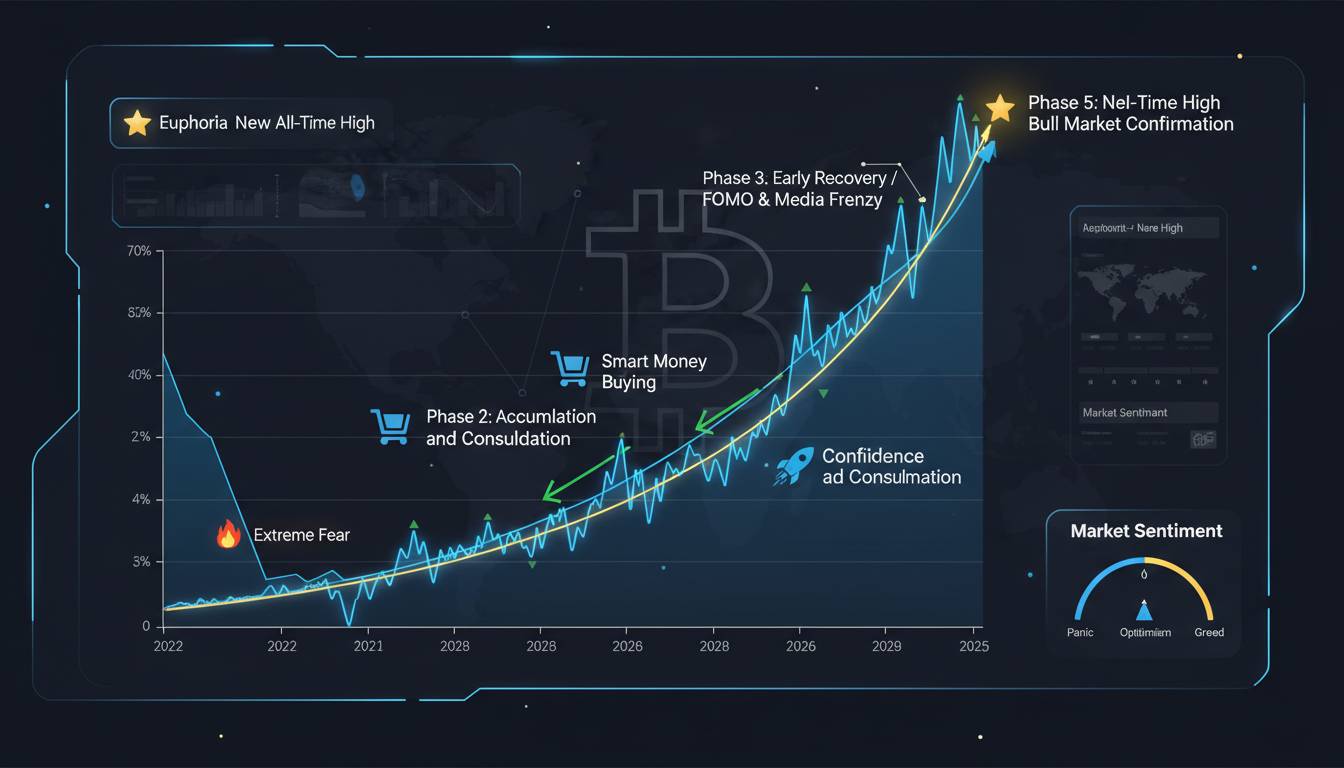
Dogecoin’s correlation with Bitcoin and the broader cryptocurrency market has increased over time. During strong bull markets, Dogecoin tends to outperform Bitcoin significantly. During bear markets or periods of Bitcoin weakness, Dogecoin typically underperforms.
This correlation means that Dogecoin often benefits from general crypto market optimism even without specific DOGE-specific catalysts. The periods of strongest Dogecoin price appreciation have coincided with Bitcoin’s own bull runs, suggesting that overall market conditions matter significantly.
However, during its most explosive rallies—such as April-May 2021—Dogecoin has demonstrated the ability to decouple from Bitcoin and generate returns that far exceed the broader market. Identifying when this decoupling will occur remains challenging, as it typically requires a specific catalytic event that generates independent momentum.
Community Commitment and Burnout Dynamics
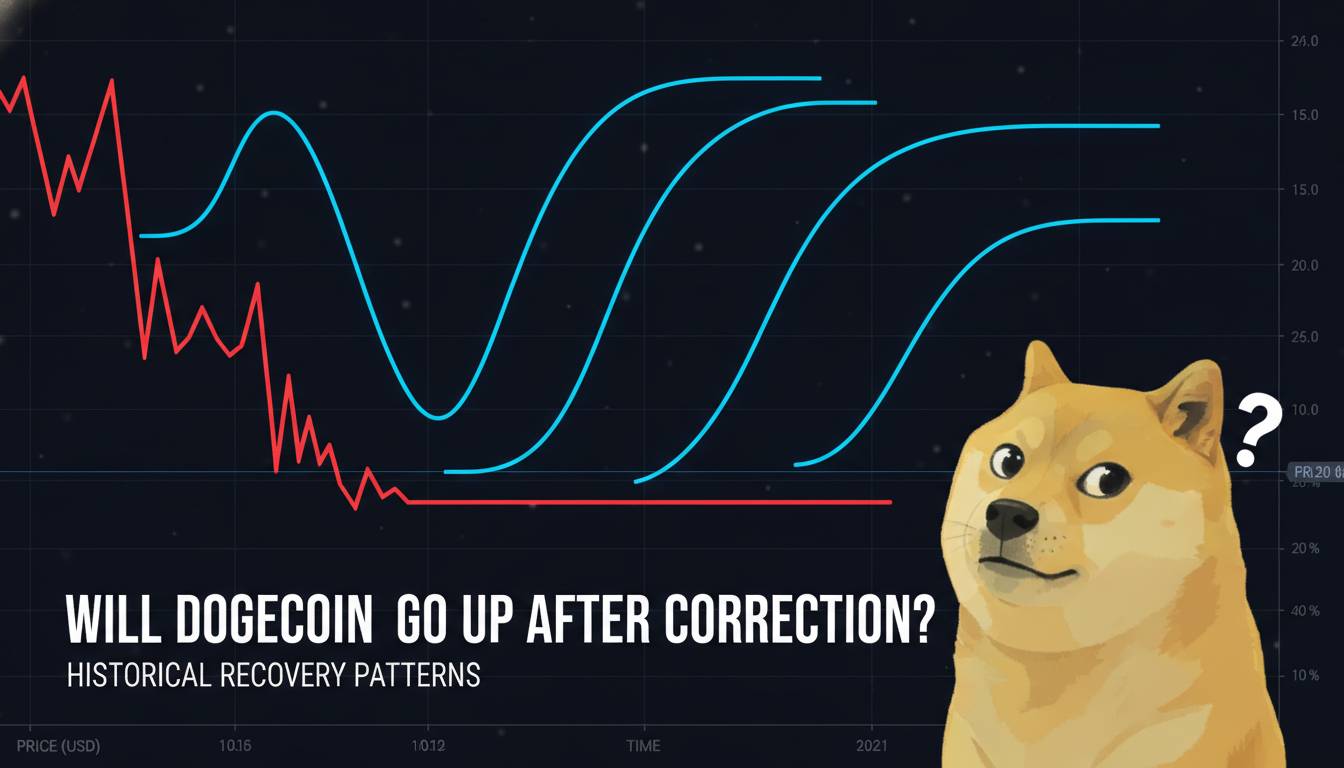
The Dogecoin community has demonstrated remarkable resilience through multiple boom-bust cycles. Unlike many cryptocurrency projects that collapse after significant price declines, Dogecoin has repeatedly recovered and generated new rallies despite severe drawdowns from previous peaks.
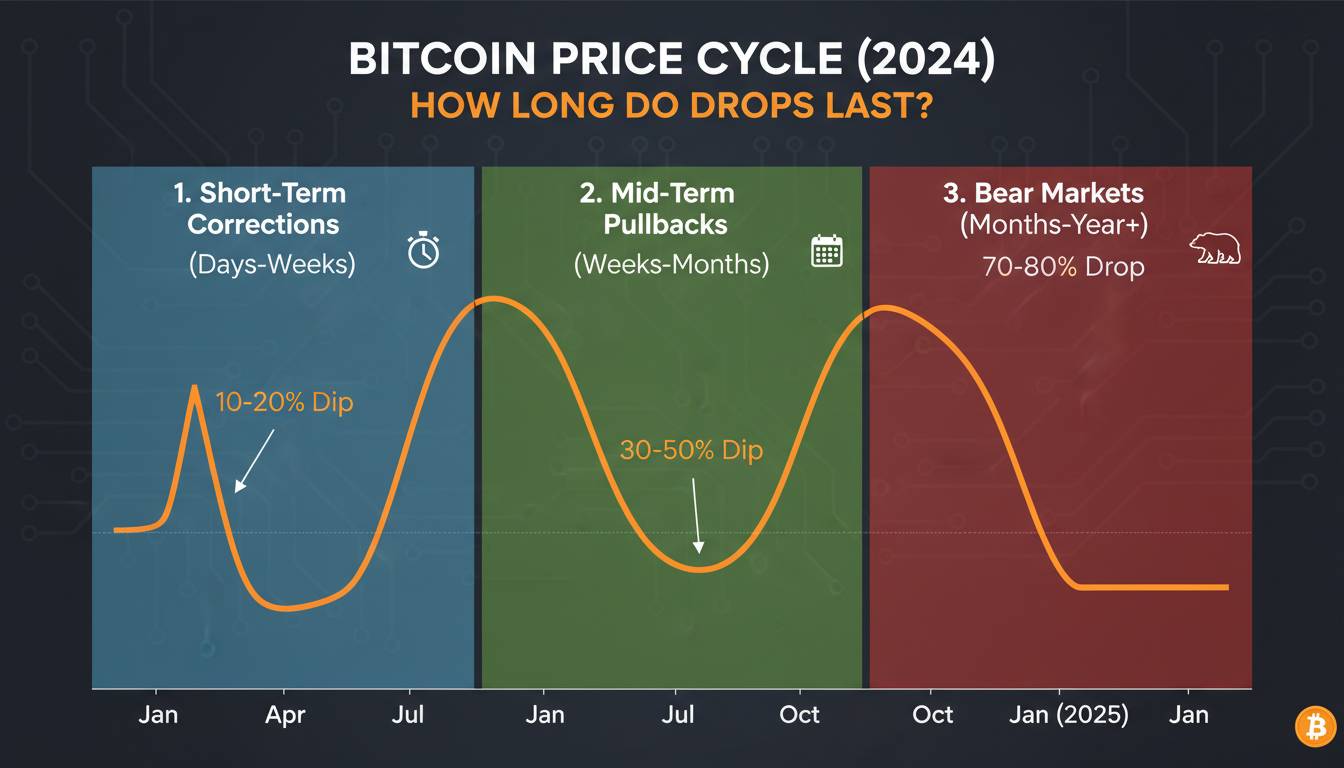
The community’s willingness to hold through significant losses during bear markets distinguishes Dogecoin from purely speculative assets. When the price dropped from $0.73 to below $0.05 following the May 2021 peak, many holders maintained their positions rather than selling—a phenomenon that enabled subsequent rallies when new catalysts emerged.
However, this same holding behavior can create exhaustion. Each subsequent rally requires increasingly large catalytic events to generate equivalent percentage gains. The community’s energy and enthusiasm, while powerful, may have natural limits that affect future rally potential.
Historical Comparison: Patterns Across Major Rallies
Comparing the major Dogecoin rallies reveals both consistent patterns and important differences that inform expectations for future price movements.
| Rally Period | Peak Price | % Gain | Primary Catalyst |
|---|---|---|---|
| Jan-Feb 2021 | $0.08 | ~1,000% | Reddit/wallstreetbets momentum |
| Apr-May 2021 | $0.73 | ~12,000% | Elon Musk tweets/SNL |
| Oct-Nov 2021 | $0.34 | ~400% from lows | Bitcoin recovery |
| 2024-2025 | Variable | Variable | ETF approvals, political factors |
The declining percentage gains across successive rallies warrants attention. While the January-February 2021 rally produced 1,000% gains, the April-May 2021 rally produced even more extraordinary returns. However, subsequent rallies have struggled to generate equivalent percentage moves, suggesting diminishing returns as the market capitalization increases.
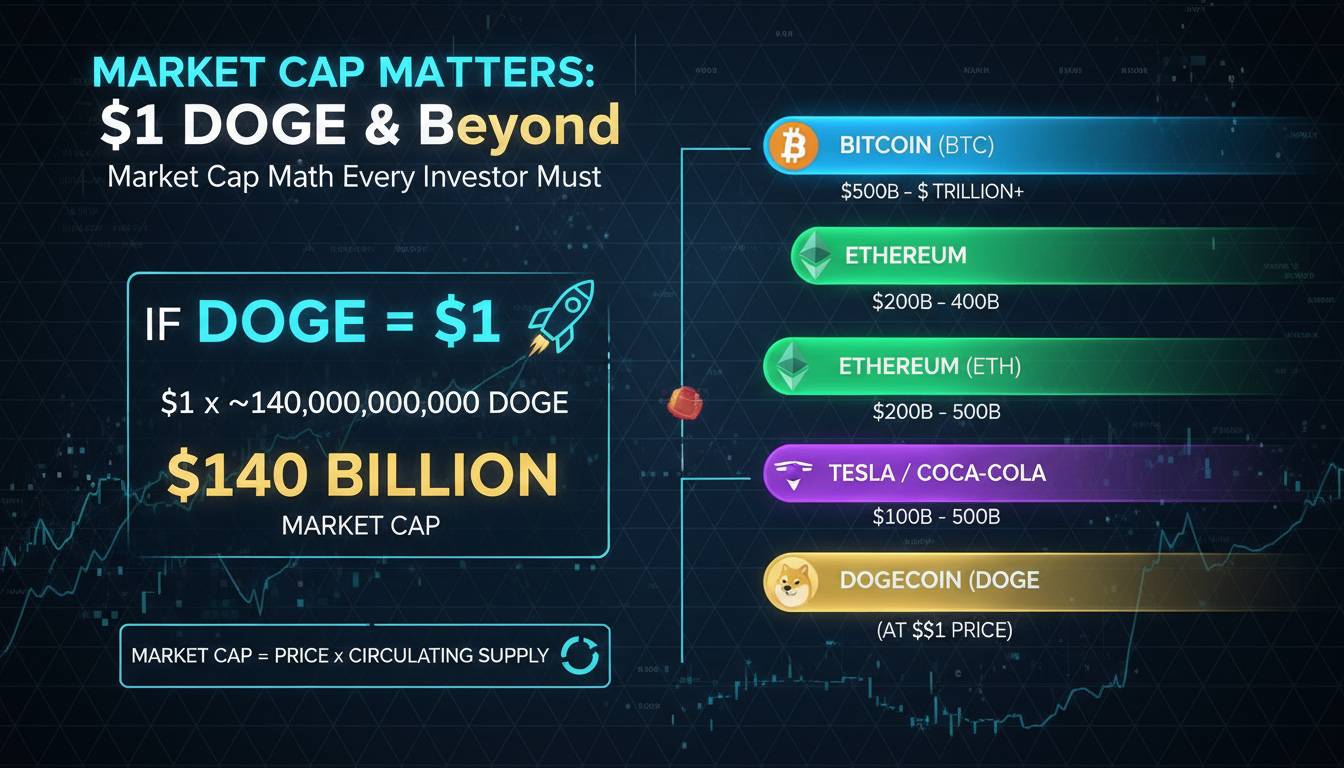
This pattern is mathematically inevitable—gaining 1,000% on a $10 billion market cap requires far more capital than gaining 1,000% on a $1 billion market cap. The question becomes whether Dogecoin can maintain its percentage gains as its market cap grows, or whether future rallies will necessarily produce smaller (though still substantial) percentage returns.
Technical Analysis: Reading the Charts
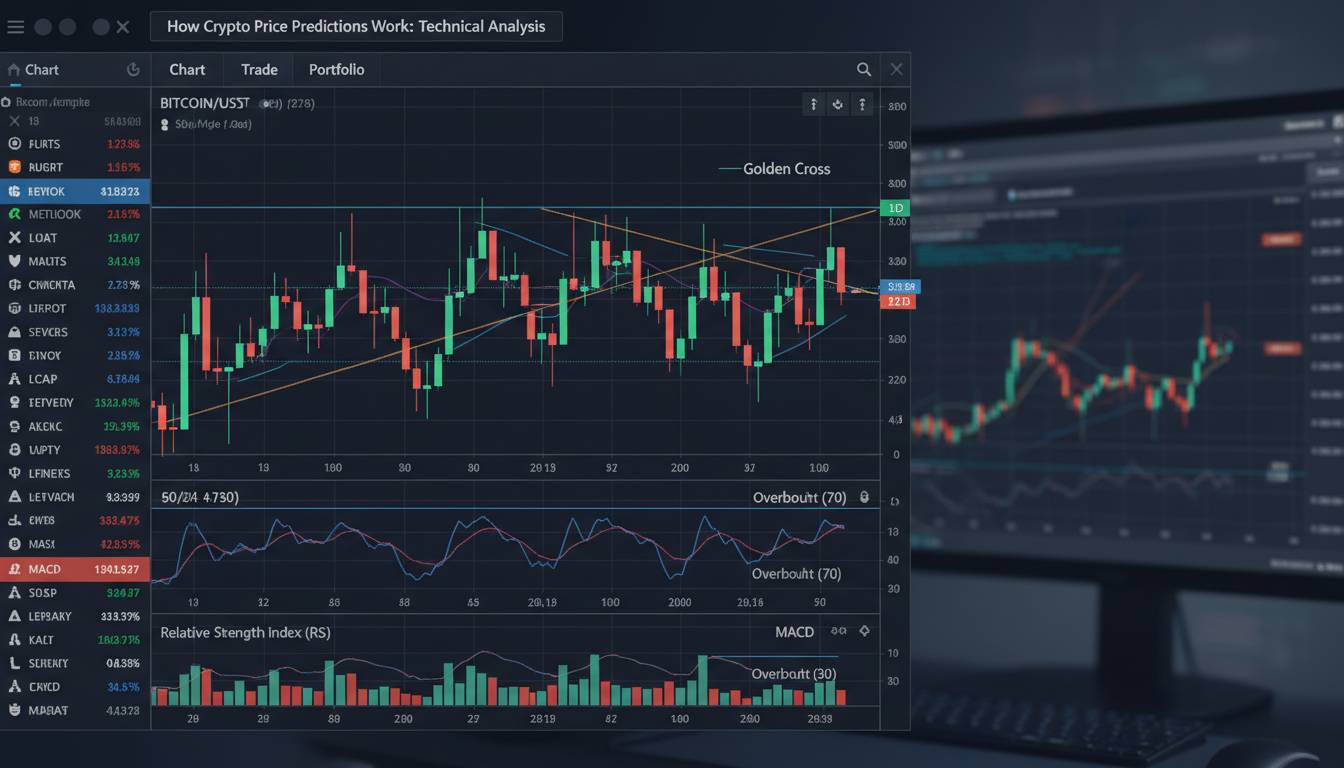
Technical analysis of Dogecoin reveals patterns that experienced traders use to identify potential rally opportunities, though it’s important to acknowledge that technical analysis in highly volatile cryptocurrencies carries significant limitations.
Support and Resistance Levels
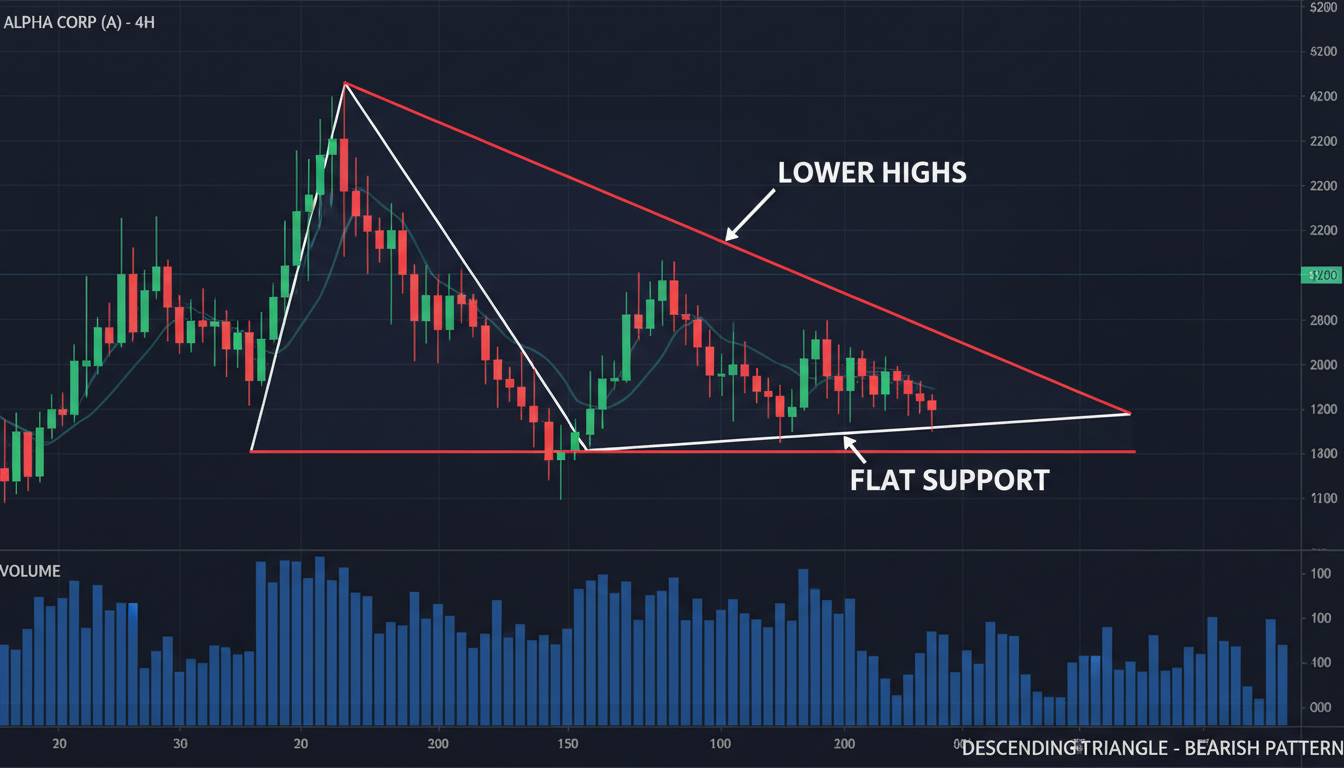
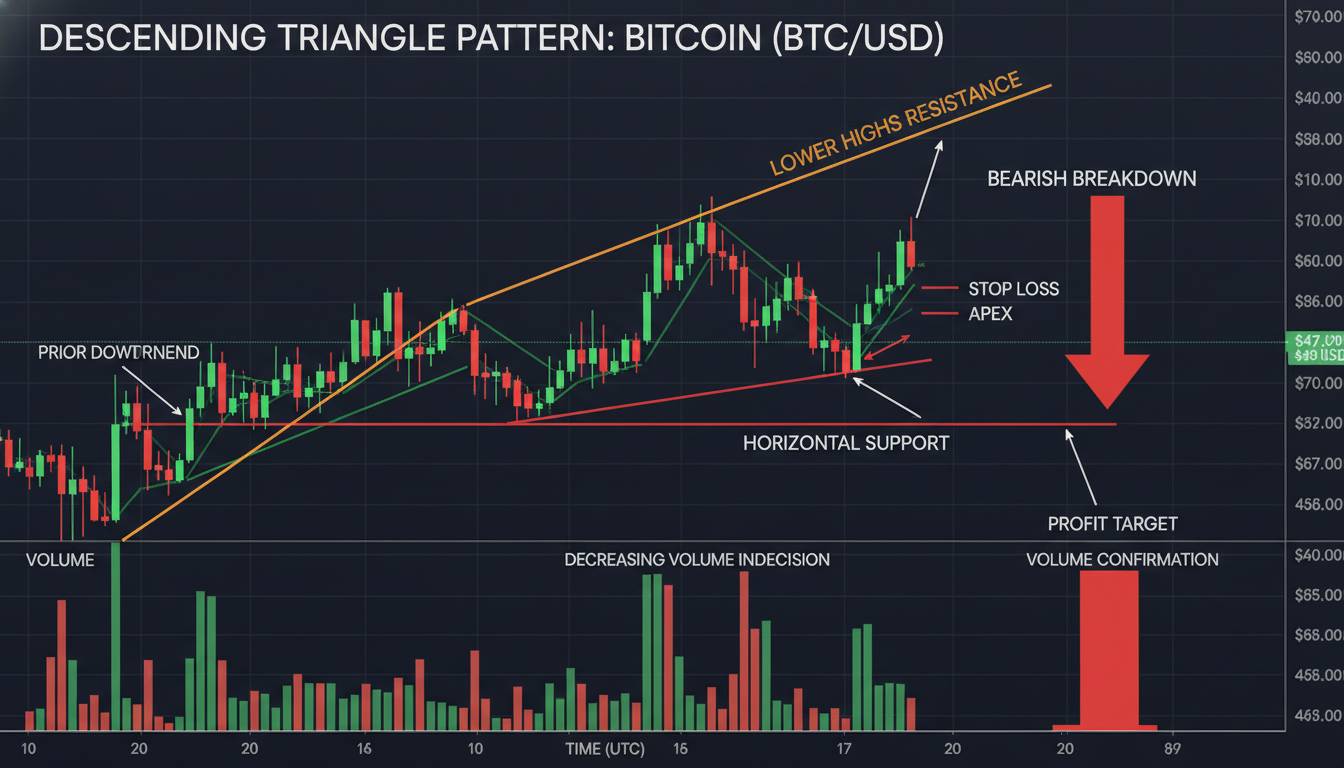
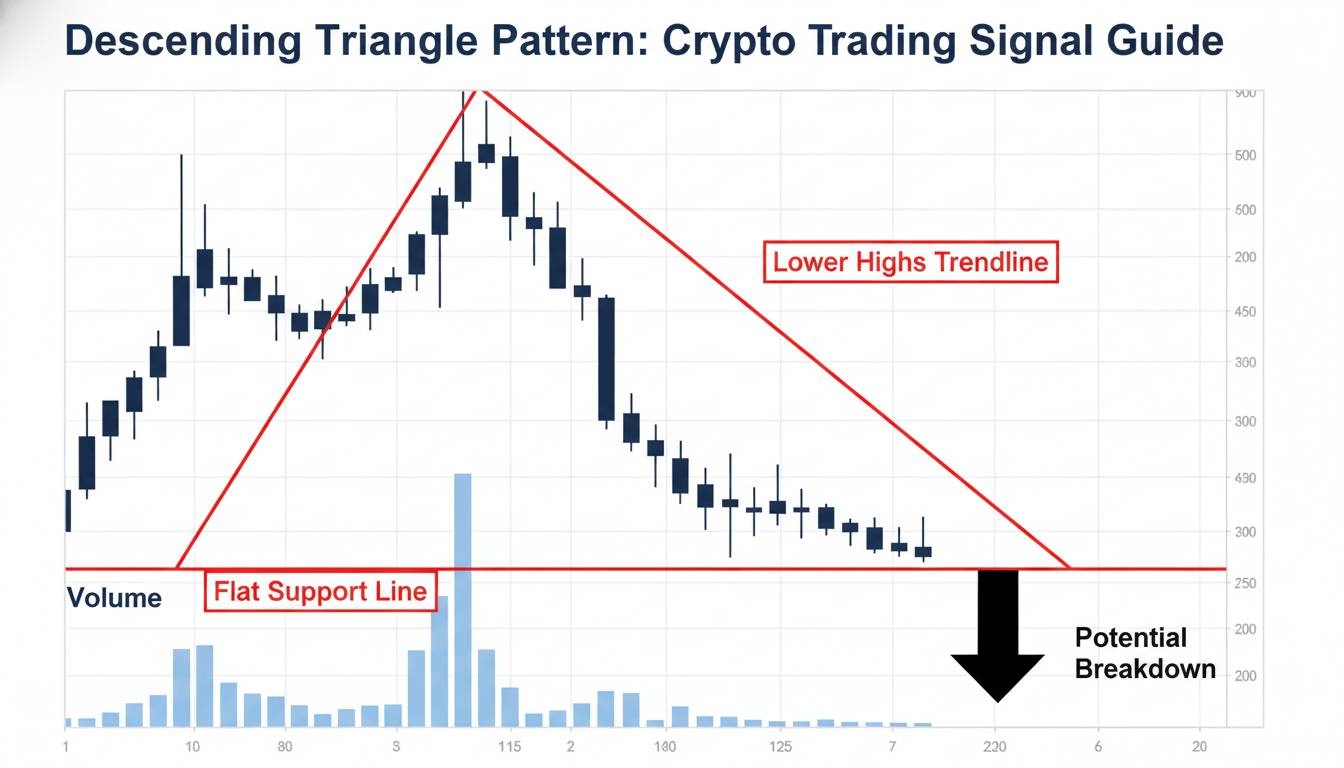
Dogecoin has established clear support and resistance levels that traders monitor closely. The $0.05 level has acted as strong support during multiple periods of price weakness, suggesting meaningful buyer interest at this price point. The $0.30-$0.35 range has historically served as resistance, with multiple failed attempts to break above this level in late 2021 and 2024.
The all-time high of $0.73 represents the ultimate resistance level for Dogecoin. Breaking above this level would require extraordinary catalytic events and sustained buying pressure that exceeds anything seen in recent history.
Volume as a Leading Indicator
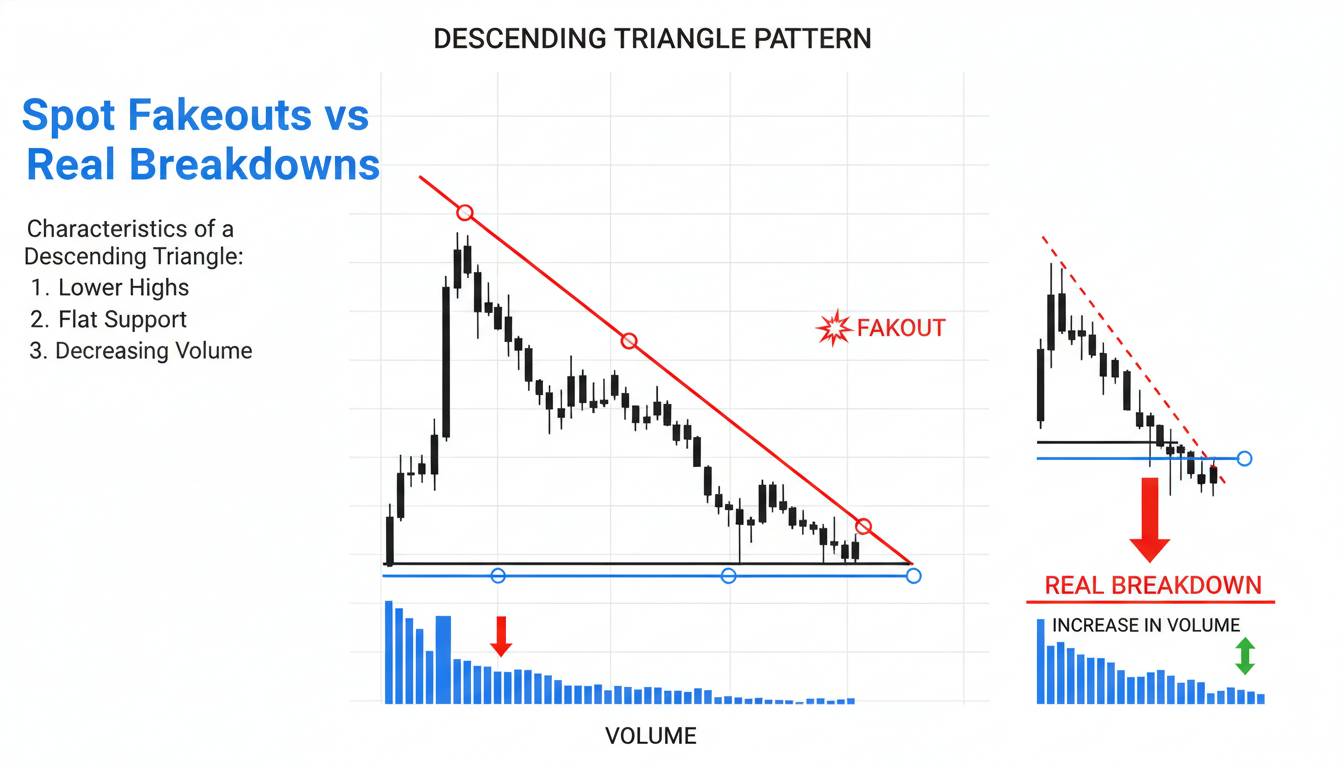
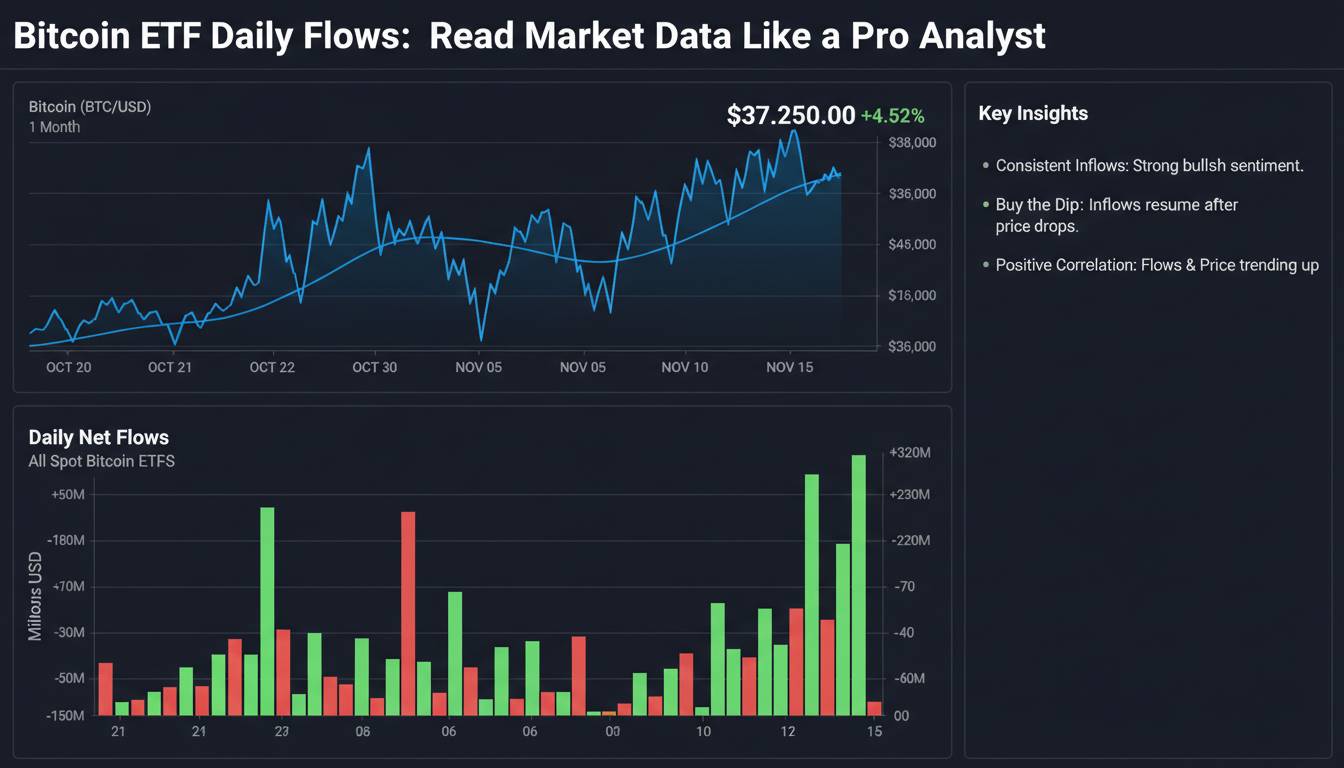
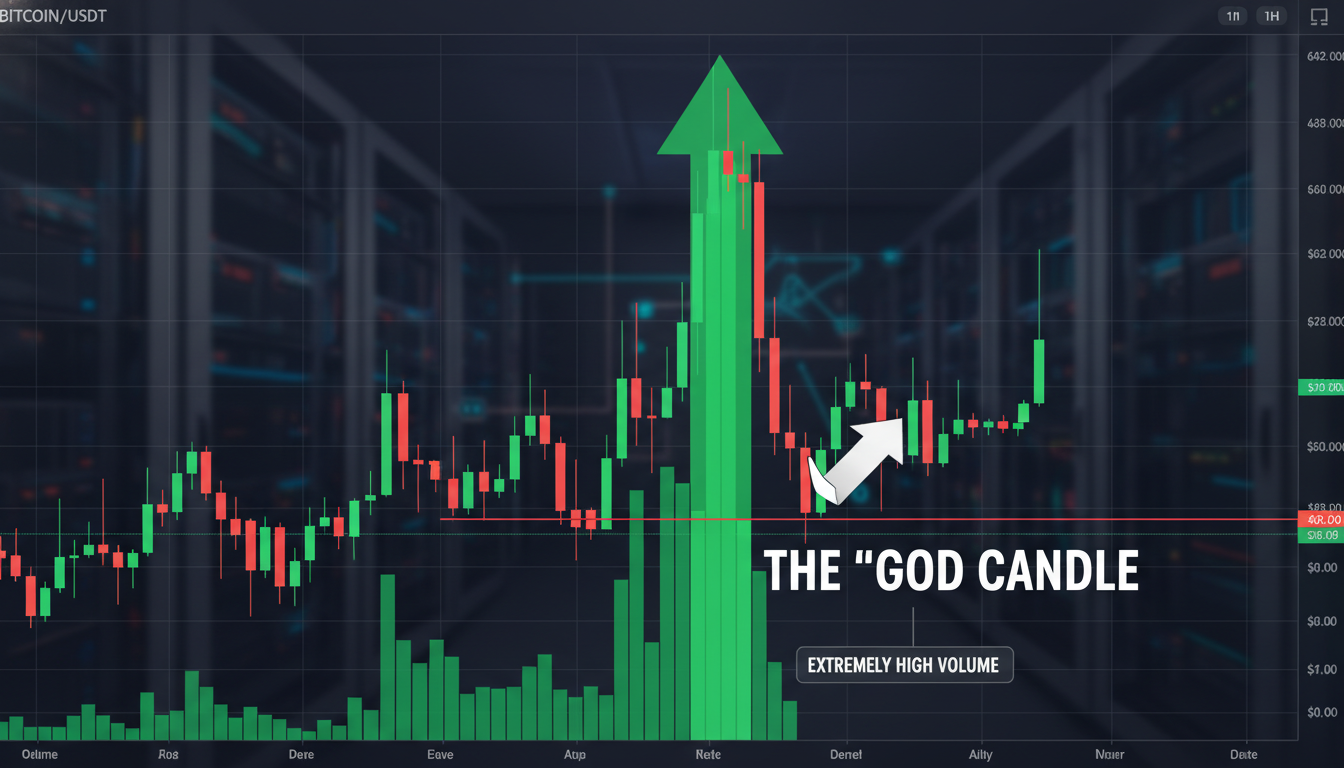
Trading volume serves as one of the more reliable indicators for Dogecoin rallies. The pattern of volume spikes preceding price increases has repeated across multiple rally cycles. When Dogecoin’s trading volume increases significantly without a corresponding price increase, it often signals accumulating pressure that will eventually break upward.
Conversely, price increases accompanied by declining volume often prove unsustainable. Several of Dogecoin’s failed breakouts have featured this divergence pattern, where price moved higher on decreasing volume before reversing.
Community and Social Sentiment Dynamics
The Dogecoin community represents a unique phenomenon in cryptocurrency—a dedicated following that extends far beyond typical investor interest. Understanding this community dynamics provides insight into why Dogecoin rallies continue to occur despite criticisms of the asset’s fundamental value.
The HODL Culture
Dogecoin’s community has developed a distinctive culture around holding through volatility. The term HODL (holding on for dear life) has particular resonance in Dogecoin, where long-term holders have weathered extreme volatility to maintain positions.
This holding behavior creates interesting dynamics during rallies. Unlike assets with more active trading communities, Dogecoin’s supply is relatively illiquid during price increases, as large portions of existing supply remain unmoved. This scarcity effect can amplify price movements during periods of increased buying.
The Elon Musk Factor: Diminishing Returns
While Elon Musk’s influence on Dogecoin remains significant, evidence suggests diminishing returns from his involvement. The price moves triggered by his tweets have decreased over time, from the dramatic 30%+ moves of 2021 to more modest 5-10% responses in recent periods.
This diminishing effect may reflect several factors: increased market sophistication among Dogecoin traders, broader distribution of attention across multiple cryptocurrencies, the sheer number of Musk tweets about various topics reducing the novelty of Dogecoin mentions, and regulatory scrutiny that may affect how market participants respond to celebrity statements.
Musk’s continued involvement with Dogecoin, including his apparent preference for the cryptocurrency for certain transactions, provides ongoing support for the narrative around DOGE. However, depending on Musk tweets as a primary rally catalyst carries inherent risks, given the unpredictable nature of social media behavior.
Counterintuitive Insights: What Most Articles Get Wrong
Several commonly repeated beliefs about Dogecoin rallies deserve challenge based on the historical data.
The “Random” Misconception
Many analyses treat Dogecoin rallies as random or completely irrational events. The data contradicts this characterization. Every major Dogecoin rally has identifiable catalysts—specific tweets, market conditions, or community events that triggered price increases. While the magnitude of these moves may seem irrational compared to traditional assets, the triggers themselves follow recognizable patterns.
The “Dead” Narrative
After each major rally, articles declare Dogecoin dead or finished. The cryptocurrency has repeatedly proven this narrative wrong, recovering from 90%+ drawdowns to generate new rallies. While past performance doesn’t guarantee future results, the pattern suggests that declaring Dogecoin dead remains premature.
Institutional Support Myth
Some analyses suggest Dogecoin lacks institutional support compared to other cryptocurrencies. While this is true in terms of corporate treasury holdings, the data on trading volumes and market depth suggests significant institutional participation in Dogecoin markets—participation that may simply be conducted through different channels than public corporate announcements.
FAQ: Addressing Common Questions
Why is Dogecoin suddenly going up?
Dogecoin price increases typically occur when a catalyst generates sudden buying pressure. This catalyst can be a social media post from a high-profile account, broader crypto market momentum, or specific news about Dogecoin adoption. The “sudden” nature reflects the concentration of buying into short time periods rather than gradual accumulation.
What causes Dogecoin to rally?
Every Dogecoin rally has had identifiable causes, including celebrity endorsements (particularly Elon Musk), social media coordination among retail traders, broader cryptocurrency market momentum, and developments in Dogecoin ecosystem adoption. The most powerful rallies have featured multiple catalysts operating simultaneously.
Is Dogecoin a good investment right now?
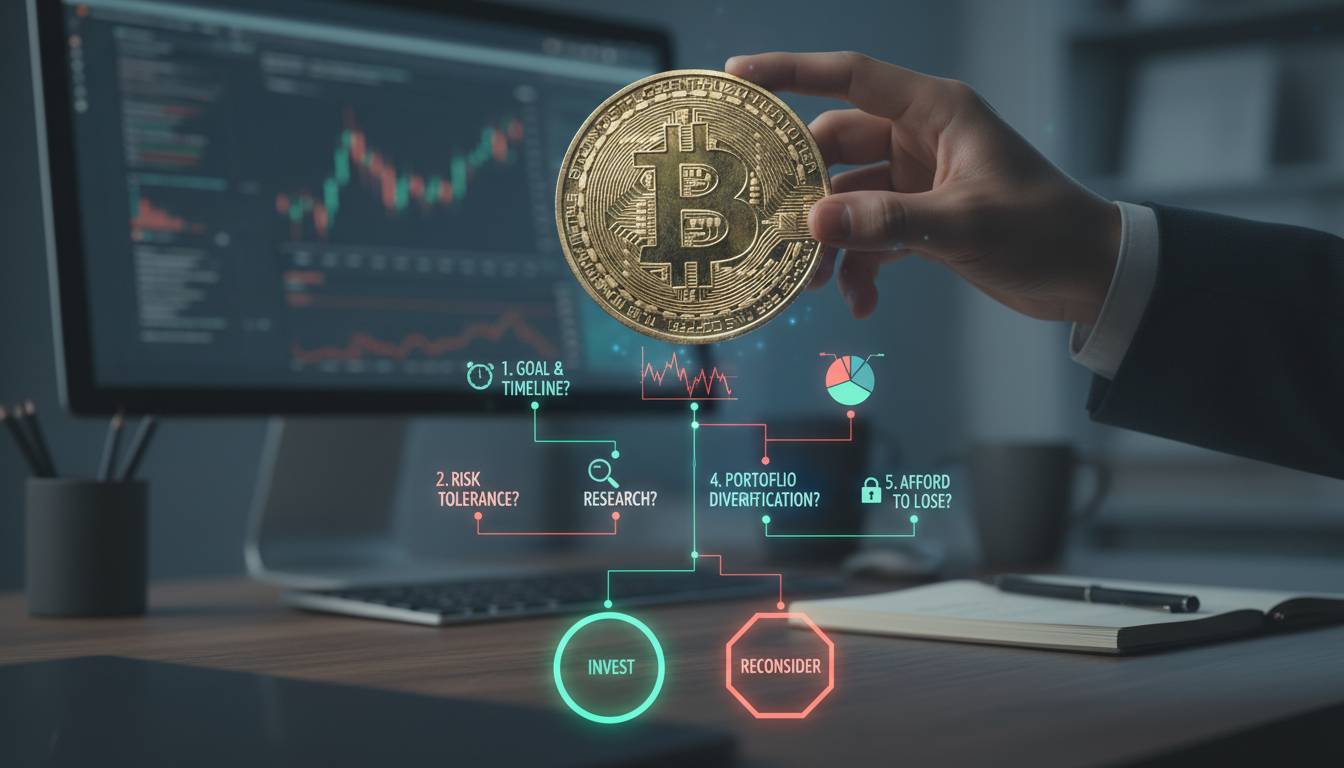
This question requires acknowledging that Dogecoin carries extreme volatility and risk. The cryptocurrency has generated significant returns historically but has also experienced devastating drawdowns. Whether it represents a good investment depends on individual risk tolerance, investment timeline, and conviction in the community’s continued support. Potential investors should only invest what they can afford to lose entirely.
Will Dogecoin go up more?
No reliable method exists for predicting future Dogecoin price movements with consistency. While historical patterns suggest the cryptocurrency will likely experience additional rallies, the timing, magnitude, and specific catalysts remain unpredictable. The “will it go up” question cannot be answered definitively, despite the certainty with which some analysts speak.
Conclusion: What the Data Actually Tells Us
The data behind every major Dogecoin rally reveals a more structured phenomenon than the “random” or “completely irrational” characterizations often applied to DOGE price movements. Each rally has identifiable triggers—specific events, social media moments, or market conditions that generated concentrated buying pressure.
The pattern suggests that Dogecoin will likely experience future rallies, as the community that drives these movements remains active and engaged. However, the data also indicates diminishing returns over time as market capitalization increases, making equivalent percentage gains increasingly difficult to achieve.
The honest conclusion from examining this data: Dogecoin rallies when specific conditions align—social media attention, market momentum, and community enthusiasm. Predicting when these conditions will align remains essentially impossible despite what certain analysts claim. The cryptocurrency continues to operate as much on narrative and sentiment as on any traditional financial metrics.
What remains certain is that Dogecoin will continue to surprise, generating either extraordinary gains or devastating losses for those who trade it. The data behind historical rallies provides context but not prediction. The only reliable pattern is that Dogecoin will likely continue behaving like Dogecoin—volatile, community-driven, and impossible to ignore.