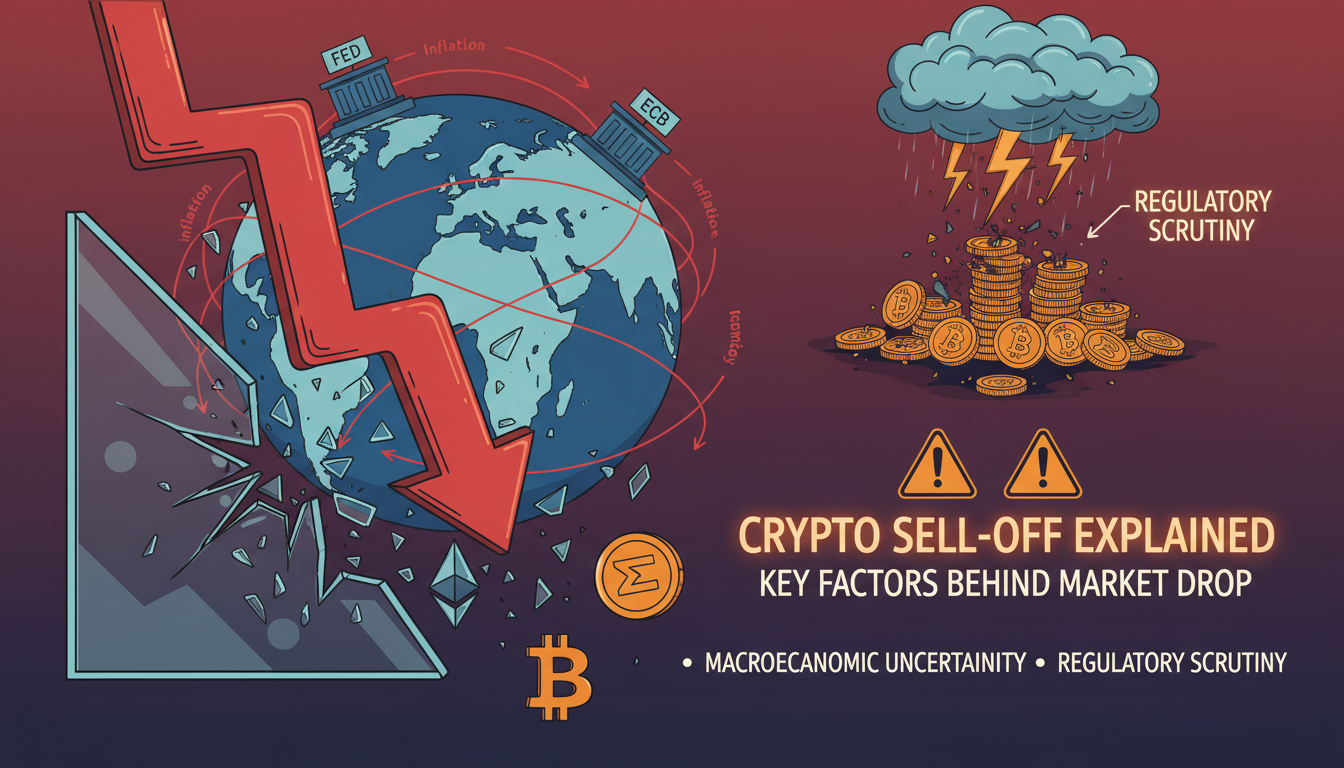
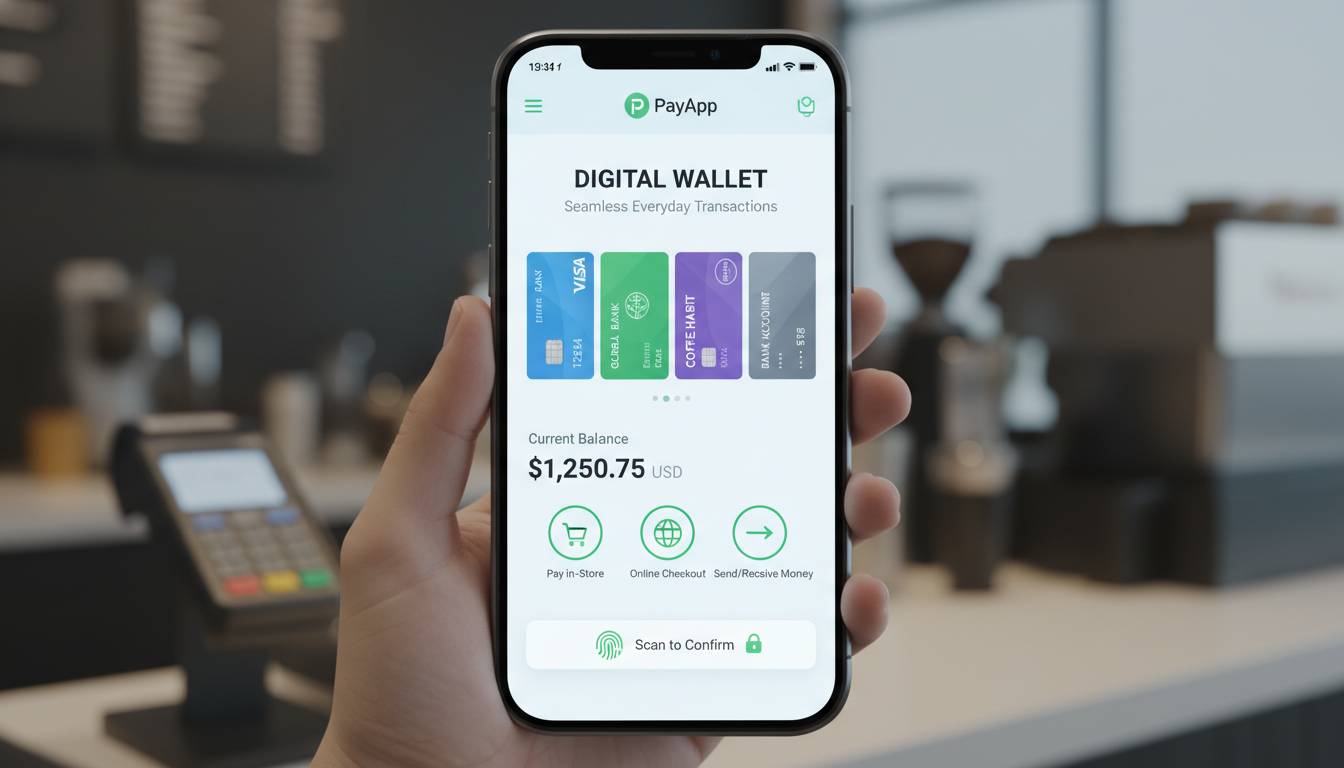
If you’ve ever sent money through PayPal, tapped your phone to pay at a coffee shop, or transferred bitcoin to a hardware device, you’ve used one of these wallets. But here’s the thing most articles don’t tell you: calling both of them “wallets” causes real confusion about how your money actually works. A digital wallet and a crypto wallet don’t just store different currencies — they operate on entirely different financial philosophies, security models, and regulatory frameworks. Understanding the distinction isn’t academic; it affects who controls your money, what happens when something goes wrong, and whether you can lose your funds through no fault of your own.
This article breaks down what actually differs between these two types of wallets, starting with what each one fundamentally is and moving through the practical implications that matter for anyone handling money digitally.
What Is a Digital Wallet?
A digital wallet is software that stores fiat currency — dollars, euros, yen, or whatever your government issues. It doesn’t hold physical cash, of course. Instead, it stores a digital representation of the funds in your bank account, linked through your debit card or bank account. When you add money to PayPal or Venmo, you’re not creating new money; you’re moving a digital IOU from your bank into an app that tracks your balance.
The defining characteristic of a digital wallet is intermediation. When you use Apple Pay to buy something, the merchant never sees your actual card number. Apple Pay generates a one-time token that authorizes the transaction. But here’s what matters: Apple is just the middleman. Your actual money still lives in a bank, and Apple Pay is just the interface you use to access it. The same applies to Cash App, Google Pay, PayPal, and virtually every other digital wallet in existence.
This matters because of what happens when things break. If PayPal freezes your account due to a fraud investigation, your money doesn’t disappear — but you also can’t access it while their security team decides you’ve done something wrong. You’re relying on their customer service, their policies, and their risk models. That’s the trade-off for convenience.
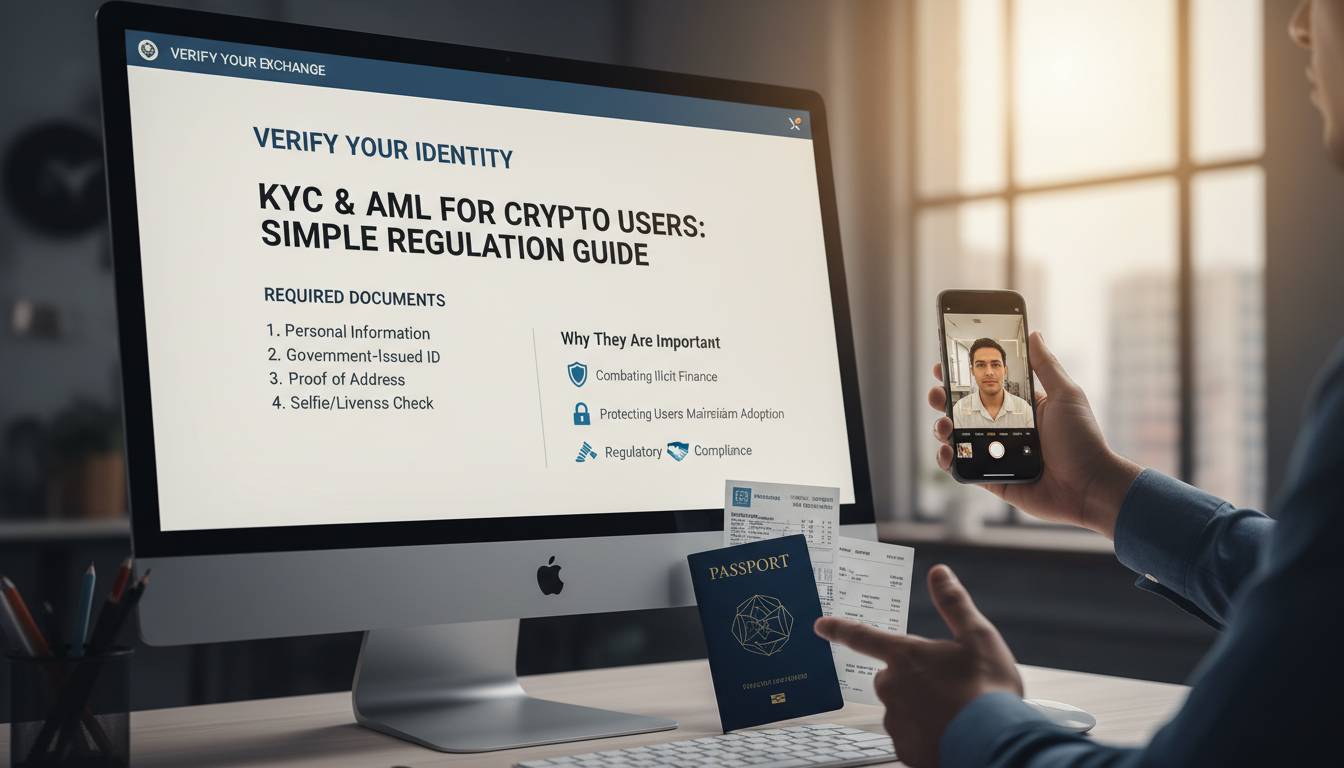
Most digital wallets are regulated financial services. PayPal holds a money transmitter license in the United States and is subject to Bank Secrecy Act requirements. Venmo is owned by PayPal and operates under similar regulatory oversight. This means your transactions are monitored, reported to authorities when they meet certain thresholds, and subject to consumer protection laws that crypto wallets largely ignore.
What Is a Crypto Wallet?
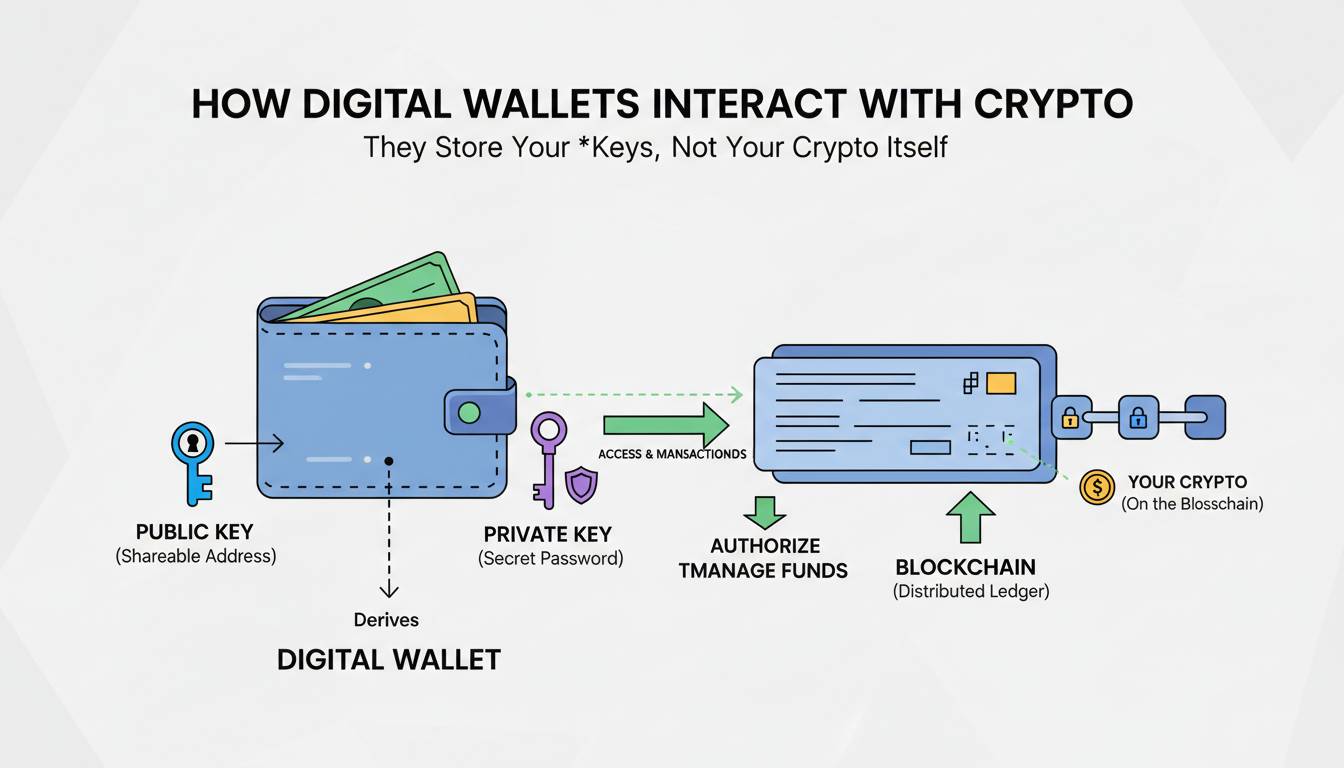
A crypto wallet works differently. It doesn’t store currency in any traditional sense. Instead, it stores your private keys — the cryptographic passwords that prove you control a particular cryptocurrency balance on the blockchain. When you send bitcoin from one wallet to another, you’re not moving a number in a database. You’re signing a transaction with your private key that the network validates through consensus.
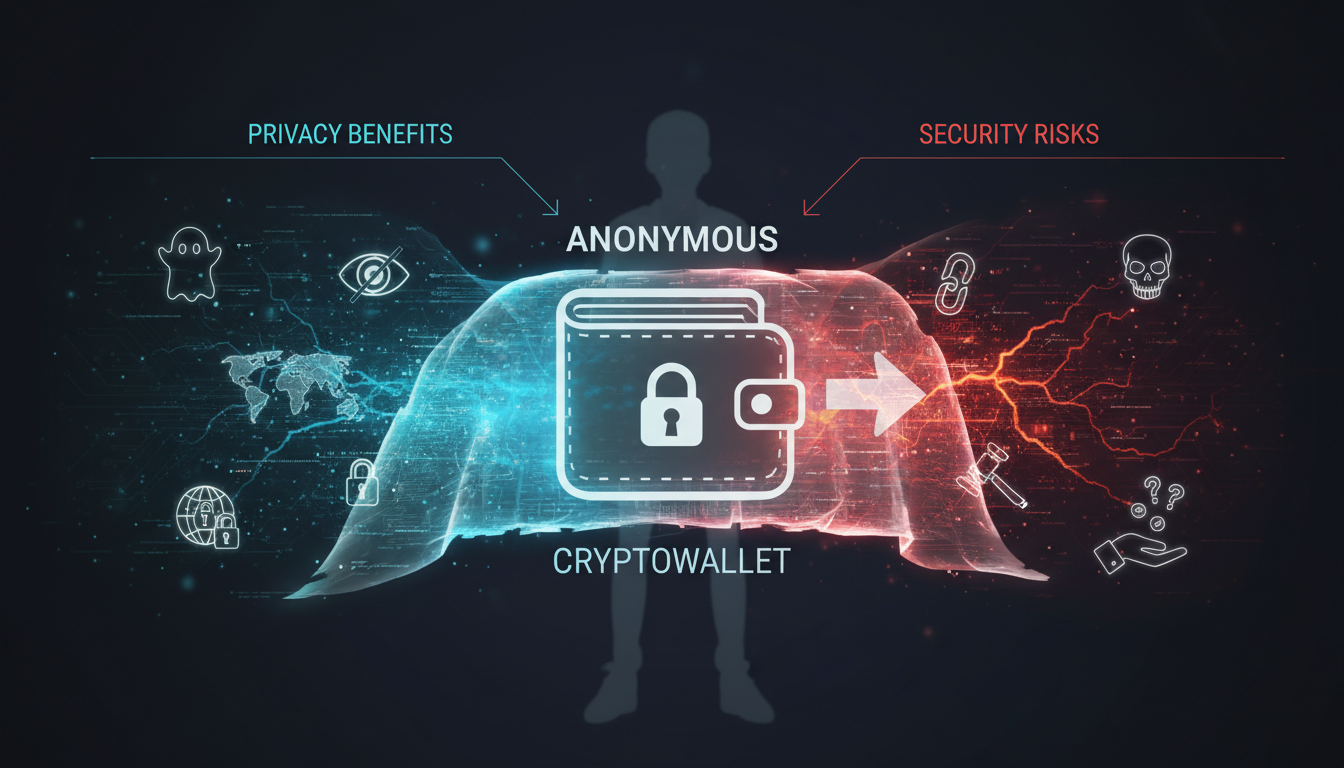
This matters more than anything else in this comparison. When you hold cryptocurrency in a wallet you control, no bank or company can freeze your funds. There’s no customer service number to call. There’s no fraud department that can reverse a transaction. The blockchain doesn’t care about your problems. If you send money to the wrong address, it’s gone forever. This is a feature, not a bug — it’s how decentralized money works.
Crypto wallets come in two main varieties: custodial and non-custodial. A custodial wallet, like the one Coinbase provides by default, holds your private keys for you. If you lose your password, Coinbase can reset it because they control the keys, not you. This feels familiar if you’ve used a digital wallet, but it carries the same counterparty risk. If Coinbase gets hacked, goes bankrupt, or decides to freeze your account, you’re at their mercy.
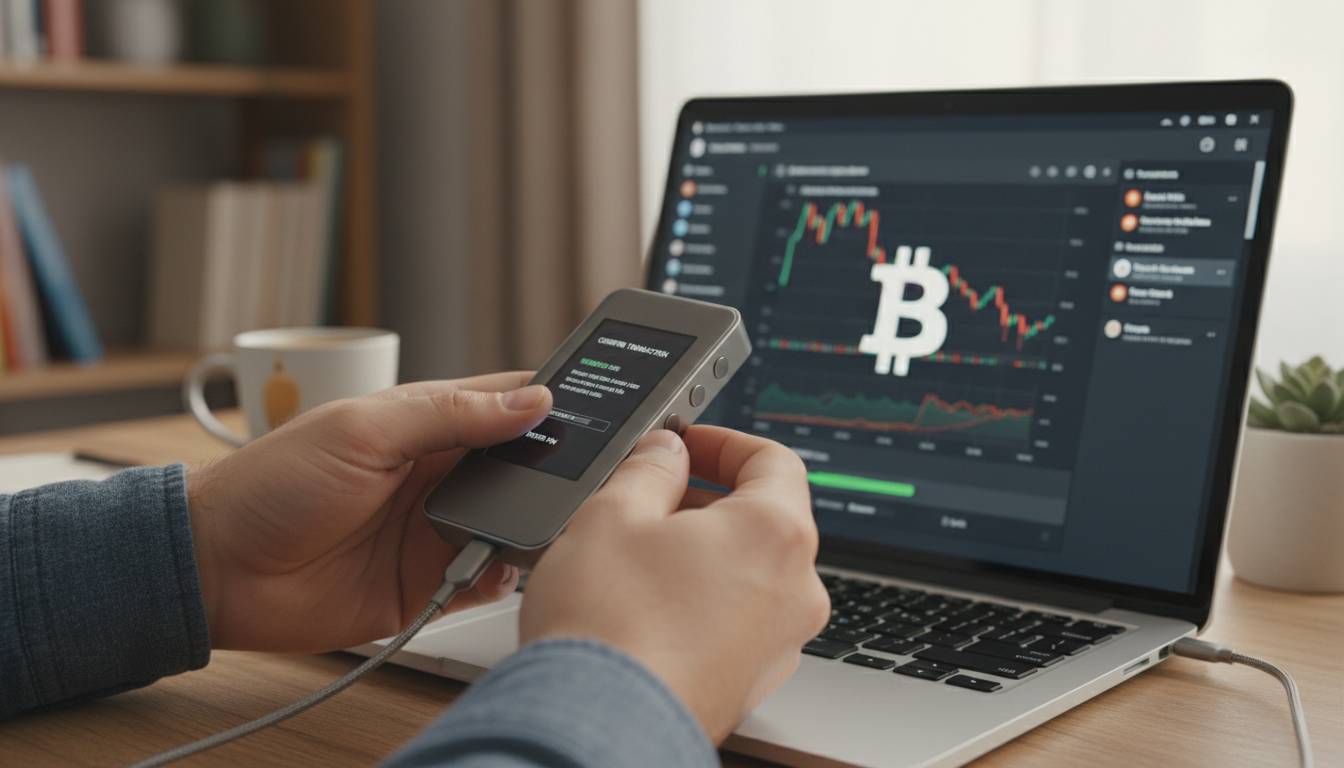
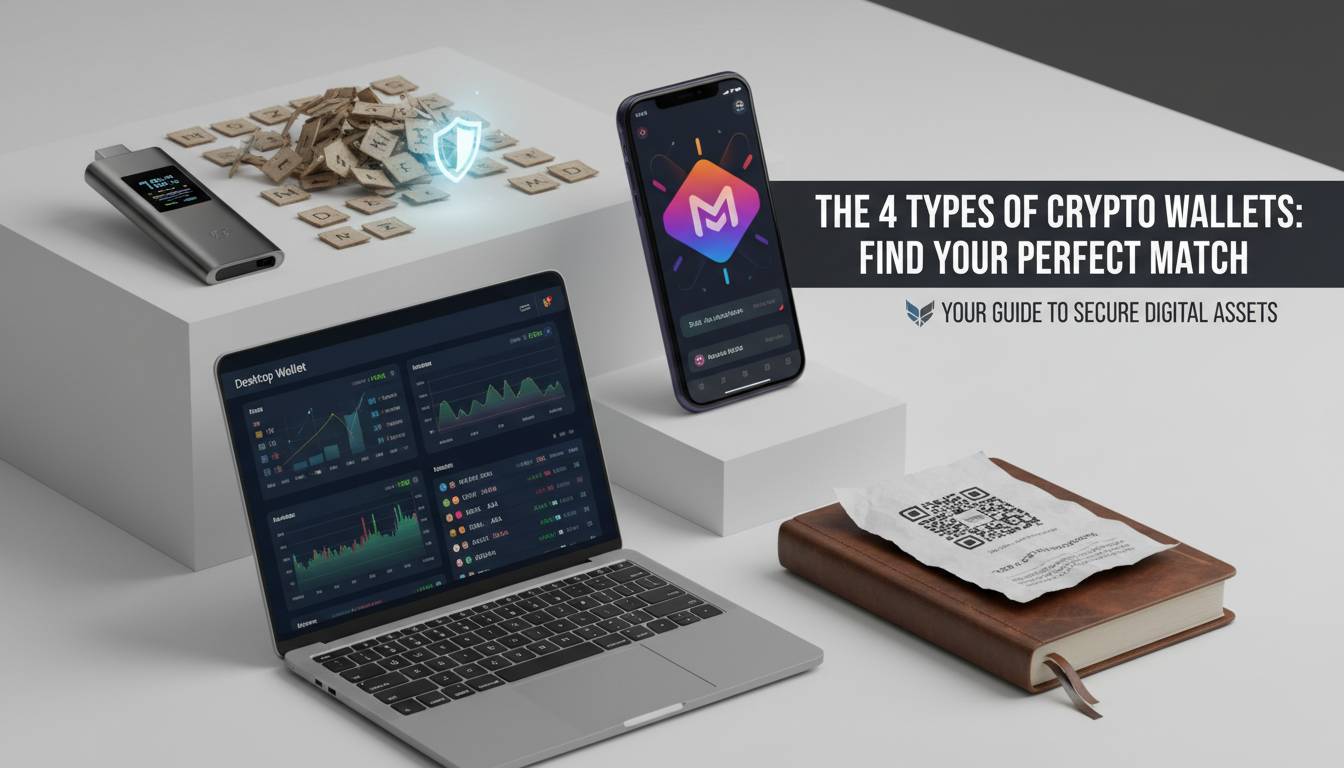
A non-custodial wallet like MetaMask, Ledger, or Trezor puts the keys in your hands. Literally, in the case of a hardware wallet that stores keys on a device you physically hold. This means you are your own bank — and just like a real bank, that means you’re responsible for your own security. Lose your hardware wallet and your recovery phrase, and no one can help you. There’s no “forgot password” option when your keys are genuinely gone.
Key Differences at a Glance
The following comparison highlights the fundamental distinctions in how these wallets operate:
| Feature | Digital Wallet | Crypto Wallet |
|---|---|---|
| Currency Type | Fiat (USD, EUR, etc.) | Cryptocurrency (BTC, ETH, etc.) |
| Control Model | Third-party holds funds | User holds private keys |
| Transaction Reversibility | Chargebacks possible | Transactions final |
| Regulatory Status | Heavily regulated | Largely unregulated |
| Hours of Operation | Subject to bank processing | 24/7/365 |
| Identity Requirements | Full KYC mandatory | Varies (can be anonymous) |
| Recovery Options | Account recovery available | Recovery phrase only |
Pros and Cons of Digital Wallets
The biggest advantage digital wallets offer is consumer protection. If someone hacks your PayPal account and drains it, PayPal’s fraud protection will likely reimburse you. The same applies to unauthorized Venmo transactions — assuming you report them in time. This is because digital wallets operate under regulatory frameworks that mandate certain security standards and consumer protections.
Convenience is the other major factor. Setting up Apple Pay takes seconds. Paying with your phone is faster than fumbling for a card. Splitting a bill through Venmo takes two taps. These tools were designed to make moving money as easy as sending a text message, and they’ve largely succeeded. The integration with traditional banking means you can fund your wallet instantly from your checking account and withdraw to the same account with minimal friction.
But the trade-off is control. Every digital wallet user has experienced the sinking feeling of a frozen account. Reddit is full of stories from people locked out of PayPal for weeks over misunderstandings, their money inaccessible while they navigate appeals. Banks and payment processors have broad discretion to close accounts, freeze funds, and block transactions they consider suspicious — and their definition of suspicious often catches innocent people. You’re also limited by banking hours and ACH processing times for transfers between banks, which can take days even in 2024.
Additionally, digital wallets typically charge fees for instant transfers, cash withdrawals from ATMs, or sending money internationally. These fees add up, especially for users who move money frequently.
Pros and Cons of Crypto Wallets
Crypto wallets offer something digital wallets fundamentally cannot: true ownership. When you hold your own keys in a non-custodial wallet, no company can freeze your funds, no government can seize them without physically taking your device or recovery phrase, and no bank holiday can prevent you from sending money. For people in countries with unstable currencies or authoritarian governments, this isn’t a theoretical benefit — it’s survival.
Transactions are also faster in some important ways. Sending bitcoin or ethereum doesn’t require a bank to process it. Once a transaction is confirmed on the blockchain, it’s settled — no waiting for ACH clearing, no business days. And the fees, while variable, can be lower than wire transfer fees for international remittances, particularly for larger amounts.
But crypto wallets have serious drawbacks that proponents rarely acknowledge honestly. The biggest is user error. According to Chainalysis, an estimated $4 billion in cryptocurrency was lost to scams and fraud in 2023 alone. Much of this comes from phishing attacks, rug pulls, and Ponzi schemes, but a significant portion comes from ordinary people making mistakes — sending funds to wrong addresses, falling for impersonation scams, or entrusting money to exchanges that later collapse.
The volatility is another issue that deserves direct mention. A digital wallet holds $1,000 in cash that stays worth $1,000. A crypto wallet might hold $1,000 in ethereum that’s worth $600 the next week. This isn’t a criticism of crypto as an asset class, but it’s a reality that makes crypto wallets poor choices for money you need to spend soon.
Finally, the learning curve is steep. Setting up a hardware wallet, understanding seed phrases, verifying addresses character-by-character, and navigating gas fees on Ethereum requires technical knowledge that most people don’t have. Digital wallets work because they hide all the complexity behind friendly interfaces. Crypto wallets often demand you understand what you’re doing or lose your money.
Which Should You Use?
The answer depends entirely on what you’re trying to accomplish. If you need to pay for groceries, send rent to a landlord, or split a dinner bill, a digital wallet is the obvious choice. The consumer protections, familiar interfaces, and instant reversibility for errors make sense for everyday transactions.
If you’re investing in cryptocurrency, holding long-term, or need to send money across borders without a bank’s involvement, a crypto wallet becomes relevant. But even then, most people should start with a custodial wallet on a regulated exchange like Coinbase or Kraken, where the exchange holds the keys and can help if things go wrong. Only move to a non-custodial hardware wallet once you understand what you’re actually protecting.
Here’s an uncomfortable truth most comparison articles skip: you might need both. Many people use PayPal for daily expenses while holding some bitcoin in a Ledger for investment. The question isn’t which wallet is better — it’s which tool fits the specific transaction. Pretending there’s one answer to this question misunderstands how most financially literate people actually manage their money.
The more important question is what happens when something goes wrong. With a digital wallet, you call customer service. With a non-custodial crypto wallet, you have no one to call. That difference matters more than any feature comparison.
Frequently Asked Questions
Can a digital wallet hold crypto?
Some digital wallets have added cryptocurrency features. PayPal and Cash App both let you buy and sell bitcoin within their apps. However, when you buy crypto through PayPal, you’re not actually moving it to a wallet you control. You’re buying a representation of crypto that PayPal holds internally. You can’t send that bitcoin to an external wallet, and you can’t withdraw it. It’s more like a crypto-themed IOU than a real crypto wallet. Cash App offers slightly more flexibility, allowing withdrawals to external wallets, but the user experience is still far from true self-custody.
Is Coinbase a digital wallet or a crypto wallet?
Coinbase operates primarily as a crypto exchange, but it provides wallets for the cryptocurrencies you hold on their platform. By default, Coinbase wallets are custodial — Coinbase holds your private keys. However, Coinbase offers a non-custodial wallet called Coinbase Wallet (separate from the main exchange) that you can download as a browser extension or mobile app. This is a distinction that confuses many beginners: the exchange and the wallet are technically separate products, even under the same brand.
Which is safer: digital wallet or crypto wallet?
This question has no single answer because safety depends on threat model. Digital wallets are safer against hacking of your personal devices because the money isn’t actually stored there — it’s in the bank’s systems. They’re also protected by consumer fraud laws. But they’re vulnerable to account freezes, government seizure, and institutional failure.
Crypto wallets are safer against institutional failure and account freezes — but far more dangerous if you lose your keys, fall for a scam, or make a mistake with an address. Hardware wallets are considered the most secure for long-term crypto storage because the keys never touch an internet-connected device, but they require you to maintain physical security of the device and recovery phrase.
For most people, a digital wallet is safer in practice because it has more guardrails. For people who need to protect funds from institutional interference or live in unstable financial systems, a non-custodial crypto wallet offers security that no digital wallet can match.
Do I need a crypto wallet if I have a digital wallet?
If you only use traditional currency and have no interest in cryptocurrency, you don’t need a crypto wallet at all. Digital wallets handle everything most people need. However, if you’re curious about cryptocurrency, even a small amount, you’ll eventually need some kind of wallet to interact with the ecosystem beyond what exchanges allow.
The Honest Limitation
This article has presented both types of wallets as if they’re interchangeable tools you choose between based on needs. That’s mostly true, but there’s an uncomfortable reality worth acknowledging: the two ecosystems aren’t really competing for the same users in practice. Digital wallet users tend to be mainstream consumers who want convenience. Crypto wallet users tend to be either investors treating crypto as an asset class or people with specific needs that traditional finance doesn’t serve well.
The comparison only becomes relevant if you’re actually considering using both. Most people will live perfectly fine lives using only digital wallets. Crypto wallets solve problems that most people don’t have. Understanding what each one does well matters, but so does recognizing when you might not need one at all.