
The crypto market offers far more nuance than most comparison articles acknowledge. When someone asks me whether Bitcoin, Ethereum, or XRP is “better,” my answer is always the same: better for what? These three cryptocurrencies were built with fundamentally different philosophies, and understanding those differences is the only way to make an informed decision. I’m going to break down how they actually differ—in technology, purpose, and real-world use—without the marketing spin that plagues most crypto content.
Quick Comparison at a Glance
Before diving into the details, here’s how the three stack up on the metrics that matter most. Bitcoin operates on proof-of-work consensus, processes roughly 7 transactions per second, and has a capped supply of 21 million coins. Ethereum switched to proof-of-stake in September 2022 (the Merge), handles around 15 to 30 transactions per second, and has no maximum supply—its annual issuance is now around 1% or less. XRP uses the Ripple Protocol Consensus Algorithm, processes approximately 1,500 transactions per second, and has a fixed supply of 100 billion tokens, with the majority held in escrow by the company.
The numbers alone don’t tell the whole story, but they reveal something important: these aren’t competing products. They’re different tools designed for different jobs.
Consensus Mechanisms: The Engine Under the Hood
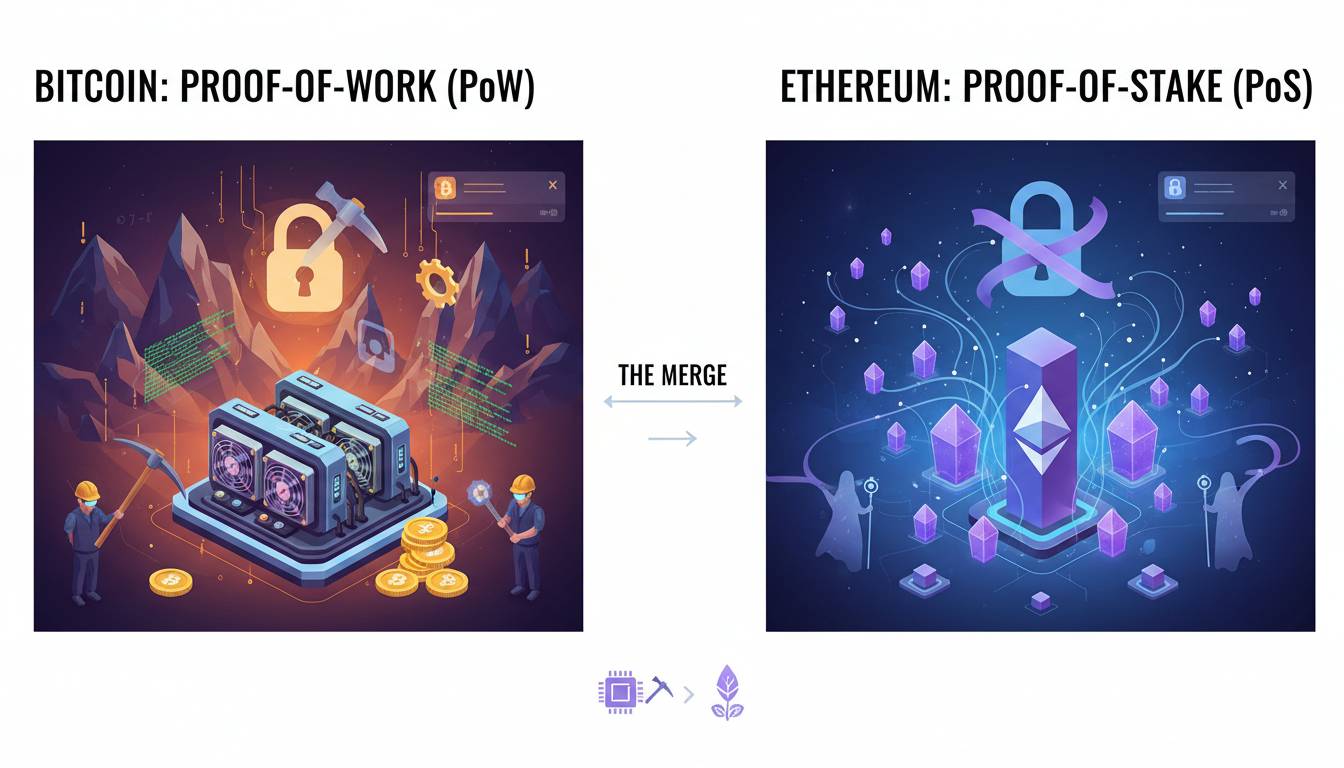
Bitcoin’s proof-of-work system requires miners to solve complex mathematical puzzles to validate transactions. This process is energy-intensive—by some estimates, Bitcoin’s annual energy consumption rivals that of entire countries—but it produces what many consider the most secure and decentralized network in existence. No single entity controls Bitcoin, and altering the ledger would require controlling more than half of all mining power, a feat that has never been accomplished.
Ethereum’s move to proof-of-stake eliminated the energy-intensive mining process entirely. Validators now lock up (stake) 32 ETH to participate in block production. This shift reduced Ethereum’s energy consumption by roughly 99.95%, which addressed a major criticism that had persisted for years. The trade-off is a different security model: instead of raw computational power, Ethereum’s security depends on the economic value staked in the network. Critics argue this makes it more susceptible to coordination attacks, though proponents counter that the economic cost of such an attack would be astronomical.
XRP uses the XRP Ledger Consensus Protocol, which is neither proof-of-work nor proof-of-stake. Instead, a small group of validators (approximately 150 as of early 2025) reach consensus on transaction validity. This is a permissioned model—the validators are known and selected, which is a significant departure from Bitcoin and Ethereum’s open participation. Ripple Labs controls a portion of these validators, though the network has added more independent validators over the years. The advantage is speed; the criticism is centralization.
I should note here that calling XRP “centralized” while praising Bitcoin’s decentralization requires acknowledging that Bitcoin’s mining industry is concentrated among a handful of large mining pools. True decentralization exists on a spectrum, and none of these networks are perfectly decentralized.
Transaction Speed and Scalability
This is where XRP’s numbers look best. The XRP Ledger processes around 1,500 transactions per second, with the network theoretically capable of handling up to 65,000 TPS under optimal conditions. Bitcoin’s 7 TPS is a hard ceiling that has remained largely unchanged for years—efforts to increase this through second-layer solutions like the Lightning Network exist but have seen slower adoption than many predicted. Ethereum currently handles 15 to 30 TPS on the base layer, though its layered ecosystem (rollups, shard chains in development) aims to scale significantly beyond this.
The gap seems enormous until you consider what each network is actually doing. Bitcoin prioritizes security and decentralization over speed—a trade-off that makes sense for a global, censorship-resistant monetary system. Ethereum’s throughput limitations have pushed developers to build scaling solutions, with many users conducting transactions on Layer 2 networks like Arbitrum or Optimism rather than the mainnet. XRP’s speed advantage is real but comes with the trade-offs I’ve mentioned around validation and control.
One thing most articles get wrong: they present these TPS numbers as static facts without explaining what they mean in practice. In reality, Bitcoin and Ethereum congestion causes transaction fees to spike during high-demand periods, while XRP’s fees typically stay fractions of a cent regardless of network load. That practical difference matters more than raw throughput numbers for many users.
Use Cases and Real-World Purpose
Bitcoin was designed as peer-to-peer electronic cash—Satoshi Nakamoto’s white paper literally titled it “Bitcoin: A Peer-to-Peer Electronic Cash System.” Over time, especially after the 2017 scaling debates and subsequent market cycles, it has evolved primarily into a store of value, often called “digital gold.” This wasn’t necessarily the original intent, but it’s the role it now plays in most portfolios. Countries like El Salvador have adopted it as legal tender, and institutional investors treat it as an inflation hedge.
Ethereum is the programmable blockchain. Its smart contract functionality enables decentralized applications, decentralized finance (DeFi), non-fungible tokens (NFTs), and thousands of other use cases that didn’t exist when the network launched in 2015. It’s the infrastructure layer where developers build. If Bitcoin is digital gold, Ethereum is digital oil—the fuel that powers the broader crypto economy. Major corporations including Visa, Amazon, and Samsung have built on Ethereum or announced plans to do so.
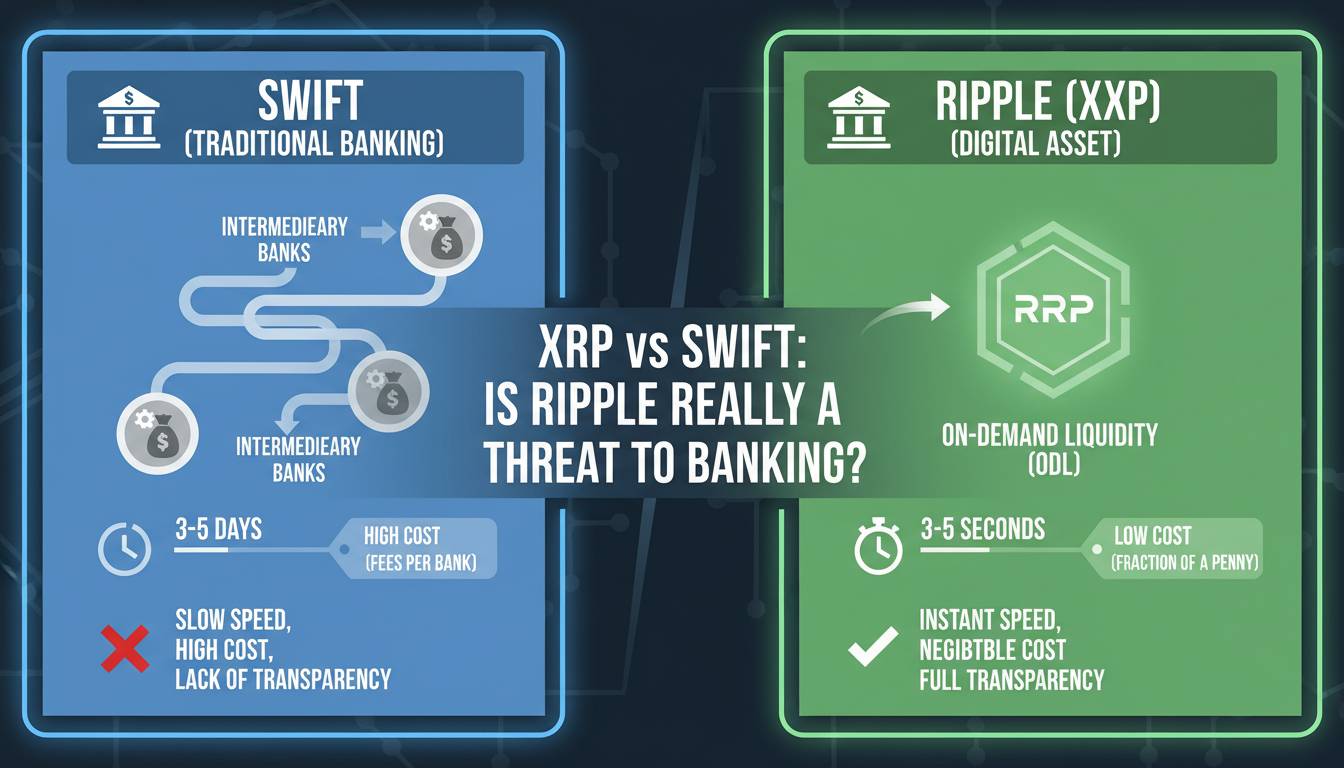
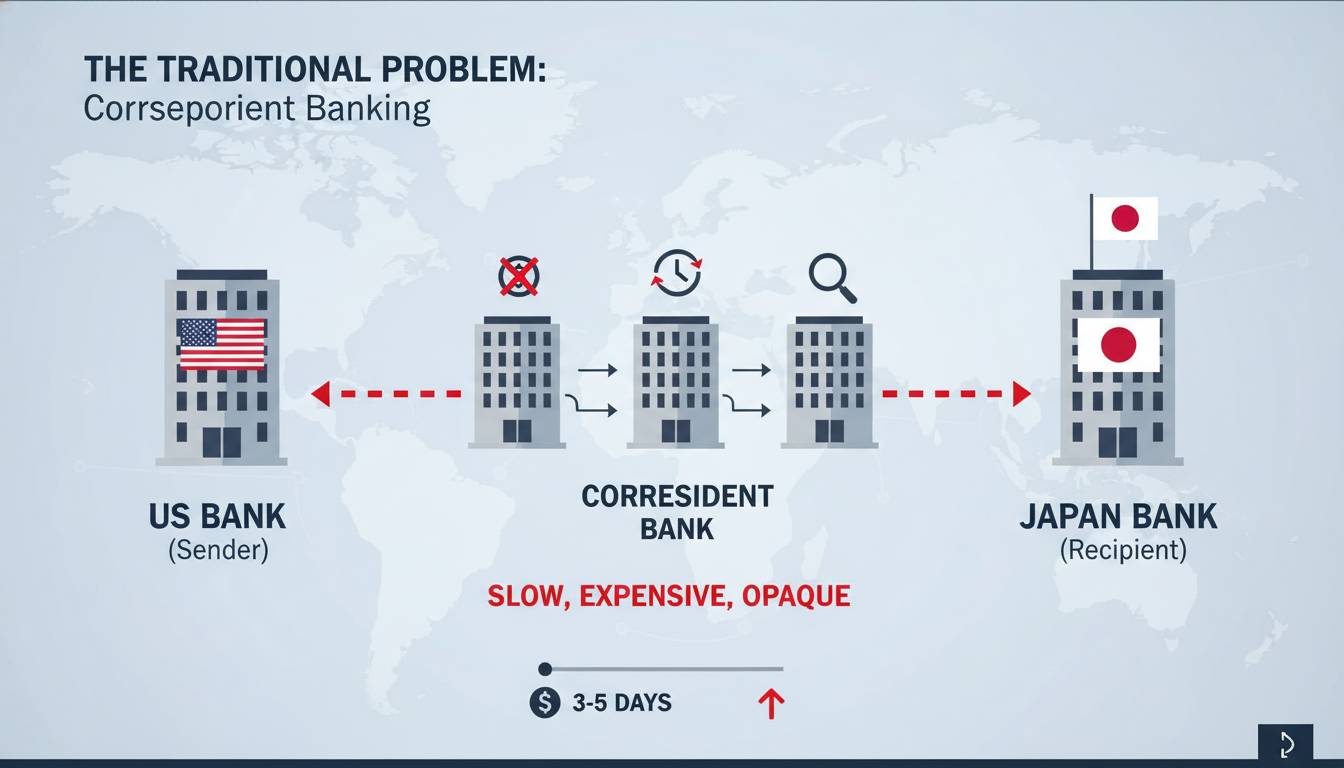
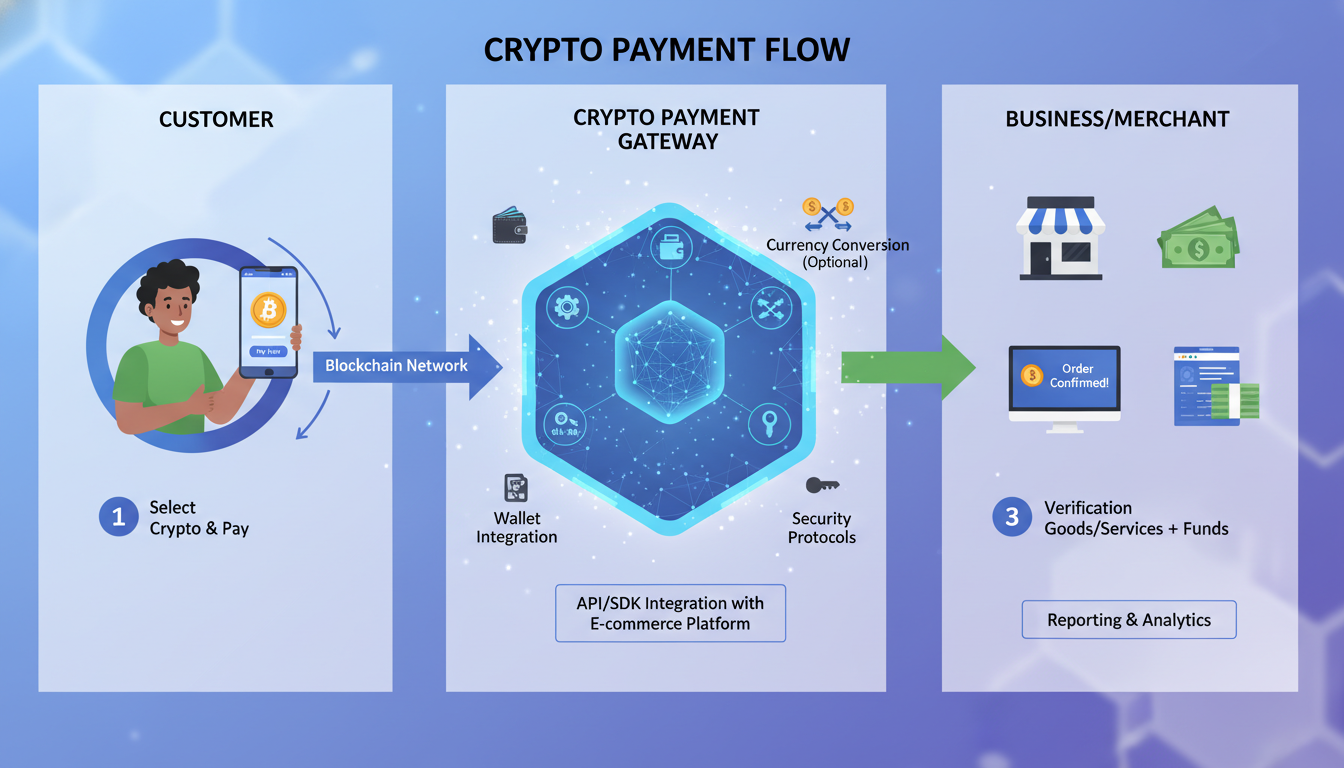
XRP exists specifically to solve cross-border payment problems. The XRP Ledger is designed for fast, low-cost international money transfers, and Ripple (the company, separate from the cryptocurrency) has partnered with hundreds of financial institutions to test and deploy this technology. Unlike Bitcoin and Ethereum, which aim to replace existing systems, XRP was built to work within the traditional financial infrastructure. Some see this as a weakness—crypto purists argue it doesn’t fully embrace decentralization. Others see it as pragmatism: working with banks may be the fastest path to real-world adoption.
Supply, Tokenomics, and Economic Models
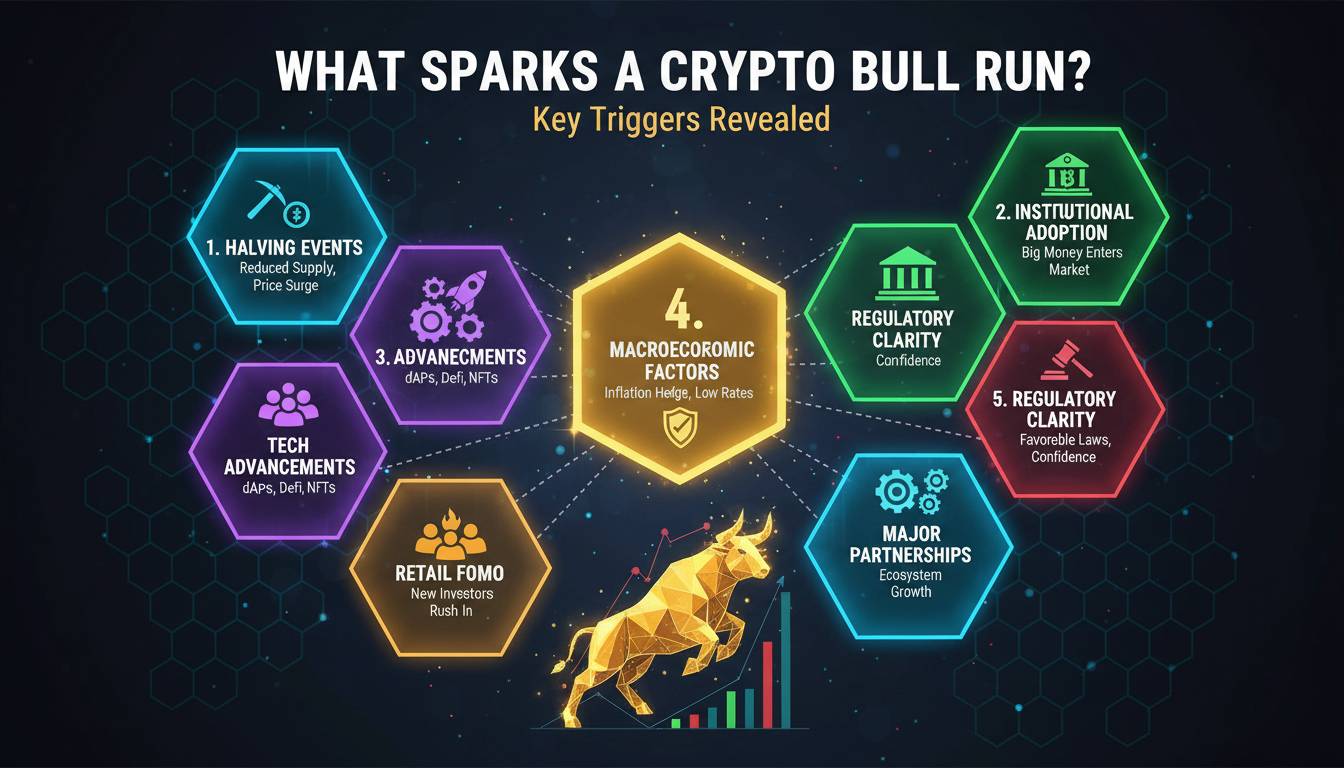
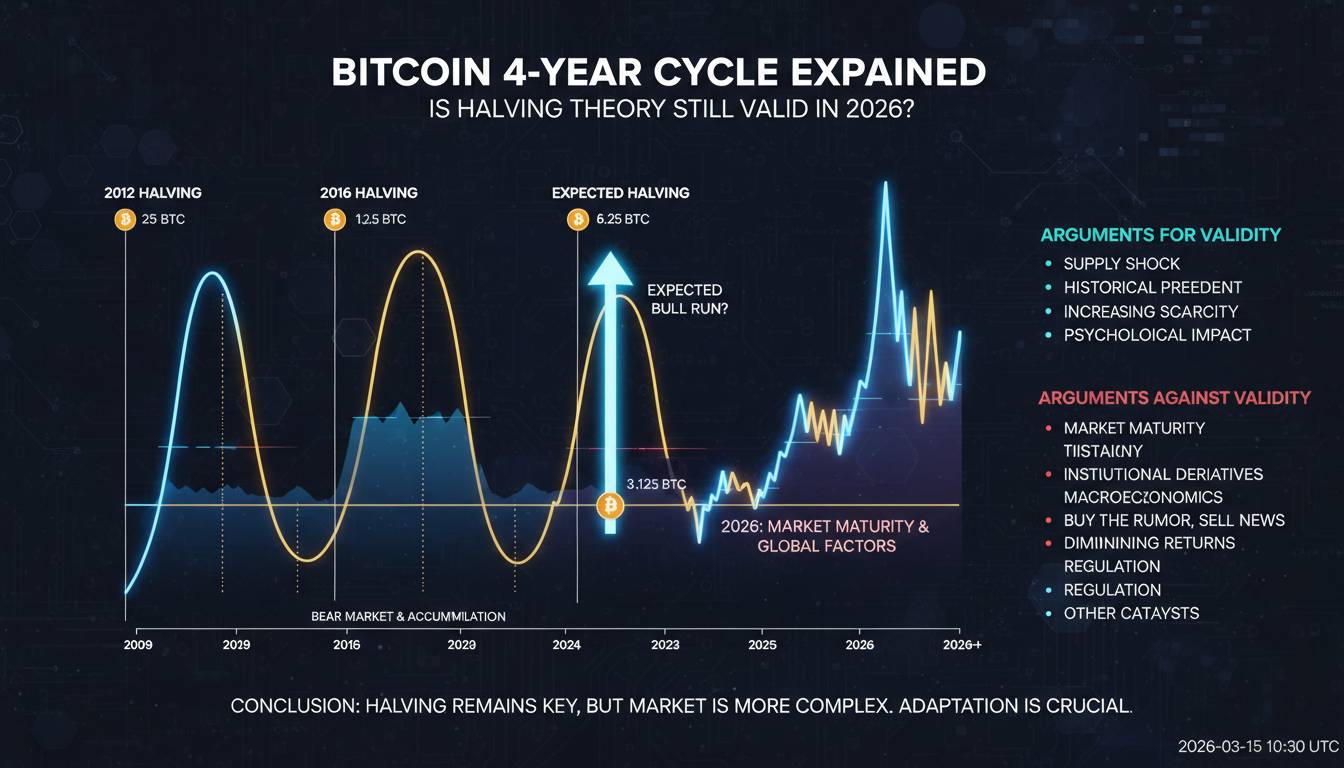
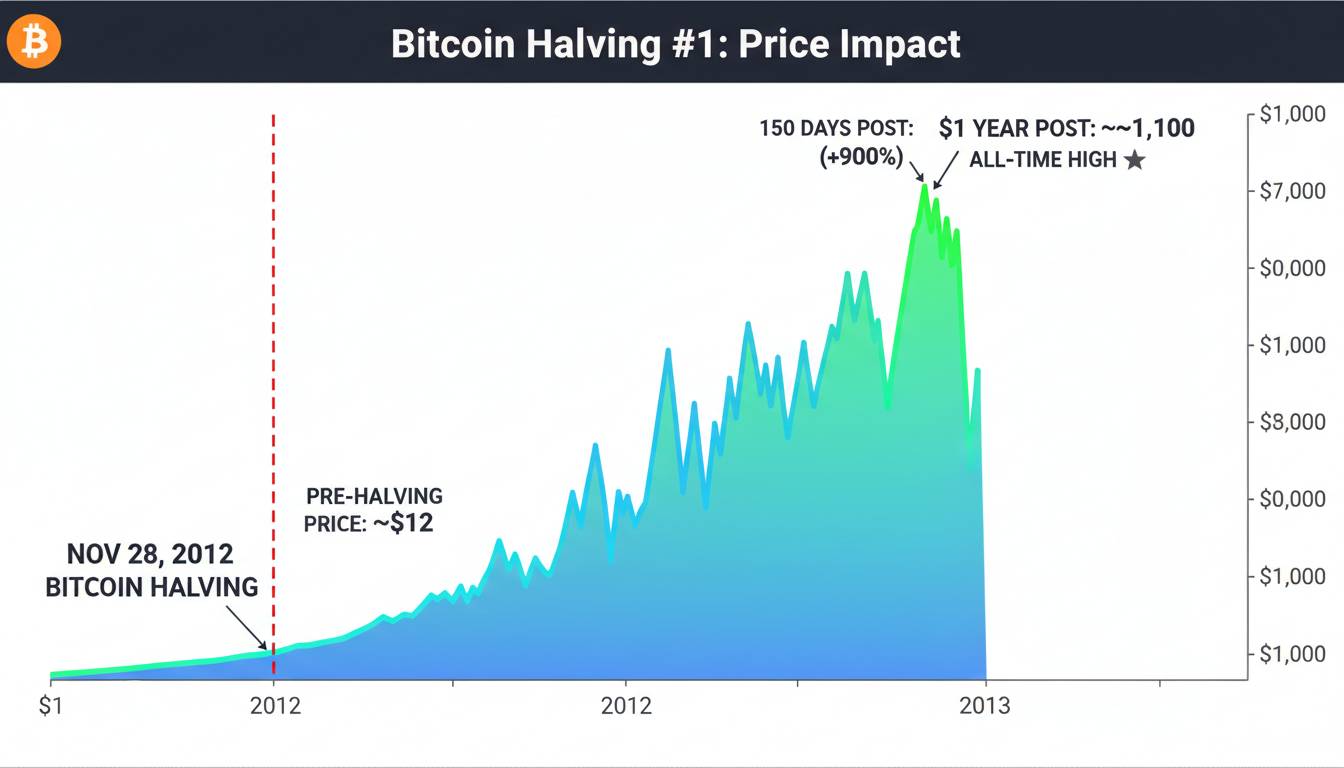
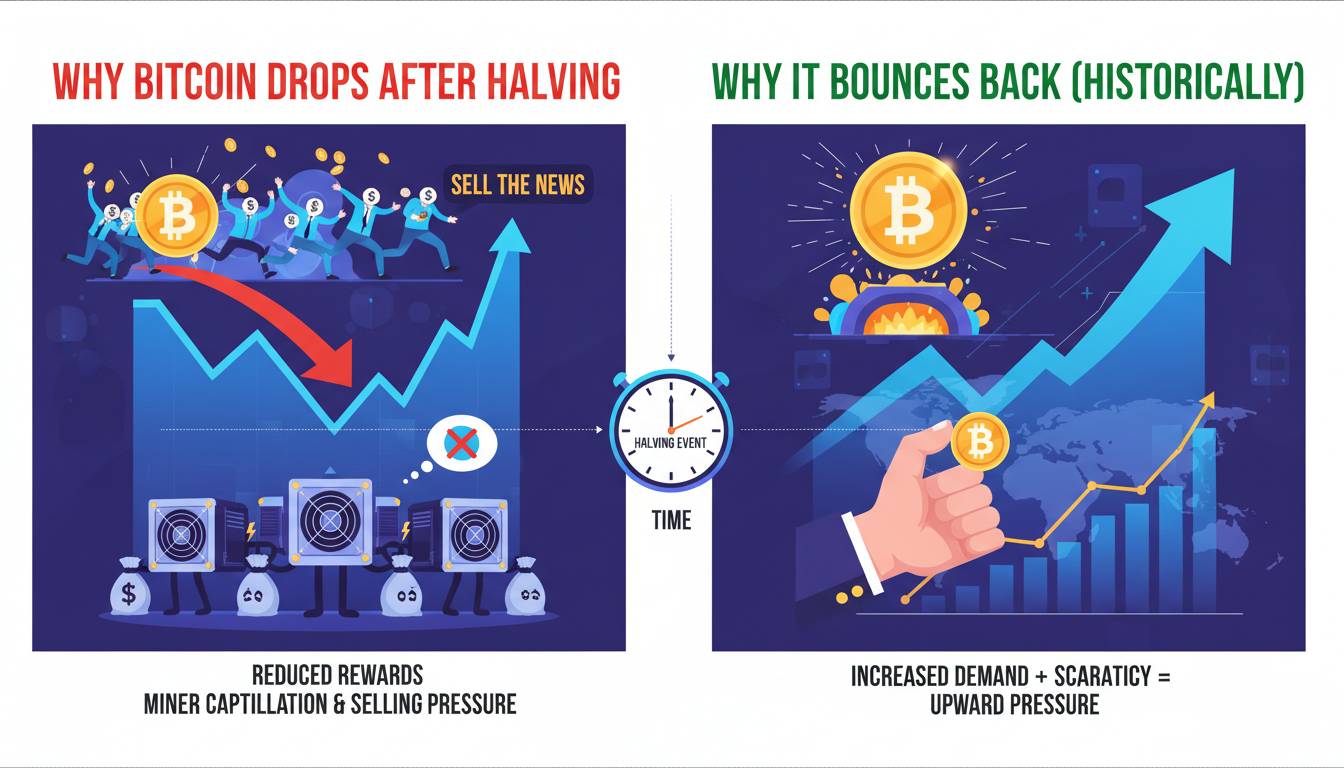
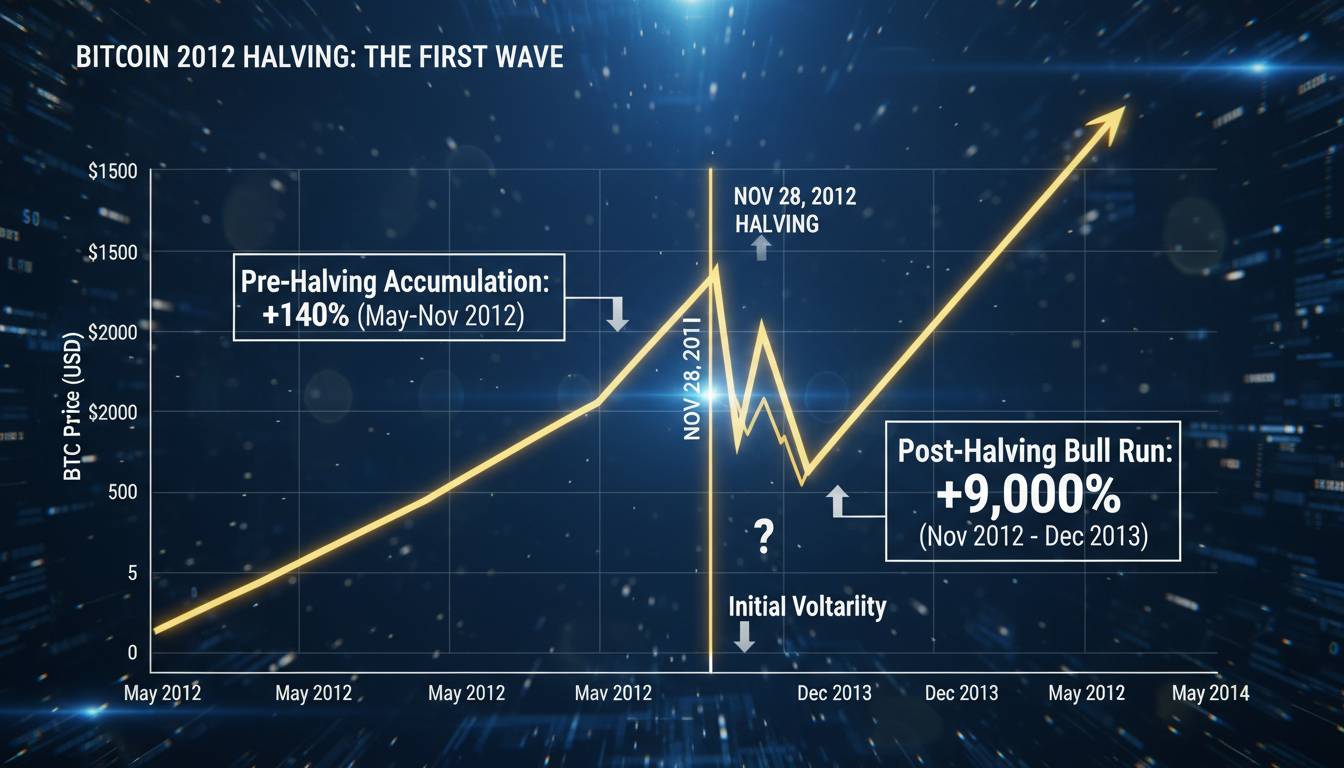
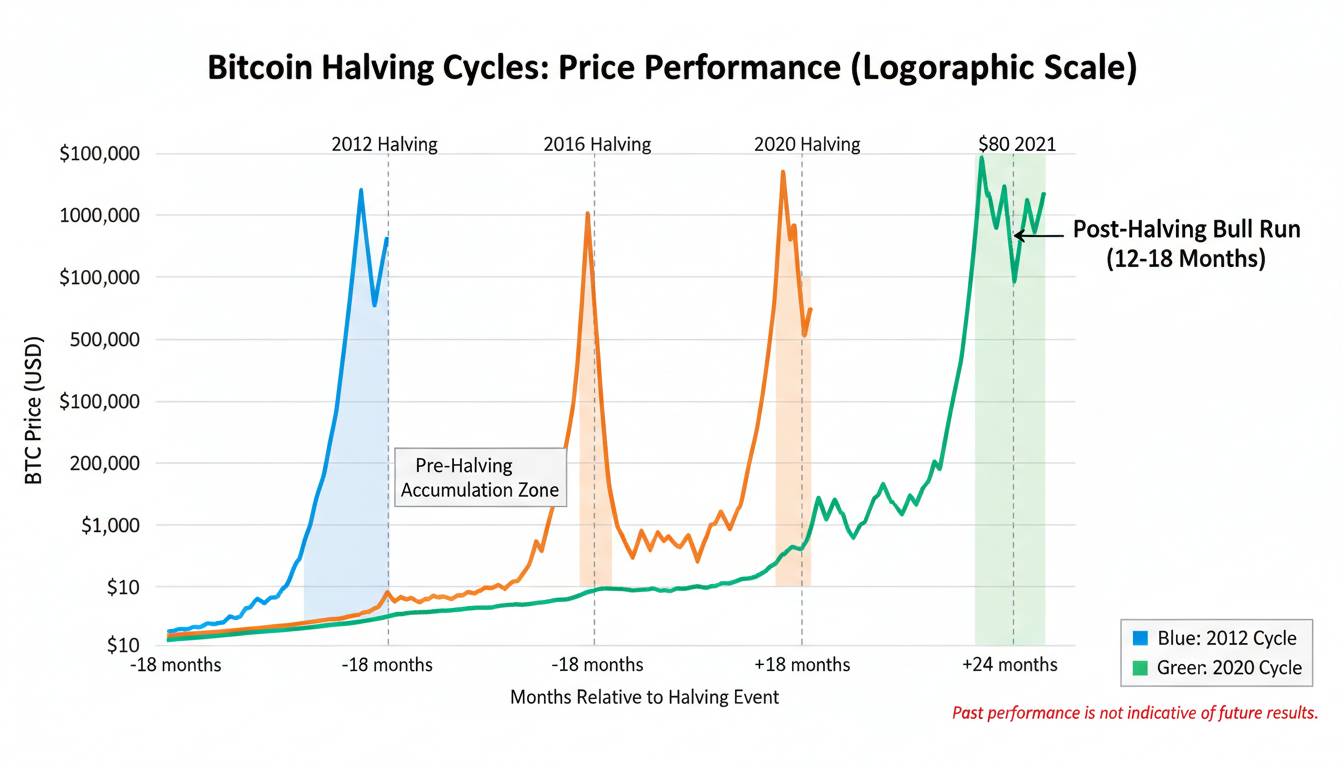
The economic design of each cryptocurrency reveals a lot about its philosophy. Bitcoin’s capped supply of 21 million is its defining feature—it creates programmatic scarcity that no central bank can replicate. This scarcity narrative has driven much of Bitcoin’s value proposition, and the halving events (reducing new supply by 50% approximately every four years) create predictable supply shocks that historically have preceded price increases.
Ethereum eliminated the gas limit concept after transitioning to proof-of-stake, but it maintains a controlled issuance model. The supply is inflationary at low rates when validators are active, though the burn mechanism introduced in EIP-1559 destroys base fees, potentially making ETH deflationary during high network activity. This creates a dynamic where demand for block space can actually reduce total supply—an unusual and somewhat experimental economic model.
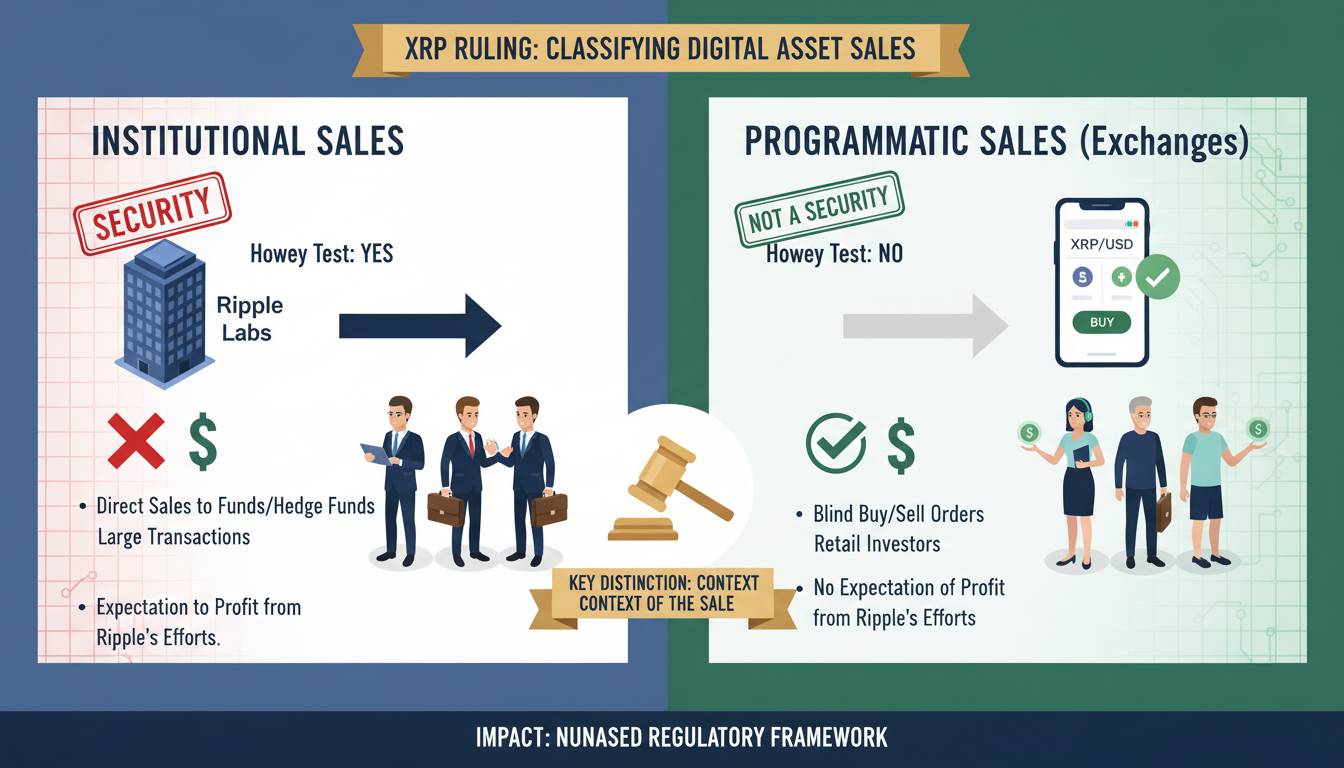
XRP’s tokenomics have drawn criticism. Ripple Labs initially controlled a significant portion of XRP supply, and the company’s periodic token sales have led to legal scrutiny—the SEC’s 2020 lawsuit alleged XRP was an unregistered security. (The case largely ruled in Ripple’s favor in 2023, though some aspects remain contested.) The 100 billion XRP supply was created at launch, with roughly 80% held in escrow, releasing 1 billion per month. Whether this structure constitutes securities law violations is a matter for courts, but it does mean XRP’s economic model differs substantially from Bitcoin and Ethereum’s more organic distribution.
Regulatory Landscape and Legal Status
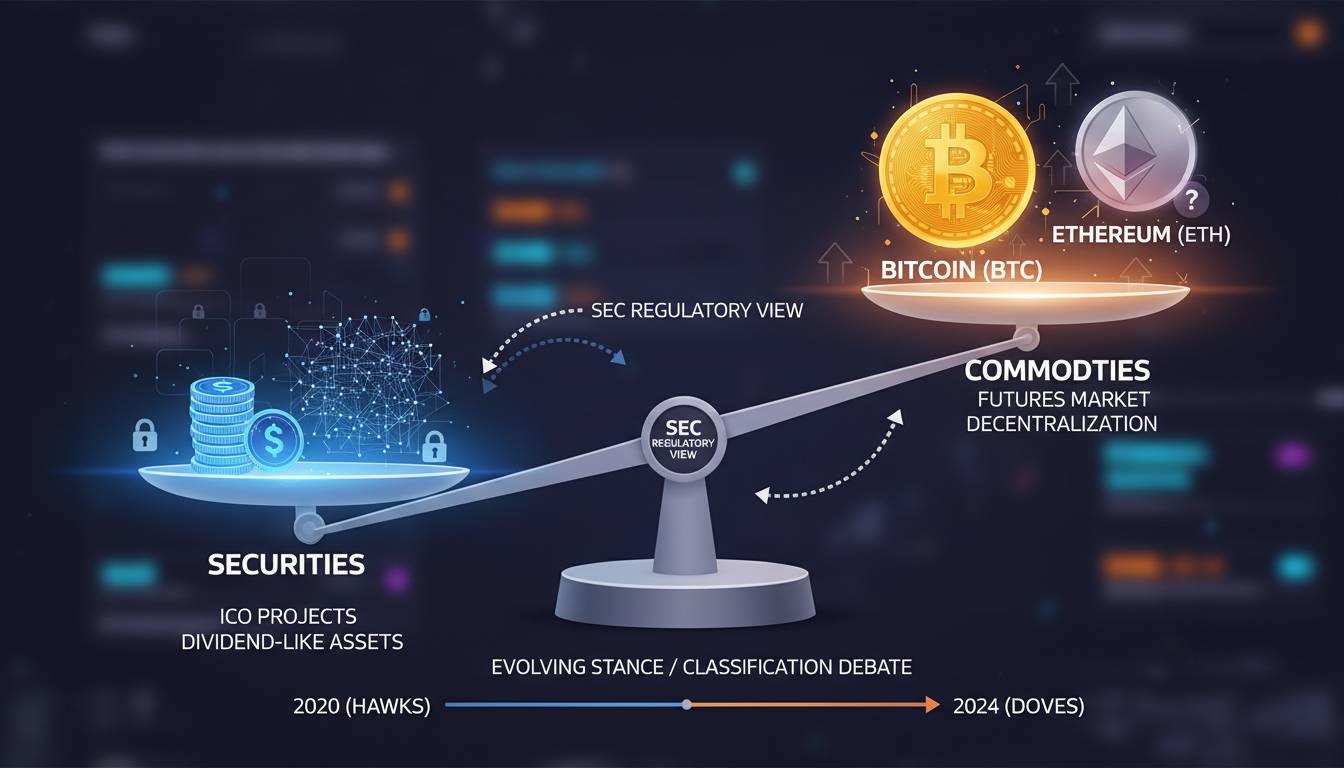
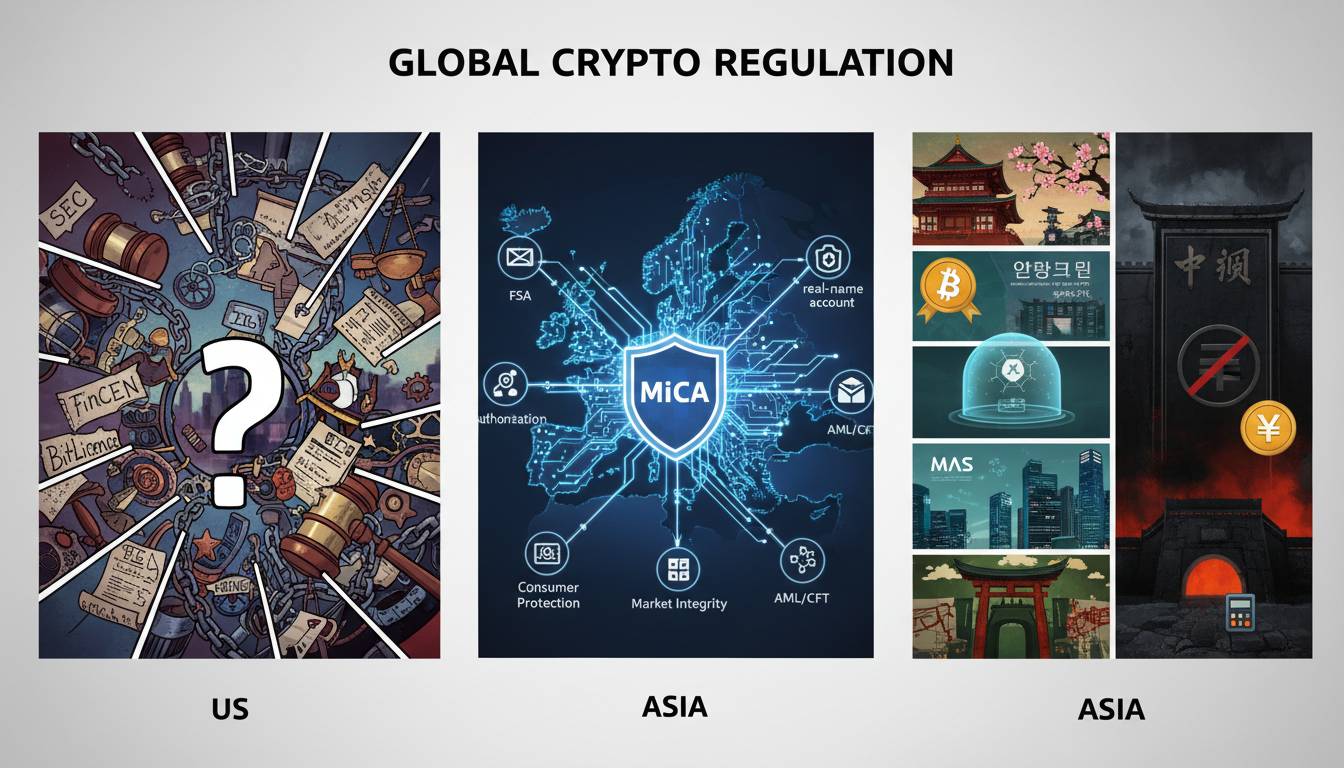
Regulatory uncertainty affects all cryptocurrencies, but the specifics vary significantly. Bitcoin enjoys the most regulatory clarity—it has been recognized as a commodity by the Commodity Futures Trading Commission (CFTC), and the SEC has largely avoided classifying it as a security. This clarity is a significant advantage for institutional adoption.
Ethereum occupies a murkier position. The SEC has historically scrutinized ICOs and token sales conducted on Ethereum, and there have been ongoing debates about whether ETH itself constitutes a security. As of early 2025, no definitive ruling has clarified this, though Ethereum’s developers and the Ethereum Foundation have maintained that ETH is a utility token, not a security. The broader regulatory framework for digital assets remains in flux, and any significant enforcement action could materially impact Ethereum’s operation.
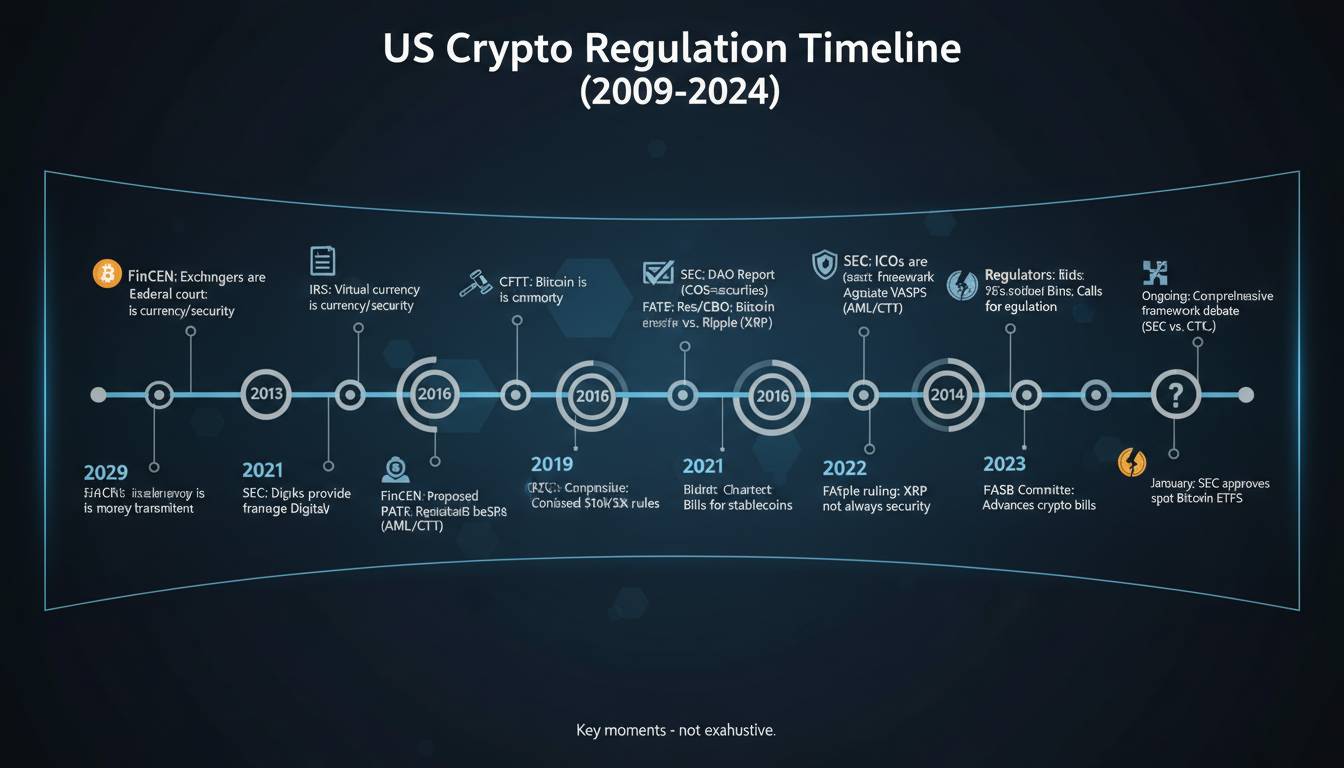
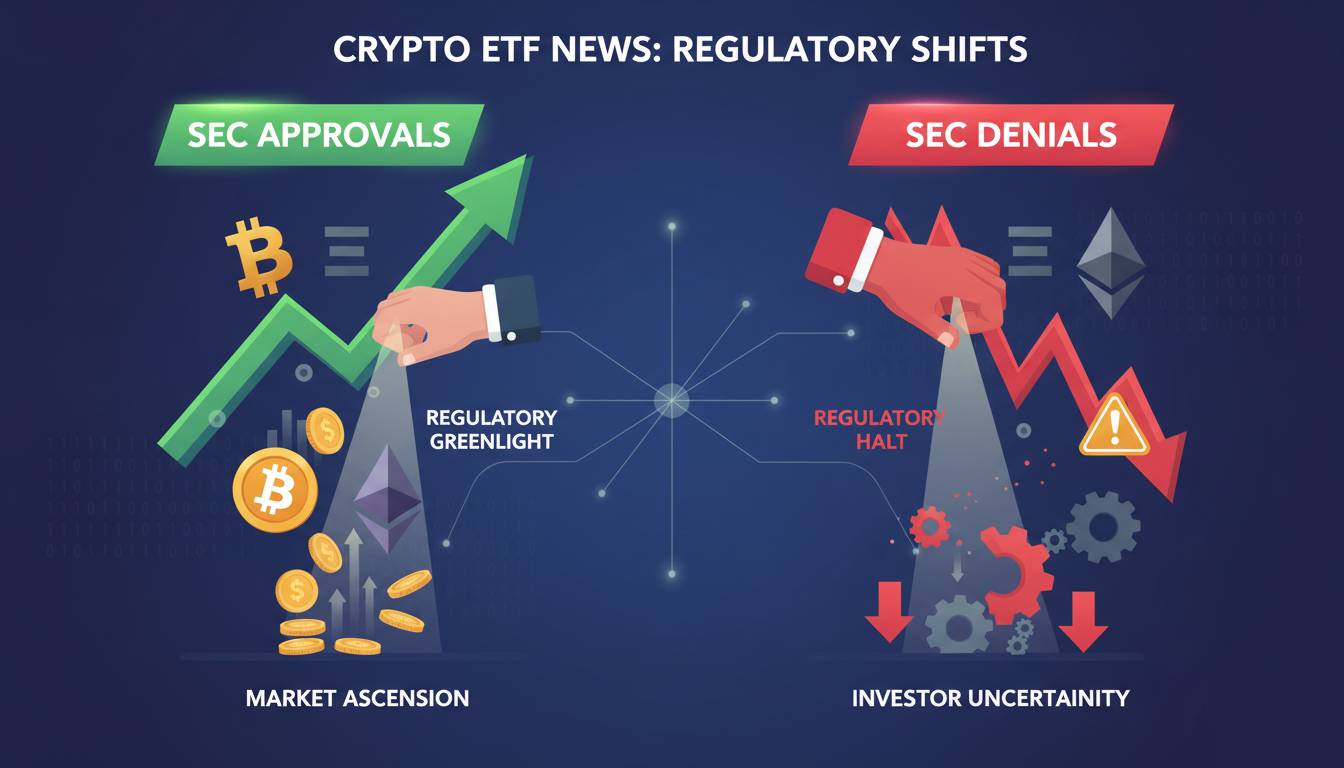
XRP’s legal battle with the SEC dominated crypto headlines for years. The July 2023 ruling that programmatic sales on exchanges did not constitute securities offerings was largely seen as a victory for Ripple, though the SEC appealed certain aspects. This case created precedent that may benefit other cryptocurrencies facing similar scrutiny, but it also revealed how heavily a project’s legal structure influences its regulatory treatment.
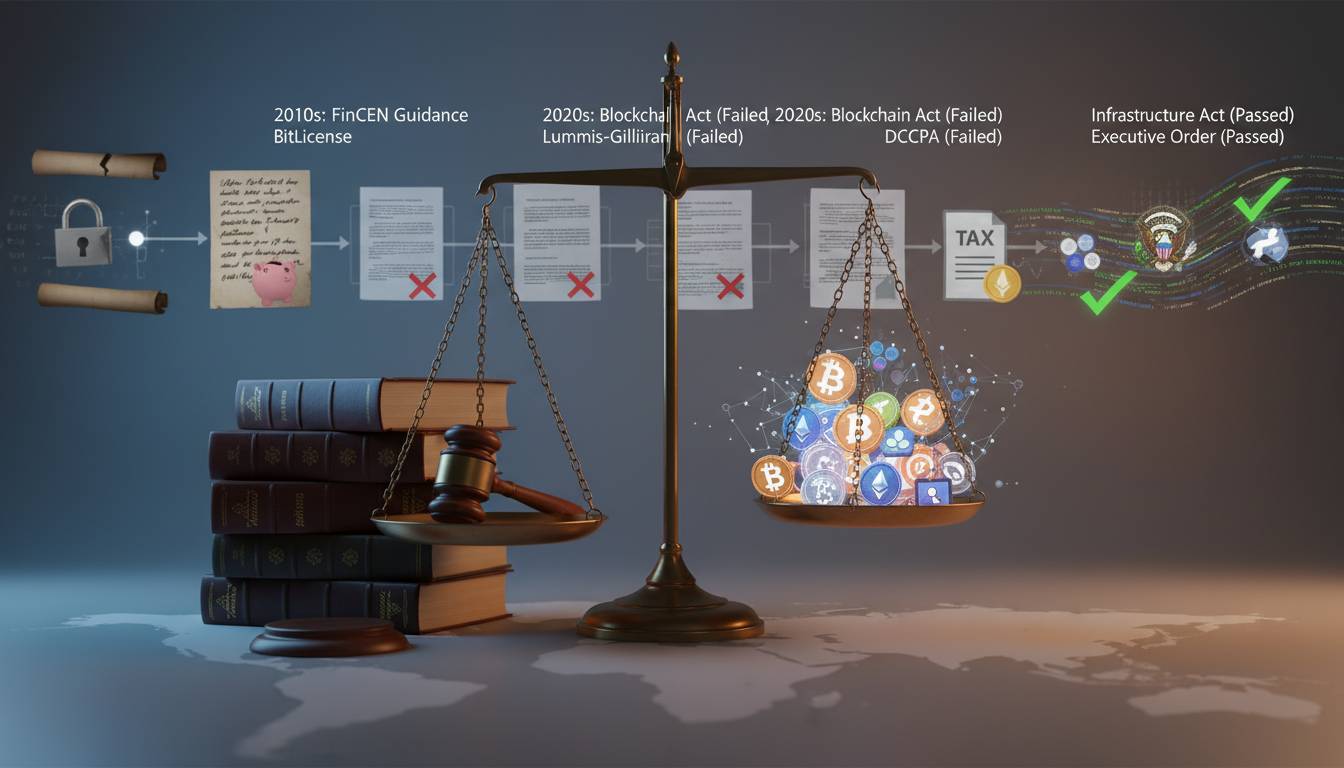
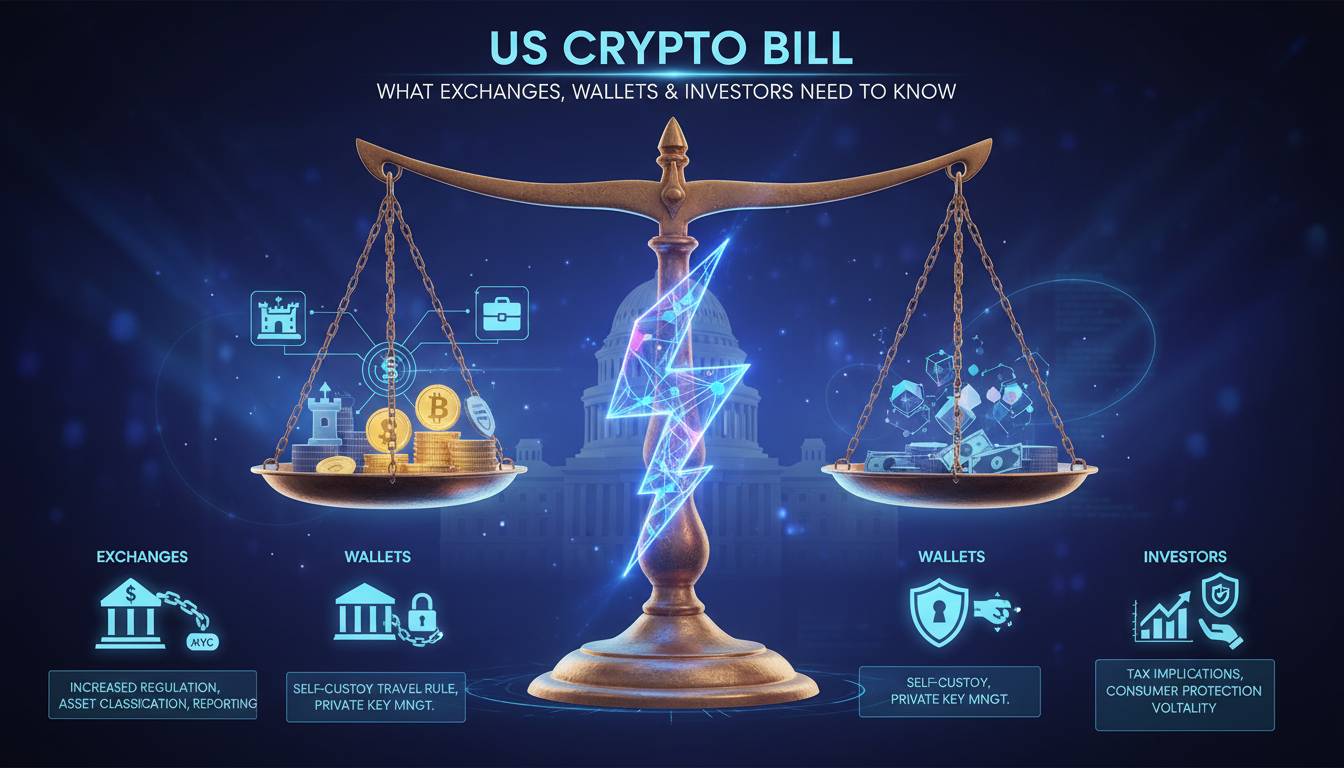
I don’t have a crystal ball for where regulation goes from here, and neither does anyone else. What I can say is that the legal outcomes so far have been less catastrophic than some predicted, but the lack of comprehensive federal crypto legislation in the United States means uncertainty persists.
Performance, Volatility, and Investment Considerations
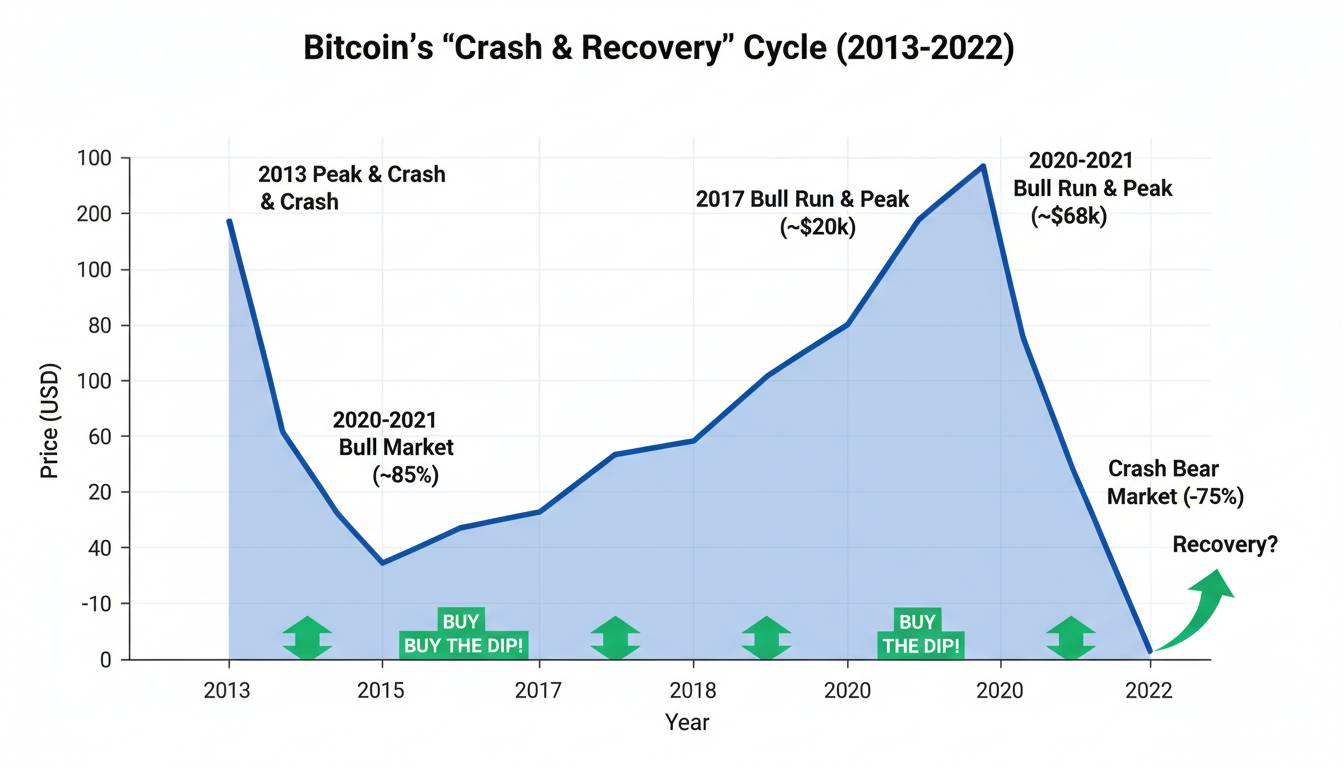
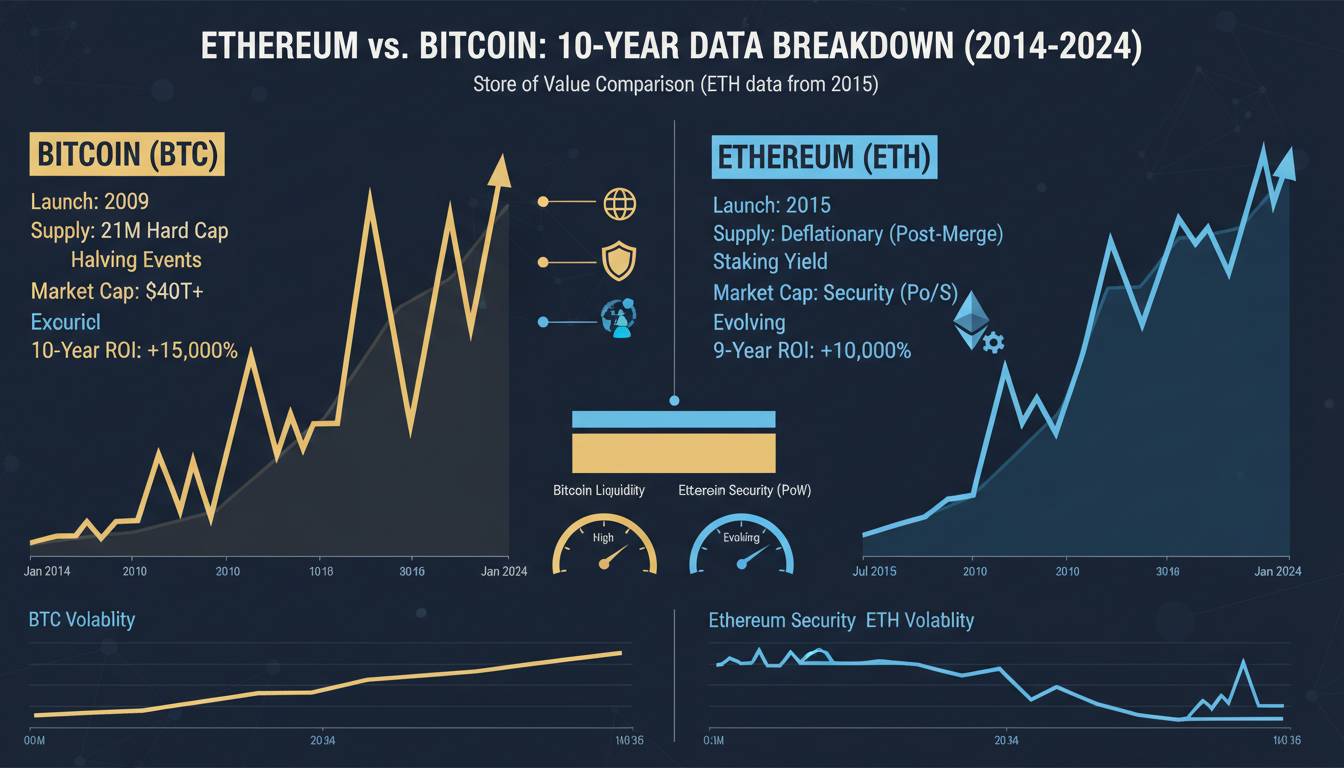
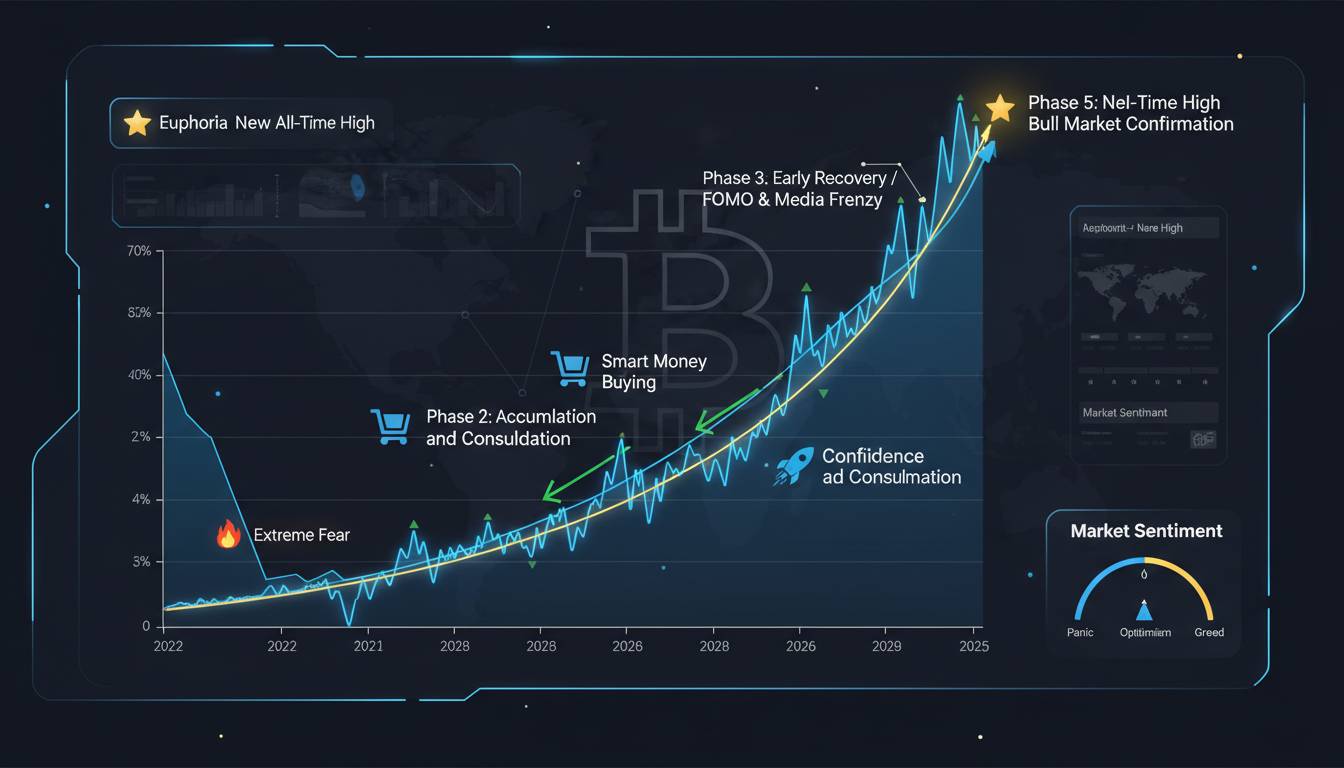
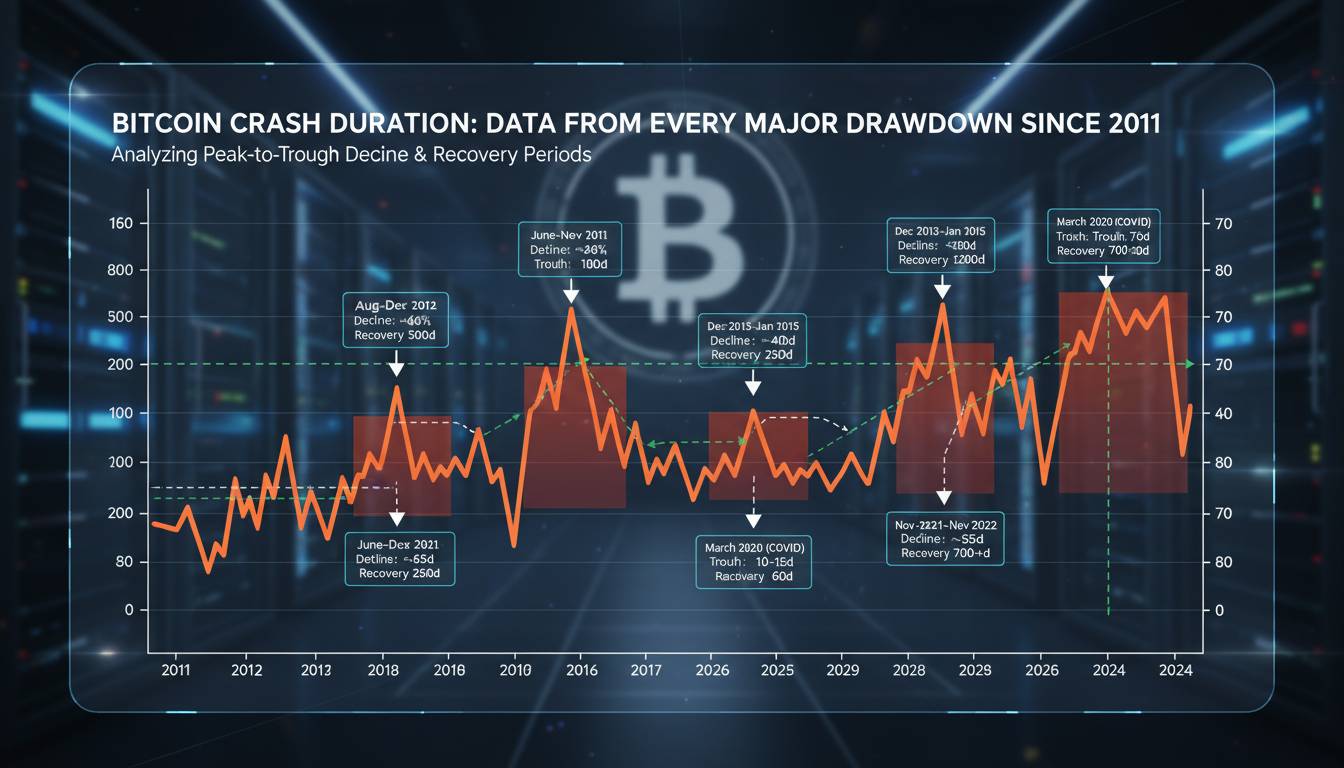
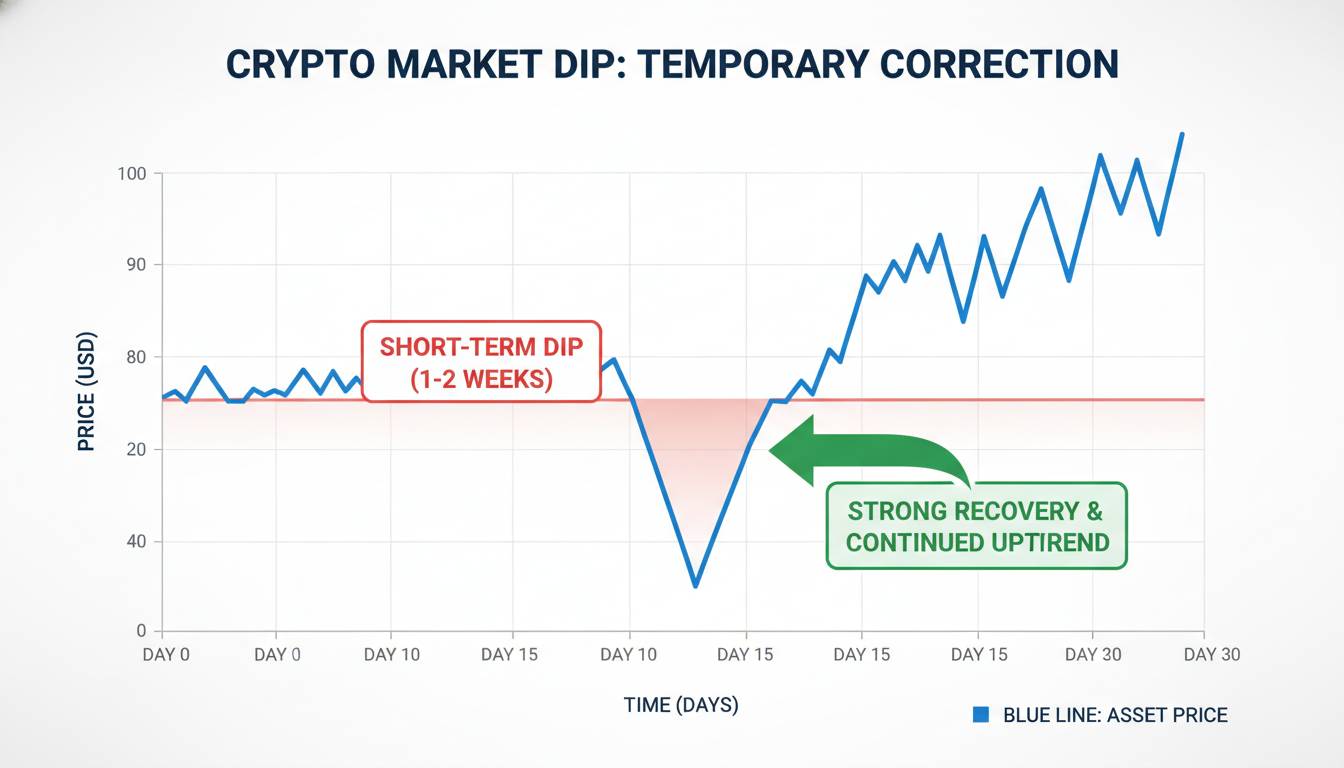
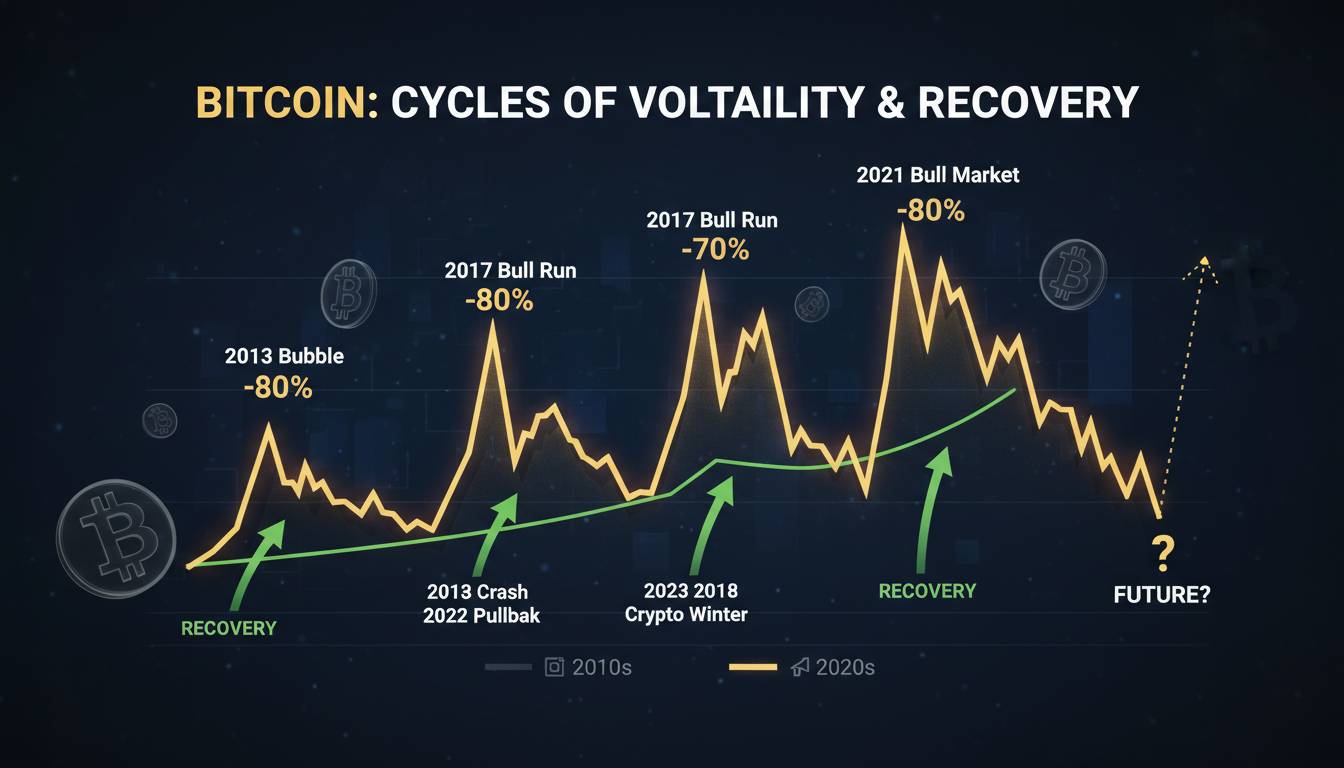
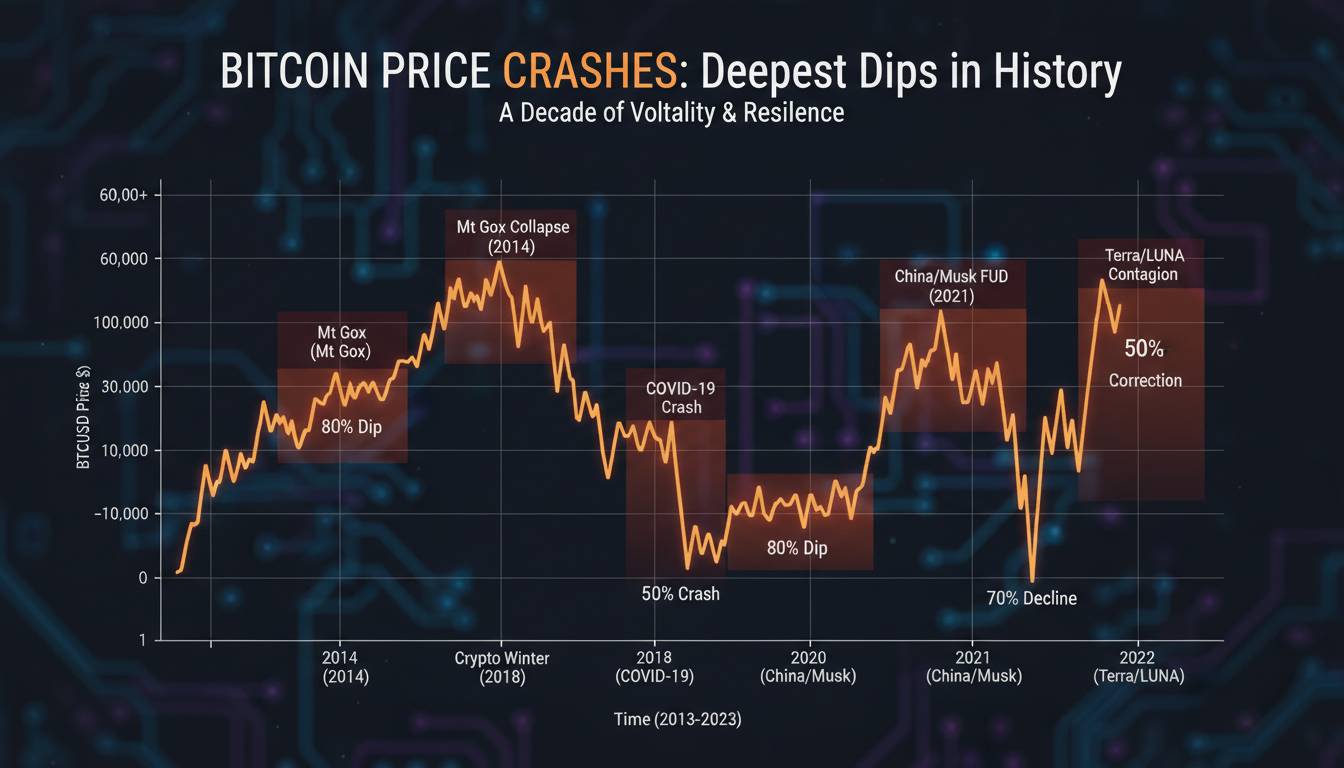
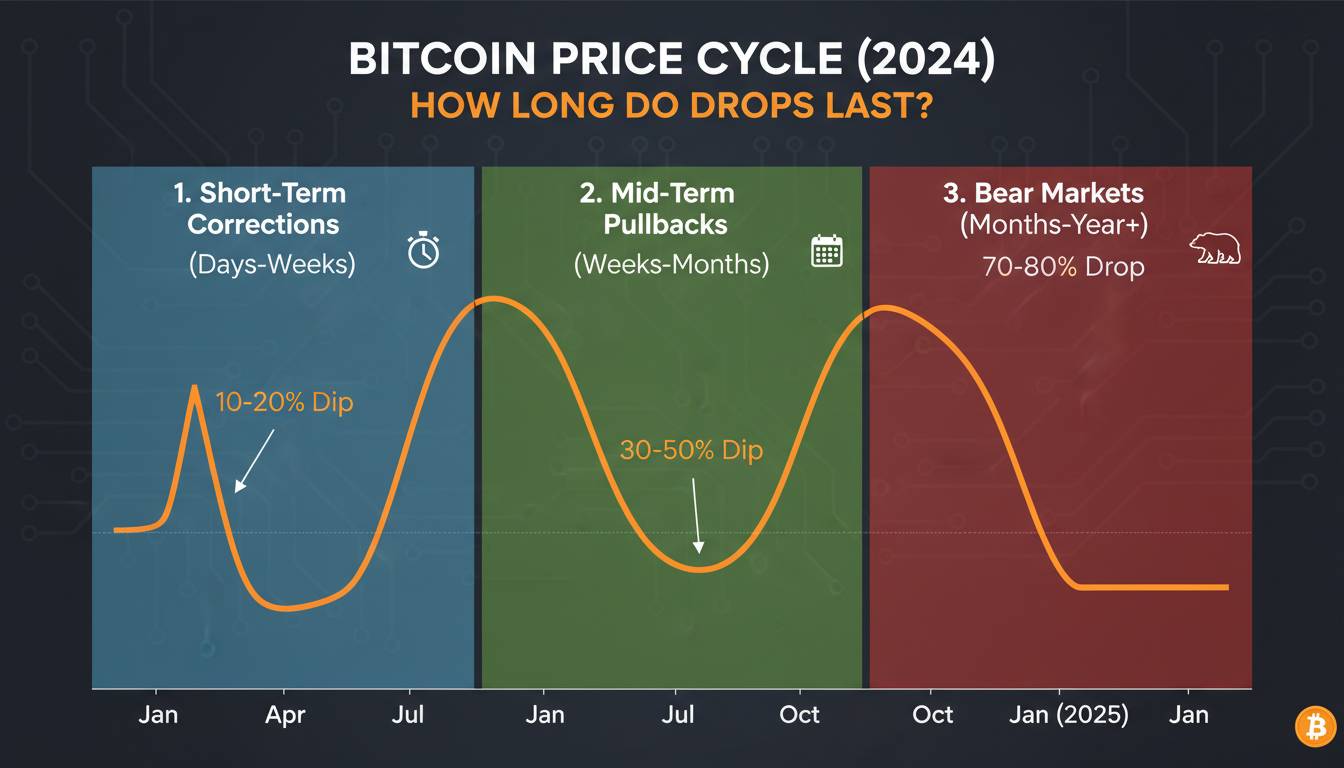
Investment performance over any given period is nearly impossible to predict, but historical context helps. Bitcoin has been the best-performing asset of the last decade by a significant margin, though its volatility is extreme—drawdowns of 50% or more are common occurrences. Ethereum has delivered substantial returns as well, particularly during the 2020-2021 DeFi and NFT booms. XRP has generally underperformed both during bull markets but has shown more resilience during certain regulatory headwinds.
The correlation between these assets matters for portfolio construction. They tend to move together in macro crypto cycles, which reduces diversification benefits within the crypto sector itself. That said, specific catalysts can drive divergent performance—XRP’s legal news moves XRP specifically, while Ethereum’s performance often ties to broader DeFi activity.
I don’t recommend any specific allocation, and I won’t pretend to know which will perform better over the next five years. What I will say is that these are fundamentally different risk profiles. Bitcoin offers the most established narrative and institutional adoption. Ethereum offers the most versatile platform and developer ecosystem. XRP offers the fastest transactions and deepest banking partnerships, but also the most corporate control and regulatory complexity.
What Actually Matters When Choosing
If you’re trying to decide between these three, start by asking what you actually need. If you want a decentralized, censorship-resistant store of value with the longest track record and most institutional acceptance, Bitcoin is the clear choice—though you should accept that transaction speeds will remain slow and fees will spike during demand surges. If you want to build or interact with applications—DeFi protocols, NFT marketplaces, gaming economies, or decentralized infrastructure—Ethereum is the ecosystem with the most activity and developer momentum, despite higher fees during congestion. If you need fast, cheap payments, particularly cross-border settlements, and you’re willing to accept a more centralized validation model, XRP offers genuine technical advantages.
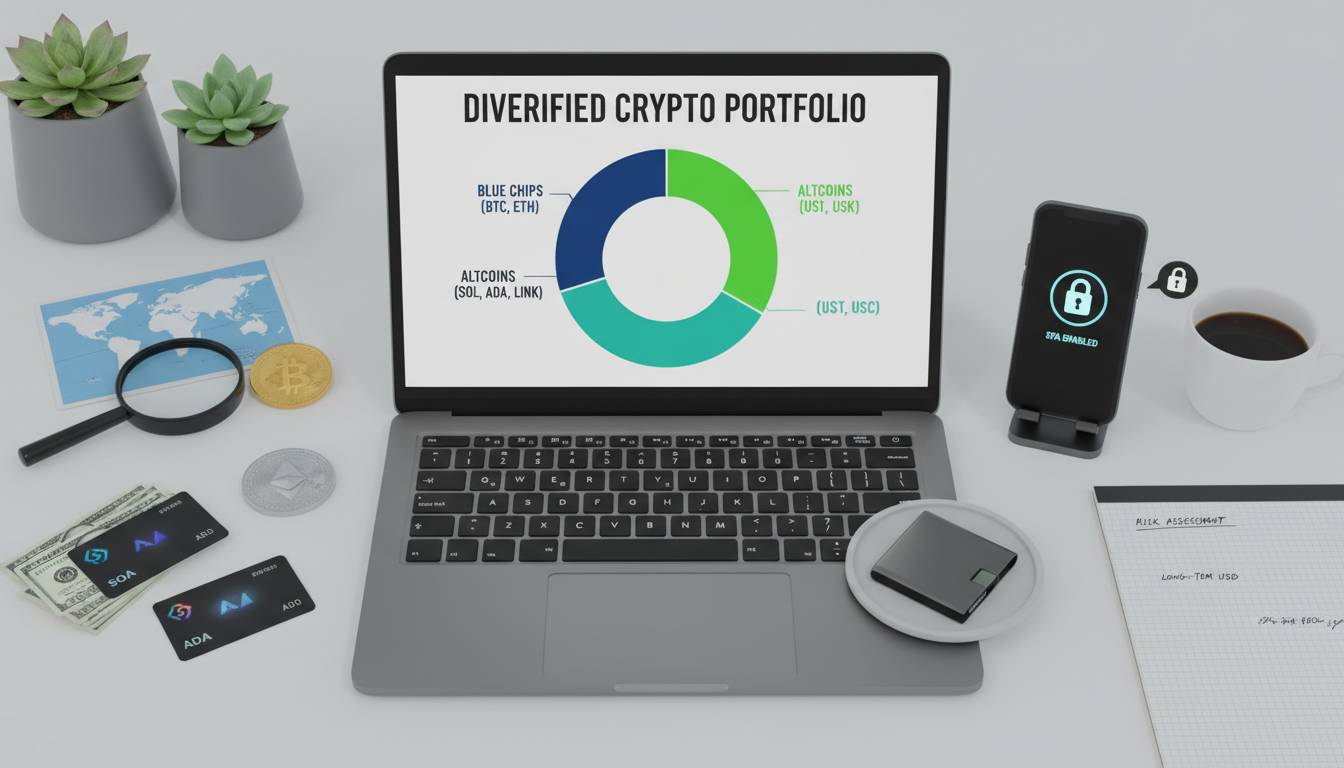
One thing most comparison articles won’t tell you: you don’t have to choose just one. Many investors hold all three as part of a diversified crypto portfolio, treating each as a separate asset class with different risk and return drivers. That approach requires more capital and more management, but it also provides exposure to three distinct crypto theses rather than betting on a single outcome.
The honest answer is that no one knows which will dominate a decade from now. What we do know is that the differences between them aren’t marketing fluff—they’re architectural choices with real consequences for speed, security, decentralization, and use case. Understanding those trade-offs matters more than any price prediction.