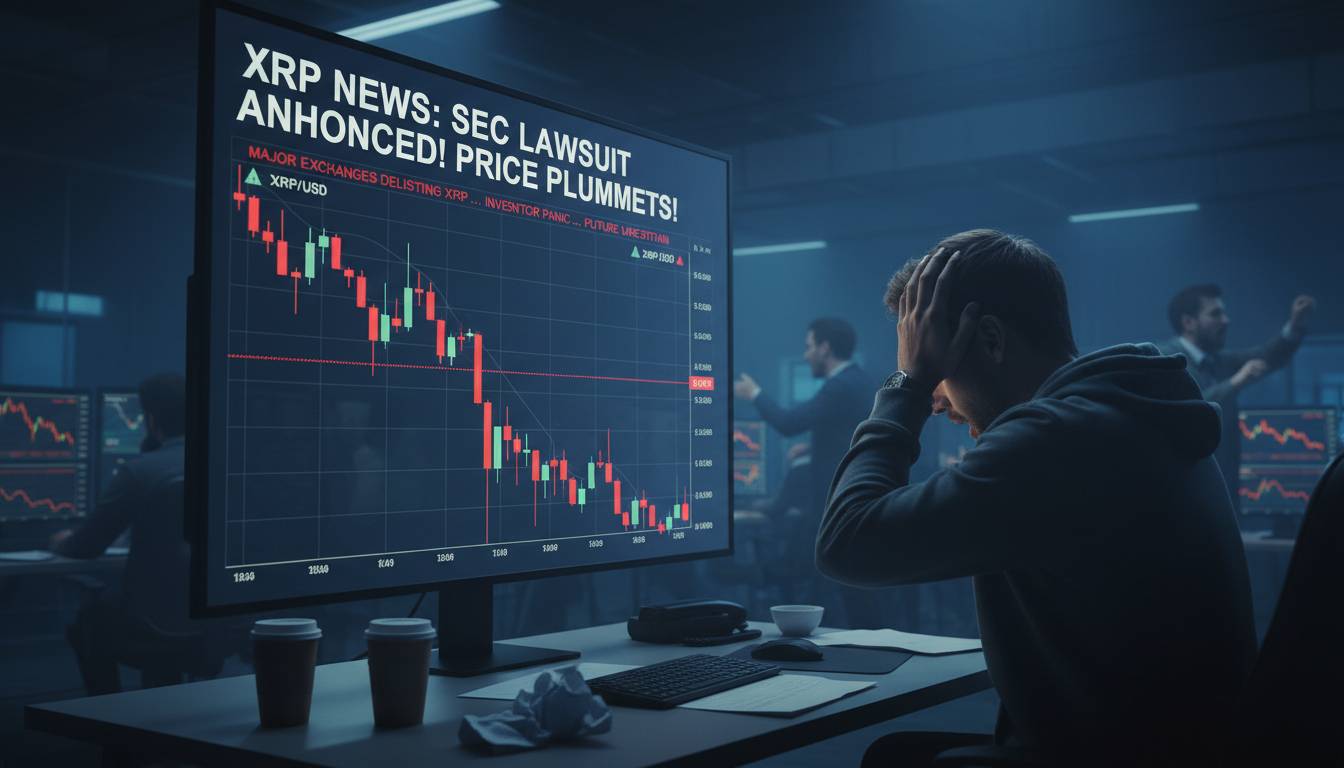
When the Securities and Exchange Commission filed its landmark lawsuit against Ripple Labs in December 2020, it didn’t just threaten one cryptocurrency company—it exposed the fragile nerve at the heart of the entire crypto market. XRP’s price history offers a unique window into how regulatory action, more than any technological innovation or adoption milestone, has dictated valuation in the digital asset space. Understanding this pattern isn’t merely academic; it reveals something fundamental about why crypto markets behave the way they do, and why investors who ignore regulatory developments do so at their peril.
This article traces every major XRP price movement through the lens of regulatory outcomes, from the cryptocurrency’s early trading days through the ongoing legal saga that continues to shape its trajectory. The pattern that emerges is striking: every significant price swing correlates directly with a court filing, a ruling, or a settlement discussion. This isn’t coincidence—it’s the defining characteristic of XRP’s market behavior.
The Pre-SEC Era: Early Price Movements Before Regulatory Scrutiny
Before XRP became synonymous with regulatory battle, it moved like most altcoins—driven by broader market sentiment, partnership announcements, and occasional listing on major exchanges. Between 2017 and early 2020, XRP’s price told a story largely disconnected from the legal battles that would later consume it.
In late 2017, during the broader crypto boom, XRP climbed alongside Bitcoin and Ethereum, reaching highs around $3.40 in January 2018. This rally had nothing to do with regulatory clarity—it reflected the speculative mania sweeping through all digital assets. When the market corrected in 2018, XRP fell dramatically, as did nearly everything else.
The years between 2018 and 2020 represented a period of relative dormancy for XRP. The token traded in a range between $0.25 and $0.60 for most of this period, with price movements driven primarily by quarterly reports from Ripple showing institutional adoption and periodic announcements of new banking partnerships. These partnerships—deals with financial institutions like Santander, American Express, and MoneyGram—generated headlines but failed to produce sustained price appreciation.
What happened during these quiet years, in retrospect, was that the market had already priced in a certain narrative: XRP was an institutional-focused cryptocurrency with real utility in cross-border payments. That narrative would prove both prescient and dangerous, because it attracted the attention of the very regulators whose actions would come to dominate XRP’s price discovery.
December 22, 2020: The SEC Lawsuit That Shook Crypto
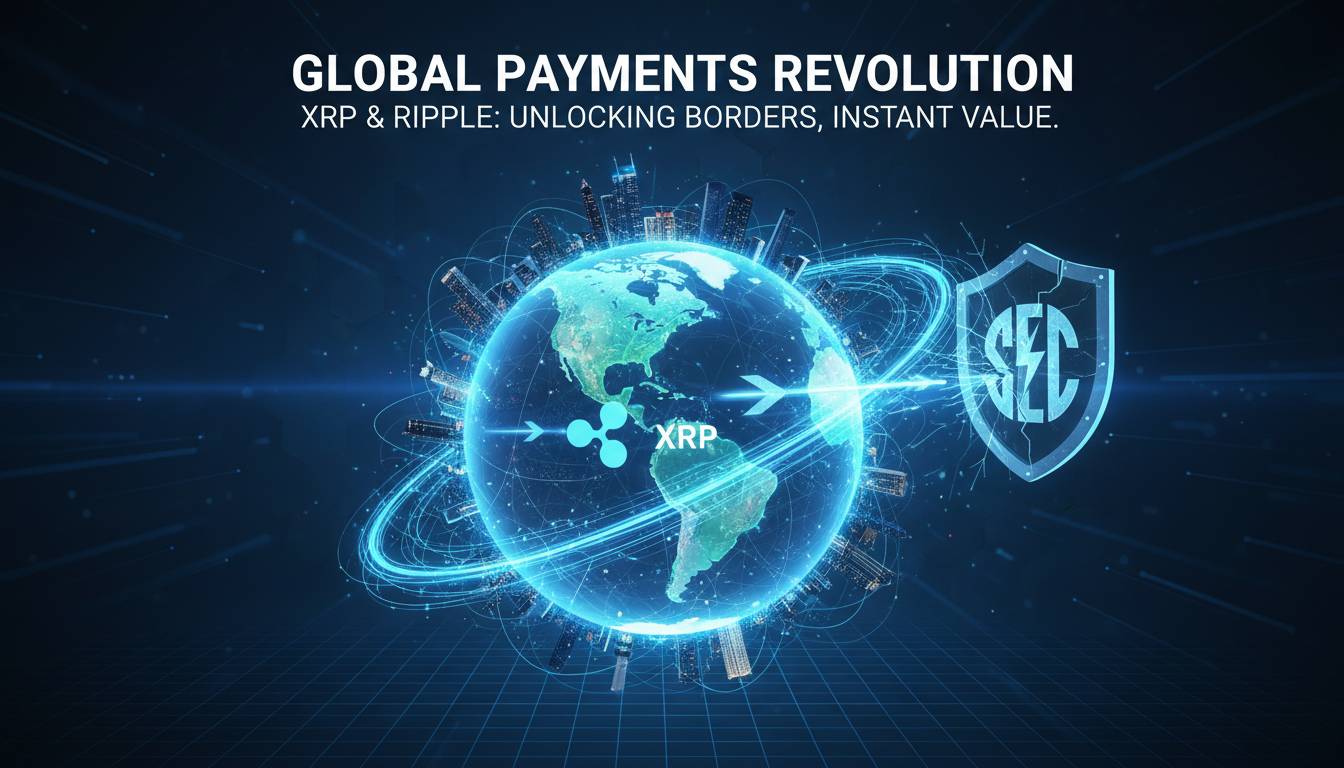
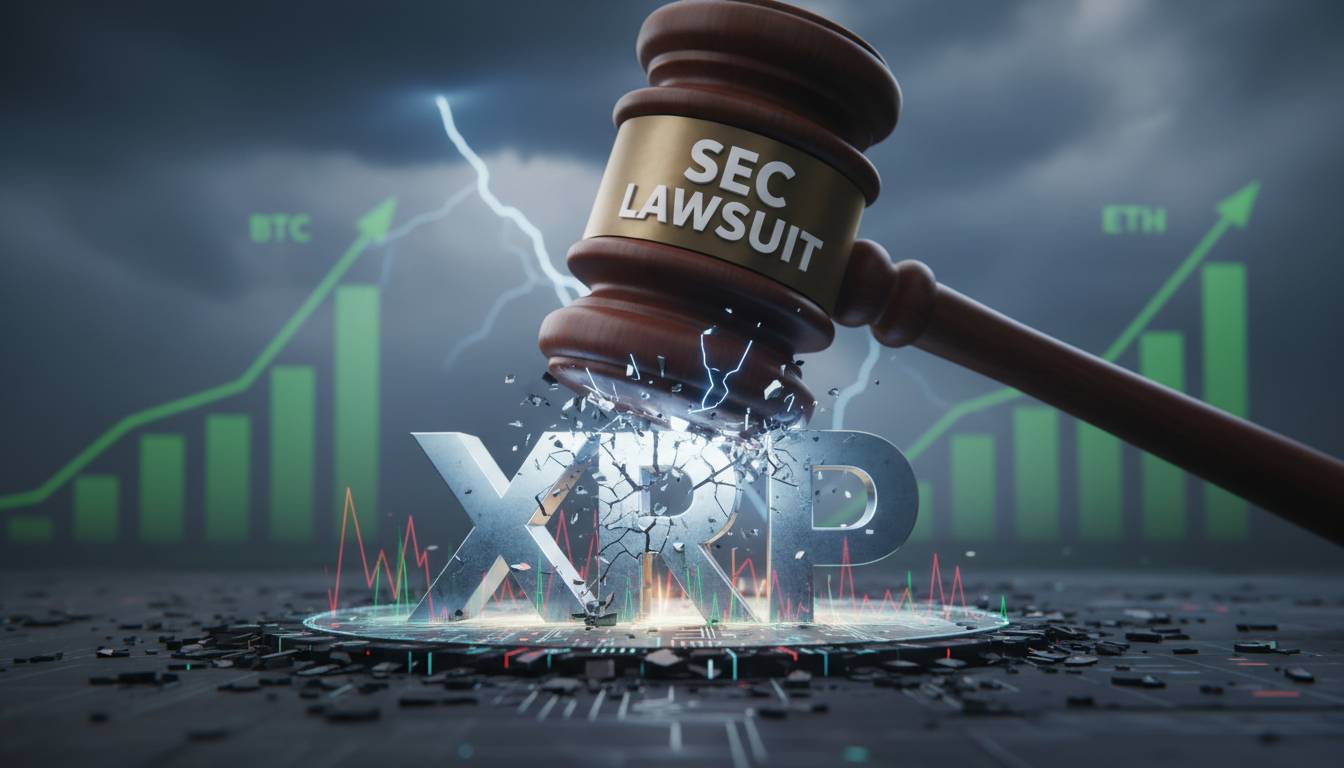
On December 22, 2020, the SEC announced civil charges against Ripple Labs, Inc., and two of its executives—CEO Brad Garlinghouse and co-founder Chris Larsen—alleging that they had raised over $1.3 billion through an unregistered securities offering of XRP. The timing was deliberate: the SEC filed just days before Christmas, when market liquidity was at its thinnest.
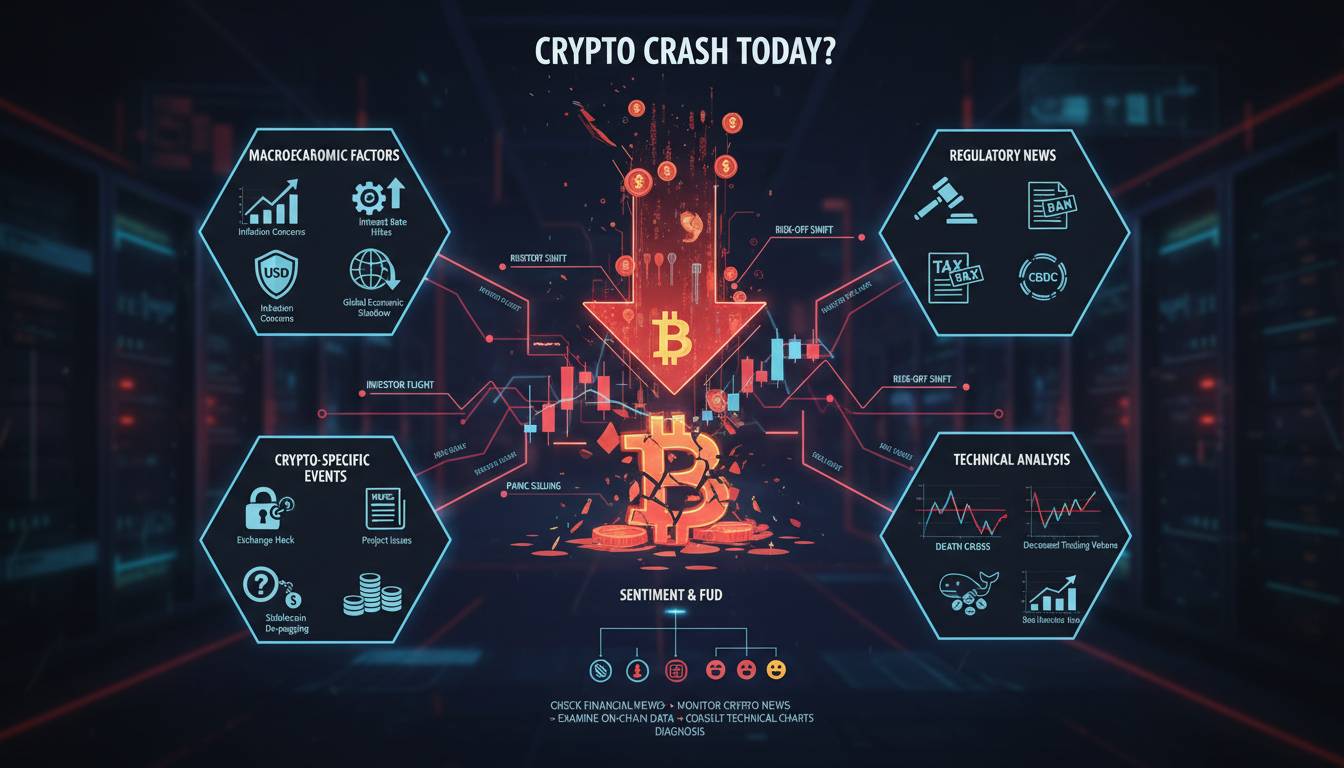
The market reaction was immediate and brutal. XRP’s price crashed from approximately $0.60 to below $0.30 within 24 hours—a drop exceeding 50%. Exchange after exchange suspended XRP trading or delisted the token entirely. Coinbase, one of the largest U.S. exchanges, halted XRP trading on January 19, 2021, a decision that eliminated the primary on-ramp for American retail investors.
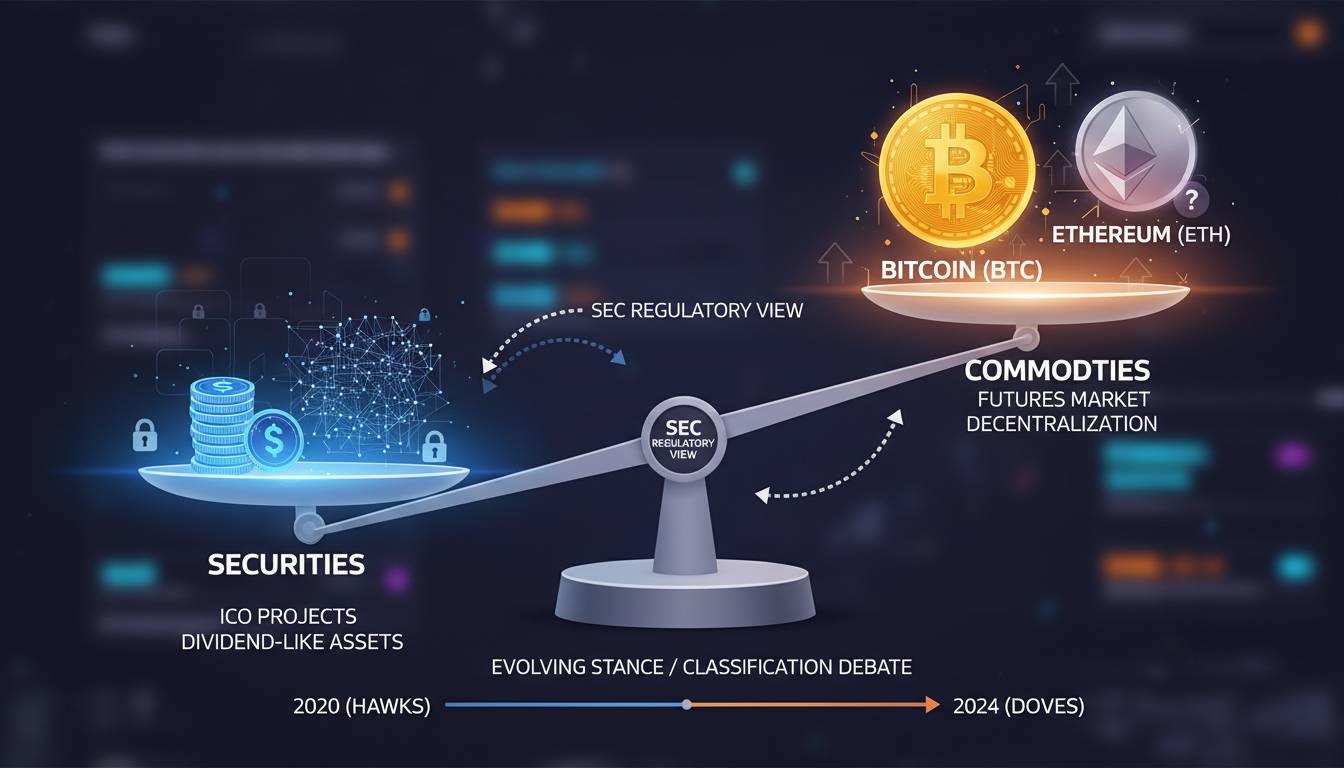
The lawsuit’s significance extended far beyond XRP itself. The SEC’s argument—that XRP qualified as a security because Ripple had sold it to fund the company’s operations—posed existential questions for the entire cryptocurrency industry. If XRP was a security, what stopped the SEC from making similar claims about Ether, Solana, or any other token whose development team had sold tokens to fund operations?
Garlinghouse and Larsen both denied the allegations, with Garlinghouse publicly characterizing the lawsuit as “an attack on the entire crypto industry.” Ripple defended XRP as a cryptocurrency rather than a security, arguing that it functioned more like Bitcoin and Ether—decentralized digital assets not subject to securities regulations.
The price decline following the lawsuit reflected not just immediate selling pressure but the fundamental uncertainty it created. Until the legal question was resolved, every XRP holder faced the possibility that their holdings could become effectively worthless if the SEC prevailed.
The 2021 Market: Recovery, Ripple Effects, and the Binance Settlement
The year following the SEC lawsuit brought unexpected developments. Rather than continuing to decline, XRP embarked on a partial recovery that confounded bears and excited bulls. By April 2021, XRP had climbed back above $1.00, driven partly by the broader crypto market rally that saw Bitcoin reach new all-time highs above $64,000.
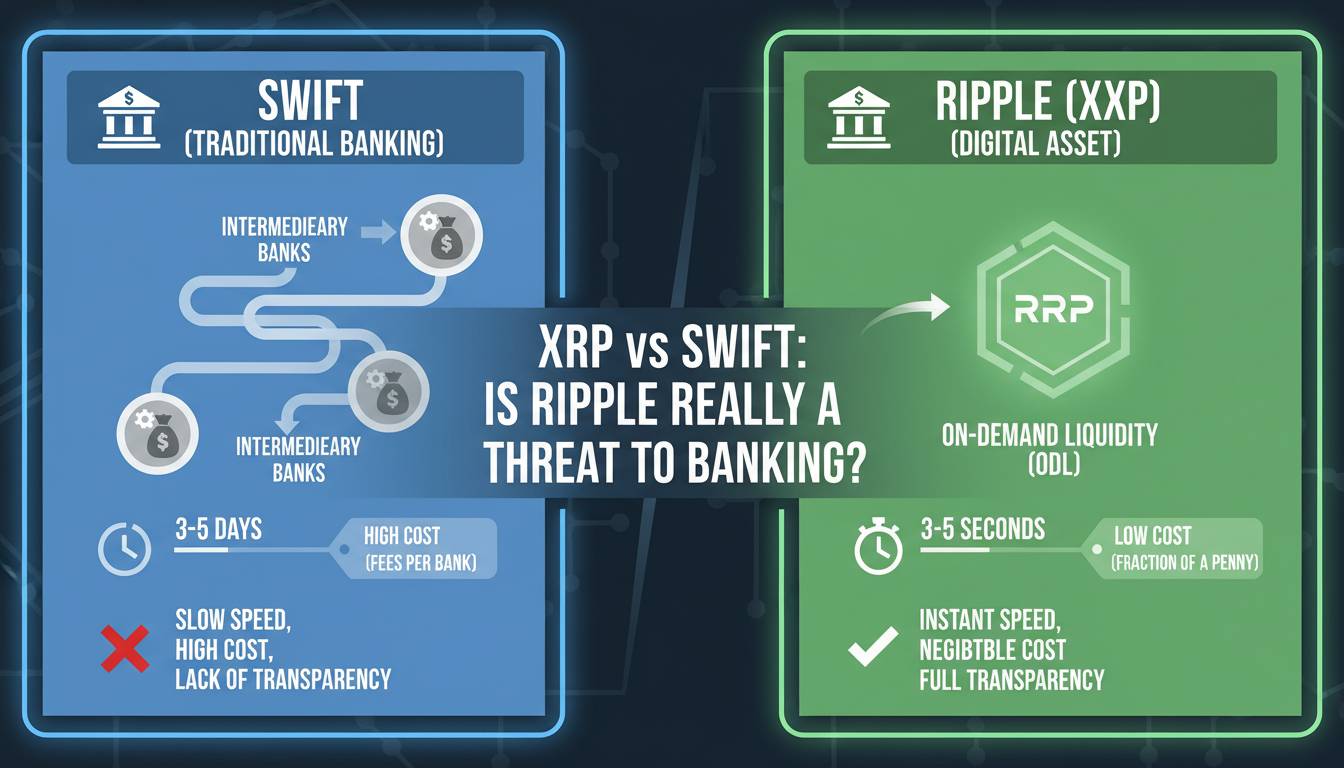
Several factors contributed to this recovery. First, the market began to price in a favorable outcome. While the legal process would drag on for years, traders speculated that the SEC’s case faced weaknesses—the Howey test’s application to digital assets remained legally untested, and Ripple had resources to mount a prolonged defense. Second, Ripple continued operations throughout the lawsuit, maintaining partnerships and even expanding its On-Demand Liquidity product, demonstrating that the regulatory uncertainty had not destroyed the underlying business.
Then came the Binance settlement in November 2021. The U.S. Department of Justice announced criminal charges against Binance, the world’s largest cryptocurrency exchange, related to violations of anti-money laundering laws. As part of the settlement, Binance agreed to pay over $4 billion and admitted to federal charges.
The Binance announcement triggered a broad crypto market selloff. XRP fell approximately 20% in the days following the news, reflecting broader market contagion rather than XRP-specific concerns. This episode illustrated how regulatory actions affecting one corner of the crypto ecosystem could ripple across the entire market, including assets like XRP that had no direct involvement.
By late 2021, XRP had settled into a trading range between $0.80 and $1.20, with the lawsuit’s eventual outcome remaining the dominant variable in price determination. The market had effectively priced in a binary outcome—favorable resolution would mean significant upside, while adverse rulings would mean another leg down.
July 2023: The Summary Judgment That Changed Everything
The turning point came on July 13, 2023, when Judge Analisa Torres of the U.S. District Court for the Southern District of New York issued her summary judgment ruling. The decision was partial and nuanced—exactly the outcome few had predicted.
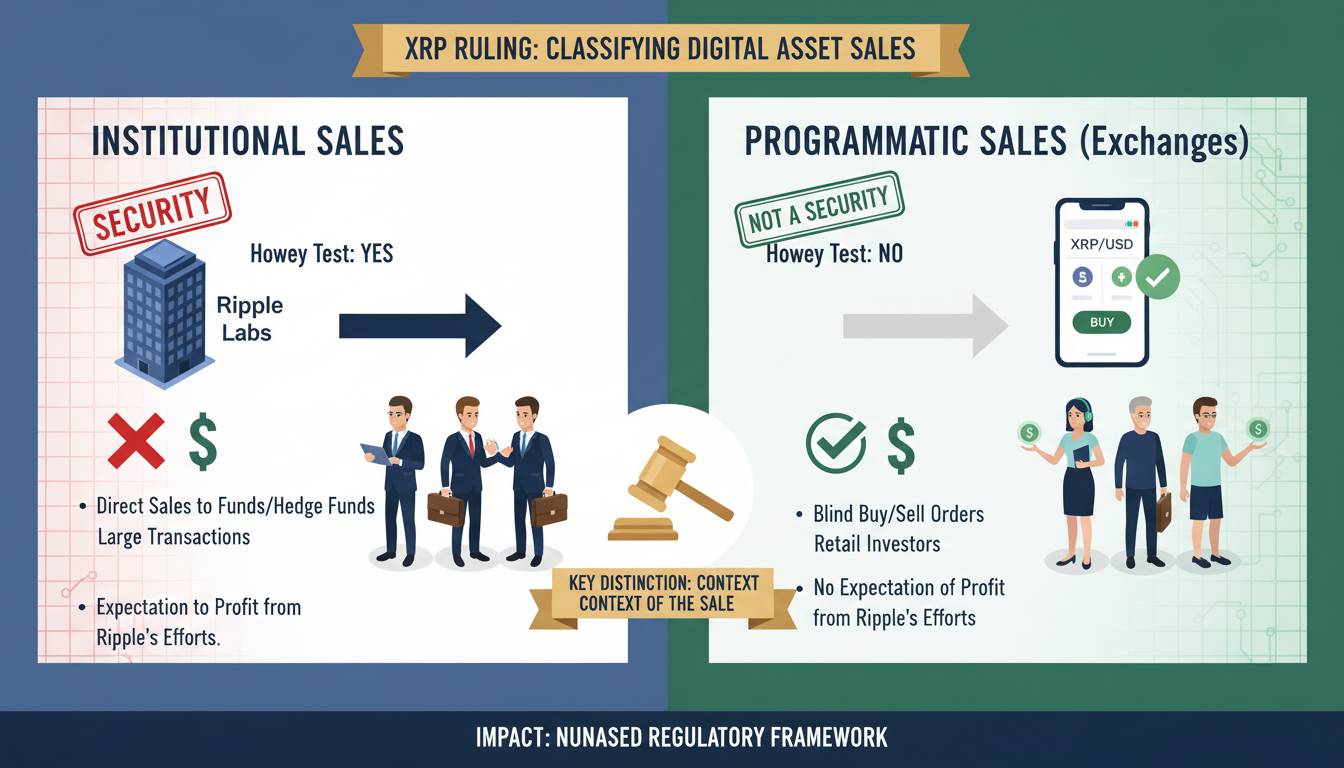
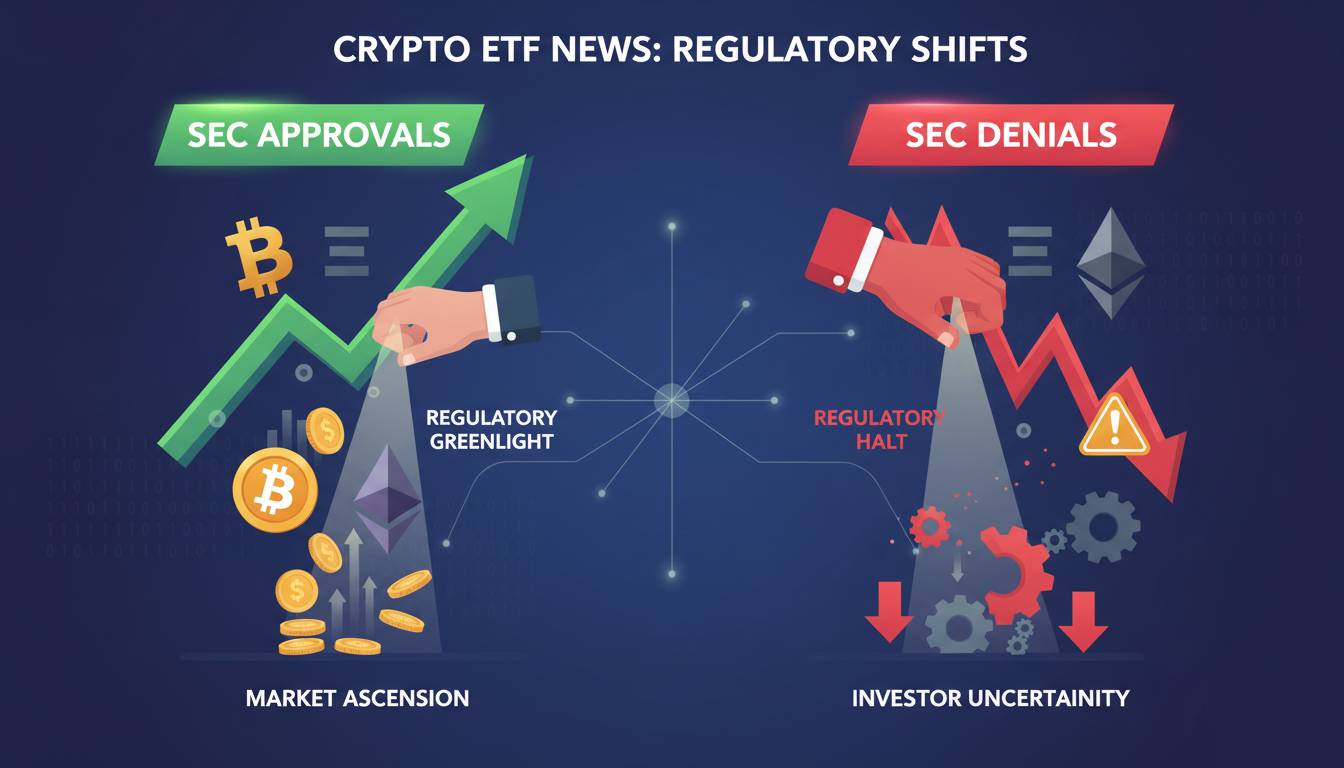
Judge Torres ruled that XRP itself was not a security when sold to the general public on exchanges. This was the victory Ripple had been seeking: the court’s determination that programmatic sales of XRP did not constitute investment contracts under the Howey test. However, the ruling was not unambiguous victory. The court found that Ripple had violated securities laws when selling XRP directly to institutional investors—a distinction that mattered legally but created confusion in the market.
The market’s reaction was immediate and dramatic. XRP’s price surged from approximately $0.45 to above $0.80 within hours—a gain exceeding 70%. Trading volume spiked to levels not seen since the lawsuit’s initial announcement. The victory was real but incomplete, and the market’s enthusiasm reflected relief more than certainty.
The ruling’s nuance created new questions. What constituted “programmatic” versus “direct” sales? How would the SEC interpret this distinction in future enforcement actions? Would Ripple face financial penalties, and if so, how large? These uncertainties meant that while the immediate crisis had passed, XRP’s regulatory story remained unfinished.
In late 2023, Judge Torres ordered the SEC and Ripple to negotiate a civil penalty, setting the stage for the final chapter of this legal battle. The proposed settlement of $125 million—far below the $2 billion the SEC had initially sought—represented another victory for Ripple and sent XRP climbing above $0.60 in February 2024.
2024 and Beyond: Settlement, Trump Administration, and Ongoing Uncertainty
The $125 million settlement, announced in December 2024 after months of negotiation, represented something close to a complete resolution of the SEC’s case against Ripple. The company’s CEO Brad Garlinghouse called it “a resounding victory for the industry,” and the market responded favorably, with XRP testing levels above $2.00 in early December 2024.
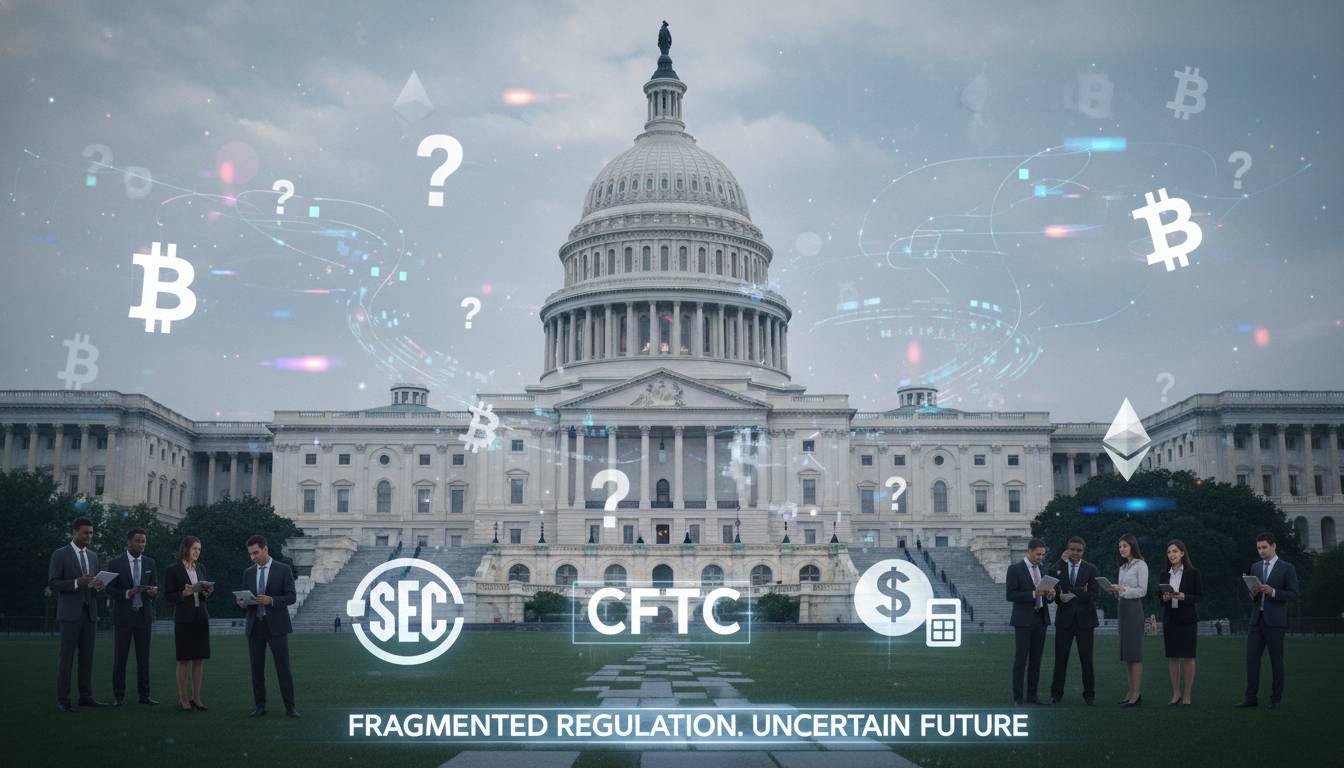
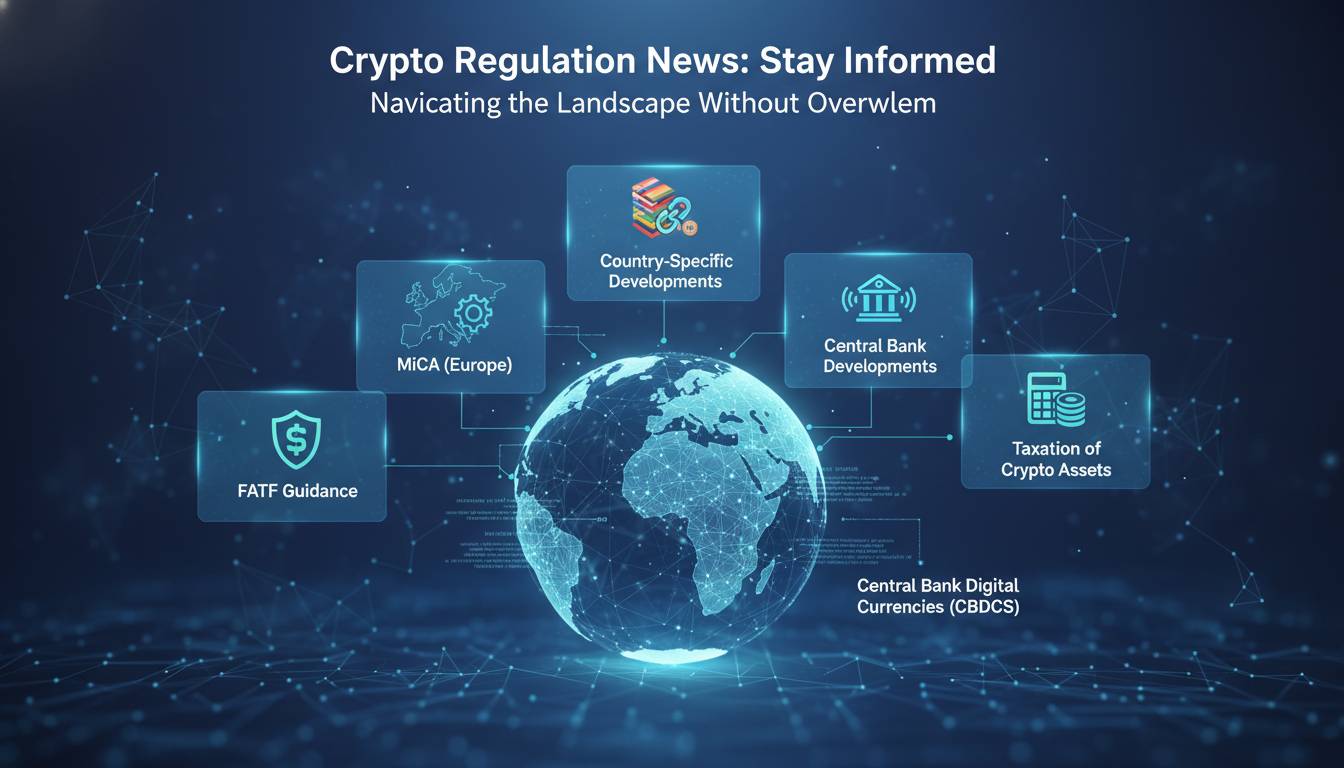
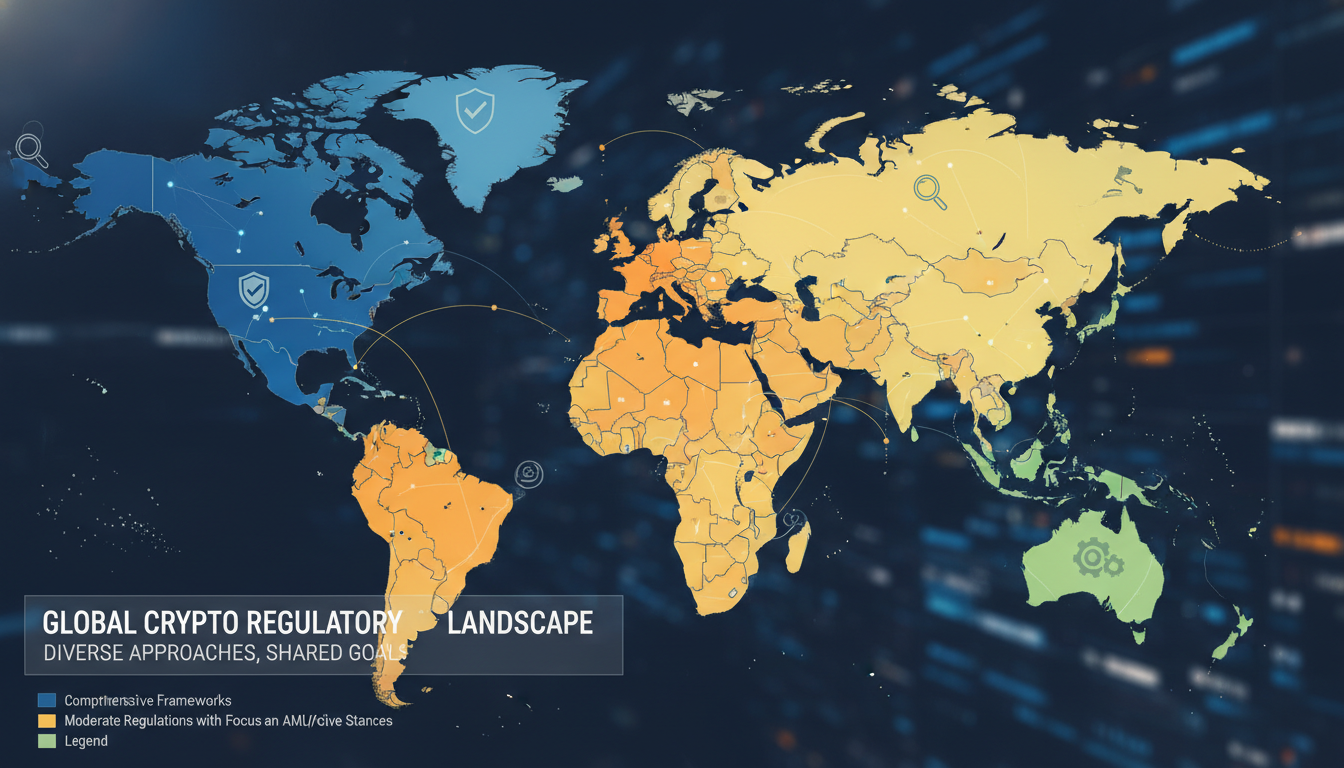
However, this apparent victory masks continuing complexities. The SEC’s lawsuit addressed only the securities classification question—it did not resolve whether XRP might face other regulatory challenges from other agencies or jurisdictions. The Commodity Futures Trading Commission has not ruled on whether XRP is a commodity, and international regulatory approaches vary significantly. In the United Kingdom, the Financial Conduct Authority has taken a different stance than the SEC, creating a fragmented global regulatory landscape.
Additionally, the settlement does not preclude future enforcement actions against Ripple for different conduct. While the company emerged from its largest legal battle intact, the regulatory framework for cryptocurrencies remains unsettled at the highest levels of government.
The change in presidential administration in January 2025 introduced new variables. SEC Chair Gary Gensler, who had made cryptocurrency enforcement a priority during his tenure, resigned. Under new leadership, the SEC’s approach to digital assets appeared to be shifting toward a more collaborative stance. Whether this shift would benefit XRP or create new challenges remained unclear as of early 2025.
The lesson from this extended legal saga is clear: regulatory outcomes do not arrive and then disappear. They compound. Each ruling creates precedent, each settlement sets expectations, and each change in regulatory leadership introduces new variables that markets must price in.
The Pattern: What XRP’s History Teaches About Crypto Regulation
XRP’s price history reveals a pattern that investors in any cryptocurrency should internalize. Unlike traditional assets where fundamentals drive valuations over time, crypto assets—particularly those facing regulatory uncertainty—experience price discovery dominated by legal developments. The pattern holds across multiple instances:
When the SEC lawsuit was filed, the price crashed because uncertainty was priced in as infinite risk. When Judge Torres issued her partial ruling, the price rose because uncertainty was partially resolved in Ripple’s favor. When the settlement was finalized, the price climbed again as the final unknown became known.
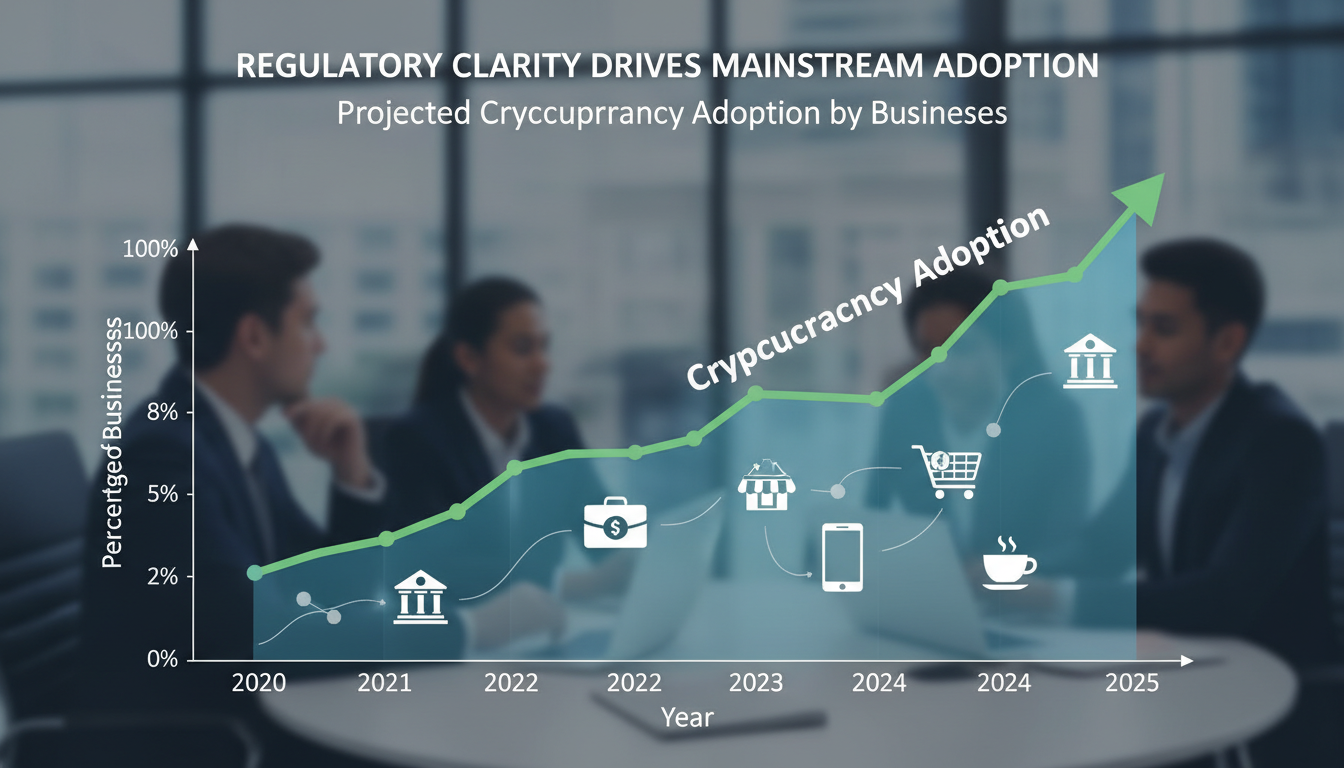
This pattern suggests several implications for cryptocurrency investing. First, regulatory clarity itself has value—the removal of uncertainty allows price to reflect fundamentals rather than legal risk. Second, the market tends to overcorrect in both directions; XRP’s post-settlement rally to $2+ reflected not just the settlement’s terms but the removal of years-long anxiety. Third, regulatory outcomes are not binary—Judge Torres’s nuanced ruling created new questions even as it answered old ones.
The cryptocurrency market’s relationship with regulation continues to evolve. The SEC’s approach under new leadership remains uncertain, and other tokens face their own regulatory questions. XRP’s experience provides a template for understanding how these battles might unfold—and how their outcomes might move markets.
This article is for informational purposes only and does not constitute financial advice. Cryptocurrency investments carry significant risk, including the possibility of total loss. The regulatory landscape for digital assets remains unsettled and subject to change. Readers should conduct their own research and consult qualified financial professionals before making investment decisions.