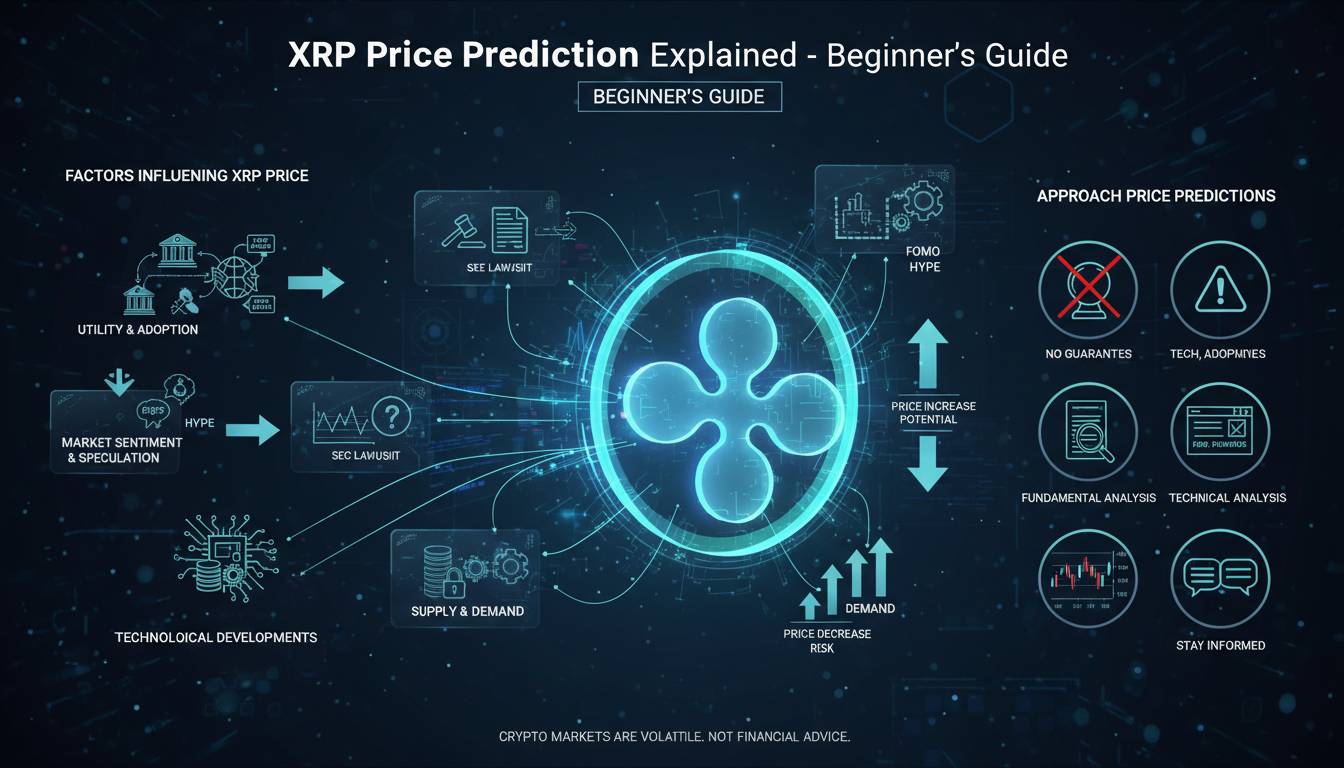
Most people get this completely backwards. They think XRP is Ripple’s product—the thing the company sells—and the blockchain is the point. The reality is almost the opposite. Ripple the company built payment infrastructure for banks, and XRP happens to be one tool they use to make those payments faster and cheaper. Understanding this distinction is the key to understanding why Ripple has spent over a decade positioning itself as enterprise software disguised as a cryptocurrency company—and why the distinction matters more than ever in 2025.
RippleNet and the enterprise payment business
Ripple operates as a financial technology company first and foremost. Founded in 2004 as OpenCoin (renamed Ripple in 2013), the company focuses on payment infrastructure for financial institutions. Their primary product isn’t a cryptocurrency—it’s RippleNet, a network of banking partners that settle cross-border payments using standardized messaging and ledger technology.
The company licenses its software to banks and payment providers. This is where Ripple makes most of its money. Financial institutions pay for access to Ripple’s payment infrastructure, which includes:
- RippleNet Connect: the core software platform that integrates with existing banking systems
- RippleX: developer tools for building payment applications on the Ripple network
- Ripple Liquidity Hub: a tool for institutions to source liquidity for crypto payments
These aren’t speculative crypto products. They’re enterprise software contracts with recognizable financial institutions. As of late 2024, Ripple had partnerships with over 100 financial customers, including names like Santander, American Express, and Standard Chartered. These partnerships aren’t speculative arrangements—they typically involve paid licensing agreements and integration services.
Here’s what most articles miss: Ripple’s enterprise business could largely function without XRP. The company offers what’s called “classic” RippleNet, which settles payments using traditional fiat currency rails alongside its crypto-native solution. The question of why XRP exists at all becomes the interesting one.
On-demand liquidity and XRP’s actual role
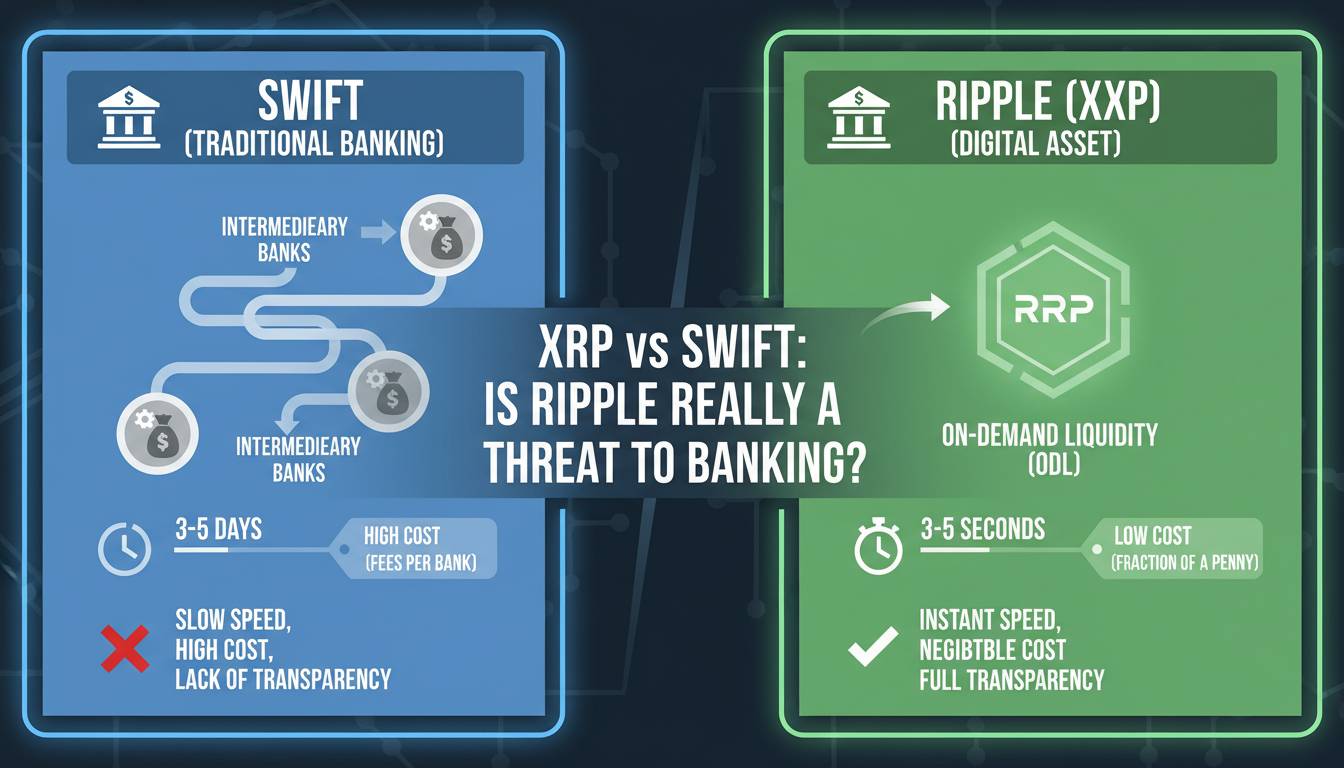
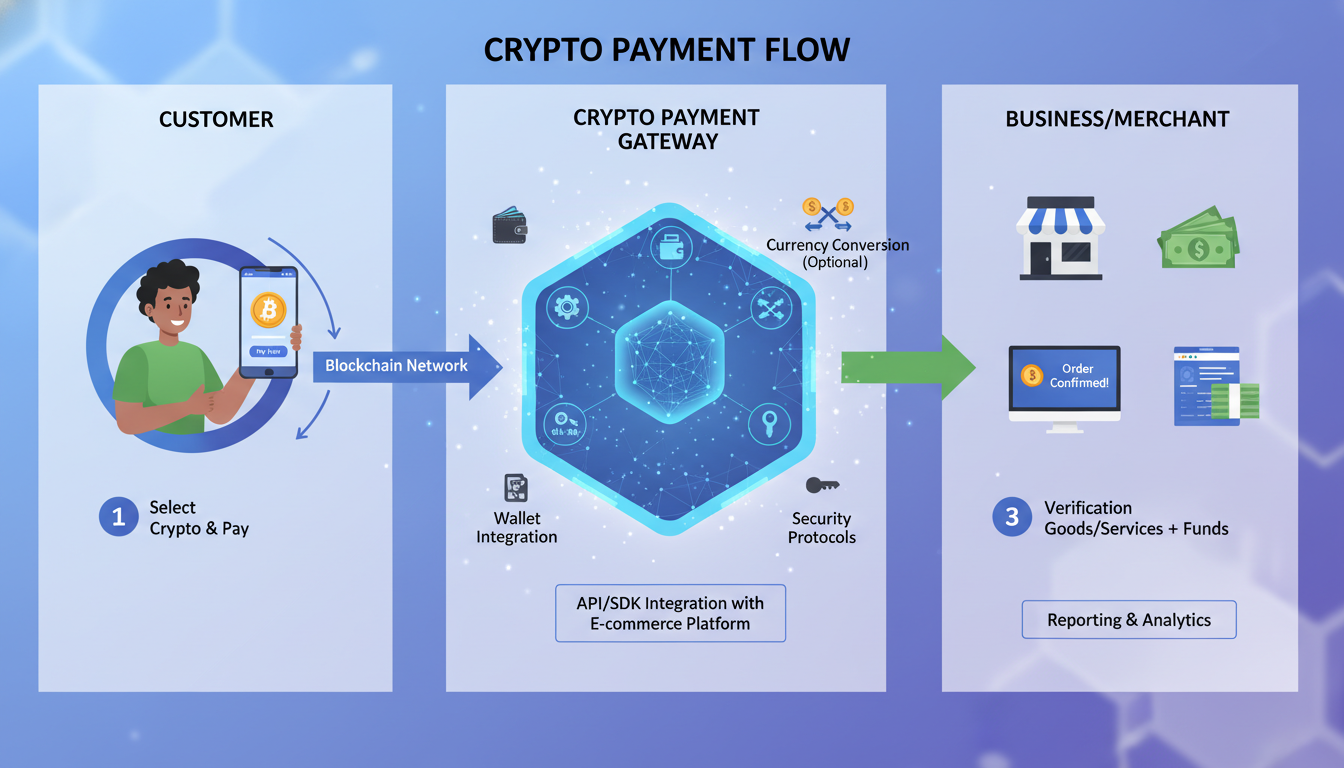
On-Demand Liquidity (ODL)—formerly known as xRapid—is Ripple’s flagship use case for XRP. Here’s how it works: instead of holding pre-funded accounts in various currencies across different countries, financial institutions can use XRP as a bridge currency. When a bank in the US wants to send funds to a recipient in Mexico, instead of maintaining a peso account in Mexico, they can convert dollars to XRP, send that XRP across the blockchain in seconds, and convert it to pesos on the other end.
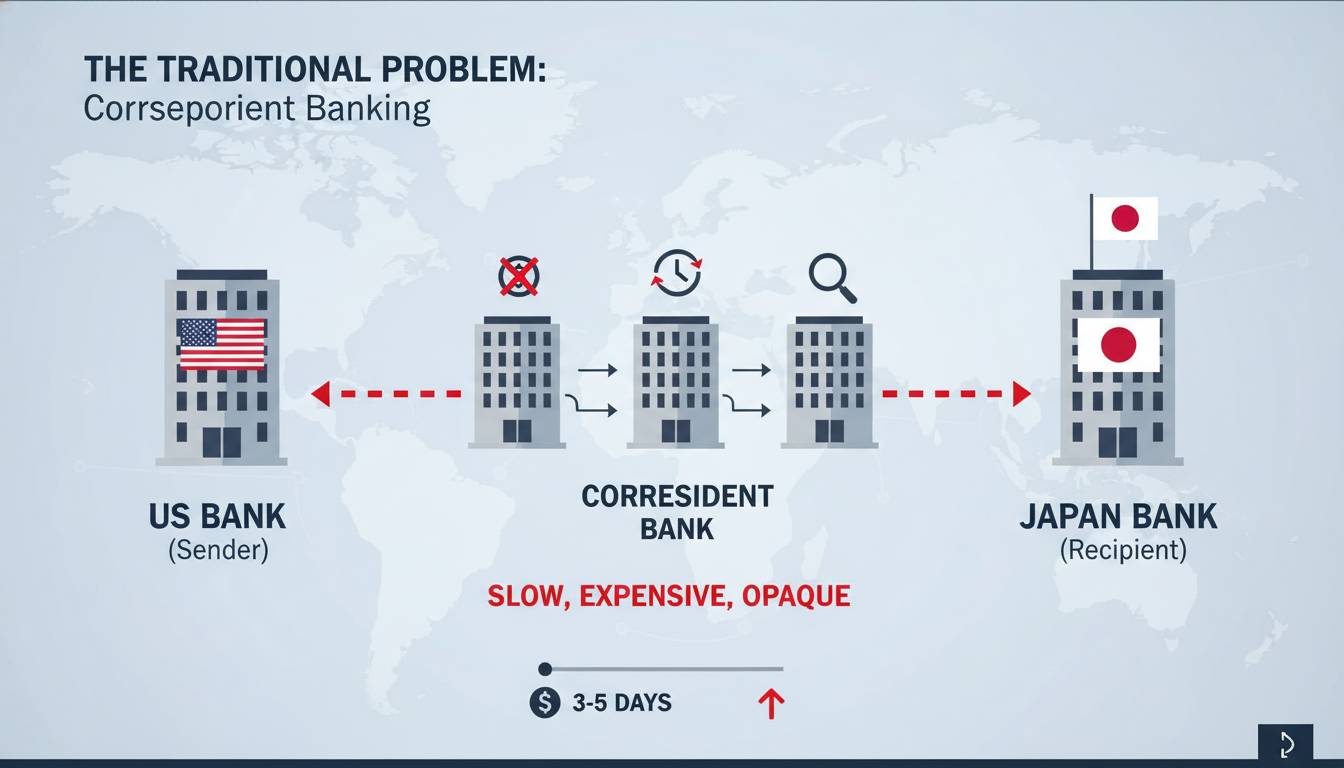
The pitch is compelling. Traditional cross-border payments can take 3-5 business days and involve multiple intermediary banks, each taking a cut. XRP transactions settle in 4-5 seconds. Theoretically, this reduces costs dramatically and eliminates the need for pre-funded nostro accounts—money that banks must hold in foreign accounts just to facilitate payments.
But here’s where I need to be honest about the limitations. ODL adoption has been slower than Ripple predicted. Despite years of promotion, the number of live ODL corridors remains limited. In 2023 and 2024, Ripple has been more focused on growing its overall RippleNet business rather than pushing XRP specifically. The company’s CEO Brad Garlinghouse has acknowledged that ODL is “one of several products” rather than the sole focus.
This matters because it reveals something important: XRP’s utility within Ripple’s ecosystem is narrower than many assume. The token exists, it’s technically functional, and some partners use it—but it’s not the engine driving Ripple’s revenue. That’s enterprise software licensing.
The token economics that actually matter
XRP has a unique token structure that distinguishes it from most cryptocurrencies. Rather than mining new XRP through proof-of-work, all 100 billion XRP tokens were created at launch. About 80 billion were given to Ripple, with the remainder split between founders and a non-profit foundation.
This pre-mined structure is worth understanding because it shapes nearly everything about how XRP trades and functions. There’s no gradual supply expansion diluting holder value. But it also means Ripple holds a massive token stash—approximately 48 billion XRP as of early 2025, according to their periodic unlock reports. The company has been selling XRP regularly to fund operations, which has historically created significant selling pressure on the market.
The token serves three primary functions within the ecosystem:
- Bridge currency: as described above, enabling near-instant currency conversion
- Network fees: each transaction burns a tiny amount of XRP (fraction of a cent)
- Anti-spam: holding minimum XRP serves as a requirement for running a validator node
The fee structure is genuinely minimal—a deliberate design choice to encourage adoption rather than generate revenue. The actual transaction costs are negligible compared to traditional wire fees. This means XRP doesn’t need high fees to function; it needs adoption.
The SEC lawsuit and what it changed
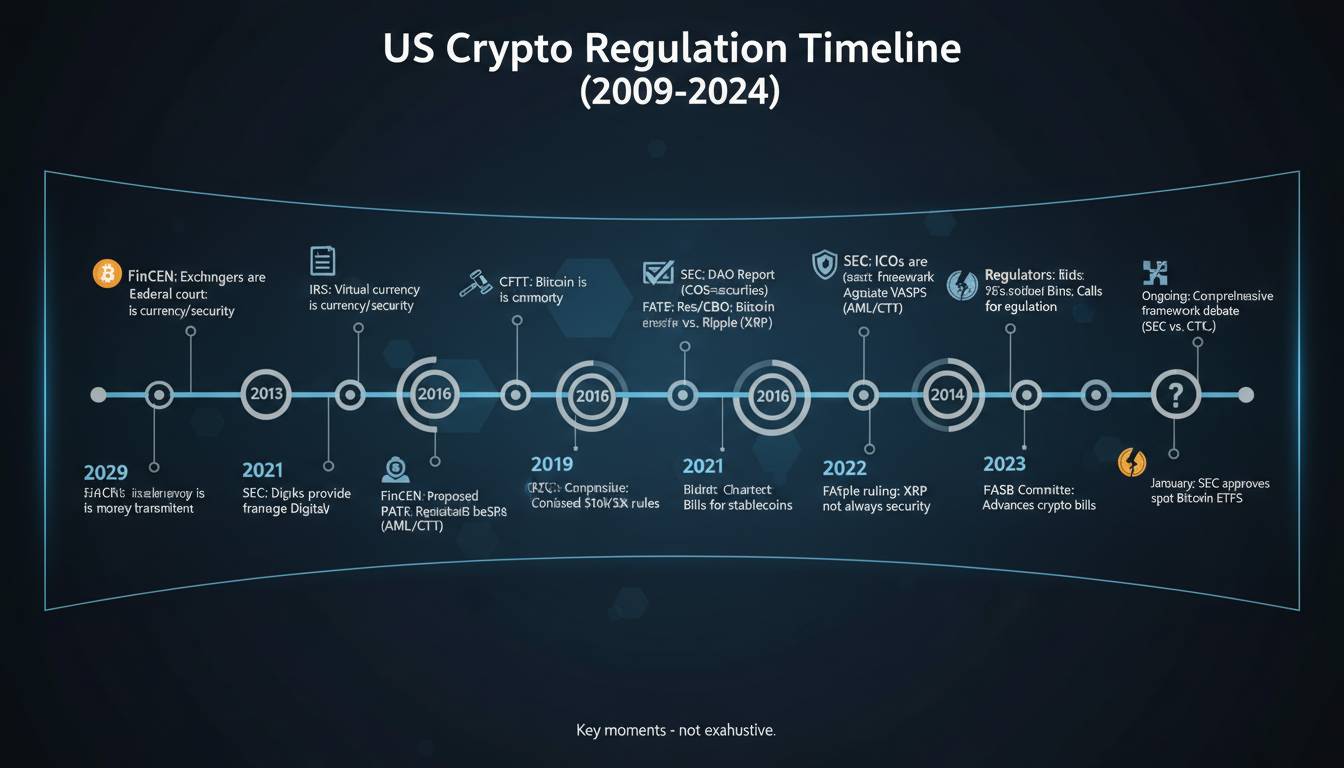
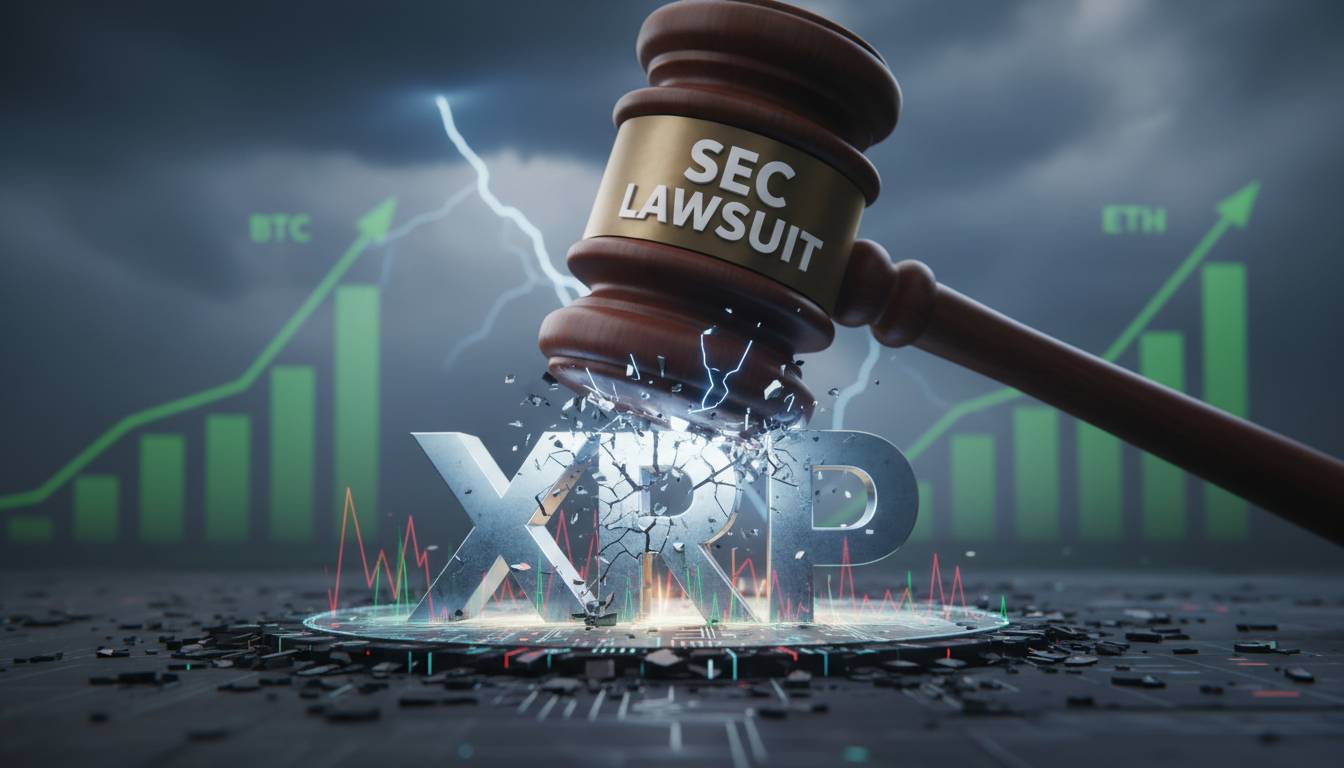
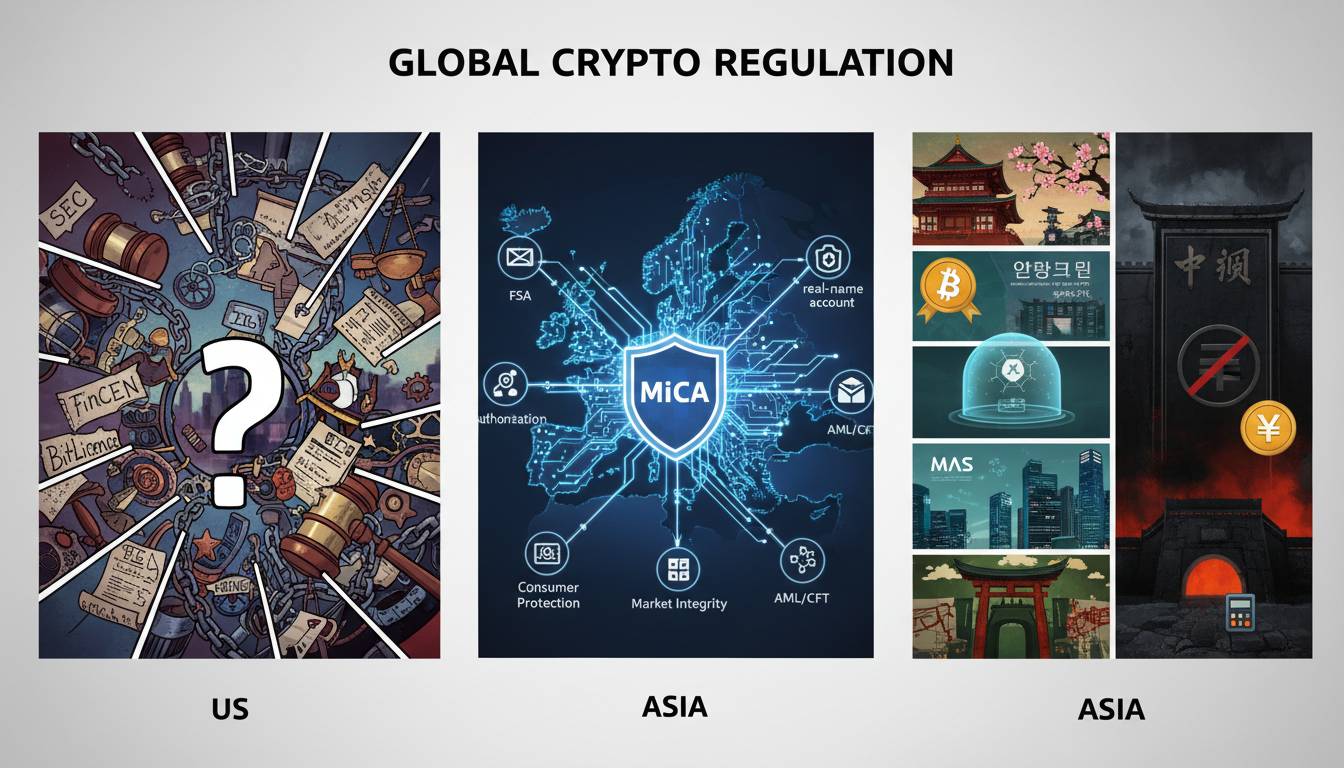
No discussion of Ripple’s business model is complete without addressing the elephant in the room: the Securities and Exchange Commission lawsuit that began in December 2020.
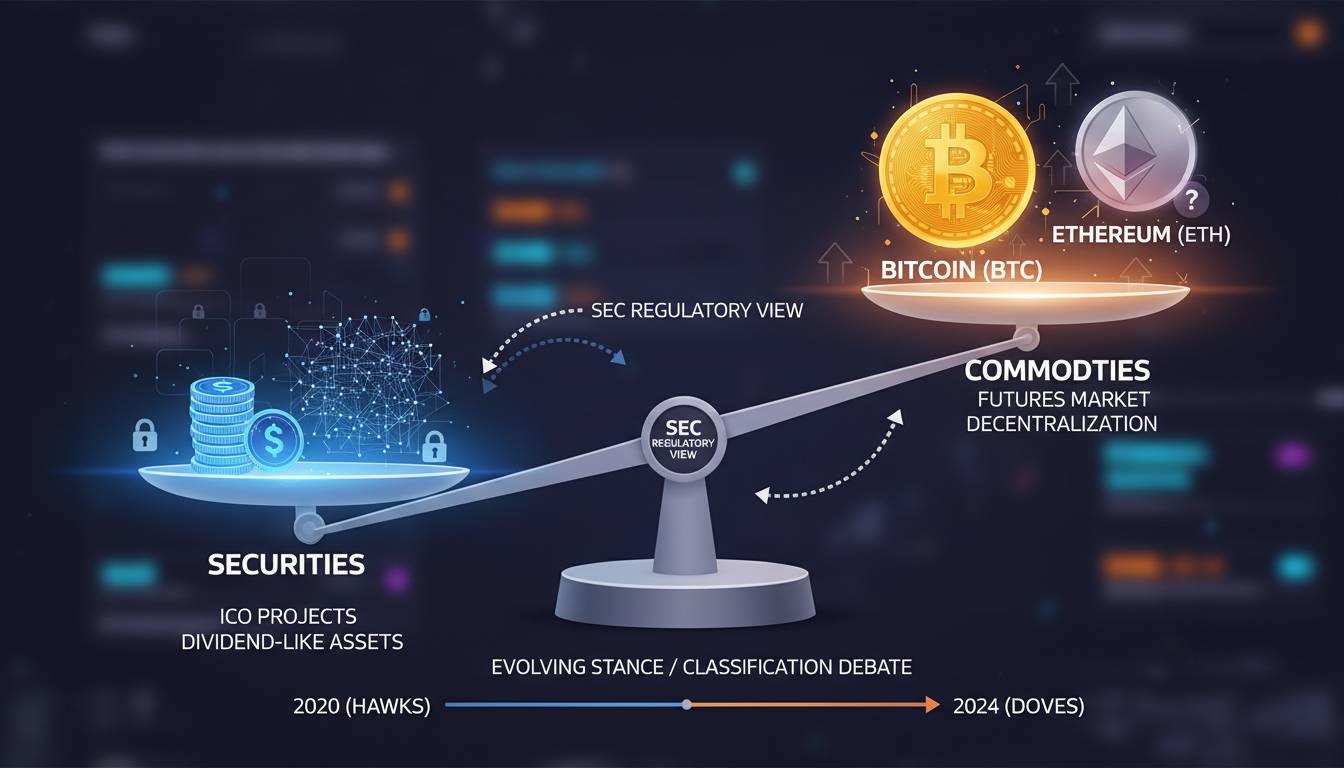
The SEC alleged that XRP was an unregistered security—essentially that Ripple had sold millions of dollars worth of securities to the public without proper registration. The case dragged on for three years, costing Ripple an estimated $100 million in legal fees. The crypto industry watched closely because the outcome would set precedent for how other cryptocurrencies might be classified.
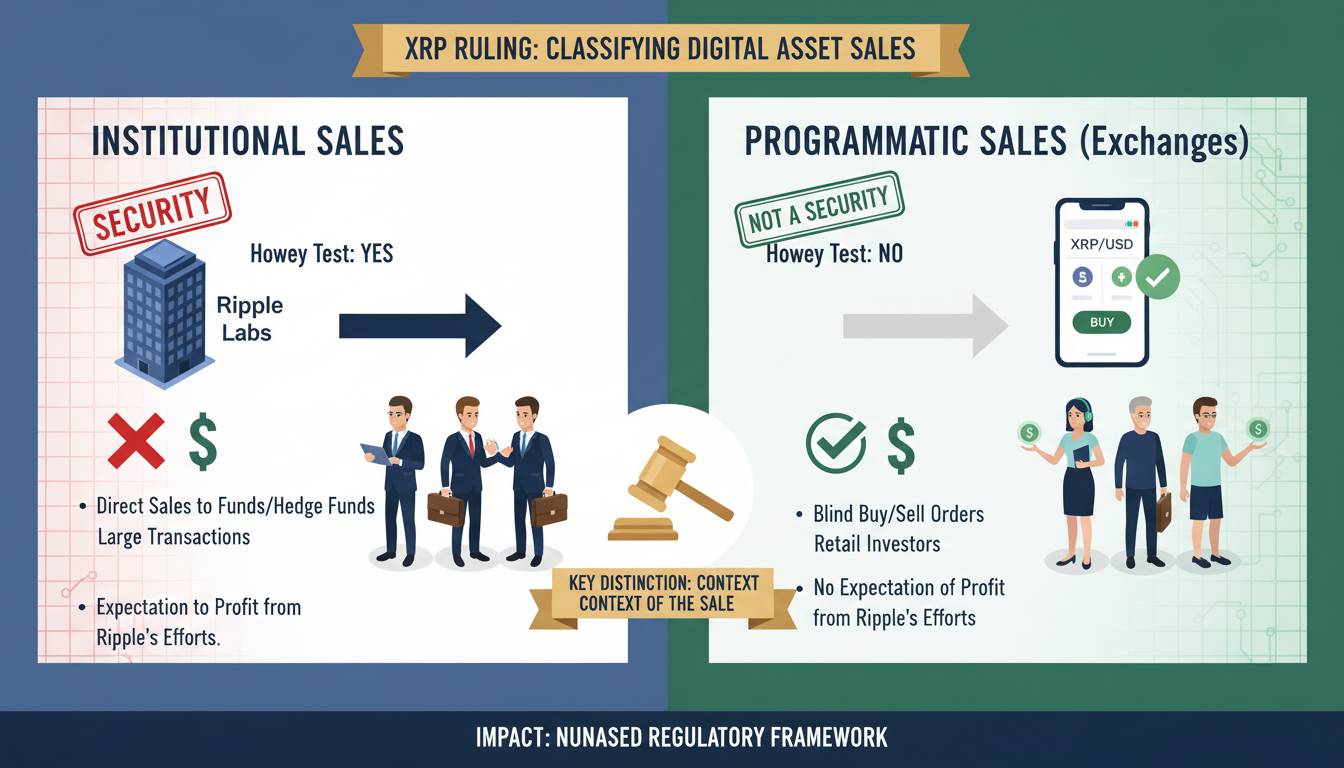
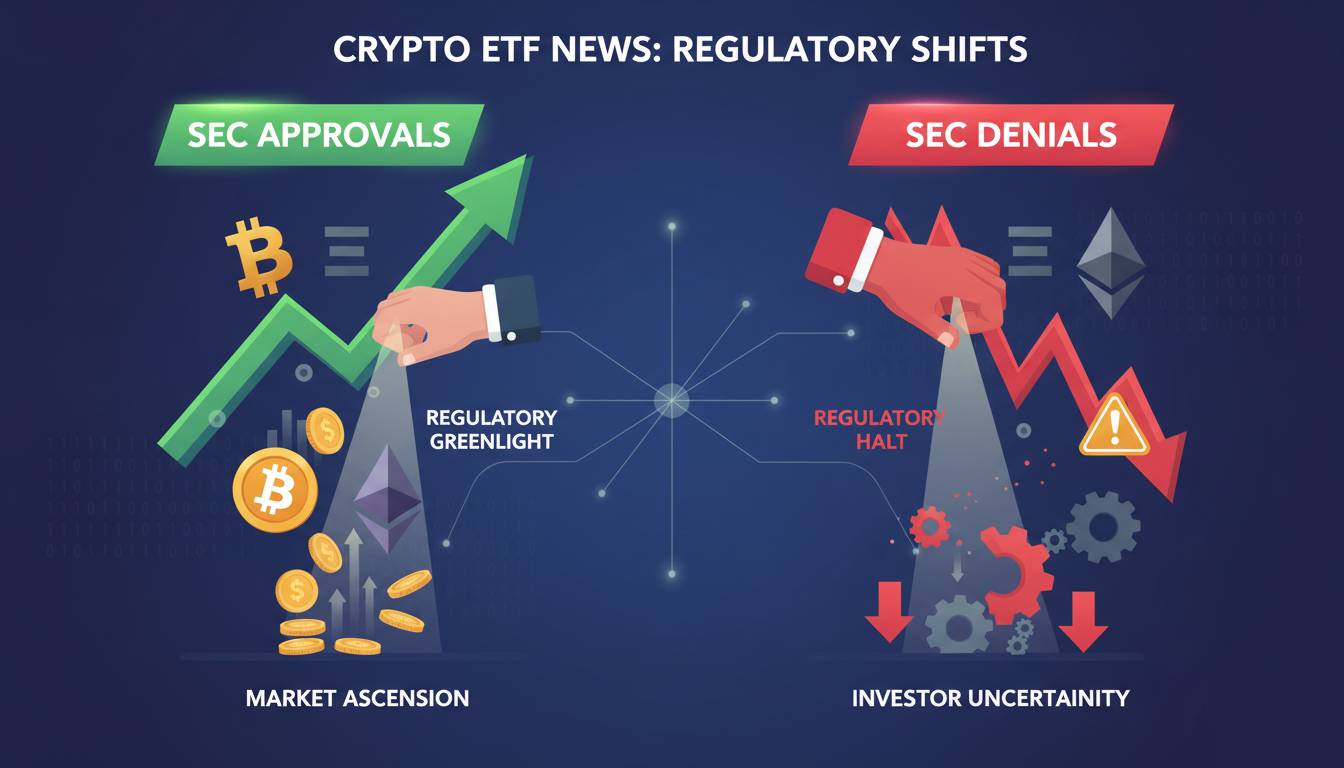
In May 2024, the case reached a partial resolution. Ripple won on the programmatic sales issue—the court ruled that sales to the public on exchanges weren’t securities transactions. However, the court also found that institutional sales (sold directly to institutional investors) did constitute securities offerings. The SEC appealed, adding continued uncertainty.
What changed practically? Ripple can continue operating. It can continue selling XRP through exchanges. But the company paid a $125 million civil penalty and agreed to register future XRP offerings. More importantly, the lawsuit forced Ripple to be far more transparent about its business practices than it might have otherwise chosen to be.
The real cost wasn’t the fine—it was the years of uncertainty that made many potential banking partners hesitant to adopt XRP-heavy solutions. Even now, post-settlement, some institutions remain cautious about building products around a token that faced regulator scrutiny at the highest levels.
What Ripple actually earns from this
Let me be specific about Ripple’s business model because most coverage is frustratingly vague.
Ripple makes money through several channels:
-
Software licensing: Banks pay for RippleNet software and integration services. This is typically structured as annual licensing fees plus per-transaction costs.
-
XRP sales: The company periodically sells XRP from its holdings. This isn’t its primary revenue source but contributes to operations.
-
RippleX services: Developer-focused products and API access for partners building on the network.
-
Liquidity services: The Liquidity Hub and related products generate fees from institutional clients.
The company hasn’t publicly disclosed detailed financials, but in 2022, Garlinghouse stated Ripple was “cash flow positive” and had been for years. Given that they’ve operated without venture capital since 2019, they appear to be running a sustainable enterprise software business.
Here’s what makes this interesting from a business model perspective: Ripple’s revenue doesn’t depend on XRP price appreciation. Whether XRP trades at $0.50 or $3.00 doesn’t meaningfully change the licensing fees banks pay for the software. This makes Ripple less vulnerable to crypto market cycles than pure crypto protocols—but it also means the token is somewhat disconnected from the company’s core revenue engine.
The centralization problem nobody wants to discuss
Here’s the uncomfortable truth that gets glossed over in most Ripple coverage: the network is significantly more centralized than Bitcoin or Ethereum.
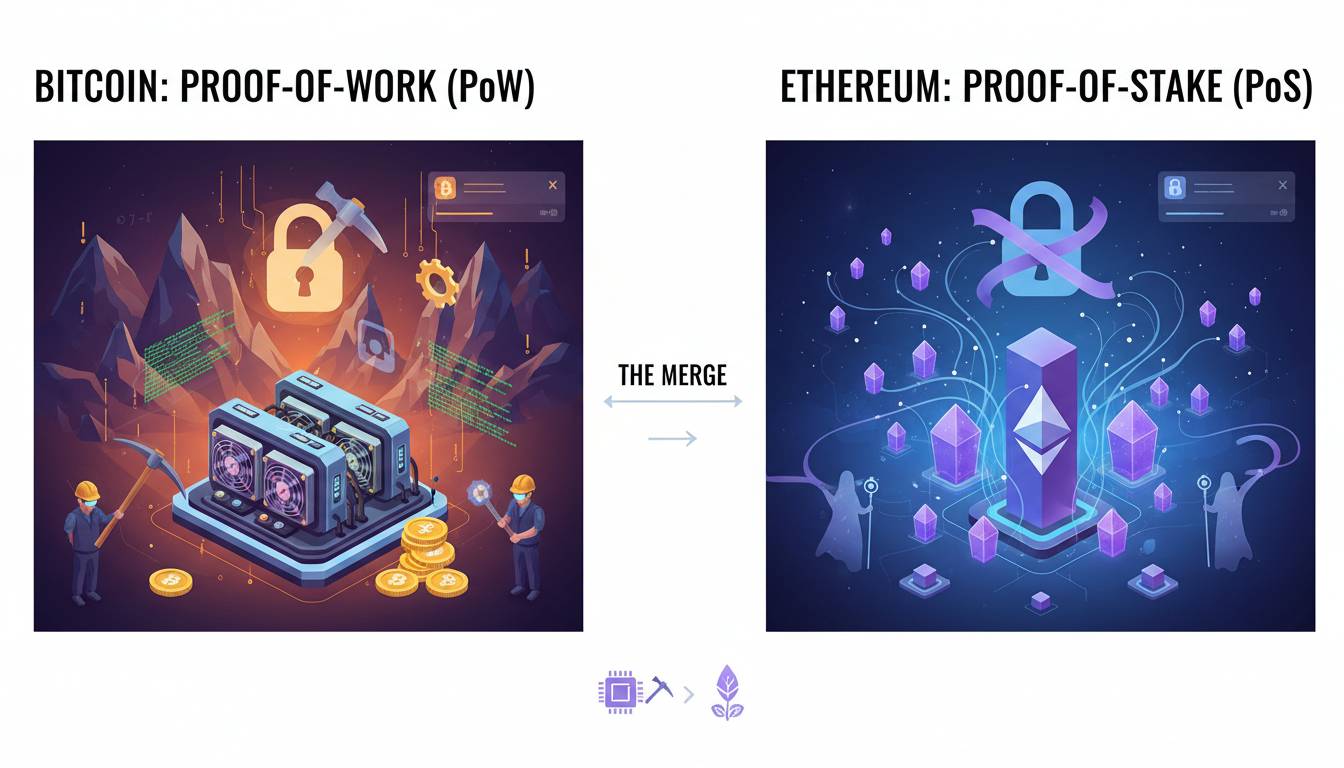
XRP uses a unique consensus mechanism called the XRP Ledger Consensus Protocol. Unlike proof-of-work mining (Bitcoin) or proof-of-stake with broad validator participation (Ethereum post-Merge), XRP validation is controlled by a relatively small set of nodes. Ripple itself runs a significant portion of these validators, and the company has historically been vague about exactly how many independent validators exist.
This is a legitimate criticism. When people talk about blockchain decentralization as a feature rather than a bug, XRP sits awkwardly in this conversation. The network processes transactions quickly and cheaply, but it does so with validator infrastructure that looks more like traditional financial infrastructure than a truly decentralized network.
Proponents argue this is a feature for enterprise use—banks want predictable, governable systems, not chaotic decentralized networks. This is probably true. But it’s worth acknowledging that XRP’s technical design prioritizes speed and efficiency over the ideological decentralization that drives many other cryptocurrencies.
CBDCs and the future Ripple isn’t talking about
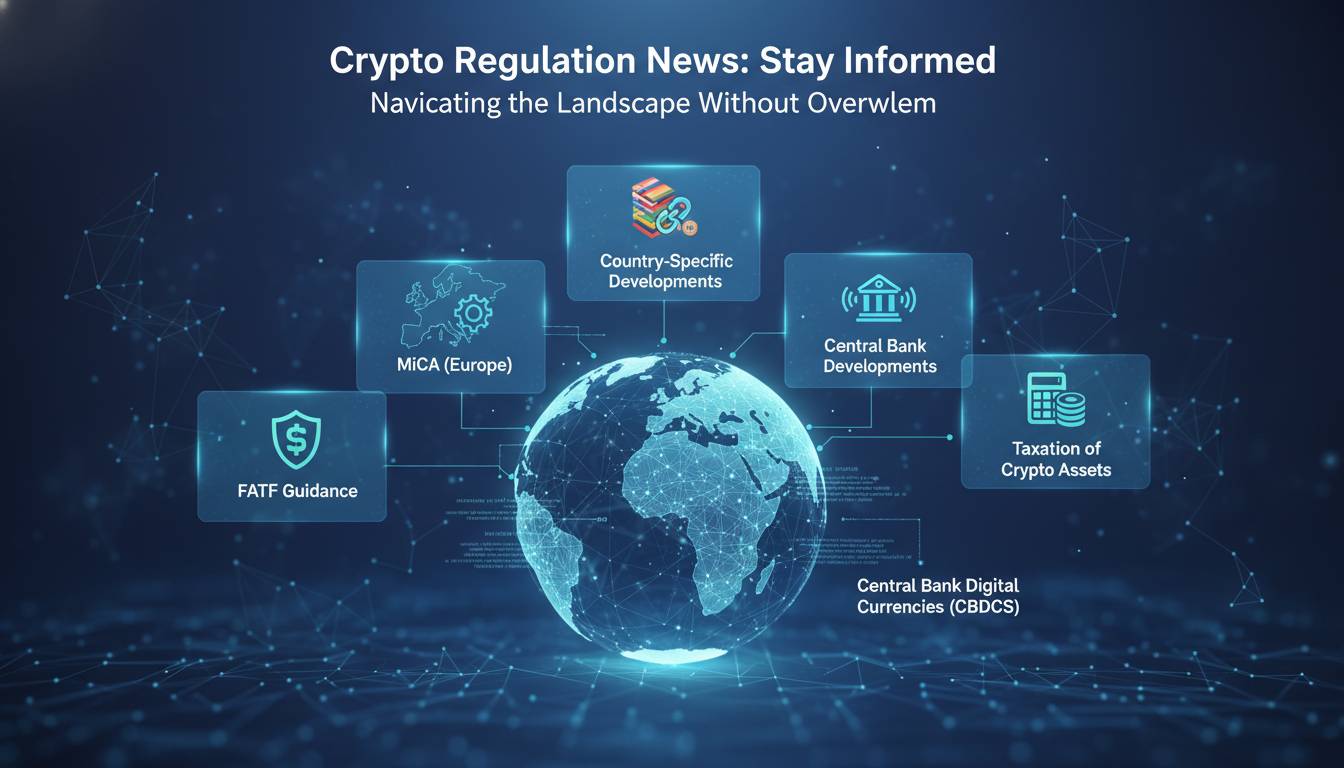
One area where Ripple has been increasingly active is central bank digital currencies. The company has developed technology for CBDC issuance and management, partnering with various central banks and monetary authorities to pilot programs.
This is potentially enormous. If national governments adopt digital currencies, they’ll need infrastructure to issue, distribute, and manage them. Ripple’s existing banking relationships and payment technology position it to compete for these contracts.
But here’s the honest assessment: this market is still nascent. Most central banks are in research mode rather than implementation mode. The winners in this space haven’t been determined yet, and Ripple faces competition from IBM, Mastercard, and various blockchain startups all pursuing the same opportunities.
The CBDC angle is often cited as a reason XRP will appreciate in value. This connection is tenuous at best. CBDC infrastructure doesn’t require XRP specifically—it could run on permissioned ledgers without any public cryptocurrency. The token’s role in this future remains unclear.
What this all means for understanding the business
Ripple’s business model is straightforward once you strip away the noise: they’re an enterprise software company that happens to have created a cryptocurrency. The software generates reliable revenue from banking partners. The cryptocurrency exists as a potential liquidity tool but isn’t the primary profit center.
This framing explains why Ripple has been able to survive regulatory scrutiny, market crashes, and years of uncertainty without missing a beat. They’re not a crypto speculation play. They’re a fintech infrastructure company with a token that serves specific technical purposes.
The critical questions for 2025 and beyond are whether ODL adoption accelerates, whether the CBDC opportunity materializes in a way that benefits Ripple, and whether the company can continue growing its enterprise customer base against increasing competition from traditional fintech and other blockchain protocols.
What I won’t do is pretend I know whether XRP is a good investment. That’s a different question entirely, and answering it requires analyzing price charts, market sentiment, and speculative dynamics that have nothing to do with how the underlying business functions. The business works regardless of whether the token appreciates.
The unresolved tension at the heart of Ripple’s model is this: they built a cryptocurrency specifically to solve real payment problems, but the actual revenue comes from selling software that largely doesn’t require the cryptocurrency to function. XRP is genuinely useful as a bridge currency—but that usefulness hasn’t yet translated into the adoption trajectory that would make it indispensable. Whether that changes in the next few years, or whether Ripple simply continues as a profitable enterprise software company that happens to own a cryptocurrency, is genuinely uncertain. The answer will tell us a lot about where blockchain payments actually fit in the broader financial system.