
How to Use ChatGPT for Crypto Research Beyond Price Predictions
Everyone asks ChatGPT what Bitcoin will do next. That’s the wrong question. The model wasn’t trained to forecast markets, and treating it as a price oracle is a fast track to losing money. But here’s what most crypto researchers miss: ChatGPT excels at tasks that have nothing to do with predicting the future—and everything to do with understanding what’s already in front of you.
I’ve spent the past two years using large language models for crypto due diligence, and the most valuable applications have zero to do with “will X go up?” They involve parsing dense documentation, comparing protocol designs, identifying red flags in token distributions, and accelerating the grunt work of legitimate research. The key is knowing what to ask—and what to never ask.
This guide covers the research tasks where ChatGPT genuinely adds value, along with the boundaries that make the difference between useful assistance and dangerous overconfidence.
Whitepapers are the gatekeepers of crypto research. They’re also deliberately dense, often padding 15 pages of actual substance across 60 pages of marketing fluff and mathematical notation. This is where ChatGPT becomes immediately valuable.
Give the model a project’s whitepaper and ask it to extract the core mechanism. Not “what does this do” in generic terms—ask specific questions about the consensus algorithm, the token issuance schedule, or how the protocol handles state changes. I’ve used this to understand a DeFi lending protocol’s liquidity model in 20 minutes that would have taken two hours of head-scratching through the original document.
The trick is treating ChatGPT as a decoder, not an authority. Ask it to translate technical claims into plain English, then verify the translation against the source. When I tested this with several well-known altcoin whitepapers, the model accurately described the tokenomics in most cases but occasionally glossed over subtle inflation mechanisms. It caught the major details—the total supply, the initial distribution, the emission schedule—but missed a 1.5% annual inflation rate in one project that was buried in a footnote. That’s a material detail for long-term holders.
How to use this: Paste the whitepaper and ask “What is the precise token issuance schedule, and what are the inflation or deflation mechanisms?” Then verify each claim against the original document yourself. Use the model to speed up comprehension, not to replace scrutiny.
Comparing Protocol Designs Across Competitors
One of the most time-consuming tasks in crypto research is comparing similar projects side by side. If you’re evaluating three liquid staking protocols or four perpetual DEXes, you’re manually tracking dozens of variables: fee structures, slashing conditions, governance models, security assumptions. ChatGPT can accelerate this dramatically.
Provide the model with the technical specifications or documentation from two or three competing protocols, then ask for a structured comparison on dimensions you care about. The output won’t be perfect, but it gives you a starting framework that would take hours to build from scratch.
I recently compared five different modular blockchain projects this way. Rather than reading through each ecosystem’s documentation separately, I fed key parameters into the model and asked for a comparison table covering execution environments, data availability layers, consensus mechanisms, and developer tooling. The resulting table took 15 minutes to generate and served as a useful first-pass filter, identifying two projects that didn’t fit my criteria and three worth deeper investigation.
The limitation: ChatGPT’s knowledge has a cutoff date. For rapidly evolving sectors like modular blockchains or restaking protocols, the model may not know about updates released after its training data was compiled. For my comparison, I had to manually verify that the model hadn’t presented outdated information about a protocol that had undergone a major upgrade in late 2024.
How to use this: Use ChatGPT to generate comparison frameworks, then treat those frameworks as drafts. Verify each data point against current documentation. The time savings comes from not starting from a blank spreadsheet.
Analyzing Tokenomics Without Doing the Math by Hand
Tokenomics analysis is arguably the most important yet most neglected part of crypto research. Most traders couldn’t tell you the difference between inflationary and deflationary token models, let alone calculate how a specific supply schedule impacts long-term value. ChatGPT can help here—but you have to ask the right questions.
Rather than asking “is this a good investment,” ask specific questions about supply dynamics: What is the maximum supply? What is the current circulating supply, and how quickly is it increasing? Are there unlock schedules, and if so, for whom? What are the burning mechanisms, if any? These are concrete questions with concrete answers that exist in project documentation.
I’ve used this approach to quickly assess whether a token’s economics are fundamentally sound. A project with a 10% annual inflation rate and no burn mechanism is making a clear choice about its monetary policy—ChatGPT can help you identify that choice in seconds. The model can also flag common red flags: token distributions where the team and early investors retain 60%+ of supply, unlock schedules that create massive sell pressure at specific dates, or vesting periods that mean nothing because the team can withdraw through other means.
The honest caveat: tokenomics analysis requires skepticism that AI can’t provide. A project’s documentation might say one thing about supply limits while the actual on-chain reality differs. ChatGPT can summarize what the project claims—but it can’t verify those claims against on-chain data. That’s still your job.
How to use this: Ask ChatGPT to extract and summarize the tokenomics parameters from a project’s documentation: supply, emission schedule, distribution, burn mechanisms, and vesting. Then verify against on-chain data using a block explorer.
Building Due Diligence Checklists for New Projects
If you’re evaluating dozens of projects, having a consistent due diligence framework matters. ChatGPT can help you build one—and customize it based on what you’re looking for.
This is a task where the model genuinely shines: synthesizing best practices from across the industry into a usable checklist. You can ask it to generate a due diligence framework for DeFi protocols, for layer-1 blockchains, for NFT projects, or for GameFi tokens—and the model will draw on its training to produce something reasonable.
But here’s where opinion matters: I don’t think any single due diligence framework is sufficient. The questions that matter for a lending protocol are different from those that matter for a layer-1 chain. I’ve asked ChatGPT to generate specific frameworks for specific project types, then combined the results with my own priorities. The output is a starting point, not a final checklist.
For a DeFi protocol, the framework might include: Has the protocol been audited, and by whom? What is the TVL-to-market-cap ratio? Are there admin keys, and if so, what can they do? What is the governance mechanism, and what quorum is required to pass proposals? For a layer-1, the questions shift to: What is the consensus mechanism, and what are its security assumptions? What is the token’s utility beyond transaction fees? How many validators, and how decentralized is the validator set?
How to use this: Generate a due diligence framework for your specific niche, then expand it based on your own research experience. The model gives you structure; you provide the judgment.
Explaining Complex Concepts and Mechanisms
Crypto is infamous for reinventing terminology and layering abstraction on abstraction. Smart contracts, zk rollups, MEV, liquid staking derivatives—these concepts have real substance, but the explanations often assume prior knowledge that newcomers don’t have.
ChatGPT excels at explanation. Not prediction—explanation. If you encounter a concept you don’t understand, the model can break it down in plain language, often better than documentation that assumes expertise. I’ve used it to understand how zero-knowledge proofs work, to explain the difference between optimistic and zk rollups, and to describe how concentrated liquidity works in Uniswap V3.
The key is specificity in your questions. Don’t ask “explain DeFi”—that’s too broad and you’ll get a generic response. Ask “explain how a lending protocol like Aave calculates borrowing rates” or “describe how perpetual futures pricing differs from spot markets.” The more specific the question, the more useful the answer.
One important note: ChatGPT can occasionally simplify too much. Complex mechanisms like cross-chain bridges or oracle price feeds have subtle failure modes that a simplified explanation might miss. Use the model’s explanations as a foundation, then dig deeper into the specific attack vectors and failure modes that matter for your use case.
How to use this: When you encounter an unfamiliar concept, ask ChatGPT for a plain-language explanation with a concrete example. Then ask follow-up questions about failure modes or limitations.
Reviewing and Debugging Smart Contract Code
This is where ChatGPT has genuine technical utility that goes beyond summarization. If you have some programming knowledge, the model can help you review Solidity code, identify potential vulnerabilities, and understand what a contract is actually doing.
I’ve used this feature extensively. Paste a smart contract and ask: What does this function do? What are the access control mechanisms? Are there any obvious reentrancy vulnerabilities? The model can point you toward common issues—the missing checks-effects-interactions pattern, the use of tx.origin instead of msg.sender, the absence of pausable mechanisms in critical functions.
But there’s a serious limitation here: ChatGPT is not a security audit. It can catch obvious issues and help you understand code, but it will miss subtle vulnerabilities that would be caught by a professional audit. I’ve seen the model miss integer overflow issues in older Solidity code, fail to identify proxy upgrade vulnerabilities, and miss centralization risks in admin-controlled contracts. It catches the low-hanging fruit, not the sophisticated attacks.
For developers, this is still useful. Using ChatGPT as a first-pass code reviewer can accelerate development and catch mistakes before they reach a professional audit. Just don’t mistake the model’s review for a security audit, and don’t deploy code to mainnet based solely on ChatGPT’s assessment.
How to use this: Use ChatGPT to understand unfamiliar contract code and catch obvious issues. Then hire a professional auditor for any code that will handle significant value.
Synthesizing Research from Multiple Sources
One of the most time-consuming aspects of crypto research is synthesis. You might read a project’s documentation, check community discussions on Reddit and Discord, review on-chain metrics, and scan news coverage—then try to hold all of it in your head simultaneously. ChatGPT can help synthesize across these sources.
This works best when you provide the sources yourself. Paste a project’s documentation summary, a relevant discussion thread, and a news article about a recent development, then ask the model to identify themes, conflicts, or gaps. The model can tell you what the documentation claims, what the community is concerned about, and whether recent news changes the assessment.
I used this approach during the FTX collapse in 2022. Rather than tracking dozens of news articles and on-chain alerts manually, I pasted key articles and on-chain data into the model and asked for a synthesized timeline of events and implications. It wasn’t perfect—some breaking developments postdated the model’s knowledge—but it provided a useful framework for understanding what was happening.
How to use this: Paste relevant source material (documentation, discussions, news) and ask for a synthesis that identifies key themes, contradictions, or unanswered questions. Use this as a thinking partner, not a final authority.
Learning and Curating Educational Resources
Crypto moves too fast for any single course or book to stay current. The best researchers are perpetual learners, and ChatGPT can help curate learning paths based on what you need to know.
If you want to understand rollup technology, ask the model to recommend resources at your current knowledge level. If you’re familiar with blockchain basics but want to go deeper on zero-knowledge cryptography, ask for technical resources. If you’re a developer looking to learn DeFi protocol development, ask for a structured learning path.
The model won’t know about the very latest courses or YouTube videos—it has a knowledge cutoff—but it can recommend foundational resources, classic papers, and well-established tutorials that remain relevant. I’ve found this useful for directing team members to learning materials matched to their existing knowledge level.
How to use this: Ask ChatGPT for a curated learning path on a specific topic, specifying your current knowledge level. Supplement with current resources from Twitter, Discord, and recent blog posts.
Understanding Regulatory Developments
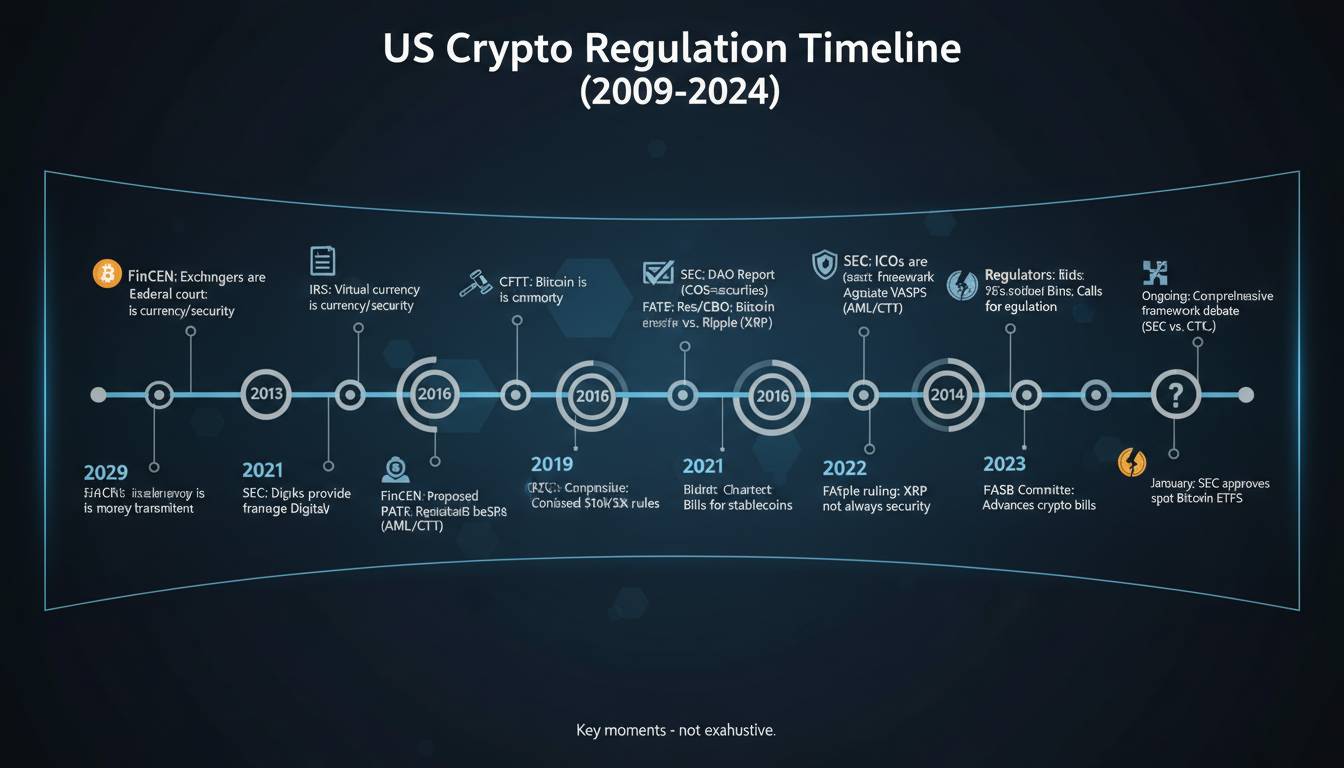
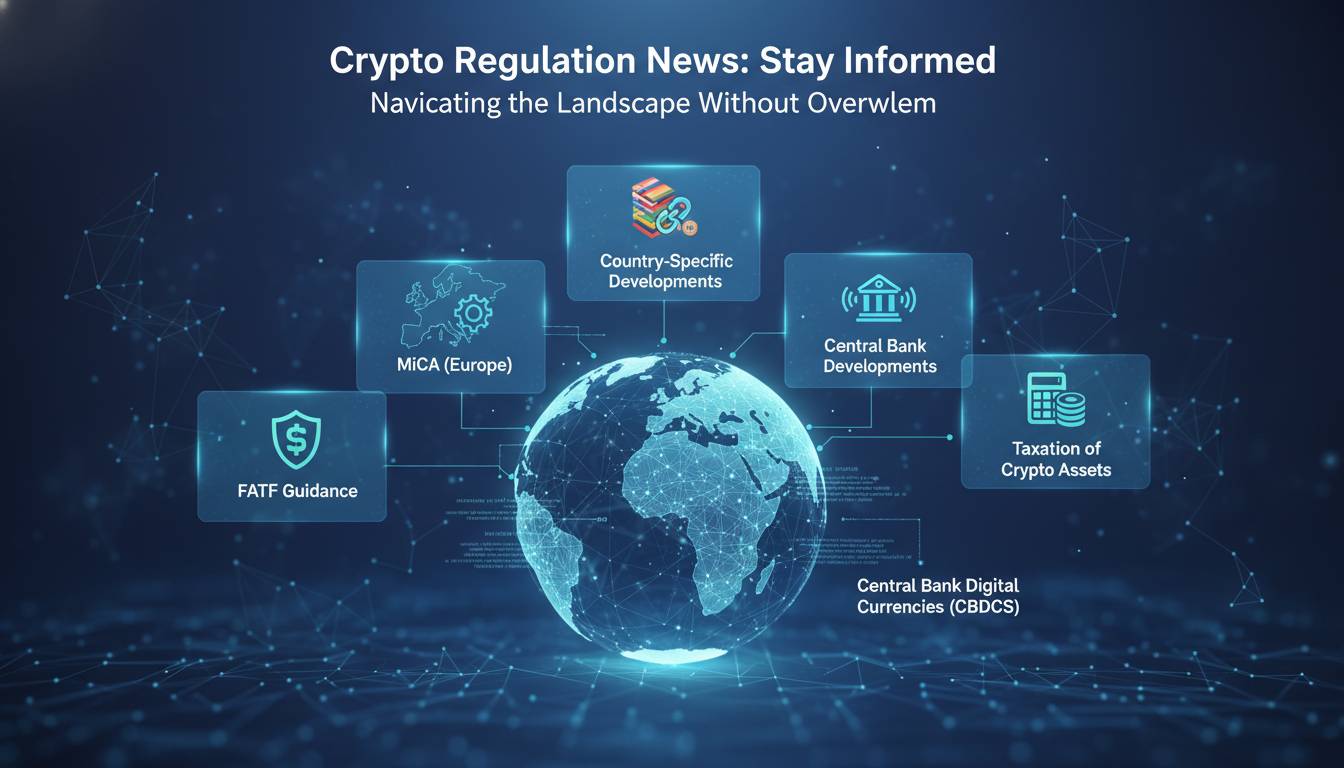
Crypto regulation is a moving target that varies by jurisdiction. Keeping track of developments in the US, EU, UK, and Singapore simultaneously is nearly impossible. ChatGPT can help synthesize what’s known about current regulatory frameworks—but with significant caveats.
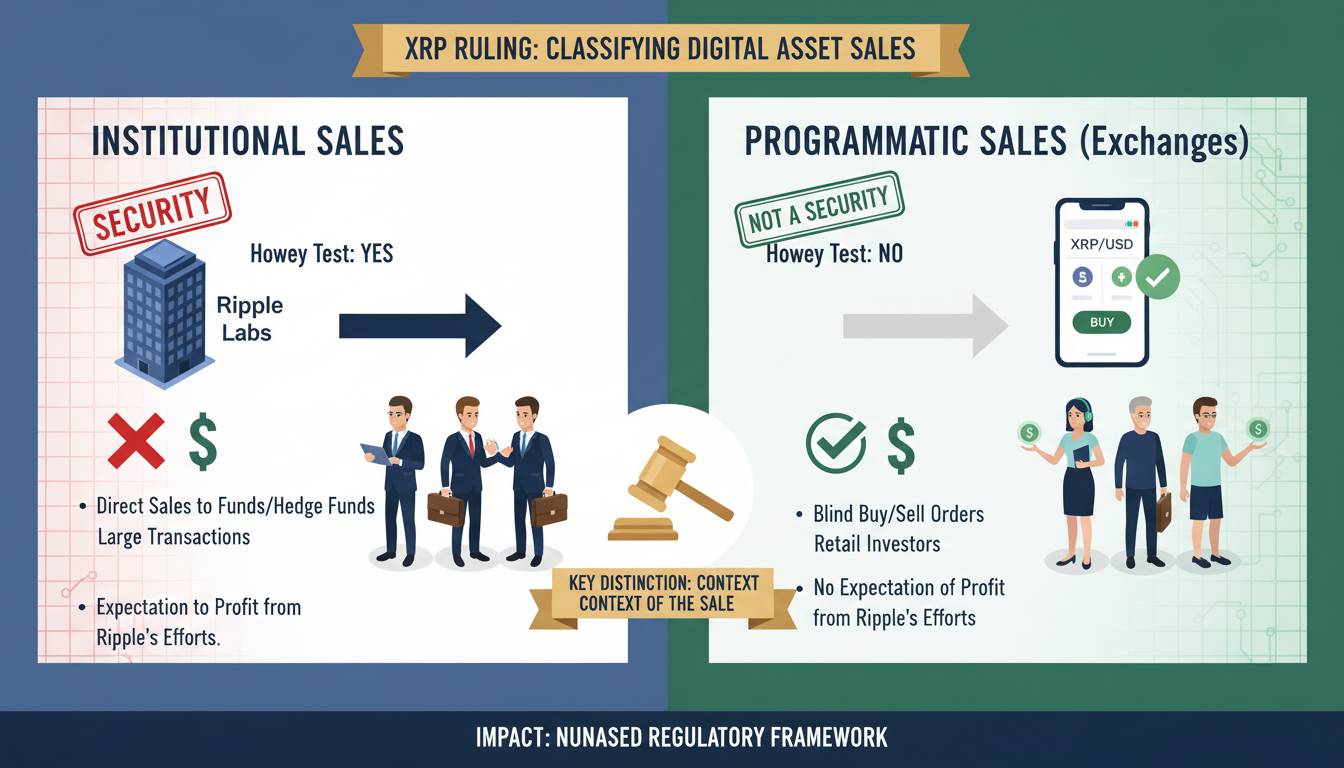
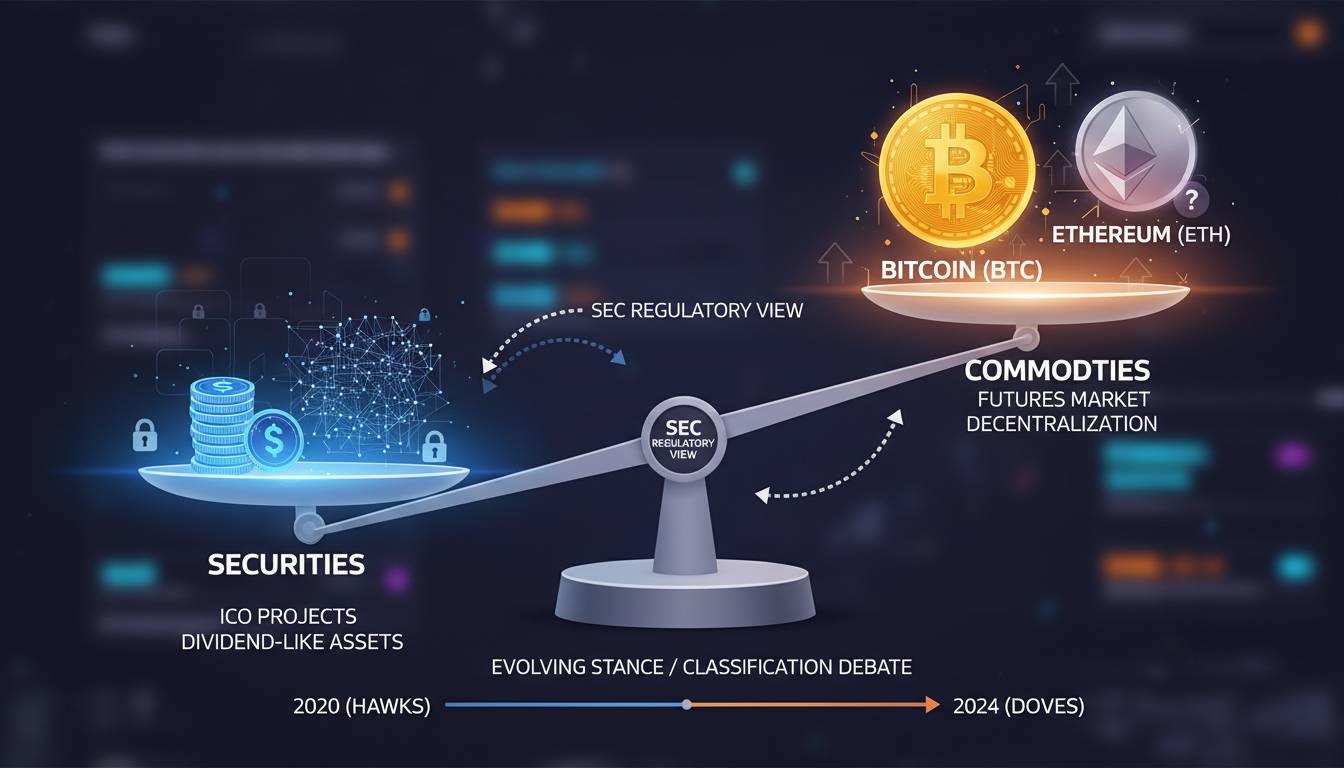
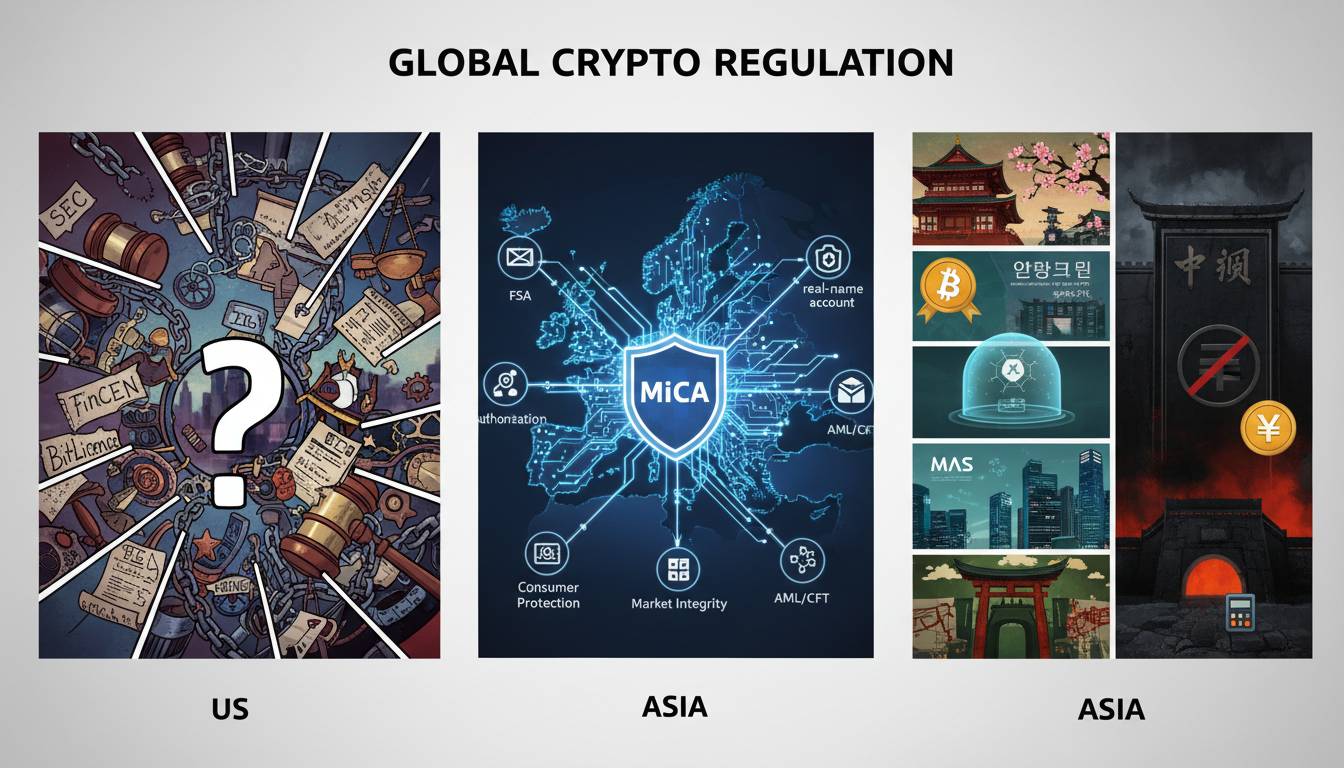
The model can explain how MiCA (the EU’s Markets in Crypto-Assets regulation) works, what the SEC’s current stance on securities classification appears to be, or how different jurisdictions treat stablecoins. These are useful baseline explanations.
However, regulatory positions change rapidly, and the model’s knowledge may not reflect the latest developments. As of early 2025, the regulatory landscape remains fluid, with ongoing court cases in the US that could reshape how digital assets are classified. Use the model for background understanding, but verify current status through primary sources like official regulatory announcements and legal analysis from practitioners.
How to use this: Use ChatGPT to understand the general regulatory landscape and framework concepts. Then verify current status through official sources and recent legal analysis.
Conclusion
The common thread across all these applications is specificity and verification. ChatGPT is a powerful tool for accelerating comprehension, synthesizing information, and generating frameworks—but it is not an oracle, an auditor, or a substitute for your own critical thinking.
The researchers who get the most value from AI are those who know exactly what they’re asking for, who verify the outputs against primary sources, and who understand the model’s limitations. In crypto, where scams are prevalent, where documentation is often misleading, and where the pace of change outstrips any single person’s ability to keep up, that combination is invaluable.
The question isn’t whether AI can predict crypto prices—it can’t, and anyone claiming otherwise is selling something. The question is whether you can use it as a force multiplier for legitimate research. That depends entirely on what you ask, how you verify, and whether you’re honest about what you don’t know.