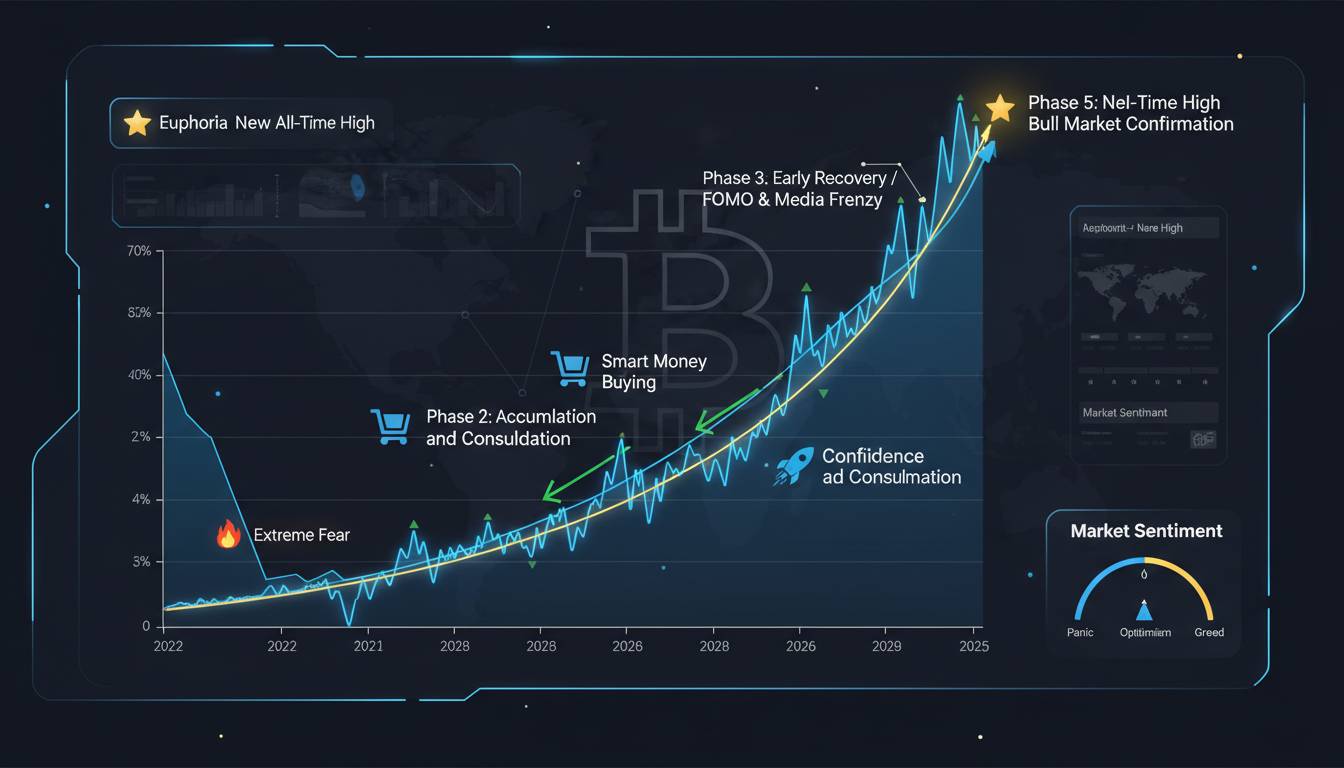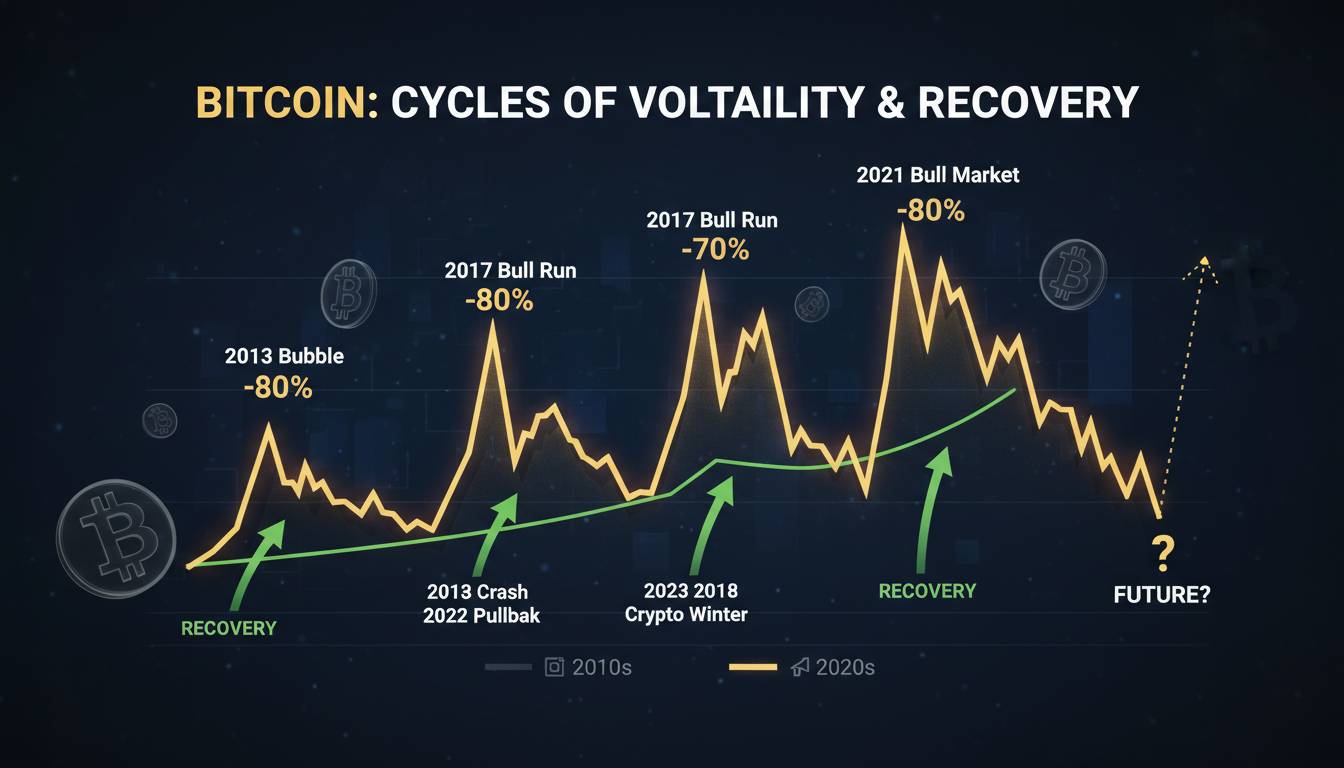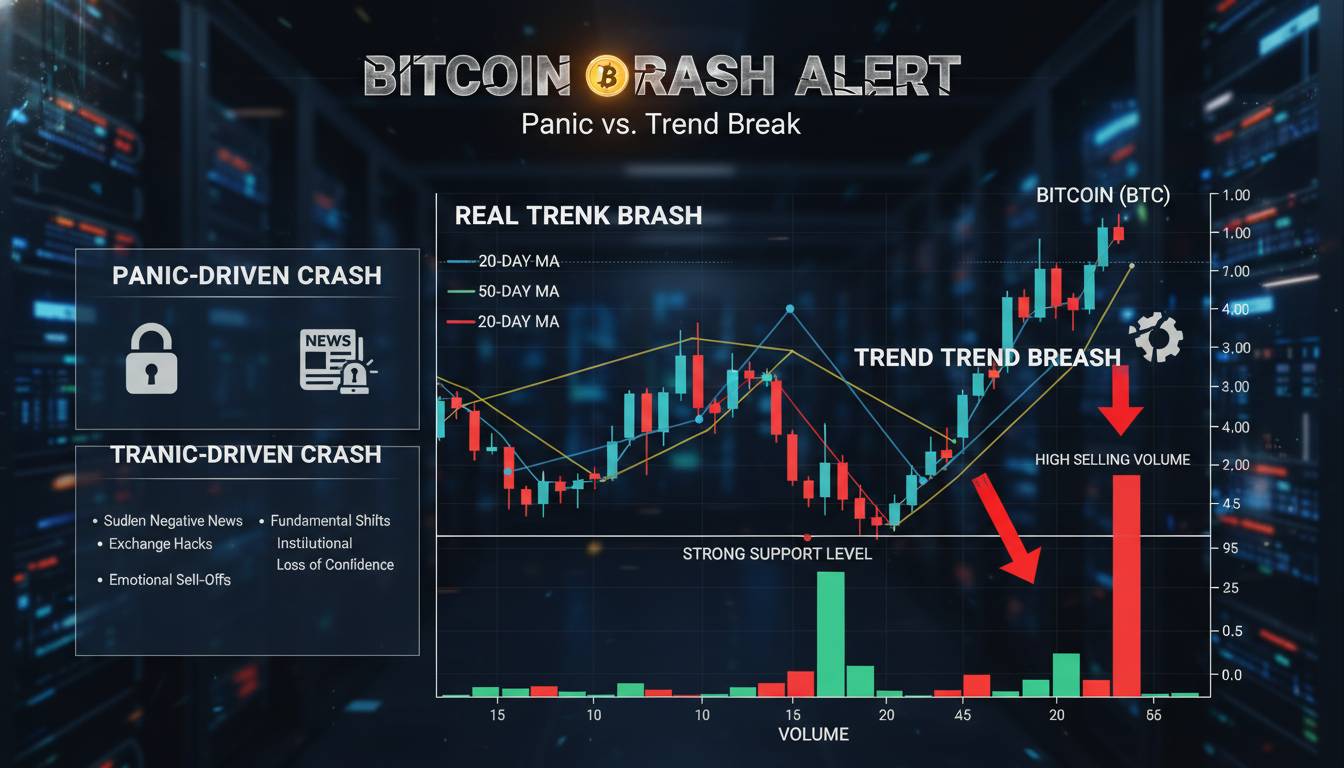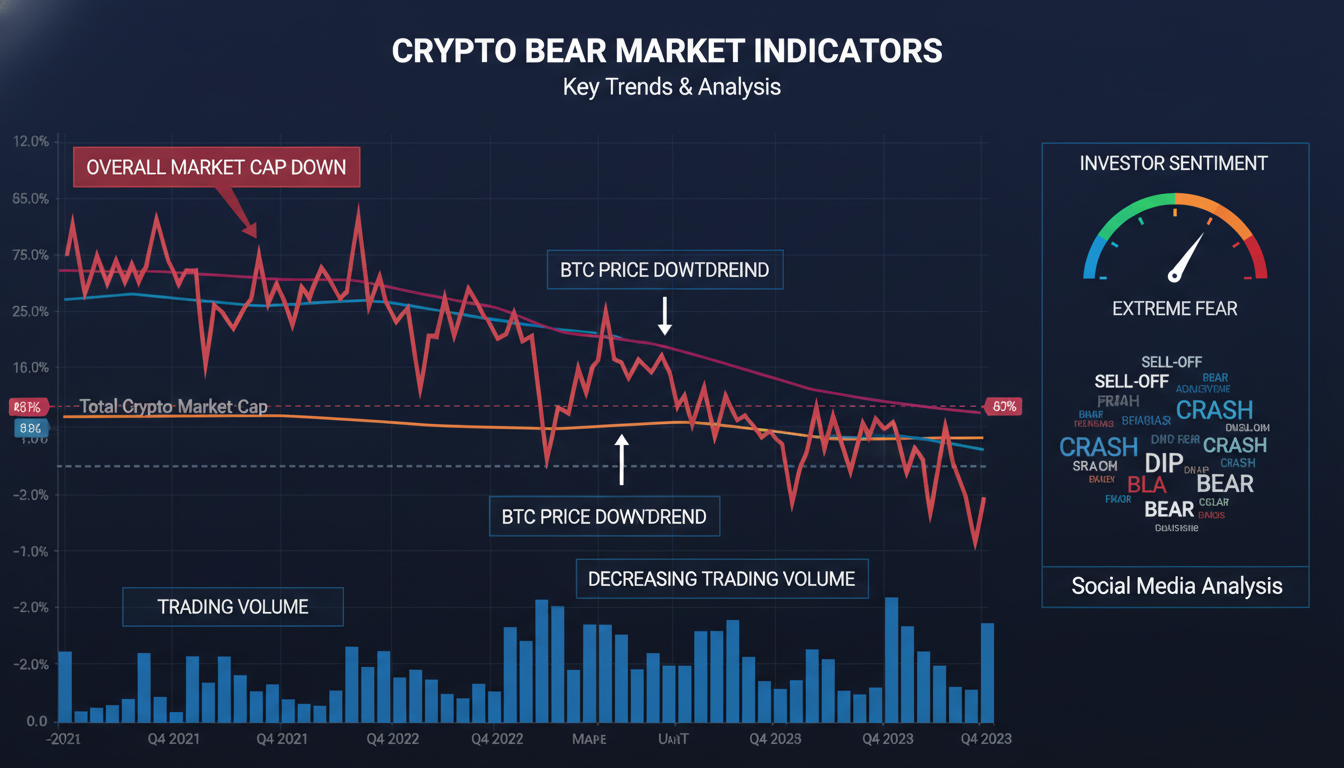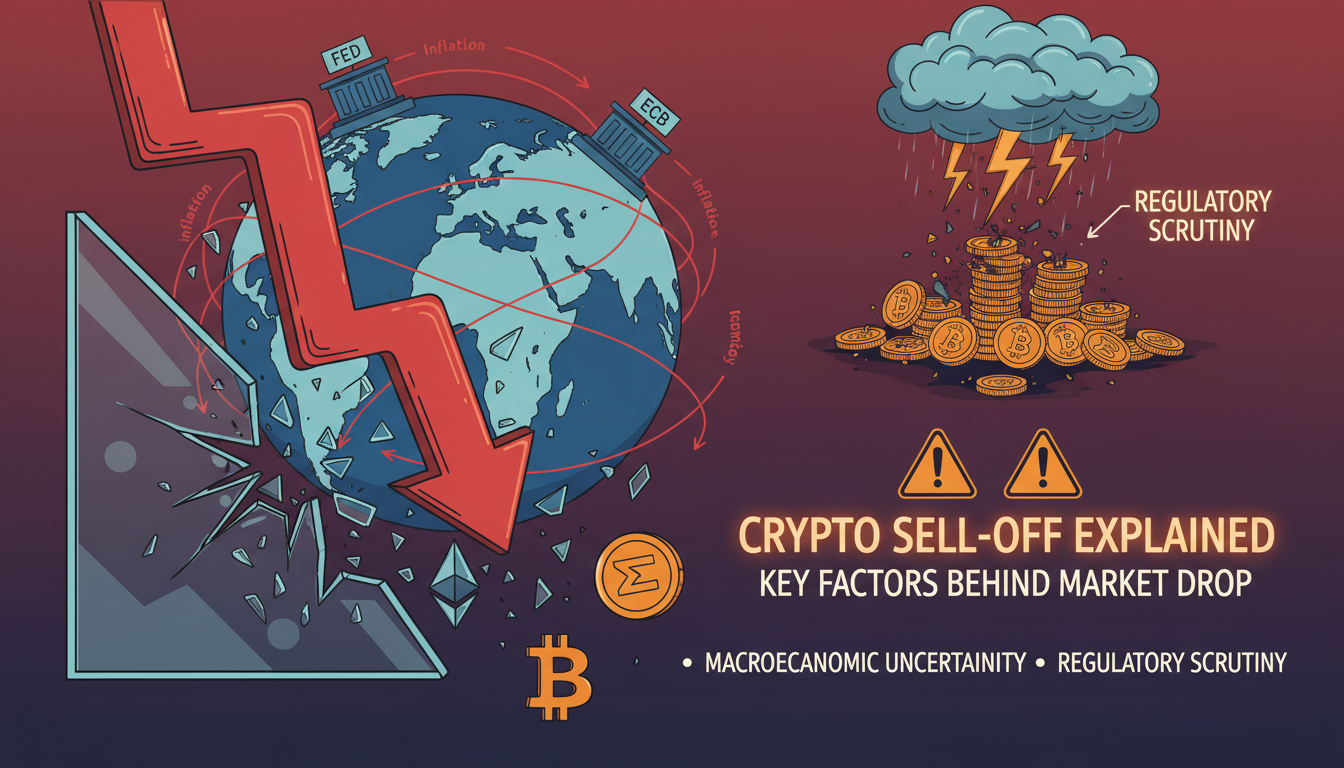

If you’ve survived more than one Bitcoin market cycle, you already know the feeling. The red candles pile up. Your portfolio bleeds 60%, then 70%. Every headline screams doom. And somewhere in that darkness, the rational voice tells you to sell before it gets worse.
That’s exactly when long-term holders diverge from everyone else. They don’t outsmart the market with secret indicators or timing tricks. They follow a playbook that’s been proven across multiple cycles—and it’s surprisingly unglamorous. Here’s what actually works when Bitcoin enters its darkest periods.
1. They Relentlessly Accumulate (Even When It Hurts)
Here’s the uncomfortable truth most “buy the dip” advocates never mention: buying during a bear market feels terrible, and the timing still works out beautifully.
MicroStrategy’s Michael Saylor has become the poster child for this approach. Since 2020, the company has accumulated over 225,000 Bitcoin, purchasing aggressively during price troughs and relative calm periods alike. Their average cost basis sits meaningfully below current market prices despite buying through one of the most volatile periods in Bitcoin’s history. The strategy isn’t about prediction—it’s about consistency.
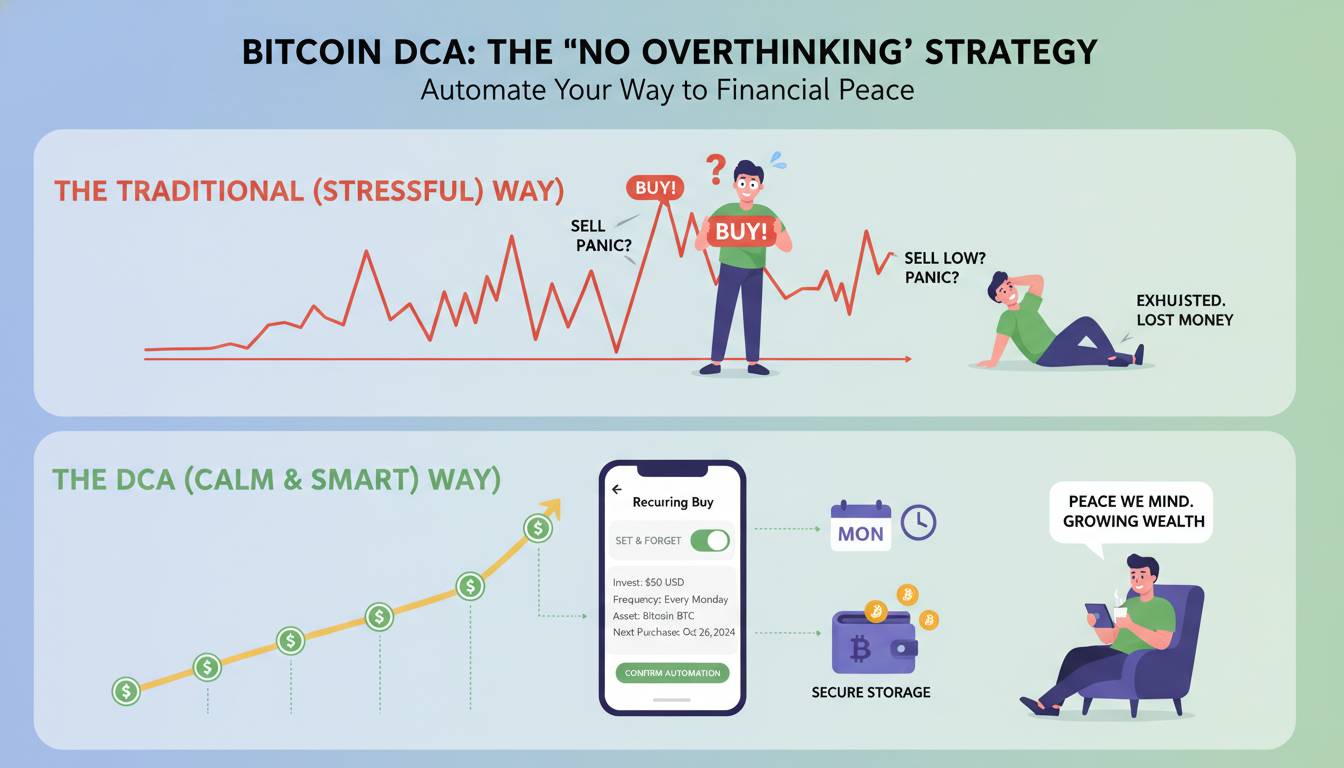
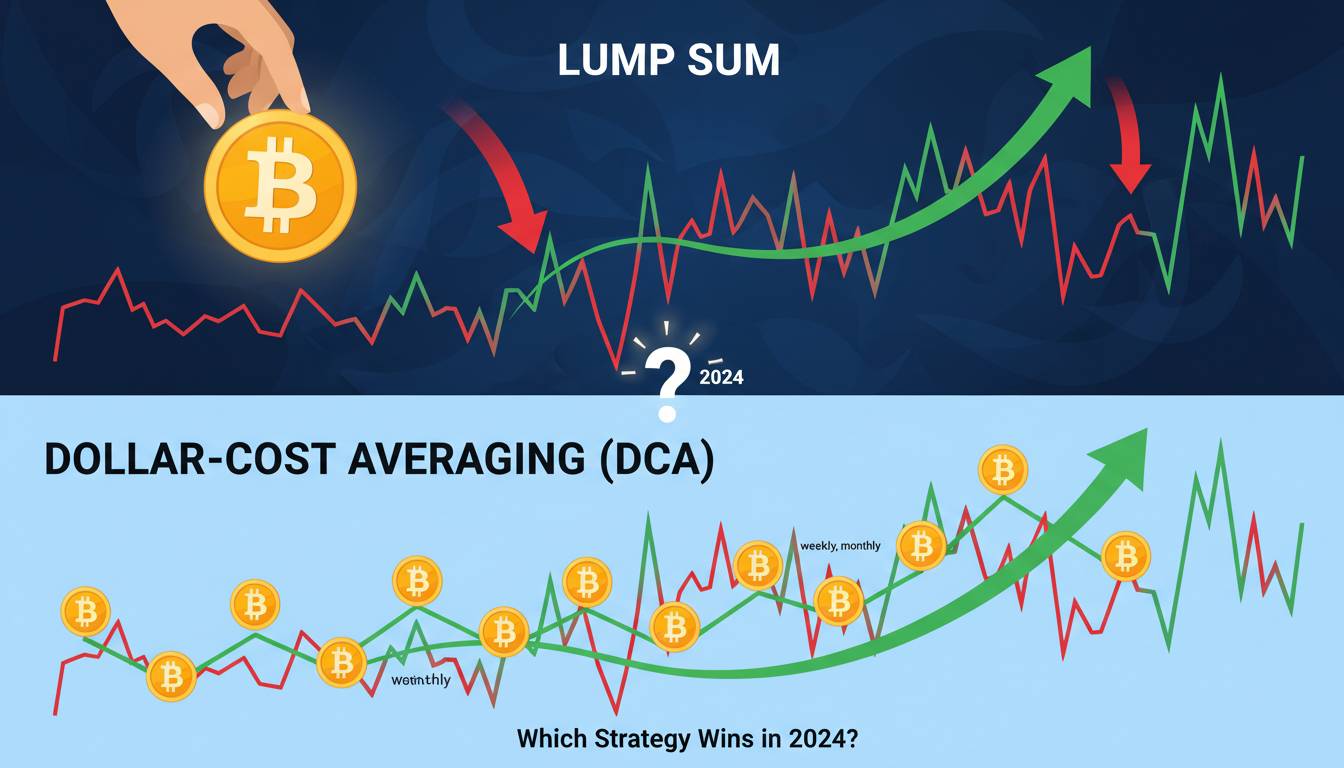
The mechanism is straightforward: systematic dollar-cost averaging at predetermined intervals, regardless of price action. When Bitcoin drops 40% from its highs, you buy. When it drops another 20%, you buy more. The psychological barrier is real—humans are wired to avoid losses, and buying into a declining market triggers every alarm bell in your nervous system.
The practical implementation doesn’t require MicroStrategy-level resources. Set a monthly purchase amount you can sustain regardless of market conditions. Automate it. Then ignore the price for twelve months. This removes the decision fatigue that leads to paralysis or panic selling.
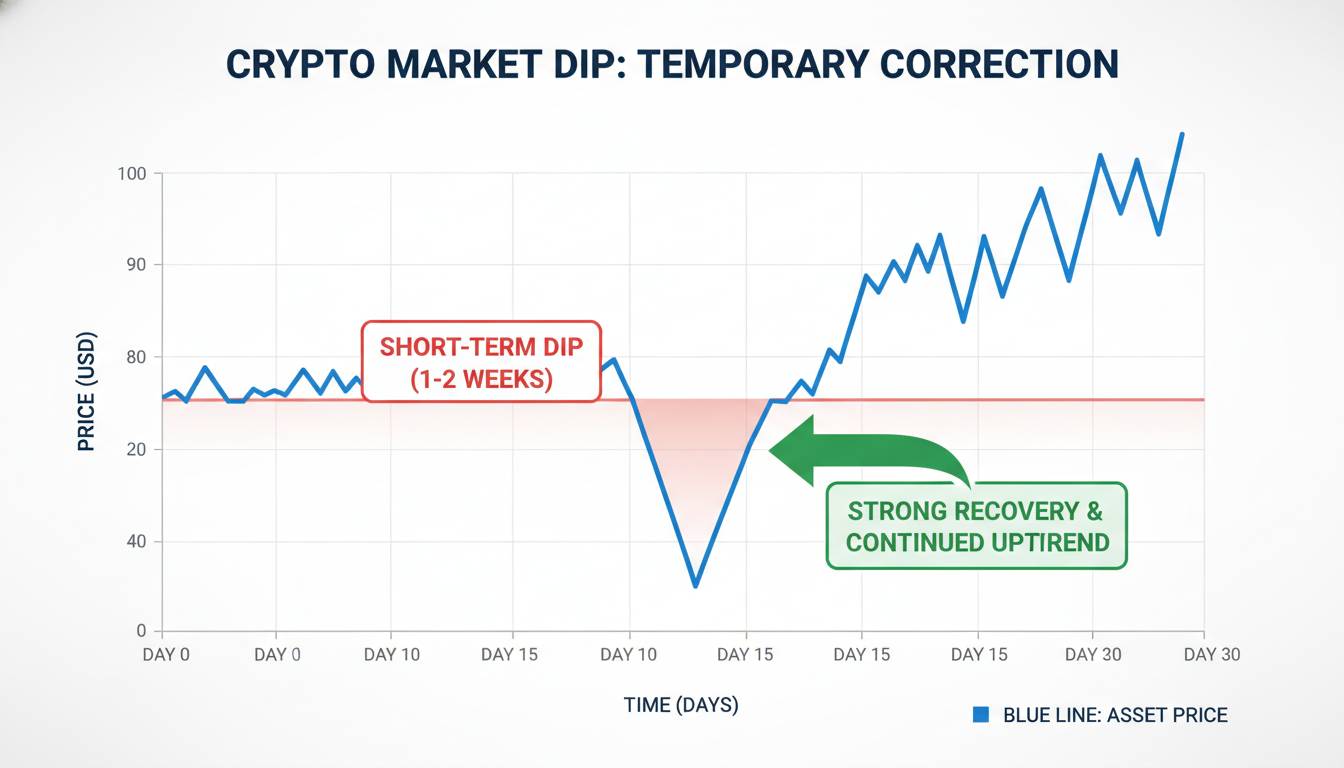
One thing most articles won’t tell you: this strategy underperforms during the initial crash but compounds beautifully over the subsequent cycle. If you started DCAing in January 2018 at $17,000 and continued through December 2018 when Bitcoin hit $3,200, you looked like a fool for eighteen months. By late 2021, you were mathematically guaranteed to be in profit.
2. They Reject the Notion of “Buying Higher”
There’s a persistent myth in crypto circles that waiting for a lower price is the rational move during bear markets. It’s not. It’s actually one of the most expensive forms of procrastination in existence.
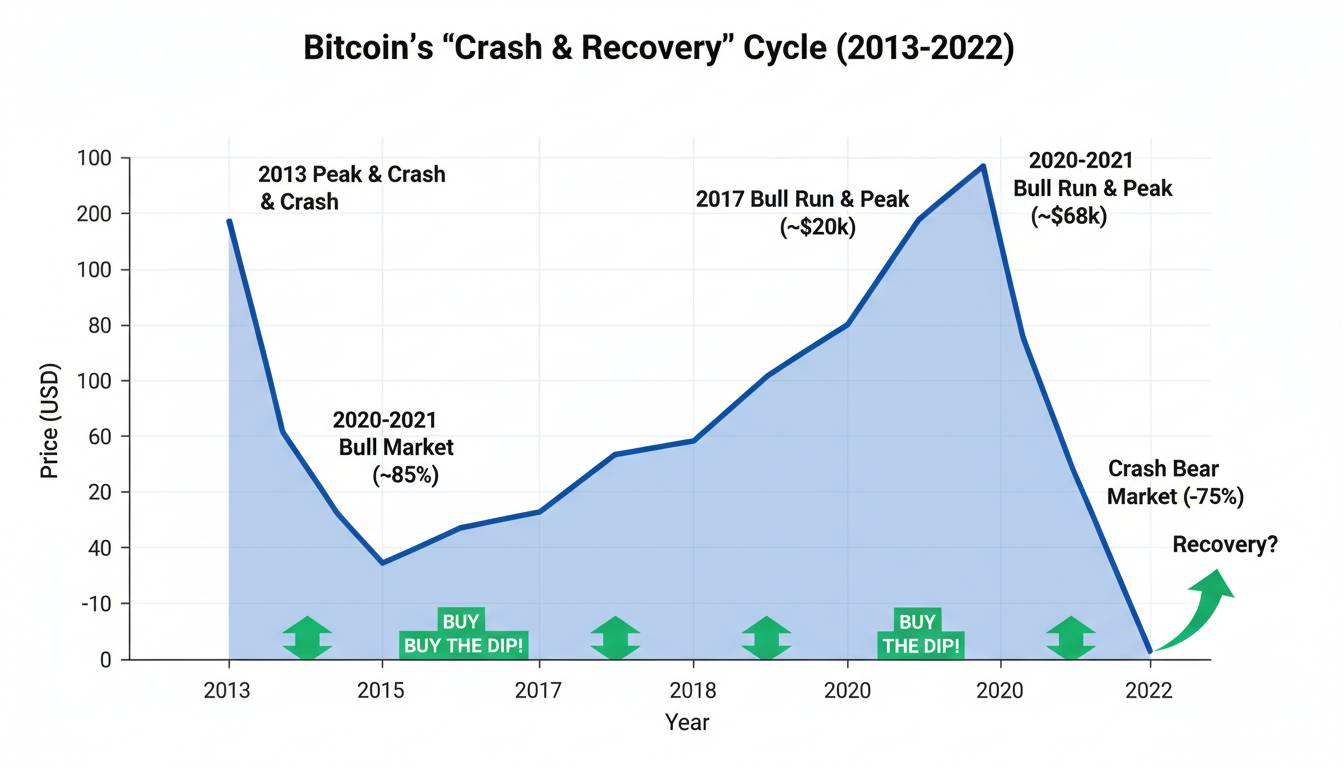
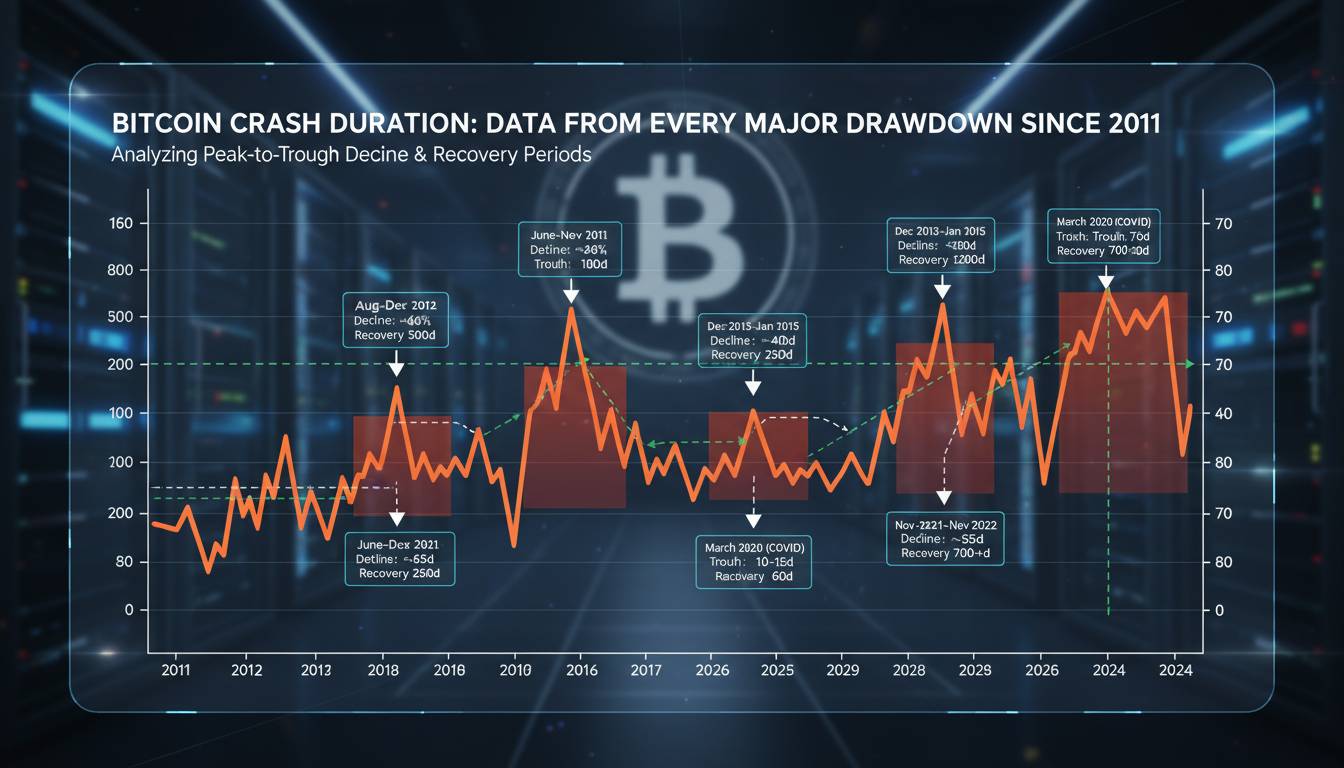
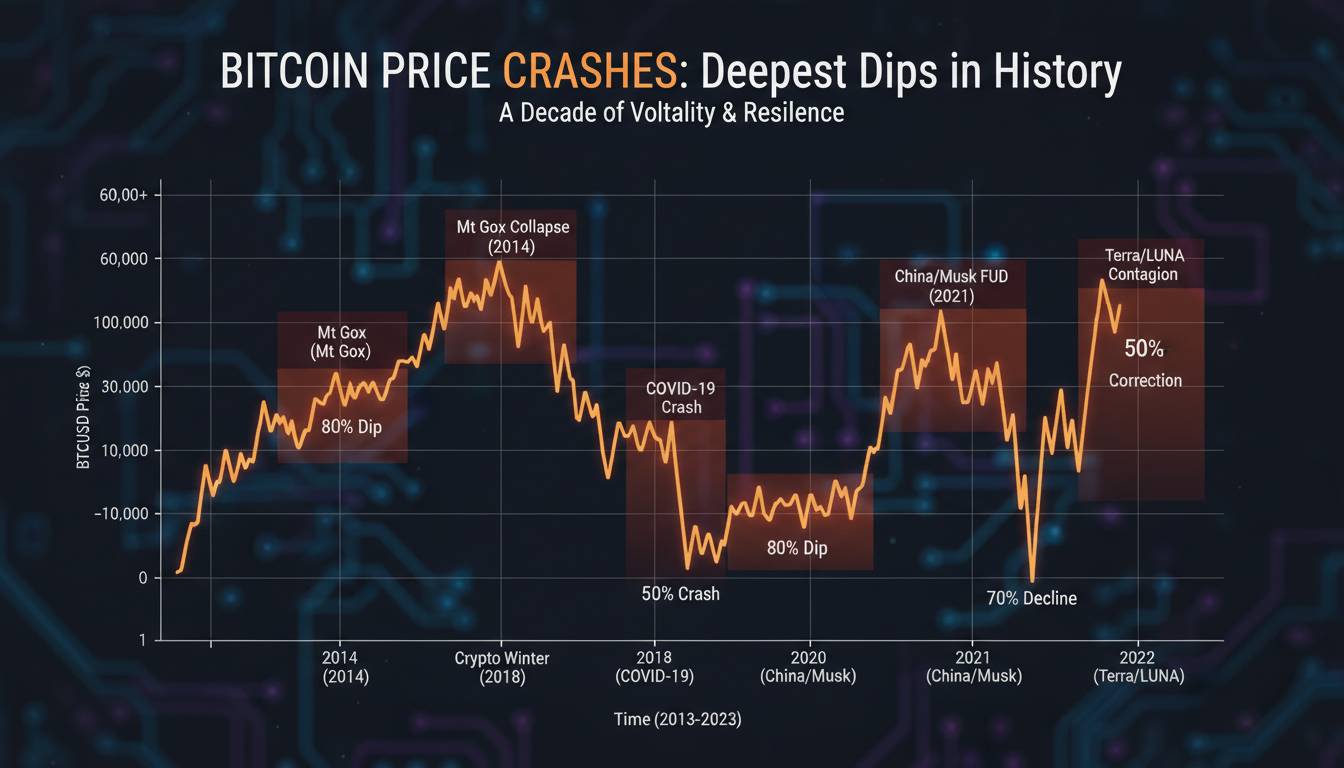
Consider the math. Bitcoin dropped roughly 75% from its November 2021 peak of $69,000 to the November 2022 bottom near $16,000. Anyone who waited for “the bottom” and bought at $20,000 rather than $16,000 paid a 25% premium. But here’s what rarely gets discussed: those four thousand dollars of difference only mattered if you sold at the exact right moment. For long-term holders, the difference between buying at $16,000 and $20,000 becomes negligible over a five-year holding period.
Long-term holders understand that price and value are different things. They’re not trying to buy at the absolute low—they’re ensuring they own Bitcoin at prices that will seem absurdly cheap in five years. The distinction matters because it frees you from the impossible task of market timing.
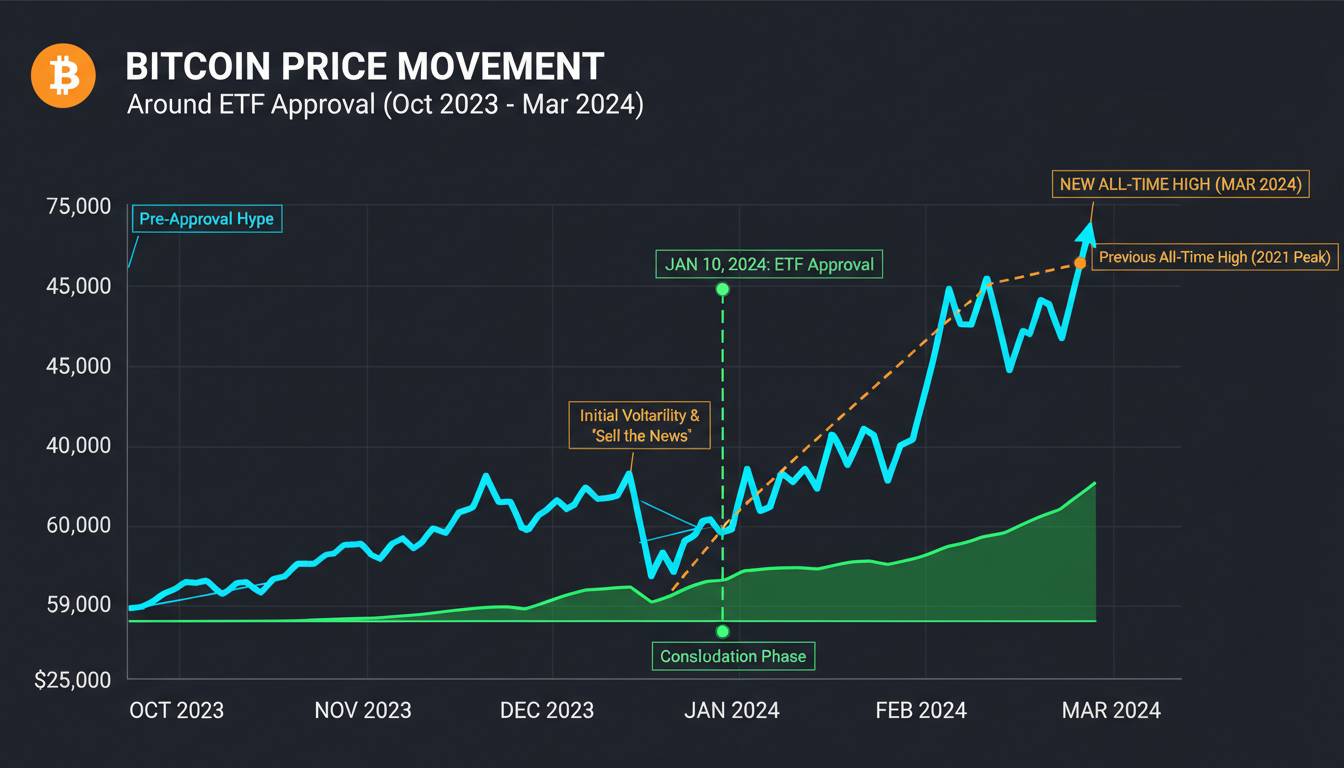
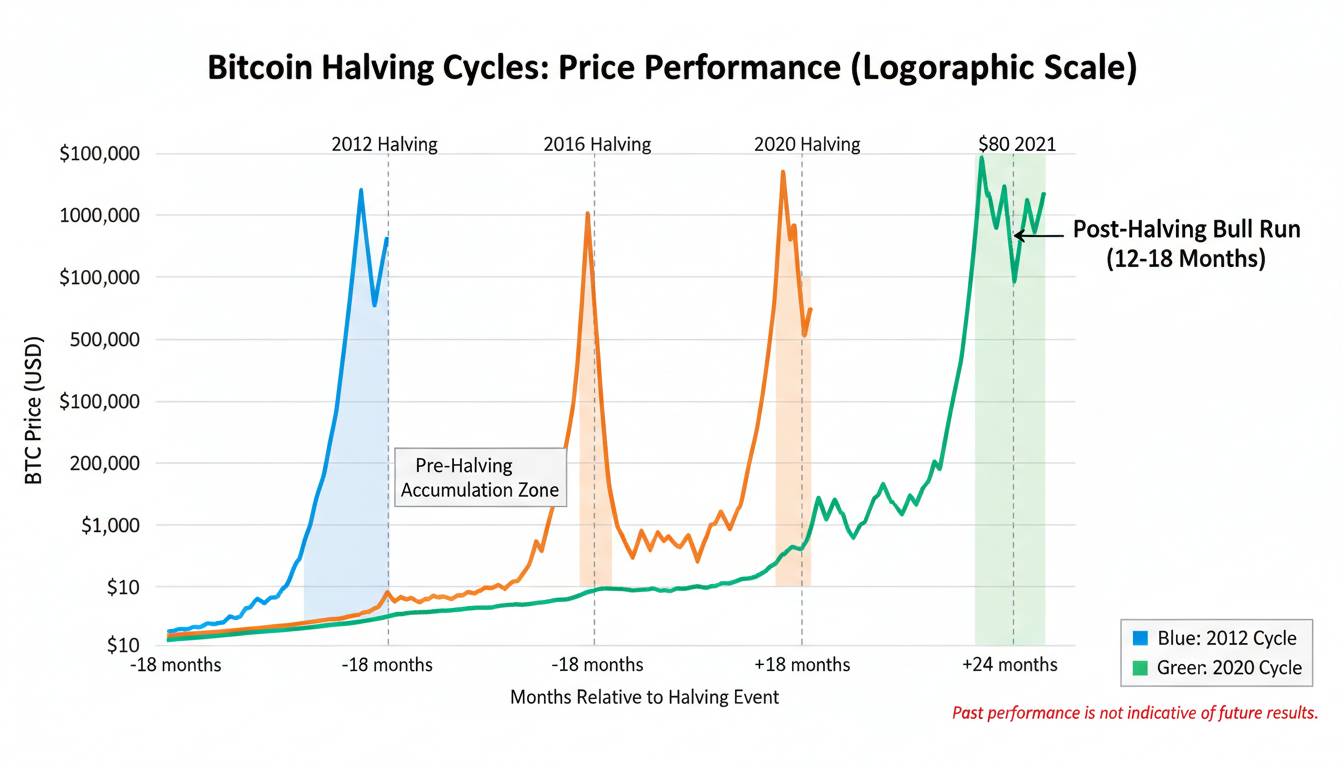
The honest admission most advisors won’t make: I can’t tell you where the bottom is, and neither can anyone else. What I can tell you is that every major bear market in Bitcoin’s history has been followed by a new all-time high. The pattern has held for fifteen years across multiple adoption phases, regulatory environments, and macroeconomic conditions.
3. They Use Bear Markets to Build Tax Advantages
This one gets overlooked constantly, and it’s costing holders thousands of dollars in unnecessary tax burden.
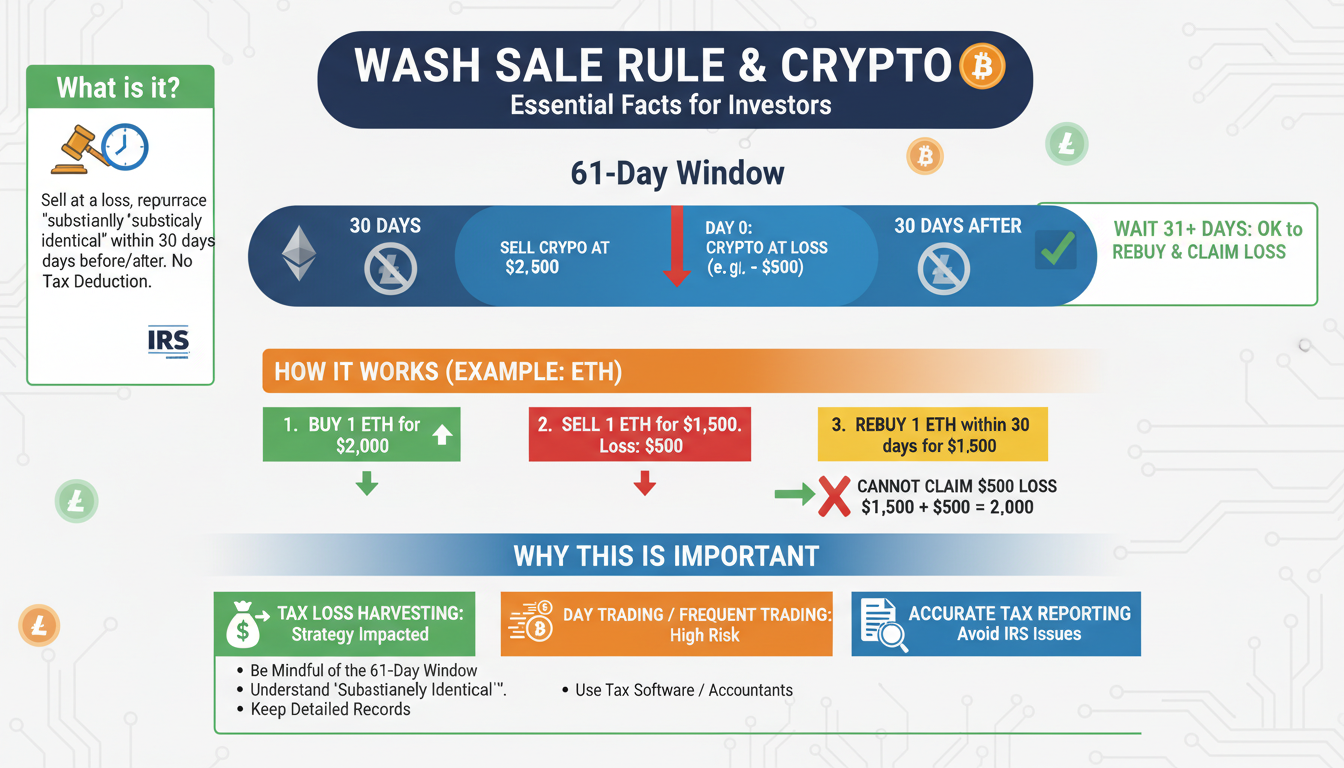
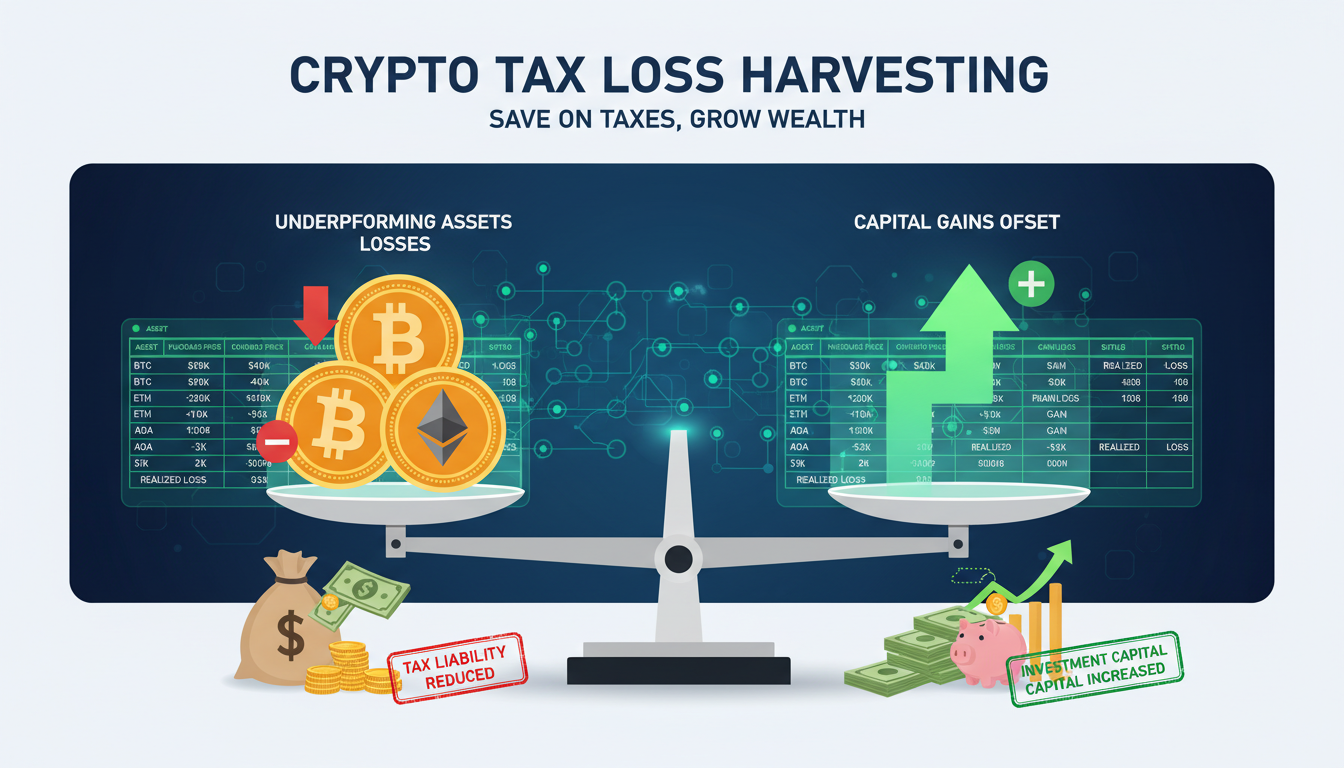
When Bitcoin is crashing, long-term holders have a unique window to harvest tax losses while simultaneously repositioning their portfolio. The strategy involves selling positions at a loss to realize capital losses for tax purposes, then immediately repurchasing substantially similar assets. This “wash sale” rule has specific parameters in the U.S. tax code, but the underlying principle applies broadly: you’re resetting your cost basis at lower prices while capturing tax benefits.
Here’s where it gets interesting. If you’ve held Bitcoin for more than a year, you’re looking at long-term capital gains rates—potentially 15% or 20% depending on your income bracket. Selling during a bear market and repurchasing resets your holding period, but it also lets you harvest losses that offset gains from other investments. The net effect can be a significantly lower tax bill when the next bull market arrives.
The limitation worth acknowledging: this strategy requires enough portfolio diversity that you have gains to offset. If all your investments are in Bitcoin, tax-loss harvesting provides limited benefit until you have realized gains elsewhere. Additionally, the rules around wash sales are complex and vary by jurisdiction—consult a tax professional before implementing this approach.
The practical takeaway isn’t complicated: keep meticulous records of your cost basis and holding periods. During bear markets, review your portfolio with tax efficiency in mind. The difference between a tax-aware strategy and a tax-ignorant one can easily exceed 10% of your total returns over a full market cycle.
4. They Strengthen Security During the Calm
Here’s what panic doesn’t produce: careful security decisions. Every Bitcoin holder who loses coins to hacks, scams, or lost keys during bull markets made the error during the preceding boom, not the crash.
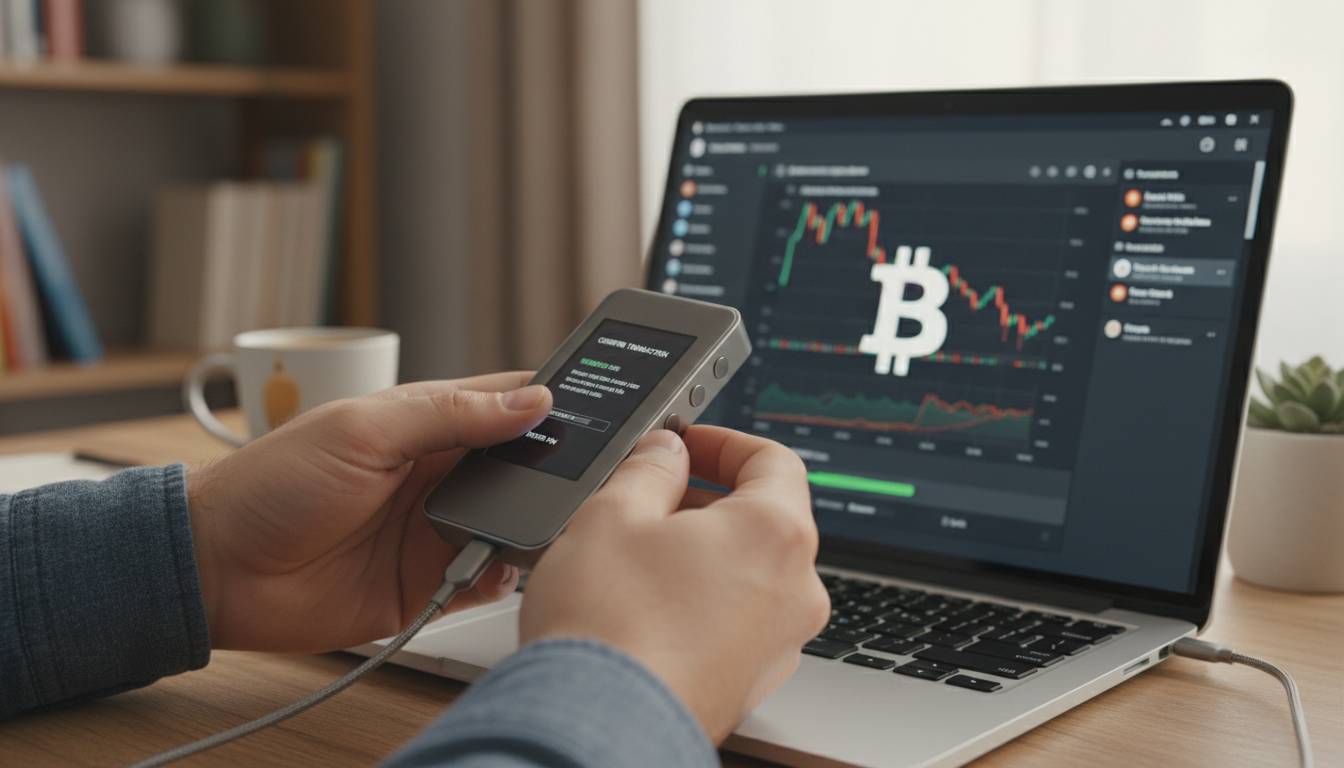
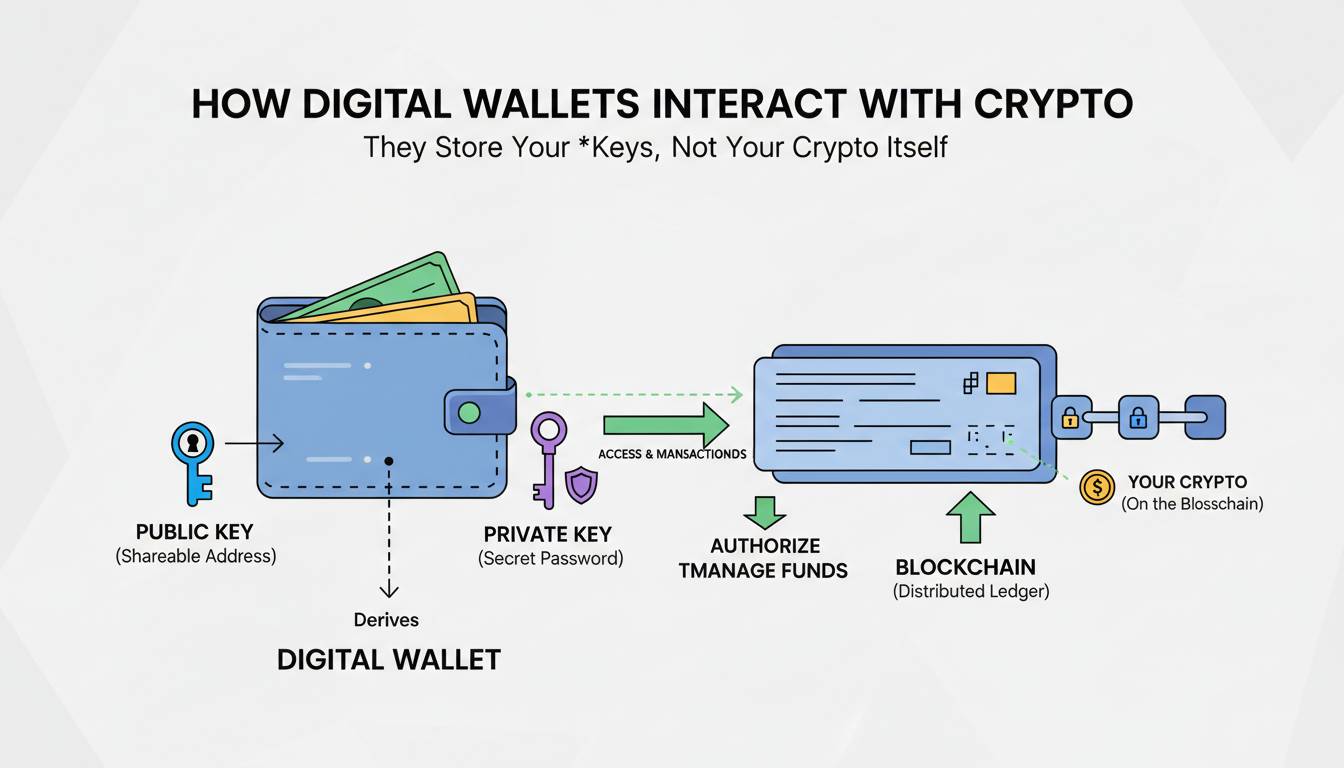
Long-term holders use bear markets to upgrade their security posture without the urgency that breeds mistakes. They’re moving coins to cold storage, verifying backup phrases, testing recovery procedures, and ensuring their inheritance plans are documented.
The specific example worth following: Grisha Popov’s “seed phrase splitting” method. Rather than keeping your entire recovery phrase in one location, you split it into multiple pieces stored in separate geographic locations. This eliminates single points of failure without creating operational complexity that leads to loss.
For most individual holders, a hardware wallet from companies like Ledger or Trezor, stored in a safe deposit box or home safe, represents sufficient security. The error most people make is overcomplicating their setup—three-layer encryption schemes, redundant storage solutions, clever hiding spots—because complexity itself becomes a failure mode. Your goal is security that you’ll actually use correctly five years from now.
The counterintuitive point that contradicts most “security expert” advice: obsessing over cold storage during a bear market can be counterproductive if it prevents you from DCAing. If moving Bitcoin to cold storage requires four hours of complicated setup, you’ll find reasons to skip purchases. Some online balance held in a reputable exchange, combined with a solid hardware wallet for long-term storage, represents the right balance for most people.
5. They Ignore the Noise and Build Something
The most successful long-term Bitcoin holders treat bear markets as development periods—not for Bitcoin itself, but for their own skills and income-generating capabilities.
This sounds abstract, but the math is ruthless. If you earn $60,000 per year and invest $500 monthly during a bull market when Bitcoin is expensive, you’re buying a fraction of what you’d acquire if you invested the same $500 monthly during a bear market when Bitcoin is cheap. The variable that long-term holders control isn’t price—it’s contribution size.
During the 2018-2019 bear market, countless developers who would later build successful Bitcoin infrastructure companies spent their time learning Rust, studying Lightning Network specifications, and contributing to open-source projects. They weren’t thinking about price. They were building skills that would generate income independent of their portfolio value.
The practical application: use bear market periods to increase your earning capacity. Take that certification. Start that side business. Learn to code. The Bitcoin price will recover—theonly question is whether your income will have grown alongside it.
This strategy directly contradicts the “all-in” mentality promoted by some maximalists who insist you should pour every spare dollar into Bitcoin. That’s only true if your time horizon is extremely long and your risk tolerance is extraordinarily high. For most people, the combination of consistent Bitcoin accumulation and income growth dramatically outperforms aggressive all-in strategies.
Conclusion
The strategies that work during Bitcoin bear markets aren’t secrets—they’re uncomfortable truths that require ignoring your emotional responses to price movements. Accumulate consistently, stop trying to time bottoms, manage your tax efficiency, upgrade your security, and build your income.
The thing I can’t resolve for you: how much of your portfolio should be in Bitcoin versus other assets. That depends entirely on your age, risk tolerance, income stability, and personal circumstances. What I can tell you is that the holders who emerge from bear markets with their sanity and their Bitcoin intact are the ones who stopped trying to be smarter than the market and started being more disciplined than everyone else.
The next bear market will feel different. It always does. But the mechanics will be identical—fear dominates, headlines scream collapse, and the rational move will feel emotionally wrong. That’s the signal, not the noise.