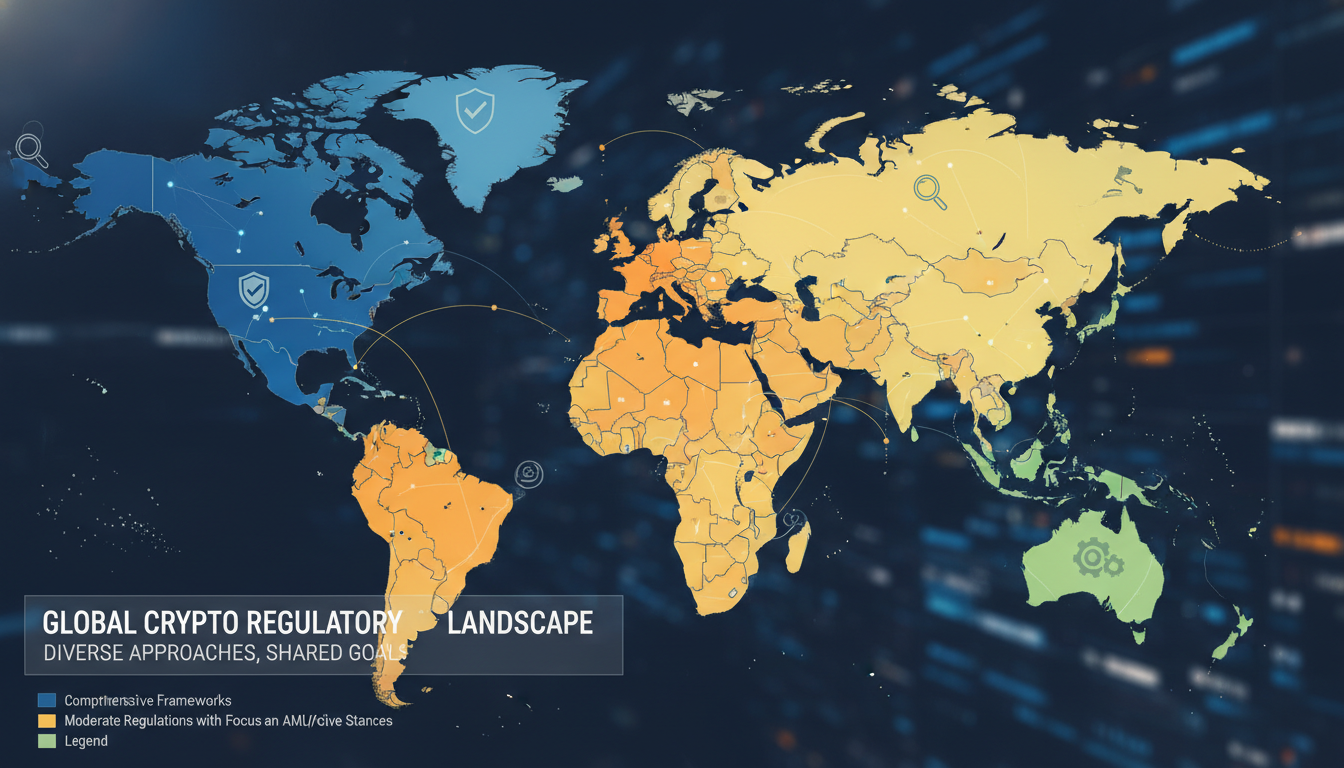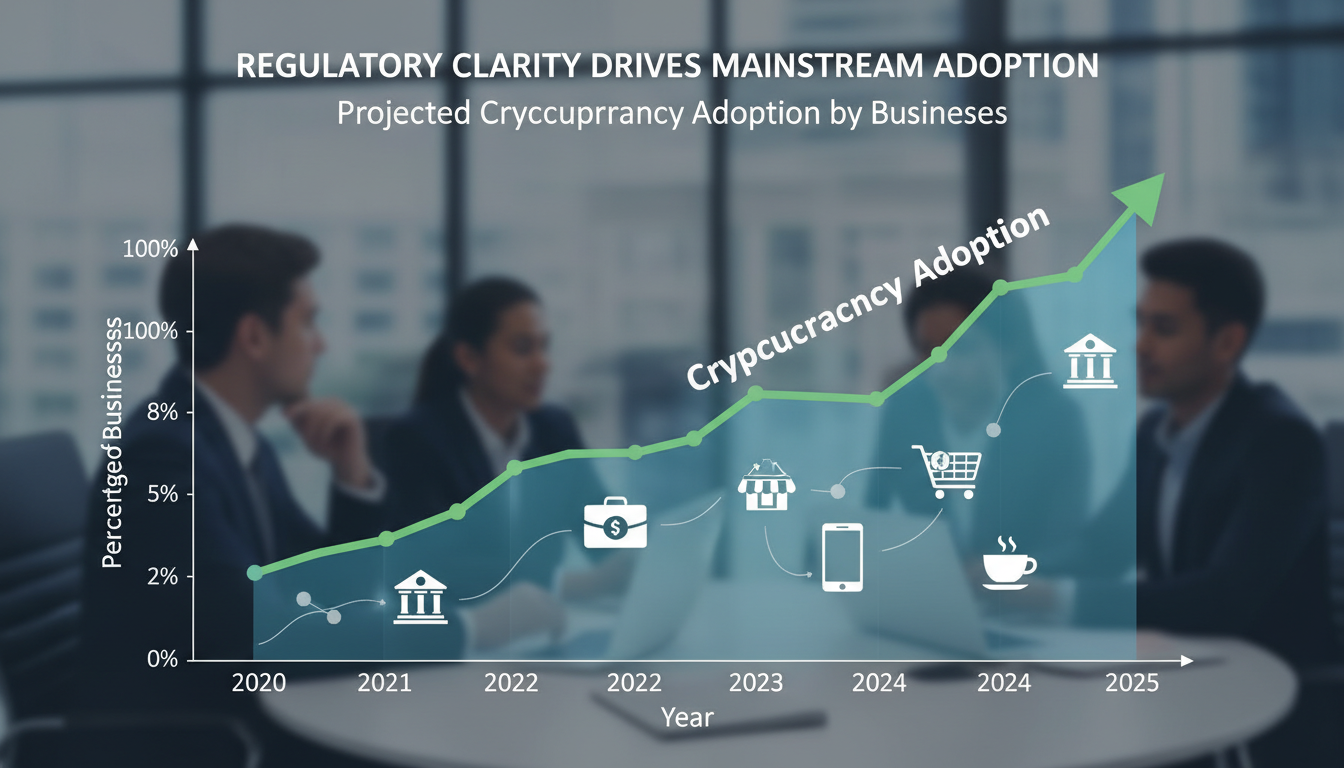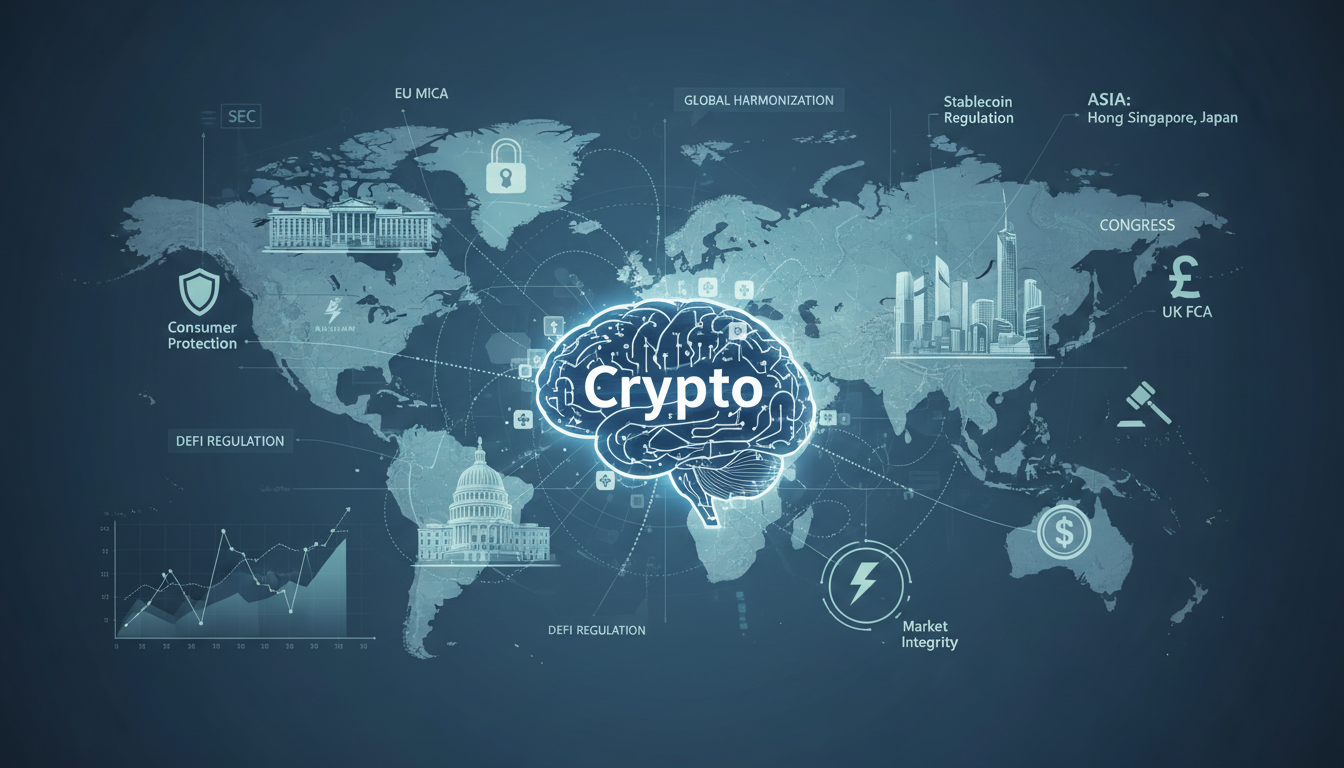
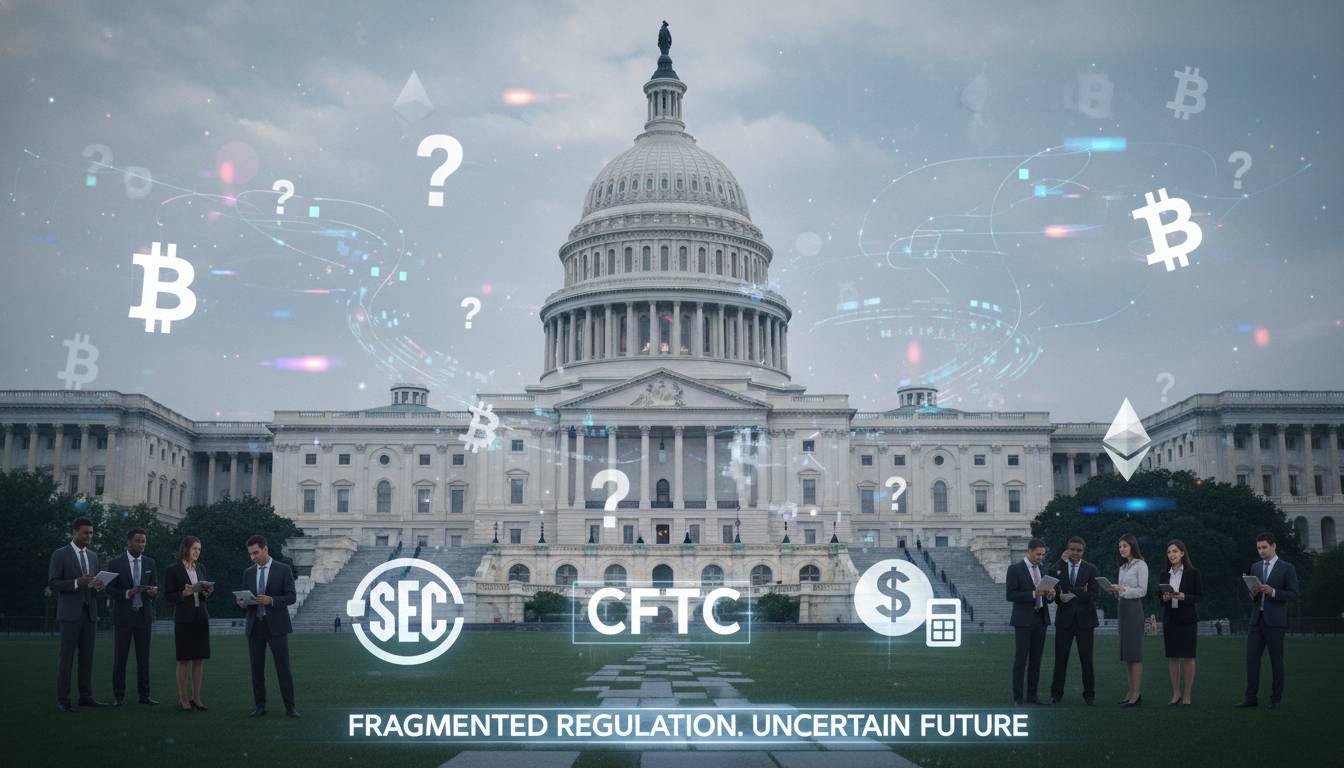
The relationship between government policy and Bitcoin valuation surprises most newcomers to this space. Regulatory announcements don’t just move prices temporarily — they reshape market structures, determine which institutions can participate, and establish psychological floors beneath which Bitcoin rarely falls despite its famous volatility. Understanding this dynamic requires examining specific jurisdictions rather than treating “regulation” as a monolithic force.
This is a country-by-country analysis of how regulatory frameworks have historically influenced Bitcoin prices, with attention to the mechanisms at play rather than surface-level correlations. Some of these cases challenge the conventional wisdom that regulatory hostility always hurts Bitcoin.
United States
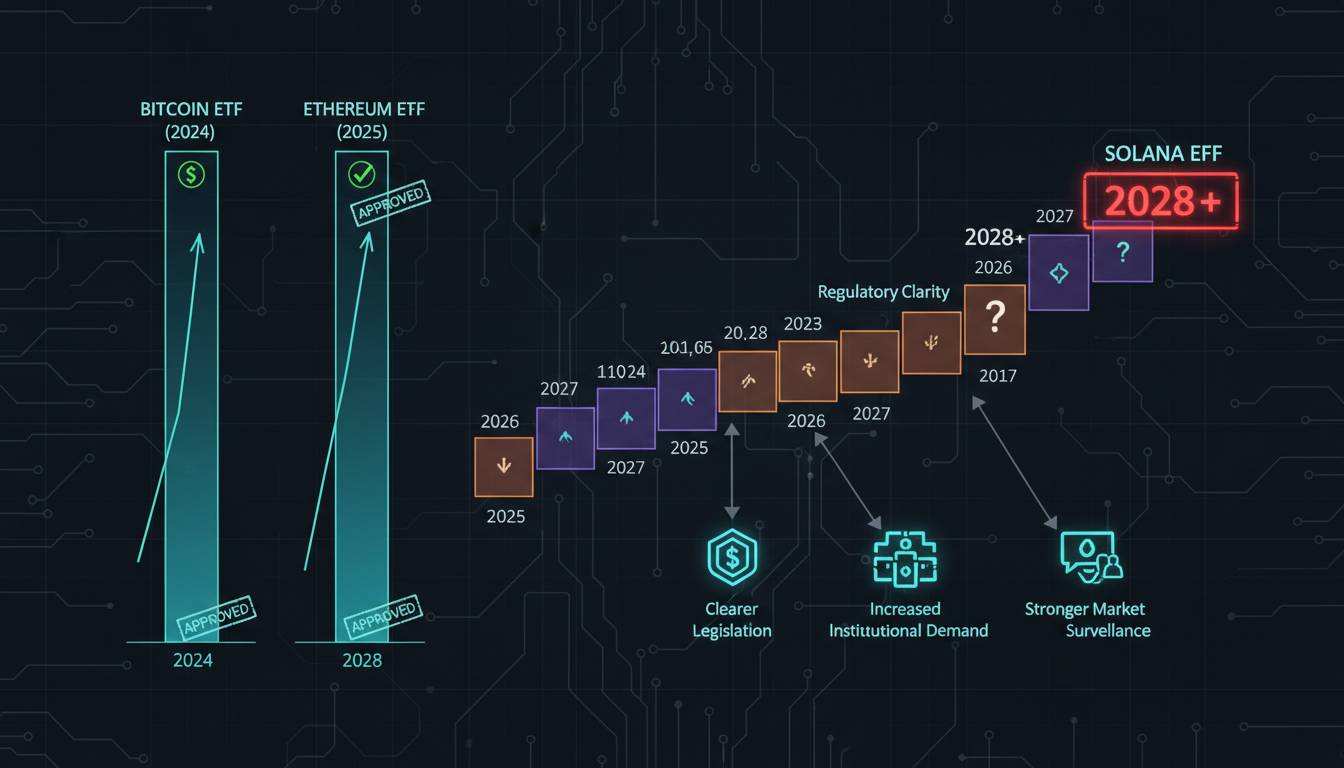
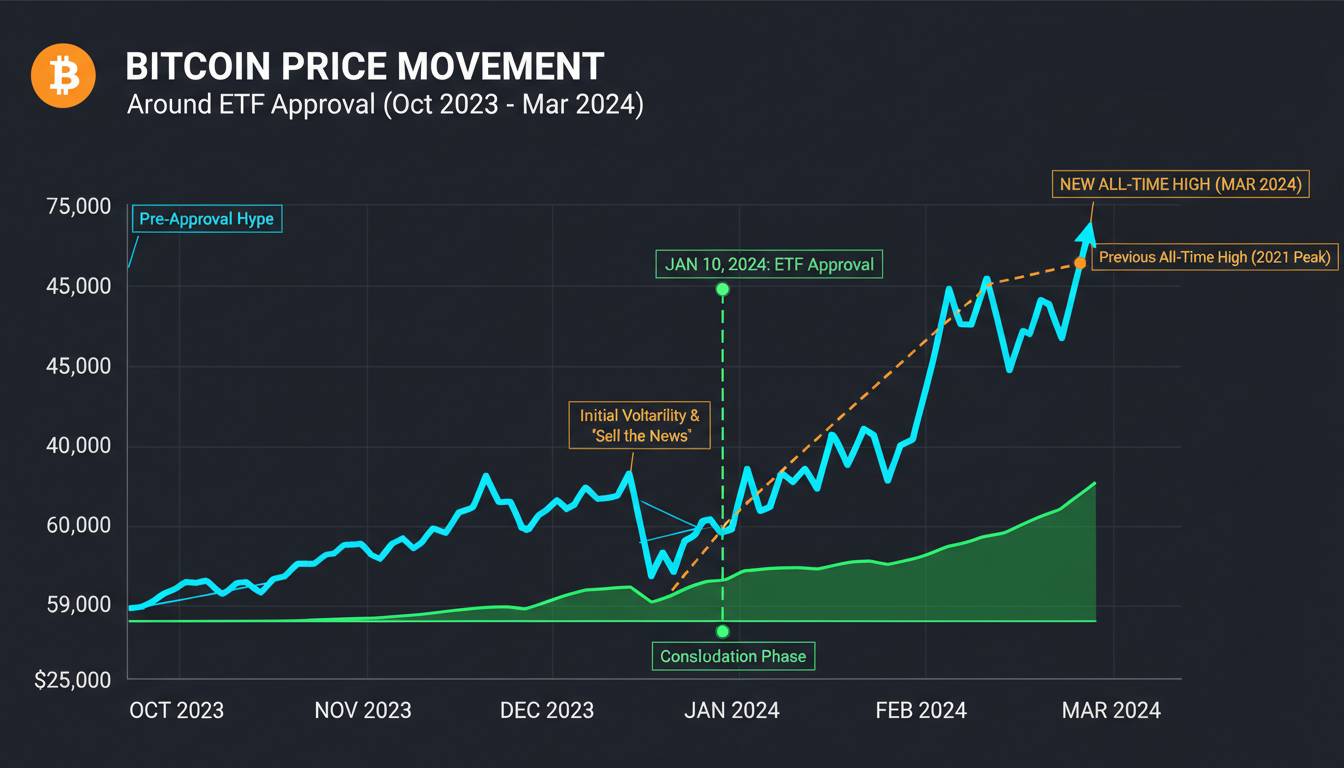
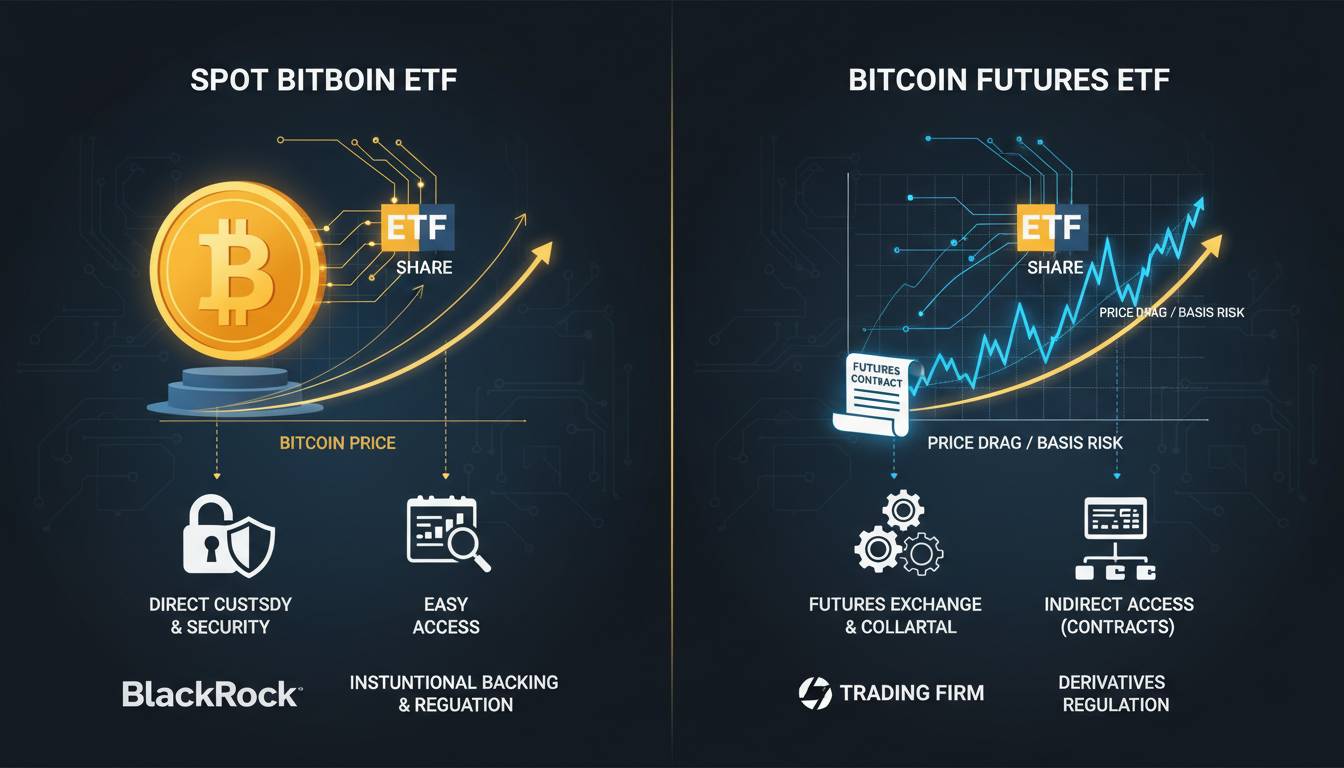
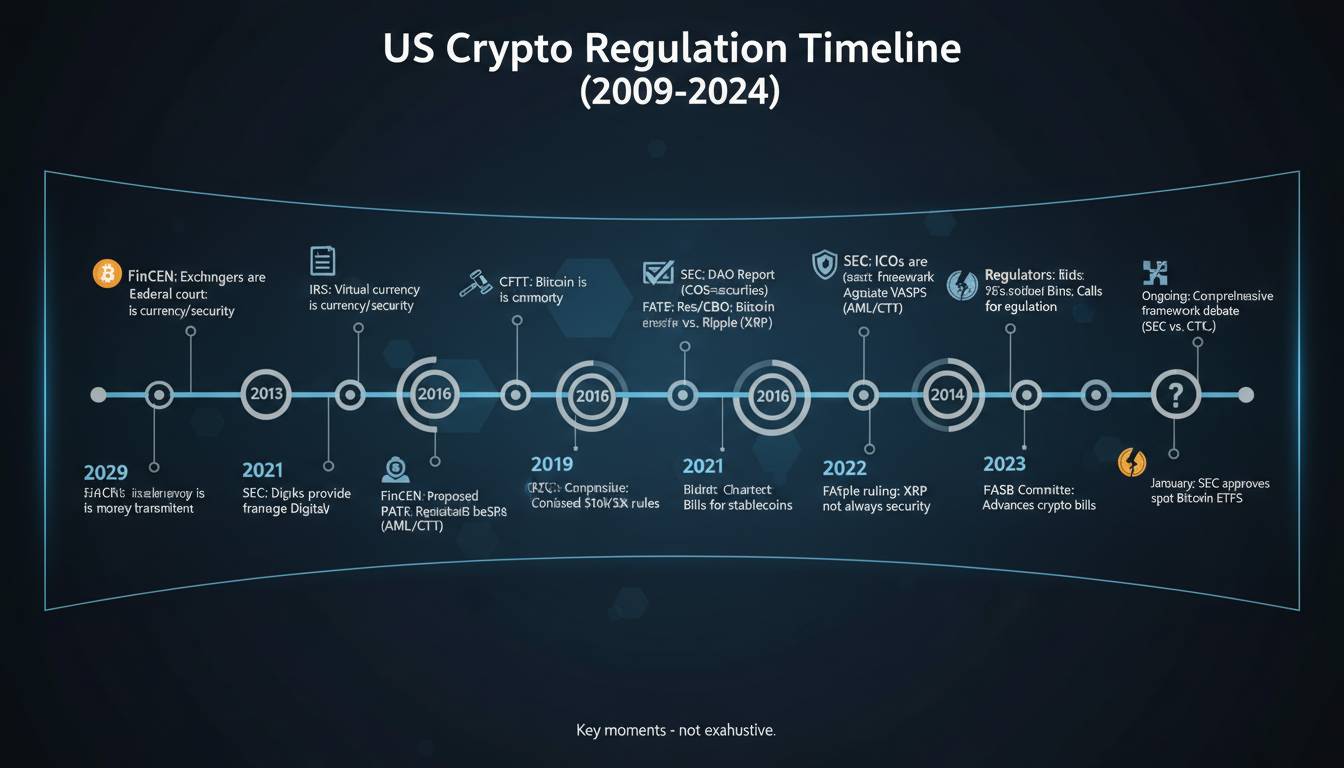
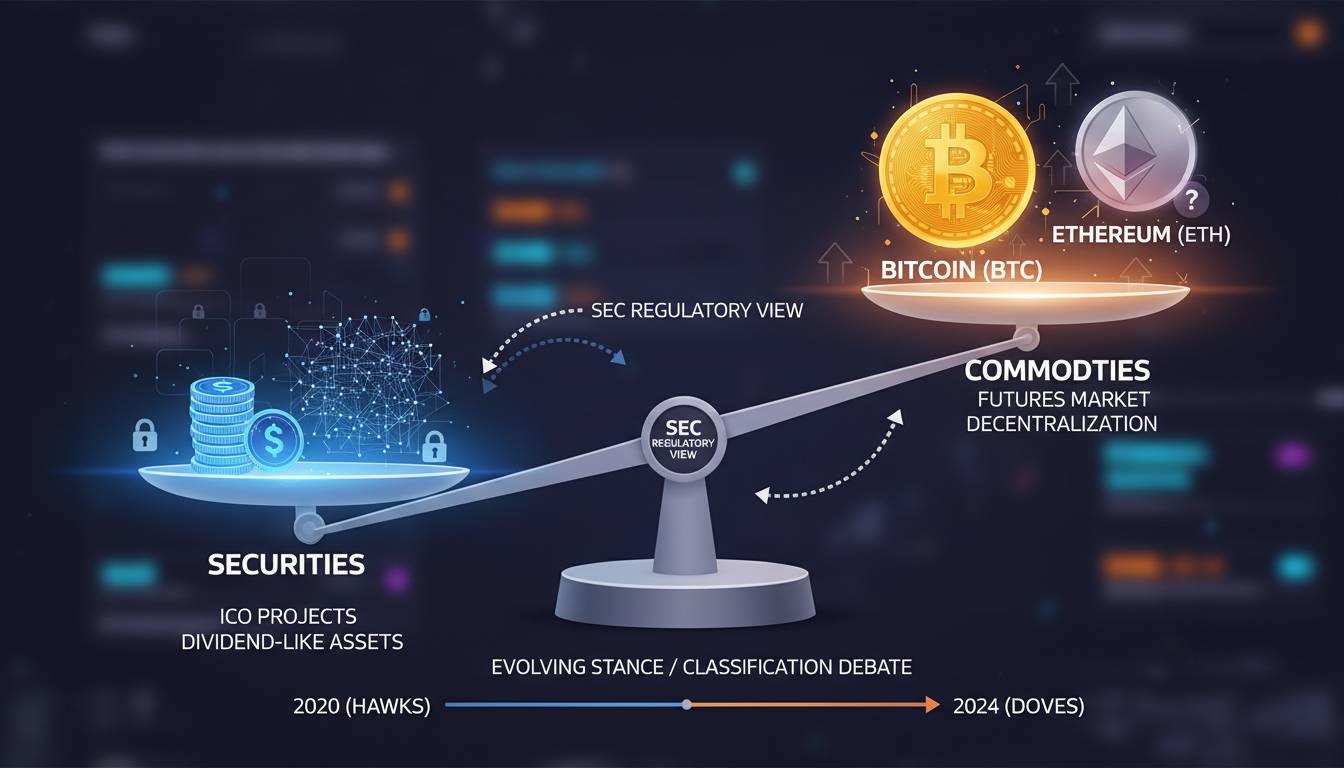
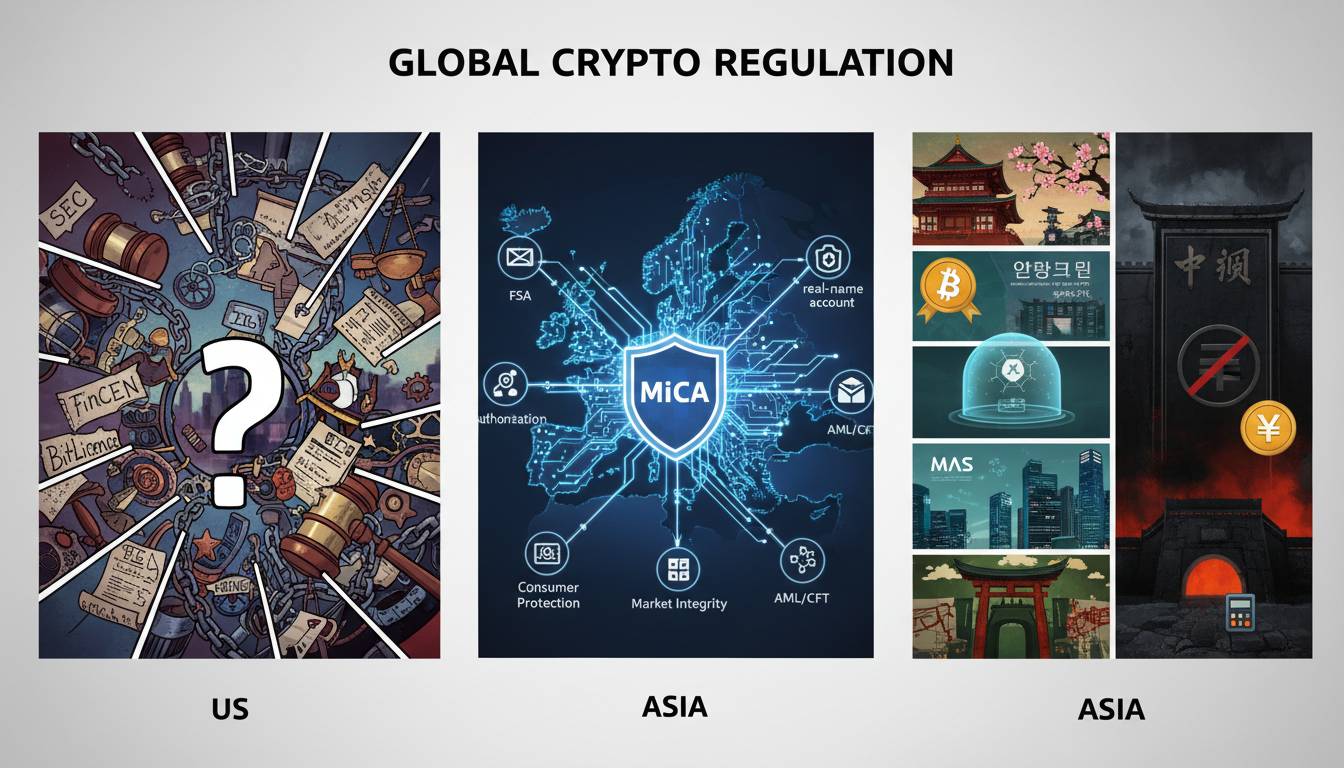
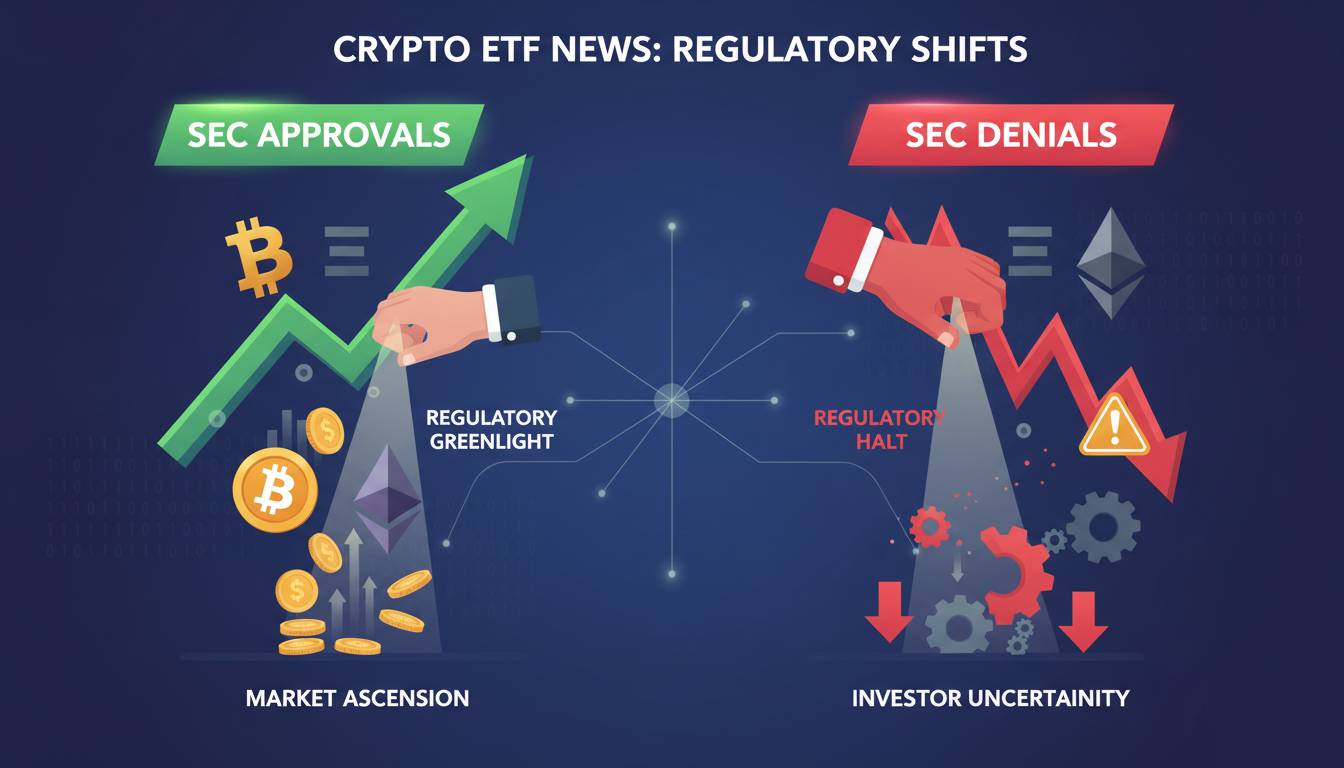
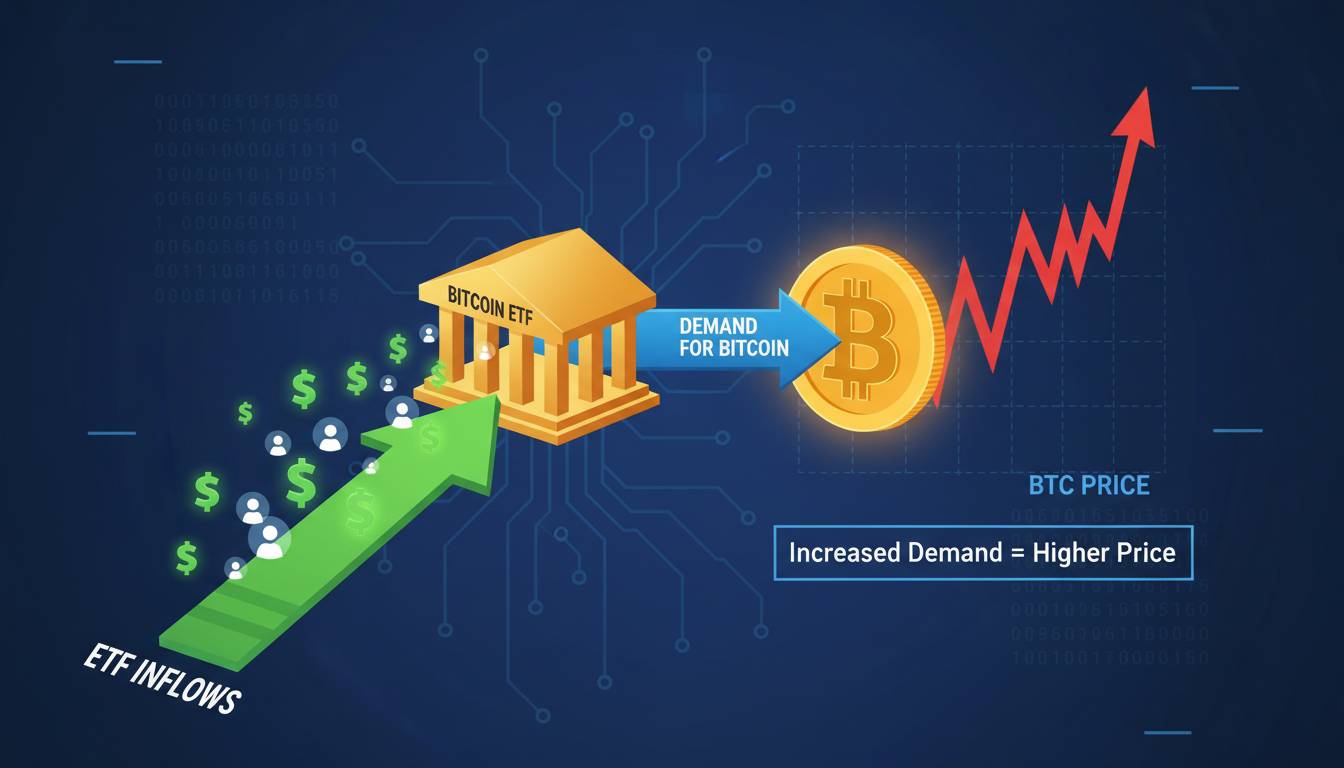
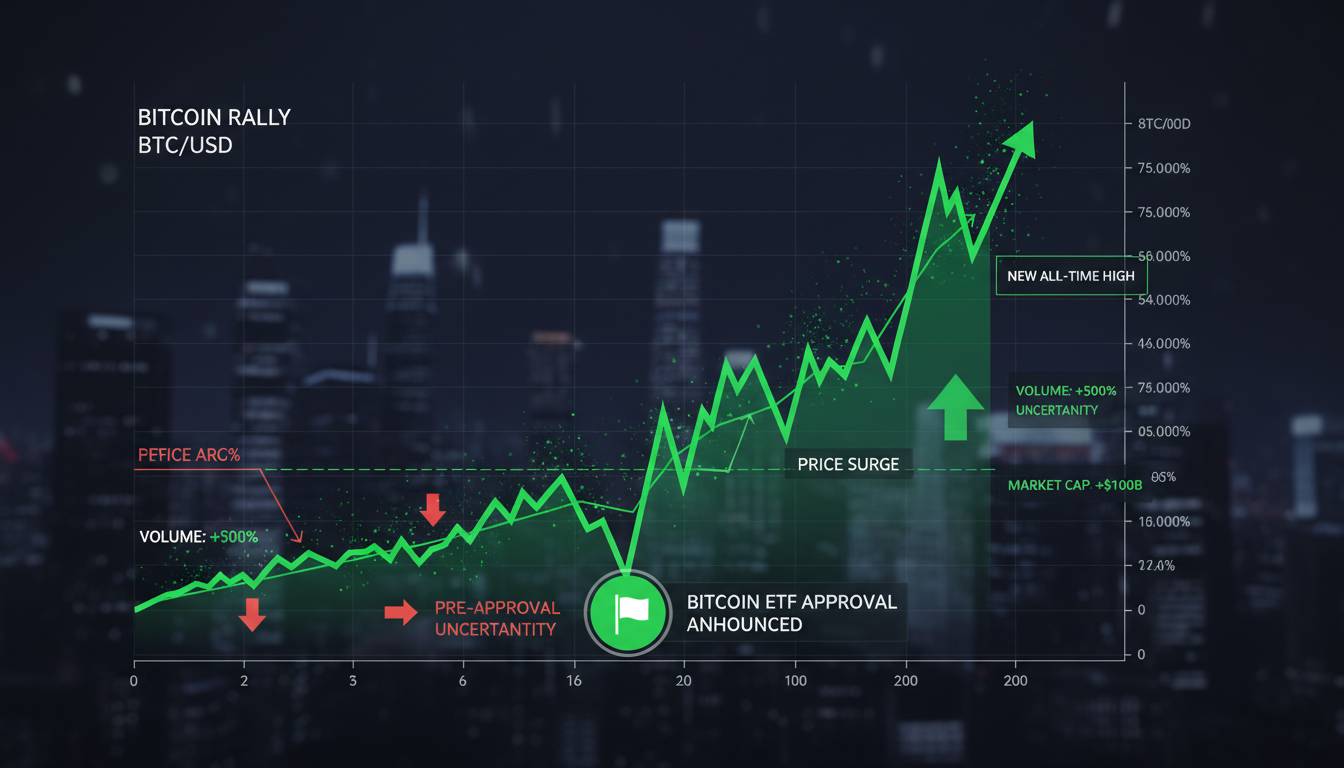
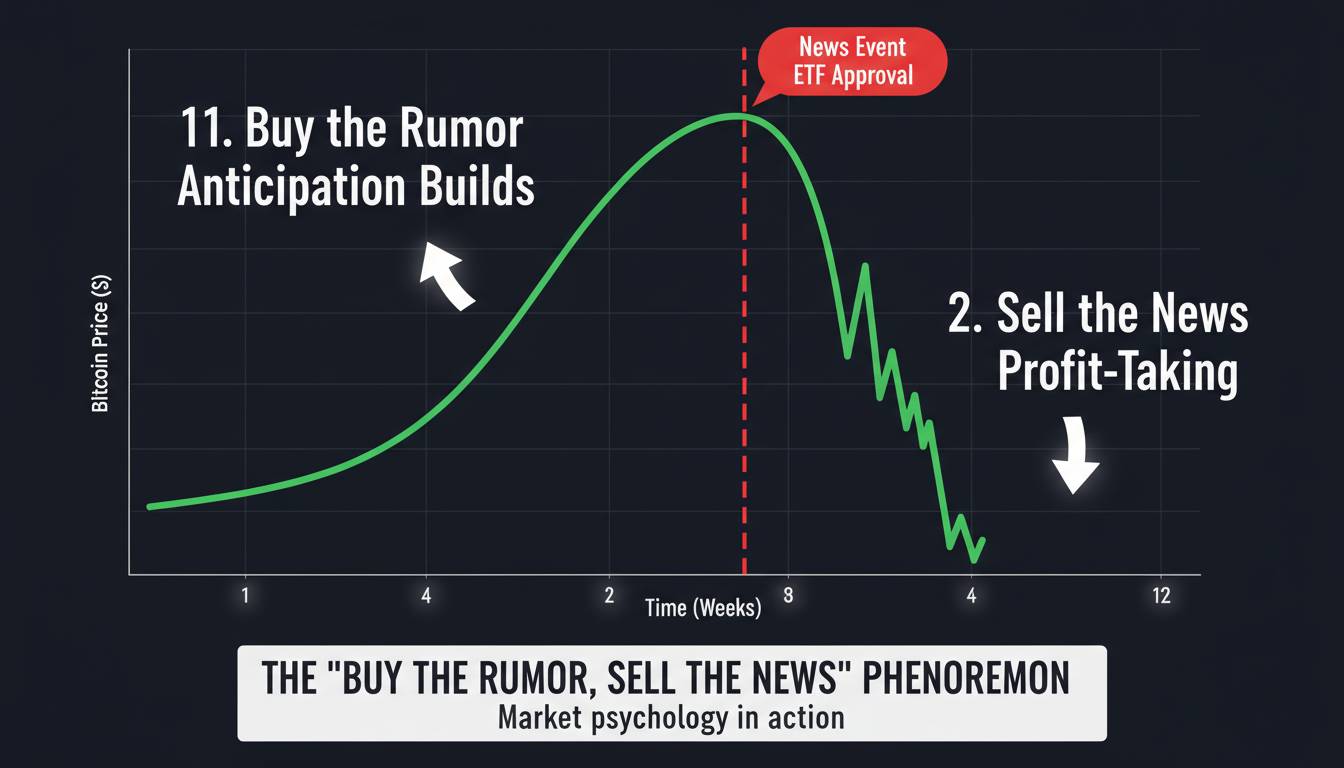
The United States remains the largest market for Bitcoin trading and institutional adoption, yet its regulatory approach has been characterized by deliberate ambiguity rather than coherent policy. This fragmentation itself becomes a price driver — the SEC’s delayed decisions on spot Bitcoin ETFs created a multi-year uncertainty premium that resolved dramatically in January 2024 when the agency approved multiple applications simultaneously.
The mechanism here differs from most countries. Rather than outright bans or explicit legal frameworks, US price impact flows through enforcement actions and strategic ambiguity. When the SEC announced its 2023 crackdown on crypto exchanges, Bitcoin dropped approximately 8% in hours — not because trading became illegal, but because the uncertainty forced institutional allocators to delay allocation decisions. The Winklevoss twins’ years-long battle for ETF approval demonstrated that even positive regulatory outcomes arrive with such delay that markets price in perpetual rejection.
Here’s what many analysts miss: US regulatory hostility has paradoxically strengthened Bitcoin’s fundamentals. The compliance burden that makes life difficult for US exchanges has driven institutional-grade custody solutions, insurance products, and accounting standards that attracted the very Wall Street capital that now provides price support during downturns.
China
China’s relationship with Bitcoin represents the most dramatic regulatory intervention in crypto history, and its effects followed a pattern that should inform how we think about future crackdowns anywhere.
The 2017 ICO ban initially crashed Bitcoin, but the subsequent mining migration — largely to Texas, Kazakhstan, and other US-friendly jurisdictions — inadvertently strengthened Bitcoin’s geographic diversification while demonstrating network resilience. When China escalated to an outright mining ban in May 2021, the hash rate dropped over 50% within weeks, yet Bitcoin’s price actually increased from $37,000 to $50,000 by November of that year.
This counterintuitive outcome occurred because the market had already priced in Chinese regulatory risk. More significantly, the forced migration proved that Bitcoin’s consensus mechanism could absorb the instantaneous loss of a major mining hub — a stress test that increased institutional confidence. The ban also eliminated the largest source of ASIC hardware manufacturing, pushing production to US-based companies like Bitmain’s American subsidiary.
The takeaway: complete bans create short-term volatility but often establish a clear floor. Every Chinese trader who wanted Bitcoin simply moved their holdings to overseas exchanges, removing rather than destroying demand.
Japan
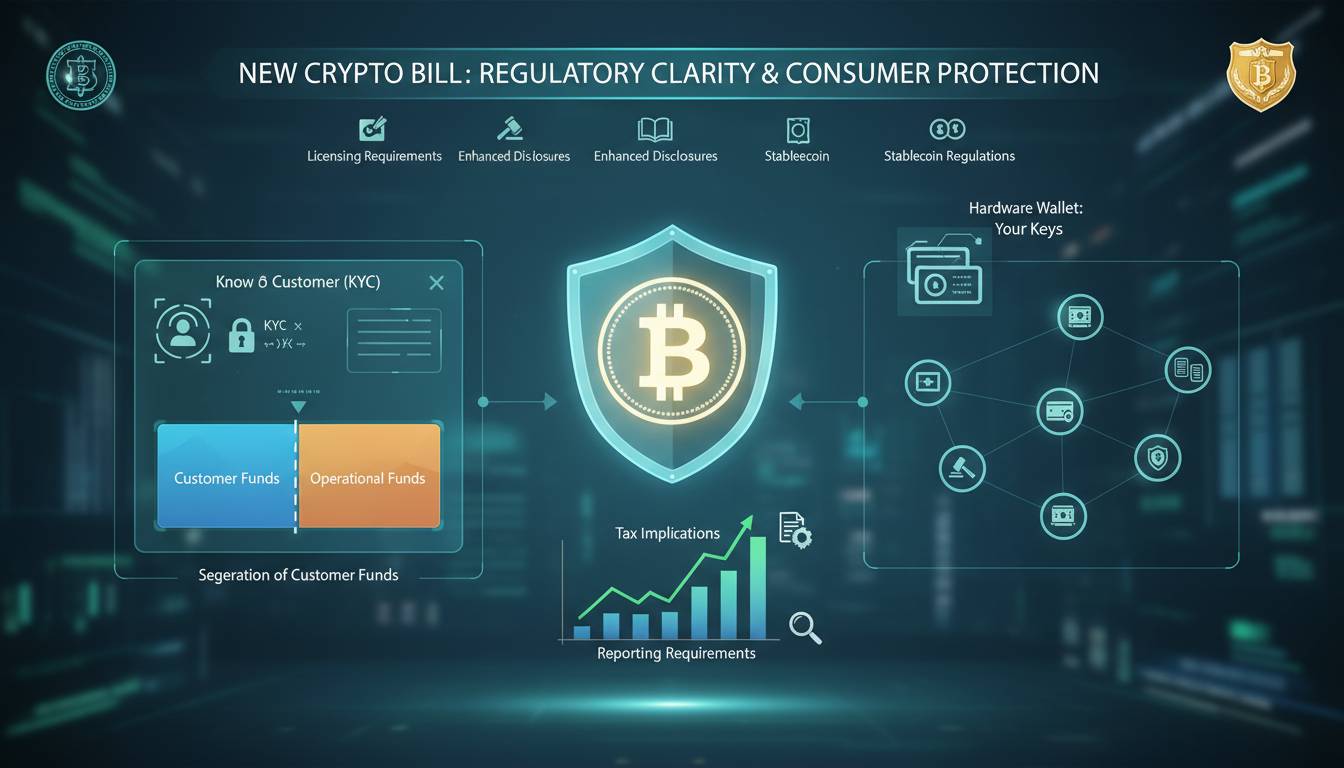
Japan represents the successful model that most regulatory frameworks aspire to — clear licensing requirements, exchange oversight, and consumer protection that enabled a thriving domestic market without stifling innovation.
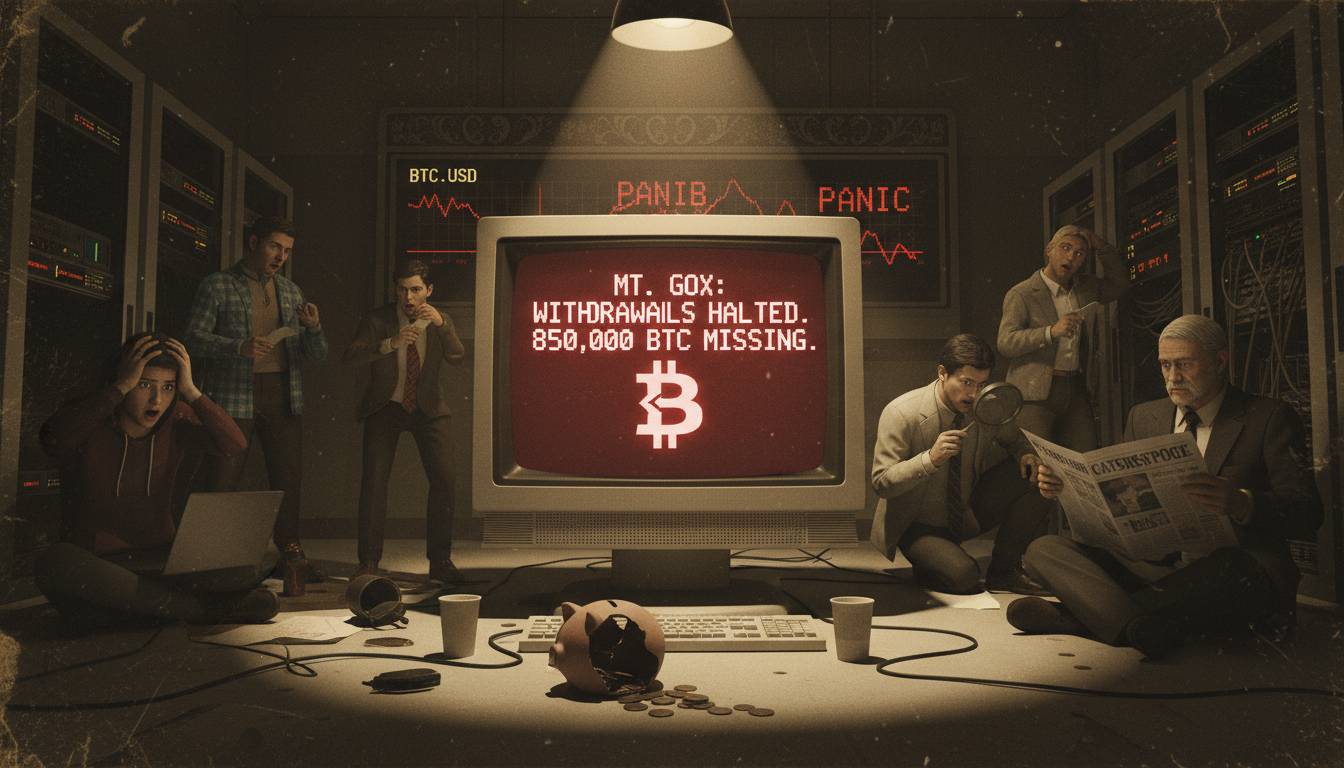
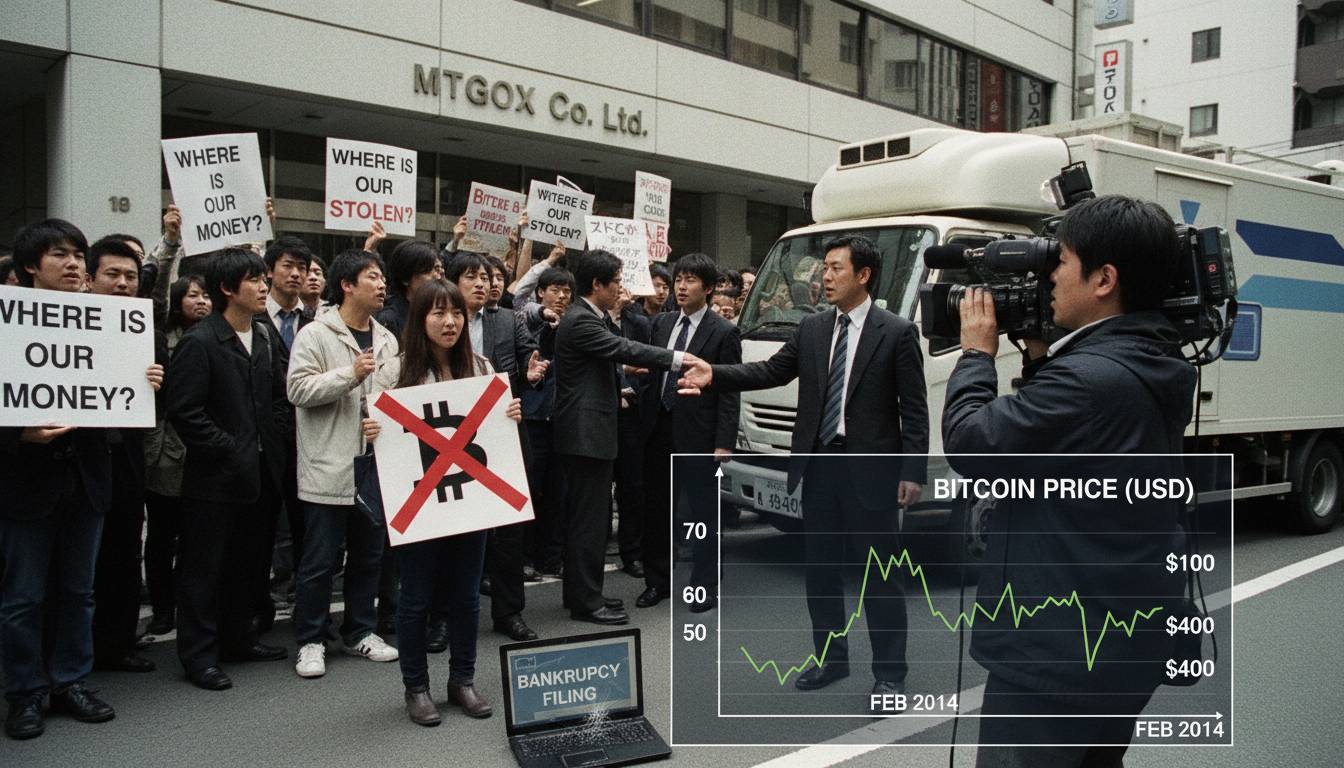
Following the 2014 Mt. Gox collapse (a Japanese exchange), Japan’s Financial Services Agency established the Payment Services Act in 2017, requiring all crypto exchanges to register and comply with strict capital requirements, segregated customer accounts, and regular audits. This framework attracted major institutions including the Tokyo Stock Exchange-listed Monex Group, which acquired Coincheck after its 2018 hack.
The price impact of Japanese regulation has been stabilizing rather than directional. Japan’s clear rules created a premium for domestically-listed crypto stocks during bull markets — bitFlyer, Liquid Global, and similar platforms saw valuations correlate with Bitcoin but with lower beta than their unregulated counterparts. During the 2022 collapse of FTX (which had a significant Japanese subsidiary), the domestic market absorbed the shock with relatively limited damage compared to global counterparts.
Japan’s model demonstrates that regulatory clarity enables premium valuation — institutional investors apply lower discount rates when they understand the legal framework governing their holdings.
El Salvador
No country has made a bolder regulatory statement than El Salvador, which became the first nation to adopt Bitcoin as legal tender in September 2021. President Nayib Bukele’s announcement preceded the law’s implementation by months, during which Bitcoin rallied from $30,000 to nearly $65,000 before the broader market correction.
The mechanism here differs fundamentally from other countries. El Salvador didn’t merely regulate Bitcoin — it created sovereign demand. The country now holds approximately 6,000 Bitcoin (worth roughly $250 million at current prices), accumulated through purchases and volcanic bond issuance. This represents meaningful demand relative to El Salvador’s economy, though negligible compared to global daily trading volume.
Critics note that remittance flows — the stated rationale for adoption — haven’t materialized as expected. Bitcoin Lightning Network adoption in El Salvador remains limited, and the country has faced criticism from the IMF regarding financial stability risks. However, the tourism boost attributed to Bitcoin-friendly policy has been measurable, with some Salvadoran businesses reporting increased international visitor interest.
The most significant price impact from El Salvador may be psychological rather than fundamental. The precedent of a sovereign nation holding Bitcoin on its balance sheet influenced corporate treasury discussions at companies like MicroStrategy and Tesla, creating a category of “nation-state premium” in valuation models.
Singapore
Singapore’s Monetary Authority has pursued “welcoming vigilance” — a regulatory framework that welcomes crypto businesses while imposing strict consumer protection measures. The result has been a concentration of major crypto trading venues and institutional custody operations within the city-state.
The 2022 Payment Services Act amendments required crypto service providers to isolate customer assets, prohibit retail leverage, and obtain licenses before serving Singaporean customers. Major exchanges including Binance, Coinbase, and Kraken either relocated significant operations or established Singapore-domiciled entities to maintain market access.
The price impact manifests through Singapore’s role as a liquidity hub. When the Monetary Authority announced enforcement actions against unlicensed exchanges in 2023, Bitcoin’s Asian trading session showed reduced volatility — a sign that regulated venues provide more predictable execution for large orders. Singapore’s regulatory clarity enables institutional traders to execute significant positions without fearing sudden exchange insolvencies or frozen withdrawals.
The limitation of Singapore’s model: it primarily benefits institutional participants. Retail Singaporeans face some of the world’s most restrictive access to leverage and derivatives, which may limit domestic speculative demand but creates a more stable foundation for sustainable market development.
Germany
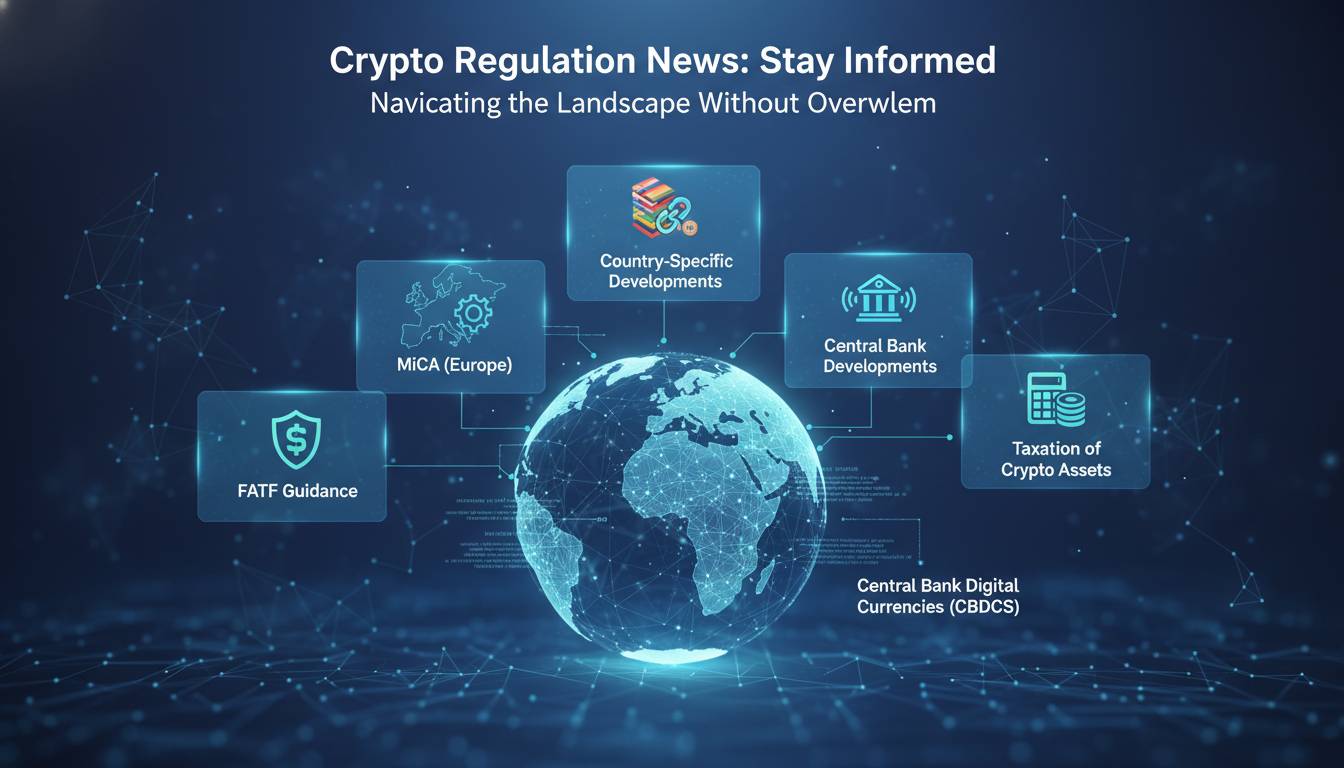
Germany’s approach to Bitcoin regulation has evolved significantly, moving from initial uncertainty to becoming one of Europe’s most crypto-friendly jurisdictions — a shift that accelerated after the European Union’s MiCA framework was finalized.
The Bundesanstalt für Finanzdienstleistungsaufsicht (BaFin) classified Bitcoin as a financial instrument in 2013, requiring banking licensing for custody services. This initially hindered domestic exchange development but subsequently attracted institutional custody providers seeking regulatory clarity. Deutsche Bank, Germany’s largest bank, launched crypto custody services in 2024 following years of regulatory dialogue.
The price mechanism operates through the Euro-denominated trading pairs concentrated on German exchanges. When BaFin issues guidance or enforcement actions, the EUR/BTC trading pair shows immediate reaction before USD-based markets reflect the same information. This provides arbitrage opportunities that generally benefit price discovery.
Germany’s recent ending of a long-standing capital gains tax on Bitcoin holdings sold after one year (as of 2024) eliminated a distortion that had discouraged long-term holding among retail investors. The policy shift aligned German treatment with more favorable jurisdictions and removed a behavioral drag on Bitcoin accumulation.
United Kingdom
The United Kingdom’s post-Brexit crypto strategy has oscillated between ambition and caution, creating an environment where regulatory clarity remains incomplete — and that incompleteness itself drives price volatility.
The Financial Conduct Authority’s registration requirements for crypto businesses, combined with the Treasury’s 2023 regulatory framework consultation, created a two-year period of uncertainty. Major exchanges including Binance and Kraken faced operational restrictions during this period, while UK-based startups like Revolut and Ziglu encountered compliance costs that delayed product launches.
The most significant UK-specific price event was the collapse of the London-based exchange EXMO in late 2020, which triggered a brief localized premium on UK-based platforms as users rushed to withdraw funds. Such localized premiums represent the primary mechanism through which UK-specific regulation impacts Bitcoin pricing — trust events that create temporary supply-demand imbalances.
The Financial Services and Markets Act 2023 brought crypto within existing financial services regulation, providing clearer pathways for institutional participation. HSBC’s 2024 launch of crypto custody services marked a significant institutional endorsement that reduced the UK-specific risk premium previously embedded in Bitcoin valuations.
Australia
Australia’s regulatory framework has developed more slowly than comparable jurisdictions, resulting in a domestic market that remains smaller than its economic weight would predict.
The Australian Securities and Investments Commission (ASIC) issued regulatory guidance in 2021 requiring crypto exchanges to hold Australian Financial Services Licenses, but the licensing process proved cumbersome. Major international exchanges including Binance restricted Australian retail access to derivatives, citing regulatory uncertainty, while local platforms like CoinSpot and BTC Markets expanded to fill the gap.
The price impact manifests primarily through premium/discount dynamics during local market stress events. When Australian bank Westpac temporarily blocked crypto payments in 2023, local Bitcoin prices briefly traded at a 3% premium to global indexes as users feared further banking access restrictions. This premium subsequently normalized as the banking sector clarified its position.
Australia’s delayed regulatory framework has created opportunity for domestic exchanges to build dominant market positions, but the lack of clear institutional pathways has limited the capital inflow that similar jurisdictions have experienced.
Switzerland
Switzerland’s canton-based regulatory system created initial fragmentation, but the Swiss Financial Market Supervisory Authority (FINMA) ultimately established one of Europe’s most predictable frameworks for crypto businesses.
The Zug canton — commonly called “Crypto Valley” — hosts over 1,000 blockchain companies including major protocols like Ethereum and the Cardano Foundation. FINMA’s technology-neutral approach, which applies existing securities law to crypto assets rather than creating bespoke regulation, enabled this concentration while maintaining consumer protections.
The price mechanism operates through Switzerland’s role as a listing venue for crypto-native companies. When the SIX Stock Exchange launched its digital asset trading platform, it created a regulated pathway for institutional exposure that influenced valuation benchmarks for similar companies globally. The Bitcoin Suisse brokerage provides regulated brokerage services that serve as a reference point for European institutional pricing.
Switzerland’s success demonstrates that regulatory predictability matters more than regulatory specificity — the certainty of knowing how existing rules apply to crypto enables business planning that ultimately stabilizes pricing.
Conclusion
The pattern across these jurisdictions reveals something that pure price charts cannot: regulatory frameworks don’t simply enable or restrict Bitcoin markets. They reshape who can participate, what institutions are willing to hold, and how quickly information incorporates into pricing.
The most counterintuitive finding across this analysis is that outright bans — as destructive as they seem in the moment — often establish clarity that enables subsequent growth. China’s mining ban forced geographic distribution that arguably strengthened network resilience. By contrast, regulatory ambiguity in markets like the United States creates persistent uncertainty premiums that only resolve through enforcement actions or explicit legislation.
What remains unresolved is whether the global trend toward comprehensive frameworks like MiCA will compress regional pricing inefficiencies. As regulatory convergence reduces the “regulatory arbitrage” that creates localized premiums and discounts, Bitcoin may increasingly trade as a globally uniform asset — but that convergence remains years away, and the transitional period continues to create opportunities for those who understand jurisdiction-specific dynamics.