If you’ve tried to sign up for a cryptocurrency exchange, you’ve probably hit KYC. That moment when you’re asked to upload a photo ID, a selfie, and proof of address can feel intrusive—especially when you just want to buy some Bitcoin. But there’s a reason these requirements exist. Understanding them makes you a smarter, safer crypto user.
This guide covers what KYC and AML mean in plain English, why exchanges ask for your personal information, and how to navigate these requirements without sacrificing your privacy.
What is KYC in Crypto?
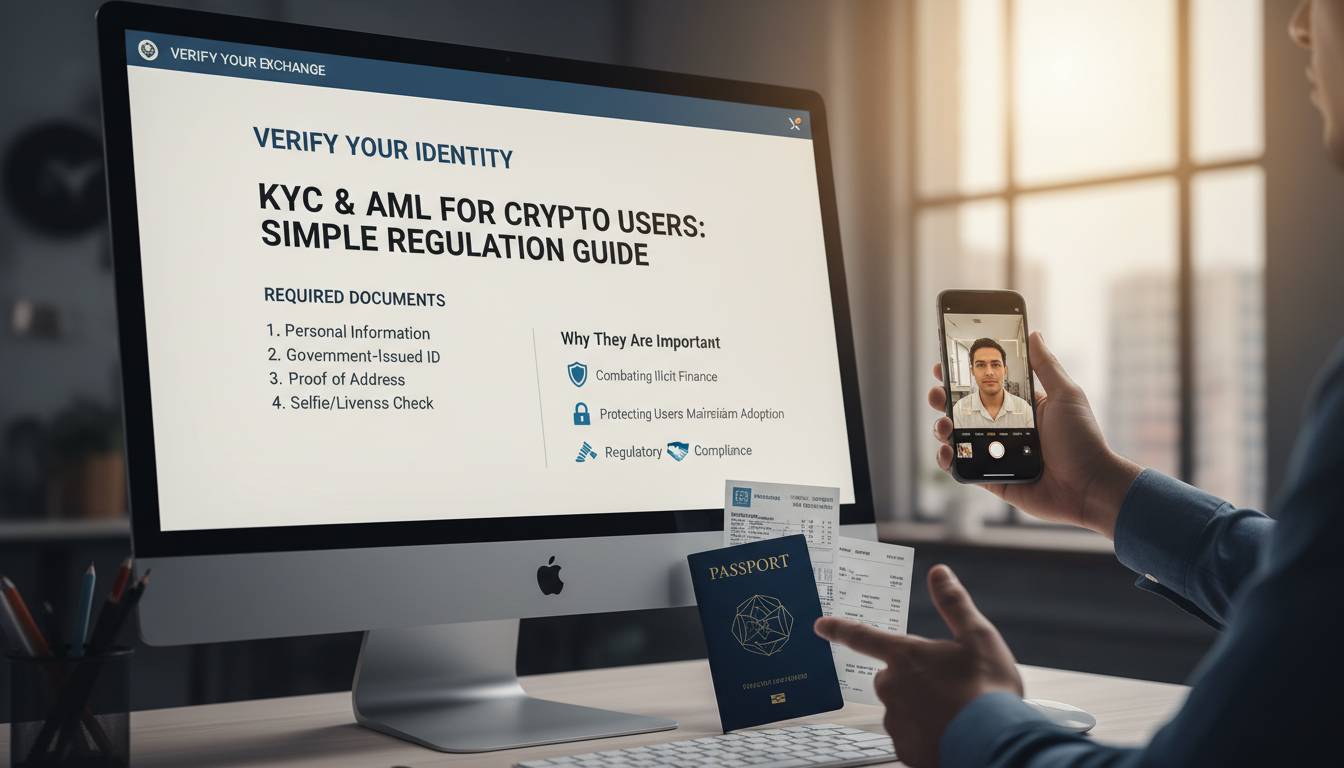
KYC stands for Know Your Customer. It’s a process that requires financial institutions—including crypto exchanges—to verify the identity of their users. In practice, this means providing documentation that proves who you are: a government-issued ID, passport, or driver’s license. Most exchanges also require a selfie or live video verification to confirm the ID actually belongs to you.
This isn’t unique to crypto. Banks, brokerage firms, and even some payment apps have required identity verification for decades. The practice became standard in the United States after the USA PATRIOT Act of 2001, which mandated that financial institutions verify customer identities to prevent terrorism and money laundering.
For crypto users, KYC typically unfolds in stages. Level one might require just an email address and phone number. Level two asks for basic identity documents. Level three—the most stringent—demands proof of address, source of funds, and sometimes additional documentation for high-volume traders. Binance, for example, has different verification tiers that unlock increasing withdrawal limits. An unverified account might be limited to small daily withdrawals, while fully verified users can move tens of thousands of dollars daily.
Time required varies by platform. Some exchanges using automated verification systems can approve users within minutes. Others require manual review, which can take several business days. Coinbase generally processes most verifications within a few minutes to 24 hours, though peak periods can extend this.
What is AML in Crypto?
AML stands for Anti-Money Laundering. It’s a broader set of laws and practices designed to prevent criminals from disguising illegally obtained funds as legitimate income. While KYC is the process of identifying users, AML is the framework that governs how exchanges monitor and report suspicious activity.
The AML landscape in crypto has tightened considerably since the FATF (Financial Action Task Force)—an intergovernmental body that sets global standards for anti-money laundering—issued its guidance in 2019. This guidance, often called the “travel rule,” requires cryptocurrency service providers to collect and transfer customer information when facilitating transactions above a certain threshold (typically $3,000 USD equivalent).
AML compliance involves several components. Transaction monitoring systems flag unusual patterns—sudden large transfers, rapid trading that resembles layering, or interactions with known high-risk wallets. Suspicious Activity Reports (SARs) must be filed with financial regulators when certain thresholds are met. Record-keeping requirements mean exchanges maintain detailed logs of user activity for years.
For users, AML manifests as restrictions on where you can send crypto, which exchanges will accept your business, and occasional freezes on accounts flagged for review. If you’ve ever tried to withdraw to a wallet associated with a sanctioned entity or a known mixer’s “dirty” address, you’ve encountered AML in action.
Why Do Crypto Exchanges Require KYC/AML?
The simplest answer: they’re required by law. In most jurisdictions, operating a cryptocurrency exchange without AML compliance is illegal. But the reasons run deeper than checking regulatory boxes.
Exchanges face enormous legal liability without these programs. In 2022, Binance paid over $4 billion in fines to the U.S. Department of Justice, in part for failing to implement adequate AML controls. The company was forced to restructure its compliance operations fundamentally. Similar enforcement actions against BitMEX, Bitfinex, and others demonstrate that regulators are willing to impose severe consequences for compliance failures.
For users, this enforcement affects which exchanges operate where. If an exchange can’t meet AML requirements in your country, it simply won’t serve you. When regulators crack down on non-compliant platforms, users often lose access to funds temporarily—or permanently, in extreme cases.
Beyond legal compliance, there’s a practical security argument. KYC makes it harder for bad actors to use exchanges as vehicles for fraud, scams, or laundering stolen funds. This protects legitimate users from having their platforms shut down due to criminal activity. When an exchange can demonstrate robust compliance, it’s more likely to maintain banking relationships, which means better liquidity and more trading pairs for users.
I’ll be honest: the protection argument has limits. KYC primarily stops low-level fraud. Sophisticated criminals find ways around it—using stolen identities, layering transactions through multiple platforms, or simply moving to decentralized exchanges and peer-to-peer markets. But it raises the bar significantly, and for regulators, that bar is high enough.
What Does KYC Mean for Crypto Users?
For everyday users, KYC requirements create both benefits and concerns worth understanding clearly.
On the benefit side, verified accounts typically enjoy much higher withdrawal and trading limits. This matters if you’re building a substantial position or need to move significant value. Some platforms offer better staking rewards or interest rates to verified users, essentially pricing in reduced risk. Insurance coverage, where it exists, often applies only to verified accounts. And if something goes wrong—a hack, a dispute, or fraud—having a verified identity makes resolution far easier. Exchanges can actually return funds to your verified bank account rather than sending crypto into the void.
The privacy concerns, however, are legitimate and shouldn’t be dismissed. You’re trusting a company with sensitive personal information that, if breached, could enable identity theft. Crypto exchanges have been hacked repeatedly. In 2019, Binance lost 7,000 Bitcoin (worth approximately $40 million at the time) in a hack that exploited compromised API keys. While the company reimbursed users, similar breaches at other exchanges haven’t always ended so favorably.
Your KYC data can also be subpoenaed by law enforcement, shared with other financial institutions, or—in some jurisdictions—sold to third parties. European users have some protection under GDPR, which grants rights to access and delete personal data. American users have fewer federal privacy protections specifically for financial data.
There’s also the question of whether KYC requirements are proportional. Someone buying $50 worth of Bitcoin for a tip faces the same verification burden as a hedge fund executing millions in trades. Many users chafe at providing detailed financial information for what feels like casual participation. Decentralized exchanges like Uniswap exist specifically because users value permissionless, privacy-preserving alternatives—even if those come with their own risks.
KYC vs AML: Understanding the Key Differences
The terms get used interchangeably, but they cover different ground:
| Aspect | KYC | AML |
|---|---|---|
| Core focus | Identity verification | Activity monitoring and prevention |
| What it does | Confirms who you are | Detects suspicious financial behavior |
| Legal basis | Customer due diligence rules | Anti-money laundering statutes |
| When it applies | Account opening | Ongoing transaction monitoring |
| User interaction | Provides documents | Mostly invisible to users |
KYC is the prerequisite—establishing identity. AML is the ongoing surveillance framework that uses that identity information to track financial flows. You can’t have effective AML without KYC, but KYC alone doesn’t satisfy legal requirements. Both are mandatory for compliant exchanges.
Frequently Asked Questions About KYC and AML in Crypto
Is KYC required for all crypto exchanges?
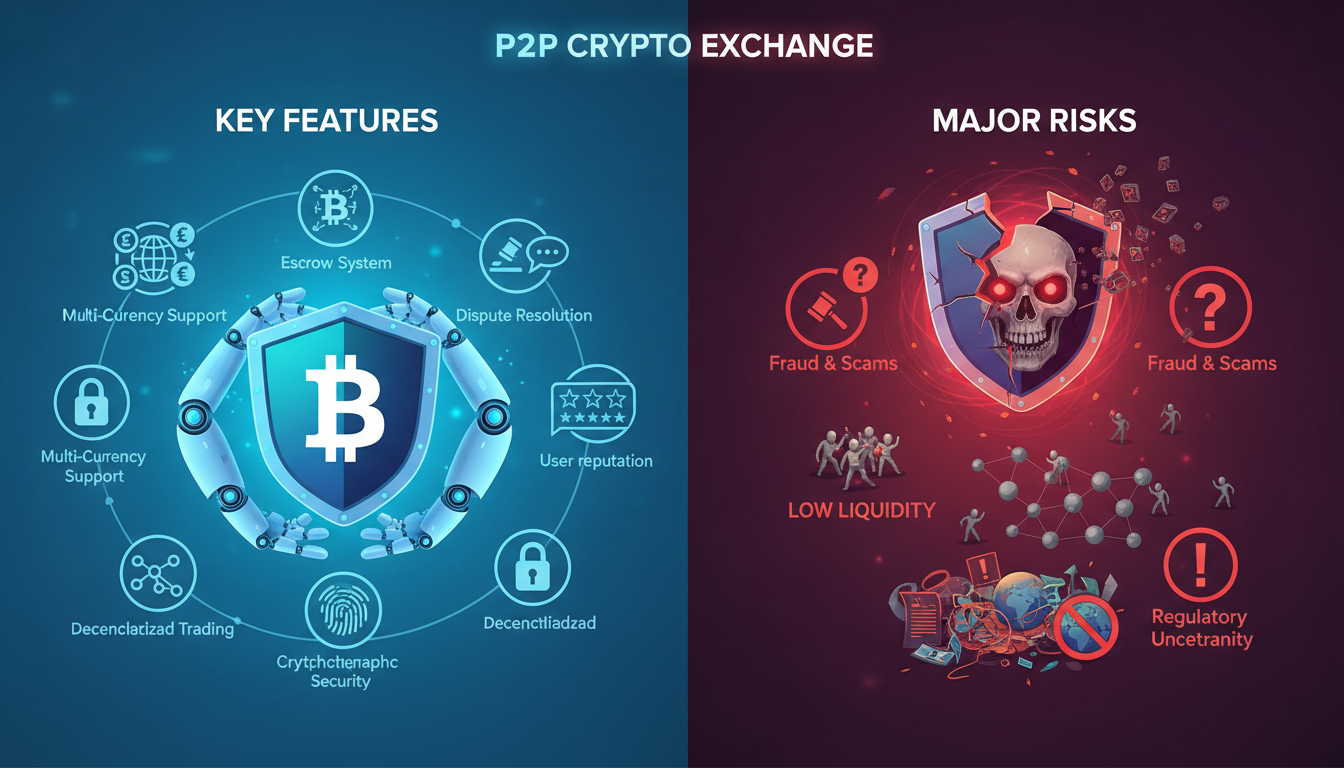
Not universally. Decentralized exchanges (DEXs) like Uniswap, Curve, or dYdX generally don’t require KYC because they don’t hold user funds or operate as traditional financial intermediaries. However, these platforms have their own risks—smart contract vulnerabilities, lack of recourse if funds are lost, and potentially problematic tokens that wouldn’t pass scrutiny on regulated platforms. Peer-to-peer platforms like LocalBitcoins (now HODL HODL) also offer non-KYC options, though they come with heightened fraud risk and often have their own informal reputation systems.
What happens if I don’t complete KYC?
You’ll face severe limitations. Most centralized exchanges restrict unverified accounts to tiny trading volumes and minimal withdrawals—sometimes as low as $50 per day. Some platforms block trading entirely for unverified accounts. The practical reality is that KYC is increasingly unavoidable if you want to use major exchanges, access DeFi protocols through bridges, or move significant value across the crypto ecosystem.
Is my data safe with crypto exchanges?
It’s safer than it used to be, but no guarantee exists. Major exchanges invest heavily in security—Coinbase, for instance, stores most user data in encrypted, air-gapped cold storage. Third-party breaches are a bigger concern than direct exchange hacks. In 2022, a breach at a KYC verification vendor exposed data from multiple exchanges. The lesson: your KYC data is only as secure as the weakest vendor in the exchange’s supply chain.
Can I use crypto without completing KYC?
Yes, but your options narrow constantly. Privacy-focused coins like Monero offer stronger anonymity, though they’re delisted from most major exchanges. Peer-to-peer trading, decentralized exchanges, and Bitcoin ATMs (which have their own KYC issues in most jurisdictions) offer alternatives. But the regulatory trend is toward expanding KYC requirements, not contracting them. What works today may not work tomorrow.
The Future of Crypto Regulation
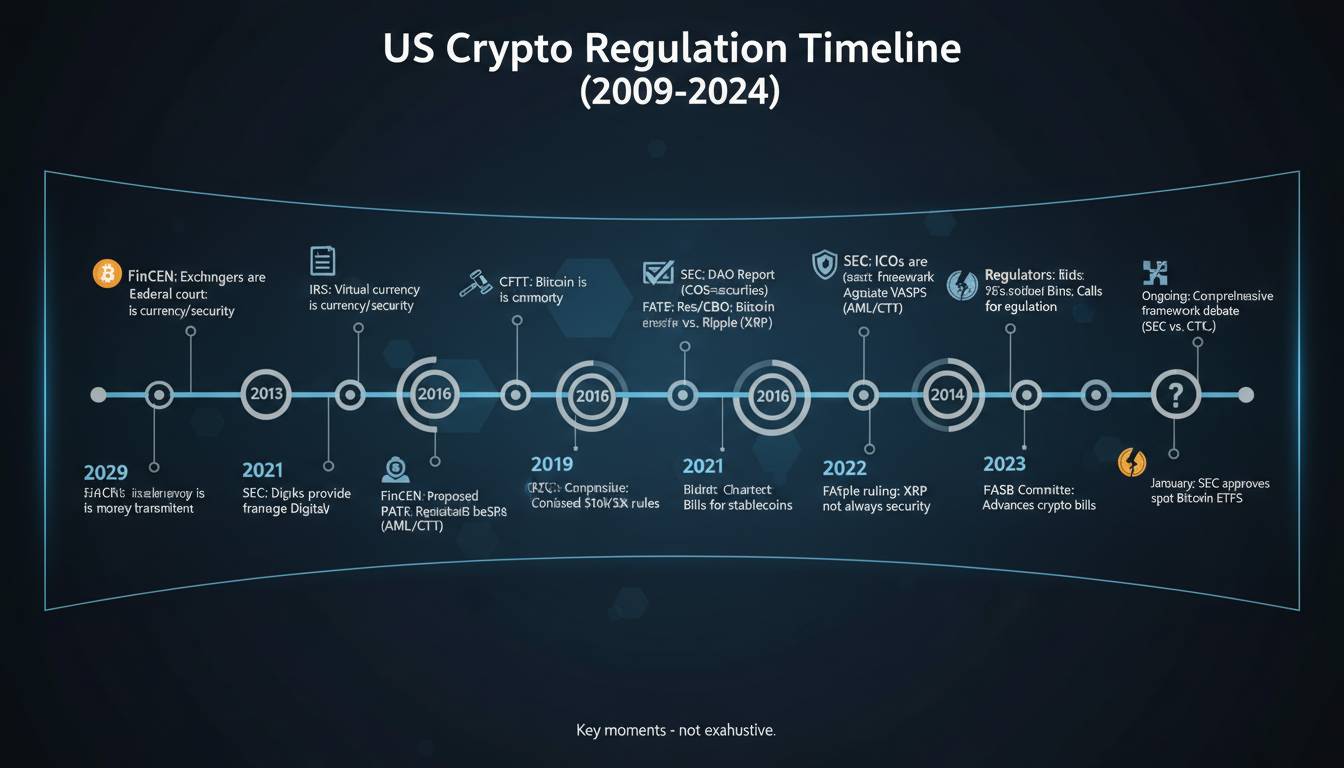
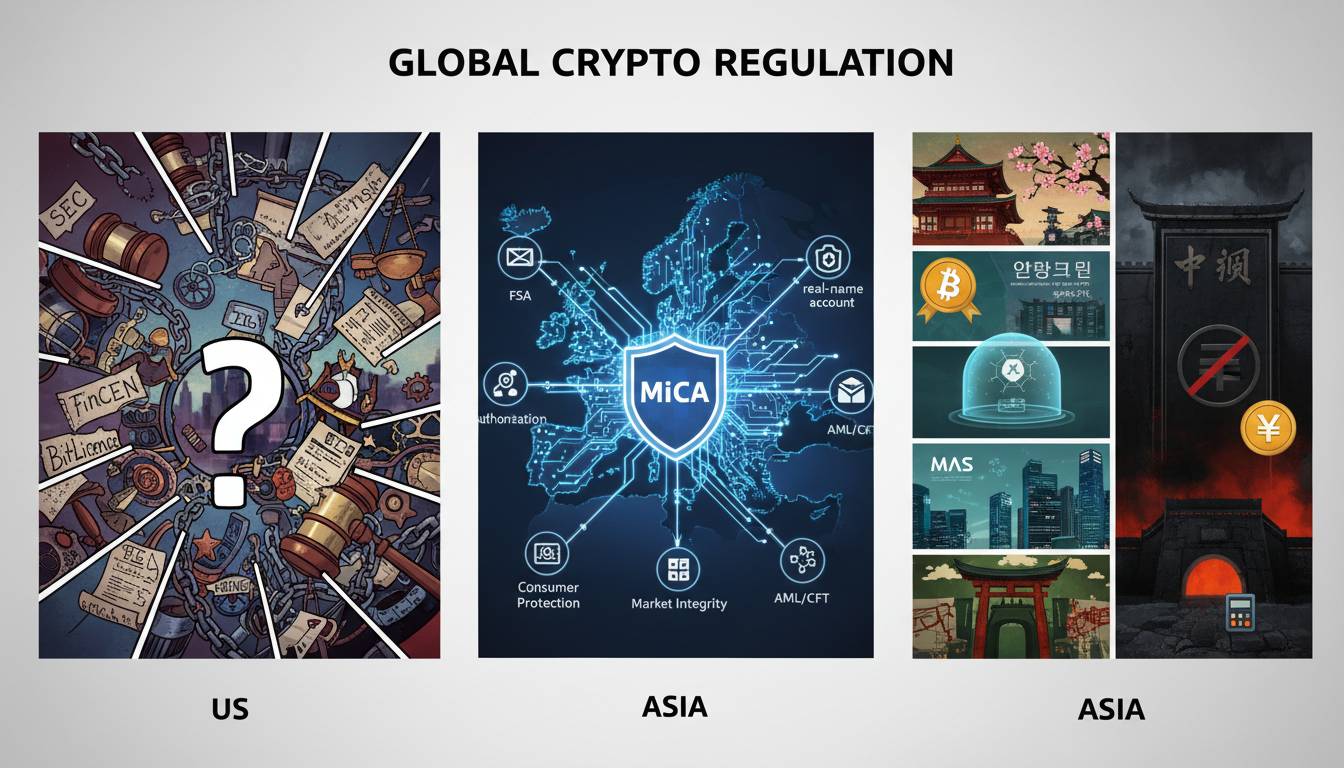
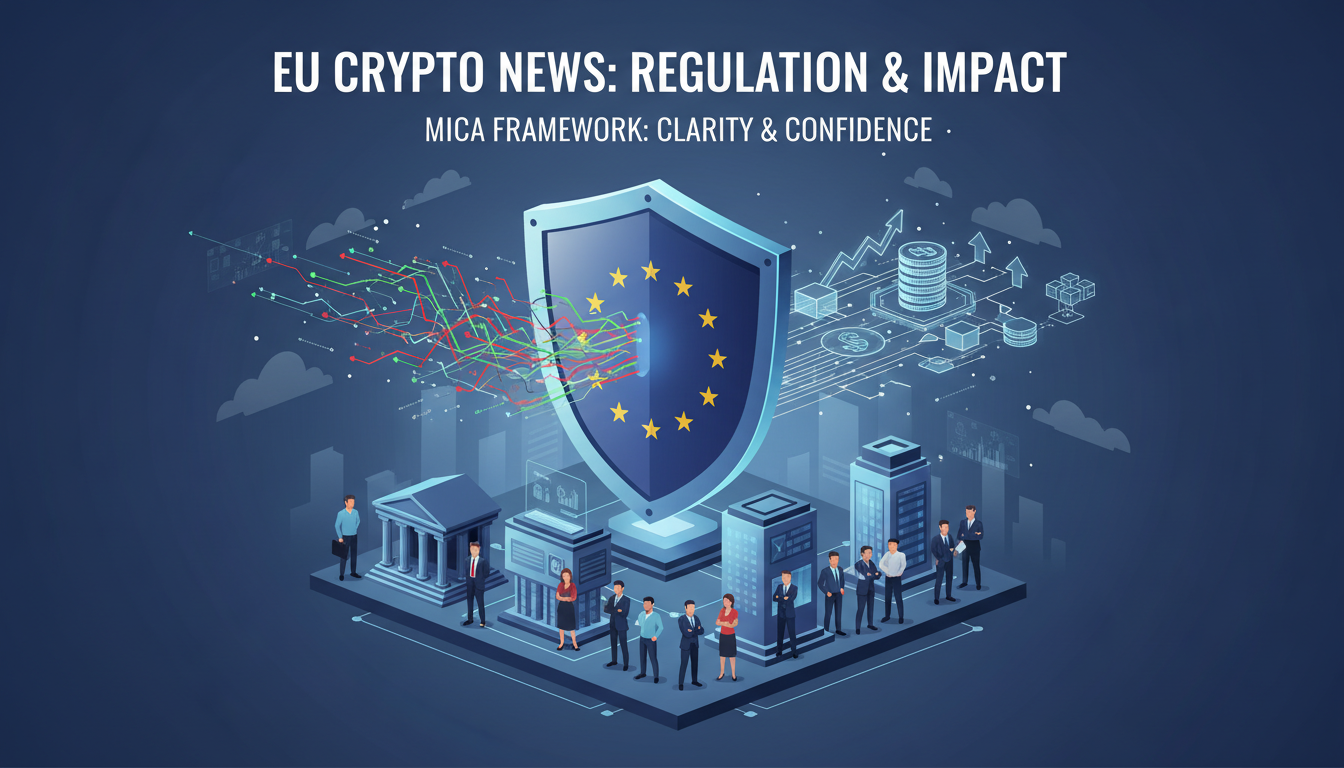
The regulatory landscape is shifting quickly. The European Union’s MiCA (Markets in Crypto-Assets) regulation, which began phasing in throughout 2024, establishes comprehensive rules for crypto asset issuers and service providers—including stringent AML requirements. The U.S. is moving toward similar frameworks, though Congress remains divided on specifics.
One emerging tension: the push for on-chain transparency via public blockchain analysis versus growing demand for privacy-preserving technologies. Companies like Chainalysis build sophisticated tools that can trace transactions across wallets, linking pseudonymous addresses to real identities. Privacy advocates argue this creates surveillance infrastructure with few safeguards. Regulators see it as essential for preventing the next major crypto-facilitated crime.
For users, compliance requirements will likely intensify. Expect more platforms to require identity verification, lower thresholds for transaction reporting, and greater cross-border information sharing between financial intelligence units. Whether this makes crypto safer or simply less accessible depends heavily on which side of that debate holds sway in your jurisdiction.
The choice isn’t between a regulated crypto world and a wild west. The wild west is already gone. What’s left is shaping what comes next—and understanding KYC and AML is the first step to participating meaningfully in that conversation rather than simply accepting whatever is imposed. If you’re holding crypto on a regulated platform, you’re already part of this system. You might as well understand how it works.