If you’re choosing between Solana and Ethereum in 2025, stop listening to tribal maximalists on Twitter. Both networks have legitimate arguments in their favor, but they serve fundamentally different developer needs. After watching both ecosystems mature — Ethereum through its painful but necessary scaling pivots, Solana through its reliability crisis and subsequent recovery — I can tell you which one makes more sense for your specific situation.
This isn’t about which chain is “better.” It’s about which one will help you ship product, retain users, and build a sustainable business. Here’s the real comparison.
The Technical Foundation
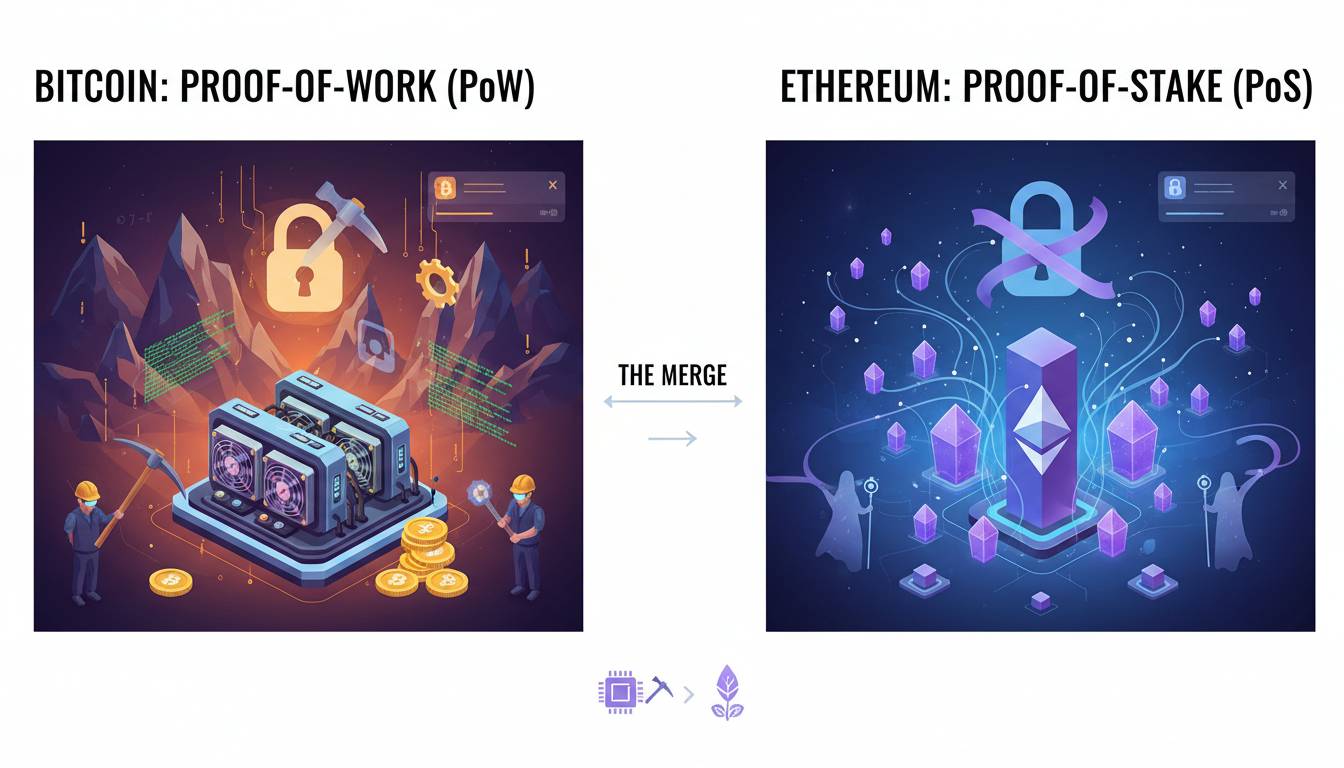
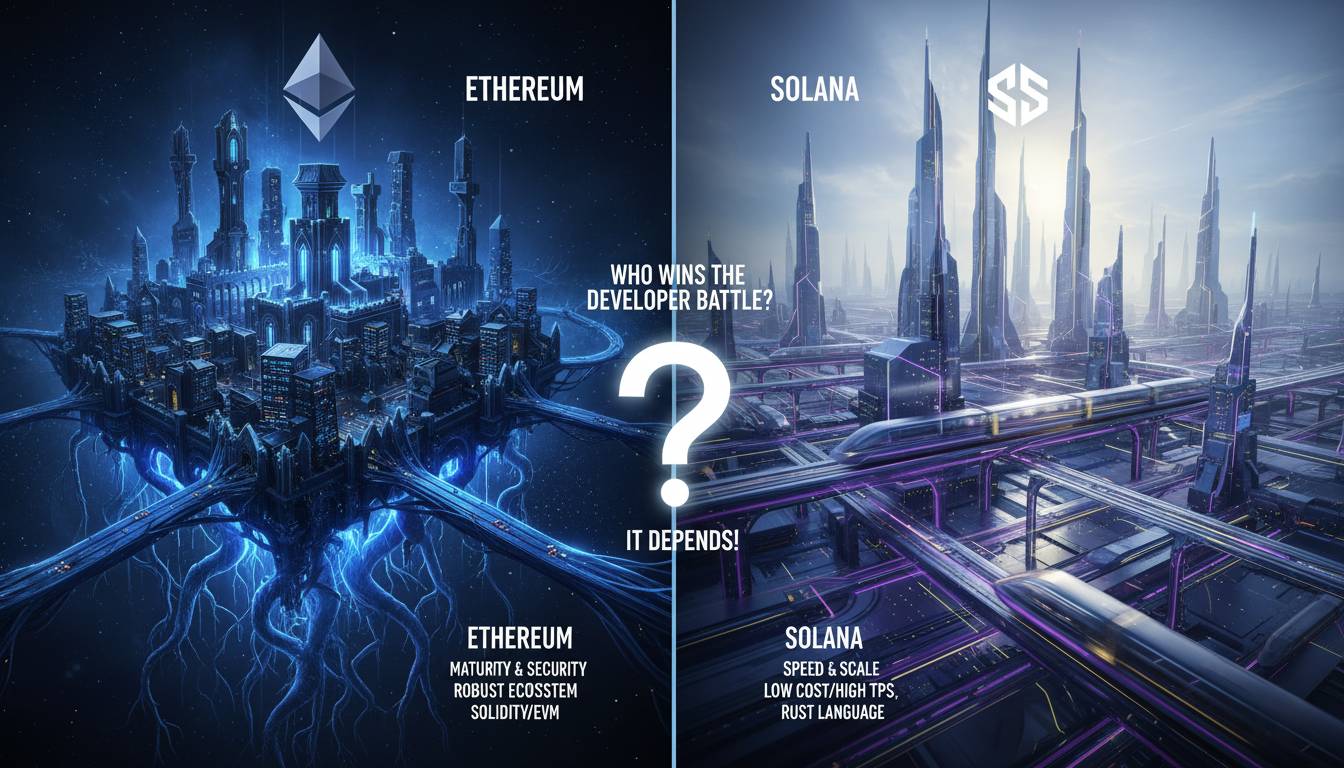
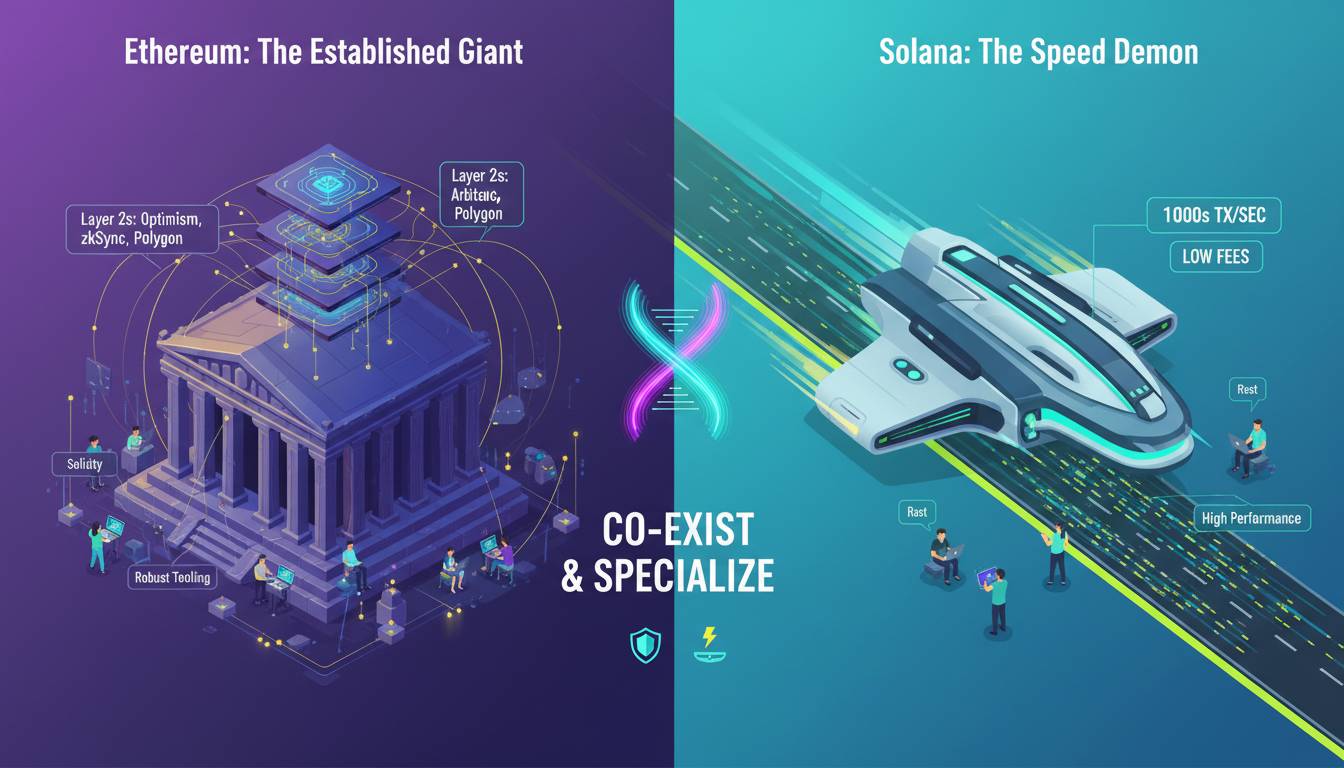
Ethereum’s architecture is conservative and battle-tested. The EVM has become the industry standard — if you write Solidity, those skills transfer to dozens of chains. Ethereum’s transition to proof-of-stake with The Merge in 2022 and the Dencun upgrade in 2024 introduced blob transactions that significantly reduced layer-2 costs. The network processes roughly 12-15 million transactions daily with fees that fluctuate based on demand.
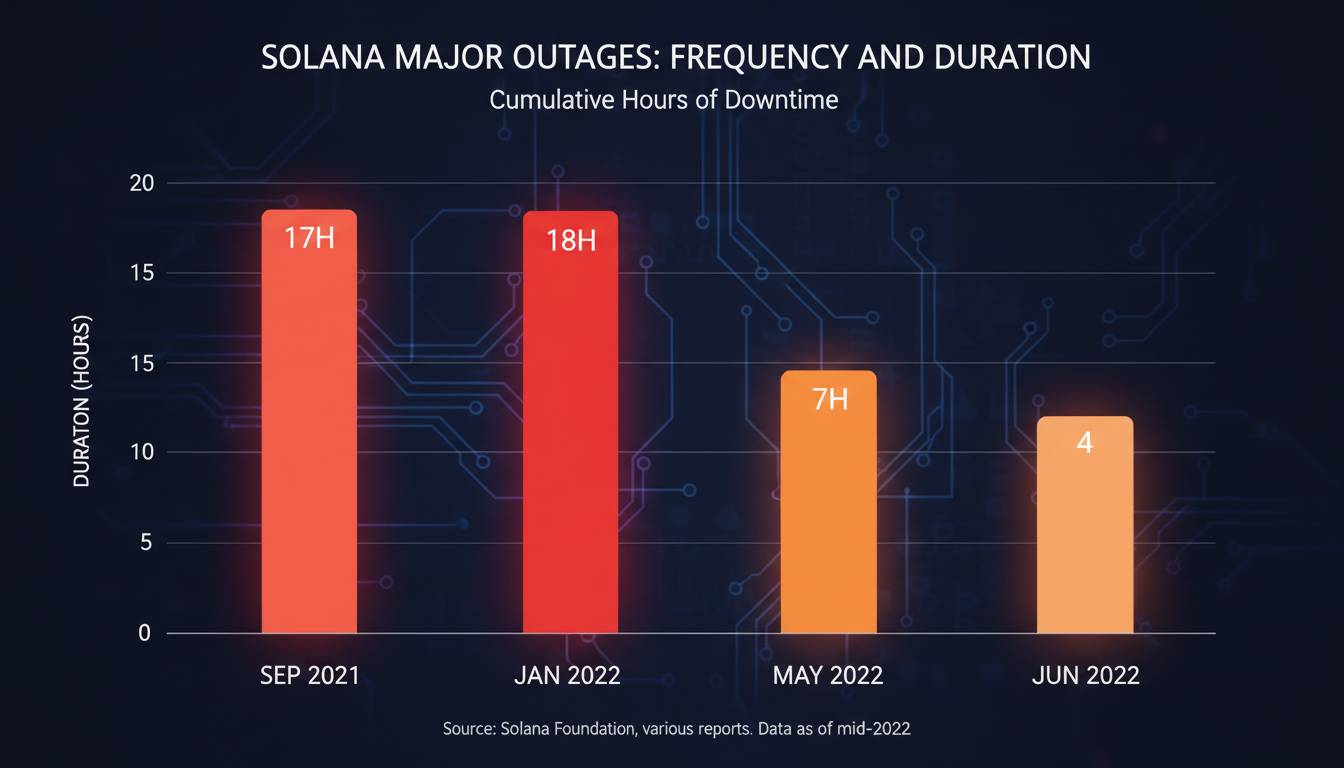
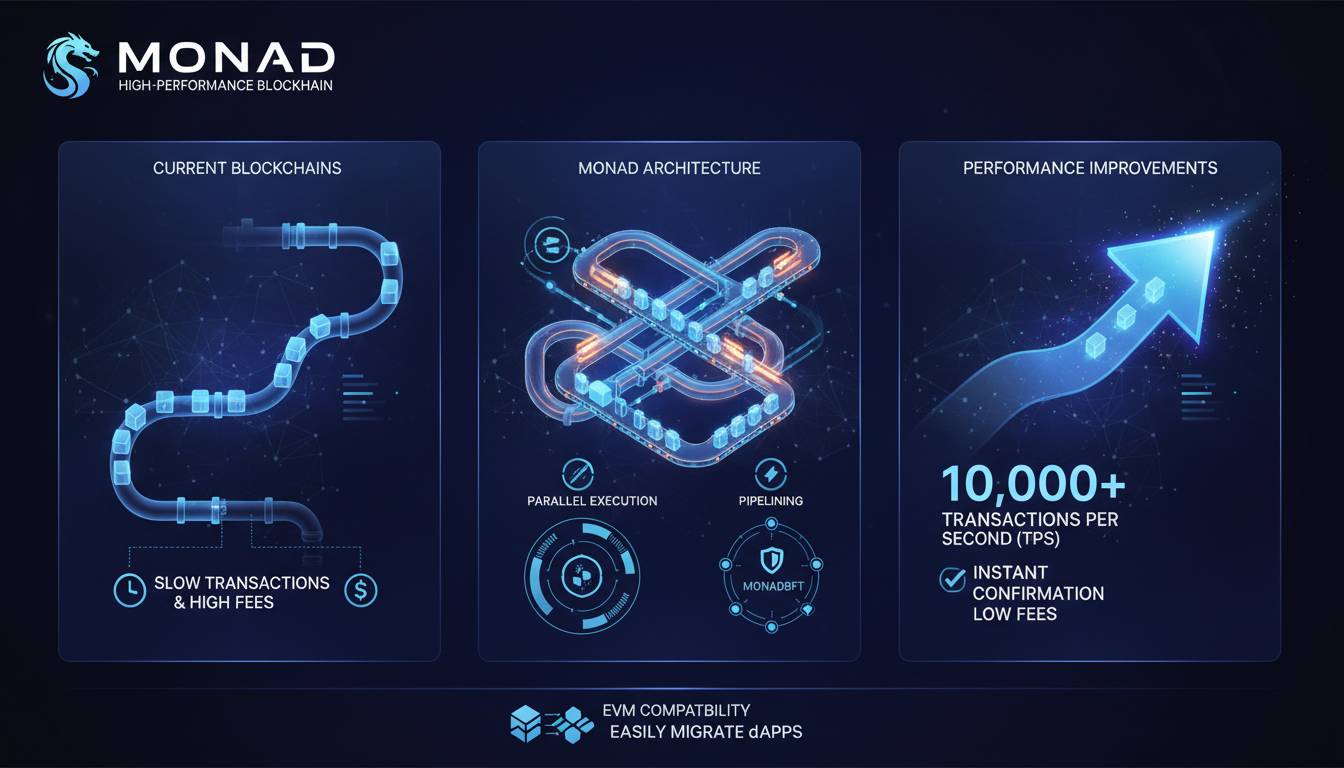
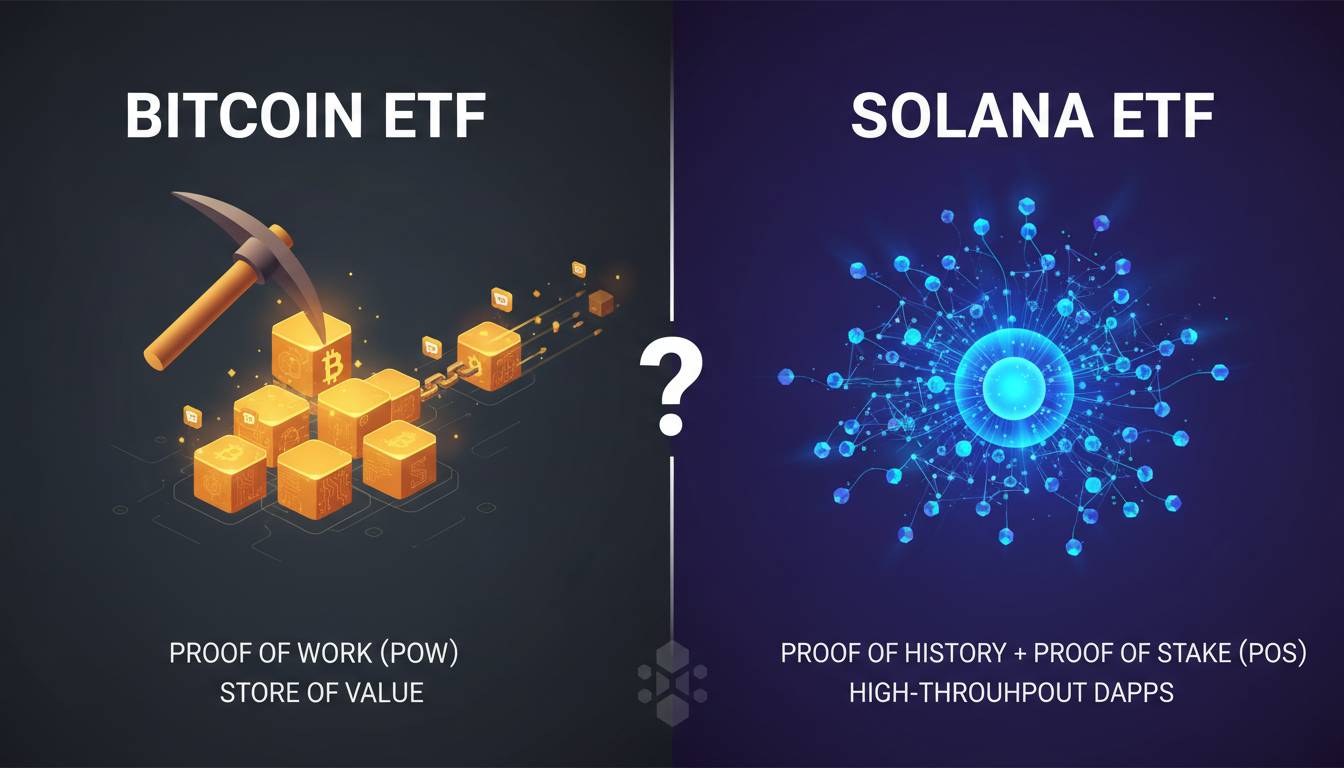
Solana takes a different path. Its Proof of History mechanism creates a historical record that proves an event occurred at a specific moment, letting the network process transactions sequentially without waiting for global consensus on timing. This enables theoretical throughput of 65,000 TPS — though real-world performance sits closer to 3,000-5,000 TPS during peak usage. The trade-off is a more complex system that’s experienced multiple network outages, including a 19-hour downtime in February 2022 and several shorter incidents since.
The implication: Ethereum is boring the way mature infrastructure should be. Solana is ambitious the way unproven technology always is. Your choice depends on whether you need reliability or performance.
The Economic Model
For most user-facing applications, Solana’s low fees are better for adoption. When a crypto-native app on Ethereum costs $2-5 in gas just to make a transaction, you’re filtering out everyone who’s not deep in the ecosystem. A new user trying a DeFi protocol for the first time shouldn’t have to explain to their friends why they lost $5 just to test the app.
Ethereum’s fee market prioritizes security and decentralization over user experience. During network congestion — which still happens during major NFT drops or token launches — fees can spike to $50 or more. The Dencun upgrade helped, particularly for rollup-based applications, but Ethereum still isn’t cheap for casual use.
Solana’s fee structure is simpler: approximately $0.00025 per transaction. I’ve built applications on Solana where users made hundreds of transactions without thinking about cost. The network generates revenue through base fees and priority fees during congestion, but the baseline cost remains negligible.
The problem: Ethereum’s high fees fund network security. When anyone can transact for almost nothing, the economic model depends on token inflation or alternative revenue streams. Solana’s token has been volatile, and the network’s sustainability beyond speculative trading volume is questionable. If you’re building high-value applications where transaction costs are negligible relative to the value being transferred, Ethereum’s security model might be preferable.
Developer Experience
Ethereum offers a more developed path to productivity if you’re starting from zero. The documentation is extensive. Every error message has been written about somewhere. Stack Overflow has answers to most problems you’ll encounter. When something breaks, you can find someone who solved the same issue.
Solana’s developer experience has improved since the early days, but you’re more likely to encounter edge cases requiring source code dives or Discord questions that go unanswered. The Anchor framework has become the standard and it’s genuinely excellent — comparable to Hardhat or Foundry for Ethereum. But the ecosystem has fewer tutorials, fewer Stack Exchange answers, and fewer senior developers to mentor newcomers.
The tooling gap matters less if you’re experienced and willing to figure things out. It matters if you’re building a team and need to hire people who can be productive quickly. Right now, finding solid Solidity developers is easier than finding experienced Solana engineers. This might change, but it’s a real consideration for 2025 decisions.
Ethereum has had fifteen years of iteration. Solana has had five. The difference shows in API references, example code, and error messaging.
Scaling Solutions
Ethereum’s scaling strategy centers on rollups — layer-2 networks that execute transactions off-chain and post compressed data back to mainnet. This approach has vindicated the Ethereum Foundation’s bet on a modular future. Arbitrum and Optimism process significantly more daily transactions than Ethereum itself. Base, launched by Coinbase in 2023, has become a major player for consumer applications. zkSync and Starknet are pushing zero-knowledge rollup technology toward mainstream viability.
When you build on Ethereum today, you’re increasingly building on a layer-2 anyway. Deploying to Arbitrum feels almost identical to mainnet Ethereum, except transactions cost cents instead of dollars. Ethereum developers get access to both the security of the base layer and the scalability of modern L2s.
Solana’s approach is different — solving the problem at the base layer rather than through rollups. Solana’s Firedancer client, in development, promises to improve network throughput and reliability. The Saga phone and associated consumer initiatives suggest Solana is betting on mobile-native applications requiring high throughput.
Both approaches could work. Ethereum’s path is more conservative with proven roadmaps. Solana’s is higher-risk but could deliver better UX if technical challenges are solved. Ethereum’s scaling path is more certain, Solana’s is more ambitious.
Network Effects
Ethereum’s head start is almost insurmountable. TVL in Ethereum DeFi protocols consistently exceeds 60% of the entire blockchain industry. Major financial institutions, when building on-chain infrastructure, overwhelmingly choose Ethereum. The ERC-20 token standard is so dominant that even Solana’s SPL tokens often have ERC-20 equivalents for cross-chain compatibility.
When you build on Ethereum, you’re joining an ecosystem where liquidity, users, and tooling compound over time. Projects easily integrate with Uniswap, Aave, or Compound. The “monoculture” criticism of EVM dominance is valid from a decentralization standpoint, but practically it means you’re building on proven infrastructure.
Solana’s ecosystem is growing but remains smaller. The DeFi protocols exist — Jupiter, Raydium, Marinade Finance — but liquidity depths aren’t comparable. You can build anything on Solana that you can build on Ethereum, but you might struggle with trading volumes or lending pools.
The counterargument: being an early mover in a growing ecosystem has advantages. Solana developers in 2025 are in a similar position to Ethereum developers in 2018 — building infrastructure that will define the next bull market. If Solana’s technical advantages eventually attract major users and capital, early developers will have relationships and experience later entrants can’t replicate.
Real-World Adoption
Ethereum dominates institutional finance. Major banks and asset managers have chosen Ethereum for tokenization projects — BlackRock’s tokenized fund infrastructure runs on Ethereum, as do treasury management solutions from traditional finance players. Enterprise Ethereum, while less visible to retail users, represents billions in real-world value.
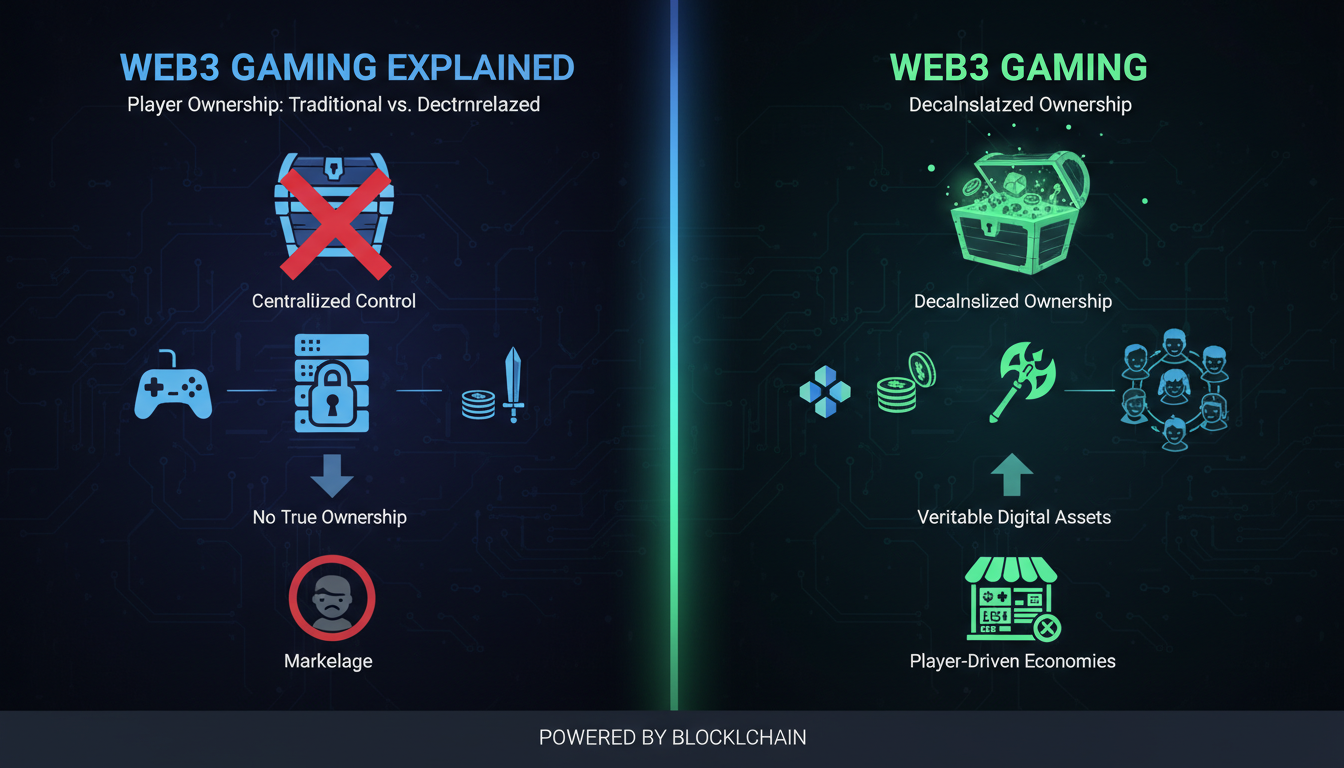
Solana has found stronger product-market fit in consumer applications and mobile. The Saga phone, despite limited commercial success, signaled Solana’s ambition to own the mobile crypto experience. Gaming and NFT applications have historically performed better on Solana due to fee structure — when your game might require hundreds of microtransactions, Ethereum’s economics don’t work.
Stablecoin volume on Solana has grown significantly, with USDC and other tokens seeing substantial on-chain activity. For cross-border payments or microtransactions, Solana’s speed and cost are superior. For institutional settlement or high-value transfers, Ethereum’s security and finality remain preferred.
Consider what you’re building. A fintech application handling small, frequent transactions likely benefits from Solana. A financial instrument requiring institutional-grade security and audit trails probably wants Ethereum.
The Sustainability Question
Proof-of-stake has made Ethereum significantly more energy efficient than its proof-of-work days. The network now uses approximately 0.01% of Bitcoin’s energy consumption. From an environmental perspective, both networks are relatively sustainable compared to legacy financial systems, though this comparison is rarely made in good faith.
The more interesting question is economic. Ethereum’s fee burn mechanism, introduced with EIP-1559 in the London upgrade, has made ETH somewhat deflationary during high-activity periods. Staking rewards combined with fee burns create coherent monetary policy, even if long-term success depends on continued network adoption.
Solana’s economic model relies more heavily on inflation to secure the network. The token’s inflation rate started at 8% and decreases over time, but this creates ongoing sell pressure developers must account for. The network has historically relied on speculative trading volume rather than actual utility, making its revenue model more volatile.
If you’re building a long-term project, economic sustainability matters. Ethereum’s model is more proven. Solana’s is more experimental.
The Learning Curve
If you’re new to blockchain development, Solana’s Rust-based development is harder to learn than Solidity. Rust has a steeper learning curve, memory management concepts unfamiliar to web2 developers, and fewer beginner-friendly resources. Anchor helps, but you’re still dealing with a more complex development environment.
That said, learning Rust makes you a better developer regardless of what you build next. The language’s emphasis on memory safety and performance translates to valuable skills in systems programming, infrastructure, and high-performance applications. If you’re investing in your career rather than just shipping a product, Rust expertise has value beyond Solana.
Solidity was explicitly designed to be approachable for developers coming from JavaScript or Python. The language has evolved significantly, but the entry barrier remains lower. You can go from knowing nothing about blockchain to deploying your first contract in an afternoon with Ethereum. The same journey on Solana might take a week.
This isn’t a judgment on which is better — it’s a practical consideration for your timeline and team capabilities.
The Community and Culture
Ethereum’s community is older, more institutional, and more boring. The research is rigorous, governance is slow, and the culture skews toward cautious engineering. You’ll find fewer memes and more EIPs. This is either a feature or a bug depending on what you want from a development community.
Solana’s community is more enthusiastic, more optimistic, and more willing to take risks. The culture is closer to early Ethereum — people are building weird stuff and having fun. The founder, Anatoly Yakovenko, is more visible and accessible than Ethereum’s distributed leadership.
Both communities have toxic elements. Both have genuinely helpful contributors. The difference is cultural fit. If you want to build with serious people making serious engineering decisions, Ethereum probably feels more comfortable. If you want the energy of an expanding ecosystem with higher upside and higher risk, Solana might be your scene.
Making Your Decision
Choose Solana if you’re building a consumer application where user experience matters more than institutional credibility. Choose Solana if low fees are essential to your use case — gaming, payments, social applications, anything with high transaction volumes. Choose Solana if you want to be early in a growing ecosystem and are willing to deal with some instability.
Choose Ethereum if you’re building something requiring institutional trust — financial instruments, compliance-heavy applications, anything where users need confidence in settled state. Choose Ethereum if you need the largest possible addressable market and existing integrations. Choose Ethereum if ecosystem maturity and tooling quality are your top priorities.
The “right” answer depends entirely on what you’re building and what you value. Both networks will exist in five years. Both will have thriving developer communities. Your job is to pick the one that matches your actual requirements rather than the one Twitter tells you is superior.
Most developers could build successful applications on either chain. The differences that matter for your specific project are specific to your project. Don’t let tribalism make this decision for you.