If you watched your portfolio tank alongside everything else in March 2020, or felt the same gut-punch in 2022 when both stocks and crypto bled simultaneously, you’ve witnessed something that contradicts one of crypto’s most sacred narratives. Bitcoin was supposed to be uncorrelated—digital gold, a hedge against the chaos of traditional markets. The reality is messier, more interesting, and far more useful to understand if you’re actually investing through volatility rather than just reading headlines about it.
The relationship between Bitcoin and traditional markets has changed a lot since the cryptocurrency first collided with a global financial system. Understanding why crypto crashes differently—and sometimes predictably similarly—to stocks requires looking at structural factors, market composition, and the maturing nature of the asset class itself. This isn’t about picking winners. It’s about understanding risk.
The 2008 Prelude: Bitcoin’s First Test Came Before It Existed
Here’s something most articles on this topic skip: Bitcoin was created in response to the 2008 financial crisis. The whitepaper came out in October 2008, during the peak of the banking collapse. This origin story matters because it shaped how early adopters talked about the asset—digital gold, decoupled from failing institutions, a peer-to-peer alternative to a corrupt system.
But this was also a narrative with zero real-world crash data behind it. Bitcoin didn’t exist during the actual 2008 crisis. It launched in 2009, into a market that was already recovering. The “crisis hedge” story was aspirational, not tested.
The first genuine stress test came later, and the results were mixed at best.
March 2020: The COVID Crash and Bitcoin’s First Real Correlation
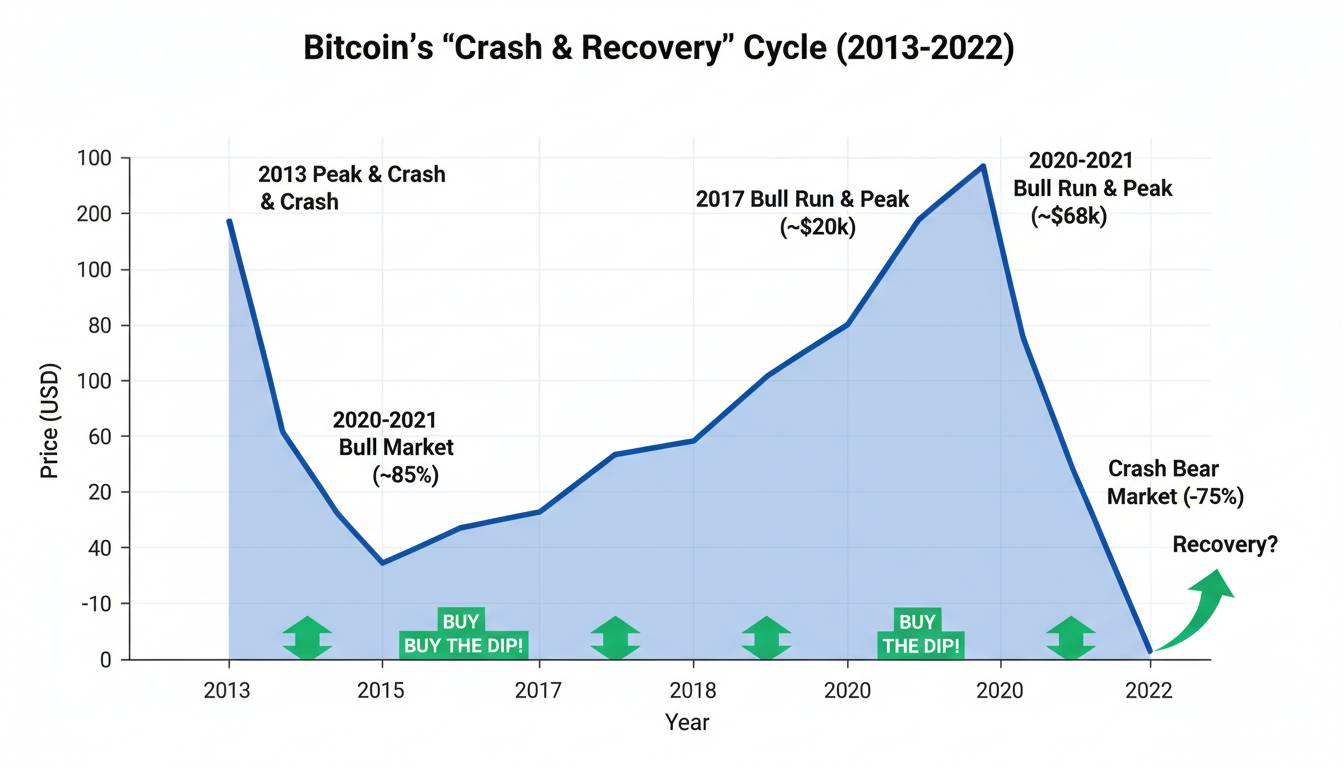
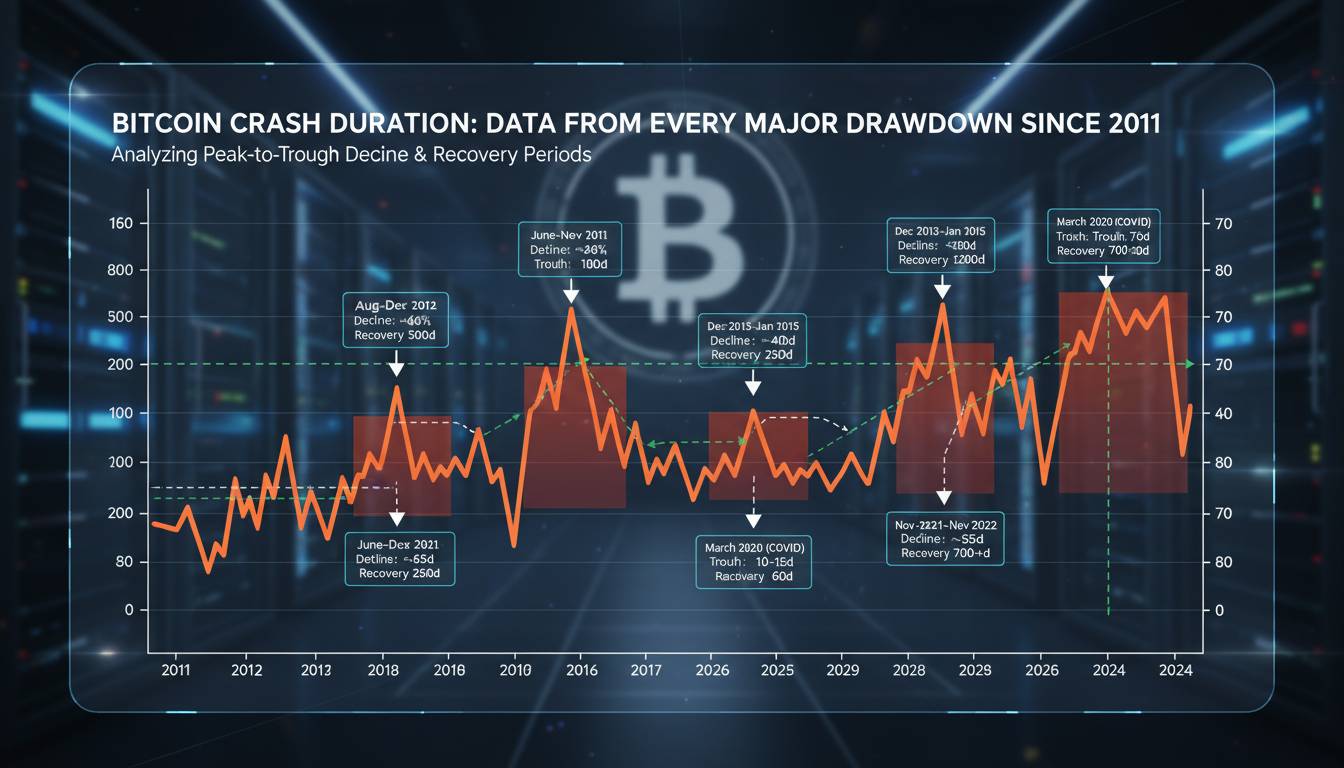
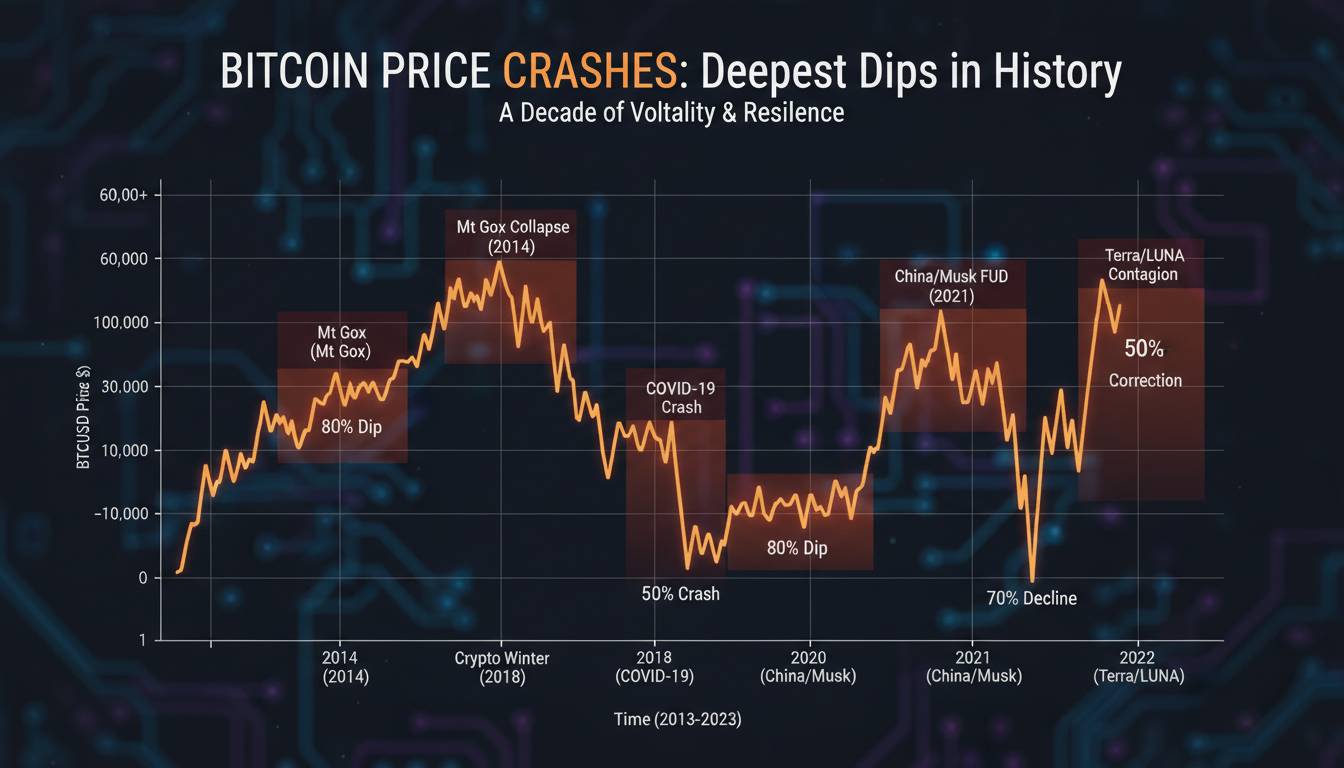
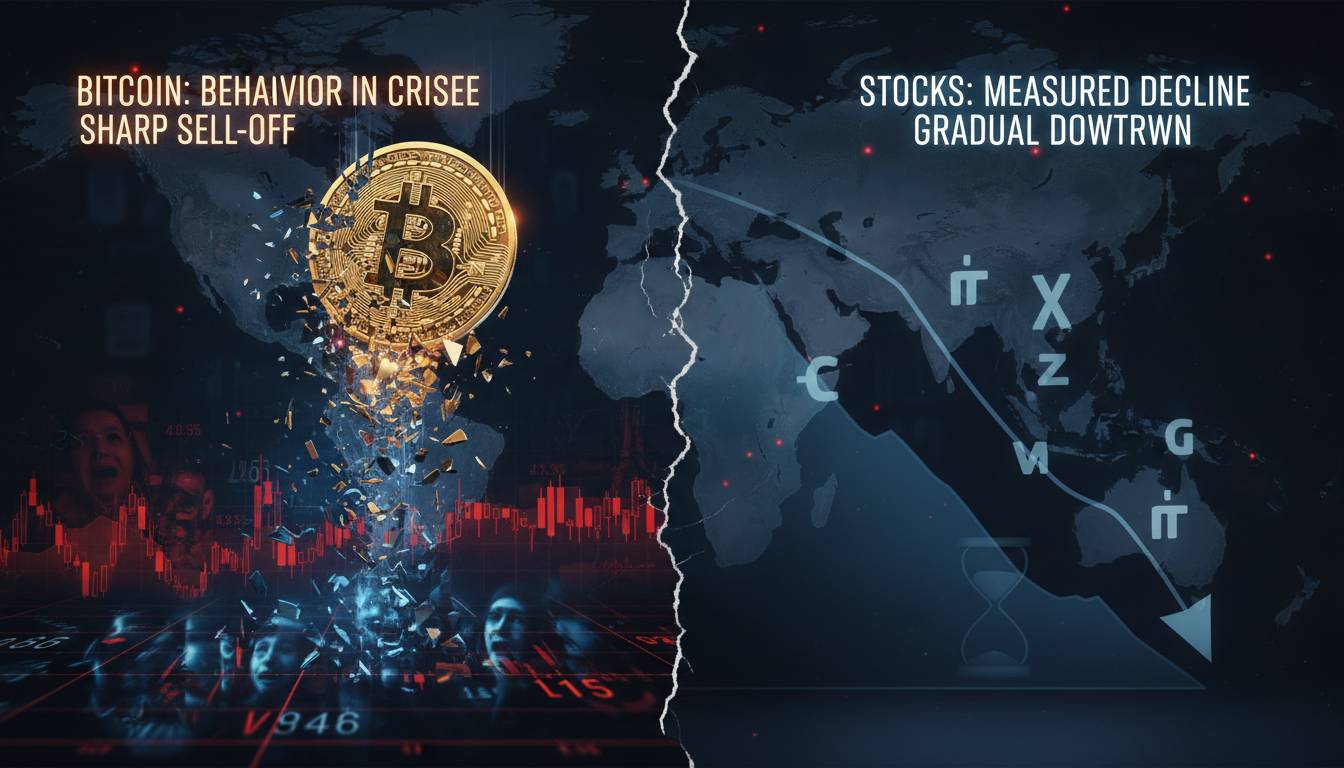
When markets crashed in March 2020, Bitcoin fell harder than stocks. The S&P 500 dropped about 34% from peak to trough in just 33 days. Bitcoin dropped roughly 50% in the same period, falling from around $10,000 to below $5,000 in late March. This wasn’t diversification working. This was panic selling across all risk assets.
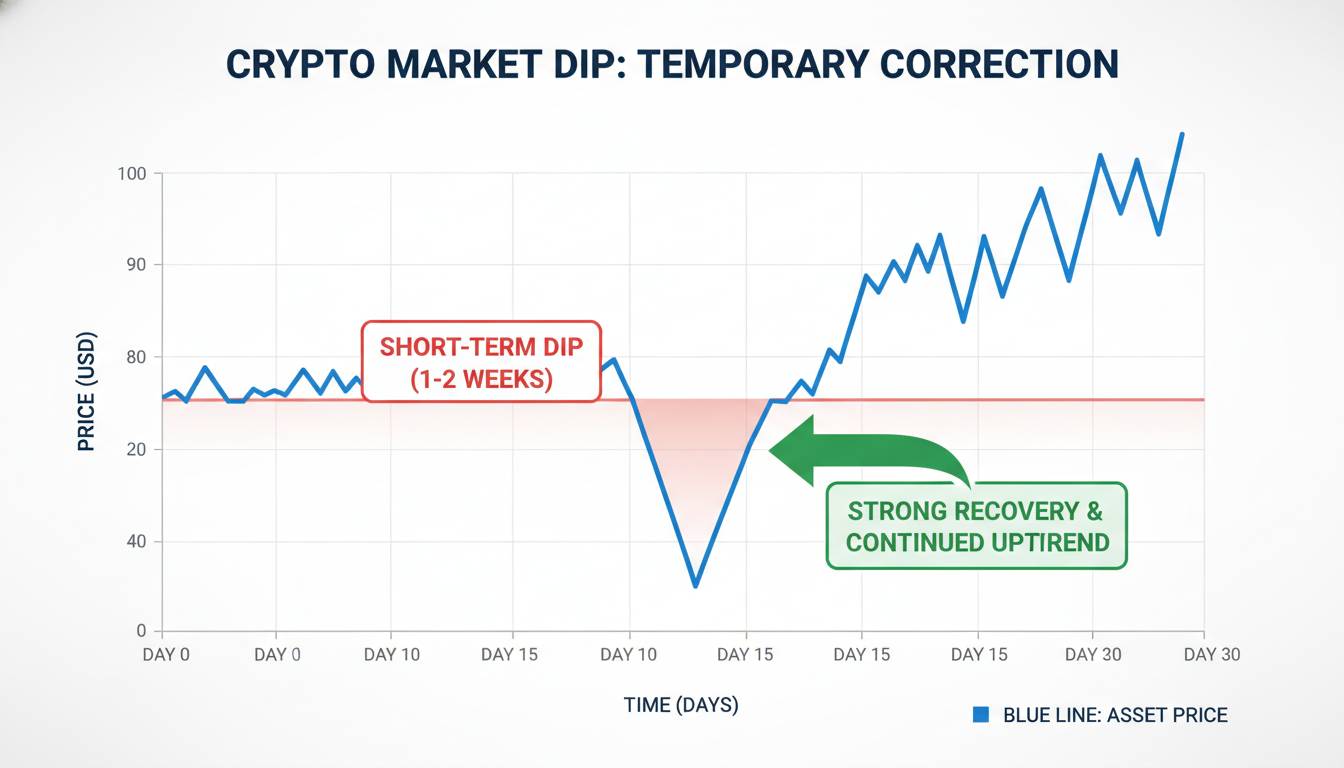
What happened next is where the story gets interesting. The recovery was asymmetric. The S&P 500 took about five months to reach new highs. Bitcoin reached new highs by December 2020—roughly nine months after the bottom. Crypto recovered faster but also fell harder. The V-shaped recovery in both assets was striking in its synchrony.
Gold, by contrast, actually peaked in August 2020 and traded sideways for months. It didn’t participate in the recovery the same way. This challenges the simple narrative that “risk assets sell off, safe havens hold.” Both Bitcoin and stocks were treated as risk assets in March 2020. The question of what Bitcoin actually is—reserve asset or risk asset—was being answered by the market in real time.
2022: The Narrative Collapse
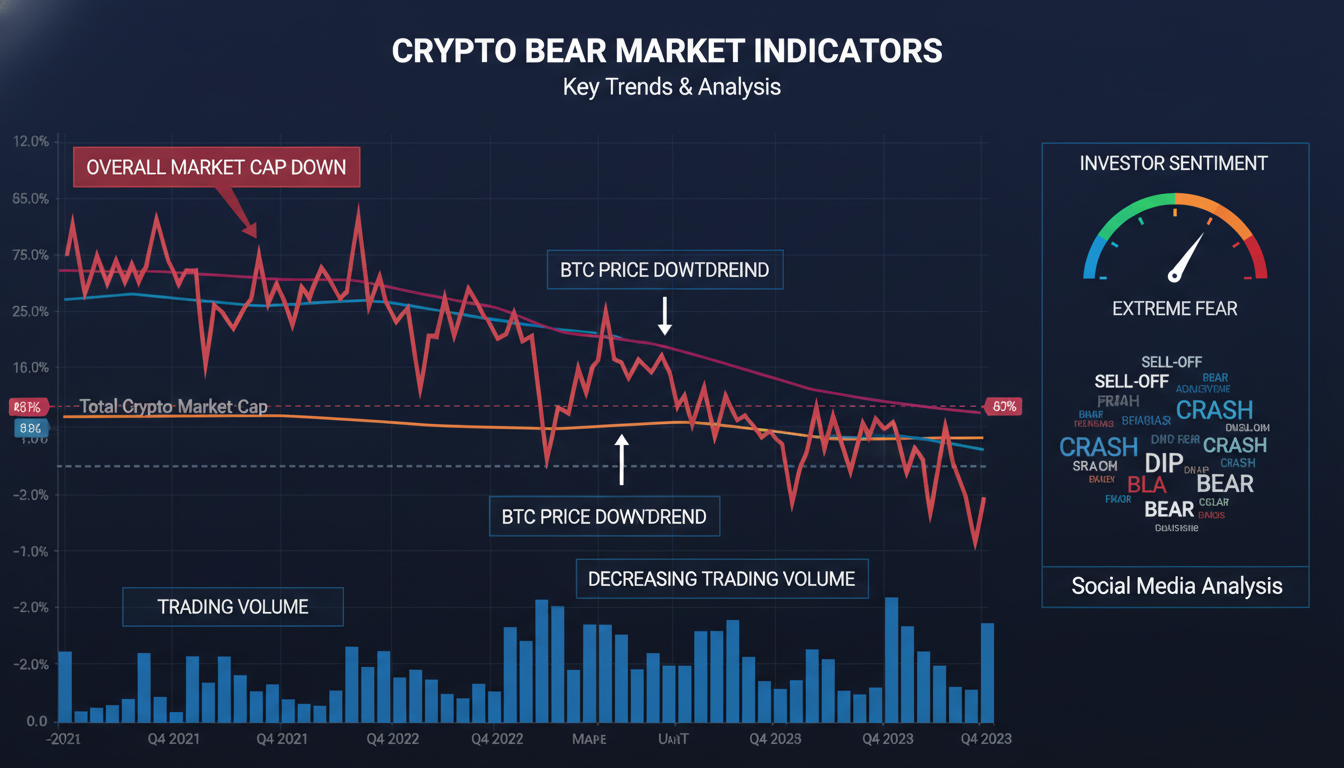
If 2020 was confusing, 2022 was clarifying and painful. Both stocks and crypto crashed together. The S&P 500 fell about 19% for the year. Bitcoin fell roughly 65%. Tech stocks got crushed. Crypto got crushed worse. The correlation wasn’t just visible—it was nearly perfect for extended periods.
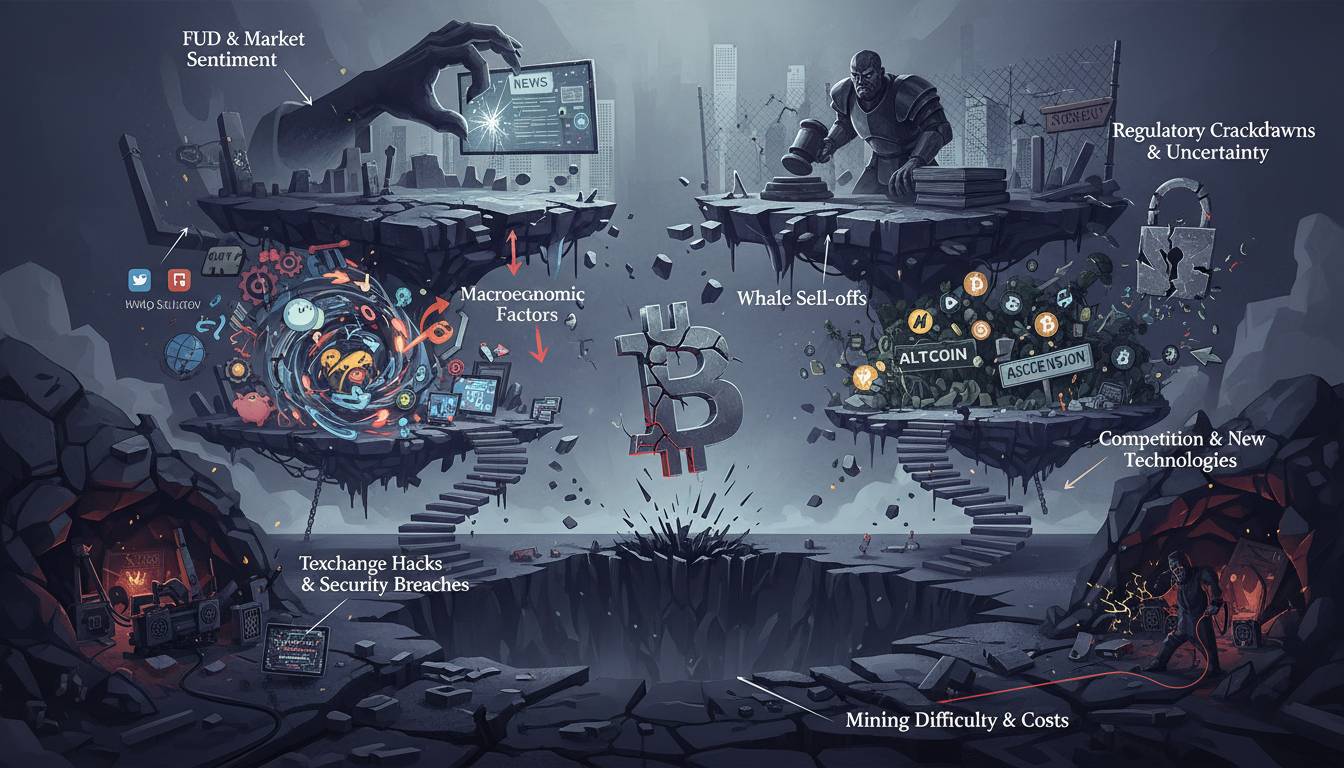
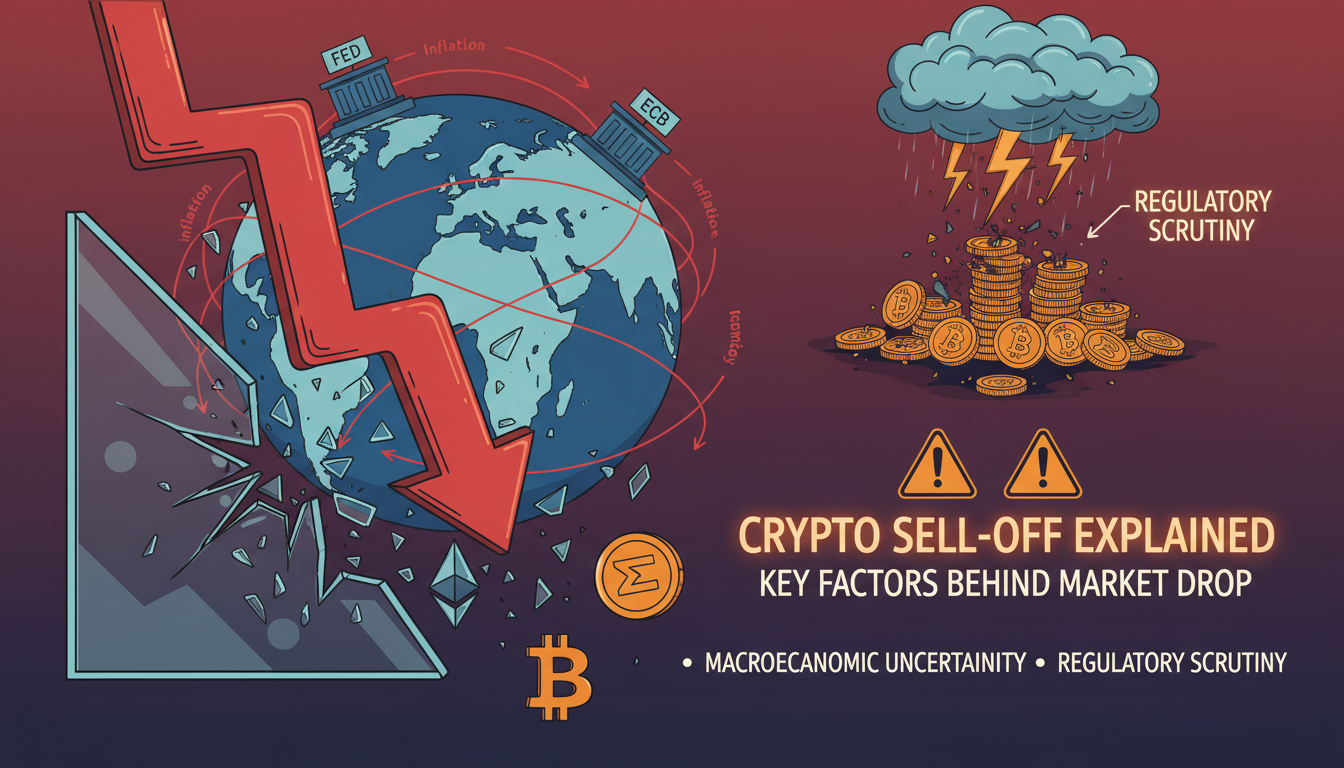
There were specific catalysts: the collapse of Terra’s UST stablecoin in May triggered cascading failures across DeFi. Three Arrows Capital imploded in June. FTX collapsed in November, taking down confidence in the entire sector. These were crypto-native crises, not traditional market crises. Yet they coincided with Fed tightening, inflation fears, and a broader risk-off environment.
The important point is that 2022 revealed how much crypto had integrated into the broader risk asset class. When money gets expensive—when the Federal Reserve raises rates and liquidity dries up—speculative assets of all kinds suffer. Bitcoin behaved exactly like a highly volatile tech stock during this period, not like gold.
This was the death of the “uncorrelated portfolio asset” narrative for many institutional investors. If Bitcoin correlations with stocks were running at 0.7 or higher, the diversification benefit disappeared. The conversation shifted from “how much Bitcoin should I own?” to “why own Bitcoin at all if it just falls with everything else?”
Why Bitcoin’s Volatility Is Structural, Not Temporary
The volatility difference between Bitcoin and stocks isn’t a bug that will eventually be fixed. It’s a structural feature of the asset class, and understanding why helps you position appropriately.
Stocks represent ownership stakes in productive enterprises. Companies generate revenue, pay employees, create goods and services that people actually need. There’s an underlying productive economy generating cash flows that support valuations. Even when panic selling drives prices below intrinsic value, there’s a floor—eventually someone will buy a profitable company at a discount because it generates actual money.
Bitcoin has no cash flows. There’s no P/E ratio, no earnings, no dividend. The price is entirely a function of what someone else will pay for it tomorrow. This creates a different risk profile: upside is theoretically unlimited because there’s no “fair value” anchor, but downside has no floor except the cost of production for miners. During crises, when confidence evaporates, assets without fundamentals fall harder because there’s nothing to “support” the price except belief in future demand.
The 24/7 trading nature amplifies this. Stocks trade roughly 6.5 hours a day, five days a week. Bitcoin trades constantly—every hour of every day, including weekends and holidays. This means news hits faster, sentiment shifts quicker, and there’s no overnight “cool down” period where emotions settle. When something goes wrong on a Sunday evening, Bitcoin moves immediately. The market doesn’t get a chance to sleep on bad news.
Market capitalization matters too. The total crypto market is still smaller than many individual S&P 500 companies. Bitcoin’s market cap hovers around $1 trillion, compared to Apple’s $3 trillion or the S&P 500’s roughly $40 trillion. Smaller markets move more dramatically on the same dollar flows because there’s less liquidity to absorb large trades. A $100 million buy order moves Bitcoin more than it moves Apple.
The Safe Haven Debate: What Actually Makes Something a Safe Haven
Here’s where I want to push back on conventional wisdom. The phrase “safe haven” gets thrown around so often that people forget it has an actual definition in academic finance. A safe haven is an asset that exhibits low or negative correlation to another asset or portfolio during market stress. Not during normal times. Not during growth periods. During stress.
Gold has earned its safe haven status over millennia because it has preserved purchasing power through hyperinflation, currency collapses, wars, and depressions. It has maintained low correlation to equities over long timeframes, particularly during crisis periods. The data is extensive and spans centuries.
Bitcoin’s track record is 15 years. That’s not nothing, but it’s not a millennium. The 2022 data showed positive correlation with stocks during stress—the opposite of safe haven behavior. The 2020 data was mixed. There’s no clear crisis period where Bitcoin unambiguously preserved value while everything else burned.
The strongest case for Bitcoin as a hedge isn’t about crisis performance—it’s about monetary inflation. The argument goes: if central banks print money indefinitely, a hard-capped supply asset like Bitcoin will appreciate. This is different from crisis hedging. This is a bet on long-term currency debasement, which is a gradual, decades-long thesis, not a crisis playbook.
I’m skeptical of anyone claiming definitive safe haven status for Bitcoin based on available data. The honest answer is: we don’t know yet. There haven’t been enough genuine systemic crises since Bitcoin became liquid enough to matter. The 2008 crisis was before Bitcoin. The 2020 crisis was too short. The 2022 crisis was partially crypto-specific. We’re still in the data-gathering phase.
Correlation Is Not Static—It Changes With Market Regimes
One of the most important concepts for understanding crypto behavior is regime change. Correlations between assets are not constant. They shift based on the market environment, and understanding when correlations tighten and loosen helps explain why crypto behaves inconsistently.
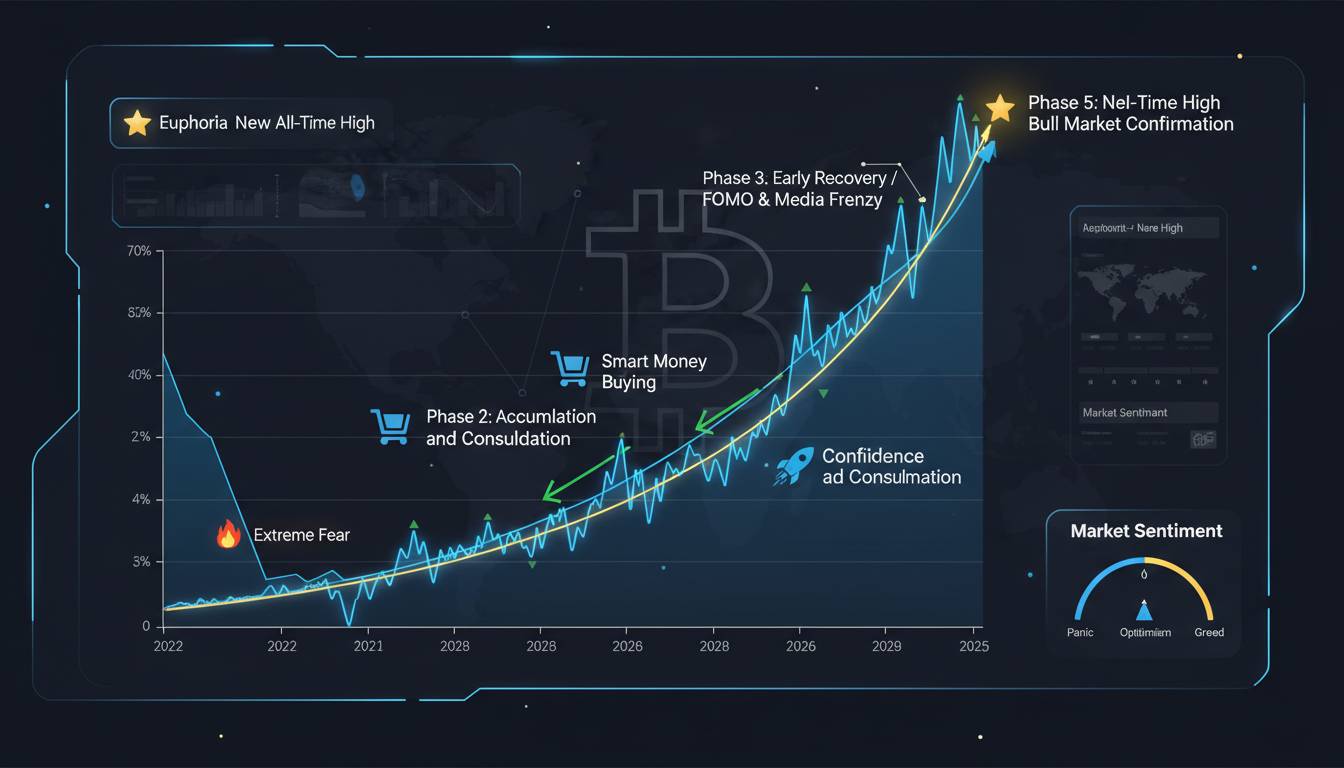
During normal growth periods—think 2017, 2020 Q4 through early 2022, late 2023—Bitcoin often trades more independently. It has its own narratives, its own adoption stories, its own technical developments. The correlation to stocks can drop significantly during these periods, making it genuinely useful for diversification.
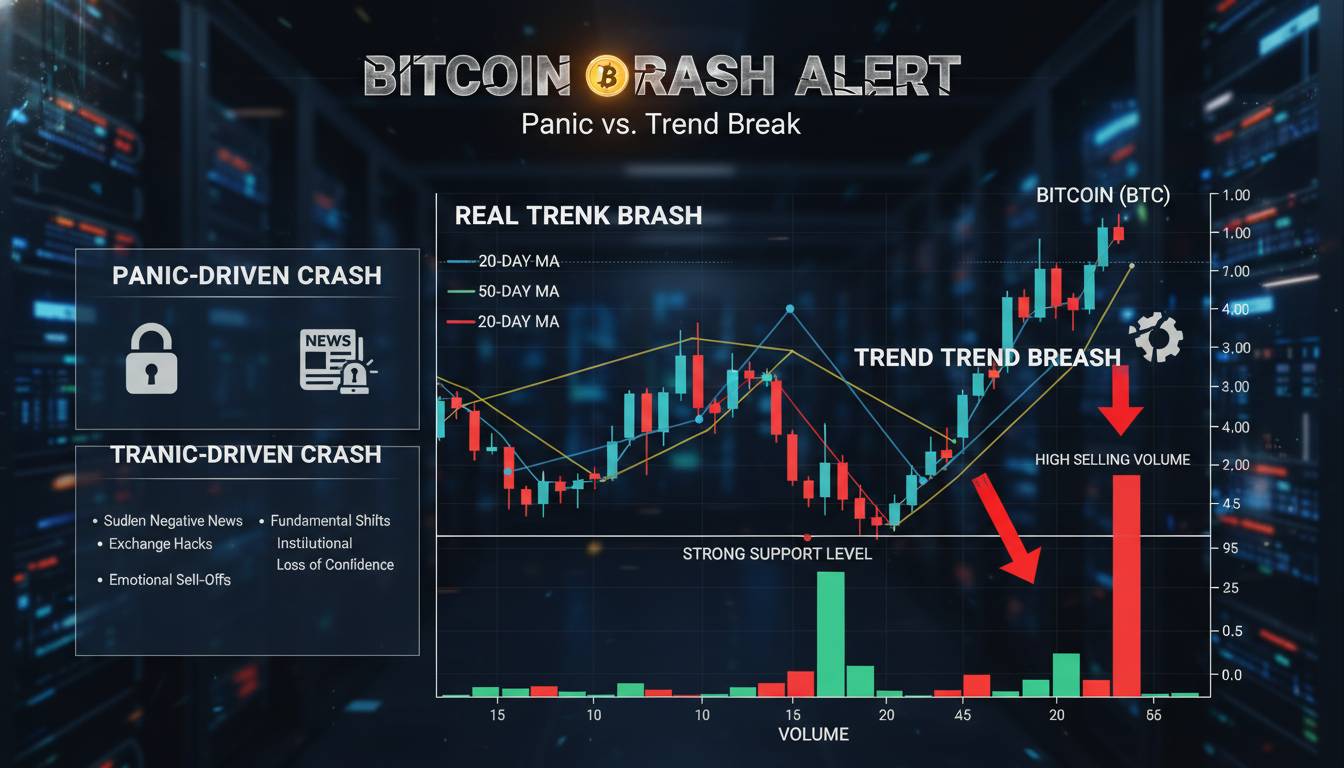
During crisis periods, however, correlation tends to go to 1. When the music stops, everyone reaches for the same door. This is called a “risk-on, risk-off” environment. Assets that seemed uncorrelated suddenly move together because the only thing that matters is survival—selling anything that can be sold to raise cash. This happened in March 2020. This happened in 2022. It will likely happen in the next crisis too.
What this means practically: crypto offers genuine diversification benefits during normal market conditions, but those benefits evaporate exactly when you need them most. If you’re holding crypto specifically to protect against downturns, the historical evidence suggests you’ll be disappointed. If you’re holding crypto as a growth asset with the understanding that it may crash alongside everything else during a crisis, then the volatility is priced in.
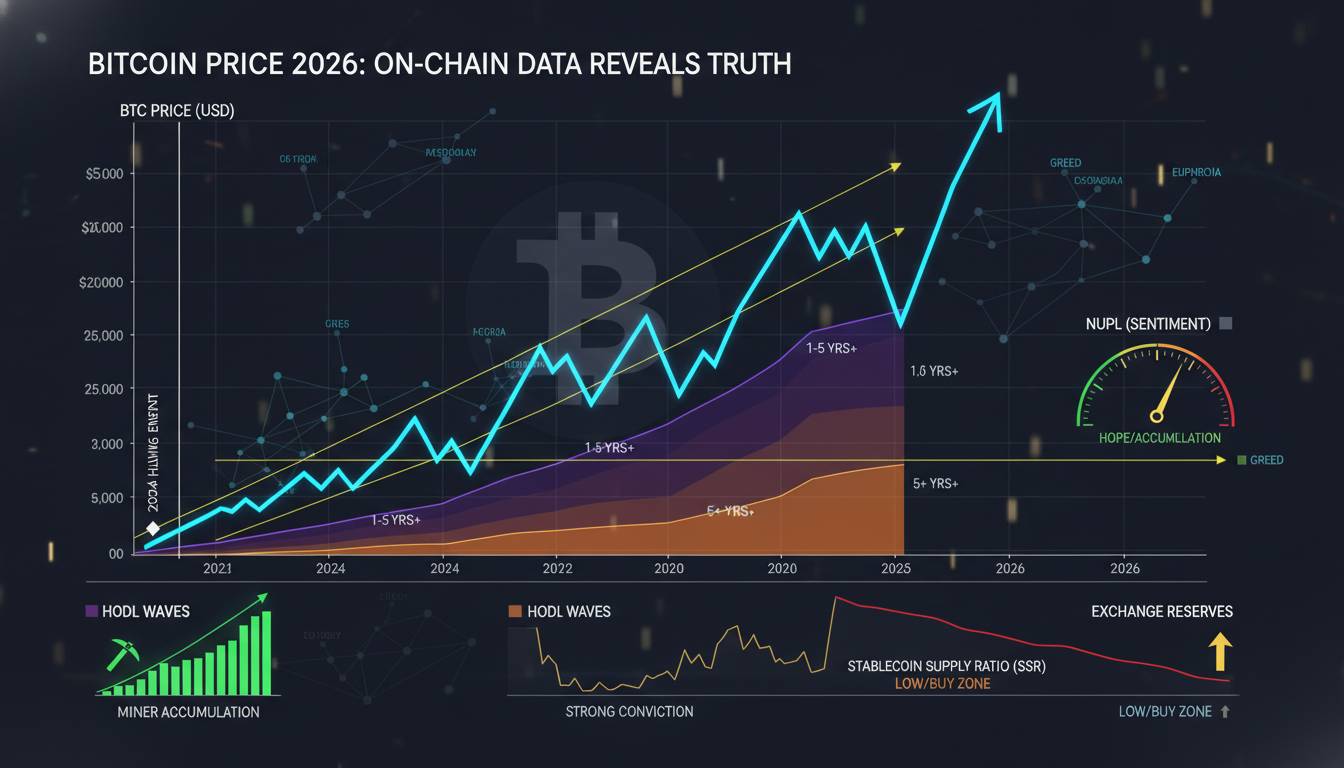
There’s also the regime of monetary policy to consider. During periods of easy money—quantitative easing, low interest rates, abundant liquidity—crypto tends to perform well because capital is cheap and speculative appetite is high. During periods of tightening—higher rates, quantitative reduction, less liquidity—crypto tends to underperform because the cost of carrying speculative positions increases. This isn’t just correlation with stocks; it’s correlation with liquidity itself.
What This Means for Your Portfolio
The practical takeaway depends on what you’re actually trying to accomplish.
If you’re looking for crisis insurance, the data suggests Bitcoin is not reliable insurance. It has failed as a hedge during the two major stress periods since it became materially liquid. Gold has a longer track record. Cash has a track record too—during crises, having dry powder matters more than holding any particular asset.
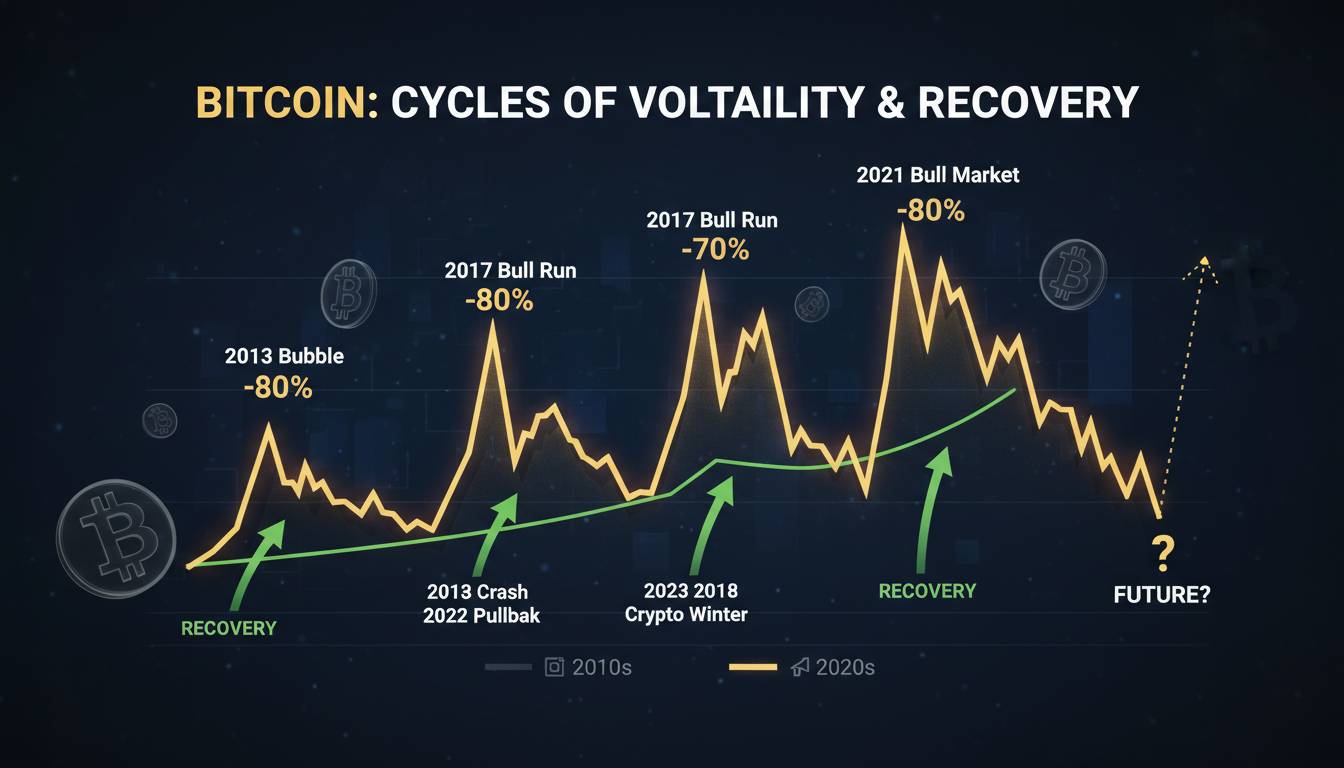
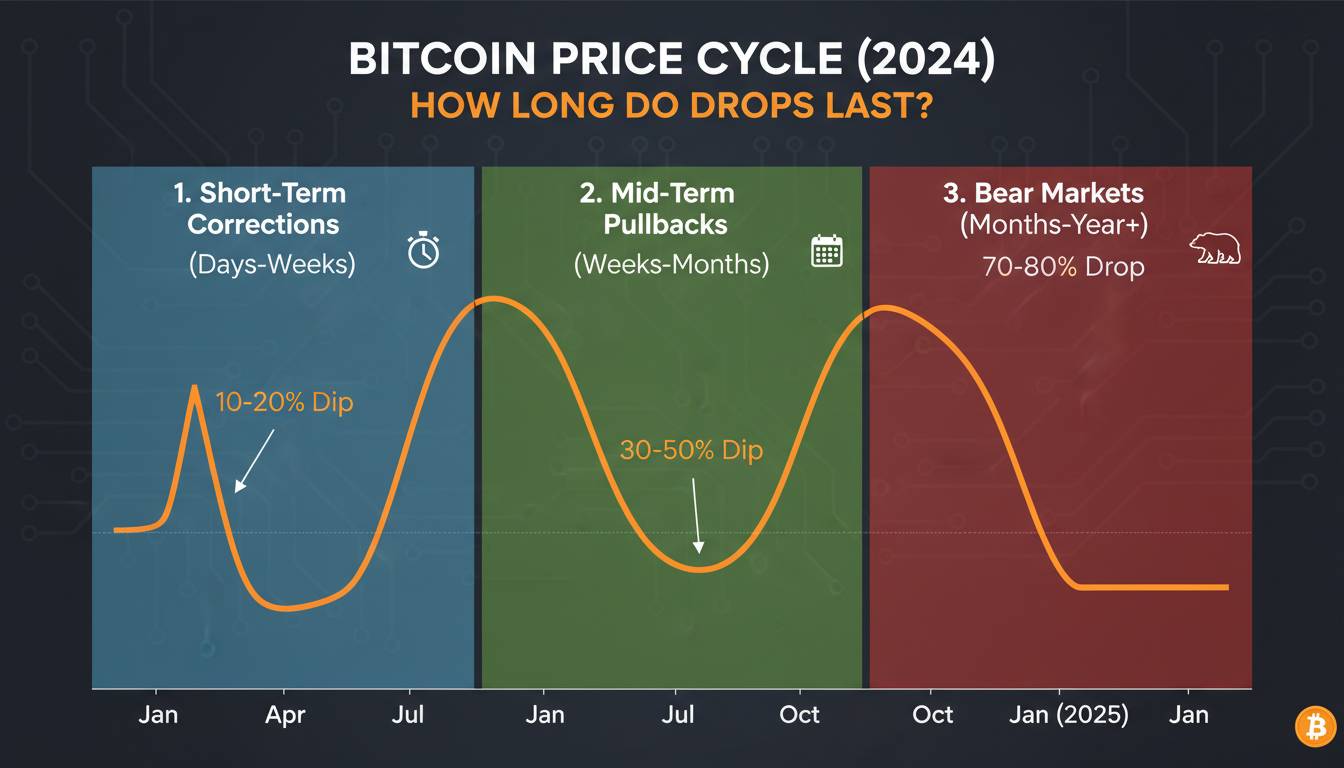
If you’re looking for growth with high volatility, Bitcoin can serve that role, but you should size it accordingly. The swings are extreme. A 50% drawdown in a year should be expected, not treated as a crisis. If you can’t watch your Bitcoin allocation drop in half without panic selling, you own too much.
If you’re looking for uncorrelated returns, understand that uncorrelated does not mean negatively correlated. Uncorrelated means the asset does its own thing—which can include falling alongside everything else during panics. The key is that it also rises during periods when other assets may not, providing a different return profile over time.
The allocation debate is personal. Some advisors suggest 1-5% in crypto for growth. Others say 0%. I don’t think there’s a universally correct answer. What I think is universally incorrect is allocating based on the belief that crypto will save you during a market crash. That’s not what the data shows.
The Road Ahead: Maturation, Regulation, and Unknown Unknowns
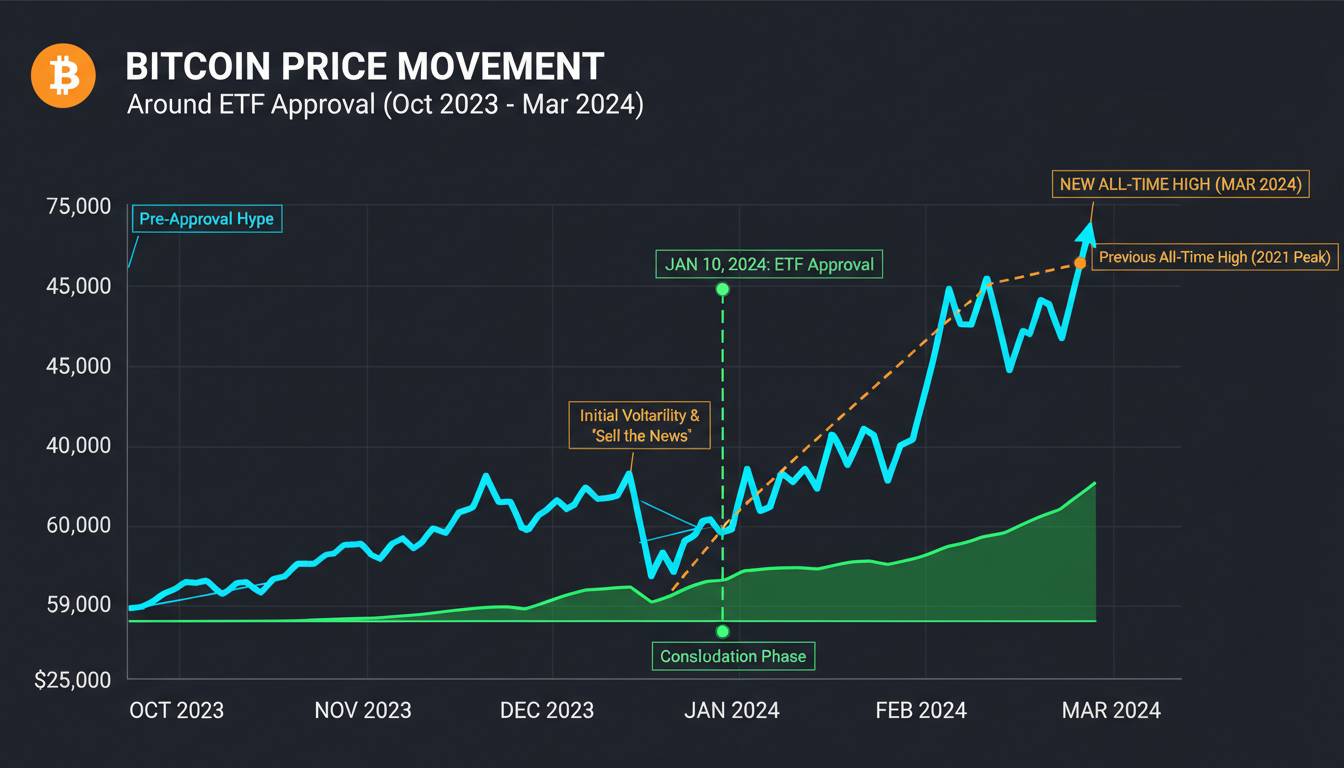
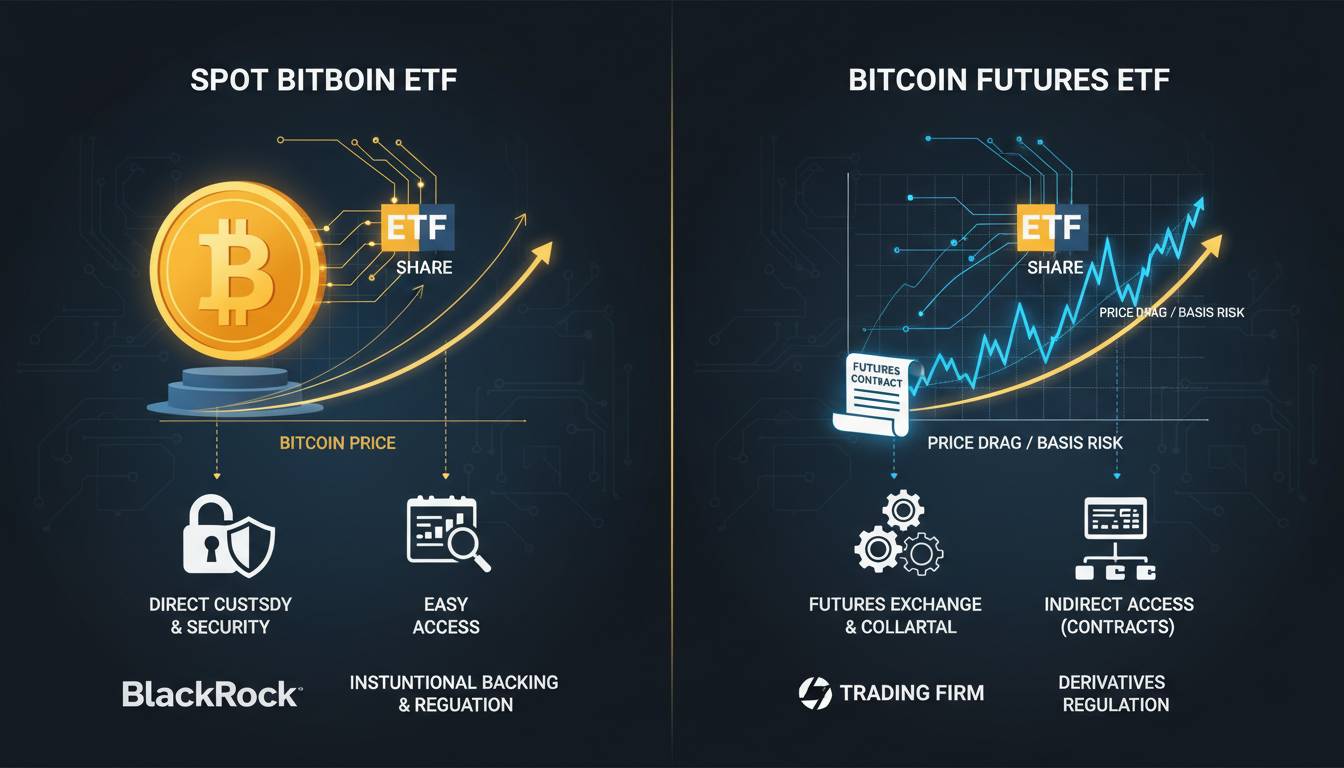
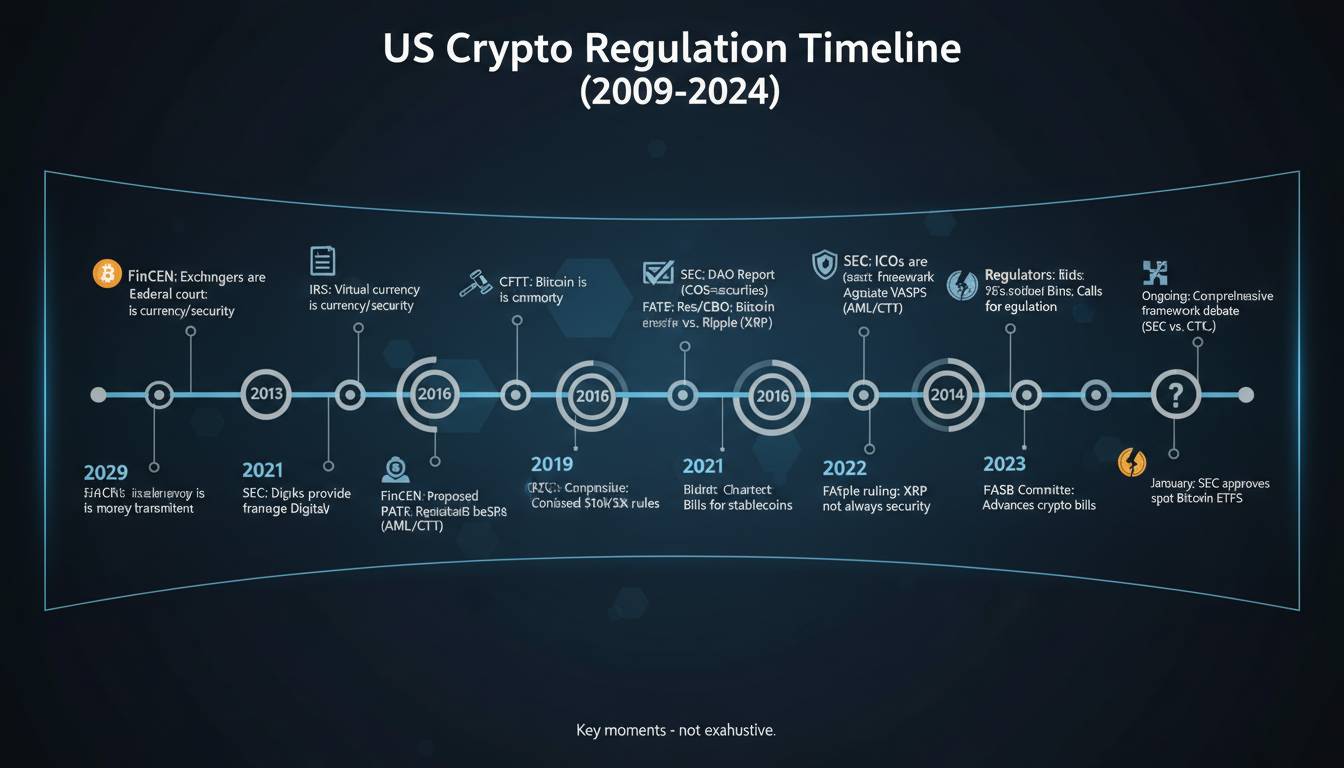
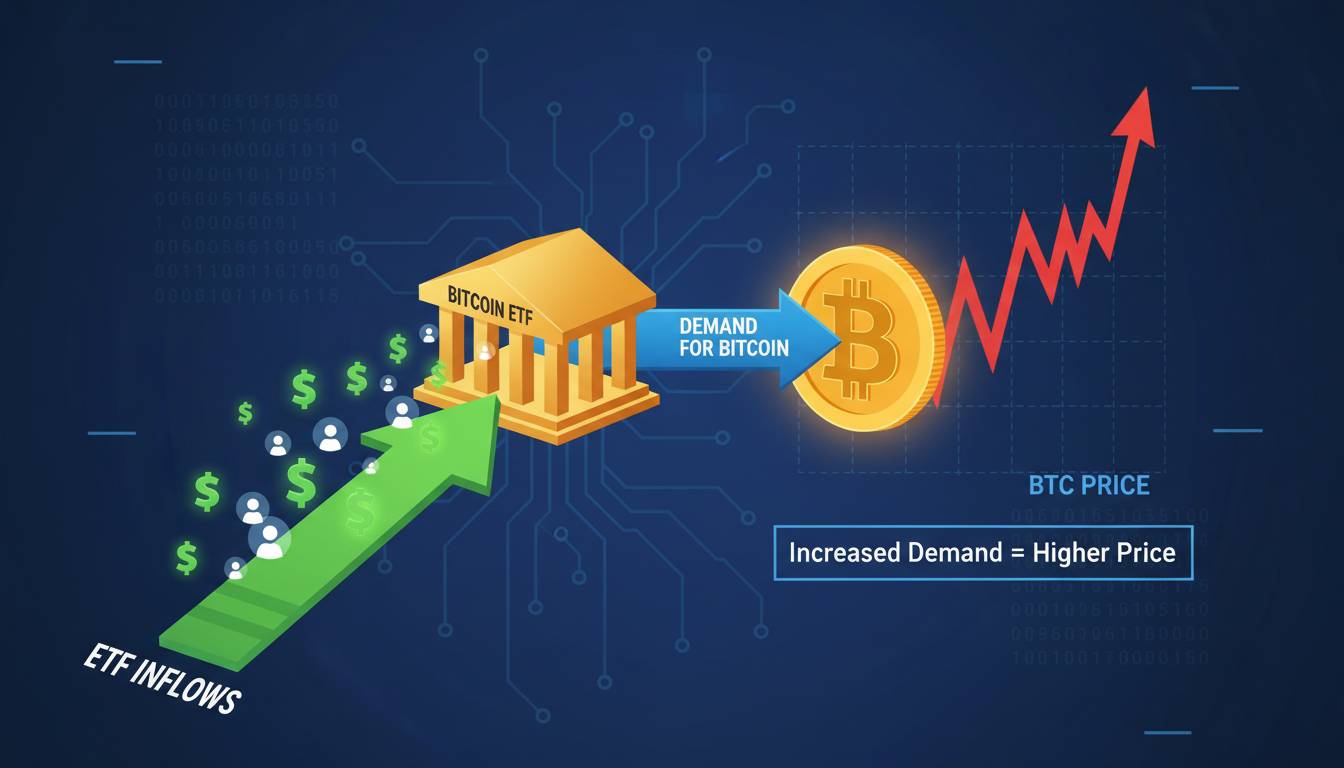
The crypto market is different today than it was in 2020 or 2017. Institutional participation has increased significantly. Products like Bitcoin futures ETFs and spot ETFs have brought traditional finance capital into the space. Regulation is developing, unevenly but definitely. The wild west phase is ending.
How these changes affect crisis behavior is genuinely uncertain. More institutional participation might dampen volatility—bigger players tend to be more sophisticated and less prone to panic. Or it might increase correlation, as crypto gets pulled into the same risk management frameworks as everything else. We haven’t seen a major stress test since the ETFs launched.
The next crisis will teach us something new. It always does.
What I can say with confidence is this: the narrative that Bitcoin is a crisis hedge is not supported by the available evidence. The narrative that it’s completely uncorrelated is also not supported. What exists is something more complicated—an asset that sometimes behaves like a risk asset, sometimes like a speculation vehicle, and occasionally like something new that we don’t have a framework for yet.
That’s not a reason to avoid it. It’s a reason to approach it with clear eyes about what you’re actually holding.