
Anyone who’s spent more than a few months watching cryptocurrency markets knows the feeling—that electric shift when prices stop drifting and start climbing week after week, when your portfolio turns green and suddenly everyone at the dinner table wants to talk about Bitcoin. That’s a bull run, and if you’ve experienced one, you also know the frustration of trying to identify one while it’s happening rather than in hindsight. The triggers that ignite these parabolic moves aren’t secrets, but they are frequently misunderstood. Most explanations either oversimplify into a single cause or drown you in technical jargon that never quite connects to what you see on a price chart.
This article breaks down what actually sparks a crypto bull run, using specific historical examples and acknowledging the honest uncertainty that even experienced traders live with.
Understanding the Crypto Bull Run
A crypto bull run describes a sustained period of rising cryptocurrency prices, typically marked by gains of 100% or more across the broader market. Unlike the gradual appreciation you might see in traditional markets over years, crypto bull runs tend to be violent and compressed—they can deliver returns that would take a decade in the stock market in just months.
The defining characteristic isn’t just upward price movement. It’s the accompanying market psychology: optimism becomes infectious, new participants flood in, and the conversation shifts from “if crypto will survive” to “which coin will 10x next.” This self-reinforcing loop is what makes bull runs so dramatic and, ultimately, so dangerous for latecomers.
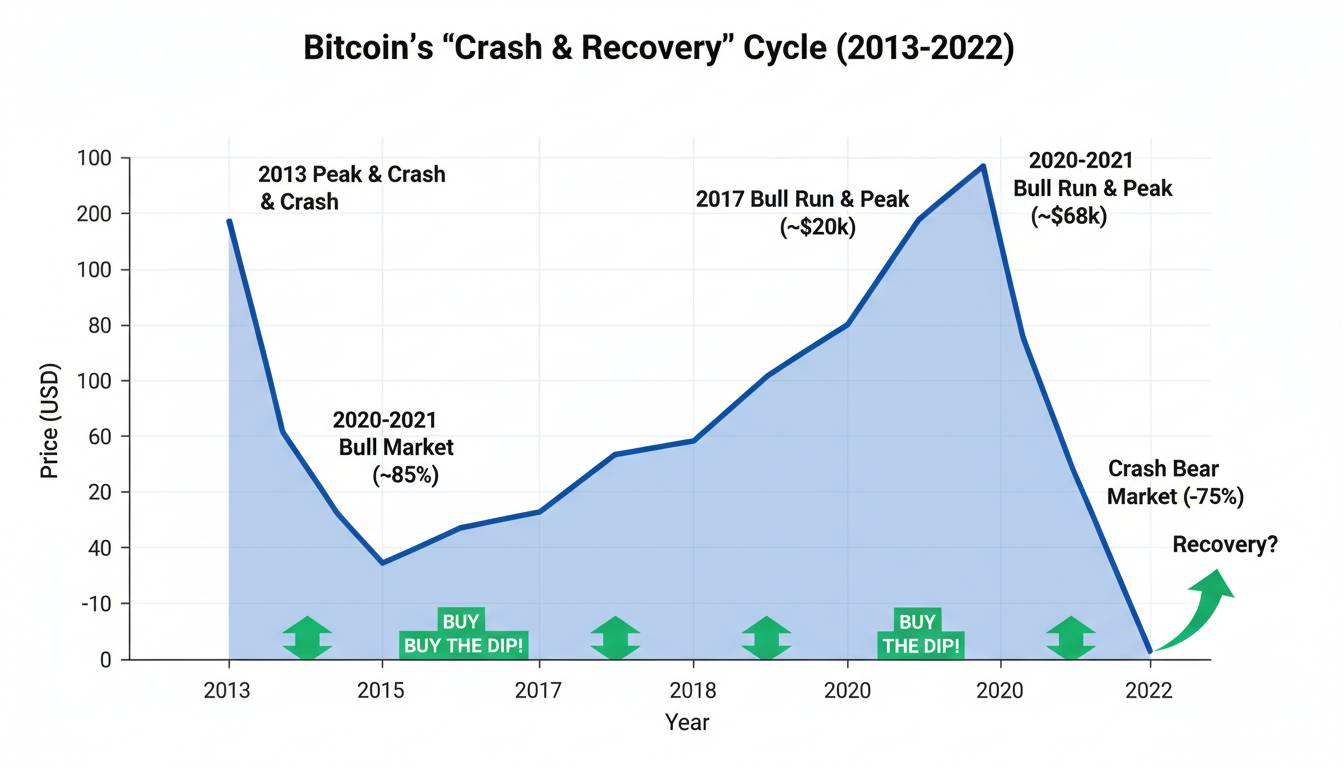
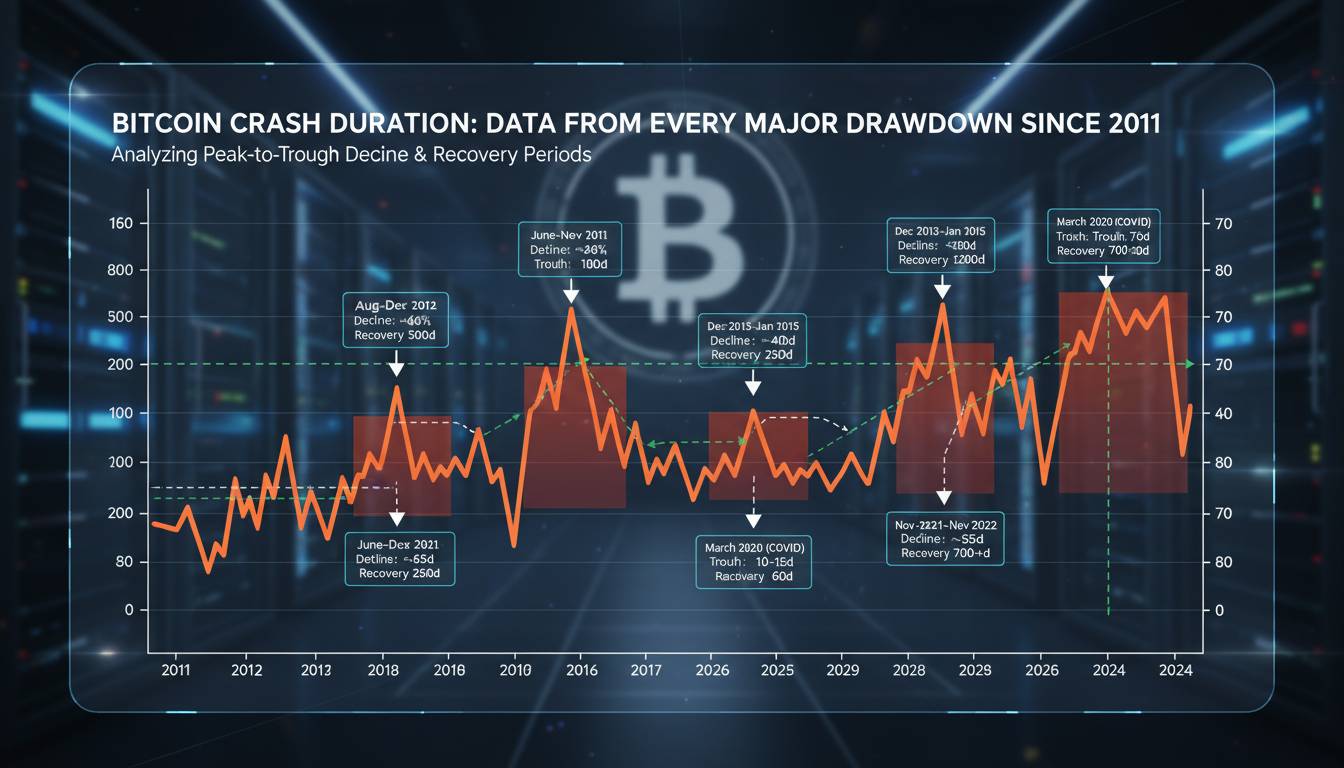
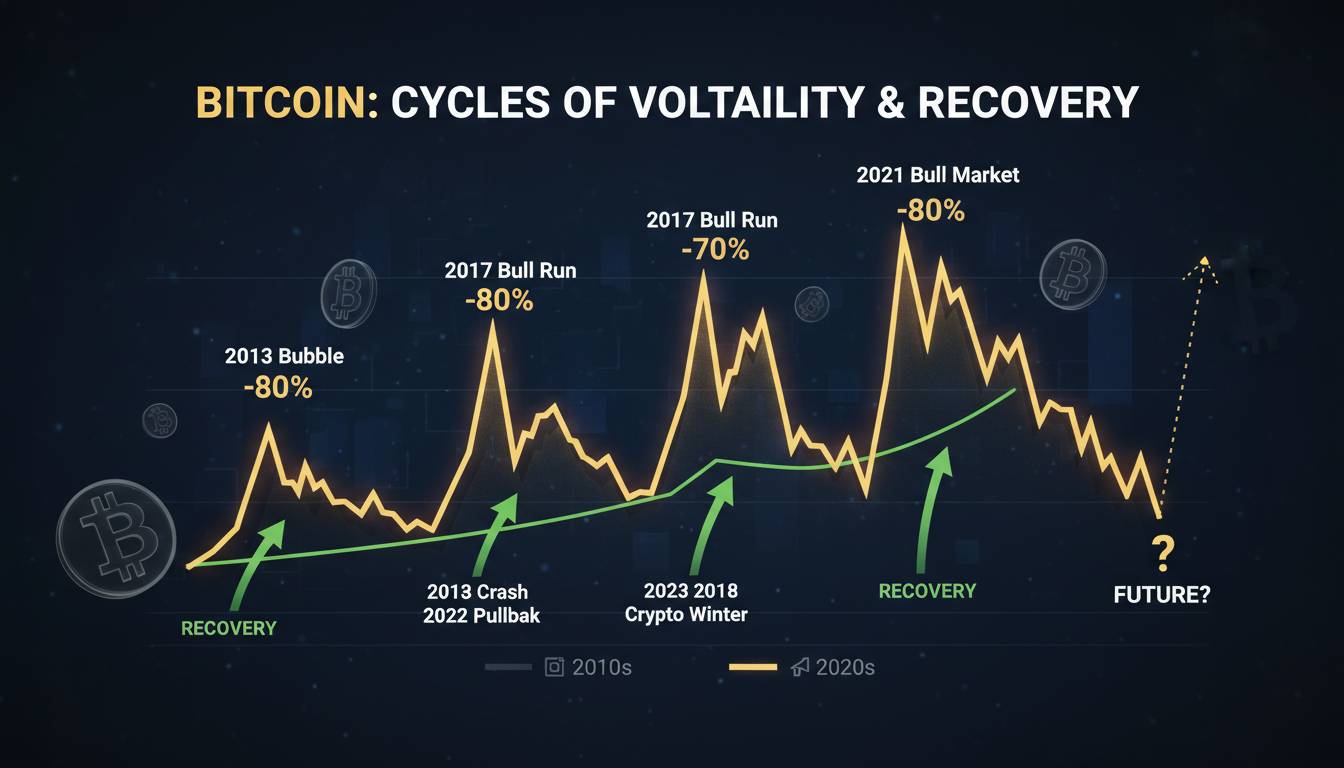
What separates a genuine bull run from a dead cat bounce is duration and breadth. A single coin doubling while the rest of the market stagnates isn’t a bull run. You’re looking at sustained upward pressure across multiple assets, increasing trading volumes, and media attention that draws in retail participants who previously dismissed cryptocurrency entirely. The 2020-2021 bull run saw Bitcoin rise from roughly $10,000 in September 2020 to nearly $65,000 by April 2021—a 550% gain in seven months. The 2017 run was even more compressed, with Bitcoin going from under $1,000 in January to nearly $20,000 in December.
The uncomfortable truth is that no one triggers a bull run intentionally. These are emergent phenomena—complex intersections of monetary policy, technological developments, regulatory signals, and human psychology that align for a window of time. Understanding the triggers means understanding which conditions typically precede these alignments, not predicting them with certainty.
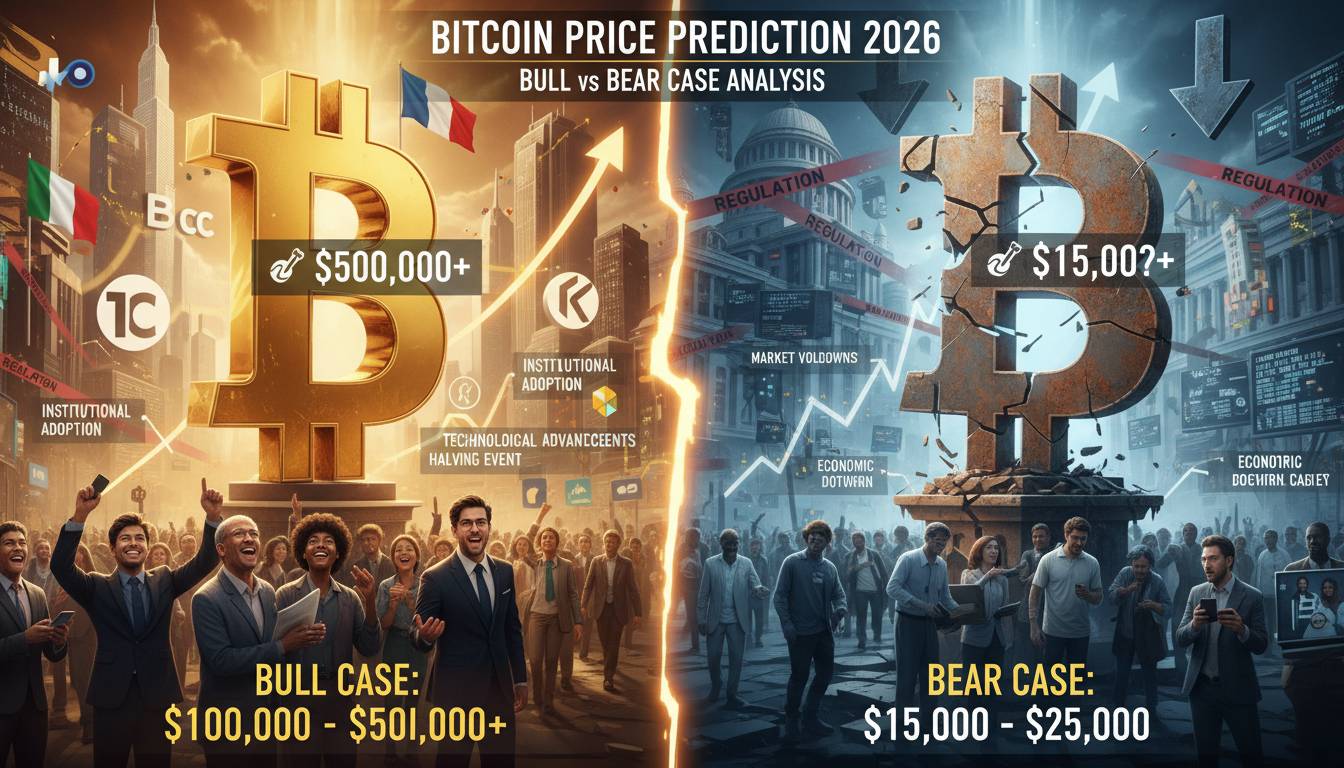
Institutional Adoption and Capital Inflows
The most significant bull run trigger in the current era is institutional adoption—and this is where the 2020-2021 cycle differed fundamentally from 2017. In the earlier cycle, retail investors drove the vast majority of buying. The 2017 run was fueled by speculative trading in South Korea and Japan, with little involvement from traditional financial institutions. When that enthusiasm evaporated, prices collapsed and stayed collapsed for years.
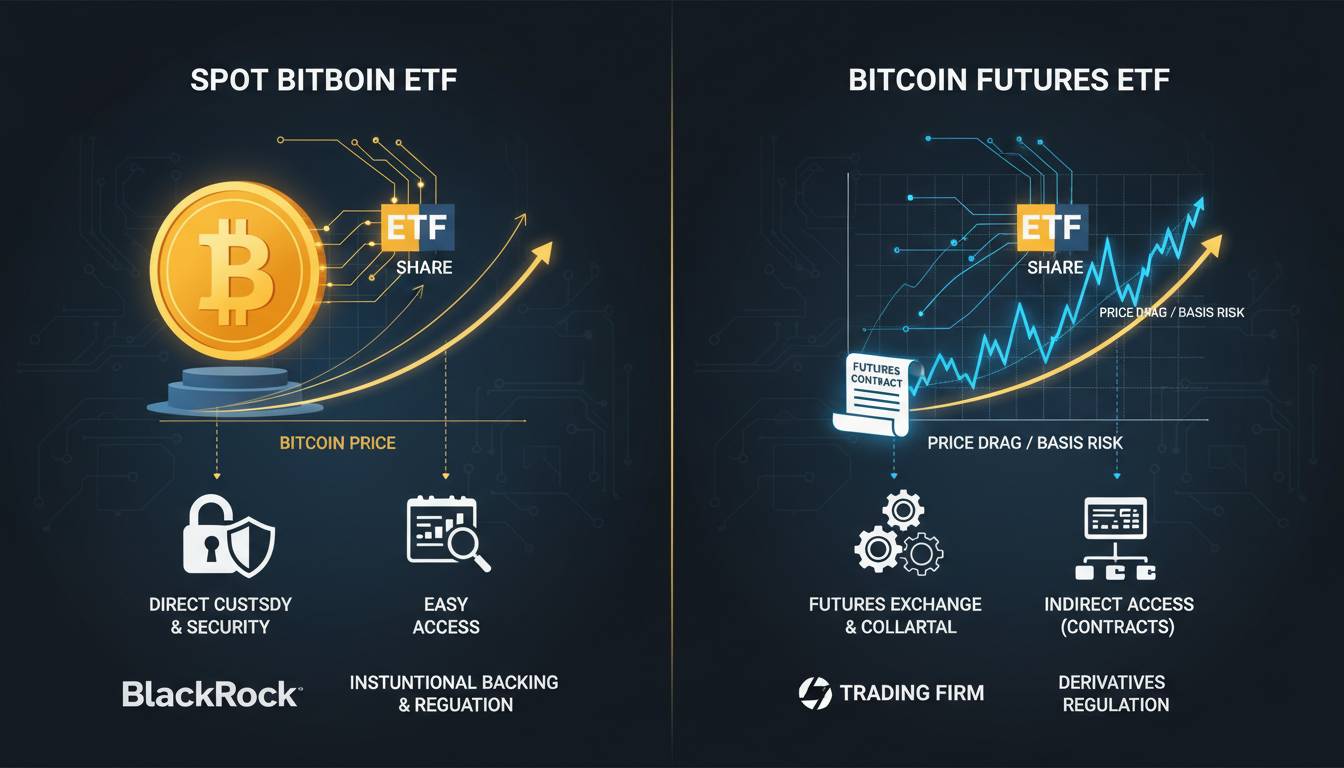
The 2020-2021 bull run had a different backbone. Starting in late 2020, major institutions announced substantial cryptocurrency holdings or investment products. Square (now Block) purchased $50 million in Bitcoin in October 2020. MicroStrategy began its aggressive Bitcoin accumulation strategy, eventually holding over $10 billion in the asset. PayPal enabled cryptocurrency buying and selling for its 400+ million users. Most importantly, futures-based Bitcoin ETFs began trading in late 2021, and while the market had already peaked by then, the mere prospect of these products had been priced in for months.
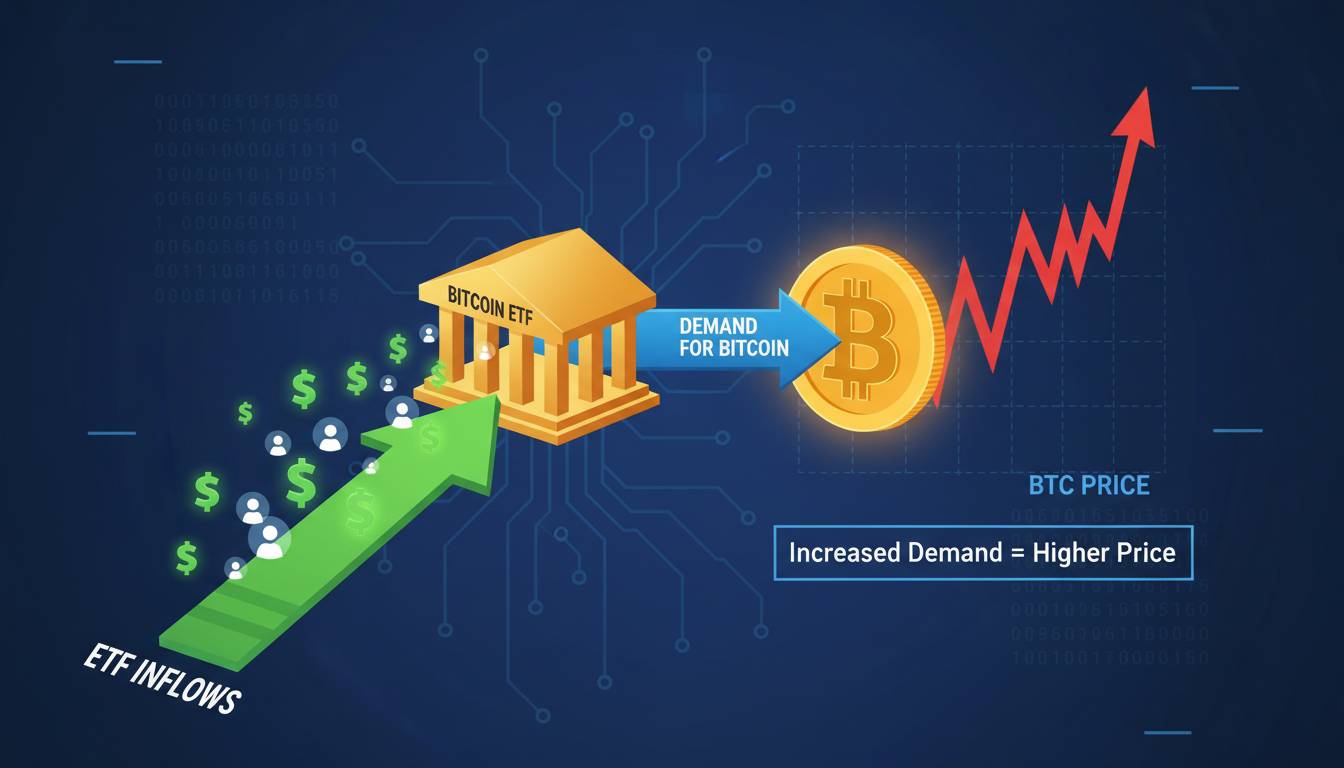
This institutional validation does more than just bring capital into the market. It provides legitimacy that removes the stigma of investing in a “scam” or “bubble” for risk-averse individuals and fund managers. It creates infrastructure—custody solutions, regulated exchanges, insurance products—that makes large-scale participation possible. It also generates feedback loops where institutional purchases force additional buying as other funds rebalance to match benchmarks, and media coverage of institutional moves draws in retail participants.
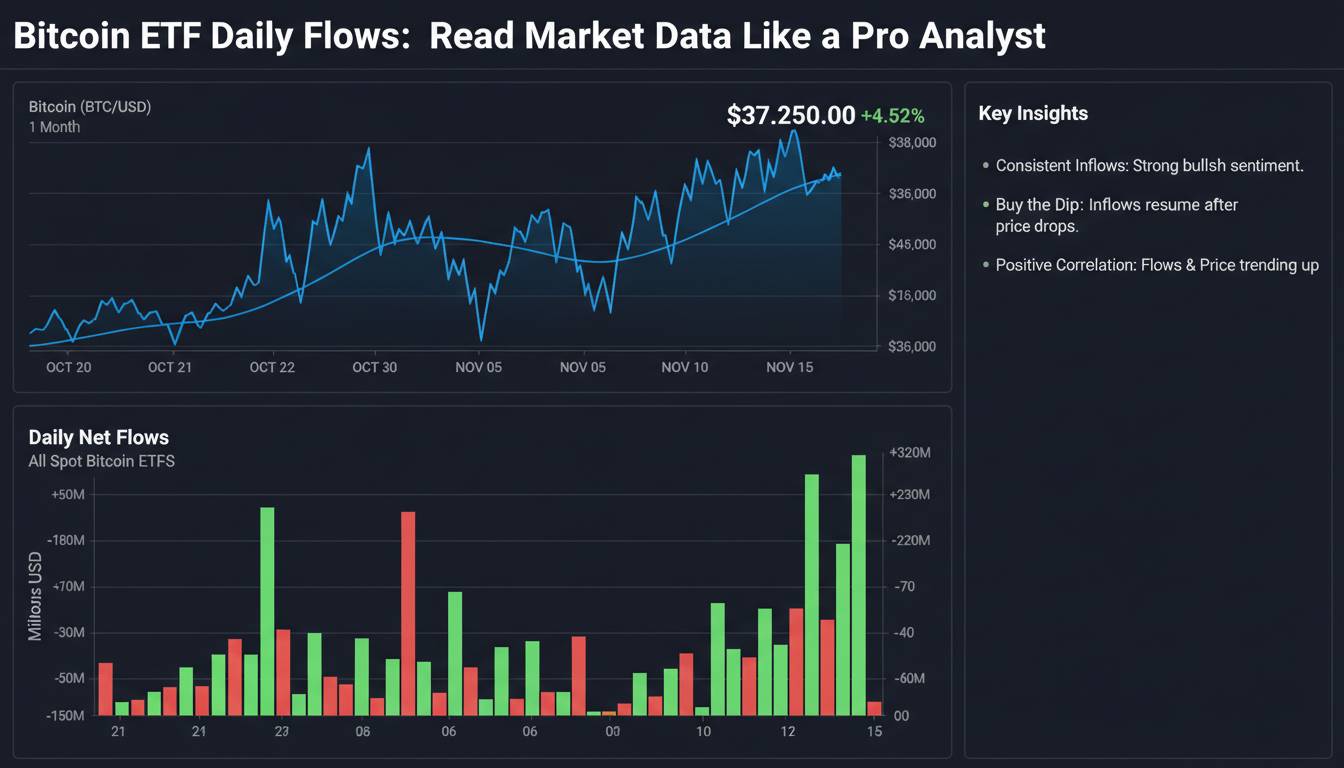
As of early 2025, institutional adoption continues to accelerate. Asset managers like BlackRock and Fidelity have launched spot Bitcoin ETFs that have collectively attracted tens of billions of dollars in assets. This isn’t a trigger that disappears between cycles—it’s become a structural feature of the market that lowers the threshold for future bull runs to begin.
Bitcoin Halving Events
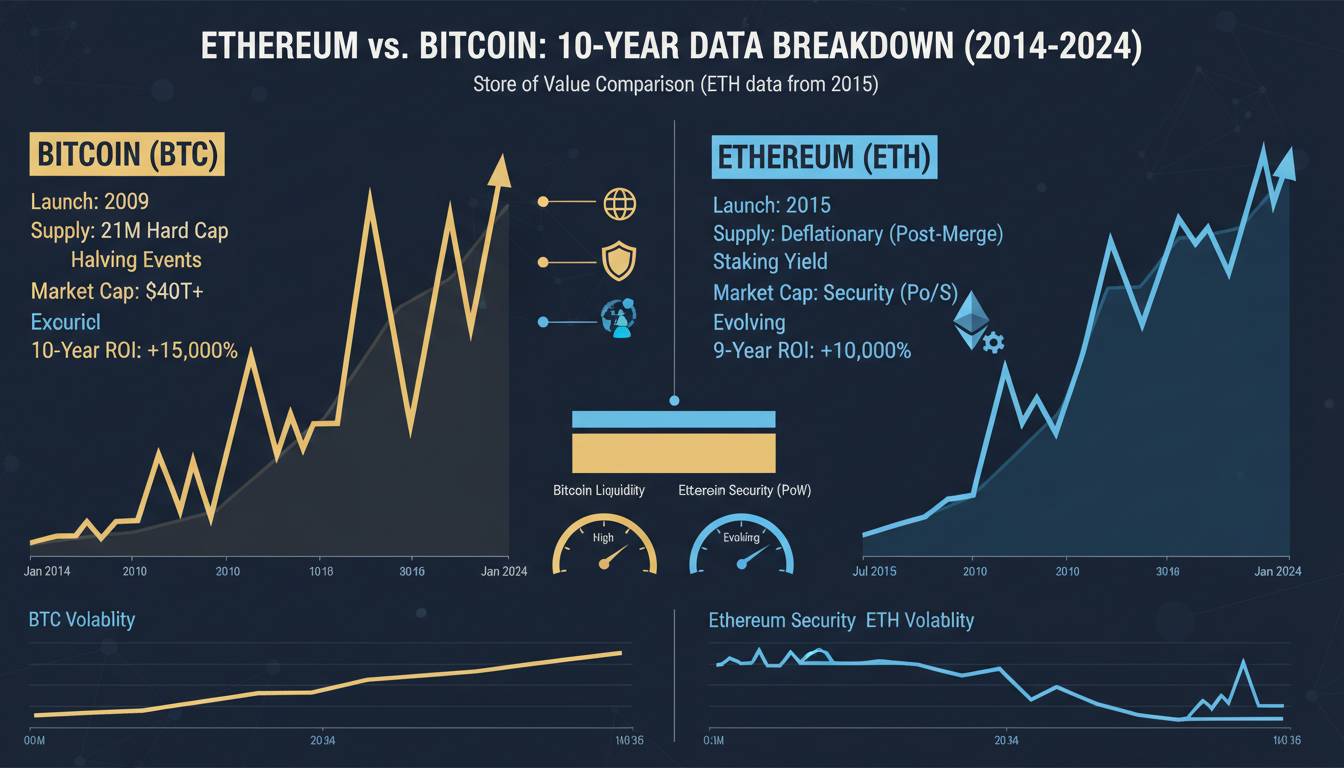
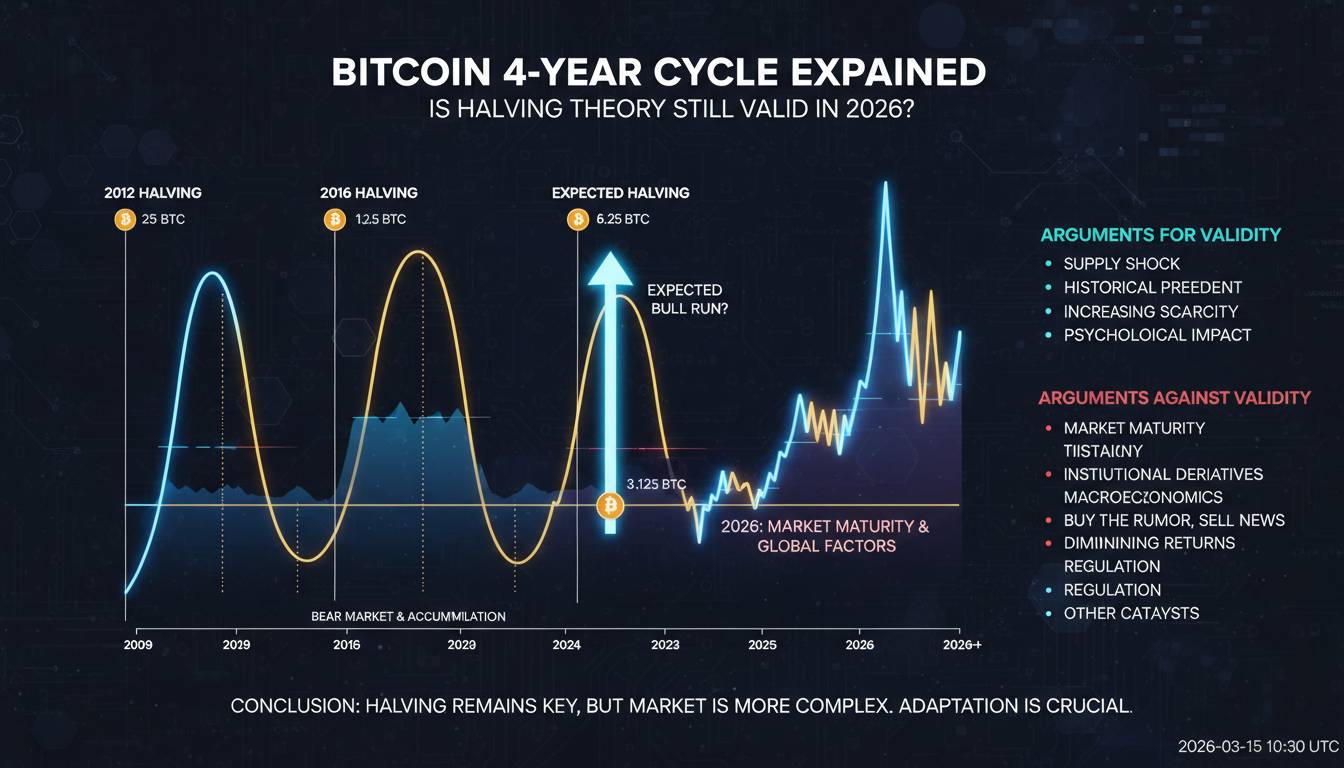
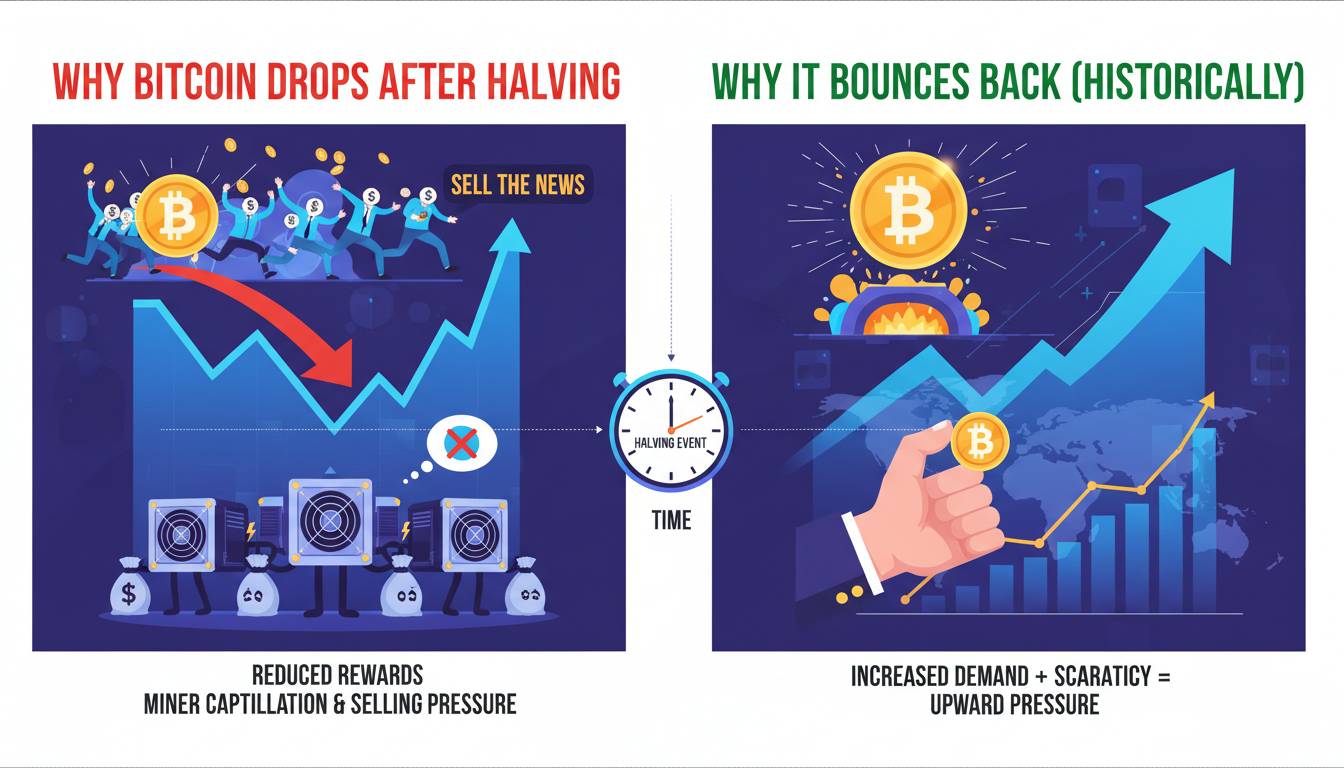
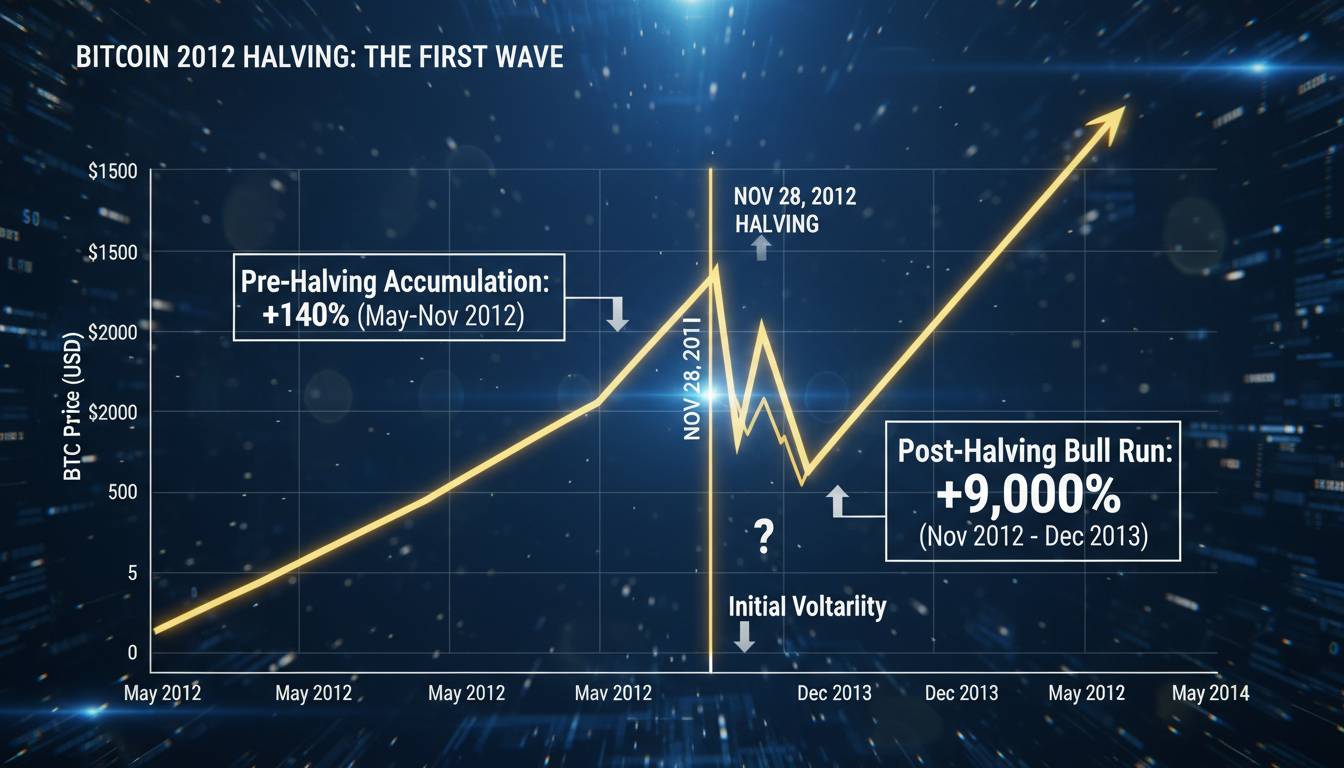
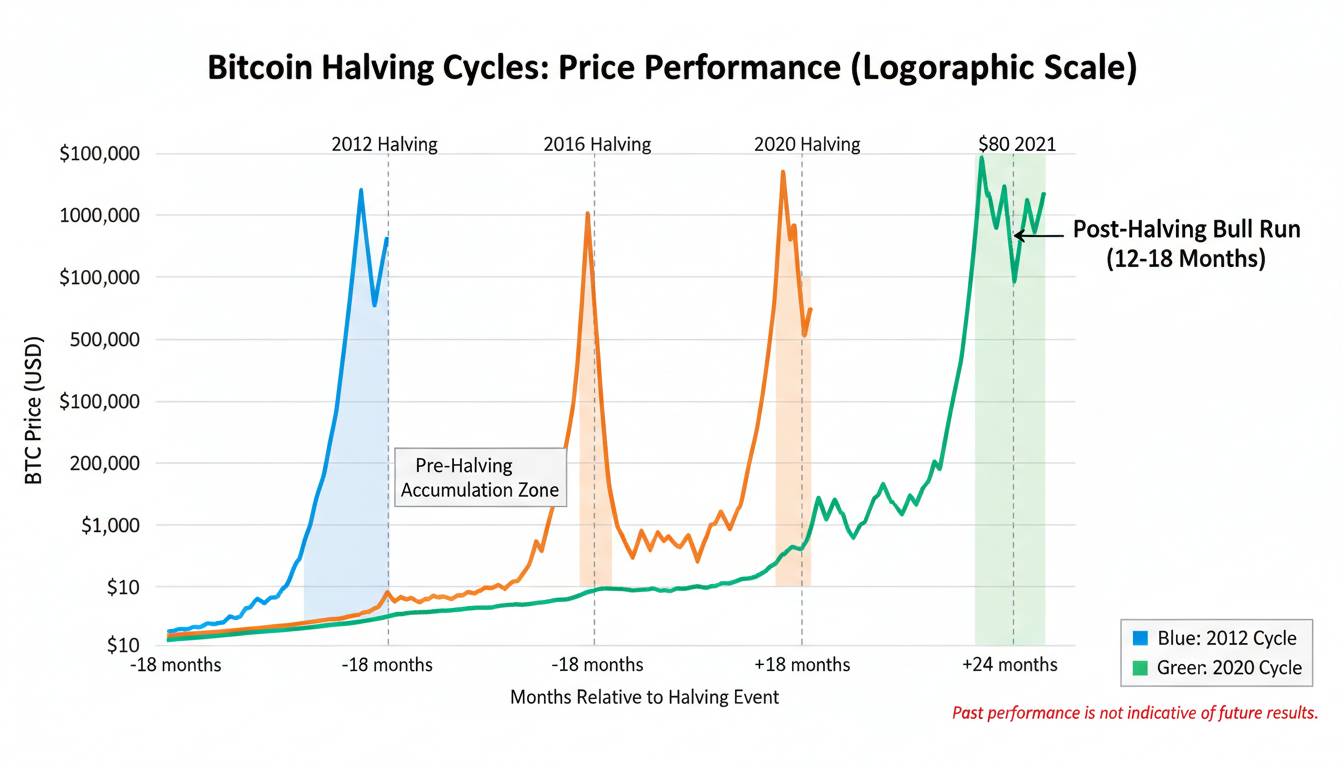
Every four years, the Bitcoin network reduces the block reward paid to miners by 50%. This is the halving, and it’s the most mechanically reliable trigger on this list. The logic is straightforward: supply growth slows. If demand remains constant, price rises. If demand increases even slightly, price rises more aggressively.
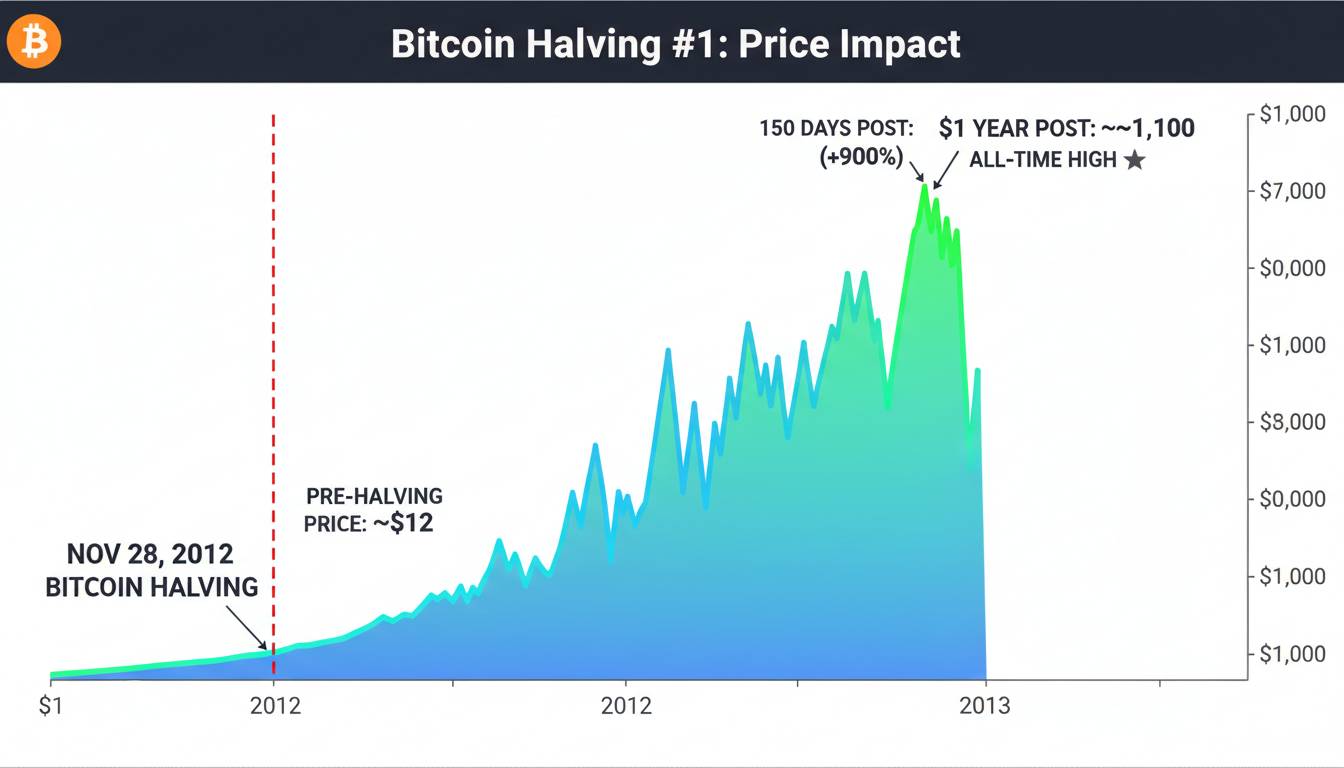
The 2016 halving preceded the 2017 bull run. The 2020 halving preceded the 2020-2021 bull run. In both cases, the price appreciation began roughly 12-18 months after the halving, not immediately. This lag is important. The market doesn’t respond to the halving event itself—it responds to the constrained supply that manifests over subsequent months as miners sell fewer newly minted coins into the market.
Here’s what the mechanics actually look like: before the halving, approximately 900 new bitcoins are created daily. Miners sell a portion of these to cover operating costs. After the halving, only 450 new bitcoins are created daily. If selling pressure remains constant, the supply overhang that suppresses price diminishes. But this effect is gradual, not instantaneous. The price typically begins rising as the market anticipates reduced selling, then accelerates once the actual supply shock materializes.
The honest caveat is that halving alone doesn’t guarantee a bull run. The 2016 halving occurred during a period of broader technological adoption and macroeconomic uncertainty (negative interest rates in Europe and Japan drove searches for yield). The 2020 halving coincided with unprecedented monetary stimulus during the pandemic. Without those complementary conditions, a halving might produce a modest price increase but not a full-blown bull run. The halving is necessary but not sufficient.
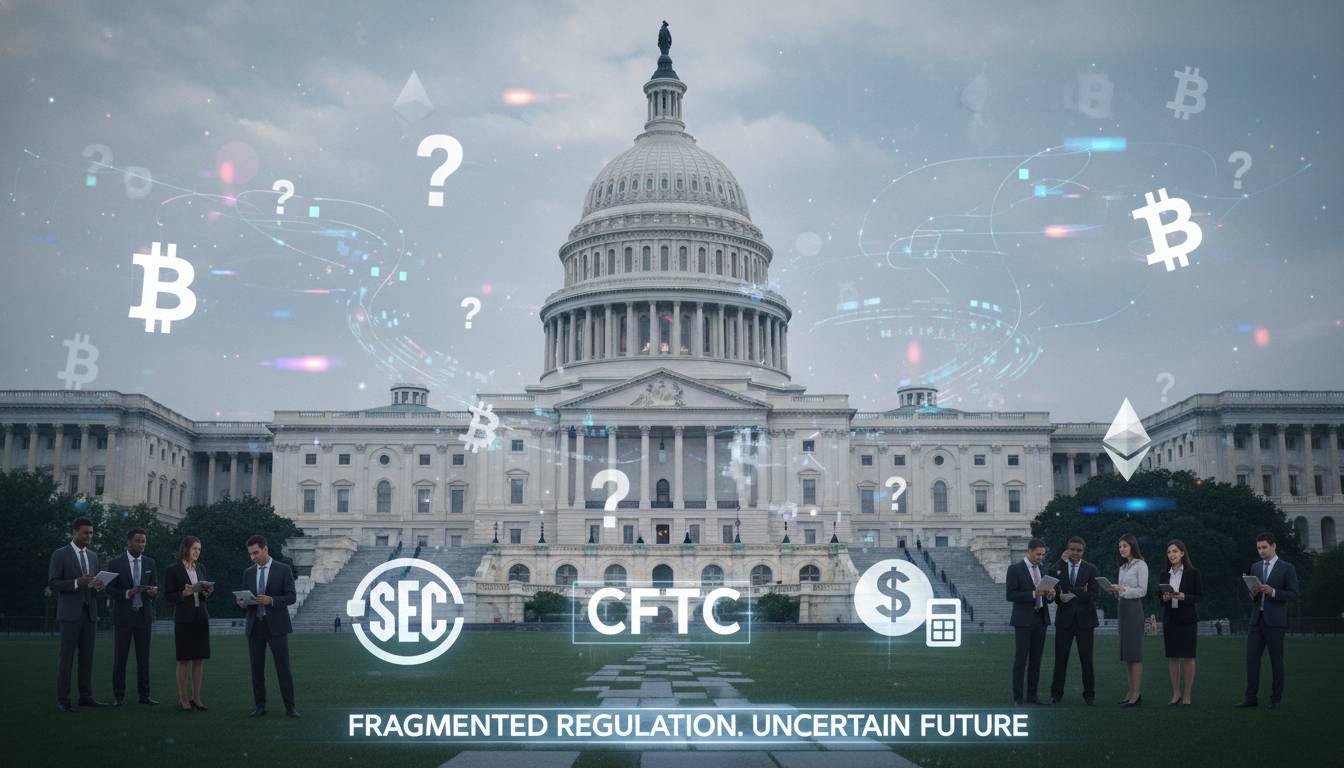
Regulatory Clarity and Policy Shifts
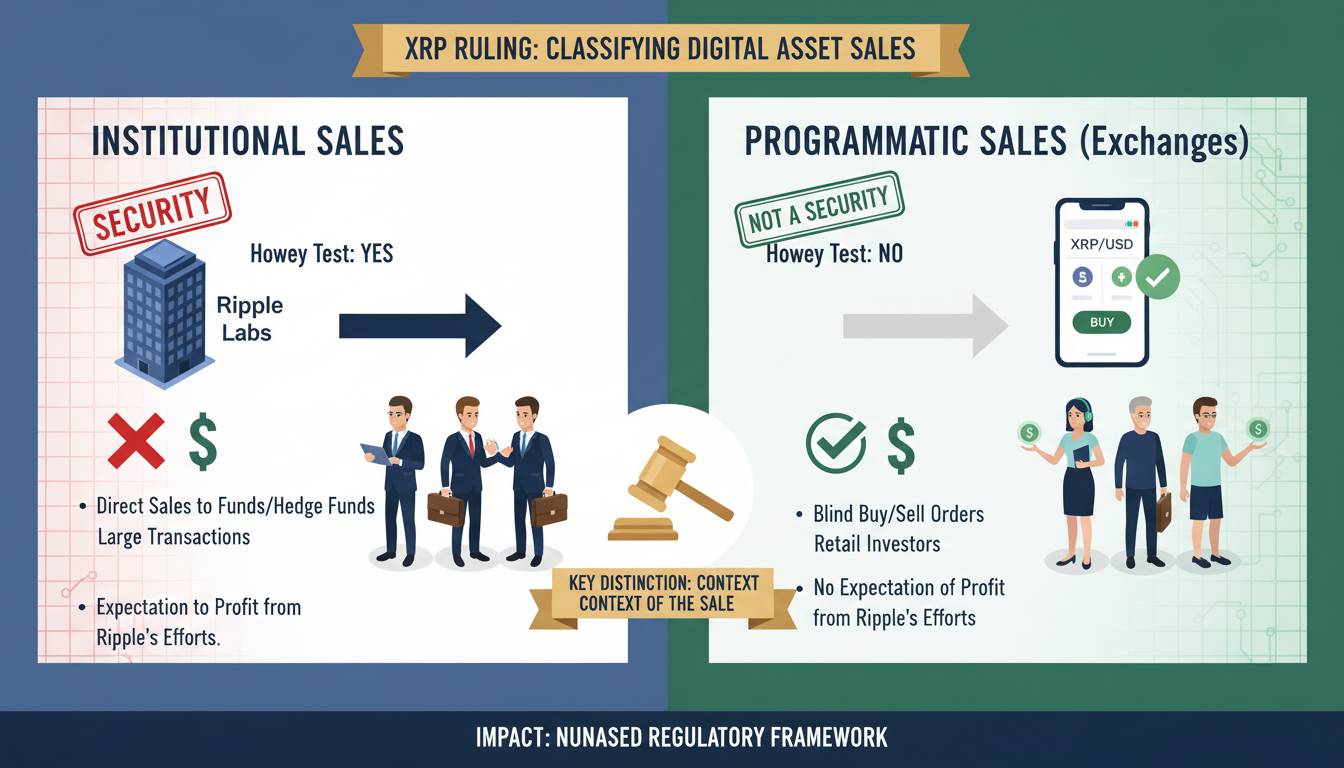
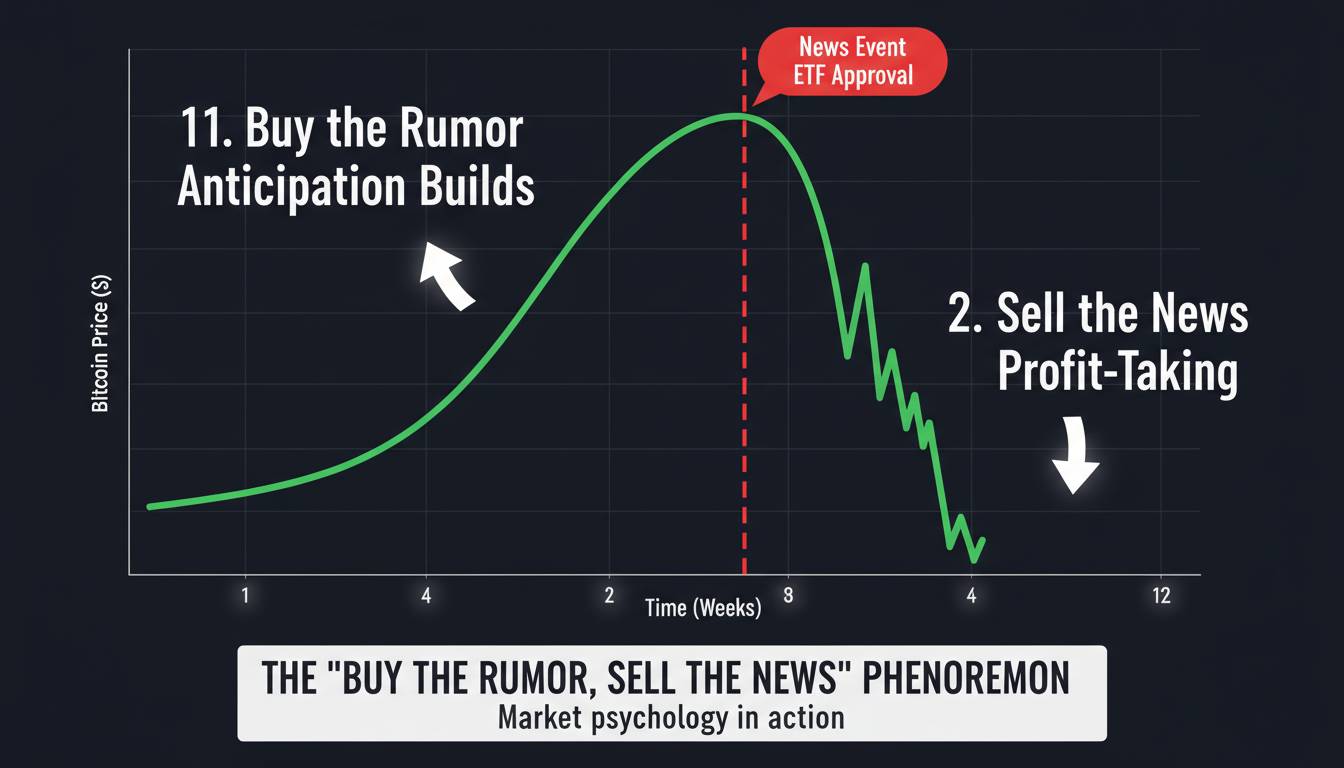
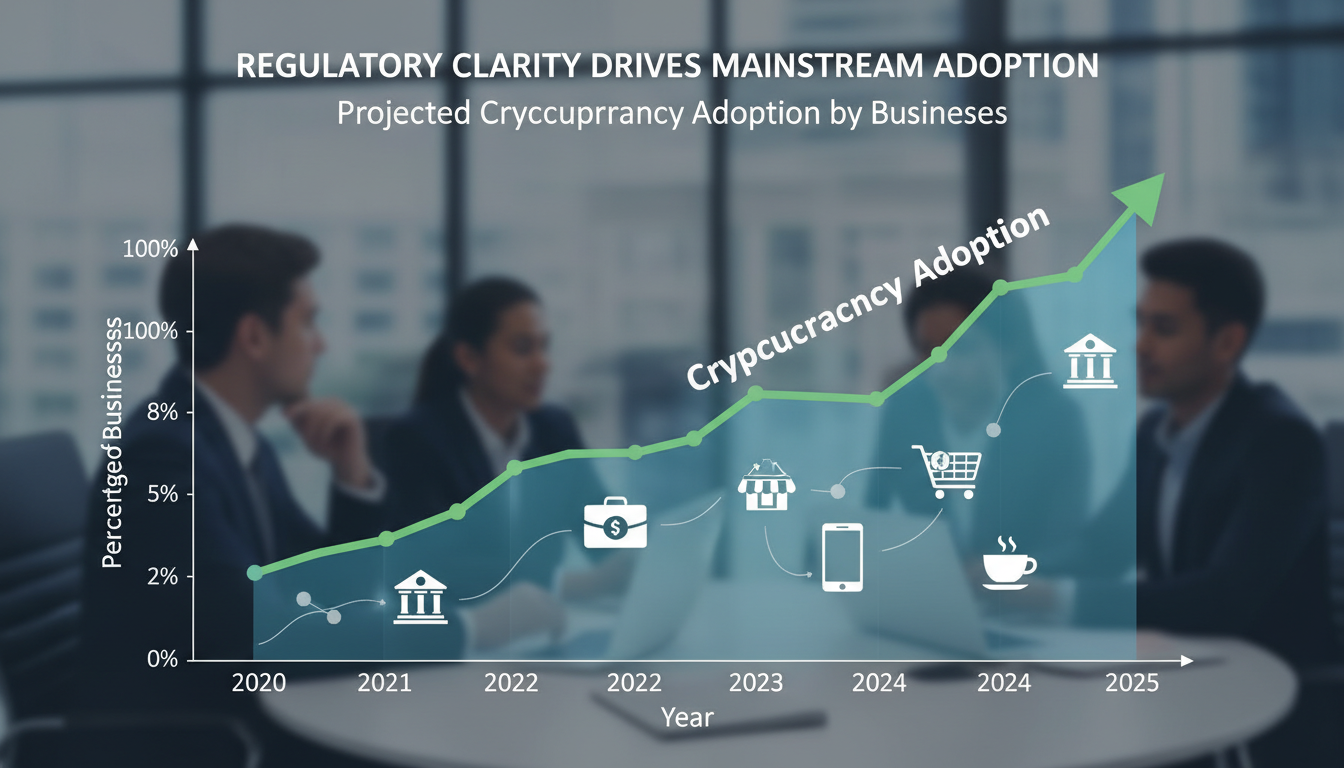
Regulation functions as a bull run trigger in two contradictory ways, and understanding both is essential. Clear, favorable regulation can unlock institutional capital by removing compliance uncertainty. But the announcement of regulatory clarity often triggers immediate selling as markets had been pricing in a worse outcome.
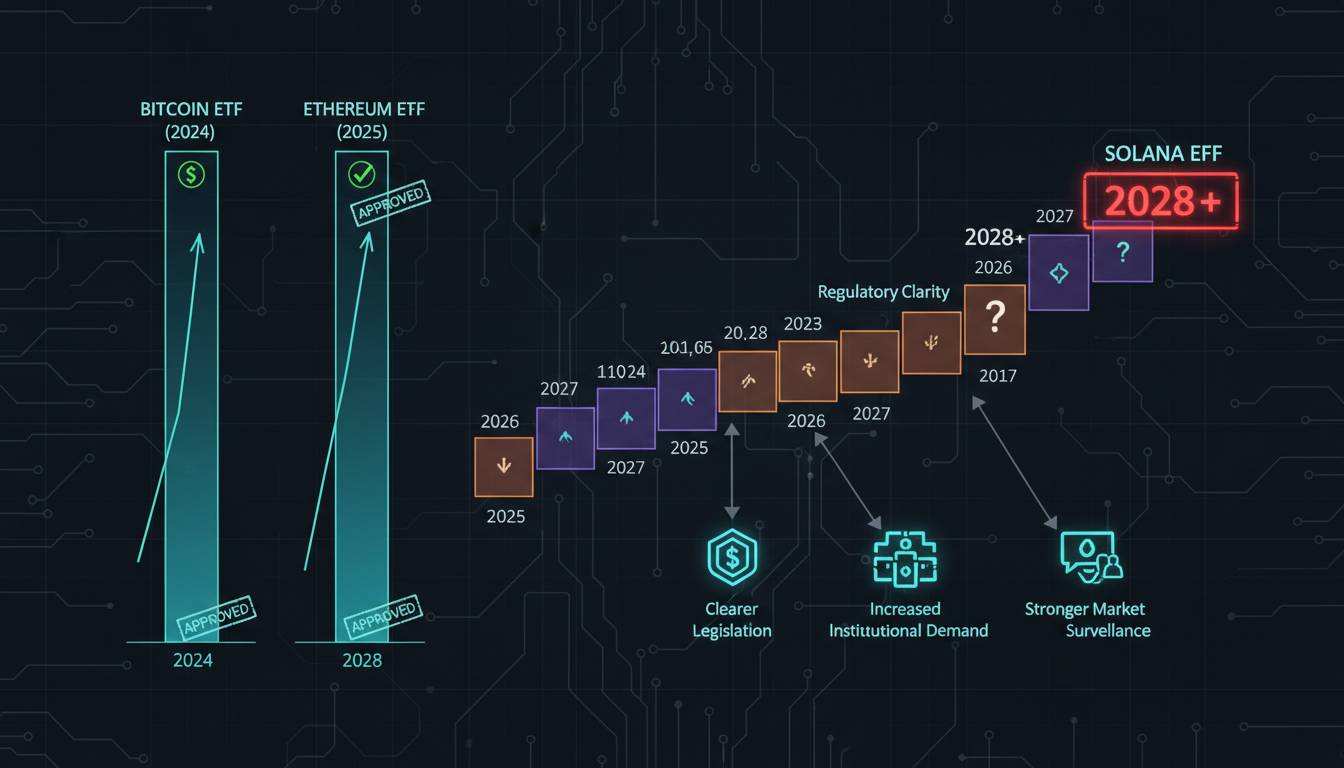
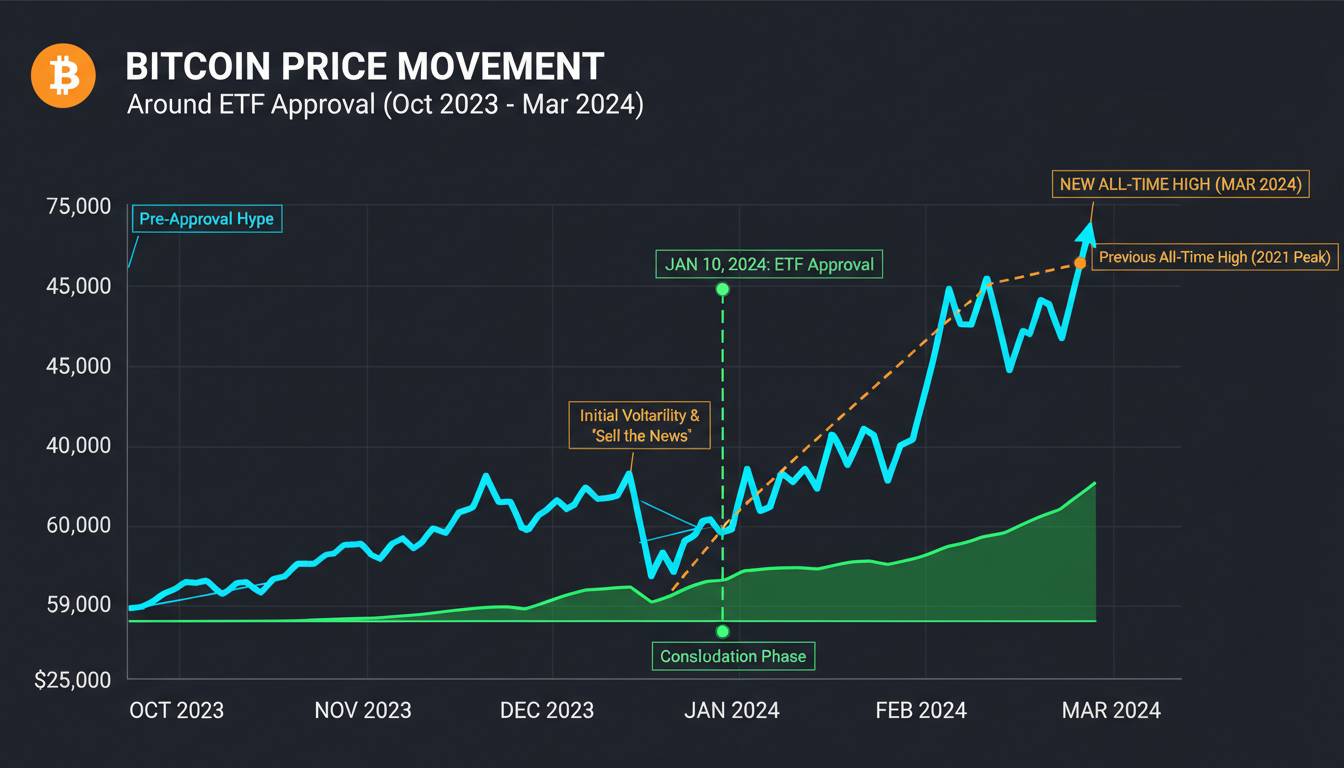
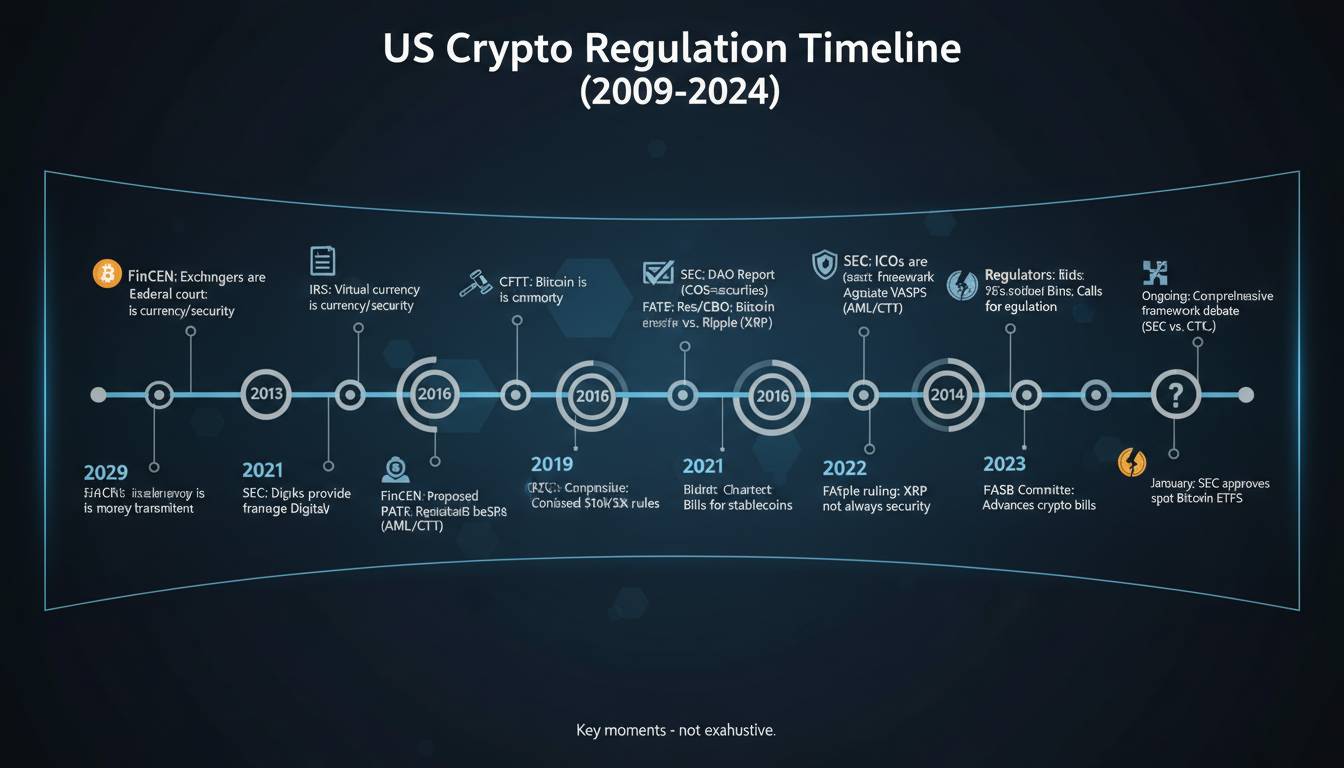
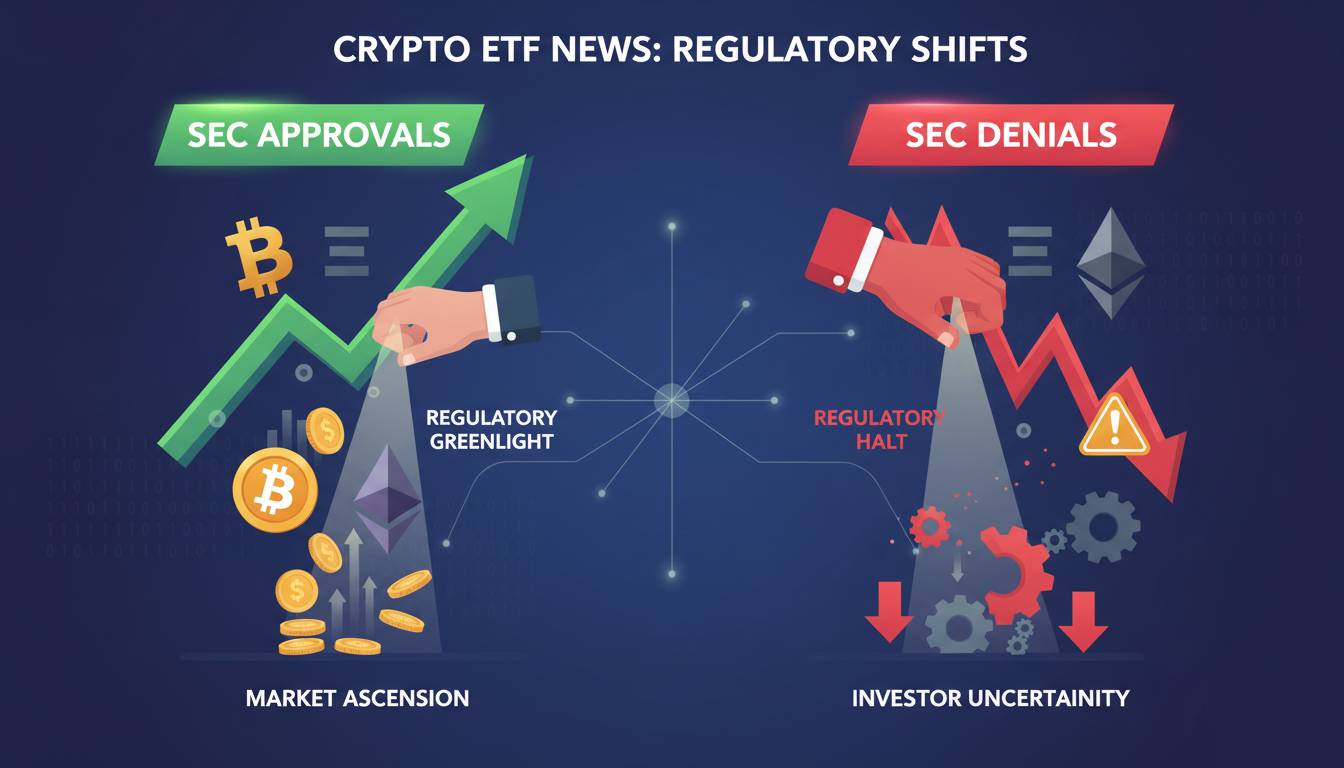
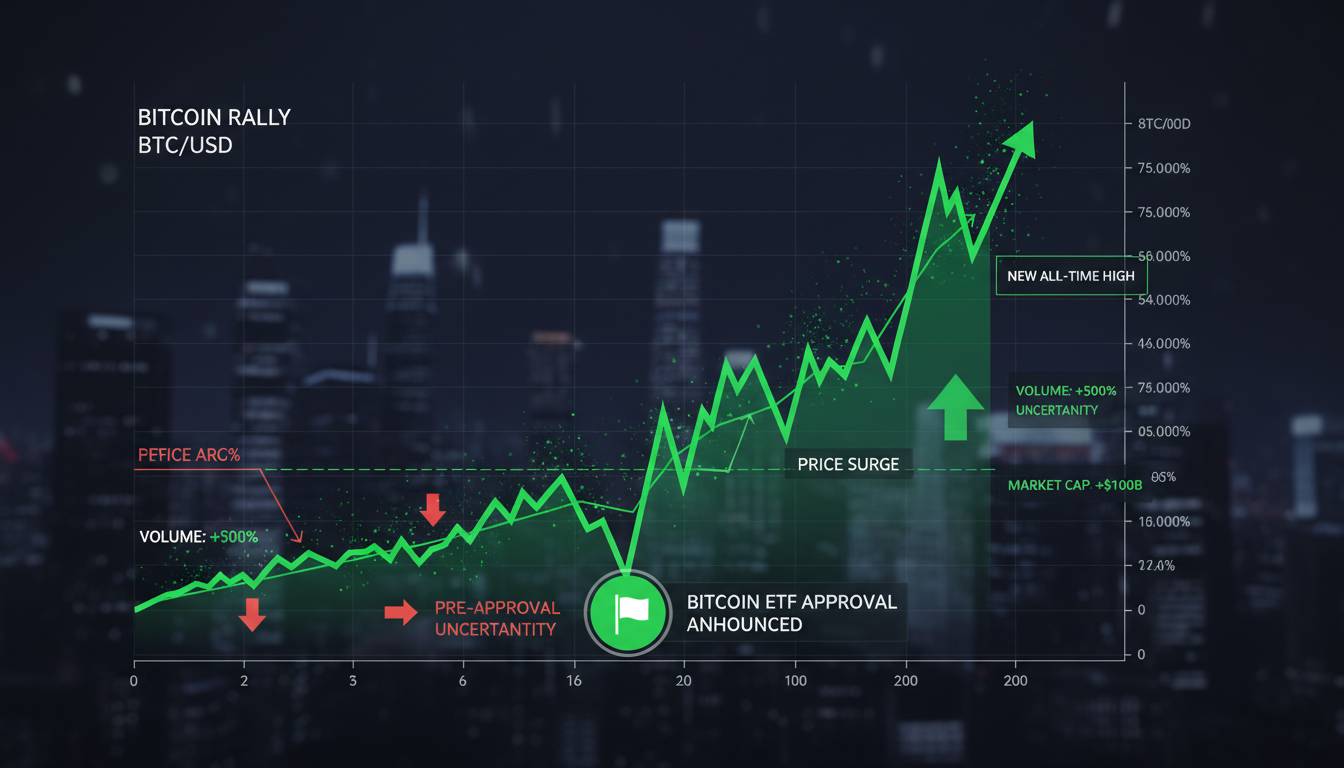
The most powerful regulatory catalyst occurred in early 2024 when the SEC approved spot Bitcoin ETFs. This approval came after over a decade of rejection and legal battles. The market’s response was immediate—Bitcoin rose from roughly $45,000 in January 2024 to over $73,000 by March 2024. But that move was largely priced in during the months of anticipation. The actual approval saw a brief spike followed by profit-taking.
More subtle regulatory shifts can have longer-lasting effects. When countries legalize cryptocurrency as legal tender (as El Salvador did in 2021) or when major economies create clear licensing frameworks for exchanges (as happened in parts of the EU under MiCA), they expand the addressable market. These changes don’t generate immediate parabolic moves, but they create the foundation for sustained demand.
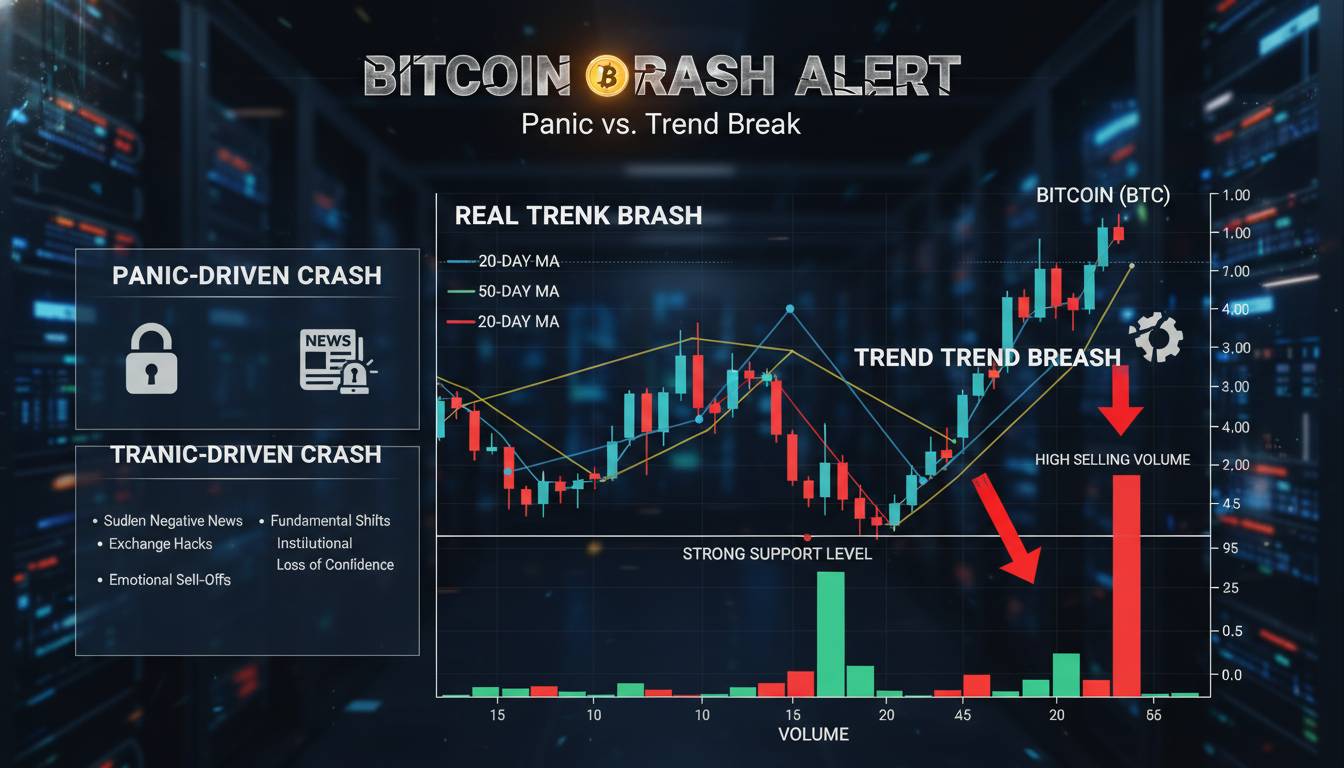
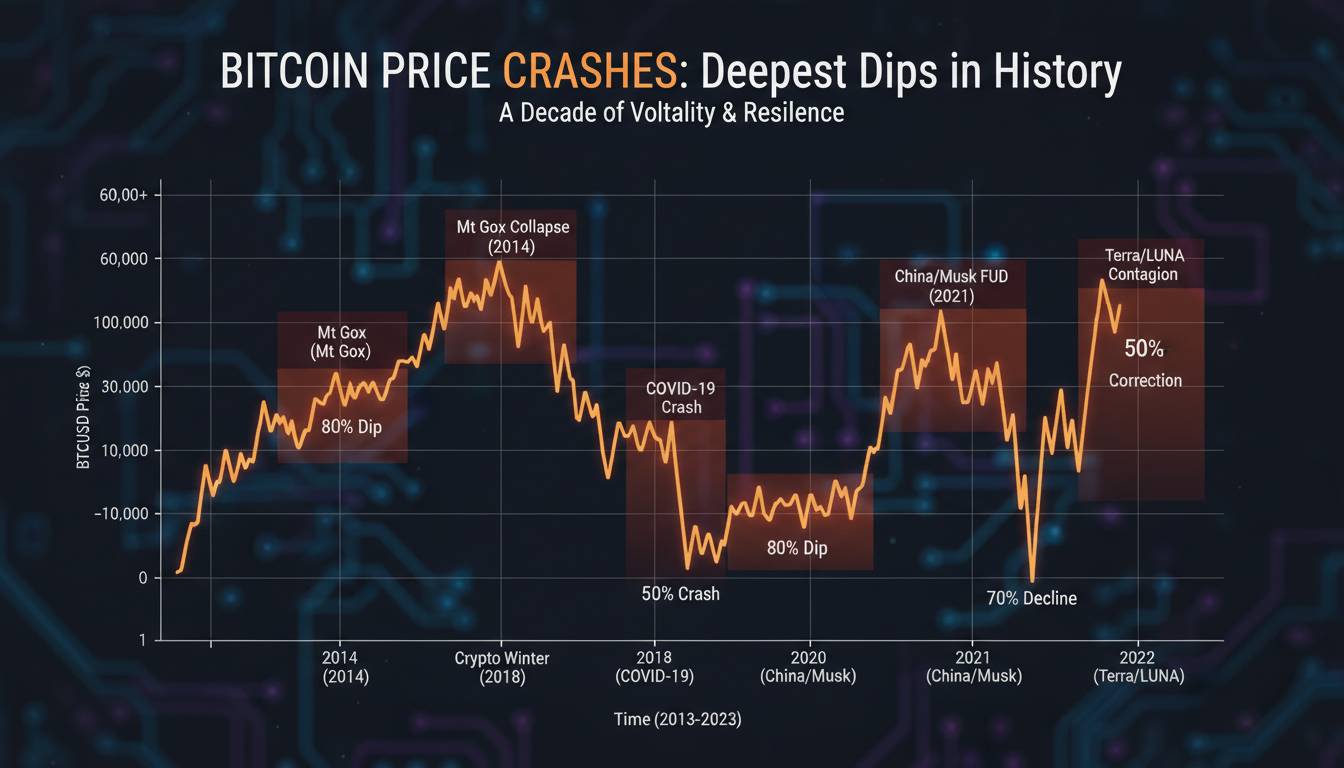
Conversely, hostile regulatory announcements can terminate bull runs mid-flight. China’s 2021 crackdown on cryptocurrency mining and trading eliminated a major portion of global trading volume and hash rate. Prices didn’t immediately crash—the bull run had already been fading—but the crackdown accelerated the bear market that followed and shifted mining dominance permanently away from China toward the United States and other jurisdictions.
The key insight is that regulation matters most in anticipation, not implementation. A bill being debated in Congress moves markets more than a bill being signed into law, because traders price in probabilities of various outcomes. This is why following regulatory developments requires understanding not just what’s happening but what the market expects to happen.
Market Sentiment and Psychology Shifts
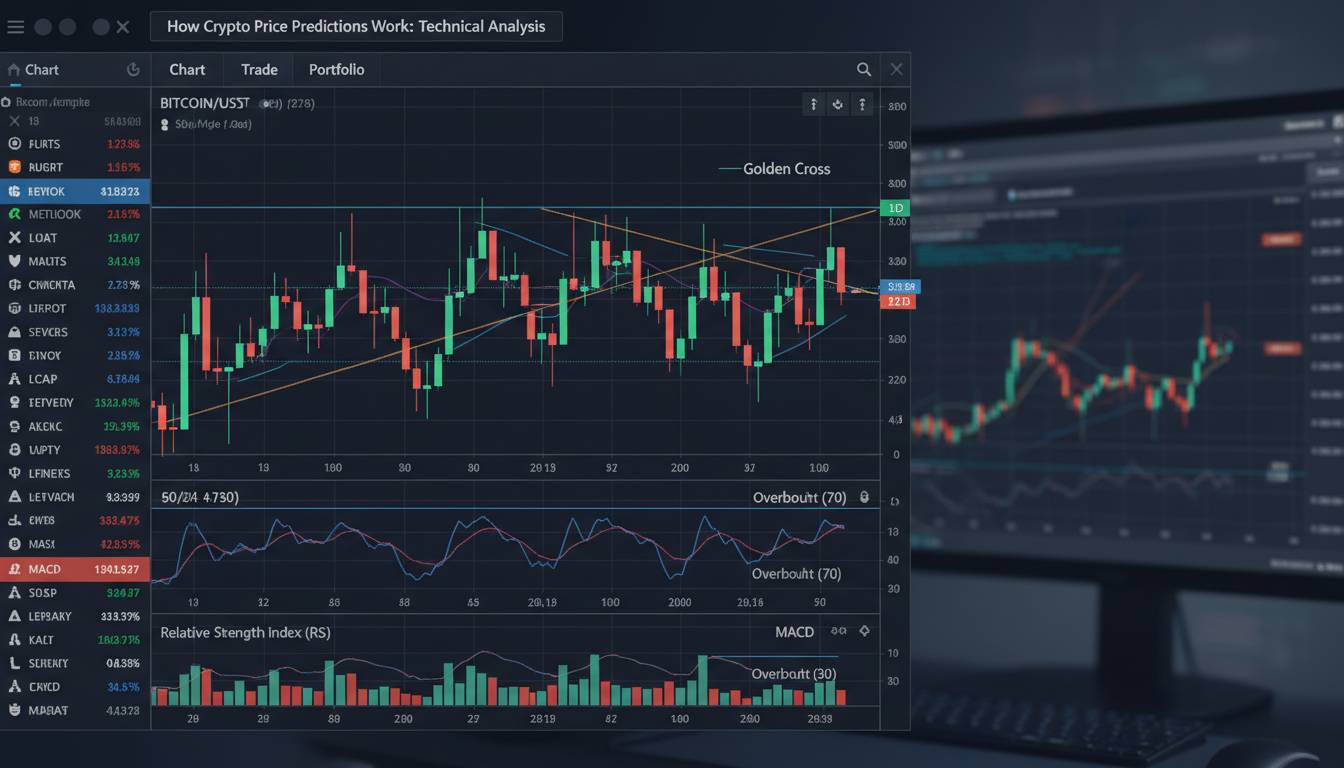
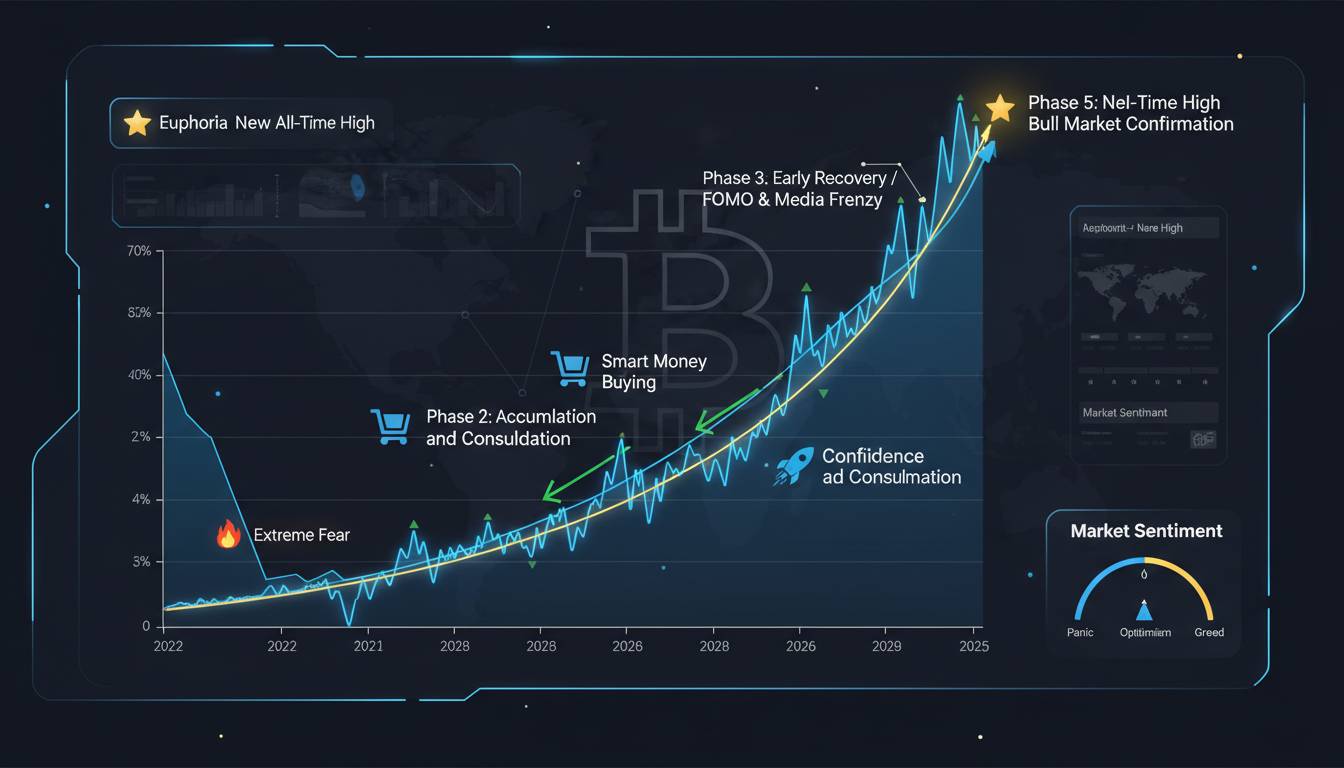
Bull runs feed on conviction, and conviction is a psychological phenomenon. The technical indicators that traders use to identify market bottoms—the fear and greed index, social media volume, Google search trends—all measure sentiment. What triggers a shift from pessimism to optimism isn’t always rational, but it tends to follow recognizable patterns.
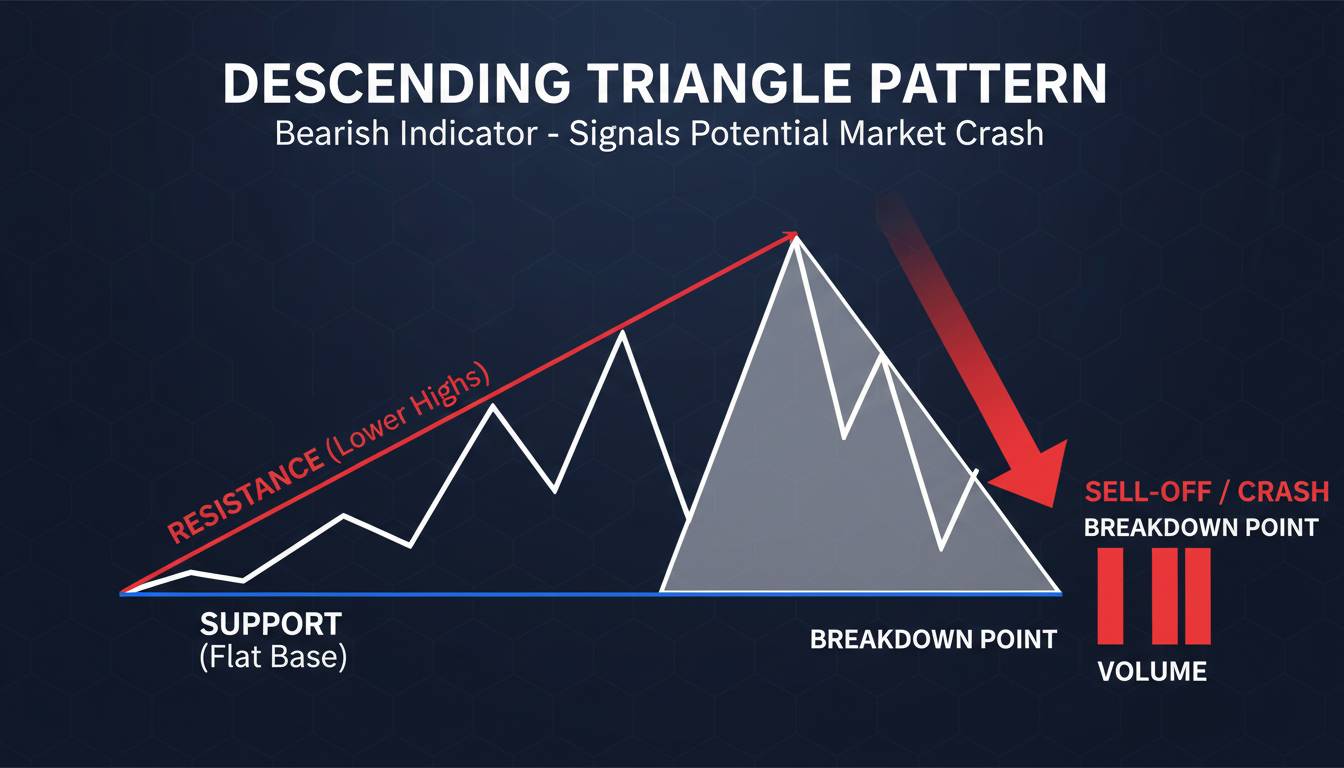
The most common catalyst is a breakout—a decisive break above a long-standing resistance level. When Bitcoin climbs above its previous all-time high, it invalidates the bear market thesis that has dominated narrative for months or years. Short sellers are forced to cover. New buyers see the breakout and fear missing out. The technical narrative becomes self-fulfilling.
The 2020-2021 bull run demonstrates this vividly. Bitcoin broke above $20,000—its 2017 all-time high—in December 2020. That breakout, more than any other single event, marked the transition from recovery to bull run. Suddenly, the question wasn’t whether cryptocurrency had survived the 2018 crash but which other assets would follow Bitcoin’s lead.
This psychological shift has a compounding effect. As prices rise, coverage increases. More people hear about cryptocurrency. Those who previously dismissed it as a bubble begin to wonder if they’re missing something. They search, they ask friends, they open accounts. This influx of new capital further drives prices upward. The cycle continues until something breaks it—usually overleverage, regulatory action, or simply exhaustion of willing buyers at elevated prices.
What triggers the initial sentiment shift is different every cycle. Sometimes it’s a corporate announcement. Sometimes it’s a macroeconomic event (the 2020 bull run was heavily influenced by stimulus payments and near-zero interest rates). Sometimes it’s simply time—after enough months of grinding lower, the pain trade reverses. Understanding sentiment triggers requires paying attention to the specific narrative that’s dominating market conversation and watching for the shift in that narrative.
Liquidity and Trading Volume Dynamics
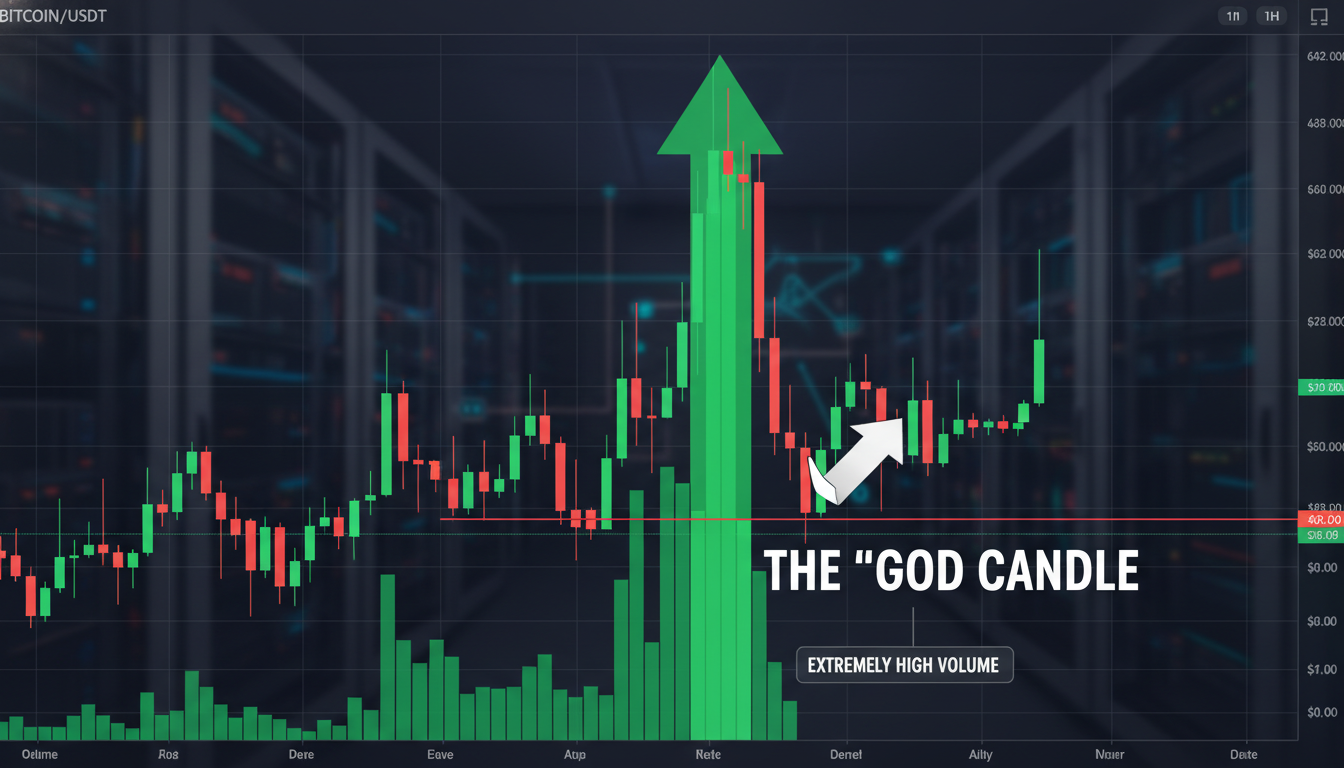
Prices don’t move on price alone—they move on volume. A bull run requires increasing participation, and that participation manifests as rising trading volumes across exchanges. This isn’t just a correlation; it’s a leading indicator. Volume increases before prices begin their most aggressive appreciation.
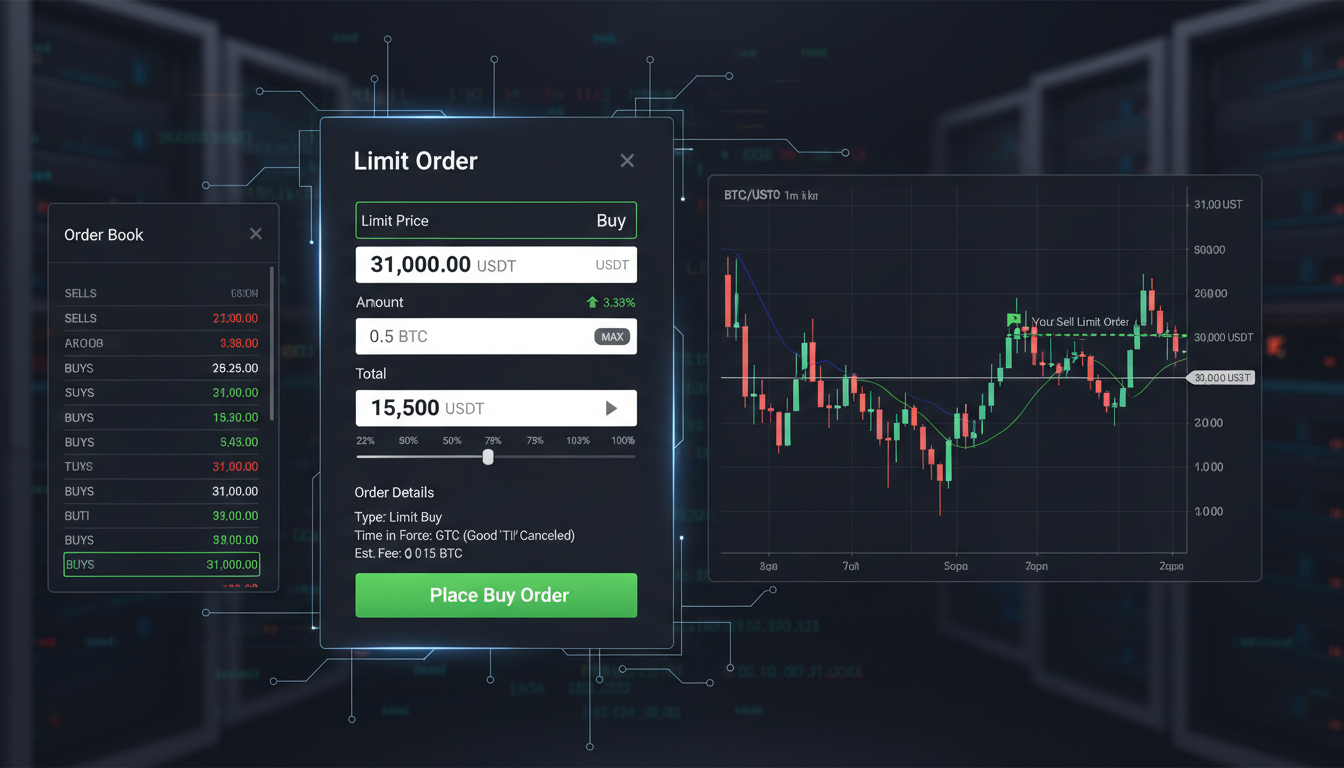
The mechanism works like this: as more participants enter the market, order books deepen. Larger orders can be filled without causing outsized price impact. This attracts institutional participants who need to move significant capital. Their involvement further increases volume and liquidity, creating a virtuous cycle. The markets that see the most explosive bull runs are those where exchange infrastructure can handle the volume without outages, where custody solutions exist for large holders, and where regulatory frameworks permit institutional participation.
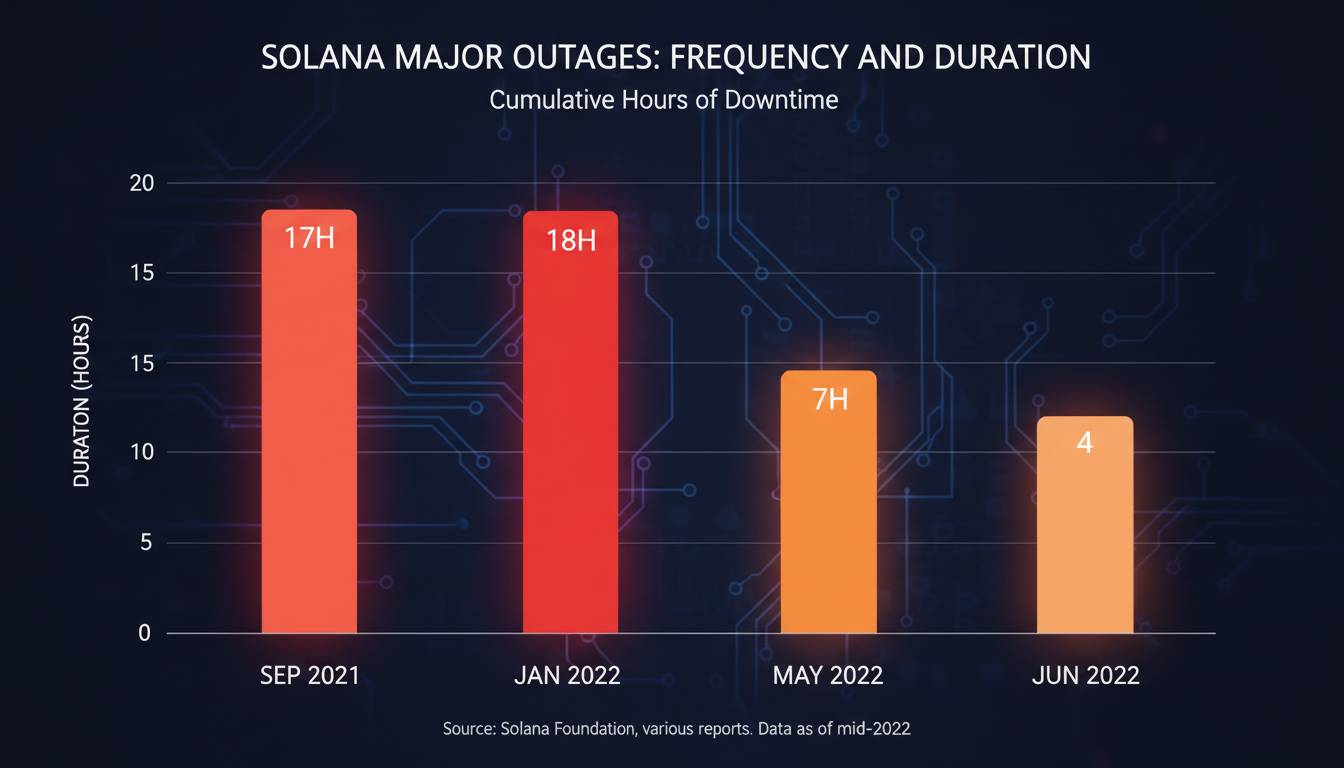
The 2021 bull run saw trading volumes on major exchanges like Binance and Coinbase reach levels that would have caused catastrophic failures in 2017. The infrastructure had matured. This allowed the market to absorb massive inflows without the constant circuit breaker trips and exchange outages that characterized earlier cycles.
One underappreciated dynamic is the role of stablecoin liquidity. During the 2020-2021 bull run, Tether (USDT) and other stablecoins served as the primary trading pair for most crypto-to-crypto transactions. When stablecoin liquidity is expanding—more USDT being issued against USD deposits—it often precedes price appreciation. The logic: new capital entering the ecosystem converts to stablecoins first, then deploys into volatile assets. Rising stablecoin issuance is a leading indicator of capital waiting to be deployed.
Macroeconomic Conditions and Narrative Alignment
Cryptocurrency doesn’t trade in a vacuum. Bull runs coincide with specific macroeconomic conditions, and ignoring these is a mistake that causes many analysts to mis-time the market. The 2020-2021 bull run occurred because of unprecedented monetary policy—interest rates near zero, quantitative easing, and direct stimulus payments created excess liquidity that sought yield anywhere it could find it.
This is where the “digital gold” narrative gains traction. When inflation fears rise and traditional safe havens like bonds offer negative real yields, Bitcoin’s fixed supply becomes attractive. The 2020 bull run coincided with the highest inflation readings in decades and the lowest interest rates in history. Money was free, and investors were desperate for assets that couldn’t be devalued by central bank printing.
The current environment is more complicated. As of early 2025, interest rates are significantly higher than the zero-bound policies of 2020-2021. This creates headwind for risk assets generally and cryptocurrency specifically. However, any shift toward easier monetary policy—a recession forcing rate cuts, or simply the expectation of rate cuts—could reignite the liquidity-driven dynamics that powered previous bull runs.
The takeaway isn’t that cryptocurrency is solely a liquidity play. It’s that the macroeconomic context determines which narrative resonates and how much capital is available to chase it. A bull run requires both a compelling story and the capital to pursue that story. When these align, explosive moves follow.
Network Growth and Development Milestones
Underneath the price action, the underlying networks that power cryptocurrencies are developing. When major upgrades launch or when user adoption metrics show accelerating growth, these fundamentals can trigger bull runs by shifting the narrative from speculation to utility.
The 2021 bull run saw Ethereum dominate the conversation, driven by the anticipation of Ethereum Improvement Proposal (EIP) 1559, which changed how transaction fees worked and introduced a burning mechanism that removed ETH from circulation. The “ultrasound money” narrative emerged—not because the upgrade had already launched, but because the market was pricing in how the economics would change once it did.
Similarly, the rise of decentralized finance (DeFi) in 2020-2021 created new use cases for cryptocurrency beyond simple store-of-value speculation. Total value locked in DeFi protocols exploded from roughly $1 billion in early 2020 to over $40 billion by early 2021. This growth attracted capital that wasn’t interested in cryptocurrency as a payment system but was interested in yield that couldn’t be found in traditional finance.
The current cycle has seen renewed interest in real-world asset tokenization, layer-2 scaling solutions, and institutional infrastructure. Each of these represents a fundamental development that could anchor a future bull run. The key is distinguishing between genuine development progress—which creates long-term value—and hype—which creates short-term price spikes that collapse when the narrative exhausts itself.
Identifying the Start of a Bull Run in Real Time
Knowing what triggers bull runs is different from identifying them while they’re happening. The honest answer is that you rarely know for certain until you’re well into one. However, there are signals that experienced traders watch closely.
First, watch for the breakout above previous cycle highs. When Bitcoin exceeds its prior all-time high on increasing volume, that’s the single most reliable bull run signal. It sounds simple, but it requires conviction to act on—because by that point, the prevailing narrative is still “this is a bubble that will pop.”
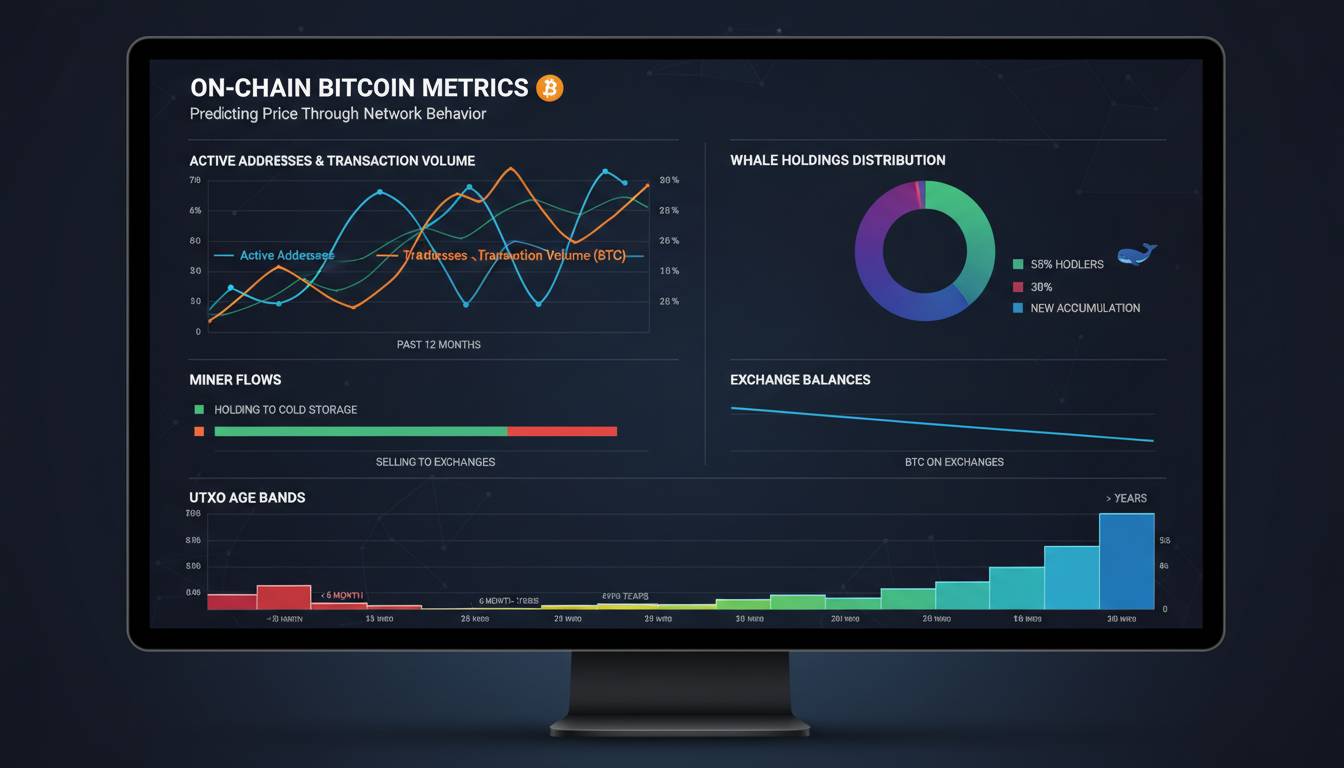
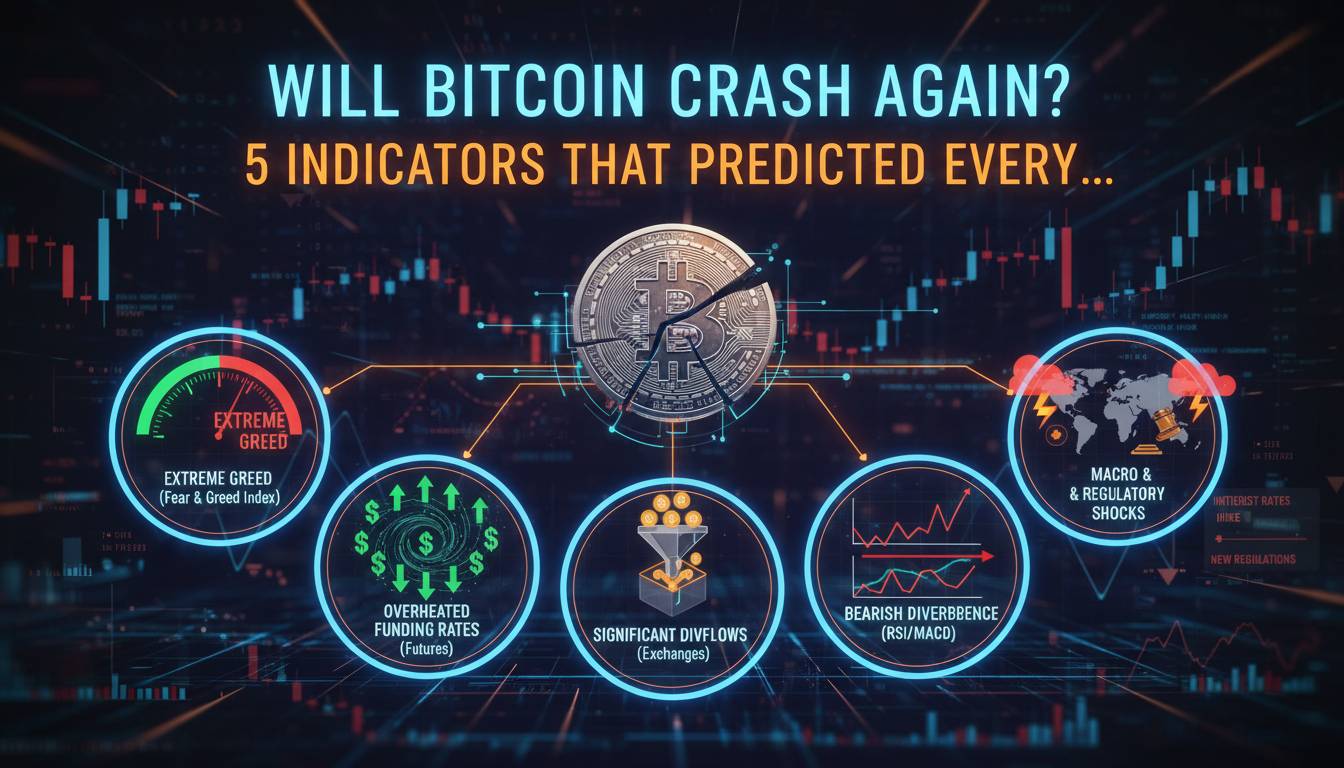
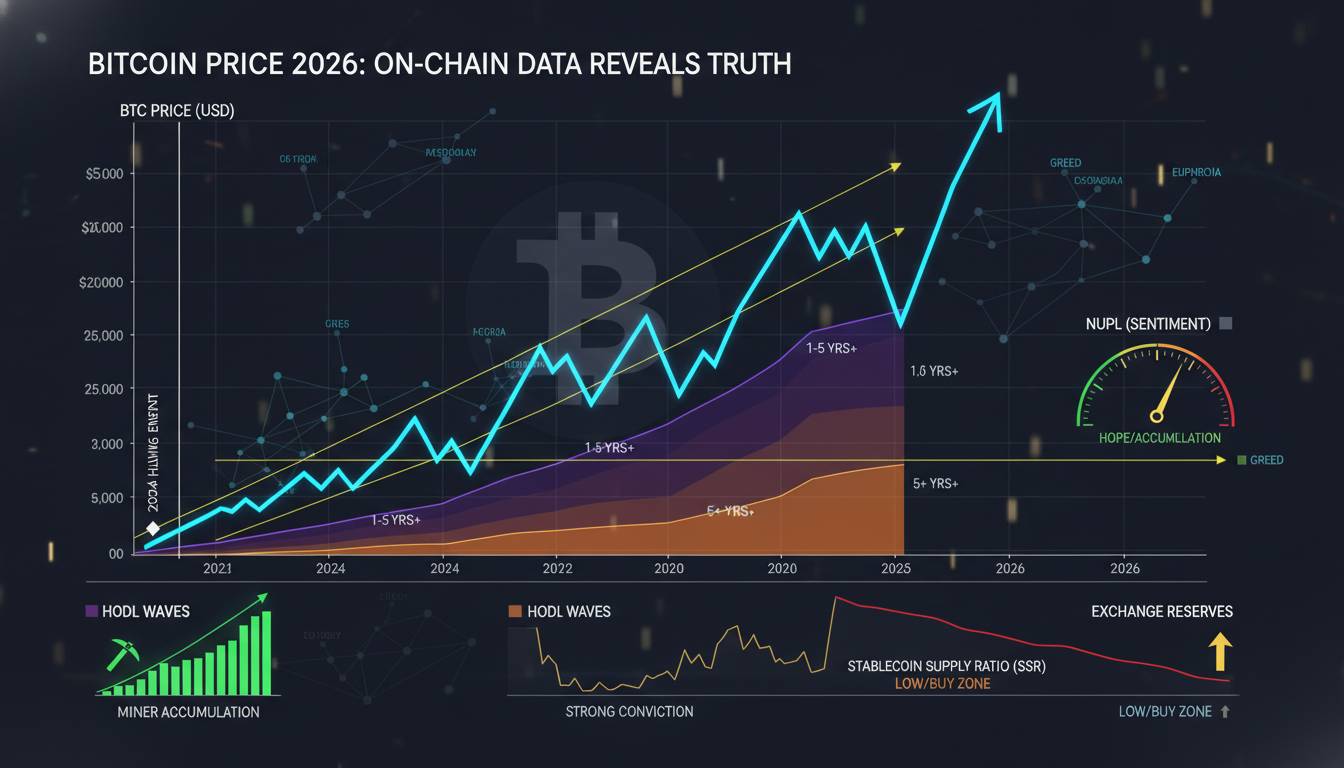
Second, monitor on-chain metrics like exchange reserve trends. When cryptocurrency holdings on exchanges begin declining—indicating long-term holders moving assets to cold storage—that often precedes price appreciation. The logic: holders are confident enough to remove their coins from exchanges, reducing sell pressure while demand remains.
Third, track the spread of activity beyond Bitcoin. A true bull run isn’t just Bitcoin going up—it’s altcoins beginning to appreciate as well, often with greater percentage gains. When trading volume shifts from Bitcoin dominance to altcoin pairs, that’s a sign the market is broadening.
Finally, pay attention to the narrative. Bull runs always have a story. In 2017, it was initial coin offerings and Ethereum’s smart contracts. In 2020-2021, it was DeFi and NFTs. The start of a bull run often coincides with a new narrative emerging—or an old narrative being revived with new data.
The Honest Uncertainty
Here’s what you need to hear: no one can predict exactly when a bull run will start or how long it will last. Every trigger on this list has preceded bull runs, but none has caused one with certainty. The relationships are probabilistic, not deterministic.
This matters because people who claim certainty about market timing are either selling something or fooling themselves. I’ve watched traders correctly identify every trigger on this list and still miss the timing—sometimes by months, sometimes by years. The halving occurs on a predictable schedule, but the bull run that follows doesn’t.
What you can do is understand the conditions that make bull runs more likely, build conviction about the long-term potential of cryptocurrency as an asset class, and resist the temptation to time entries and exits perfectly. The traders who do well over multiple cycles aren’t those who perfectly call the top and bottom—they’re those who maintain exposure through the boring years so they’re positioned when the conditions align.
The next bull run will be triggered by some combination of the factors I’ve outlined here. It might include something no one is talking about yet—a breakthrough application, a surprise regulatory decision, a macroeconomic shock. That’s the nature of markets: they reward preparation but punish the assumption that all variables can be known.
What I can tell you with confidence is that cryptocurrency as an asset class continues to develop, institutional infrastructure continues to mature, and younger generations continue to show preference for digital assets over traditional financial instruments. These are the structural tailwinds that make bull runs not just possible but probable over sufficiently long time horizons. The timing remains uncertain. The direction, for now, remains up.