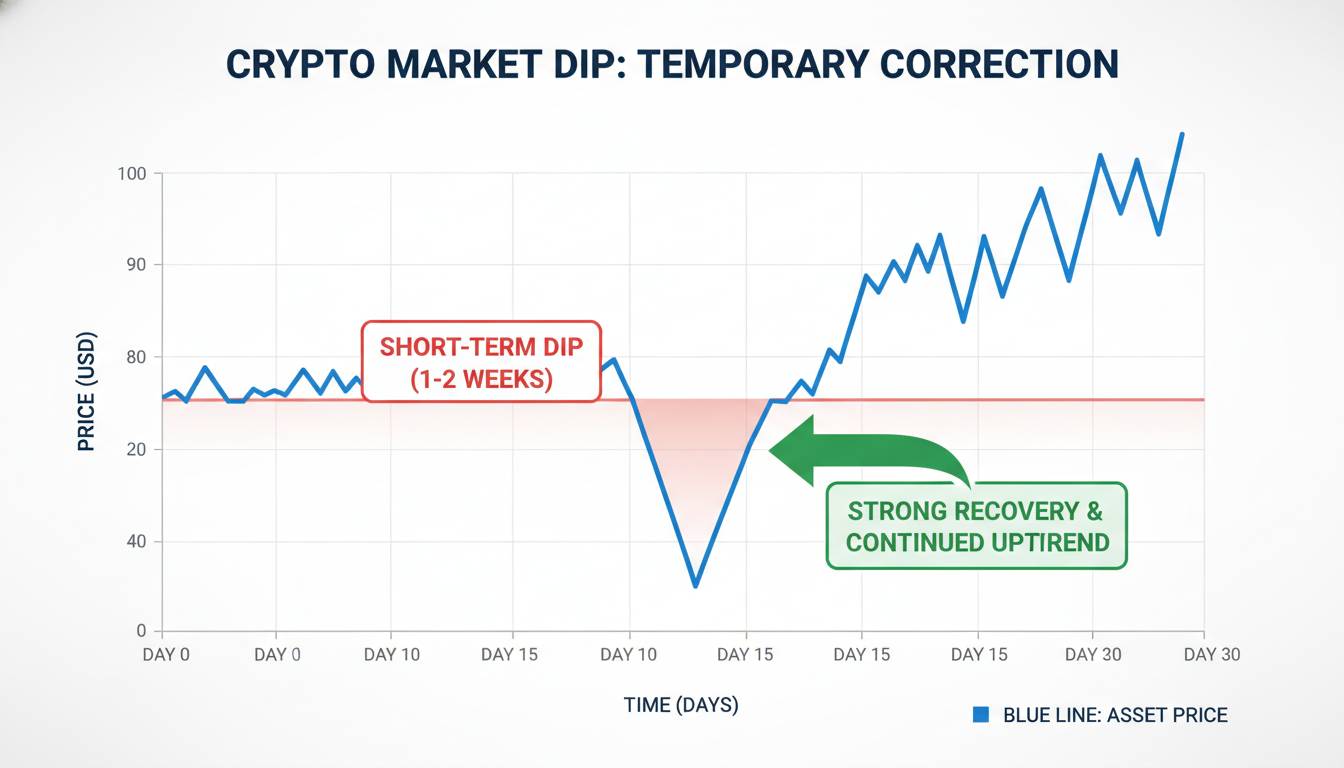

I’m going to be honest with you: this question isn’t really about Bitcoin. It’s about understanding your own relationship with risk, volatility, and uncertainty. I’ve been working with investors on cryptocurrency allocation for over seven years, and the number one mistake I see isn’t choosing the wrong percentage — it’s choosing a number that sounds reasonable in a calm market but becomes unbearable when Bitcoin drops 30% in a week.
Position sizing is the difference between an investment you can hold through a cycle and one you panic-sell at the worst possible moment.
This guide gives you multiple frameworks for thinking about how much Bitcoin makes sense for your specific situation. None of them are perfect. I’ll tell you where each one falls short.
Understanding Why Position Sizing Matters More Than Timing
Most investors spend enormous energy trying to figure out when to buy Bitcoin. They obsess over price predictions, macroeconomic indicators, and technical analysis. Here’s an uncomfortable truth: timing the market is nearly impossible for retail investors, and even professionals consistently fail at it. What you can control — what actually determines your long-term returns — is how much you allocate and whether you can stick with it during drawdowns.
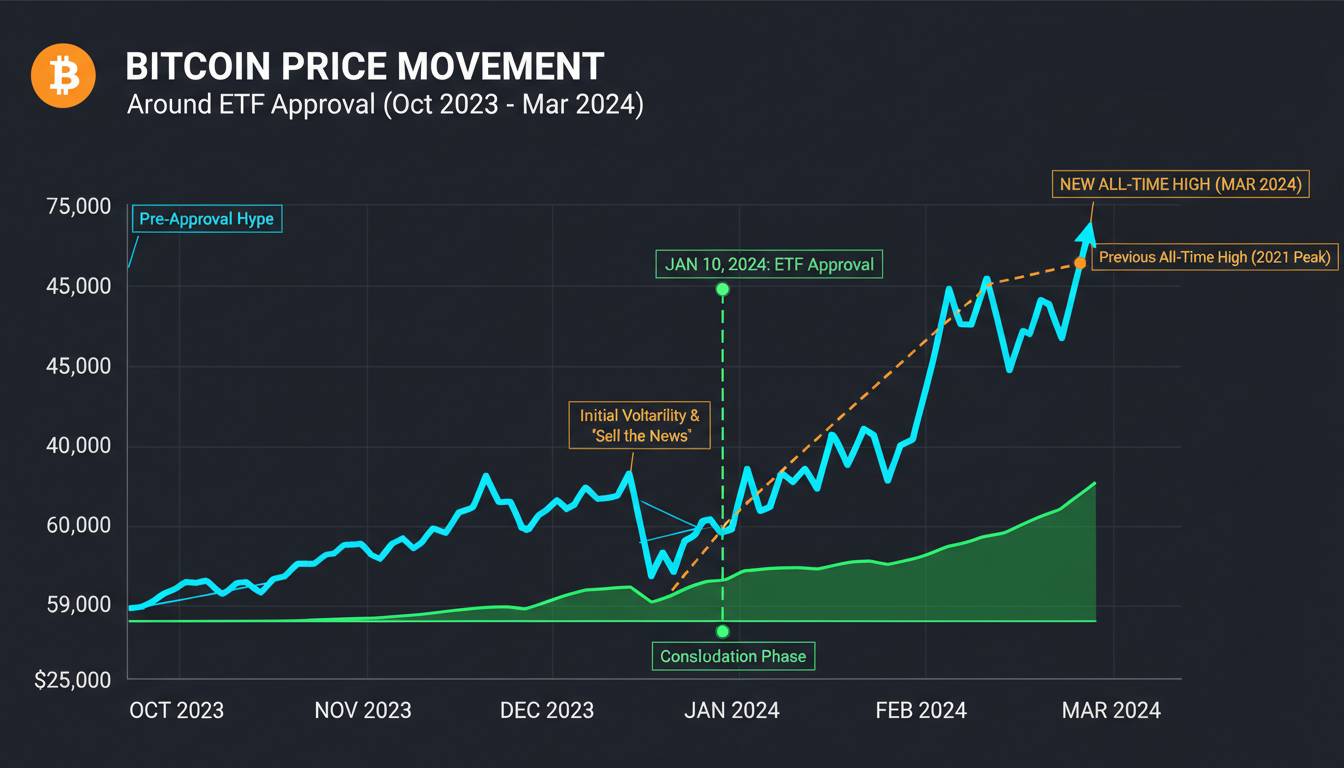
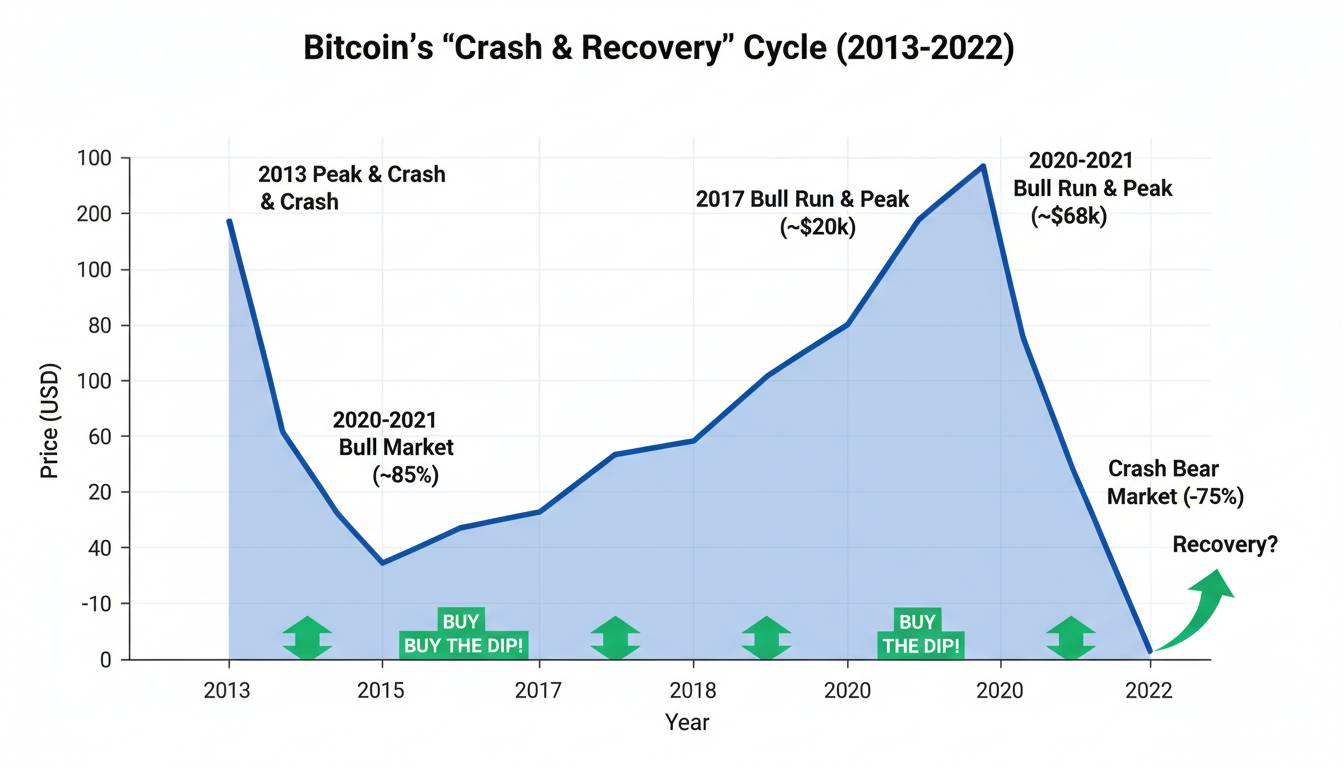
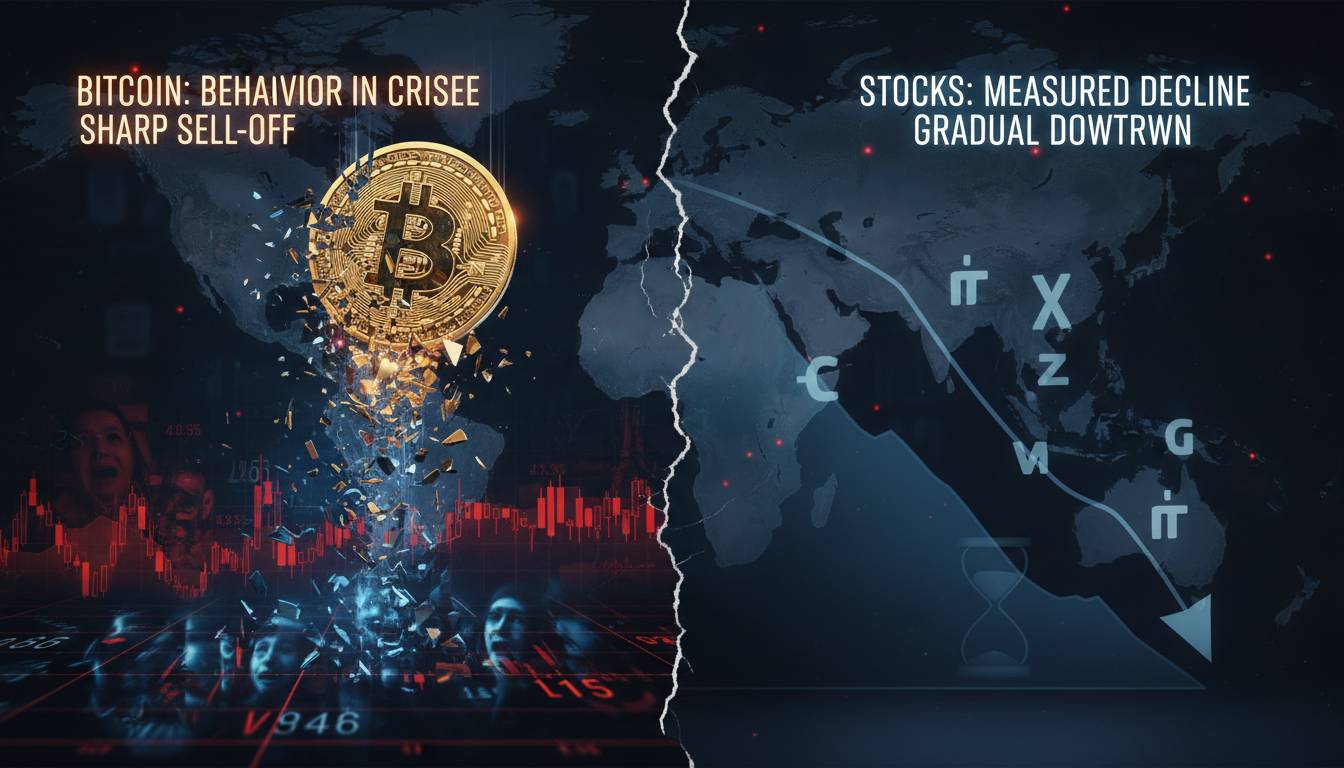
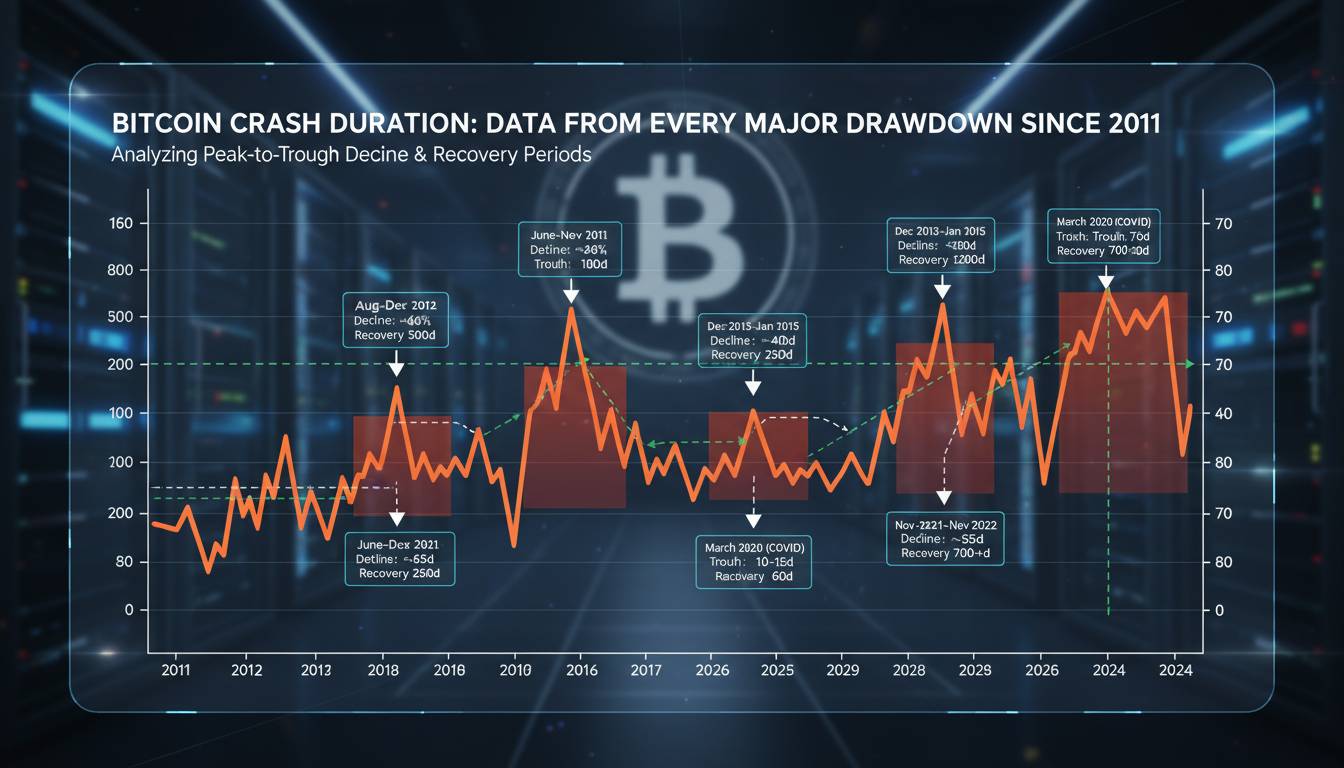
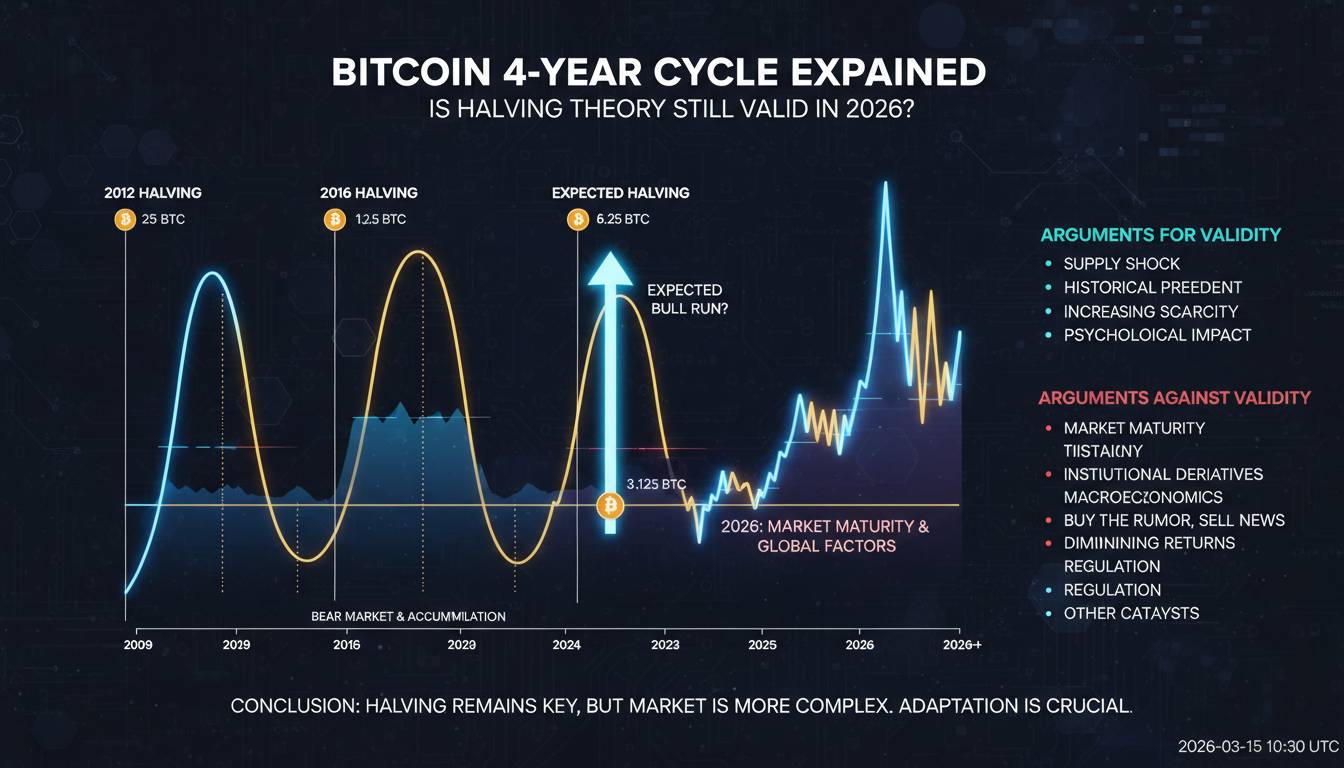
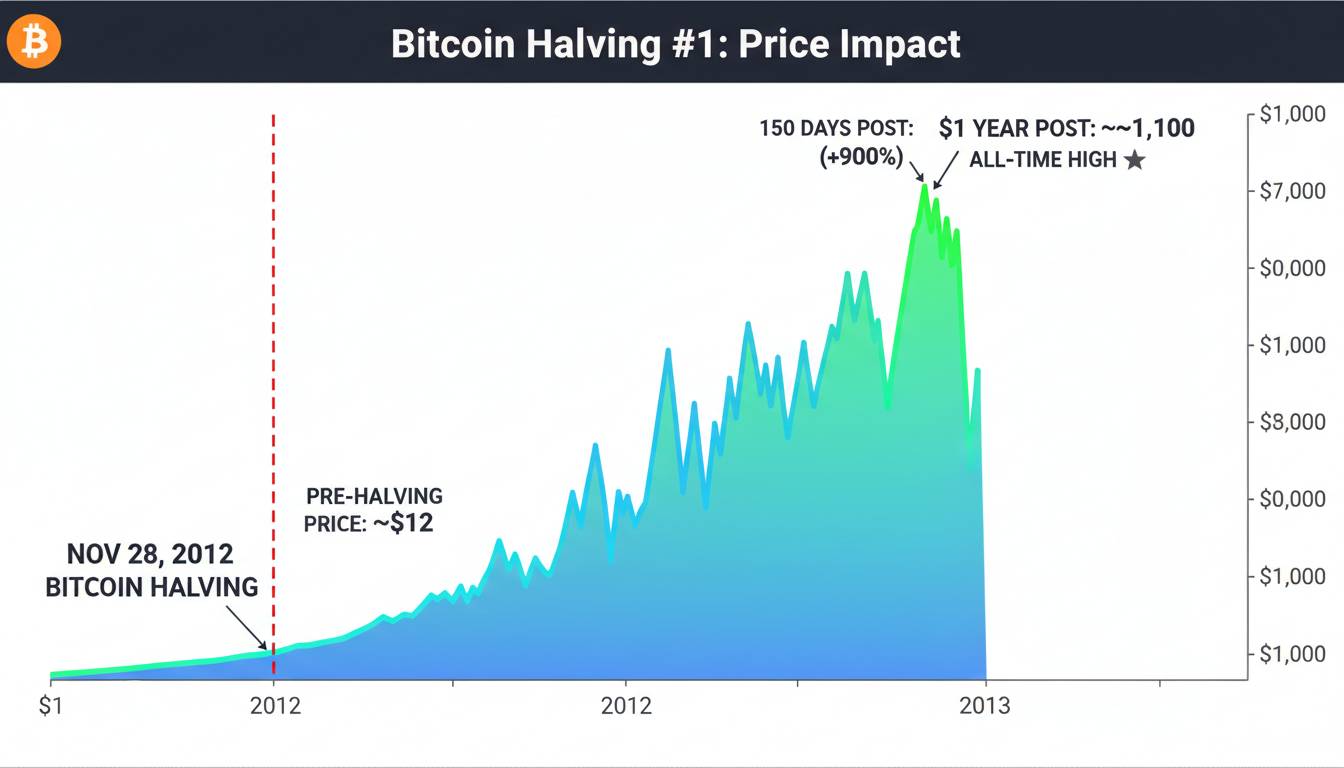
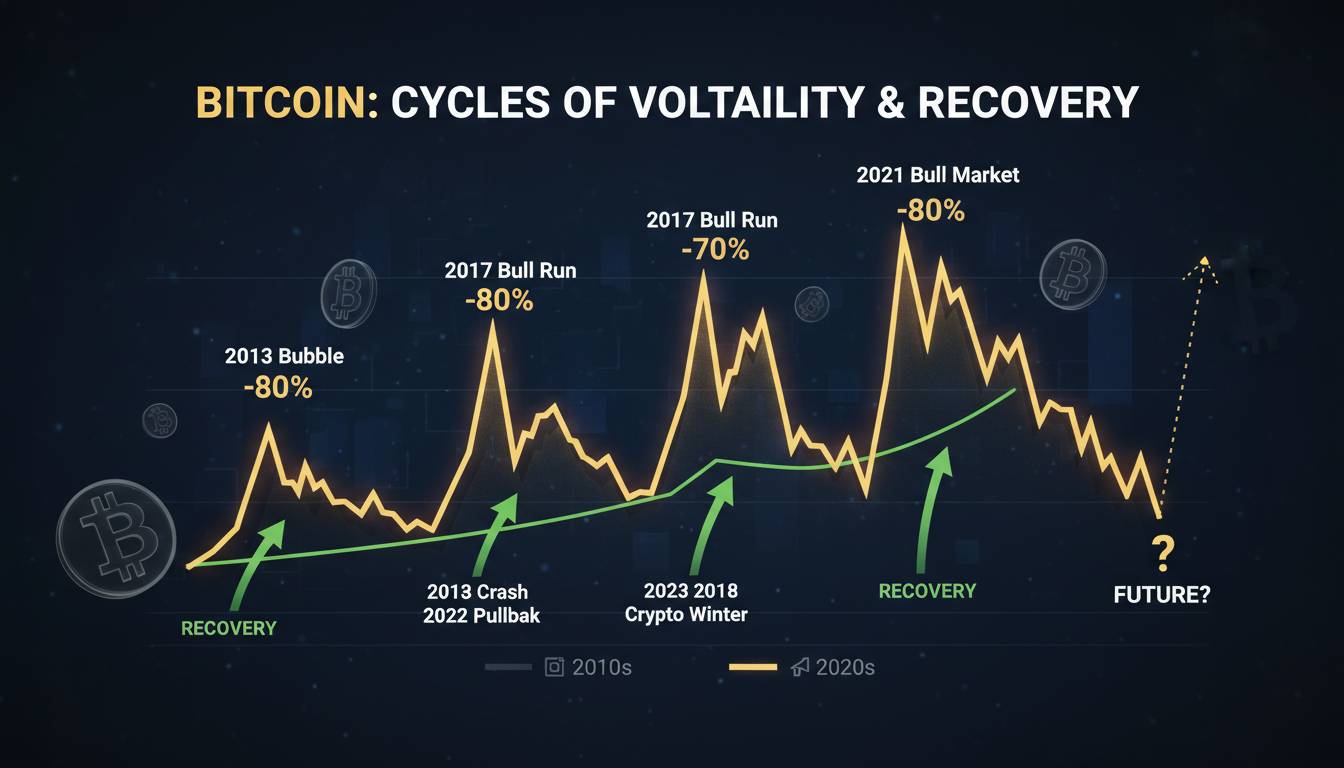
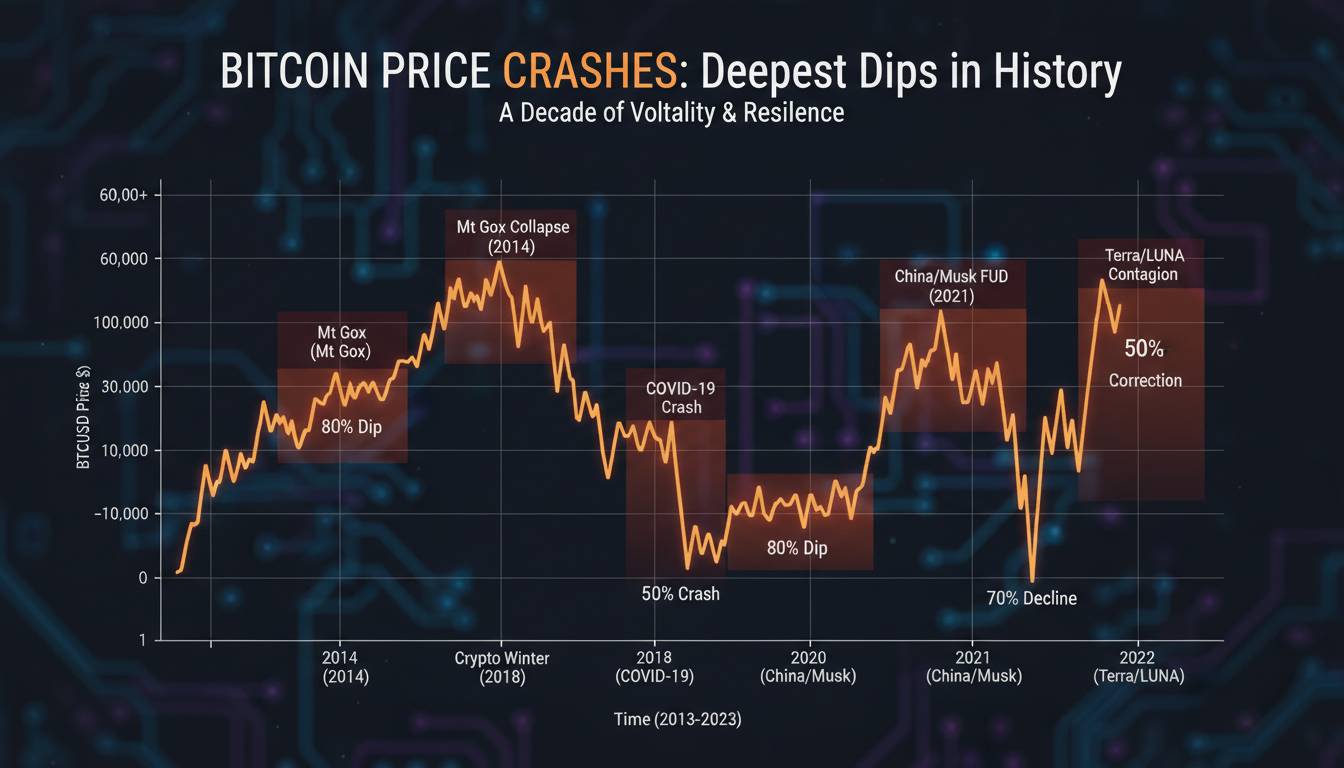
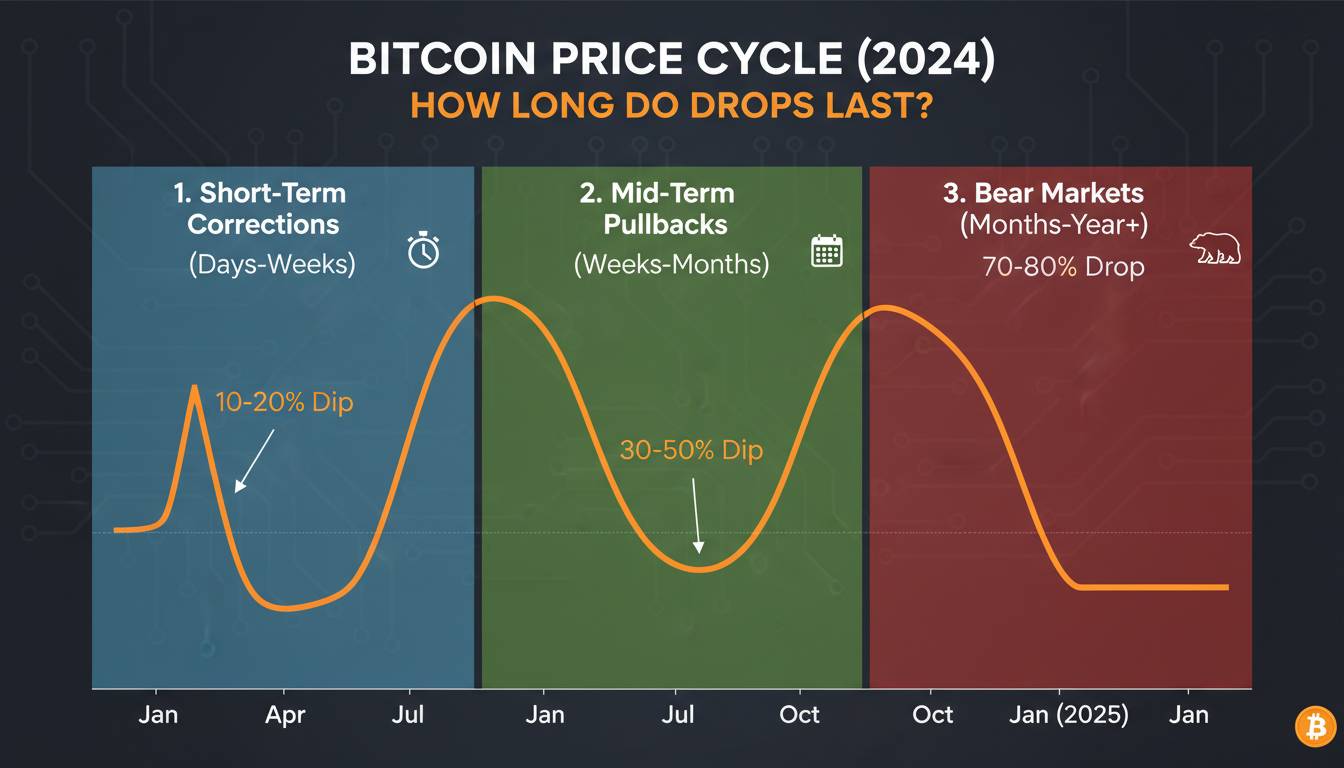
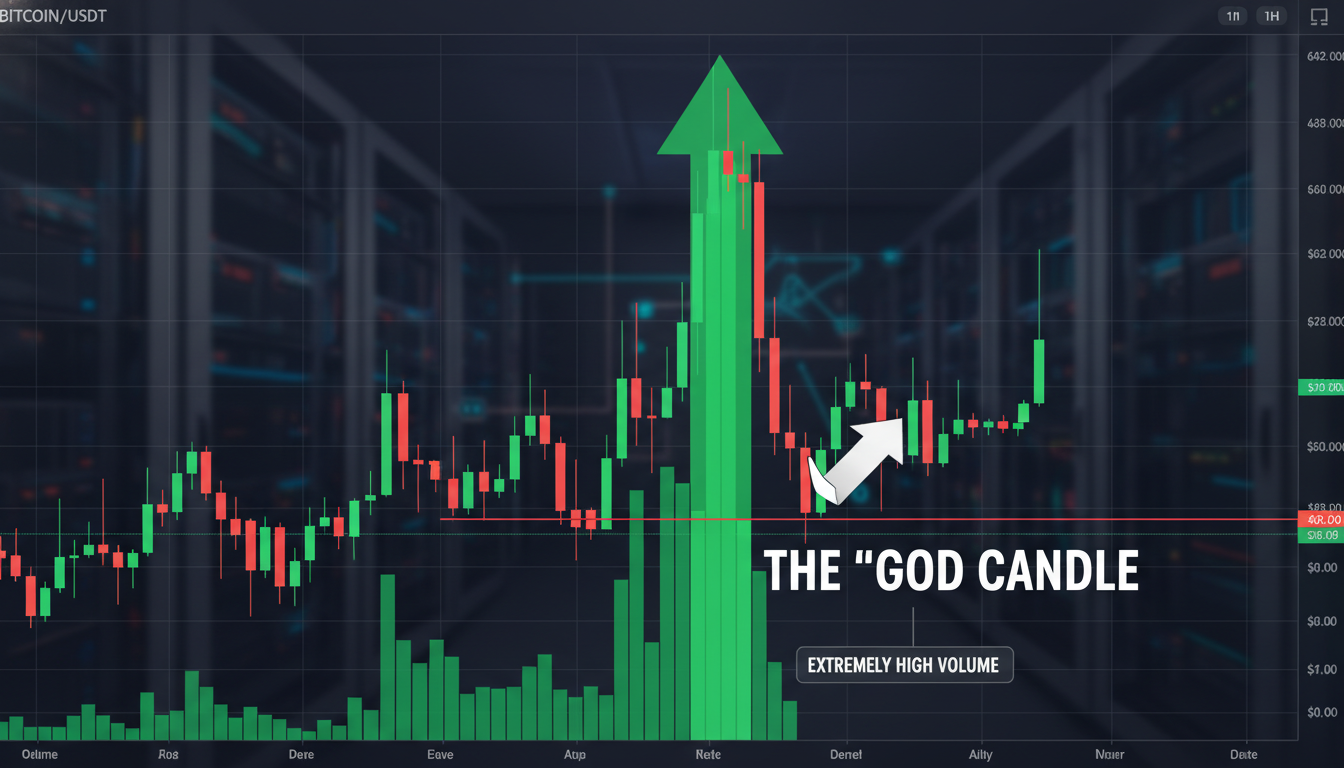
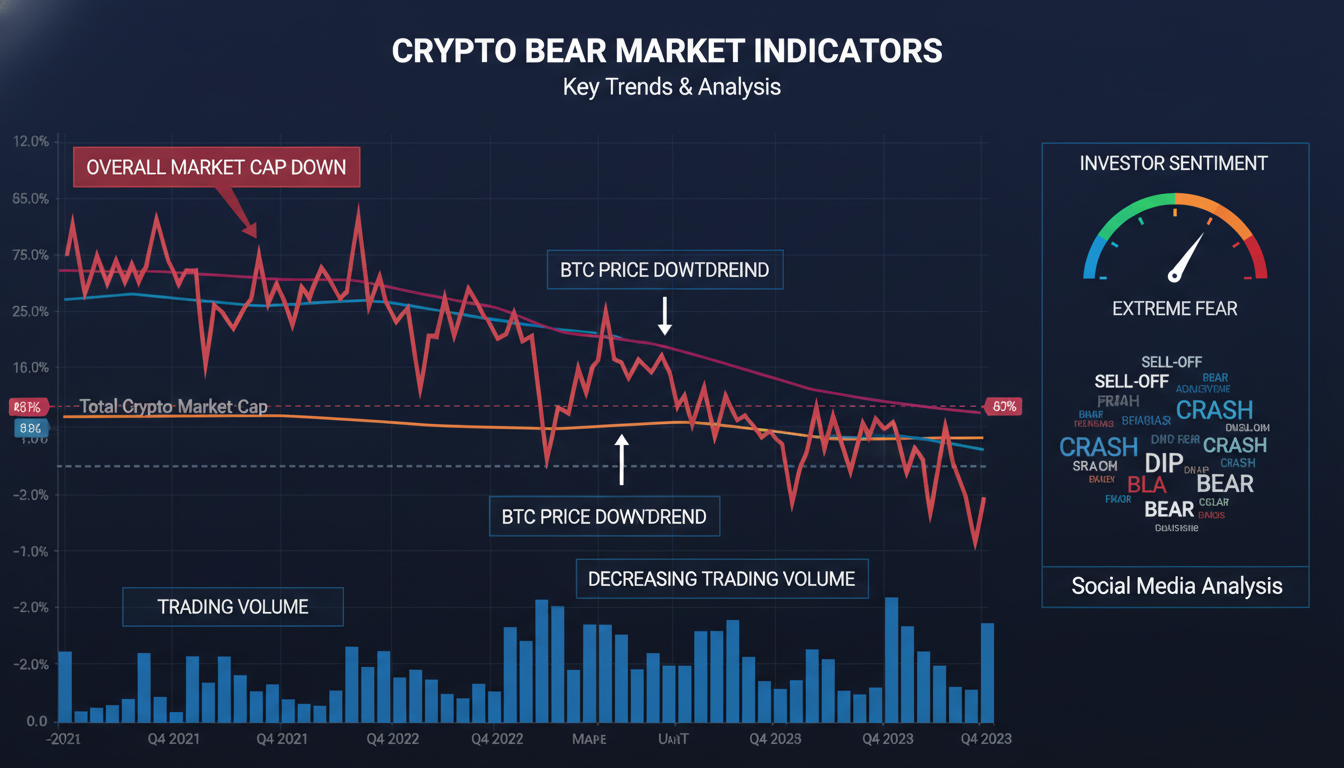
Bitcoin’s price has gone through multiple 80% crashes in its history. In 2014, it fell from $1,100 to under $200. In 2017-2018, it dropped from nearly $20,000 to around $3,200. In 2021-2022, it crashed from $69,000 to about $16,000. Every single time, conventional wisdom declared Bitcoin dead. Every single time, the recovery exceeded expectations.
The investors who benefited were not the ones who timed the bottom. They were the ones who had allocated an amount they could sleep comfortably holding through the chaos. That’s what position sizing actually does — it protects you from yourself.
When you allocate too much, a crash forces you to make emotional decisions. When you allocate too little, the position becomes psychologically irrelevant even if it performs well. Finding the right balance is what this framework helps you accomplish.
Framework One: Risk Tolerance-Based Allocation
This is the most commonly recommended approach, and for good reason. It aligns your Bitcoin holding with your actual capacity to handle volatility without making panicked decisions.
Conservative investors (low risk tolerance): 1-3% of investable assets. This allocation is small enough that even a complete wipeout of your Bitcoin position wouldn’t materially affect your financial security. At 2%, a total loss costs you less than a bad month in a diversified stock portfolio. You get meaningful exposure to Bitcoin’s potential upside without meaningful exposure to its downside causing lifestyle changes.
Moderate investors: 3-5% of investable assets. At this level, you’re treating Bitcoin as a meaningful alternative asset position. A 50% drawdown in Bitcoin would represent roughly 1.5-2.5% of your total portfolio — noticeable but not catastrophic. This range suits most individual investors who have stable income, adequate emergency funds, and a time horizon of five years or more.
Aggressive investors (high risk tolerance): 5-10% of investable assets. This allocation treats Bitcoin as a core position rather than a satellite holding. You’d need to have either a long time horizon (15+ years until retirement), high income that allows continued contributions during drawdowns, or other assets that provide stability. At 10%, you’re accepting that a Bitcoin crash could meaningfully impact your net worth, but you’re also positioned to benefit substantially if Bitcoin appreciates significantly.
Very aggressive investors: 10-20%. I only recommend this range for investors who have truly exceptional risk tolerance, already max out all tax-advantaged accounts, and have significant net worth outside their liquid portfolio. Even then, I’d argue most people should cap Bitcoin at 10-15%. Beyond that, you’re making a concentrated bet that contradicts the diversification principle that protects most investors.
The limitation of this framework is that risk tolerance is notoriously hard to self-assess. People believe they can handle volatility until they’re actually watching their account value plummet. I’d rather see someone start conservatively and increase allocation over time than overcommit and panic-sell.
Framework Two: Age and Time Horizon-Based Allocation
This approach borrows from the classic “age in bonds” rule but adapts it for Bitcoin’s unique characteristics. The basic formula: 110 minus your age equals the maximum percentage you should hold in high-risk assets including Bitcoin.
A 30-year-old using this formula would allocate up to 80% to high-risk assets. But I’d strongly advise against putting anywhere near 80% into volatile crypto assets. Instead, apply this formula with Bitcoin as a subset of your high-risk allocation.
A practical version: take your standard age-based allocation, then reserve 10-25% of that high-risk portion for Bitcoin specifically. So a 30-year-old with 80% high-risk allocation might put 8-20% of their total portfolio into Bitcoin (10-25% of 80%). A 50-year-old with 60% high-risk allocation would look at 6-15% in Bitcoin.
The advantage of this framework is that it naturally decreases your Bitcoin exposure as you approach retirement, when having stable, liquid assets becomes more important. The disadvantage is that it doesn’t account for income stability, existing assets, or personal circumstances that might make someone more or less able to handle volatility regardless of age.
I should note that some financial advisors now use “100 minus age” or “120 minus age” given increasing lifespans and the need for growth in retirement portfolios. The exact formula matters less than the principle — as you get closer to needing the money, you should reduce exposure to assets that might crash when you need to sell.
Framework Three: Income Stability and Liquidity Considerations
Your allocation should depend heavily on how stable and predictable your income is. This is a factor most generic allocation guides ignore, but it dramatically affects your ability to hold through volatility.
High stable income (government employee, tenured professor, established physician): You can reasonably tolerate higher Bitcoin allocations because your ongoing earnings provide security regardless of portfolio performance. If you lose your job during a crypto crash, your unemployment benefits or professional income will sustain you. I’d consider 5-10% appropriate for someone in this position with otherwise adequate savings.
Variable or commission-based income (real estate agent, sales professional, entrepreneur): Your income itself is volatile, which means your portfolio should be more conservative to provide stability when earnings dip. A 3-5% Bitcoin allocation makes sense here. The last thing you want is to need to sell Bitcoin during a downturn because your commissions dried up.
Retirees or those living off investments: Your portfolio is your income. At this stage, I’d generally recommend keeping Bitcoin below 5% and often below 3%. During extended bear markets, you may need to sell holdings to fund living expenses. Selling a volatile asset at a loss to pay bills is a worst-case scenario that good position sizing prevents.
Emergency fund size correlates directly with appropriate Bitcoin allocation. If you have six months of expenses in stable, liquid savings, you can take more risk with your investment portfolio. If your emergency fund is thin, keep Bitcoin conservative. Nothing justifies having Bitcoin as your only liquidity during a crisis.
The Emergency Fund Rule Most Advisors Get Wrong
Here’s where I break with conventional wisdom: I don’t think your emergency fund should be entirely in cash or cash equivalents if you hold Bitcoin. That approach is too conservative and misses an opportunity.
Instead, structure your liquidity in tiers:
Tier one (immediate access): Three months of expenses in a high-yield savings account or money market fund. This is your “the roof just collapsed” money.
Tier two (slightly less liquid): One to two years of expenses in short-term Treasury bills, CD ladders, or stable bond funds. This covers job loss extended beyond six months, major medical expenses, or other significant disruptions.
Tier three (portfolio investments): Your Bitcoin and other assets. These are for goals five years or more in the future.
This three-tier approach lets you hold more in Bitcoin than you would if you kept all your liquidity in cash, because your emergency needs are already covered. The math is simple: if you need $30,000 annually in expenses and have $60,000 in tier one plus $60,000 in tier two, you have two years of liquidity before you’d ever need to touch your investment portfolio. That safety net justifies a 10% Bitcoin allocation that would be reckless for someone with only one month of savings.
Framework Four: Goal-Based Allocation
Rather than thinking about Bitcoin as a percentage of your total portfolio, consider what specific goal you’re trying to achieve with it. Different goals warrant different allocations.
Wealth preservation with modest growth: 1-3%. You’re using Bitcoin as a small hedge against currency debasement and institutional capture. This isn’t a growth play — it’s insurance.
Meaningful diversification: 3-5%. You want Bitcoin to move independently of your stock and bond holdings, providing genuine portfolio diversification without dominating returns.
Asymmetric bet: 5-10%. You believe Bitcoin’s upside potential significantly exceeds its downside risk over your time horizon. You’re willing to lose the entire allocation for a chance at life-changing gains.
Core holding: 10%+. You’re making a genuine conviction bet that Bitcoin becomes a primary store of value or medium of exchange. This requires the strongest conviction and highest risk tolerance.
The goal-based approach is particularly useful because it makes the decision emotional rather than purely analytical. “I’m making a 5% asymmetric bet” is easier to stick with during volatility than “I’m following the moderate allocation framework.” You can remind yourself: this is a bet, I understand the odds, I’m comfortable with the downside.
How to Calculate Your Actual Number
Let’s walk through a practical example. Say you’re 38 years old, earn $120,000 annually as a software engineer with stable employment, have $200,000 in investable assets outside of retirement accounts, three months of expenses in emergency savings, and you’re deciding how much Bitcoin to buy.
Using the risk tolerance framework, you’d fall in the moderate category: 3-5%. Using age-based, you’d look at about 7-18% of your high-risk allocation, so roughly 5-12% of total. Your income stability suggests you can handle 5-10%. Your emergency fund tiering suggests 5-10% is reasonable.
The convergence points to a range of 5-7% as reasonable for your situation — call it $10,000-$14,000 on a $200,000 portfolio. You could start with 3% ($6,000) and add over time, or go directly to your target. Either approach works.
Now consider a different profile: a 55-year-old small business owner with variable income, $500,000 in investable assets, and one month of emergency savings. Their convergence point looks very different — likely 1-3% maximum. They have less ability to absorb a crash and less time to recover if Bitcoin enters an extended bear market.
Common Mistakes That Destroy Returns
I’ve watched investors make the same allocation errors repeatedly. Learning to avoid these will serve you better than any framework.
Starting too large is the most common. Someone reads about Bitcoin’s returns, gets excited, and puts in 15-20% of their portfolio. When it drops 50%, they panic and sell at the bottom. Starting small — even uncomfortably small — lets you build conviction through experience before adding more.
Ignoring rebalancing is the second major mistake. If Bitcoin doubles and your portfolio shifts from 5% to 10% Bitcoin, you need to either rebalance back to 5% or consciously decide your thesis has changed and you now want more exposure. Letting winners run indefinitely without decision creates unintended risk concentration.
Adding at peaks happens when FOMO drives allocation decisions. You read about a friend’s gains, feel left behind, and pile in at exactly the wrong time. Dollar-cost averaging in — even if you have a lump sum — smooths this timing risk significantly.
Underestimating the drawdown is a psychological failure. Every Bitcoin investor believes they can handle an 80% crash until they experience one. The allocation that lets you sleep at night during a 50% decline is probably the right one, even if it feels too conservative when markets are calm.
What Nobody Tells You About Bitcoin Allocation
Here’s my honest admission: I cannot tell you the optimal Bitcoin allocation because no one knows. The people giving you specific percentages — including me — are applying reasonable logic to inherently uncertain premises.
Bitcoin might become digital gold with a $10 trillion market cap. It might become a global payment system with utility beyond speculation. It might also go to zero if regulation shuts it down, if a superior cryptocurrency displaces it, or if technological failure occurs.
What I can tell you is this: the right allocation is one you can maintain through complete market cycles. If you can’t hold through an 80% drawdown without selling, you’ve allocated too much. If you genuinely forget you own Bitcoin, you’ve probably allocated too little to matter.
Most people fall in the 3-10% range and do fine long-term. The exact number within that range matters less than your ability to stick with it.
FAQ: Your Bitcoin Allocation Questions Answered
Is 1% too little Bitcoin? For most people, yes. At 1%, even a 10x return on Bitcoin (which would be transformative) only moves your portfolio 9%. You’re taking on all the research and monitoring risk for almost no upside. I’d rather see someone start at 3-5% or not participate at all.
Should I invest more if I’m younger? Generally, yes, but not because of your age alone. Younger investors should invest more because they have more time to recover from crashes, not simply because they’re young. If you’re 25 with no income, no emergency fund, and high debt, you’re not in a position to take risk regardless of your age.
Does Bitcoin belong in retirement accounts? This is debated. Putting it in a Roth IRA means any gains are tax-free — advantageous given Bitcoin’s volatility and potential growth. Putting it in a traditional IRA or 401(k) defers taxes but subjects you to required minimum distributions that force sales during potentially inconvenient times. Most advisors recommend Roth for maximum growth assets, but consult a tax professional for your specific situation.
Conclusion: The Only Allocation That Works
The perfect Bitcoin allocation is the one you can actually hold. Every framework in this article converges on a similar range for most people — somewhere between 3% and 10% of your investable assets. The specifics depend on your income stability, age, emergency fund size, and risk tolerance.
Start where you are. If you’re uncertain, start with 3% — enough to pay attention, not enough to panic. Add over time as your conviction builds through experience.
What I won’t do is pretend certainty where none exists. Bitcoin’s future remains genuinely uncertain. The frameworks here are tools for making a reasoned decision given that uncertainty, not guarantees of outcomes. Use them as starting points for your own thinking, adjust based on your actual circumstances, and revisit your allocation annually as your life changes.
The investors who do best with Bitcoin are the ones who treated it as one component of a broader strategy rather than a silver bullet. That’s not an exciting answer, but it’s the one that tends to produce results.