The crypto market in 2024 tells a confusing story. Bitcoin dominance sits around 50-55%, Ethereum has stabilized after its merge, and thousands of altcoins fight for attention across dozens of chains. If you’re asking this question — Bitcoin or altcoins first? — you’re already ahead of most people who just want to get rich quick without understanding what they’re buying.
Here’s what I tell friends who ask me about getting into crypto: the answer isn’t one-size-fits-all, but there is a framework that works for most people starting out. I’ve watched people lose serious money chasing the next 100x altcoin, and I’ve watched others build genuine wealth by understanding what they’re actually purchasing. The difference isn’t luck. It’s knowing the differences between Bitcoin and everything else, then matching that knowledge to your own risk tolerance and investment goals.
This guide gives you exactly that framework. I’ll break down what makes Bitcoin different, where altcoins have legitimate use cases (and where they don’t), how to think about risk honestly, and a portfolio allocation approach you can actually use.
Understanding Why Bitcoin Comes First for Most Investors
Bitcoin wasn’t first to market with cryptocurrency — that distinction belongs to Bitcoin’s predecessors like Hashcash and b-money. But Bitcoin solved something those earlier attempts couldn’t: the double-spend problem in a decentralized system. That innovation, combined with its 15-year track record of uninterrupted operation, is why serious investors treat it differently from everything else in the space.
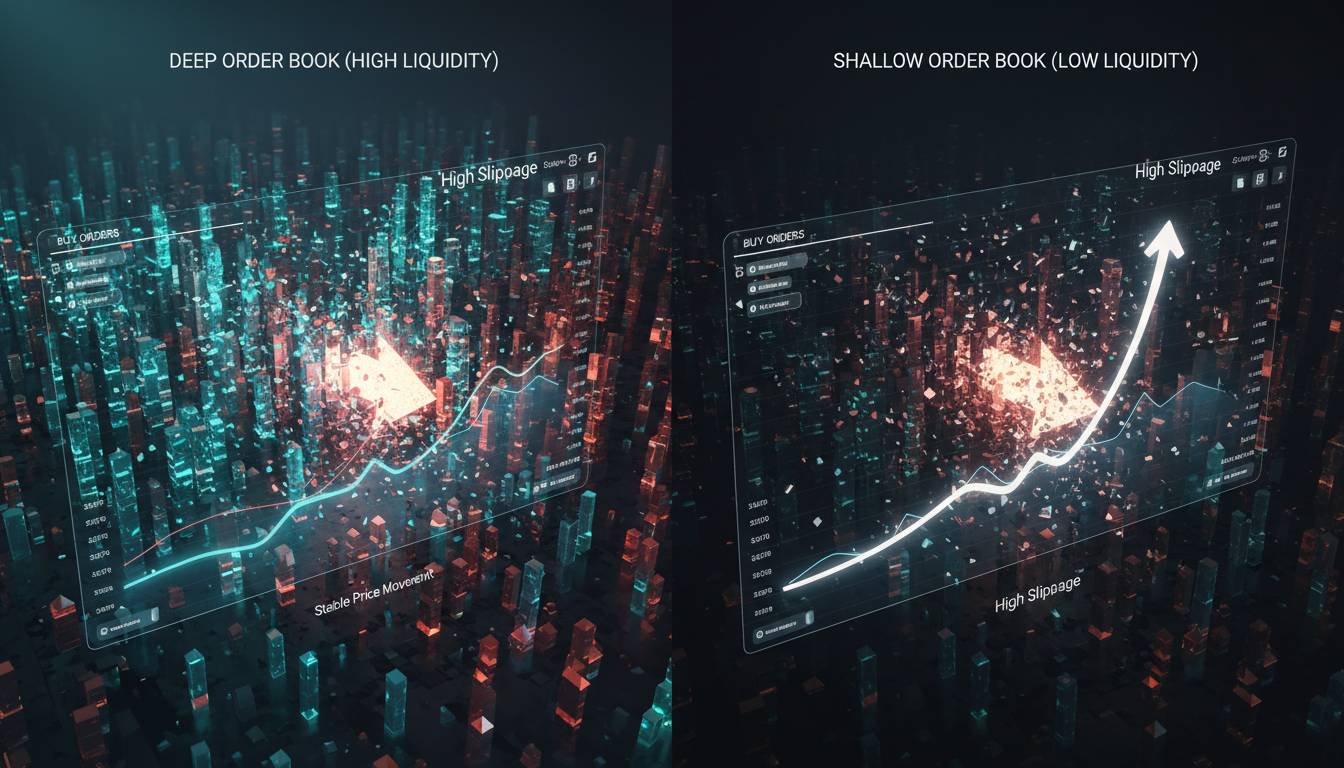
When I say Bitcoin is different, I’m not making a philosophical argument about digital gold. The practical reality is measurable. Bitcoin has the deepest liquidity of any cryptocurrency, meaning you can buy or sell large amounts without moving the price dramatically. It has the largest user base, the most exchange listings, and the most regulatory clarity. If you hold Bitcoin and need to exit your position, you can do so in minutes on virtually any exchange worldwide. Try that with a mid-cap altcoin and you might wait days or weeks to find a buyer at a reasonable price.
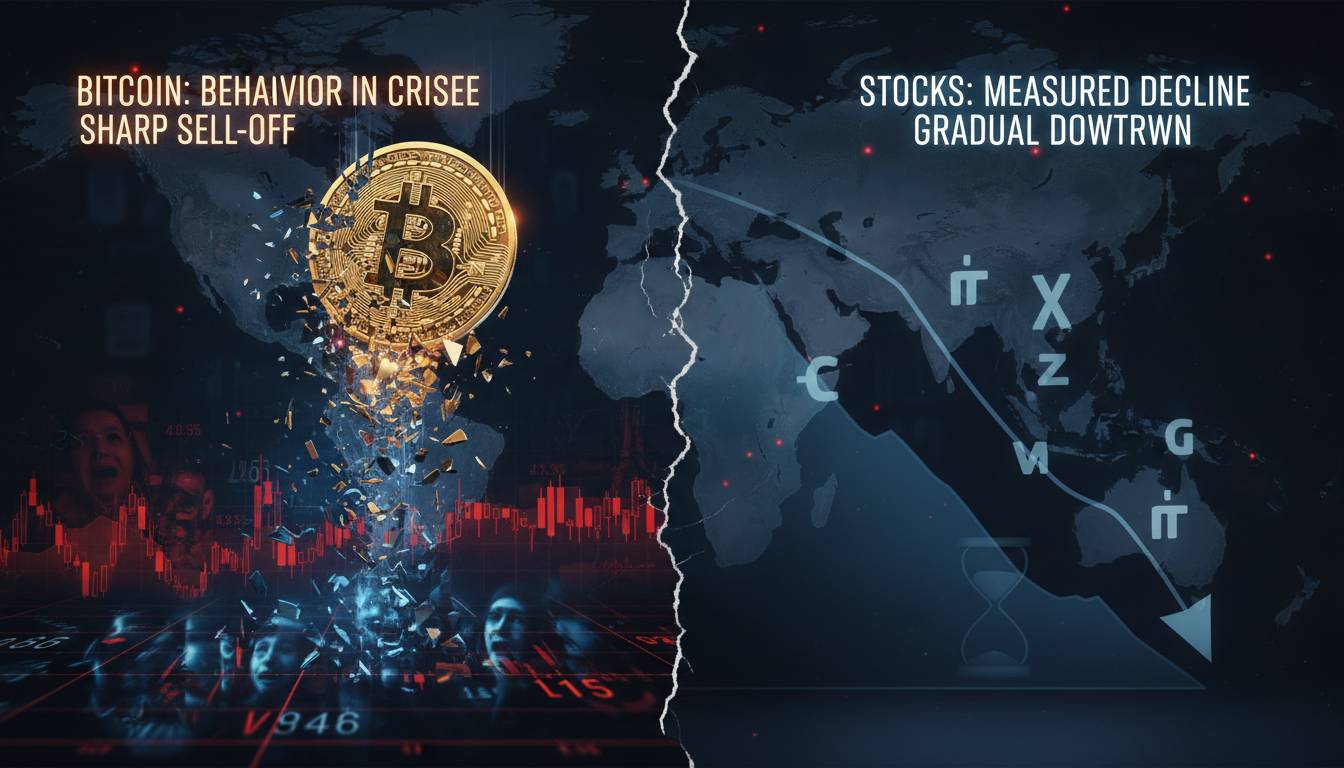
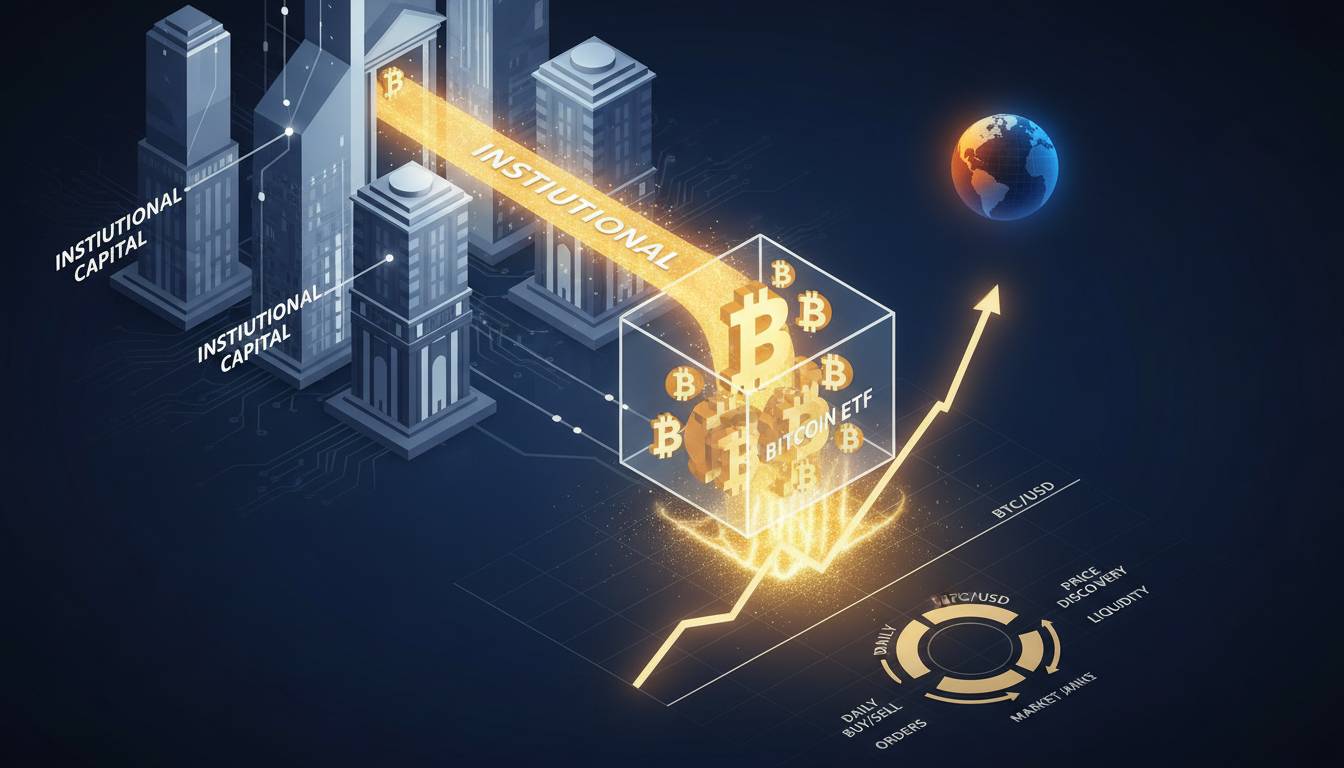
The store of value narrative has legs because it’s self-reinforcing. Institutions that hold Bitcoin — and there are now hundreds of them, from publicly traded companies to sovereign wealth funds — treat it as a macro hedge rather than a growth play. This creates price stability at the institutional level that altcoins simply don’t have. When Bitcoin drops 10% in a day, altcoins frequently drop 20-40%. That’s not opportunity for most people. That’s risk that wipes out beginners.
For your first crypto purchase, Bitcoin’s advantages are straightforward: it’s the easiest to explain to yourself when markets get chaotic, it’s the hardest to get wrong on a fundamental level, and it has the longest track record of surviving regulatory scrutiny, market crashes, and technological disruptions.
Where Altcoins Actually Make Sense (And Where They Don’t)
Here’s where I’ll deviate from the standard advice: I’m not going to tell you to never buy altcoins. That’s dogmatic and ignores legitimate use cases. But I am going to tell you to be extremely honest about why you’re buying them.
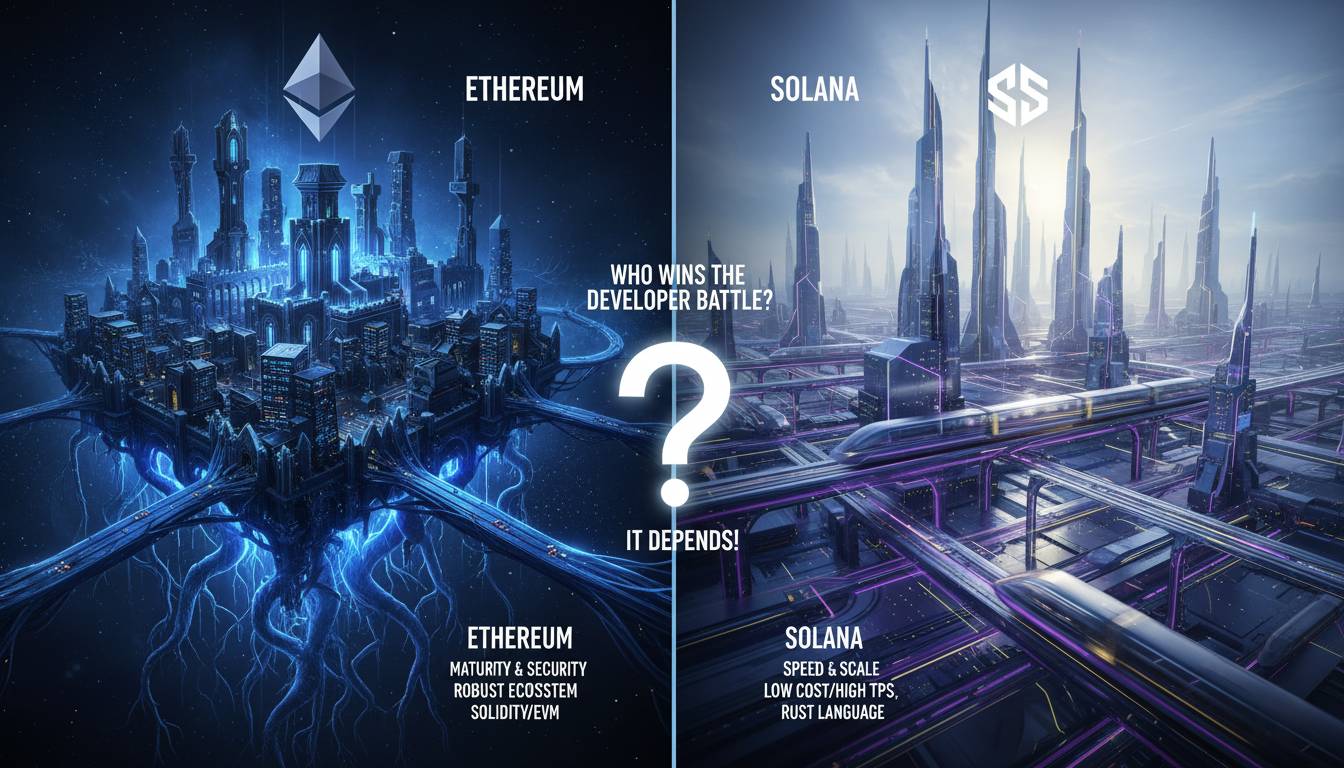
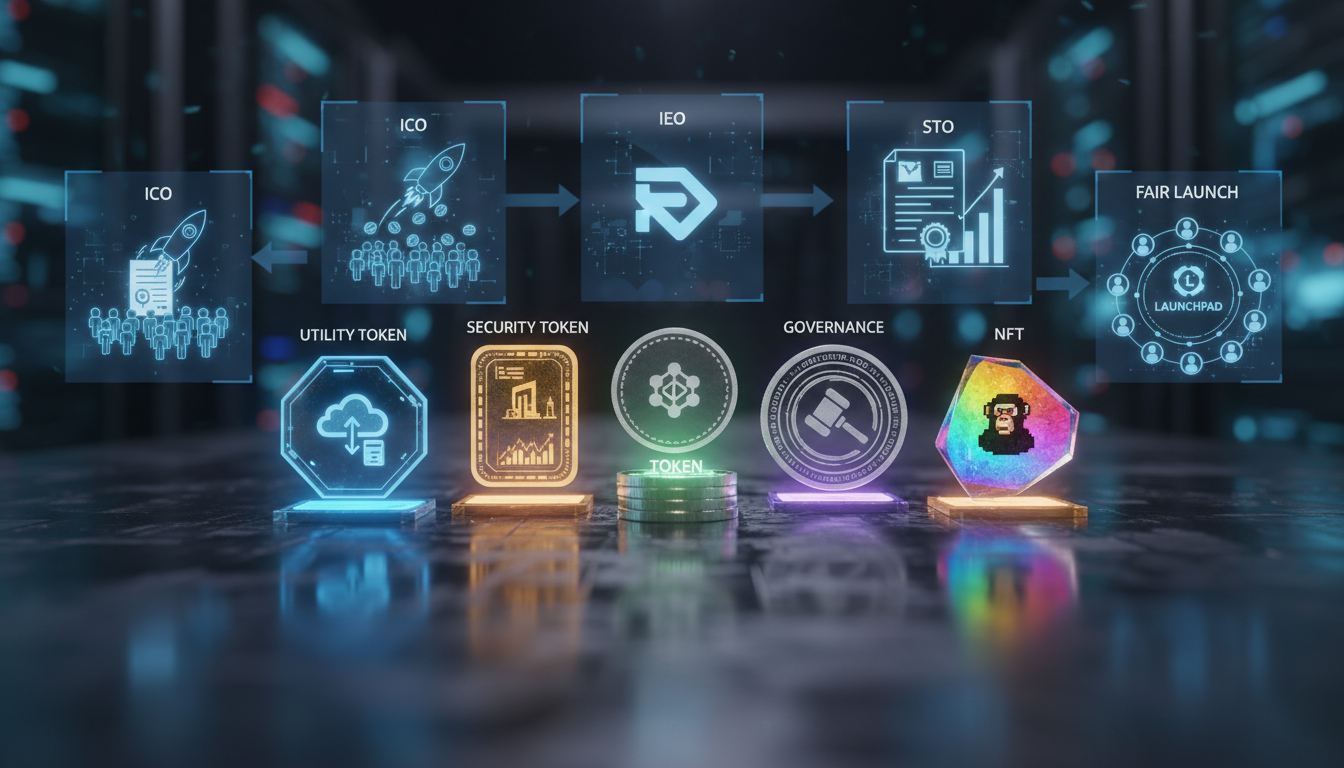
Altcoins break down into a few real categories. There are Layer 1 blockchains trying to solve genuine technical problems — Ethereum, Solana, Avalanche, Polygon — each with different tradeoffs around speed, cost, and decentralization. Then there are utility tokens that grant access to specific platforms or services. Governance tokens that give you voting rights. Stablecoins designed to maintain a peg to the dollar. And yes, speculative assets that exist primarily for trading.
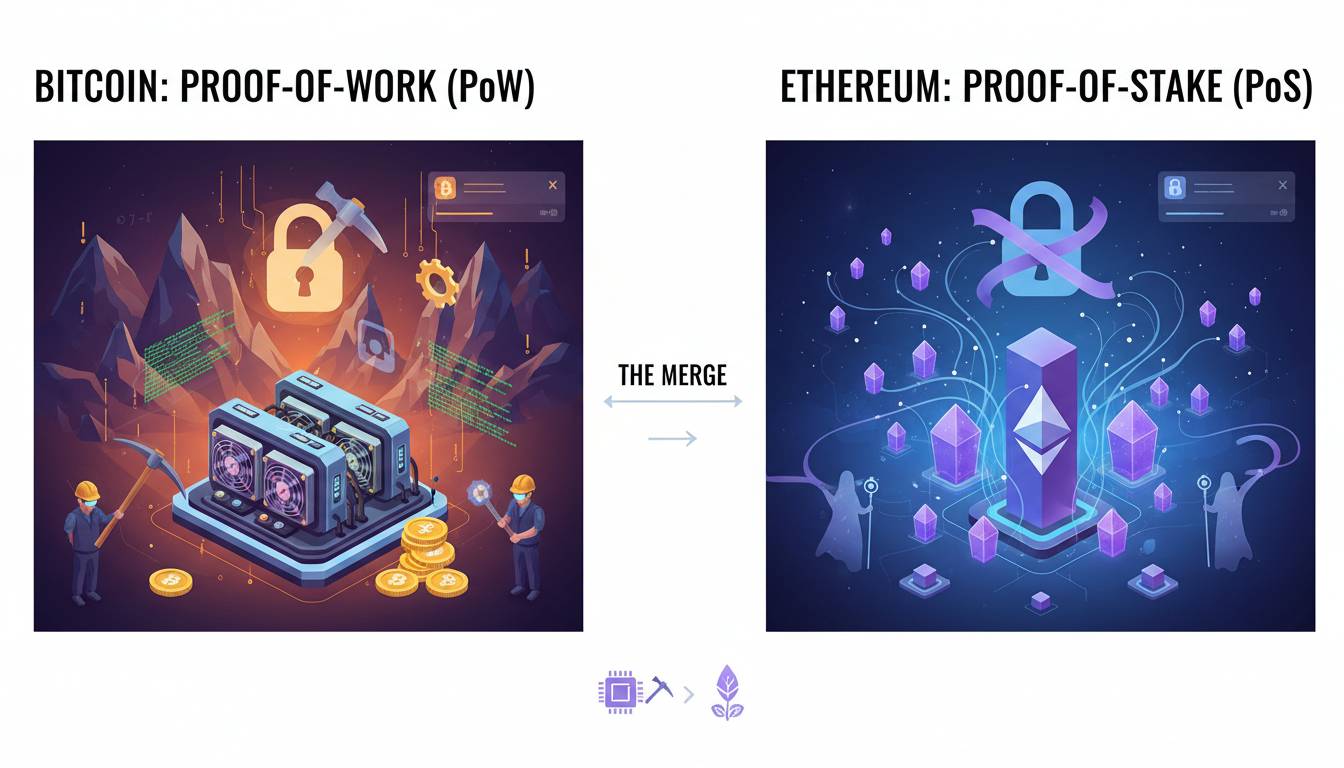
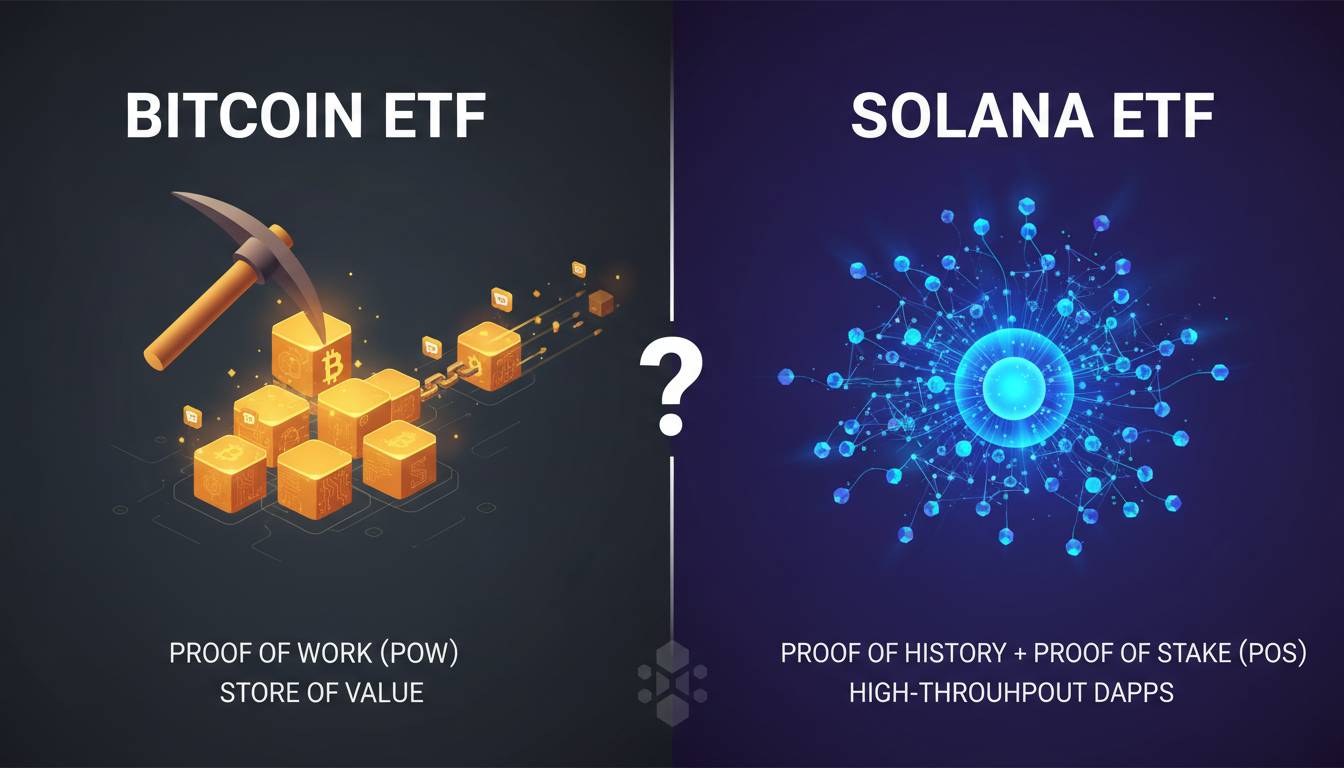
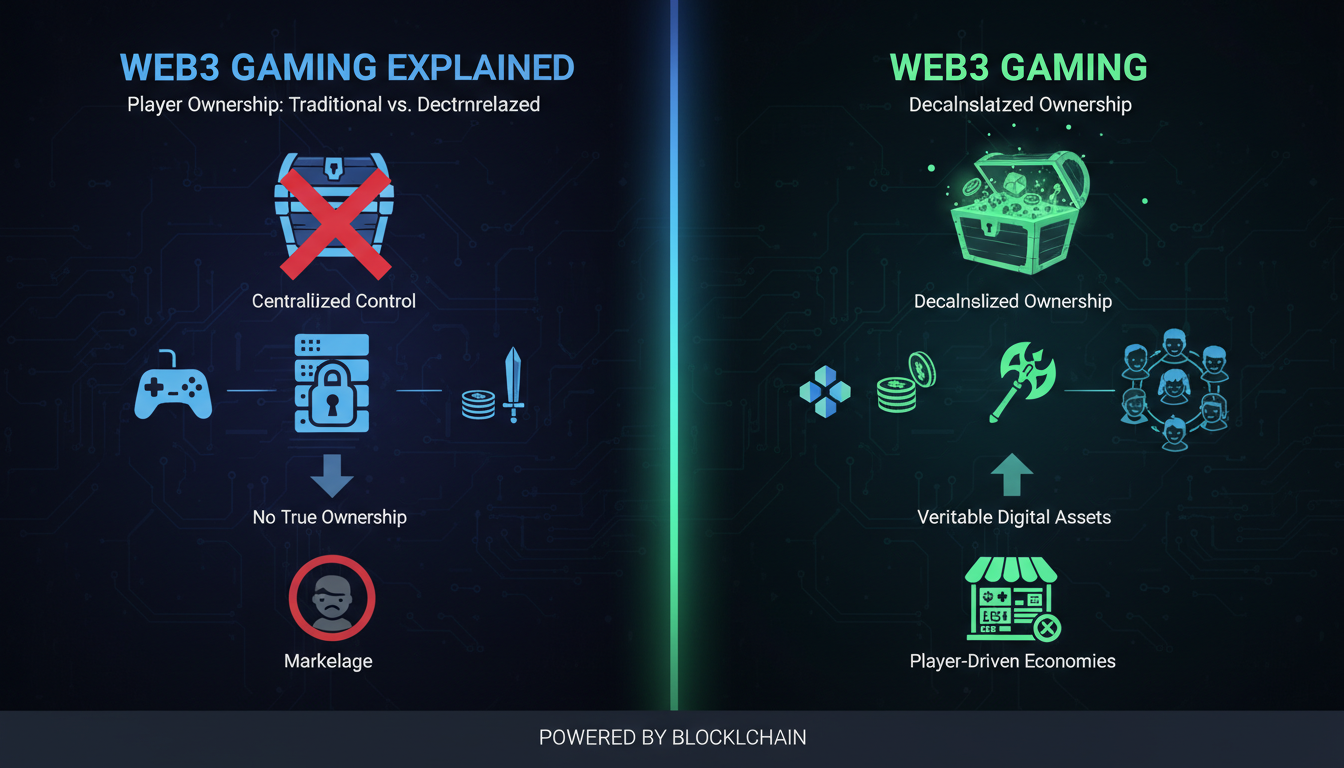
The altcoin argument rests on one legitimate claim: Bitcoin’s design prioritizes security and decentralization over transaction speed and programmability. If you believe blockchain technology will reshape finance, healthcare, gaming, or social media, then assets built on more flexible platforms could capture that value. Ethereum’s smart contracts enabled DeFi and NFTs. Solana’s speed enabled high-frequency trading applications that Bitcoin literally cannot support.
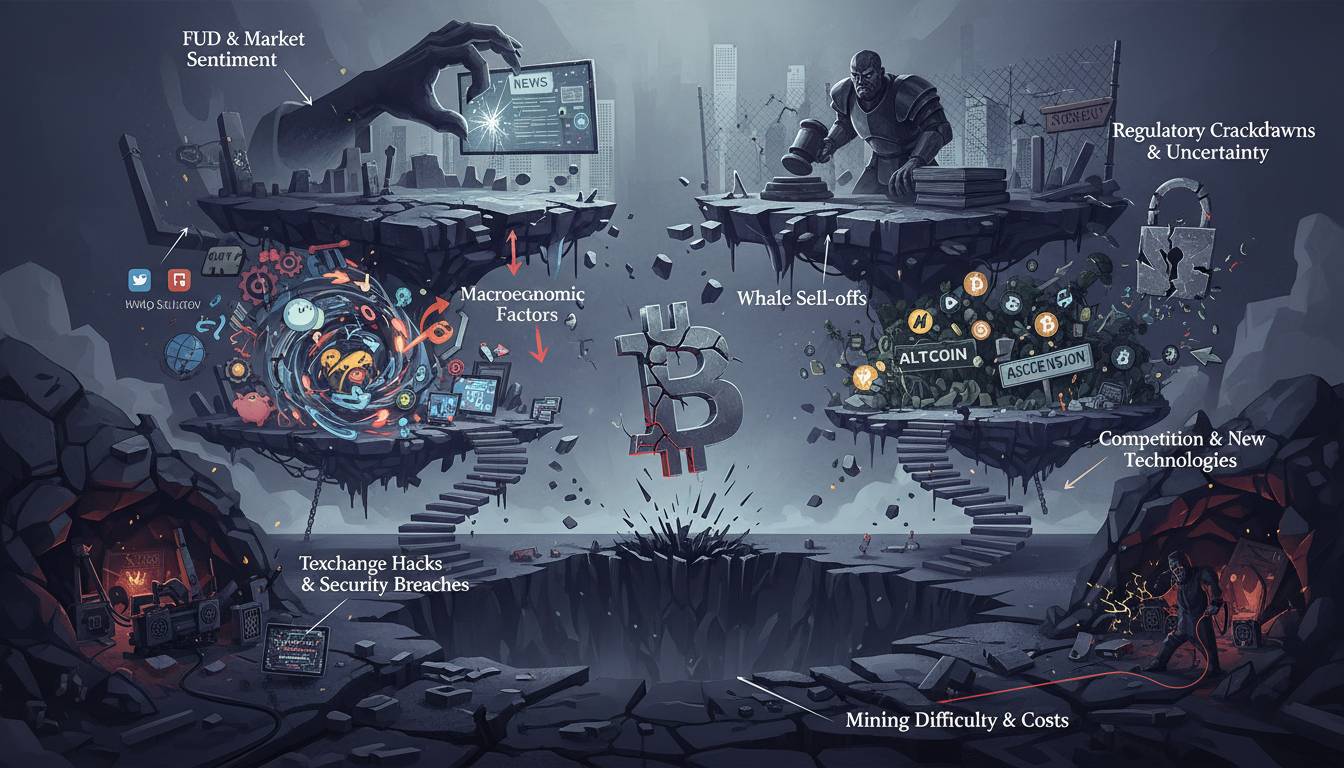
But here’s the uncomfortable truth most articles won’t tell you: the majority of altcoins will fail. Not just drop in price — disappear entirely. The coin gets abandoned, the team moves on, liquidity dries up, and you’re left with a token that’s worth nothing on an exchange that no longer lists it. We’re talking about 90%+ of altcoins that launched in the last five years. The ones that survive are the exceptions, not the rule.
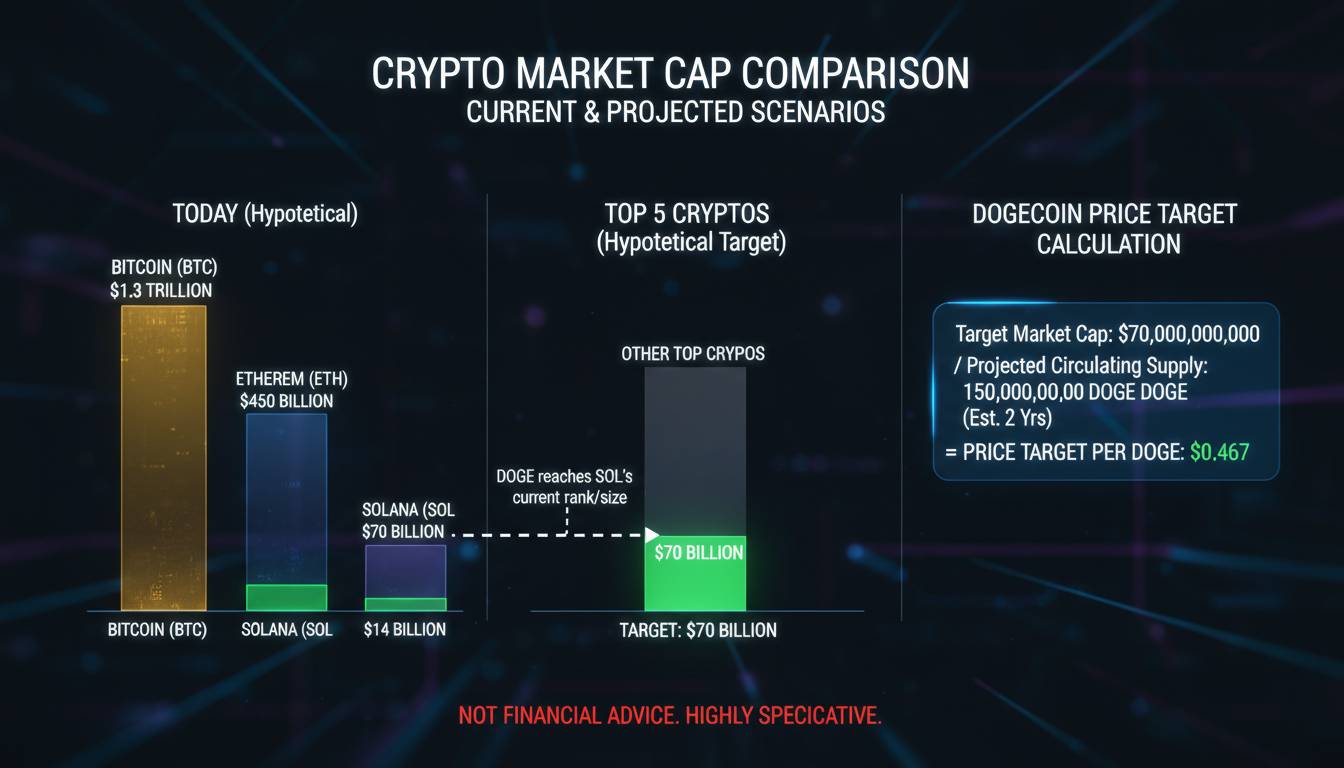
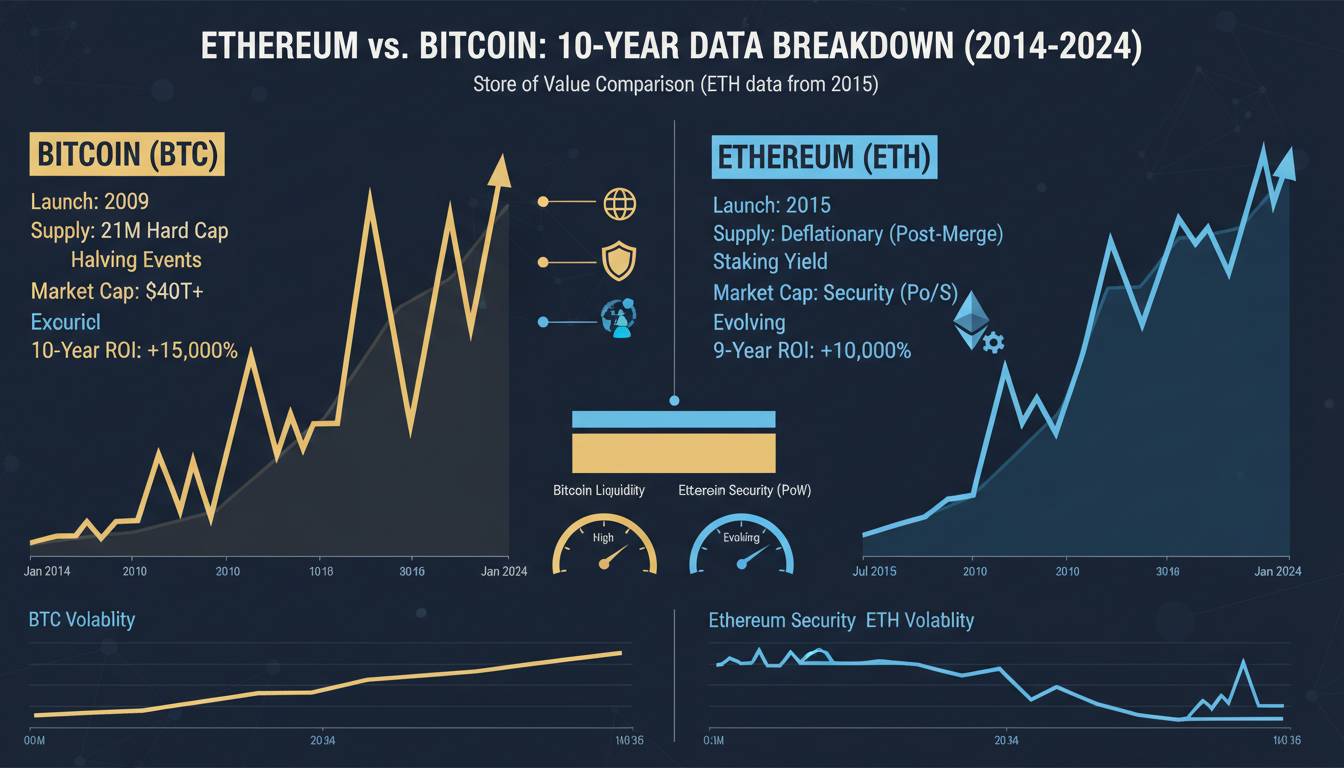
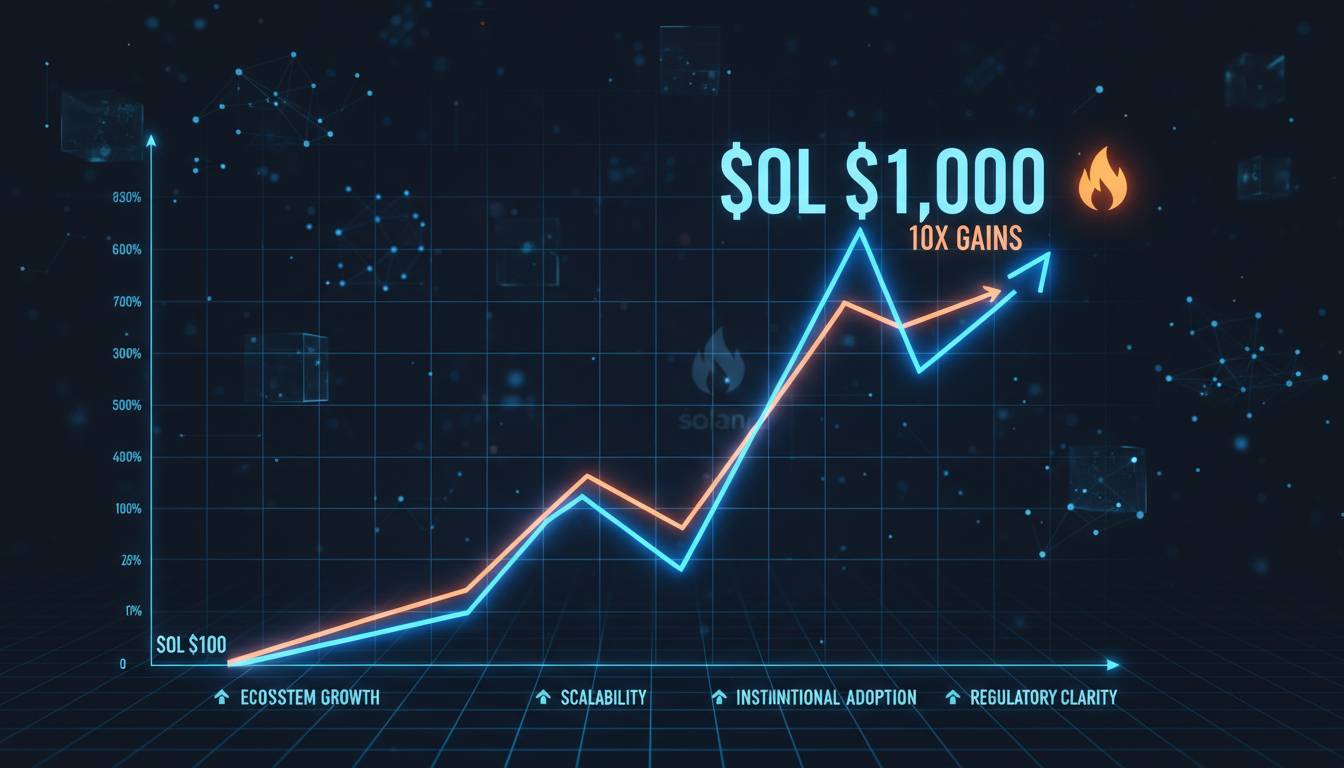
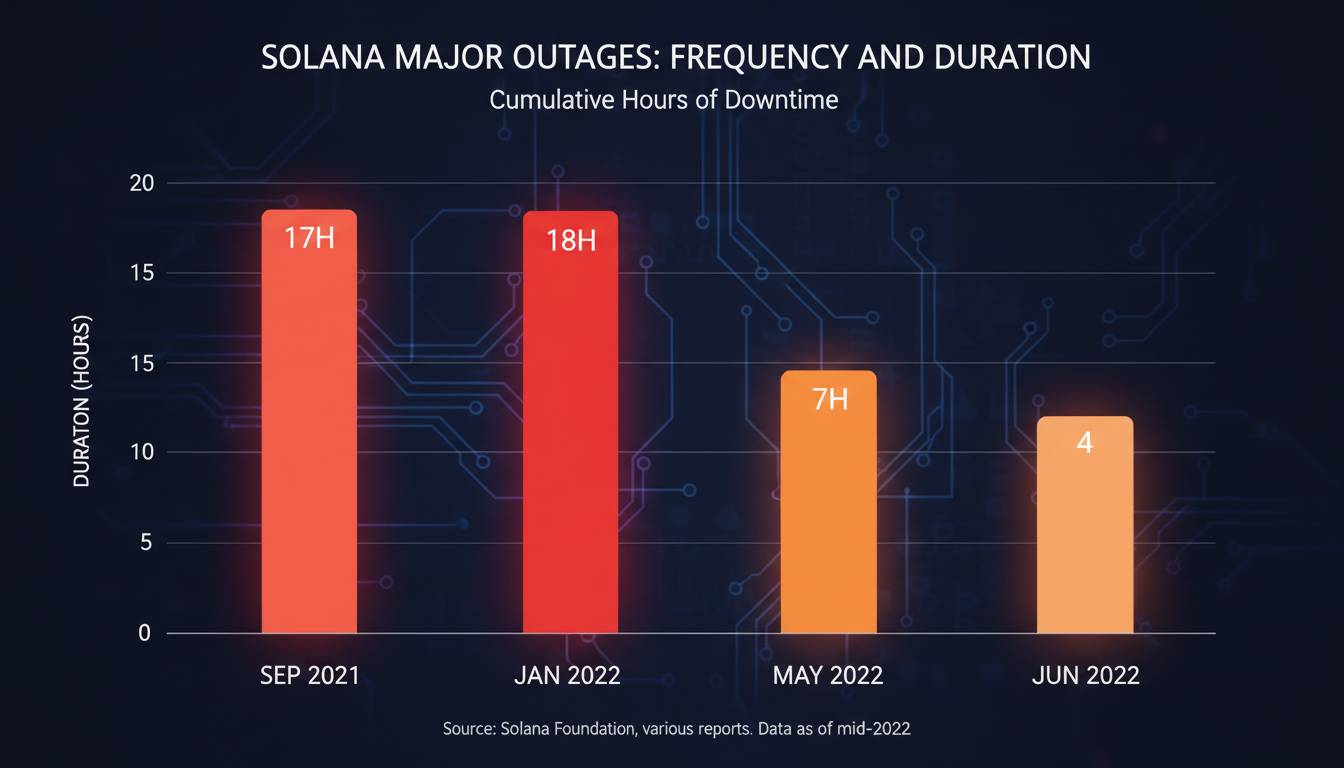
When altcoins work, they can work dramatically. Ethereum is up over 400% from its 2022 lows. Solana recovered from a major outage and price collapse to become one of the most actively used chains in 2023-2024. But picking those winners in advance is extraordinarily difficult, and the distribution of returns is so skewed that most altcoin portfolios would have been better off in Bitcoin.
The Risk Factors Nobody Talks About Honestly
Let’s get specific about risk because this is where beginners get hurt the most. I’ll give you numbers that actually mean something rather than vague warnings.
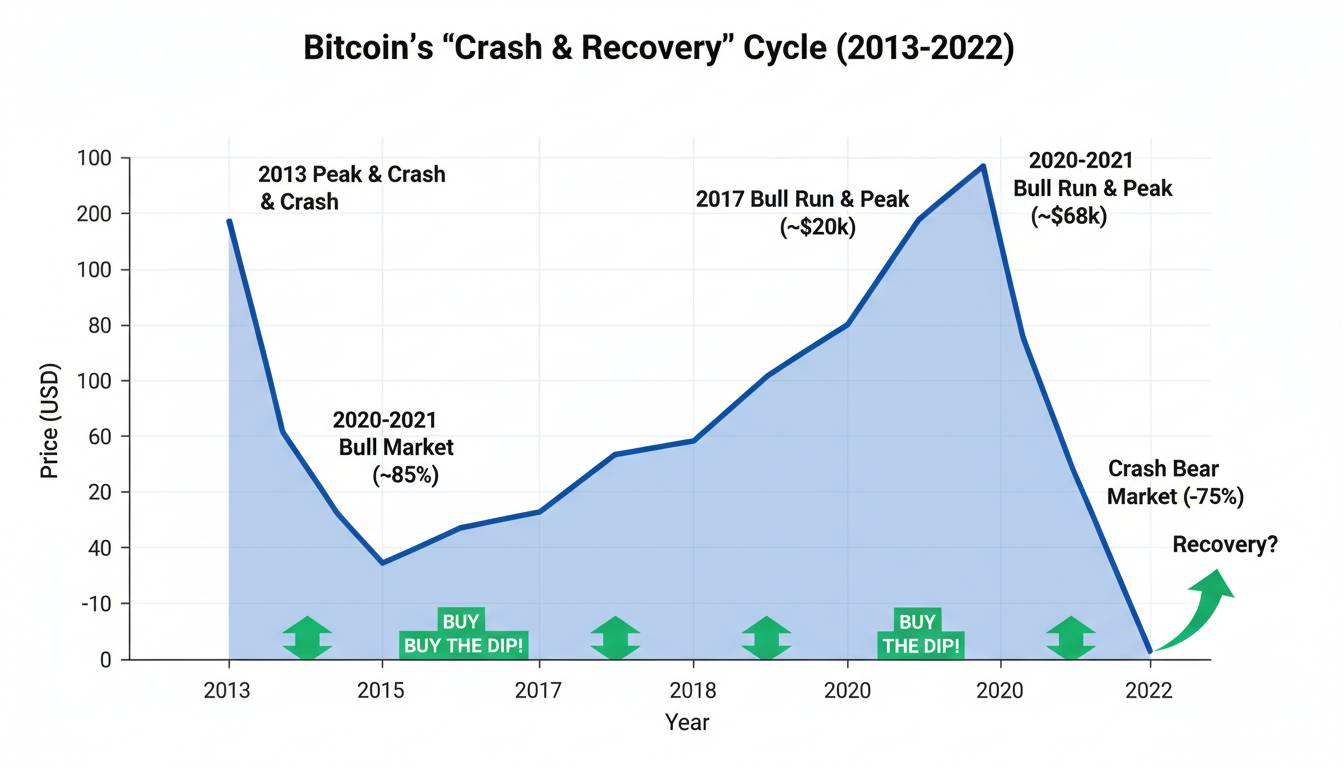
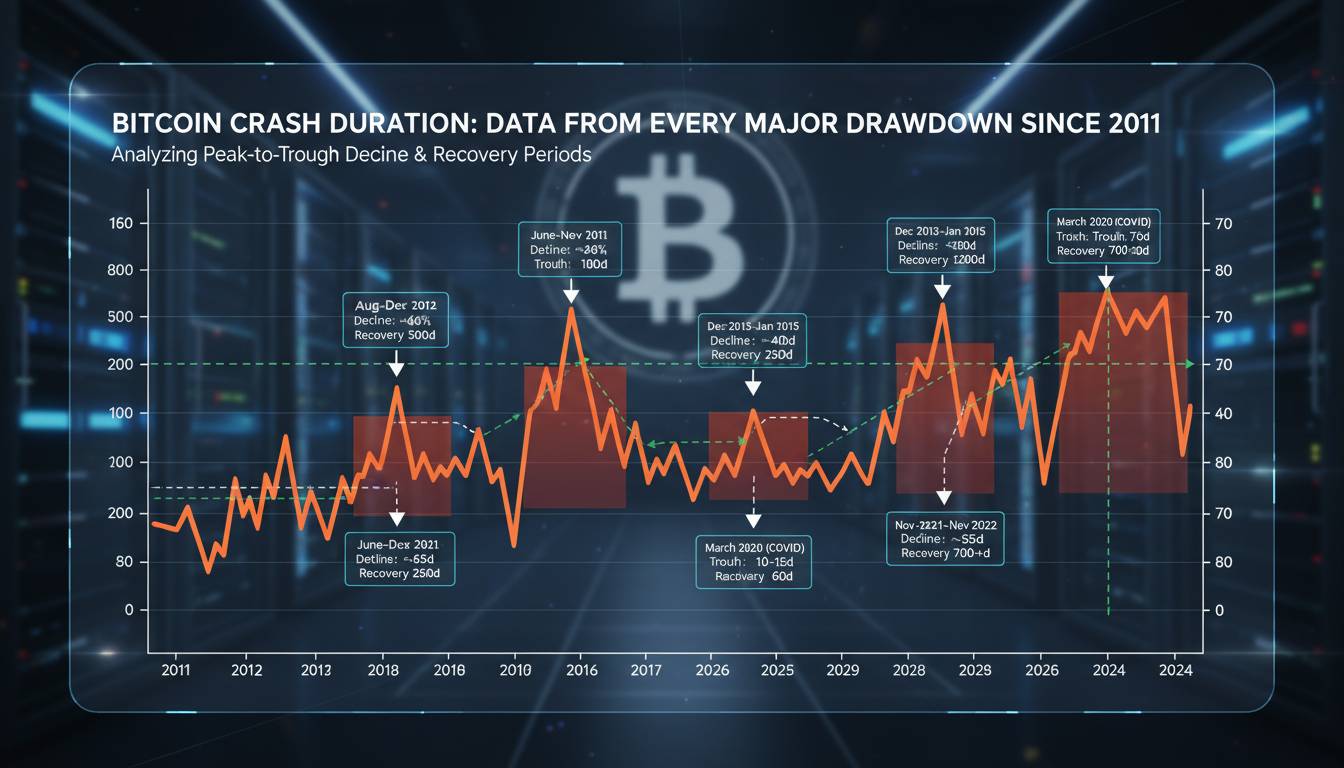
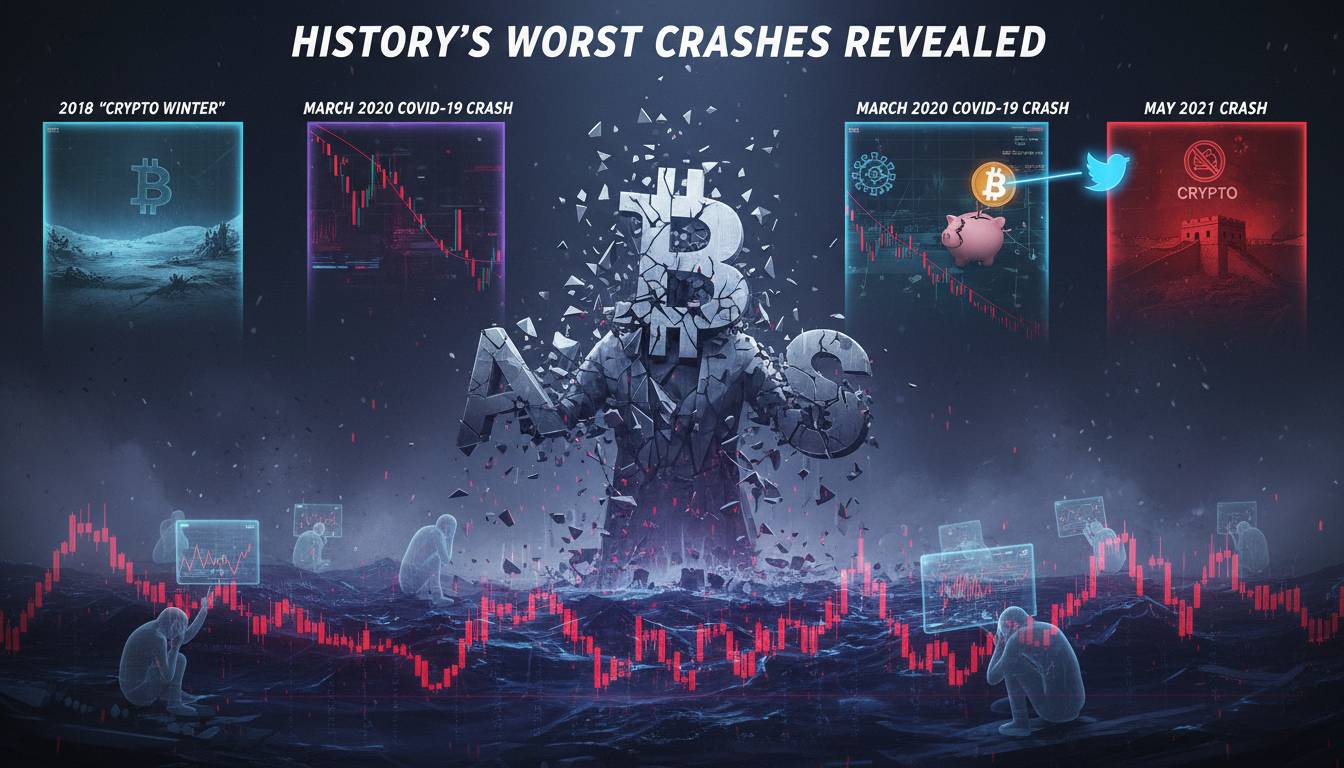
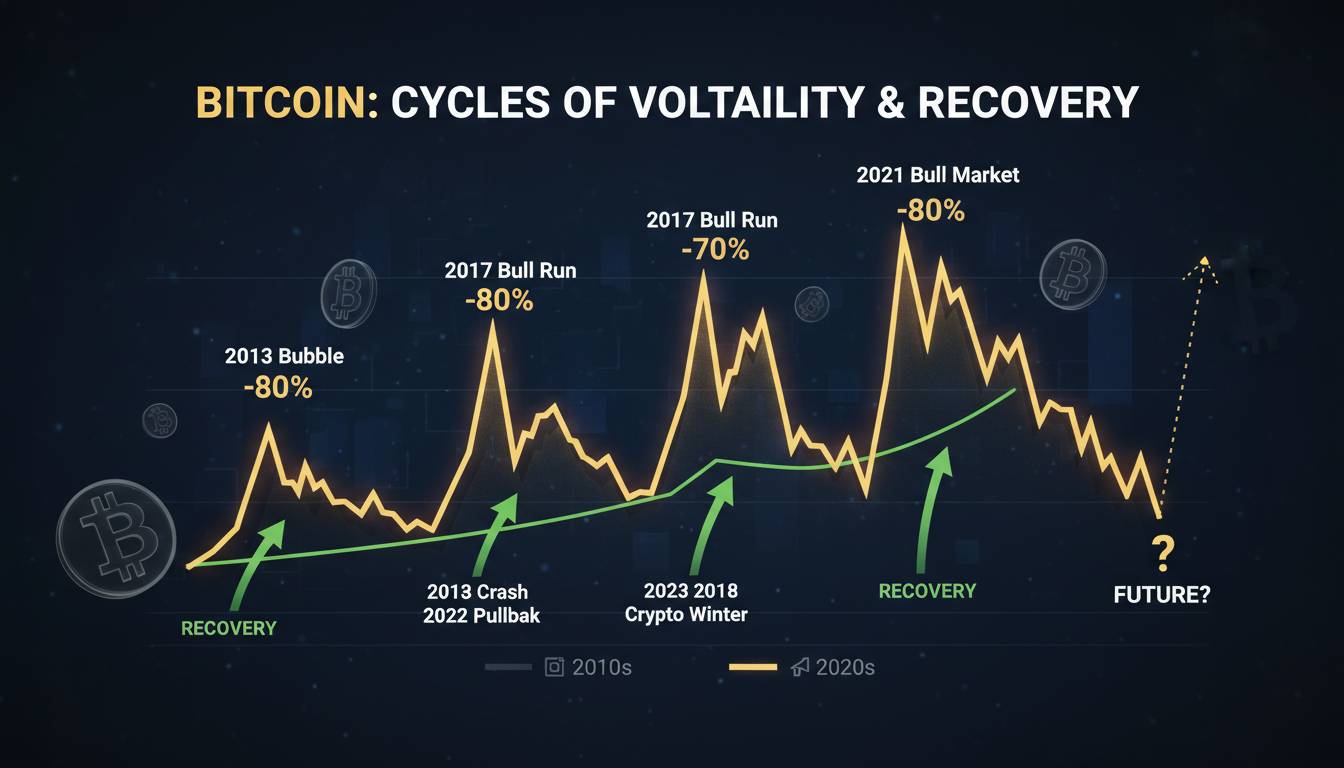
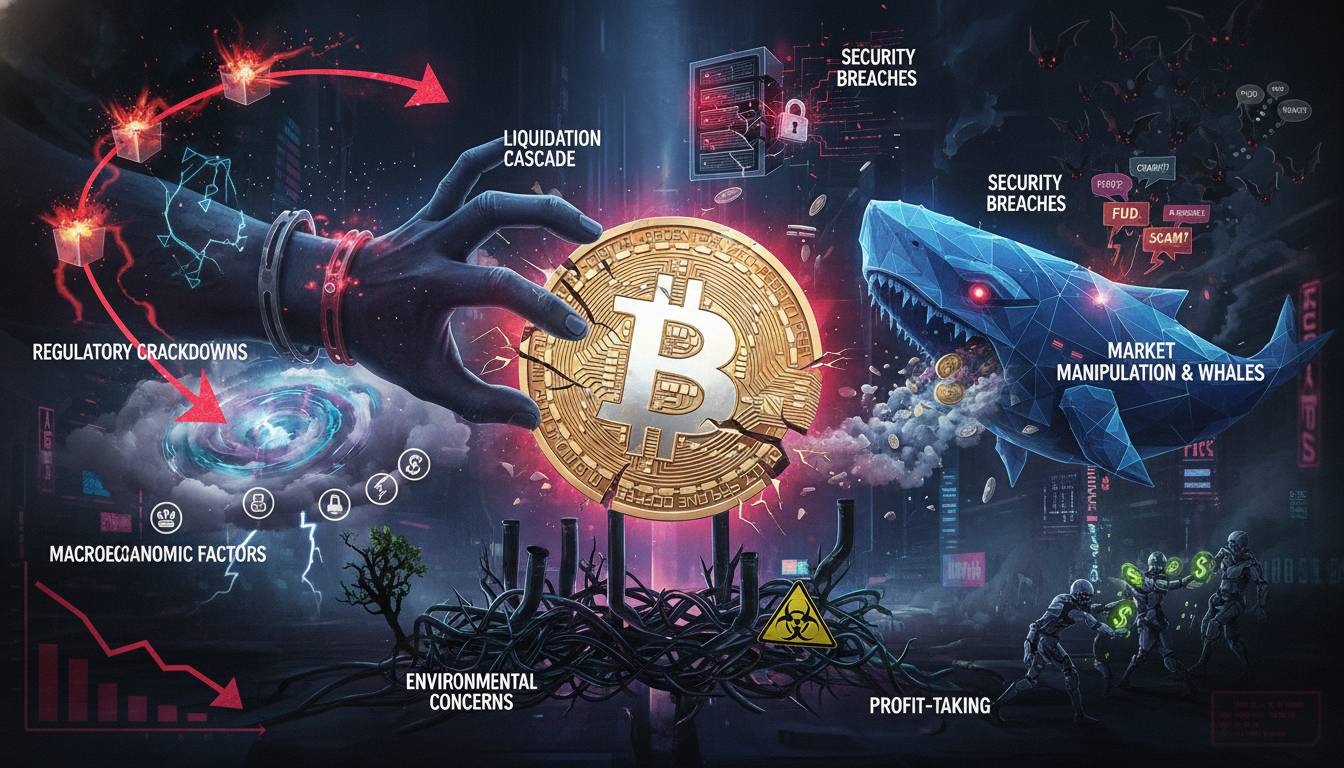
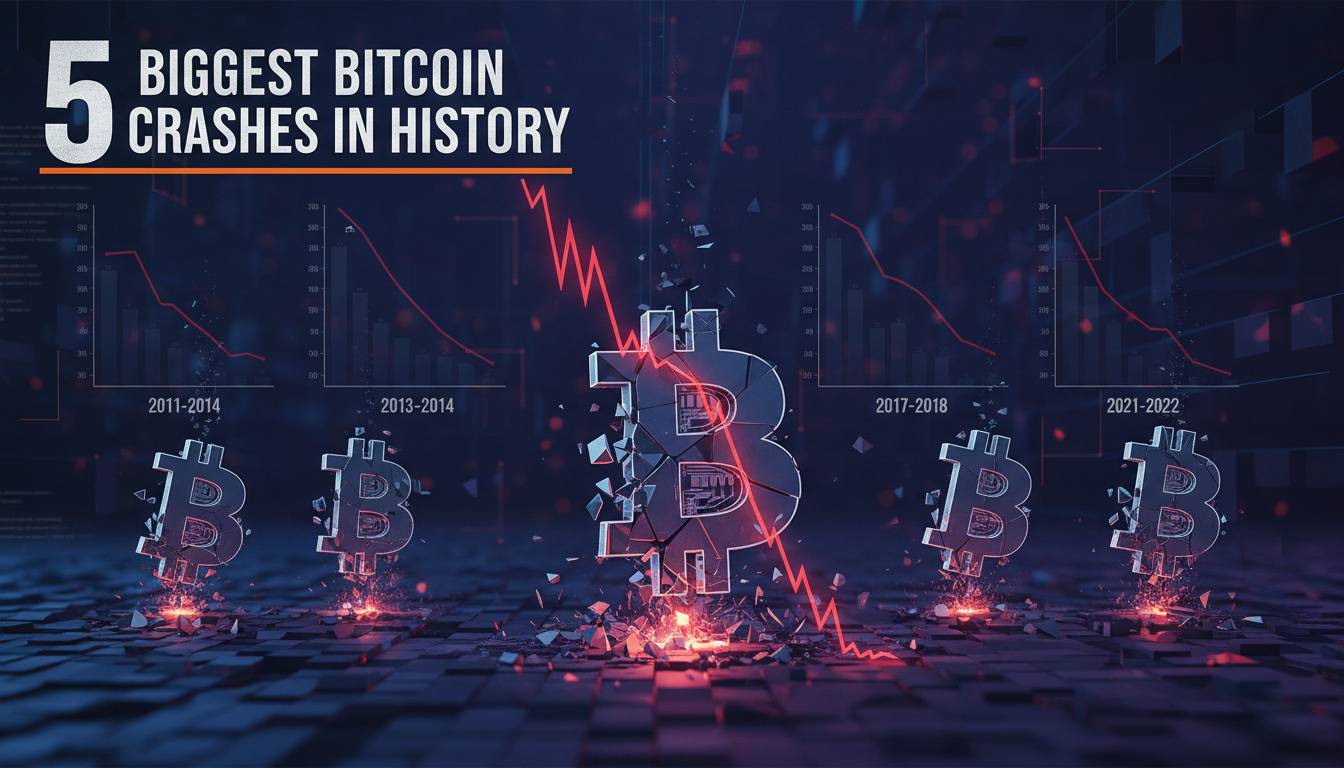
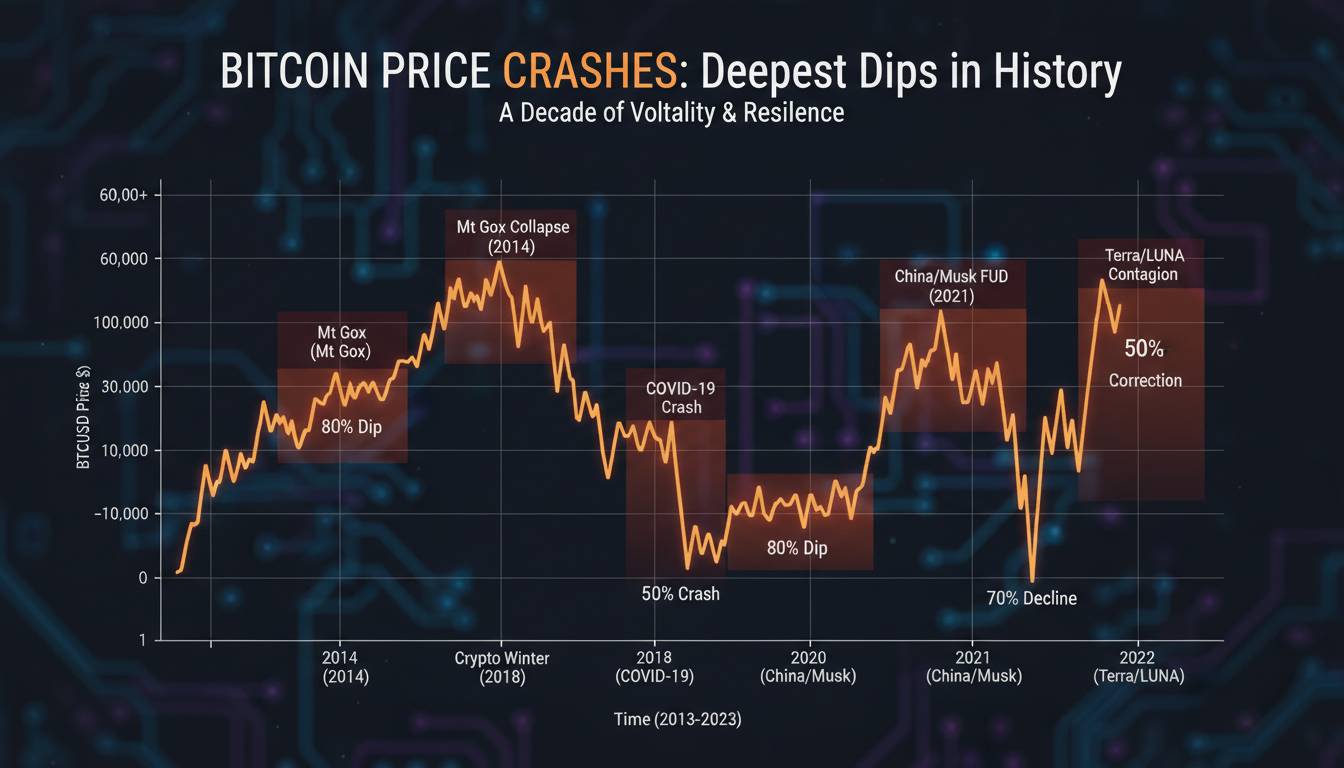
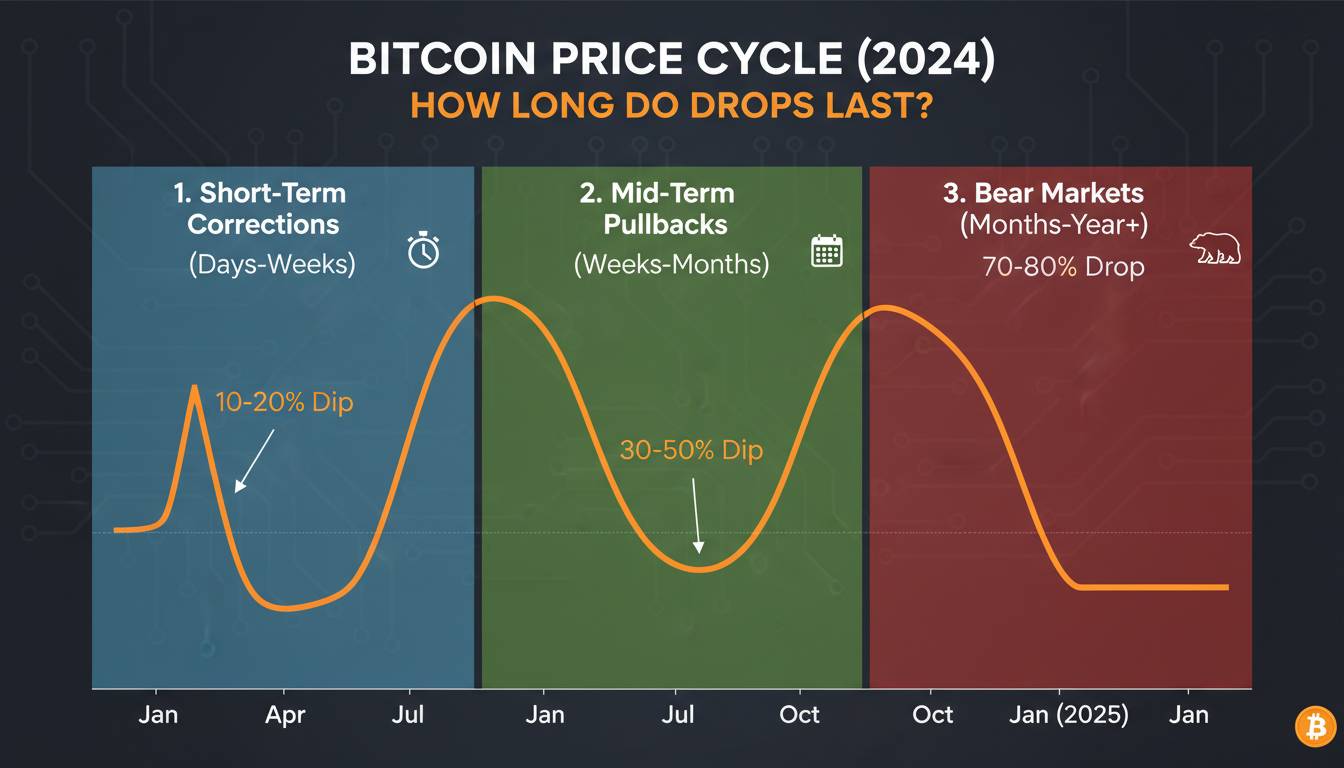
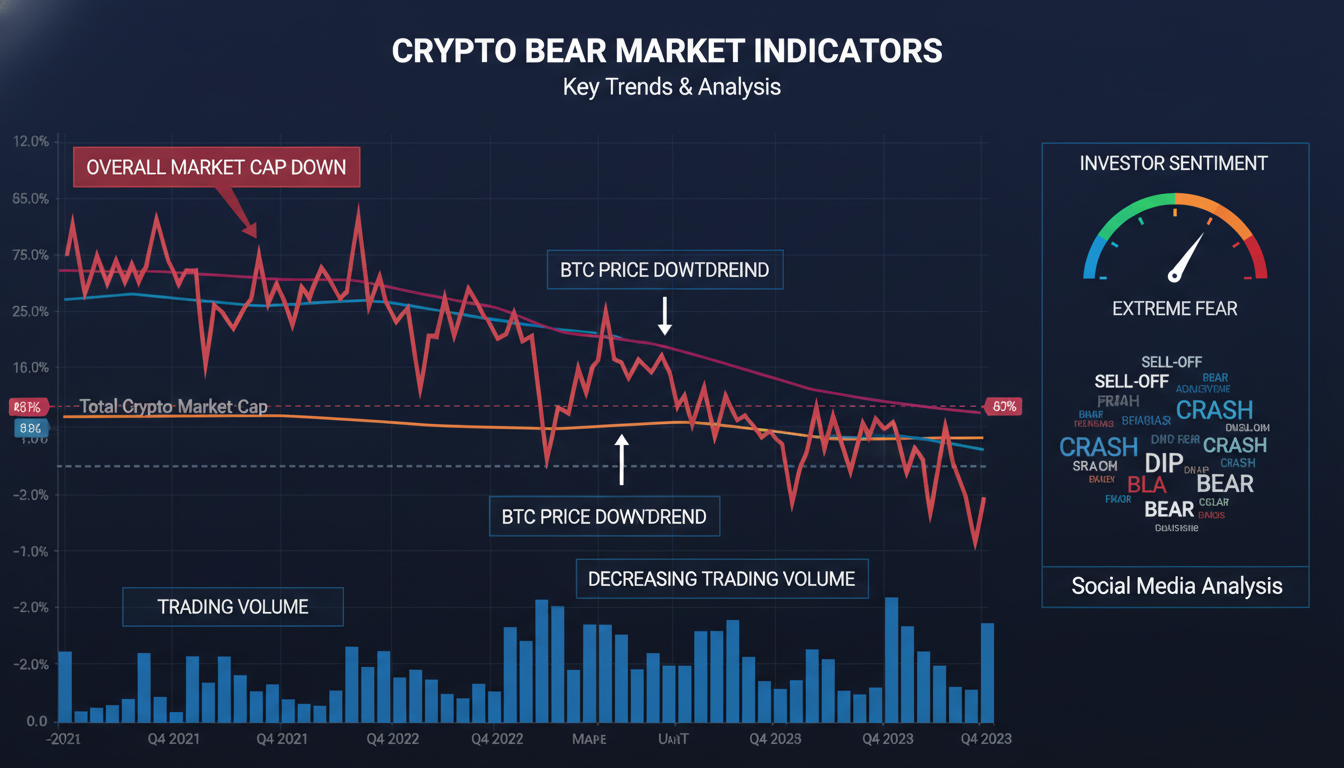
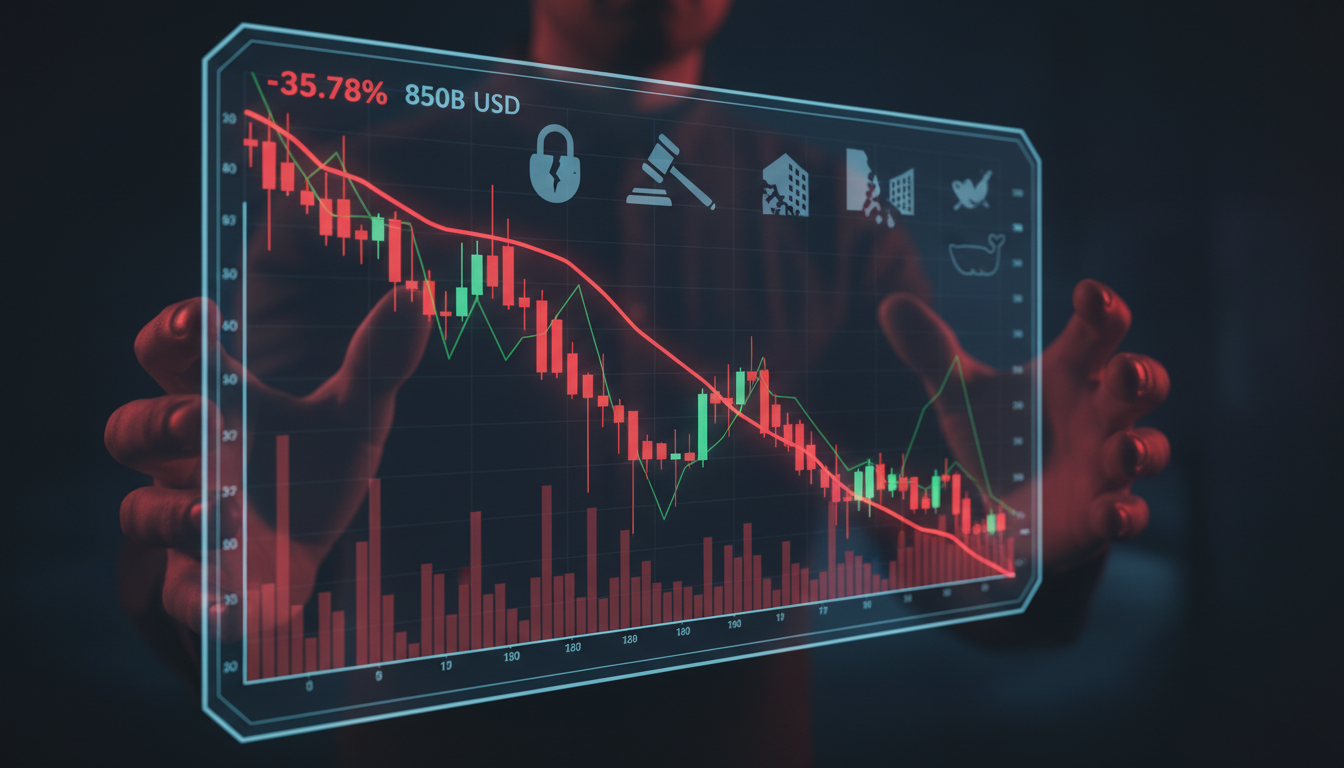
Volatility — Bitcoin’s 30-day volatility averages around 3-4%, compared to 8-12% for most altcoins. During bear markets, those gaps widen dramatically. In the 2022 crash, Bitcoin dropped about 65% from its all-time high. Ethereum dropped 78%. A random mid-cap altcoin you found on CoinGecko? Many dropped 90% or more and never came back.
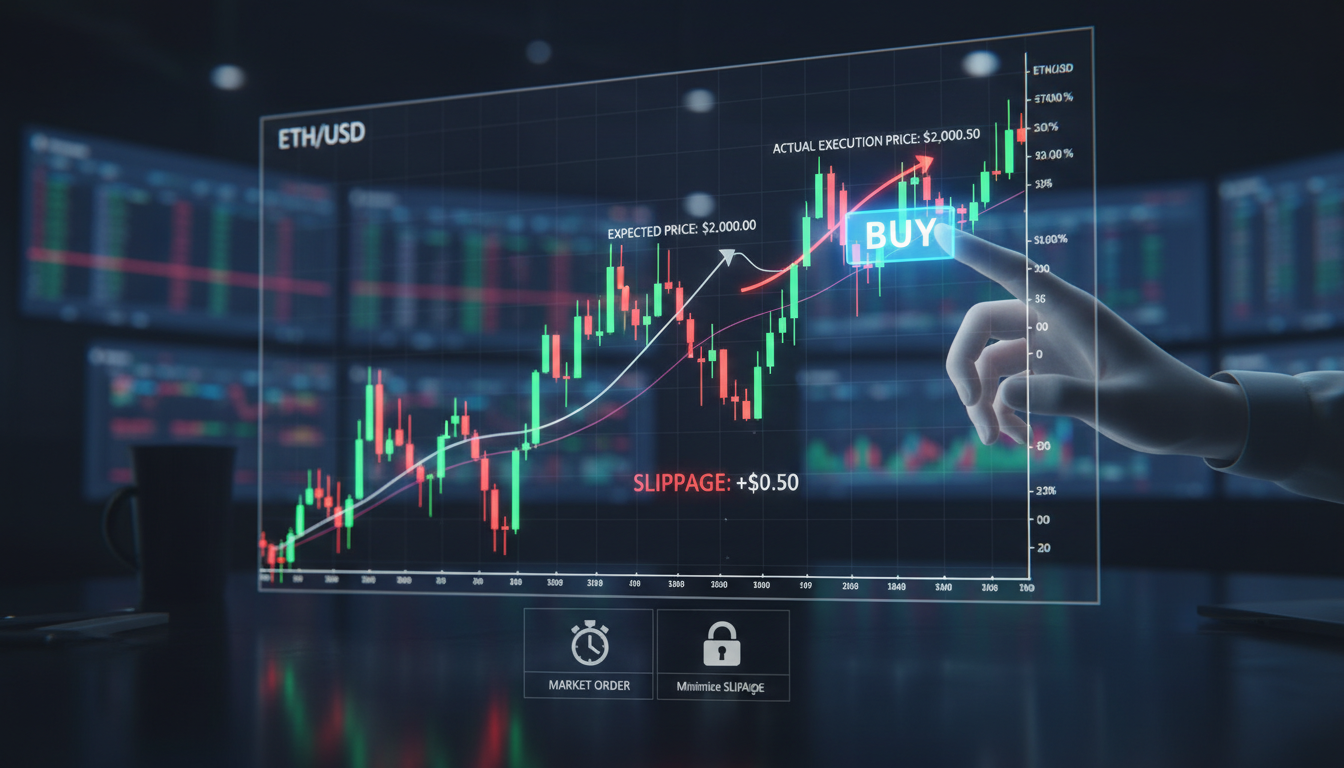
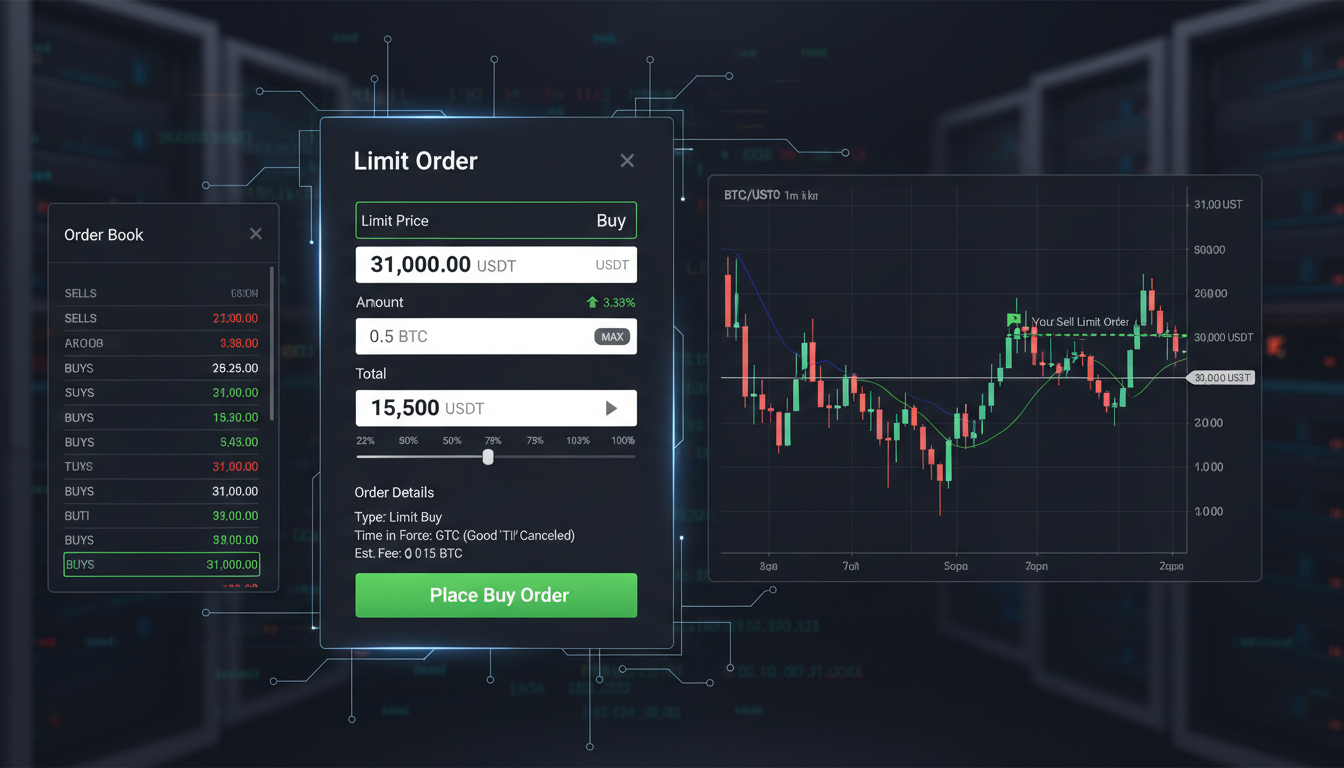
Liquidity risk — This one is invisible until you need it. Let’s say you bought $10,000 of some altcoin at $0.50. Six months later the price is $0.75 — a 50% gain on paper. But when you try to sell, the order book shows only $500 of buy orders at $0.75. To actually exit your position, you’d have to drop your sell order to $0.60 or lower, wiping out most your gains. This is called slippage, and it’s how most retail investors lose money in altcoins.
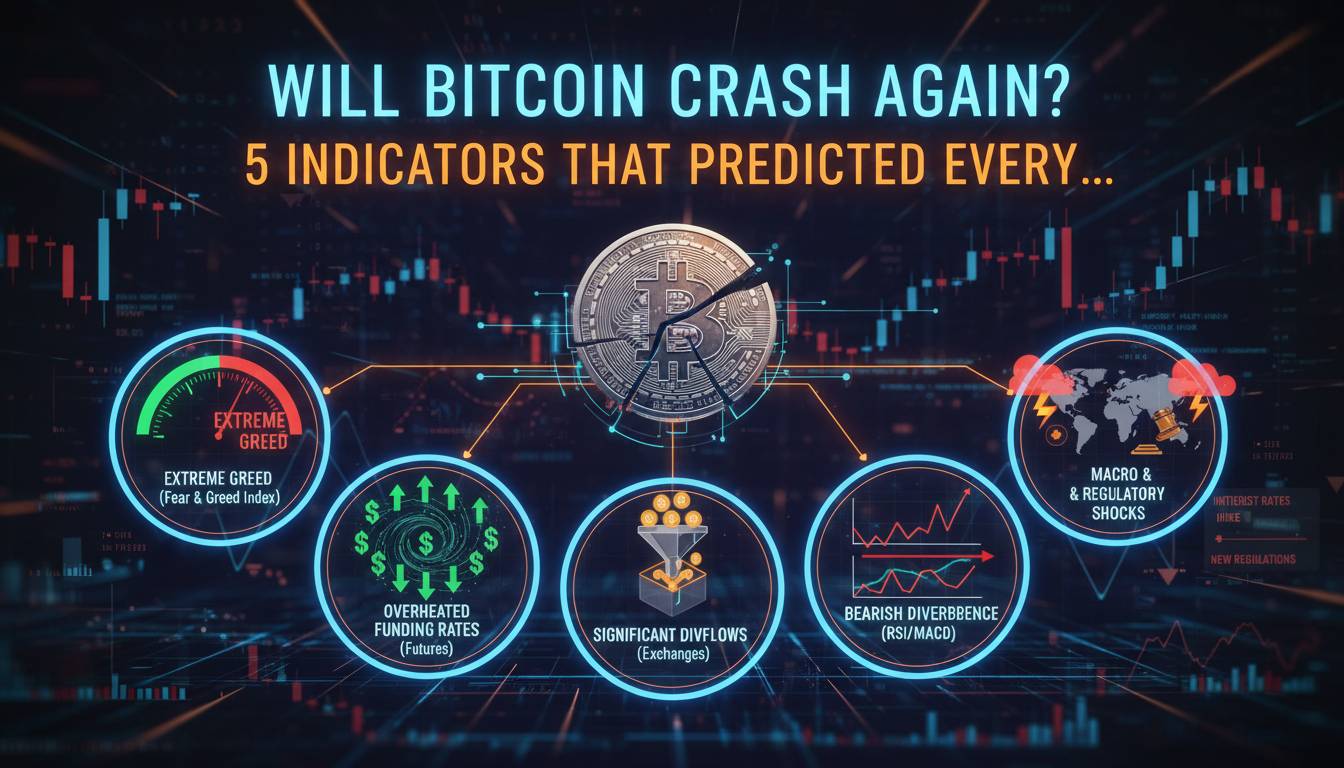
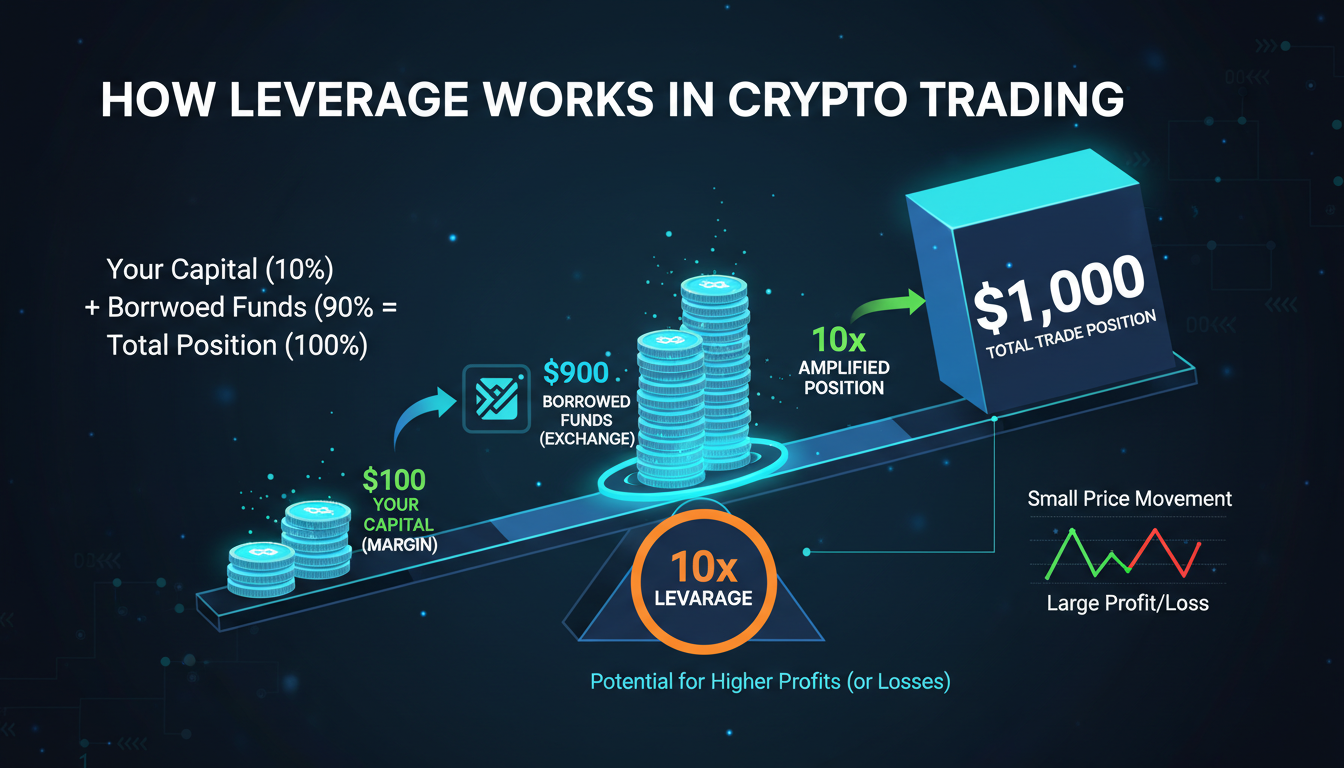
Correlation risk — Many people buy altcoins thinking they’re diversifying, but most altcoins correlate heavily with Bitcoin. When Bitcoin crashes, altcoins crash harder and faster. The correlation between Bitcoin and Ethereum is around 0.7-0.8. For more obscure altcoins, it can hit 0.9. You’re not getting diversification. You’re getting leveraged Bitcoin exposure with worse liquidity.
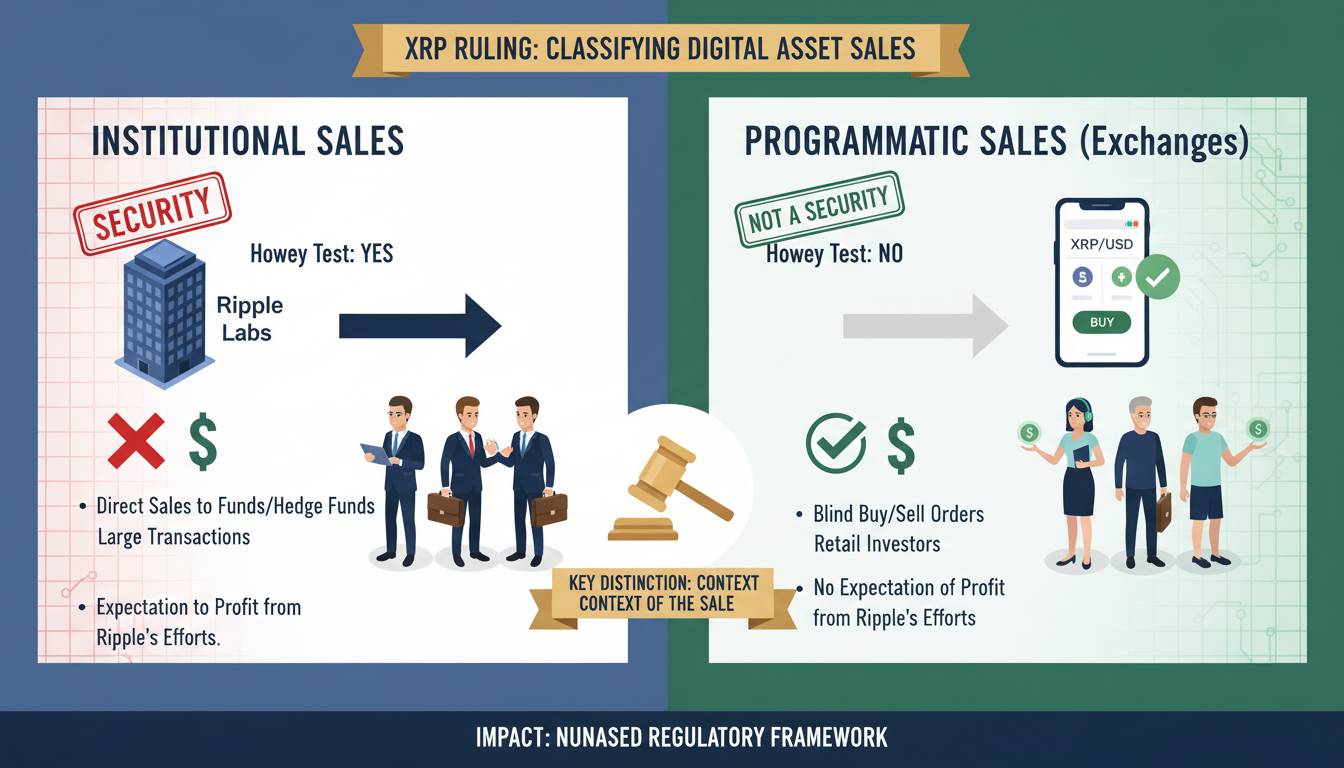
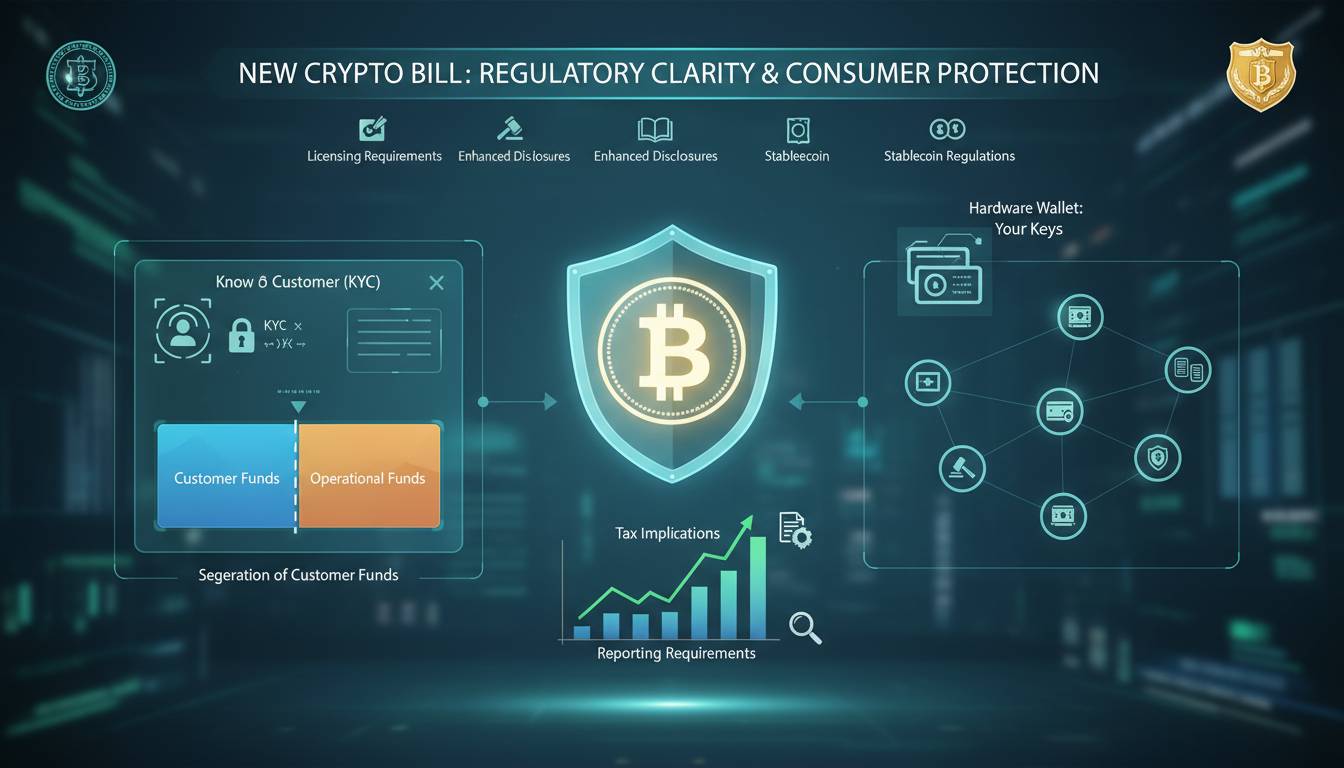
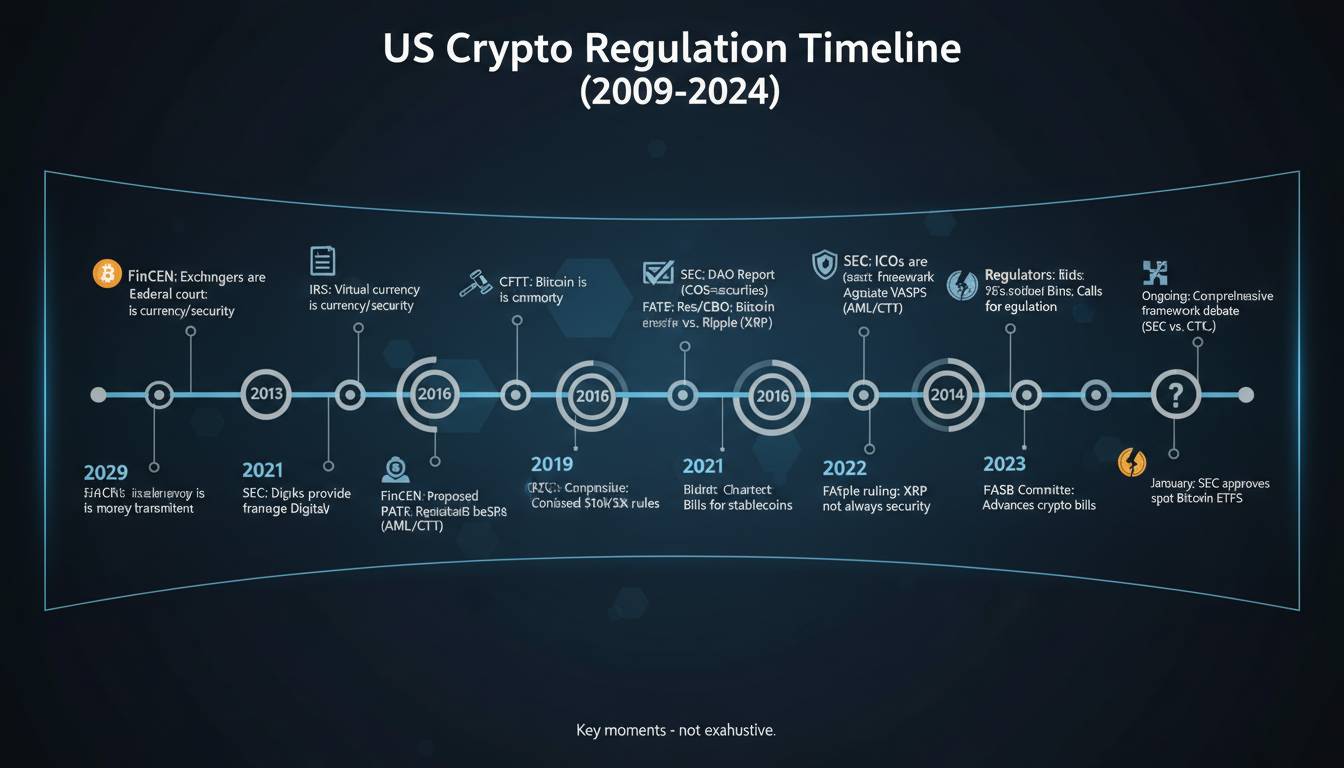
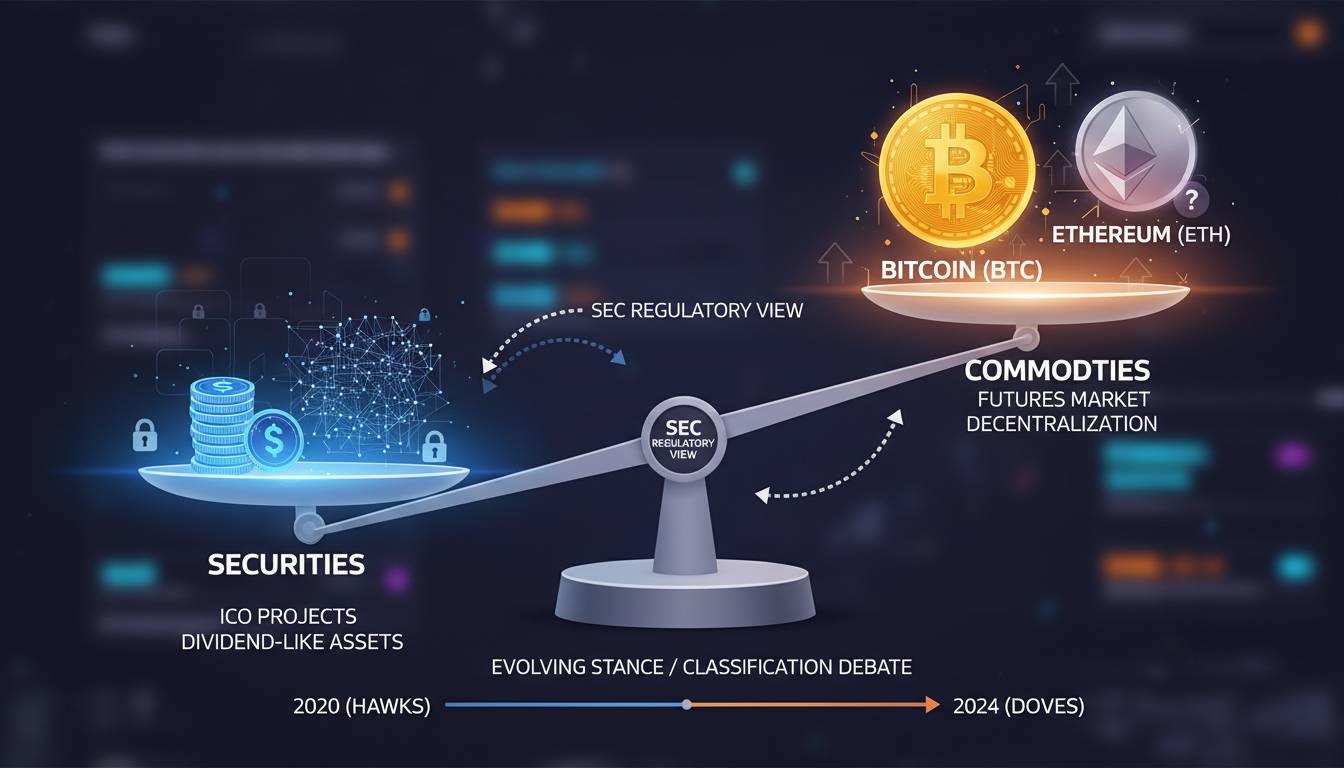
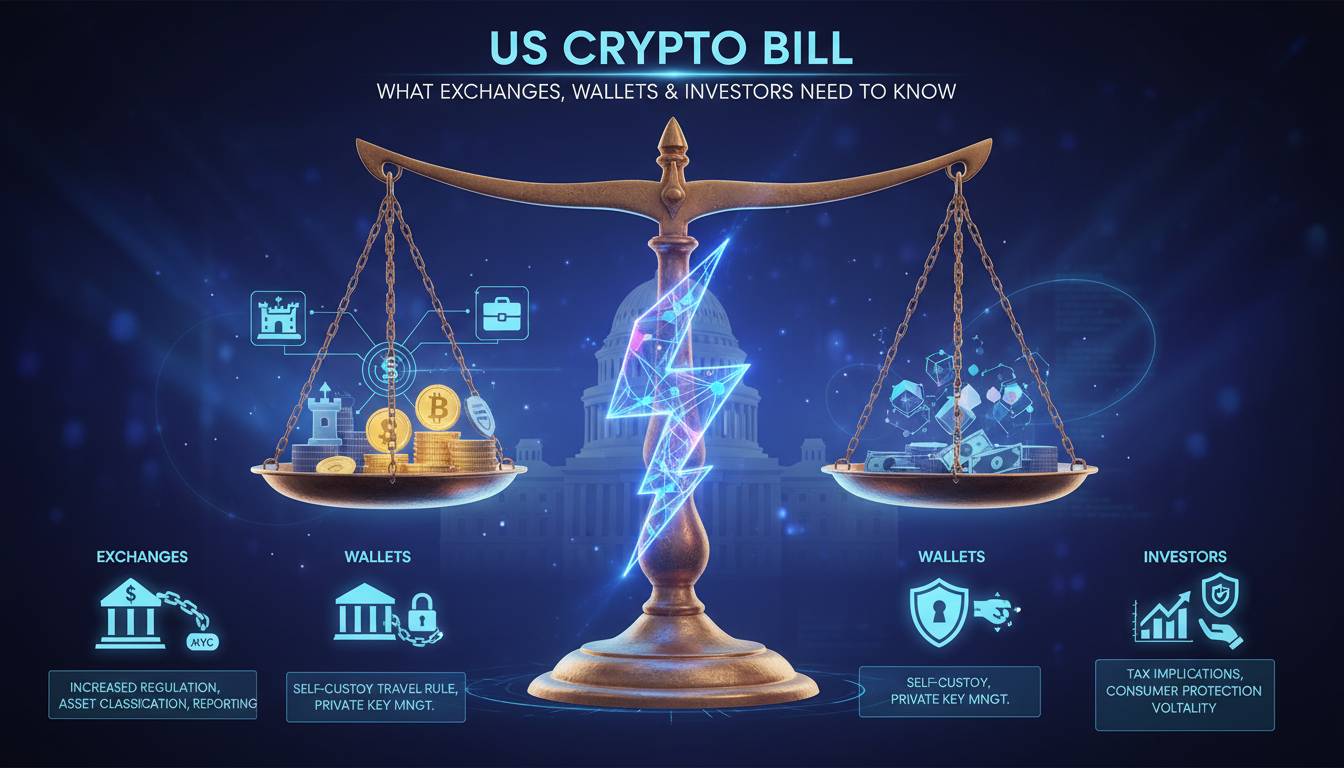
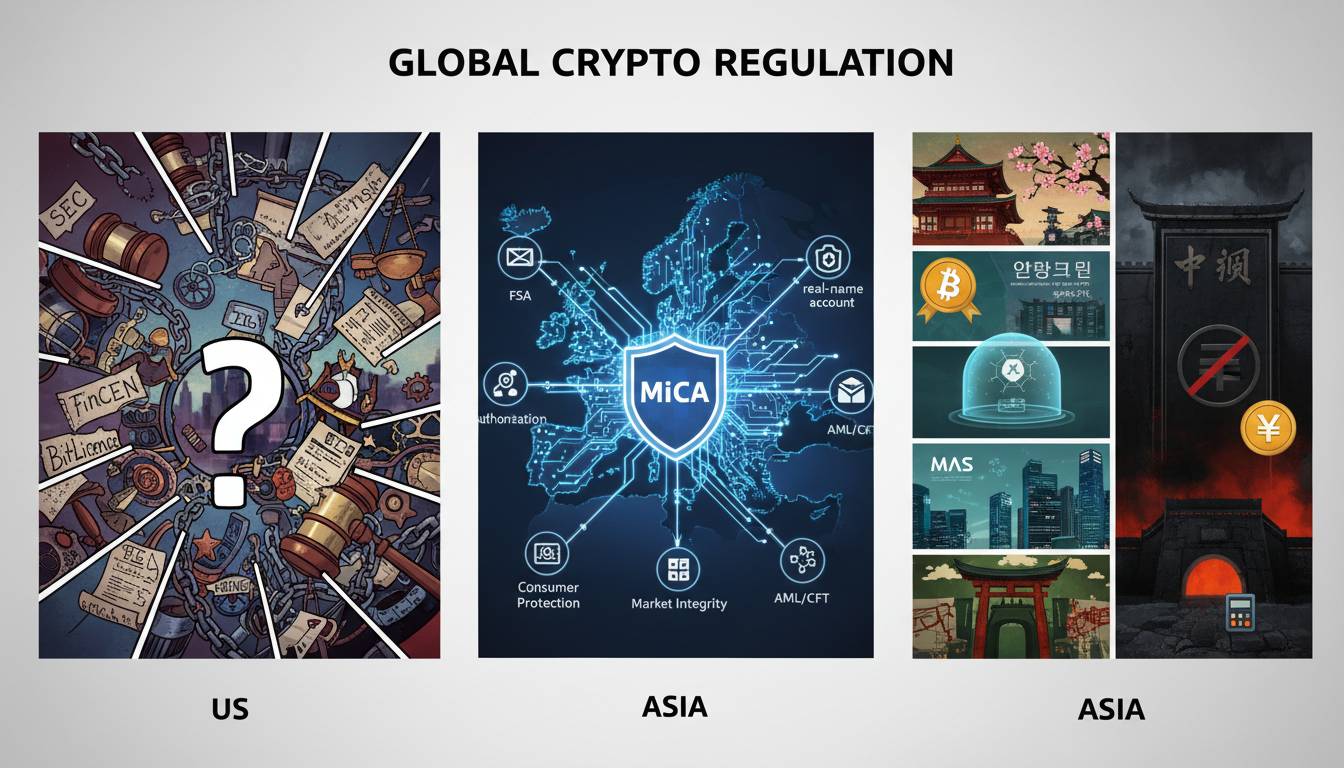
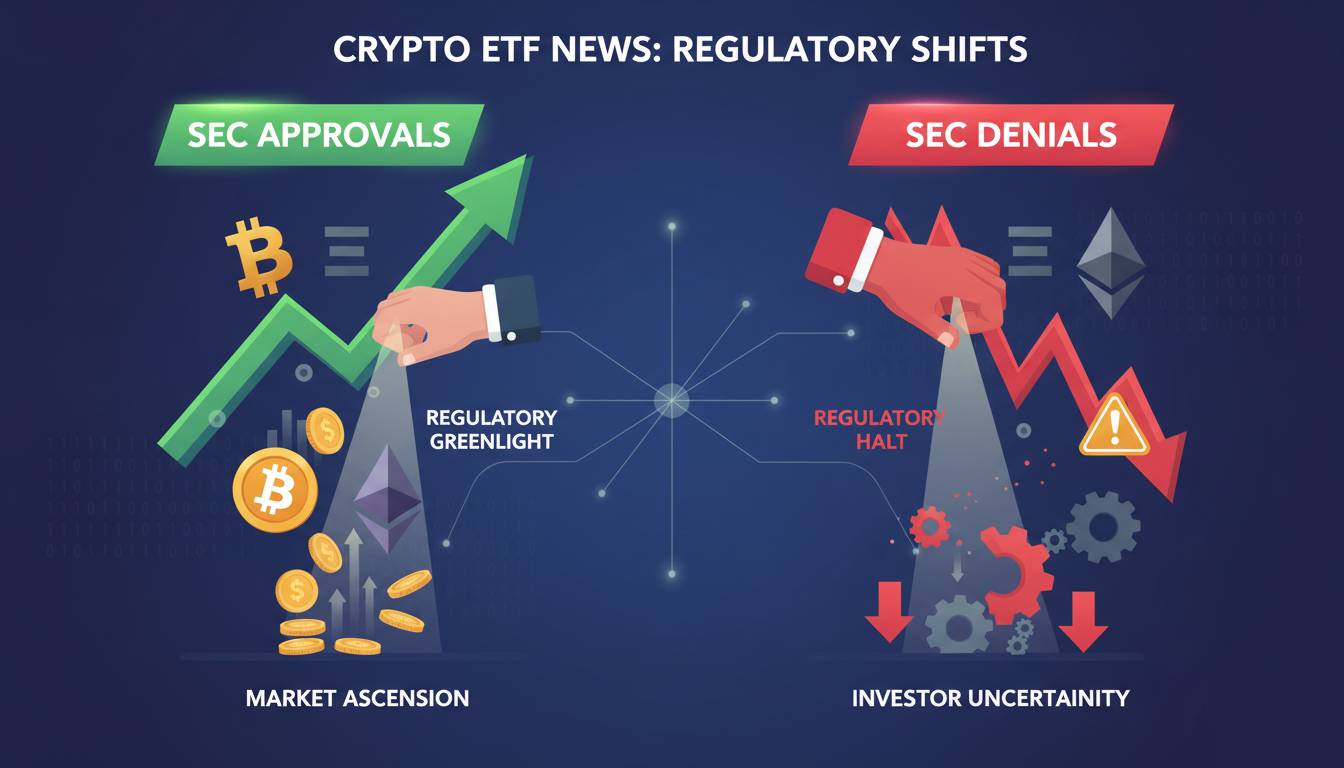
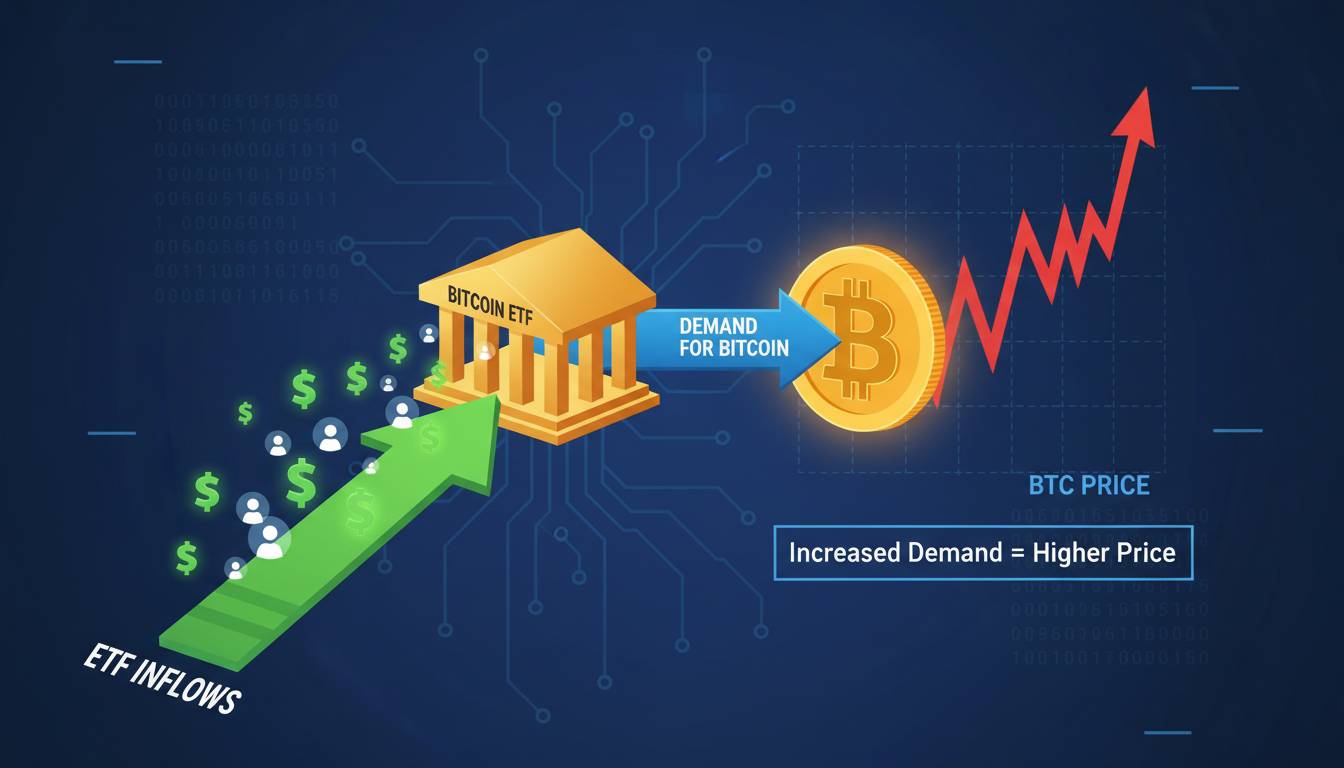
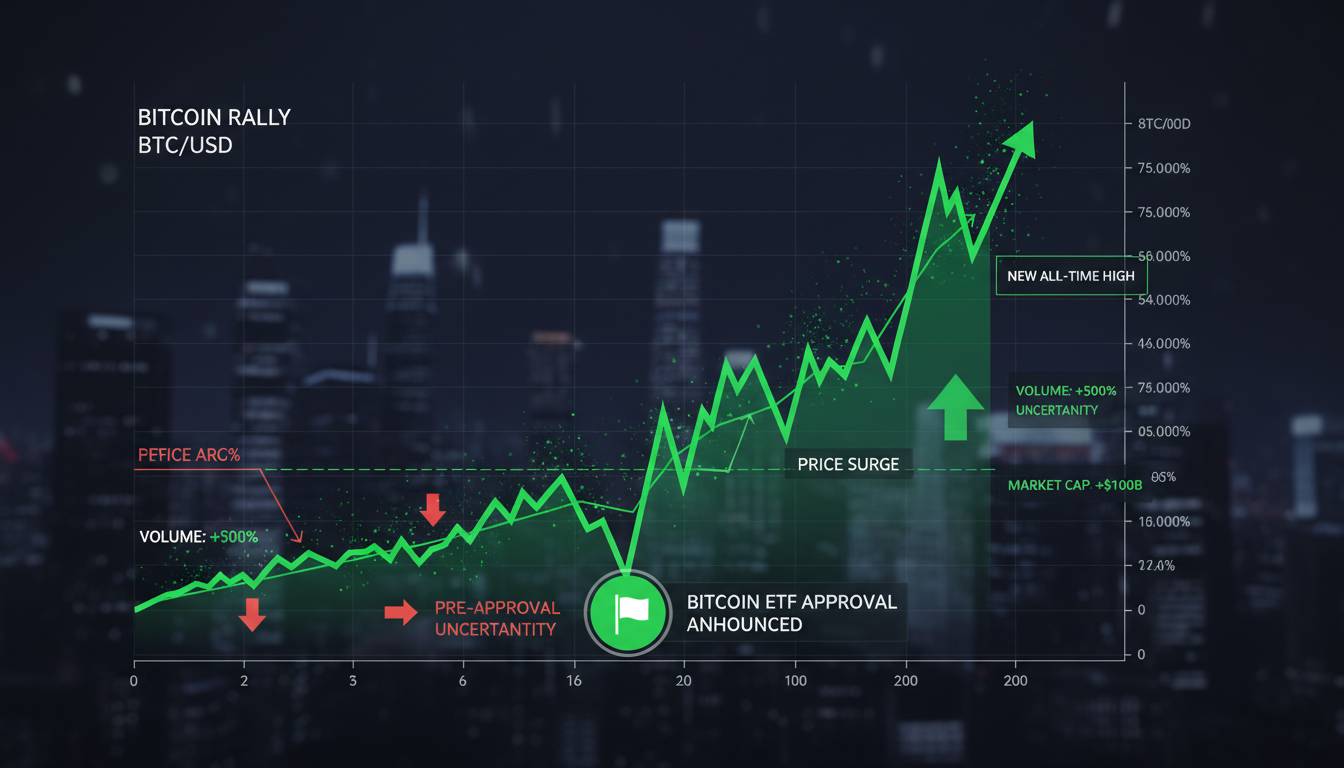
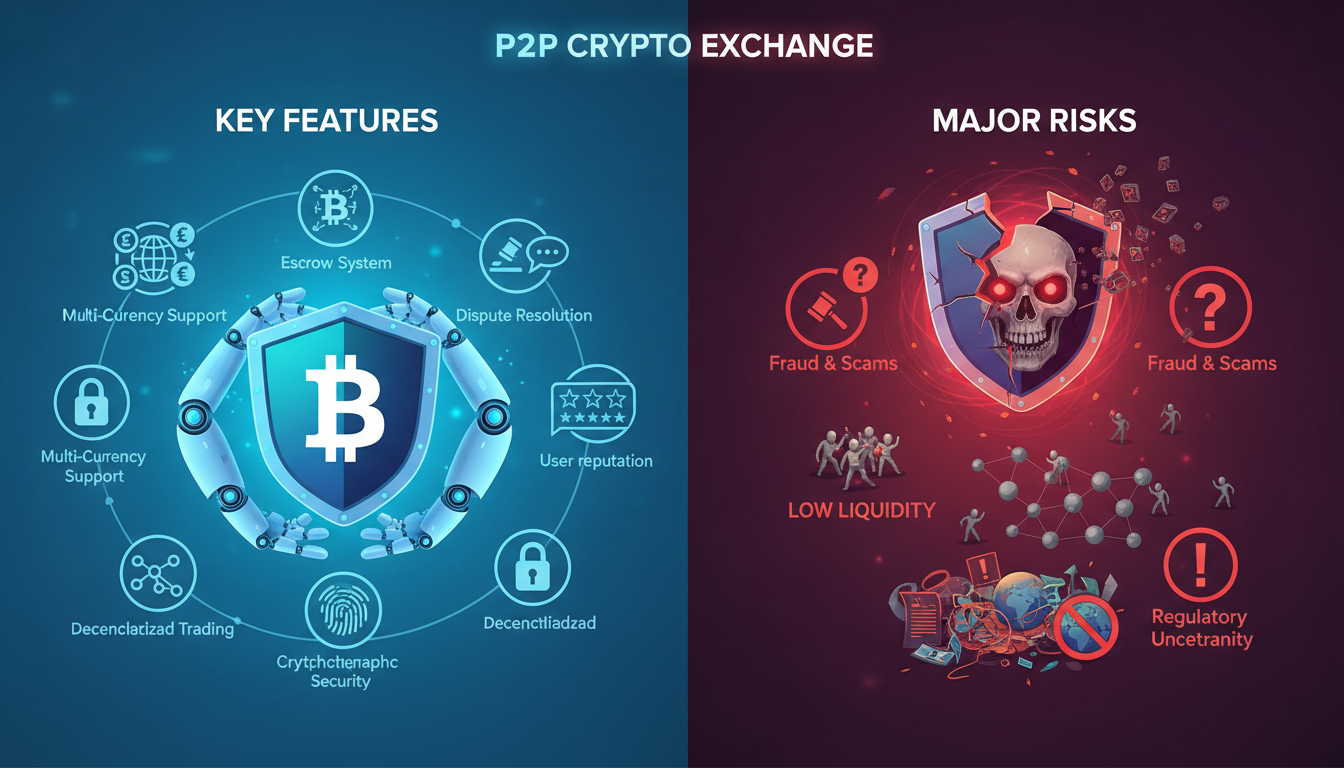
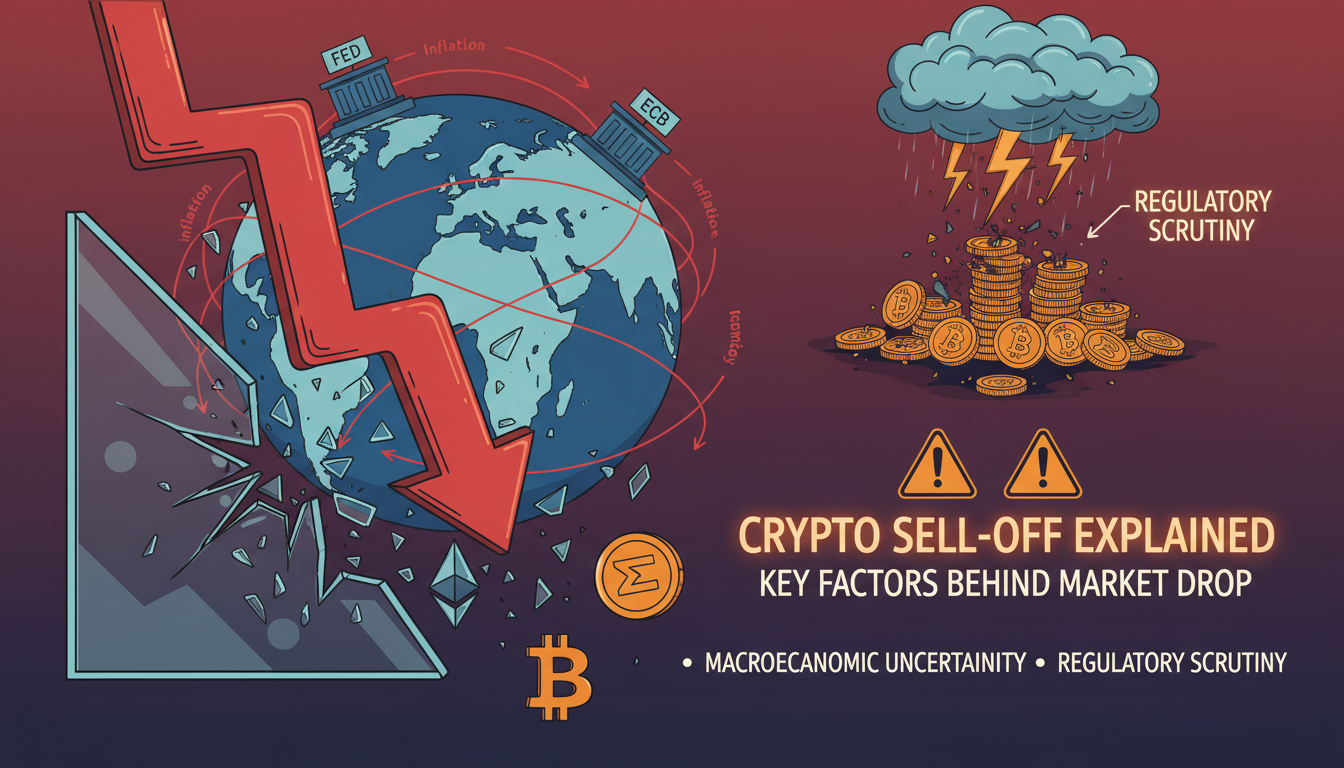
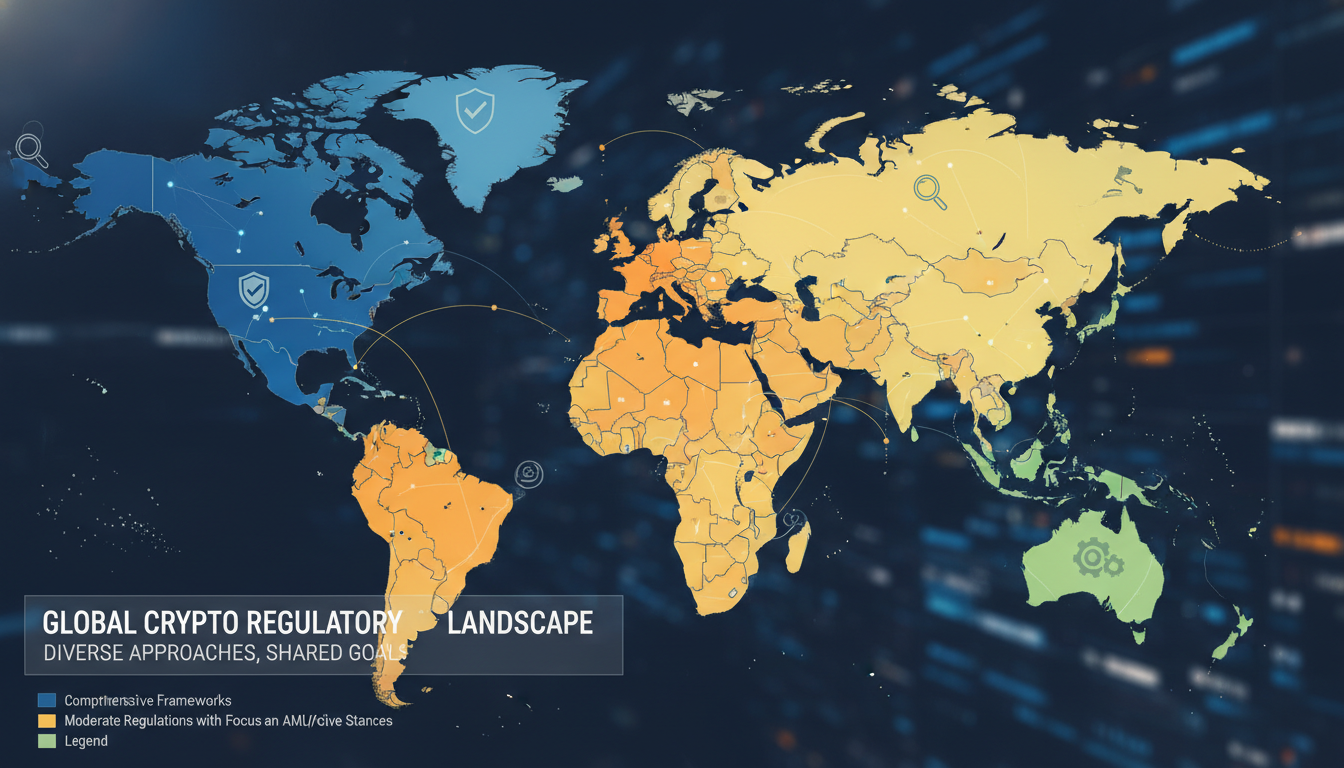
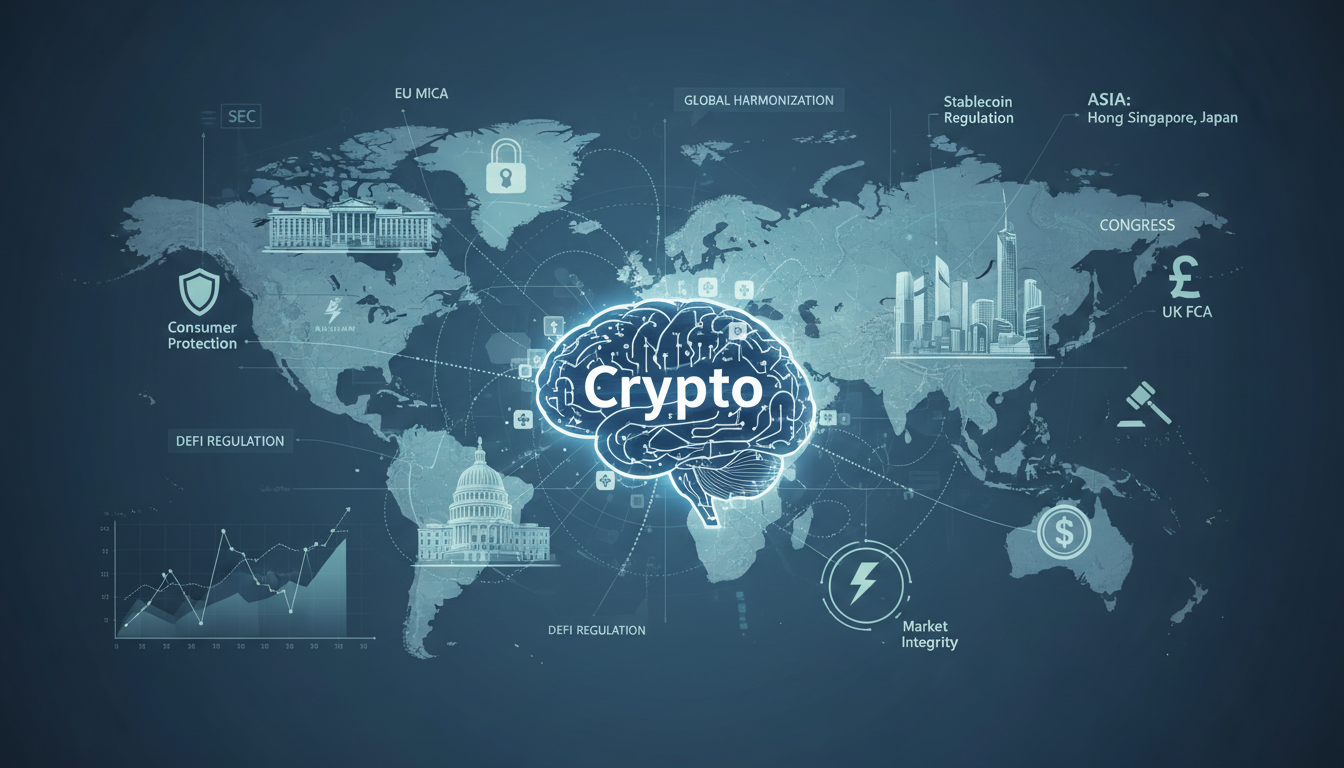
Regulatory risk — Bitcoin has the most regulatory clarity of any cryptocurrency in most major jurisdictions. The SEC has approved Bitcoin ETFs. Banks can custody Bitcoin. Altcoins face ongoing uncertainty, particularly around securities classification. A regulatory crackdown that targets altcoin issuers or exchanges could make your holdings worthless overnight.
I don’t write this to scare you away from crypto. I write it because understanding risk is the only way to manage it, and most articles treat risk as a buzzword rather than explaining what it actually looks like when you’re trying to exit a position at 2 AM on a Tuesday.
A Portfolio Allocation Framework You Can Actually Use
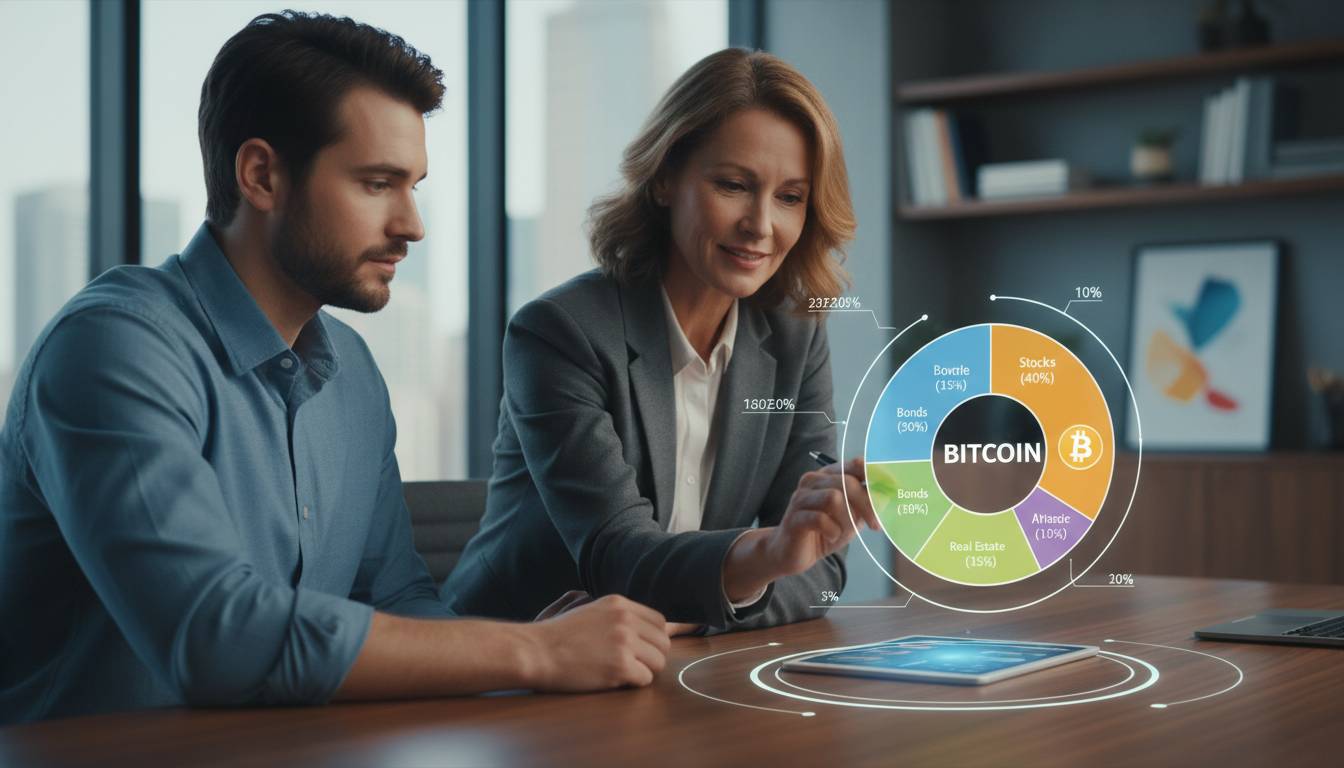
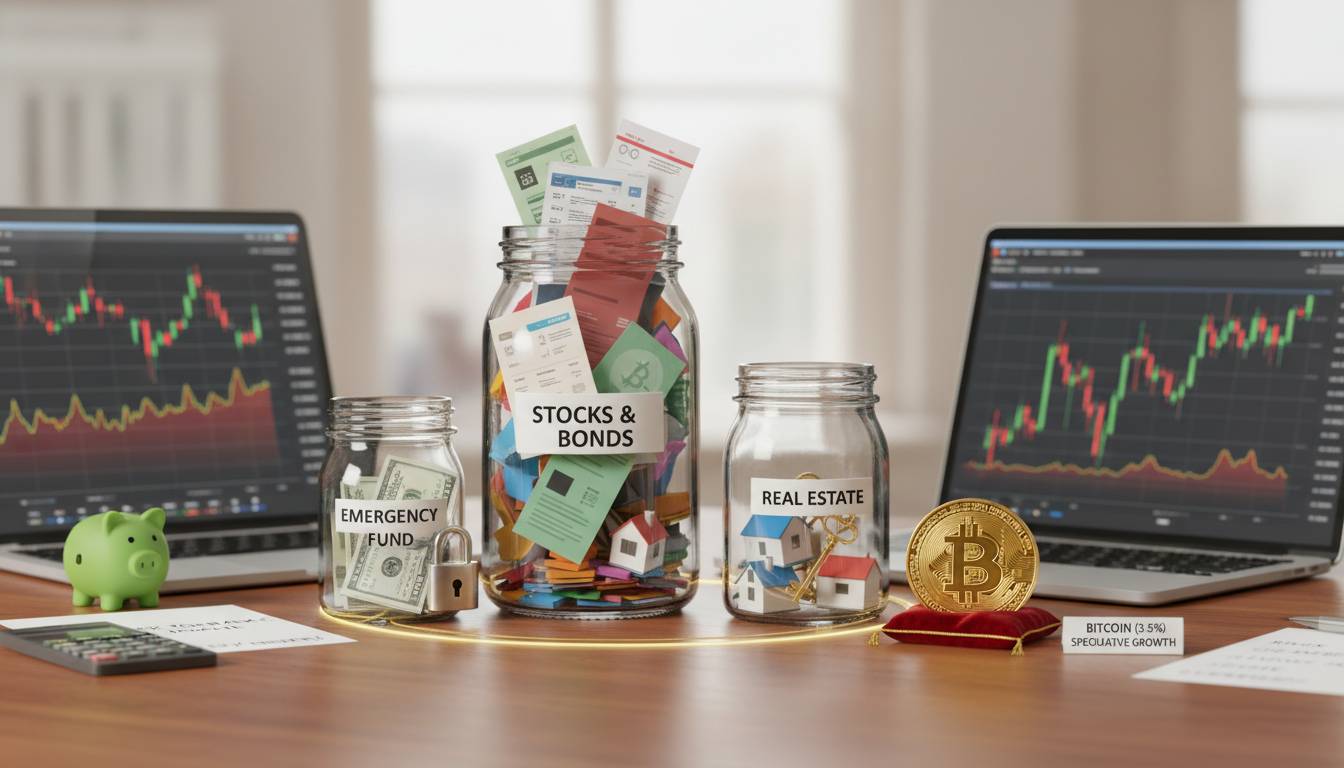
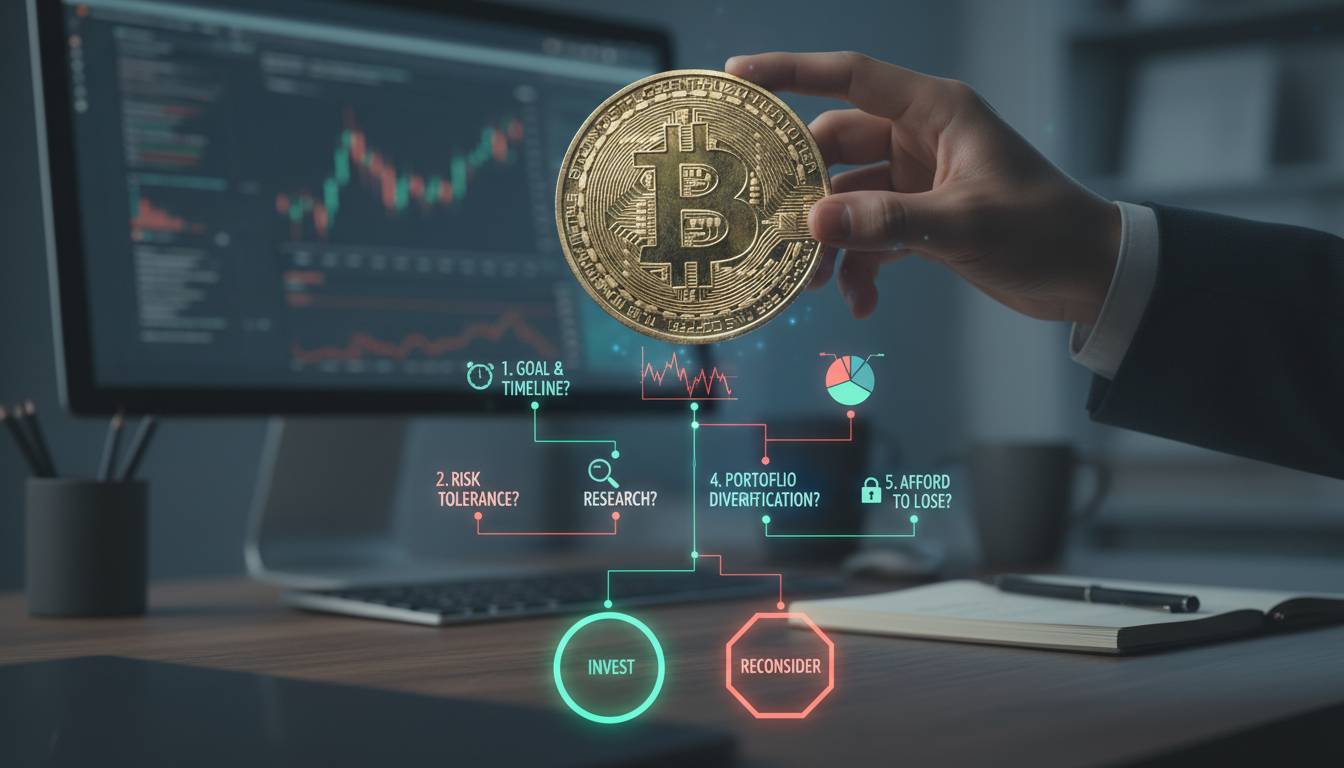
Rather than vague advice about “only investing what you can afford to lose,” here’s a specific framework based on your risk tolerance and experience level.
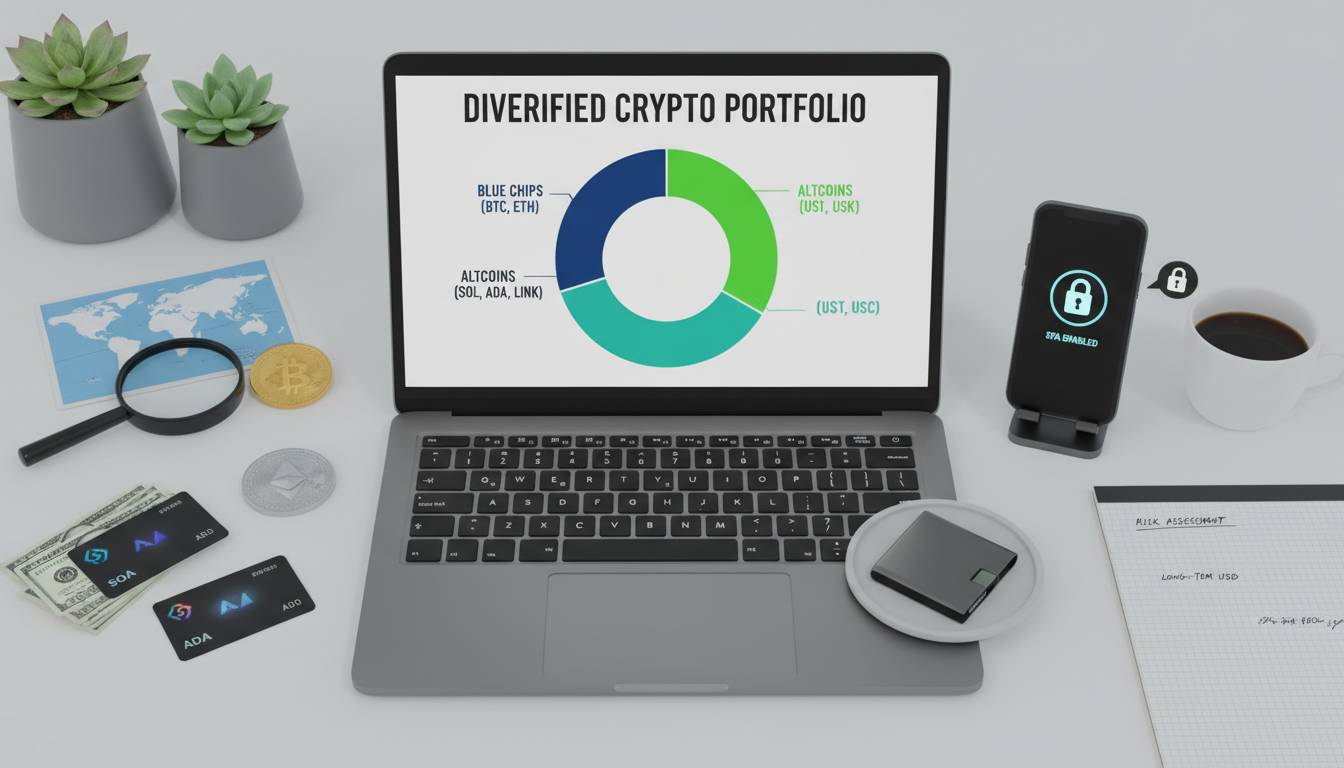
Conservative allocation: 80% Bitcoin, 20% altcoins
This works for anyone who wants crypto exposure but prioritizes capital preservation. You’re treating Bitcoin as the foundation and using a small allocation to experiment with altcoins. If the altcoin portion goes to zero, your overall portfolio is still fine. If Bitcoin does well, you’re still participating. The 80/20 split also means you don’t have to stress about checking your portfolio daily.
Moderate allocation: 60% Bitcoin, 40% altcoins
This assumes you have some risk tolerance and want meaningful exposure to the broader crypto ecosystem. You’re still weighted toward Bitcoin but leaving room for potentially higher returns from altcoins. At this level, you should be prepared to do some basic research on what you’re buying — not just price movements, but understanding what the project actually does.
Aggressive allocation: 50% Bitcoin, 50% altcoins
I only recommend this if you have a high risk tolerance, a long time horizon (5+ years), and you’re genuinely interested in blockchain technology. Even then, I’d limit your altcoin exposure to the top 5-10 by market cap rather than scattering across dozens of tokens. The extra return potential comes with extra risk, and you need to be honest about whether you can handle a 50% portfolio drop without panic selling.
One more thing: these allocations should be rebalanced. If Bitcoin surges and your portfolio shifts to 90% Bitcoin, consider rebalancing back toward your target allocation. This forces you to sell high and buy low, which is the opposite of what emotion tells you to do — and that’s exactly why it works.
Timing and Strategy: When to Buy Matters Less Than You’d Think
Everyone obsesses over timing. When should I buy? Is this the top? What if I’m buying at a peak?
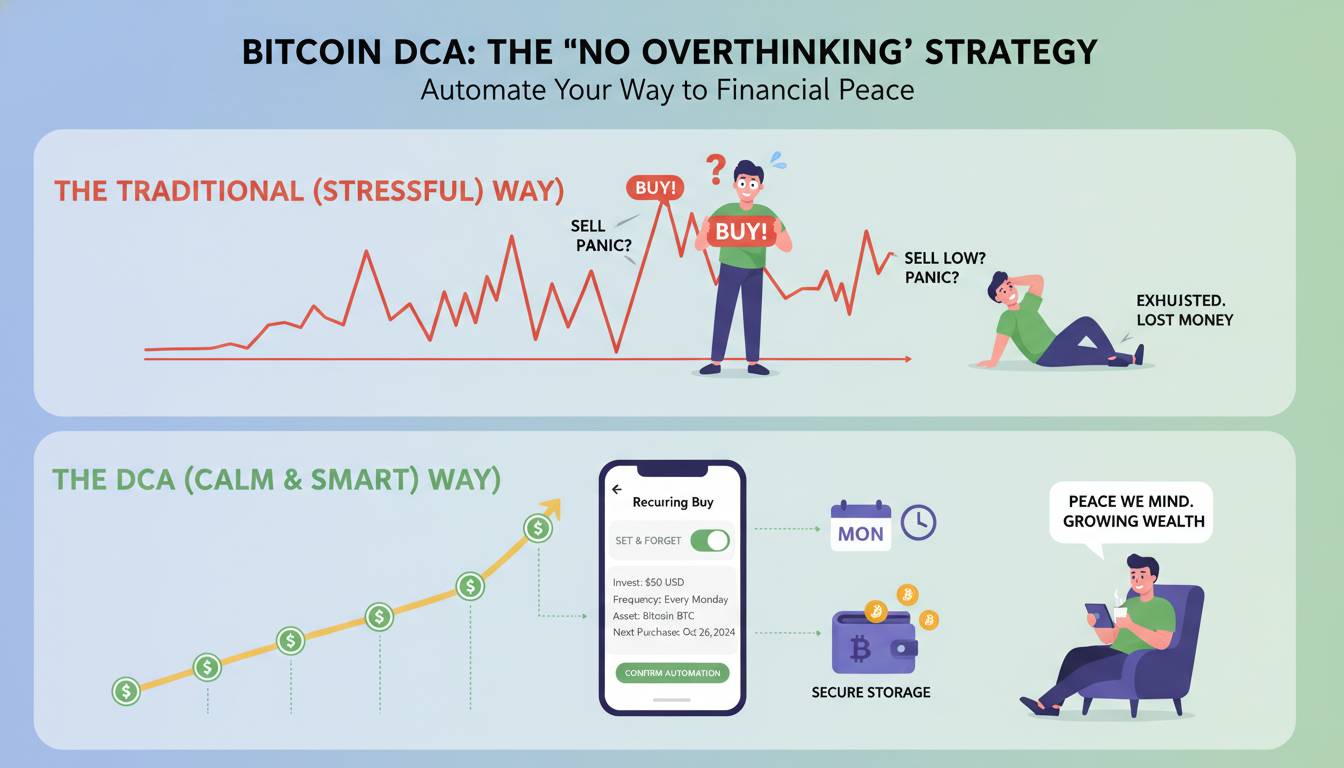
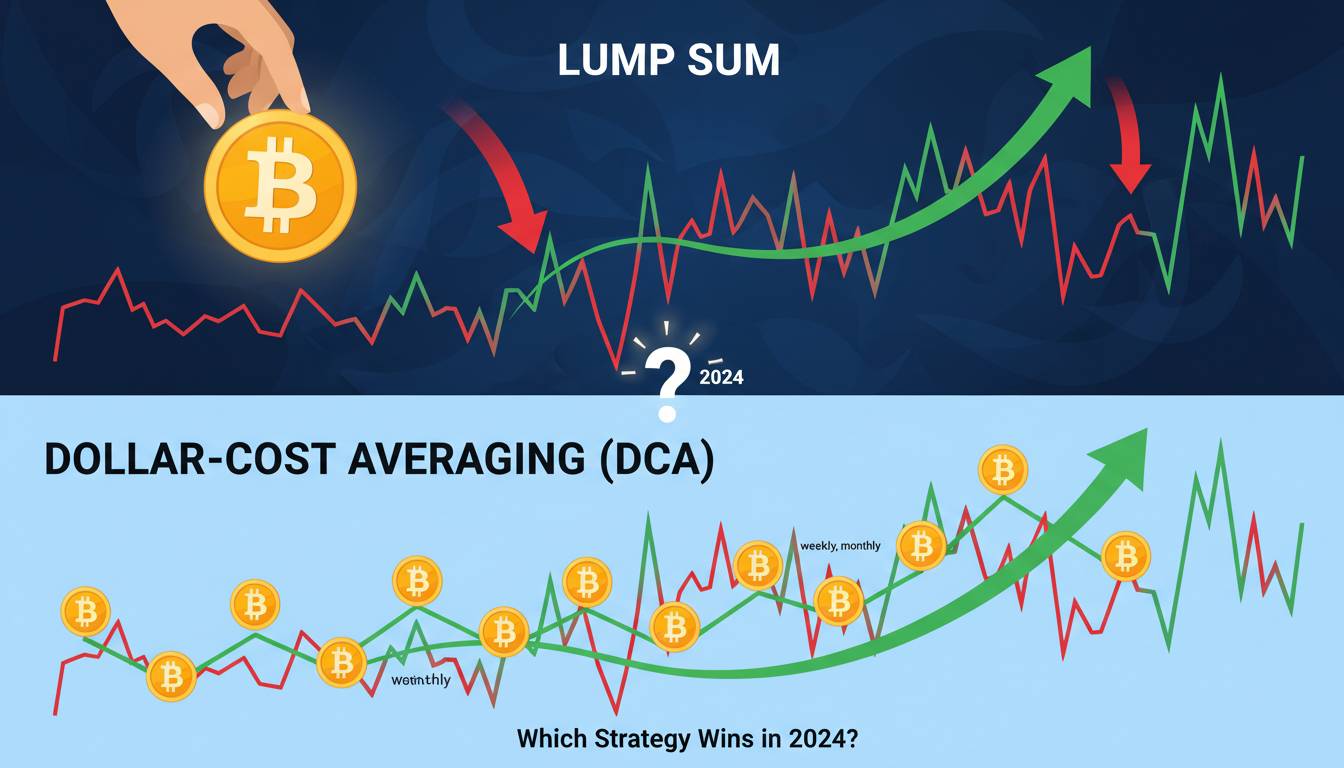
Here’s what two decades of market data teaches us: time in the market beats timing the market, almost every time, for almost every investor. Dollar-cost averaging — buying a fixed dollar amount at regular intervals regardless of price — removes the emotional component and typically produces results that beat trying to time entries perfectly.
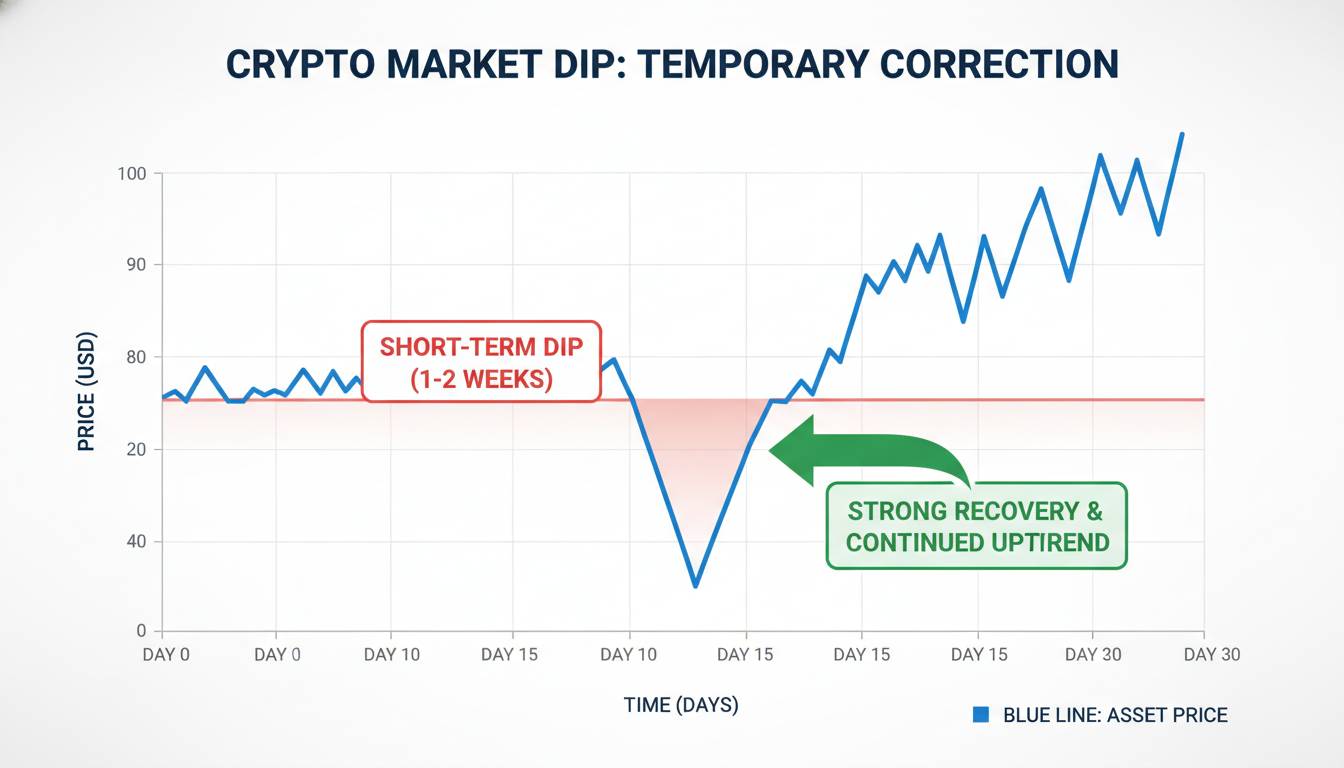
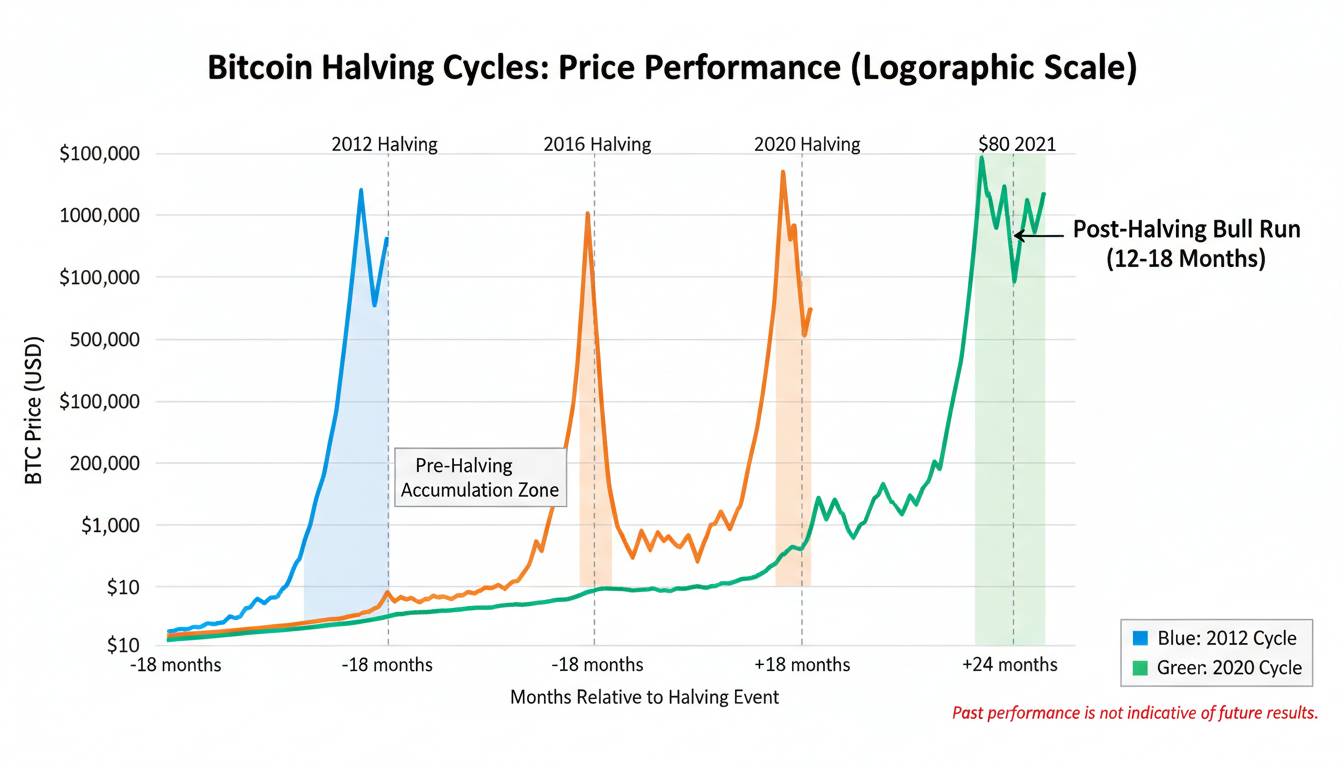
For Bitcoin specifically, the data is compelling. Any four-year period historically includes both massive rallies and devastating crashes. Someone who bought Bitcoin at any point in 2015 and held through 2024 would be profitable. The same is true for anyone who bought at any point in 2019 and held. The pattern holds across multiple market cycles.
With altcoins, timing matters more because many of them have shorter track records and can go to zero. But dollar-cost averaging still applies. Pick your allocation, pick your schedule (weekly, biweekly, monthly), and stick to it. Don’t increase your allocation during bull markets when everyone is excited. That’s when you’re most likely to buy at the top.
The Mistakes That Cost People the Most Money
I’ve watched friends and family make the same mistakes repeatedly in crypto. Here’s what to avoid.
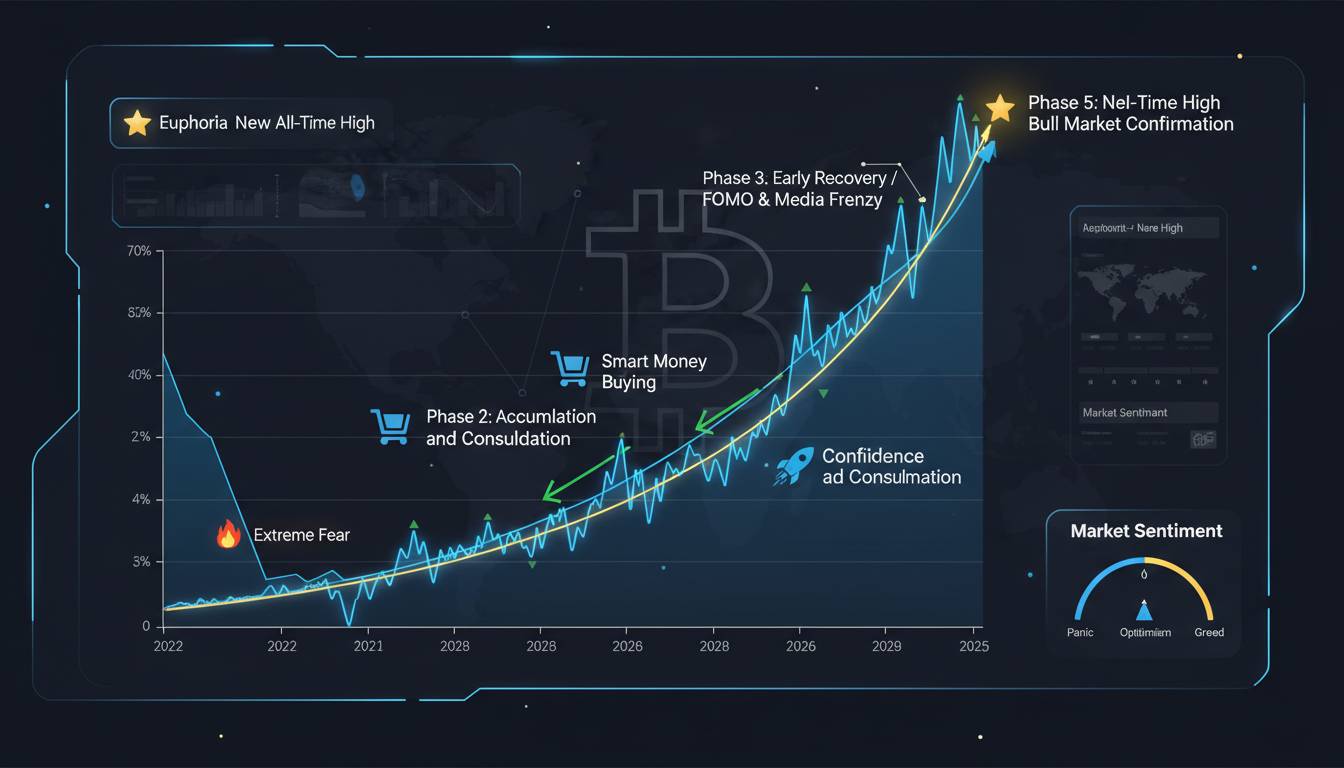
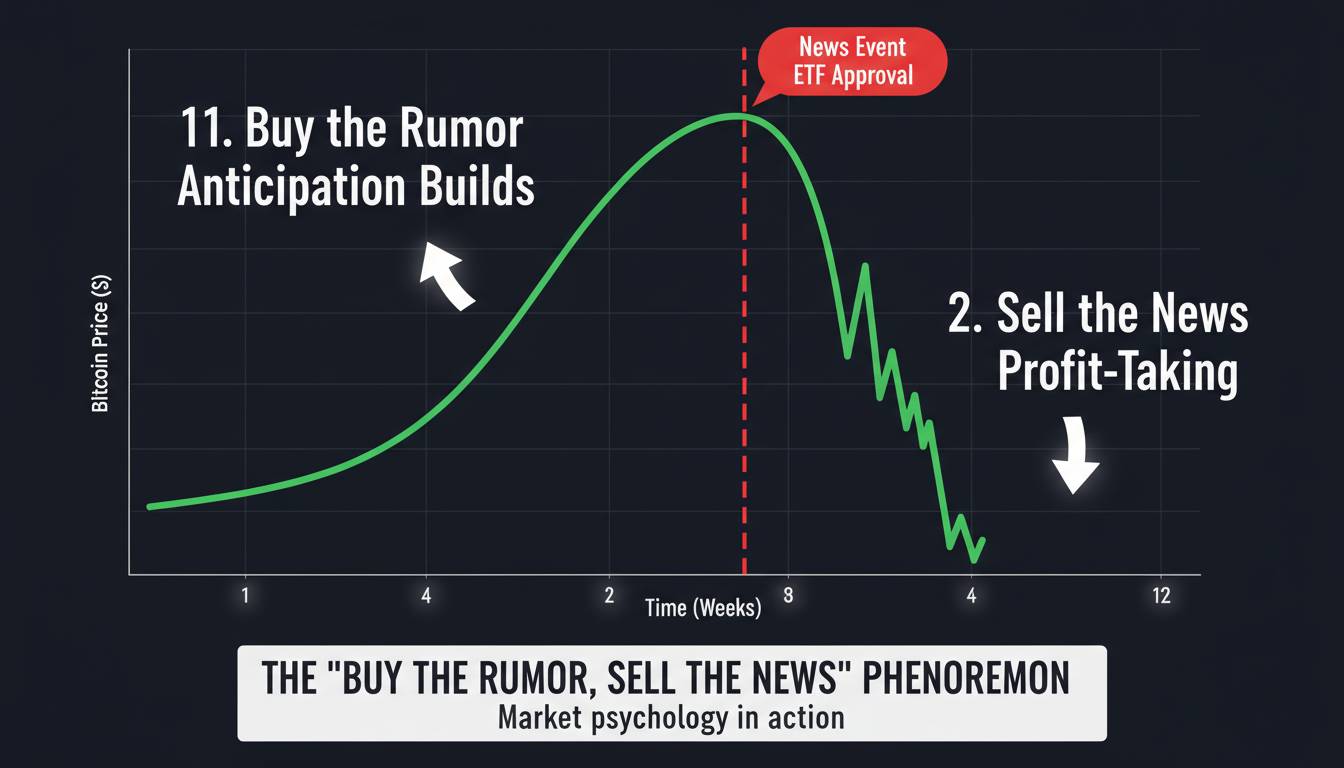
FOMO buying — This stands for Fear Of Missing Out, and it’s the most expensive emotion in crypto. You see a coin surging 30% in a day on Twitter, you don’t want to be left out, you buy at the top, and then you watch it drop 50% over the next week. The data consistently shows that retail investors buy at peaks and sell at bottoms. It’s exactly backward.
Over-diversification — More is not better when it comes to crypto. Holding 50 different altcoins doesn’t reduce risk — it multiplies your chances of holding something that goes to zero. It also makes it impossible to actually track what you own or understand the fundamentals of each investment. Five to ten well-researched positions are better than fifty random ones.
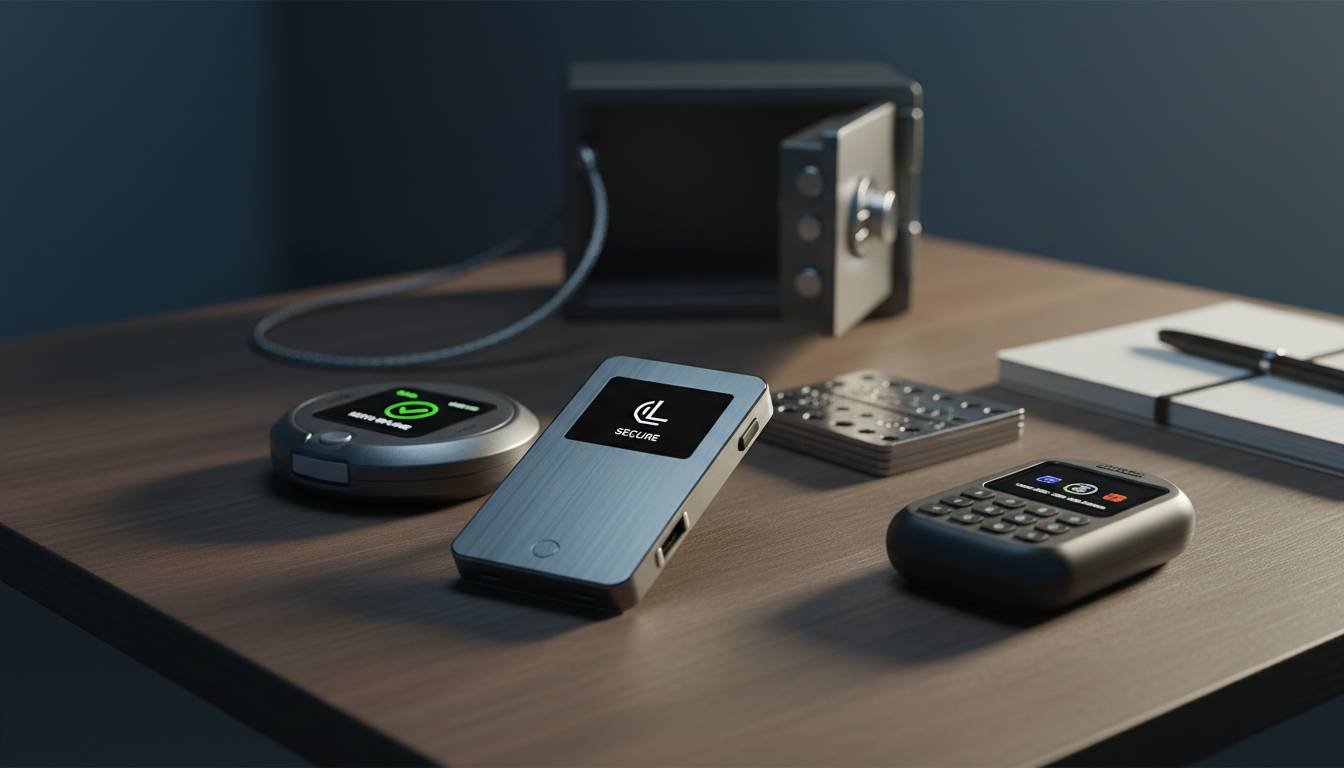
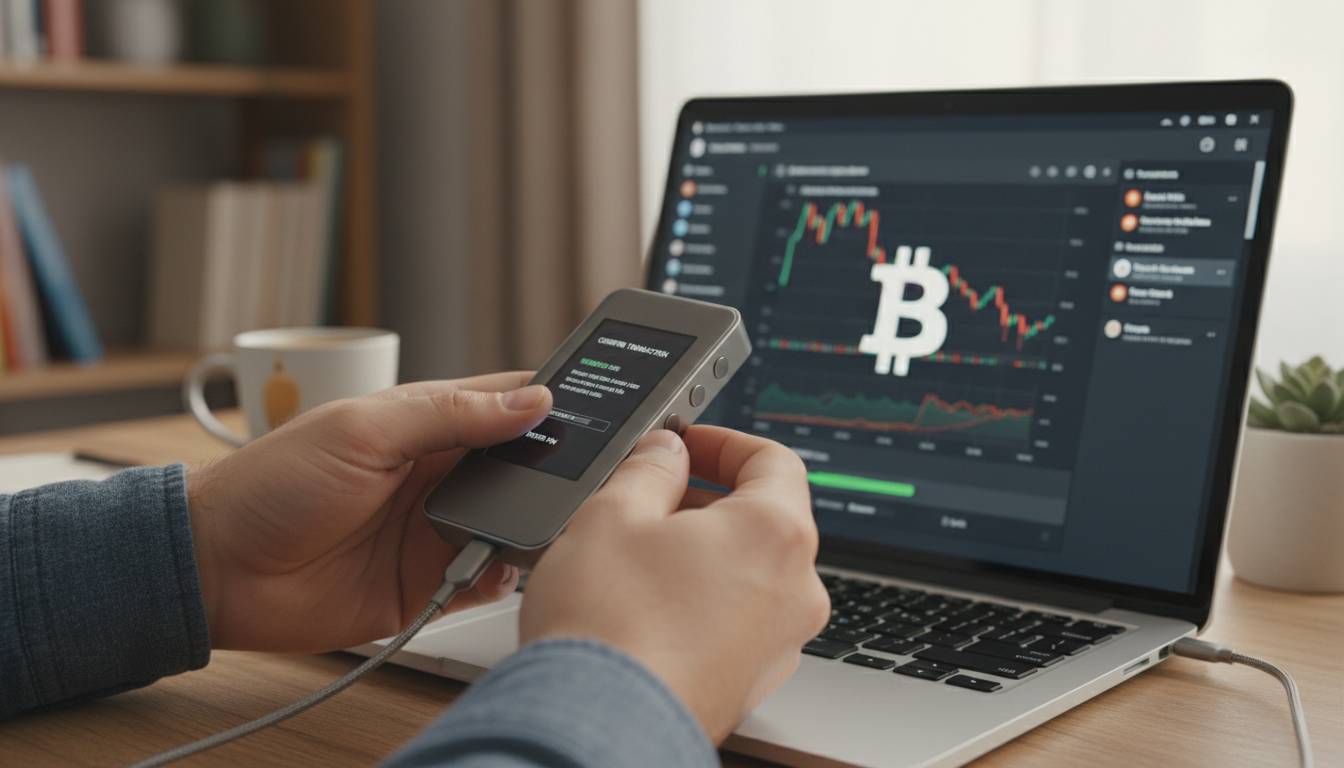
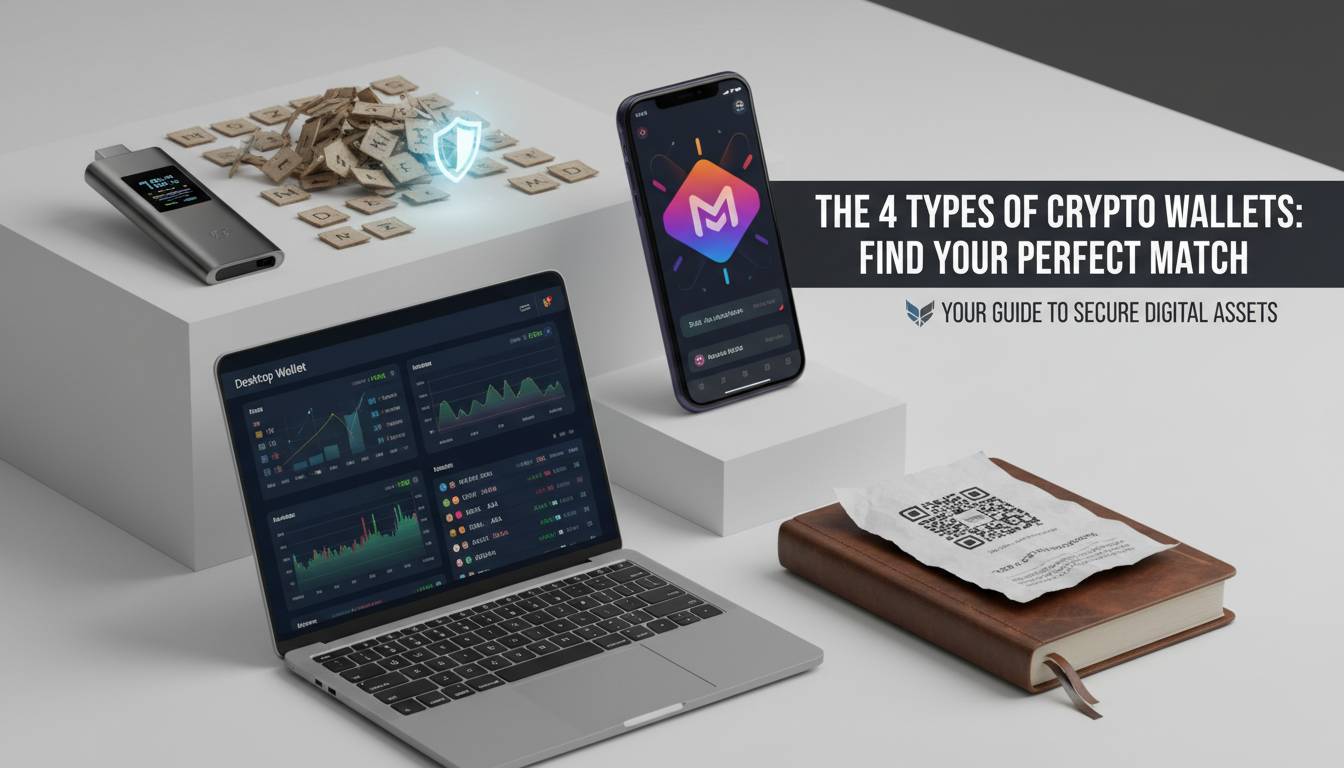
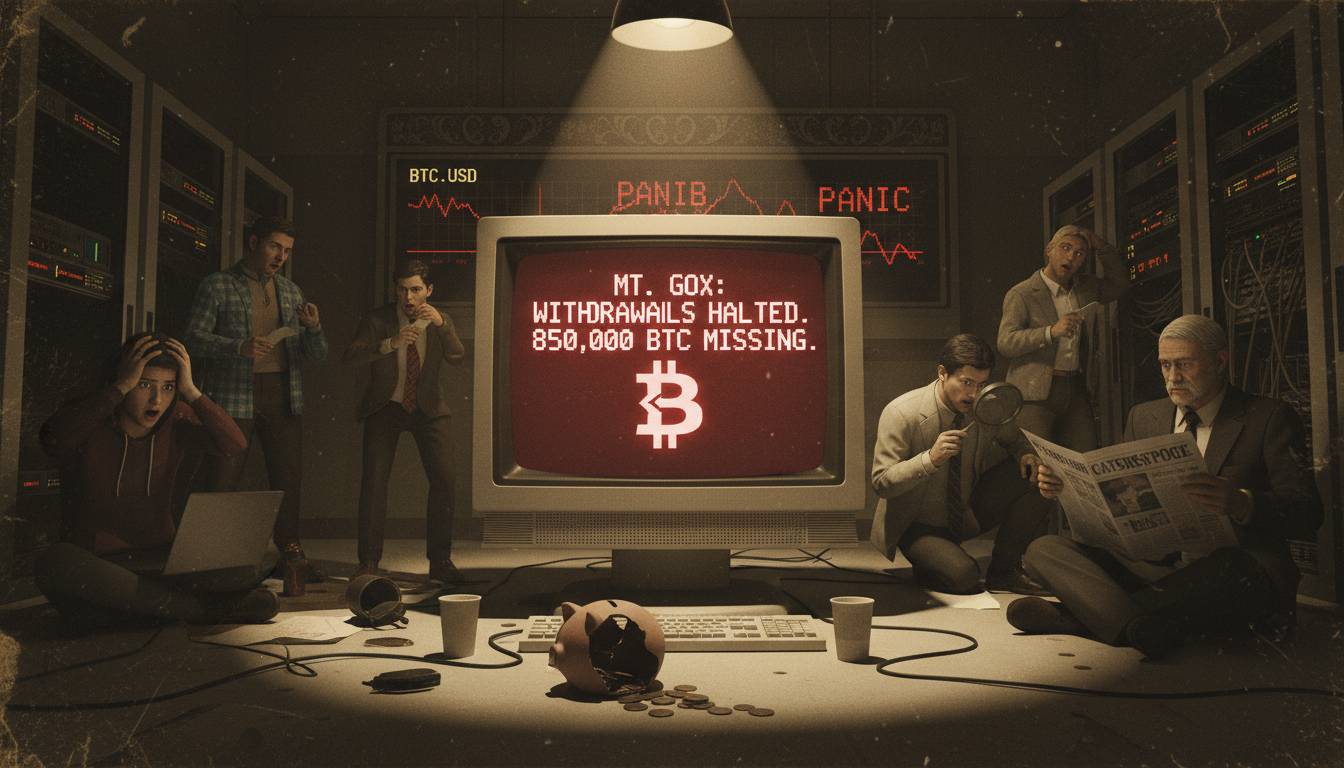
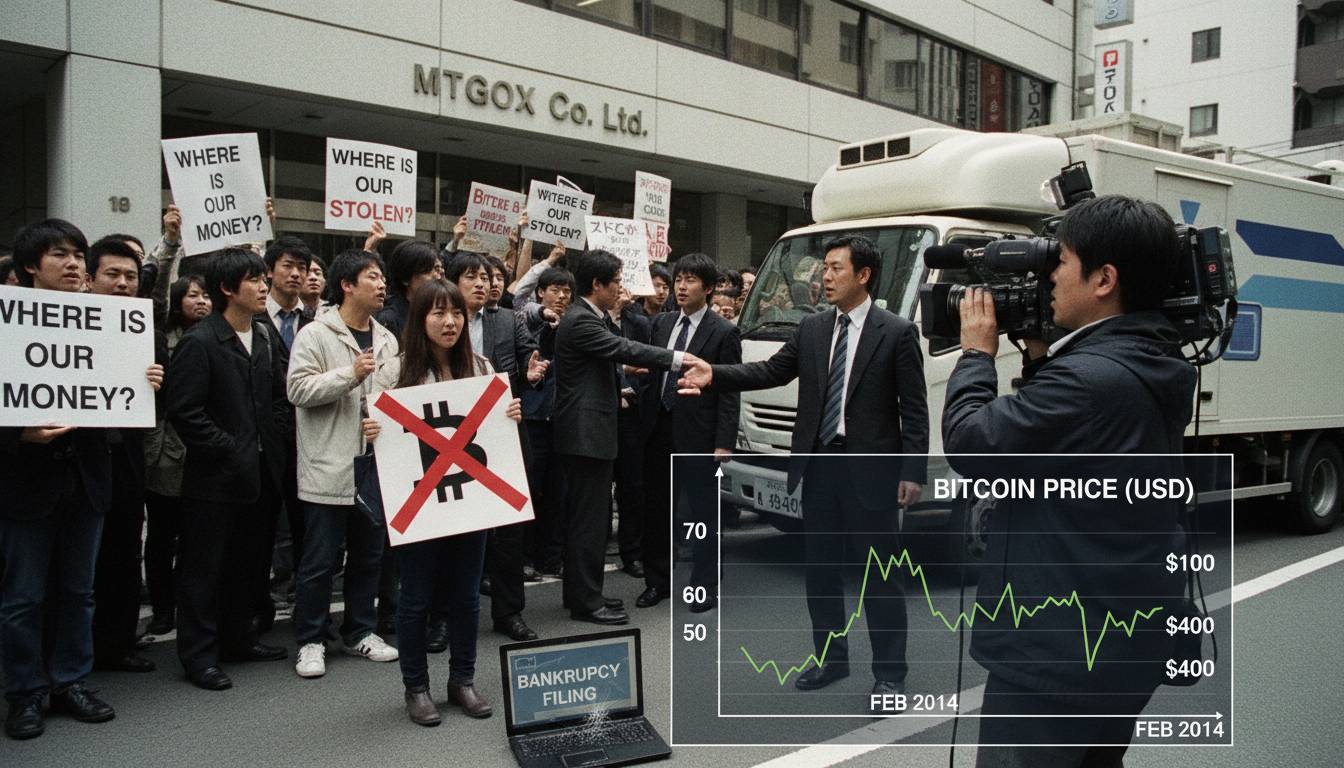
Ignoring security — Crypto exchanges get hacked. It’s happened to major platforms like Mt. Gox, Binance, and countless others. Your crypto on an exchange is technically the exchange’s crypto — they owe you, but if they get hacked or go bankrupt, you might lose everything. Hardware wallets cost $50-150 and represent the bare minimum for anyone holding more than a few hundred dollars in crypto.
Not having an exit strategy — When do you sell? Most people don’t have an answer. They hold through bull markets into bear markets, watching profits disappear, then sell in despair. Define your goals upfront. Is this retirement money? A 5-year hold? Something you’re trading actively? The strategy determines the exit, not the other way around.
Conclusion
If you’re still uncertain about where to start, here’s my honest recommendation: buy Bitcoin first. Build your foundation in the asset with the longest track record, deepest liquidity, and clearest regulatory status. Learn how crypto markets behave by watching a less volatile asset. Then, once you understand what you’re doing, allocate a smaller portion to altcoins if your risk tolerance allows.
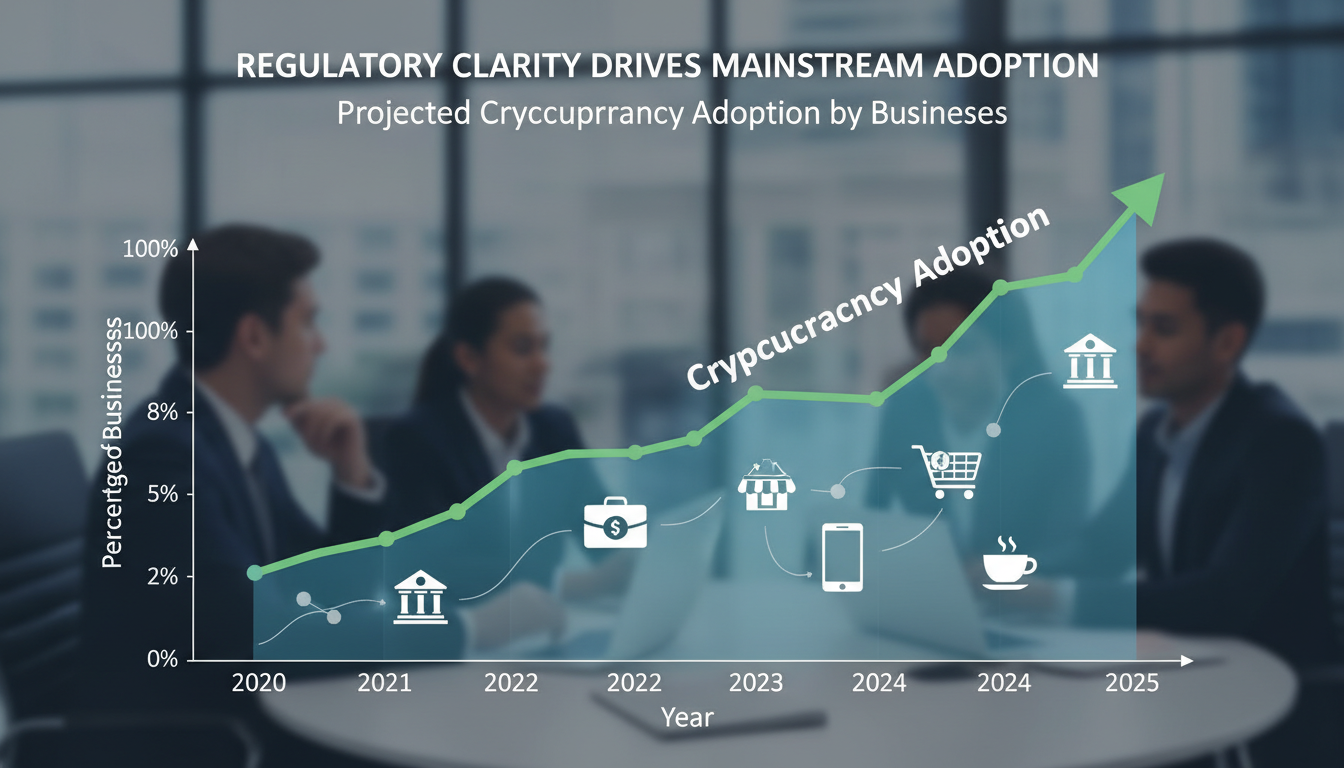
The crypto market will keep growing. New use cases will emerge, some will fail, and the landscape in 2030 will look very different from today. But the fundamentals of sound investing don’t change: know what you own, understand the risks, don’t invest more than you can afford to lose, and don’t let FOMO drive your decisions.
The question isn’t really Bitcoin vs altcoins. It’s about building a portfolio that matches your goals and sleeping soundly at night knowing you understand what you hold.
Frequently Asked Questions
Is it better to invest in Bitcoin or altcoins?
For most people starting out, Bitcoin is the better choice. It has a 15-year track record, the highest liquidity, and the most regulatory clarity. Altcoins offer higher potential returns but also significantly higher risk of permanent loss. If you’re new to crypto, building a Bitcoin position first gives you a foundation to understand the market before allocating to riskier assets.
What percentage of my portfolio should be in altcoins?
This depends on your risk tolerance. Conservative investors might do 10-20% in altcoins. Moderate investors can allocate 30-40%. Aggressive investors with high risk tolerance and long time horizons might go up to 50%. The key principle is that altcoins should only be a portion of your crypto allocation, not the majority, unless you’re specifically trying to speculate on higher-risk higher-reward opportunities.
Are altcoins riskier than Bitcoin?
Yes, in almost every measurable way. Altcoins have higher volatility, worse liquidity, greater regulatory uncertainty, and higher failure rates. While some altcoins have outperformed Bitcoin dramatically over certain periods, the distribution of returns is extremely skewed — most altcoins underperform Bitcoin, and many go to zero. Bitcoin’s first-mover advantage, institutional adoption, and regulatory clarity make it the lower-risk option.
Which altcoins have the most potential?
This is a difficult question with no definitive answer. Ethereum, as the leading smart contract platform, has the strongest case for utility and adoption. Solana has demonstrated significant growth in developer activity and user adoption. However, predicting which altcoins will succeed is extraordinarily difficult, and even experienced analysts frequently get it wrong. Any altcoin investment should be treated as speculative, not as a sure thing.