The obsessive part of your brain wants to wait for the perfect moment. It whispers that if you just hold off a few more weeks, you’ll catch the dip and pad your returns by a few percentage points. Here’s the uncomfortable truth: you won’t. Neither will I. Neither will the most sophisticated trading algorithms on the planet. Dollar-cost averaging into Bitcoin isn’t a compromise for people who lack conviction—it’s the most rational approach for anyone who recognizes that trying to time markets is a loser’s game. This guide walks you through exactly how to set it up, how much to invest, and which platforms make the process so automatic that you stop checking your phone every four hours.
What Dollar-Cost Averaging Actually Is (and Why It Works)
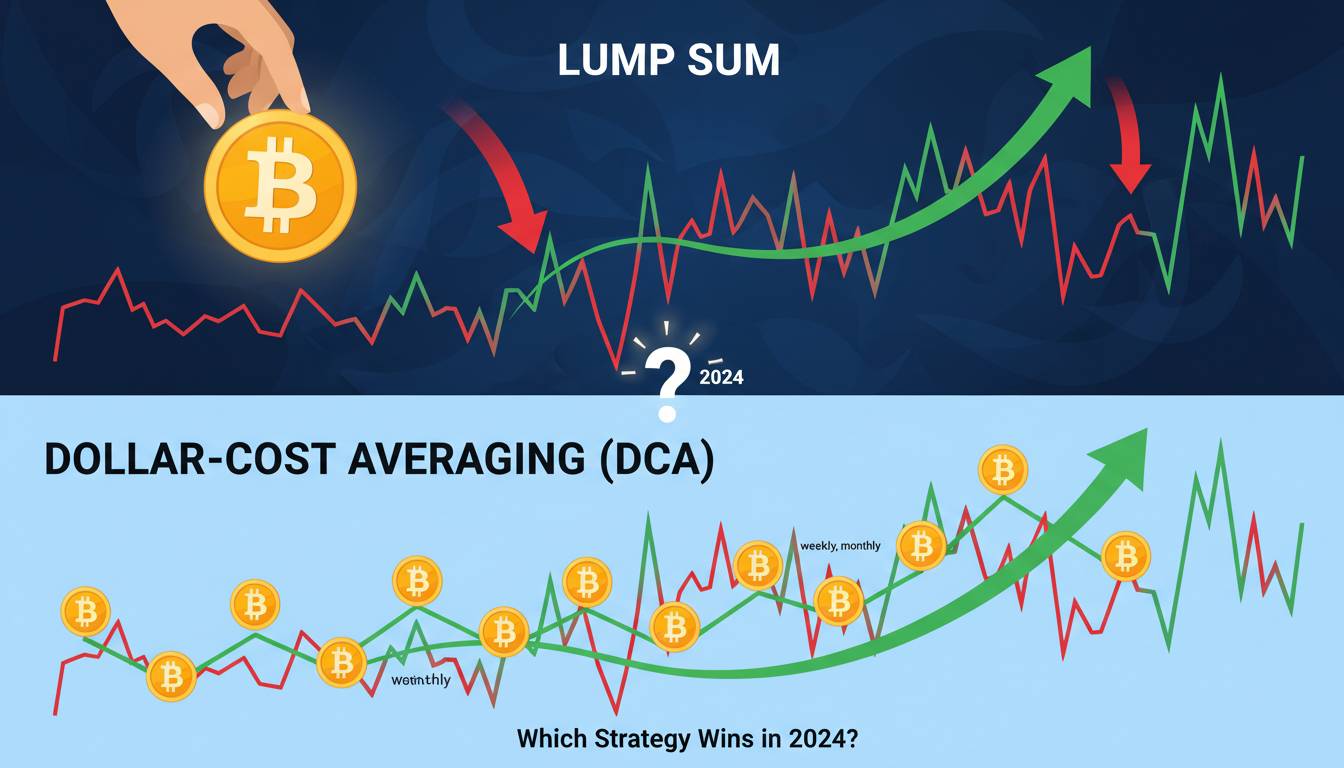
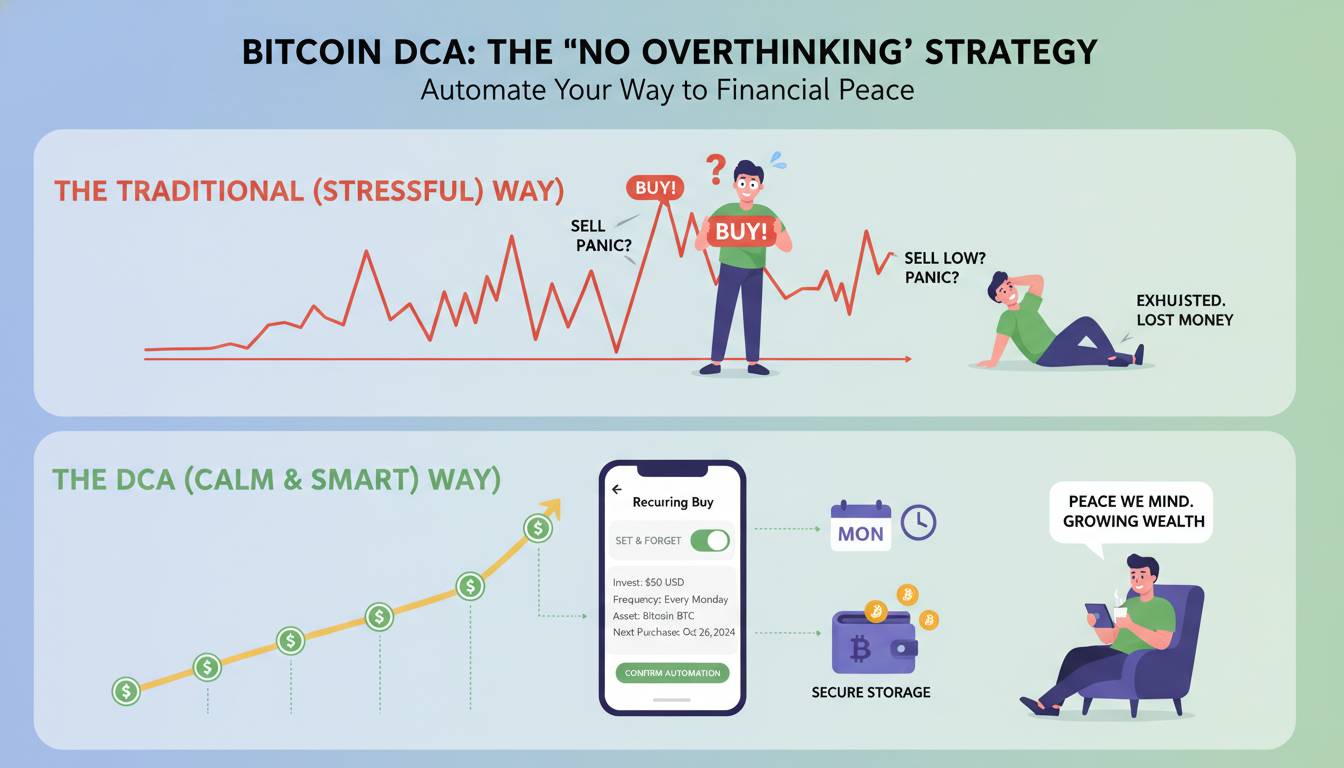
Dollar-cost averaging is straightforward: you invest a fixed amount of money at regular intervals regardless of Bitcoin’s price. Whether Bitcoin sits at $40,000 or $80,000 this month, you buy the same dollar amount. Sometimes your fixed purchase gets you more coins. Sometimes it gets you less. Over time, this smooths out the volatility into something resembling an average cost basis.
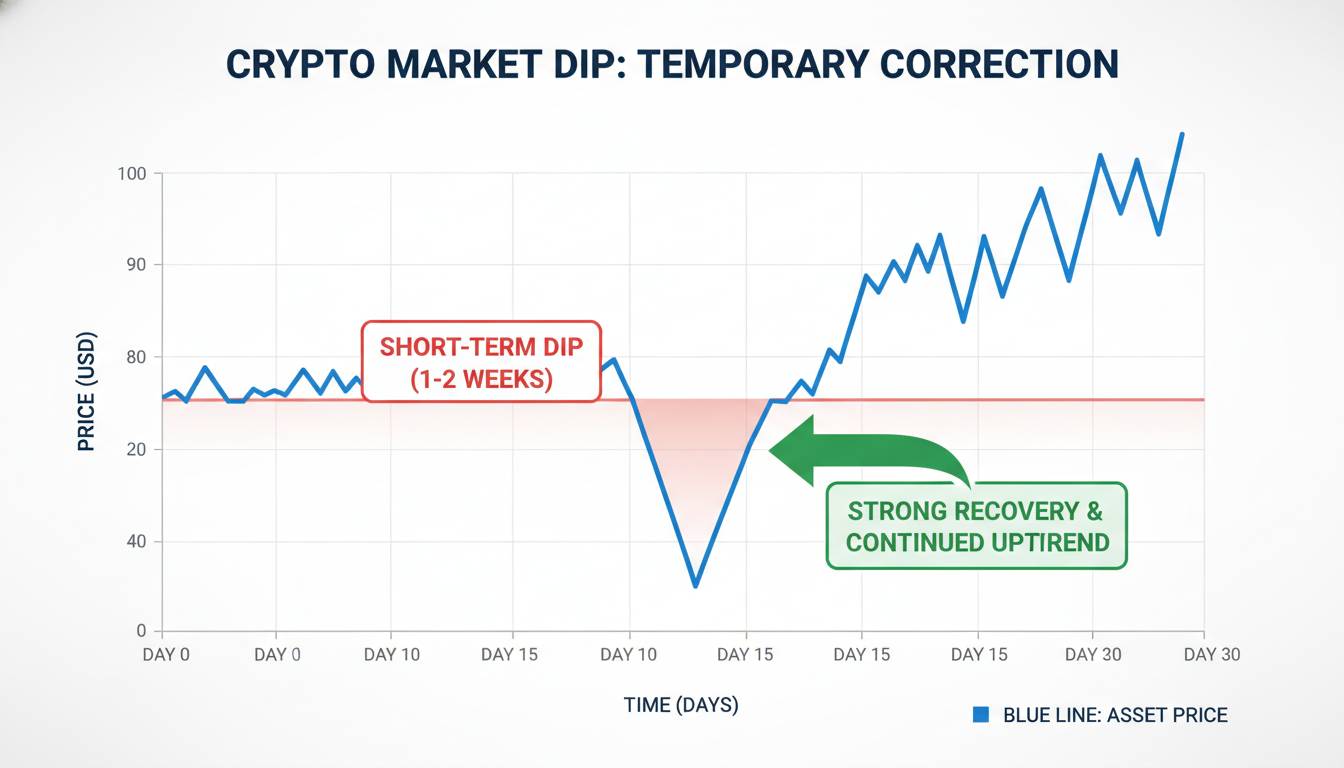
The logic here is simple. When prices drop, your fixed contribution buys more Bitcoin. When prices surge, you buy less. You’re following the oldest investment principle in existence—buy low, sell high—without requiring yourself to predict anything. You’re executing it automatically, every single week or month, regardless of what the market is doing.
The research is more consistent than most people realize. A 2022 study from the Financial Analysts Journal examined lump-sum investing versus DCA across decades of market data and found that lump sum beats DCA roughly two-thirds of the time in bull markets, but DCA consistently outperforms during volatile or bear periods. Bitcoin’s price action over the past five years has been decidedly the latter more often than the former. More importantly, DCA eliminates the behavioral damage that timing attempts cause—selling during panic, buying during euphoria, and the paralysis that keeps otherwise willing investors on the sidelines entirely.
Step-by-Step: Setting Up Your DCA Routine
The entire process takes about fifteen minutes the first time and requires roughly thirty seconds per month afterward. Here’s how to actually do it.
Choose your platform. For most people, Coinbase, Kraken, or Binance US offer the best combination of low fees, reliable uptime, and straightforward interfaces. Coinbase Pro (not the standard Coinbase) charges fees as low as 0.5% per trade depending on volume, while Kraken’s maker-taker model can drop to 0.16% for high-volume users. If you’re in the US, Binance US is restricted but still functional; if you need broader access, Kraken serves the most US jurisdictions. Cash App works if you already have it installed and don’t mind slightly higher fees—it’s convenient, not optimal.
Verify your identity and fund your account. Link a bank account through ACH for free deposits (one to three business days) or wire for same-day funding if you’re eager to start immediately. Most platforms require identity verification, which can take anywhere from fifteen minutes to forty-eight hours depending on demand. Don’t wait until you’ve decided to start—get the account set up before you’re ready to buy.
Set your recurring purchase. Navigate to the “Buy” section, select Bitcoin, choose “Recurring” or “Auto-buy,” and specify your amount and frequency. Weekly is ideal for most people; bi-weekly works if cash flow is tighter. Choose a day of the week that aligns with your pay schedule—buy on payday, not two days later when you’ve already spent the mental budget.
Enable the purchase and walk away. That’s it. The entire point is that you never need to open the app again. Disable the price notifications if they trigger anxiety. Delete the widget from your home screen. Set a calendar reminder to check your portfolio once per quarter if you must, but the automation is the entire value proposition.
How Much Should You Invest? The Numbers That Actually Make Sense
There’s no universally correct amount, but there is a framework that works for most people. The standard recommendation—invest what you’re comfortable with—helps nobody. Here’s a more useful approach.
If you’re new to Bitcoin, start with 1% to 3% of your monthly take-home pay. For someone earning $5,000 monthly after taxes, that’s $50 to $150. This amount is small enough that a 50% drawdown won’t cause genuine financial harm, but large enough that you’ll care enough to pay attention. The psychological stake matters. Money you don’t care about produces decisions you don’t learn from.
After six months of consistent buying, evaluate whether your stress levels remain manageable. If they do—and they usually do, because the automation removes the decision fatigue—consider increasing to 5% to 10% of income. Many long-term Bitcoin holders eventually land somewhere in the 5% to 10% range, treating it as a forced savings vehicle that happens to appreciate rather than a speculative bet.
The percentage approach matters more than the absolute dollar amount because it scales with your income. Someone making $10,000 monthly and someone making $3,000 monthly both following a 5% allocation are making equivalent financial commitments relative to their situation. The person following percentage-based rules also automatically adjusts as their income grows, avoiding the trap of “set it and forget it” at a level that became irrelevant years ago.
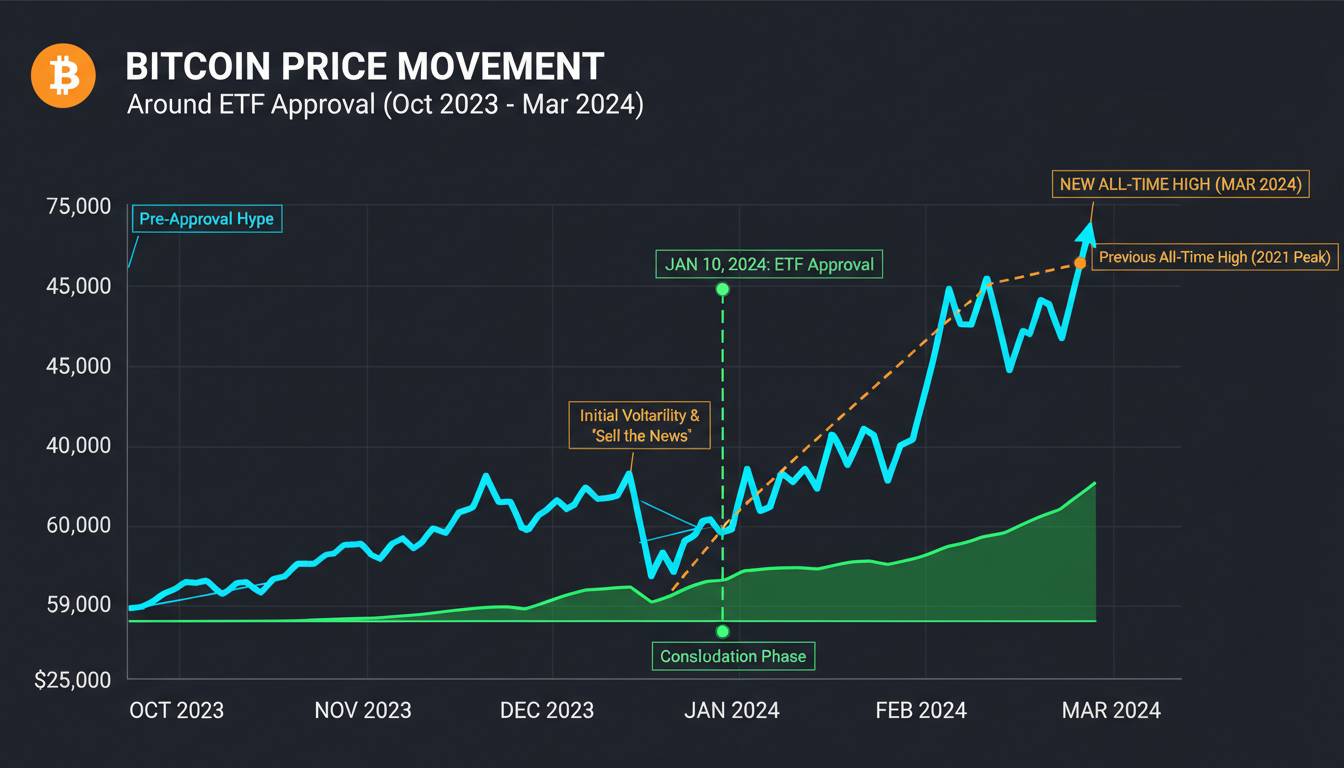
A concrete example: Marcus, a software developer in Austin, started with $100 weekly in January 2023 when Bitcoin traded around $23,000. By December 2024, his weekly purchase was still $100, but his total holdings had grown through both price appreciation and continued accumulation. Had he tried to time his entries, he would have likely waited through the $30,000 range, missed the subsequent run-up, and eventually FOMO’d in at higher prices—the exact behavior DCA is designed to prevent.
The Honest Comparison: DCA vs. Lump Sum Investing
Here’s where most articles on this topic cheat you: they pretend the case for DCA is obvious and the case for lump sum doesn’t exist. That’s intellectually dishonest. Both strategies have legitimate arguments, and which one makes more sense depends on your specific situation.
Lump sum investing puts your money to work immediately. In a generally upward-trending asset class—which Bitcoin has been over its fourteen-year history despite violent fluctuations—you want as much capital deployed as early as possible. The math is unambiguous in calm markets: time in the market beats timing the market. If you have a large sum available today and you believe Bitcoin will be higher in five years, dumping it all in now maximizes your exposure.
The problem is that “large sum available today” describes almost nobody who asks about DCA. Most people don’t have $50,000 sitting around waiting to be invested. They have income that arrives biweekly. For them, the question isn’t “DCA versus lump sum”—it’s “DCA versus not investing at all.” The anxiety of deploying a large position paralyzes people into doing nothing. DCA solves that problem by making the decision trivially small. You can always afford $50 this week. You can’t always be confident about $25,000 right now.
There’s also a behavioral argument that the pure math overlooks. Even when lump sum is theoretically superior, most investors can’t hold the position through the volatility that follows. They see a 30% drop, panic, and sell at the worst possible moment. DCA provides a psychological cushion because you’re continuing to buy during the dip—some part of you is always “accumulating at discount prices,” which makes the red numbers on screen easier to tolerate.
The honest answer: if you have a windfall or significant savings you want to allocate to Bitcoin, lump sum is mathematically fine. If you’re investing from income, DCA is the only approach that actually works for human beings with normal amounts of fear and hesitation.
The Best Platforms for Automatic Bitcoin Purchases
The platform matters less than the habit, but some platforms make the habit significantly easier to maintain.
Coinbase remains the largest US exchange for a reason. The interface is the most beginner-friendly, recurring purchases can be set up in under sixty seconds, and their “Coinbase One” subscription ($29.99 monthly) waives trading fees if you execute more than a few trades. The downside is that their spread—the difference between buy and sell prices—is notoriously wide for small purchases, sometimes hitting 2% or more. For DCA at $100 weekly, that spread adds up.
Kraken offers a better fee structure for regular buyers. Their Instant Buy feature carries higher fees, but using the standard trading interface for scheduled purchases keeps costs below 0.4% for most users. Their platform is slightly more complex than Coinbase, but the fee savings are material if you’re planning to hold for years.
Swan Bitcoin is a dedicated Bitcoin-only platform that has carved out a niche specifically for DCA enthusiasts. They don’t offer altcoins, which is a feature not a bug—it removes the temptation to “diversify” into projects you’ll regret. Their automatic transfer feature integrates directly with bank accounts, and their fee structure is transparent: a flat 0.9% spread on all purchases, which beats Coinbase for most small recurring buys.
Cash App works if simplicity is your only criterion. The ability to schedule recurring purchases exists, though it’s buried in the interface. The fee structure is opaque—you’ll pay roughly 1.5% to 2% in hidden spread, making it the most expensive option on this list. But if you’re already using Cash App for payments, the convenience of not installing another app has real value.
For most people, Kraken or Swan will serve best over a five-year time horizon. Coinbase if you need maximum hand-holding.
Three Mistakes That Will Undermine Your Strategy
You can set up the perfect DCA routine and still sabotage yourself. Here are the failure modes to actively avoid.
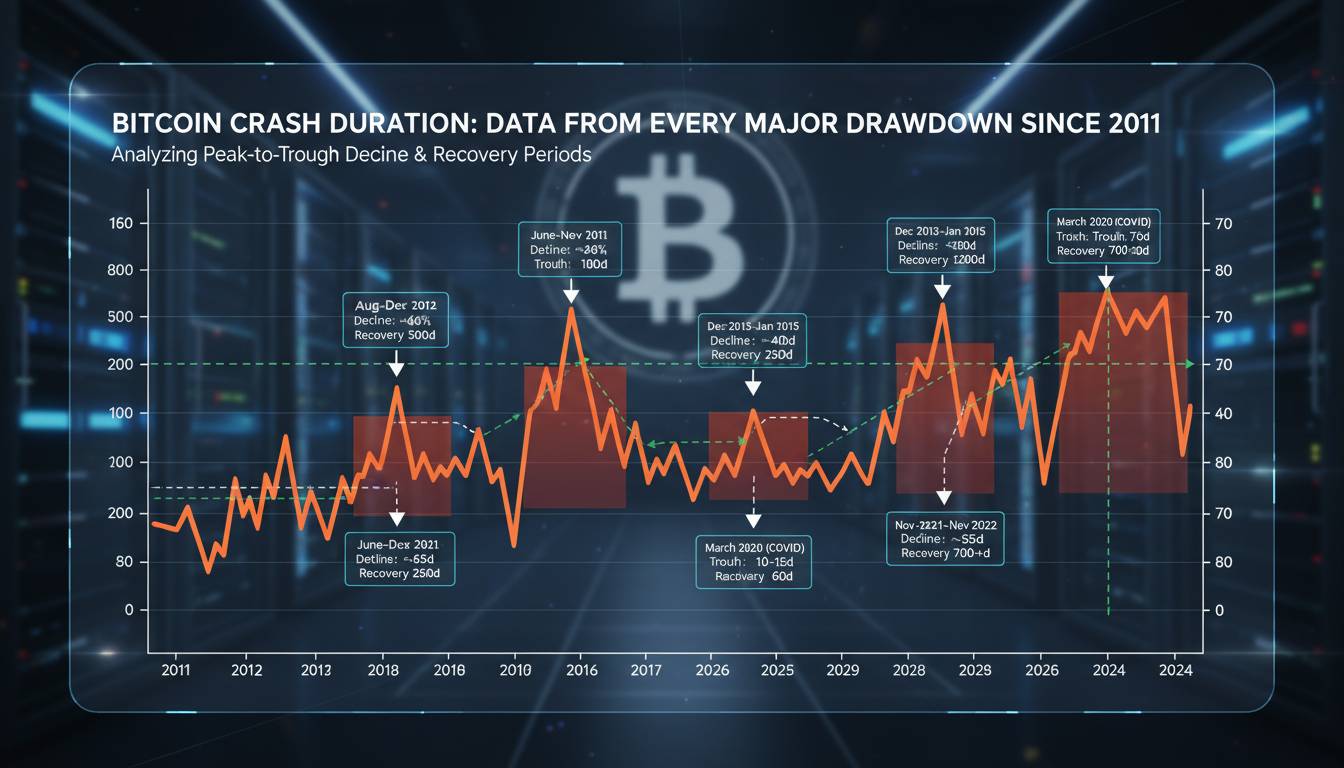
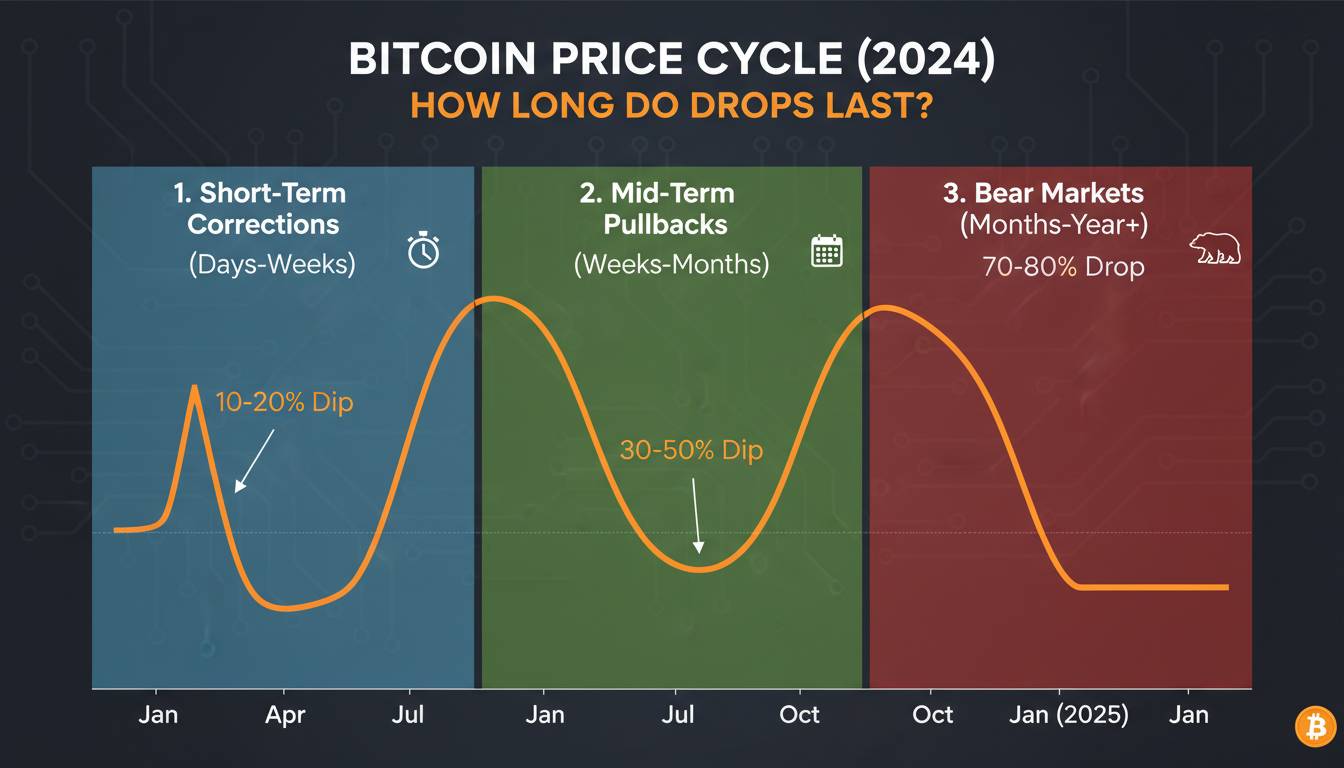
Stopping during bear markets. The entire point of DCA is buying more when prices are low. Yet the most common behavior is the opposite: people start DCAing enthusiastically during bull runs, then stop the moment Bitcoin drops 40%. They’re effectively buying high and selling low, just in slow motion. If you can afford to continue your contribution during a downturn, you absolutely should. Your future self will thank you.
Obsessing over frequency. Weekly DCA versus monthly DCA produces virtually identical results over any holding period longer than two years. The difference in cost basis between the two approaches is typically less than 1%. If weekly feels too hands-on, do monthly. If monthly feels too infrequent, do weekly. The optimal frequency is the one you’ll actually maintain. The best strategy is the one you don’t quit.
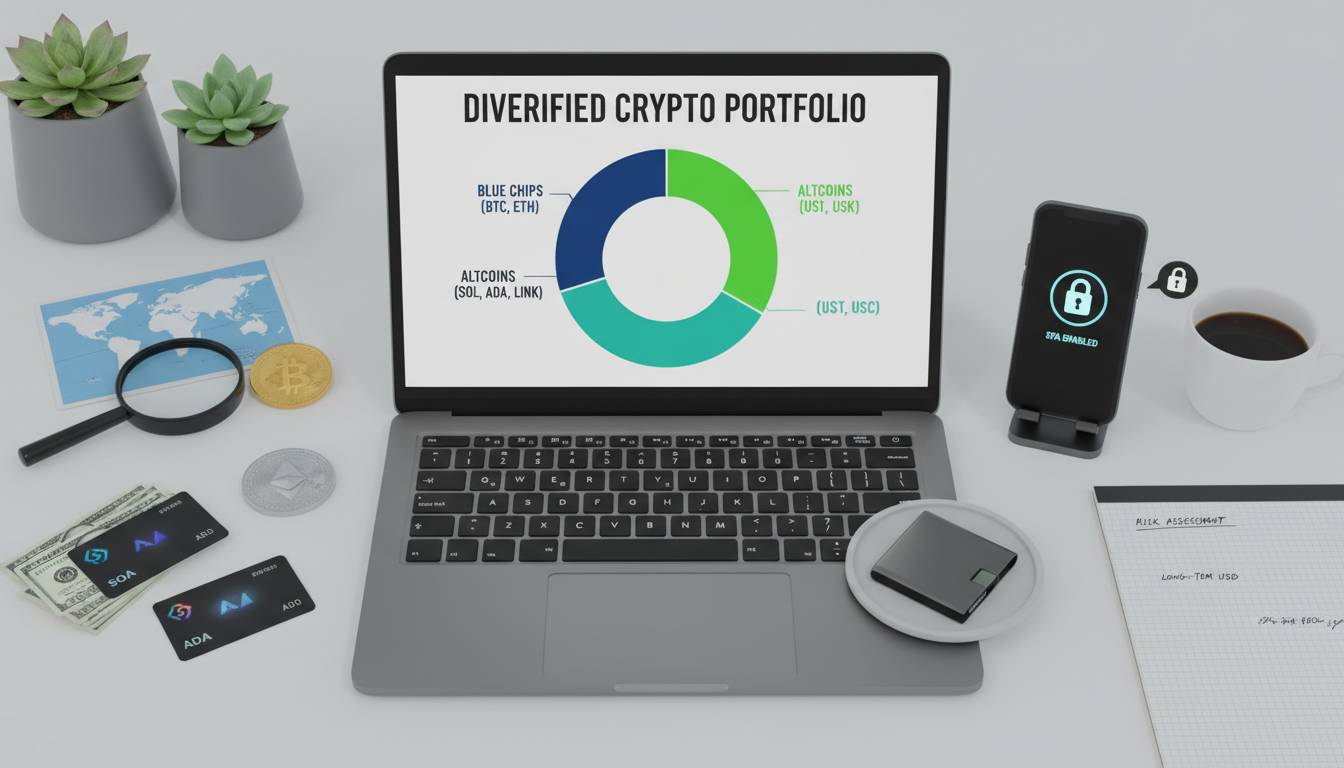
Chasing alternatives. You set up DCA into Bitcoin, and then you hear about someone making 10% more on some altcoin. You abandon your boring plan to chase returns elsewhere. You lose money on the altcoin, then lose momentum on Bitcoin. The grass is always greener until you realize it was astroturf. Stick to the plan you already have.
When DCA Stops Making Sense
DCA is the right approach for most people in most situations, but it has real limitations that honest articles won’t mention.
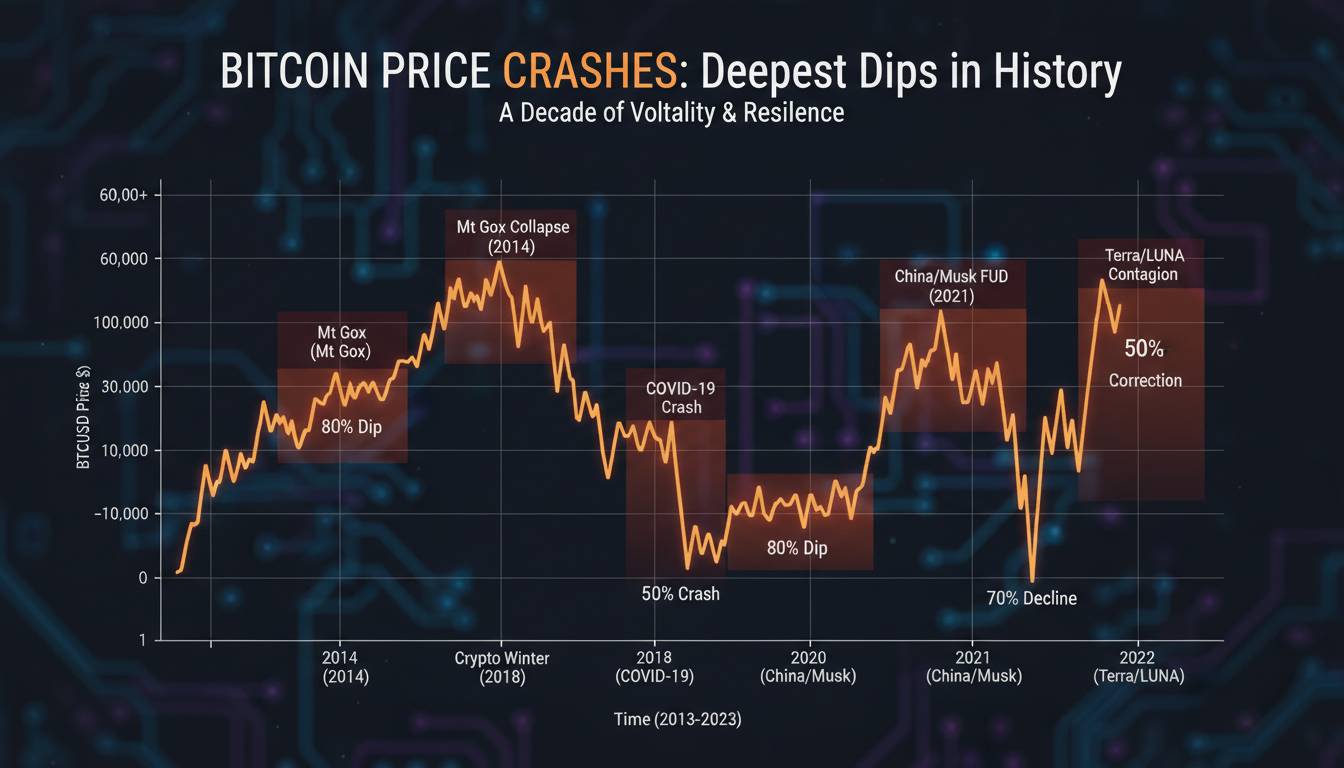
If you’re retired or on a fixed income, the volatility of Bitcoin—even smoothed through DCA—may be inappropriate for your risk tolerance. The last thing you want is to need cash during a 70% drawdown and be forced to sell at a loss. For this cohort, a more conservative allocation or a different asset class entirely makes sense.
If you’re a professional trader with access to derivatives, liquidity, and sophisticated risk management, DCA is inefficient. You can deploy capital more strategically. But this describes a vanishingly small percentage of readers, and if it described you, you wouldn’t be reading this article—you’d be executing your own strategy.
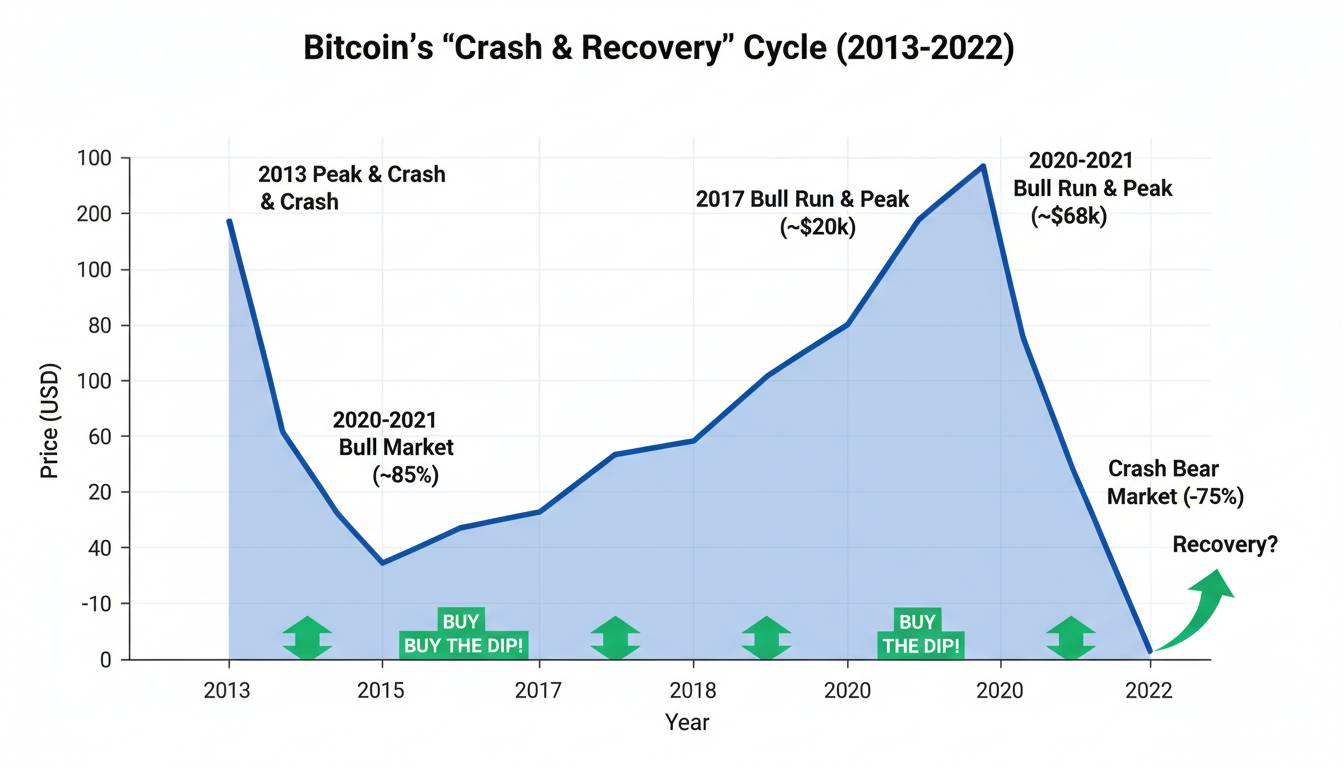
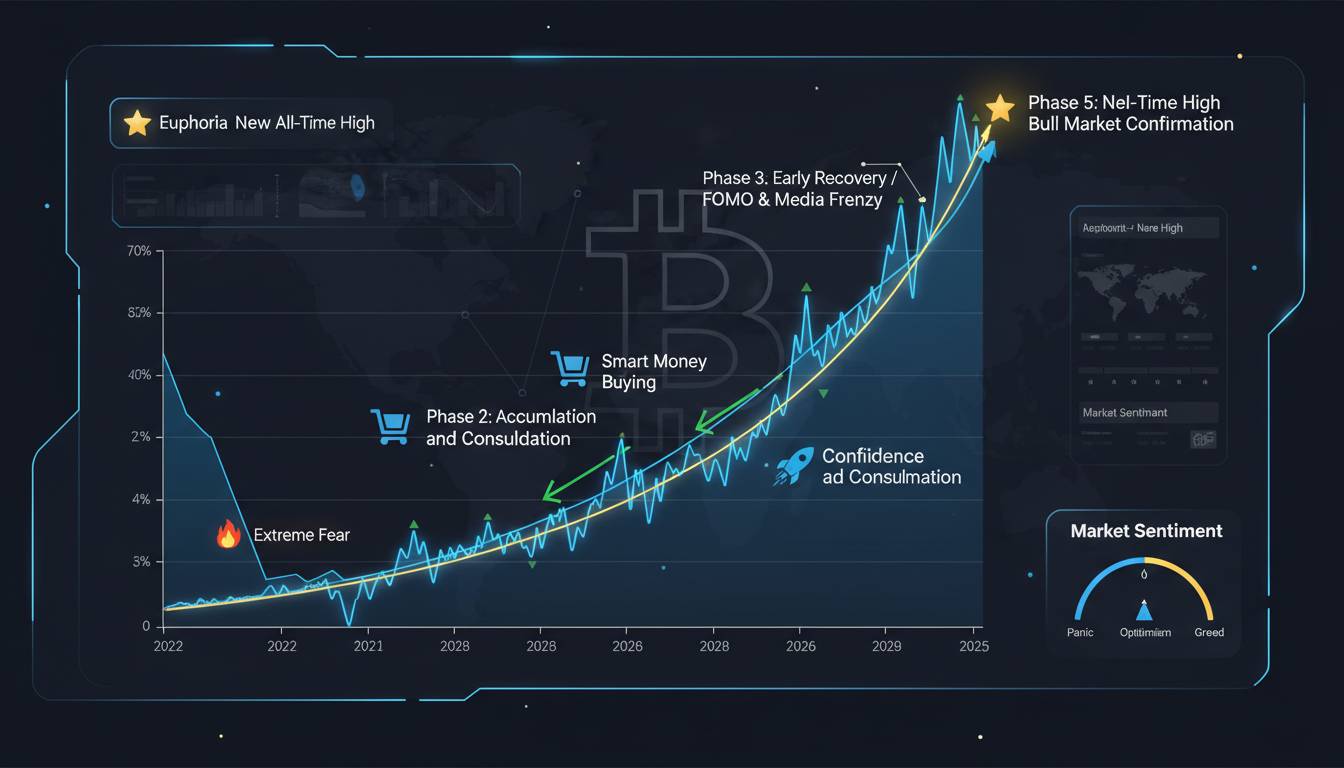
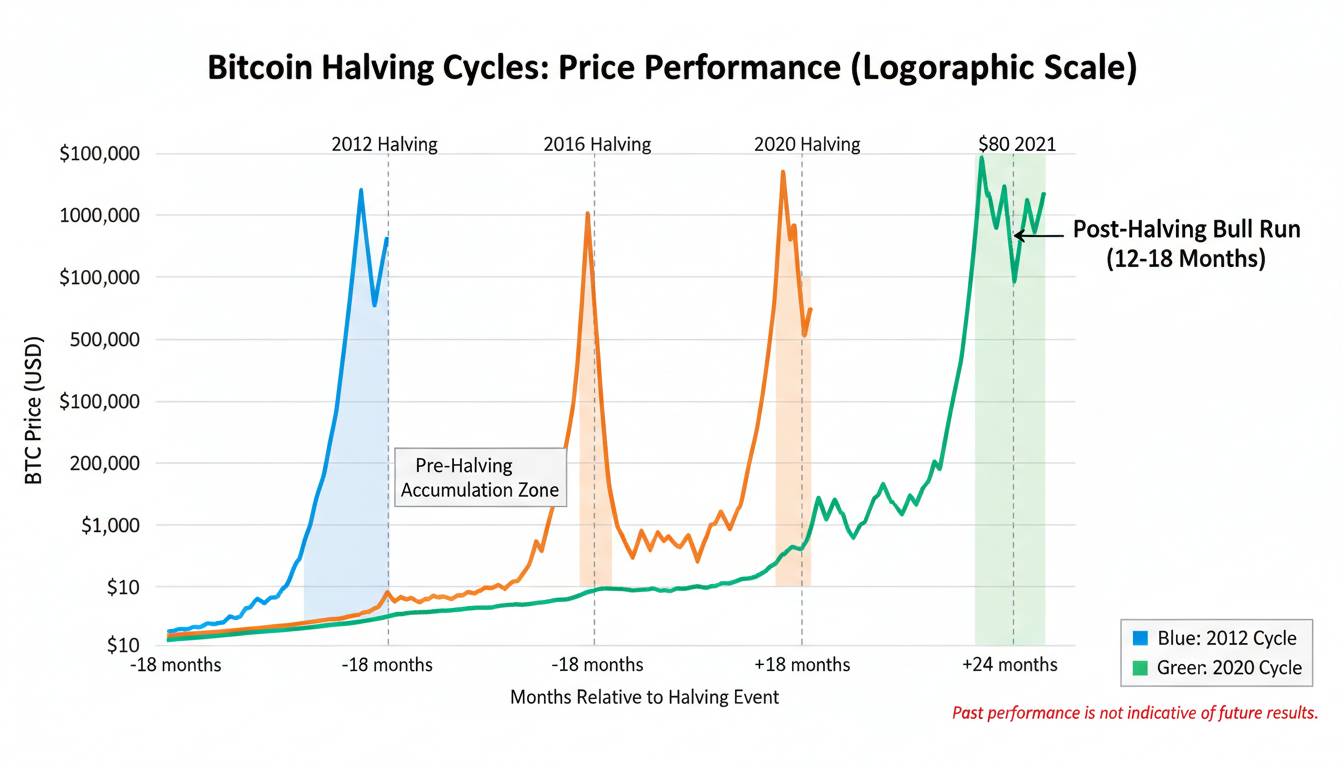
There’s also a timing consideration that rarely gets discussed: DCA underperforms in prolonged bull markets. If Bitcoin enters a multi-year rally without significant corrections, you’re constantly buying at higher and higher prices. The 2020-2021 cycle saw DCA users lag behind lump-sum investors who got in early. The question is whether you can live with modest underperformance in bull markets in exchange for preserved sanity and avoided catastrophic timing mistakes. Most people can. Most people should.
Frequently Asked Questions
How often should I DCA into Bitcoin?
Weekly or bi-weekly purchases are optimal for most people. Daily is unnecessary—transaction fees compound, and the cost basis difference from daily to weekly purchases is negligible. Monthly works if your cash flow doesn’t align with more frequent intervals.
Is DCA better than lump sum?
For investors deploying income over time, DCA is psychologically and practically superior. For those with a large lump sum available, pure math favors immediate deployment, but DCA provides a behavioral hedge against panic selling. The “right” answer depends on your funds, your temperament, and whether you can hold a lump-sum position through volatility.
What happens if Bitcoin goes to zero?
If Bitcoin goes to zero, your DCA contributions are lost. This is the same risk any investment carries. Bitcoin failing to zero would require the complete collapse of the entire cryptocurrency ecosystem and global financial infrastructure—scenarios where your DCA losses would be among your smaller problems.
Should I stop DCA when Bitcoin is dropping?
No. Dropping prices mean your fixed dollar contribution buys more Bitcoin. This is the mechanism that lowers your average cost basis. Stopping during drops defeats the entire purpose of the strategy.
The Real Secret Nobody Tells You
The secret to DCA isn’t finding the perfect platform, calculating the optimal frequency, or selecting the ideal amount. It’s making the decision once and then removing your ability to make it again. You set up the recurring purchase, you fund the account, and you deliberately create friction between yourself and the decision to stop. You make it easier to continue than to quit.
The market will do what the market does. It will surge in ways that make you feel foolish for not buying more during the dip. It will crash in ways that make you question your sanity for investing at all. DCA doesn’t change any of that. What it does is ensure you participate consistently regardless of what your emotions are screaming at you this week.
You don’t need to overthink this. You need to start, stay consistent, and resist the urge to optimize your way out of a strategy that’s already optimal for your situation.
The hardest part isn’t executing the DCA. It’s logging into your account once, setting it up, and then having the discipline to forget about it for years. Most people can’t do that. If you can, you’re already ahead of the vast majority of investors—Bitcoin and otherwise.