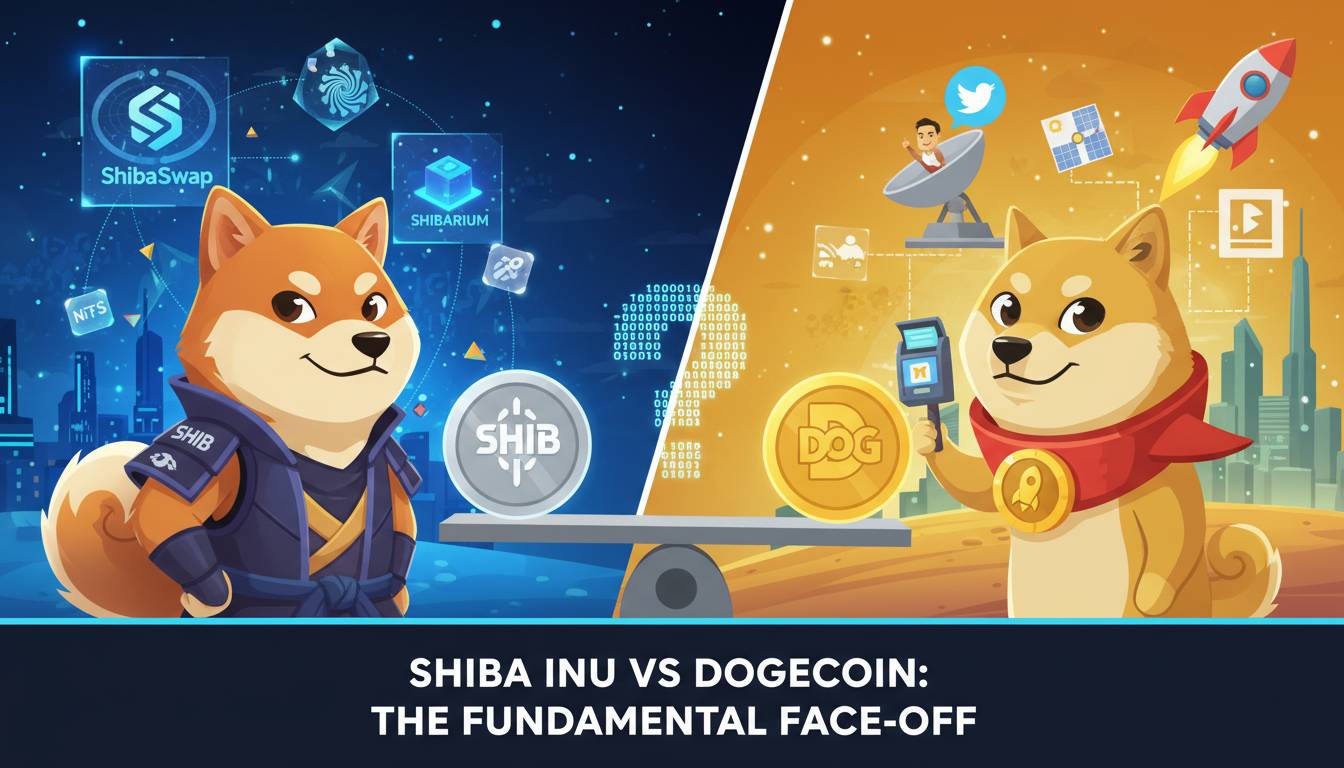
When evaluating meme coins for long-term investment potential, the conversation circles back to the two biggest players: Dogecoin and Shiba Inu. Both started as internet jokes. Both accumulated massive communities. Both made fortunes for early holders—and caused losses for latecomers. But when you strip away the memes and the hype, the question changes: which one actually has the fundamentals to survive beyond speculative trading?
This isn’t about which token will moon next week. It’s about tokenomics, utility, adoption, and the sustainability of the communities that give these assets their value. I’ve been tracking both projects for years. Dogecoin went from joke to payment option. Shiba Inu built an ecosystem that didn’t exist three years ago. Here’s my honest take on where each project stands—and what that means for anyone holding either.
Price History and Market Performance
Dogecoin launched in December 2013 as a Bitcoin fork with the Shiba Inu dog as its mascot. For most of its first seven years, DOGE traded for fractions of a cent. The first major surge came in early 2021, when a Reddit community pushed the price from under $0.01 to over $0.08 within days. A second wave later that year pushed DOGE to an all-time high near $0.74—giving early investors returns measured in thousands of percent.
Shiba Inu launched in August 2020 with no pre-mined supply and an aggressive airdrop to early holders. The token stayed below $0.00001 for most of its first year. Then October 2021 happened. SHIB spiked to $0.000086—roughly a 10,000x gain from its launch price—before settling into a range that’s defined most of its existence since.
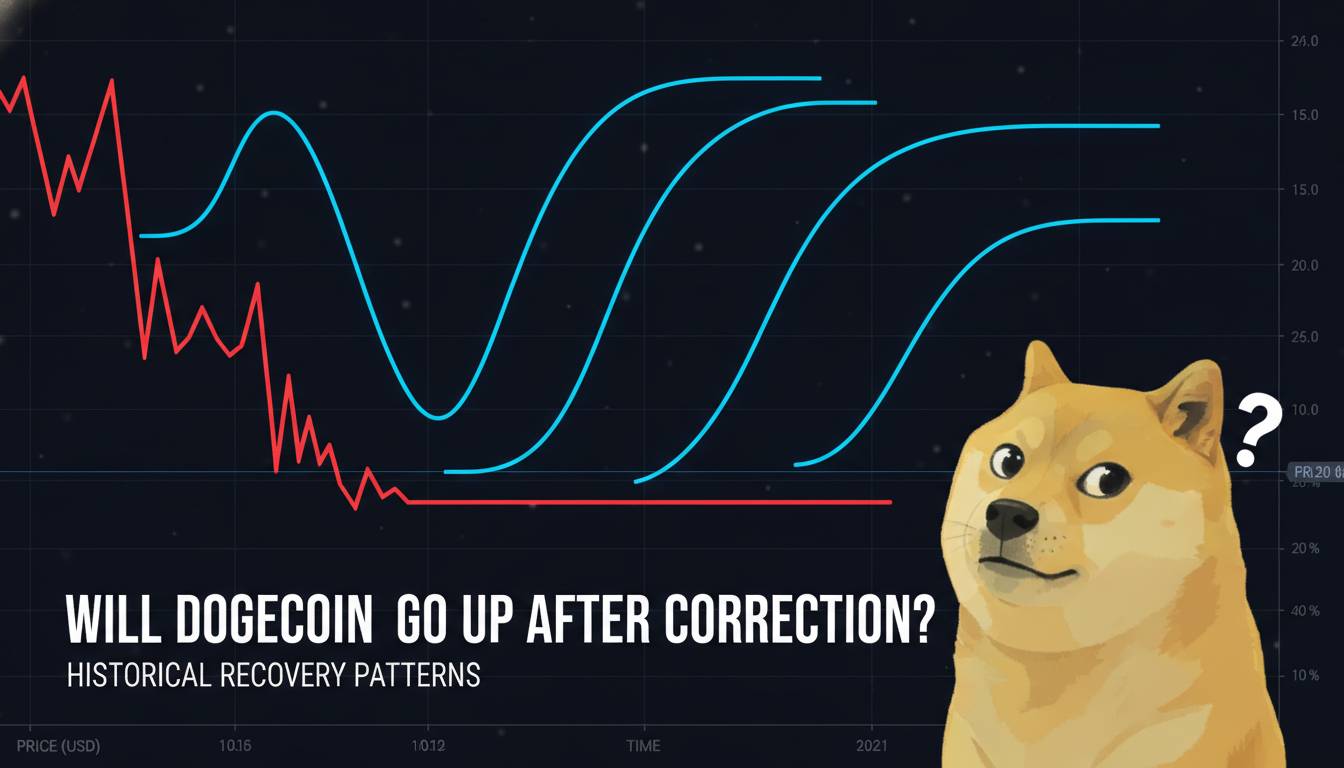
The critical difference in price trajectories isn’t just magnitude—it’s volatility pattern. Dogecoin has sustained periods of elevated pricing, even after retreating substantially from its peaks. Shiba Inu has spent most of its existence in a tight trading range, with occasional spikes that don’t hold. Both have lost over 70% from their all-time highs as of early 2025, but Dogecoin has shown more resilience in maintaining a higher floor.
What matters for long-term holders isn’t peak prices—it’s the structural support levels that remain after speculative frenzies fade. On this metric, Dogecoin has held up better.
Tokenomics and Supply Dynamics
This is where the two projects diverge most dramatically, and it’s where Shiba Inu’s design choices give it a theoretical advantage.
Dogecoin has an inflationary model. There’s no maximum supply, and new coins enter circulation with each block. About 5.2 billion new DOGE are created annually—a 3-4% inflation rate that continues forever. The original developers wanted a coin that felt abundant and fun, not scarce and hoarding-prone. Critics call this a fundamental weakness. Supporters argue it keeps transaction fees low and prevents the cryptocurrency from becoming a store of value masquerading as a payment system.
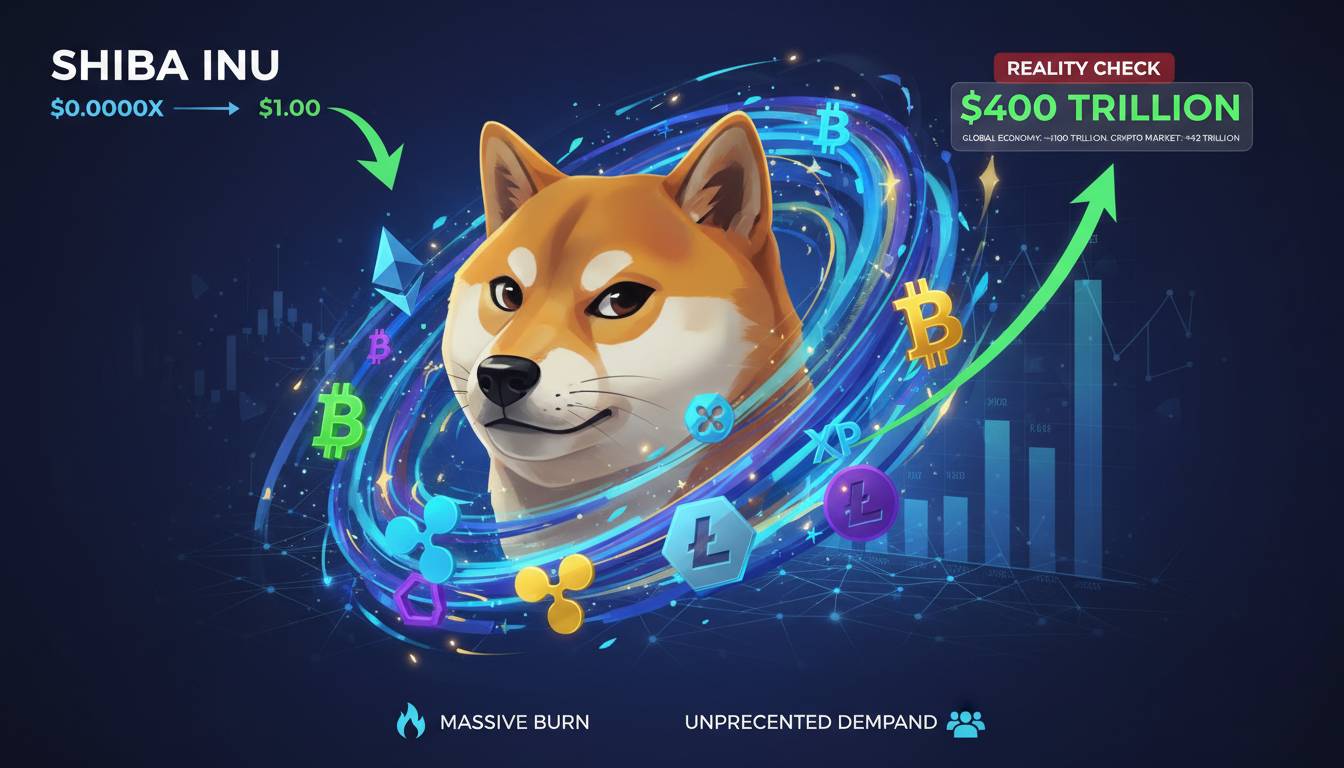
Shiba Inu took the opposite approach. One quadrillion tokens existed at launch. Half were sent to Ethereum co-founder Vitalik Buterin’s wallet—he subsequently burned most and donated the rest to charity. The remaining 500 trillion went into a liquidity pool. SHIB’s tokenomics are deflationary: the team runs regular burns, and the Shibarium layer-2 blockchain destroys SHIB with every transaction. As of late 2024, over 400 trillion SHIB have been removed from circulation.
Theoretically, this should make SHIB more valuable over time. Reduced supply with stable or growing demand theoretically leads to higher prices. In practice, token burns haven’t moved SHIB’s price meaningfully because the supply remains so massive that burns are a rounding error relative to total circulation.
Here’s where I need to be honest: I’ve seen analysts claim Shiba Inu’s tokenomics are superior because of scarcity. But scarcity only matters if demand exists. Dogecoin’s inflation is only a problem if no one wants to use it. So far, the market has shown more willingness to transact in DOGE than in SHIB, which undermines the tokenomics argument for SHIB. The deflationary model sounds better in theory, but theory hasn’t translated to price support in practice.
Use Cases and Real-World Utility
This is where Dogecoin has quietly built an unexpected lead.
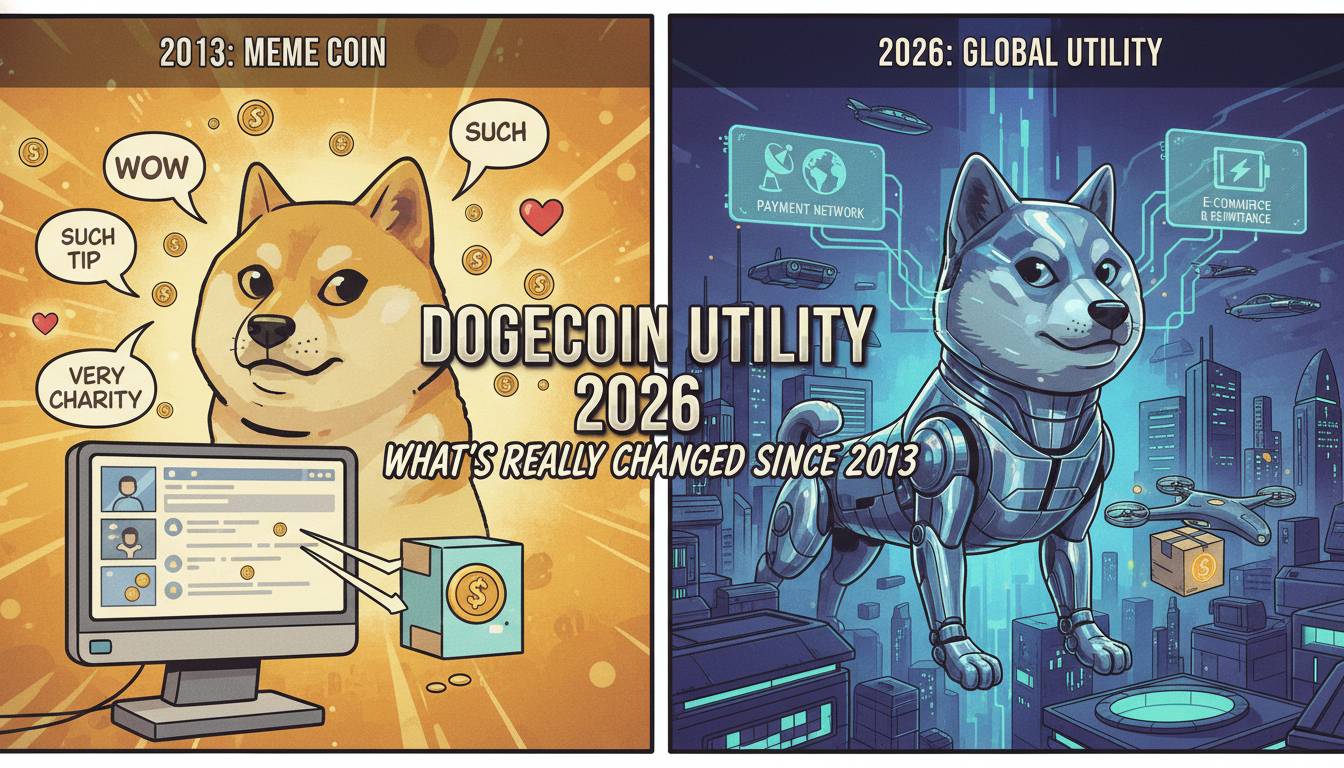
Dogecoin has become a legitimate payment option. Several major companies—though fewer than in the 2021 peak—still accept DOGE. More importantly, it’s become the go-to cryptocurrency for tipping and small transactions on platforms like Reddit and X. Low fees and fast confirmation times make it practical for these use cases in a way that Ethereum-based tokens simply aren’t, given gas fees.
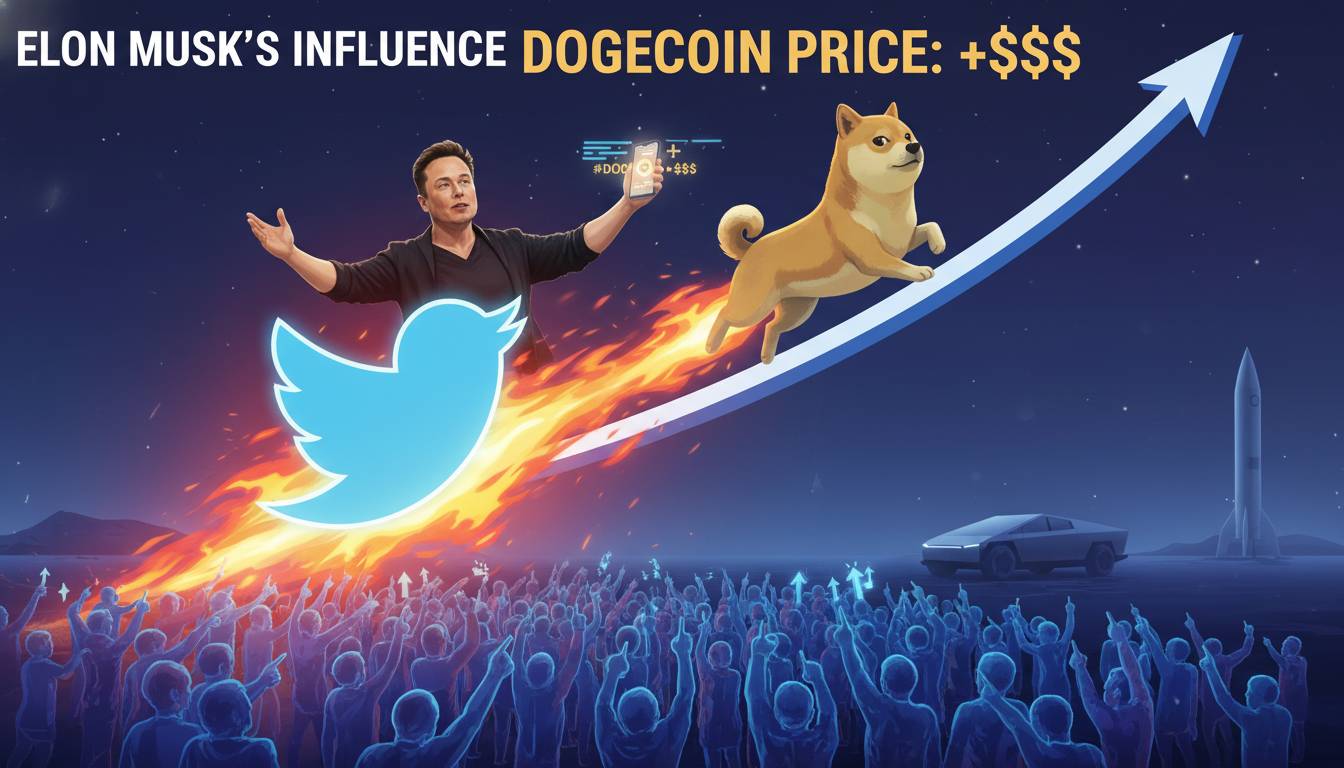
SpaceX, led by Elon Musk, has conducted literal Dogecoin payments for lunar missions. In 2022, the company accepted DOGE as payment for launching a satellite—one of the most high-profile real-world cryptocurrency transactions in history. While largely symbolic, it demonstrated Dogecoin had crossed a threshold most altcoins never reach: actual use in commercial transactions.
Shiba Inu initially had no utility beyond speculation. The token was created as an experiment in decentralization and community building, with no whitepaper, no roadmap, no promises. This changed with the Shibarium launch in 2024. The layer-2 blockchain was designed to support decentralized applications, NFTs called Shiboshis, and a decentralized exchange called ShibaSwap. The goal was to create an ecosystem where SHIB served as the gas token—required for transactions and smart contract interactions.
Shibarium faced significant technical challenges at launch, including network congestion and temporary shutdowns. These issues have largely been resolved, but the ecosystem hasn’t generated the transaction volume or dApp adoption that would give SHIB meaningful utility. The NFT collection gained some attention but hasn’t reached mainstream adoption. ShibaSwap handles a fraction of the volume of established DEXs like Uniswap.
The honest assessment: Dogecoin has proven real-world utility that extends beyond holding. Shiba Inu has built infrastructure for utility that hasn’t materialized yet. Utility requires users—not just token holders waiting for price appreciation. On this point, Dogecoin’s lead is substantial.
Community and Development
Both projects have passionate communities, but they operate differently.
Dogecoin’s community is older, more decentralized, and less organized. There’s no founding team driving development—the original creators disappeared years ago. The Dogecoin Foundation guides development, but it’s a small operation funded largely by community donations. The foundation focuses on keeping the blockchain functional, improving transaction efficiency, and maintaining the currency’s identity as a fun, accessible cryptocurrency. There’s no roadmap promising revolutionary developments. Some see this as a weakness; others see it as honesty.
Shiba Inu’s community is more organized and marketing-driven. The anonymous founder known as Ryoshi wrote extensively about the project and eventually burned their remaining tokens and stepped away, positioning the project as fully community-owned. The Shiba Inu team has been aggressive about building partnerships, launching new products, and generating headlines. The community—sometimes called the ShibArmy—has demonstrated remarkable loyalty and coordination.
The Shiba Inu team has also been more effective at attracting talent and investment. They’ve hired developers, marketing professionals, and advisors in ways Dogecoin’s volunteer-led effort hasn’t matched. This could matter for long-term development, as blockchain projects require ongoing technical work to remain competitive.
That said, Dogecoin’s lack of a central team is also its strength in some respects. There’s no founder selling tokens, no team allocation creating sell pressure, and no corporate entity that could make decisions counter to holder interests. Shiba Inu’s aggressive marketing has occasionally veered into hyping features that weren’t yet functional—something that has frustrated community members.
Technology and Blockchain Architecture
Both coins started as Bitcoin forks but have evolved differently.
Dogecoin remains essentially unchanged from its Bitcoin/Litecoin fork origins, with some modifications to block times and supply parameters. It uses the Scrypt hashing algorithm, which was designed to be ASIC-resistant (though ASICs now exist for it). The blockchain is simple, reliable, and boring—which is actually an advantage for a currency intended for everyday use. Dogecoin can process around 40 transactions per second, which is sufficient for current usage but would struggle if adoption increased dramatically.
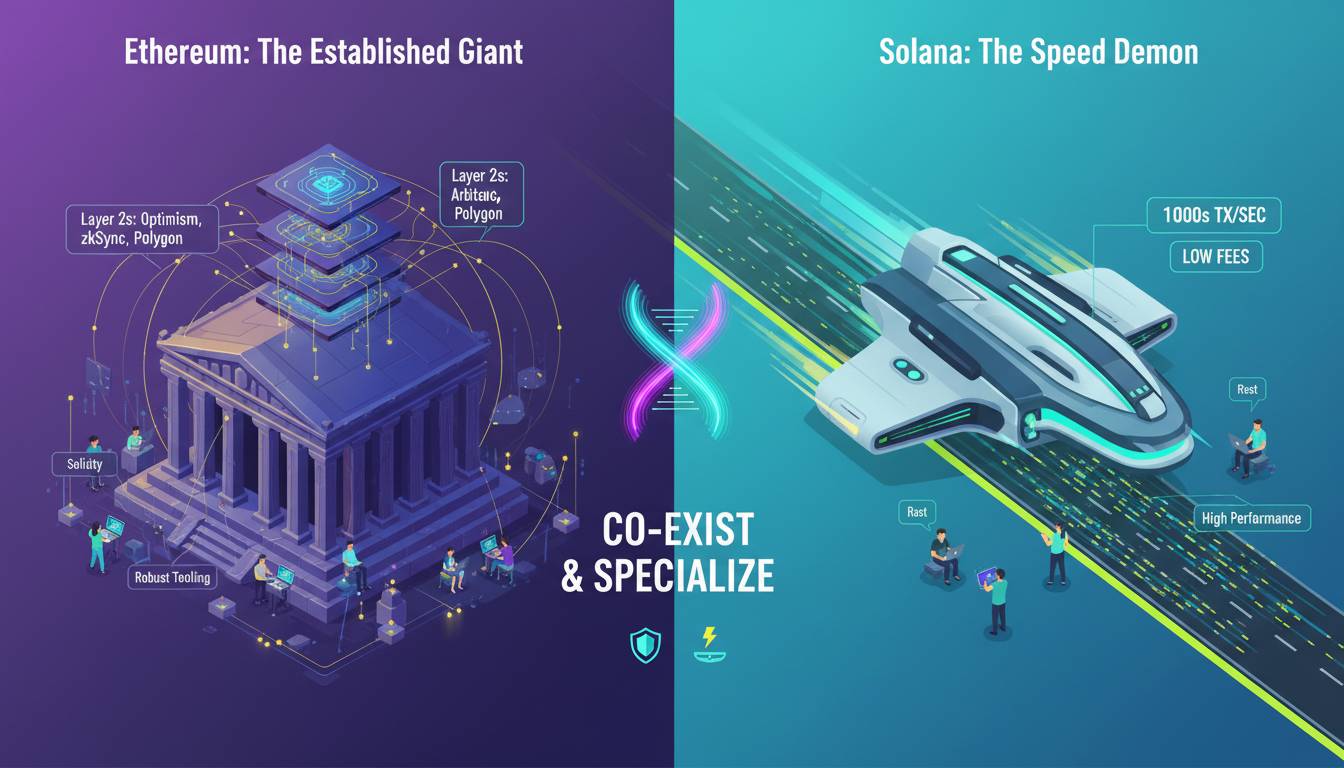
Shiba Inu runs on Ethereum as an ERC-20 token, inheriting Ethereum’s security and infrastructure but also its limitations. High gas fees during network congestion have historically made small SHIB transactions impractical. Shibarium was specifically designed to solve this problem by providing a layer-2 network where transactions are faster and cheaper. As mentioned, Shibarium has had technical difficulties, but the architecture itself is sound and represents a genuine attempt to build a more functional blockchain ecosystem.
If Shibarium achieves its goals and attracts meaningful dApp development, Shiba Inu could have a technological advantage over Dogecoin’s relatively static codebase. That’s a significant if. Ethereum continues to evolve, and the competitive landscape for layer-2 solutions is increasingly crowded. Shibarium needs to capture meaningful market share to justify its existence.
Market Position and Adoption
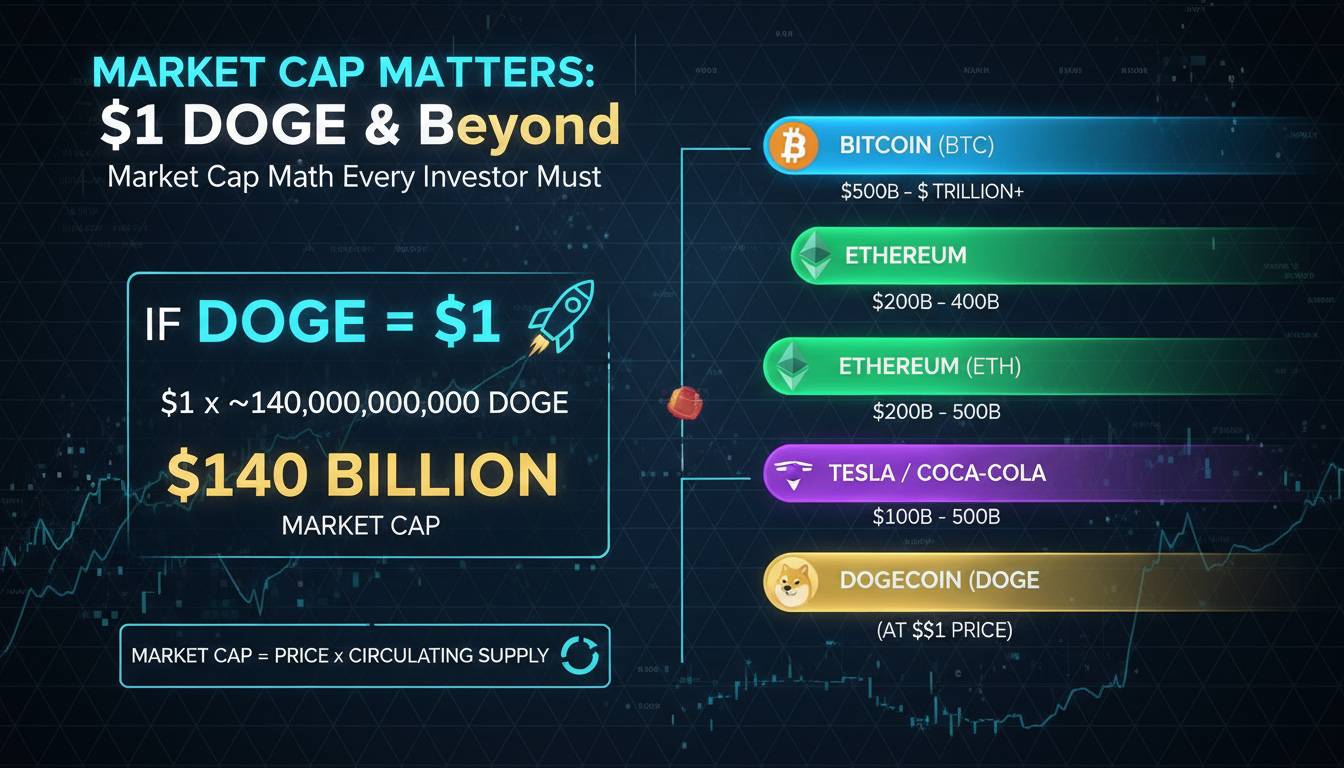
Market cap tells only part of the story, but it’s worth examining.
Dogecoin’s market cap has historically been higher—a reflection of its earlier launch and broader acceptance. At various points, DOGE has ranked among the top ten cryptocurrencies by market capitalization. It maintains listings on virtually every major exchange and is one of the few cryptocurrencies that traditional financial institutions have shown willingness to support through investment products.
Shiba Inu briefly surpassed Dogecoin in market cap during its 2021 peak but has generally traded at a lower valuation. It has achieved broad exchange listings and some institutional attention, though less than Dogecoin. The key difference is Dogecoin has maintained its position in the top fifteen cryptocurrencies for most of its existence, while Shiba Inu has frequently dipped lower.
Adoption metrics favor Dogecoin. Active addresses, transaction volumes, and merchant acceptance all point to Dogecoin being more actively used as a currency. Shiba Inu’s metrics are dominated by holders who never transact—the “banked” phenomenon common in meme coins where large percentages of supply sit in wallets doing nothing.
This matters fundamentally. A cryptocurrency with utility has people using it. A cryptocurrency without utility has people holding it hoping others will eventually use it. The difference sounds subtle but represents a fundamental divide in what each project actually is.
Future Outlook and Risks
Neither project will disappear anytime soon. Both have communities large enough and liquid enough to sustain their markets for years. But the question is whether either has a realistic path to meaningful appreciation from current levels.
Dogecoin faces the challenge of being a payment coin in a world where payment solutions don’t necessarily need cryptocurrency. Stablecoins, traditional payment processors, and central bank digital currencies all compete for the use case Dogecoin targets. Its inflation model means holding DOGE as a store of value is economically irrational—you lose purchasing power simply by holding. This limits its appeal to investors seeking appreciation, even if it remains useful for transactions.
Shiba Inu’s path is more uncertain. The Shibarium ecosystem could theoretically generate real demand for SHIB as the gas token. But this requires developers to build on Shibarium and users to actually use those applications. The crypto space is littered with layer-2 solutions that promised to solve scalability and ended up underutilized. SHIB’s deflationary tokenomics only help if the network is actually being used—and right now, it isn’t being used enough to meaningfully impact the token’s value.
Both projects are vulnerable to the broader cryptocurrency market. When Bitcoin falls, both DOGE and SHIB fall harder. When Bitcoin rises, both tend to rise faster—creating the speculative dynamic that defines their trading. This correlation makes it nearly impossible to separate their performance from broader market conditions.
The honest truth is that neither Dogecoin nor Shiba Inu has the fundamental characteristics I’d typically look for in a long-term cryptocurrency investment. They’re not solving problems that aren’t already being solved elsewhere, and they’re not generating cash flows or governance rights that would give them intrinsic value. They’re communities held together by shared jokes and the hope that the joke becomes more valuable over time.
That doesn’t mean they can’t appreciate. It means their appreciation depends entirely on greater fool dynamics—the hope that someone will pay more later regardless of fundamentals. Some people have made enormous profits playing this game. Many more have lost money.
The Verdict: Long-Term Fundamentals
If forced to choose, Dogecoin has the stronger fundamentals for long-term survival—though neither would be my first choice for a serious cryptocurrency portfolio.
Dogecoin’s advantages are practical: it’s actually used for transactions, it has a proven track record of surviving multiple market cycles, and it doesn’t rely on an unproven ecosystem to deliver value. Its inflationary model is a theoretical weakness, but in practice, low fees and consistent utility have kept DOGE viable.
Shiba Inu’s advantages are aspirational: it has the infrastructure for utility that could materialize, a more aggressive development team, and a community that has proven willing to support the token through multiple cycles. But infrastructure without users is just code. The tokenomics are theoretically superior but haven’t translated to price performance.
Here’s the uncomfortable truth most articles on this topic avoid: both of these are fundamentally speculative assets. They don’t produce income. They don’t represent ownership in productive assets. Their value is entirely determined by what other people are willing to pay. That can work for years—look at both projects’ track records—but it’s not a foundation I’d build long-term wealth on.
If you’re holding either, treat it as a speculative position and size it accordingly. If you’re considering buying, understand that you’re betting on community momentum rather than fundamental value creation. The communities are real and committed. Whether that’s enough for the next five years is something only time will answer.
The real question isn’t which meme coin has better fundamentals. It’s whether meme coins deserve a place in a fundamentals-based portfolio at all. That answer depends on your risk tolerance, your time horizon, and how much you value the insurance of owning assets with genuine utility versus assets with passionate communities. Choose based on that, not on which token burns more tokens or has a shinier roadmap.