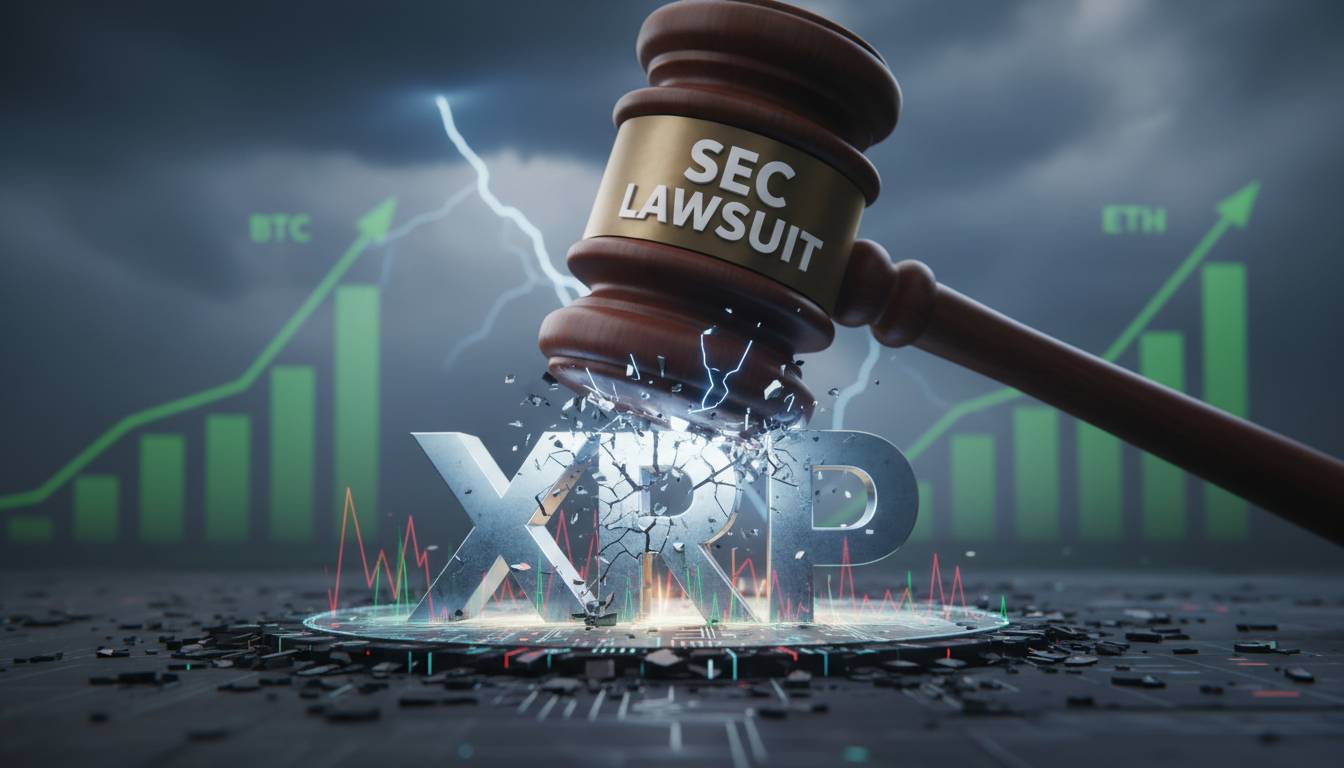
The SEC’s 2020 lawsuit against Ripple Labs was the biggest regulatory battle the digital asset industry had ever faced. When Judge Analisa Torres issued her ruling in July 2023, she didn’t just decide whether XRP was a security. She changed how every cryptocurrency company in America would operate, litigate, and plan for the future. The implications reach far beyond Ripple itself.
This article examines what actually changed after that ruling, what the courts determined, and why this case matters for anyone holding, building, or regulating cryptocurrency.
The Origins of a Legal Fight
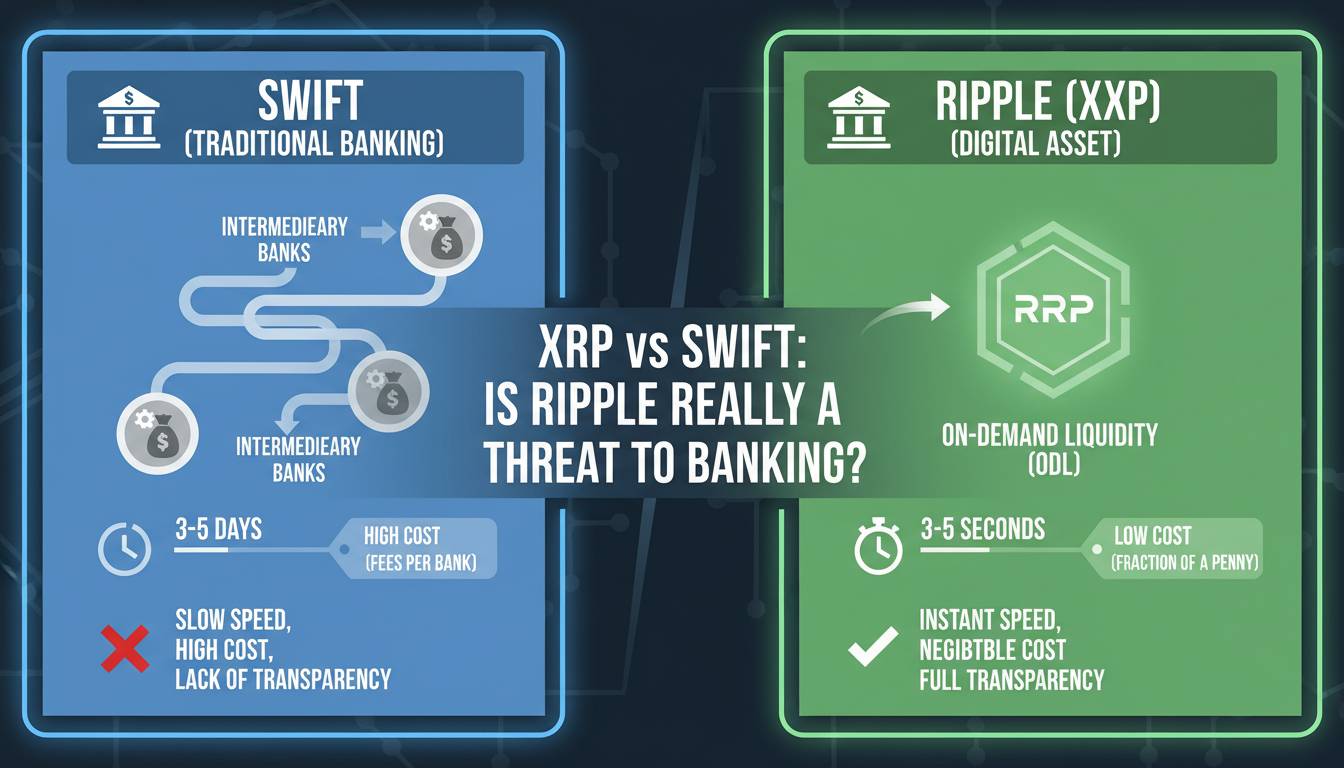
Ripple Labs had a close relationship with XRP—the cryptocurrency it created and largely owned. The company used XRP for cross-border payments through its On-Demand Liquidity product, and it had sold significant amounts of the token over the years to fund operations. The SEC saw this as an unregistered securities offering, arguing that Ripple had violated Section 5 of the Securities Act by selling XRP without registering with the commission.
The SEC’s December 2020 lawsuit sought disgorgement, civil penalties, and injunctive relief—potentially billions of dollars in damages. Ripple’s defense rested on a simple argument: XRP was a cryptocurrency, not a security, and therefore fell outside the SEC’s jurisdiction.
What made this case different from prior SEC actions was the target. The SEC had previously gone after relatively small-scale operations or Telegram-style ICOs. Ripple was a legitimate technology company with banking partners, a functioning product, and significant institutional investment. A ruling against Ripple would signal that the SEC intended to treat established cryptocurrency businesses the same way it treated traditional securities issuers.
The July 2023 Ruling
Judge Analisa Torres of the Southern District of New York issued her summary judgment decision on July 14, 2023, and it contained something no one had fully anticipated: a nuanced ruling that split the case into distinct parts.
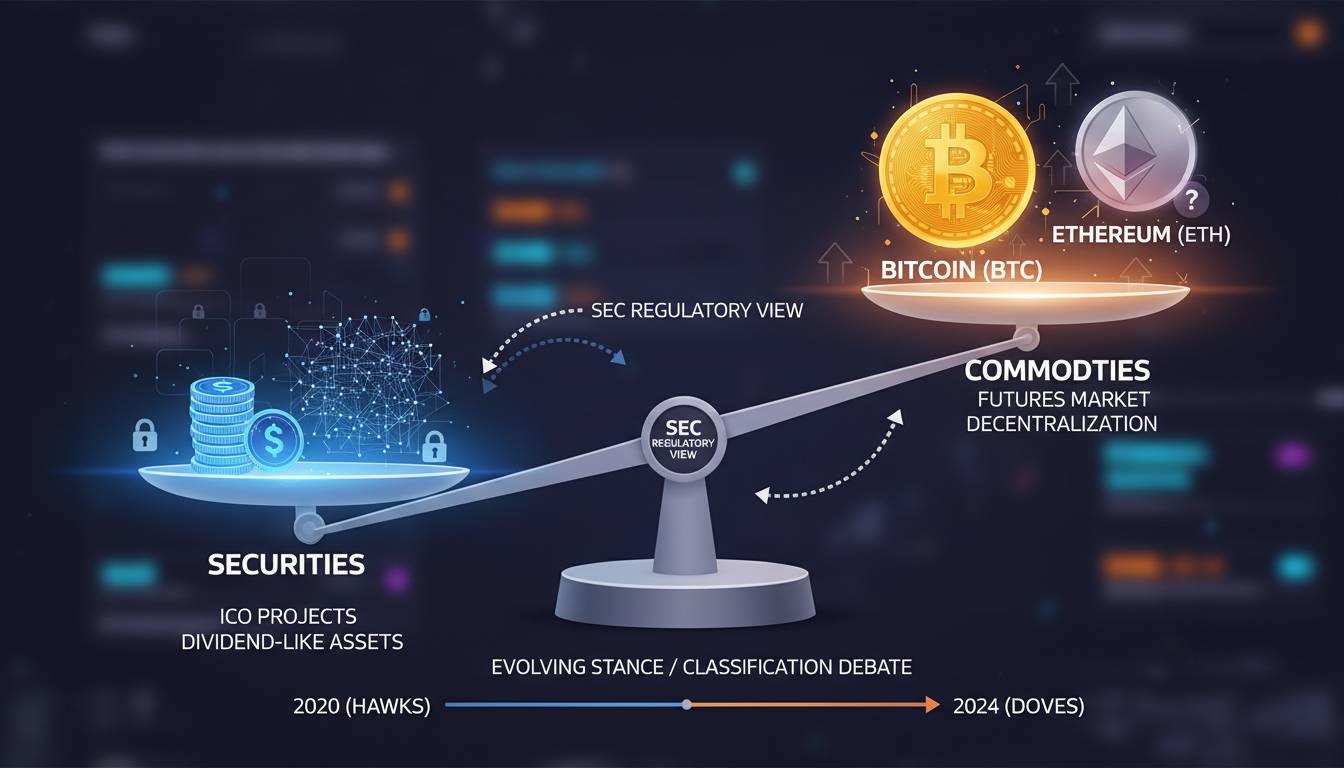
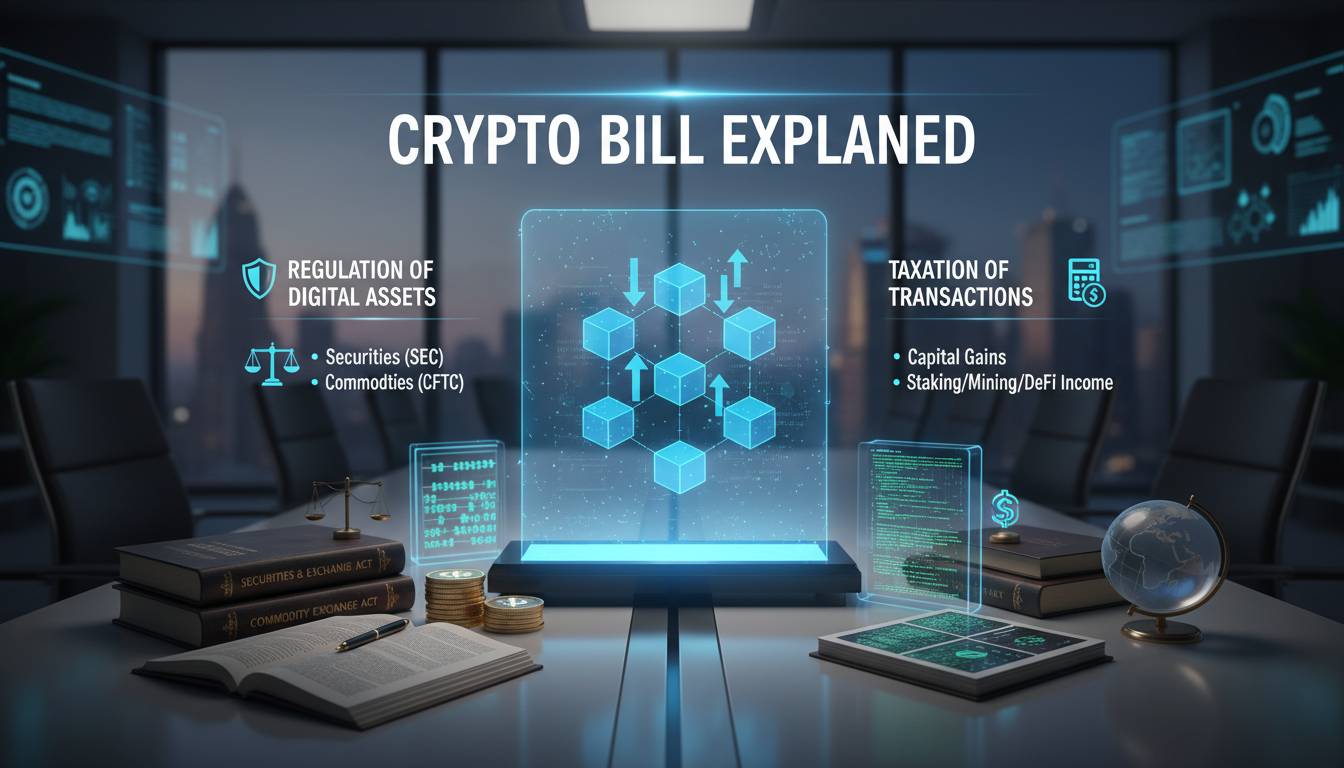
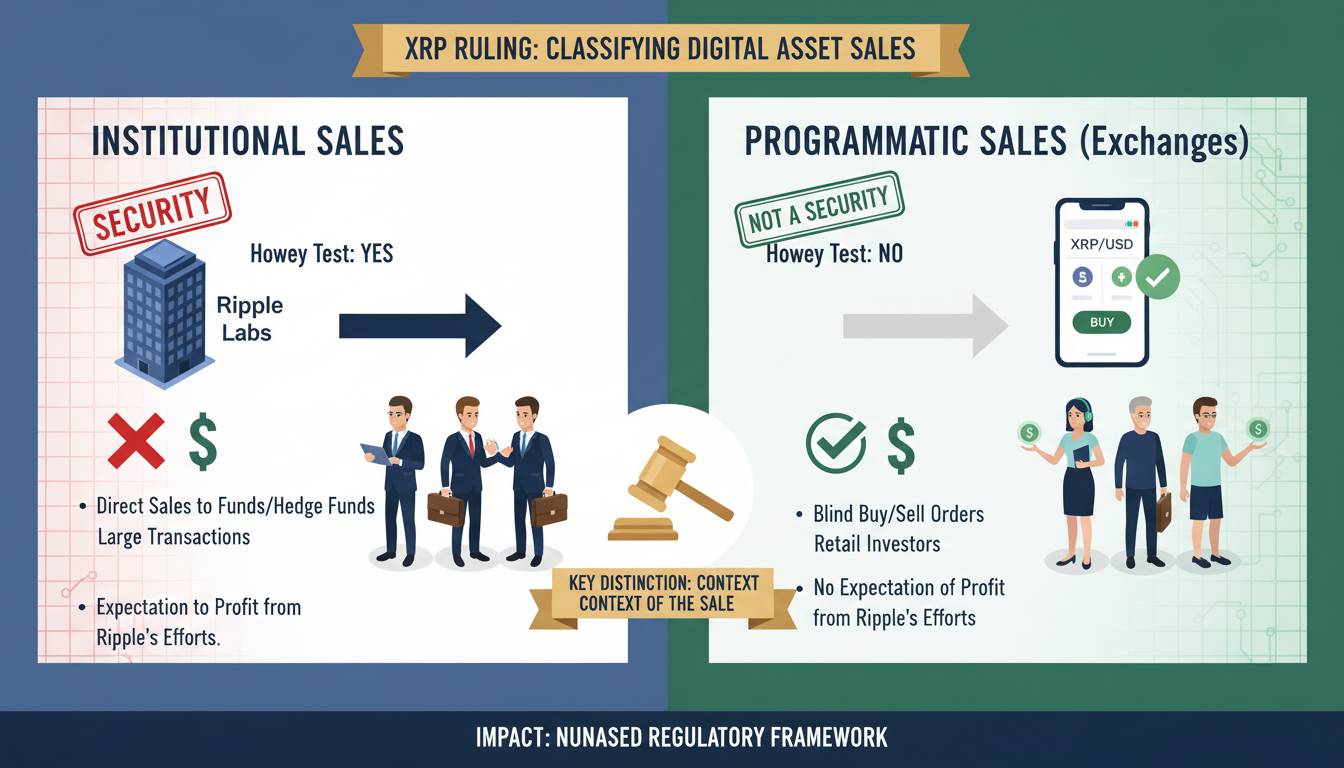
The court found that Ripple had violated securities law through its direct sales to institutional investors—contracts where sophisticated buyers purchased XRP directly from Ripple with explicit expectations of profit tied to the company’s efforts. However, programmatic sales on exchanges presented a different situation. When XRP was sold to the general public through trading platforms, the circumstances did not meet the Howey test criteria for an investment contract.
This distinction mattered enormously. It meant the SEC had won on some claims but lost on others, and the reasoning behind that split provided the crypto industry with its most significant legal precedent to date. The court essentially created a framework for analyzing digital asset transactions based on the nature of the buyer and the structure of the sale, rather than applying a blanket classification to the token itself.
Ripple’s CEO Brad Garlinghouse and co-founder Chris Larsen, who had been named individually in the SEC’s complaint, received favorable rulings on the institutional sales claim. The decision did not require them to face personal liability.
The Appeal and Ongoing Legal Uncertainty
The SEC announced its intent to appeal within weeks of the ruling, and the appeal has continued through 2024 into 2025. This development introduced substantial uncertainty because appellate courts can modify or reverse district court rulings, and the Second Circuit Court of Appeals has jurisdiction over the case.
Legal experts have pointed out that the appeal focuses on specific aspects of Judge Torres’ legal analysis, particularly her application of the Howey test to digital assets and her interpretation of the institutional versus retail buyer distinction. A ruling from the Second Circuit could either reinforce the Ripple precedent or substantially narrow its applicability.
The crypto industry has watched this process with particular intensity because the Ripple decision, while precedent-setting, remains technically binding only within the Southern District of New York until addressed by a higher court. Other federal judges can choose to follow its reasoning, but they aren’t required to do so.
What Actually Changed for Crypto Companies
The practical impact manifested almost immediately. Companies that had previously avoided any discussion of potential securities classification began revising their legal positions, while others adjusted how they structured token sales and distribution programs.
Several major cryptocurrency exchanges relisted XRP following the ruling, reversing decisions they had made after the SEC lawsuit was filed. Coinbase, Binance US, and Kraken all restored XRP trading pairs within days of the decision.
More significantly, the ruling influenced how new cryptocurrency projects approached token distribution. Companies began structuring launches to emphasize decentralization and utility, avoiding the concentrated ownership structures that had characterized earlier projects and that had drawn SEC scrutiny. Legal counsel began advising clients to document the functional use cases of their tokens more rigorously.
The ruling also affected disclosure practices. Publicly traded companies with significant crypto holdings became more cautious about how they characterized those assets in SEC filings.
The Regulatory Response
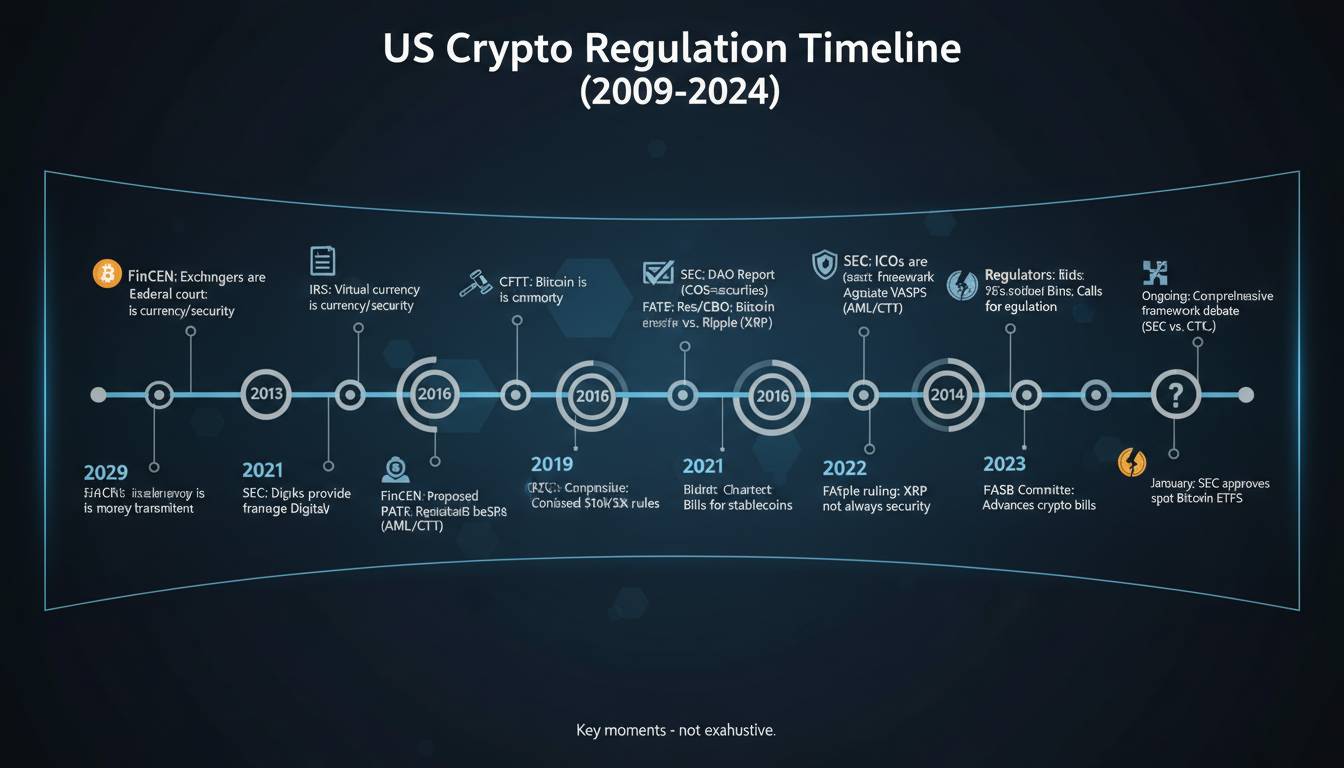
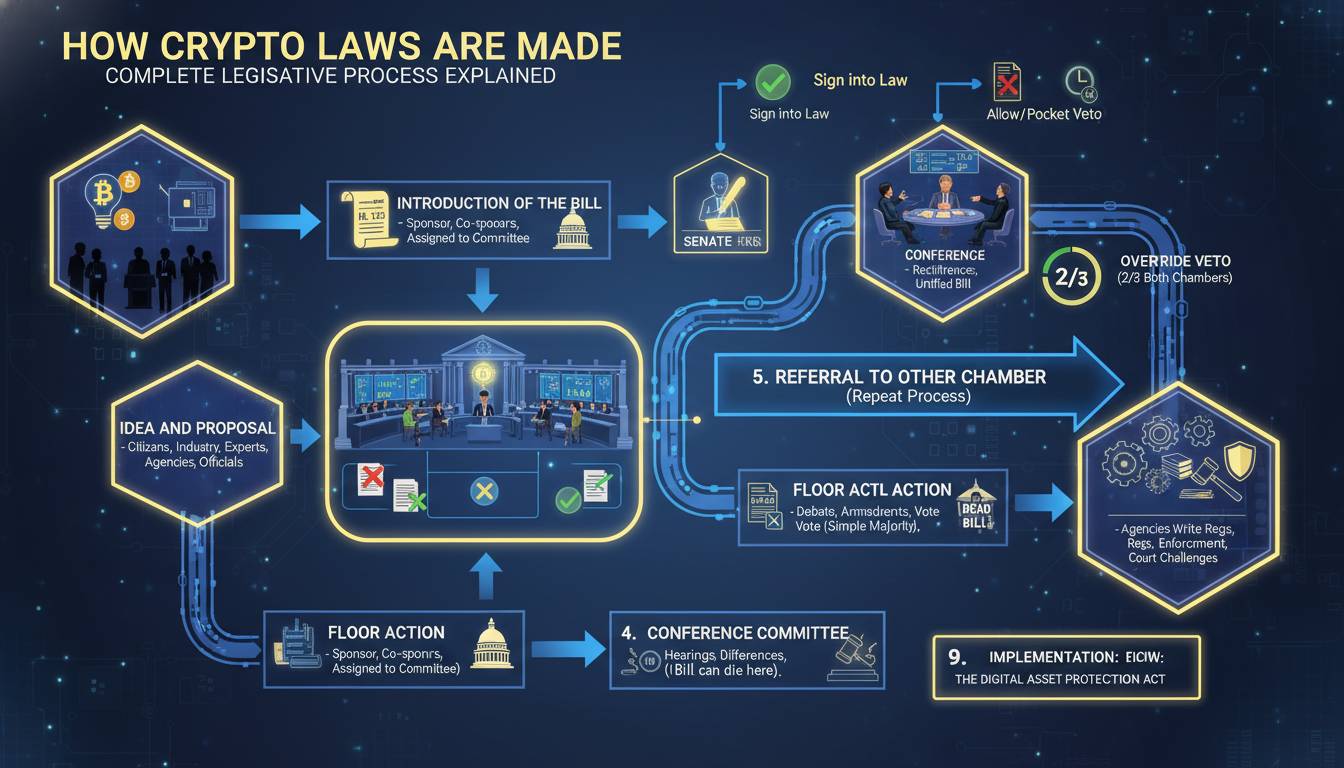
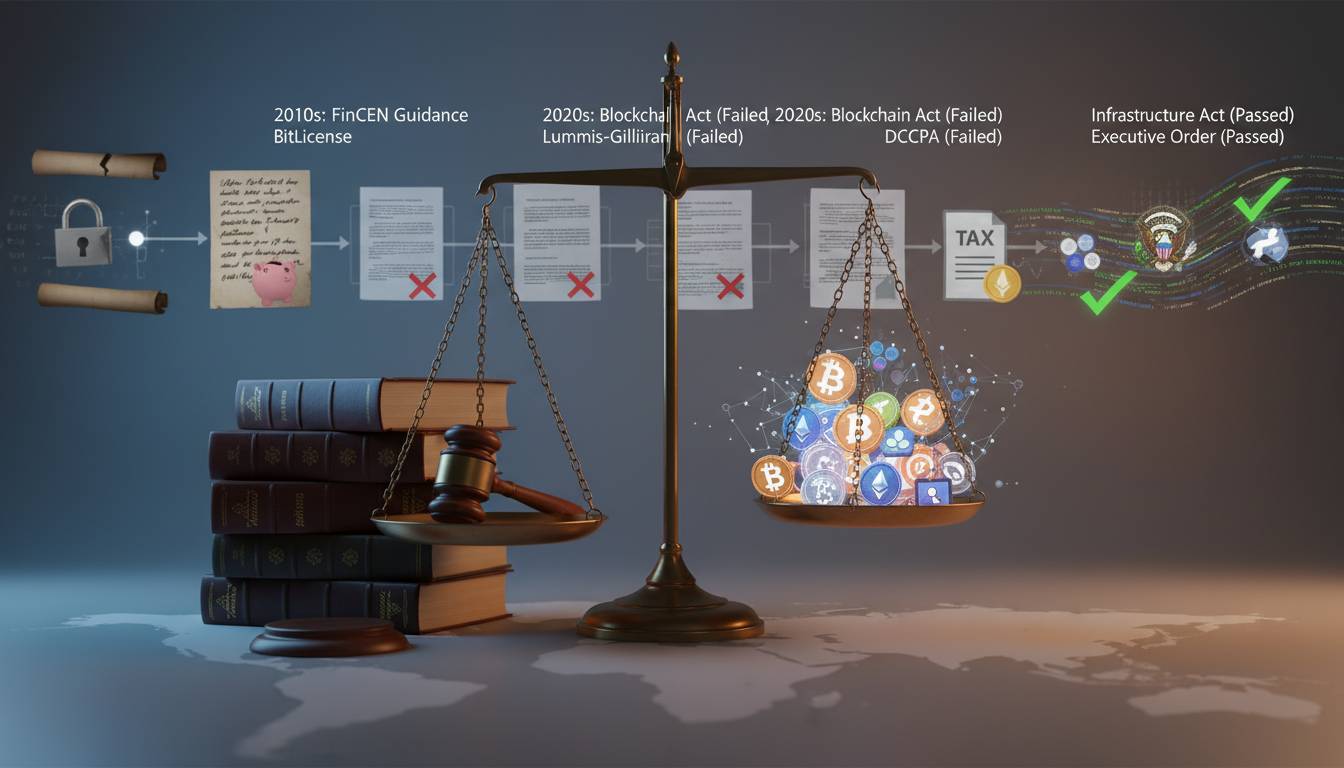
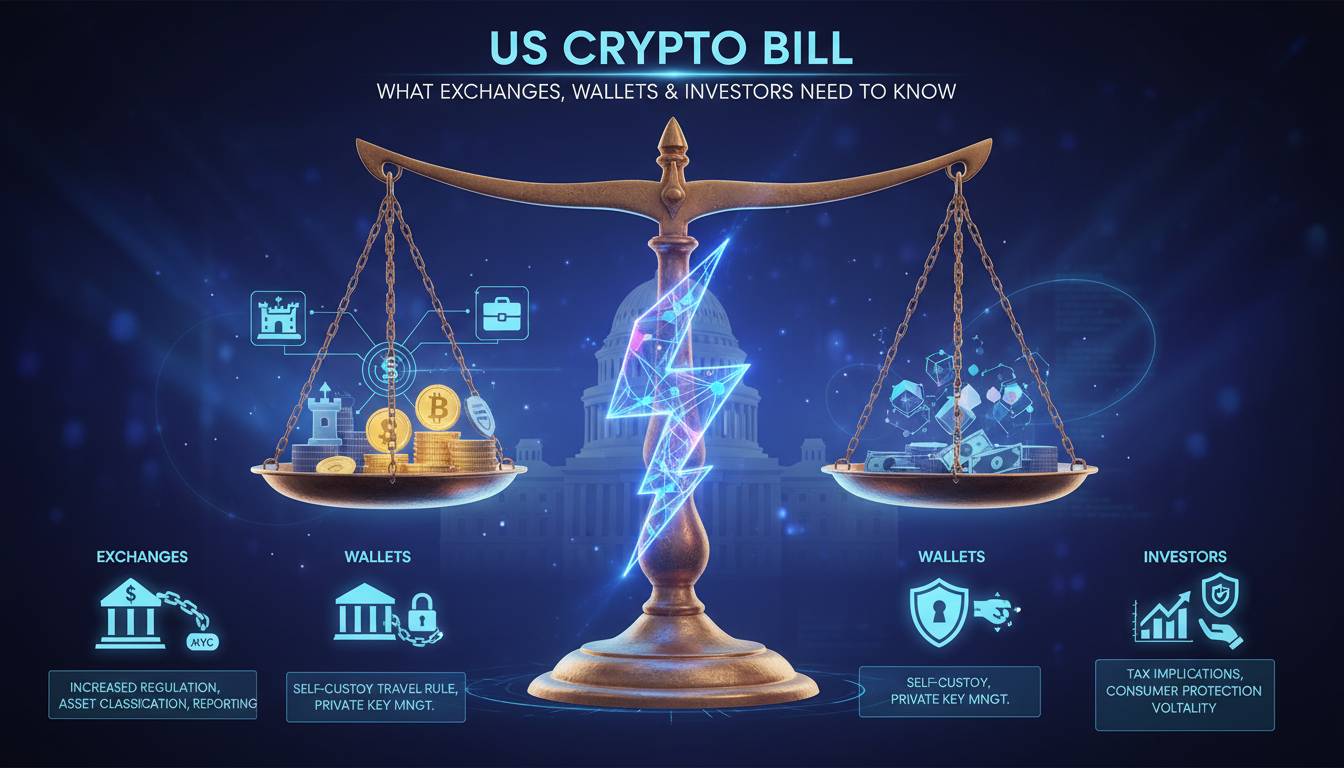
The Ripple ruling arrived at a moment when congressional efforts to create comprehensive crypto legislation had stalled repeatedly. Representative Patrick McHenry and Senator Cynthia Lummis had each introduced bills aimed at providing regulatory clarity for digital assets, but neither had advanced through both chambers of Congress.
The ruling added urgency to these legislative efforts because it became clear that case-by-case litigation would not provide the comprehensive framework the industry needed.
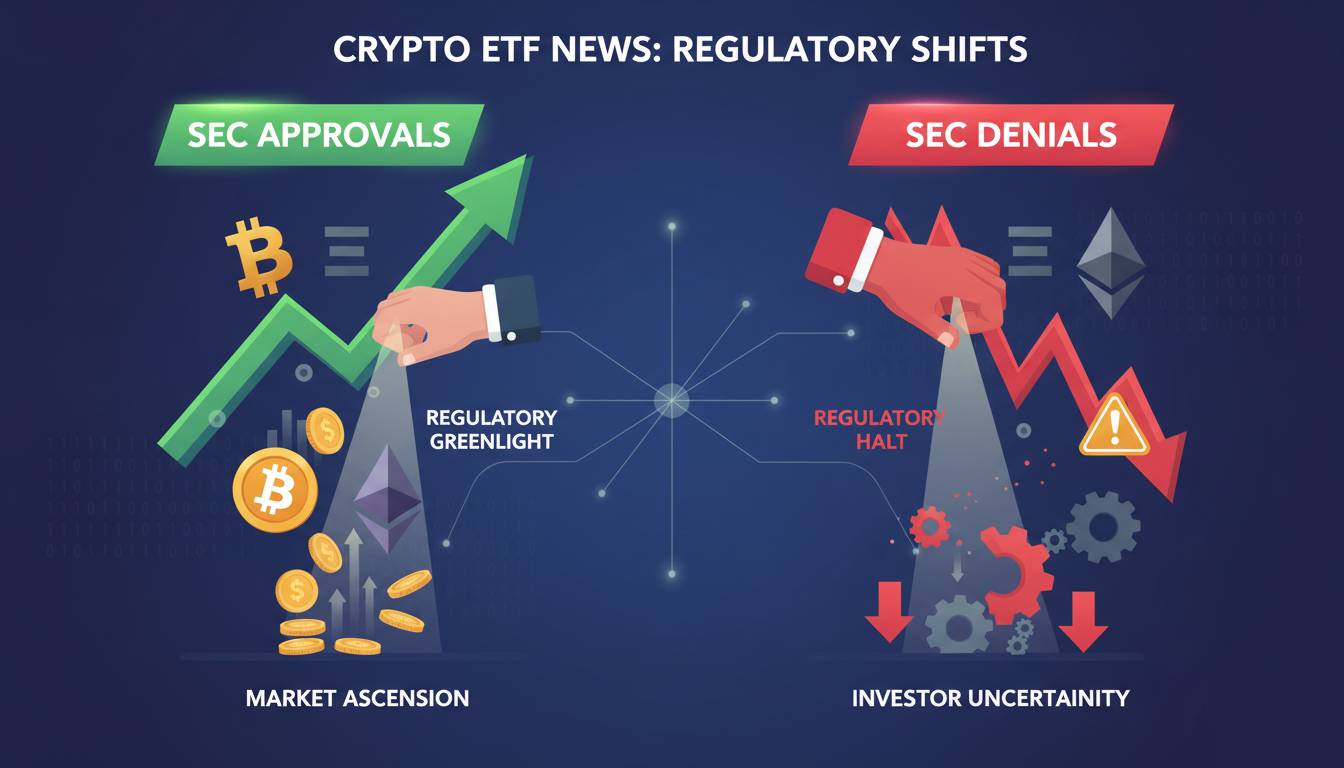
The SEC, for its part, continued pursuing enforcement actions against other cryptocurrency companies throughout 2023 and 2024. SEC Chair Gary Gensler repeatedly stated his view that the vast majority of cryptocurrencies qualified as securities, even as the Ripple decision suggested otherwise in specific circumstances.
This tension—between judicial precedent and administrative enforcement—created a confusing environment for companies trying to comply with existing regulations. The SEC’s 2024 actions against exchanges like Coinbase and Binance proceeded despite the Ripple ruling.
Impact on Institutional Adoption
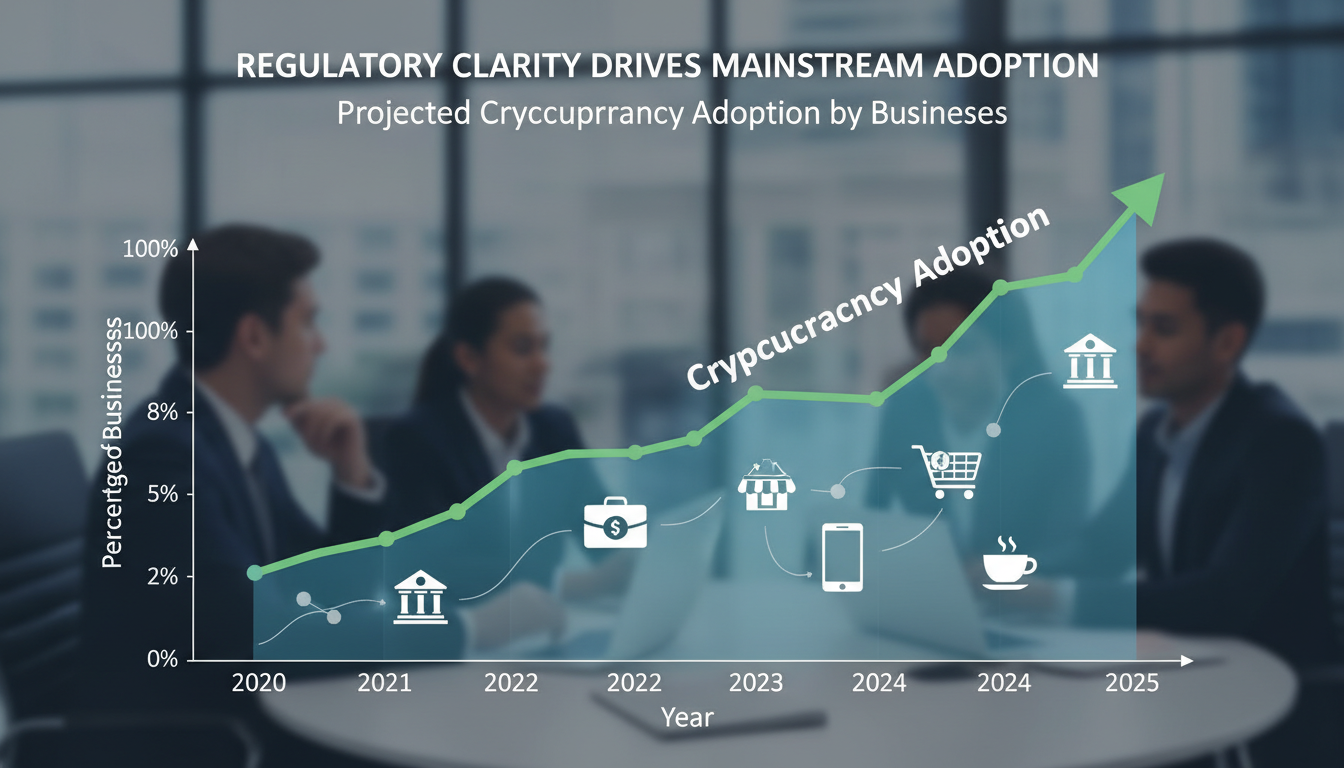
The institutional cryptocurrency market responded with a mixture of optimism and caution. Some institutional players had avoided XRP entirely during the litigation, and the ruling enabled them to reconsider positions they had previously deemed too risky.
Franklin Templeton, one of the world’s largest asset managers, included XRP in its digital asset investment considerations following the ruling. Several family offices and hedge funds that had excluded XRP from portfolios began conducting due diligence on potential allocations.
However, institutional adoption remained constrained by the ongoing appeal and by the broader regulatory uncertainty. Custodial services and traditional financial infrastructure providers continued to demand extensive legal opinions before supporting new tokens.
The ruling’s impact on banking relationships proved significant. Several banks had distanced themselves from cryptocurrency companies during the enforcement wave of 2022 and 2023. The Ripple decision provided some reassurance that properly structured crypto operations might not automatically violate securities laws.
The Precedent Problem
Here’s where I think the conventional narrative gets it wrong. Many articles about the Ripple case treat the July 2023 ruling as if it immediately resolved the securities classification question for all cryptocurrencies. It didn’t. It resolved it for XRP in the Southern District of New York, and even then, only for the specific transactions analyzed in the case.
Since that ruling, federal prosecutors and state regulators have continued pursuing securities claims against other cryptocurrency projects using different legal theories and different factual records. The SEC’s ongoing cases against Coinbase, Binance, and numerous smaller issuers have not been dismissed based on the Ripple precedent.
This means the practical impact has been more limited than headlines suggest. It provided important ammunition for defendants in SEC enforcement actions and created negotiating leverage in settlement discussions, but it hasn’t produced the comprehensive clarity the industry had hoped for. Companies still need to conduct thorough legal analysis for each specific token and transaction structure.
What Investors Need to Understand
For cryptocurrency holders and potential investors, the Ripple case established several important considerations.
First, regulatory risk remains a genuine factor. The classification of any given token as a security or commodity can significantly affect its liquidity, exchange availability, and long-term viability. The Ripple ruling reduced some of this risk but by no means eliminated it.
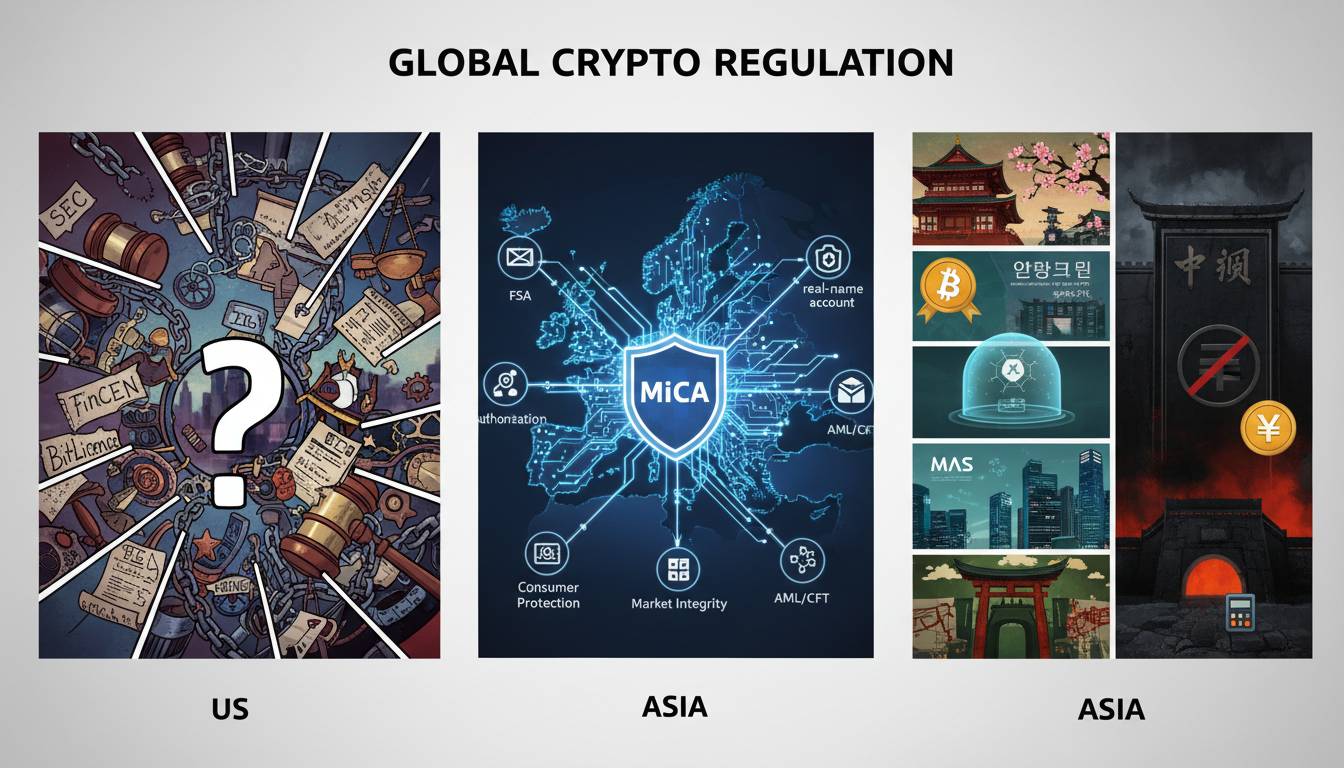
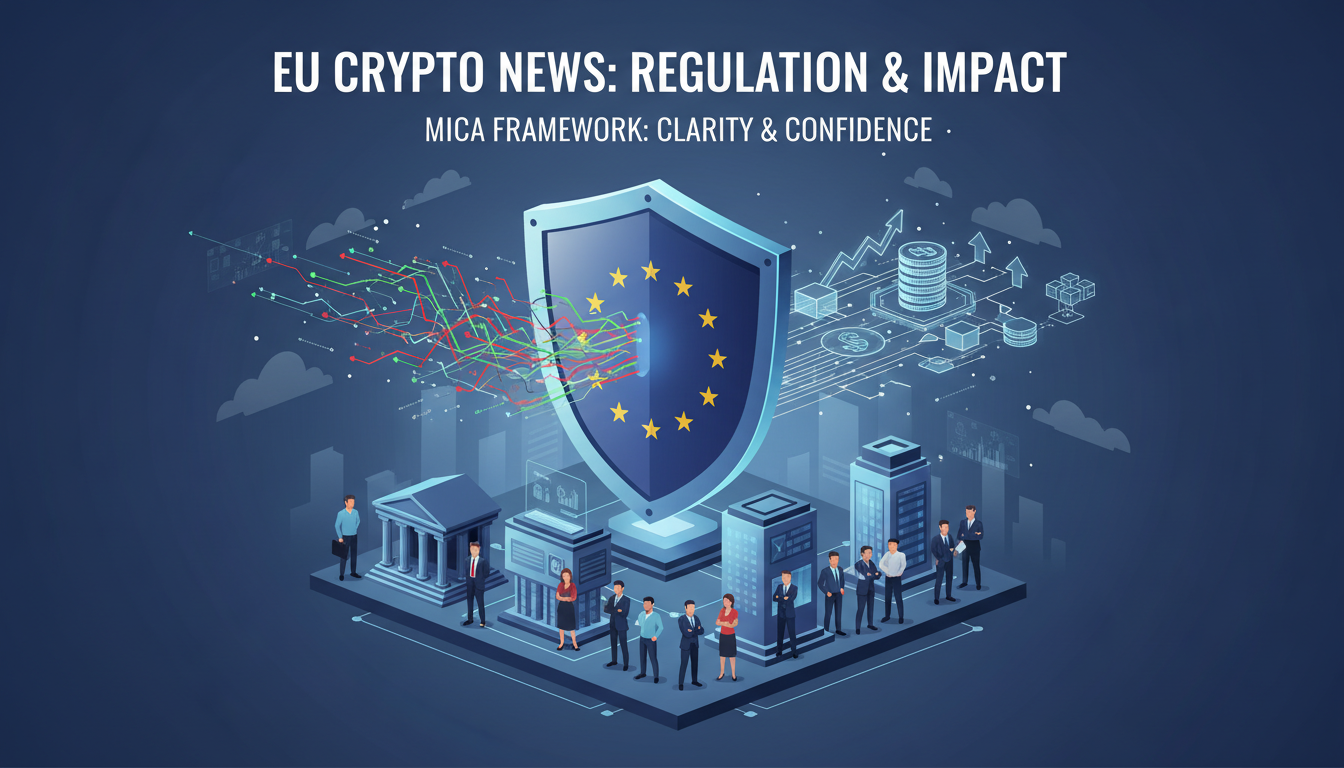
Second, legal developments in one jurisdiction don’t automatically apply elsewhere. The Ripple ruling is a US court decision, and international regulators have taken different approaches. European regulations under MiCA, for example, operate on different frameworks than US securities law.
Third, the practical utility of a cryptocurrency matters in how courts analyze its classification. Tokens that function as genuine currencies or power decentralized applications with actual use cases have a stronger case for non-security classification than tokens that exist primarily as investment vehicles.
Looking Forward
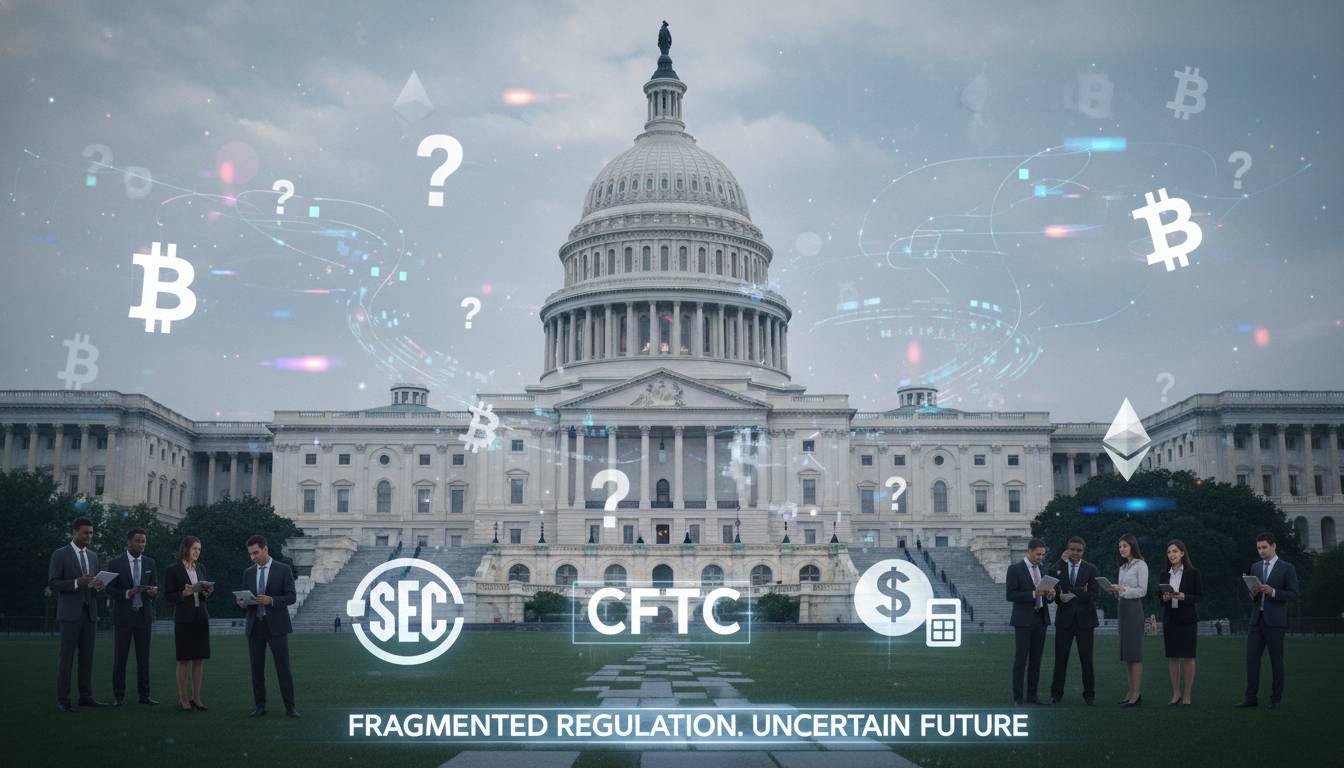
The crypto industry still lacks the comprehensive regulatory framework that many had hoped the Ripple case might provide. Congressional legislation remains stalled as of early 2025, with key disagreements persisting over how to define digital assets and which regulatory agency should have primary oversight authority.
The Second Circuit appeal could substantially change the legal landscape. Until that decision arrives, companies and investors must navigate a framework that provides some guidance but leaves fundamental questions unanswered.
What seems increasingly clear is that the era of treating all cryptocurrency tokens as equivalent regulatory entities has ended. The Ripple ruling established that courts will analyze specific transaction structures and buyer relationships rather than applying categorical rules. This creates both opportunity and risk—opportunity for projects that can demonstrate genuine utility and decentralized ownership, and risk for projects that resemble traditional securities offerings.
The transformation triggered by this case isn’t complete. It’s an ongoing process reshaping how the cryptocurrency industry relates to regulators, how courts analyze digital assets, and how institutional players approach the asset class. What the Ripple case ultimately proved is that legal clarity in cryptocurrency won’t come from any single ruling or legislation—it’s emerging through years of litigation, negotiation, and iterative interpretation of existing law applied to new technology.