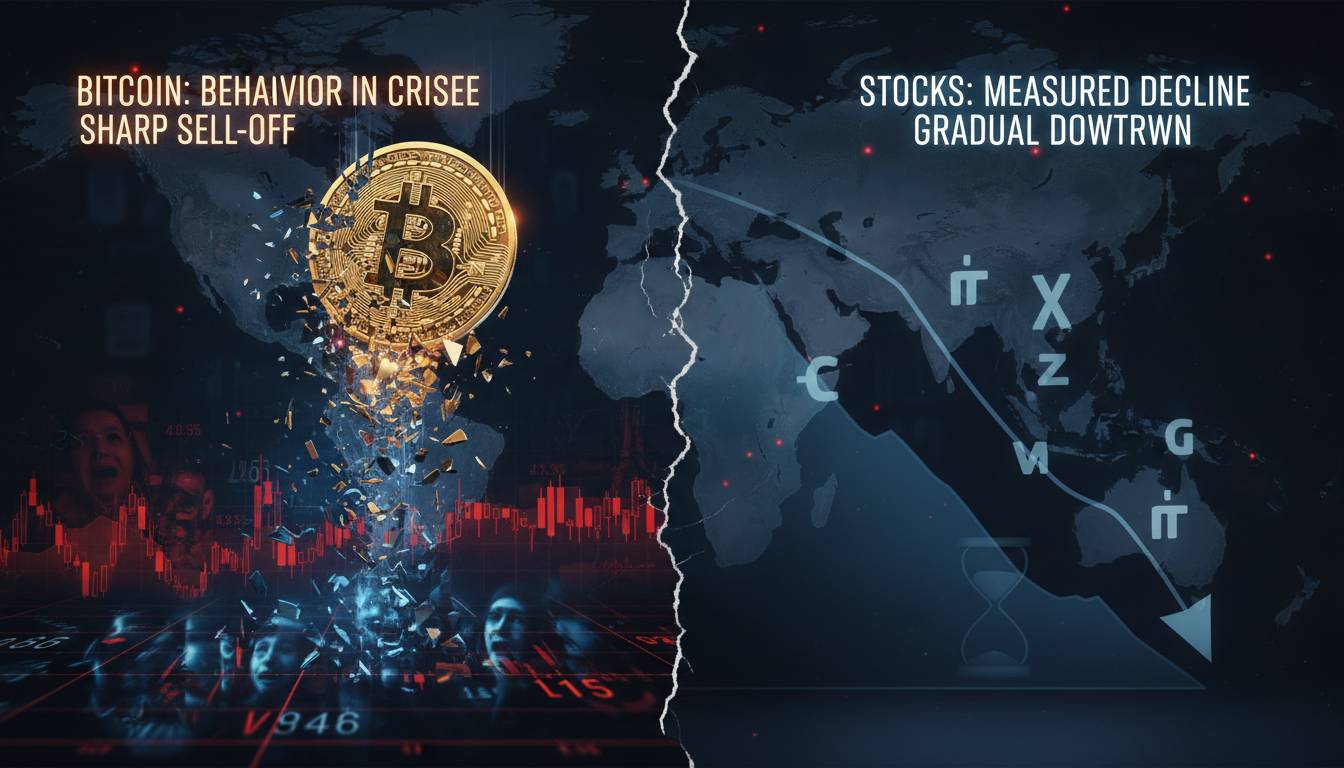
Anyone who’s held cryptocurrency for any length of time knows the feeling. Bitcoin drops 15% in a single day, your phone explodes with panic messages, and every headline screams about the death of crypto. You stare at your portfolio, feel that knot in your stomach, and seriously consider selling.
Now flip the script. Bitcoin gains 5% on a random Tuesday. Nothing happens. No push notifications. No frantic tweets. It’s just another day.
Here’s the thing nobody talks about: those boring up days are doing more for your portfolio than those dramatic crash days are taking away. The math is stark, and once you see it, holding through volatility looks completely different.
The Numbers Nobody Shows You
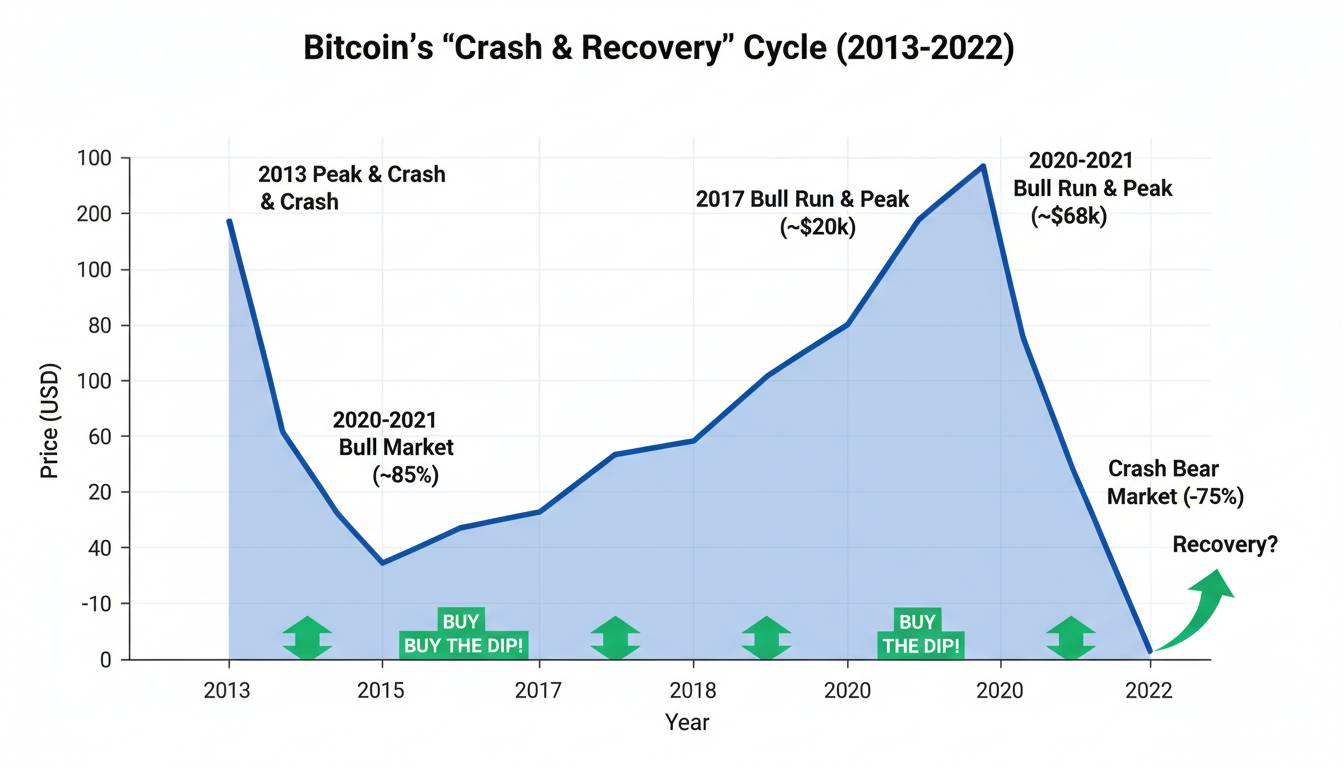
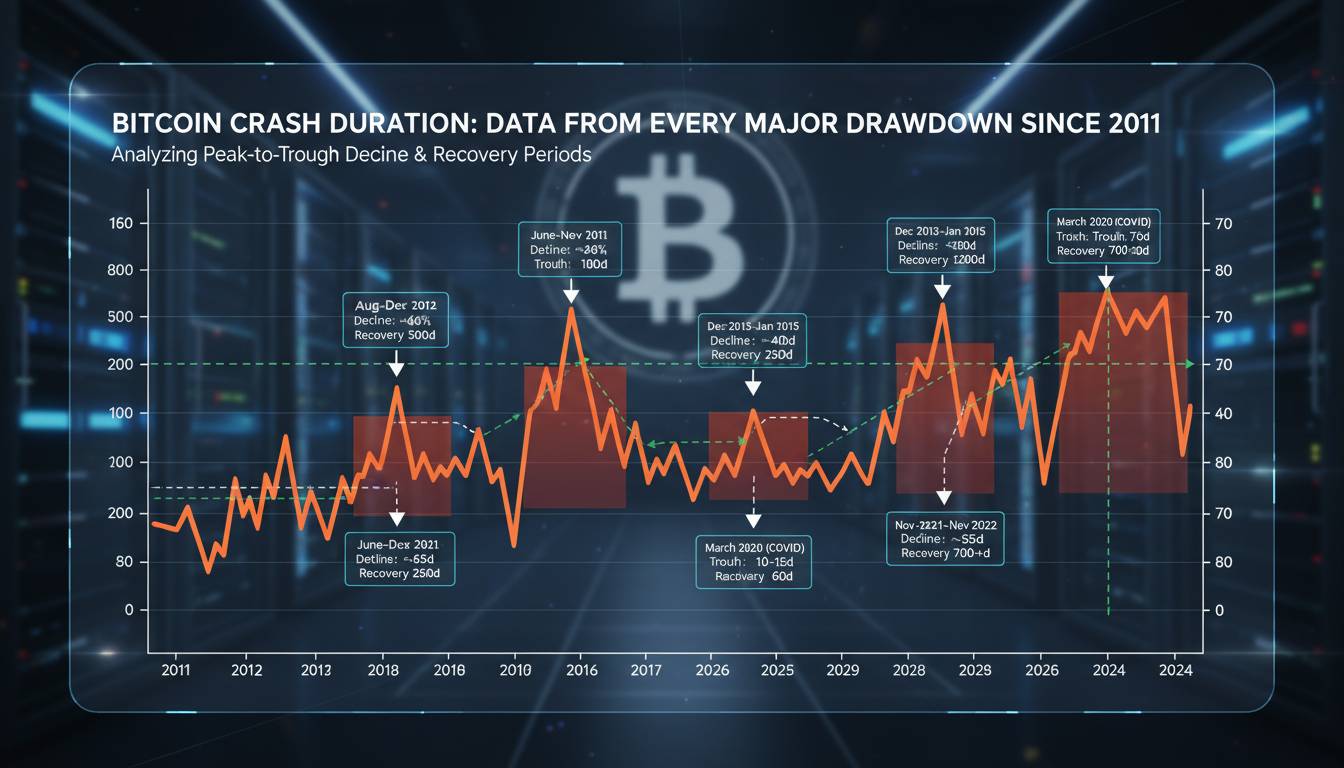
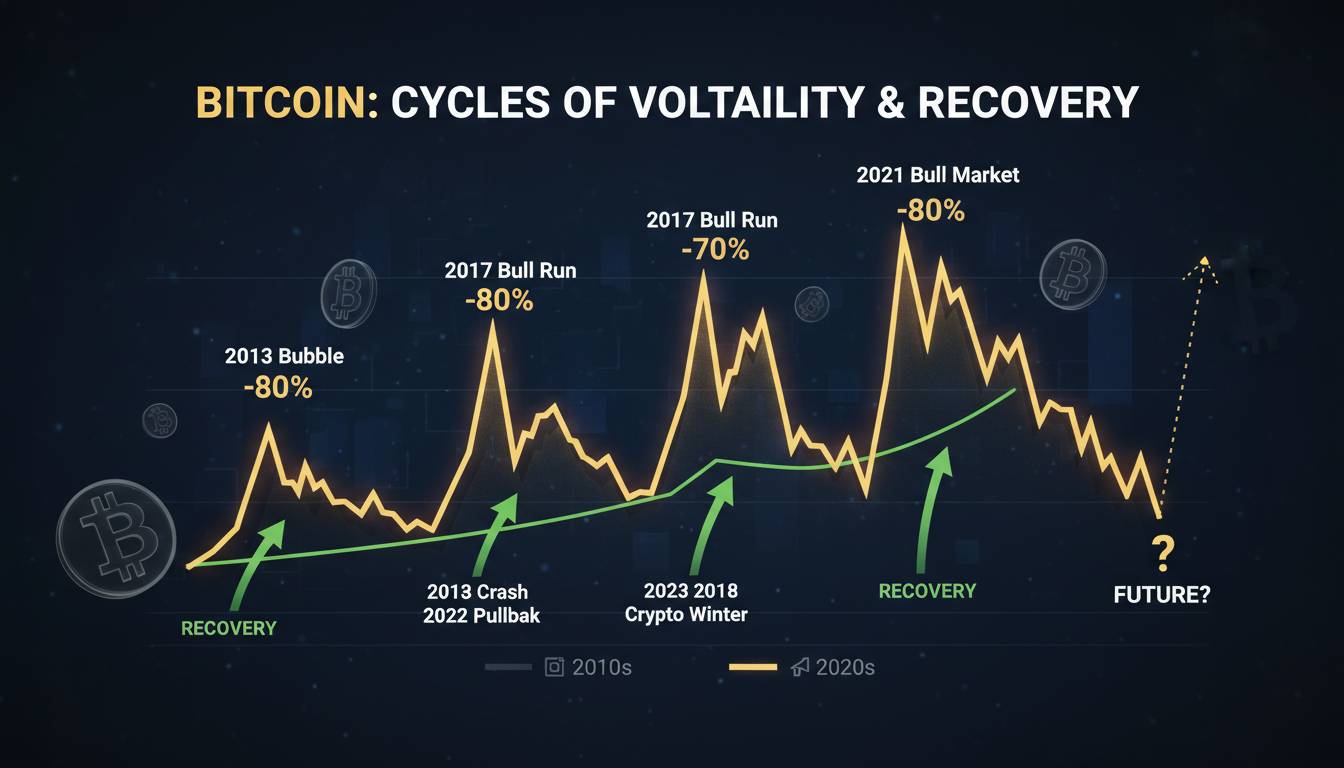
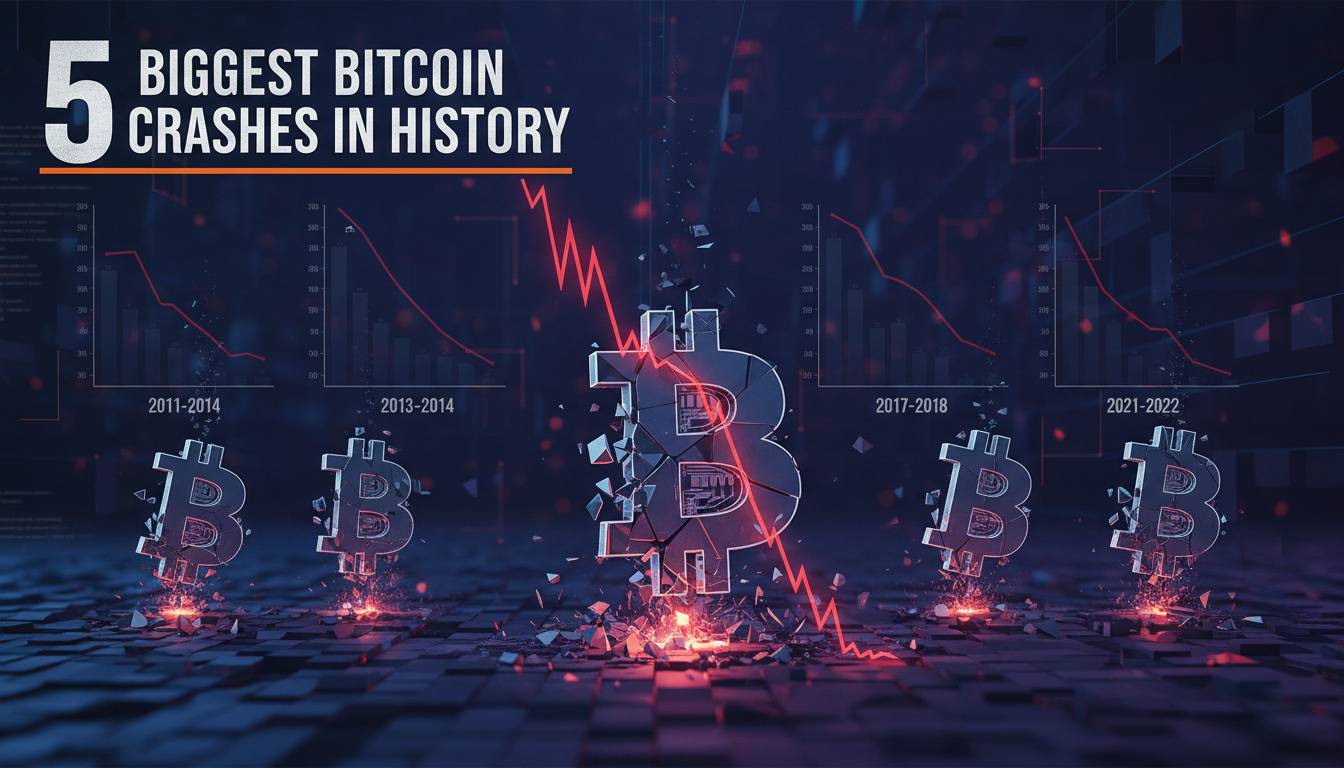
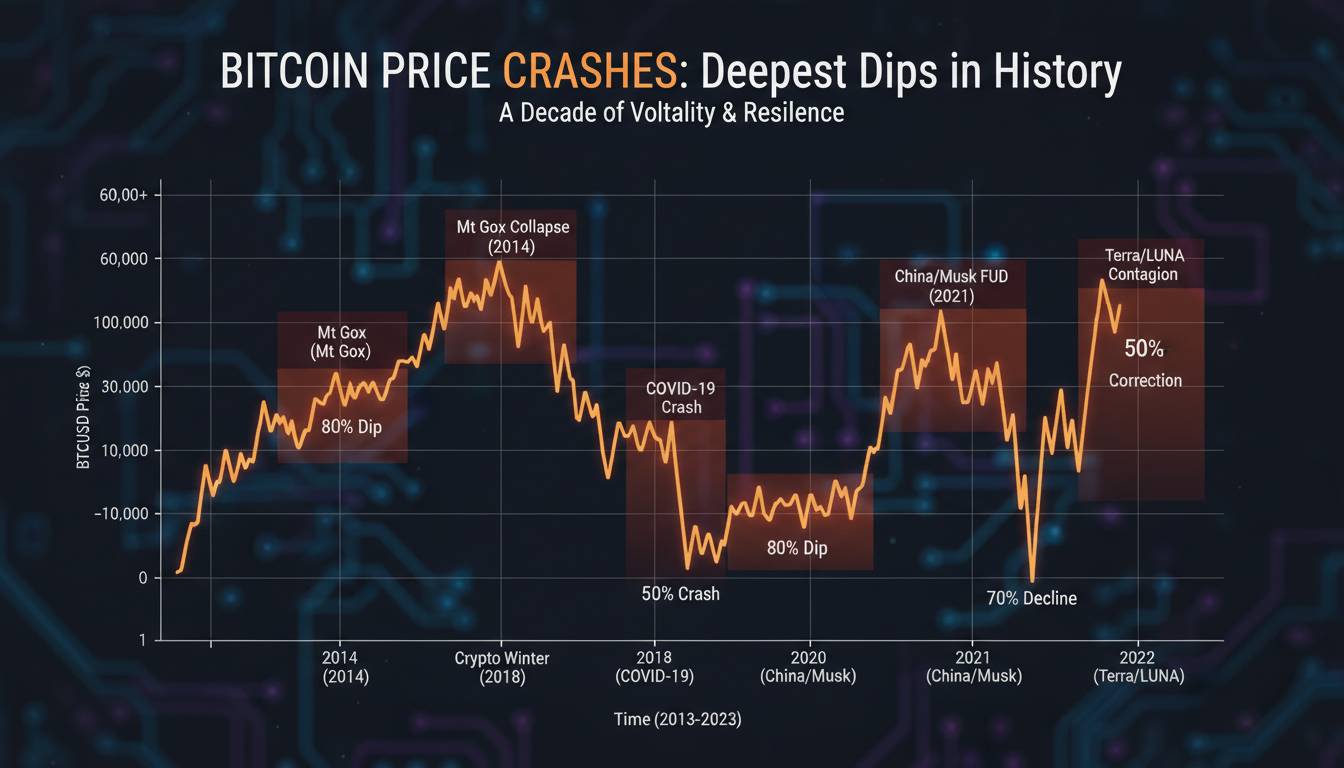
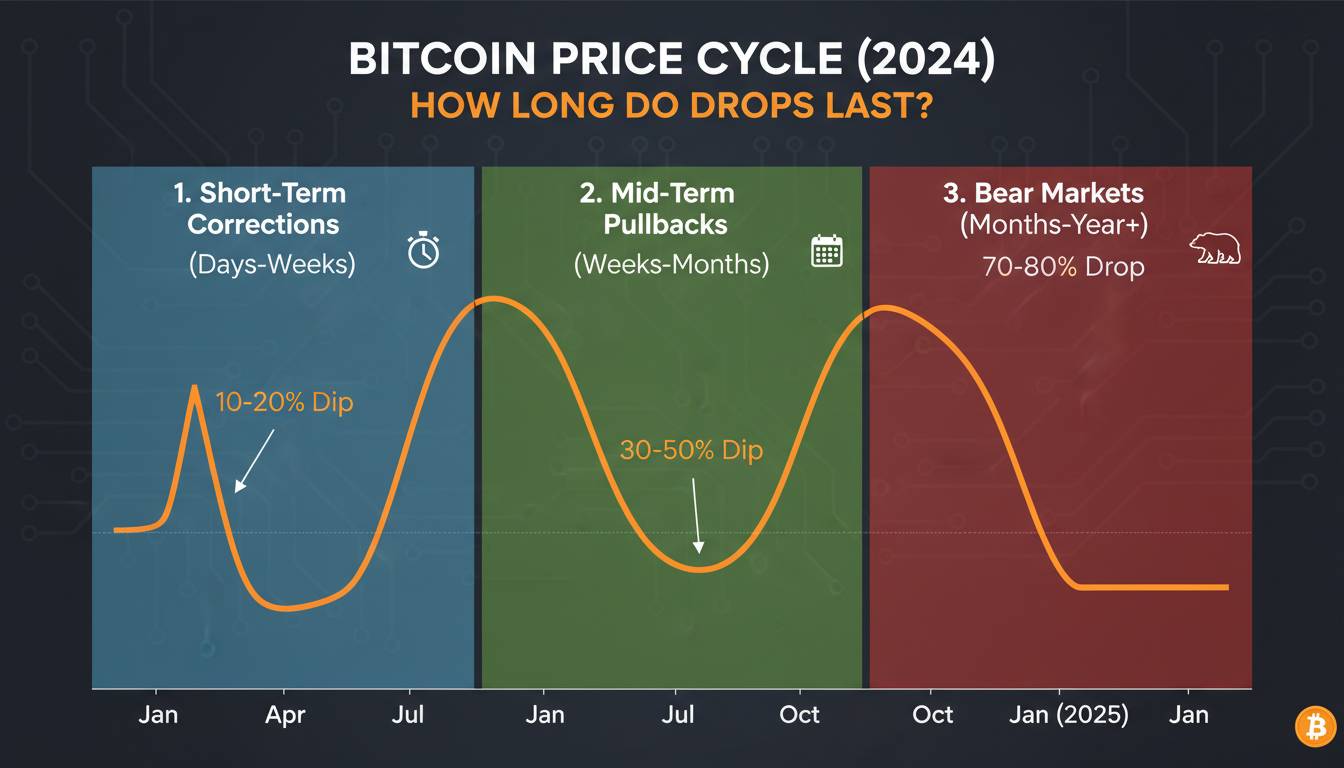
Bitcoin has crashed more than 50% multiple times in its history. Each time, the headlines were apocalyptic. Each time, it eventually climbed to new highs. That’s the story everyone knows.
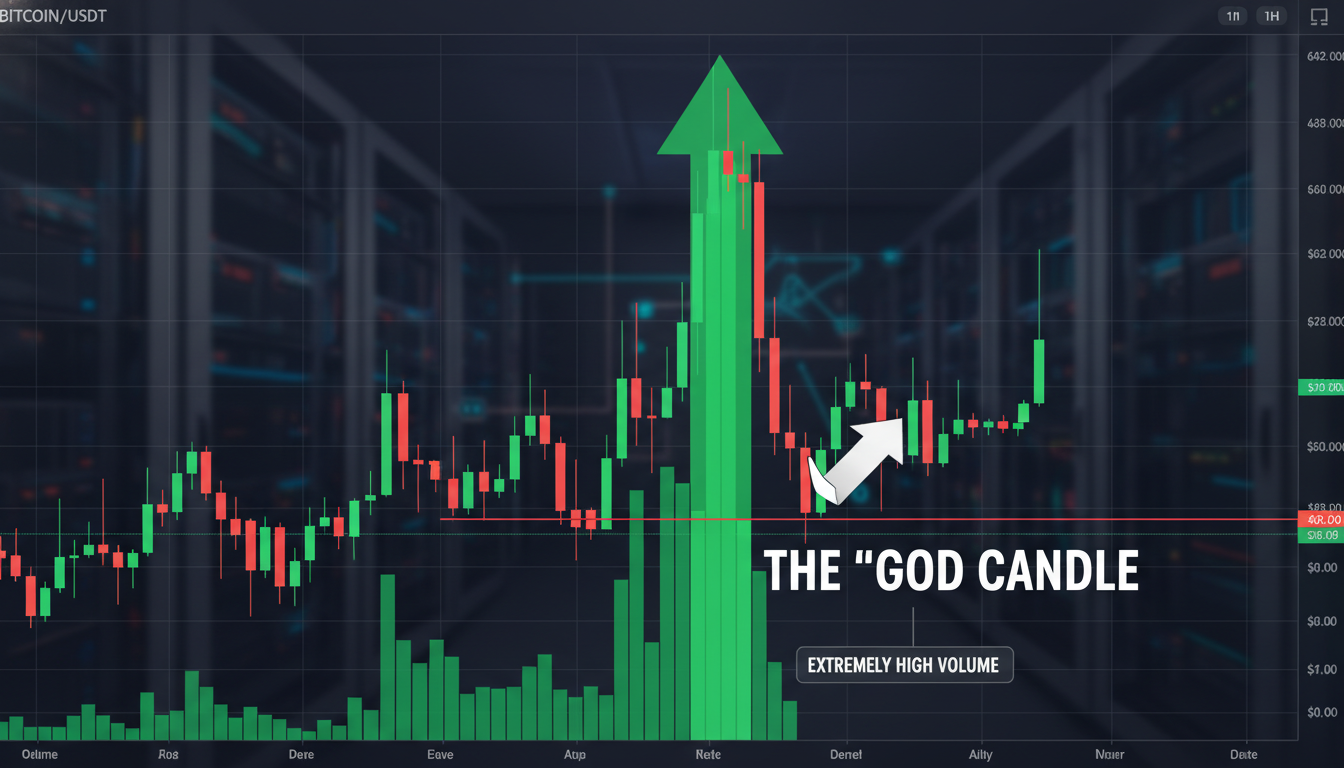
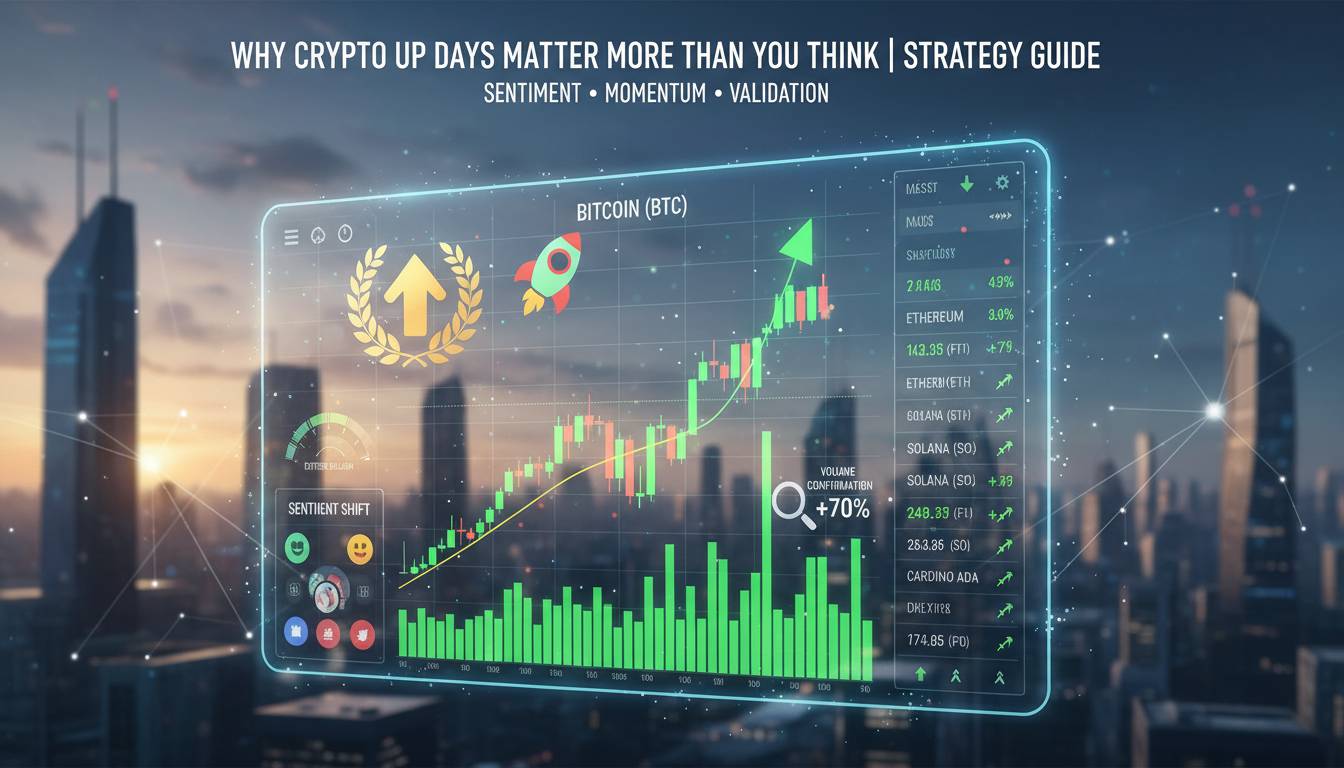
What most investors don’t realize is how concentrated the returns actually are. From 2010 through early 2024, Bitcoin traded for roughly 5,100 days. The twenty best single-day returns combined added over 3,000% to its cumulative price. The ten best days alone contributed over 2,000%.
The worst days? Painful in the moment, but mathematically insignificant compared to the best ones.
To make this concrete: if you put $10,000 into Bitcoin in early 2013 and held through the 2021 peak, you’d have around $50 million. Now remove just the single best trading day each year from that calculation. Your returns don’t drop slightly—they fall by roughly 70%. Ten days. Out of thousands. That’s what moves the needle.
This happens because percentage gains and losses don’t play fair. A 50% loss requires a 100% gain to recover. But when markets spike, they spike hard. Missing those moves means you’re not participating in the very reason the asset is worth holding.
What the Data Actually Shows
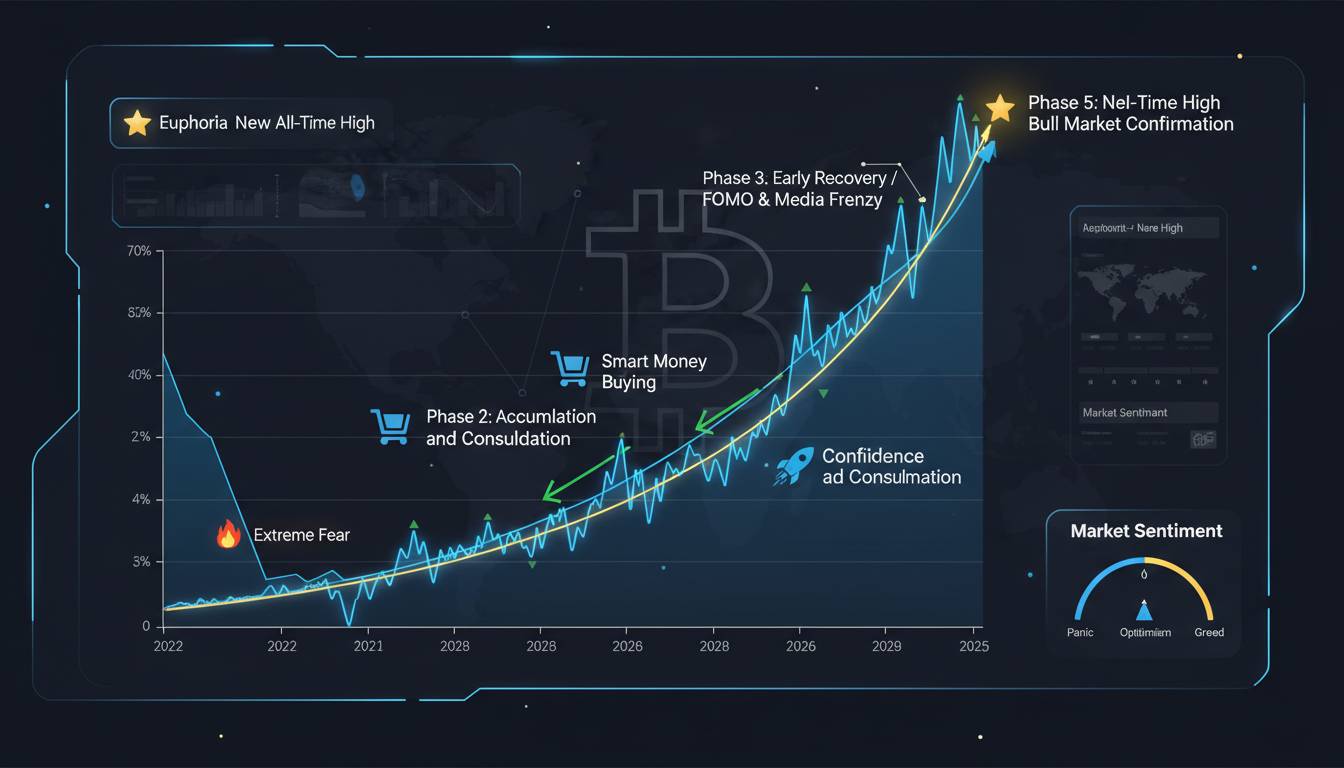
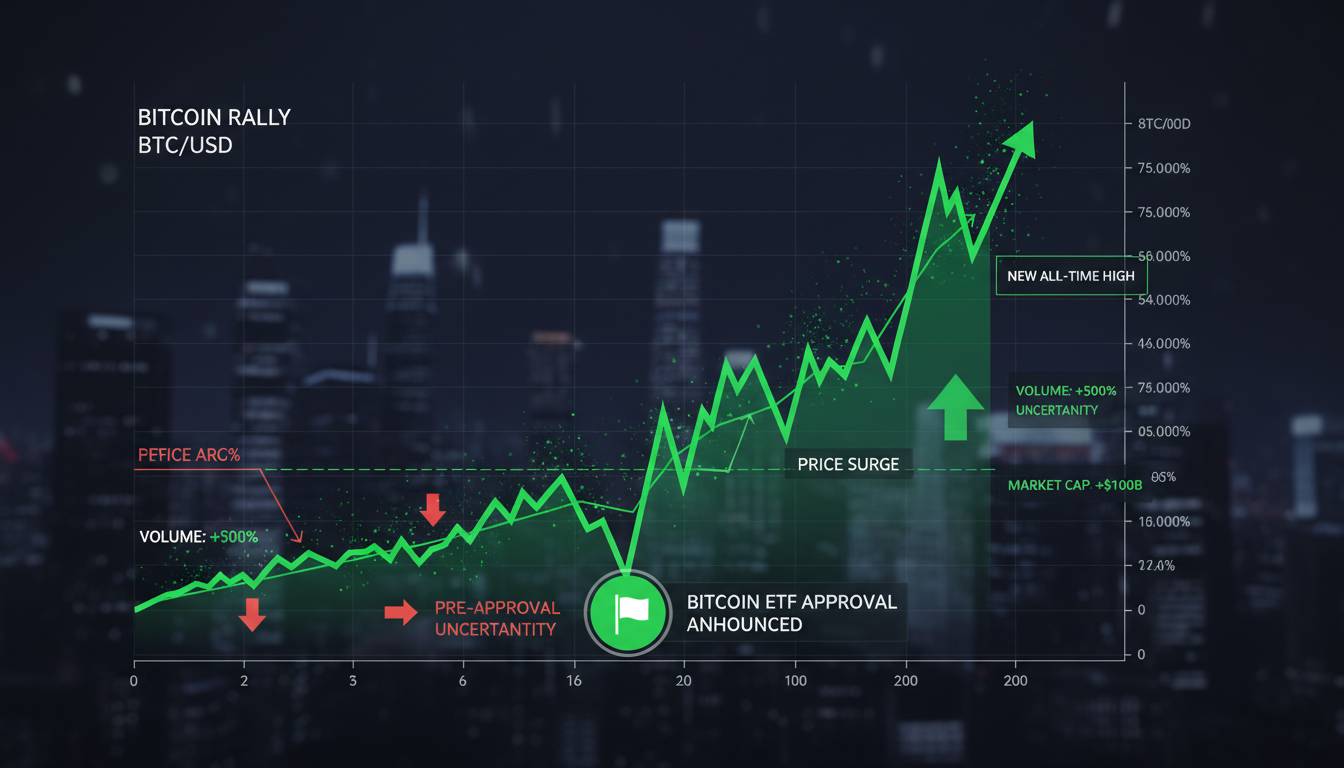
The 2020-2021 bull run is the perfect case study. Bitcoin went from about $10,000 in September 2020 to $64,000 by April 2021—over 500% gains. But if you looked at daily closes, most of that happened on maybe fifteen trading days. Miss those days and your returns look radically different.
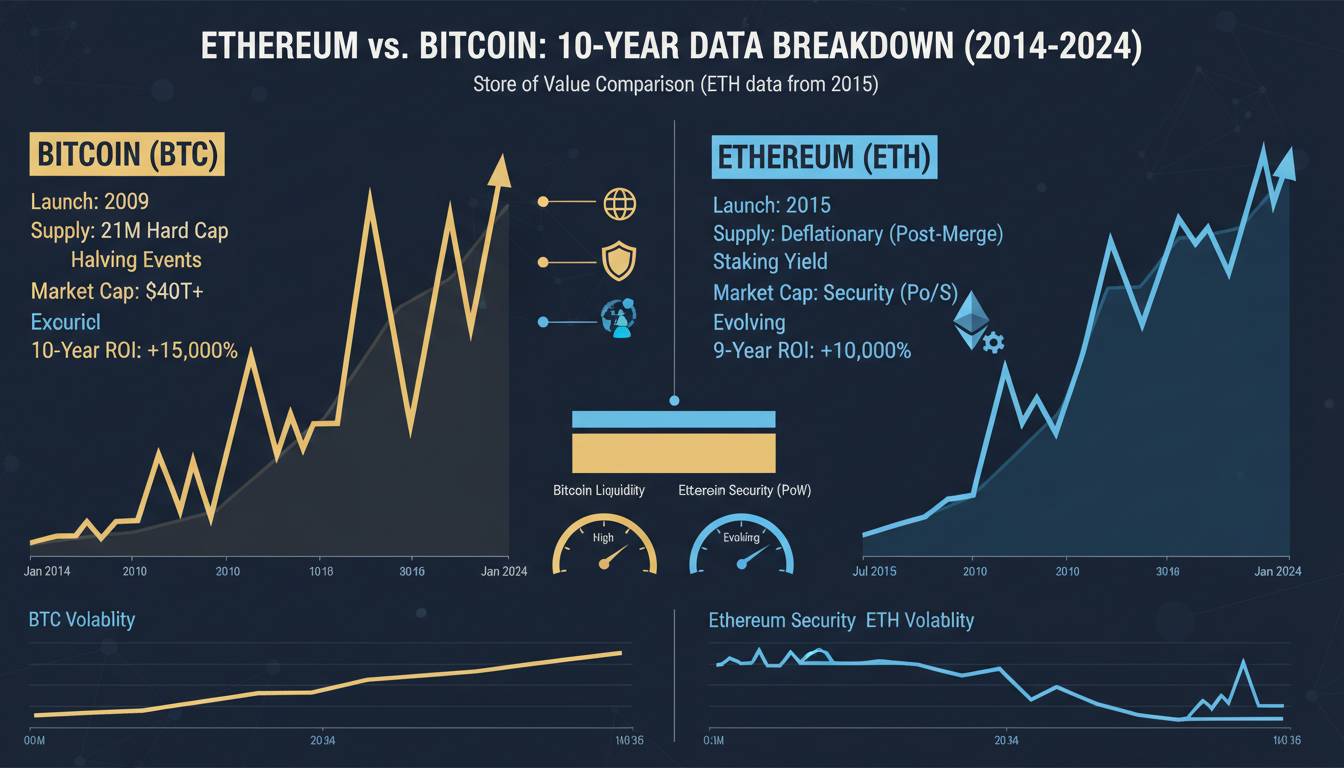
It’s not just Bitcoin. Ethereum, Solana, and most cryptocurrencies with genuine long-term gains show the same pattern: extreme concentration of returns in a small number of sessions.
Traditional markets confirm this. Morningstar’s research on mutual funds shows that funds trying to time the market underperformed simple buy-and-hold by nearly 2% annually over thirty-year periods. In crypto, where 10% single-day moves happen several times a year, the cost of missing the best days is proportionally even larger.
Why We Get This Backwards
Our brains are literally wired to overweight losses. Nobel laureate Daniel Kahneman documented this extensively—losing $1,000 feels about twice as painful as gaining $1,000 feels good. When Bitcoin drops 15%, that emotional imprint sticks. You remember the fear. You remember thinking about selling.
The days where Bitcoin gains 5%? They blur together. They’re forgettable. But those boring up days are quietly compounding while you’re fixated on the crashes.
Recency bias makes this worse. After a crash, you look at your portfolio, see red, and conclude crypto always crashes. What you miss is that the same volatility that created the crash created the prior rally—and will create the next one. Your brain telling you down days matter more isn’t wisdom. It’s a bug.
Why Timing the Market Is Mathematically Fatal
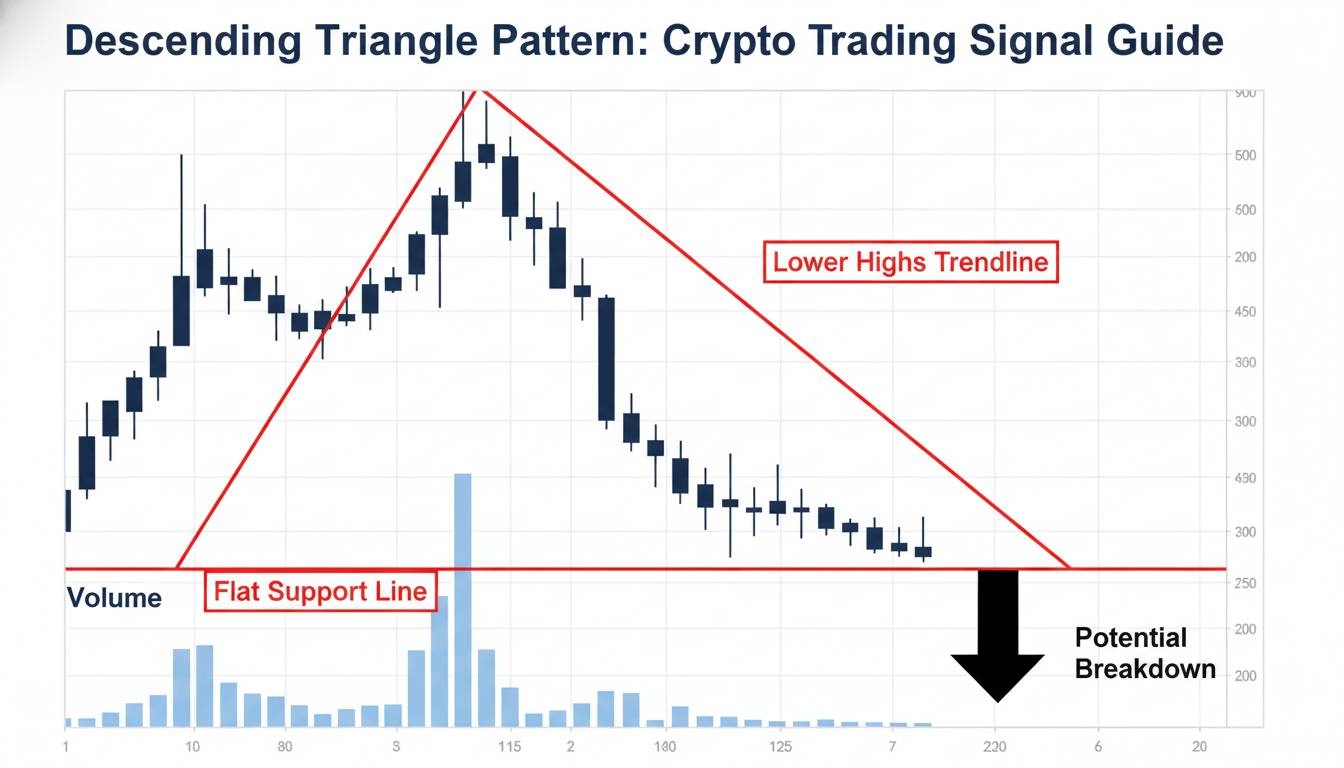
Let me be direct: trying to time when to be in or out of crypto is the single biggest return killer for most investors. Not taxes. Not fees. Not even picking wrong projects. Missing the best days while waiting to avoid the worst ones is what researchers call “the timing penalty,” and it’s devastating.
If you sit on the sidelines waiting for a correction, you’re not just missing potential gains—you’re mathematically guaranteeing your returns lag behind someone who simply held. Research from the Hartford Funds analyzed twenty years of data and found that missing just the ten best trading days over a twenty-year period cut annual returns nearly in half. That’s the difference between compounding at 7% versus 3.5%—over decades, it means doubling your money every ten years versus every twenty.
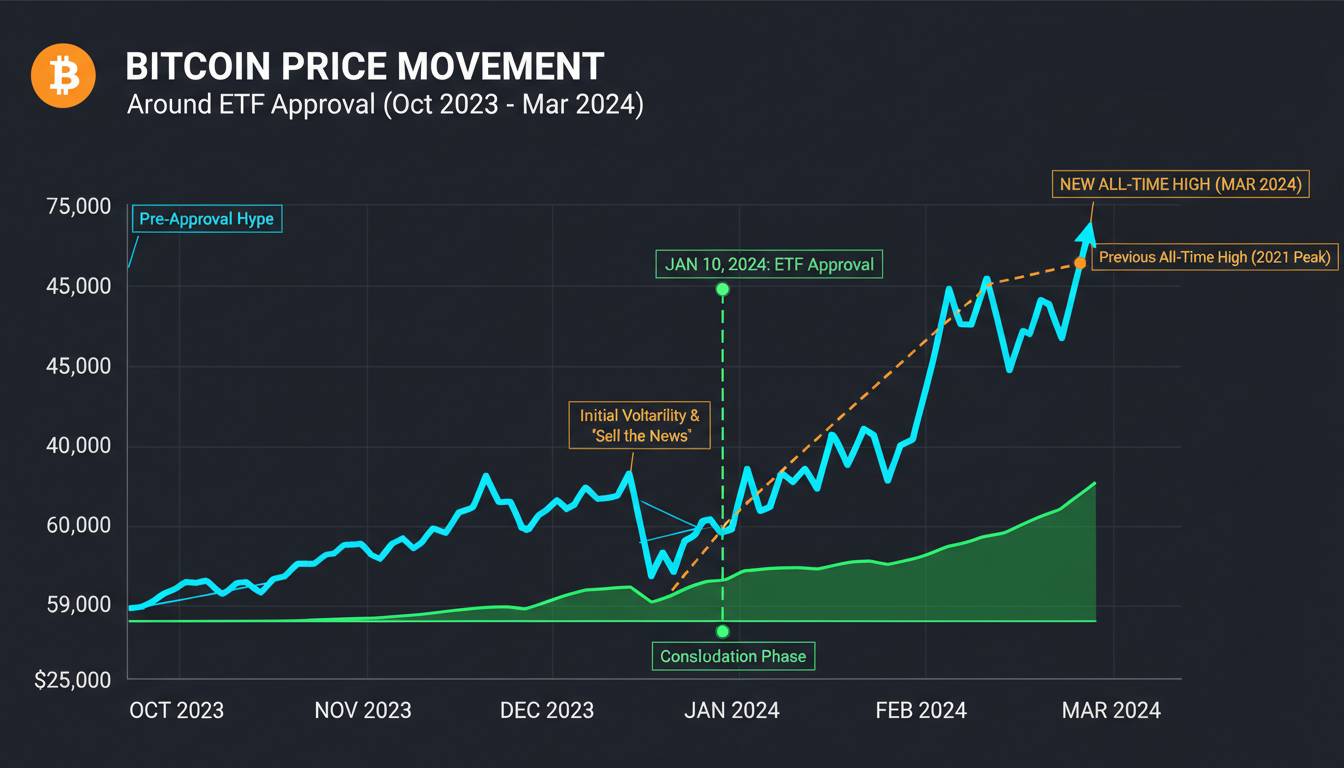
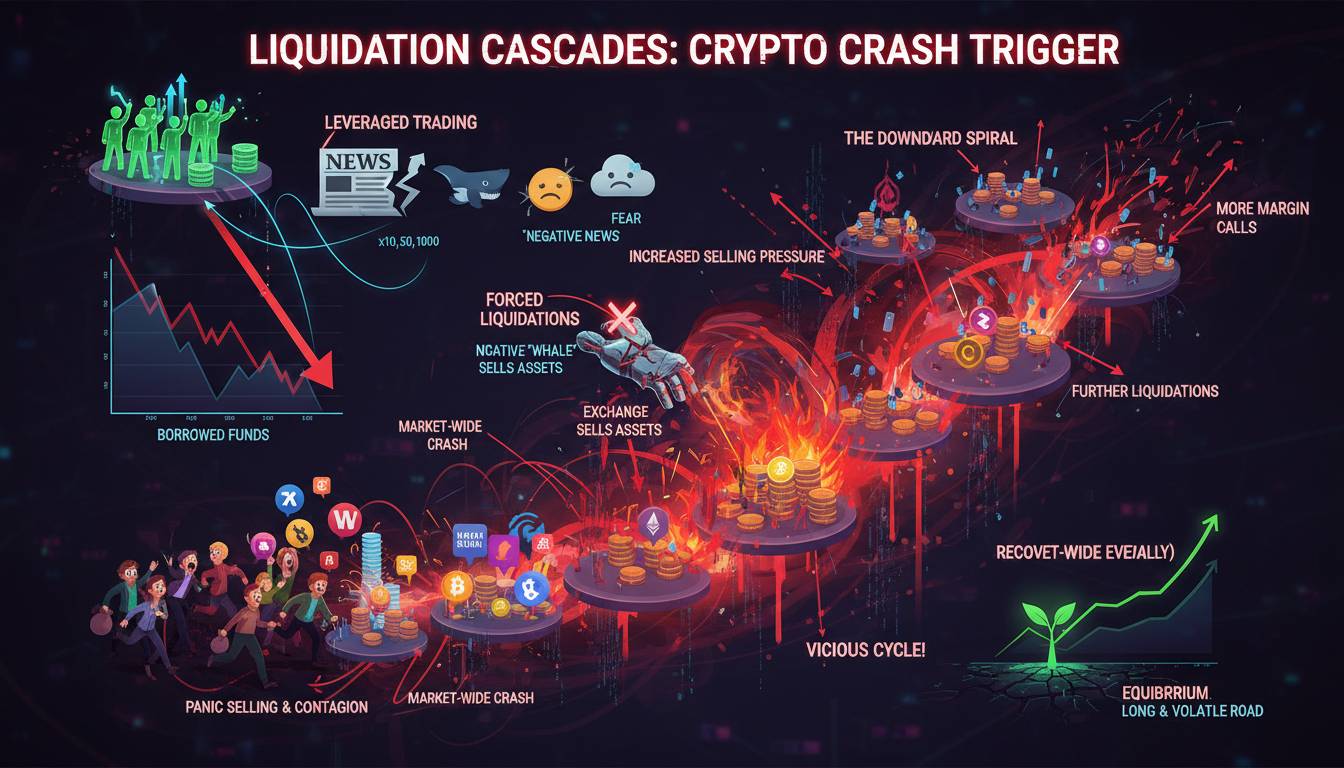
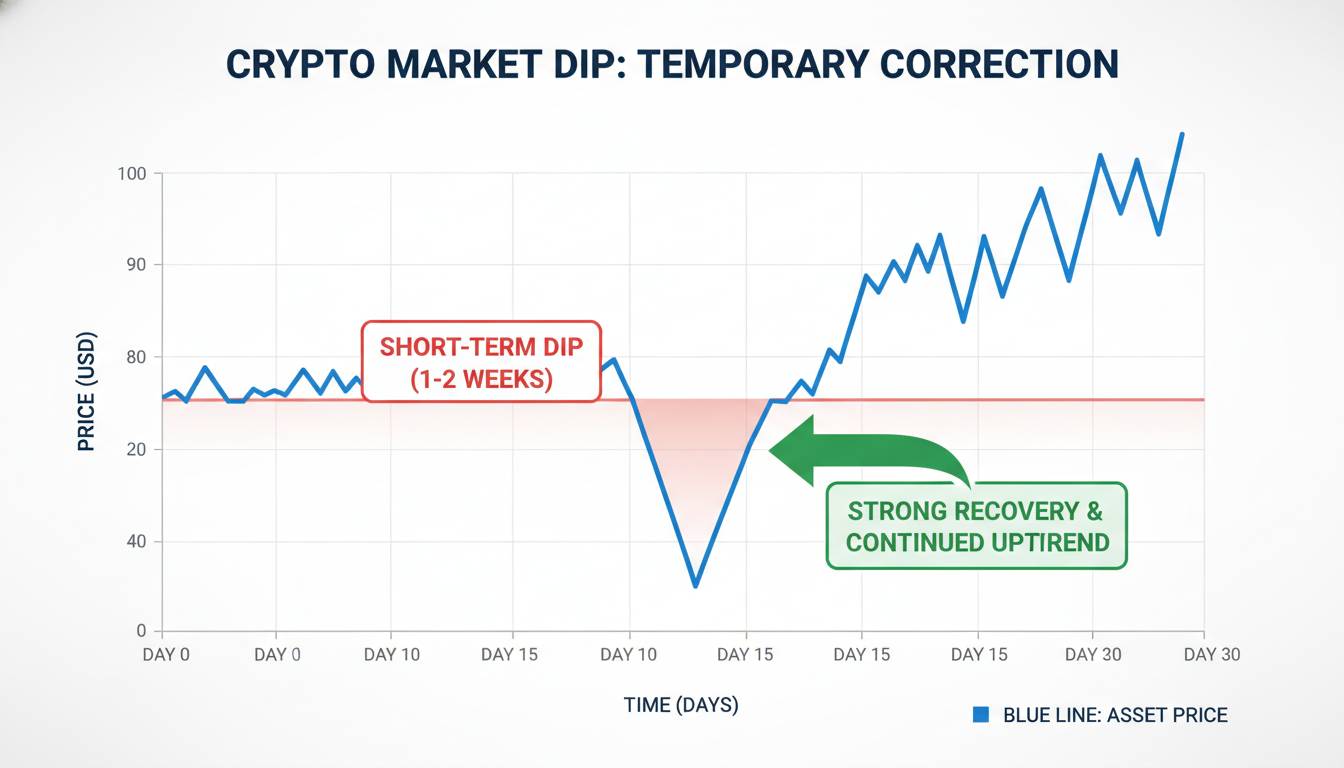
Crypto makes this worse because the best days often cluster right after the worst days. In 2021, Bitcoin fell from $64,000 to under $30,000 in weeks. But some of the biggest up days that year happened during that exact crash. If you sold hoping to buy back lower, you almost certainly missed the recovery.
The market doesn’t reward caution. It rewards presence. The only sustainable strategy is being there when the good days happen—which means being there when the bad days happen too.
Dollar-Cost Averaging: The Strategy That Works
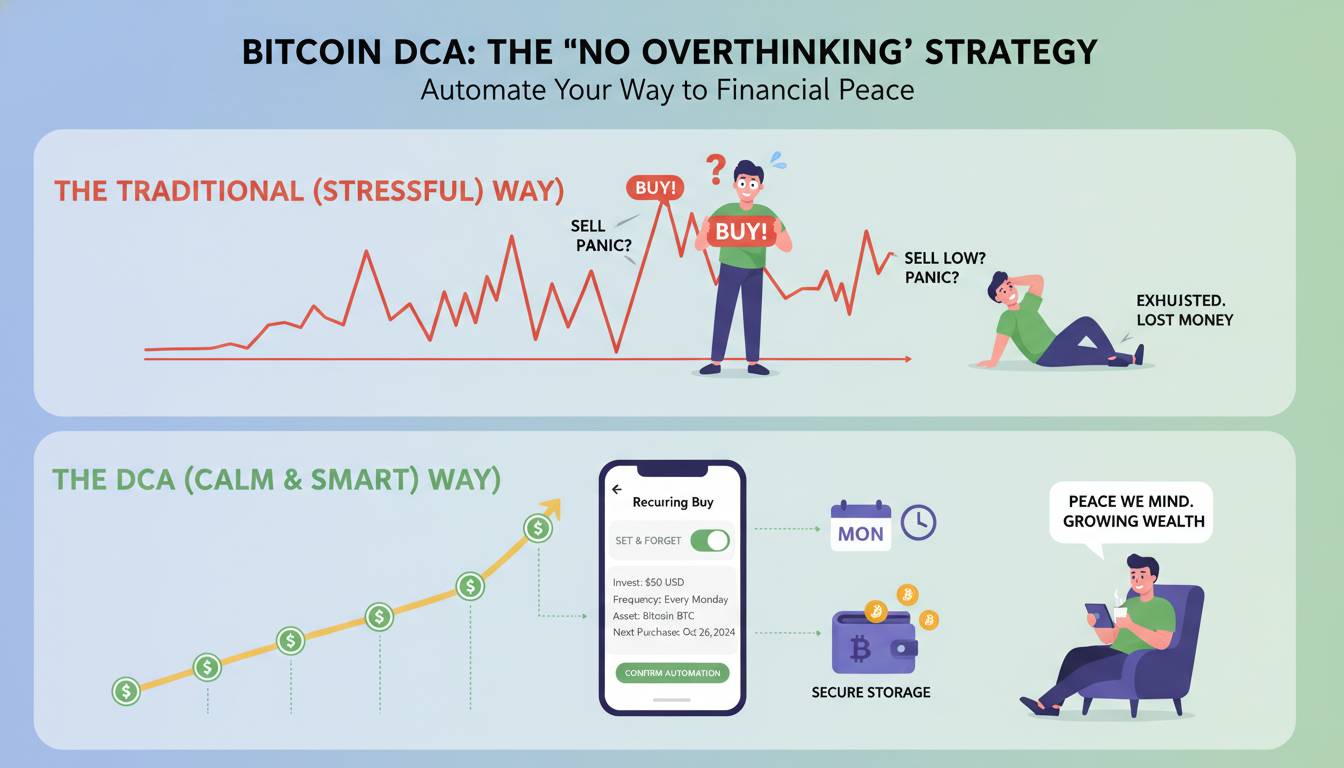
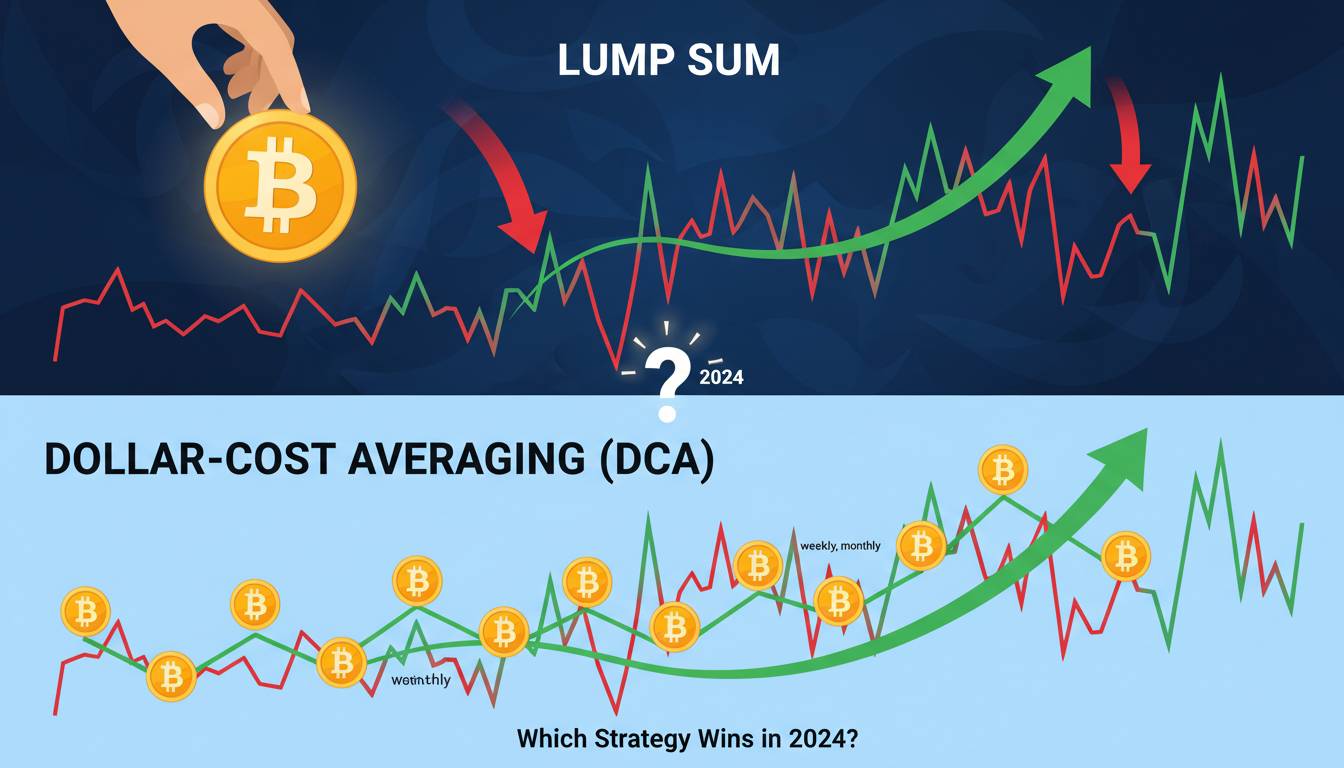
Rather than predicting which days will be up or down, successful long-term crypto holders use dollar-cost averaging: buying a fixed dollar amount at regular intervals, regardless of price. When prices are high, your fixed purchase buys less. When prices are low, it buys more. Over time, this smooths your average cost and forces you to buy when others are fearful.
The beauty in crypto specifically is that it makes you do the opposite of what your emotions demand. When Bitcoin is crashing and headlines scream doom, your automated purchase fires. When it’s surging and everyone celebrates, it still fires—but now at higher prices, naturally limiting your exposure to cycle tops. This discipline removes the psychological burden of timing decisions, and the data strongly suggests it produces better results than trying to be clever.
Running the Numbers
Here’s a concrete example. Imagine you invested $1,000 monthly in Bitcoin from January 2018 through December 2023—a period with massive gains and two major crashes. Total invested: $72,000. At the late 2021 peak, that position was worth around $400,000. Even after the subsequent drawdown, it’s still worth substantially more than your contributions.
Now try timing perfectly: hold your $1,000 in cash each month and wait for optimal entry points. Avoid the worst months. The data shows your returns would almost certainly be lower than simple DCA. Why? Because the best days are unpredictable and often happen right after crashes, during maximum pessimism, when the news couldn’t look worse. Perfect timing isn’t just difficult—it’s mathematically impossible.
Vanguard and other researchers consistently find that tactical allocation strategies underperform static allocation by 1-2% annually over extended periods. In crypto’s volatility, that gap is probably larger.
The Honest Reality: This Only Works on Quality Assets
Holding through volatility only makes sense if you’re holding something worth holding. Dollar-cost averaging into a project that goes to zero isn’t wisdom—it’s stubbornness. The advice to hold long-term only applies to assets with genuine utility and adoption potential. Bitcoin has proven its thesis over fifteen years. Most altcoins haven’t.
Most retail investors hear “hold for the long term” and apply it to everything in their portfolio. They hold losing positions out of sunk cost fallacy rather than rational analysis. The distinction matters: hold quality assets through volatility. Don’t hold everything indefinitely.
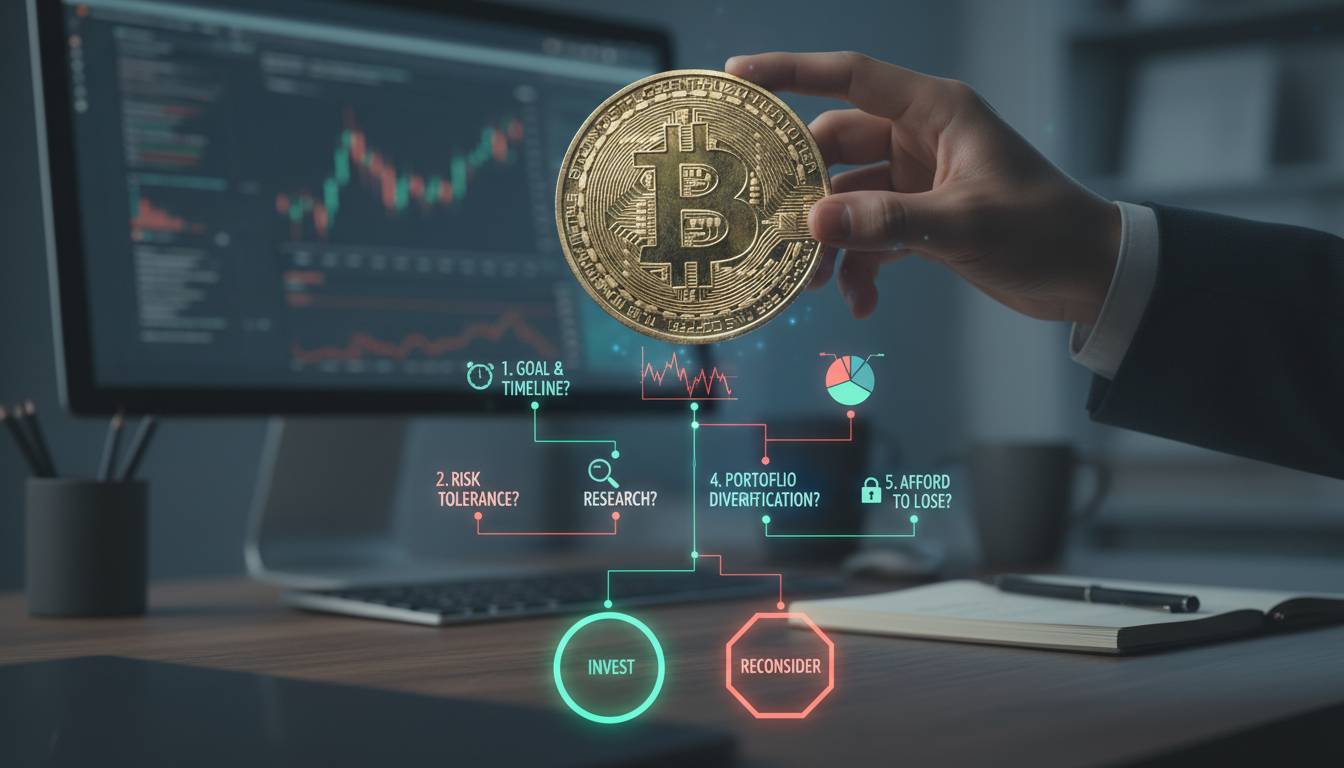
Additionally, this strategy requires money you won’t need for years. Crypto’s volatility is only a feature if your time horizon matches the cycle. If you need capital within two years, long-term holding may not be appropriate. Be honest about your liquidity needs before committing to a five-plus year thesis.
What Long-Term Holders Should Actually Do
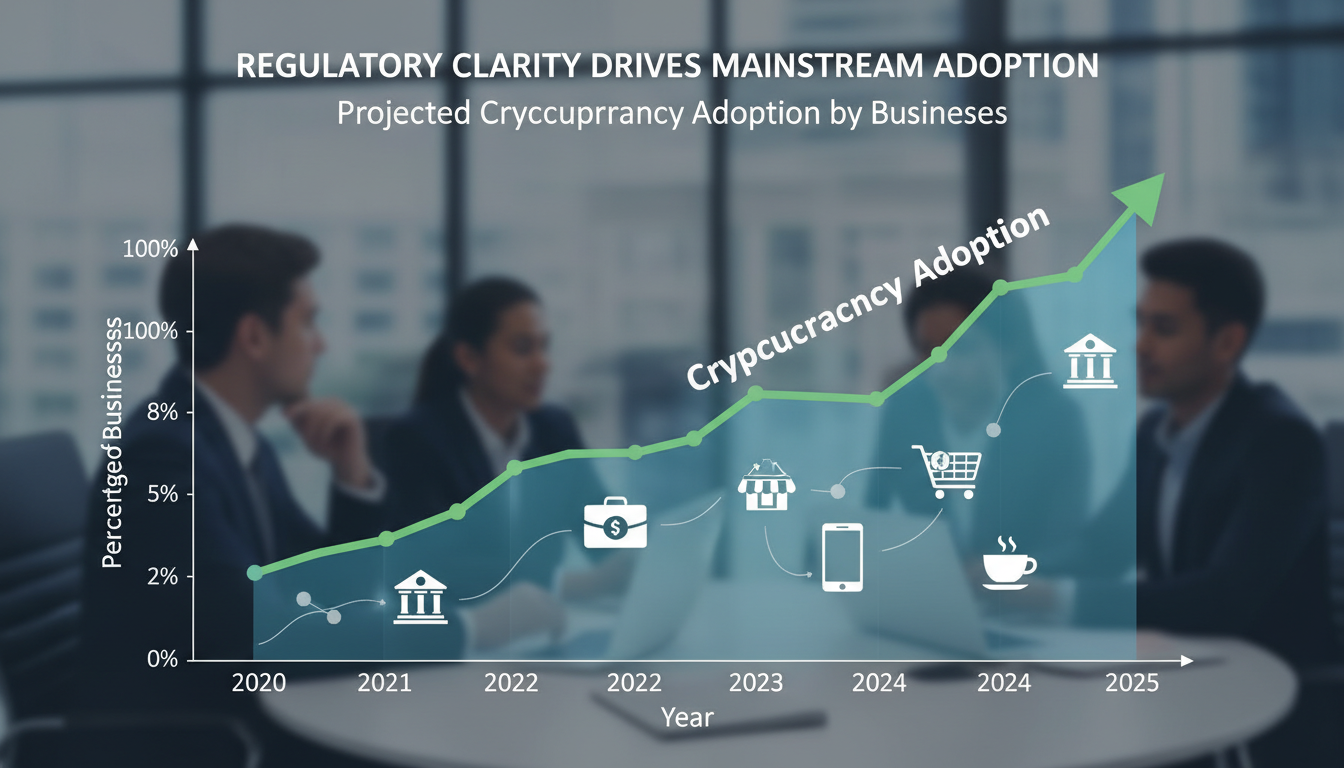
The crypto market in 2025 differs from 2017 or 2021. Institutional adoption has changed the asset class. Regulatory clarity, while imperfect, has reduced some tail risks. New blockchain use cases keep emerging. But the core math hasn’t changed: the best days still drive virtually all long-term appreciation, and the cost of missing them remains catastrophic.
For long-term holders, the implication is simple. Stop checking daily price movements. They’re noise—statistical noise your brain treats as signal. Instead, focus on what actually matters: whether your asset has genuine utility, whether your allocation reflects your conviction, whether you’re maintaining systematic purchasing discipline regardless of weekly or monthly movements.
The investors who build meaningful wealth in crypto over the next decade won’t be those who call tops and bottoms. No evidence suggests anyone can do this consistently. They’ll be the ones who accept volatility as the price of admission, stay invested through downturns, and capture the exceptional days that drive virtually all returns.
That’s the game. Everything else is distraction.