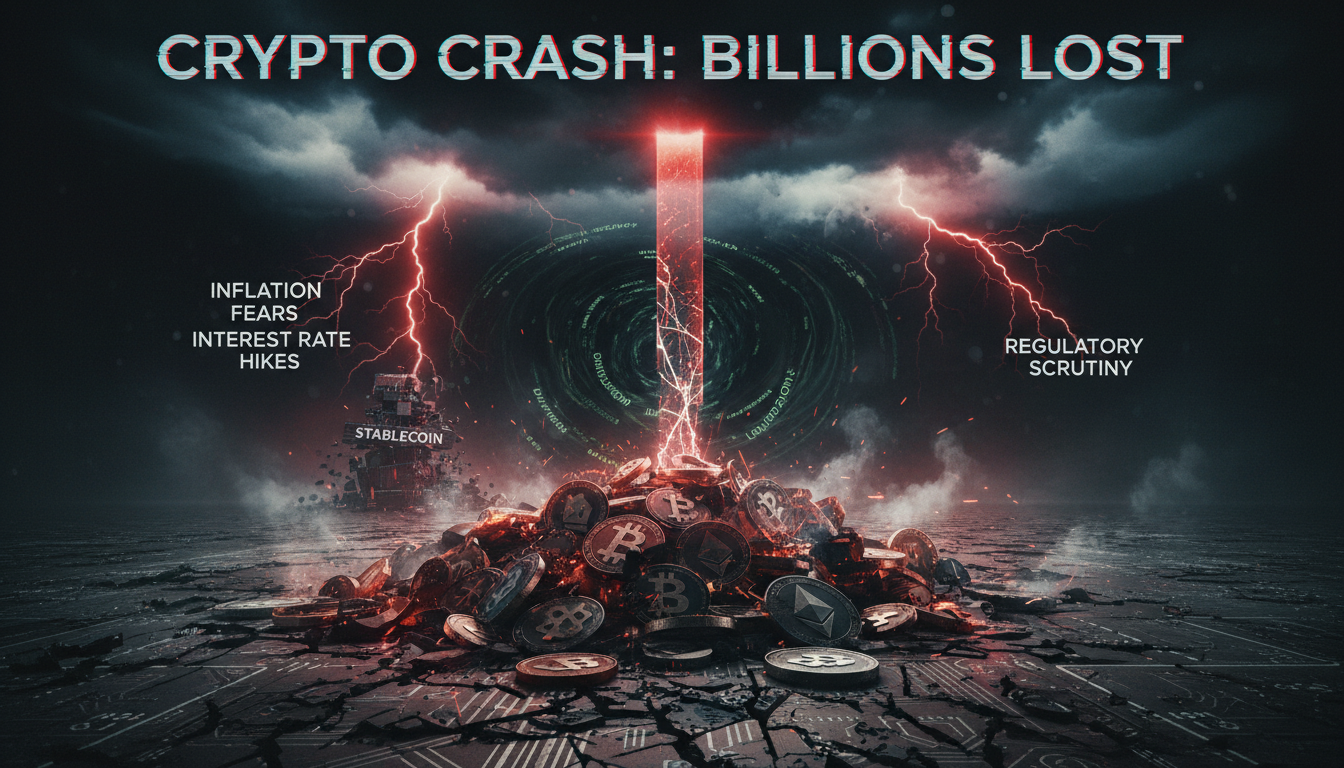

The crypto market in 2025 has been a punishing teacher. Those who entered during the 2021 euphoria learned hard lessons about leverage, stablecoin collapses, and the difference between utility and speculation. Now, as we approach what many analysts believe will be the opening act of the next major cycle, holders face a different problem: complacency masked as confidence. The questions worth asking aren’t the ones everyone else is asking — they’re the uncomfortable ones that force you to examine your actual thesis, not just repeat what you read on crypto Twitter.
Here are ten questions that should be shaping your strategy as you position yourself for the years ahead.
1. Am I Confusing Narrative With Fundamental Value?
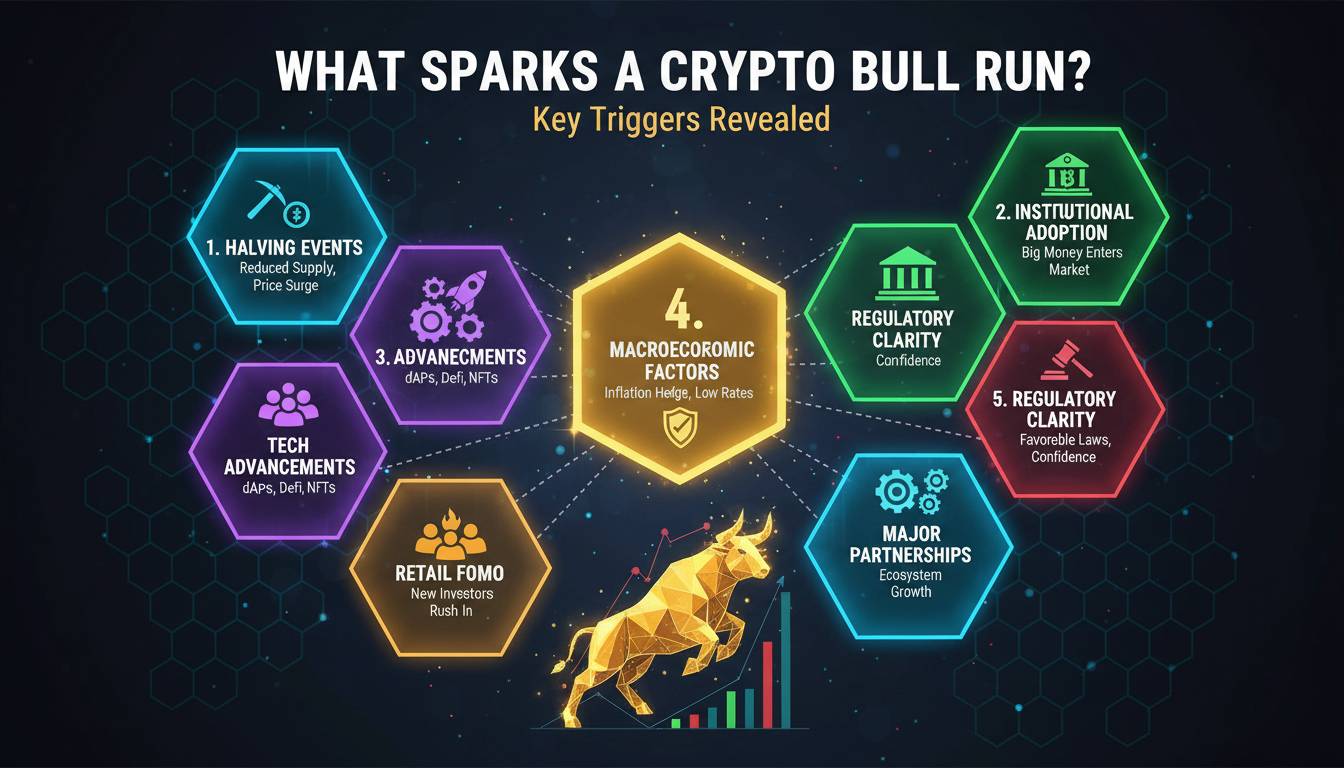
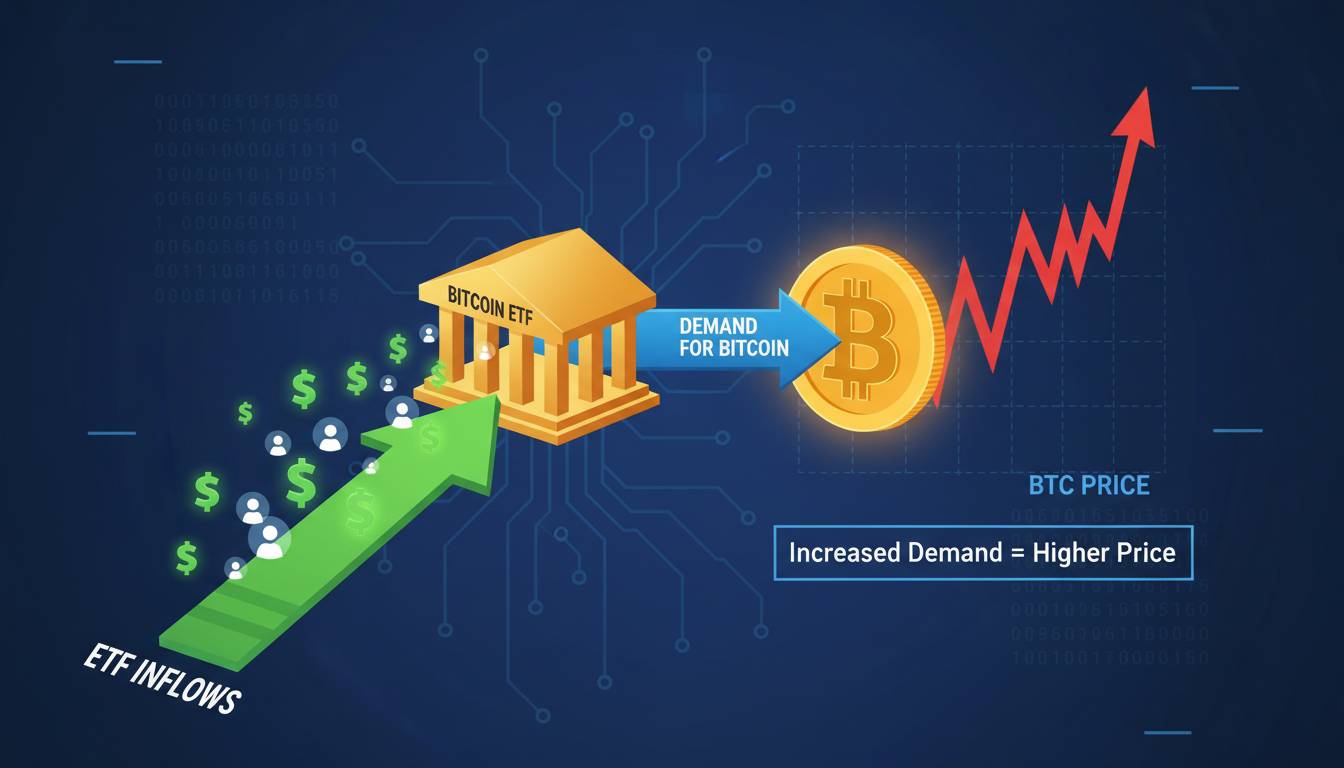
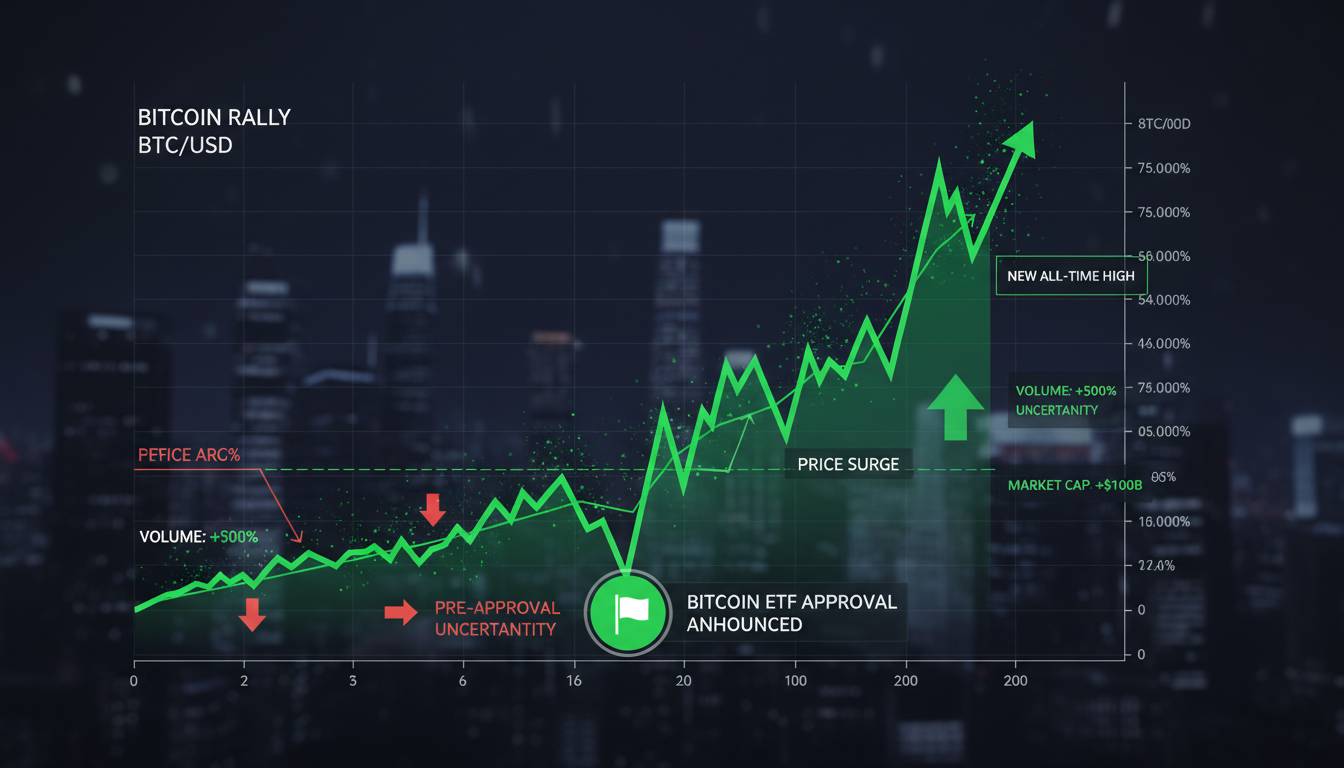
The crypto market runs on narratives. In 2021, it was “Ethereum killer” everything. In 2023, it was AI agents. In 2024, it’s been Bitcoin ETFs and institutional adoption. These narratives drive price action, and ignoring them entirely is foolish. But the critical distinction every holder needs to make is whether they’re investing in a project because the narrative is compelling, or because there’s actual utility, adoption, and sustainable economics underneath it.
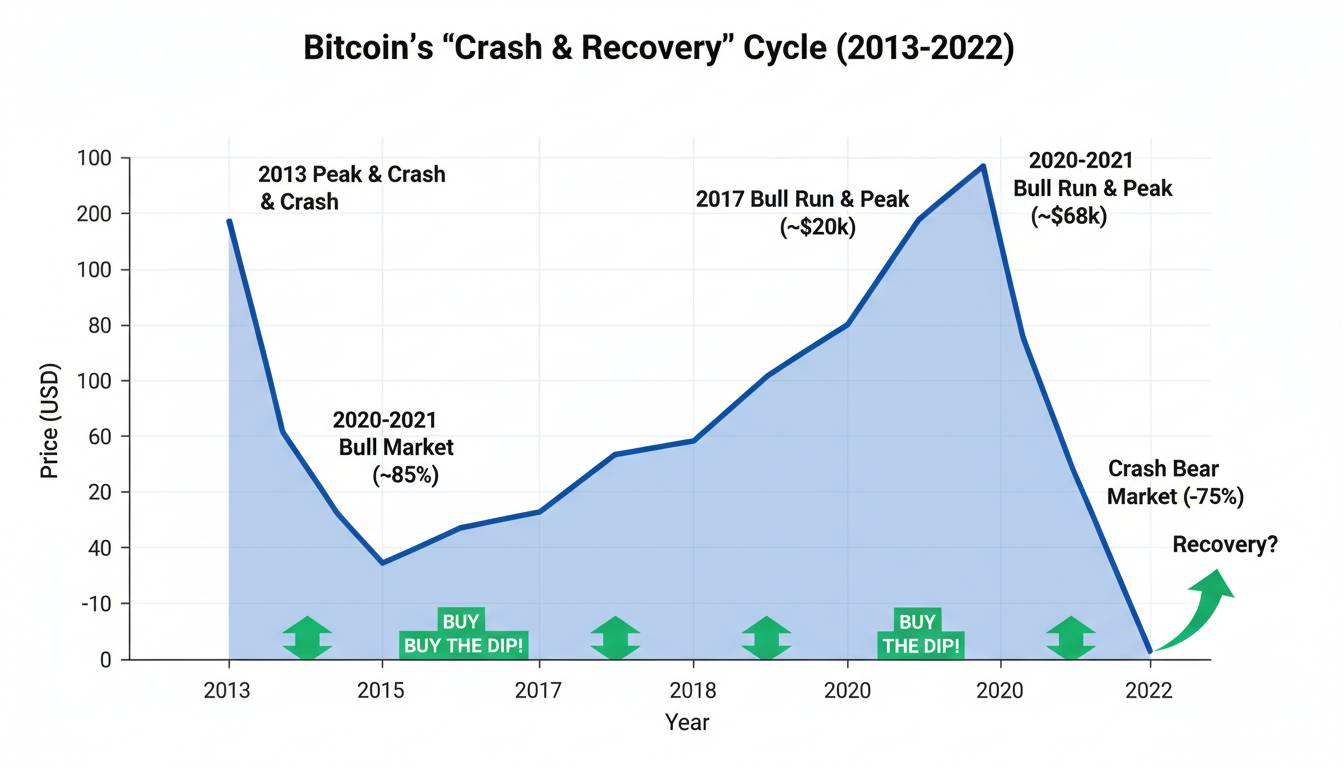
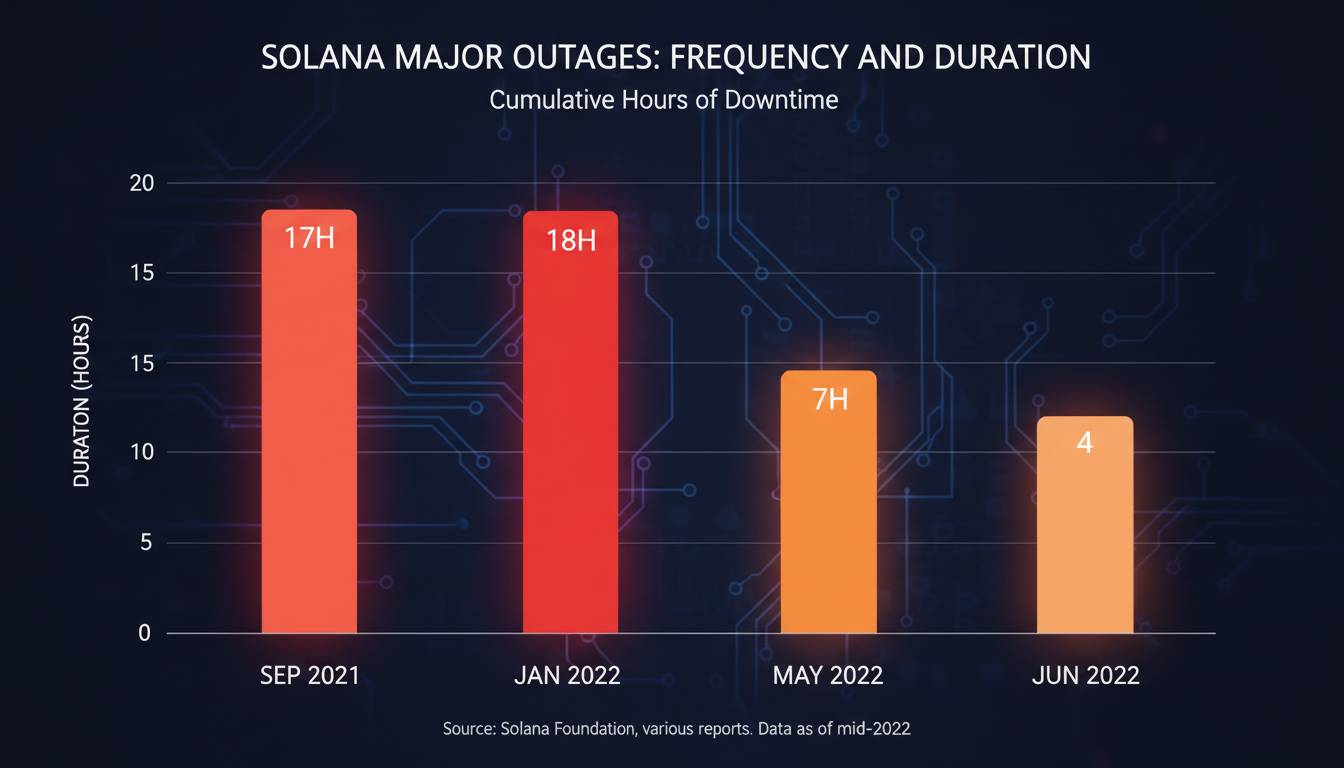
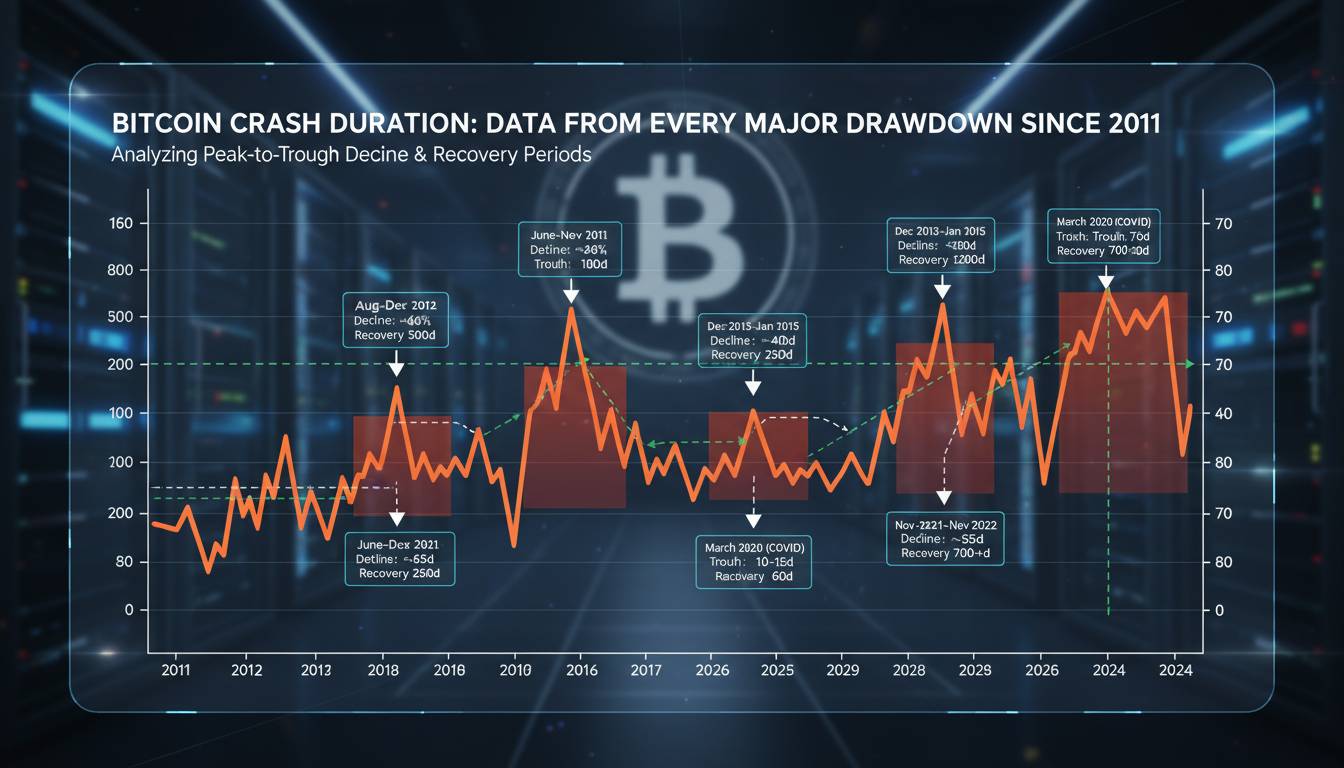
Look at what happened with the 2022-2023 cycle. Projects with genuine product-market fit — think Ethereum’s rollup ecosystem, or Solana’s high-performance DeFi — survived and even thrived during the bloodbath. Meanwhile, hundreds of “Ethereum killers” with no real use case lost 95% of their value and never recovered. The lesson is straightforward: narratives attract capital, but fundamentals determine whether that capital stays.
The question you need to answer for every position in your portfolio: if the narrative disappeared tomorrow, would anything about this investment still make sense? If the only reason you own something is because everyone else is talking about it, you don’t own an investment — you own a sentiment indicator, and those are the first things to crack when market conditions shift.
2. Has My Thesis Actually Been Tested, Or Am I Just Hoping?
There’s a difference between conviction and hope. Conviction comes from understanding a project’s technology, economics, and competitive position well enough that you can articulate why it will succeed even when the price is crashing. Hope is what you have when you can’t explain why you own something beyond “it seems cheap” or “the team is good.”
The investors who held through 2022 and 2023 and are now profitable weren’t necessarily smarter than everyone else. They had theses that survived contact with reality. They understood why they were buying at current prices, what would need to happen for the thesis to play out, and what would invalidate the thesis entirely. When you’re asked why you hold a position, can you give a two-minute explanation that doesn’t rely on price predictions? If not, that’s a signal to do more work or reduce your exposure.
3. How Much of My Portfolio Is Actually Tradable When It Matters?
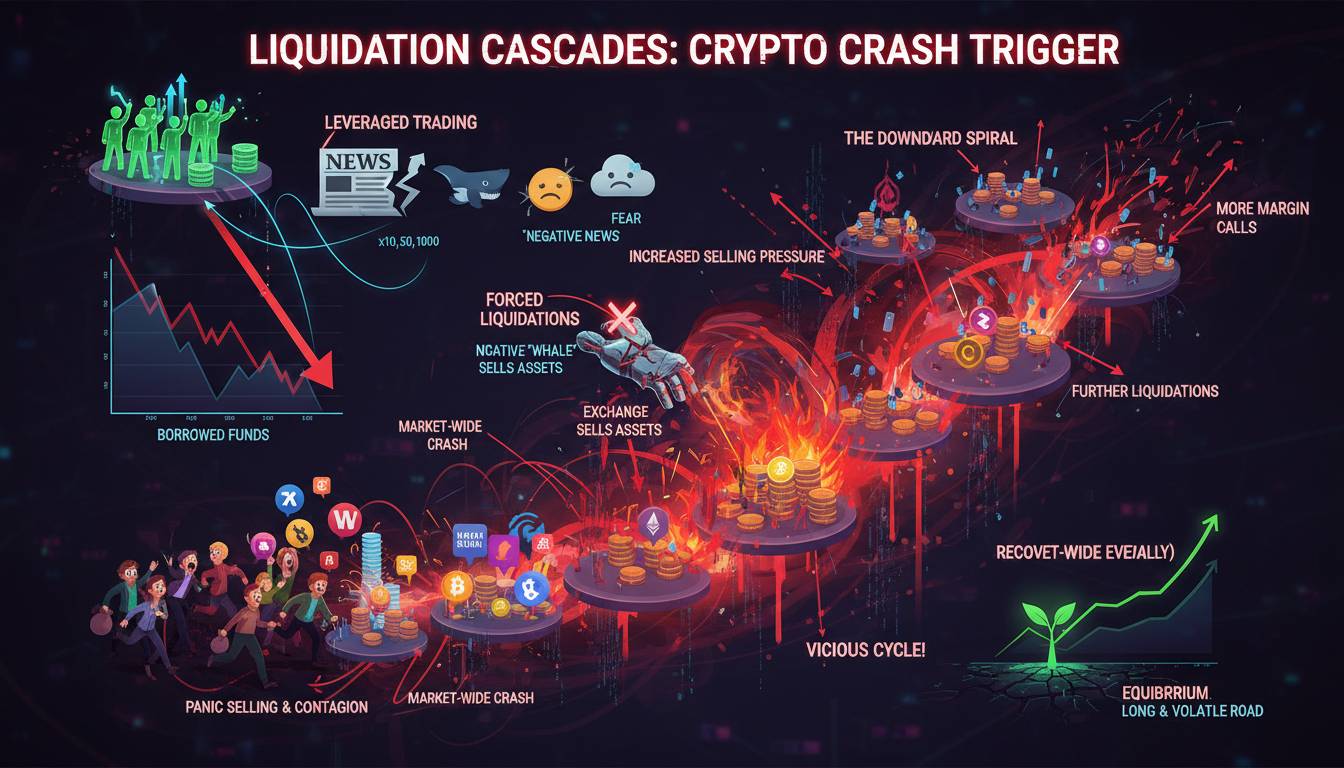
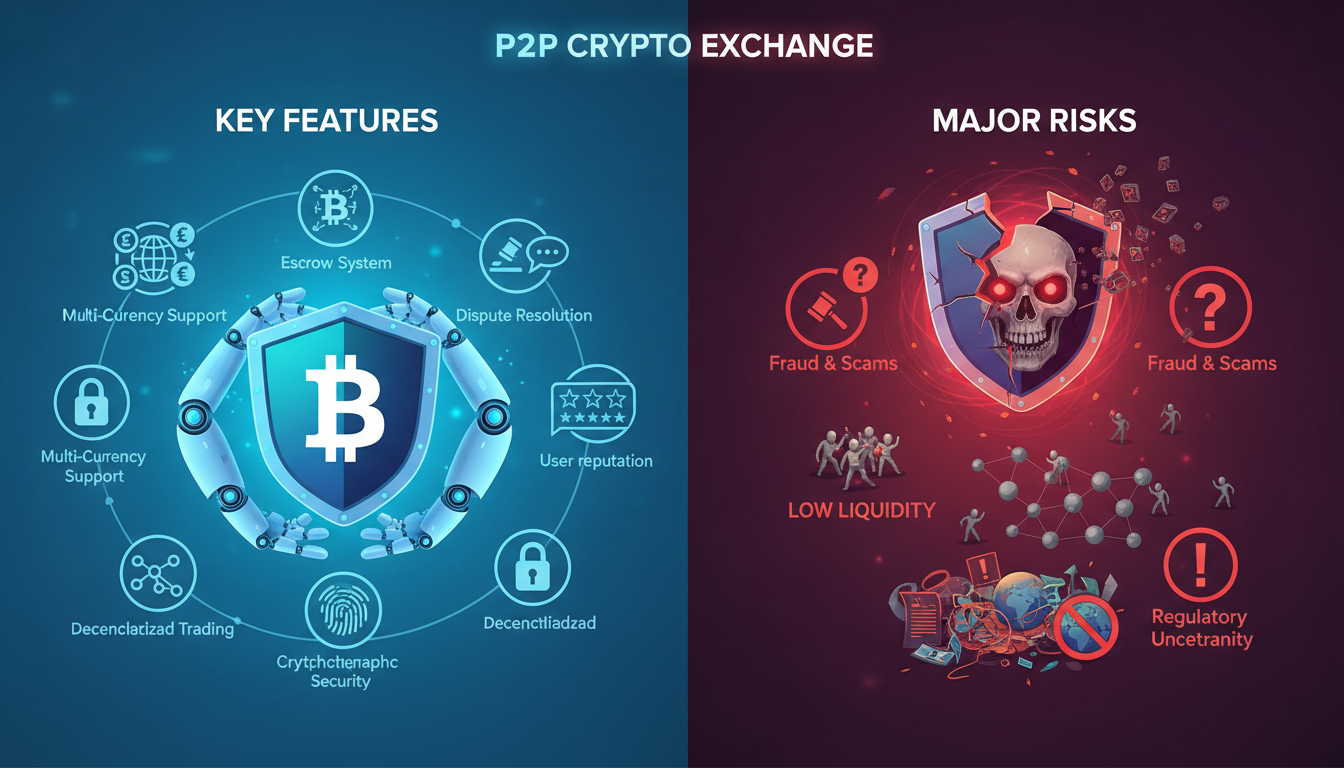
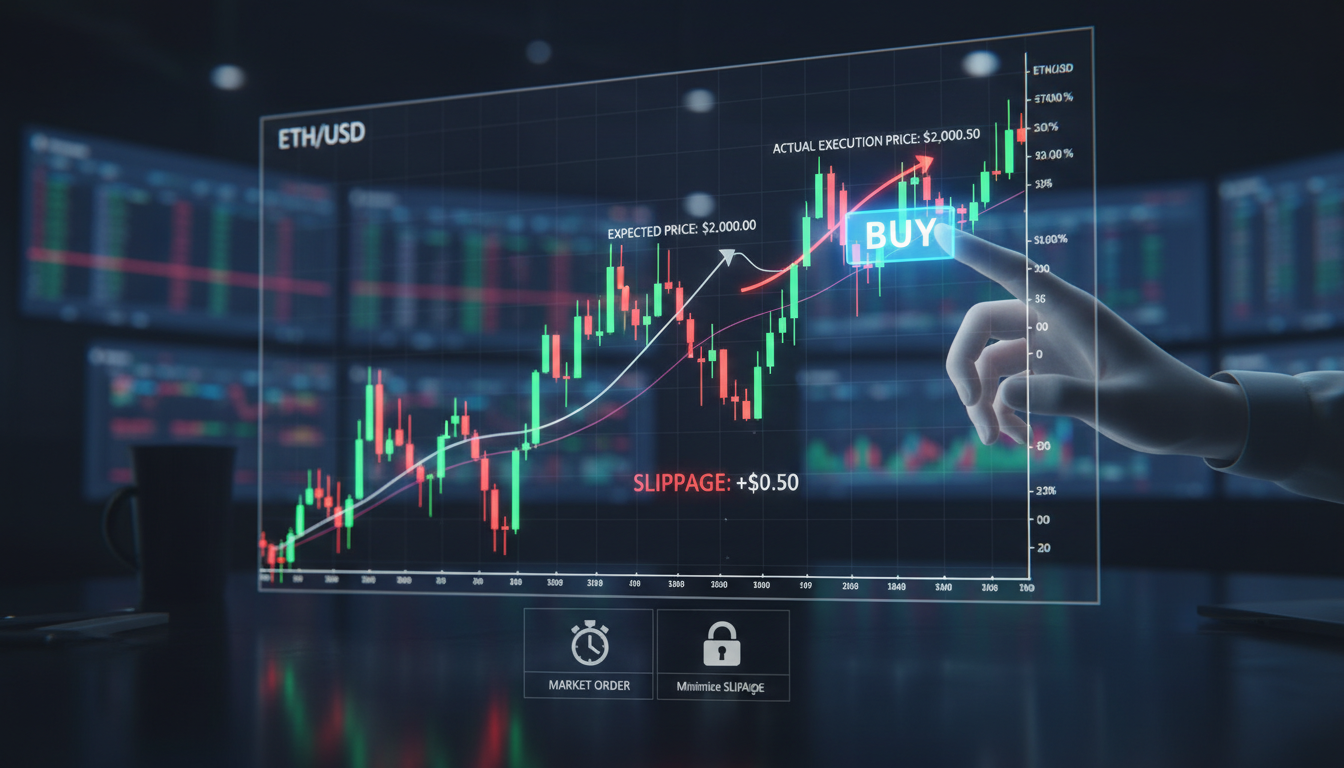
Liquidity is the most underrated risk in crypto. You might own $100,000 of a token on paper, but if you can’t sell $5,000 without moving the price 10%, your actual position is much smaller than you think. This becomes critical during market stress when everyone is trying to exit at once.
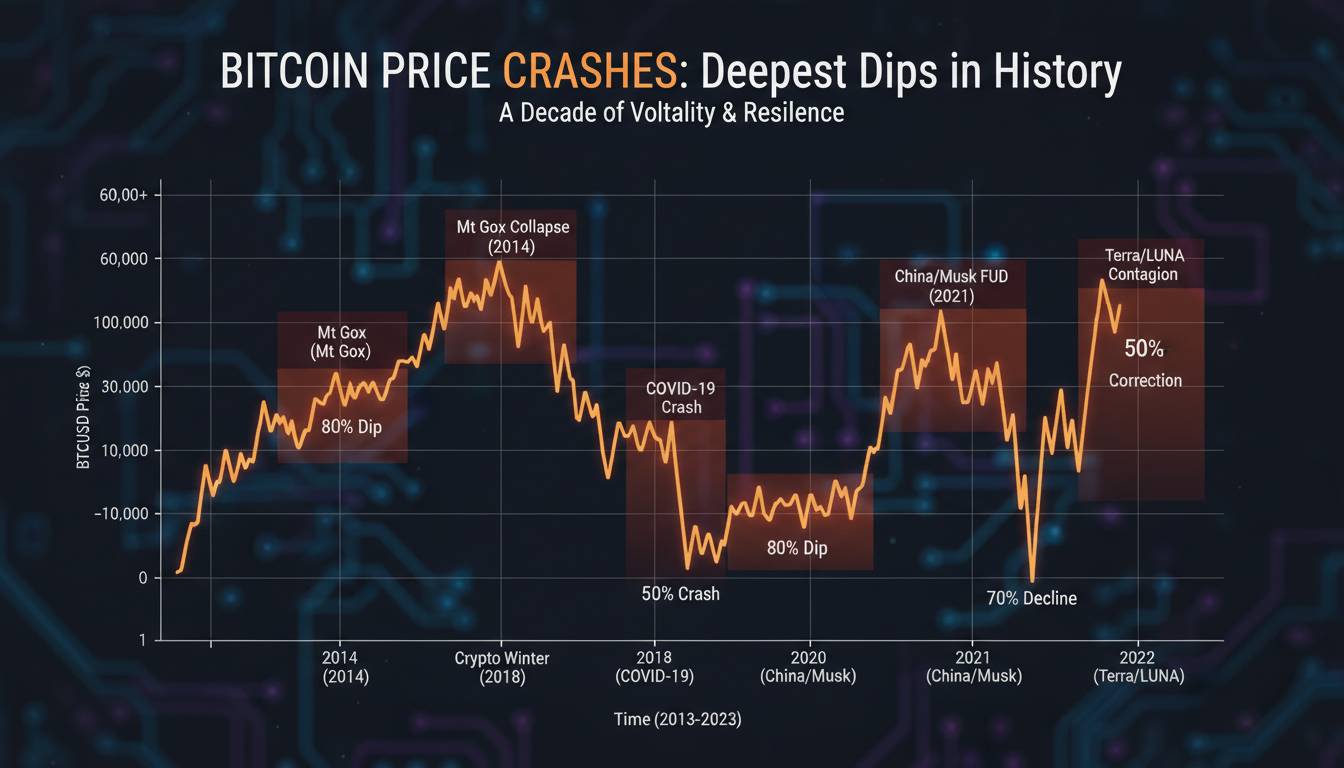
Consider the 2022 collapse of Terra/Luna. Holders with significant positions couldn’t sell because the liquidity simply evaporated within minutes. The lesson isn’t just about avoiding algorithmic stablecoins — it’s about understanding that most altcoin markets are shallow. Even some tokens with billion-dollar market caps can see 30-40% slippage on larger orders during volatile periods.
Before adding any new position, ask yourself: if this dropped 70% tomorrow and I needed to exit 25% of my holdings over 48 hours, would I be able to do so without destroying my average price? If the answer is uncertain, the position is probably too large or the token is too illiquid to be a meaningful part of your portfolio.
4. What Happens If the Regulatory Environment Gets Significantly Worse?
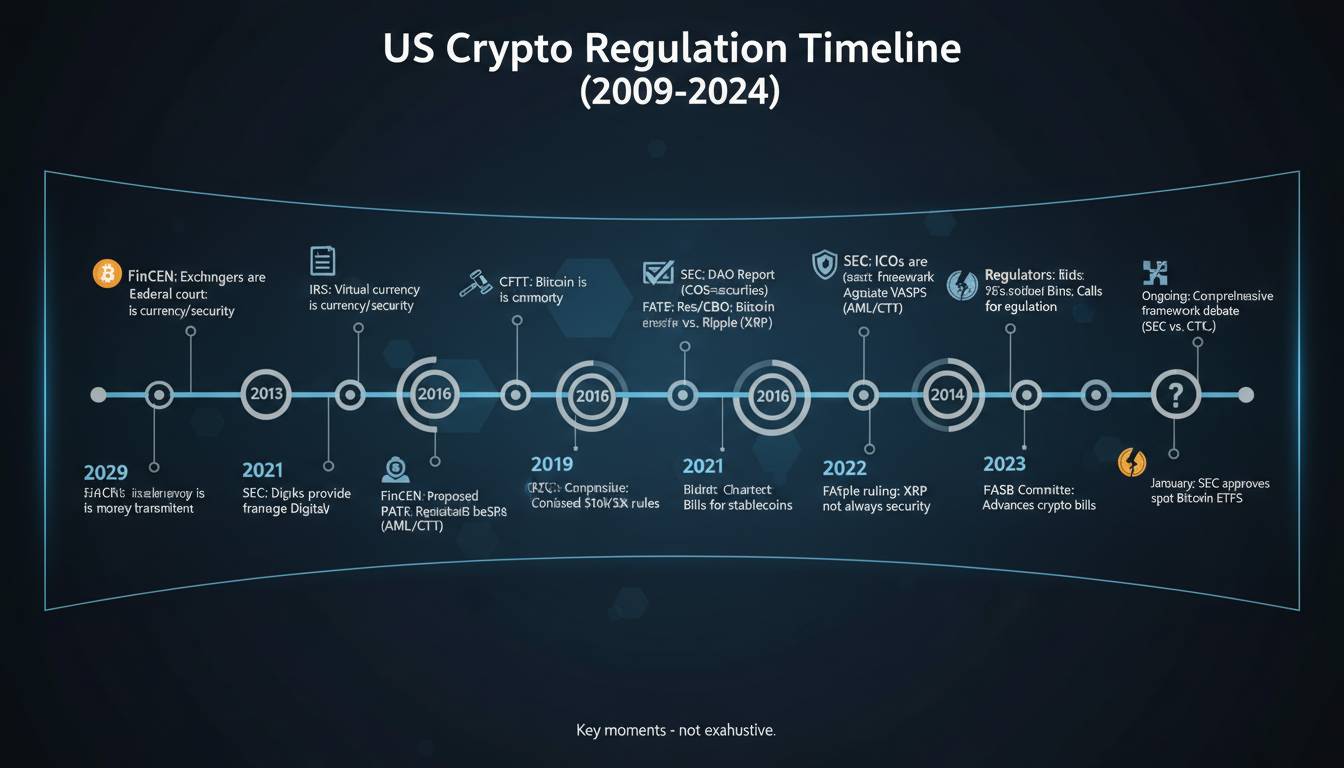
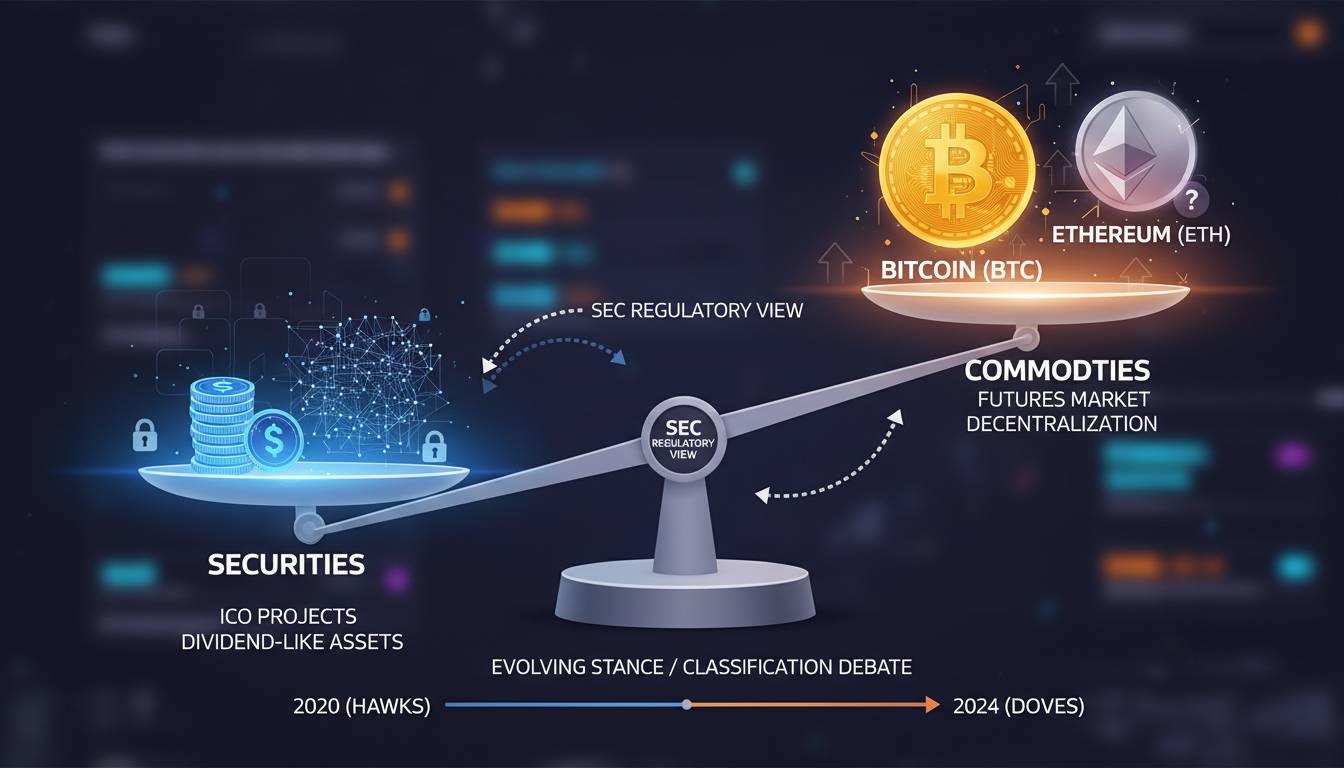
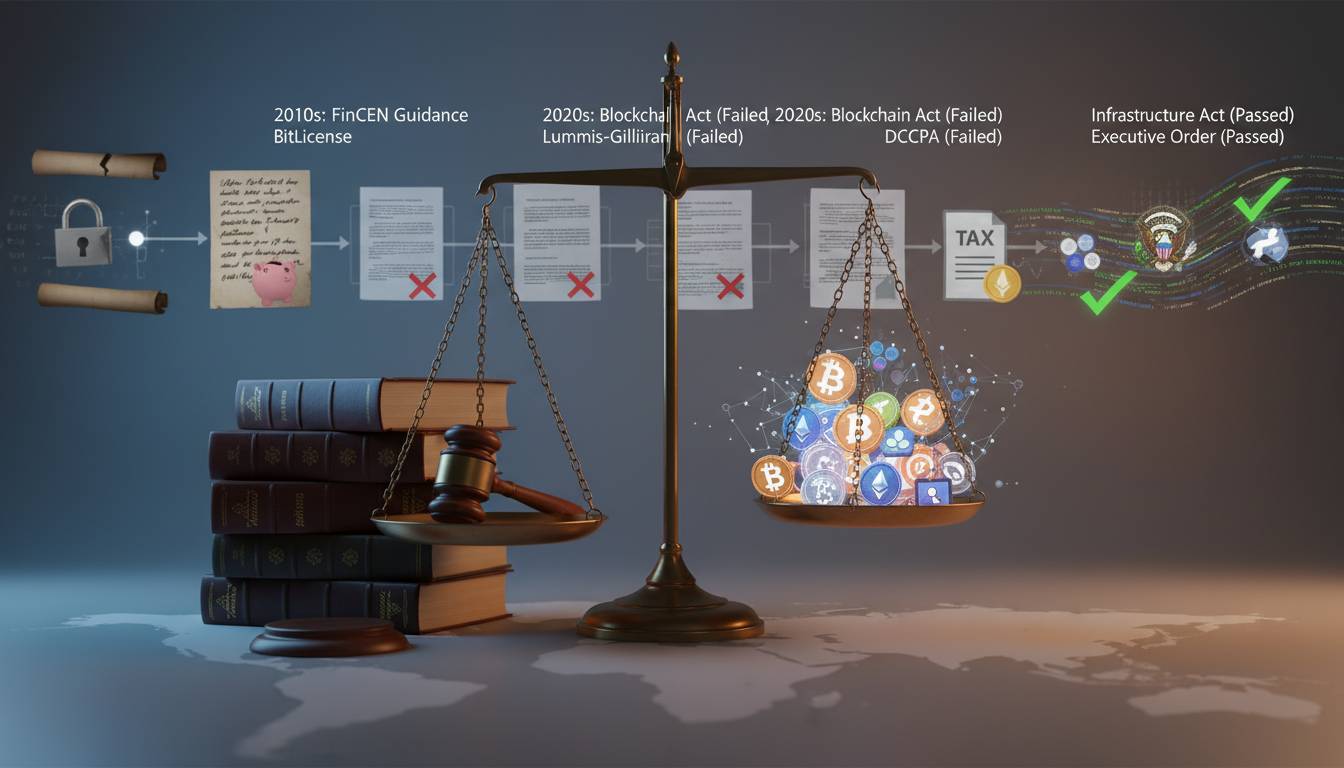
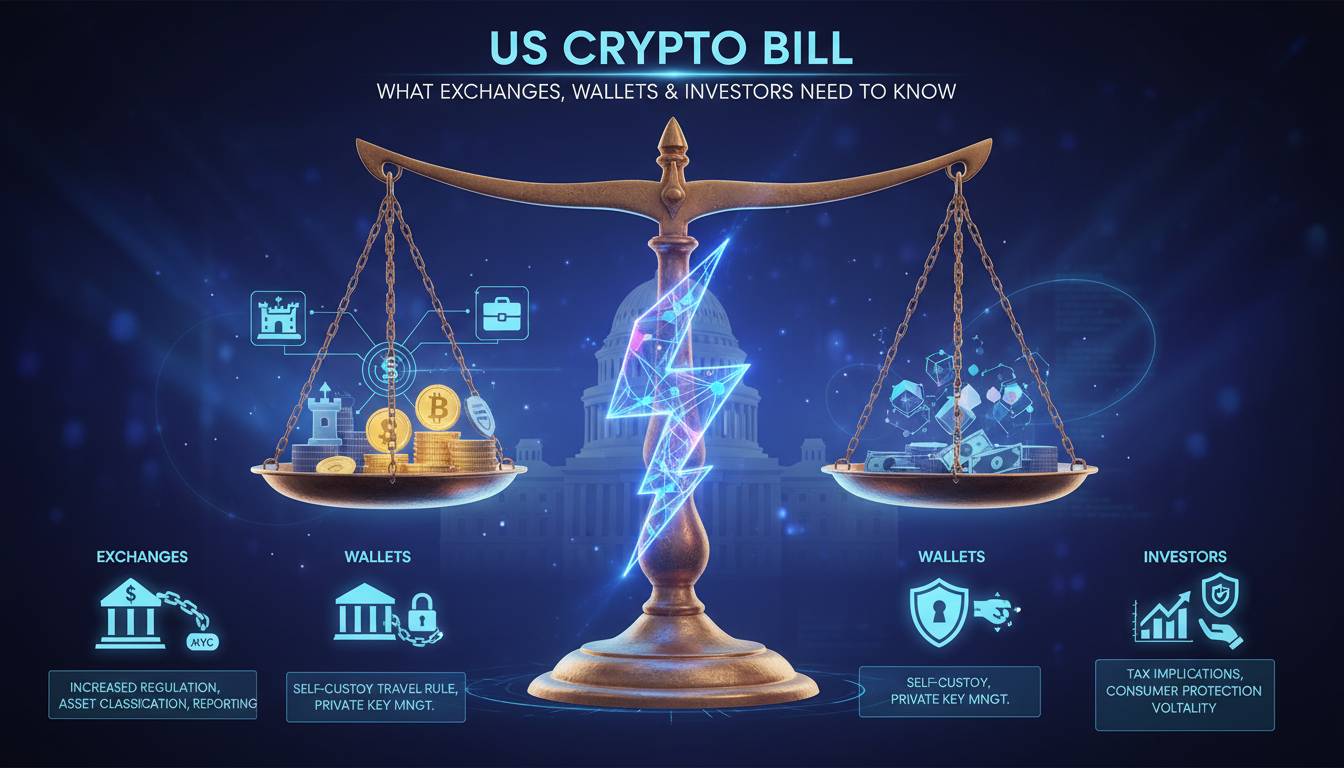
Regulation is coming. That’s been true for five years, and it’s still true now. The difference is that we’re moving from theoretical risk to actual enforcement actions. The SEC’s 2023-2024 crackdown on exchanges and tokens, the MiCA regulations in Europe, and expanding compliance requirements globally are reshaping what it means to hold crypto.
What concerns me: many investors are pricing in “regulatory clarity” as if it’s automatically bullish. But clarity often means restrictions. It might mean your favorite DeFi protocol needs to block US users. It might mean your exchange freezes withdrawals during regulatory investigations. It might mean certain tokens simply can’t be sold in certain jurisdictions.
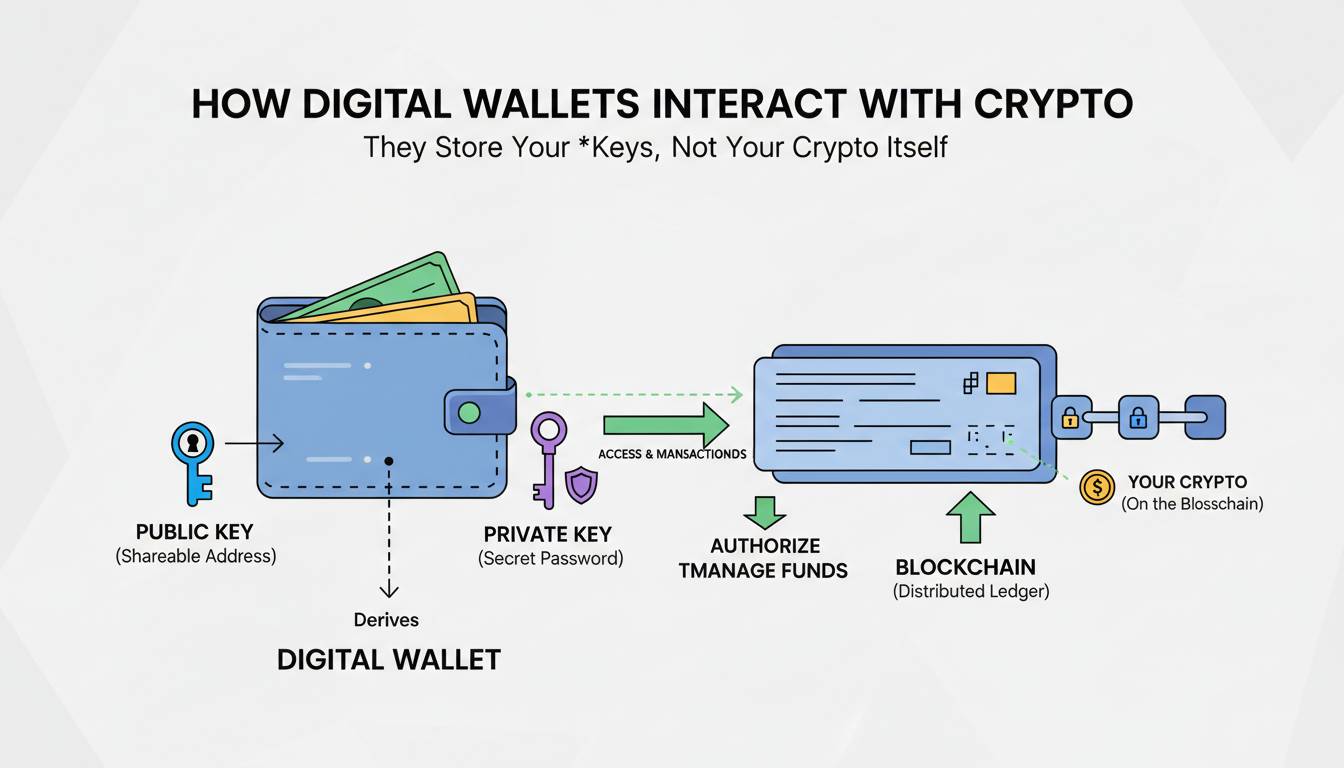
The question isn’t whether you believe regulation will be “good” or “bad” for crypto — that’s a philosophical debate that doesn’t help you manage risk. The question is whether your portfolio can survive a scenario where compliance costs increase dramatically, certain investments become inaccessible, or the legal framework forces major platforms to restrict services. Having some exposure to decentralized, non-custodial assets isn’t just a philosophical preference — it’s a hedge against regulatory overreach.
5. Am I Overweight Bitcoin Relative to My Actual Conviction?
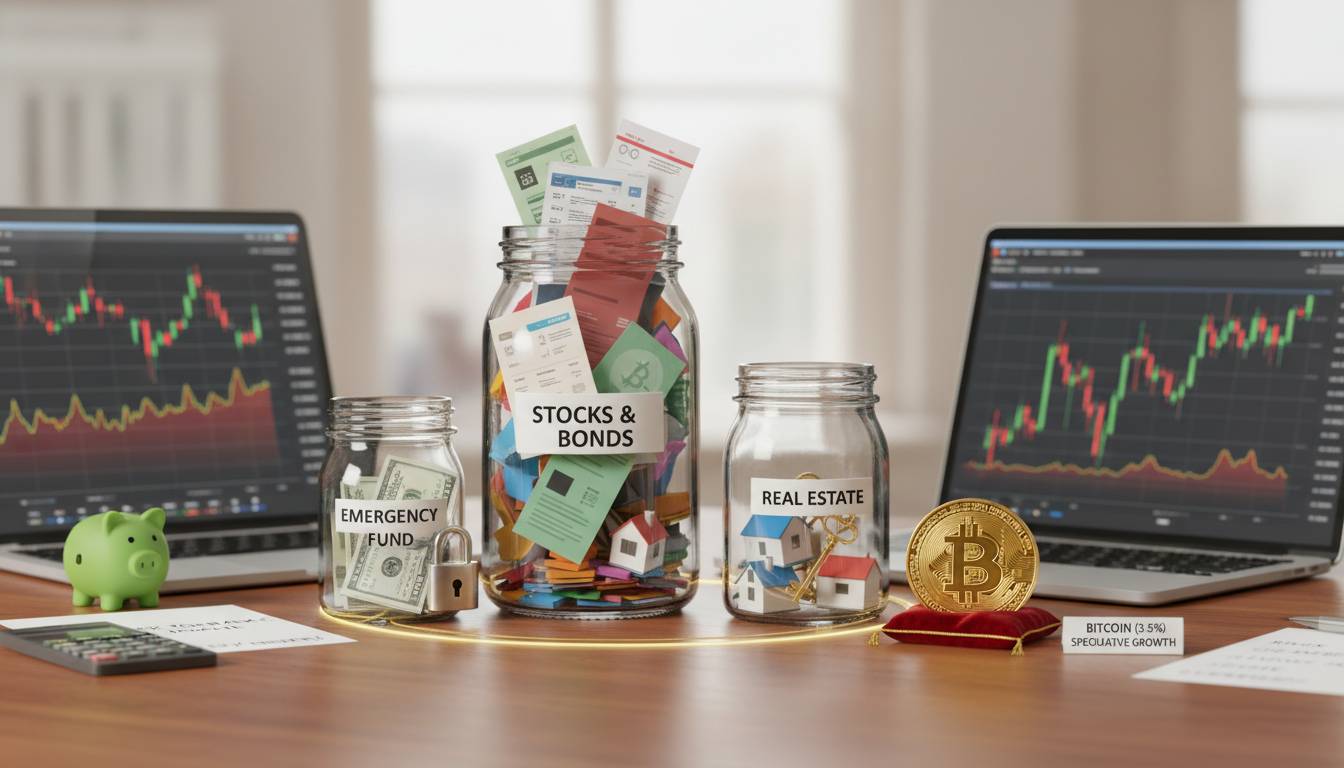
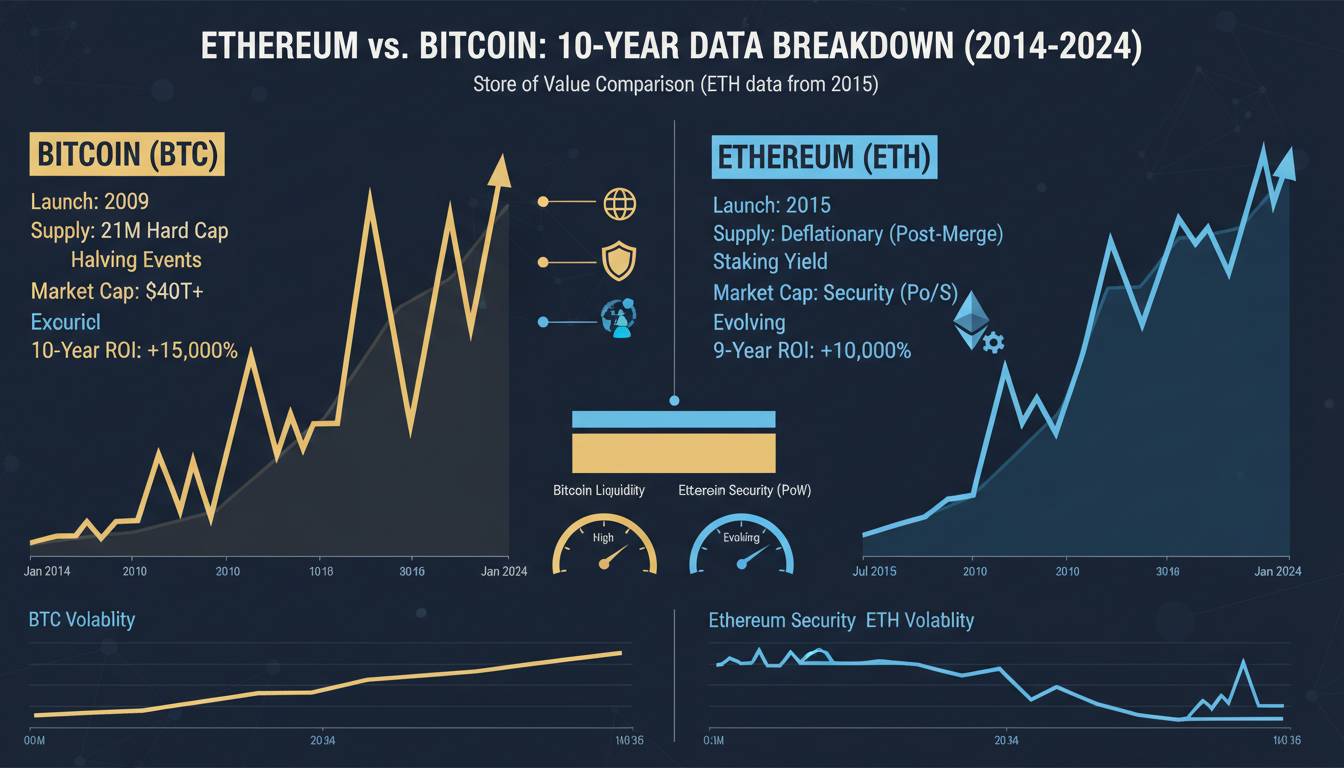
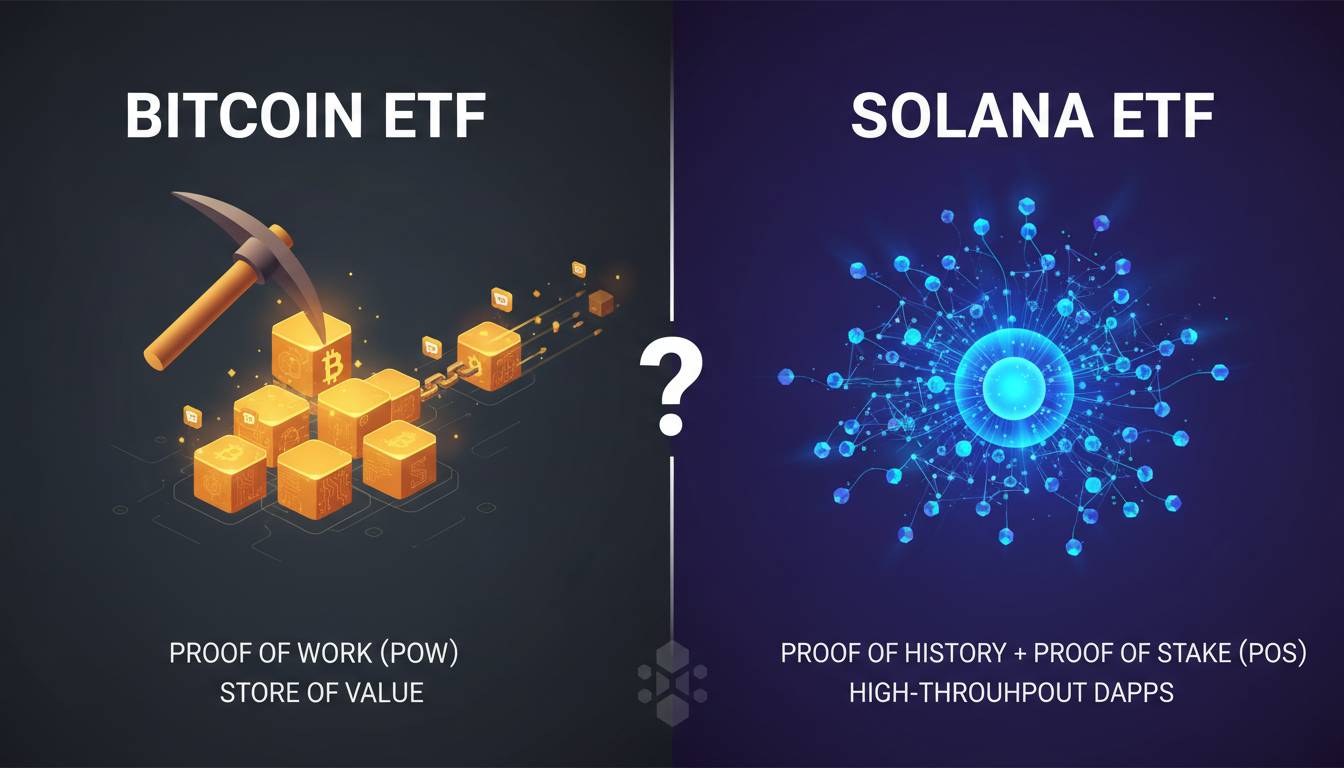
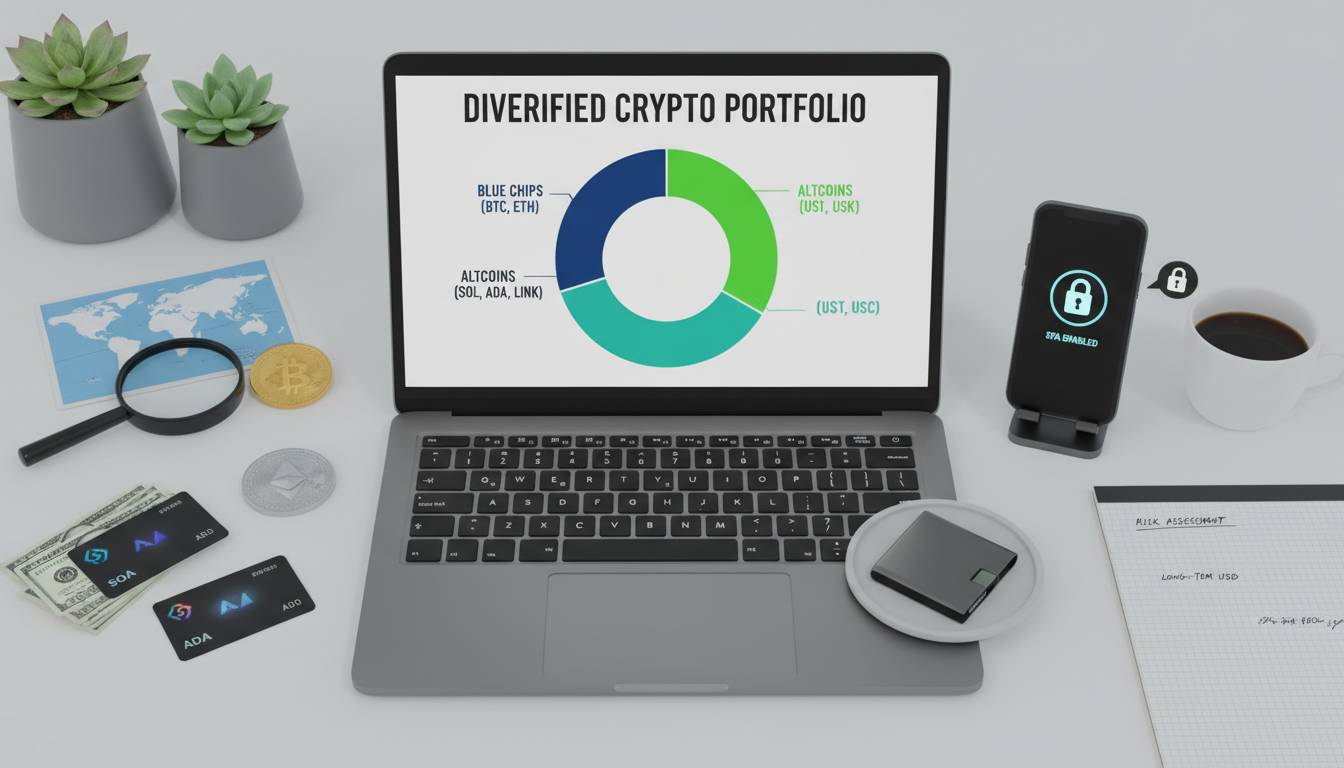
I’m going to catch some criticism for this, but here it is: if you’re holding 80%+ of your portfolio in Bitcoin because “it’s the safest crypto investment,” you need to interrogate that assumption. Bitcoin’s store-of-value narrative is compelling, but it relies on the premise that other cryptocurrencies won’t solve their technical limitations or that institutional adoption will flow exclusively into Bitcoin rather than competing assets.
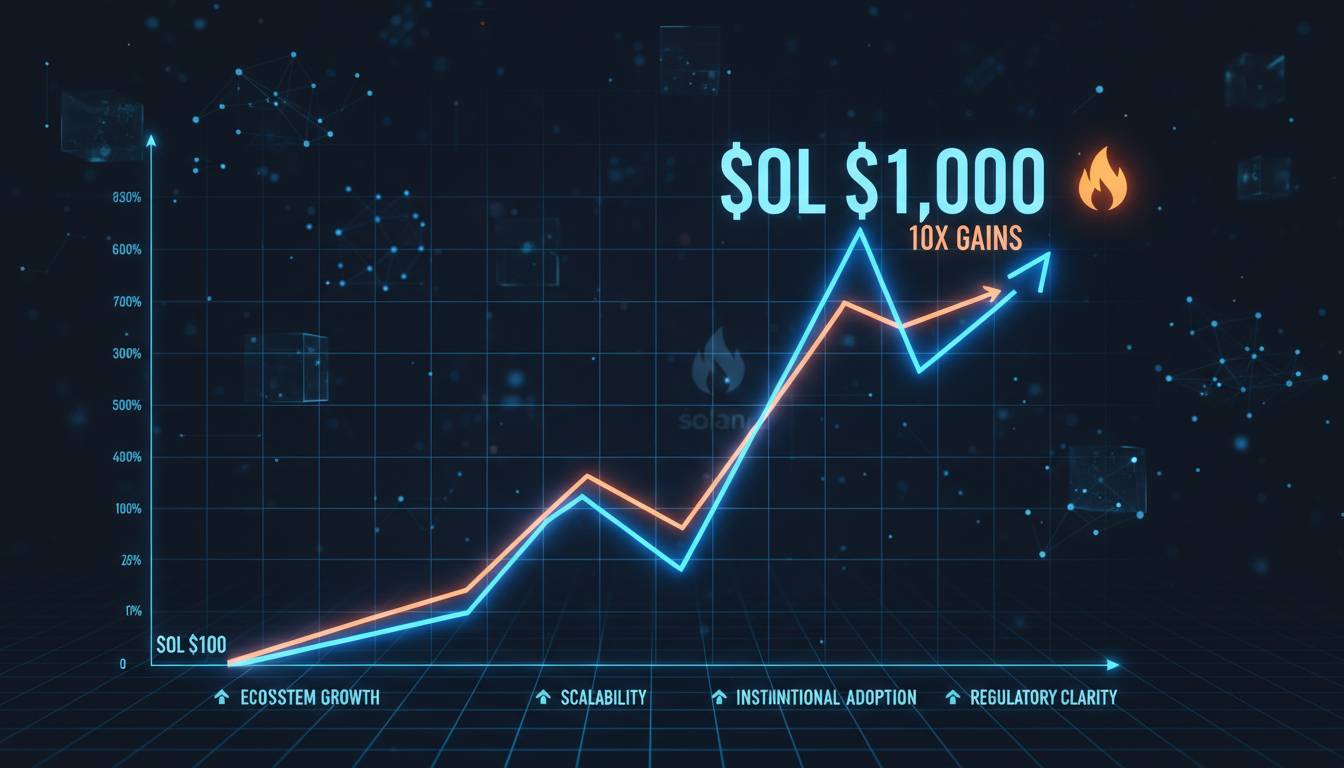
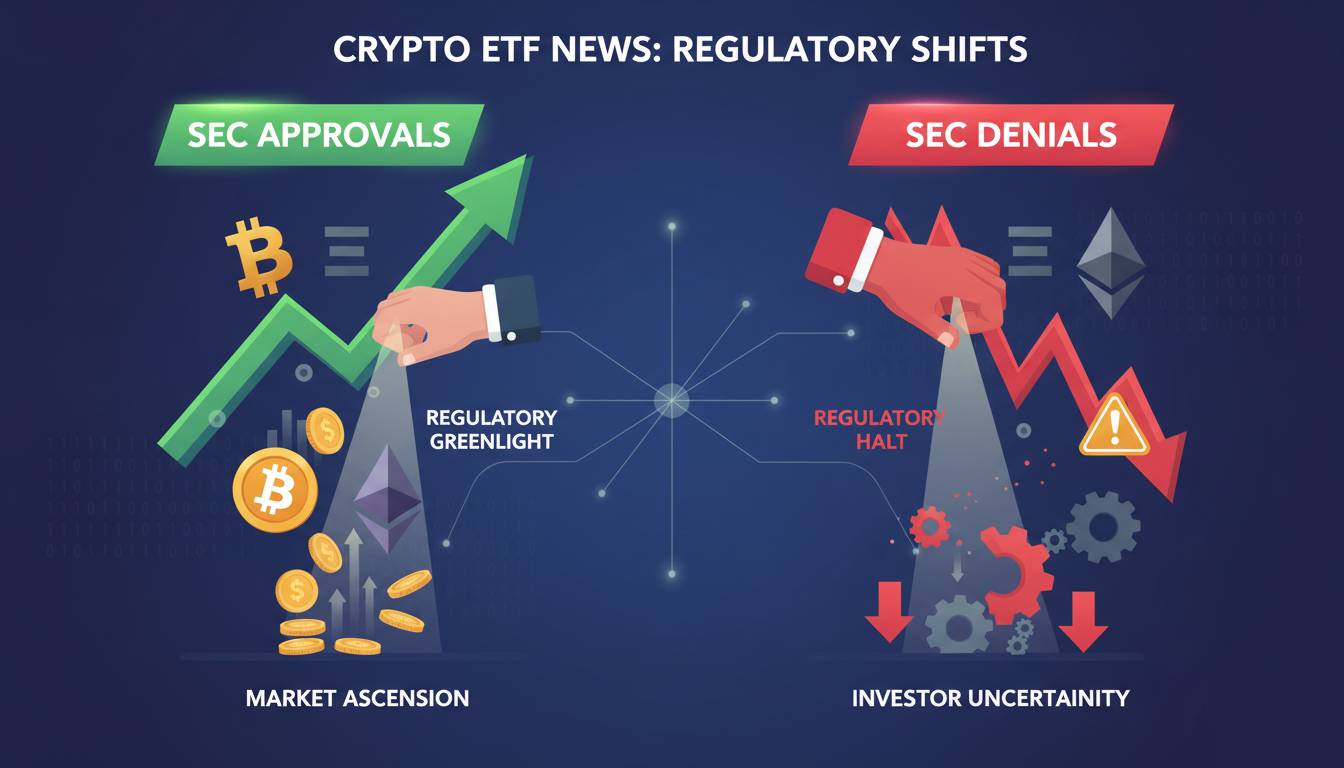
The data doesn’t support an absolute case for Bitcoin dominance continuing indefinitely. Ethereum has captured significant institutional interest through its ETF. Solana has demonstrated real usage numbers. Projects in real-world asset tokenization are building actual revenue streams. The question isn’t whether Bitcoin is a good investment — it clearly can be — but whether your allocation reflects your genuine view of the market or whether it’s just the comfortable default.
This doesn’t mean you should sell your Bitcoin. It means you should be able to articulate why your current allocation is right for you, not just repeat what everyone else says about Bitcoin being “digital gold.” If you can’t defend your allocation ratio with reasons beyond “Bitcoin is safer,” you’re not investing — you’re following the crowd.
6. Is My Definition of Risk Actually Working?
Most crypto investors define risk as “how much money could I lose?” That’s incomplete. A more useful framework separates different types of risk: downside risk (permanent loss of capital), opportunity cost (what you miss by holding this instead of something else), and liquidity risk (discussed above).
The portfolio that survived 2022-2023 wasn’t necessarily the one with the lowest downside risk — it was the one where investors understood what they were actually risking and had sized positions accordingly. Someone holding 5% of their portfolio in a high-risk altcoin has very different risk exposure than someone holding 40%.
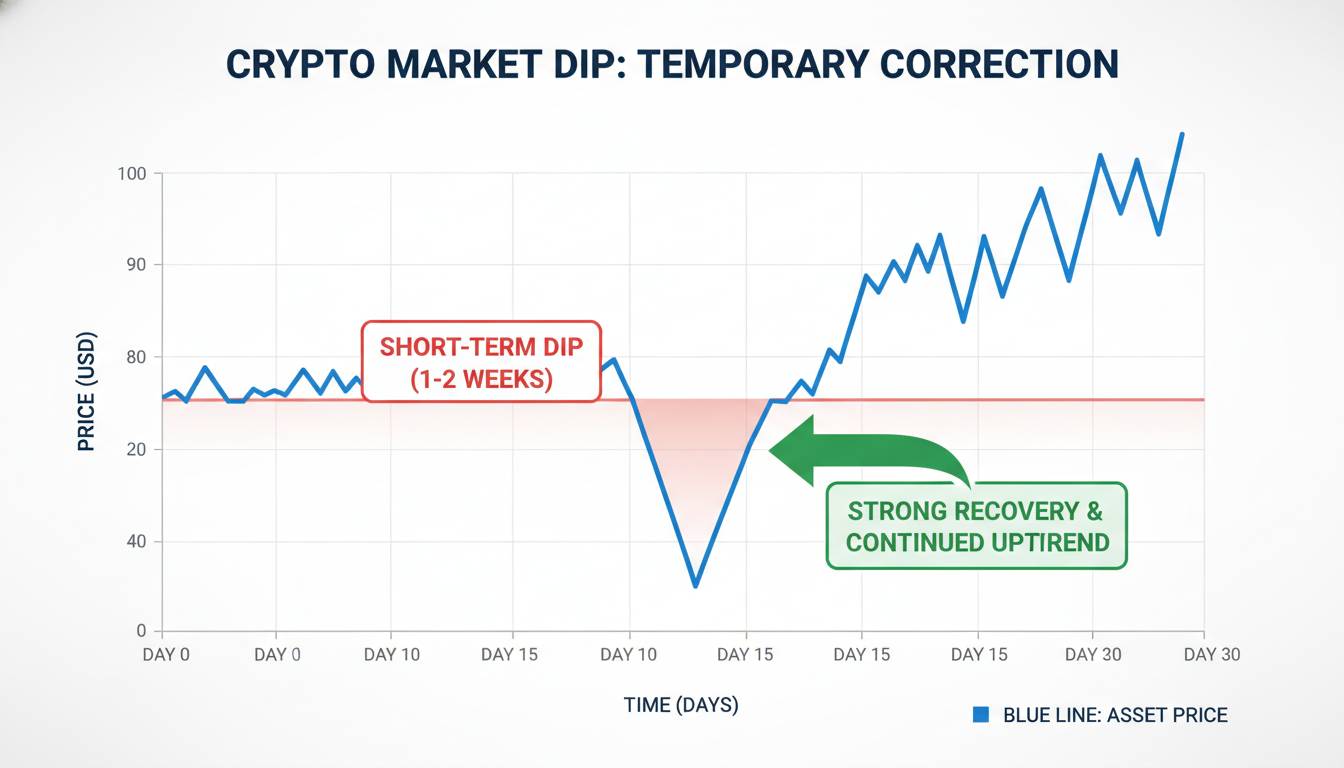
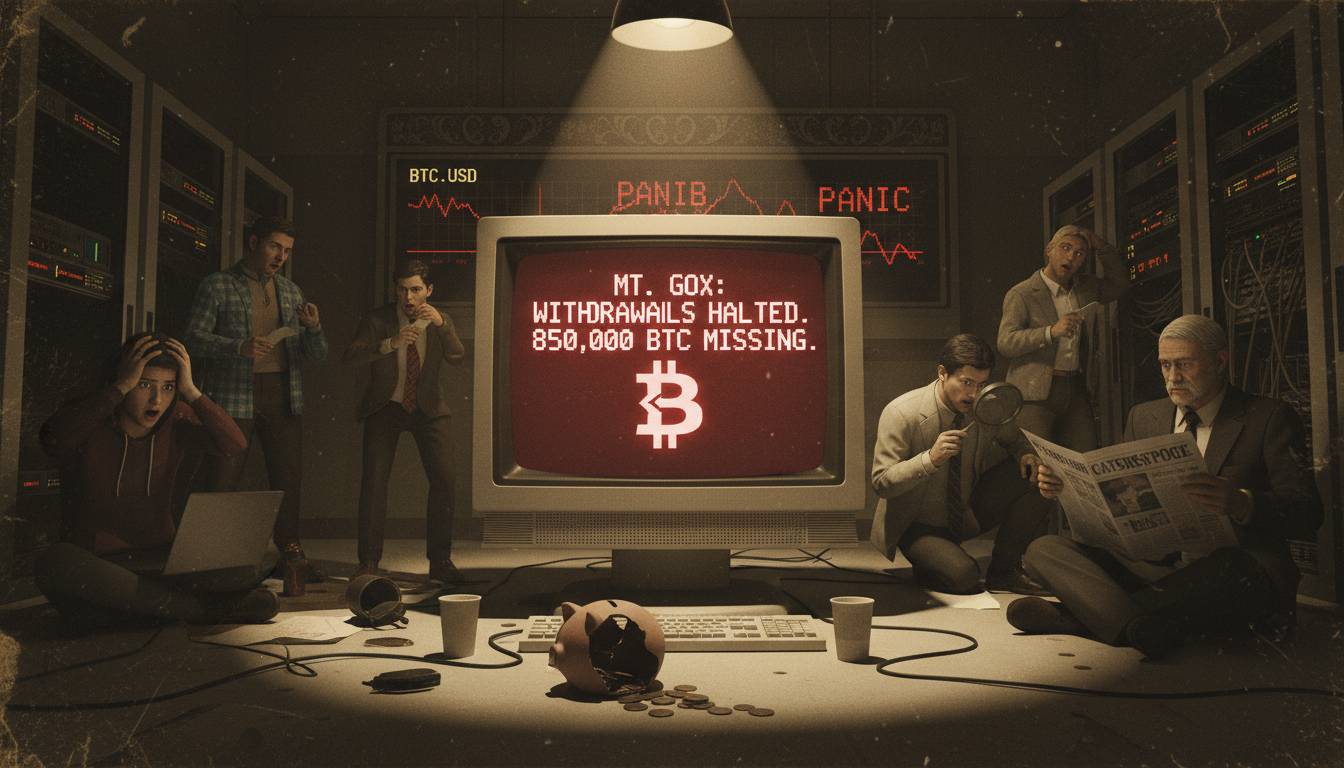
Before the next major move, map out your actual risk exposure. What happens if your largest holding drops 90%? What happens if your entire portfolio is illiquid for a week? What happens if your exchange suspends withdrawals? These scenarios aren’t fear-mongering — they’re what actually happened to millions of investors in previous cycles. Being prepared isn’t pessimistic; it’s professional.
7. Have I Built In Enough Room to Be Wrong?
This might be the most important question on this list. Every prediction about crypto — including the ones in this article — will be wrong in some ways. The market is too complex, too sentiment-driven, and too influenced by unpredictable events for anyone to have perfect foresight.
The difference between successful investors and those who get wiped out isn’t that the successful ones are more right — it’s that they’ve built in enough margin of error that being wrong doesn’t destroy them. This means taking profits when things go well rather than riding everything to zero. It means not using leverage. It means maintaining some dry powder so you can act when opportunities emerge. It means accepting that you won’t catch every move and not trying to.
If your current strategy would blow up if one of your core assumptions proves incorrect, that’s not a strategy — it’s a gamble with a losing expected value. The best position to be in as 2026 approaches isn’t the one that maximizes potential returns; it’s the one that lets you survive being wrong while still participating if you’re right.
8. What’s Actually Different This Cycle, If Anything?
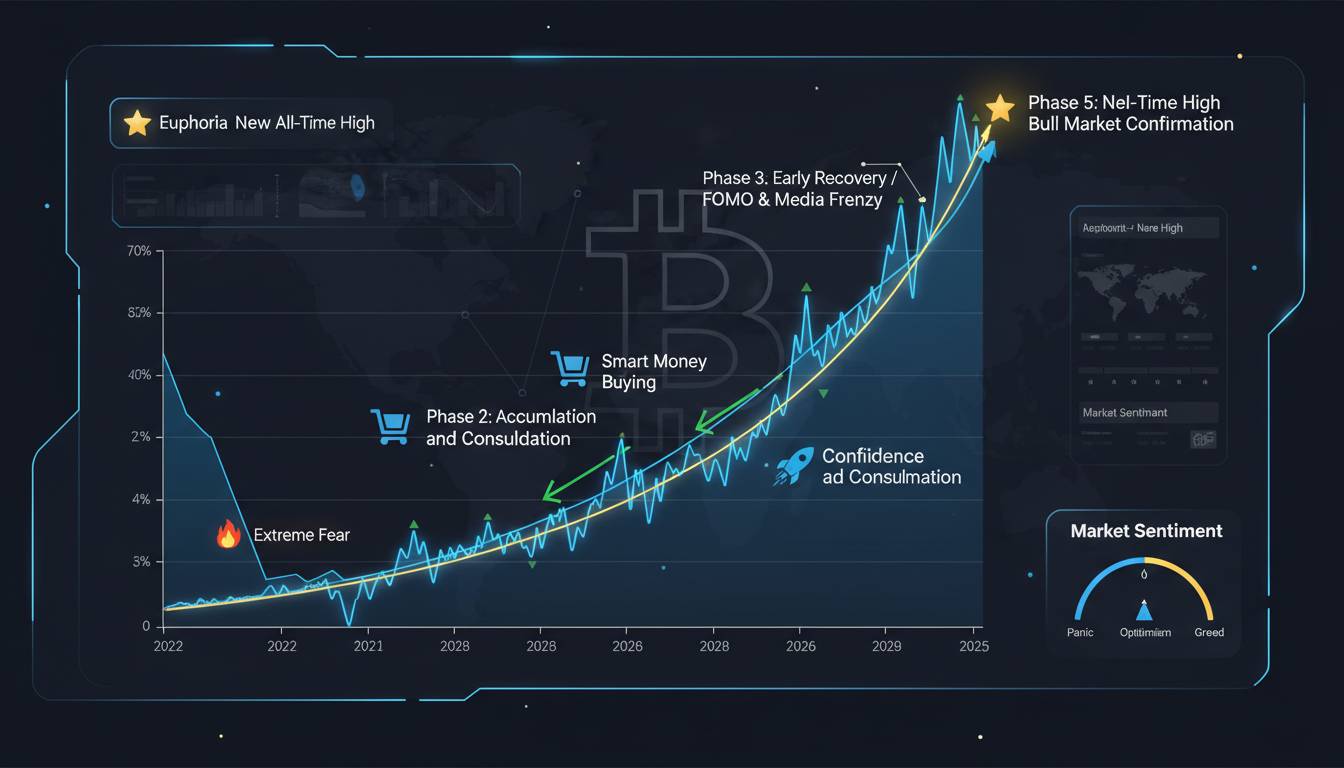
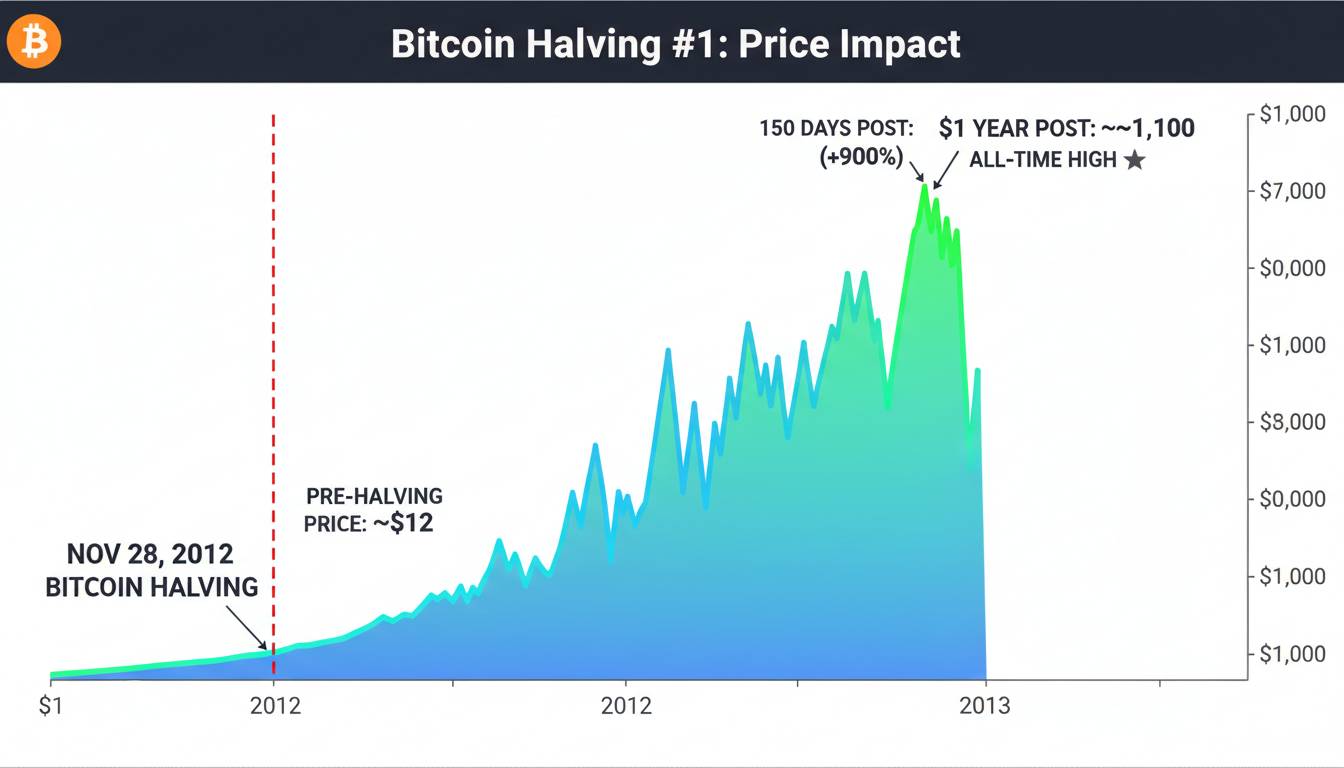
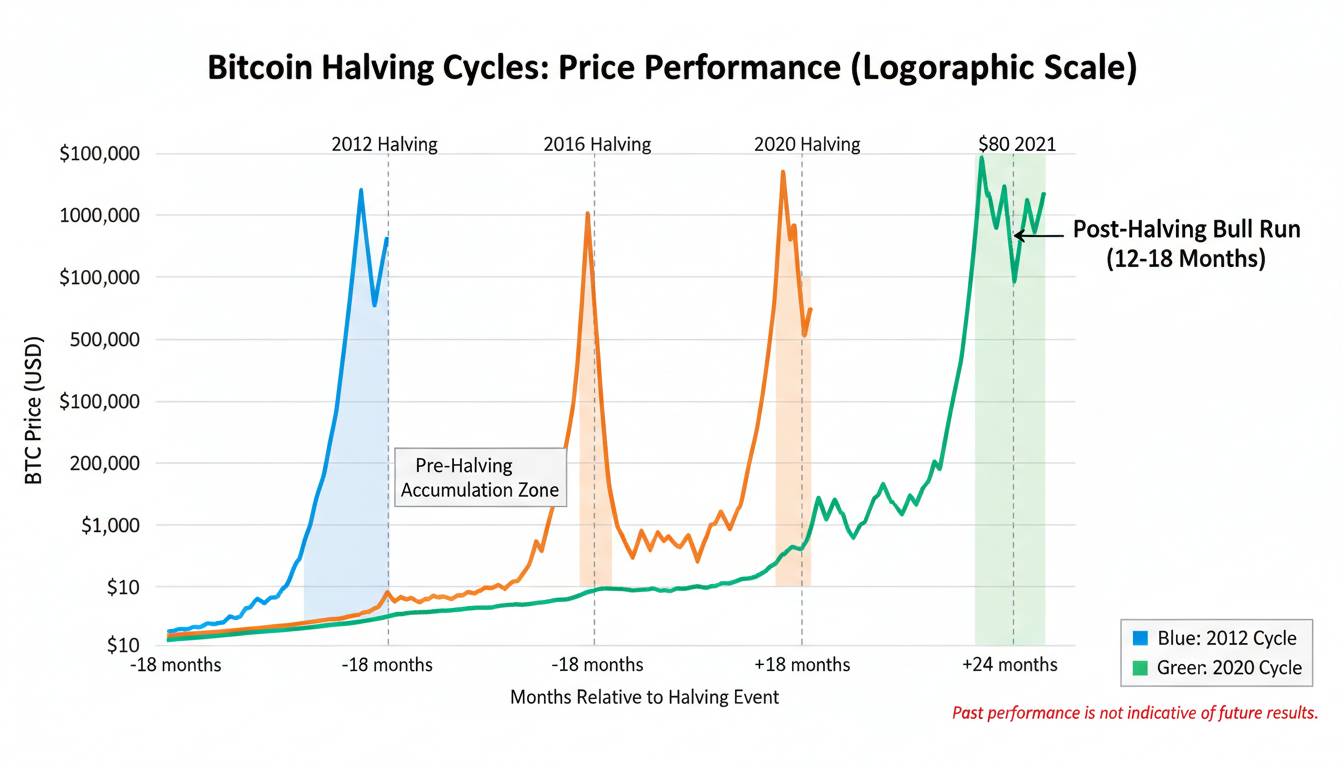
Every cycle has its narrative about why “this time is different.” In 2017, it was utility tokens. In 2021, it was DeFi and NFTs. Now it’s institutional adoption, RWA tokenization, and the promise of regulatory clarity. Some of these really are different. Institutional infrastructure — custody, ETFs, regulated derivatives — genuinely didn’t exist in prior cycles. That’s meaningful.
But here’s the uncomfortable part: the fundamental dynamics of crypto haven’t changed as much as the narratives suggest. Most altcoins still have no real revenue. Most DeFi protocols are still experimental. Most “utility” tokens are still primarily held for price appreciation rather than used for their stated purpose. The market still runs on narratives and sentiment more than fundamentals.
The question isn’t whether to participate in new narratives — it’s whether you’re being paid appropriately for the risk you’re taking. If a new sector is getting enormous attention but you’re buying in at valuations that assume everything goes perfectly, you’re not an early adopter — you’re taking enormous risk for no expected premium. Be honest about whether you’re investing in something genuinely new or just buying the same crypto speculation with different branding.
9. Am I Managing My Tax Exposure, Or Is It Managing Me?
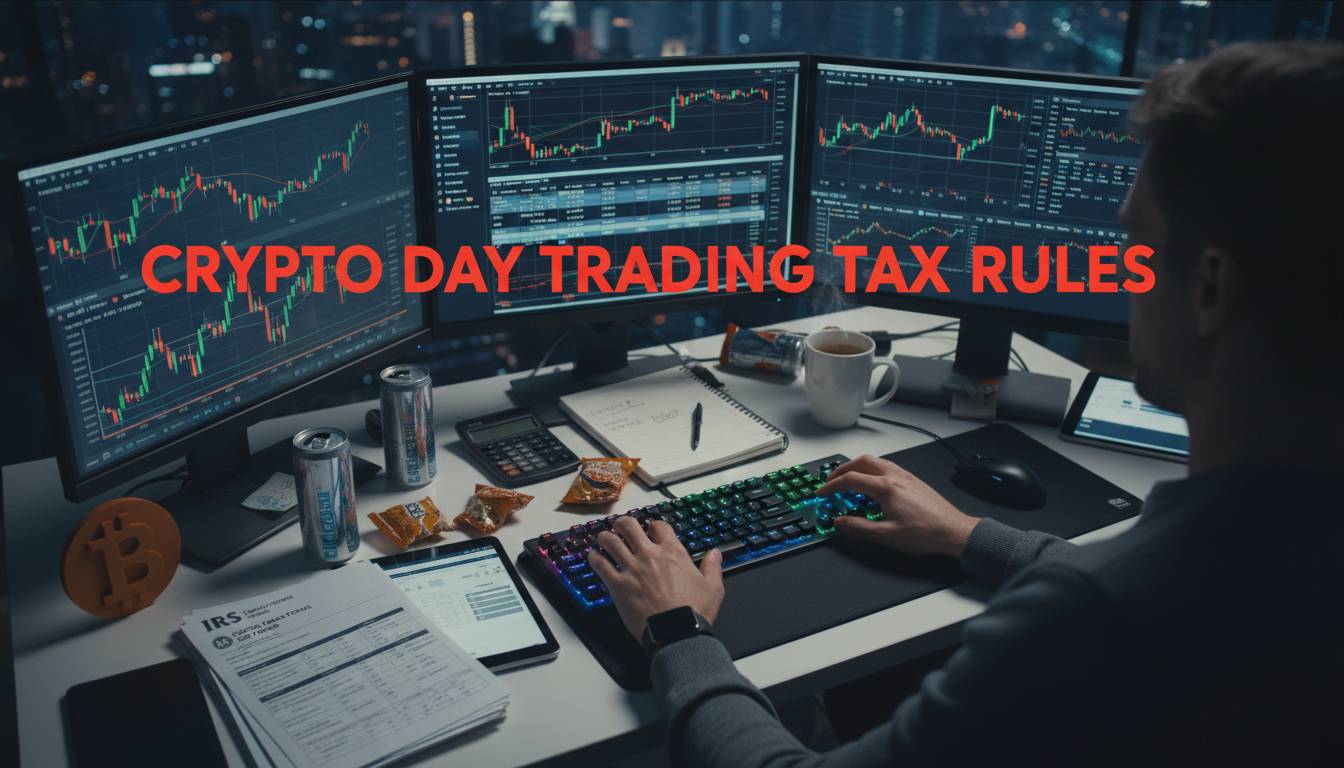
This isn’t the most exciting question in crypto, but it might be the most expensive one you’re not thinking about. The tax treatment of crypto varies dramatically by jurisdiction, and the complexity of tracking cost basis across dozens of wallets, exchanges, and transactions can result in enormous unexpected tax bills.
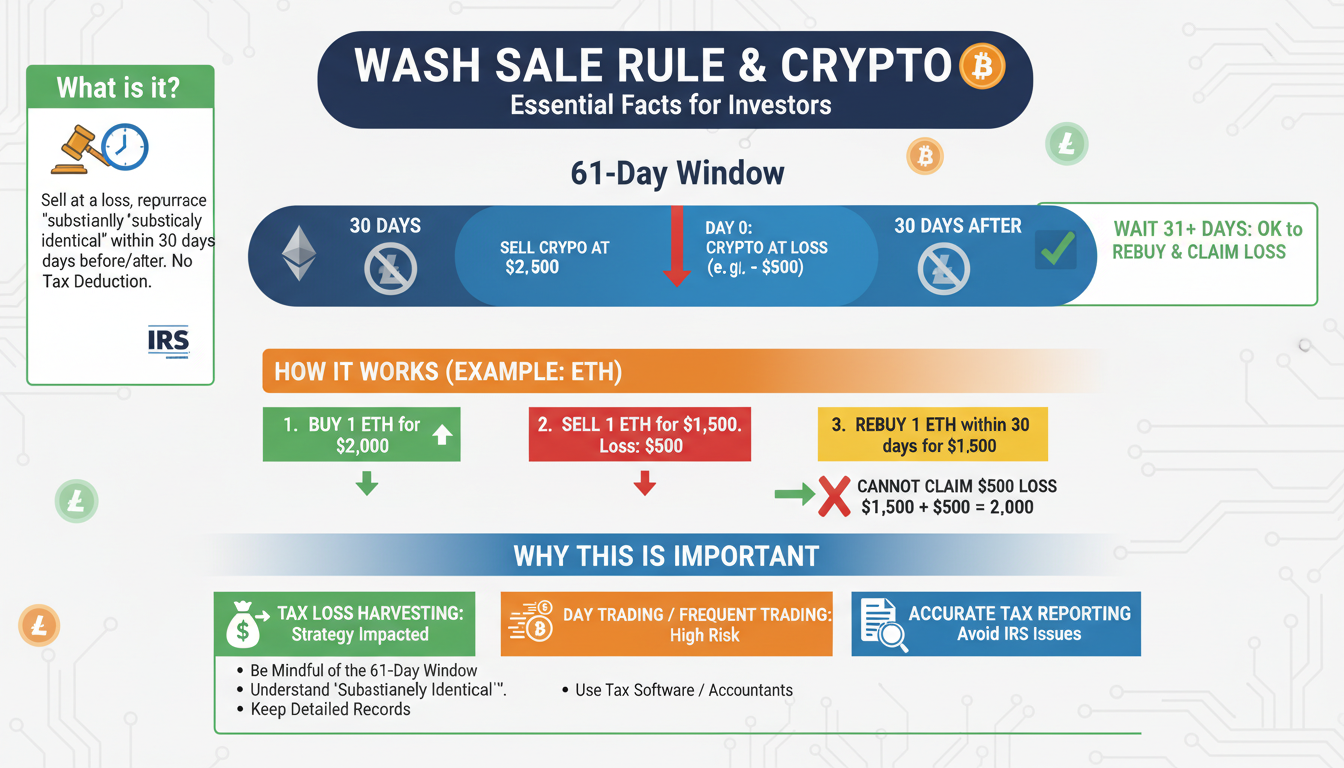
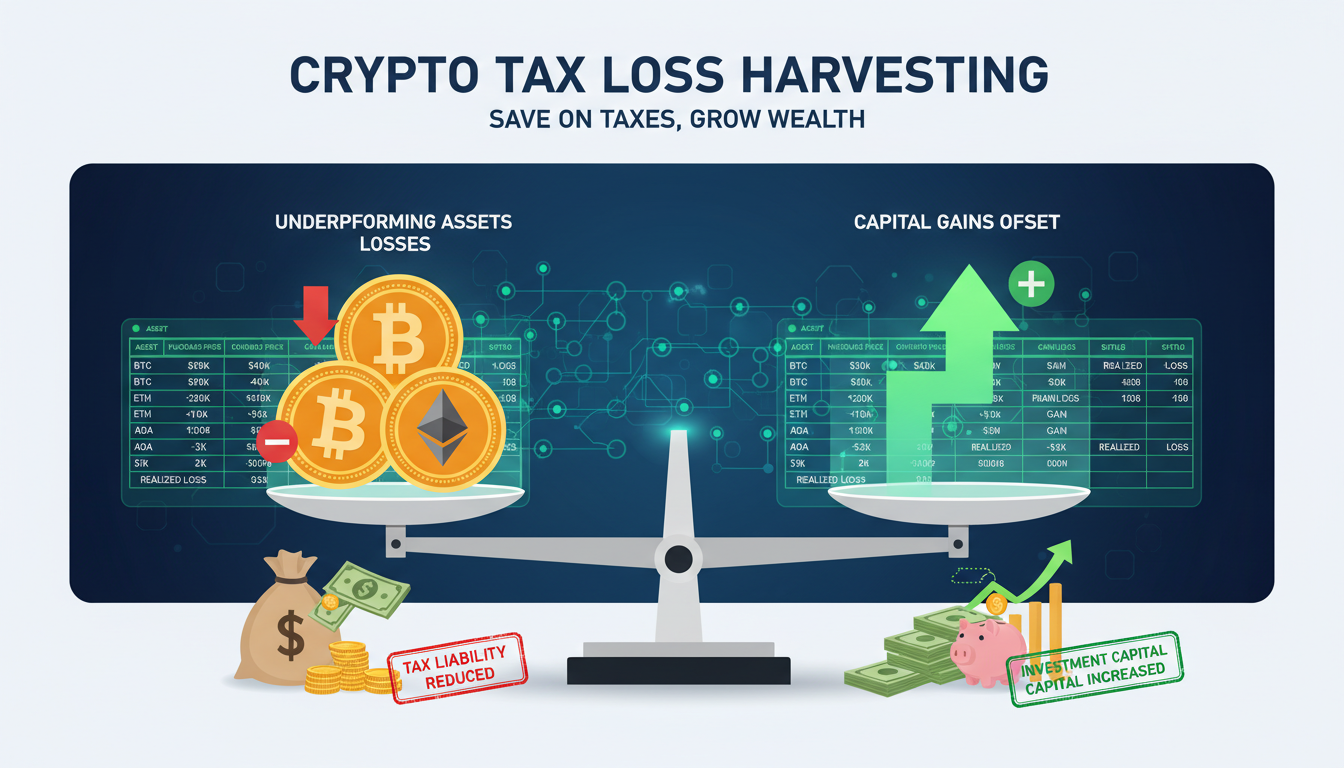
If you’re actively trading, rebalancing frequently, or moving assets between wallets, you’re creating taxable events. In some jurisdictions, even moving assets between your own wallets can trigger tax implications. The investors who got burned hardest in 2022 weren’t just those who lost money on paper — they were those who realized massive taxable gains when they sold at a loss, then discovered their “losses” were subject to complex wash-sale rules or couldn’t be offset as they expected.
Before the next major market move, understand your actual tax position. Not vaguely — specifically. How much would you owe if you sold everything today? What’s your cost basis tracking look like across your positions? Are you using any strategies to manage tax exposure legally? This isn’t about avoiding taxes; it’s about not being surprised by them. Nothing ruins a profitable investment like a tax bill you weren’t prepared for.
10. What Would Make Me Sell Everything?
Every investor should be able to articulate their exit conditions. Not just “sell when it hits X price” — that’s too simplistic and ignores that prices can go above any target before falling. I’m talking about conditions that would fundamentally change your thesis.
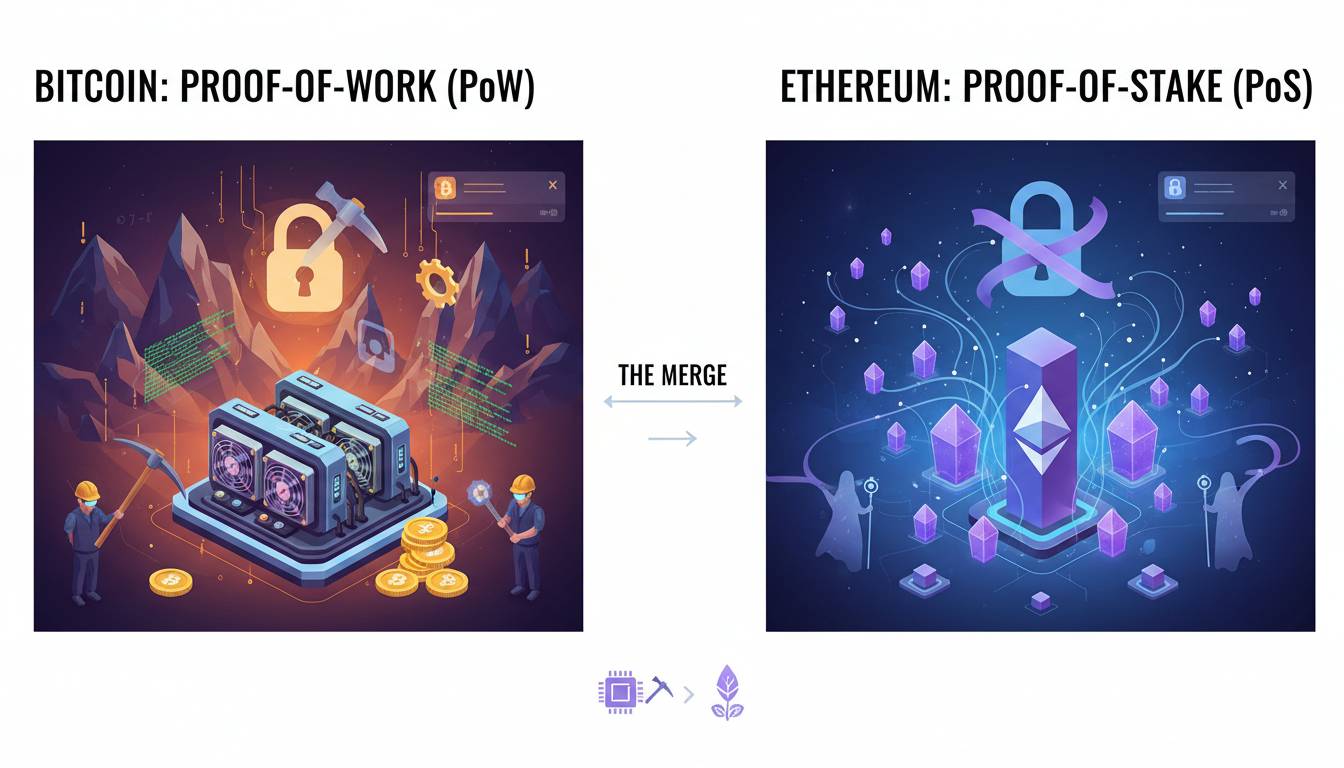
For Bitcoin, this might be a permanent hash rate collapse or a fundamental break in the mining economics. For altcoins, it might be a project team abandoning development or a sustained period where the token consistently loses value relative to competitors. The point isn’t to predict specific scenarios — it’s to have thought through what would need to happen for you to acknowledge that your initial thesis was wrong.
Without this, you’re flying blind. Price drops become sources of panic rather than data points. You hold because “it will come back” without any framework for evaluating whether it actually should come back. Having clear exit conditions isn’t pessimistic — it’s the discipline that keeps you from becoming the investor who holds something to zero because they never decided when to sell.
What These Questions Actually Mean
These ten questions aren’t meant to make you sell everything or become paralyzed by uncertainty. They’re meant to force clarity. The crypto investors who build genuine wealth over the next several years won’t be those who predicted the future perfectly — they’ll be those who understood their own positions well enough to survive being wrong and capitalize when they were right.
The market doesn’t care about your conviction. It doesn’t care about your thesis. It moves on its own timeline and logic. What you can control is whether you’re making informed decisions based on genuine analysis or whether you’re just along for the ride, hoping things work out.
The next cycle will create new fortunes and destroy old ones. The difference will be preparation, not prediction. Ask yourself these questions honestly, adjust your positions accordingly, and you’ll be in a much stronger position when the market inevitably does something unexpected — because it always does.
None of this article constitutes financial advice. The crypto market carries significant risk, including the possibility of total loss. Conduct your own research and consult qualified professionals before making investment decisions.