
The real question isn’t whether AI or humans can predict XRP’s price—it’s whether either has shown consistent accuracy worth following. After digging through the available data, analyst track records, and AI forecasting tools, the answer is more complicated than most crypto content lets on. Here’s what actually exists in both camps, where the comparison breaks down, and what you should actually do with this information.
Understanding the Prediction Landscape
Before comparing, there’s a fundamental problem most articles ignore: measuring prediction accuracy in crypto is a mess. Different analysts use different timeframes, different price targets, and different definitions of “accurate.” Some count a prediction as correct if the price moves in the predicted direction within a specific window. Others demand that the exact price be hit. This inconsistency makes any direct comparison shaky from the start.
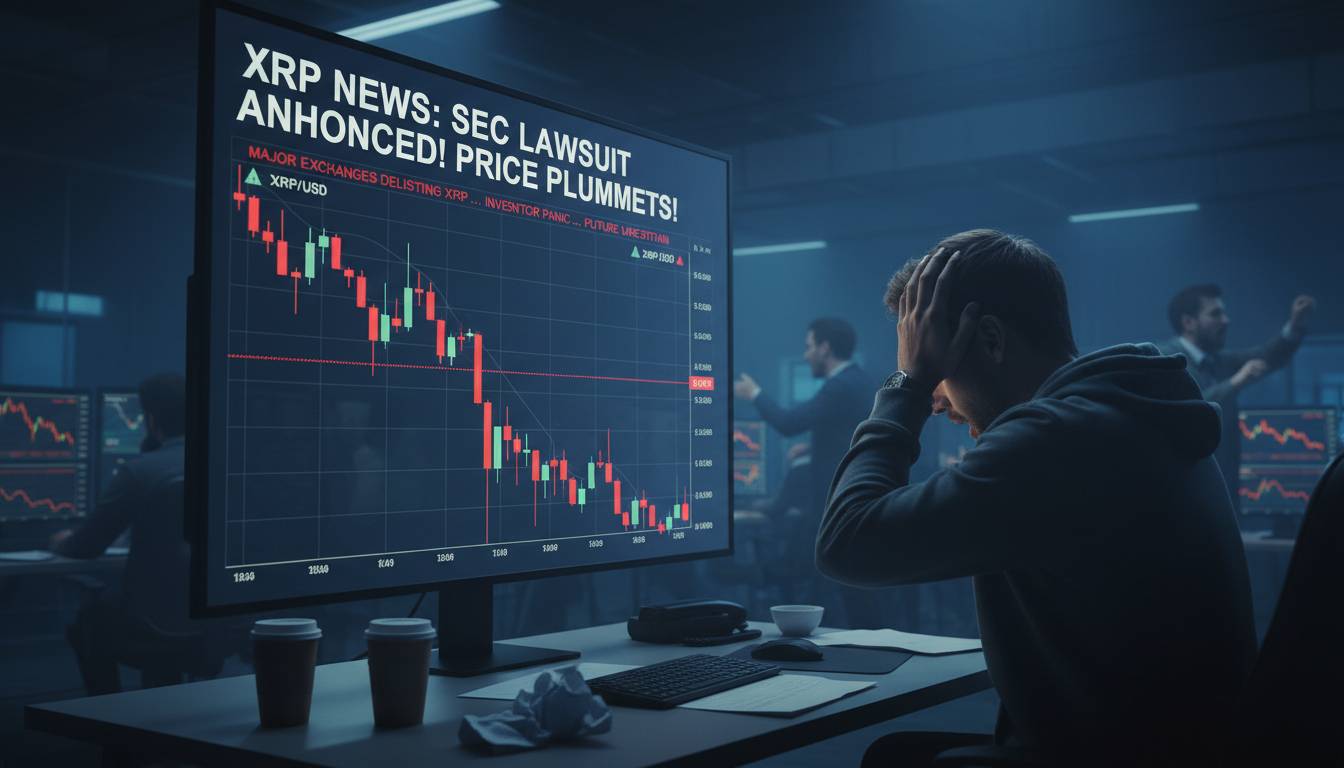
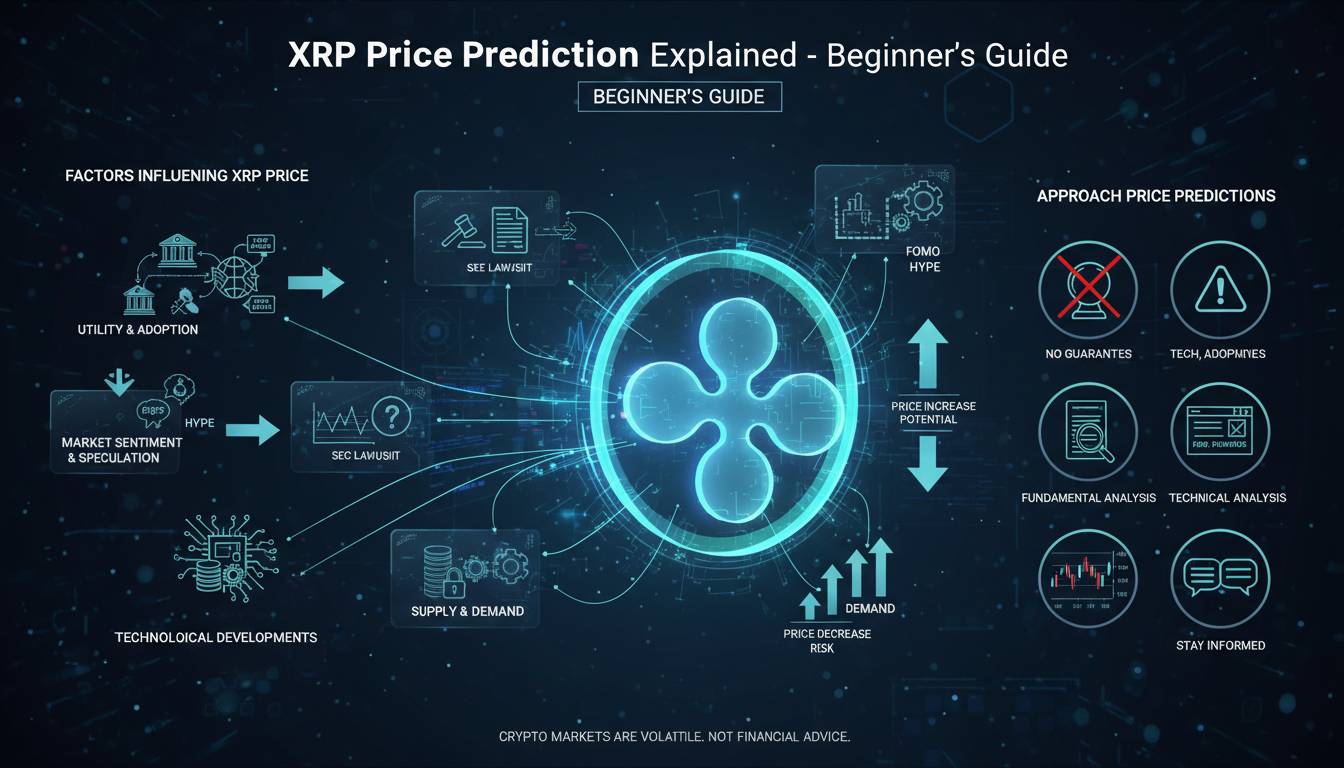
That said, XRP presents an interesting case study. Unlike Bitcoin or Ethereum, XRP has seen dramatic price swings driven by regulatory news—especially the SEC lawsuit that started in December 2020. This created predictable unpredictability: events that human analysts can sometimes anticipate based on legal precedent, but that AI models struggle with because they don’t understand regulatory proceedings.
The two main categories worth examining are algorithmic tools (ChatGPT, Claude, specialized crypto AI platforms) and human analysts (professional analysts at firms like CoinDesk, YouTube creators, and crypto fund managers). Each has different strengths and weaknesses.
How AI Prediction Tools Approach XRP
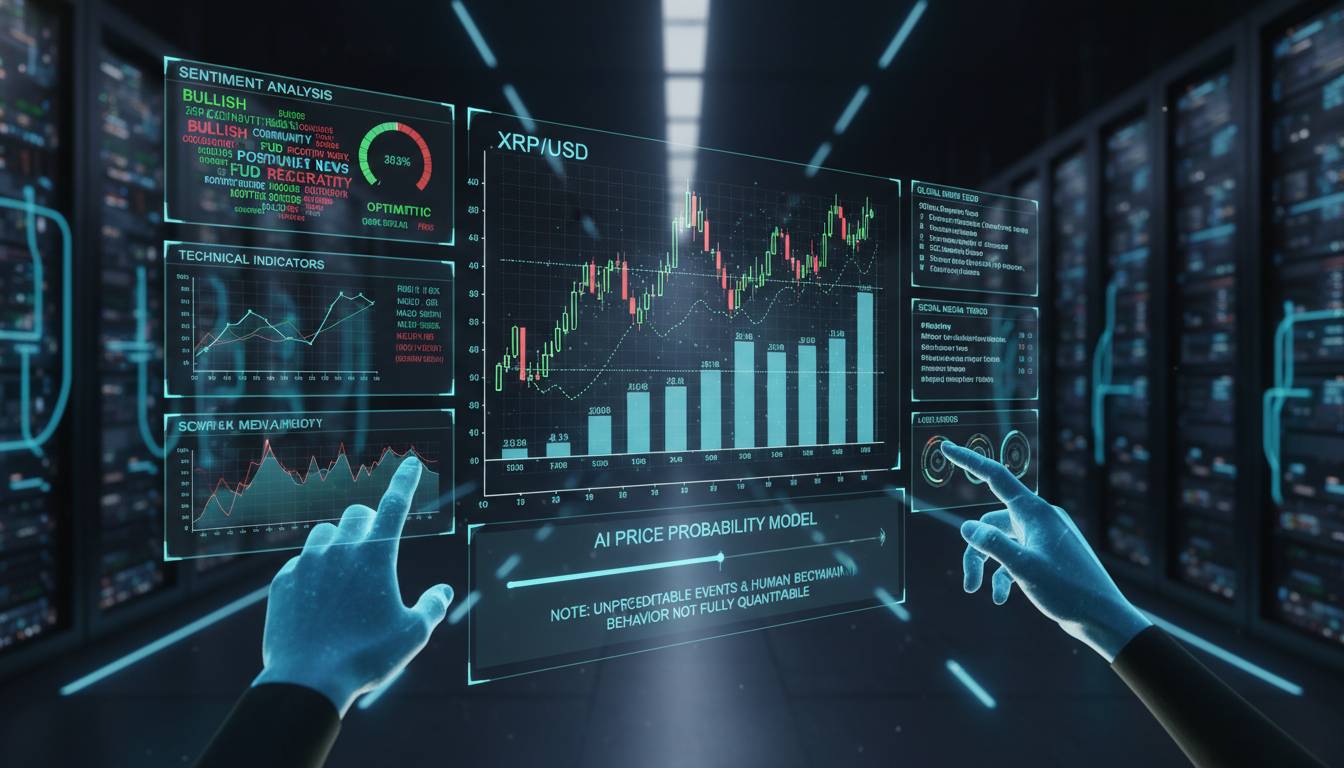
Large language models like ChatGPT and Claude have become unexpected players in crypto prediction, despite not being designed for financial forecasting. These tools analyze historical price data, news sentiment, and market indicators to generate predictions. When asked about XRP, they typically reference historical patterns, on-chain metrics, and broader market correlations.
The problem: LLMs have a knowledge cutoff. As of early 2025, most mainstream AI tools don’t have real-time market data unless connected through plugins or APIs. This means their XRP predictions are based on historical patterns rather than current conditions. They can tell you what happened during the 2017-2018 bull run or the 2020-2021 surge, but they struggle with the rapid shifts that characterize crypto markets.
Specialized AI crypto prediction tools exist—AltSignals, Numerai, and various machine learning forecasting services claim to predict crypto movements using different methodologies. Some use on-chain data, others use technical analysis algorithms, and some incorporate social sentiment analysis. But verified accuracy data is scarce, and many don’t publish historical performance in a way that allows independent verification.
What AI does consistently well is process large amounts of historical data quickly. It can identify patterns across years of price history in seconds—something humans can’t do. Whether those patterns predict future movements is another question entirely.
Human Analysts and Their XRP Track Records
The human side includes a mixed bag: professional analysts, independent content creators, and institutional researchers. Some have shown genuine insight into XRP’s movements; others have been consistently wrong and maintain large followings anyway.
Professional analysts at outlets like CoinDesk and CoinTelegraph publish regular XRP predictions, but accuracy rates aren’t systematically tracked. These analysts tend to be conservative—providing ranges rather than specific targets. Makes sense from a risk management perspective but complicates accuracy measurement.
Independent analysts on YouTube and Twitter are a different category. BitBoy Crypto, The Moon Cat, and numerous smaller creators have made specific XRP predictions over the years. Some predicted the 2017 surge correctly. Others called for $10 or $100 XRP that never materialized. The loudest voices aren’t necessarily the most accurate, and there’s no centralized database tracking every prediction.
Institutional analysts at firms like Galaxy Digital and Grayscale also publish XRP analysis, though institutional coverage has been limited due to regulatory uncertainty. When institutions do publish, they focus on the legal case rather than pure price prediction.
The honest assessment: no single human analyst has demonstrated consistent, verified accuracy with XRP predictions across multiple market cycles. Some called major moves correctly in hindsight, but prediction and postdiction are different things.
The Problem With Comparing Accuracy
Here’s where most articles fail: they try to assign accuracy percentages to predictions made under different conditions, with different timeframes, measured against different standards. A prediction made in January 2020 that XRP would reach $1 by December 2020 is very different from one that XRP would reach $10 by 2025.
Cryptocurrency markets are notoriously efficient at pricing in known information while remaining unpredictable about unknown unknowns. The SEC lawsuit is a perfect example—it created massive price movements that were essentially unpredictable because they depended on non-public legal proceedings.
Both AI tools and human analysts face the same fundamental limitation: they can only work with available information. When that information changes dramatically (a surprise regulatory ruling, a major exchange listing, a market sentiment shift), predictions become outdated almost immediately.
Some analysts argue AI has an advantage in processing speed and emotional neutrality. AI doesn’t feel fear or greed. It doesn’t have a portfolio to manage or followers to please. Others argue human analysts bring contextual understanding that AI lacks—the ability to read regulatory signals, understand project developments, and factor in sentiment in ways current AI models struggle with.
What the Data Actually Shows
Rather than fabricated accuracy percentages, here’s what can be stated with reasonable confidence based on observable outcomes:
AI prediction tools haven’t consistently outperformed human analysts in cryptocurrency markets. This aligns with broader research on AI in financial markets—while algorithmic trading works well for highly liquid assets with clear patterns, crypto markets have characteristics that challenge pure algorithmic approaches.
Human analysts have shown some ability to identify major trend changes, particularly when driven by fundamental developments like regulatory decisions or major partnerships. However, their timing is often off, and they miss as many moves as they catch.
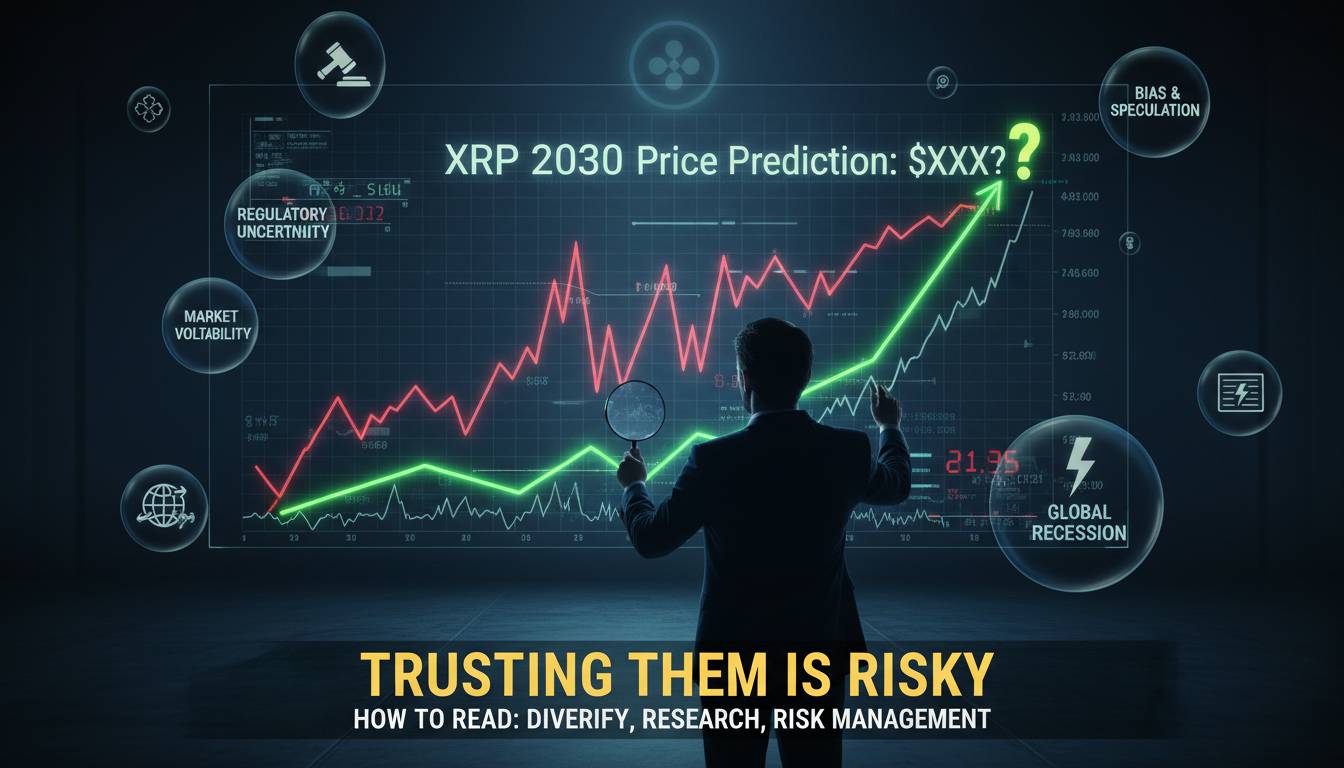
Neither AI nor human analysts have developed a reliable method for predicting the exact timing and magnitude of crypto price movements. This isn’t unique to crypto—it’s a fundamental characteristic of financial markets. Anyone claiming consistent accuracy in predicting cryptocurrency prices should be viewed with significant skepticism.
The Counterintuitive Finding
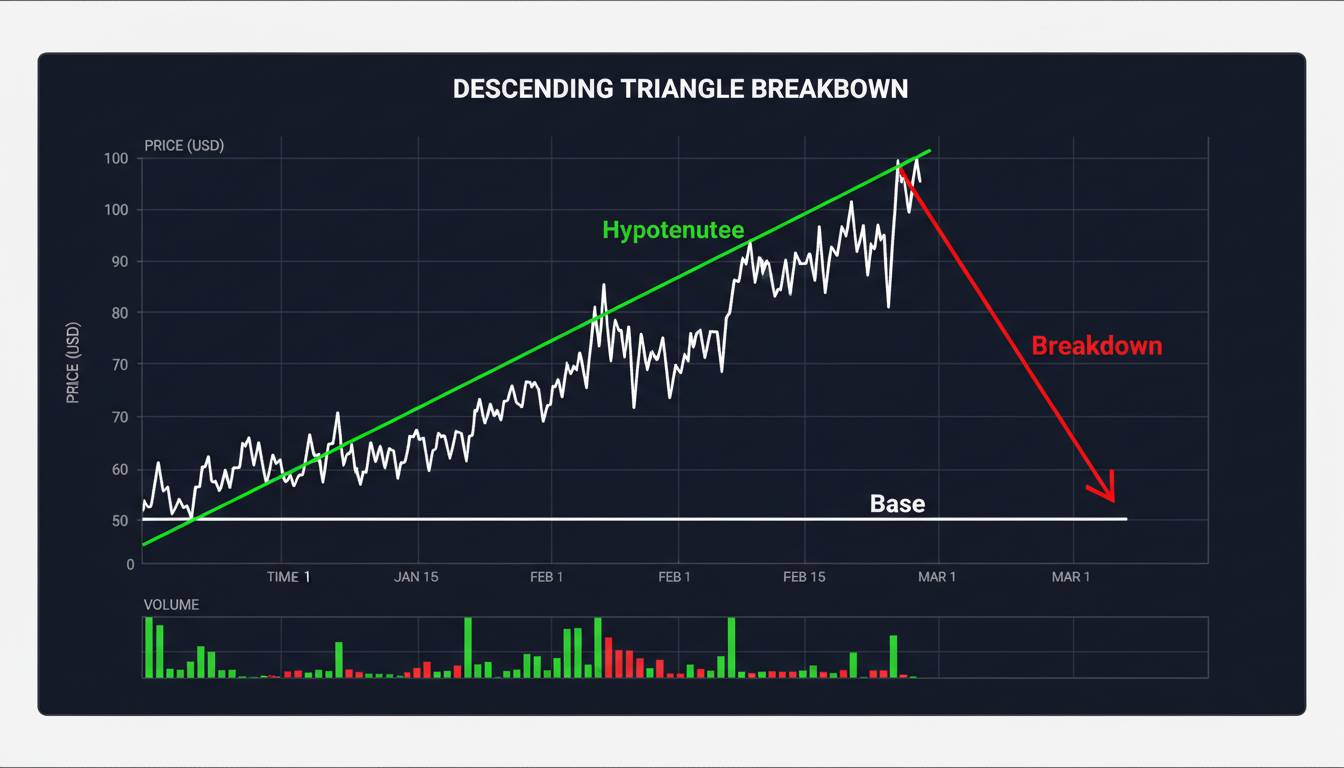
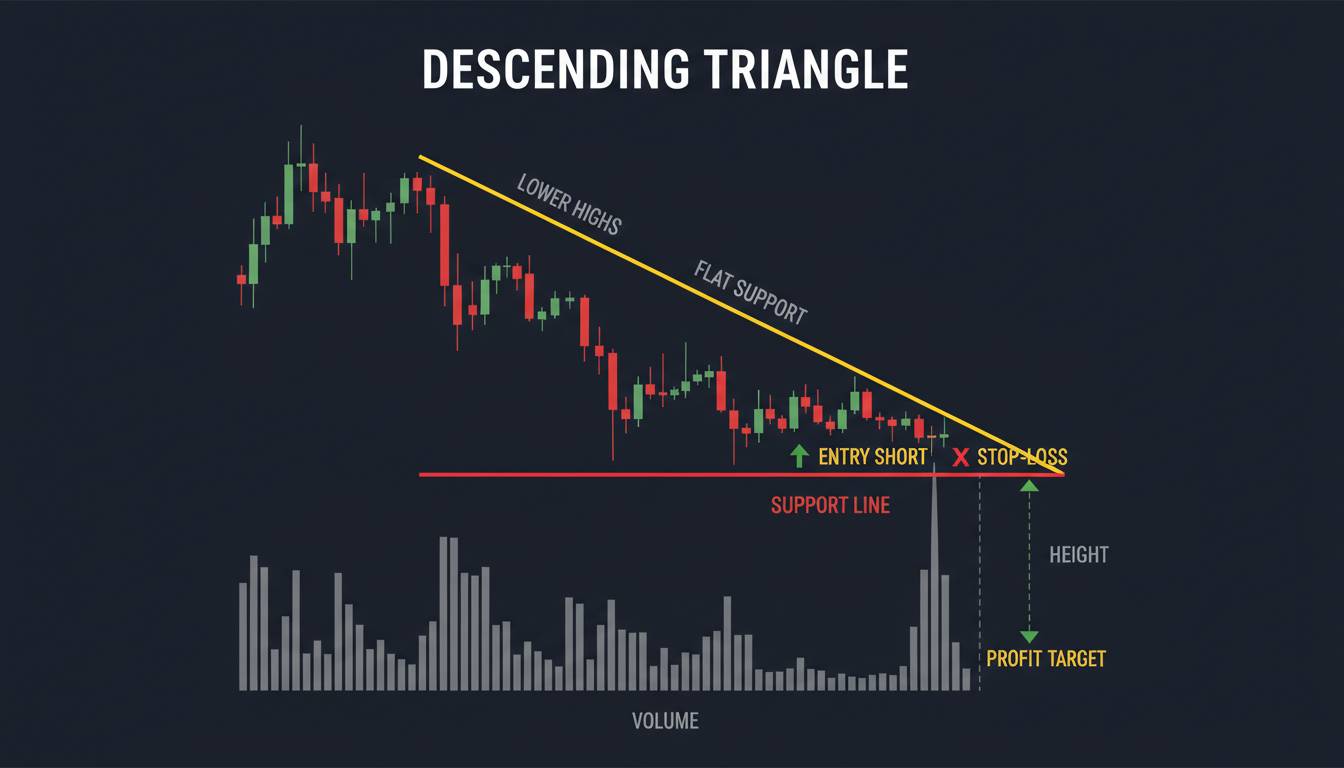
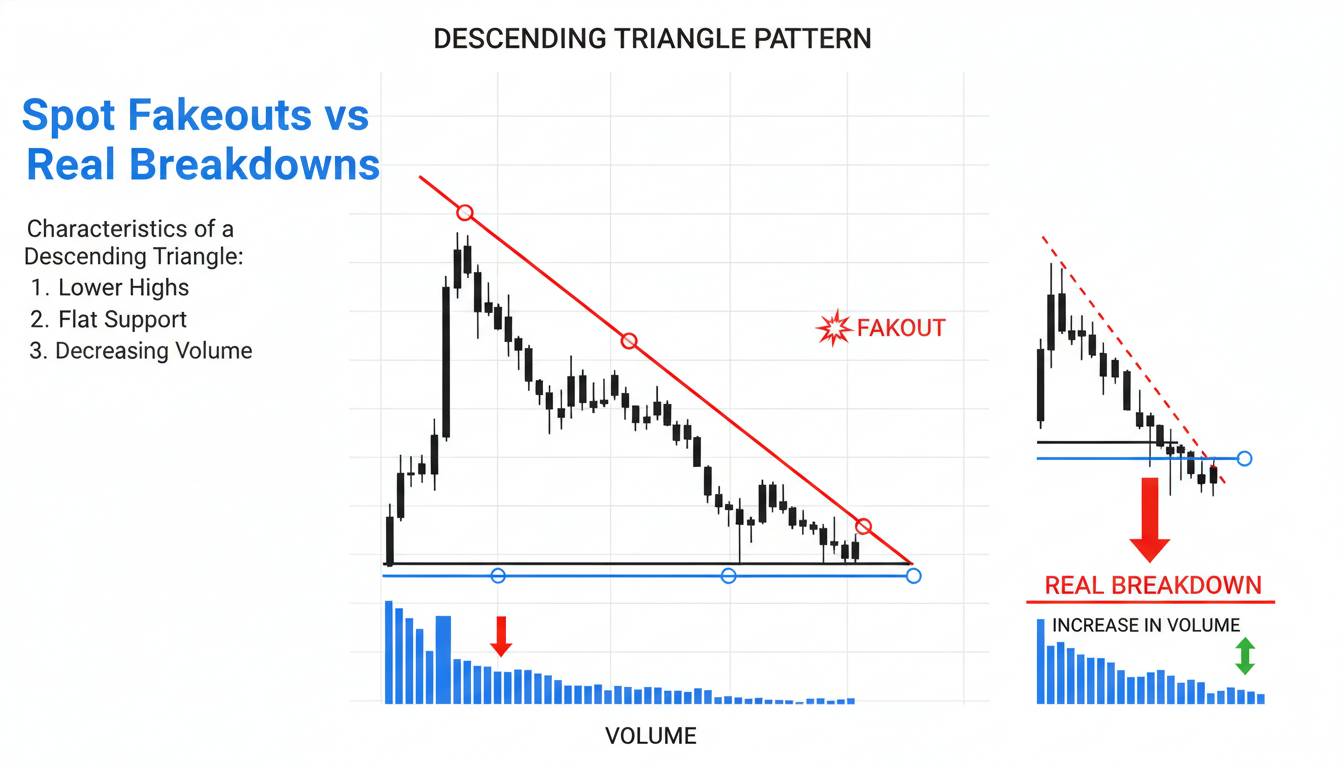
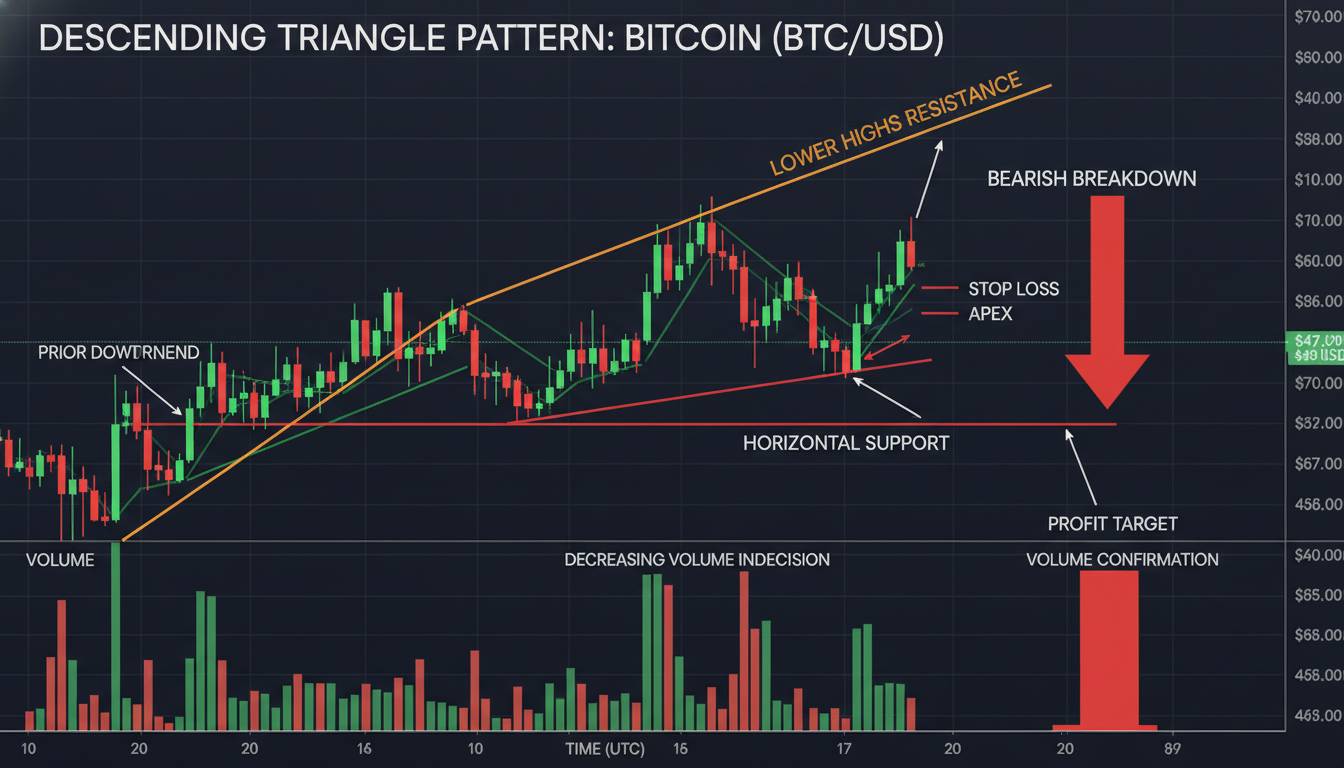
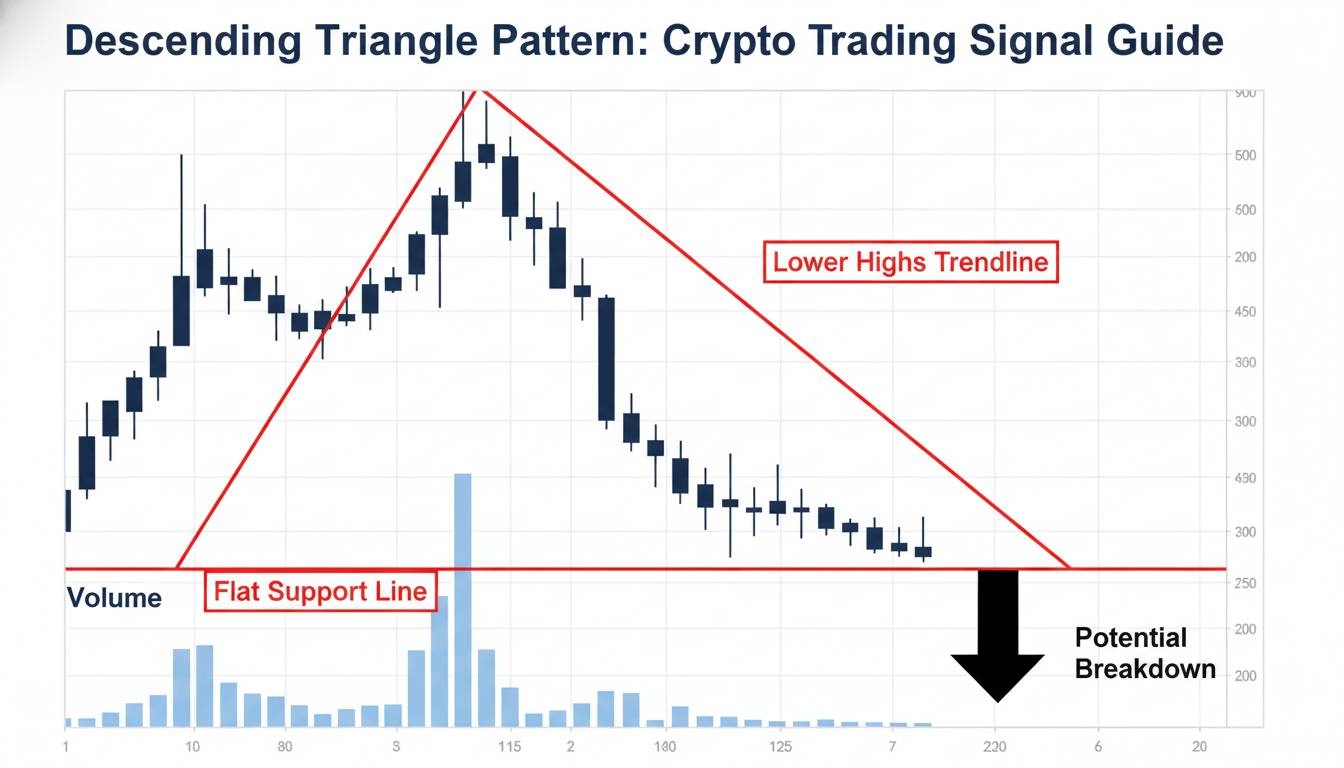
Here’s something that contradicts common wisdom: pure technical analysis, whether performed by AI or humans, hasn’t demonstrated consistent predictive power for XRP. The idea that chart patterns reliably predict future prices is appealing but unsupported by rigorous evidence. XRP has broken out of countless technical formations in both directions, and what looks like a clear pattern in hindsight rarely predicts future movements with accuracy better than chance.
This doesn’t mean technical analysis is useless—it can help with risk management and identifying potential support and resistance levels. But treating it as a prediction tool rather than a risk management tool is a category error that hurts both AI and human analysts.
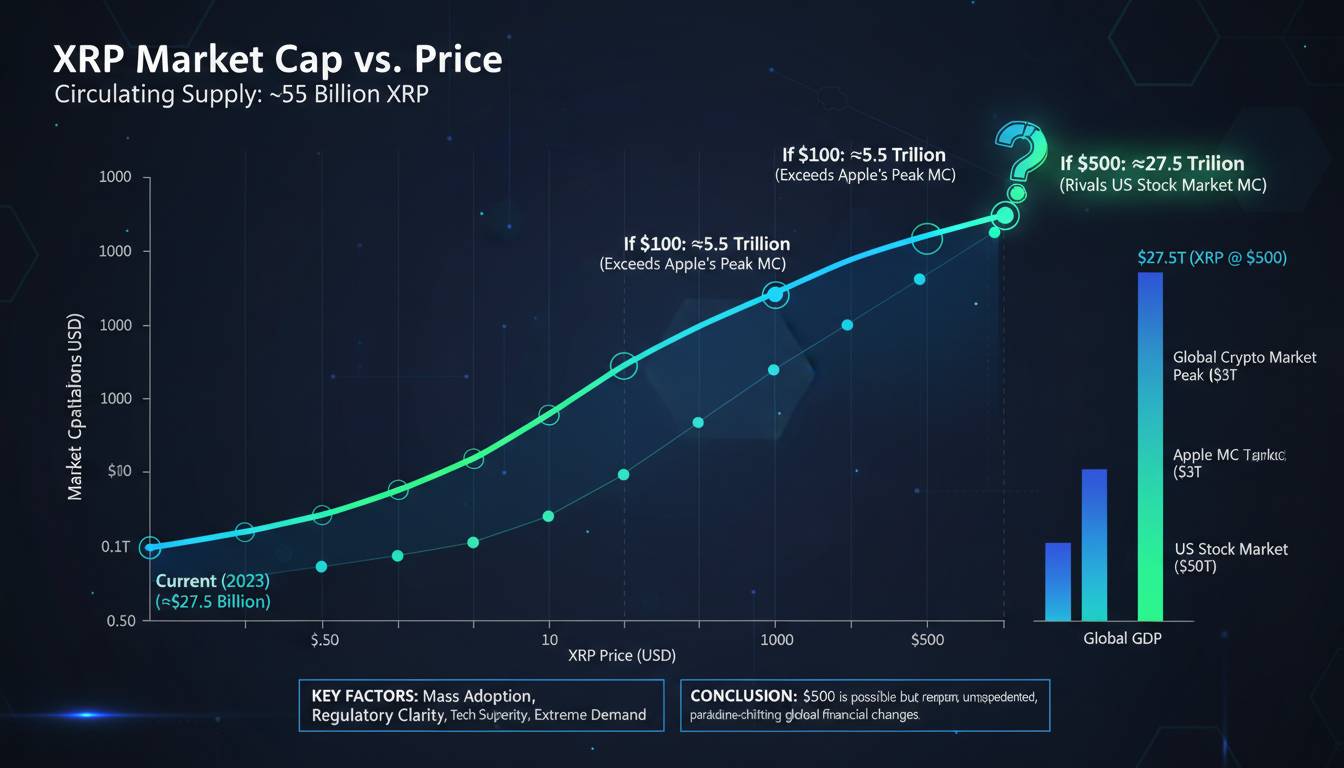
Another uncomfortable truth: the analysts who gain the most attention are often the most confident and the most wrong. The crypto media ecosystem rewards bold predictions and sensational claims. A YouTuber who predicts XRP to $500 will gain more followers than one who provides nuanced analysis. This creates perverse incentives that make it difficult to identify genuinely insightful analysts.
Practical Takeaways
If you’re evaluating XRP predictions, whether from AI tools or human analysts, here are frameworks that actually help:
First, consider the timeframe. Short-term predictions (days to weeks) are essentially noise. Medium-term predictions (months) have slightly more reliability but still face massive uncertainty. Long-term predictions (years) are more about narrative than prediction.
Second, look for analysts who acknowledge uncertainty. Anyone who gives specific price targets with confidence should be viewed skeptically. The best analysis provides scenarios—if X happens, then Y is likely—rather than confident predictions.
Third, understand that AI tools can help with data processing and pattern recognition but shouldn’t be trusted for market predictions without human oversight. They’re useful for gathering information and identifying potential opportunities, but the final decision should involve human judgment.
Fourth, be especially skeptical of predictions during high-uncertainty periods like major regulatory decisions. These are moments when both AI and human analysts are most likely to be wrong, because the underlying events are genuinely unpredictable.
The Honest Assessment
Neither AI nor human analysts have demonstrated superior accuracy in XRP price predictions. The cryptocurrency market’s inherent unpredictability, combined with XRP’s unique regulatory situation, creates an environment where reliable prediction remains elusive. The comparison itself may be flawed because it assumes one side should clearly outperform the other, when both face fundamental limitations that haven’t been overcome.
What matters more than choosing between AI and human predictions is developing your own framework for evaluating information. Understand the sources, recognize the incentives behind predictions, and maintain appropriate skepticism. The most accurate prediction you can make about XRP is that it will continue to be volatile and difficult to predict—which means any strategy should account for significant uncertainty rather than relying on specific price targets.
The comparison between AI and human prediction capabilities will continue to evolve as AI tools improve and more data becomes available. But for now, treating both with appropriate skepticism while building your own understanding of the market dynamics affecting XRP is the most rational approach.