The January 2024 approval of spot Bitcoin ETFs by the U.S. Securities and Exchange Commission didn’t just mark a regulatory milestone—it triggered one of the most dramatic price movements in Bitcoin’s history. Understanding exactly what happened to the price around this approval, and why, matters for anyone trying to make sense of how markets price regulatory events. This isn’t a story about predictions or sentiment—it’s about the numbers, the timeline, and what the data actually shows.
The Long Road to Approval
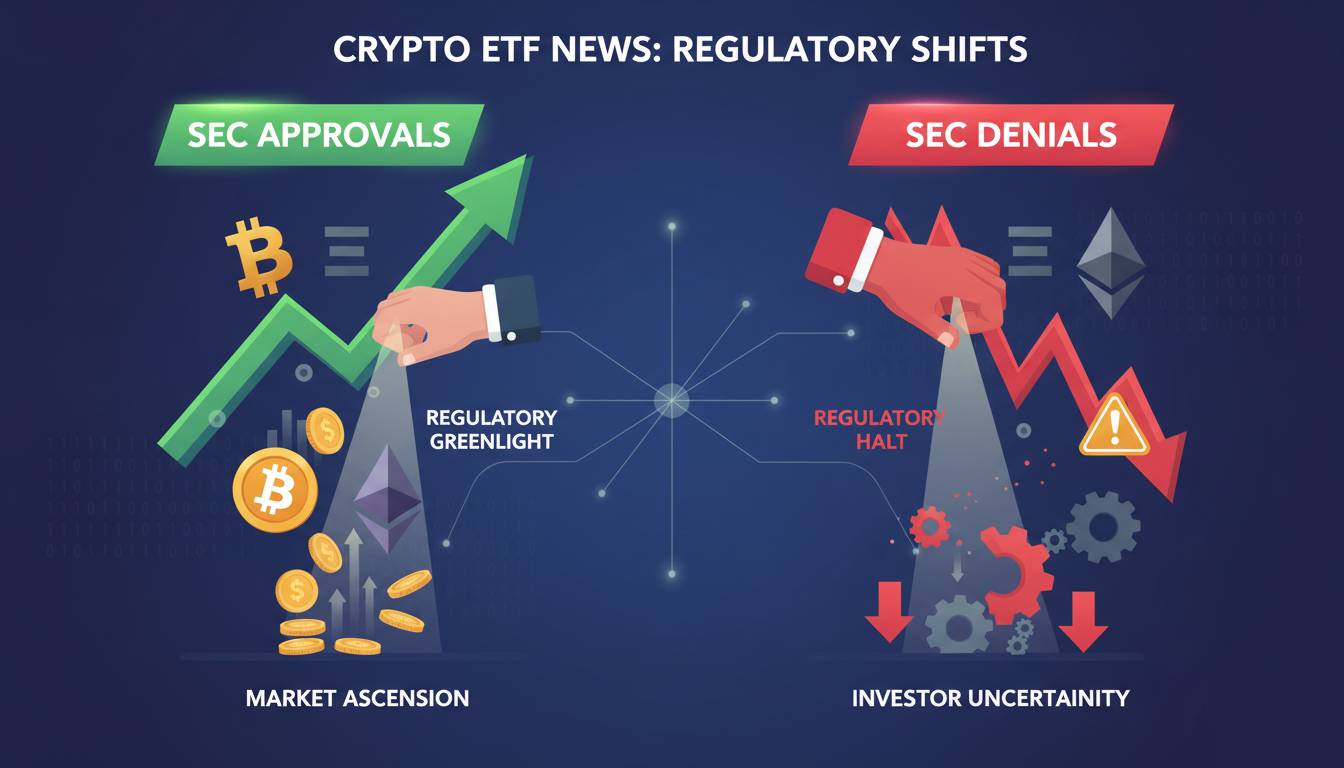
The SEC’s approval of spot Bitcoin ETFs on January 10, 2024, came after years of rejection letters, court battles, and mounting pressure from institutional players. BlackRock, Fidelity, Invesco, and dozens of other asset managers had filed applications, and the market had been building anticipation for months. What happened next wasn’t a slow climb—it was an immediate, sharp reaction that caught many traders off guard.
In the 24 hours leading up to the official approval, Bitcoin traded in a tight range around $45,000. The price had been consolidating in the $44,000-$46,000 band for weeks, a typical pre-event calm. Most analysts expected some form of approval—they’d been pricing it in for months—but the market’s response to the actual announcement revealed how much uncertainty had been baked into the price beforehand.
The Price Movement: Minute by Minute
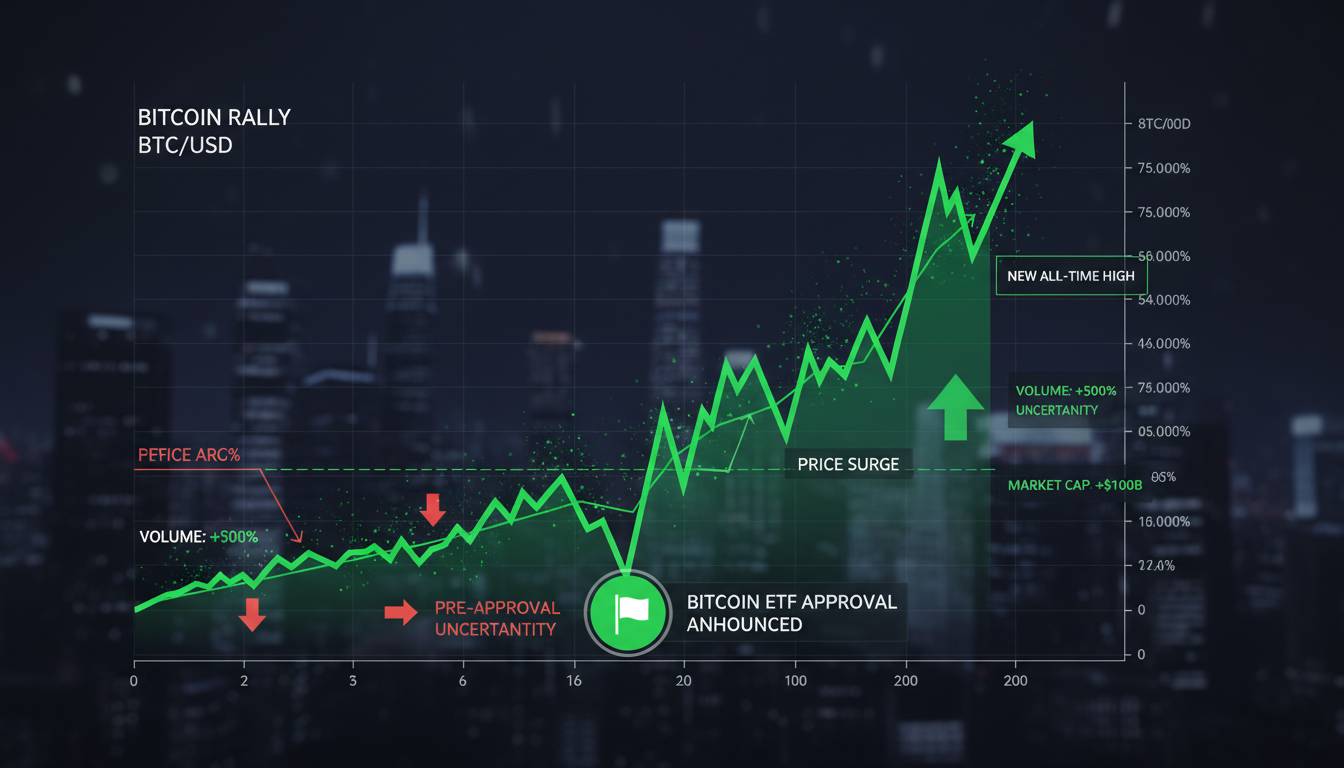
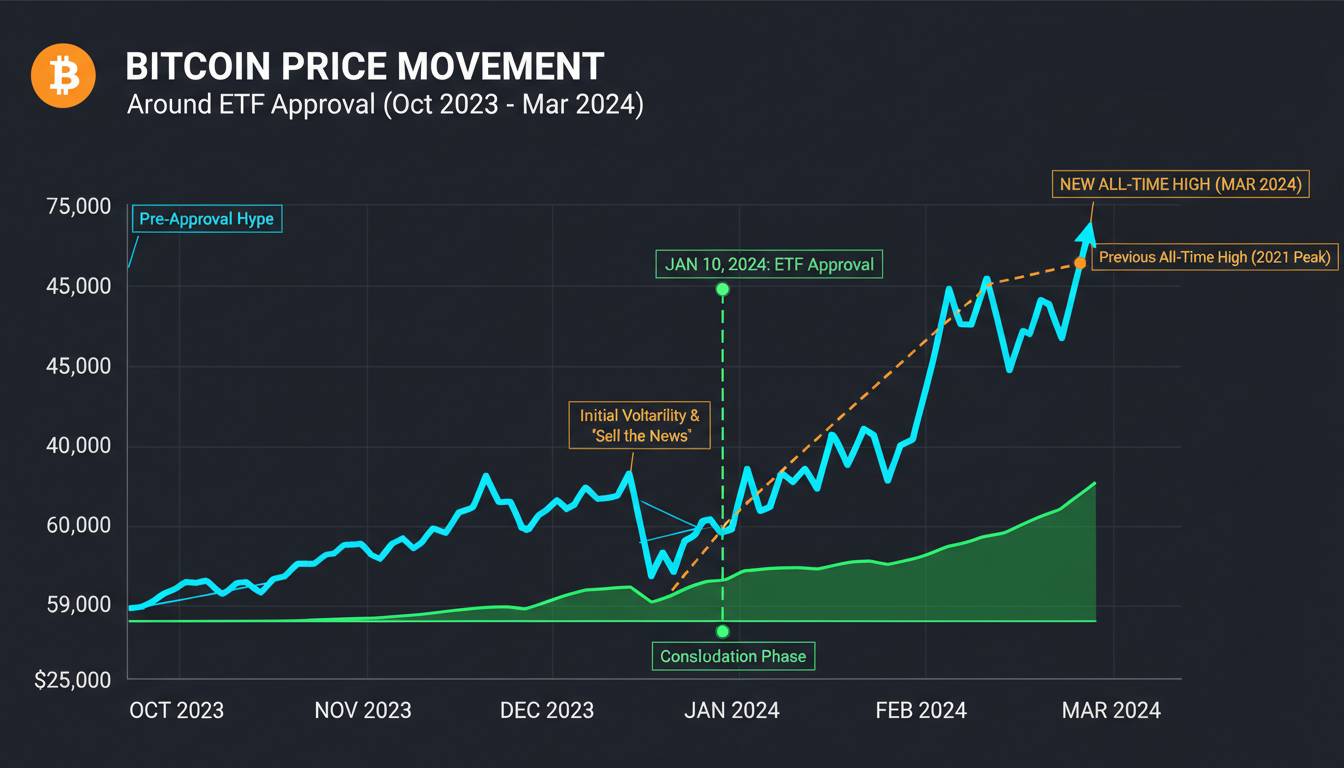
The SEC’s announcement came at approximately 4:00 PM ET on January 10, 2024. Within minutes, Bitcoin jumped from approximately $45,200 to $47,800—a gain of nearly 6% in under an hour. This initial spike was driven by short covering and immediate buying pressure from automated trading systems designed to react to news events.
But the most interesting movement came in the following days. Rather than pulling back, Bitcoin continued climbing, reaching $48,500 by January 12 and then breaking through $49,000 on January 15. By the end of the first week post-approval, Bitcoin had touched $50,000 for the first time since December 2021.
The cumulative gain from the pre-approval price of approximately $45,000 to the post-approval high of around $50,000 represented an 11% increase in under a week. For a market with Bitcoin’s capitalization, this was substantial. Trading volume spiked dramatically—daily volume on major exchanges increased by roughly 40% compared to the week before approval.
The Numbers
Looking at the specific price points, here’s what the movement looked like:
- January 9 (day before approval): Bitcoin closed at approximately $45,420
- January 10 (approval day): Opened at $45,600, closed at $47,250
- January 11: Opened at $47,100, closed at $48,180
- January 12: Opened at $48,200, reached $48,950 intraday
- January 15: Broke above $49,000, touched $49,780
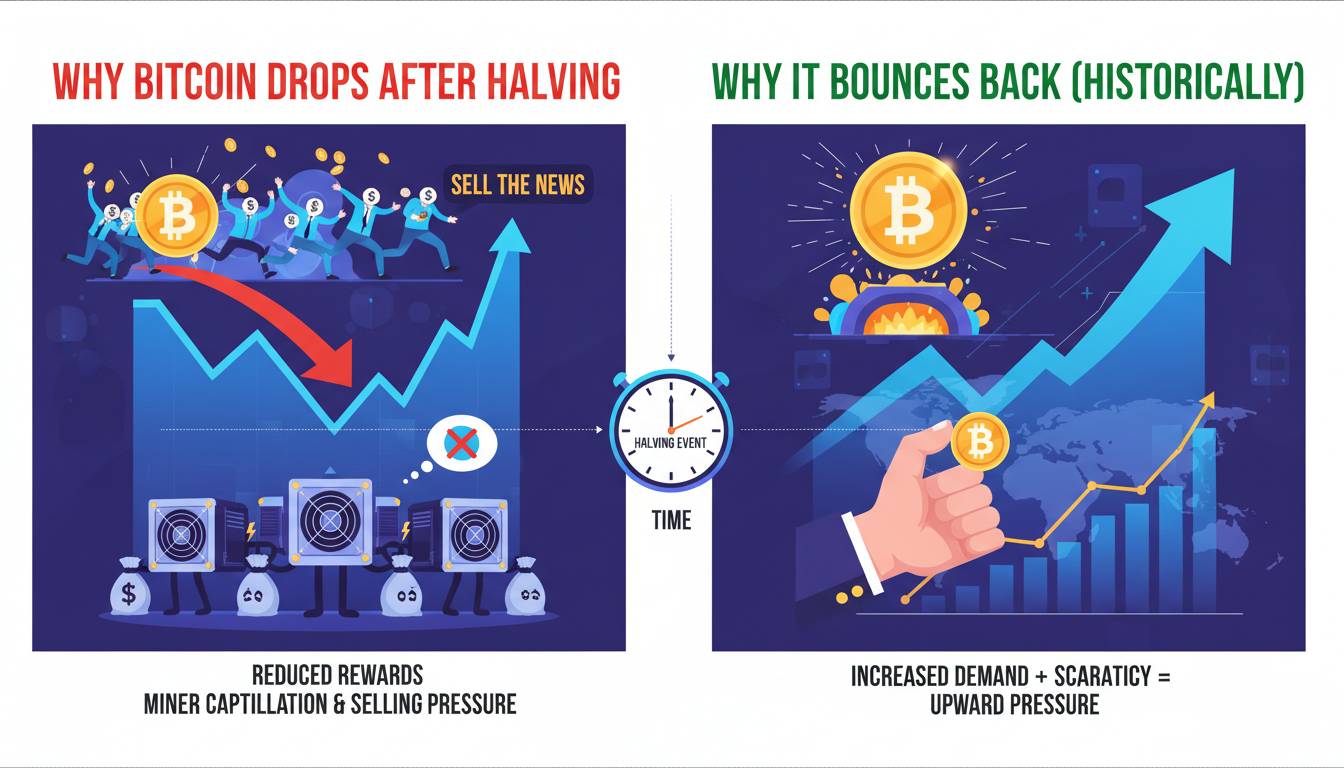
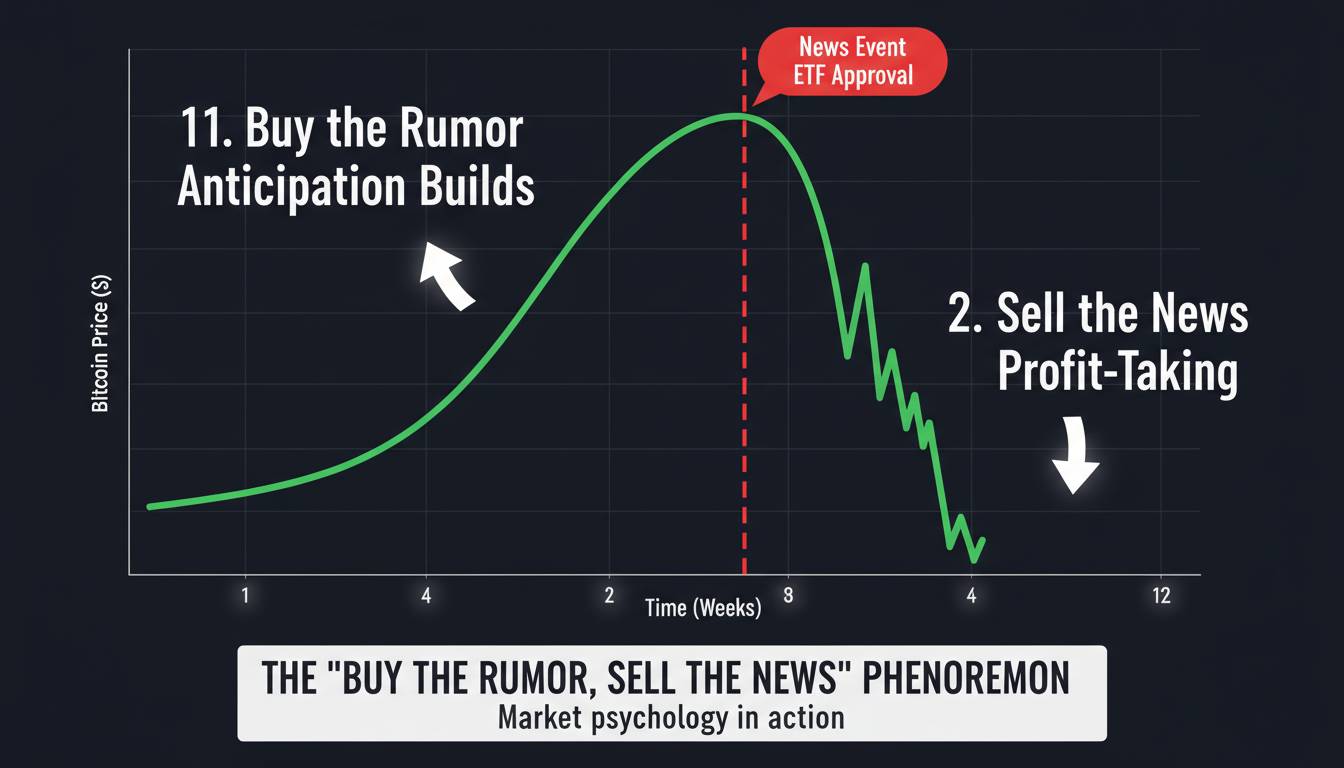
The key observation here is that the price didn’t spike and then collapse. It maintained its gains and continued climbing. This suggests the approval wasn’t fully priced in—many traders had positioned for a “sell the news” event, expecting a correction after approval. Instead, the market absorbed the news and moved higher.
Volume data from Glassnode and other analytics platforms confirmed unusual activity. On January 10 alone, Bitcoin’s trading volume exceeded $60 billion across major exchanges, roughly double the average daily volume for the preceding month.
The “Sell the News” That Never Came
Conventional wisdom in cryptocurrency markets suggests that major positive events often trigger a “sell the news” reaction—traders who bought in anticipation of the event sell their positions once the event actually occurs. This pattern had played out repeatedly in Bitcoin’s history, including after previous ETF-related announcements that turned out to be rejections.
What happened in January 2024 defied this pattern. Several factors likely contributed:
First, the approval was more definitive than many expected. The SEC had historically opposed spot Bitcoin ETFs, and even when Grayscale won its court case in August 2023, the agency had signaled reluctance. The January approval came with less ambiguity than some market participants had feared.
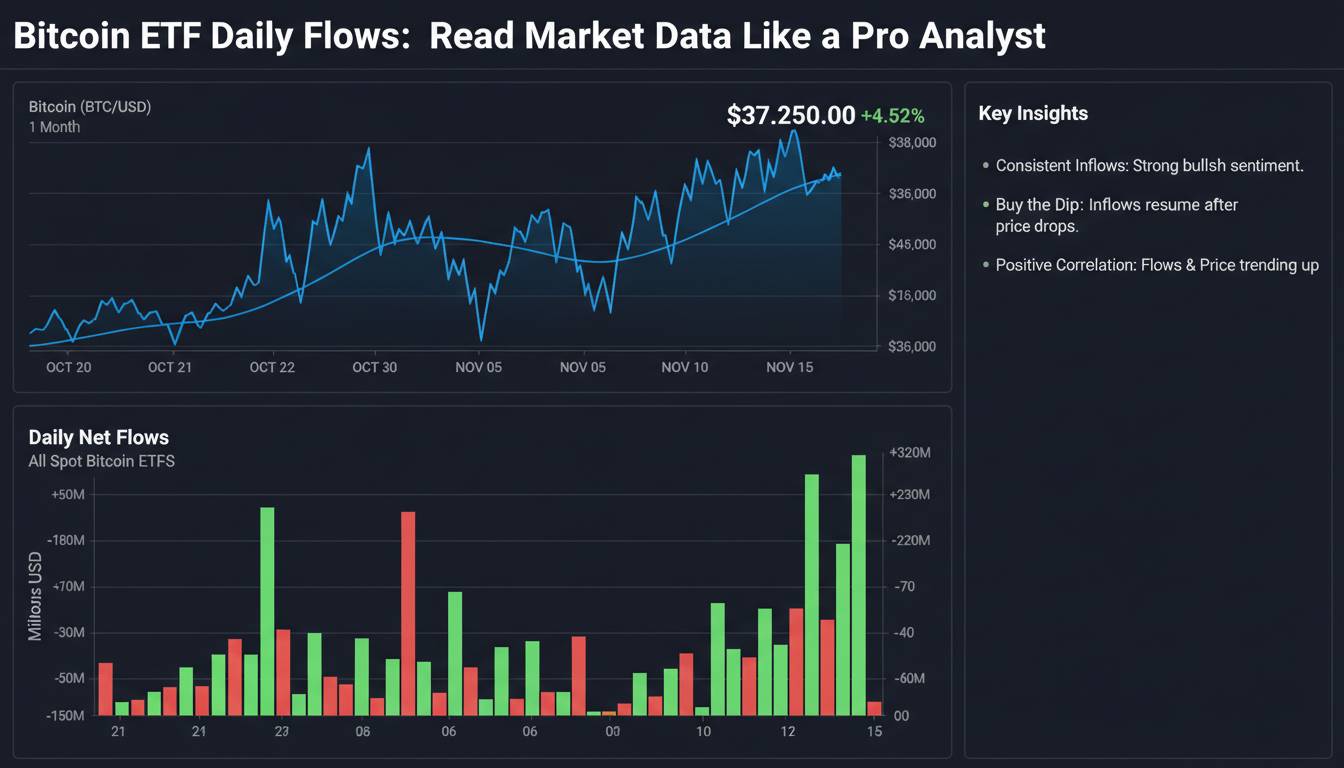
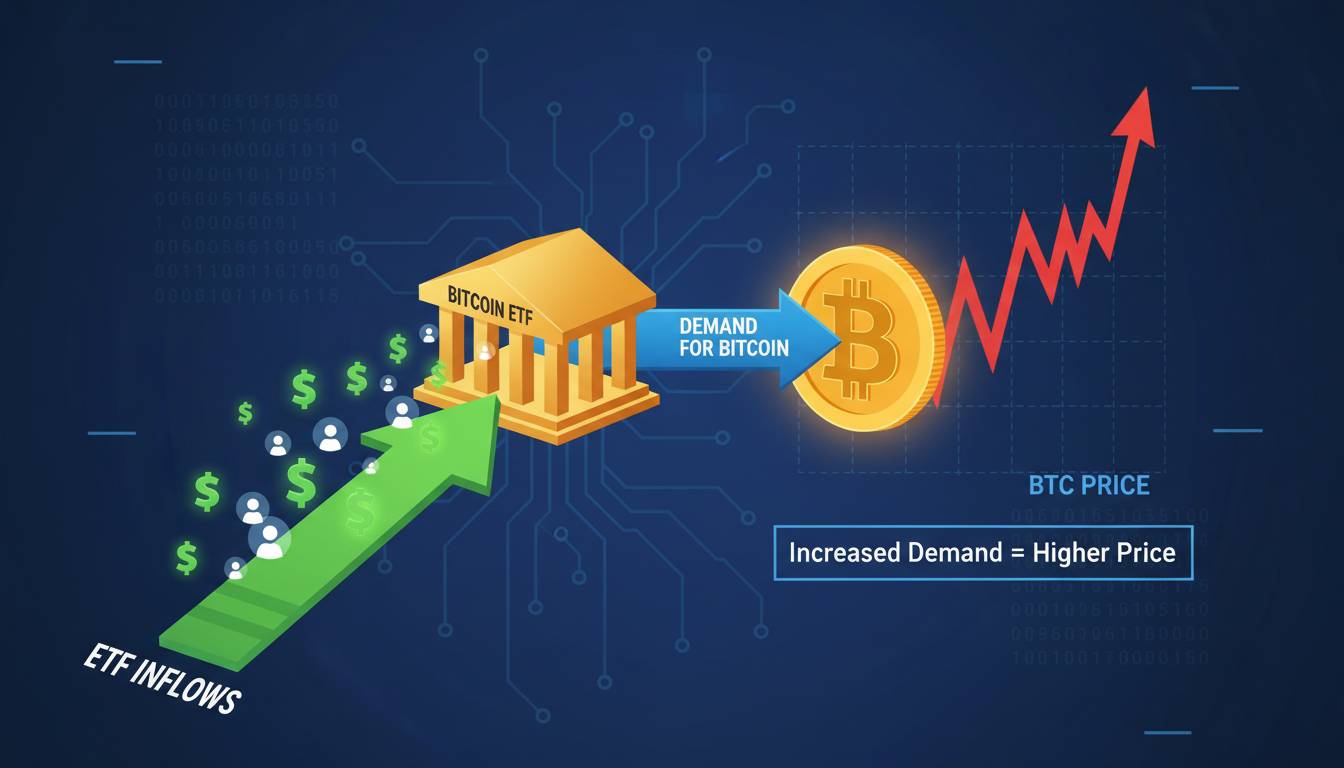
Second, institutional flows began almost immediately. While it’s difficult to pin down exact figures, BlackRock’s IBIT and Fidelity’s FBTC began seeing significant inflows within the first trading days. These inflows represented real demand from asset managers handling client money—not speculative trading.
Third, the broader market sentiment had shifted. By January 2024, Bitcoin had already recovered substantially from the 2022 crash. The ETF approval was seen as validation, not just a trading opportunity.
Before and After
Examining the six months before and after the approval reveals a clear structural shift in Bitcoin’s price behavior.
Pre-approval period :
Bitcoin spent most of this period in a range between $29,000 and $44,000. The price was largely driven by macro factors—Federal Reserve policy, inflation data, and general risk sentiment. The anticipation of ETF approval created a floor around $30,000, but the price struggled to break out decisively.
Post-approval period :
After breaking above $50,000, Bitcoin never returned to its pre-approval trading range. The cryptocurrency established a new floor around $56,000-$60,000 and eventually pushed toward $70,000 in early 2024. The approval appeared to mark a structural change in both the supply/demand dynamics and the market’s perception of Bitcoin as an asset class.
This isn’t to say the ETF approval was the sole driver of Bitcoin’s 2024 performance—the broader bull market involved many factors. But the timing of the breakout coincided almost exactly with the approval, and the new price floor that established itself afterward suggests the approval fundamentally changed Bitcoin’s market position.
Common Misconceptions
There’s a tendency in financial writing to treat the ETF approval as a single binary event—a yes or no that caused an immediate price jump. This framing misses the more interesting dynamics at play.
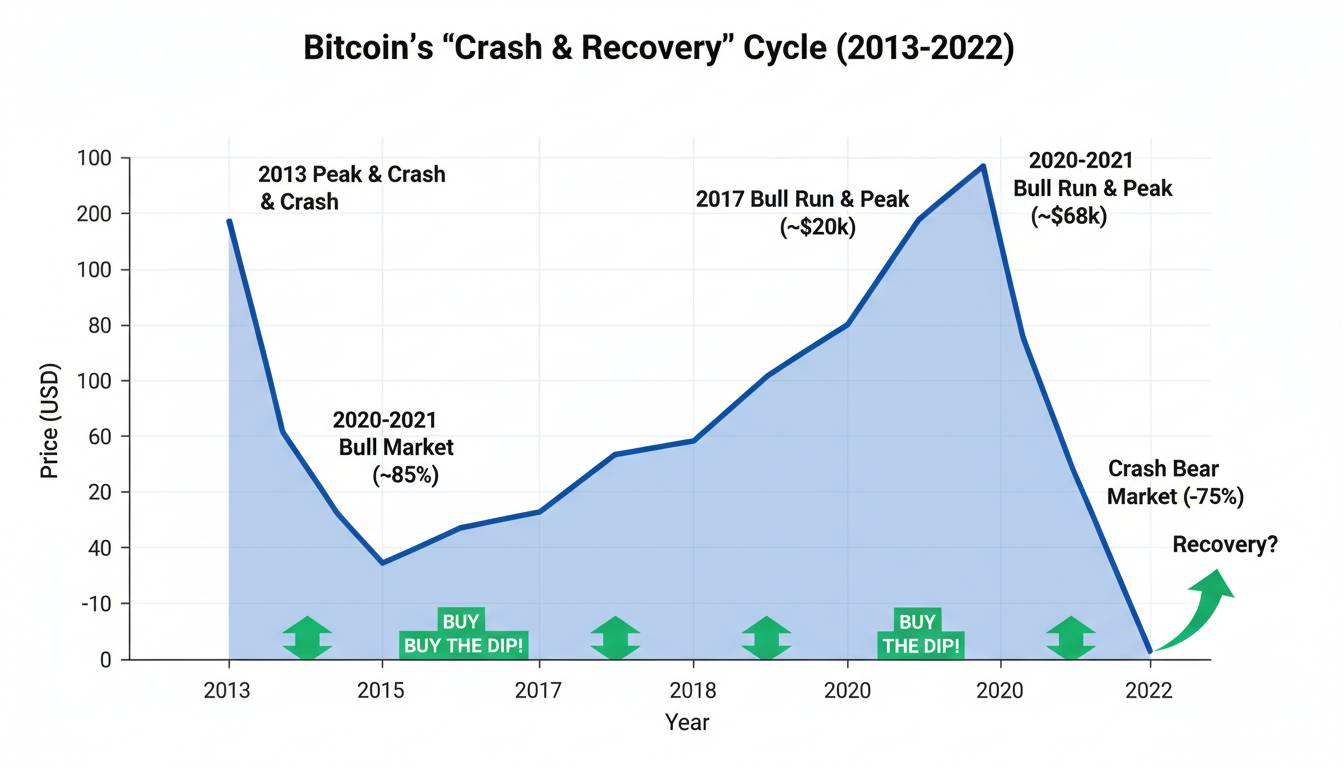
First, the price had been rising for months before the approval. Bitcoin went from approximately $30,000 in October 2023 to $45,000 by January—a 50% gain that reflected growing confidence in approval. The actual approval was more of a confirmation of what the market had already been pricing.
Second, the real impact may have been more about sustaining the rally than initiating it. Bitcoin had struggled to maintain gains above $40,000 multiple times in 2023. The ETF approval provided a narrative and structural support that allowed the price to break through resistance levels that had held for over a year.
Third, the impact wasn’t uniform across the cryptocurrency market. While Bitcoin surged, many altcoins actually declined in the weeks following the approval. This suggests capital rotated from riskier assets into Bitcoin specifically—the ETF made Bitcoin the preferred exposure for many institutional and retail investors.
What the Move Tells Us
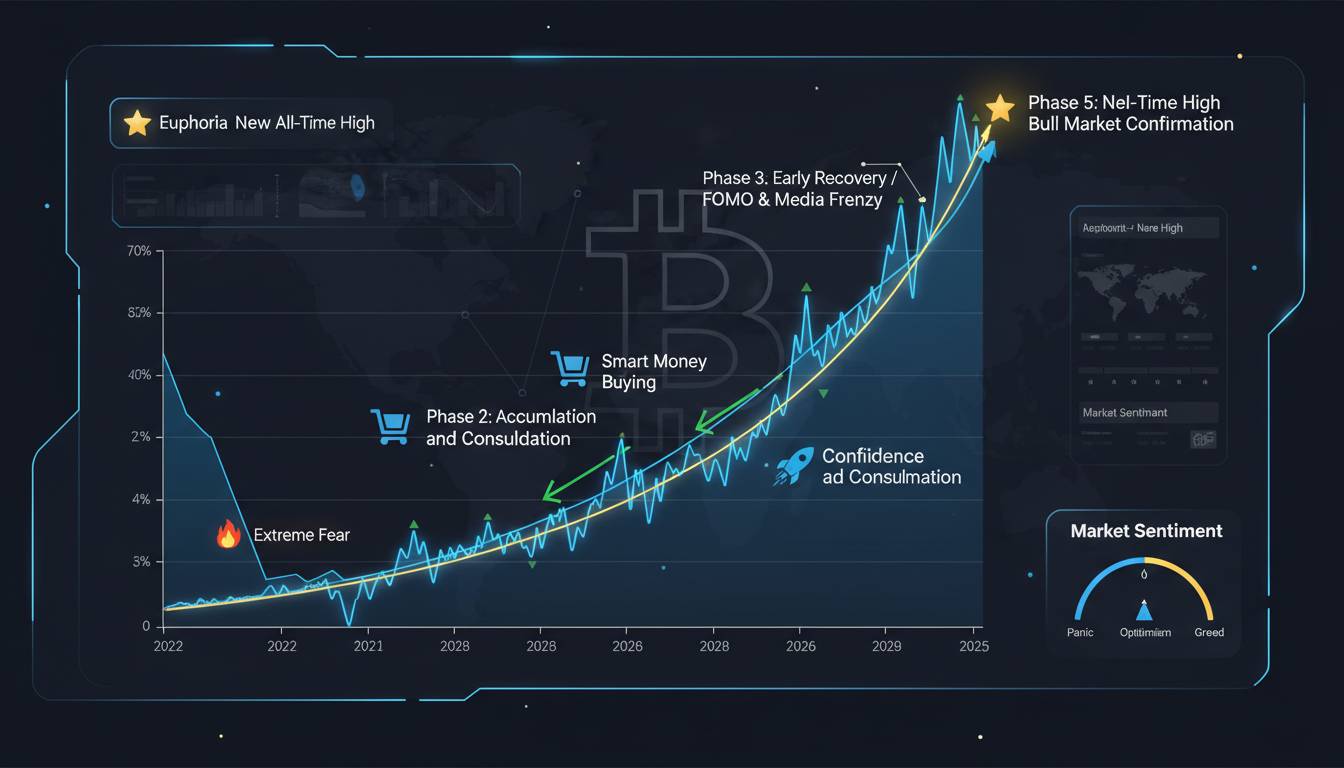
Looking at the price action in detail, the most striking thing is how orderly the move was. Rather than a parabolic spike that collapsed under its own weight, Bitcoin established higher lows and higher highs in the weeks following approval. This is characteristic of sustainable bull markets rather than speculative manias.
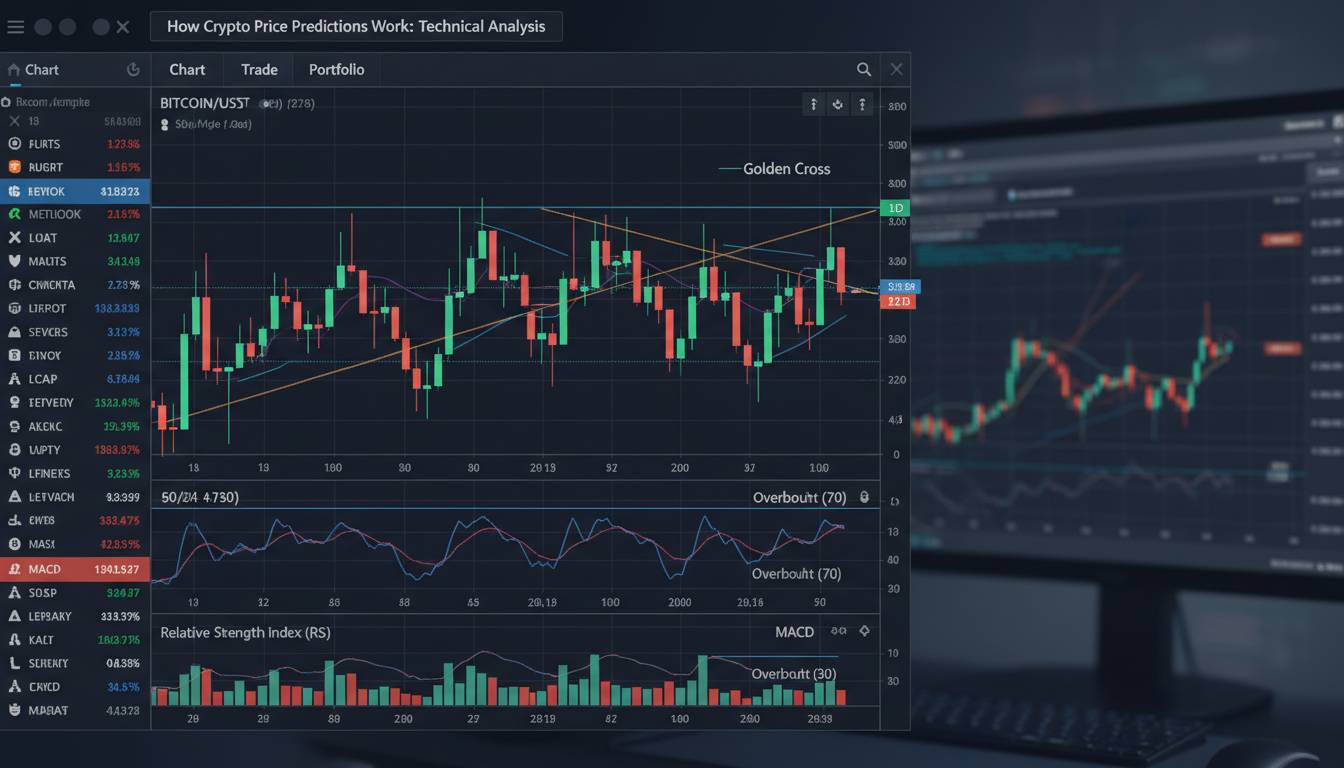
The moving averages confirm this. Bitcoin’s 50-day moving average crossed above its 200-day moving average in early February 2024—a bullish signal known as the Golden Cross that hadn’t occurred since early 2021. The price remained above both moving averages for the remainder of the first half of 2024.
Volatility, interestingly, decreased after the approval. Bitcoin’s realized volatility dropped from approximately 65% in the month before approval to around 45% in the month after. This is counterintuitive—more institutional involvement typically reduces volatility over time, and the ETF approval appeared to accelerate this normalization.
Implications
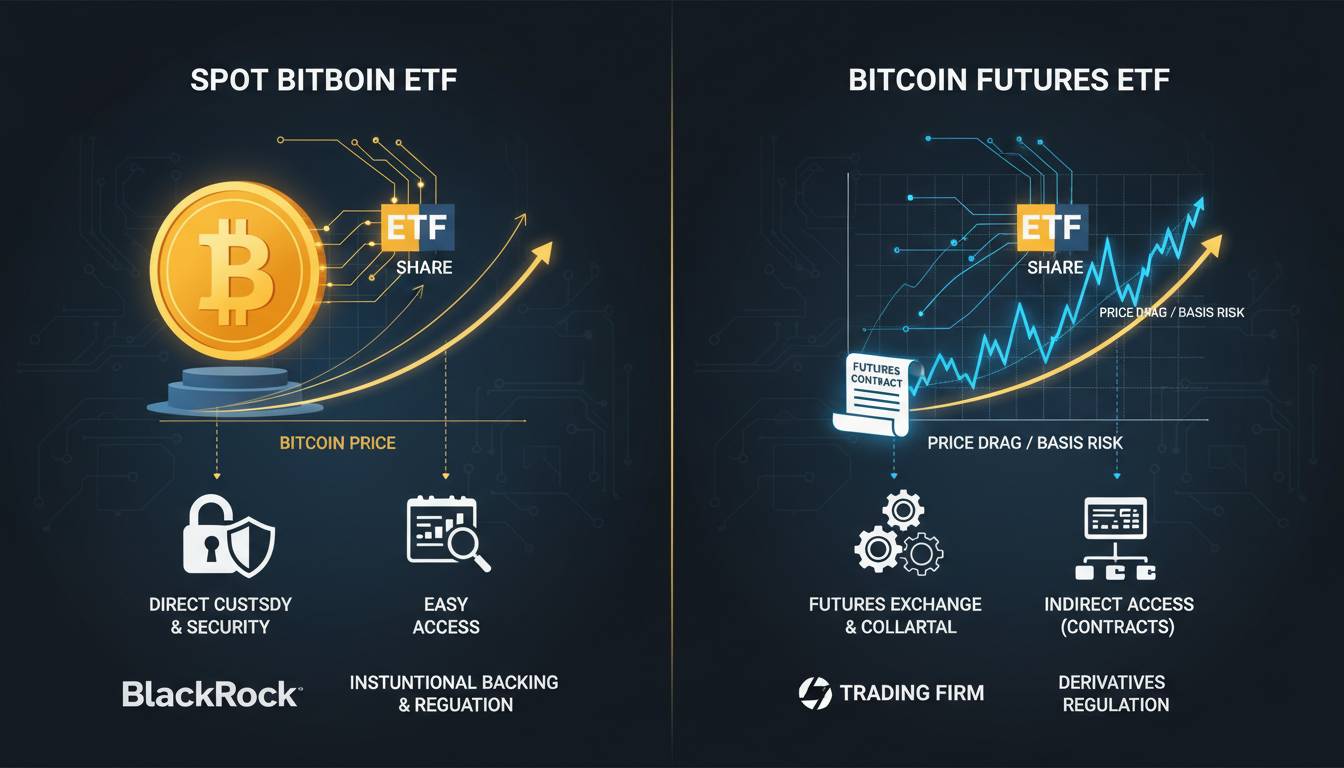
The January 2024 approval established a new framework for how Bitcoin interacts with traditional financial markets. The ETF created a regulated, accessible vehicle for institutional capital, and the data suggests this had measurable effects on price discovery and market structure.
Whether Bitcoin’s price continues to benefit from this structural change depends on factors far beyond the ETF itself—macroeconomic conditions, regulatory developments, and broader adoption trends all matter. But the data is clear: the approval didn’t cause a one-day spike that collapsed. It coincided with Bitcoin establishing a new market position that it has maintained through subsequent volatility.
The lesson isn’t that ETFs cause prices to rise—it’s that they change the fundamental dynamics of how prices are determined. More participants, more transparent pricing, and more capital inflow created a different market than the one that existed before January 10, 2024. Whether that’s ultimately bullish or bearish depends on variables we don’t yet have data for, but the transformation in market structure is undeniable.
What remains uncertain is how future regulatory developments—potential approvals of other cryptocurrency products, enforcement actions, or legislative changes—will interact with this new ETF-driven market structure. The 2024 approval showed that Bitcoin can absorb major positive news without collapsing, but the true test may come when the news is more mixed or clearly negative. That data hasn’t been written yet.