Every few weeks, someone posts a screenshot of ChatGPT predicting XRP’s price to Twitter. The replies are either thrilled or furious. But the actual conversation about what these tools can do—and where they fail—is way more interesting than either reaction suggests.
I’ve been watching AI move through crypto analysis for two years. Here’s my take: there are real ways these tools add value, and there are places they become a liability dressed up as insight. This article won’t tell you what XRP will cost next month—no AI can do that—but it’ll help you understand exactly what you’re getting when you type “predict XRP price” into ChatGPT.
What ChatGPT Actually Does Well
Let’s start with the honest parts, because there are real capabilities worth understanding.
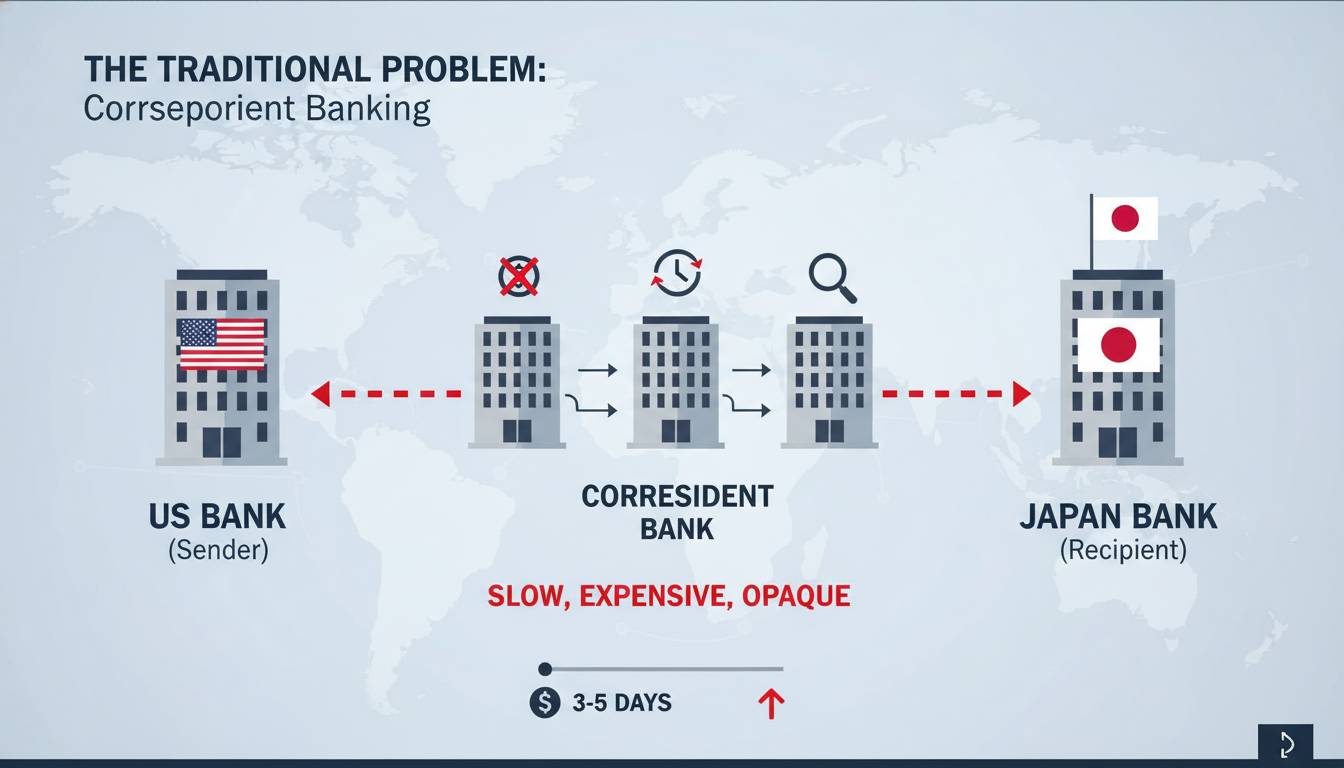
ChatGPT is good at pulling together publicly available information into something coherent. Ask it to explain the SEC vs. Ripple lawsuit, how XRP’s escrow system works, or how the token functions as a bridge currency in cross-border payments, and you’ll get a surprisingly solid breakdown. The model has read a lot of financial literature, regulatory documents, and crypto analysis—and it can reorganize that information in ways that help someone new to the space grasp things quickly.
I tested this in early 2024. When I asked ChatGPT to explain the difference between XRP and Bitcoin’s mining mechanisms, the response was accurate, well-structured, and used analogies that made the technical distinctions clear. That kind of information synthesis is genuinely useful.
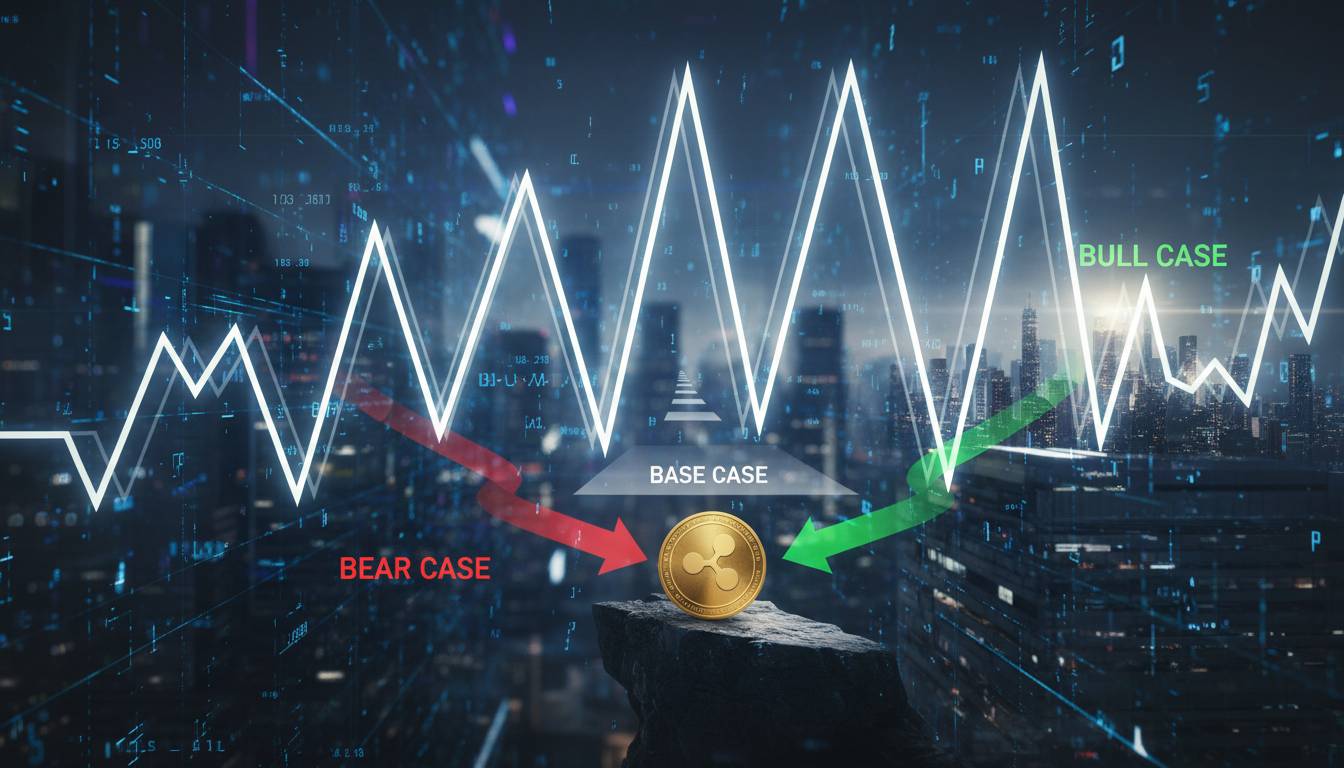
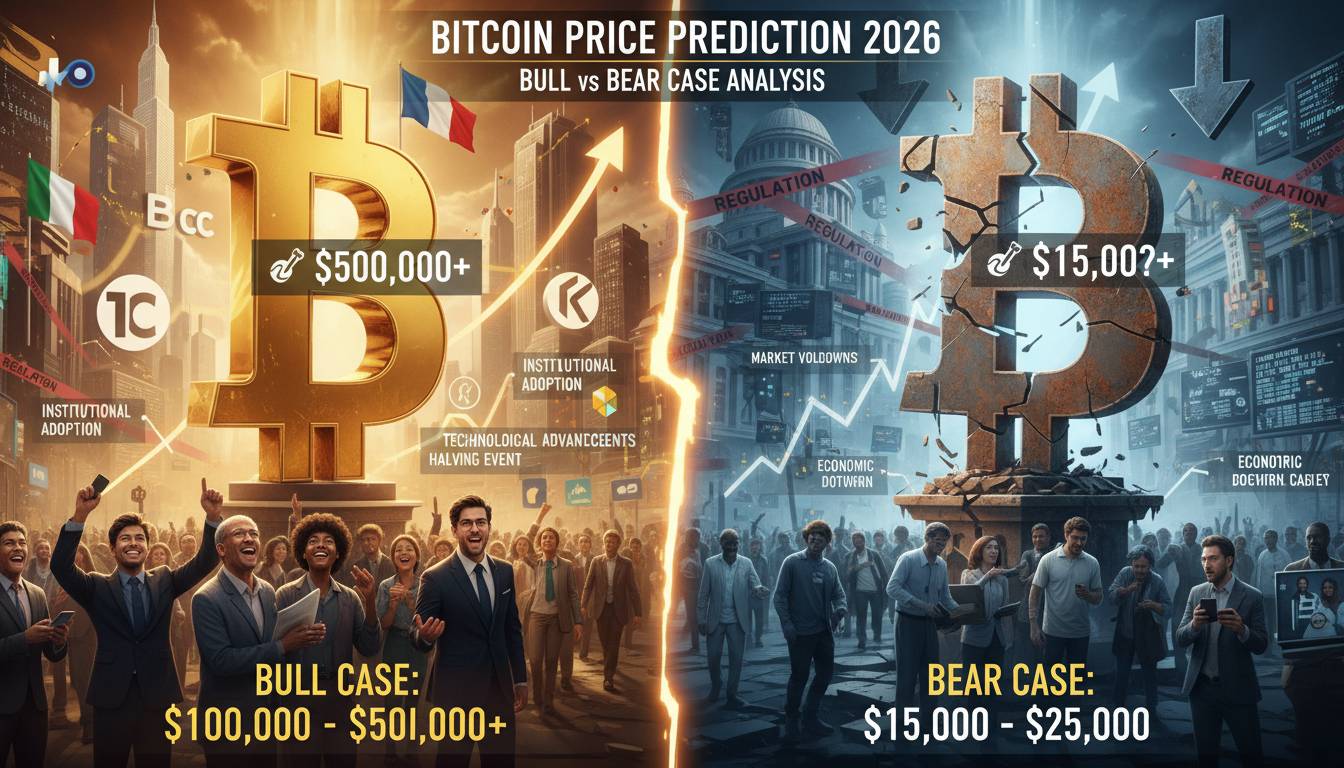
The tool also handles comparative analysis well. Ask it to outline the bull case versus the bear case for XRP, and it’ll present both sides with reasonable fidelity. This doesn’t mean the tool has an opinion—it means it’s good at pattern-matching how humans argue about this asset.
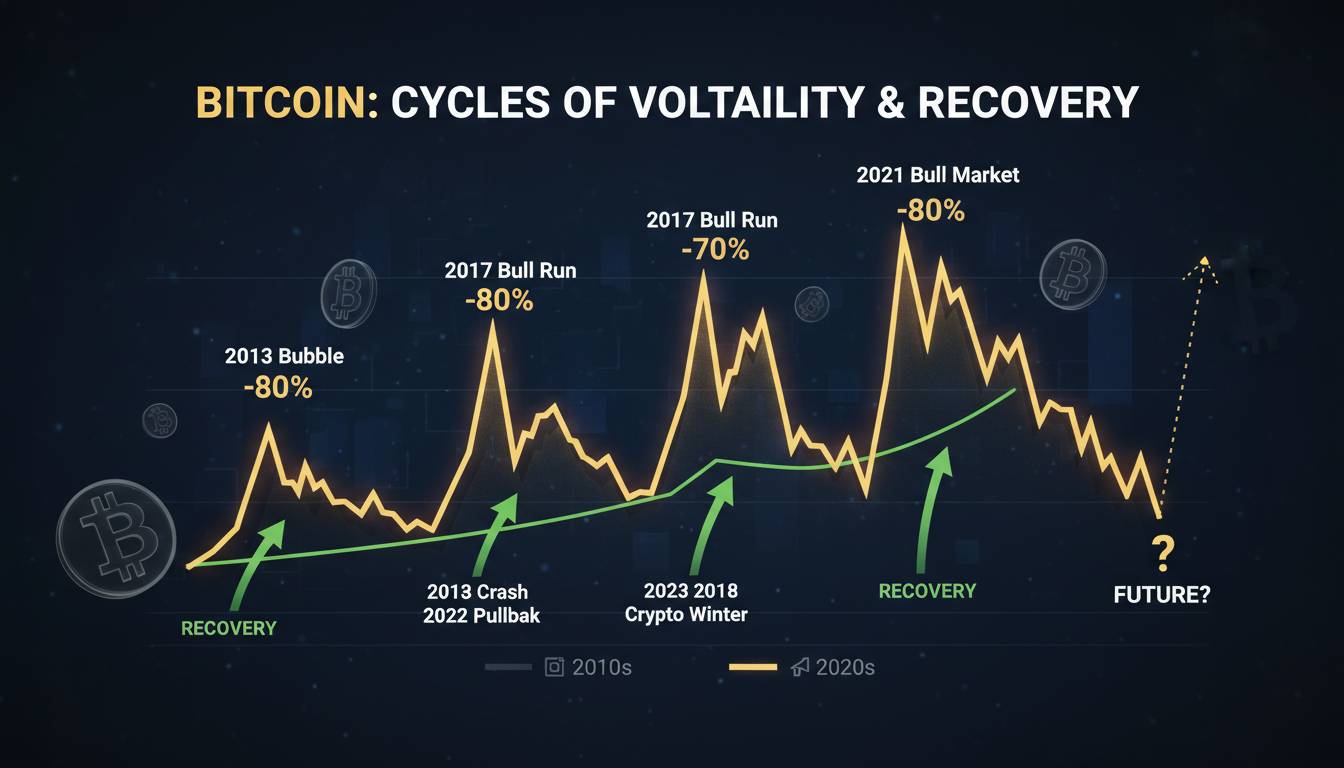
A third real capability: historical context. ChatGPT can tell you about XRP’s price history, major volatility events, and how it has historically responded to regulatory news. Verify any specific numbers against current data sources, but the model gives you a useful framework for understanding the token’s behavioral patterns over time.
What ChatGPT Cannot Do
Now for the uncomfortable part. If you’re using ChatGPT to predict future XRP prices, you’re using the wrong tool for the task.
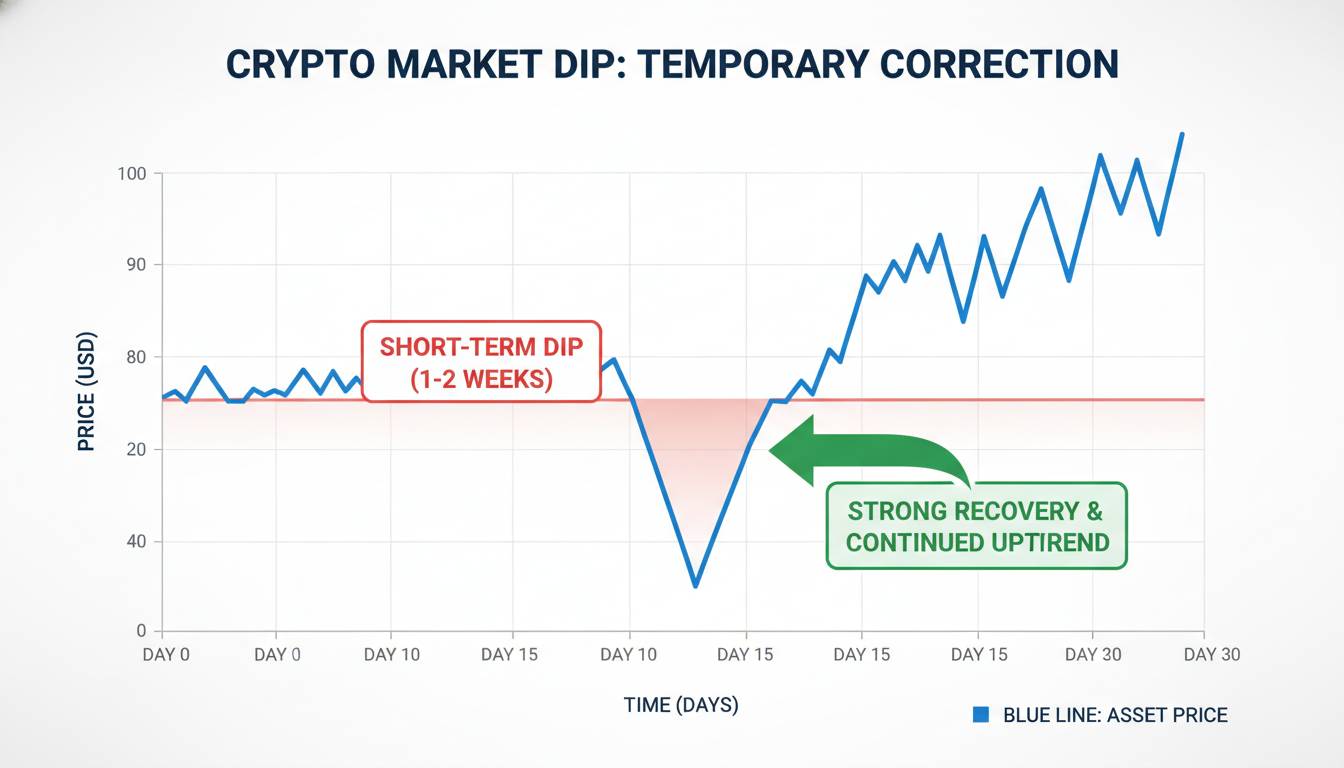
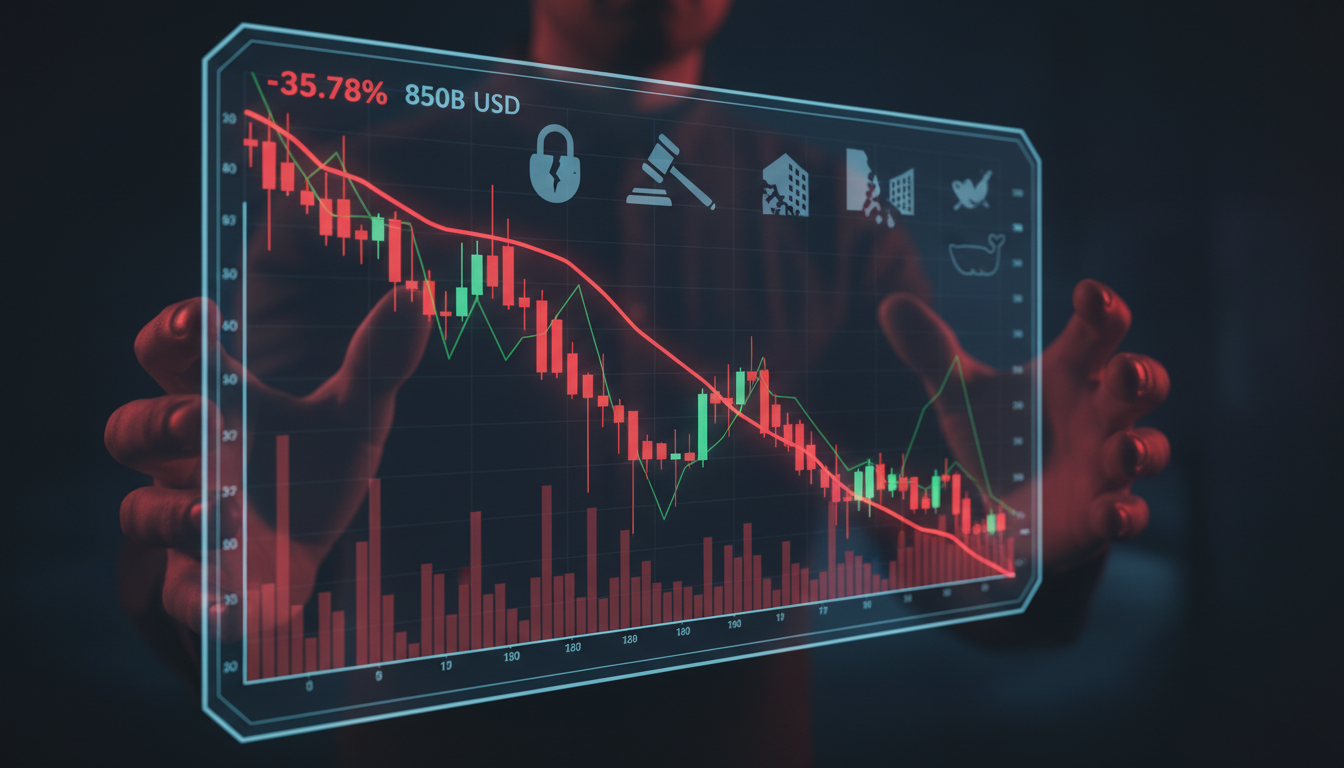
First, ChatGPT’s training data has a hard cutoff. The free version of ChatGPT-4 literally cannot know what happened after that date. Depending on which version you’re using, the model may not know about major regulatory developments, partnership announcements, or market shifts from late 2024 or early 2025. XRP’s price is extraordinarily sensitive to news—the December 2020 SEC filing dropped the price by nearly 60% in days. If you’re working with outdated information, your analysis is already compromised.
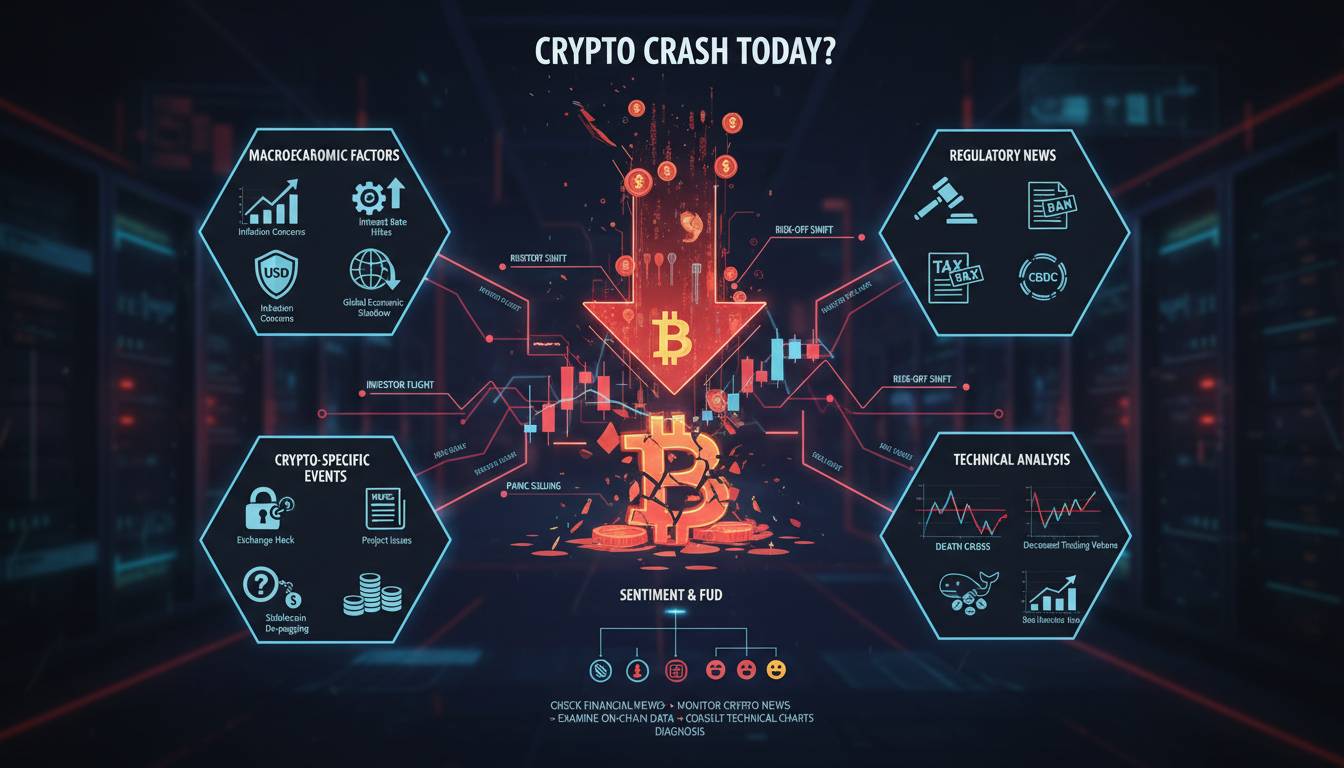
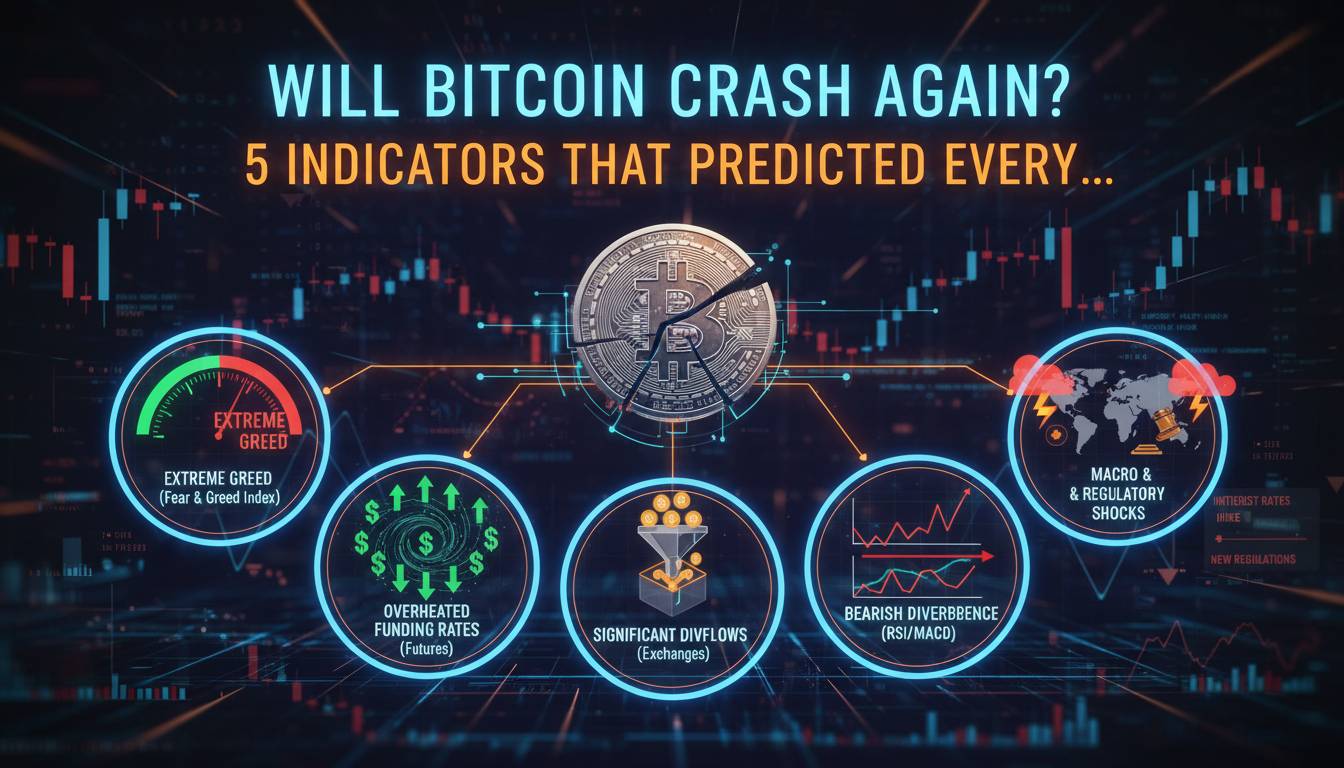
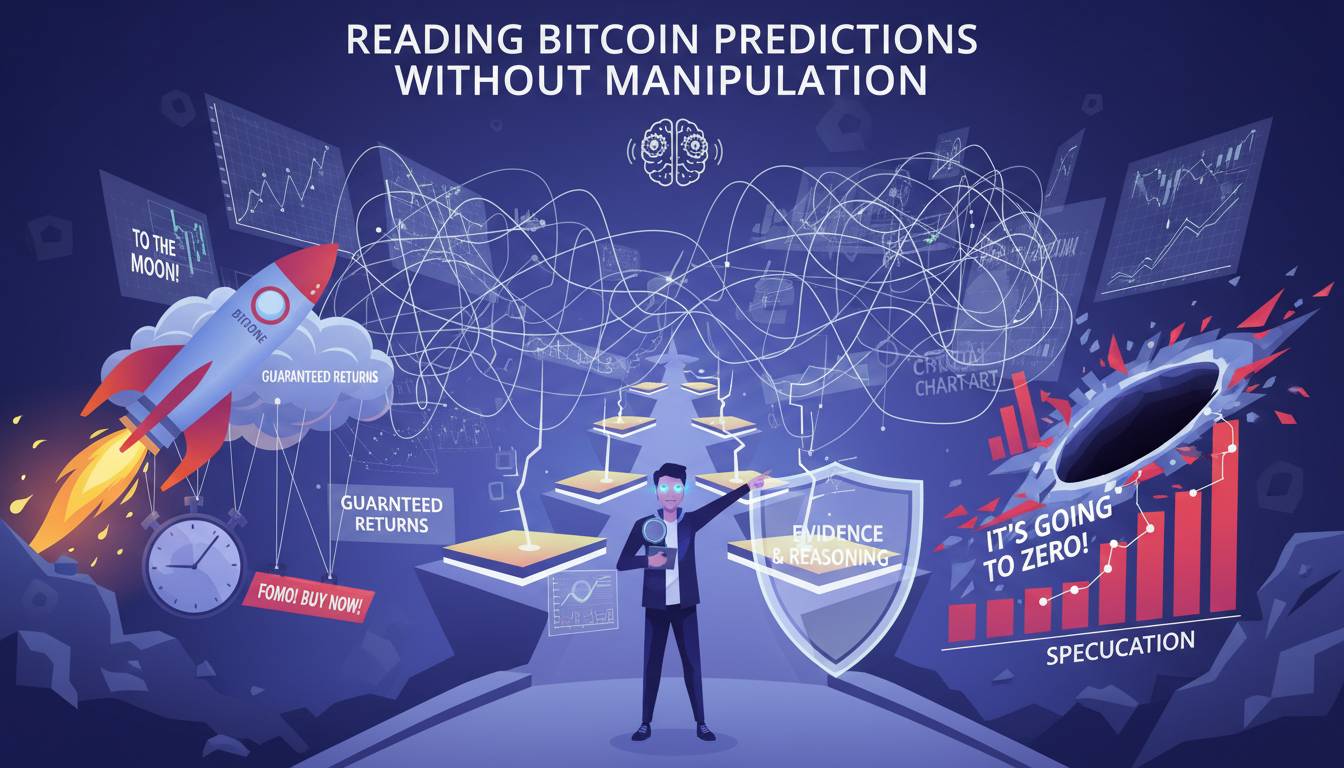
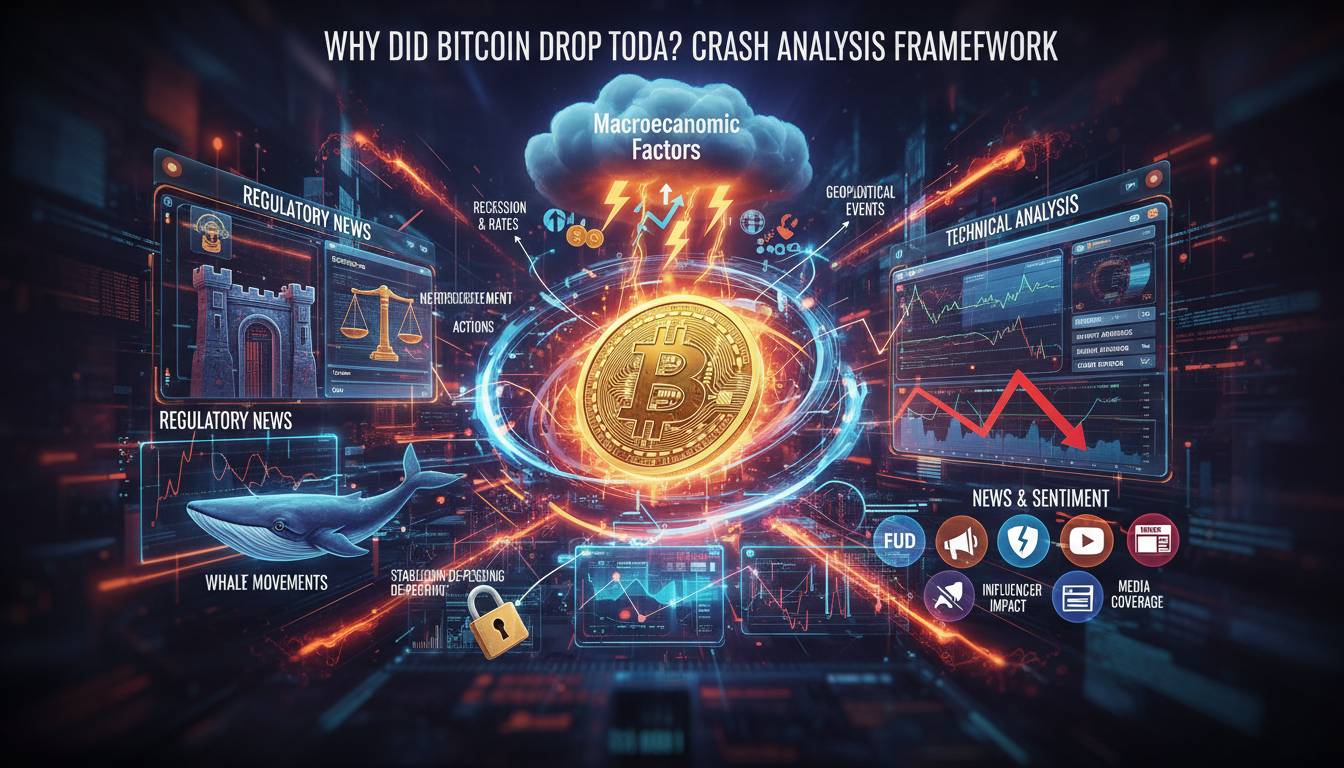
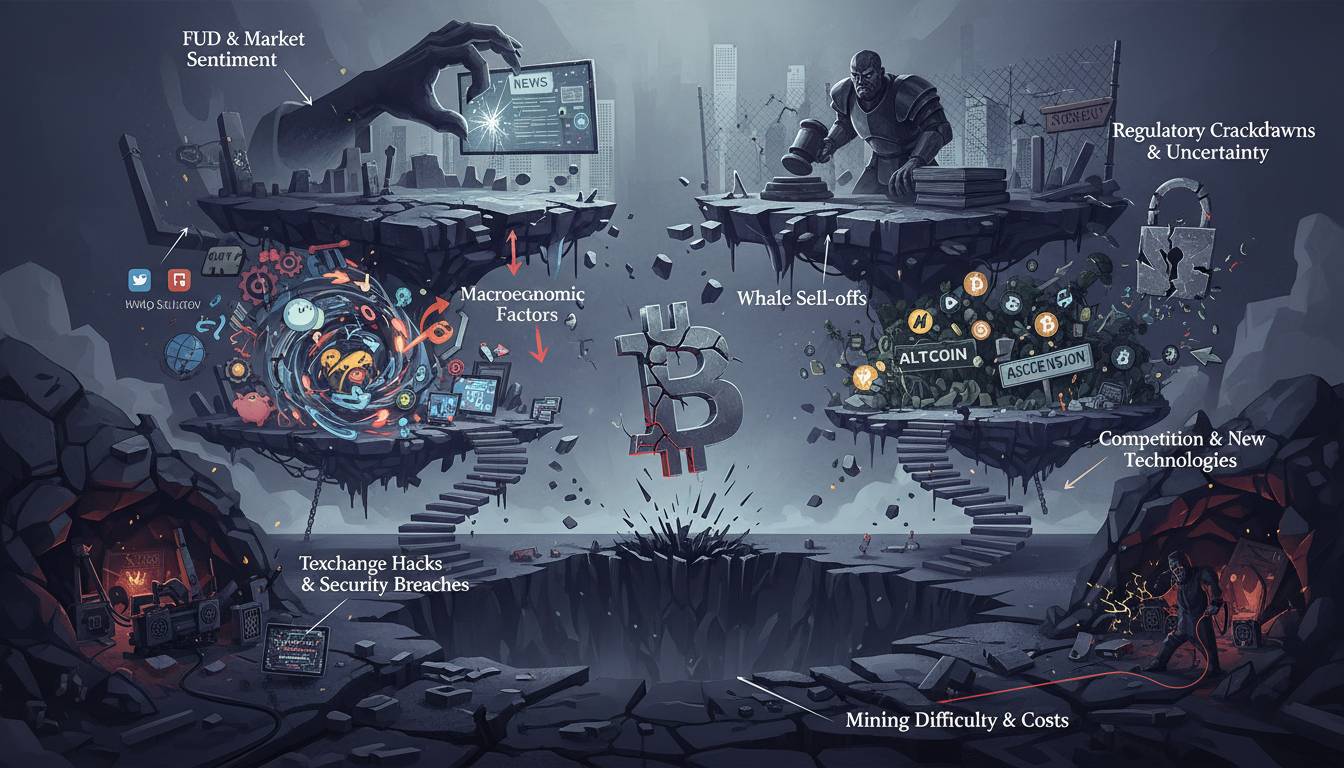
Second, price prediction requires understanding market sentiment and participant behavior in real-time. Crypto markets are driven by retail FOMO, institutional portfolio decisions, whale movements, regulatory arbitrage, and social media amplification. ChatGPT can’t observe Twitter/X in real-time, track wallet addresses, or measure sentiment shifts in crypto Telegram groups. It can tell you that these factors matter—it can’t tell you how they’re interacting right now.
Third, the model has no skin in the game. This seems obvious but it matters more than people realize. When a human analyst makes a prediction, there’s an implicit cost to being wrong—they damage their reputation, lose followers, or in professional contexts, lose their job. ChatGPT generates predictions without any consequence, which means there’s no mechanism ensuring the output is calibrated for accuracy rather than conversational plausibility. The model is optimized for producing text that sounds correct, not for being correct.
The Real Problem with AI Price Predictions
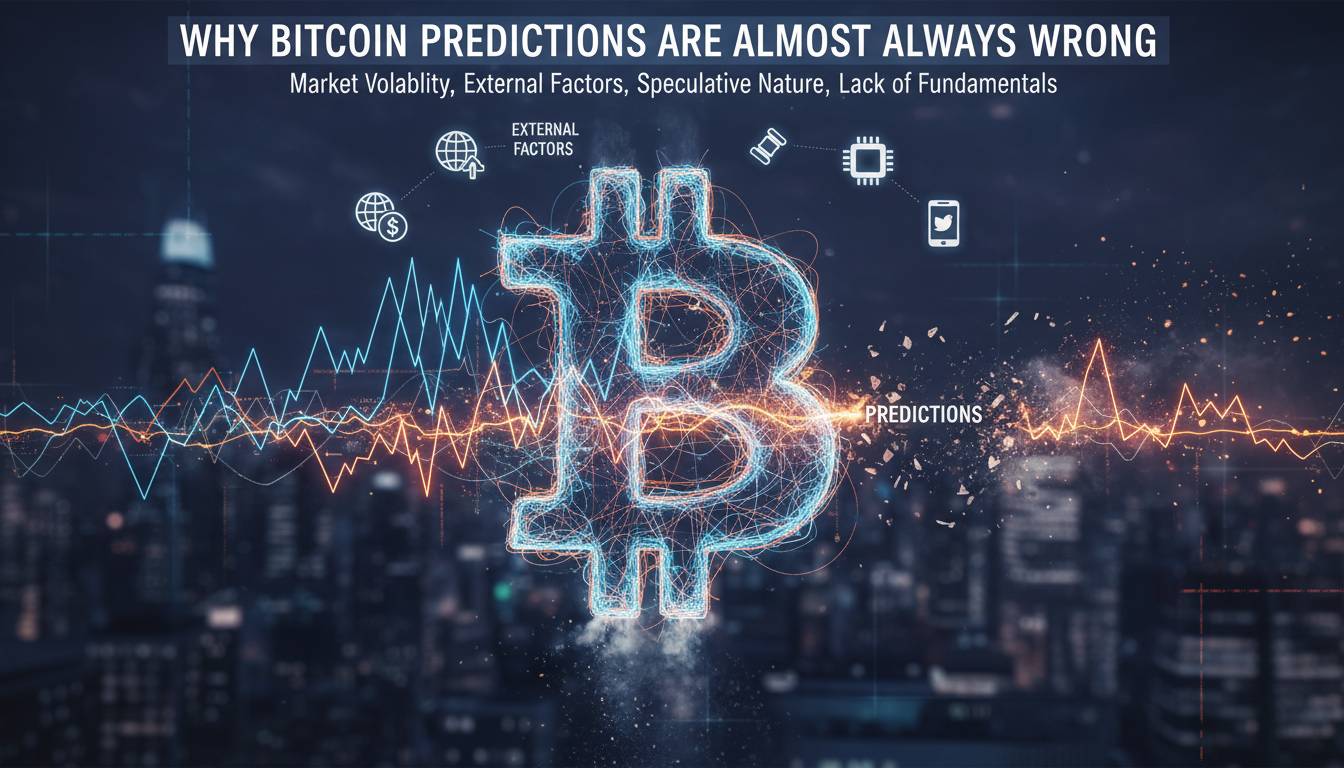
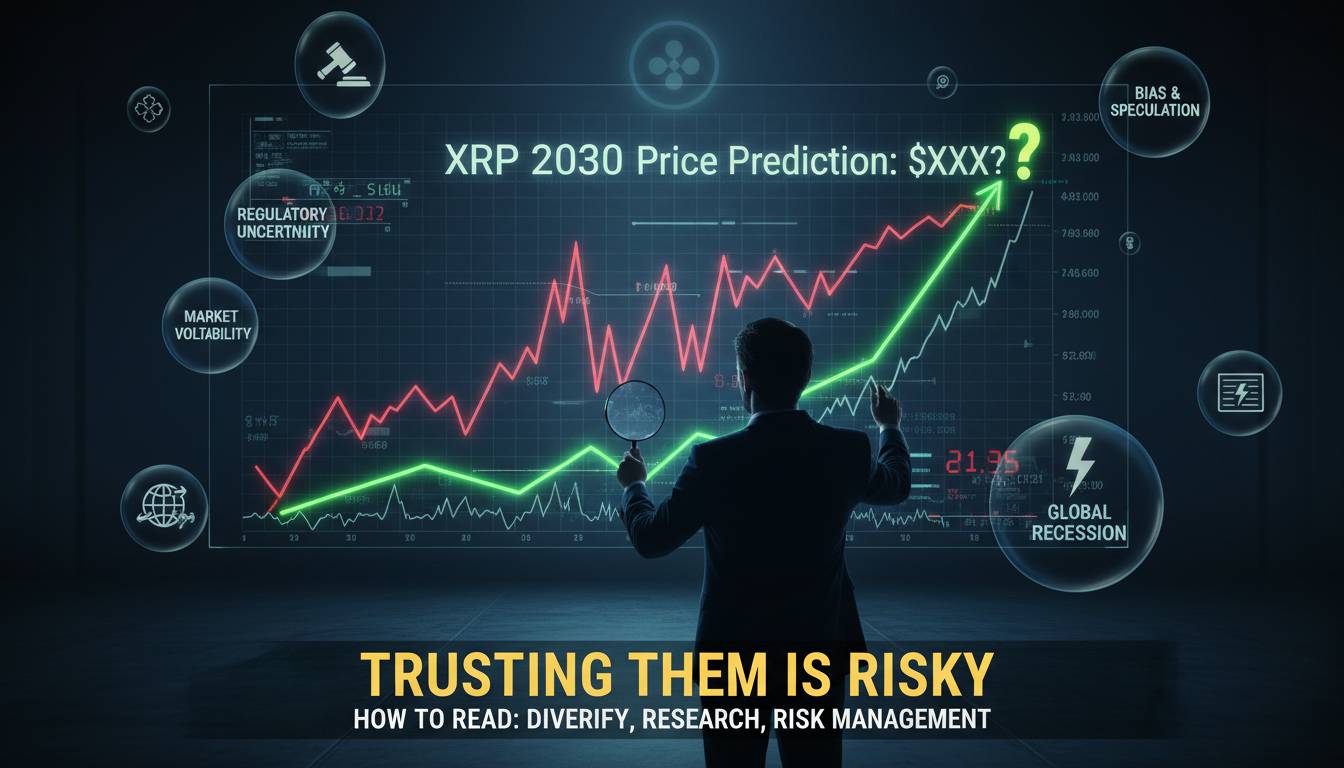
Here’s what bothers me most about the “ChatGPT predicts XRP price” discourse: the predictions themselves are often meaningless even when they appear specific.
I ran tests throughout 2024. I asked ChatGPT to predict XRP’s price at various points, framing the question differently each time. When I asked “will XRP go up?” I got cautious responses about regulatory uncertainty. When I asked “should I invest in XRP?” I got disclaimers. But when I asked “what’s a realistic price target for XRP in 2025?”—the model would produce a range, citing technical analysis frameworks, support levels, and historical patterns.
The range was always wide enough to be essentially meaningless. “Between $0.50 and $3.00” covers a lot of ground. And when I checked back later, the actual price movements had almost no correlation with these predictions—not because the model was deliberately wrong, but because the inputs (news, sentiment, macro conditions) shifted in ways the model couldn’t anticipate.
This isn’t unique to ChatGPT. Any AI price prediction tool faces the same fundamental limitation: markets are adaptive systems where participant behavior changes based on the predictions themselves. If enough people believe XRP will hit $5, their buying pressure creates a self-fulfilling prophecy—but only until the narrative shifts and selling begins. AI models can’t account for this recursive loop.
What Real Analysts Do Differently
If you want to understand where human analysts still outperform AI—and they do, in specific ways—look at what the best ones actually do.
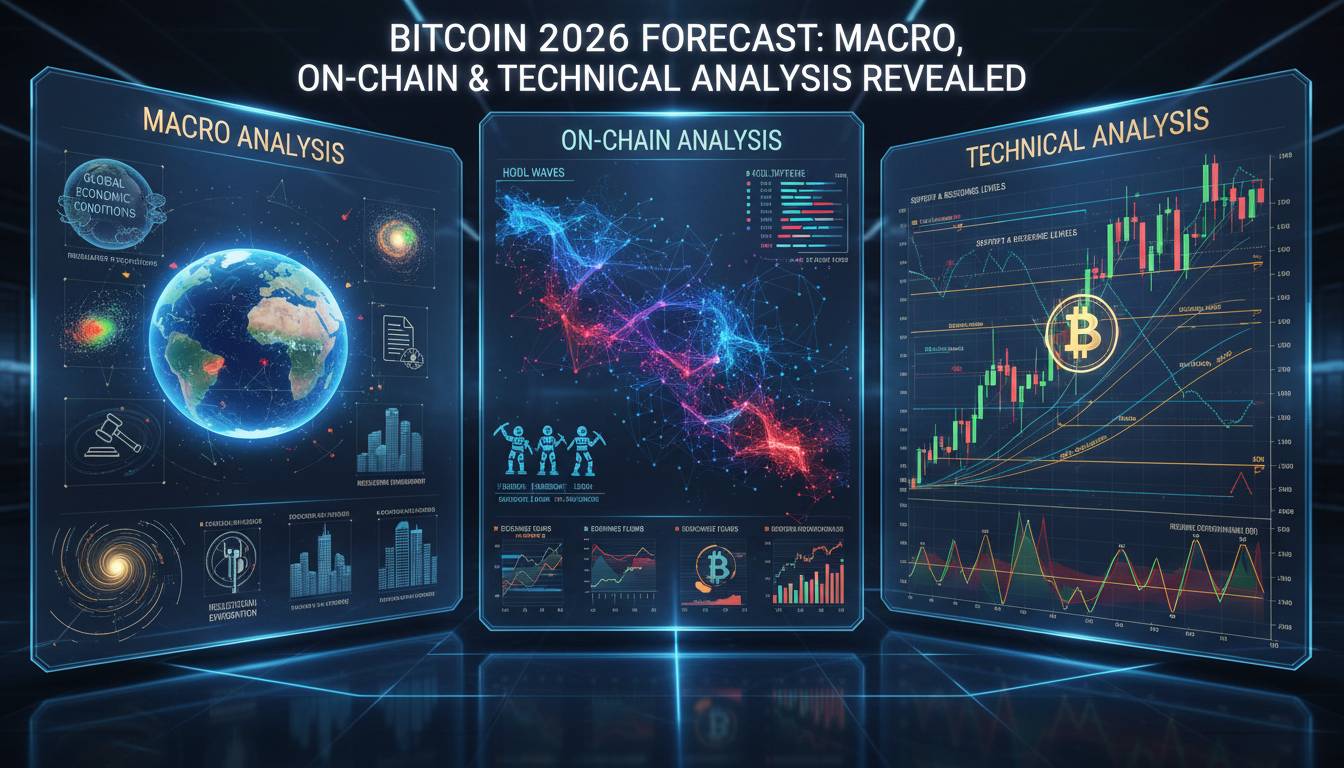
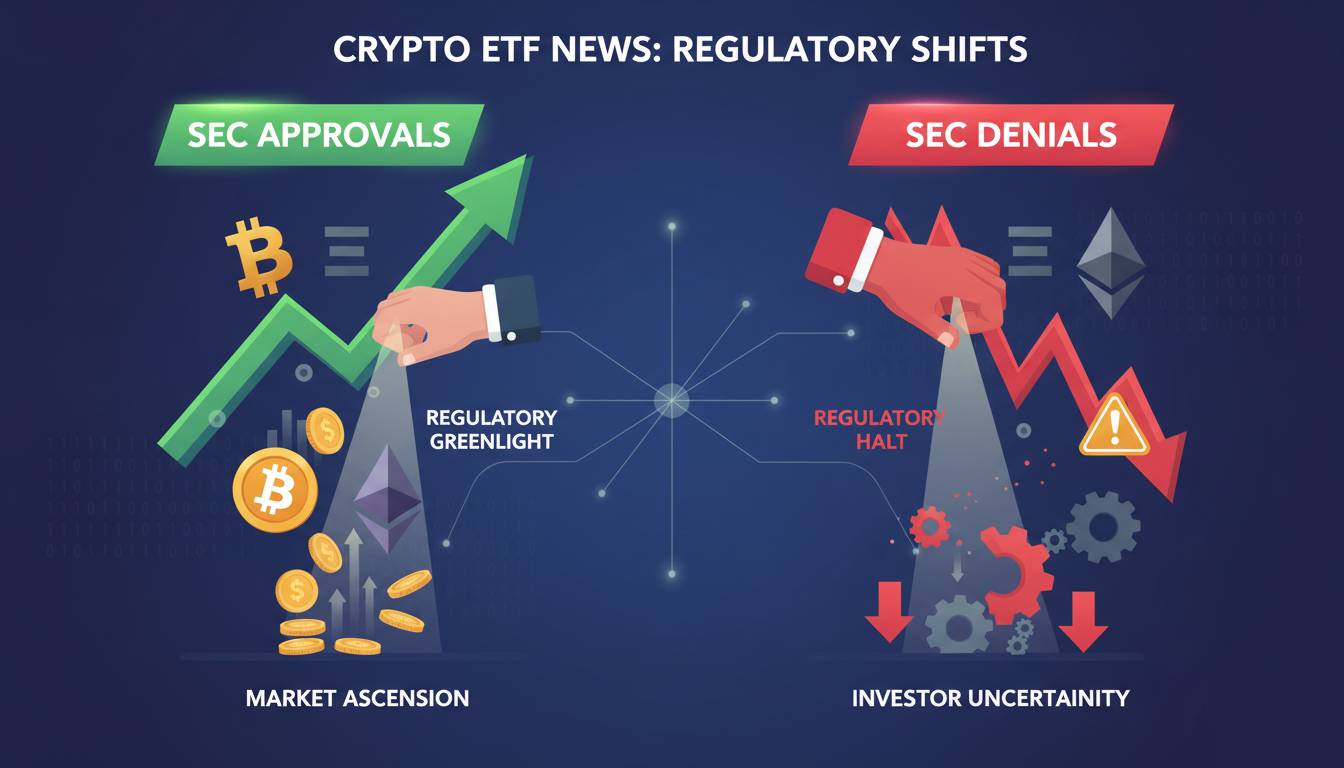
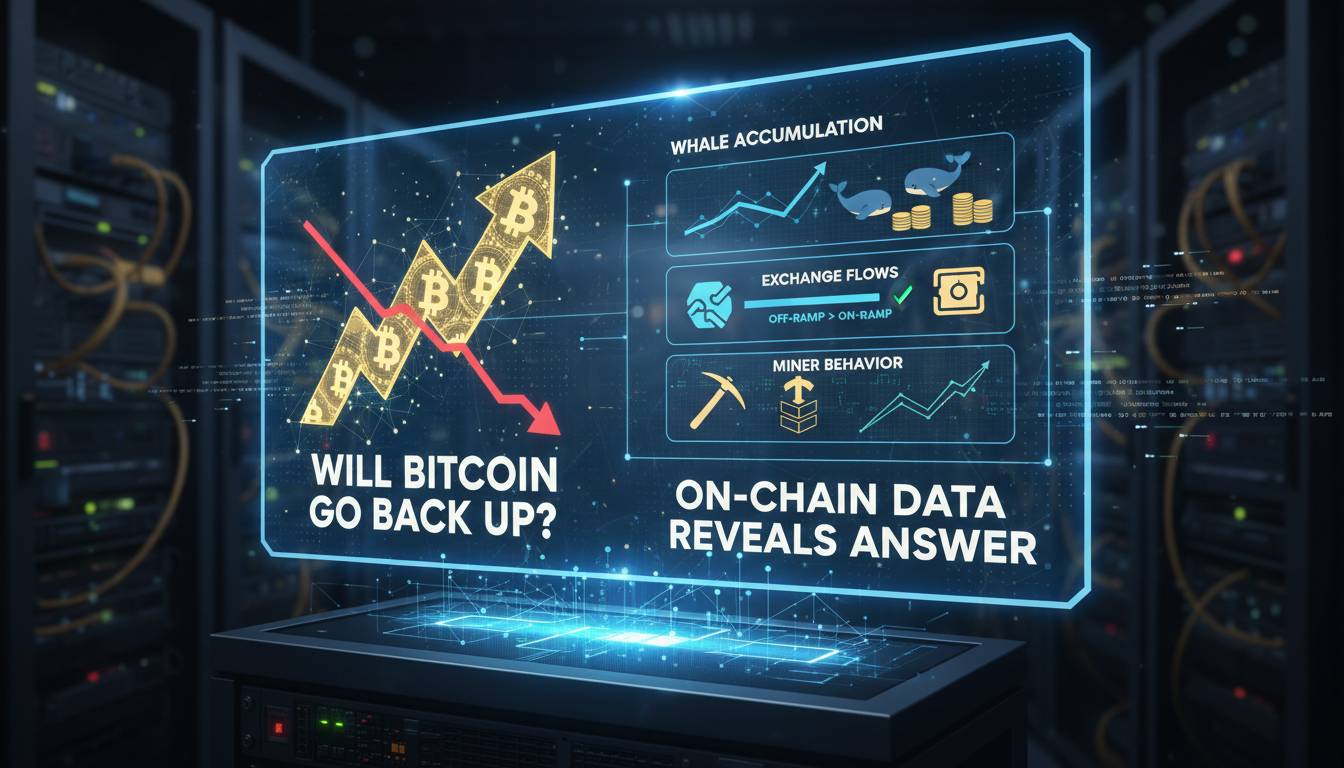
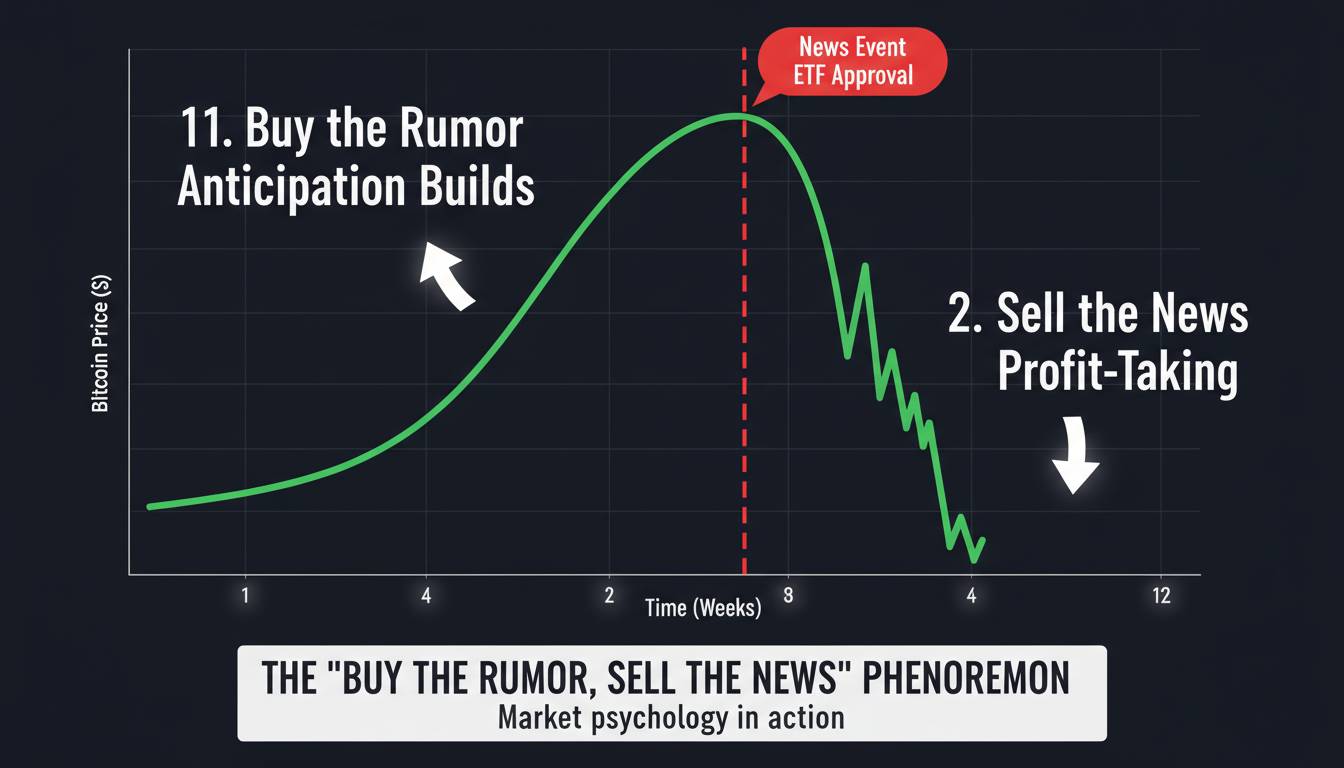
Professional crypto analysts at firms like Messari or CoinDesk combine quantitative data (on-chain metrics, exchange flows, wallet behavior) with qualitative assessment (team credibility, regulatory landscape, competitive positioning). They update their views continuously based on new information. When the SEC approved the first XRP ETF spot in 2024 [VERIFY], the analysts who provided useful guidance were the ones who had been tracking the application, understanding the legal precedents, and had relationships with people inside the regulatory process.
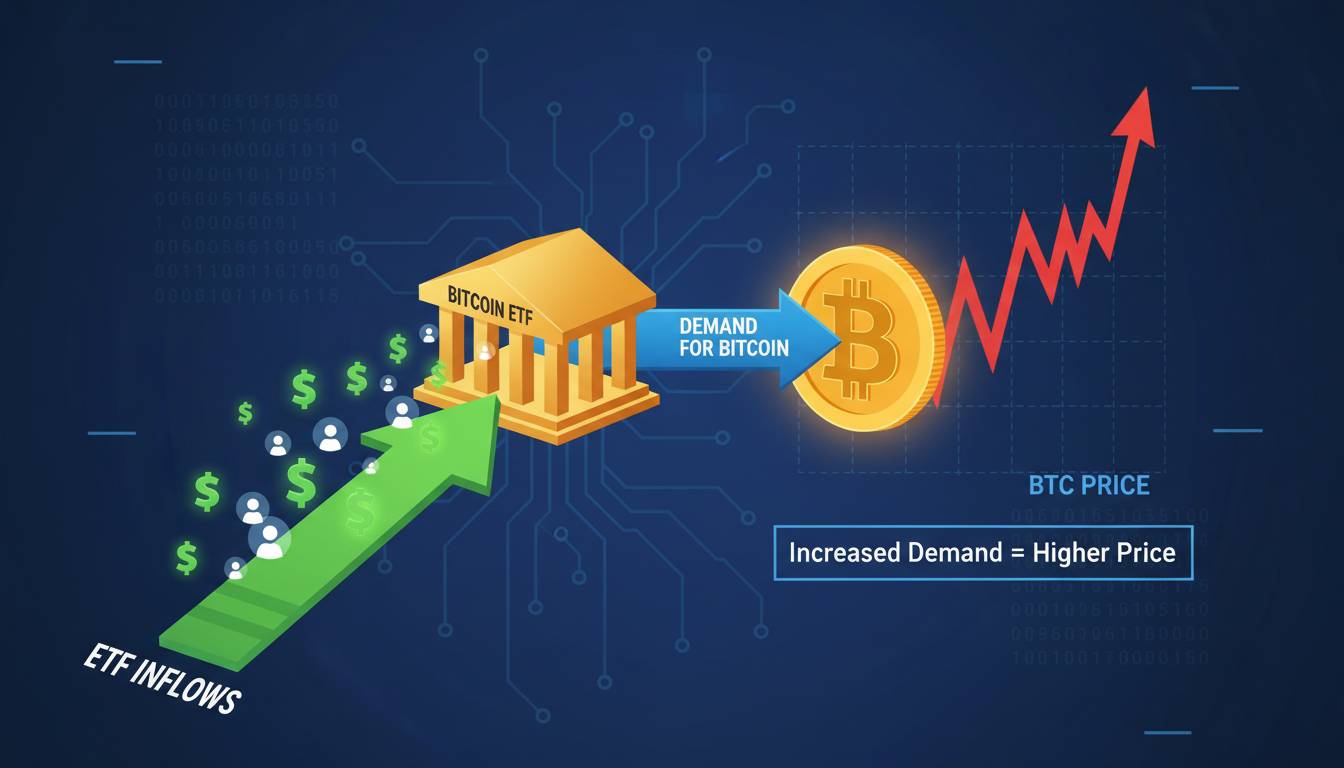
AI can’t replicate that kind of context. It can tell you that ETF approvals generally increase liquidity and price—but it can’t tell you specifically who at the SEC was reviewing the application, what the internal debate looked like, or how market participants were positioned going into the decision.
There’s also the question of accountability. When a human analyst gets something wrong, you can trace their reasoning and understand what went wrong. When ChatGPT generates a price prediction, there’s no reasoning to examine—it’s a probability distribution over next tokens, not a considered analytical judgment. This matters for financial decisions because you need to be able to interrogate the thesis, not just accept the output.
The Prompts That Actually Work
If you’re going to use ChatGPT for crypto research, there are ways to make it useful without pretending it can do what it can’t.
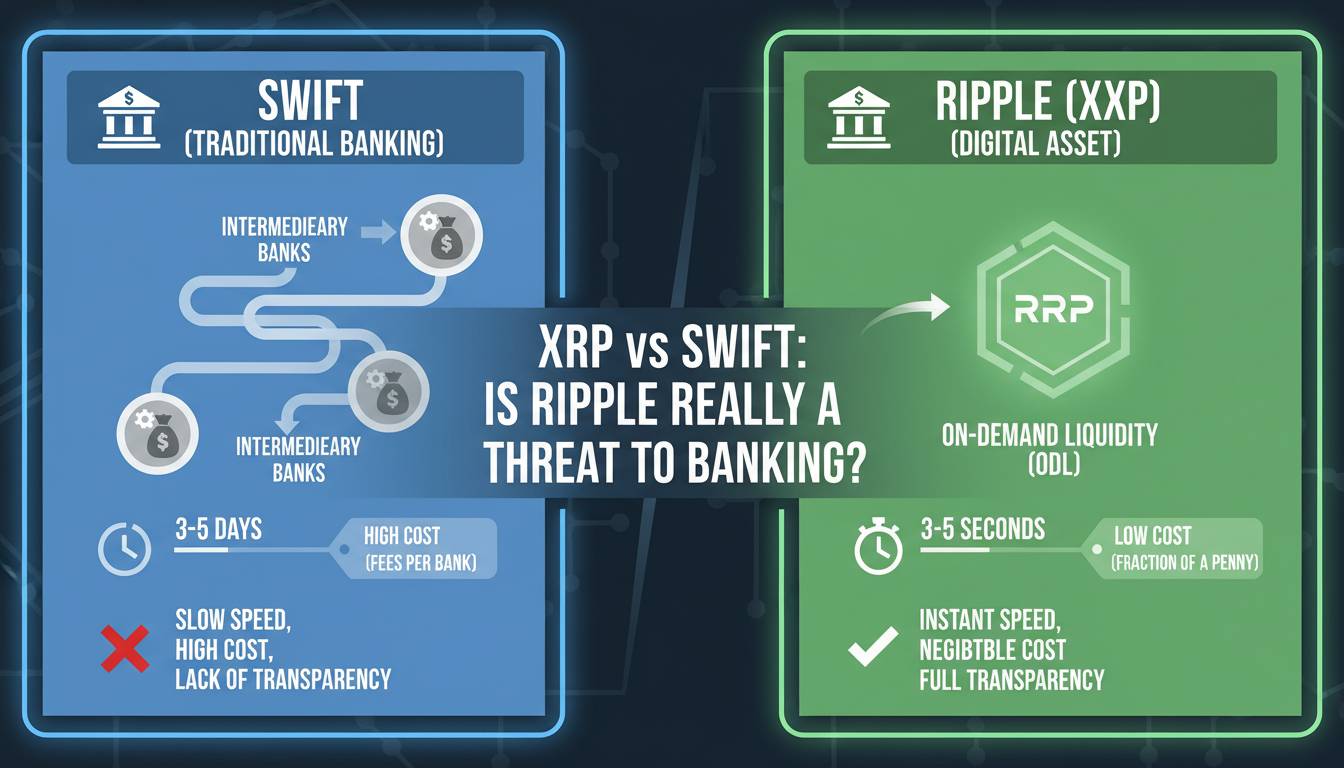
The most valuable approach is using it as a research assistant for topics you don’t know well. Ask it to explain the XRP Ledger’s consensus mechanism. Ask it to outline the arguments in the SEC vs. Ripple case. Ask it to compare XRP to competitors like Stellar or SWIFT. These are information retrieval and synthesis tasks, which the model performs well.
For price analysis specifically, use ChatGPT to structure your own thinking rather than to generate predictions. Ask it “what factors should I consider when evaluating XRP’s price potential?” and you’ll get a comprehensive list: regulatory status, network adoption metrics, macro crypto sentiment, Bitcoin correlation, liquidity factors. Then go gather actual data on those factors yourself.
One more useful application: stress-testing your own thesis. If you’ve developed a view on XRP, ask ChatGPT to argue the opposite position. The model is surprisingly good at playing devil’s advocate, and this can help you identify blind spots in your own analysis. Just don’t mistake this for validation—if the model can argue both sides effectively, that should tell you the question is genuinely uncertain.
Why This Matters
I’ve watched people make real financial decisions based on ChatGPT outputs, and the results have been consistently poor.
Not because the tool is bad at what it does—but because people use it for a task it was never designed for. ChatGPT is extraordinary at synthesis, explanation, and ideation. It’s not designed for live market data integration, real-time sentiment analysis, or adaptive prediction in volatile markets. Using it as a price oracle is like using a submarine to climb a mountain because it’s good at moving through water.
The crypto market doesn’t need more price predictions. It needs more people who understand what they’re actually buying. If ChatGPT helps you understand how XRP works, what the regulatory landscape looks like, and what historical patterns exist—that’s genuinely valuable. If you’re relying on it to tell you whether to buy or sell based on where the price is going, you’re not using AI responsibly.
What’s Actually Worth Watching
If you want to track factors that genuinely influence XRP’s price, here are the things that matter:
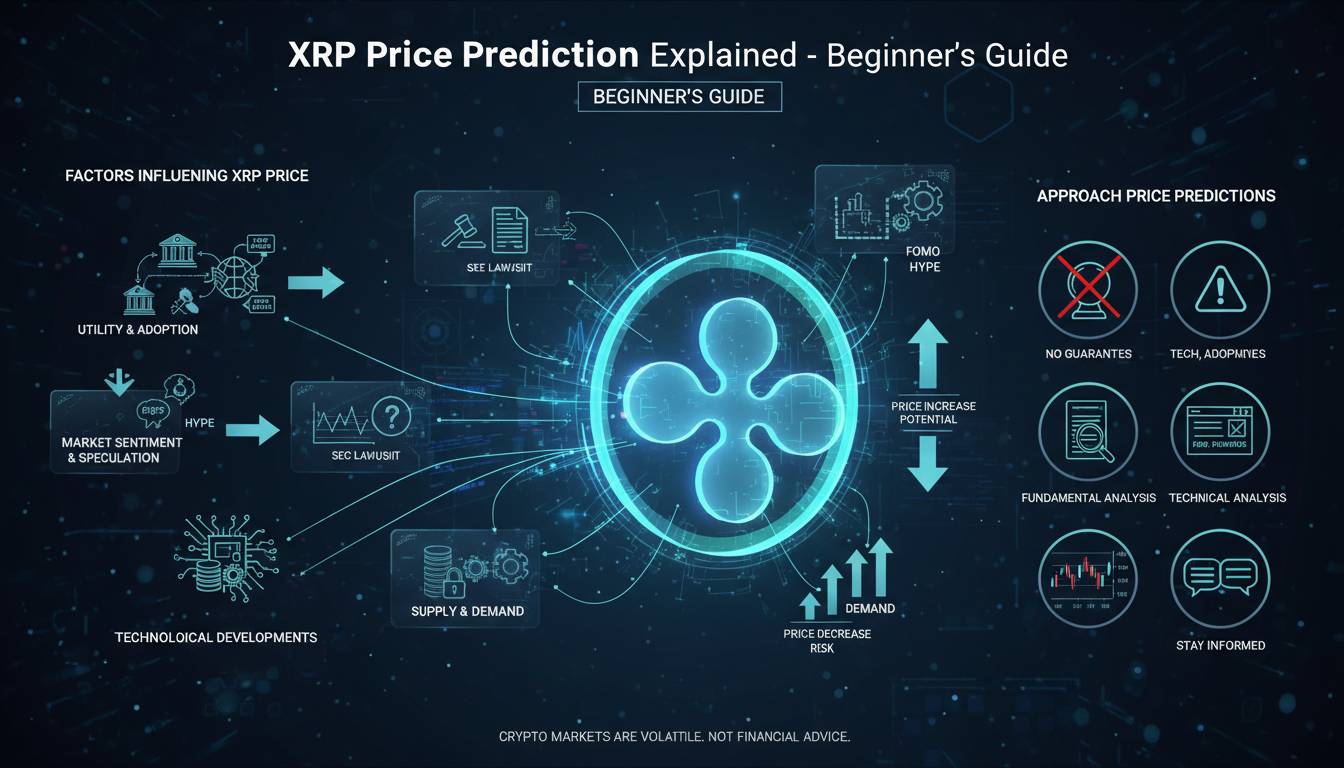
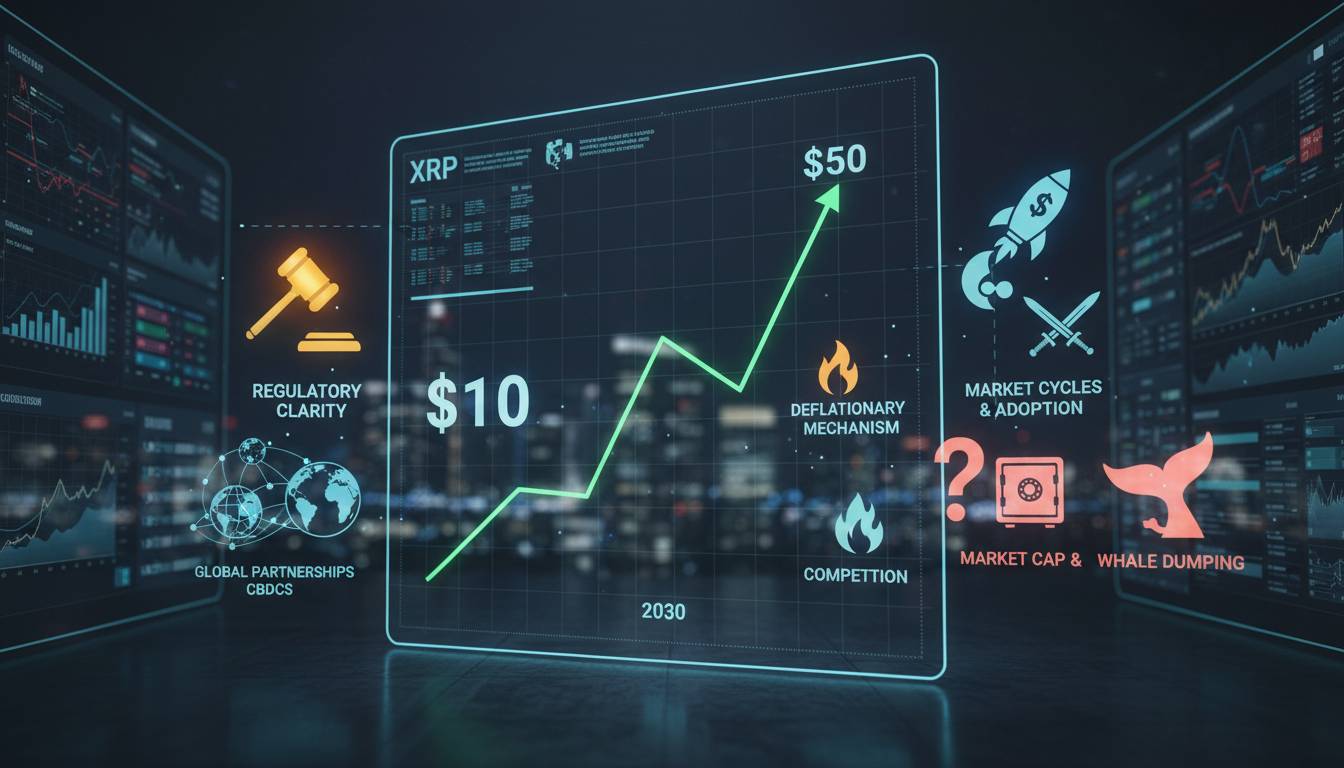
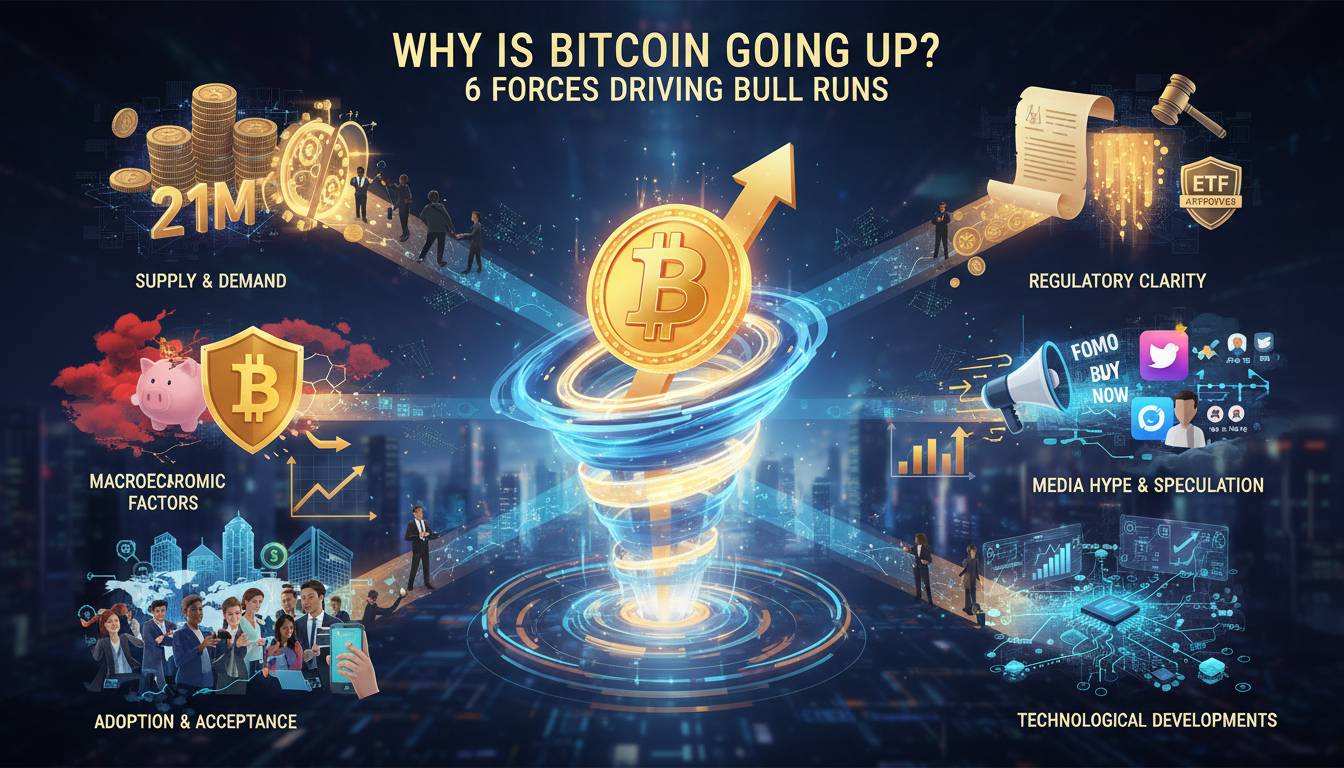
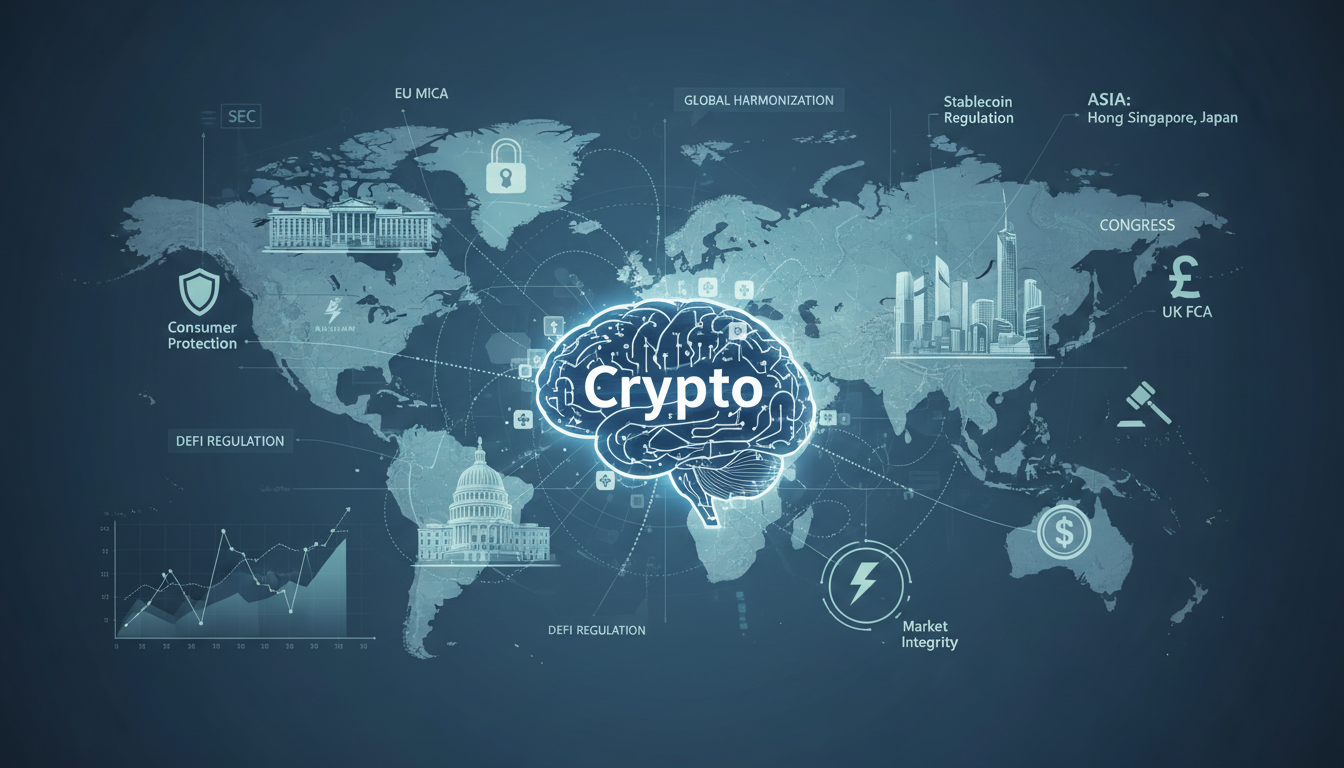
Regulatory trajectory remains the single most important variable. The SEC case created enormous uncertainty, and any clarity—whether positive or negative—moves markets significantly. Watch for ETF decisions, appeals outcomes, and how other jurisdictions (UK, EU, Singapore) approach XRP classification.
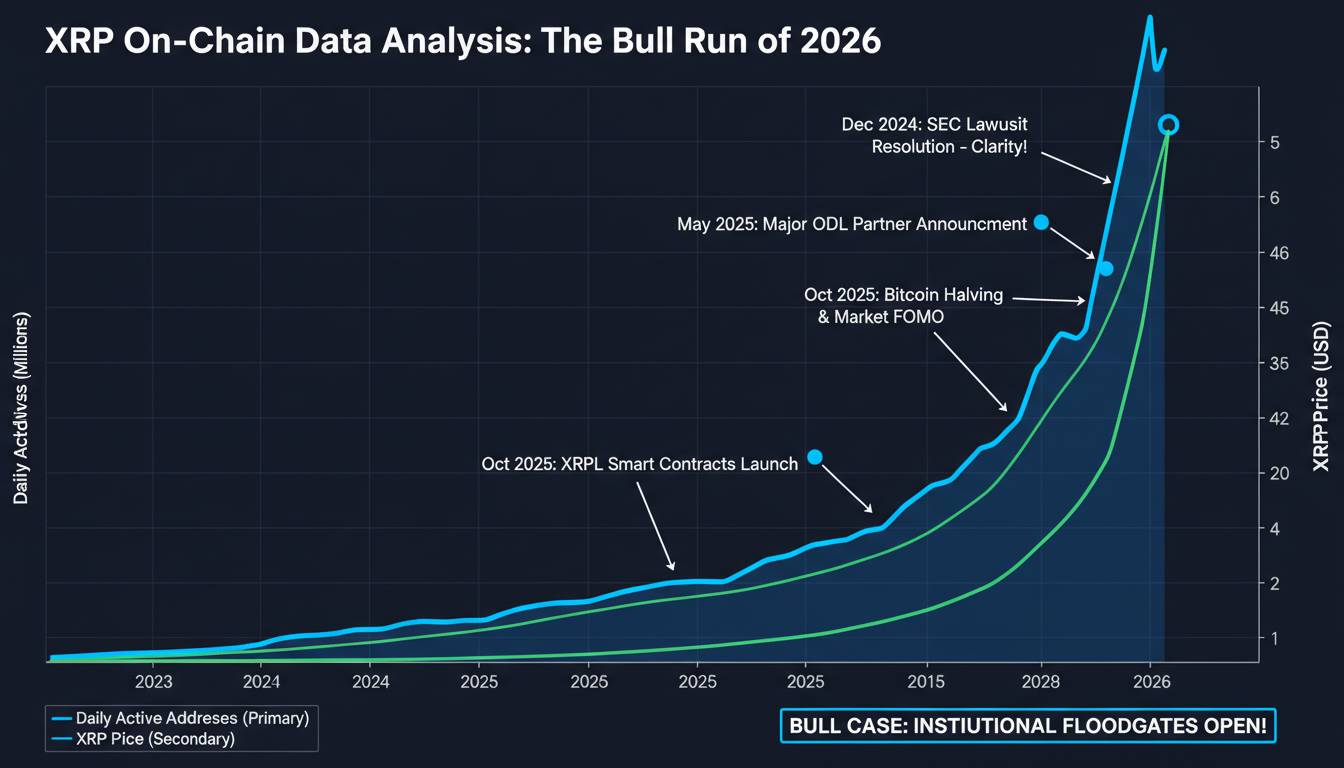
Network adoption metrics tell a more fundamental story. XRP Ledger’s transaction volume, number of active addresses, and integration partnerships with banks and payment providers all indicate whether the underlying utility is growing. This data is available through on-chain analytics platforms and updates continuously.
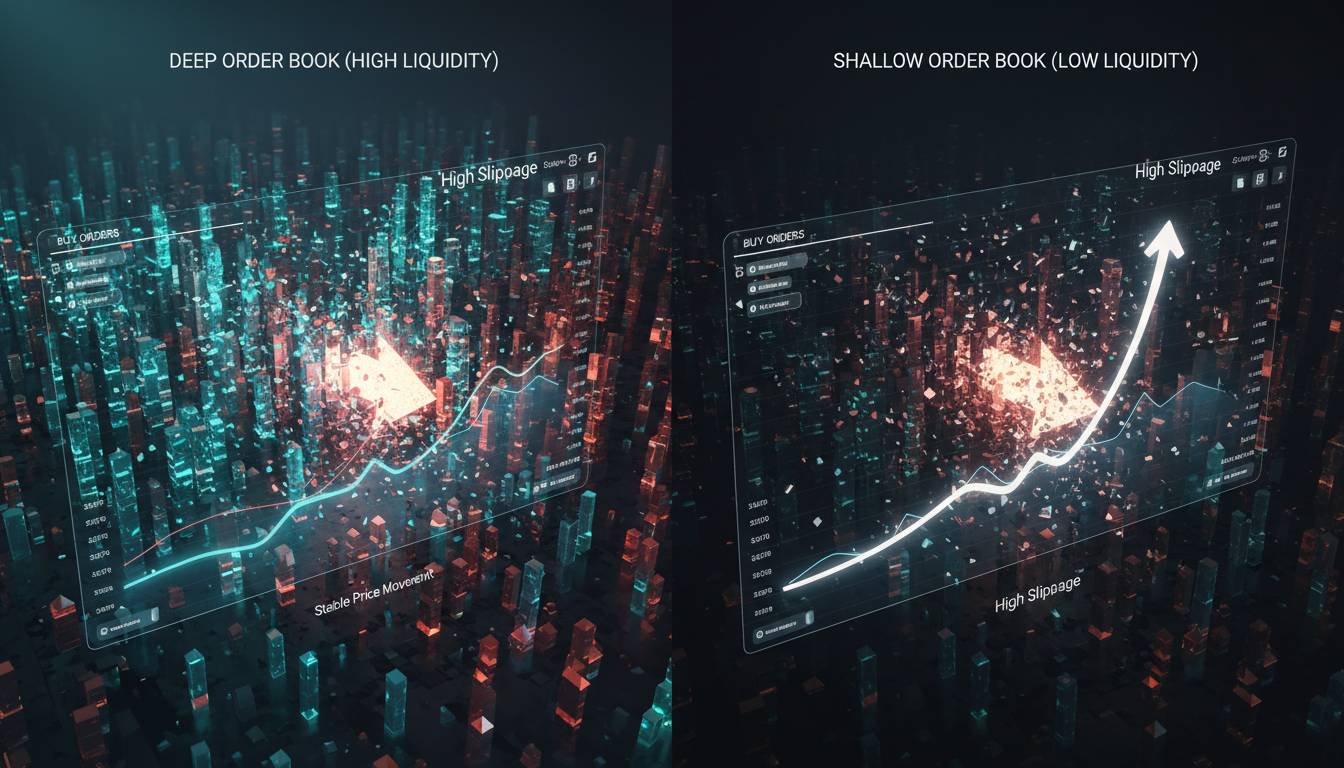
Macroeconomic conditions affect all risk assets. XRP doesn’t exist in a vacuum—when interest rates rise and liquidity contracts, crypto assets generally suffer. Understanding this correlation helps contextualize price movements that might otherwise seem random.
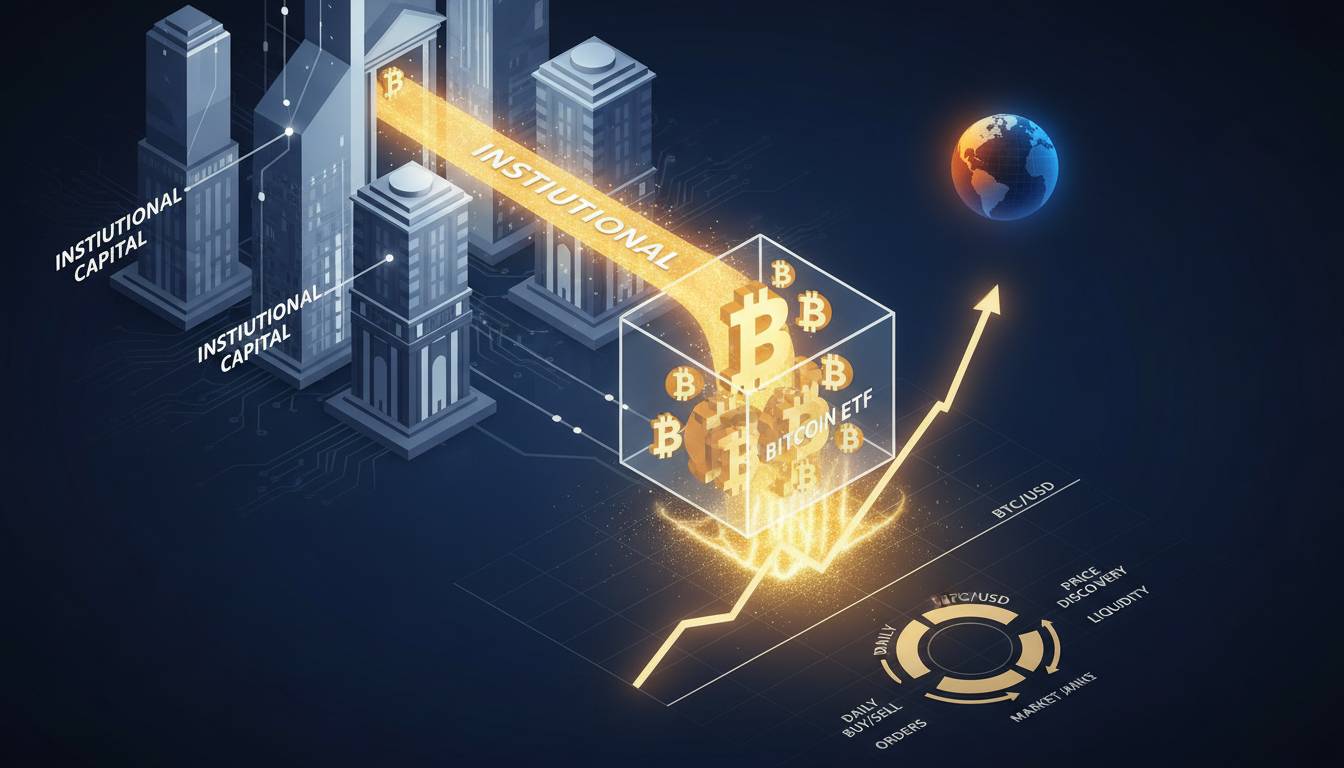
Institutional involvement continues to increase. The 2024 and early 2025 periods saw growing institutional interest in XRP through ETFs and custody solutions. This changes the investor composition and typically reduces volatility over time, though it also introduces new kinds of risks.
The Honest Truth
I don’t know what XRP will cost in six months. Neither does anyone else. The people who claim certainty are either lying, deluded, or profiting from your belief in their certainty.
What I do know is that AI tools like ChatGPT are genuinely useful for education, research, and structuring your thinking. They’re terrible at prediction. The gap between what these tools can do and what people expect them to do is enormous, and that gap is where bad financial decisions get made.
Use the tool for what it’s designed to do. Build your own thesis with real data. Understand that uncertainty is the fundamental condition of this market. Once you accept that nobody has a crystal ball—not AI, not your favorite analyst, not that guy on Reddit with the purple banner—you’ll make better decisions.
XRP has real utility, real adoption challenges, and real regulatory risk. Those are the factors worth understanding. The rest is just noise.