
Rumors of a government bailout for cryptocurrencies are sweeping through social feeds, but there’s no factual basis to them. The U.S. Treasury clearly stated there are no plans or authority to bail out Bitcoin or any other digital asset. Any Bitcoin the government acquires comes only from seized assets—not from taxpayer funds or market support.
This article unpacks what’s real—and what’s just noise—around crypto bailout rumors. It’s messy, sure, but let’s make sense of it.
Treasury’s Position: No Bailout, No Market Support
This isn’t a gray area: Treasury Secretary Scott Bessent confirmed that the federal government has no authority or intention to provide bailout funds for cryptocurrencies. Acquisition only occurs via seized assets, as the law currently dictates.
Effectively, that means crypto investors are fully on their own during downturns. The government isn’t going to step in if prices plunge further.
What Prompted the Rumors—and Where They Fall Flat
A few things have stoked these rumors:
-
Temporary withdrawal pauses on Binance: On February 2, 2026, Binance briefly paused withdrawals, leading to speculation about insolvency. The exchange quickly dismissed those claims and sent a cease-and-desist to the rumor’s originator.
-
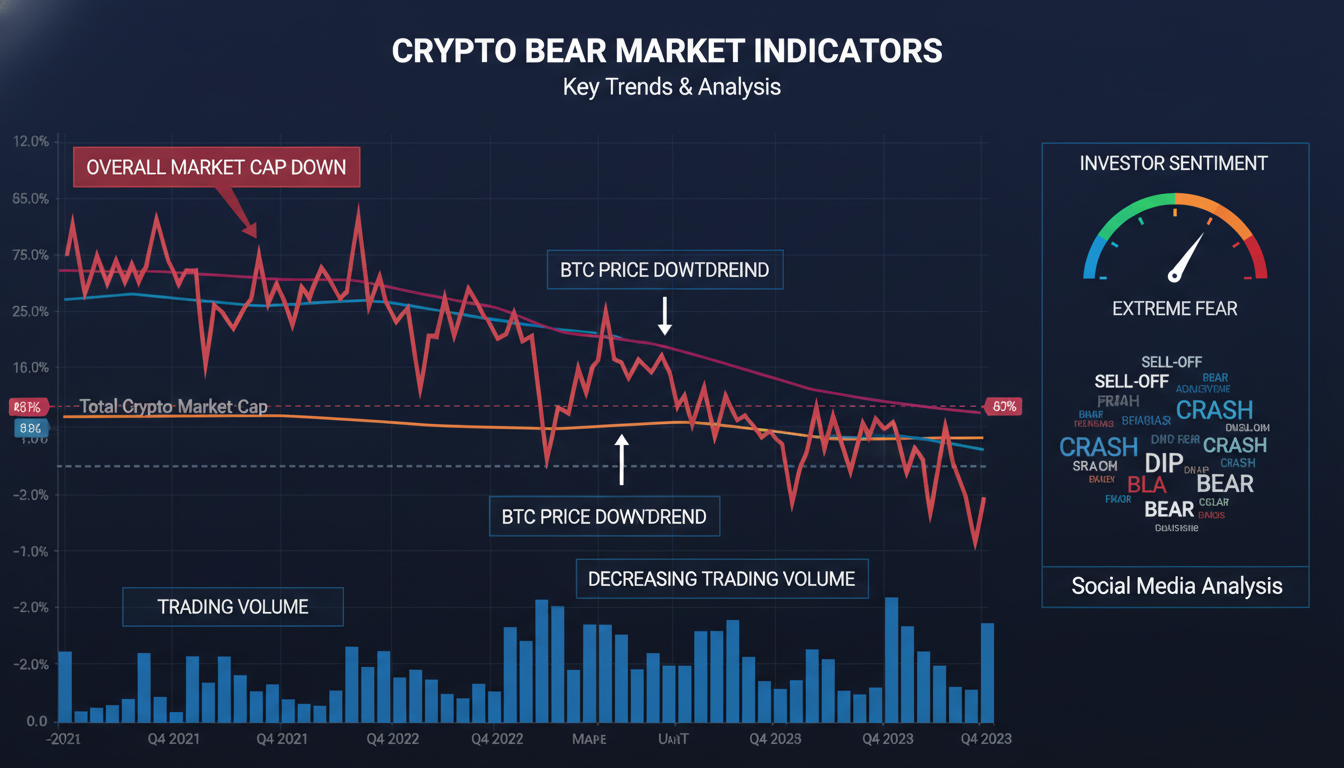
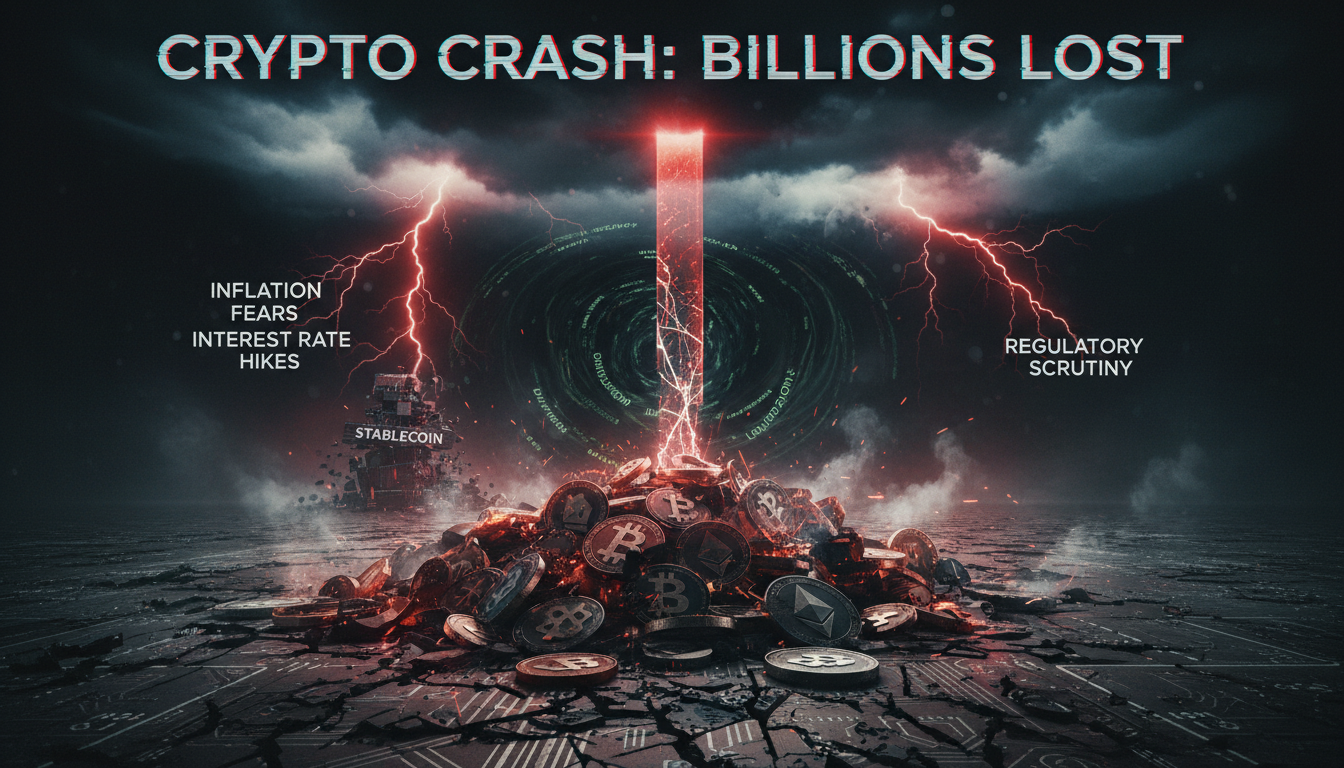
Market panic amid a massive crash: The crypto market suffered a sharp downturn, with BTC dropping from roughly $90K to as low as $60K around February 5–6. Liquidations soared, mirroring panic seen during FTX’s collapse back in 2022. But those losses stemmed from forced selling—not bailouts.
Rumors seem to have sprouted from fear more than facts.
What Actually Happened During the Early February Crash
Here’s the breakdown of the crash’s core drivers:
-
Macro shocks: Market sentiment soured due to fears around Fed policy tightening, geopolitical tension, and falling macro risk appetite.
-
Mass liquidations: On February 5, the market saw over $800 million in liquidations in a single day; some sources cited upwards of $2.5 billion across crypto markets.
-
Institutional withdrawals: U.S. spot Bitcoin ETFs posted major outflows—hundreds of millions—while funds stacked up unrealized losses.
-
Fear-driven sell-off: The Crypto Fear & Greed Index plunged into “extreme fear,” pushing long holders to capitulate.
-
False hope of rescue: Some investors believed a bailout might stabilize prices. Bessent’s testimony erased that possibility.
The Human Side: Panic, Misinterpretation, and Misinformation
Add in the psychology:
-
Traders understandably panicked at steep losses and uncertain policy signals.
-
Rumors about big players, like sovereign fund liquidations from Bhutan, fueled speculation—though these lacked confirmation.
-
Reaction on social platforms amplified fear—even when claims had minimal substantiation.
In short: mass anxiety plus structural instability made the ground fertile for bailout myths.
Real-World Examples Underscoring the Facts
Here’s how events actually played out:
-
Binance’s withdrawal pause: A temporary pause triggered rumors, but the exchange refuted insolvency claims.
-
Treasury’s testimony: Official statements gave clarity and ended speculation—there’s no bailout plan in sight.
-
Market fundamentals: Liquidations, institutional outflows, and macro adversity explain the crash better than any rescued rhetoric.
What Should Investors Keep in Mind?
- Government rescue in crypto remains off the table.
- Market crashes like this one stem from structural fragility, not black swans that demand intervention.
- Liquidations and macro factors drive volatility—bailout chatter is distraction.
- Always validate claims against reputable sources before reacting.
Summary
There’s no real basis behind crypto bailout rumors. The U.S. Treasury confirmed they don’t plan to or have power to intervene. Market chaos in early February 2026 was driven by macro stress, forced selling, and institutional exits—not bailouts. The takeaway? Keep calm, scrutinize claims, and focus on fundamentals—not fantasy.
FAQs
Why did rumors of a crypto bailout start?
Panic during steep price drops, temporary exchange issues, and speculation around a potential government intervention fueled the chatter. Withdrawal pauses and social media amplified uncertainty.
Did the U.S. government ever consider bailing out cryptocurrencies?
No. Treasury Secretary Bessent clarified there is no authority or intention to bail out crypto. The government acquires crypto only from seizures, not markets.
Could crypto be a future bailout target if volatility worsens?
Legally, no. Current law restricts intervention. Even if market stress intensifies, policy makers aren’t signaling any shift toward crypto rescues.
What actually caused the early February 2026 crash?
A blend of macro uncertainty, institutional selling, ETF outflows, forced liquidations, and extreme fear drove the market down—not regulatory intervention or fraud.
How can investors avoid panic during crashes?
Stay informed through trusted sources. Watch fundamental drivers like policy shifts and capital flows. Avoid reacting to unsubstantiated rumors floating on social media.