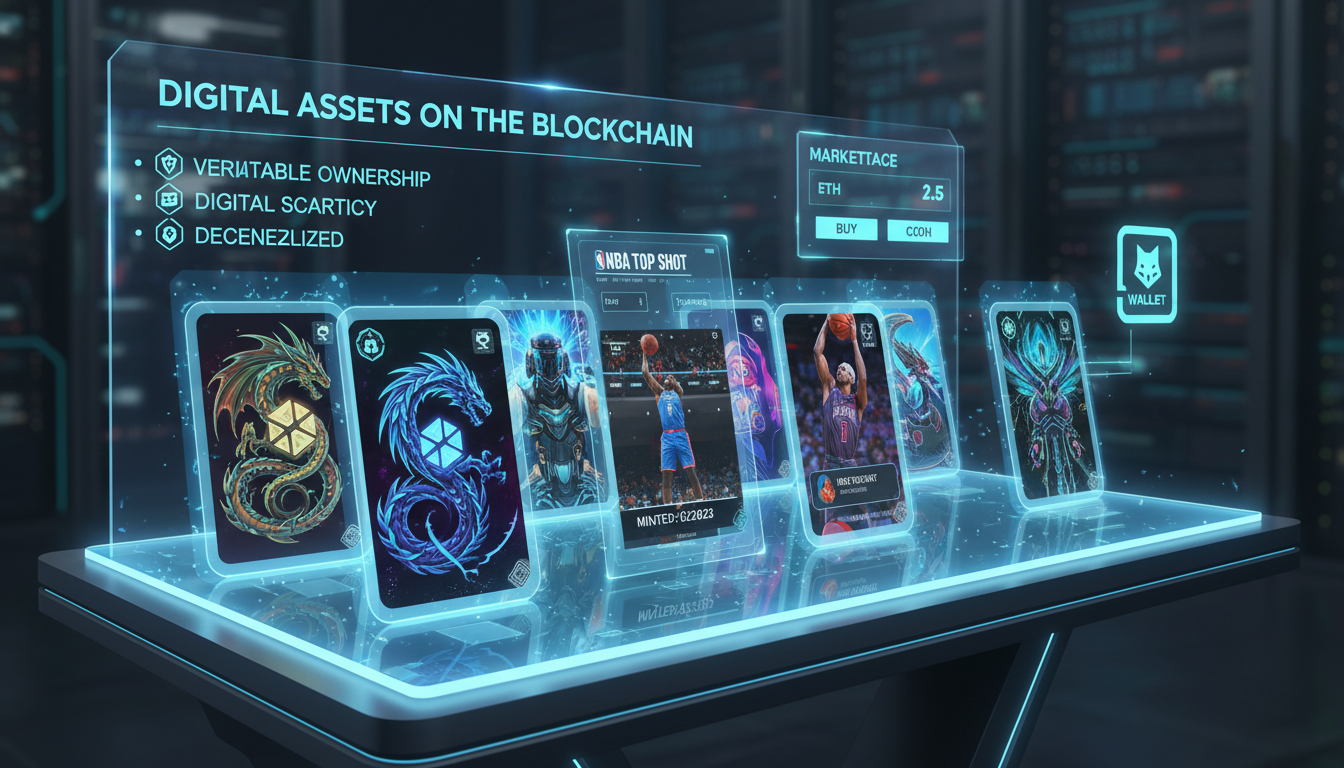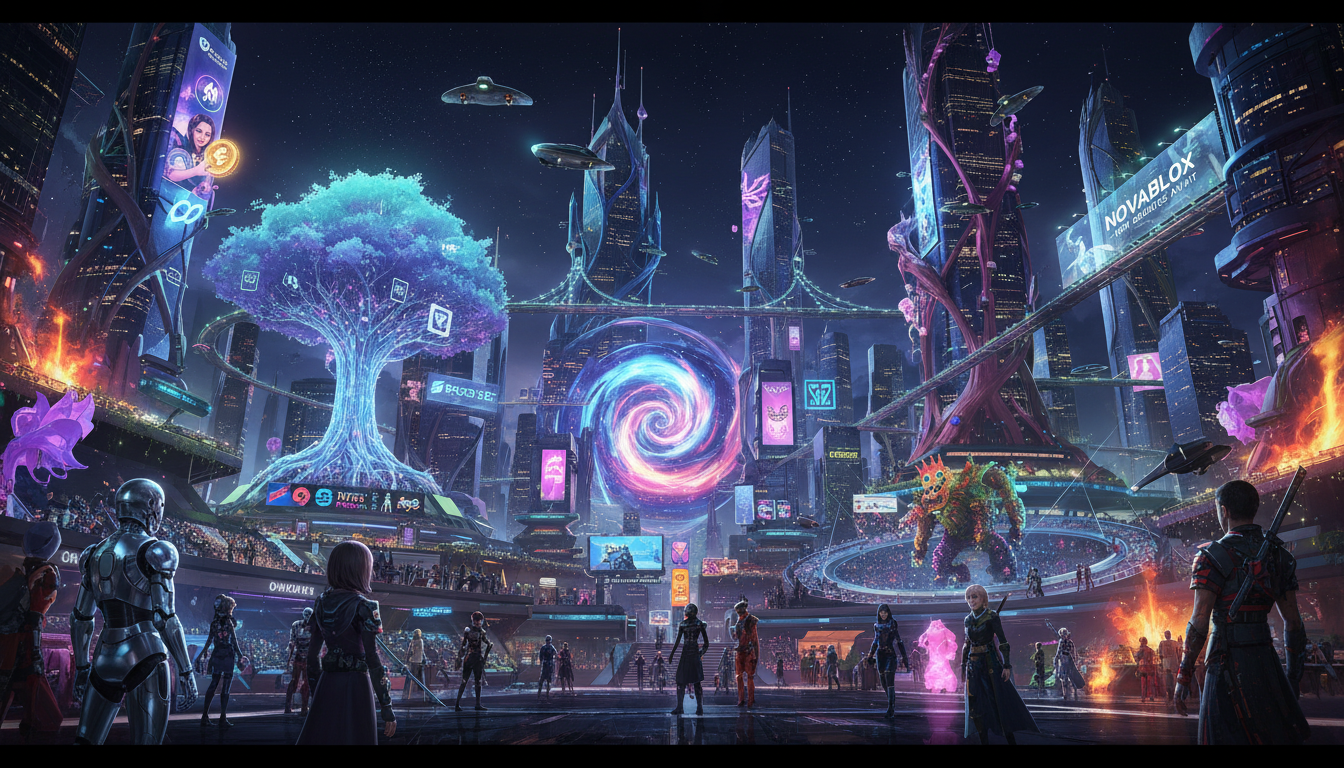
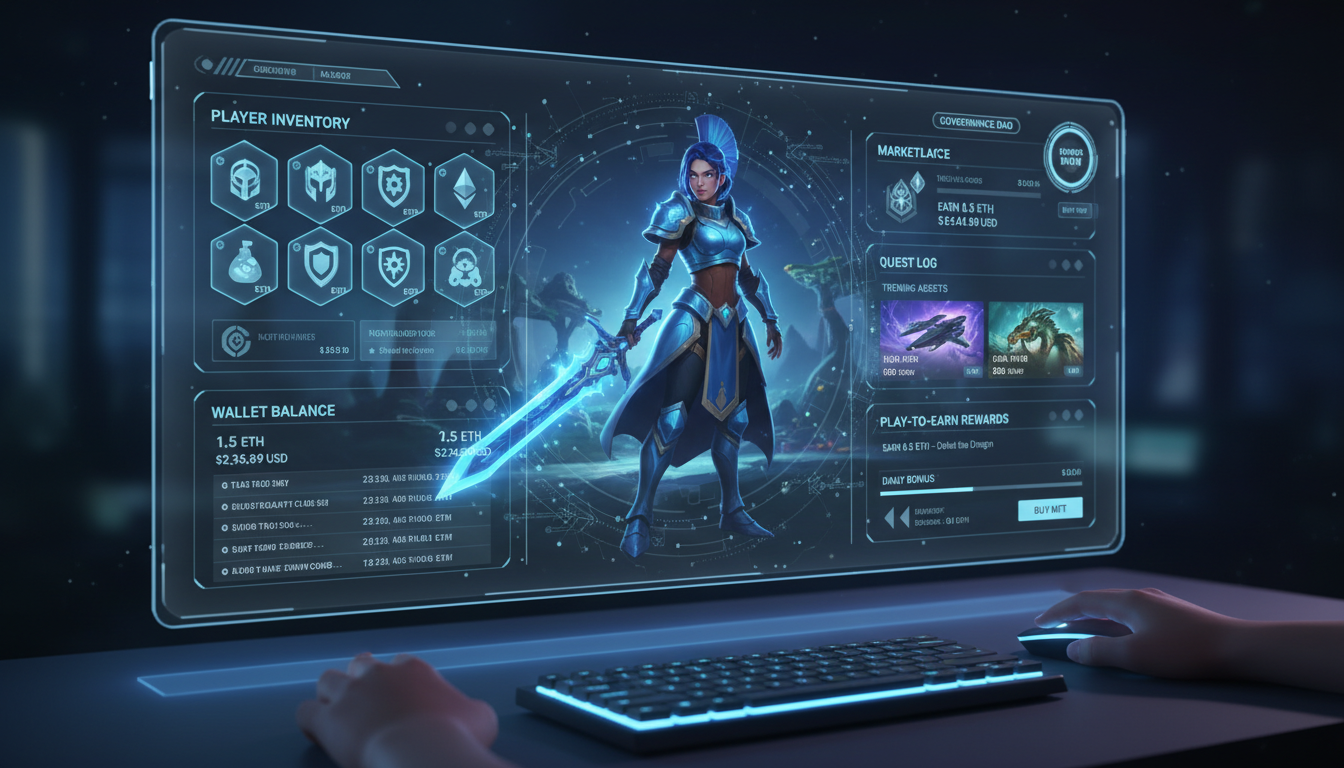
Crypto in gaming refers to the integration of blockchain technology and cryptocurrencies into video games, including tokenized assets, in-game currencies, and decentralized ownership of digital items. It lets players truly own virtual items, trade them freely, and even earn real-world value—while giving developers new monetization paths, ownership models, and community engagement tools.
Why Crypto Gaming Matters for Players
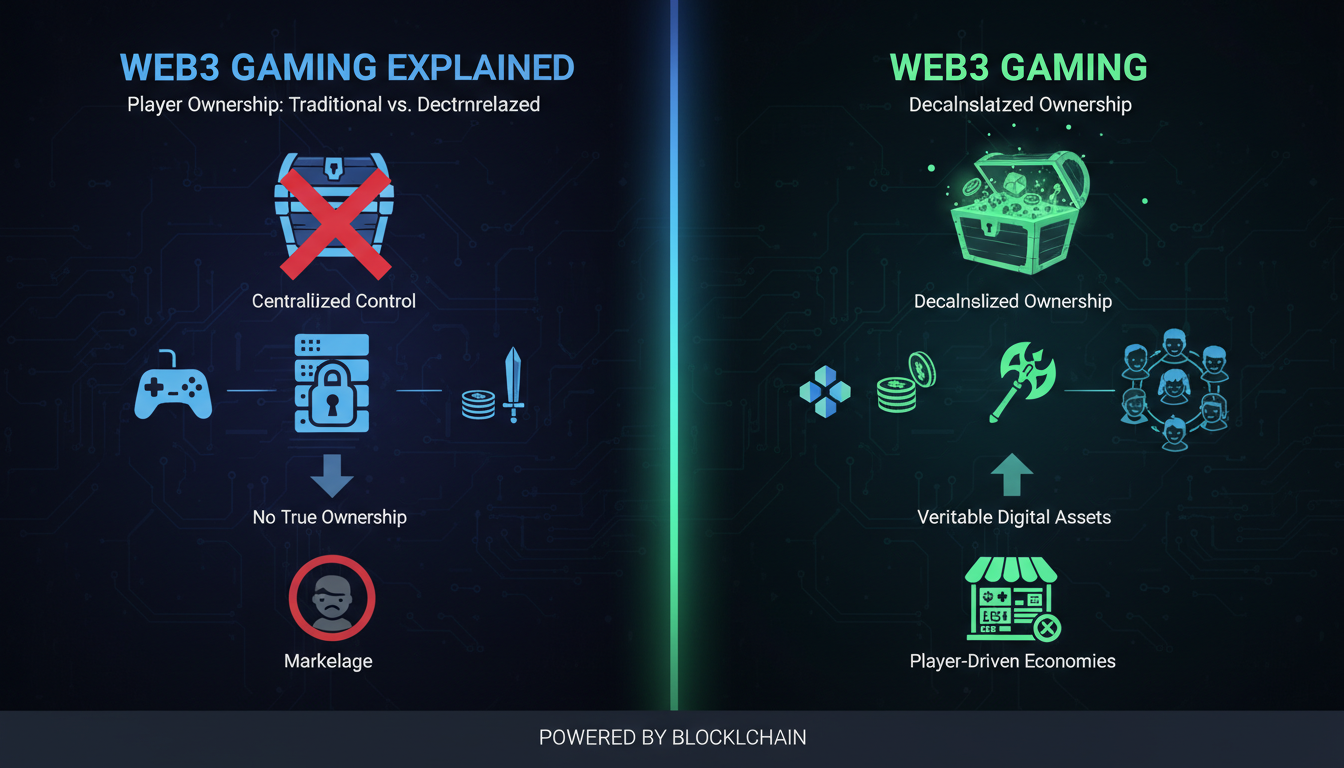
Players gain more control and value. Traditional games lock items in closed systems—lost accounts mean lost assets, and developers pull the plug anytime. Crypto introduces:
- True ownership: Items exist as tokens on a blockchain. Even if servers shut down, the assets remain accessible.
- Interoperability: Some games let you use your items across different titles—like a sword earned in Game A usable in Game B.
- Play-to-earn models: Gamers convert gameplay into income. Activities like quests or PvP battles can reward crypto or NFTs with real-world value.
- Transparent scarcity: Blockchains can verify item rarity—so you know if that rare skin is really rare.
That said, players also face downsides. Volatile crypto prices can destabilize in-game economies. Plus, there’s learning curves and risks tied to blockchain security. But for many, the benefits outweigh the hurdles.
What Crypto Means for Game Developers
Developers gain fresh flexibility. Crypto opens doors to innovative business strategies and community dynamics:
- Alternative revenue models: Instead of one-time purchases, developers earn from secondary sales via royalties on items that trade hands.
- User-driven economies: Players build marketplaces, driving demand organically.
- Crowdfunding and token launches: Some studios raise development funds via initial game token sales or NFTs.
- Greater engagement: When players own pieces of the game ecosystem, they tend to be more invested in its success.
Yet developers must tackle challenges—blockchain complexity raises development costs, legal ambiguity looms (especially around NFTs and cryptocurrencies), and mainstream players may balk at financial complexity.
Balancing Pros and Cons for Sustainable Growth
Here’s a quick comparison showing the promise and pitfalls of crypto gaming:
| For Players | For Developers | Shared Challenges |
|———————————————————-|————————————————————–|————————————————|
| Genuine ownership of in-game assets | Continued earnings through royalties | Complex blockchain setup |
| Earning crypto through gameplay | New ways to fund and grow game development | Regulatory uncertainty around token ownership |
| Cross-game item use when supported | Stronger community investment in game ecosystems | Player resistance to crypto integration |
Real-World Examples
- Axie Infinity: A pioneer in play-to-earn, enabling players to earn crypto through battling and breeding digital pets. This model drew strong engagement, especially in emerging markets, but also showed how crypto volatility can swing earnings wildly.
- Enjin: Providing blockchain infrastructure that allows developers to mint and manage NFT-backed in-game items, enabling broader adoption across multiple titles.
- Fortnite’s Metaverse Plans (hypothetical): Imagine a popular game partnering with blockchain platforms to allow players to take skins outside the game world—making digital fashion more than just cosmetic flair.
These examples show both potential and growing pains—from mass enthusiasm to backlash when token values dip or integration feels forced.
Expert Insight
“Crypto isn’t just a gimmick—it’s a foundation for next-gen virtual worlds where players and creators truly share ownership.”
— A blockchain gaming studio lead
Thinking Ahead: What’s Next for Crypto in Gaming
Beyond current applications, expect a range of innovations to unfold:
1. True cross-game ecosystems
More blockchains will let assets move freely across titles. Imagine weapons, avatars, or gear that follow your adventure.
2. DAO-powered game worlds
Decentralized autonomous organizations (DAOs) could let players vote on game updates, events, or content—creating a co-owned development model.
3. Stablecoins in-game
To reduce volatility risk, games may tie in-game tokens to stable assets, offering a steadier economy.
4. Hybrid Web2-Web3 experiences
Not every player wants crypto complexity. Future games may include optional blockchain layers—traditional gameplay for most, crypto features for enthusiasts.
5. Regulation shaping structure
As governments clarify rules around digital assets, studios that prioritize compliance and transparency will likely win trust and adoption.
What Players Should Know Before Jumping In
Start knowing what you sign up for:
- Read terms and check what happens if a game goes offline.
- Safeguard private keys and wallet info—blockchain assets aren’t reversible.
- Watch market cycles. Crypto rewards sound great, but prices can plunge.
- Join community forums. Other players often share early warnings about dips or scams.
What Developers Should Keep in Mind
Think strategically, not just trendy:
- Build optional blockchain layers so traditional players aren’t shut out.
- Focus on utility, not hype. Tokens and NFTs need real value—cosmetic flash doesn’t always cut it.
- Partner with trusted blockchain platforms to avoid security gaps.
- Feel comfortable that if regulators change the rules, your game won’t end up in legal limbo.
Concluding Summary
Crypto in gaming offers a trailblazing path forward: it unlocks true asset ownership for players and new economy models for developers. Yes, there’s volatility, complexity, and legal fog—but those who move carefully can redefine how games evolve, fund themselves, and engage communities. Hybrid approaches, smart regulation, and a focus on real value can make this future both playable and profitable—for everyone.
FAQs
What exactly is play-to-earn gaming?
It’s a model where players earn digital assets—like crypto or NFTs—through gameplay. These assets may be traded for real-world value, making play financially rewarding.
Are crypto-backed in-game items really mine forever?
In theory, yes. Items minted on a blockchain belong to the wallet owner. But access depends on keeping your wallet secure and the blockchain-supported systems staying active.
Do I need crypto knowledge to play these games?
Not always. Some games offer simplified onboarding, handling wallets and tokens behind the scenes. But savvy players who learn wallets and trading can get the most value.
Will all games become crypto-based?
Unlikely. Many players prefer games without financial layers. The future likely holds mixed offerings—crypto options for enthusiasts, and plain gameplay for others.
How can developers manage legal risks with crypto features?
By working with legal advisors, using well-known blockchains, and keeping token systems transparent. Clear user policies also help build trust and safety.