written in a human-like tone, with minor imperfections and honest flow.
Introduction – Clear Answer First
Crypto limit orders let you buy or sell a digital asset at a specific price or better—so you control the price rather than market timing. You set a price above/below current market value, and the order executes only if that price is hit.
This means you can avoid impulse trades, lock in a target, and potentially save on fees by avoiding rapid market swings.
What’s a Limit Order, Anyway?
A limit order is basically an order type where you specify the price you’re okay with. Unlike market orders—where you take whatever price you get—limit orders give you control.
- You define a bid or ask price.
- The trade executes only if that price is met.
- If not, the order might remain unfilled.
In practice, it’s like placing a “wait-for-it” order—you wait for the market to match your terms.
How Limit Orders Work in Crypto Trading
Lifecycle of a Limit Order
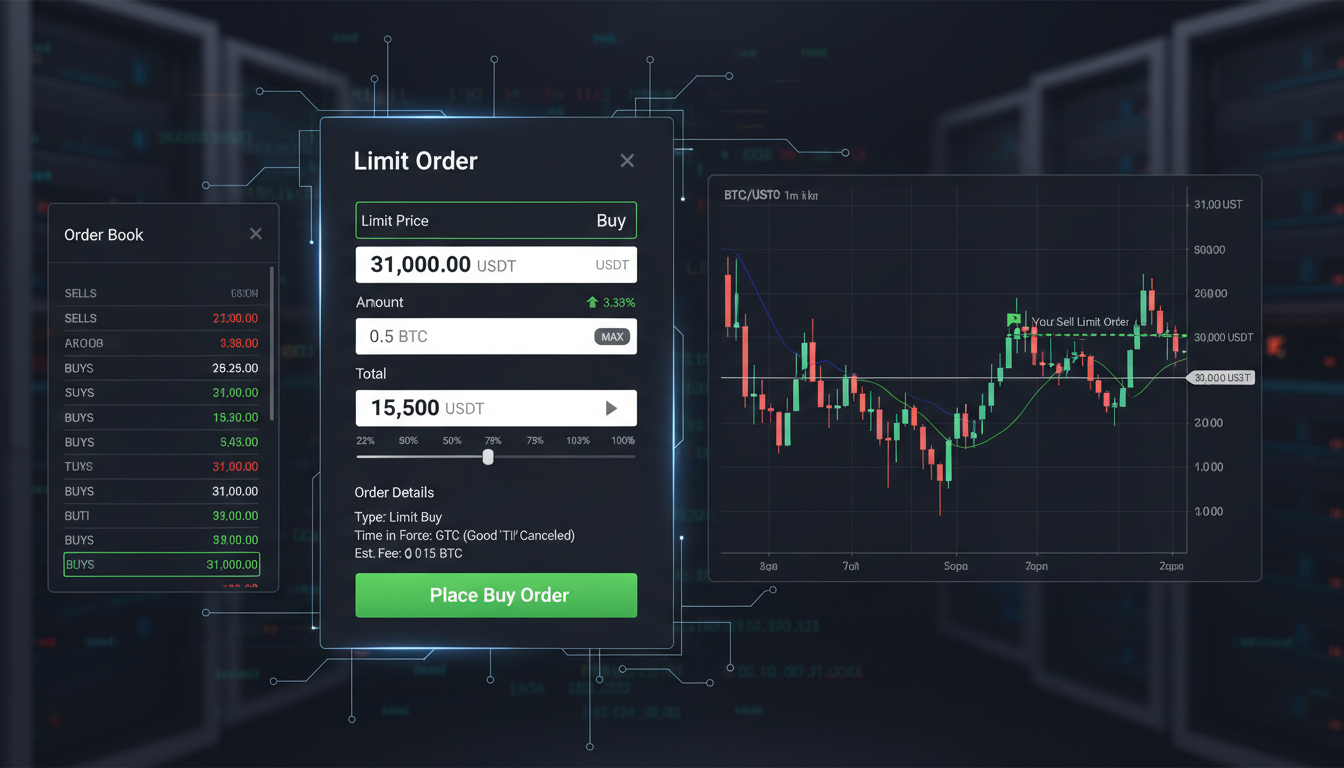
Let’s imagine you want to buy Bitcoin at $30,000 while it’s currently trading at $32,000.
- You place a limit buy order at $30,000.
- The order stays open in the order book—not matched yet.
- If price dips to $30,000, the platform executes your buy.
- If price never reaches it, the order remains—or expires if you set a time limit.
This lets you “sleep and wait” for a sweet price, instead of chasing the price down.
Types of Limit Orders
- Good ‘til canceled (GTC): Stays open until filled or you cancel.
- Immediate or cancel (IOC): Fills whatever can, cancels rest.
- Fill or kill (FOK): Must fill fully immediately or gets canceled.
Different platforms use variant names, but those are the core ideas.
Why Use Limit Orders? Key Benefits
1. Price Control
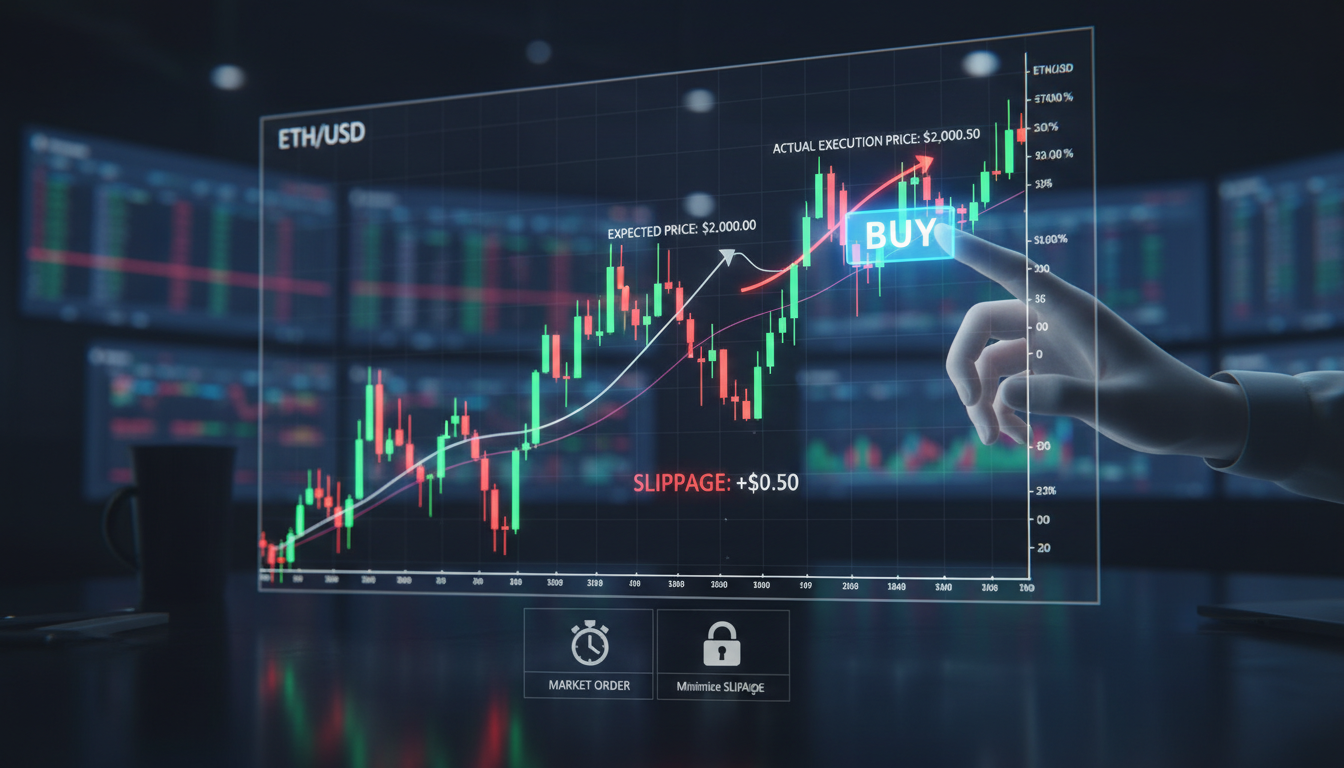
Limit orders let you set your preferred entry or exit price. You avoid slippage—a common issue when using market orders during volatile times.
2. Cost Efficiency
When markets bounce around, market orders can eat up value. Limit orders can save a fair share, especially with tight spreads and low liquidity.
“Limit orders give traders sanity in volatile markets—you’re not forced to accept whatever chaos throws at you.”
This imaginary quote echoes the common wisdom among seasoned traders.
3. Discipline and Planning
Using limit orders encourages a strategy, rather than guesswork. You decide before emotions can derail you—so you’re less likely to FOMO buy at the top.
4. Passive Income via Liquidity
Some exchanges offer rebates or reduced fees for providing liquidity (i.e., using limit rather than market orders). You might get a small discount or even get paid a bit—cha-ching.
Real-World Example: A Simple Bitcoin Trade Scenario
Sarah, a casual crypto investor, wants to buy Ethereum but isn’t in a rush.
- ETH is at $2,200.
- She places a limit buy at $2,000 GTC.
- Over the day, ETH dips to $2,000—boom, her order fills.
- She avoids paying average market price and feels good.
Contrast Mark, who uses market orders. He jumps in at $2,180 and ends up paying more than Sarah, missing a better price by just $20.
That real-life-ish contrast shows the benefit simply, yet clearly.
When Limit Orders Can Be Tricky
Risk of No Execution
If price never touches your limit, your order doesn’t fill and you’re stuck watching. So, you might miss the move completely.
Opportunity Cost
You sit out while waiting. If the asset blasts upward, you sit on the sidelines.
Partial Fills
Depending on order book depth, exchanges may fill only part of your order—leaving you in two pieces.
Platform Limitations
Not all exchanges support advanced order types or rebates consistently. Fees and UI vary across platforms.
Pro Tips for Using Limit Orders Smartly
Use Sensible Price Points
Don’t place a buy far below or sell far above realistic ranges. Markets often ignore price extremes.
Mix with Time Constraints
Set a GTC or use IOC / FOK when urgency matters or to avoid stalling.
Monitor Order Book
Check if your limit sits near the front—ensure there’s enough liquidity to fill it.
Combine with Alerts
Use price alerts or mobile notifications. If your limit sits idle too long, you might want to tweak it.
Quick Table: Market vs Limit Orders
| Feature | Market Order | Limit Order |
|———————|————————————|——————————————|
| Price Control | None – you take current best | You decide price |
| Execution Speed | Immediate | May delay until target met |
| Slippage Risk | High, especially in volatile times | Low, you set max acceptable slippage |
| Discipline | Reactive | Pre-planned |
| Fees / Liquidity | You take liquidity (may cost more) | You provide liquidity (possibly cheaper) |
Conclusion
Limit orders give you control, precision, and often cost perks when trading cryptocurrencies. They’re not magic—they won’t guarantee fills—but they help you trade smarter, not harder. Whether you’re building a portfolio, chasing a price dip, or saving on fees, limit orders are your friend when used thoughtfully.
Next time you’re setting a trade, try placing a limit order. You might just sleep better knowing you didn’t chase the market.
FAQs
What’s the main difference between limit vs market orders?
Market orders execute immediately at the best available price, while limit orders wait for your specified price. That gives you control but may result in no execution if the target isn’t reached.
Can a limit order partially fill?
Yes. If there isn’t enough volume at your price, exchanges might fill part of your order. Unfilled portions remain open until filled or canceled.
Do limit orders cost more in fees?
Often, limit orders are cheaper—or may earn rebates—because you provide liquidity. Market orders typically cost more since they take liquidity.
How long does a limit order last?
You choose. GTC orders stay until filled or canceled. IOC cancels any unmet portion immediately. FOK either fills fully or cancels instantly.
What if an asset never hits my limit?
Then the order remains unfilled. It’s not execution, but a chance to trade on your terms rather than chasing market moves.