If you’ve been trading crypto for more than a few months, you’ve probably noticed that Bitcoin doesn’t trade in isolation. Its price moves ripple through dozens of derivative products simultaneously — futures on CME, options on Deribit, perpetual swaps on Binance. Understanding how these markets connect helps you move from reacting to price toward understanding why price moved in the first place.
This guide covers the three core components of crypto market structure: spot markets, futures markets, and options markets. You’ll learn how each one works, where the real differences lie, and how they influence each other in ways that directly impact your trades.
What Is Crypto Market Structure?
Market structure refers to the framework of markets that exist around any given asset. In traditional finance, stocks trade on exchanges, have futures contracts, and have options written against them. Crypto works the same way — except the products move faster, leverage goes higher, and the lines between markets blur more aggressively.
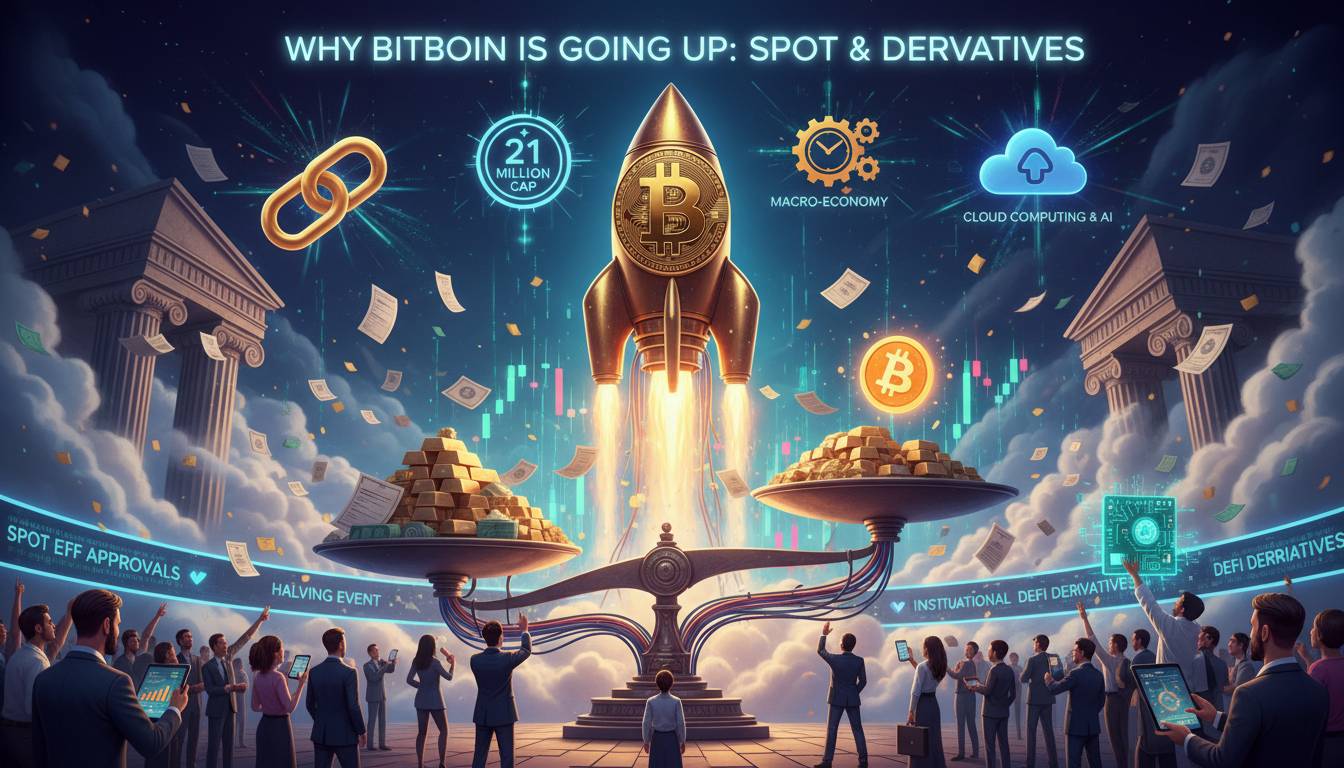
The three pillars — spot, futures, and options — serve different purposes for different participants. Spot is where actual Bitcoin changes hands. Futures are agreements to buy or sell at a future date. Options give you the right, but not the obligation, to do the same. Each attracts different traders, each carries different risk profiles, and critically, each feeds information back into the others.
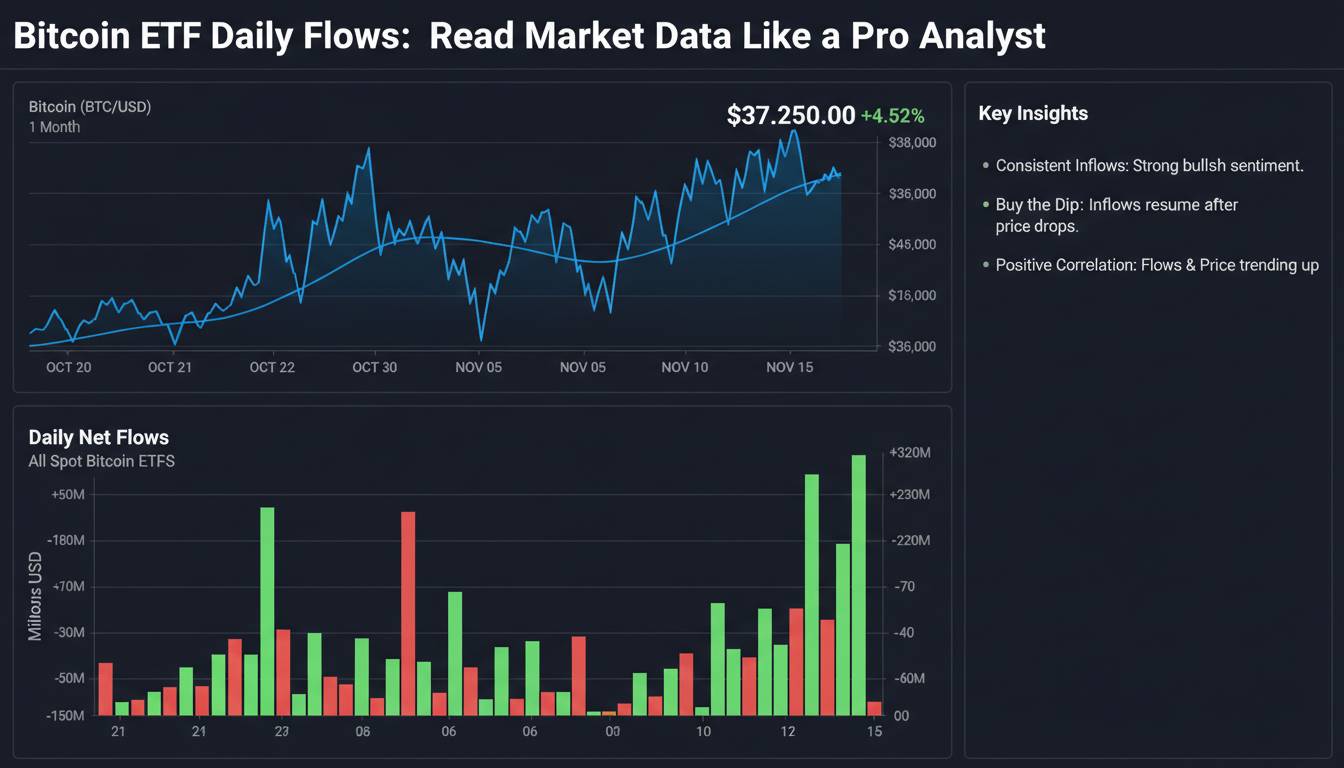
When you see a sudden spike in futures open interest followed by a spot rally, that’s not coincidence. That’s the market structure telling you something about where price is likely to go next.
Spot Markets: The Foundation of Everything
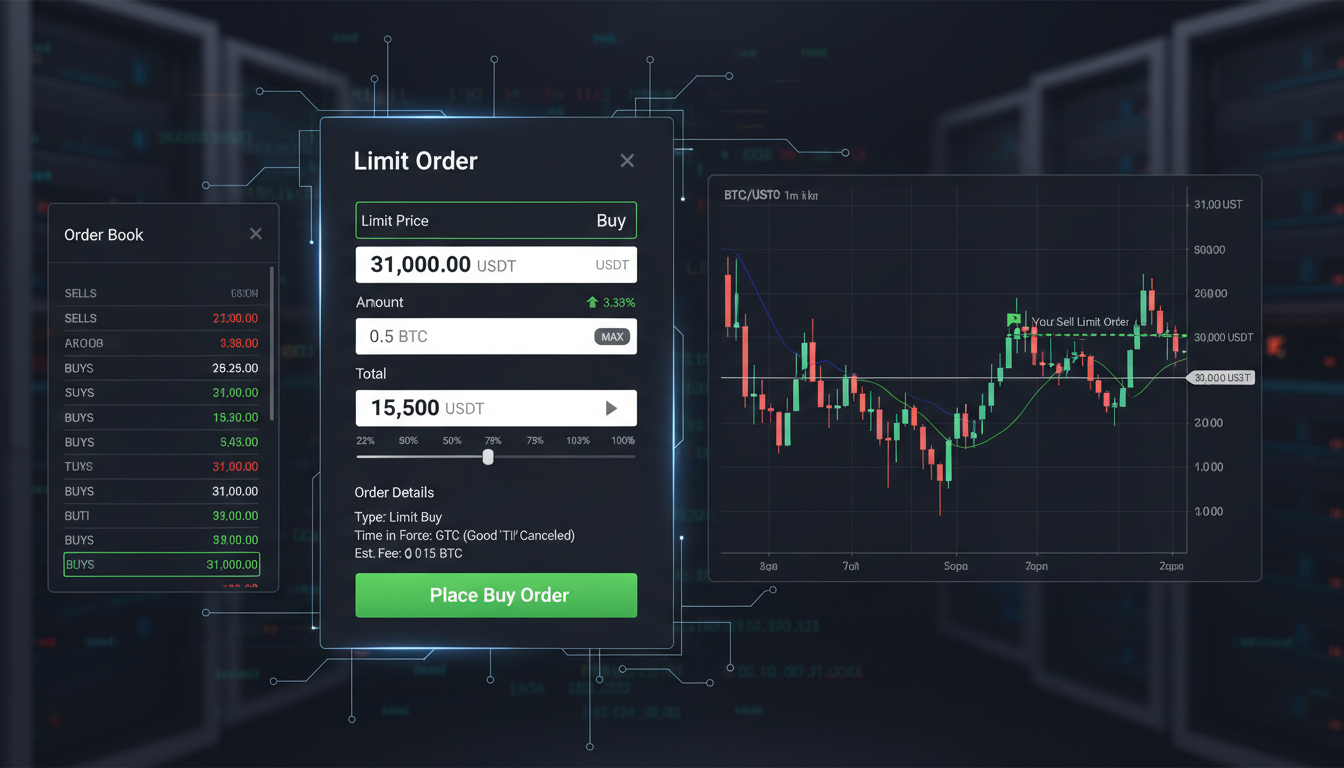
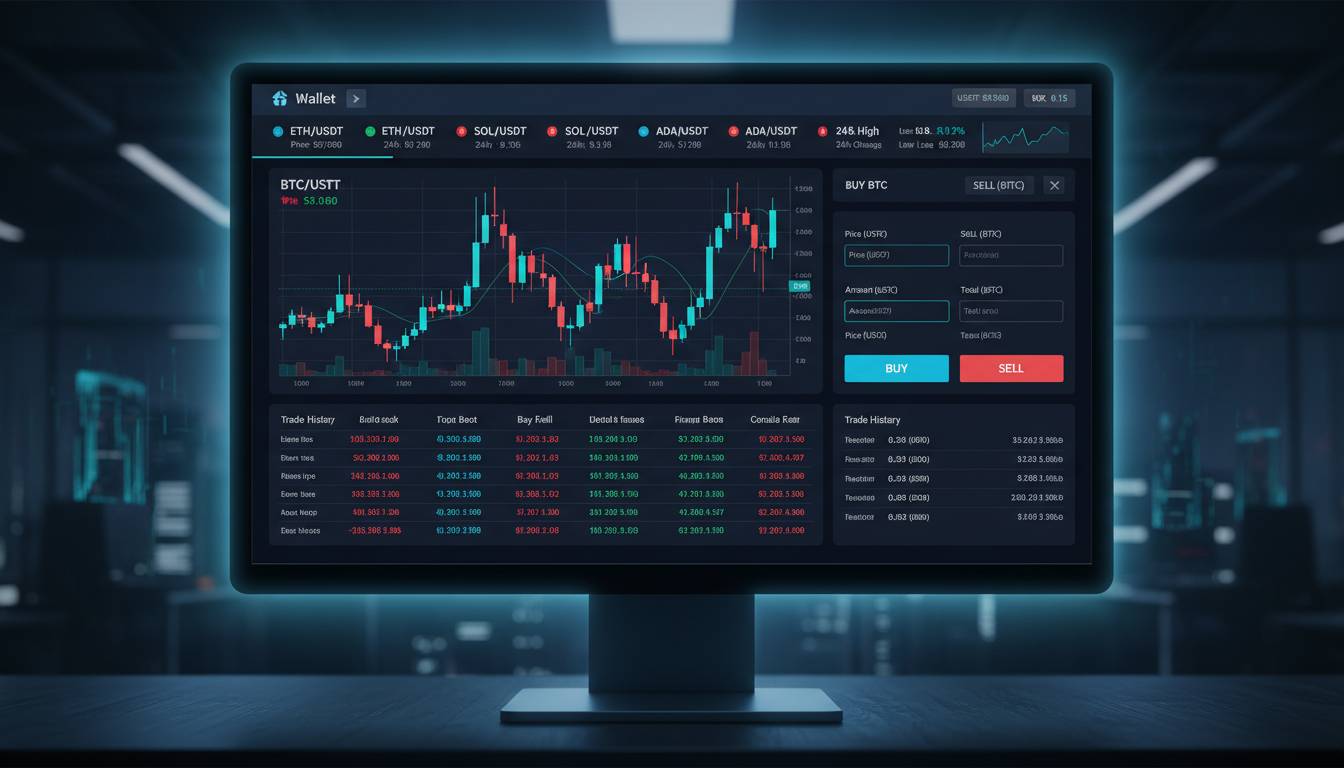
Spot markets are the simplest form of crypto trading. When you buy Bitcoin on Coinbase, Binance, or Kraken, you’re participating in the spot market. You hand over money, you receive the asset immediately, and the transaction settles within the platform’s confirmation time.
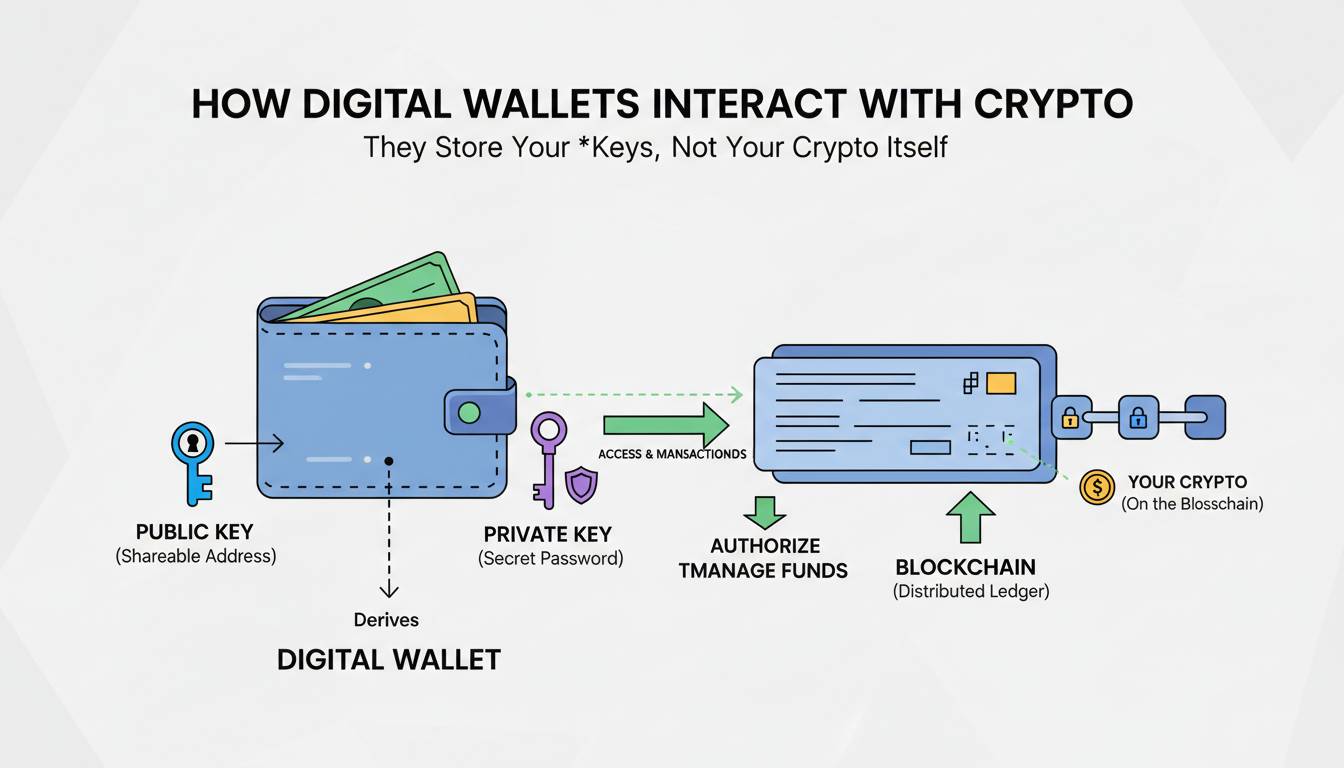
The defining characteristic of spot trading is ownership. When you buy one Bitcoin spot, you own one Bitcoin. It sits in your wallet. You can withdraw it, stake it, or send it to anyone you choose. This creates a fundamental difference from derivatives: your downside is limited to 100% of your investment. Bitcoin can go to zero, but it can’t go below zero.
Spot markets serve two critical functions in the broader ecosystem. First, they provide price discovery — the spot price is the reference point against which all derivatives are priced. Every futures contract, every option, every perpetual swap derives its value from the spot price somewhere in its calculation.
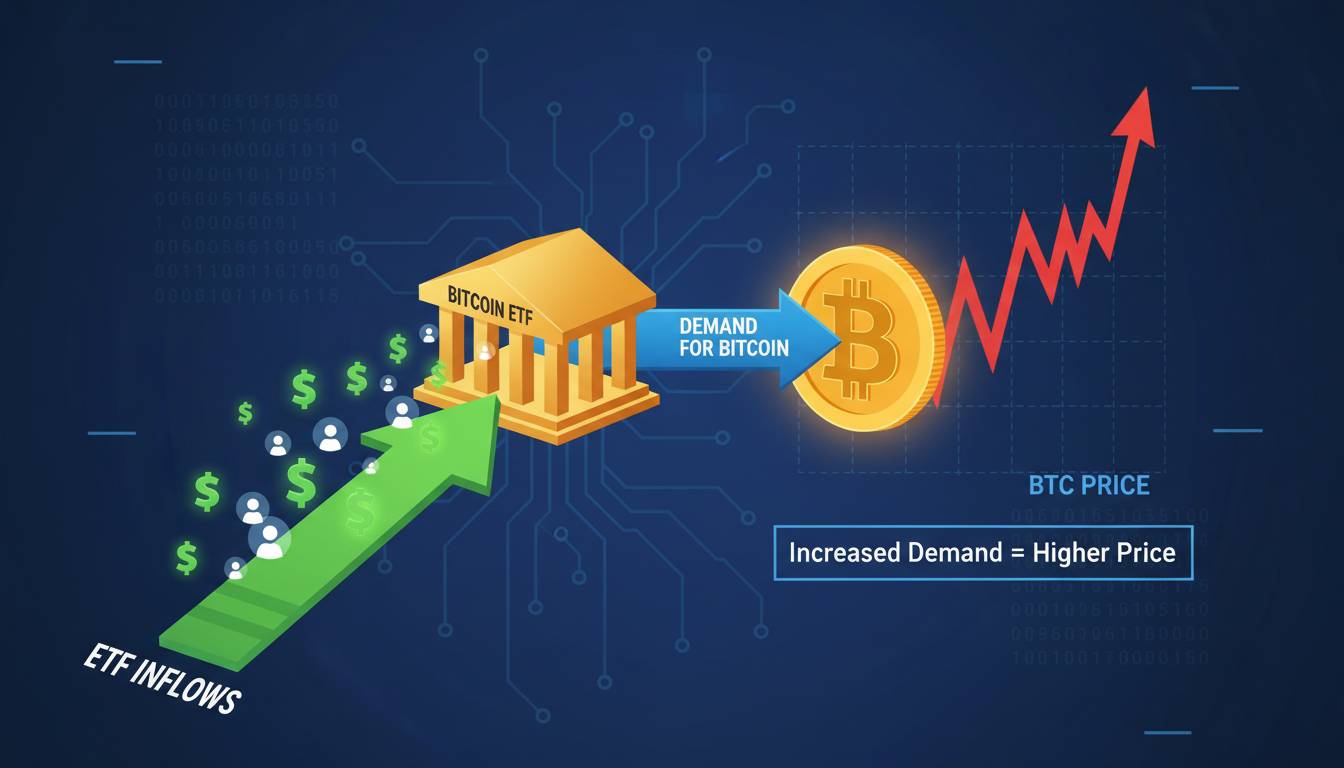
Second, spot markets anchor institutional capital. When BlackRock or Fidelity allocates to Bitcoin, they’re buying spot. This creates a base of “real” ownership that derivative traders ultimately depend on. Without spot markets, there would be no underlying asset for futures and options to reference.
Key characteristics of spot markets:
- Settlement happens at trade execution (T+0 to T+1 depending on the platform)
- No expiration date — you hold the asset until you sell it
- Leverage is limited or unavailable (you can only lose what you put in)
- The price is directly observable and not calculated from other variables
If you’re new to crypto, starting with spot trading makes sense. The risk is quantifiable, the mechanics are straightforward, and you build intuition for how price moves before adding the complexity of derivatives.
Futures Markets: Trading the Future
Futures contracts represent an agreement to buy or sell an asset at a predetermined price on a specific future date. In crypto, you’ll encounter two main types: dated futures with monthly or quarterly expirations, and perpetual futures that never expire but reset funding rates every few hours.
Dated futures work like traditional commodity futures. If you buy a December 2025 Bitcoin futures contract at $85,000, you agree to pay $85,000 for Bitcoin whenever the contract expires in December — regardless of what Bitcoin is actually trading for at that moment. If Bitcoin is at $120,000, you profit. If it’s at $50,000, you lose.
Perpetual futures dominate crypto trading volume. They’re designed to track the spot price continuously through a funding mechanism. When the futures price trades above spot, long positions pay short positions (the market is “contango”). When futures trade below spot, shorts pay longs (the market is “backwardation”). This creates a constant pressure toward alignment with spot prices.
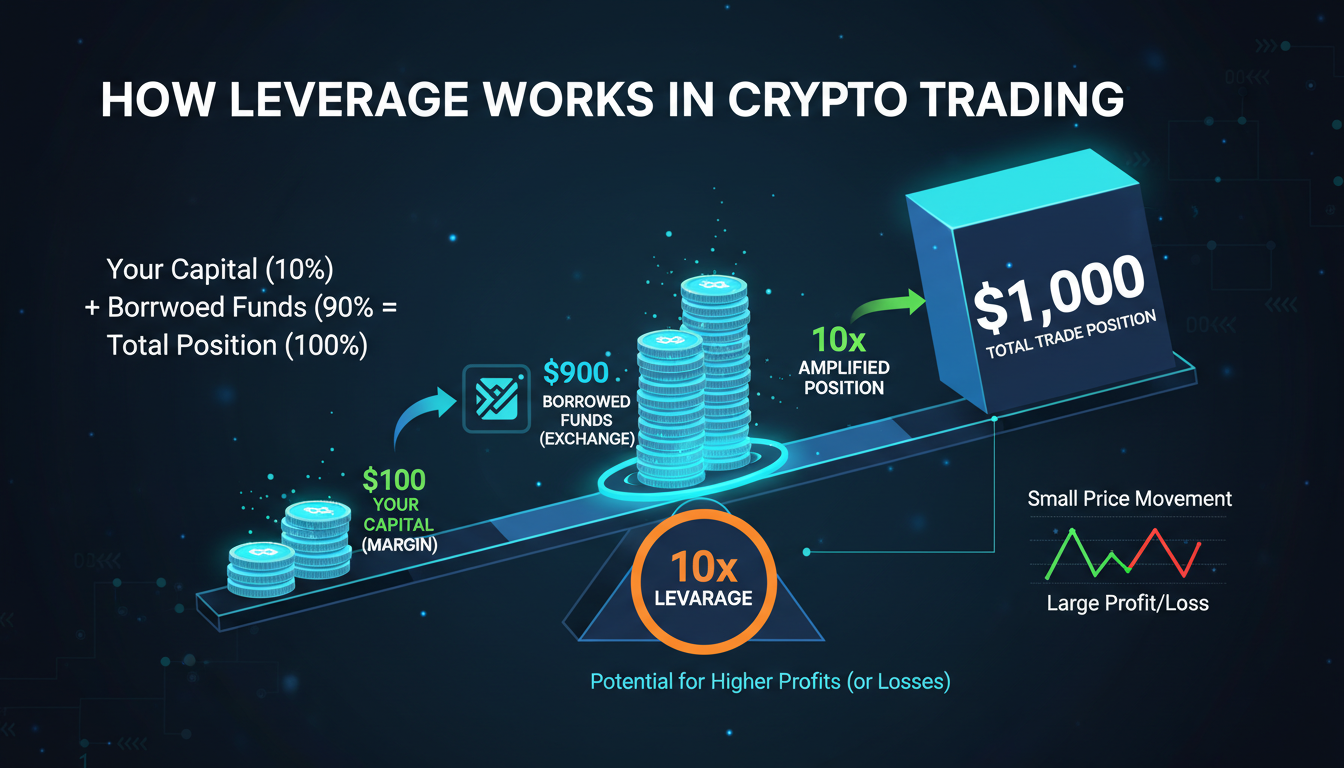
The feature that draws most traders to futures is leverage. Crypto futures commonly offer 10x, 25x, even 100x leverage on major exchanges. That means a $1,000 deposit can control a $100,000 position. The math is brutal in both directions — at 100x, a 1% move against you wipes out your entire position. Most traders don’t appreciate how quickly this happens until they’ve experienced it.
Futures serve sophisticated purposes beyond speculation. Hedgers use them to lock in prices for future transactions. Arbitrageurs exploit pricing inefficiencies between exchanges. Market makers rely on futures to hedge their spot inventory. Futures aren’t just “riskier spot trading” — they’re a distinct market with their own logic.
Options Markets: The Right, Not the Obligation
Options give buyers the right — but not the obligation — to buy (call) or sell (put) an asset at a specific strike price before or at expiration. This fundamentally changes the risk equation compared to futures.
When you buy a call option, your maximum loss is the premium you paid. If Bitcoin rallies, your profit potential is theoretically unlimited (minus the premium). If Bitcoin dumps, you simply let the option expire worthless and walk away. The asymmetry is the entire point — options let you define your risk precisely while keeping open-ended upside.
Selling options reverses this dynamic. When you sell a call, you collect premium but accept unlimited downside risk if price rises past your strike. This is where many inexperienced traders get into trouble. Selling options feels safe because you collect money upfront, but the tail risk is severe.
Crypto options have grown dramatically since 2020. Deribit dominates the space, offering BTC and ETH options with expiration dates ranging from hours to years. CME launched Bitcoin options in 2020 and has since added ETH options. Institutional adoption is accelerating as custody solutions improve.
The relationship between options and the underlying asset is mathematically precise through the Greeks — delta, gamma, theta, and vega measure how your option’s value changes as price moves, time passes, and volatility shifts. Most retail traders don’t need to master the Greeks, but understanding that options prices depend on expected future volatility is essential. When implied volatility spikes, options become expensive. When it crushes, they become cheap.
Comparison Table: Spot vs Futures vs Options
| Feature | Spot | Futures | Options |
|---|---|---|---|
| Ownership | Yes — you own the asset | No — contract only | No — right only |
| Leverage | Typically none | Up to 100x | Up to 100x (effective) |
| Maximum Risk | 100% of capital | Unlimited (theoretically) | Limited to premium paid |
| Expiration | None | Dated or perpetual | Yes — defined expiry |
| Settlement | Immediate | At expiration | At expiration |
| Best For | Long-term holding, beginners | Speculation, hedging, arbitrage | Risk management, volatility plays |
How These Markets Interact
The three markets don’t operate in silos — they communicate continuously through price signals, arbitrage, and capital flow.
Price Discovery and Information Flow
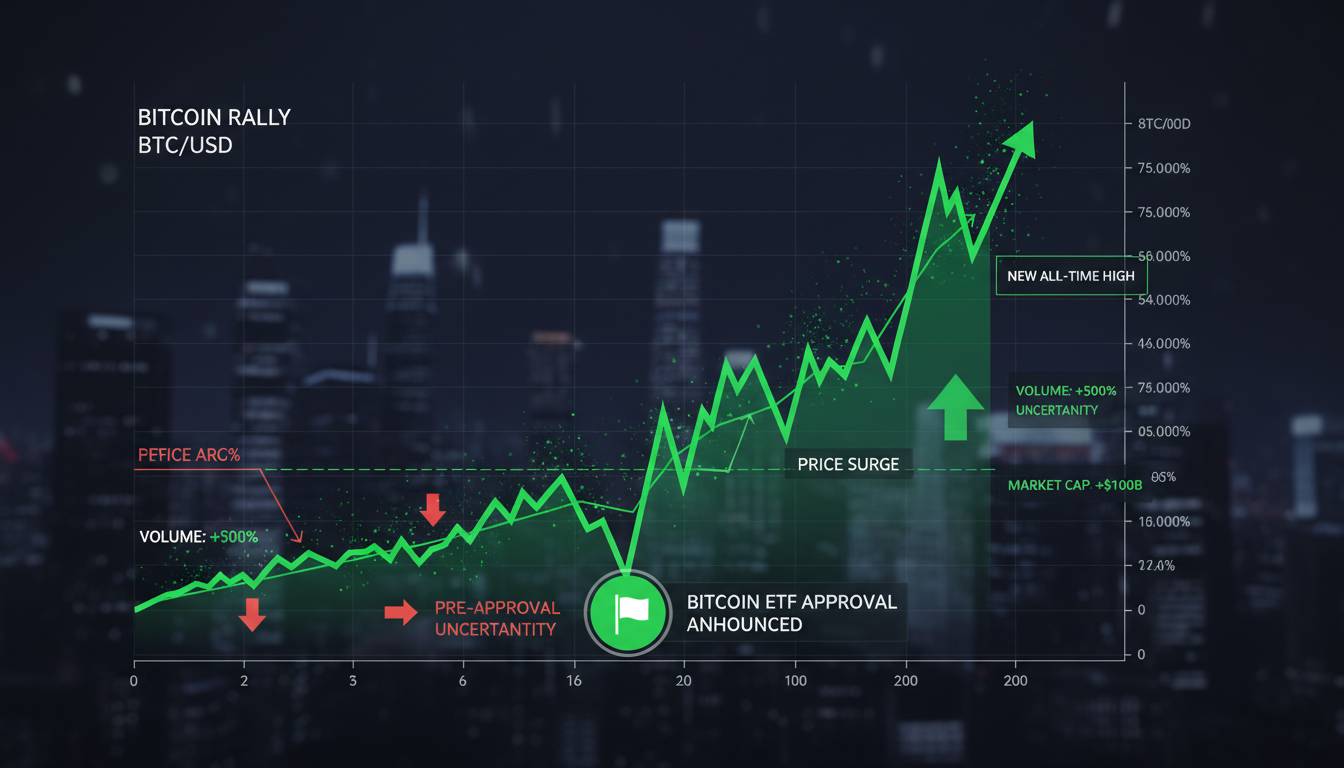
Spot markets provide the foundational price, but futures markets often lead during trending moves. When Bitcoin broke above $100,000 in late 2024, futures premiums widened significantly before spot followed through. Futures traders were signaling conviction that the breakout was sustainable. This is called “futures leading spot” — a pattern that plays out repeatedly in crypto.
Options markets contribute through implied volatility. When traders expect big moves — ahead of Fed announcements, regulatory decisions, or major ETF flows — option premiums rise. You can often gauge market sentiment by looking at whether put or call volumes are dominating. Elevated put/call ratios often precede spot selling, while elevated call activity sometimes precedes rallies.
Arbitrage Keeps Markets Aligned
Arbitrageurs are the invisible workers that keep these markets connected. When futures trade at a significant premium to spot, arbitrageurs simultaneously sell futures, buy spot, and hold until convergence. This pushes futures down and spot up, restoring equilibrium.
The same applies across exchanges. If Bitcoin is $85,000 on Binance and $85,200 on Coinbase, arbitrageurs buy Binance, sell Coinbase, and pocket the difference. In efficient markets, these gaps close within seconds. In crypto, they persist longer because execution speed varies and blockchain settlement adds delays.
Capital Flow and Market Cycles
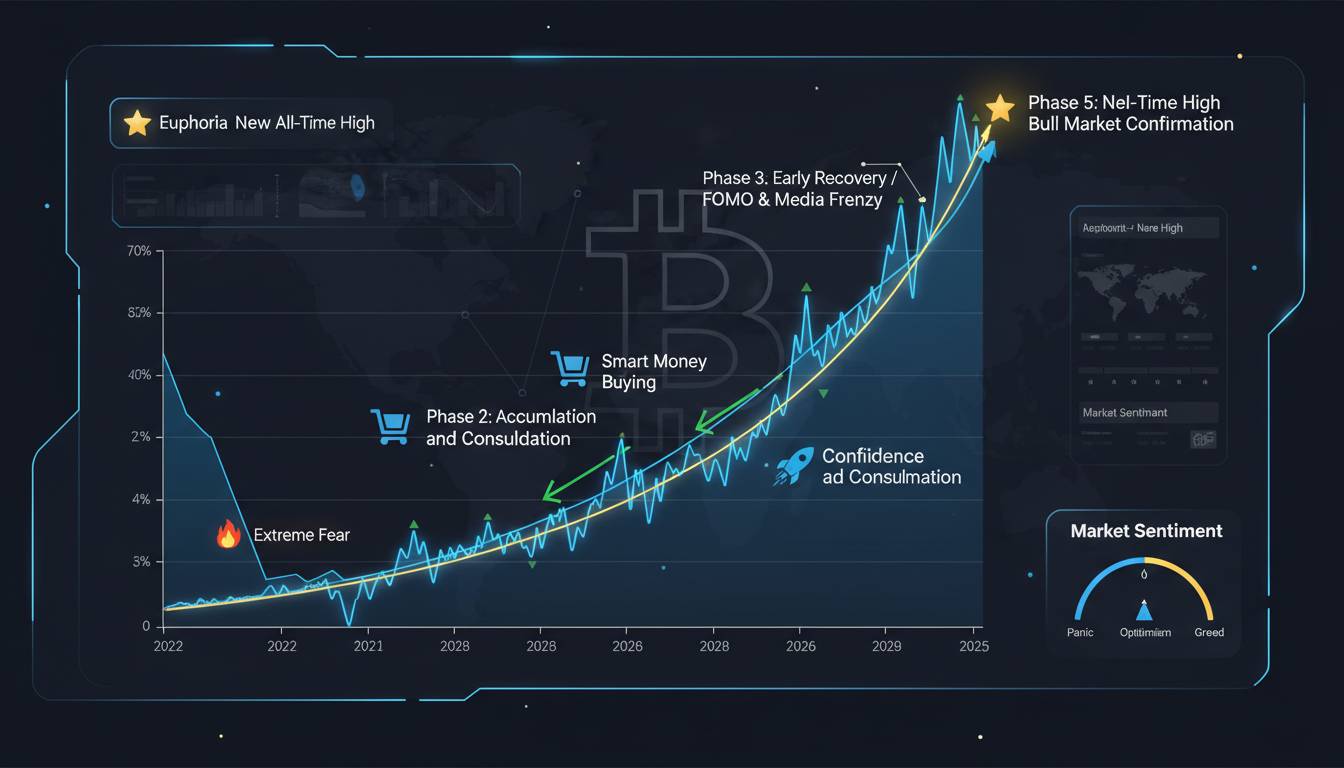
Different market phases see capital migrate between these products. During bull markets, spot buying dominates early as new participants enter. As the rally matures, leverage usage increases — futures open interest rises as traders chase amplification. Near market tops, options activity often explodes as traders look for cheap downside protection or speculative bets on continued moves.
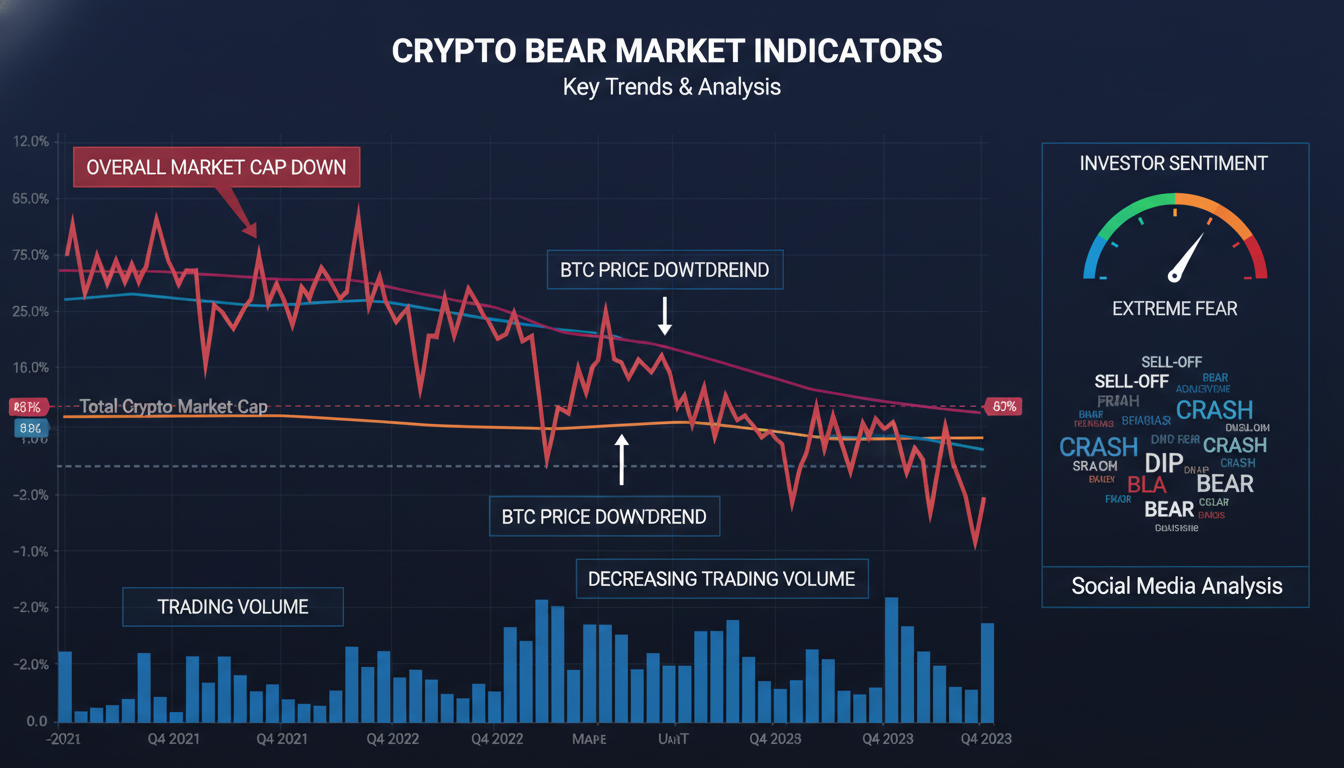
During bear markets, the flow reverses. Spot holders sell or move to cold storage. Futures see increased short interest. Options become a tool for protection — puts get bought aggressively, calls become unattractive. Understanding where capital is flowing helps you position for what’s likely next.
The Derivatives Feedback Loop
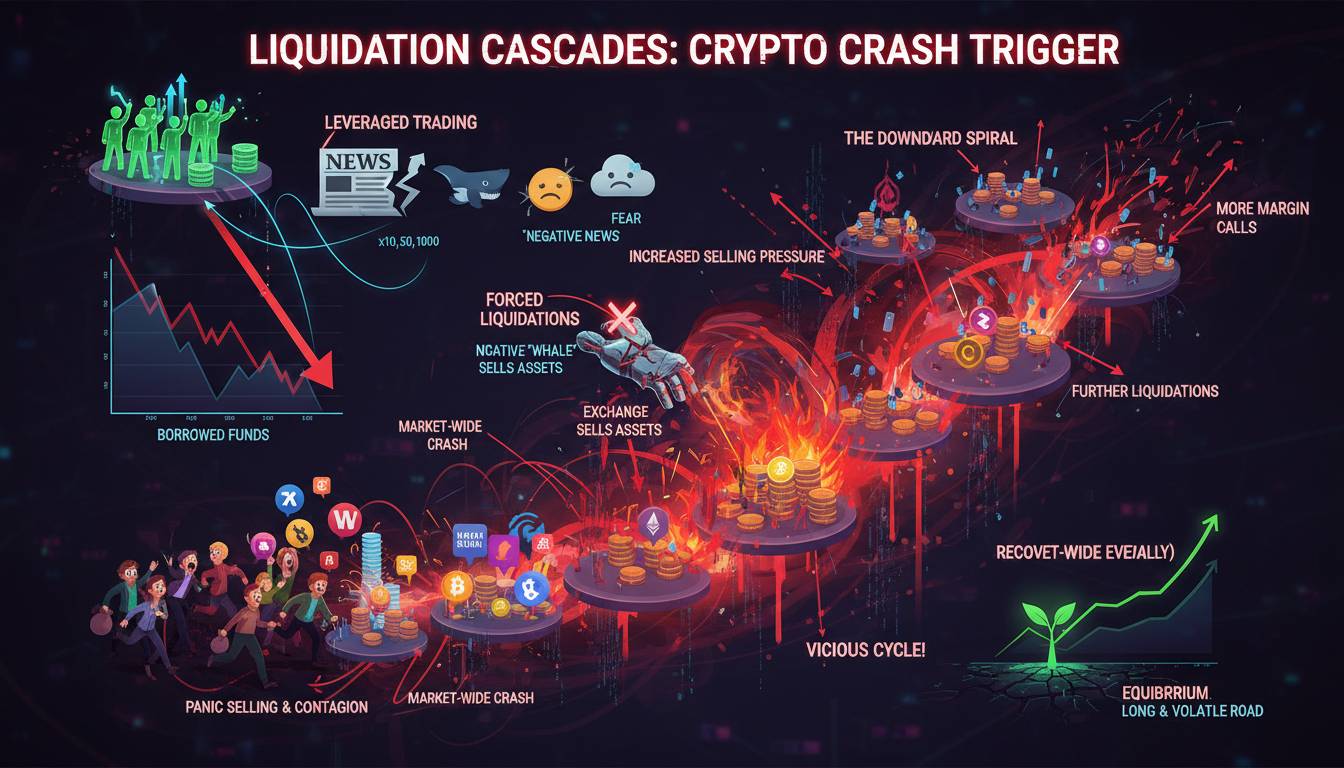
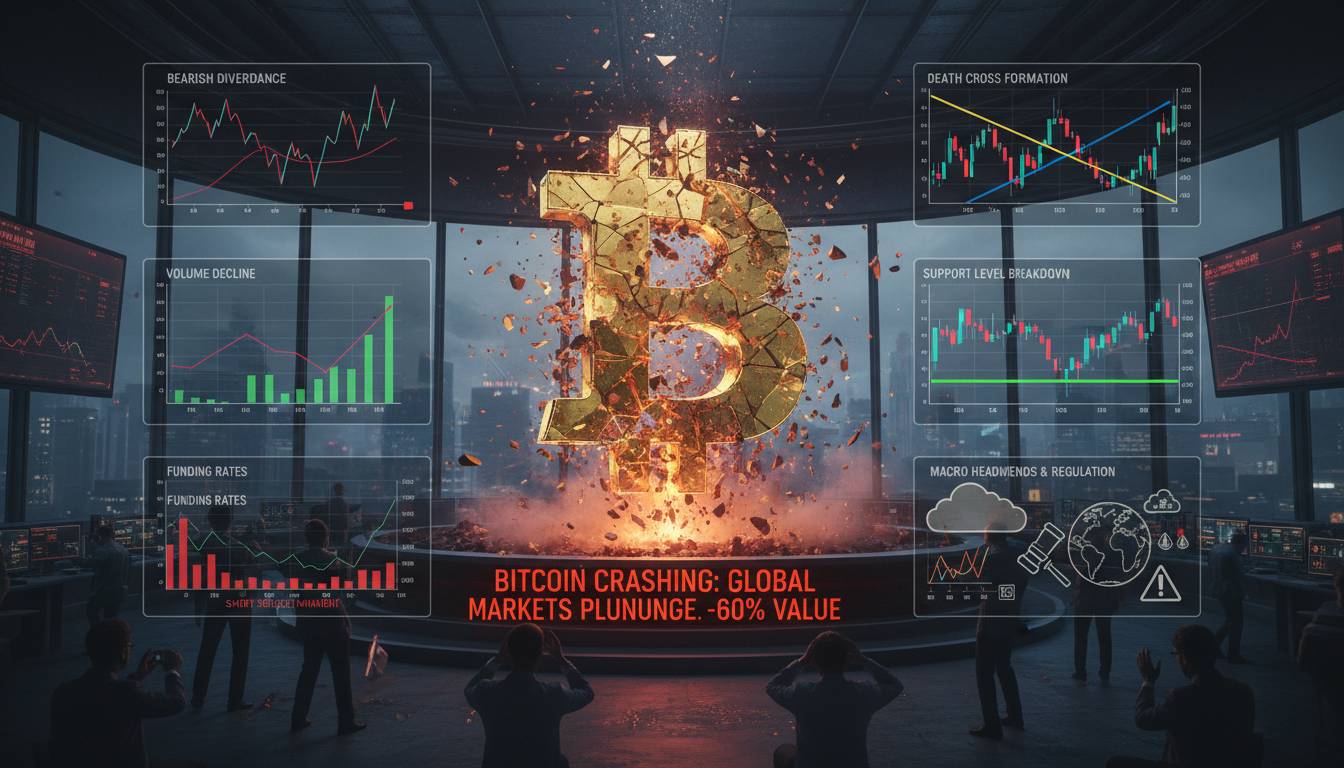
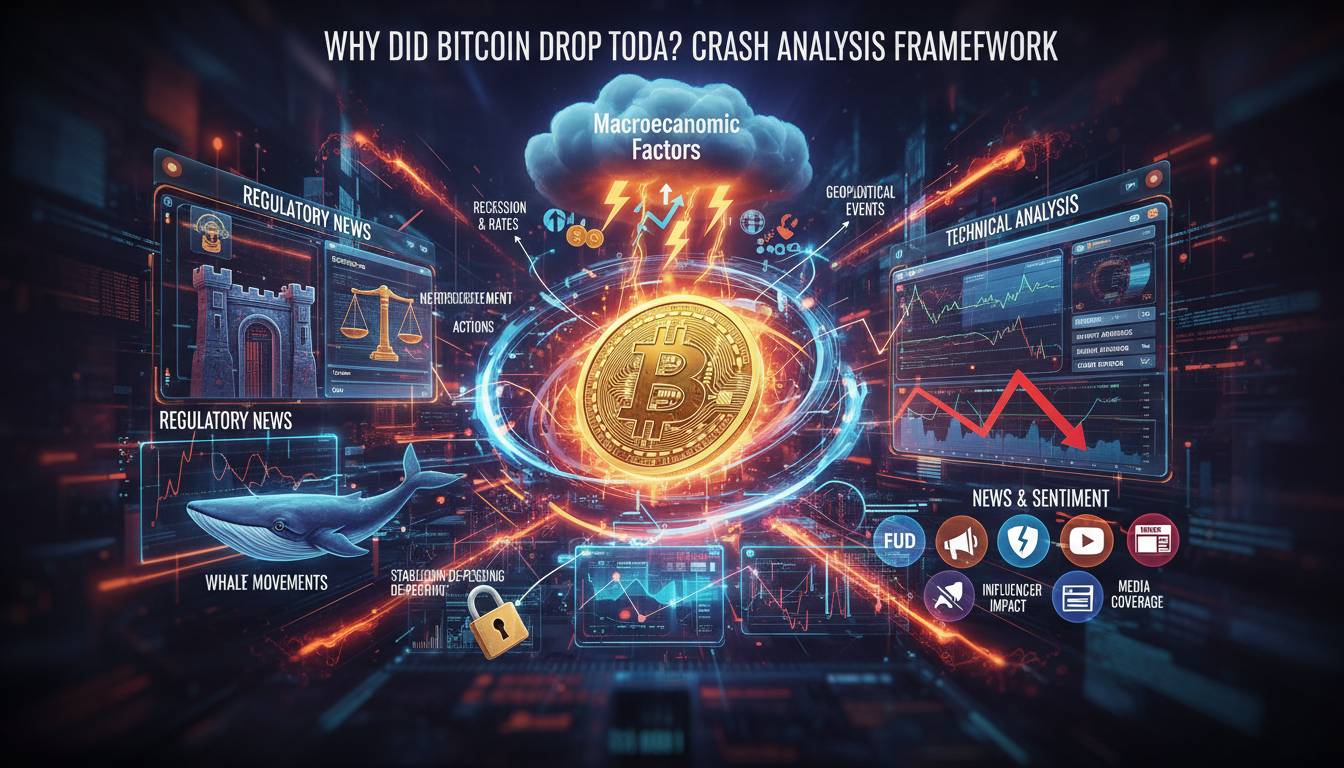
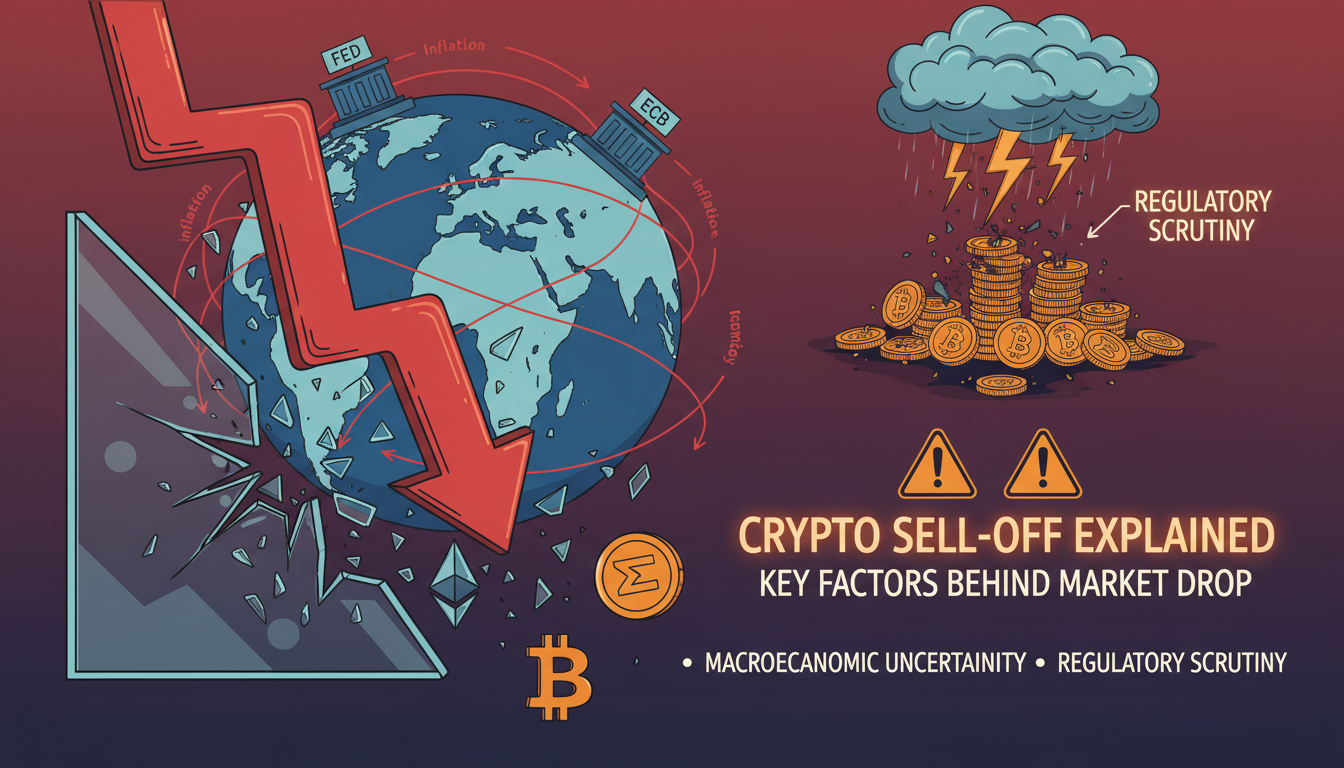
Here’s what many articles skip over: derivatives activity influences the spot price itself. When large futures positions get liquidated, the forced selling hits spot markets. When market makers hedge their options delta exposure, they’re constantly buying or selling spot to remain neutral. This creates a feedback loop where derivative mechanics amplify spot moves.
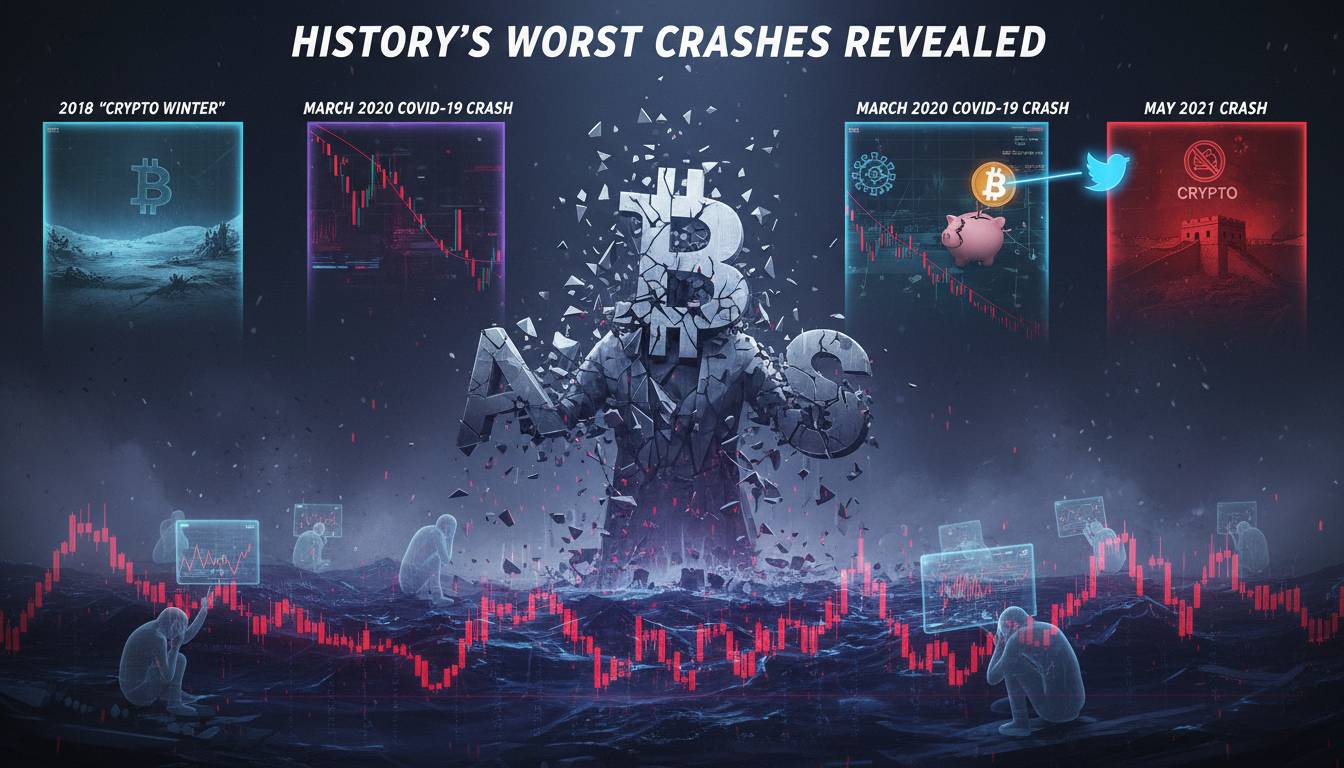
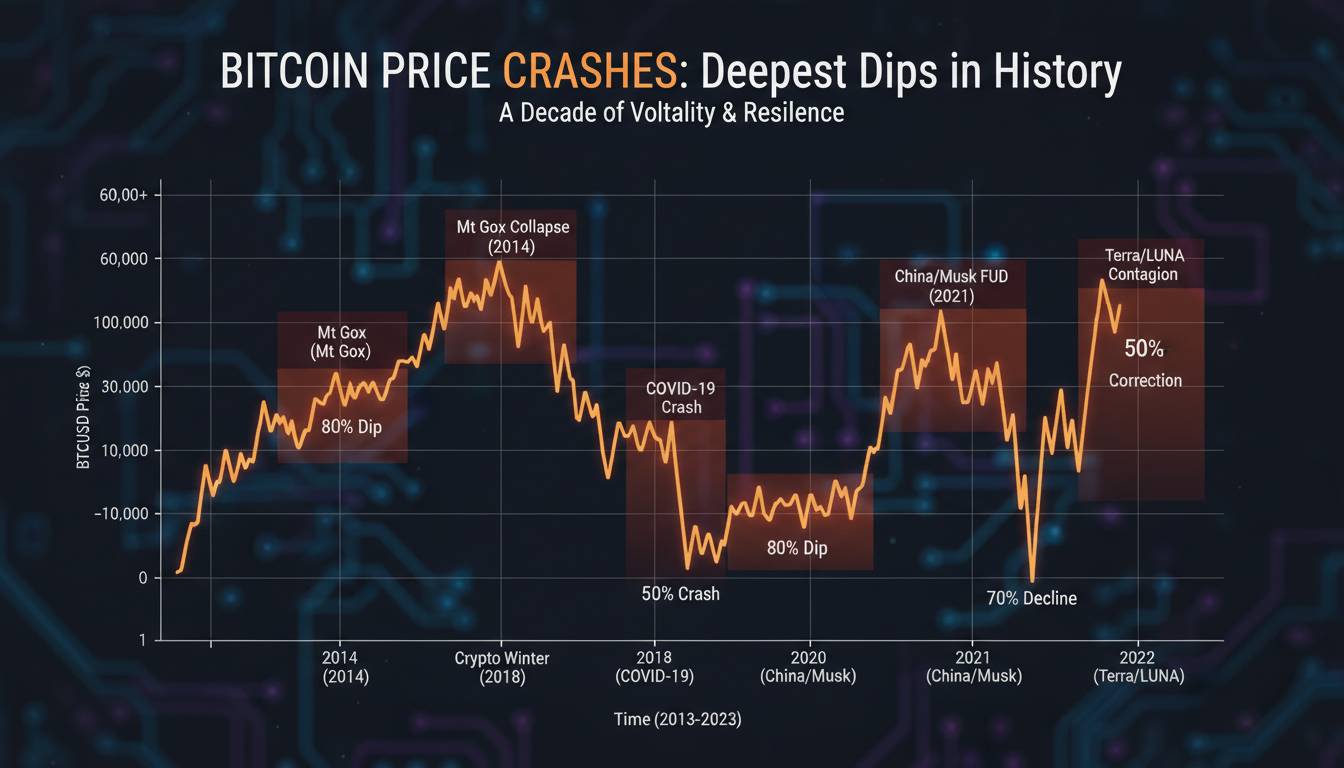
During the May 2021 crash, leveraged long positions worth billions were liquidated within hours. Each liquidation triggered spot selling. The cascade was self-reinforcing — liquidations caused selling, which caused more liquidations. Understanding this loop is crucial for risk management, regardless of which market you trade.
Risk Considerations: Knowing Your Exposure
Each market demands a different risk mindset, and choosing the right one depends on your goals, experience, and capital situation.
Spot risk is bounded. Your worst-case scenario is losing your entire investment. This makes spot suitable for long-term allocation and anyone still building market intuition. The downside is that spot returns are linear — you only profit when price goes up.
Futures risk is asymmetric in a dangerous way. Leverage amplifies both gains and losses, but losses can exceed your initial deposit. A 10% move against you at 10x leverage wipes out your entire account. Futures require stop-loss discipline that most traders lack, and position sizing that’s often too aggressive.
Options risk is customizable but complex. Buying options limits your downside to the premium — this is the safest way to speculate with leverage. Selling options reverses the risk profile and requires sophisticated position management. Most retail traders lose money on options because they buy them outright (paying premium) without understanding that theta decay erodes value daily.
For most traders, the honest assessment is this: start with spot until you understand how price moves. Add futures only when you have proven position discipline. Approach options with caution, because the apparent simplicity of “limited risk” masks the difficulty of picking direction correctly.
Practical Examples: How the Interaction Plays Out
Let’s walk through a realistic scenario. Suppose Bitcoin is trading at $80,000 and the Fed announces an unexpected rate decision.
In spot: Traders either hold, buy more, or sell. The move happens once — the announcement hits and price adjusts.
In futures: The same announcement creates a gap. If the decision is hawkish, futures immediately price in lower future prices. The spread between spot and futures widens as traders reprice expectations. Perpetual funding rates shift — shorts pay longs or vice versa depending on direction.
In options: Implied volatility spikes immediately after the announcement. Before the decision, vega (sensitivity to volatility) drives option prices higher. After the decision, if price moves violently, gamma (sensitivity to price changes) becomes dominant. Traders who bought straddles (both calls and puts) might profit regardless of direction, while those with directional bets see their positions move hard.
The key insight is that all three markets respond to the same event, but they respond differently. A sophisticated trader might buy spot for long-term exposure, sell futures against it for hedging, and buy puts for crash protection. This is delta-neutral positioning — you’re capturing value while limiting directional exposure.
Conclusion: Structure Is Your Edge
Crypto market structure isn’t just an academic concept. It’s a practical framework that helps you understand why prices move the way they do, which markets lead during different conditions, and where your own strategy fits into the broader ecosystem.
The traders who get hurt most often are those who pick one market without understanding the others. They buy futures without grasping funding rates. They sell options without understanding gamma risk. They trade spot without realizing how derivative liquidations will impact their position.
Start simple. Master spot. Learn how futures price relates to spot over time. Watch options implied volatility and notice how it spikes before events. This knowledge compounds — each insight makes the next one more valuable.
The market will always have spot traders, futures traders, and options traders. The question is which category you’ll fall into — and whether you’ll understand what the others are doing.