
Crypto Regulation News Today delivers up-to-the-minute insights into global policy shifts affecting digital assets. From India’s tightening reporting rules to the EU’s full roll-out of MiCA and novel custody regulations in Canada, the current landscape reflects a fierce pivot from policy-making to enforcement. Let’s break down what’s happening and why it matters—right now.
India Cracks Down: Expanded Reporting and Jail Penalties
India’s 2026 Finance Bill tightens crypto oversight significantly. Crypto exchanges, wallet providers, and intermediaries must now report detailed transaction data to tax authorities, aligning with the OECD’s Crypto‑Asset Reporting Framework. At the same time, Virtual Digital Assets are more explicitly defined to include all DLT‑based crypto‑assets. Penalties for non-compliance can include fines and even jail time.
Looking ahead, India will also begin cross‑border cryptocurrency data sharing by April 1, 2027, paving the way for increased international transparency and cooperation.
Dubai’s DIFC: No More Privacy Tokens, Tight Stablecoin Rules
Starting January 12, 2026, the Dubai Financial Services Authority (DFSA) enforced a stricter crypto framework in the DIFC. Privacy tokens like Monero and Zcash are now banned, as are mixers and tumblers. Stablecoins must now fit the “Fiat Crypto Token” category—backed by high‑quality liquid reserves—and algorithmic variants face stricter risk disclosures.
Additionally, firms must assess token suitability themselves rather than rely on a regulator’s approved list, shifting accountability toward market participants.
EU: MiCA Fully Enacted, Enforcement Begins
The EU’s landmark Markets in Crypto‑Assets (MiCA) regulation has fully entered operational phase. All CASPs (Crypto‑Asset Service Providers) must be licensed and comply with robust capital, transparency, and consumer protection rules. Stablecoins must be backed 1:1, audited, and provide clear redemption rights.
This enforcement focus marks a broader theme: regulators are shifting from crafting rules to applying them—and now.
United States: Innovation Exemption and Stablecoin Law
The U.S. is embracing a more flexible approach. In January 2026, the SEC introduced a “Crypto Innovation Exemption” providing safe harbor for projects to operate with reduced enforcement risk. This runs alongside asset reclassification efforts, potentially easing blanket designation of tokens as securities.
Meanwhile, the GENIUS Act, signed in July 2025, mandates stablecoins be backed 1:1 with dollars or other low-risk assets and paves the way for dual federal-state oversight.
Canada’s Digital Custody Overhaul
On February 3, 2026, Canada’s Investment Regulatory Organization introduced a tiered, risk-based crypto custody framework. Dealer members must use approved custodians unless they can prove sound in-house technology. Tokenized traditional assets face differentiated safeguards, requiring a mix of securities compliance and digital custody provisions.
Asia’s Fragmented Moves: Vietnam, Hong Kong, Japan, Singapore
- Vietnam launched a pilot licensing regime for crypto-asset trading services on January 20, 2026. The Ministry of Finance began accepting applications for licenses, marking cautious but decisive progress.
- Hong Kong rolled out a Stablecoins Ordinance in August 2025. Licenses are required for issuers, who must uphold full asset backing and AML controls, with issuances expected in early 2026.
- Japan is reducing its crypto capital gains tax to 20%, aligning it with equity tax rates. New licensing and oversight rules may soon categorize crypto like traditional financial instruments.
- Singapore tightened AML/KYC and licensing across the board. Digital token services must be licensed, have local compliance officers, and undergo independent audits to stay operational.
UK and Global Tax Reporting: CARF Enforcement
From January 1, 2026, the UK—and soon other jurisdictions—started enforcing the Crypto‑Asset Reporting Framework (CARF). Crypto firms must report detailed transaction activity and tax residency data to HMRC, raising the bar on cross-border tax transparency.
China, EU Cyber Risks, and Broader Trends
China continues strict crypto oversight: banks must report risky crypto-related forex trades, tracking user identities and trade patterns to counter illegal flows.
In the EU, while banks are resilient, the ECB is increasingly wary of stablecoins and AI-related threats, raising red flags about future systemic risks.
Summary
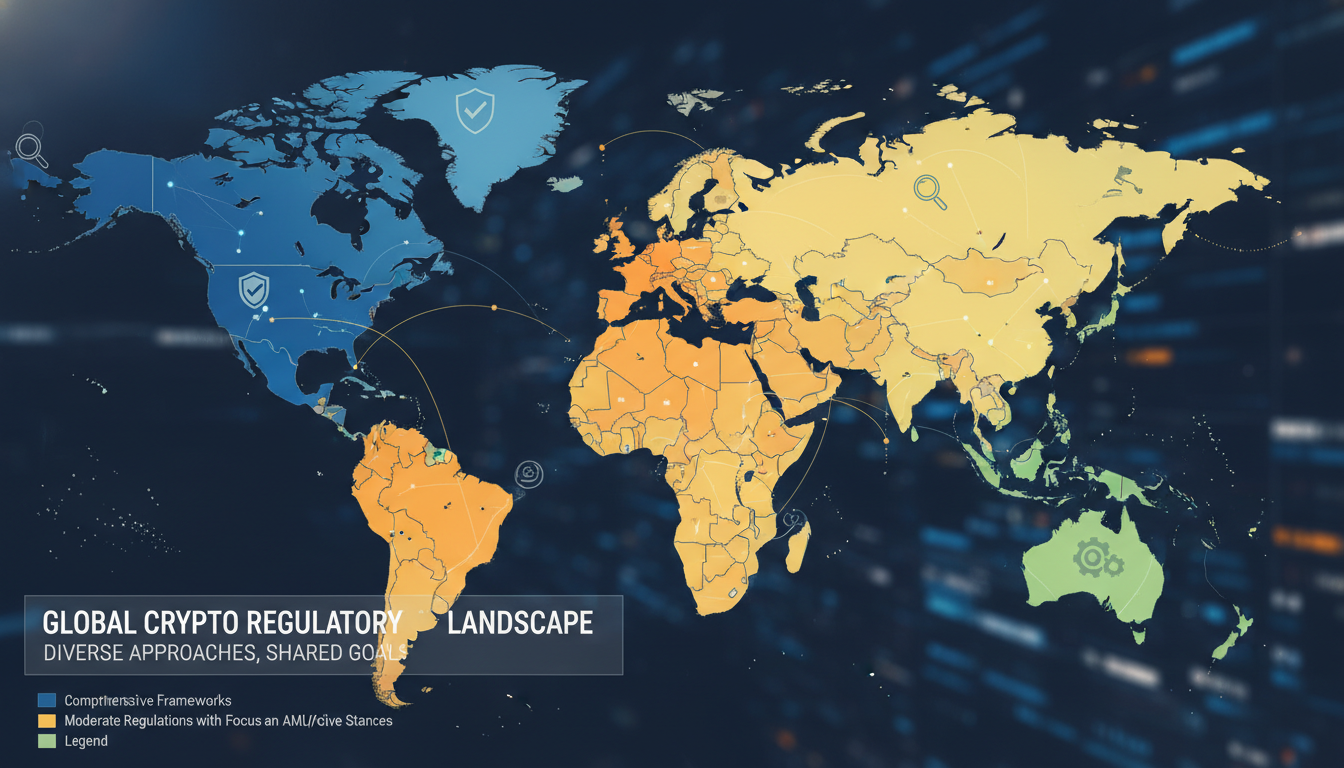
Across the globe, crypto regulation has shifted decisively into enforcement and risk management. India tightens data reporting; Dubai and the EU clamp down on token risk; the U.S. balances innovation with structure; Asia pilots licensing; Canada mandates custody controls; and the UK and beyond enforce tax transparency. The phase of “wait and see” is over—2026 is here, and regulation is real.
FAQs
What is the biggest global trend in crypto regulation today?
Many jurisdictions are shifting from policy development to enforcement—licensing frameworks, penalties for non-compliance, and custodial obligations are key priorities now.
Why is India expanding its crypto reporting rules now?
India aims to align with international standards like the OECD’s CARF framework and tighten oversight through enhanced transaction transparency and penalties.
How does the U.S. “Innovation Exemption” affect crypto firms?
It offers a short-term safe harbor allowing projects to operate without immediate enforcement risk, enabling experimentation while authorities clarify regulations.
Are all stablecoins regulated similarly across countries?
Not yet. The U.S. mandates strict backing and transparency; the EU imposes 1:1 reserve and audit requirements; other regions vary, with some permitting algorithmic models under restricted conditions.