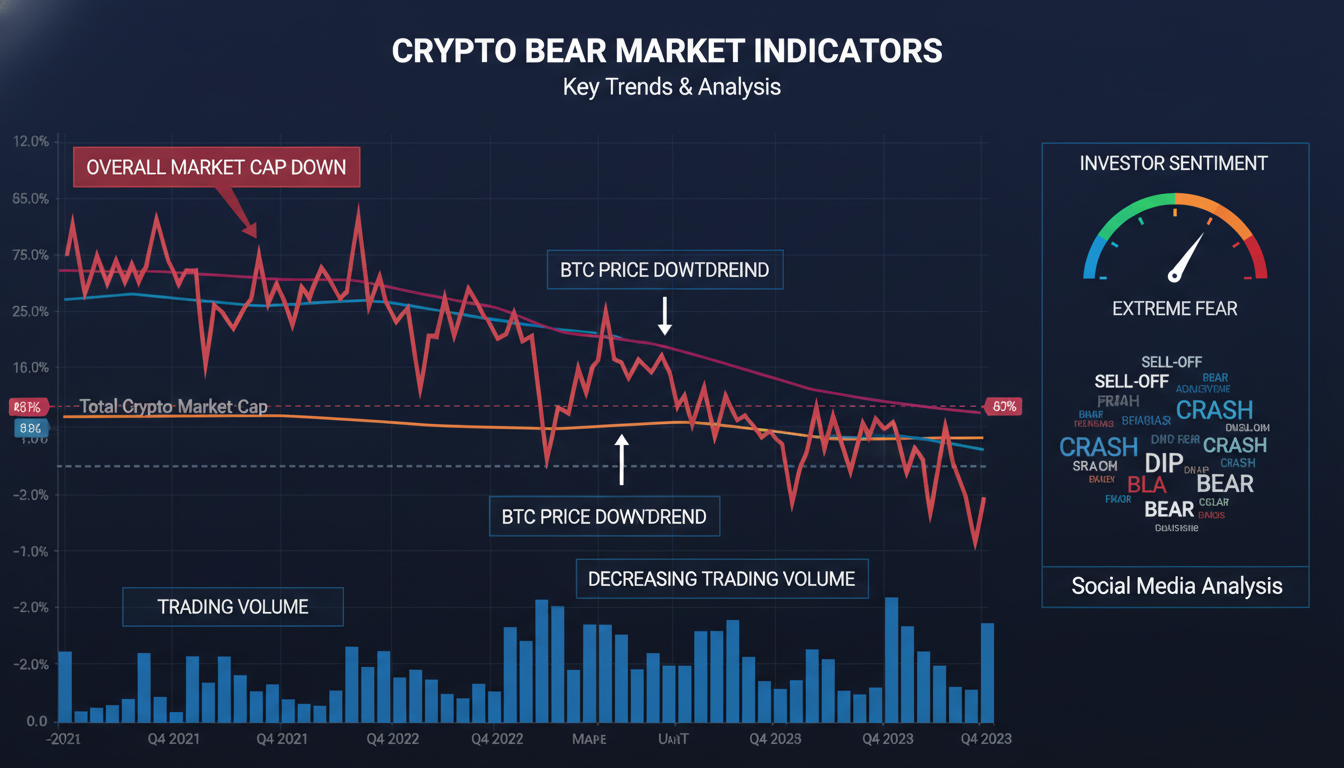
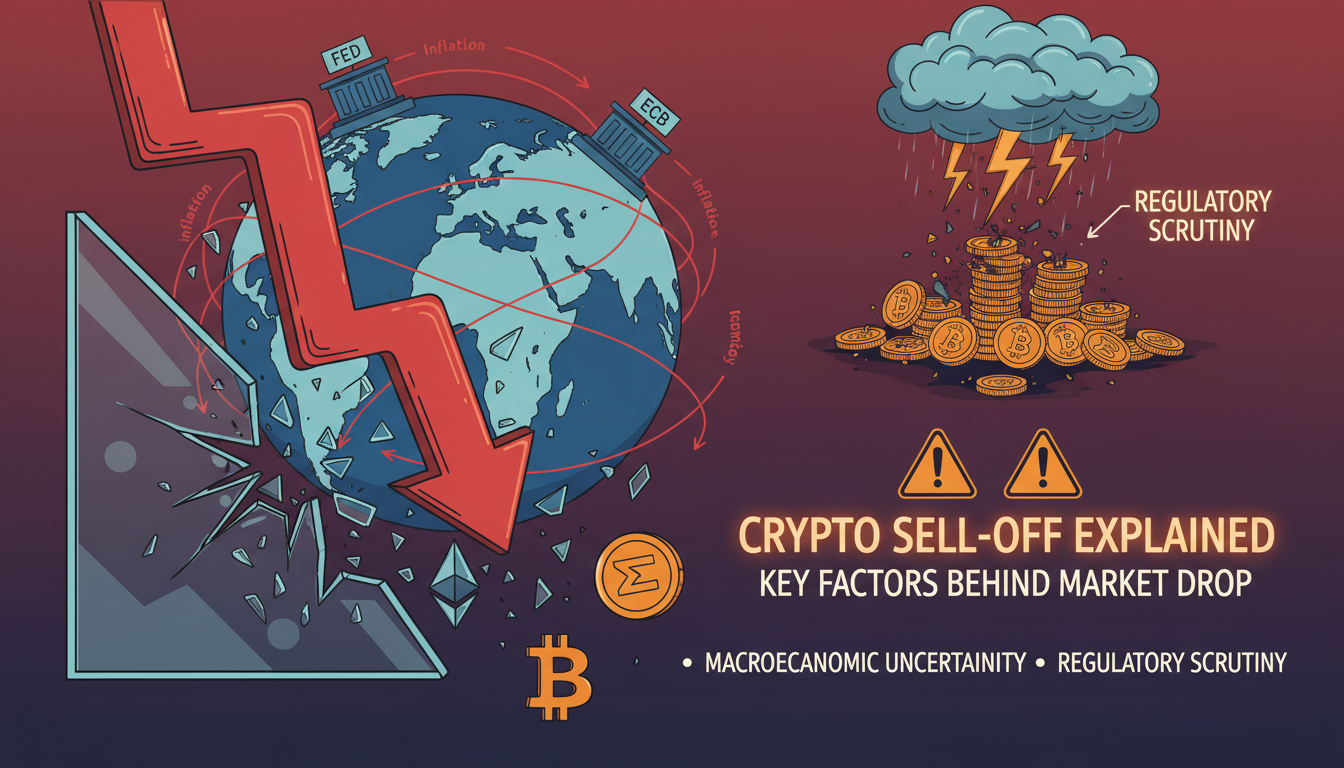
The crypto sell-off happened mainly because a mix of interest rate worries, regulatory headlines, and big players taking profits piled up. Sudden shifts in investor sentiment and tech-related hiccups amplified the slide, resulting in a fast drop across digital-asset prices. All those factors converged at once, triggering the sharp decline.
Quick Recap of What Went Wrong
Crypto markets are sensitive—more than most. Several things lined up:
- Central banks hinted at higher interest rates. That spooked people holding riskier assets like crypto.
- Regulators in key markets, like the U.S. and Europe, dropped tough updates. Uncertainty rose.
- Major investors—think big hedge funds or whales—cashed out some holdings. That added downward pressure.
- Technical sell triggers and algorithmic trading amplified the dip, turning a cautious moment into a full sell-off.
Now, let’s break it all down step by step and see what really sent the market tumbling.
Macro Headwinds: Rates and Risk-On Sentiment
Rising Interest Rates Cramped Appetite for Risk
When central banks tighten monetary policy, investors tend to step back from risky bets. Crypto, with its high volatility, often takes the brunt of such shifts. Even hints of a hawkish stance from the Fed or ECB can spark a wave of selling.
Fed’s Tone and Crypto Pain
Yeah, the Fed didn’t even have to raise rates—just warning about them was enough. On the other hand, any optimism, say, a hint of “data-dependence,” gave traders only momentary relief. The overarching sense? Hold onto cash, not coins.
Regulatory Pressure and Legal Clouds
Crackdowns in the U.S. and Abroad
Fresh enforcement moves, proposals to classify crypto as securities in key markets, and tightening of KYC/AML norms added a legal hangover that weighed heavily on sentiment.
Legal Risks Feed Into Crypto Volatility
When exchanges or tokens come under legal scrutiny, loose hands hit the sell button. I’ve seen smart institutional buyers pause when uncertainty spikes. The problem: hesitation often becomes panic.
Profit-Taking: When Big Fish Cash Out
You know that moment when everyone’s riding a rally? That’s when a whale or a fund manager might quietly sell off large chunks. The buying dries up. Suddenly, the market has too much supply and not enough demand. These moves often trigger stop-losses and chain reactions.
Tech Triggers and Cascading Liquidations
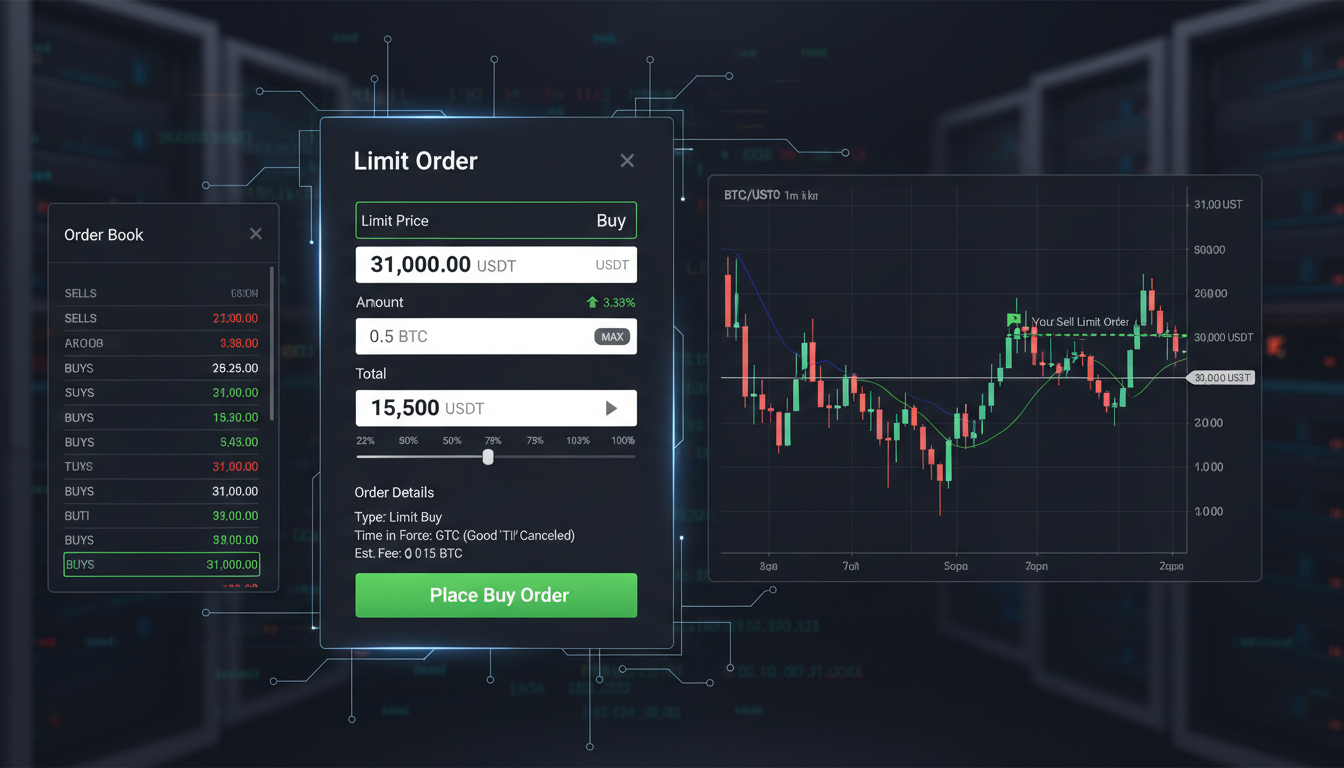
Some of the deepest slides were driven by thresholds—automatic sell orders, margin calls, algorithm-driven de-leveraging. When those hit, the fall can get urgent.
A Real-World Flashpoint: Spot Bitcoin ETFs
ETF Hype, Then the Cooling
Every time we get news about spot Bitcoin ETFs getting closer to approval, crypto jitters sharpen. But regulatory back-and-forth turned hype into doubt. First investors sprint in, then sprint out.
“When ETF chatter heats up, activity spikes—then fades just as fast when doubts appear,” said one market analyst.
These cycles feed off each other. The more volatile expectations were, the faster sentiment shifted toward the exit door.
Tech in the Driver’s Seat: Stop-Losses and Digital Nervousness
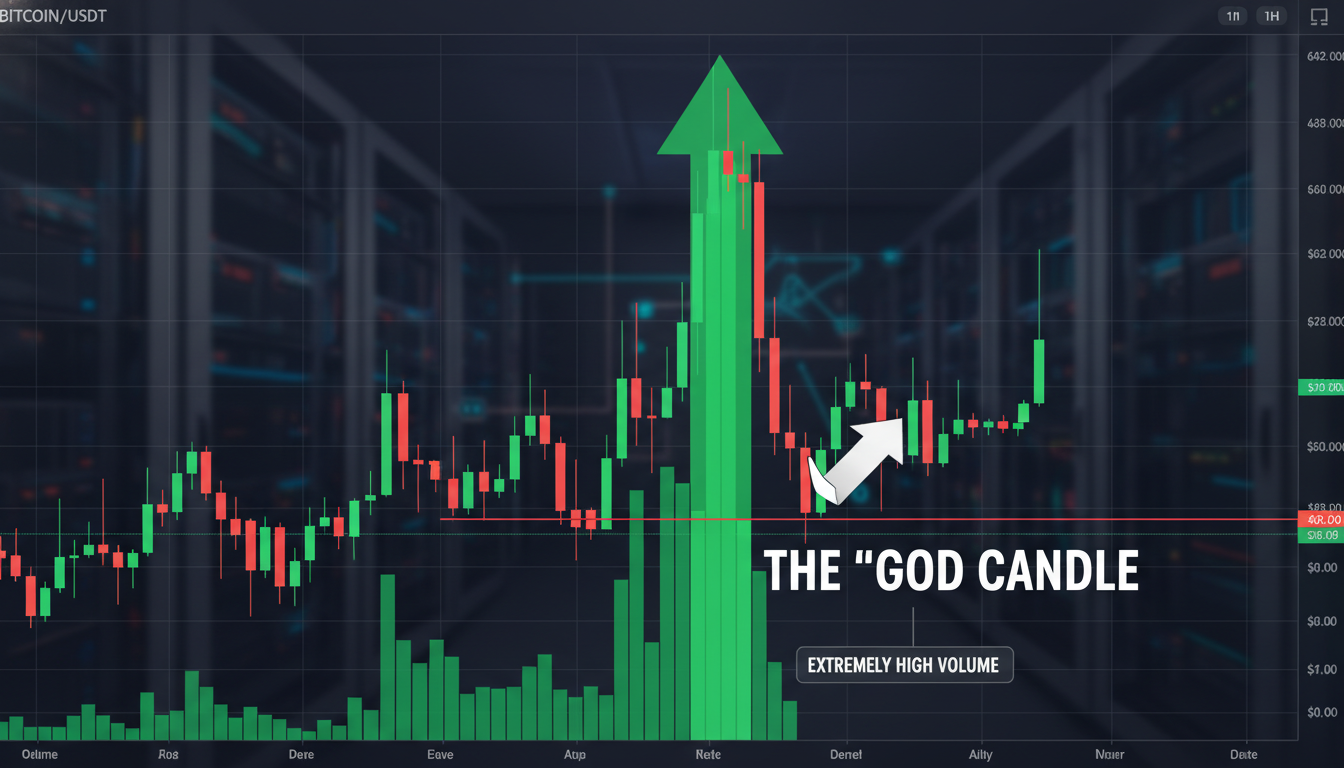
Crypto’s code-first nature makes it uniquely sensitive. Traders rely on bots. When key levels break—for example, Bitcoin sliding below key support levels—algorithms often trigger mass liquidations. That accelerates the drop and drags everything with it.
Summing It Up
The crypto sell-off wasn’t about any single news or event. It was a perfect storm: interest-rate fears, regulatory pressure, whale cash outs, ETF buzz gone cold, and tech triggers. Taken together, it pushed prices downward fast. If you’re watching markets, look for:
- Big policy shifts or rate updates
- Regulatory developments from major economies
- Signs of profit-taking from large holders
- Sudden drops through tech-trigger levels
With crypto, everything’s interconnected. Each spiral point can feed into the next.
FAQs
What caused the crypto sell-off?
A mix of tightening monetary policy, regulatory uncertainty, large-scale profit-taking, and automatic trading triggers led to widespread selling pressure.
Did interest rates really matter that much?
Yes. Even hints of higher interest rates can make investors pull back from volatile assets like crypto, shrinking demand suddenly.
How did regulations impact the drop?
New legal frameworks, enforcement actions, or classification of crypto as securities can spook markets. This uncertainty drags down confidence—and prices.
Was it just Bitcoin that dropped?
Not at all. Major altcoins usually fall in sync with Bitcoin. The sell-off tends to spread across the crypto ecosystem.
Can automatic trading tools worsen crashes?
Absolutely. Stop-loss orders, margin calls, and algorithmic sell triggers can accelerate a downturn once key price levels are breached.
What market signals should I watch next?
Keep an eye on central bank announcements, regulatory shifts, whale activity, and technical support levels. All of these shape crypto’s short-term swings.
This breakdown blends the technical angles with real-world investor behavior, aiming for clarity without glossing over complexity.