The conversation about Dogecoin hitting $1 comes up every few months, usually followed by someone doing the math and getting quietly demolished in the replies. Here’s the thing — the math actually matters. So let’s do it.
Understanding Dogecoin’s Current Position
As of early 2025, Dogecoin trades around $0.08 to $0.10 with roughly 148 billion coins in circulation. That puts the market cap somewhere between $12 billion and $15 billion. Price predictions without market cap context are just vibes.
If you’re asking whether Dogecoin can reach $1, you’re really asking whether the market can support a price representing roughly a 10x to 12x increase from current levels. This matters because Dogecoin has no hard cap — it produces about 5 billion new coins every year through block rewards. That’s not a judgment, it’s just a number you have to factor in.
Bitcoin has a capped supply of 21 million. Ethereum burns fees and is moving toward supply stabilization. Dogecoin doesn’t work that way.
The Raw Mathematics of $1
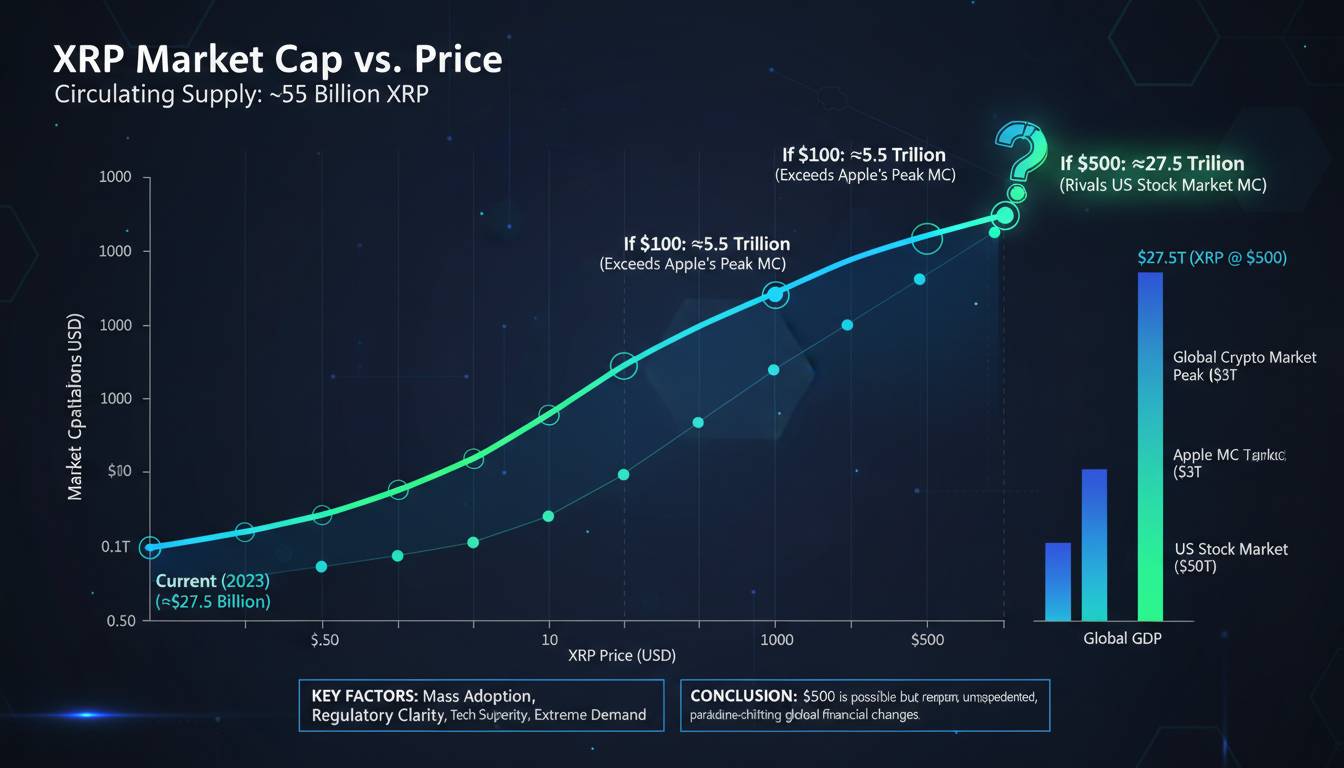
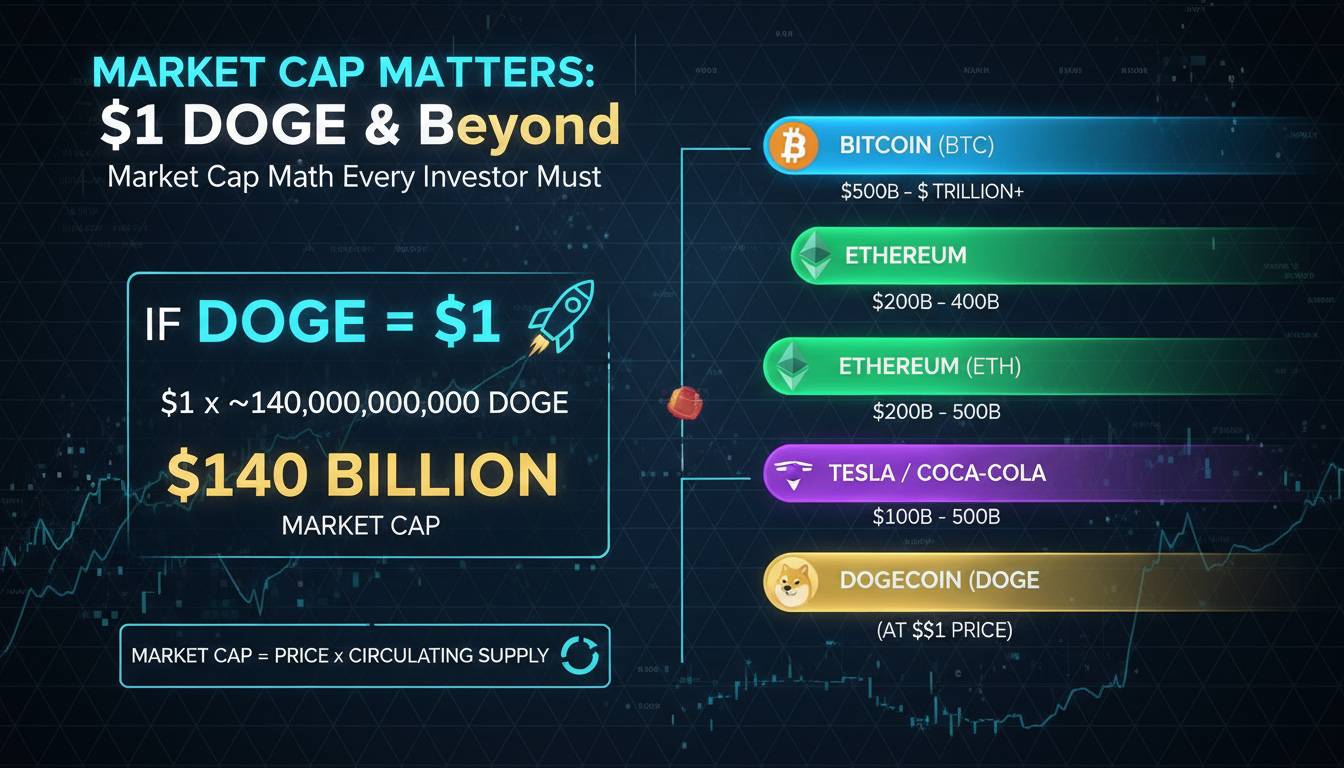
Here’s the number: at $1 per DOGE with 148 billion coins, the market cap would be $148 billion. Let me write that out — one hundred forty-eight billion dollars.
For context, that would make Dogecoin larger than most existing cryptocurrencies. It would surpass XRP’s typical $50-60 billion range, approach Solana at $60-80 billion, and get close to Ethereum on a bad day.
The required growth from current levels is about 900% to 1,100%. In traditional markets, moves that big take years or decades. In crypto, we’ve seen 10x rallies in months. That’s the opportunity. That’s also the trap.
Bitcoin crossed $1 trillion. Ethereum has held above $200 billion. Both have fundamental use cases, institutional adoption, and scarcity mechanics Dogecoin doesn’t have. I’m not saying DOGE can’t get there. I’m saying the path requires more than speculation — it needs genuine adoption growth, and right now there’s no clear roadmap for how that happens.
What Historical Precedents Tell Us
Bitcoin went from $1 billion to $100 billion market cap over roughly four years (2013-2017). Ethereum reached $100 billion by 2017, just two years after launching. Solana did the same within a single market cycle.
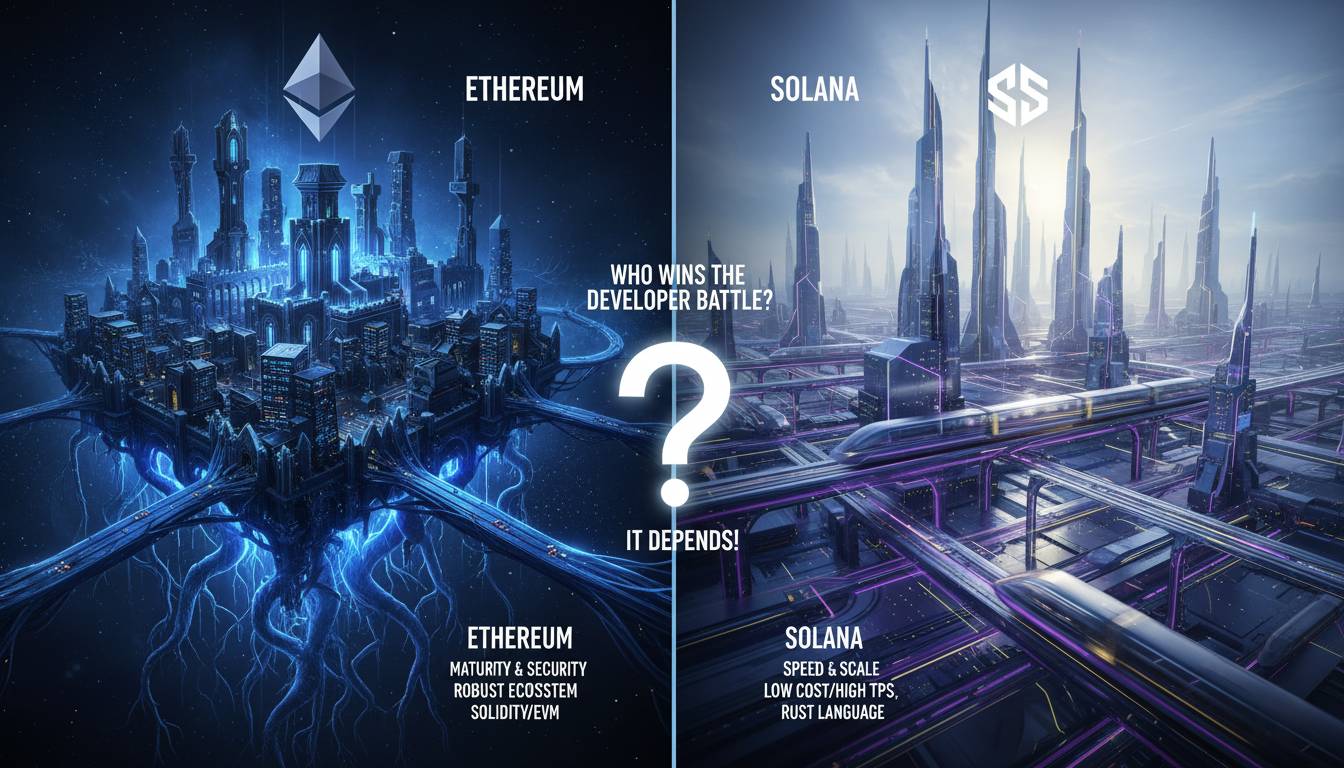
The pattern: every cryptocurrency that achieved these gains had real utility driving it. Bitcoin became digital gold and a payments network. Ethereum became the backbone of DeFi and NFTs. Solana captured developers through speed and cost advantages.
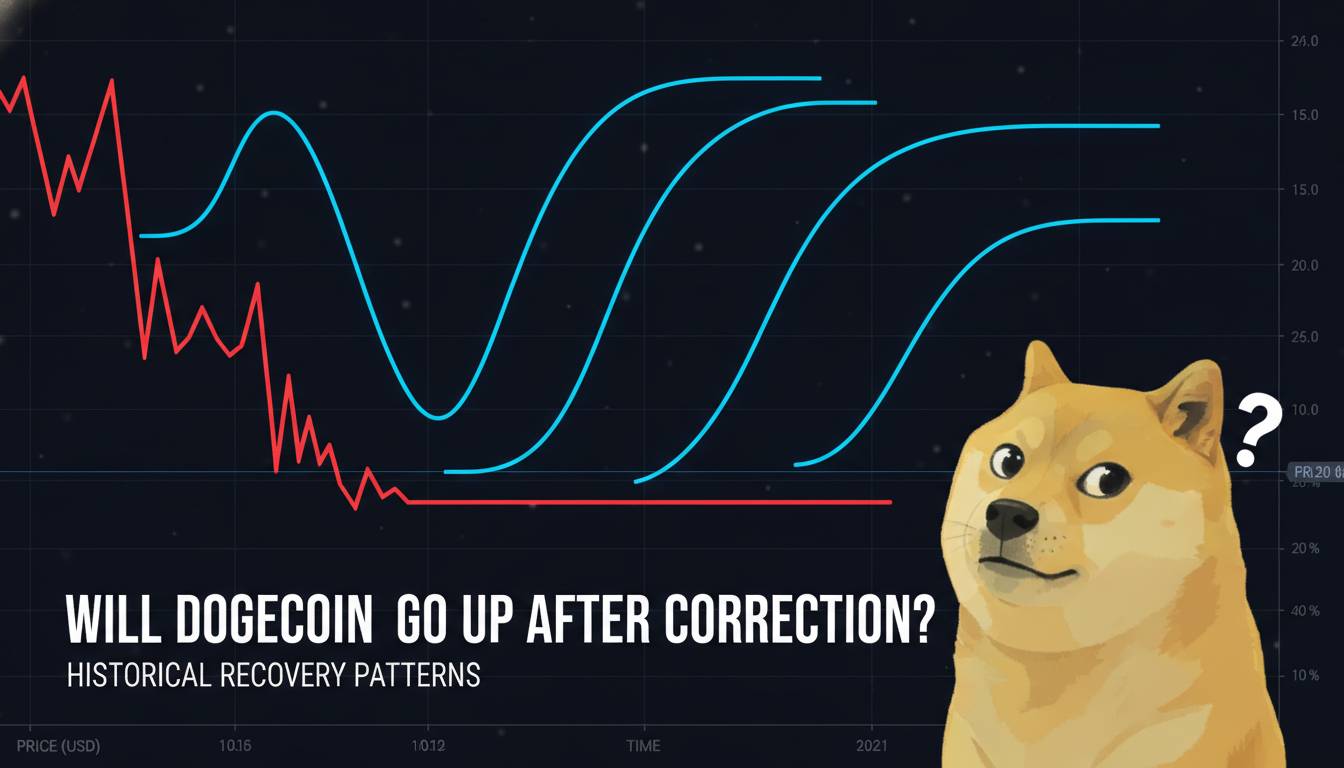
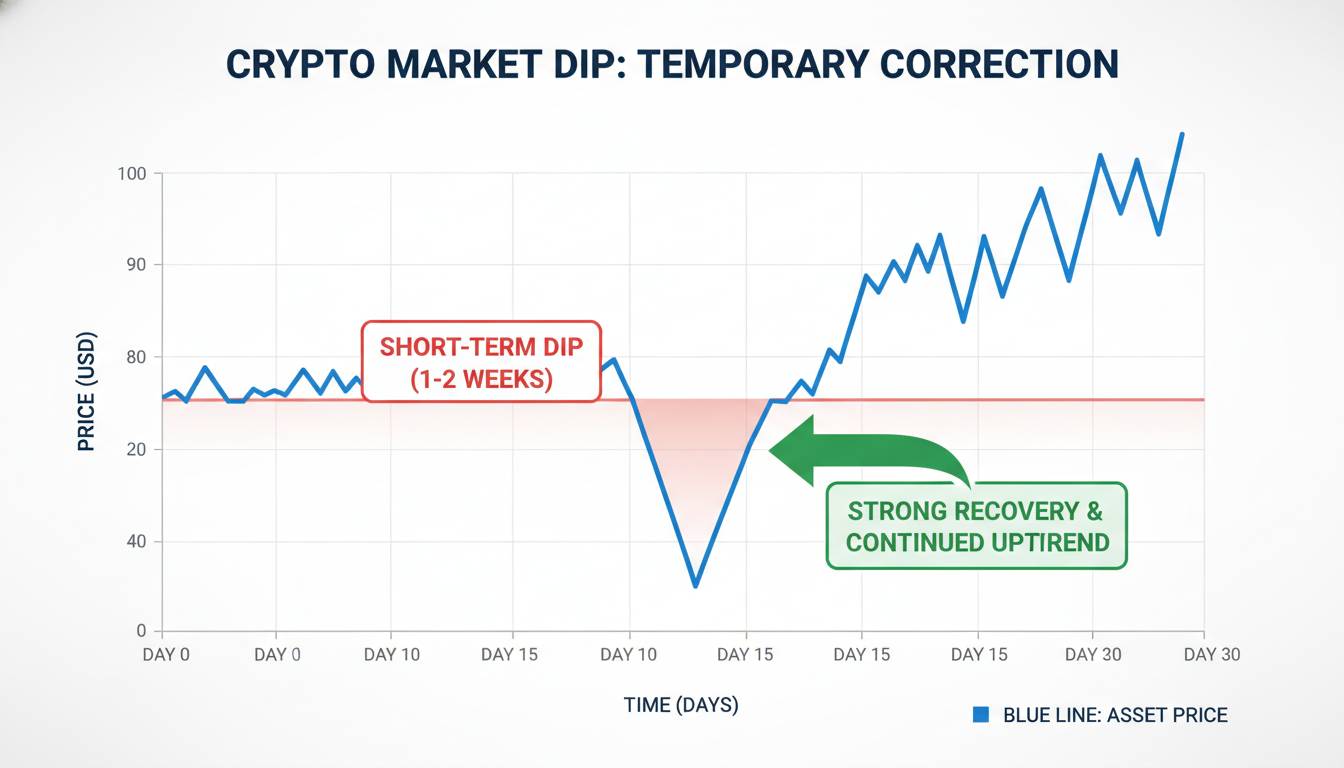
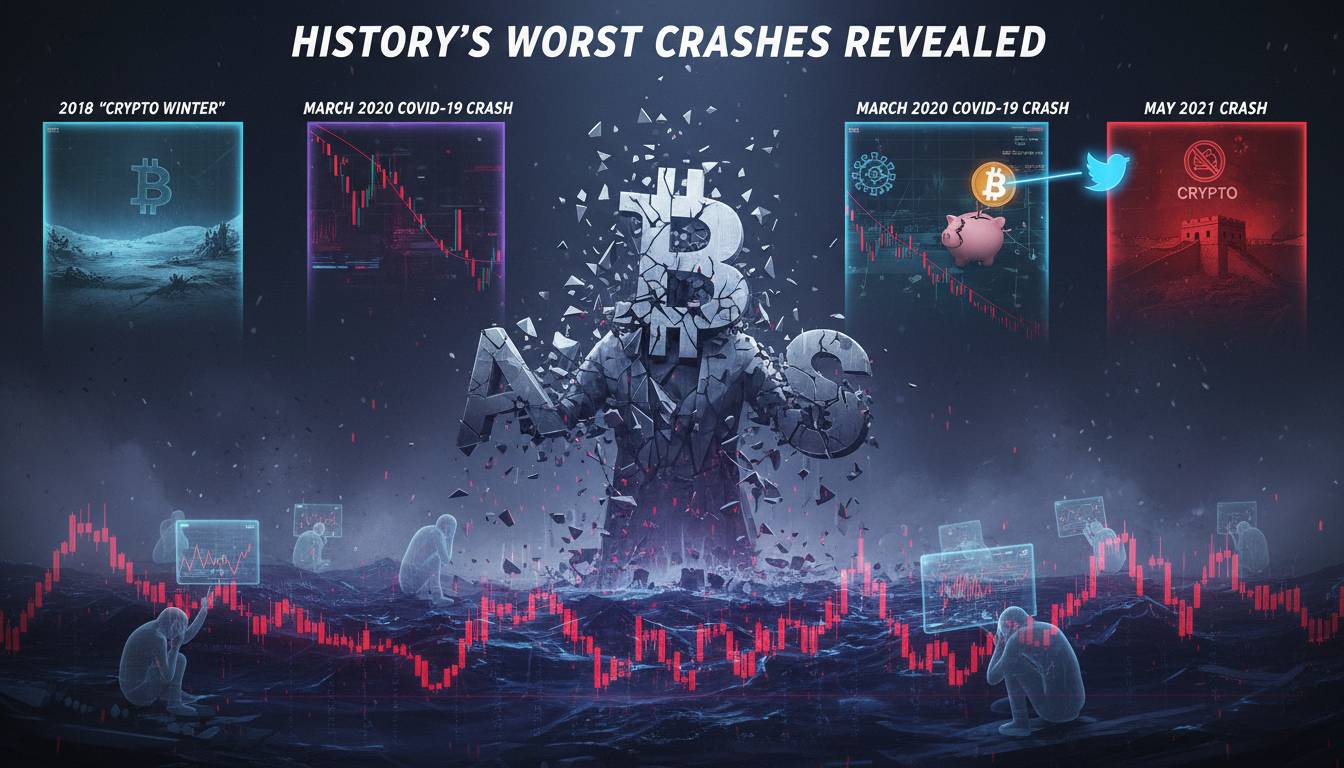
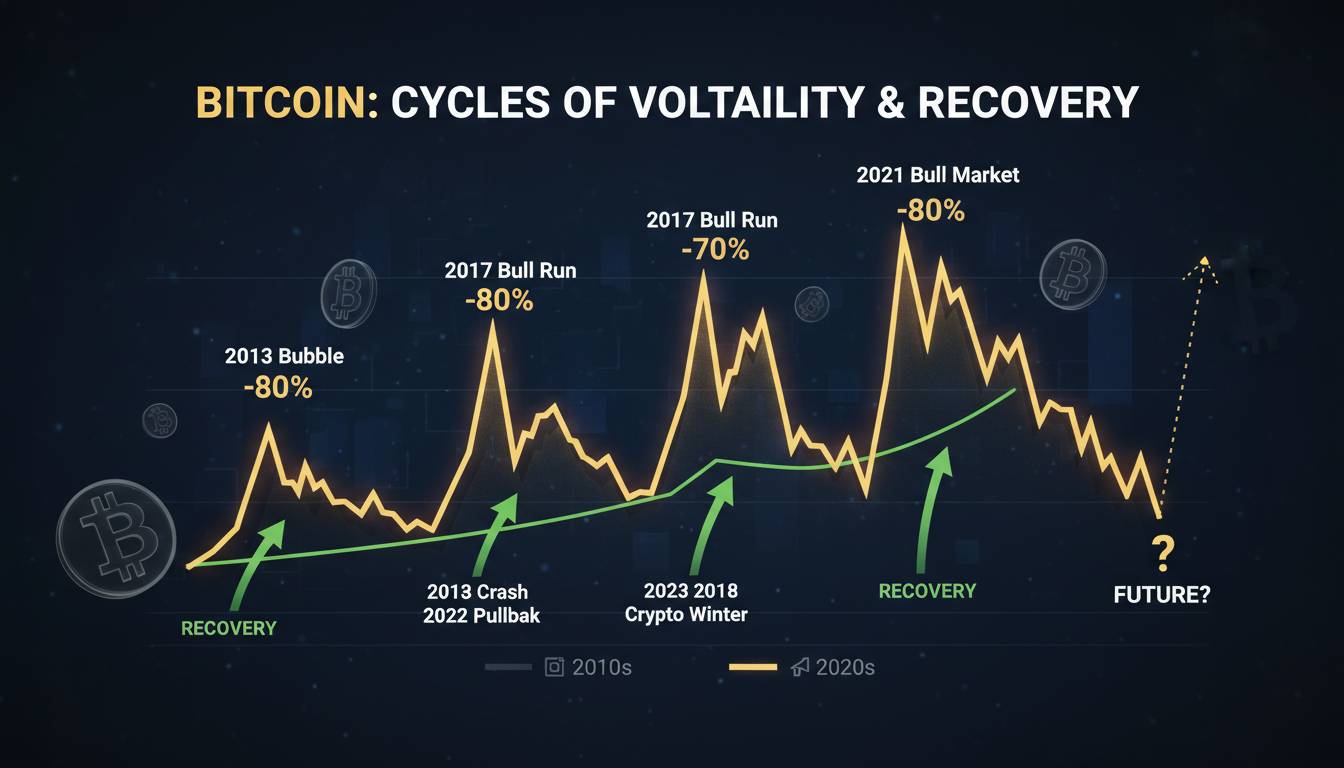
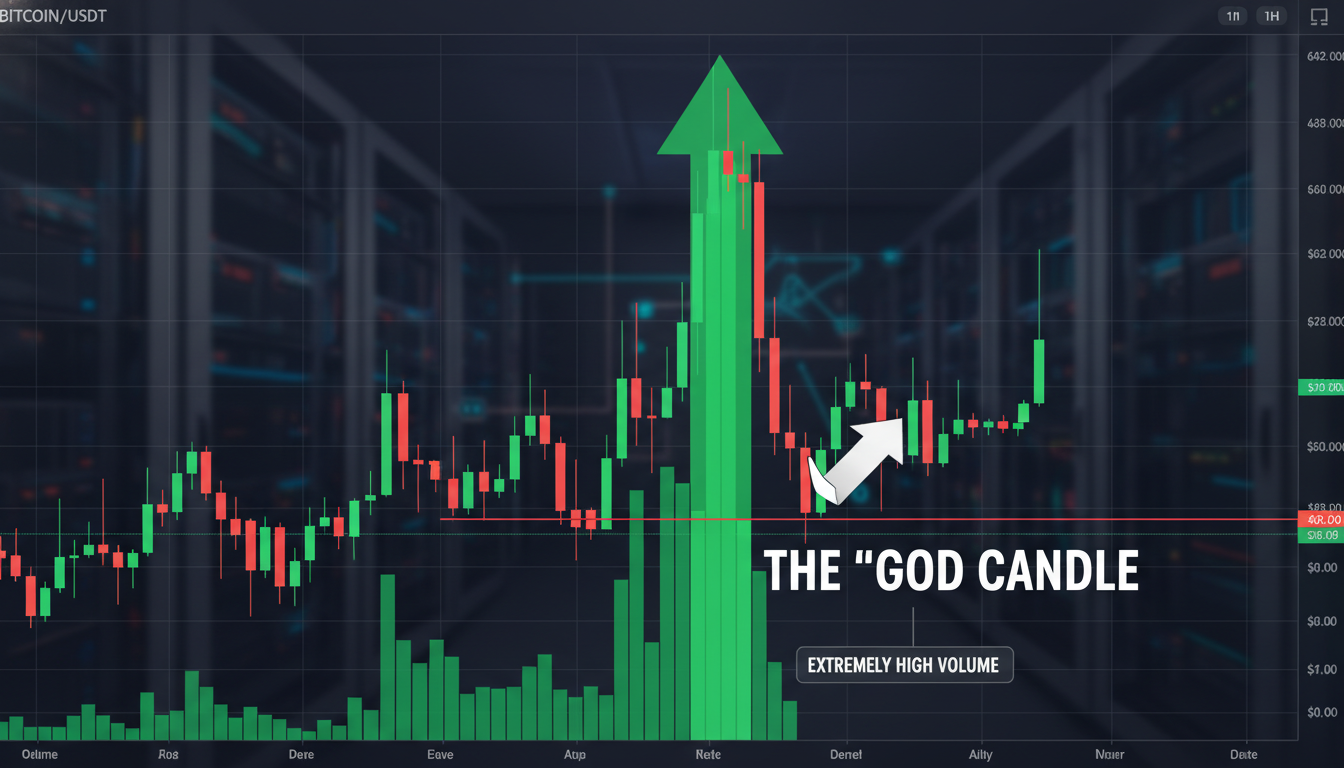
Dogecoin has cultural momentum and a passionate community. The question is whether that’s enough to sustain a 10x increase in market cap. The 2021 rally showed it’s possible short-term. The subsequent 90%+ drawdown showed it’s not sustainable without fundamentals.
Most analyses get this wrong by either dismissing Dogecoin entirely or treating the 2021 rally as proof that $1 is inevitable. The truth is messier. Community-driven assets have unique dynamics, but they also face unique challenges maintaining value.
Factors That Could Actually Drive Dogecoin Higher
Several catalysts could push Dogecoin toward higher prices. Let’s take each seriously.
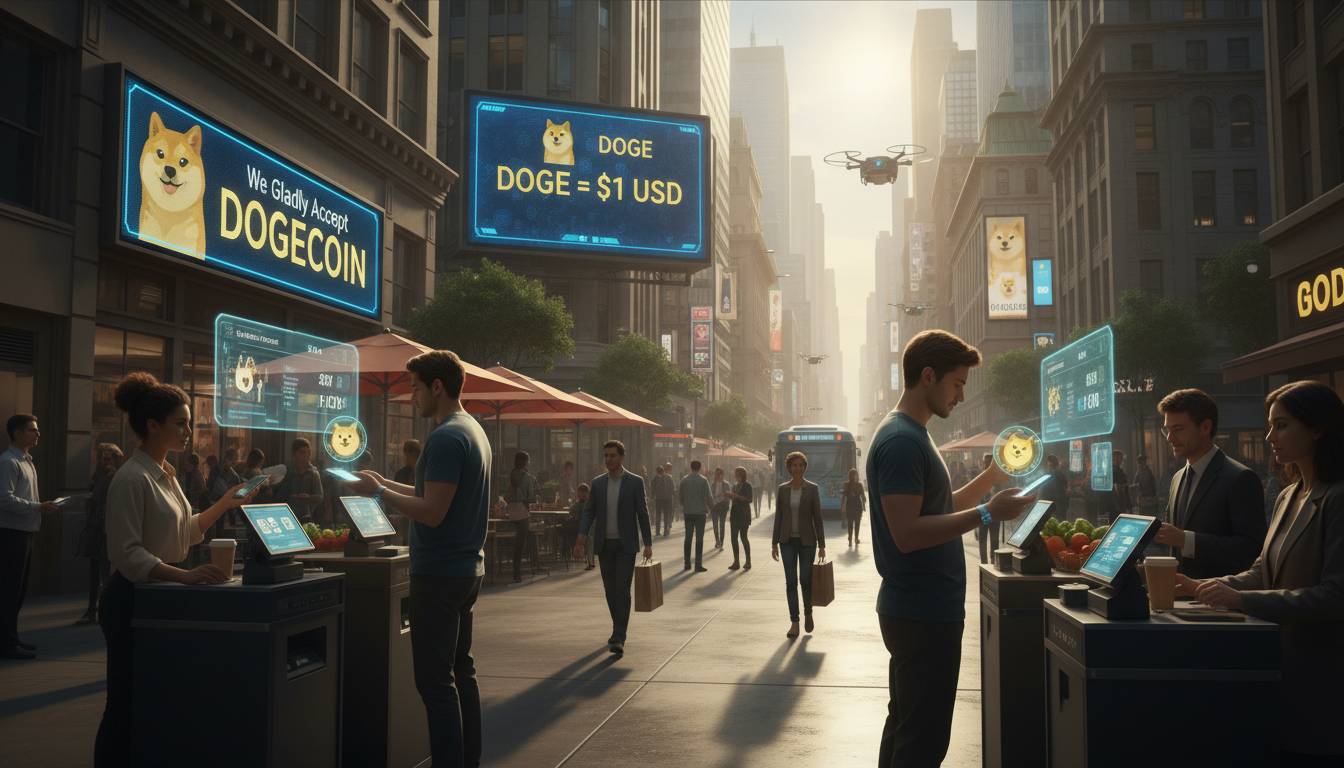
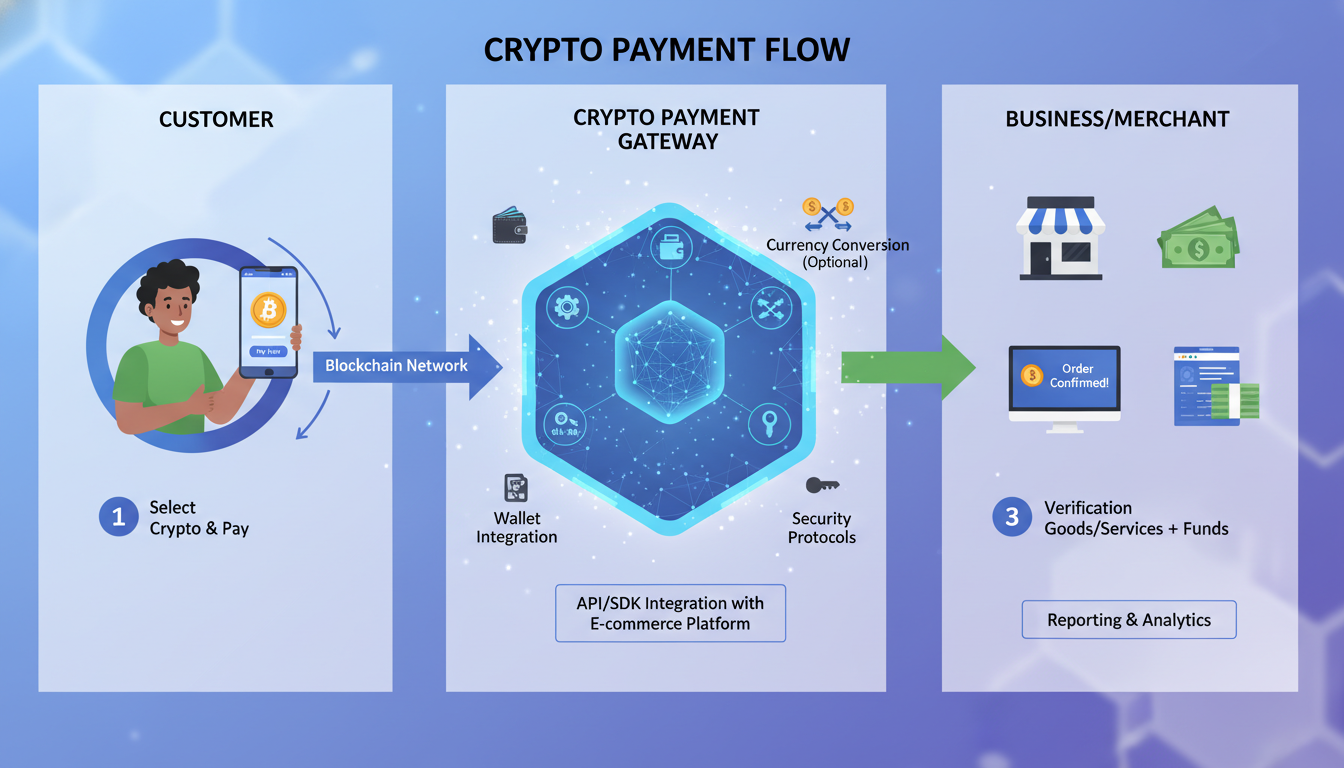
Payment adoption is the most common bull case. A handful of companies accept DOGE — Tesla (historically), the Dallas Mavericks, various merchants through BitPay. If this list grows substantially, increased utility could support higher valuations. The current adoption level is a tiny fraction of transaction volume compared to Visa or Mastercard.
Whale accumulation matters more than most retail investors realize. Addresses holding over 100 million DOGE have been increasing their holdings over the past two years. When large holders accumulate, it reduces available supply for trading, creating upward price pressure. But whale activity can reverse quickly, and it doesn’t indicate long-term conviction.
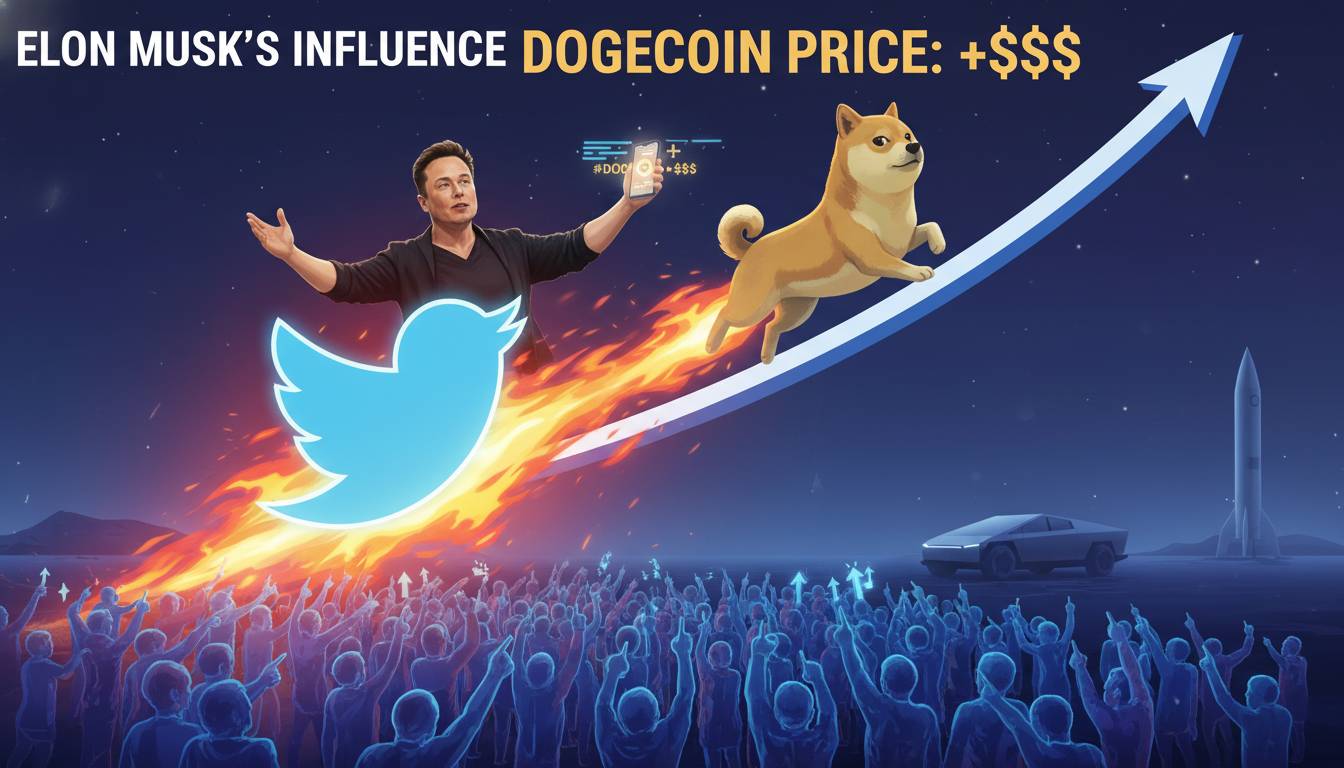
Celebrity momentum proved decisive in 2021. Elon Musk’s involvement drove substantial price action. Whether similar catalytic events occur is impossible to predict. Building a price target around future Elon Musk tweets is not a strategy.
The meme coin sector has evolved. Newer coins like Shiba Inu created a template for community-driven tokens. Dogecoin benefits from first-mover advantage in cultural consciousness, even as newer competitors emerge with burn mechanisms and other tokenomics innovations.
The Honest Assessment of Challenges
Here are the problems most bullish articles gloss over.
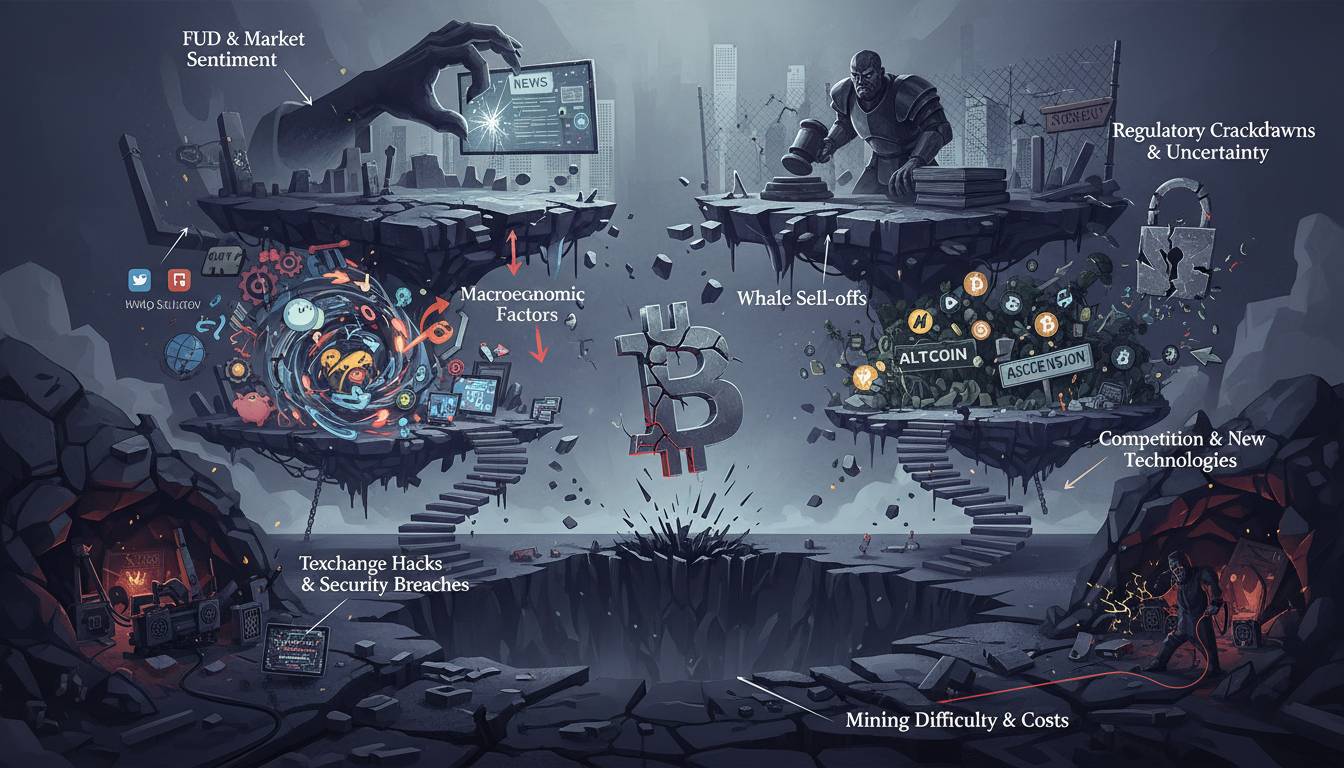
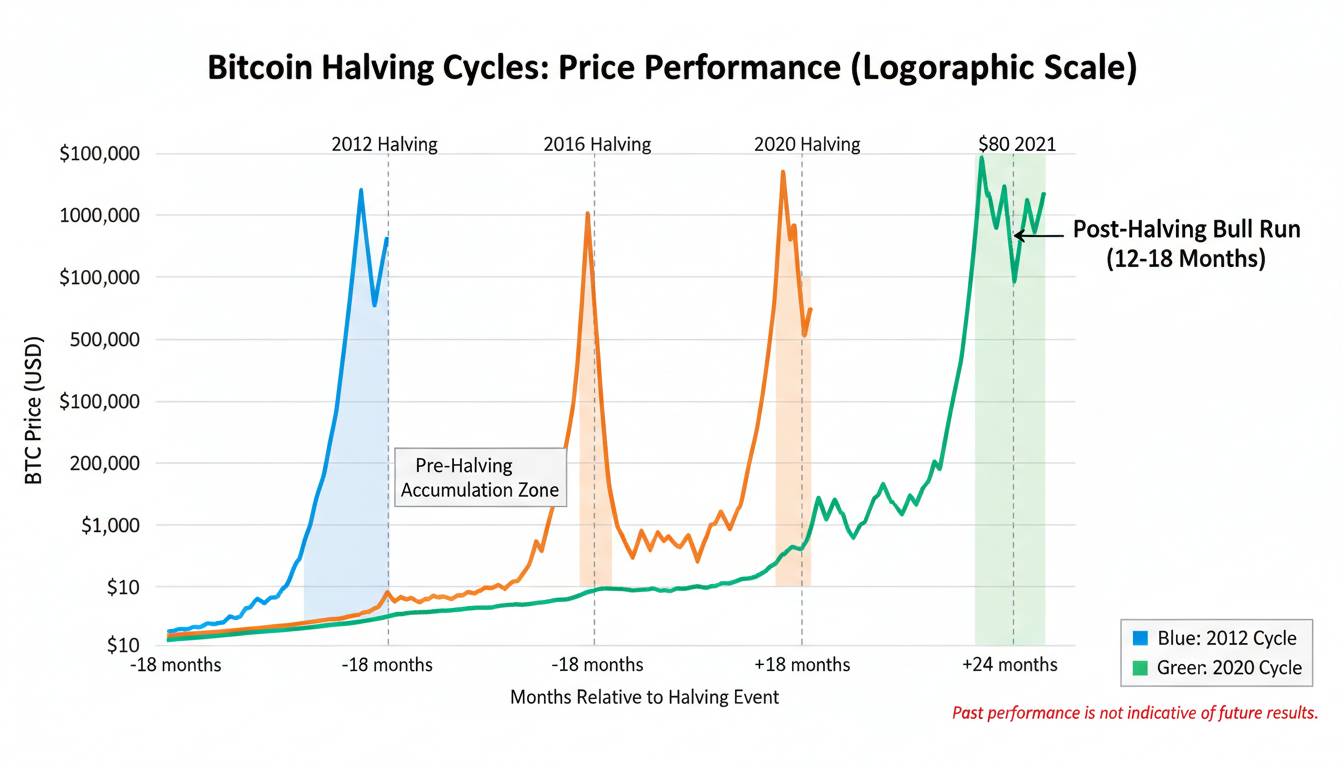
Supply inflation is the most obvious issue. Dogecoin produces roughly 5 billion new coins every year through mining rewards. At current prices, that’s $400-500 million in new supply that must be absorbed by buyers just to maintain the price. Reaching $1 would require not just absorbing that annual supply but dramatically outpacing it. Compare this to Bitcoin’s quadrennial halvings that reduce new supply over time, and you see why the tokenomics comparison isn’t favorable.
Competition from other meme coins is fierce. The market is saturated with community-driven tokens, each claiming to be the next Dogecoin. Shiba Inu, PEPE, BONK, and dozens of others compete for the same speculative capital. Dogecoin’s first-mover advantage is real, but it’s not insurmountable — Napster had first-mover advantage too, until Spotify.
Market saturation risk is real. Crypto markets have finite capital. For Dogecoin to reach $148 billion market cap, it would need to absorb capital currently in other cryptocurrencies, attract substantial new capital from traditional markets, or both. That’s a lot of capital to convince.
The Point Most Articles Miss
Most articles treat market cap as a ceiling — they calculate what $1 would require and conclude it’s unlikely. But market caps aren’t fixed ceilings. They’re reflections of future expectations, and those can detach from fundamentals in both directions.
The uncomfortable truth: Dogecoin reaching $1 would require it to become something it currently isn’t — a widely accepted medium of exchange with genuine utility beyond speculation. The price target implicitly assumes that transformation happens. If it doesn’t, the math doesn’t work. If it does, $1 might be conservative.
You can’t confidently predict $1 without knowing how utility adoption happens. And you can’t rule it out because community-driven assets have historically surprised when momentum builds.
Comparing Dogecoin to Other Major Cryptocurrencies
To reach $1, Dogecoin would need a market cap exceeding XRP, which has settled around $50-60 billion after years of SEC legal battles. It would approach Solana, which has substantial DeFi activity and a thriving developer ecosystem. It would be roughly 20-25% of Ethereum’s current range.
Another way to think about it: Dogecoin would need about 3-4% of total crypto market cap to reach $1. At its 2021 peak, Dogecoin briefly held about 5%. So it’s not mathematically impossible. It’s just unlikely without either massive new capital entering crypto or a dramatic change in DOGE’s utility profile.
For context, Bitcoin holds 50-55% of total crypto market cap. Ethereum holds 15-20%. The top ten cryptocurrencies account for most of the market. For Dogecoin to reach $1 while holding 3-4% of the market, total crypto market cap would need to expand to $4-5 trillion, which would require significant mainstream adoption.
Realistic Probability Assessment
The probability of Dogecoin reaching $1 in the next five years, based on current fundamentals and trajectory, appears low. The required market cap growth, supply inflation, and lack of clear utility development all work against it. If you’re building a financial plan around $1 happening, you’re likely setting yourself up for disappointment.
But crypto has repeatedly surprised sophisticated analysts. The 2020-2021 cycle saw gains that would have seemed absurd in 2019. New catalysts could emerge — major payment adoption, utility development acceleration, regulatory changes reshaping the landscape.
I can’t assign a numerical probability to this prediction. What I can tell you is that the mathematics make it challenging but not impossible, and that the path to $1 requires either massive expansion in total crypto market cap or a fundamental transformation in how Dogecoin is used.
What Should Investors Actually Do With This Information
If you’re holding Dogecoin, here’s what matters more than whether it reaches $1.
Understand your thesis. Are you holding because you believe in the community and cultural value? Are you speculating on future momentum? Are you betting on utility adoption? Your reason for holding should dictate your exit strategy.
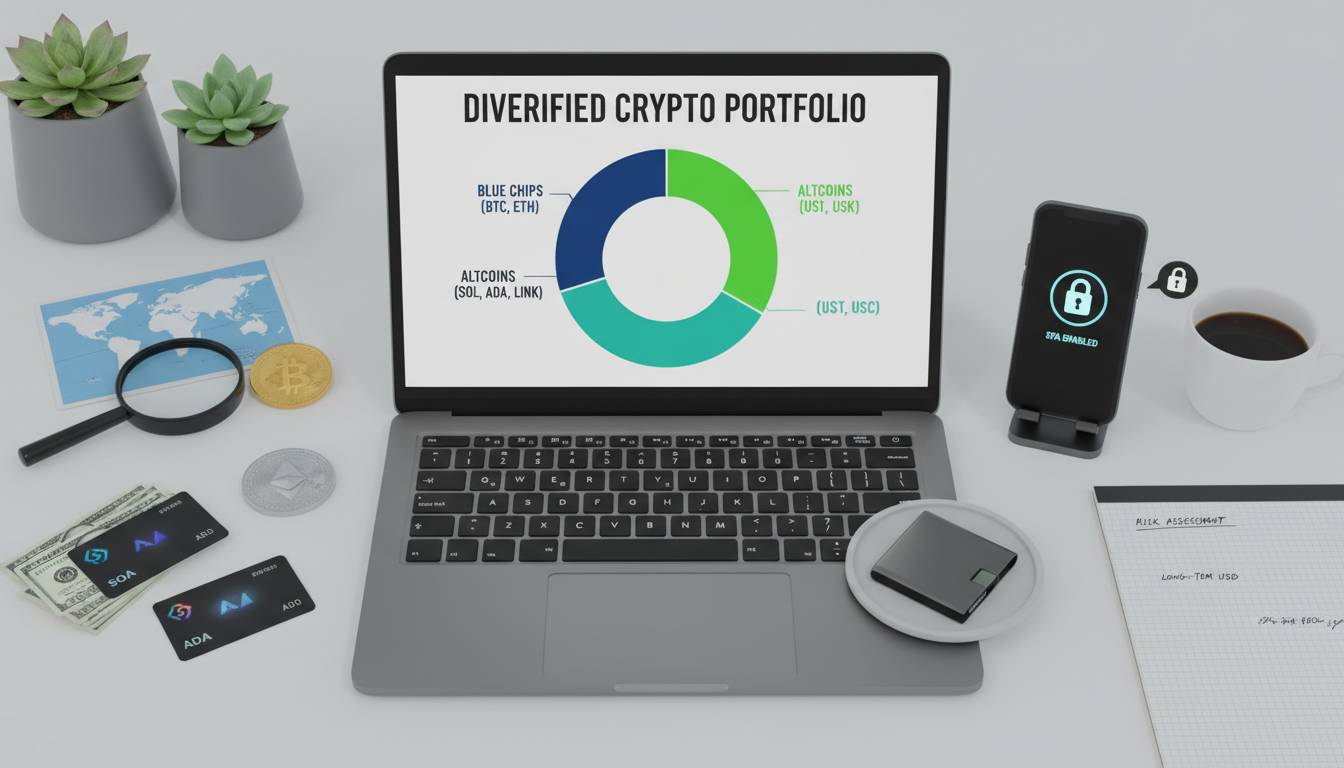
Position sizing matters. If Dogecoin represents more than 5-10% of your crypto portfolio, you’re making a concentrated bet on a single outcome. The mathematics suggest the odds are against $1, even if they’re not zero. Size accordingly.
Set concrete price targets with time horizons. “It will reach $1 someday” isn’t a strategy. “If it reaches $0.25, I’ll take partial profits” is a strategy. Define what success looks like before it happens.
Watch for catalysts. Major payment adoption, accelerated utility development, continued whale accumulation — these would change the fundamental picture. Stay informed, not just invested.
The Unresolved Question
The market cap math tells one story, but markets aren’t purely mathematical creatures. Dogecoin has survived multiple cycles, maintained its community, and continues to command attention in a space where hundreds of coins have vanished entirely.
The genuinely unanswered question is whether community and cultural relevance can sustain a valuation that normally requires utility and fundamentals. We’re running an experiment in real-time. Either the 2021 rally was a one-time anomaly, or it’s the beginning of something larger.
That uncertainty is the most honest answer I can give you. The mathematics are clear. The outcome isn’t.